
Protest, Resistance and Revolution

Robert W. Service
The Tunnel
Toil's a tunnel, there's no way out
For fellows, the like o' me;
A beggar wi' only a crust an' a clout
At the worst o' the worst is free;
but I work to eat, an' I eat to work;
It's always the same old round,
And I dassent fail for the day I shirk
They'll shovel me underground.
I guess God meant it to be that way,
For a man must make his bread;
I was born to bondage, to earn my pay,
To slave to the day I'm dead;
To live in a tunnel, to die in a ditch That's
just what us fellows do;
For the poor must be makin' the rich more rich,
An' the many must serve the few.
Aye, we live in a tunnel, most o' us,
A-fearin' to lose our job;
But who has the right to gripe an' cuss
So the goblet's hot on the hob.
An' I mustn't be havin' the wife complain,
An' I can't let the childer fast:
So I'll toil in my tunnel an' drag my chain,
Clank! Clank! Clank! to the last.
281
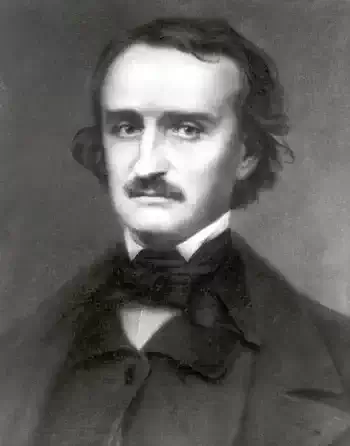
Edgar Allan Poe
Hymn to Aristogeiton and Harmodius
Wreathed in myrtle, my sword I'll conceal
Like those champions devoted and brave,
When they plunged in the tyrant their steel,
And to Athens deliverance gave.
Beloved heroes! your deathless souls roam
In the joy breathing isles of the blest;
Where the mighty of old have their home -
Where Achilles and Diomed rest.
In fresh myrtle my blade I'll entwine,
Like Harmodious, the gallant and good,
When he made at the tutelar shrine
A libation of Tyranny's blood.
Ye deliverers of Athens from shame!
Ye avengers of Liberty's wrongs!
Endless ages shall cherish your fame
Embalmed in their echoing songs!
277

John Greenleaf Whittier
New Hampshire
GOD bless New Hampshire! from her granite peaks
Once more the voice of Stark and Langdon speaks.
The long-bound vassal of the exulting South
For very shame her self-forged chain has broken;
Turn the black seal of slavery from her mouth,
And in the clear tones of her old time spoken!
Oh, all undreamed-of, all unhoped for changes!
The tyrants's ally proves his sternest foe;
To all his biddings, from her mountain ranges,
New Hampshire thunders an indignant No!
Who is it now despairs? Oh, faint of heart,
Look upward to those Northern mountain cold,
Flouted by Freedom's victor-flag unrolled
And gather strength to bear a manlier part!
All is not lost. The angel of God's blessing
Encamps with Freedom on the field of fight;
Still to her banner, day by day, are pressing,
Unlooked-for allies, striking for the right!
Courage, then, Northern hearts! Be firm, be true:
What one brave State hath done, can ye not also do?
278
Robert W. Service
The Healer
"Tuberculosis should not be,"
The old professor said.
"If folks would hearken unto me
'Twould save a million dead.
Nay, no consumptive needs to die,
--A cure have I.
"From blood of turtle I've distilled
An elixir of worth;
Let every sufferer be thrilled
And sing for joy of earth;
Yet every doctor turns his back
And calls me quack.
"Alas! They do not want to cure,
For sickness is their meat;
So persecution I endure,
And die in dark defeat:
Ye lungers, listen to my call!
--I'll save you all."
The old Professor now is dead,
And turtles of the sea,
Knowing their blood they need not shed,
Are festive in their glee:
While sanitoriums are crammed
With legions dammed.
277

Henry Lawson
On the March
So the time seems come at last,
And the drums go rolling past,
And above them in the sunlight Labour's banners float and flow;
They are marching with the sun,
But I look in vain for one
Of the men who fought for freedom more than fifteen years ago.
They were men who did the work
Out at Blackall, Hay, and Bourke –
They were men who fought the battle that the world shall never know;
And they vanished one by one
When their bitter task was done –
Men who worked and wrote for freedom more than fifteen years ago.
Some are scattered, some are dead,
By the shanty and the shed,
In the lignum and the mulga, by the river running low;
And I often wish in vain
I could call them back again –
Mates of mine who fought for freedom more than fifteen years ago.
From the country of their birth
Some have sailed and proved their worth;
Some have died on distant deserts, some have perished in the snow.
Some are gloomy, bitter men,
And I meet them now and then –
Men who'd give their lives for Labour more than fifteen years ago.
Oh, the drums come back to me,
And they beat for victory,
But my heart is scarcely quickened, and I never feel the glow;
For I've learnt the world since then,
And the hopelessness of men,
And the fire it burnt too fiercely more than fifteen years ago.
Lucky you who still are young,
When the rebel war-hymn's sung,
And the sons of slaves are marching with their faces all aglow,
When the revolution comes
And the blood is on the drums –
Oh! I wish the storm had found me more than fifteen years ago!
Bear the olden banner still!
Let the nations fight who will!
'Tis the flag of generations – the flag that all the peoples know;
And they'll bear it, brave and red,
Over ancient rebel dead,
In the future to the finish as a thousand years ago!
276
Henry Lawson
Cromwell
They took dead Cromwell from his grave,
And stuck his head on high;
The Merry Monarch and his men,
They laughed as they passed by
The common people cheered and jeered,
To England’s deep disgrace—
The crowds who’d ne’er have dared to look
Live Cromwell in the face.
He came in England’s direst need
With law and fire and sword,
He thrashed her enemies at home
And crushed her foes abroad;
He kept his word by sea and land,
His parliament he schooled,
He made the nations understand
A Man in England ruled!
Van Tromp, with twice the English ships,
And flushed by victory—
A great broom to his masthead bound—
Set sail to sweep the sea.
But England’s ruler was a man
Who needed lots of room—
So Blake soon lowered the Dutchman’s tone,
And smashed the Dutchman’s broom.
He sent a bill to Tuscany
For sixty thousand pounds,
For wrong done to his subjects there,
And merchants in her bounds.
He sent by Debt Collector Blake,
And—you need but be told
That, by the Duke of Tuscany
That bill was paid in gold.
To pirate ports in Africa
He sent a message grim
To have each captured Englishman
Delivered up to him;
And every ship and cargo’s worth,
And every boat and gun—
And this—all this, as Dickens says—
“Was gloriously done.”
They’d tortured English prisoners
Who’d sailed the Spanish Main;
So Cromwell sent a little bill
By Admiral Blake to Spain.
To keep his hand in, by the way.
He whipped the Portuguese;
And he made it safe for English ships
To sail the Spanish seas.
The Protestants in Southern lands
Had long been sore oppressed;
They sent their earnest prayers to Noll
To have their wrongs redressed.
He sent a message to the Powers,
In which he told them flat,
All men must praise God as they chose,
Or he would see to that.
And, when he’d hanged the fools at home
And settled foreign rows,
He found the time to potter round
Amongst his pigs and cows.
Of private rows he never spoke,
That grand old Ironsides.
They said a father’s strong heart broke
When Cromwell’s daughter died.
(They dragged his body from its grave,
His head stuck on a pole,
They threw his wife’s and daughter’s bones
Into a rubbish hole
To rot with those of two who’d lived
And fought for England’s sake,
And each one in his own brave way—
Great Pym, and Admiral Blake.)
From Charles to Charles, throughout the world
Old England’s name was high,
And that’s a thing no Royalist
Could ever yet deny.
Long shameful years have passed since then,
In spite of England’s boast—
But Englishmen were Englishmen,
While Cromwell carved the roast.
And, in my country’s hour of need—
For it shall surely come,
While run by fools who’ll never heed
The beating of the drum.
While baffled by the fools at home,
And threatened from the sea—
Lord! send a man like Oliver—
And let me live to see.
275
Henry Lawson
The Australian Marseillaise
Sing the strong, proud song of Labour,
Toss the ringing music high;
Liberty’s a nearer neighbour
Than she was in days gone by.
Workmen’s weary wives and daughters
Sing the songs of liberty;
Men hail men across the waters,
Men reply across the sea.
We are marching on and onward
To the silver-streak of dawn,
To the dynasty of mankind
We are marching on.
Long the rich have been protected
By the walls that can’t endure;
By the walls that they erected
To divide them from the poor.
Crumbling now, they should not trust them,
For their end is drawing near;
Walls of Cant and walls of Custom,
Walls of Ignorance and Fear.
Tyrants, grip your weapons firmer,
Grip them firmly by the helves;
For the poor begin to murmur
Loudly now among themselves.
Hear us dare to say that Heaven
Gave us equal rights with you,
Dare to say the world was given
Unto all and not the few.
Tell us that the law has risen,
Make us bend beneath its sway,
Throw our leaders into prison,
Wrong us in the light of day.
Drive us to our dens, forgetting
All our woe as greed forgets,
While our weapons we are whetting
On your levelled bayonets.
Treat us like the beasts you’d make us,
Pen us close in wretched sties.
’Til our patience shall forsake us,
And like wolves we will arise.
Louder still for this shall rattle
Rifle shots, and sword blades ring
On the blood-wet fields of battle
In the days of reckoning.
We shall rise to prove us human,
Worthy of a human life,
When our starved and maddened women
Lead our armies on to strife.
When our war hymns wake the valleys,
And the rushing missiles shriek
From your barricaded alleys,
’Til your cannon cease to speak.
Then when Mammon Castle crashes
To the earth and trampled lies,
Then from out the blood and ashes
True Republics shall arise.
Then the world shall rest a season
(First since first the world began)
In the reign of right and reason
And the dynasty of man.
275
Henry Lawson
The League of Nations
Light on the towns and cities, and peace for evermore!
The Big Five met in the world's light as many had met before,
And the future of man is settled and there shall be no more war.
The lamb shall lie down with the lion, and trust with treachery;
The brave man go with the coward, and the chained mind shackle the free,
And the truthful sit with the liar ever by land and sea.
And there shall be no more passion and no more love nor hate;
No more contempt for the paltry, no more respect for the great;
And the people shall breed like rabbits and mate as animals mate.
For lo! the Big Five have said it, each with a fearsome frown;
Each for his chosen country, State, and city and town;
Each for his lawn and table and the bed where he lies him down.
Cobbler and crank and chandler, magpie and ape disguised;
Each bound to his grocery corner – these are the Five we prized;
Bleating the teaching of others whom they ever despised.
But three shall meet in a cellar, companions of mildew and rats;
And three shall meet in a garret, pungent with stench of the cats,
And three in a cave in the forest where the torchlight maddens the bats –
Bats as blind as the people, streaming into the glare –
And the Nine shall turn the nations back to the plain things there;
Tracing in chalk and charcoal treaties that none can tear:
Truth that goes higher than airships and deeper than submarines,
And a message swifter than wireless – and none shall know what it means –
Till an army is rushed together and ready behind the scenes.
The Big Five sit together in the light of the World and day,
Each tied to his grocery corner though he travel the world for aye,
Each bleating the dreams of dreamers whom he has despised alway.
And intellect shall be tortured, and art destroyed for a span –
The brute shall defile the pictures as he did when the age began;
He shall hawk and spit in the palace to prove that he is a man.
Cobbler and crank and chandler, magpie and ape disguised;
Each bound to his grocery corner – these are the Five we prized;
Bleating the teaching of others whom they ever despised.
Let the nations scatter their armies and level their arsenals well,
Let them blow their airships to Heaven and sink their warships to Hell,
Let them maim the feet of the runner and silence the drum and the bell;
But shapes shall glide from the cellar who never had dared to "strike",
And shapes shall drop from the garret (ghastly and so alike)
To drag from the cave in the forest powder and cannon and pike.
As of old, we are sending a message to Garcia still –
Smoke from the peak by sunlight, beacon by night from the hill;
And the drum shall throb in the distance – the drum that never was still.
272
Henry Lawson
Since the Cities are the Cities
FOOLS can parrot-cry the prophet when the proof is close at hand,
And the blind can see the danger when the foe is in the land!
Truth was never cynicism, death or ruin’s not a joke,
“Told-you-so” is not a warning—Patriotism not a croak.
Blame will aid no man nor country when the dark days come at last—
As with men so with a nation, and the warning time is past.
Our great sins were of omission, and the dogs of war are loosed—
And we all must stand together when those sins come home to roost.
Since the cities are the cities and shall stand for evermore,
Let us justify our being, be it peace or be it war.
For because we are the townsfolk, and have never ridden far
Shall we call the bush to aid us that has made us what we are?
Westward went our brothers, fighting distance, drought, and loneliness
While we lived in light and comfort knowing nothing of distress,
We who never shared the hardships when the sunset led them on,
Now’s our time, O street-bred people, with our faces to the dawn!
They have conquered with the cross-cut and the wedges and the maul,
With the spade and axe and mattock and the saddle-packs and all,
They have mighty work before them for the sake of you and me—
Let us stand up to our duty! We’re the Rearguard by the Sea.
Days of gibes at “street-bred people” by the street-bred bards are done—
Shall the man who lays the yard-stick never learn to lay the gun?
Shall the crouched type-writer toiling for his home in days like these
Touch the button the less firmly when we play on other keys?
We have seen in many countries what the street-bred men can do—
In the desert, scrub and jungle they were men who battled through!
Human weeds of grand endurance winning where the strong men quailed,
Pigeon-chested leaders leading on where beef-born courage failed.
Street-bred people down the ages—beggars, mobs and democrats—
Fought through many desperate sieges (fought on horseflesh, dogs and rats)
When their own cowed country failed them, then the city soul was proved—
“Street-bred people” died in thousands for the cities that they loved.
In the days when strength was needed—days of pike and axe and sword—
Daylight found the peaceful burghers ready, keeping watch and ward.
Clerks and tailors fought like heroes at the gates and in the trench—
(Even Falstaff brought his herrings with some slaughter through the French).
Every man should have a cottage and a garden to defend,
But the “should-be” is for ever—cities stand until the end,
Every farmer has a country that he loves when war-drums roll—
Every clerk may have a city that he loves with heart and soul.
Fat or lean, we all are sinners—lean or fat we all would be;
High or low or lean or fatted, ’tis for Nationality.
It will be till all is ended, as it was since all began—
’Tis the head and not the feathers! ’tis the heart and not the “man”!
271
Henry Lawson
Freedom on the Wallaby
Australia's a big country
An' Freedom's humping bluey,
An' Freedom's on the wallaby
Oh! don't you hear 'er cooey?
She's just begun to boomerang,
She'll knock the tyrants silly,
She's goin' to light another fire
And boil another billy.
Our fathers toiled for bitter bread
While loafers thrived beside 'em,
But food to eat and clothes to wear,
Their native land denied 'em.
An' so they left their native land
In spite of their devotion,
An' so they came, or if they stole,
Were sent across the ocean.
Then Freedom couldn't stand the glare
O' Royalty's regalia,
She left the loafers where they were,
An' came out to Australia.
But now across the mighty main
The chains have come ter bind her –
She little thought to see again
The wrongs she left behind her.
Our parents toil'd to make a home –
Hard grubbin 'twas an' clearin' –
They wasn't crowded much with lords
When they was pioneering.
But now that we have made the land
A garden full of promise,
Old Greed must crook 'is dirty hand
And come ter take it from us.
So we must fly a rebel flag,
As others did before us,
And we must sing a rebel song
And join in rebel chorus.
We'll make the tyrants feel the sting
O' those that they would throttle;
They needn't say the fault is ours
If blood should stain the wattle!
272
John Greenleaf Whittier
Elliott
Hands off! thou tithe-fat plunderer! play
No trick of priestcraft here!
Back, puny lordling! darest thou lay
A hand on Elliott's bier?
Alive, your rank and pomp, as dust,
Beneath his feet he trod.
He knew the locust swarm that cursed
The harvest-fields of God.
On these pale lips, the smothered thought
Which England's millions feel,
A fierce and fearful splendor caught,
As from his forge the steel.
Strong-armed as Thor, a shower of fire
His smitten anvil flung;
God's curse, Earth's wrong, dumb Hunger's ire,
He gave them all a tongue!
Then let the poor man's horny hands
Bear up the mighty dead,
And labor's swart and stalwart bands
Behind as mourners tread.
Leave cant and craft their baptized bounds,
Leave rank its minster floor;
Give England's green and daisied grounds
The poet of the poor!
Lay down upon his Sheaf's green verge
That brave old heart of oak,
With fitting dirge from sounding forge,
And pall of furnace smoke!
Where whirls the stone its dizzy rounds,
And axe and sledge are swung,
And, timing to their stormy sounds,
His stormy lays are sung.
There let the peasant's step be heard,
The grinder chant his rhyme,
Nor patron's praise nor dainty word
Befits the man or time.
No soft lament nor dreamer's sigh
For him whose words were bread;
The Runic rhyme and spell whereby
The foodless poor were fed!
Pile up the tombs of rank and pride,
O England, as thou wilt!
With pomp to nameless worth denied,
Emblazon titled guilt!
No part or lot in these we claim;
But, o'er the sounding wave,
A common right to Elliott's name,
A freehold in his grave!
269
Henry Lawson
The Drums of Ages
Drums of all that’s right and wrong—of love and hate and scorn,
And the new-born baby hears them and it wails when it is born.
Drums of all that is to be, and all that has gone by,
And we hear them when we’re dreaming, and we hear them while we die.
Drums of martyred innocence and drums of driven guilt
Beating backward from the future when the first rude town was built;
Beating louder through the slave days and the dark and hungry nights,
While the hovels filled the valleys and the castles crowned the heights;
Beating louder while the mansions shifted east from miles of slums—
Don’t you hear them? Don’t you hear them? Don’t you hear the alley drums?
Drums of human sacrifice and drums of war at home—
While the Romans conquered nations they were beating loud in Rome.
Children heard them through the ages, mothers paused and glanced behind,
Madmen saw and heard the drummers, but the rest were deaf and blind.
Peasants starved on fields of plenty, workmen rotted in the slums—
Till the drummers came to Paris and the nations heard the drums.
Drums of hope and bursting hearts—the drums of Westward Ho!—
From the homes of generations and their native land they go.
’Groom and bride and grey-haired mother, bent old men who go alone—
Fleeing bitter persecution for the terrible unknown:
Seeking freedom, rest, or justice—and the peace that never comes—
And the wilderness was conquered when the pilgrims beat their drums.
Drums of Greed that followed fast where men had made the way,
Waking drums of stern rebellion when the exiles turned at bay,
Spreading death and desolation, breeding old-world hells anew,
Until England lost a nation for the blindness of a few.
Still the dirty Jewish talon reached from palaces and slums
Till a hundred thousand English died to stop the farmers’ drums.
Drums of tortured hearts o’ men—the drums that never ceased—
Throbbing through the British Empire from the heart of London East;
Growling louder still wherever, in the wake of those who lead,
Comes the murmur of the board-room and the stealthy steps of greed;
Growling through the Southern cities, murmuring in the Western gums,
Till the Empire falls to pieces at the beating of the drums!
Drums of all that’s right and wrong—of love and hate and scorn;
And the new-born baby hears them, and he wails when he is born.
Drums of all that is to be, and all that has gone by—
And we hear there when we’re dreaming, and we hear then while we die.
270
Henry Lawson
Above Crow's Nest [Sydney]
A BLANKET low and leaden,
Though rent across the west,
Whose darkness seems to deaden
The brightest and the best;
A sunset white and staring
On cloud-wrecks far away—
And haggard house-walls glaring
A farewell to the day.
A light on tower and steeple,
Where sun no longer shines—
My people, Oh my people!
Rise up and read the signs!
Low looms the nearer high-line
(No sign of star or moon),
The horseman on the skyline
Rode hard this afternoon!
(Is he—and who shall know it?—
The spectre of a scout?
The spirit of a poet,
Whose truths were met with doubt?
Who sought and who succeeded
In marking danger’s track—
Whose warnings were unheeded
Till all the sky was black?)
It is a shameful story
For our young, generous home—
Without the rise and glory
We’d go as Greece and Rome.
Without the sacrifices
That make a nation’s name,
The elder nation’s vices
And luxuries we claim.
Grown vain without a conquest,
And sure without a fort,
And maddened in the one quest
For pleasure or for sport.
Self-blinded to our starkness
We’d fling the time away
To fight, half-armed, in darkness
Who should be armed to-day.
This song is for the city,
The city in its pride—
The coming time shall pity
And shield the countryside.
Shall we live in the present
Till fearful war-clouds loom,
And till the sullen peasant
Shall leave us to our doom?
Cloud-fortresses titanic
Along the western sky—
The tired, bowed mechanic
And pallid clerk flit by.
Lit by a light unhealthy—
The ghastly after-glare—
The veiled and goggled wealthy
Drive fast—they know not where.
Night’s sullen spirit rouses,
The darkening gables lour
From ugly four-roomed houses
Verandah’d windows glower;
The last long day-stare dies on
The scrub-ridged western side,
And round the near horizon
The spectral horsemen ride.
270
Henry Lawson
The Labour Agitator
LET the liar call me liar,
And the robber call me thief.
They can only fan the fire
That is born of my belief.
While I’m speaking, while I’m writing,
To reform the wrongful laws,
Well I know that I am fighting
For the grand old Cause.
See the army of the rebels
Marching on for evermore.
We are countless as the pebbles
That are strewn along the shore.
Agitating, agitating,
Till the Truth has sealed the fate
Of the wrongs that I am hating
With the grand old Hate.
Though no battle banner rustles
In a smoke that blurs the blue,
As when “heroes” poured from Brussels
To the field of Waterloo,
Though we do not hear the rattle
Of the rifles in the wars,
There is glory in the battle
For the grand old Cause.
See the army of the rebels
Marching on for evermore.
We are countless as the pebbles
That are strewn along the shore.
Agitating, agitating,
Till the Truth has sealed the fate
Of the wrongs that I am hating
With the grand old Hate.
No! I look not to the reaping
In the dynasty of men,
For I know that I’ll be sleeping
In a slandered grave e’er then.
Till his right to man is given
We’ll rebel, and we’ll rebel
As we would rebel in heaven
If it proved a hell.
See the army of the rebels
Marching on for evermore.
We are countless as the pebbles
That are strewn along the shore.
Agitating, agitating,
Till the Truth has sealed the fate
Of the wrongs that I am hating
With the grand old Hate.
No! There’s neither creed nor nation
Where the Labour flag’s unfurled,
For the Labour agitation
Breaks the barriers of the world.
Let the rulers fly in terror
With their scornful lips uncurled,
One by one the gods of error
From their thrones are hurled.
See the army of the rebels
Marching on for evermore.
We are countless as the pebbles
That are strewn along the shore.
Agitating, agitating,
Till the Truth has sealed the fate
Of the wrongs that I am hating
With the grand old Hate.
269

Gwendolyn Brooks
Young Afrikans
of the furious
Who take Today and jerk it out of joint
have made new underpinnings and a Head.
Blacktime is time for chimeful
poemhood
but they decree a
jagged chiming now.
If there are flowers flowers
must come out to the road. Rowdy!—
knowing where wheels and people are,
knowing where whips and screams are,
knowing where deaths are, where the kind kills are.
As for that other kind of kindness,
if there is milk it must be mindful.
The milkofhumankindness must be mindful
as wily wines.
Must be fine fury.
Must be mega, must be main.
Taking Today (to jerk it out of joint)
the hardheroic maim the
leechlike-as-usual who use,
adhere to, carp, and harm.
And they await,
across the Changes and the spiraling dead,
our Black revival, our Black vinegar,
our hands, and our hot blood.
268
Henry Lawson
As far as your Rifles Cover
Do you think, you slaves of a thousand years to poverty, wealth and pride,
You can crush the spirit that has been free in a land that's new and wide?
When you've scattered the last of the farmer bands, and the war for a while is over,
You will hold the land – ay, you'll hold the land – the land that your rifles cover.
Till your gold has levelled each mountain range where a wounded man can hide,
Till your gold has lighted the moonless night on the plains where the rebels ride;
Till the future is proved, and the past is bribed from the son of the land's dead lover –
You may hold the land – you may hold the land just as far as your rifles cover.
266
Henry Lawson
The Waving of the Red
It is a sad and cruel fate the country’s coming to,
And there’s no use in striking, ‘so what are we to do?’
“I know what we could do, but then, there might be traitors near,
And things are running in my head that only mates should hear!”
The world cannot go on like this, in spite of all that’s said,
And millions now are waiting for – the Waving of the Red.
“Last night as I lay slipping out a vision came to me;
A girl with face as fair and grand as ever man might see –
Her form was like the statues raised to Liberty in France,
And in her hand a blood-red flag was wrapped around a lance.
She shook the grand old colour loose, she smiled at me and said;
“Go bid your brothers gather for the Waving of the Red.”
263
Henry Lawson
Every Man Should have a Rifle
So I sit and write and ponder, while the house is deaf and dumb,
Seeing visions "over yonder" of the war I know must come.
In the corner - not a vision - but a sign for coming days
Stand a box of ammunition and a rifle in green baize.
And in this, the living present, let the word go through the land,
Every tradesman, clerk and peasant should have these two things at hand.
No - no ranting song is needed, and no meeting, flag or fuss -
In the future, still unheeded, shall the spirit come to us!
Without feathers, drum or riot on the day that is to be,
We shall march down, very quiet, to our stations by the sea.
While the bitter parties stifle every voice that warns of war,
Every man should own a rifle and have cartridges in store!
260
Henry Lawson
When The Duke of Clarence Died
Let us sing in tear-choked numbers how the Duke of Clarence went,
Just to make a royal sorrow rather more pre-eminent.
Ladies sighed and sobbed and drivelled—toadies spoke with bated breath,
And the banners floating half-mast made a mockery of death,
And they said Australia sorrowed for the Prince’s death—they lied!
She had done with kings and princes ere the Duke of Clarence died.
What’s a death in lofty places? What’s a noble birth?—say I—
To the poor who die in hundreds, as a man should never die?
Can they shed a tear, or sorrow for a royal dunce’s fate?
No! for royalty has taught them how to sing the songs of hate;
O’er the sounds of grief in Europe, and the lands across the tide
Rose the growl of revolution, when the Duke of Clarence died.
We—it matters not how lonely our o’er-burdened lives are spent—
Claim in common with a Clarence, straight from Adam our descent!
Even the man they call a “bastard” has a lineage to himself,
Though he traces not his fathers through the sordid line of Guelph,
And, perhaps in some foul garret in his misery and pride,
One of Nature’s Kings was dying when the Duke of Clarence died.
Ah! the workgirl’s bloodless fingers, in the plundered human hive,
Sew the banners of rebellion, while the kings and princes thrive;
In the cold of northern winter—in the south in dust and heat—
Weary workmen preach sedition at the corners of the street.
They pre-eminent in sorrow! ’tis pre-eminence in cheek;
We shall hear what care and pain is when the slums begin to speak;
Hundreds starved to pay the shadow of a crown upon his head!
Yellow gold (at last impotent) fought with death beside his bed.
And, perhaps, a Prince of Nature sat despairing by the side
Of a noble mother STARVING when the Duke of Clarence died.
Ignoble living—splendid dead! behold the pomp of royal woe!
Lo, the funeral! battle-hero never yet was buried so.
Who and what was he? What has he done to benefit mankind?
Has he nought to show Saint Peter save a royal race behind?
Who is worthy? Who is noble? God! shall gold alone decide?
Better men like dogs were buried ere the Duke of Clarence died.
Thrones of earth and earthly rulers soon shall all be swept aside,
And ’twere better for his comfort that the Duke of Clarence died.
258
Henry Lawson
As Ireland Wore the Green
BY RIGHT of birth in southern land I send my warning forth.
I see my country ruined by the wrongs that damned the North.
And shall I stand with fireless eyes and still and silent mouth
While Mammon builds his Londons on the fair fields of the South?
CHORUS:
O must we hide our colour
In fear of Mammon’s spleen?
Or shall we wear the bonnie blue
As Ireland wore the green?
As Ireland wore the green, my friends!
As Ireland wore the green!
Aye, we will wear our colour still,
As Ireland wore the green!
I see the shade of poverty fall on each sunny scene.
And slums and alley-ways extend where fields were evergreen.
There is a law that stamps the flower of freedom as it springs;
And this upon a soil that’s trod by prouder feet than kings’.
And must I hide my colour
In fear of Mammon’s spleen?
Or shall I wear the bonnie blue
As Ireland wore the green?
As Ireland wore the green, my friends!
As Ireland swore the green!
Aye, I will wear my colour yet,
As Ireland wore the green!
Out there beyond the lonely range our fathers toiled for years
’Neath all the hardships that beset true-hearted pioneers;
And our brave mothers journeyed there to do the work of men
On those great awful plains that were unfit for women then.
Then must we hide our colour
In fear of Mammon’s spleen?
Or shall we wear the bonnie blue
As Ireland swore the green?
As Ireland wore the green, my friends!
As Ireland wore the green!
Aye, we shall wear our colour still,
As Ireland wore the green!
O shall the fields our fathers won be yielded to the few
Who never touched the axe or spade, and hardships never knew?
Shall lordly robbers rule the land and build their mansions high,
And ladies flaunt their jewelled plumes where our brave mothers lie?
O must we hide our colour
In fear of Mammnon’s spleen?
Or shall the wear the bonnie blue
As Ireland wore the green?
As Ireland wore the green, my friends!
As Ireland wore the green!
Aye, the will wear our colour yet,
As Ireland wore the green!
What though our stalwart fathers came from every land on earth,
We will be loyal to the land that gives our children birth.
We’ll show our banner to the sun—the Southern Cross displayed—
And join our strength together for the home our fathers made.
Let cowards hide their colour
For fear of Mammon’s spleen!
But I will wear my bonnie blue
As Ireland swore the green!
As Ireland swore the green, my friends!
As Ireland wore the green!
Aye, I will wear my colour still,
As Ireland swore the green!
We’ll light the lamp of hope above the alley and the slum,
And teach the poor and drill them for the war that is to come.
We’ll send our songs recruiting far beneath the western sky,
And wake the towns and let them know the day of deeds is nigh.
And the twill wear our colour
In spite of Mammon’s spleen!
O the will wear the bonnie blue
As Ireland wore the green!
As Ireland wore the green, my friends!
As Ireland wore the green!
Aye, the will wear our colour yet,
As Ireland wore the green!
256
Henry Lawson
The Soul of a Poet
I HAVE written, long years I have written
For the sake of my people and right,
I was true when the iron had bitten
Deep into my soul in the night;
And I wrote not for praise nor for money,
I craved but the soul and the pen,
And I felt not the sting in the honey
Of praising the kindness of men.
You read and you saw without seeing,
My work seemed a trifle apart,
While the truth of things thrilled through my being,
And the wrong of things murdered my heart!
Cast out and despised and neglected,
And weak, and in fear, and in debt,
My songs, mutilated, rejected,
Shall ring through the Commonwealth yet!
And you, too, the pure and the guileless,
In the peace of your comfort and pride,
You have mocked at my bodily vileness,
You have tempted and cast me aside.
But wronged, and cast out, drink-sodden,
But shunned, and insane and unclean,
I have dared where few others have trodden,
I have seen what few others have seen.
I have seen your souls bare for a season,
I have heard as a deaf man can hear,
I have seen you deprived of your reason
And stricken with deadliest fear.
And when beautiful night hid the shocking
Black shame of the day that was past,
I felt the great universe rocking
With the truth that was coming at last!
254
Henry Lawson
One Hundred and Three
With the frame of a man, and the face of a boy, and a manner strangely wild,
And the great, wide, wondering, innocent eyes of a silent-suffering child;
With his hideous dress and his heavy boots, he drags to Eternity—
And the Warder says, in a softened tone: ‘Keep step, One Hundred and Three.’
’Tis a ghastly travesty of drill—or a ghastly farce of work—
But One Hundred and Three, he catches step with a start, a shuffle and jerk.
’Tis slow starvation in separate cells, and a widow’s son is he,
And the widow, she drank before he was born—(Keep step, One Hundred and Three!)
They shut a man in the four-by-eight, with a six-inch slit for air,
Twenty-three hours of the twenty-four, to brood on his virtues there.
And the dead stone walls and the iron door close in as an iron band
On eyes that followed the distant haze far out on the level land.
Bread and water and hominy, and a scrag of meat and a spud,
A Bible and thin flat book of rules, to cool a strong man’s blood;
They take the spoon from the cell at night—and a stranger might think it odd;
But a man might sharpen it on the floor, and go to his own Great God.
One Hundred and Three, it is hard to believe that you saddled your horse at dawn;
There were girls that rode through the bush at eve, and girls who lolled on the lawn.
There were picnic parties in sunny bays, and ships on the shining sea;
There were foreign ports in the glorious days—(Hold up, One Hundred and Three!)
A man came out at exercise time from one of the cells to-day:
’Twas the ghastly spectre of one I knew, and I thought he was far away;
We dared not speak, but he signed ‘Farewell—fare—well,’ and I knew by this
And the number stamped on his clothes (not sewn) that a heavy sentence was his.
Where five men do the work of a boy, with warders not to see,
It is sad and bad and uselessly mad, it is ugly as it can be,
From the flower-beds laid to fit the gaol, in circle and line absurd,
To the gilded weathercock on the church, agape like a strangled bird.
Agape like a strangled bird in the sun, and I wonder what he could see?
The Fleet come in, and the Fleet go out? (Hold up, One Hundred and Three!)
The glorious sea, and the bays and Bush, and the distant mountains blue
(Keep step, keep step, One Hundred and Three, for my lines are halting too)
The great, round church with its volume of sound, where we dare not turn our eyes—
They take us there from our separate hells to sing of Paradise.
In all the creeds there is hope and doubt, but of this there is no doubt:
That starving prisoners faint in church, and the warders carry them out.
They double-lock at four o’clock and the warders leave their keys,
And the Governor strolls with a friend at eve through his stone conservatories;
Their window slits are like idiot mouths with square stone chins adrop,
And the weather-stains for the dribble, and the dead flat foreheads atop.
No light save the lights in the yard beneath the clustering lights of the Lord—
And the lights turned in to the window slits of the Observation Ward.
(They eat their meat with their fingers there in a madness starved and dull—
Oh! the padded cells and the “O—b—s” are nearly always full.)
Rules, regulations—red-tape and rules; all and alike they bind:
Under ‘separate treatment ’ place the deaf; in the dark cell shut the blind!
And somewhere down in his sandstone tomb, with never a word to save,
One Hundred and Three is keeping step, as he’ll keep it to his grave.
The press is printing its smug, smug lies, and paying its shameful debt—
It speaks of the comforts that prisoners have, and ‘holidays’ prisoners get.
The visitors come with their smug, smug smiles through the gaol on a working day,
And the public hears with its large, large ears what authorities have to say.
They lay their fingers on well-hosed walls, and they tread on the polished floor;
They peep in the generous shining cans with their ration Number Four.
And the visitors go with their smug, smug smiles; the reporters’ work is done;
Stand up! my men, who have done your time on ration Number One!
Speak up, my men! I was never the man to keep my own bed warm,
I have jogged with you round in the Fools’ Parade, and I’ve worn your uniform;
I’ve seen you live, and I’ve seen you die, and I’ve seen your reason fail—
I’ve smuggled tobacco and loosened my tongue—and I’ve been punished in gaol.
Ay! clang the spoon on the iron floor, and shove in the bread with your toe,
And shut with a bang the iron door, and clank the bolt—just so,
With an ignorant oath for a last good-night—or the voice of a filthy thought.
By the Gipsy Blood you have caught a man you’ll be sorry that ever you caught.
He shall be buried alive without meat, for a day and a night unheard
If he speak to a fellow prisoner, though he die for want of a word.
He shall be punished, and he shall be starved, and he shall in darkness rot,
He shall be murdered body and soul—and God said, ‘Thou shalt not!’
I’ve seen the remand-yard men go out, by the subway out of the yard—
And I’ve seen them come in with a foolish grin and a sentence of Three Years Hard.
They send a half-starved man to the court, where the hearts of men they carve—
Then feed him up in the hospital to give him the strength to starve.
You get the gaol-dust in your throat, in your skin the dead gaol-white;
You get the gaol-whine in your voice and in every letter you write.
And in your eyes comes the bright gaol-light—not the glare of the world’s distraught,
Not the hunted look, nor the guilty look, but the awful look of the Caught.
There was one I met—’twas a mate of mine—in a gaol that is known to us;
He died—and they said it was ‘heart disease’; but he died for want of a truss.
I’ve knelt at the head of the pallid dead, where the living dead were we,
And I’ve closed the yielding lids with my thumbs—(Keep step, One Hundred and
Three!)
A criminal face is rare in gaol, where all things else are ripe—
It is higher up in the social scale that you’ll find the criminal type.
But the kindness of man to man is great when penned in a sandstone pen—
The public call us the ‘criminal class,’ but the warders call us ‘the men.’
The brute is a brute, and a kind man kind, and the strong heart does not fail—
A crawler’s a crawler everywhere, but a man is a man in gaol!
For forced ‘desertion’ or drunkenness, or a law’s illegal debt,
While never a man who was a man was ‘reformed’ by punishment yet.
The champagne lady comes home from the course in charge of the criminal swell—
They carry her in from the motor car to the lift in the Grand Hotel.
But armed with the savage Habituals Act they are waiting for you and me,
And the drums, they are beating loud and near. (Keep step, One Hundred and Three!)
The clever scoundrels are all outside, and the moneyless mugs in gaol—
Men do twelve months for a mad wife’s lies or Life for a strumpet’s tale.
If the people knew what the warders know, and felt as the prisoners feel—
If the people knew, they would storm their gaols as they stormed the old Bastile.
And the cackling, screaming half-human hens who were never mothers nor wives
Would send their sisters to such a hell for the term of their natural lives,
Where laws are made in a Female Fit in the Land of the Crazy Fad,
And drunkards in judgment on drunkards sit and the mad condemn the mad.
The High Church service swells and swells where the tinted Christs look down—
It is easy to see who is weary and faint and weareth the thorny crown.
There are swift-made signs that are not to God, and they march us Hellward then.
It is hard to believe that we knelt as boys to ‘for ever and ever, Amen. ’
Warders and prisoners all alike in a dead rot dry and slow—
The author must not write for his own, and the tailor must not sew.
The billet-bound officers dare not speak and discharged men dare not tell
Though many and many an innocent man must brood in this barren hell.
We are most of us criminal, most of us mad, and we do what we can do.
(Remember the Observation Ward and Number Forty-Two.)
There are eyes that see through stone and iron, though the rest of the world be blind—
We are prisoners all in God’s Great Gaol, but the Governor, He is kind.
They crave for sunlight, they crave for meat, they crave for the might-have-been,
But the cruellest thing in the walls of a gaol is the craving for nicotine.
Yet the spirit of Christ is everywhere where the heart of a man can dwell,
It comes like tobacco in prison—or like news to the separate cell.
They have smuggled him out to the Hospital with no one to tell the tale,
But it’s little the doctors and nurses can do for the patient from Starvinghurst Gaol.
He cannot swallow the food they bring, for a gaol-starved man is he,
And the blanket and screen are ready to draw—(Keep step, One Hundred and Three!)
‘What were you doing, One Hundred and Three?’ and the answer is ‘Three years hard,
And a month to go’—and the whisper is low: ‘There’s the moonlight—out in the yard.’
The drums, they are beating far and low, and the footstep’s light and free,
And the angels are whispering over his bed: ‘Keep step, One Hundred and Three!’
250
Robert W. Service
Raising The Flag
Behold! the Spanish flag they're raising
Before the Palace courtyard gate;
To watch its progress bold and blazing
Two hundred patient people wait.
Though bandsmen play the anthem bravely
The silken emblem seems to lag;
Two hundred people watch it gravely -
But only two salute the flag.
Fine-clad and arrogant of manner
The twain are like dark dons of old,
And to that high and haughty banner
Uplifted palms they proudly hold.
The others watch them glumly, grimly;
No sullen proletariat these,
but middle-class, well clad though dimly,
Who seem to live in decent ease.
Then sadly they look at each other,
And sigh ans shrug and turn away.
What is the feeling that they smother?
I wonder, but it's none too gay.
And as with puzzlement I bide me,
Beneath that rich, resplendent rag,
I hear a bitter voice beside me:
"It isn't ours - it's Franco's flag.
"I'm Right: I have no Left obsession.
I hate the Communists like hell,
But after ten years of oppression
I hate our Franco twice as well.
And hush! I keep (do not reprove me)
His portrait in a private place,
And every time my bowels move me
I - spit in El Caudillo's face."
These were the words I heard, I swear,
But when I turned around to stare,
Believe me - there was no one there.
246
Henry Lawson
The Man Who Raised Charlestown
They were hanging men in Buckland who would not cheer King George –
The parson from his pulpit and the blacksmith from his forge;
They were hanging men and brothers, and the stoutest heart was down,
When a quiet man from Buckland rode at dusk to raise Charlestown.
Not a young man in his glory filled with patriotic fire,
Not an orator or soldier, or a known man in his shire;
He was just the Unexpected – one of Danger's Volunteers,
At a time for which he'd waited, all unheard of, many years.
And Charlestown met in council, the quiet man to hear –
The town was large and wealthy, but the folks were filled with fear,
The fear of death and plunder; and none to lead had they,
And Self fought Patriotism as will always be the way.
The man turned to the people, and he spoke in anger then.
And crooked his finger here and there to those he marked as men.
And many gathered round him to see what they could do –
For men know men in danger, as they know the cowards too.
He chose his men and captains, and sent them here and there,
The arms and ammunition were gathered in the square;
While peaceful folk were praying or croaking, every one,
He was working with his blacksmiths at the carriage of a gun.
While the Council sat on Sunday, and the church bells rang their peal,
The quiet man was mending a broken waggon wheel;
While they passed their resolutions on his doings (and the likes),
From a pile his men brought to him he was choosing poles for pikes.
(They were hanging men in Buckland who would not cheer King George –
They were making pikes in Charlestown at every blacksmith's forge:
While the Council sat in session and the same old song they sang,
They heard the horsemen gallop out, and the blacksmiths' hammers clang.)
And a thrill went through the city ere the drums began to roll,
And the coward found his courage, and the drunkard found his soul.
So a thrill went through the city that would go through all the land,
For the quiet man from Buckland held men's hearts in his right hand.
And he caught a Charlestown poet (there are many tell the tale),
And he took him by the collar when he'd filled him up with ale;
"Now, then, write a song for Charlestown that shall lift her on her way,
For she's marching out to Buckland and to Death at break o' day."
And he set the silenced women tearing sheet and shift and shirt
To make bandages and roll them for the men that would get hurt.
And he called out his musicians and he told them what to play:
"For I want my men excited when they march at break o' day."
And he set the women cooking – with a wood-and-water crew –
"For I want no empty stomachs for the work we have to do."
Then he said to his new soldiers: "Eat your fill while yet you may;
'Tis a heavy road to Buckland that we'll march at break o' day."
And a shout went through the city when the drums began to roll
(And the coward was a brave man and the beggar had a soul),
And the drunken Charlestown poet cared no more if he should hang,
For his song of "Charlestown's Coming" was the song the soldiers sang.
And they cursed the King of England, and they shouted in their glee,
And they swore to drive the British and their friends into the sea;
But when they'd quite finished swearing, said their leader "Let us pray,
For we march to Death and Freedom, and it's nearly dawn of day."
There were marching feet at daybreak, and close upon their heels
Came the scuffling tread of horses and the heavy crunch of wheels;
So they took the road to Buckland, with their scout out to take heed,
And a quiet man of fifty on a grey horse in the lead.
There was silence in the city, there was silence as of night –
Women in the ghostly daylight, kneeling, praying, deathly white,
As their mothers knelt before them, as their daughters knelt since then,
And as ours shall, in the future, kneel and pray for fighting men.
For their men had gone to battle, as our sons and grandsons too
Must go out, for Life and Freedom, as all nations have to do.
And the Charlestown women waited for the sounds that came too soon –
Though they listened, almost breathless, till the early afternoon.
Then they heard the tones of danger for their husbands, sweethearts, sons,
And they stopped their ears in terror, crying, "Oh, my God! The guns!"
Then they strained their ears to listen through the church-bells' startled chime –
Far along the road to Buckland, Charlestown's guns were marking time.
"They advance!" "They halt!" "Retreating!" "They come back!" The guns are done!"
But the calmer spirits, listening, said: "Our guns are going on."
And the friend and foe in Buckland felt two different kinds of thrills
When they heard the Charlestown cannon talking on the Buckland hills.
And the quiet man of Buckland sent a message in that day,
And he gave the British soldiers just two hours to march away.
And they hang men there no longer, there is peace on land and wave;
On the sunny hills of Buckland there is many a quiet grave.
There is peace upon the land, and there is friendship on the waves –
On the sunny hills of Buckland there are rows of quiet graves.
And an ancient man in Buckland may be seen in sunny hours,
Pottering round about his garden, and his kitchen stuff and flowers.
247