
Soul

Siegfried Sassoon
The Last Meeting
I
Because the night was falling warm and still
Upon a golden day at April’s end,
I thought; I will go up the hill once more
To find the face of him that I have lost,
And speak with him before his ghost has flown
Far from the earth that might not keep him long.
So down the road I went, pausing to see
How slow the dusk drew on, and how the folk
Loitered about their doorways, well-content
With the fine weather and the waxing year.
The miller’s house, that glimmered with grey walls,
Turned me aside; and for a while I leaned
Along the tottering rail beside the bridge
To watch the dripping mill-wheel green with damp.
The miller peered at me with shadowed eyes
And pallid face: I could not hear his voice
For sound of the weir’s plunging. He was old.
His days went round with the unhurrying wheel.
Moving along the street, each side I saw
The humble, kindly folk in lamp-lit rooms;
Children at table; simple, homely wives;
Strong, grizzled men; and soldiers back from war,
Scaring the gaping elders with loud talk.
Soon all the jumbled roofs were down the hill,
And I was turning up the grassy lane
That goes to the big, empty house that stands
Above the town, half-hid by towering trees.
I looked below and saw the glinting lights:
I heard the treble cries of bustling life,
And mirth, and scolding; and the grind of wheels.
An engine whistled, piercing-shrill, and called
High echoes from the sombre slopes afar;
Then a long line of trucks began to move.
It was quite still; the columned chestnuts stood
Dark in their noble canopies of leaves.
I thought: ‘A little longer I’ll delay,
And then he’ll be more glad to hear my feet,
And with low laughter ask me why I’m late.
The place will be too dim to show his eyes,
But he will loom above me like a tree,
With lifted arms and body tall and strong.’
There stood the empty house; a ghostly hulk
Becalmed and huge, massed in the mantling dark,
As builders left it when quick-shattering war
Leapt upon France and called her men to fight.
Lightly along the terraces I trod,
Crunching the rubble till I found the door
That gaped in twilight, framing inward gloom.
An owl flew out from under the high eaves
To vanish secretly among the firs,
Where lofty boughs netted the gleam of stars.
I stumbled in; the dusty floors were strewn
With cumbering piles of planks and props and beams;
Tall windows gapped the walls; the place was free
To every searching gust and jousting gale;
But now they slept; I was afraid to speak,
And heavily the shadows crowded in.
I called him, once; then listened: nothing moved:
Only my thumping heart beat out the time.
Whispering his name, I groped from room to room.
Quite empty was that house; it could not hold
His human ghost, remembered in the love
That strove in vain to be companioned still.
II
Blindly I sought the woods that I had known
So beautiful with morning when I came
Amazed with spring that wove the hazel twigs
With misty raiment of awakening green.
I found a holy dimness, and the peace
Of sanctuary, austerely built of trees,
And wonder stooping from the tranquil sky.
Ah! but there was no need to call his name.
He was beside me now, as swift as light.
I knew him crushed to earth in scentless flowers,
And lifted in the rapture of dark pines.
‘For now,’ he said, ‘my spirit has more eyes
Than heaven has stars; and they are lit by love.
My body is the magic of the world,
And dawn and sunset flame with my spilt blood.
My breath is the great wind, and I am filled
With molten power and surge of the bright waves
That chant my doom along the ocean’s edge.
‘Look in the faces of the flowers and find
The innocence that shrives me; stoop to the stream
That you may share the wisdom of my peace.
For talking water travels undismayed.
The luminous willows lean to it with tales
Of the young earth; and swallows dip their wings
Where showering hawthorn strews the lanes of light.
‘I can remember summer in one thought
Of wind-swept green, and deeps of melting blue,
And scent of limes in bloom; and I can hear
Distinct the early mower in the grass,
Whetting his blade along some morn of June.
‘For I was born to the round world’s delight,
And knowledge of enfolding motherhood,
Whose tenderness, that shines through constant toil,
Gathers the naked children to her knees.
In death I can remember how she came
To kiss me while I slept; still I can share
The glee of childhood; and the fleeting gloom
When all my flowers were washed with rain of tears.
‘I triumph in the choruses of birds,
Bursting like April buds in gyres of song.
My meditations are the blaze of noon
On silent woods, where glory burns the leaves.
I have shared breathless vigils; I have slaked
The thirst of my desires in bounteous rain
Pouring and splashing downward through the dark.
Loud storm has roused me with its winking glare,
And voice of doom that crackles overhead.
I have been tired and watchful, craving rest,
Till the slow-footed hours have touched my brows
And laid me on the breast of sundering sleep.’
III
I know that he is lost among the stars,
And may return no more but in their light.
Though his hushed voice may call me in the stir
Of whispering trees, I shall not understand.
Men may not speak with stillness; and the joy
Of brooks that leap and tumble down green hills
Is faster than their feet; and all their thoughts
Can win no meaning from the talk of birds.
My heart is fooled with fancies, being wise;
For fancy is the gleaming of wet flowers
When the hid sun looks forth with golden stare.
Thus, when I find new loveliness to praise,
And things long-known shine out in sudden grace,
Then will I think: ‘He moves before me now.’
So he will never come but in delight,
And, as it was in life, his name shall be
Wonder awaking in a summer dawn,
And youth, that dying, touched my lips to song.
Flixécourt. May .
Read more →
113
Siegfried Sassoon
The Choral Union
He staggered in from night and frost and fog
And lampless streets: he’d guzzled like a hog
And drunk till he was dazed. And now he came
To hear—he couldn’t call to mind the name—
But he’d been given a ticket for the show,
And thought he’d (hiccup) chance his luck and go.
The hall swam in his eyes, and soaring light
Was dazzling splendid after the dank night.
He sat and blinked, safe in his cushioned seat,
And licked his lips; he’d like a brandy, neat.
‘Who is the King of Glory?’ they were saying,
He pricked his ears; what was it? Were they praying?...
By God, it might be Heaven! For singers stood
Ranked in pure white; and everyone seemed good;
And clergymen were sitting meekly round
With joyful faces, drinking in the sound;
And holy women, and plump whiskered men.
Could this be Heaven? And was he dead? And then
They all stood up; the mighty chorus broke
In storms of song above those blameless folk;
And ‘Hallelujah, Hallelujah!’ rang
The burden of the triumph that they sang.
He gasped; it must be true; he’d got to Heaven
With all his sins that seventy times were seven;
And whispering ‘Hallelujah’ mid their shout,
He wondered when Lord God would turn him out.
Read more →
108
Siegfried Sassoon
Before Day
Come in this hour to set my spirit free
When earth is no more mine though night goes out,
And stretching forth these arms I cannot be
Lord of winged sunrise and dim Arcady:
When fieldward boys far off with clack and shout
From orchards scare the birds in sudden rout,
Come, ere my heart grows cold and full of doubt,
In the still summer dawns that waken me.
When the first lark goes up to look for day
And morning glimmers out of dreams, come then
Out of the songless valleys, over grey
Wide misty lands to bring me on my way:
For I am lone, a dweller among men
Hungered for what my heart shall never say.
Read more →
113
Siegfried Sassoon
Parted
Sleepless I listen to the surge and drone
And drifting roar of the town’s undertone;
Till through quiet falling rain I hear the bells
Tolling and chiming their brief tune that tells
Day’s midnight end. And from the day that’s over
No flashes of delight I can recover;
But only dreary winter streets, and faces
Of people moving in loud clanging places:
And I in my loneliness, longing for you...
For all I did to-day, and all I’ll do
To-morrow, in this city of intense
Arteried activities that throb and strive,
Is but a beating down of that suspense
Which holds me from your arms.
I am alive
Only that I may find you at the end
Of these slow-striking hours I toil to spend,
Putting each one behind me, knowing but this—
That all my days are turning toward your kiss;
That all expectancy awaits the deep
Consoling passion of your eyes, that keep
Their radiance for my coming, and their peace
For when I find in you my love’s release.
Read more →
105

Joyce Kilmer
Servant Girl and Grocer's Boy
Her lips' remark was: "Oh, you kid!"
Her soul spoke thus (I know it did):
"O king of realms of endless joy,
My own, my golden grocer's boy,
I am a princess forced to dwell
Within a lonely kitchen cell,
While you go dashing through the land
With loveliness on every hand.
Your whistle strikes my eager ears
Like music of the choiring spheres.
The mighty earth grows faint and reels
Beneath your thundering wagon wheels.
How keenly, perilously sweet
To cling upon that swaying seat!
How happy she who by your side
May share the splendors of that ride!
Ah, if you will not take my hand
And bear me off across the land,
Then, traveller from Arcady,
Remain awhile and comfort me.
What other maiden can you find
So young and delicate and kind?"
Her lips' remark was: "Oh, you kid!"
Her soul spoke thus (I know it did).
Read more →
123
Siegfried Sassoon
To a Very Wise Man
I
Fires in the dark you build; tall quivering flames
In the huge midnight forest of the unknown.
Your soul is full of cities with dead names,
And blind-faced, earth-bound gods of bronze and stone
Whose priests and kings and lust-begotten lords
Watch the procession of their thundering hosts,
Or guard relentless fanes with flickering swords
And wizardry of ghosts.
II
In a strange house I woke; heard overhead
Hastily-thudding feet and a muffled scream...
(Is death like that?) ... I quaked uncomforted,
Striving to frame to-morrow in a dream
Of woods and sliding pools and cloudless day.
(You know how bees come into a twilight room
From dazzling afternoon, then sail away
Out of the curtained gloom.)
III
You understand my thoughts; though, when you think,
You’re out beyond the boundaries of my brain.
I’m but a bird at dawn that cries ‘chink, chink’—
A garden-bird that warbles in the rain.
And you’re the flying-man, the speck that steers
A careful course far down the verge of day,
Half-way across the world. Above the years
You soar ... Is death so bad? ... I wish you’d say.
Read more →
119
Siegfried Sassoon
Butterflies
Frail Travellers, deftly flickering over the flowers;
O living flowers against the heedless blue
Of summer days, what sends them dancing through
This fiery-blossom’d revel of the hours?
Theirs are the musing silences between
The enraptured crying of shrill birds that make
Heaven in the wood while summer dawns awake;
And theirs the faintest winds that hush the green.
And they are as my soul that wings its way
Out of the starlit dimness into morn:
And they are as my tremulous being—born
To know but this, the phantom glare of day.
Read more →
105
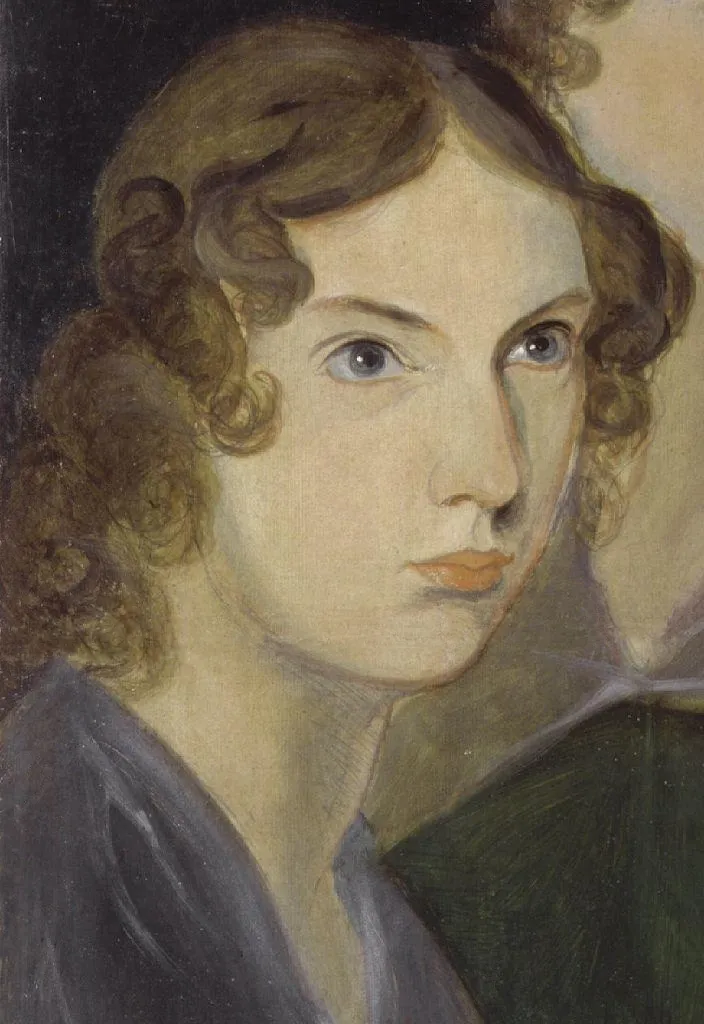
Anne Brontë
The Three Guides
Spirit of earth! thy hand is chill.
I've felt its icy clasp;
And shuddering I remember still
That stonyhearted
grasp.
Thine eye bids love and joy depart,
O turn its gaze from me!
It presses down my sinking heart; I
will not walk with thee!
2
'Wisdom is mine,' I've heard thee say,
'Beneath my searching eye,
All mist and darkness melt away,
Phantoms and fables fly.
Before me, truth can stand alone,
The naked, solid truth:
And man matured my worth will own,
If I am shunned by youth.
3
'Firm is my tread, and sure, though slow:
My footsteps never slide:
And he that follows me shall know
I am the surest guide.'
Thy boast is vain: but were it true
That thou couldst safely steer
Life's rough and devious pathway through
Such guidance I should fear.
4
How could I bear to walk for aye,
With eyes to earthward prone,
O'er trampled weeds, and miry clay,
And sand, and flinty stone.
Never the glorious view to greet
Of hill and dale and sky,
To see that Nature's charms are sweet
Or feel that Heaven is nigh?
5
If, in my heart arose a spring A
gush of thought divine,
At once stagnation thou wouldst bring
With that cold touch of thine!
If glancing up, I sought to snatch
But one glimpse of the sky,
My baffled gaze would only catch
Thy heartless, cold grey eye.
6
If, to the breezes wandering near,
I listened eagerly,
And deemed an angel's tongue to hear
That whispered hope to me,
That heavenly music would be drowned
In thy harsh, droning voice,
Nor inward thought, nor sight, nor sound
Might my sad soul rejoice.
7
Dull is thine ear; unheard by thee
The still small voice of Heaven.
Thine eyes are dim, and cannot see
The helps that God has given.
There is a bridge, o'er every flood,
Which thou canst not perceive,
A path, through every tangled wood;
But thou will not believe.
8
Striving to make thy way by force,
Toilspent
and bramble torn,
Thou'lt fell the tree that stops thy course,
And burst through briar and thorn;
And pausing by the river's side,
Poor reasoner, thou wilt deem,
By casting pebbles in its tide
To cross the swelling stream.
9
Right through the flinty rock thou'lt try
Thy toilsome way to bore,
Regardless of the pathway nigh
That would conduct thee o'er.
Not only are thou, then, unkind,
And freezing cold to me,
But unbelieving, deaf, and blind I
will not walk with thee!
10
Spirit of Pride! thy wings are strong;
Thine eyes like lightning shine;
Ecstatic joys to thee belong
And powers almost divine.
But 'tis a false destructive blaze,
Within those eyes I see,
Turn hence their fascinating gaze I
will not follow thee!
11
'Coward and fool!' thou mayst reply;
'Walk on the common sod;
Go trace, with timid foot and eye,
The steps by others trod.
'Tis best the beaten path to keep,
The ancient faith to hold,
To pasture with thy fellow sheep,
And lie within the fold.
12
'Cling to the earth, poor grovelling worm,
'Tis not for thee to soar
Against the fury of the storm,
Amid the thunder's roar.
There's glory in that daring strife
Unknown, undreamt by thee;
There's speechless rapture in the life
Of those who follow me!'
13
Yes; I have seen thy votaries oft,
Upheld by thee their guide,
In strength and courage mount aloft
The steepy mountainside;
I've seen them stand against the sky,
And gazing from below
Beheld thy lightning in their eye,
Thy triumph on their brow.
14
Oh! I have felt what glory then What
transport must be theirs'
So far above their fellow men,
Above their toils and cares,
Inhaling nature's purest breath,
Her riches round them spread,
The wide expanse of earth beneath,
Heaven's glories overhead!
15
But I
have seen them downwards dashed,
Down to a bloody grave;
And still thy ruthless eye has flashed,
Thy strong hand did not save!
I've seen some o'er the mountain's brow
Sustained a while by thee,
O'er rocks of ice and hills of snow
Bound fearless, wild, and free.
16
Bold and exultant was their mien
While thou didst cheer them on;
But evening fell and
then, I ween,
Their faithless guide was gone.
Alas! how fared thy favourites then
Lone, helpless, weary, cold Did
ever wanderer find again
The path he left of old?
17
Where is their glory, where the pride
That swelled their hearts before;
Where now the courage that defied
The mightiest tempest's roar?
What shall they do when night grows black,
When angry storms arise?
Who now will lead them to the track
Thou taught'st them to despise?
18
Spirit of Pride! it needs not this
To make me shun thy wiles,
Renounce thy triumph and thy bliss,
Thy honours and thy smiles.
Bright as thou art, and bold, and strong,
That fierce glance wins not me,
And I abhor thy scoffing tongue I
will not walk with thee!
19
Spirit of Faith! be thou my guide,
O, clasp my hand in thine,
And let me never quit thy side:
Thy comforts are divine!
Earth calls thee 'blind misguided one',
But who can show like thee
Past things that have been seen and done,
And things that are to be?
20
Secrets concealed from Nature's ken,
Who like thee can declare;
Or who like thee to erring men
God's holy will can bear?
Pride scorns thee for thy lowly mien;
But who like thee can rise
Above this restless, clouded scene, Beyond
the holy skies?
21
Meek is thine eye and soft thy voice
But wondrous is thy might
To make the wretched soul rejoice,
To give the simple light.
And still to all that seek thy way,
Such magic power is given E'en
while their footsteps press the clay
Their souls ascend to heaven.
22
Danger surrounds them, pain and woe
Their portion here must be;
But only they that trust thee know
What comfort dwells with thee,
Strength to sustain their drooping powers
And vigour to defend.
Thou polestar
of my darkest hours,
Affliction's firmest friend!
23
Day does not always mark our way;
Night's terrors oft appal,
But lead me, and I cannot stray;
Hold me: I shall not fall;
Sustain me, I shall never faint,
How rough soe'er may be
My upward road, nor
moan nor plaint
Shall mar my trust in thee.
24
Narrow the path by which we go;
And oft it turns aside,
From pleasant meads where roses blow
And murmuring waters glide;
Where flowery turf lies green and soft,
And gentle gales are sweet,
To where dark mountains frown aloft,
Hard rocks distress the feet.
25
Deserts beyond lie bleak and bare,
And keen winds round us blow;
But if thy hand conducts me there,
The way is right, I know.
I have no wish to turn away:
My spirit does not quail.
How can it while I hear thee say,
'Press forward and
prevail.'?
26
Even above the tempest's swell,
I hear thy voice of love.
Of hope and peace I hear thee tell,
And that blest home above.
Through pain and death, I can rejoice,
If but thy strength be mine.
Earth hath no music like thy voice;
Life owns no joy like thine!
27
Spirit of Faith! I'll go with thee:
Thou, if I hold thee fast,
Wilt guide, defend, and strengthen me,
And bring me home at last.
By thy help, all things I can do;
In thy strength all things bear.
Teach me, for thou art just and true,
Smile on me, thou
art fair!
Read more →
119
Anne Brontë
The Arbour
I'll rest me in this sheltered bower,
And look upon the clear blue sky
That smiles upon me through the trees,
Which stand so thickly clustering by;
And view their green and glossy leaves,
All glistening in the sunshine fair;
And list the rustling of their boughs,
So softly whispering through the air.
And while my ear drinks in the sound,
My winged soul shall fly away;
Reviewing long departed years
As one mild, beaming, autumn day;
And soaring on to future scenes,
Like hills and woods, and valleys green,
All basking in the summer's sun,
But distant still, and dimly seen.
Oh, list! 'tis summer's very breath
That gently shakes the rustling trees But
look! the snow is on the ground How
can I think of scenes like these?
'Tis but the frost that clears the air,
And gives the sky that lovely blue;
They're smiling in a winter's sun,
Those evergreens of sombre hue.
And winter's chill is on my heart How
can I dream of future bliss?
How can my spirit soar away,
Confined by such a chain as this?
Read more →
113
Siegfried Sassoon
Today
This is To-day, a child in white and blue
Running to meet me out of Night who stilled
The ghost of Yester-eve; this is fair Morn
The mother of To-morrow. And these clouds
That chase the sunshine over gleaming hills
Are thoughts, delighting in the golden change
And the ceremony of their drifting state.
This is To-day. To-morrow might bring death,—
And Life, the gleeful madrigal of birds,
Be drowned in glimmer of sleep. To-day I know
How sweet it is to spend these eyes, and boast
This bubble of vistaed memory and sense
Blown by my joy aloft the glittering airs
Of heavenly peace. Oh take me to yourselves,
Earth, sky, and spirit! Let me stand within
The circle of your transience, that my voice
May thrill the lonely silences with song.
Read more →
114
Anne Brontë
Severed and Gone
Severed and gone, so many years!
And art thou still so dear to me,
That throbbing heart and burning tears
Can witness how I cling to thee?
I know that in the narrow tomb
The form I loved was buried deep,
And left, in silence and in gloom,
To slumber out its dreamless sleep.
I know the corner where it lies,
Is but a dreary place of rest:
The charnel moisture never dries
From the dark flagstones o'er its breast,
For there the sunbeams never shine,
Nor ever breathes the freshening air,
But
not for this do I repine;
For my beloved is not there.
O, no! I do not think of thee
As festering there in slow decay: '
Tis this sole thought oppresses me,
That thou art gone so far away.
For ever gone; for I, by night,
Have prayed, within my silent room,
That Heaven would grant a burst of light
Its cheerless darkness to illume;
And give thee to my longing eyes,
A moment, as thou shinest now,
Fresh from thy mansion in the skies,
With all its glories on thy brow.
Wild was the wish, intense the gaze
I fixed upon the murky air,
Expecting, half, a kindling blaze
Would strike my raptured vision there,
A shape these human nerves would thrill,
A majesty that might appal,
Did not thy earthly likeness, still,
Gleam softly, gladly, through it all.
False hope! vain prayer! it might not be
That thou shouldst visit earth again.
I called on Heaven I
called on thee,
And watched, and waited all
in vain.
Had I one shining tress of thine,
How it would bless these longing eyes!
Or if thy pictured form were mine,
What gold should rob me of the prize?
A few cold words on yonder stone,
A corpse as cold as they can be Vain
words, and mouldering dust, alone Can
this be all that's left of thee?
O, no! thy spirit lingers still
Where'er thy sunny smile was seen:
There's less of darkness, less of chill
On earth, than if thou hadst not been.
Thou breathest in my bosom yet,
And dwellest in my beating heart;
And, while I cannot quite forget,
Thou, darling, canst not quite depart.
Though, freed from sin, and grief, and pain
Thou drinkest now the bliss of Heaven,
Thou didst not visit earth in vain;
And from us, yet, thou art not riven.
Life seems more sweet that thou didst live,
And men more true that thou wert one:
Nothing is lost that thou didst give,
Nothing destroyed that thou hast done.
Earth hath received thine earthly part;
Thine heavenly flame has heavenward flown;
But both still linger in my heart,
Still live, and not in mine alone.
Read more →
102
Siegfried Sassoon
Wisdom
When Wisdom tells me that the world’s a speck
Lost on the shoreless blue of God’s To-Day...
I smile, and think, ‘For every man his way:
The world’s my ship, and I’m alone on deck!’
And when he tells me that the world’s a spark
Lit in the whistling gloom of God’s To-Night...
I look within me to the edge of dark,
And dream, ‘The world’s my field, and I’m the lark,
Alone with upward song, alone with light!’
Read more →
105
Anne Brontë
Memory
Brightly the sun of summer shone,
Green fields and waving woods upon,
And soft winds wandered by;
Above, a sky of purest blue,
Around, bright flowers of loveliest hue,
Allured the gazer's eye.
But what were all these charms to me,
When one sweet breath of memory
Came gently wafting by?
I closed my eyes against the day,
And called my willing soul away,
From earth, and air, and sky;
That I might simply fancy there
One little flower a
primrose fair,
Just opening into sight;
As in the days of infancy,
An opening primrose seemed to me
A source of strange delight.
Sweet Memory! ever smile on me;
Nature's chief beauties spring from thee,
Oh, still thy tribute bring!
Still make the golden crocus shine
Among the flowers the most divine,
The glory of the spring.
Still in the wallflower's
fragrance dwell;
And hover round the slight blue bell,
My childhood's darling flower.
Smile on the little daisy still,
The buttercup's bright goblet fill
With all thy former power.
For ever hang thy dreamy spell
Round mountain star and heather bell,
And do not pass away
From sparkling frost, or wreathed snow,
And whisper when the wild winds blow,
Or rippling waters play.
Is childhood, then, so all divine?
Or Memory, is the glory thine,
That haloes thus the past?
Not all divine; its pangs of grief,
(Although, perchance, their stay be brief,)
Are bitter while they last.
Nor is the glory all thine own,
For on our earliest joys alone
That holy light is cast.
With such a ray, no spell of thine
Can make our later pleasures shine,
Though long ago they passed.
Acton
Read more →
120
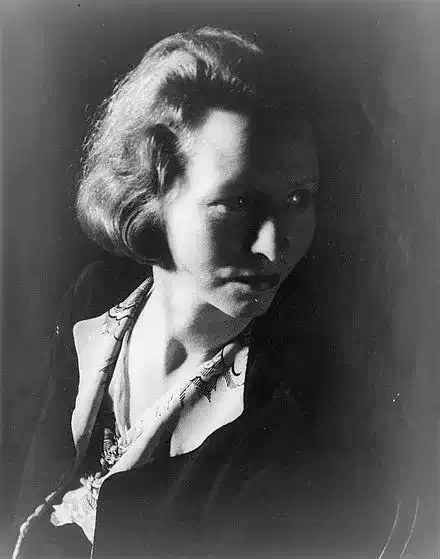
Edna St. Vincent Millay
And we are done forever
And we are done forever; by and by
I shall forget you, as I said, but now,
If you entreat me with your loveliest lie
I will protest you with my favorite vow.
I would indeed that love were longer-lived,
And vows were not so brittle as they are,
But so it is, and nature has contrived
To struggle on without a break thus far, -
Whether or not we find what we are seeking
Is idle, biologically speaking.
Read more →
112
Siegfried Sassoon
Morning-Land
Old English songs, you bring to me
A simple sweetness somewhat kin
To birds that through the mystery
Of earliest morn make tuneful din,
While hamlet steeples sleepily
At cock-crow chime out three and four,
Till maids get up betime and go
With faces like the red sun low
Clattering about the dairy floor.
Read more →
111
Anne Brontë
Self Communion
'The mist is resting on the hill;
The smoke is hanging in the air;
The very clouds are standing still:
A breathless calm broods everywhere.
Thou pilgrim through this vale of tears,
Thou, too, a little moment cease
Thy anxious toil and fluttering fears,
And rest thee, for a while, in peace.'
'I would, but Time keeps working still
And moving on for good or ill:
He will not rest or stay.
In pain or ease, in smiles or tears,
He still keeps adding to my years
And stealing life away.
His footsteps in the ceaseless sound
Of yonder clock I seem to hear,
That through this stillness so profound
Distinctly strikes the vacant ear.
For ever striding on and on,
He pauses not by night or day;
And all my life will soon be gone
As these past years have slipped away.
He took my childhood long ago,
And then my early youth; and lo,
He steals away my prime!
I cannot see how fast it goes,
But well my inward spirit knows
The wasting power of time.'
'Time steals thy moments, drinks thy breath,
Changes and wastes thy mortal frame;
But though he gives the clay to death,
He cannot touch the inward flame.
Nay, though he steals thy years away,
Their memory is left thee still,
And every month and every day
Leaves some effect of good or ill.
The wise will find in Memory's store
A help for that which lies before
To guide their course aright;
Then, hush thy plaints and calm thy fears;
Look back on these departed years,
And, say, what meets thy sight?'
'I see, far back, a helpless child,
Feeble and full of causeless fears,
Simple and easily beguiled
To credit all it hears.
More timid than the wild wooddove,
Yet trusting to another's care,
And finding in protecting love
Its only refuge from despair, Its
only balm for every woe,
The only bliss its soul can know;
Still hiding in its breast.
A tender heart too prone to weep,
A love so earnest, strong, and deep
It could not be expressed.
Poor helpless thing! what can it do
Life's stormy cares and toils among; How
tread this weary desert through
That awes the brave and tires the strong?
Where shall it centre so much trust
Where truth maintains so little sway,
Where seeming fruit is bitter dust,
And kisses oft to death betray?
How oft must sin and falsehood grieve
A heart so ready to believe,
And willing to admire!
With strength so feeble, fears so strong,
Amid this selfish bustling throng,
How will it faint and tire!
That tender love so warm and deep,
How can it flourish here below?
What bitter floods of tears must steep
The stony soil where it would grow!
O earth! a rocky breast is thine A
hard soil and a cruel clime,
Where tender plants must droop and pine,
Or alter with transforming time.
That soul, that clings to sympathy,
As ivy clasps the forest tree,
How can it stand alone?
That heart so prone to overflow
E'en at the thought of others' woe,
How will it bear its own?
How, if a sparrow's death can wring
Such bitter tearfloods
from the eye,
Will it behold the suffering
Of struggling, lost humanity?
The torturing pain, the pining grief,
The sindegraded
misery,
The anguish that defies relief?'
'Look back again What
dost thou see?'
'I see one kneeling on the sod,
With infant hands upraised to Heaven,
A young heart feeling after God,
Oft baffled, never backward driven.
Mistaken oft, and oft astray,
It strives to find the narrow way,
But gropes and toils alone:
That inner life of strife and tears,
Of kindling hopes and lowering fears
To none but God is known.
'Tis better thus; for man would scorn
Those childish prayers, those artless cries,
That darkling spirit tossed and torn,
But God will not despise!
We may regret such waste of tears
Such darkly toiling misery,
Such 'wildering doubts and harrowing fears,
Where joy and thankfulness should be;
But wait, and Heaven will send relief.
Let patience have her perfect work:
Lo, strength and wisdom spring from grief,
And joys behind afflictions lurk!
It asked for light, and it is heard;
God grants that struggling soul repose
And, guided by His holy word,
It wiser than its teachers grows.
It gains the upward path at length,
And passes on from strength to strength,
Leaning on Heaven the while:
Night's shades departing one by one,
It sees at last the rising sun,
And feels his cheering smile.
In all its darkness and distress
For light it sought, to God it cried;
And through the pathless wilderness,
He was its comfort and its guide.'
'So was it, and so will it be:
Thy God will guide and strengthen thee;
His goodness cannot fail.
The sun that on thy morning rose
Will light thee to the evening's close,
Whatever storms assail.'
'God alters not; but Time on me
A wide and wondrous change has wrought:
And in these parted years I see
Cause for grave care and saddening thought.
I see that time, and toil, and truth,
An inward hardness can impart, Can
freeze the generous blood of youth,
And steel full fast the tender heart.'
'Bless God for that divine decree! That
hardness comes with misery,
And suffering deadens pain;
That at the frequent sight of woe
E'en Pity's tears forget to flow,
If reason still remain!
Reason, with conscience by her side,
But gathers strength from toil and truth;
And she will prove a surer guide
Than those sweet instincts of our youth.
Thou that hast known such anguish sore
In weeping where thou couldst not bless,
Canst thou that softness so deplore That
suffering, shrinking tenderness?
Thou that hast felt what cankering care
A loving heart is doomed to bear,
Say, how canst thou regret
That fires unfed must fall away,
Long droughts can dry the softest clay,
And cold will cold beget?'
'Nay, but 'tis hard to feel that chill
Come creeping o'er the shuddering heart.
Love may be full of pain, but still,
'Tis sad to see it so depart, To
watch that fire whose genial glow
Was formed to comfort and to cheer,
For want of fuel, fading so,
Sinking to embers dull and drear, To
see the soft soil turned to stone
For lack of kindly showers, To
see those yearnings of the breast,
Pining to bless and to be blessed,
Drop withered, frozen one by one,
Till, centred in itself alone,
It wastes its blighted powers.
Oh, I have known a wondrous joy
In early friendship's pure delight, A
genial bliss that could not cloy My
sun by day, my moon by night.
Absence, indeed, was sore distress,
And thought of death was anguish keen,
And there was cruel bitterness
When jarring discords rose between;
And sometimes it was grief to know
My fondness was but half returned.
But this was nothing to the woe
With which another truth was learned: That
I must check, or nurse apart,
Full many an impulse of the heart
And many a darling thought:
What my soul worshipped, sought, and prized,
Were slighted, questioned, or despised;
This pained me more than aught.
And as my love the warmer glowed
The deeper would that anguish sink,
That this dark stream between us flowed,
Though both stood bending o'er its brink;
Until, as last, I learned to bear
A colder heart within my breast;
To share such thoughts as I could share,
And calmly keep the rest.
I saw that they were sundered now,
The trees that at the root were one:
They yet might mingle leaf and bough,
But still the stems must stand alone.
O love is sweet of every kind!
'Tis sweet the helpless to befriend,
To watch the young unfolding mind,
To guide, to shelter, and defend:
To lavish tender toil and care,
And ask for nothing back again,
But that our smiles a blessing bear
And all our toil be not in vain.
And sweeter far than words can tell
Their love whose ardent bosoms swell
With thoughts they need not hide;
Where fortune frowns not on their joy,
And Prudence seeks not to destroy,
Nor Reason to deride.
Whose love may freely gush and flow,
Unchecked, unchilled by doubt or fear,
For in their inmost hearts they know
It is not vainly nourished there.
They know that in a kindred breast
Their long desires have found a home,
Where heart and soul may kindly rest,
Weary and lorn no more to roam.
Their dreams of bliss were not in vain,
As they love they are loved again,
And they can bless as they are blessed.
O vainly might I seek to show
The joys from happy love that flow!
The warmest words are all too cold
The secret transports to unfold
Of simplest word or softest sigh,
Or from the glancing of an eye
To say what rapture beams;
One look that bids our fears depart,
And well assures the trusting heart.
It beats not in the world alone Such
speechless rapture I have known,
But only in my dreams.
My life has been a morning sky
Where Hope her rainbow glories cast
O'er kindling vapours far and nigh:
And, if the colours faded fast,
Ere one bright hue had died away
Another o'er its ashes gleamed;
And if the lower clouds were grey,
The mists above more brightly beamed.
But not for long; at
length behold,
Those tints less warm, less radiant grew;
Till but one streak of paly gold
Glimmered through clouds of saddening hue.
And I am calmly waiting, now,
To see that also pass away,
And leave, above the dark hill's brow,
A rayless arch of sombre grey.'
'So must it fare with all thy race
Who seek in earthly things their joy:
So fading hopes lost hopes shall chase
Till Disappointment all destroy.
But they that fix their hopes on high
Shall, in the bluerefulgent
sky,
The sun's transcendent light,
Behold a purer, deeper glow
Than these uncertain gleams can show,
However fair or bright.
O weak of heart! why thus deplore
That Truth will Fancy's dreams destroy?
Did I not tell thee, years before,
Life was for labour, not for joy?
Cease, selfish spirit, to repine;
O'er thine own ills no longer grieve;
Lo, there are sufferings worse than thine,
Which thou mayst labour to relieve.
If Time indeed too swiftly flies,
Gird on thine armour, haste, arise,
For thou hast much to do; To
lighten woe, to trample sin,
And foes without and foes within
To combat and subdue.
Earth hath too much of sin and pain:
The bitter cup the
binding chain
Dost thou indeed lament?
Let not thy weary spirit sink;
But strive not
by one drop or link
The evil to augment.
Strive rather thou, by peace and joy,
The bitter poison to destroy,
The cruel chain to break.
O strive! and if thy strength be small,
Strive yet the more, and spend it all
For Love and Wisdom's sake!'
'O I have striven both hard and long
But many are my foes and strong.
My gains are light my
progress slow;
For hard's the way I have to go,
And my worst enemies, I know,
Are these within my breast;
And it is hard to toil for aye, Through
sultry noon and twilight grey
To toil and never rest.'
'There is a rest beyond the grave,
A lasting rest from pain and sin,
Where dwell the faithful and the brave;
But they must strive who seek to win.'
"Show me that rest I
ask no more.
Oh, drive these misty doubts away;
And let me see that sunny shore,
However far away!
However wide this rolling sea,
However wild my passage be,
Howe'er my bark be tempest tossed,
May it but reach that haven fair,
May I but land and wander there,
With those that I have loved and lost:
With such a glorious hope in view,
I'll gladly toil and suffer too.
Rest without toil I would not ask;
I would not shun the hardest task:
Toil is my glory Grief
my gain,
If God's approval they obtain.
Could I but hear my Saviour say, "
I know thy patience and thy love;
How thou hast held the narrow way,
For my sake laboured night and day,
And watched, and striven with them that strove;
And still hast borne, and didst not faint," Oh,
this would be reward indeed!'
'Press forward, then, without complaint;
Labour and love and
such shall be thy meed.'
Read more →
103
Siegfried Sassoon
Secret Music
I keep such music in my brain
No din this side of death can quell;
Glory exulting over pain,
And beauty, garlanded in hell.
My dreaming spirit will not heed
The roar of guns that would destroy
My life that on the gloom can read
Proud-surging melodies of joy.
To the world’s end I went, and found
Death in his carnival of glare;
But in my torment I was crowned,
And music dawned above despair.
Read more →
110
Siegfried Sassoon
The Heritage
Cry out on Time that he may take away
Your cold philosophies that give no hint
Of spirit-quickened flesh; fall down and pray
That Death come never with a face of flint:
Death is our heritage; with Life we share
The sunlight that must own his darkening hour:
Within his very presence yet we dare
To gather gladness like a fading flower.
For even as this, our joy not long may live
Perfect; and most in change the heart can trace
The miracle of life and human things:
All we have held to destiny we give;
Dawn glimmers on the soul-forsaken face;
Not we, but others, hear the bird that sings.
Read more →
121
Anne Brontë
An Orphan's Lament
She's gone and
twice the summer's sun
Has gilt Regina's towers,
And melted wild Angora's snows,
And warmed Exina's bowers.
The flowerets twice on hill and dale
Have bloomed and died away,
And twice the rustling forest leaves
Have fallen to decay,
And thrice stern winter's icy hand
Has checked the river's flow,
And three times o'er the mountains thrown
His spotless robe of snow.
Two summers springs and autumns sad
Three winters cold and grey And
is it then so long ago
That wild November day!
They say such tears as children weep
Will soon be dried away,
That childish grief however strong
Is only for a day,
And parted friends how dear soe'er
Will soon forgotten be;
It may be so with other hearts,
It is not thus with me.
My mother, thou wilt weep no more
For thou art gone above,
But can I ever cease to mourn
Thy good and fervent love?
While that was mine the world to me
Was sunshine bright and fair;
No feeling rose within my heart
But thou couldst read it there.
And thou couldst feel for all my joys
And all my childish cares
And never weary of my play
Or scorn my foolish fears.
Beneath thy sweet maternal smile
All pain and sorrow fled,
And even the very tears were sweet
Upon thy bosom shed.
Thy loss can never be repaired;
I shall not know again
While life remains, the peaceful joy
That filled my spirit then.
Where shall I find a heart like thine
While life remains to me,
And where shall I bestow the love
I ever bore for thee?
A.H.
Read more →
112
Anne Brontë
Home
How brightly glistening in the sun
The woodland ivy plays!
While yonder beeches from their barks
Reflect his silver rays.
That sun surveys a lovely scene
From softly smiling skies;
And wildly through unnumbered trees
The wind of winter sighs:
Now loud, it thunders o'er my head,
And now in distance dies.
But give me back my barren hills
Where colder breezes rise;
Where scarce the scattered, stunted trees
Can yield an answering swell,
But where a wilderness of heath
Returns the sound as well.
For yonder garden, fair and wide,
With groves of evergreen,
Long winding walks, and borders trim,
And velvet lawns between;
Restore to me that little spot,
With grey walls compassed round,
Where knotted grass neglected lies,
And weeds usurp the ground.
Though all around this mansion high
Invites the foot to roam,
And though its halls are fair within Oh,
give me back my HOME!
Acton
Read more →
93
Anne Brontë
Weep Not Too Much
Weep not too much, my darling;
Sigh not too oft for me;
Say not the face of Nature
Has lost its charm for thee.
I have enough of anguish
In my own breast alone;
Thou canst not ease the burden, Love,
By adding still thine own.
I know the faith and fervour
Of that true heart of thine;
But I would have it hopeful
As thou wouldst render mine.
At night, when I lie waking,
More soothing it will be
To say 'She slumbers calmly now,'
Than say 'She weeps for me.'
When through the prison grating
The holy moonbeams shine,
And I am wildly longing
To see the orb divine
Not crossed, deformed, and sullied
By those relentless bars
That will not show the crescent moon,
And scarce the twinkling stars,
It is my only comfort
To think, that unto thee
The sight is not forbidden The
face of heaven is free.
If I could think Zerona
Is gazing upward now Is
gazing with a tearless eye
A calm unruffled brow;
That moon upon her spirit
Sheds sweet, celestial balm, The
thought, like Angel's whisper,
My misery would calm.
And when, at early morning,
A faint flush comes to me,
Reflected from those glowing skies
I almost weep to see;
Or when I catch the murmur
Of gently swaying trees,
Or hear the louder swelling
Of the soulinspiring
breeze,
And pant to feel its freshness
Upon my burning brow,
Or sigh to see the twinkling leaf,
And watch the waving bough;
If, from these fruitless yearnings
Thou wouldst deliver me,
Say that the charms of Nature
Are lovely still to thee;
While I am thus repining,
O! let me but believe,
'These pleasures are not lost to her,'
And I will cease to grieve.
O, scorn not Nature's bounties!
My soul partakes with thee.
Drink bliss from all her fountains,
Drink for thyself and me!
Say not, 'My soul is buried
In dungeon gloom with thine;'
But say, 'His heart is here with me;
His spirit drinks with mine.'
A.E.
Read more →
96
Anne Brontë
To Cowper
Sweet are thy strains, celestial Bard;
And oft, in childhood's years,
I've read them o'er and o'er again,
With floods of silent tears.
The language of my inmost heart,
I traced in every line;
My sins, my sorrows, hopes, and fears,
Were there and
only mine.
All for myself the sigh would swell,
The tear of anguish start;
I little knew what wilder woe
Had filled the Poet's heart.
I did not know the nights of gloom,
The days of misery;
The long, long years of dark despair,
That crushed and tortured thee.
But, they are gone; from earth at length
Thy gentle soul is pass'd,
And in the bosom of its God
Has found its home at last.
It must be so, if God is love,
And answers fervent prayer;
Then surely thou shalt dwell on high,
And I may meet thee there.
Is he the source of every good,
The spring of purity?
Then in thine hours of deepest woe,
Thy God was still with thee.
How else, when every hope was fled,
Couldst thou so fondly cling
To holy things and holy men?
And how so sweetly sing,
Of things that God alone could teach?
And whence that purity,
That hatred of all sinful ways That
gentle charity?
Are these the symptoms of a heart
Of heavenly grace bereft:
For ever banished from its God,
To Satan's fury left?
Yet, should thy darkest fears be true,
If Heaven be so severe,
That such a soul as thine is lost,
Oh! how shall I appear?
Acton
Read more →
101
Anne Brontë
A Hymn
Eternal power of earth and air,
Unseen, yet seen in all around,
Remote, but dwelling everywhere,
Though silent, heard in every sound.
If e'er thine ear in mercy bent
When wretched mortals cried to thee,
And if indeed thy Son was sent
To save lost sinners such as me.
Then hear me now, while kneeling here;
I lift to thee my heart and eye
And all my soul ascends in prayer;
O give me give
me Faith I cry.
Without some glimmering in my heart,
I could not raise this fervent prayer;
But O a stronger light impart,
And in thy mercy fix it there!
While Faith is with me I am blest;
It turns my darkest night to day;
But while I clasp it to my breast
I often feel it slide away.
Then cold and dark my spirit sinks,
To see my light of life depart,
And every fiend of Hell methinks
Enjoys the anguish of my heart.
What shall I do if all my love,
My hopes, my toil, are cast away,
And if there be no God above
To hear and bless me when I pray?
If this be vain delusion all,
If death be an eternal sleep,
And none can hear my secret call,
Or see the silent tears I weep.
O help me God! for thou alone
Canst my distracted soul relieve;
Forsake it not it
is thine own,
Though weak yet longing to believe.
O drive these cruel doubts away
And make me know that thou art God;
A Faith that shines by night and day
Will lighten every earthly load.
If I believe that Jesus died
And waking rose to reign above,
Then surely Sorrow, Sin and Pride
Must yield to peace and hope and love.
And all the blessed words he said
Will strength and holy joy impart,
A shield of safety o'er my head,
A spring of comfort in my heart.
Read more →
85
Anne Brontë
A Word To The 'Elect'
You may rejoice to think yourselves secure;
You may be grateful for the gift divine That
grace unsought, which made your black hearts pure,
And fits your earthborn
souls in Heaven to shine.
But, is it sweet to look around, and view
Thousands excluded from that happiness,
Which they deserved, at least, as much as you, Their
faults not greater, nor their virtues less?
And, wherefore should you love your God the more,
Because to you alone his smiles are given;
Because he chose to pass the many o'er,
And only bring the favoured few to Heaven?
And, wherefore should your hearts more grateful prove,
Because for ALL the Saviour did not die?
Is yours the God of justice and of love
And are your bosoms warm with charity?
Say, does your heart expand to all mankind?
And, would you ever to your neighbour do The
weak, the strong, the enlightened, and the blind As
you would have your neighbour do to you?
And, when you, looking on your fellowmen,
Behold them doomed to endless misery,
How can you talk of joy and rapture then? May
God withhold such cruel joy from me!
That none deserve eternal bliss I know;
Unmerited the grace in mercy given:
But, none shall sink to everlasting woe,
That have not well deserved the wrath of Heaven.
And, Oh! there lives within my heart
A hope, long nursed by me;
(And, should its cheering ray depart,
How dark my soul would be!)
That as in Adam all have died,
In Christ shall all men live;
And ever round his throne abide,
Eternal praise to give.
That even the wicked shall at last
Be fitted for the skies;
And, when their dreadful doom is past,
To life and light arise.
I ask not, how remote the day,
Nor what the sinner's woe,
Before their dross is purged away;
Enough for me, to know
That when the cup of wrath is drained,
The metal purified,
They'll cling to what they once disdained,
And live by Him that died.
Acton
Read more →
97