
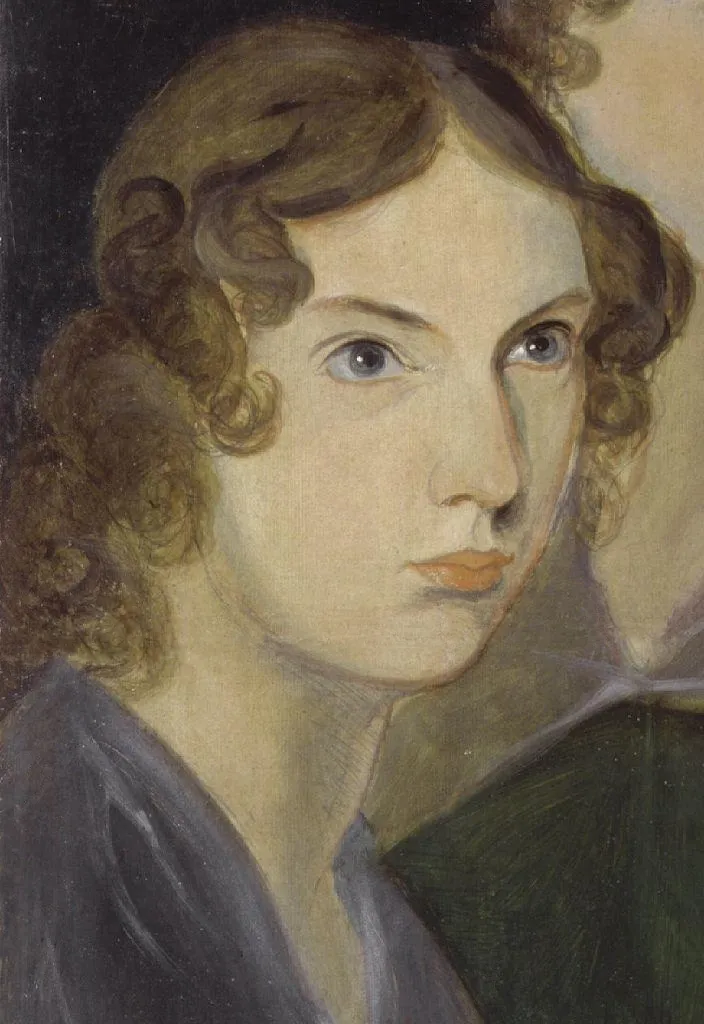
To Cowper
Sweet are thy strains, celestial Bard;
And oft, in childhood's years,
I've read them o'er and o'er again,
With floods of silent tears.
The language of my inmost heart,
I traced in every line;
My sins, my sorrows, hopes, and fears,
Were there and
only mine.
All for myself the sigh would swell,
The tear of anguish start;
I little knew what wilder woe
Had filled the Poet's heart.
I did not know the nights of gloom,
The days of misery;
The long, long years of dark despair,
That crushed and tortured thee.
But, they are gone; from earth at length
Thy gentle soul is pass'd,
And in the bosom of its God
Has found its home at last.
It must be so, if God is love,
And answers fervent prayer;
Then surely thou shalt dwell on high,
And I may meet thee there.
Is he the source of every good,
The spring of purity?
Then in thine hours of deepest woe,
Thy God was still with thee.
How else, when every hope was fled,
Couldst thou so fondly cling
To holy things and holy men?
And how so sweetly sing,
Of things that God alone could teach?
And whence that purity,
That hatred of all sinful ways That
gentle charity?
Are these the symptoms of a heart
Of heavenly grace bereft:
For ever banished from its God,
To Satan's fury left?
Yet, should thy darkest fears be true,
If Heaven be so severe,
That such a soul as thine is lost,
Oh! how shall I appear?
Acton
More by Anne Brontë
The Captive Dove
Poor restless dove, I pity thee; And when I hear thy plaintive moan, I mourn for thy captivity, And in thy woes forget mine own. To s…
Read more →
Power of Love
Love, indeed thy strength is mighty Thus, alone, such strife to bear Three 'gainst one, and never ceasing Death, and Madness, and Desp…
Read more →
Lines Composed in a Wood on a Windy Day
My soul is awakened, my spirit is soaring And carried aloft on the wings of the breeze; For above and around me the wild wind is roarin…
Read more →
The Parting
The chestnut steed stood by the gate His noble master's will to wait, The woody park so green and bright Was glowing in the morning li…
Read more →
La Belle Dame Sans Merci (Original version )
Oh what can ail thee, knight-at-arms, Alone and palely loitering? The sedge has withered from the lake, And no birds sing. Oh what …
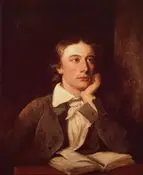 John Keats
Read more →
Easter, 1916
I have met them at close of day Coming with vivid faces From counter or desk among grey Eighteenth-century houses. I have passed with…
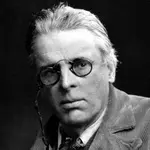 William Butler Yeats
Read more →
The Red Wheelbarrow
so much depends upon a red wheel barrow glazed with rain water beside the white chickens.
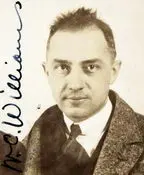 William Carlos Williams
Sonnet: When I Have Fears That I May Cease To Be
When I have fears that I may cease to be Before my pen has glean'd my teeming brain, Before high piled books, in charactry, Hold like …
John Keats
Read more →
John Keats
Read more →
Easter, 1916
I have met them at close of day Coming with vivid faces From counter or desk among grey Eighteenth-century houses. I have passed with…
William Butler Yeats
Read more →
The Red Wheelbarrow
so much depends upon a red wheel barrow glazed with rain water beside the white chickens.
William Carlos Williams
Sonnet: When I Have Fears That I May Cease To Be
When I have fears that I may cease to be Before my pen has glean'd my teeming brain, Before high piled books, in charactry, Hold like …
John Keats
Read more →