
Soul

Elizabeth Barrett Browning
Adequacy
NOW, by the verdure on thy thousand hills,
Beloved England, doth the earth appear
Quite good enough for men to overbear
The will of God in, with rebellious wills !
We cannot say the morning-sun fulfils
Ingloriously its course, nor that the clear
Strong stars without significance insphere
Our habitation: we, meantime, our ills
Heap up against this good and lift a cry
Against this work-day world, this ill-spread feast,
As if ourselves were better certainly
Than what we come to. Maker and High Priest,
I ask thee not my joys to multiply,--
Only to make me worthier of the least.
Read more →
Beloved England, doth the earth appear
Quite good enough for men to overbear
The will of God in, with rebellious wills !
We cannot say the morning-sun fulfils
Ingloriously its course, nor that the clear
Strong stars without significance insphere
Our habitation: we, meantime, our ills
Heap up against this good and lift a cry
Against this work-day world, this ill-spread feast,
As if ourselves were better certainly
Than what we come to. Maker and High Priest,
I ask thee not my joys to multiply,--
Only to make me worthier of the least.
487
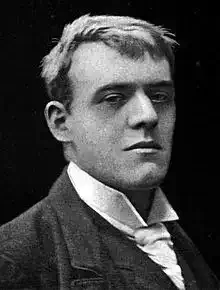
Hilaire Belloc
[Month of] December
Hoar Time about the house betakes him slow,
Seeking an entry for his weariness.
And in that dreadful company distress
And the sad night with silent footsteps go.
On my poor fire the brands are scarce aglow,
And in the woods without what memories press
Where, waning in the trees from less to less,
Mysterious bangs the hom6d moon and low.
For now December, full of aged care,
Comes in upon the yea and weakly grieves;
Mumbling his lost desires and his despair; .
And with mad trembling hand still interweaves,
The dank sear flower-stalks tangled in his hair,
While round about him whirl the rotten leaves.
Read more →
Seeking an entry for his weariness.
And in that dreadful company distress
And the sad night with silent footsteps go.
On my poor fire the brands are scarce aglow,
And in the woods without what memories press
Where, waning in the trees from less to less,
Mysterious bangs the hom6d moon and low.
For now December, full of aged care,
Comes in upon the yea and weakly grieves;
Mumbling his lost desires and his despair; .
And with mad trembling hand still interweaves,
The dank sear flower-stalks tangled in his hair,
While round about him whirl the rotten leaves.
485

Emily Dickinson
The last Night that She lived
The last Night that She lived
It was a Common Night
Except the Dying-this to Us
Made Nature different
We noticed smallest things-
Things overlooked before
By this great light upon our Minds
Italicized-as 'twere.
As We went out and in
Between Her final Room
And Rooms where Those to be alive
Tomorrow were, a Blame
That Others could exist
While She must finish quite
A Jealousy for Her arose
So nearly infinite-
We waited while She passed-
It was a narrow time-
Too jostled were Our Souls to speak
At length the notice came.
She mentioned, and forgot-
Then lightly as a Reed
Bent to the Water, struggled scarce-
Consented, and was dead-
And We-We placed the Hair-
And drew the Head erect-
And then an awful leisure was
Belief to regulate-
Read more →
It was a Common Night
Except the Dying-this to Us
Made Nature different
We noticed smallest things-
Things overlooked before
By this great light upon our Minds
Italicized-as 'twere.
As We went out and in
Between Her final Room
And Rooms where Those to be alive
Tomorrow were, a Blame
That Others could exist
While She must finish quite
A Jealousy for Her arose
So nearly infinite-
We waited while She passed-
It was a narrow time-
Too jostled were Our Souls to speak
At length the notice came.
She mentioned, and forgot-
Then lightly as a Reed
Bent to the Water, struggled scarce-
Consented, and was dead-
And We-We placed the Hair-
And drew the Head erect-
And then an awful leisure was
Belief to regulate-
485

Rudyard Kipling
Mary, Pity Women!
You call yourself a man,
For all you used to swear,
An' leave me, as you can,
My certain shame to bear?
I 'ear! You do not care --
You done the worst you know.
I 'ate you, grinnin' there. . . .
Ah, Gawd, I love you so!
Nice while it lasted, an' now it is over --
Tear out your 'eart an' good-bye to your lover!
What's the use o' grievin', when the mother that bore you
(Mary, pity women!) knew it all before you?
It aren't no false alarm,
The finish to your fun;
You -- you 'ave brung the 'arm,
An' I'm the ruined one;
An' now you'll off an' run
With some new fool in tow.
Your 'eart? You 'aven't none. . . .
Ah, Gawd, I love you so!
When a man is tired there is naught will bind 'im;
All 'e solemn promised 'e will shove be'ind 'im.
What's the good o' prayin' for The Wrath to strike 'im
(Mary, pity women!), when the rest are like 'im?
What 'ope for me or -- it?
What's left for us to do?
I've walked with men a bit,
But this -- but this is you.
So 'elp me Christ, it's true!
Where can I 'ide or go?
You coward through and through! . . .
Ah, Gawd, I love you so!
All the more you give 'em the less are they for givin' --
Love lies dead, an' you cannot kiss 'im livin'.
Down the road 'e led you there is no returnin'
(Mary, pity women!), but you're late in learnin'!
You'd like to treat me fair?
You can't, because we're pore?
We'd starve? What do I care!
We might, but this is shore!
I want the name -- no more --
The name, an' lines to show,
An' not to be an 'ore. . . .
Ah, Gawd, I love you so!
What's the good o' pleadin', when the mother that bore you
(Mary, pity women!) knew it all before you?
Sleep on 'is promises an' wake to your sorrow
(Mary, pity women!), for we sail to-morrow!
Read more →
For all you used to swear,
An' leave me, as you can,
My certain shame to bear?
I 'ear! You do not care --
You done the worst you know.
I 'ate you, grinnin' there. . . .
Ah, Gawd, I love you so!
Nice while it lasted, an' now it is over --
Tear out your 'eart an' good-bye to your lover!
What's the use o' grievin', when the mother that bore you
(Mary, pity women!) knew it all before you?
It aren't no false alarm,
The finish to your fun;
You -- you 'ave brung the 'arm,
An' I'm the ruined one;
An' now you'll off an' run
With some new fool in tow.
Your 'eart? You 'aven't none. . . .
Ah, Gawd, I love you so!
When a man is tired there is naught will bind 'im;
All 'e solemn promised 'e will shove be'ind 'im.
What's the good o' prayin' for The Wrath to strike 'im
(Mary, pity women!), when the rest are like 'im?
What 'ope for me or -- it?
What's left for us to do?
I've walked with men a bit,
But this -- but this is you.
So 'elp me Christ, it's true!
Where can I 'ide or go?
You coward through and through! . . .
Ah, Gawd, I love you so!
All the more you give 'em the less are they for givin' --
Love lies dead, an' you cannot kiss 'im livin'.
Down the road 'e led you there is no returnin'
(Mary, pity women!), but you're late in learnin'!
You'd like to treat me fair?
You can't, because we're pore?
We'd starve? What do I care!
We might, but this is shore!
I want the name -- no more --
The name, an' lines to show,
An' not to be an 'ore. . . .
Ah, Gawd, I love you so!
What's the good o' pleadin', when the mother that bore you
(Mary, pity women!) knew it all before you?
Sleep on 'is promises an' wake to your sorrow
(Mary, pity women!), for we sail to-morrow!
485

Rabindranath Tagore
Lover's Gifts XXII: I Shall Gladly Suffer
I shall gladly suffer the pride of culture to die out in my house,
if only in some happy future I am born a herd-boy in the Brinda
forest.
The herd-boy who grazes his cattle sitting under the banyan
tree, and idly weaves gunja flowers into garlands, who loves to
splash and plunge in the Jamuna's cool deep stream.
He calls his companions to wake up when morning dawns, and all
the houses in the lane hum with the sound of the churn, clouds of
dust are raised by the cattle, the maidens come out in the
courtyard to milk the king.
As the shadows deepen under the tomal trees, and the dusk
gathers on the river-banks; when the milkmaids, while crossing the
turbulent water, tremble with fear; and loud peacocks, with tails
outspread, dance in the forest, he watchers the summer clouds.
When the April night is sweet as a fresh-blown flower, he
disappears in the forest with a peacock's plume in his hair; the
swing ropes are twined with flowers on the branches; the south wind
throbs with music, and the merry shepherd boys crowd on the banks
of the blue river.
No, I will never be the leader, brothers, of this new age of
new Bengal; I shall not trouble to light the lamp of culture for
the benighted. If only I could be born, under the shady asoka
groves, in some village of Brinda, where milk is churned by the
maidens!
Read more →
if only in some happy future I am born a herd-boy in the Brinda
forest.
The herd-boy who grazes his cattle sitting under the banyan
tree, and idly weaves gunja flowers into garlands, who loves to
splash and plunge in the Jamuna's cool deep stream.
He calls his companions to wake up when morning dawns, and all
the houses in the lane hum with the sound of the churn, clouds of
dust are raised by the cattle, the maidens come out in the
courtyard to milk the king.
As the shadows deepen under the tomal trees, and the dusk
gathers on the river-banks; when the milkmaids, while crossing the
turbulent water, tremble with fear; and loud peacocks, with tails
outspread, dance in the forest, he watchers the summer clouds.
When the April night is sweet as a fresh-blown flower, he
disappears in the forest with a peacock's plume in his hair; the
swing ropes are twined with flowers on the branches; the south wind
throbs with music, and the merry shepherd boys crowd on the banks
of the blue river.
No, I will never be the leader, brothers, of this new age of
new Bengal; I shall not trouble to light the lamp of culture for
the benighted. If only I could be born, under the shady asoka
groves, in some village of Brinda, where milk is churned by the
maidens!
488
Rabindranath Tagore
Lover's Gifts LVIII: Things Throng and Laugh
Things throng and laugh loud in the sky; the sands and dust dance
and whirl like children. Man's mind is aroused by their shouts; his
thoughts long to be the playmates of things.
Our dreams, drifting in the stream of the vague, stretch their
arms to clutch the earth, -their efforts stiffen into bricks and
stones, and thus the city of man is built.
Voices come swarming from the past,-seeking answers from the
living moments. Beats of their wings fill the air with tremulous
shadows, and sleepless thoughts in our minds leave their nests to
take flight across the desert of dimness, in the passionate thirst
for forms. They are lampless pilgrims, seeking the shore of light,
to find themselves in things. They will be lured into poets's
rhymes, they will be housed in the towers of the town not yet
planned, they have their call to arms from the battle fields of the
future, they are bidden to join hands in the strife of peace yet
to come.
Read more →
and whirl like children. Man's mind is aroused by their shouts; his
thoughts long to be the playmates of things.
Our dreams, drifting in the stream of the vague, stretch their
arms to clutch the earth, -their efforts stiffen into bricks and
stones, and thus the city of man is built.
Voices come swarming from the past,-seeking answers from the
living moments. Beats of their wings fill the air with tremulous
shadows, and sleepless thoughts in our minds leave their nests to
take flight across the desert of dimness, in the passionate thirst
for forms. They are lampless pilgrims, seeking the shore of light,
to find themselves in things. They will be lured into poets's
rhymes, they will be housed in the towers of the town not yet
planned, they have their call to arms from the battle fields of the
future, they are bidden to join hands in the strife of peace yet
to come.
487

William Butler Yeats
The Wanderings of Oisin: Book I
S. Patrick. You who are bent, and bald, and blind,
With a heavy heart and a wandering mind,
Have known three centuries, poets sing,
Of dalliance with a demon thing.
Oisin. Sad to remember, sick with years,
The swift innumerable spears,
The horsemen with their floating hair,
And bowls of barley, honey, and wine,
Those merry couples dancing in tune,
And the white body that lay by mine;
But the tale, though words be lighter than air.
Must live to be old like the wandering moon.
Caoilte, and Conan, and Finn were there,
When we followed a deer with our baying hounds.
With Bran, Sceolan, and Lomair,
And passing the Firbolgs' burial-motmds,
Came to the cairn-heaped grassy hill
Where passionate Maeve is stony-still;
And found On the dove-grey edge of the sea
A pearl-pale, high-born lady, who rode
On a horse with bridle of findrinny;
And like a sunset were her lips,
A stormy sunset on doomed ships;
A citron colour gloomed in her hair,
But down to her feet white vesture flowed,
And with the glimmering crimson glowed
Of many a figured embroidery;
And it was bound with a pearl-pale shell
That wavered like the summer streams,
As her soft bosom rose and fell.
S. Patrick. You are still wrecked among heathen dreams.
Oisin. 'Why do you wind no horn?' she said
'And every hero droop his head?
The hornless deer is not more sad
That many a peaceful moment had,
More sleek than any granary mouse,
In his own leafy forest house
Among the waving fields of fern:
The hunting of heroes should be glad.'
'O pleasant woman,' answered Finn,
'We think on Oscar's pencilled urn,
And on the heroes lying slain
On Gabhra's raven-covered plain;
But where are your noble kith and kin,
And from what country do you ride?'
'My father and my mother are
Aengus and Edain, my own name
Niamh, and my country far
Beyond the tumbling of this tide.'
'What dream came with you that you came
Through bitter tide on foam-wet feet?
Did your companion wander away
From where the birds of Aengus wing?'
Thereon did she look haughty and sweet:
'I have not yet, war-weary king,
Been spoken of with any man;
Yet now I choose, for these four feet
Ran through the foam and ran to this
That I might have your son to kiss.'
'Were there no better than my son
That you through all that foam should run?'
'I loved no man, though kings besought,
Until the Danaan poets brought
Rhyme that rhymed upon Oisin's name,
And now I am dizzy with the thought
Of all that wisdom and the fame
Of battles broken by his hands,
Of stories builded by his words
That are like coloured Asian birds
At evening in their rainless lands.'
O Patrick, by your brazen bell,
There was no limb of mine but fell
Into a desperate gulph of love!
'You only will I wed,' I cried,
'And I will make a thousand songs,
And set your name all names above,
And captives bound with leathern thongs
Shall kneel and praise you, one by one,
At evening in my western dun.'
'O Oisin, mount by me and ride
To shores by the wash of the tremulous tide,
Where men have heaped no burial-mounds,
And the days pass by like a wayward tune,
Where broken faith has never been known
And the blushes of first love never have flown;
And there I will give you a hundred hounds;
No mightier creatures bay at the moon;
And a hundred robes of murmuring silk,
And a hundred calves and a hundred sheep
Whose long wool whiter than sea-froth flows,
And a hundred spears and a hundred bows,
And oil and wine and honey and milk,
And always never-anxious sleep;
While a hundred youths, mighty of limb,
But knowing nor tumult nor hate nor strife,
And a hundred ladies, merry as birds,
Who when they dance to a fitful measure
Have a speed like the speed of the salmon herds,
Shall follow your horn and obey your whim,
And you shall know the Danaan leisure;
And Niamh be with you for a wife.'
Then she sighed gently, 'It grows late.
Music and love and sleep await,
Where I would be when the white moon climbs,
The red sun falls and the world grows dim.'
And then I mounted and she bound me
With her triumphing arms around me,
And whispering to herself enwound me;
He shook himself and neighed three times:
Caoilte, Conan, and Finn came near,
And wept, and raised their lamenting hands,
And bid me stay, with many a tear;
But we rode out from the human lands.
In what far kingdom do you go'
Ah Fenians, with the shield and bow?
Or are you phantoms white as snow,
Whose lips had life's most prosperous glow?
O you, with whom in sloping vallcys,
Or down the dewy forest alleys,
I chased at morn the flying deer,
With whom I hurled the hurrying spear,
And heard the foemen's bucklers rattle,
And broke the heaving ranks of battle!
And Bran, Sceolan, and Lomair,
Where are you with your long rough hair?
You go not where the red deer feeds,
Nor tear the foemen from their steeds.
S. Patrick. Boast not, nor mourn with drooping head
Companions long accurst and dead,
And hounds for centuries dust and air.
Oisin. We galloped over the glossy sea:
I know not if days passed or hours,
And Niamh sang continually
Danaan songs, and their dewy showers
Of pensive laughter, unhuman sound,
Lulled weariness, and softly round
My human sorrow her white arms wound.
We galloped; now a hornless deer
Passed by us, chased by a phantom hound
All pearly white, save one red ear;
And now a lady rode like the wind
With an apple of gold in her tossing hand;
And a beautiful young man followed behind
With quenchless gaze and fluttering hair.
'Were these two born in the Danaan land,
Or have they breathed the mortal air?'
'Vex them no longer,' Niamh said,
And sighing bowed her gentle head,
And sighing laid the pearly tip
Of one long finger on my lip.
But now the moon like a white rose shone
In the pale west, and the sun'S rim sank,
And clouds atrayed their rank on rank
About his fading crimson ball:
The floor of Almhuin's hosting hall
Was not more level than the sea,
As, full of loving fantasy,
And with low murmurs, we rode on,
Where many a trumpet-twisted shell
That in immortal silence sleeps
Dreaming of her own melting hues,
Her golds, her ambers, and her blues,
Pierced with soft light the shallowing deeps.
But now a wandering land breeze came
And a far sound of feathery quires;
It seemed to blow from the dying flame,
They seemed to sing in the smouldering fires.
The horse towards the music raced,
Neighing along the lifeless waste;
Like sooty fingers, many a tree
Rose ever out of the warm sea;
And they were trembling ceaselessly,
As though they all were beating time,
Upon the centre of the sun,
To that low laughing woodland rhyme.
And, now our wandering hours were done,
We cantered to the shore, and knew
The reason of the trembling trees:
Round every branch the song-birds flew,
Or clung thereon like swarming bees;
While round the shore a million stood
Like drops of frozen rainbow light,
And pondered in a soft vain mood
Upon their shadows in the tide,
And told the purple deeps their pride,
And murmured snatches of delight;
And on the shores were many boats
With bending sterns and bending bows,
And carven figures on their prows
Of bitterns, and fish-eating stoats,
And swans with their exultant throats:
And where the wood and waters meet
We tied the horse in a leafy clump,
And Niamh blew three merry notes
Out of a little silver trump;
And then an answering whispering flew
Over the bare and woody land,
A whisper of impetuous feet,
And ever nearer, nearer grew;
And from the woods rushed out a band
Of men and ladies, hand in hand,
And singing, singing all together;
Their brows were white as fragrant milk,
Their cloaks made out of yellow silk,
And trimmed with many a crimson feather;
And when they saw the cloak I wore
Was dim with mire of a mortal shore,
They fingered it and gazed on me
And laughed like murmurs of the sea;
But Niamh with a swift distress
Bid them away and hold their peace;
And when they heard her voice they ran
And knelt there, every girl and man,
And kissed, as they would never cease,
Her pearl-pale hand and the hem of her dress.
She bade them bring us to the hall
Where Aengus dreams, from sun to sun,
A Druid dream of the end of days
When the stars are to wane and the world be done.
They led us by long and shadowy ways
Where drops of dew in myriads fall,
And tangled creepers every hour
Blossom in some new crimson flower,
And once a sudden laughter sprang
From all their lips, and once they sang
Together, while the dark woods rang,
And made in all their distant parts,
With boom of bees in honey-marts,
A rumour of delighted hearts.
And once a lady by my side
Gave me a harp, and bid me sing,
And touch the laughing silver string;
But when I sang of human joy
A sorrow wrapped each merry face,
And, patrick! by your beard, they wept,
Until one came, a tearful boy;
'A sadder creature never stept
Than this strange human bard,' he cried;
And caught the silver harp away,
And, weeping over the white strings, hurled
It down in a leaf-hid, hollow place
That kept dim waters from the sky;
And each one said, with a long, long sigh,
'O saddest harp in all the world,
Sleep there till the moon and the stars die!'
And now, still sad, we came to where
A beautiful young man dreamed within
A house of wattles, clay, and skin;
One hand upheld his beardless chin,
And one a sceptre flashing out
Wild flames of red and gold and blue,
Like to a merry wandering rout
Of dancers leaping in the air;
And men and ladies knelt them there
And showed their eyes with teardrops dim,
And with low murmurs prayed to him,
And kissed the sceptre with red lips,
And touched it with their finger-tips.
He held that flashing sceptre up.
'Joy drowns the twilight in the dew,
And fills with stars night's purple cup,
And wakes the sluggard seeds of corn,
And stirs the young kid's budding horn,
And makes the infant ferns unwrap,
And for the peewit paints his cap,
And rolls along the unwieldy sun,
And makes the little planets run:
And if joy were not on the earth,
There were an end of change and birth,
And Earth and Heaven and Hell would die,
And in some gloomy barrow lie
Folded like a frozen fly;
Then mock at Death and Time with glances
And wavering arms and wandering dances.
'Men's hearts of old were drops of flame
That from the saffron morning came,
Or drops of silver joy that fell
Out of the moon's pale twisted shell;
But now hearts cry that hearts are slaves,
And toss and turn in narrow caves;
But here there is nor law nor rule,
Nor have hands held a weary tool;
And here there is nor Change nor Death,
But only kind and merry breath,
For joy is God and God is joy.'
With one long glance for girl and boy
And the pale blossom of the moon,
He fell into a Druid swoon.
And in a wild and sudden dance
We mocked at Time and Fate and Chance
And swept out of the wattled hall
And came to where the dewdrops fall
Among the foamdrops of the sea,
And there we hushed the revelry;
And, gathering on our brows a frown,
Bent all our swaying bodies down,
And to the waves that glimmer by
That sloping green De Danaan sod
Sang, 'God is joy and joy is God,
And things that have grown sad are wicked,
And things that fear the dawn of the morrow
Or the grey wandering osprey Sorrow.'
We danced to where in the winding thicket
The damask roses, bloom on bloom,
Like crimson meteors hang in the gloom.
And bending over them softly said,
Bending over them in the dance,
With a swift and friendly glance
From dewy eyes: 'Upon the dead
Fall the leaves of other roses,
On the dead dim earth encloses:
But never, never on our graves,
Heaped beside the glimmering waves,
Shall fall the leaves of damask roses.
For neither Death nor Change comes near us,
And all listless hours fear us,
And we fear no dawning morrow,
Nor the grey wandering osprey Sorrow.'
The dance wound through the windless woods;
The ever-summered solitudes;
Until the tossing arms grew still
Upon the woody central hill;
And, gathered in a panting band,
We flung on high each waving hand,
And sang unto the starry broods.
In our raised eyes there flashed a glow
Of milky brightness to and fro
As thus our song arose: 'You stars,
Across your wandering ruby cars
Shake the loose reins: you slaves of God.
He rules you with an iron rod,
He holds you with an iron bond,
Each one woven to the other,
Each one woven to his brother
Like bubbles in a frozen pond;
But we in a lonely land abide
Unchainable as the dim tide,
With hearts that know nor law nor rule,
And hands that hold no wearisome tool,
Folded in love that fears no morrow,
Nor the grey wandering osprey Sorrow.'
O Patrick! for a hundred years
I chased upon that woody shore
The deer, the badger, and the boar.
O patrick! for a hundred years
At evening on the glimmering sands,
Beside the piled-up hunting spears,
These now outworn and withered hands
Wrestled among the island bands.
O patrick! for a hundred years
We went a-fishing in long boats
With bending sterns and bending bows,
And carven figures on their prows
Of bitterns and fish-eating stoats.
O patrick! for a hundred years
The gentle Niamh was my wife;
But now two things devour my life;
The things that most of all I hate:
Fasting and prayers.
S. Patrick. Tell on.
Oisin. Yes, yes,
For these were ancient Oisin's fate
Loosed long ago from Heaven's gate,
For his last days to lie in wait.
When one day by the tide I stood,
I found in that forgetfulness
Of dreamy foam a staff of wood
From some dead warrior's broken lance:
I tutned it in my hands; the stains
Of war were on it, and I wept,
Remembering how the Fenians stept
Along the blood-bedabbled plains,
Equal to good or grievous chance:
Thereon young Niamh softly came
And caught my hands, but spake no word
Save only many times my name,
In murmurs, like a frighted bird.
We passed by woods, and lawns of clover,
And found the horse and bridled him,
For we knew well the old was over.
I heard one say, 'His eyes grow dim
With all the ancient sorrow of men';
And wrapped in dreams rode out again
With hoofs of the pale findrinny
Over the glimmering purple sea.
Under the golden evening light,
The Immortals moved among thc fountains
By rivers and the woods' old night;
Some danced like shadows on the mountains
Some wandered ever hand in hand;
Or sat in dreams on the pale strand,
Each forehead like an obscure star
Bent down above each hooked knee,
And sang, and with a dreamy gaze
Watched where the sun in a saffron blaze
Was slumbering half in the sea-ways;
And, as they sang, the painted birds
Kept time with their bright wings and feet;
Like drops of honey came their words,
But fainter than a young lamb's bleat.
'An old man stirs the fire to a blaze,
In the house of a child, of a friend, of a brother.
He has over-lingered his welcome; the days,
Grown desolate, whisper and sigh to each other;
He hears the storm in the chimney above,
And bends to the fire and shakes with the cold,
While his heart still dreams of battle and love,
And the cry of the hounds on the hills of old.
But We are apart in the grassy places,
Where care cannot trouble the least of our days,
Or the softness of youth be gone from our faces,
Or love's first tenderness die in our gaze.
The hare grows old as she plays in the sun
And gazes around her with eyes of brightness;
Before the swift things that she dreamed of were done
She limps along in an aged whiteness;
A storm of birds in the Asian trees
Like tulips in the air a-winging,
And the gentle waves of the summer seas,
That raise their heads and wander singing,
Must murmur at last, "Unjust, unjust";
And "My speed is a weariness," falters the mouse,
And the kingfisher turns to a ball of dust,
And the roof falls in of his tunnelled house.
But the love-dew dims our eyes till the day
When God shall come from the Sea with a sigh
And bid the stars drop down from the sky,
And the moon like a pale rose wither away.'
Read more →
With a heavy heart and a wandering mind,
Have known three centuries, poets sing,
Of dalliance with a demon thing.
Oisin. Sad to remember, sick with years,
The swift innumerable spears,
The horsemen with their floating hair,
And bowls of barley, honey, and wine,
Those merry couples dancing in tune,
And the white body that lay by mine;
But the tale, though words be lighter than air.
Must live to be old like the wandering moon.
Caoilte, and Conan, and Finn were there,
When we followed a deer with our baying hounds.
With Bran, Sceolan, and Lomair,
And passing the Firbolgs' burial-motmds,
Came to the cairn-heaped grassy hill
Where passionate Maeve is stony-still;
And found On the dove-grey edge of the sea
A pearl-pale, high-born lady, who rode
On a horse with bridle of findrinny;
And like a sunset were her lips,
A stormy sunset on doomed ships;
A citron colour gloomed in her hair,
But down to her feet white vesture flowed,
And with the glimmering crimson glowed
Of many a figured embroidery;
And it was bound with a pearl-pale shell
That wavered like the summer streams,
As her soft bosom rose and fell.
S. Patrick. You are still wrecked among heathen dreams.
Oisin. 'Why do you wind no horn?' she said
'And every hero droop his head?
The hornless deer is not more sad
That many a peaceful moment had,
More sleek than any granary mouse,
In his own leafy forest house
Among the waving fields of fern:
The hunting of heroes should be glad.'
'O pleasant woman,' answered Finn,
'We think on Oscar's pencilled urn,
And on the heroes lying slain
On Gabhra's raven-covered plain;
But where are your noble kith and kin,
And from what country do you ride?'
'My father and my mother are
Aengus and Edain, my own name
Niamh, and my country far
Beyond the tumbling of this tide.'
'What dream came with you that you came
Through bitter tide on foam-wet feet?
Did your companion wander away
From where the birds of Aengus wing?'
Thereon did she look haughty and sweet:
'I have not yet, war-weary king,
Been spoken of with any man;
Yet now I choose, for these four feet
Ran through the foam and ran to this
That I might have your son to kiss.'
'Were there no better than my son
That you through all that foam should run?'
'I loved no man, though kings besought,
Until the Danaan poets brought
Rhyme that rhymed upon Oisin's name,
And now I am dizzy with the thought
Of all that wisdom and the fame
Of battles broken by his hands,
Of stories builded by his words
That are like coloured Asian birds
At evening in their rainless lands.'
O Patrick, by your brazen bell,
There was no limb of mine but fell
Into a desperate gulph of love!
'You only will I wed,' I cried,
'And I will make a thousand songs,
And set your name all names above,
And captives bound with leathern thongs
Shall kneel and praise you, one by one,
At evening in my western dun.'
'O Oisin, mount by me and ride
To shores by the wash of the tremulous tide,
Where men have heaped no burial-mounds,
And the days pass by like a wayward tune,
Where broken faith has never been known
And the blushes of first love never have flown;
And there I will give you a hundred hounds;
No mightier creatures bay at the moon;
And a hundred robes of murmuring silk,
And a hundred calves and a hundred sheep
Whose long wool whiter than sea-froth flows,
And a hundred spears and a hundred bows,
And oil and wine and honey and milk,
And always never-anxious sleep;
While a hundred youths, mighty of limb,
But knowing nor tumult nor hate nor strife,
And a hundred ladies, merry as birds,
Who when they dance to a fitful measure
Have a speed like the speed of the salmon herds,
Shall follow your horn and obey your whim,
And you shall know the Danaan leisure;
And Niamh be with you for a wife.'
Then she sighed gently, 'It grows late.
Music and love and sleep await,
Where I would be when the white moon climbs,
The red sun falls and the world grows dim.'
And then I mounted and she bound me
With her triumphing arms around me,
And whispering to herself enwound me;
He shook himself and neighed three times:
Caoilte, Conan, and Finn came near,
And wept, and raised their lamenting hands,
And bid me stay, with many a tear;
But we rode out from the human lands.
In what far kingdom do you go'
Ah Fenians, with the shield and bow?
Or are you phantoms white as snow,
Whose lips had life's most prosperous glow?
O you, with whom in sloping vallcys,
Or down the dewy forest alleys,
I chased at morn the flying deer,
With whom I hurled the hurrying spear,
And heard the foemen's bucklers rattle,
And broke the heaving ranks of battle!
And Bran, Sceolan, and Lomair,
Where are you with your long rough hair?
You go not where the red deer feeds,
Nor tear the foemen from their steeds.
S. Patrick. Boast not, nor mourn with drooping head
Companions long accurst and dead,
And hounds for centuries dust and air.
Oisin. We galloped over the glossy sea:
I know not if days passed or hours,
And Niamh sang continually
Danaan songs, and their dewy showers
Of pensive laughter, unhuman sound,
Lulled weariness, and softly round
My human sorrow her white arms wound.
We galloped; now a hornless deer
Passed by us, chased by a phantom hound
All pearly white, save one red ear;
And now a lady rode like the wind
With an apple of gold in her tossing hand;
And a beautiful young man followed behind
With quenchless gaze and fluttering hair.
'Were these two born in the Danaan land,
Or have they breathed the mortal air?'
'Vex them no longer,' Niamh said,
And sighing bowed her gentle head,
And sighing laid the pearly tip
Of one long finger on my lip.
But now the moon like a white rose shone
In the pale west, and the sun'S rim sank,
And clouds atrayed their rank on rank
About his fading crimson ball:
The floor of Almhuin's hosting hall
Was not more level than the sea,
As, full of loving fantasy,
And with low murmurs, we rode on,
Where many a trumpet-twisted shell
That in immortal silence sleeps
Dreaming of her own melting hues,
Her golds, her ambers, and her blues,
Pierced with soft light the shallowing deeps.
But now a wandering land breeze came
And a far sound of feathery quires;
It seemed to blow from the dying flame,
They seemed to sing in the smouldering fires.
The horse towards the music raced,
Neighing along the lifeless waste;
Like sooty fingers, many a tree
Rose ever out of the warm sea;
And they were trembling ceaselessly,
As though they all were beating time,
Upon the centre of the sun,
To that low laughing woodland rhyme.
And, now our wandering hours were done,
We cantered to the shore, and knew
The reason of the trembling trees:
Round every branch the song-birds flew,
Or clung thereon like swarming bees;
While round the shore a million stood
Like drops of frozen rainbow light,
And pondered in a soft vain mood
Upon their shadows in the tide,
And told the purple deeps their pride,
And murmured snatches of delight;
And on the shores were many boats
With bending sterns and bending bows,
And carven figures on their prows
Of bitterns, and fish-eating stoats,
And swans with their exultant throats:
And where the wood and waters meet
We tied the horse in a leafy clump,
And Niamh blew three merry notes
Out of a little silver trump;
And then an answering whispering flew
Over the bare and woody land,
A whisper of impetuous feet,
And ever nearer, nearer grew;
And from the woods rushed out a band
Of men and ladies, hand in hand,
And singing, singing all together;
Their brows were white as fragrant milk,
Their cloaks made out of yellow silk,
And trimmed with many a crimson feather;
And when they saw the cloak I wore
Was dim with mire of a mortal shore,
They fingered it and gazed on me
And laughed like murmurs of the sea;
But Niamh with a swift distress
Bid them away and hold their peace;
And when they heard her voice they ran
And knelt there, every girl and man,
And kissed, as they would never cease,
Her pearl-pale hand and the hem of her dress.
She bade them bring us to the hall
Where Aengus dreams, from sun to sun,
A Druid dream of the end of days
When the stars are to wane and the world be done.
They led us by long and shadowy ways
Where drops of dew in myriads fall,
And tangled creepers every hour
Blossom in some new crimson flower,
And once a sudden laughter sprang
From all their lips, and once they sang
Together, while the dark woods rang,
And made in all their distant parts,
With boom of bees in honey-marts,
A rumour of delighted hearts.
And once a lady by my side
Gave me a harp, and bid me sing,
And touch the laughing silver string;
But when I sang of human joy
A sorrow wrapped each merry face,
And, patrick! by your beard, they wept,
Until one came, a tearful boy;
'A sadder creature never stept
Than this strange human bard,' he cried;
And caught the silver harp away,
And, weeping over the white strings, hurled
It down in a leaf-hid, hollow place
That kept dim waters from the sky;
And each one said, with a long, long sigh,
'O saddest harp in all the world,
Sleep there till the moon and the stars die!'
And now, still sad, we came to where
A beautiful young man dreamed within
A house of wattles, clay, and skin;
One hand upheld his beardless chin,
And one a sceptre flashing out
Wild flames of red and gold and blue,
Like to a merry wandering rout
Of dancers leaping in the air;
And men and ladies knelt them there
And showed their eyes with teardrops dim,
And with low murmurs prayed to him,
And kissed the sceptre with red lips,
And touched it with their finger-tips.
He held that flashing sceptre up.
'Joy drowns the twilight in the dew,
And fills with stars night's purple cup,
And wakes the sluggard seeds of corn,
And stirs the young kid's budding horn,
And makes the infant ferns unwrap,
And for the peewit paints his cap,
And rolls along the unwieldy sun,
And makes the little planets run:
And if joy were not on the earth,
There were an end of change and birth,
And Earth and Heaven and Hell would die,
And in some gloomy barrow lie
Folded like a frozen fly;
Then mock at Death and Time with glances
And wavering arms and wandering dances.
'Men's hearts of old were drops of flame
That from the saffron morning came,
Or drops of silver joy that fell
Out of the moon's pale twisted shell;
But now hearts cry that hearts are slaves,
And toss and turn in narrow caves;
But here there is nor law nor rule,
Nor have hands held a weary tool;
And here there is nor Change nor Death,
But only kind and merry breath,
For joy is God and God is joy.'
With one long glance for girl and boy
And the pale blossom of the moon,
He fell into a Druid swoon.
And in a wild and sudden dance
We mocked at Time and Fate and Chance
And swept out of the wattled hall
And came to where the dewdrops fall
Among the foamdrops of the sea,
And there we hushed the revelry;
And, gathering on our brows a frown,
Bent all our swaying bodies down,
And to the waves that glimmer by
That sloping green De Danaan sod
Sang, 'God is joy and joy is God,
And things that have grown sad are wicked,
And things that fear the dawn of the morrow
Or the grey wandering osprey Sorrow.'
We danced to where in the winding thicket
The damask roses, bloom on bloom,
Like crimson meteors hang in the gloom.
And bending over them softly said,
Bending over them in the dance,
With a swift and friendly glance
From dewy eyes: 'Upon the dead
Fall the leaves of other roses,
On the dead dim earth encloses:
But never, never on our graves,
Heaped beside the glimmering waves,
Shall fall the leaves of damask roses.
For neither Death nor Change comes near us,
And all listless hours fear us,
And we fear no dawning morrow,
Nor the grey wandering osprey Sorrow.'
The dance wound through the windless woods;
The ever-summered solitudes;
Until the tossing arms grew still
Upon the woody central hill;
And, gathered in a panting band,
We flung on high each waving hand,
And sang unto the starry broods.
In our raised eyes there flashed a glow
Of milky brightness to and fro
As thus our song arose: 'You stars,
Across your wandering ruby cars
Shake the loose reins: you slaves of God.
He rules you with an iron rod,
He holds you with an iron bond,
Each one woven to the other,
Each one woven to his brother
Like bubbles in a frozen pond;
But we in a lonely land abide
Unchainable as the dim tide,
With hearts that know nor law nor rule,
And hands that hold no wearisome tool,
Folded in love that fears no morrow,
Nor the grey wandering osprey Sorrow.'
O Patrick! for a hundred years
I chased upon that woody shore
The deer, the badger, and the boar.
O patrick! for a hundred years
At evening on the glimmering sands,
Beside the piled-up hunting spears,
These now outworn and withered hands
Wrestled among the island bands.
O patrick! for a hundred years
We went a-fishing in long boats
With bending sterns and bending bows,
And carven figures on their prows
Of bitterns and fish-eating stoats.
O patrick! for a hundred years
The gentle Niamh was my wife;
But now two things devour my life;
The things that most of all I hate:
Fasting and prayers.
S. Patrick. Tell on.
Oisin. Yes, yes,
For these were ancient Oisin's fate
Loosed long ago from Heaven's gate,
For his last days to lie in wait.
When one day by the tide I stood,
I found in that forgetfulness
Of dreamy foam a staff of wood
From some dead warrior's broken lance:
I tutned it in my hands; the stains
Of war were on it, and I wept,
Remembering how the Fenians stept
Along the blood-bedabbled plains,
Equal to good or grievous chance:
Thereon young Niamh softly came
And caught my hands, but spake no word
Save only many times my name,
In murmurs, like a frighted bird.
We passed by woods, and lawns of clover,
And found the horse and bridled him,
For we knew well the old was over.
I heard one say, 'His eyes grow dim
With all the ancient sorrow of men';
And wrapped in dreams rode out again
With hoofs of the pale findrinny
Over the glimmering purple sea.
Under the golden evening light,
The Immortals moved among thc fountains
By rivers and the woods' old night;
Some danced like shadows on the mountains
Some wandered ever hand in hand;
Or sat in dreams on the pale strand,
Each forehead like an obscure star
Bent down above each hooked knee,
And sang, and with a dreamy gaze
Watched where the sun in a saffron blaze
Was slumbering half in the sea-ways;
And, as they sang, the painted birds
Kept time with their bright wings and feet;
Like drops of honey came their words,
But fainter than a young lamb's bleat.
'An old man stirs the fire to a blaze,
In the house of a child, of a friend, of a brother.
He has over-lingered his welcome; the days,
Grown desolate, whisper and sigh to each other;
He hears the storm in the chimney above,
And bends to the fire and shakes with the cold,
While his heart still dreams of battle and love,
And the cry of the hounds on the hills of old.
But We are apart in the grassy places,
Where care cannot trouble the least of our days,
Or the softness of youth be gone from our faces,
Or love's first tenderness die in our gaze.
The hare grows old as she plays in the sun
And gazes around her with eyes of brightness;
Before the swift things that she dreamed of were done
She limps along in an aged whiteness;
A storm of birds in the Asian trees
Like tulips in the air a-winging,
And the gentle waves of the summer seas,
That raise their heads and wander singing,
Must murmur at last, "Unjust, unjust";
And "My speed is a weariness," falters the mouse,
And the kingfisher turns to a ball of dust,
And the roof falls in of his tunnelled house.
But the love-dew dims our eyes till the day
When God shall come from the Sea with a sigh
And bid the stars drop down from the sky,
And the moon like a pale rose wither away.'
488
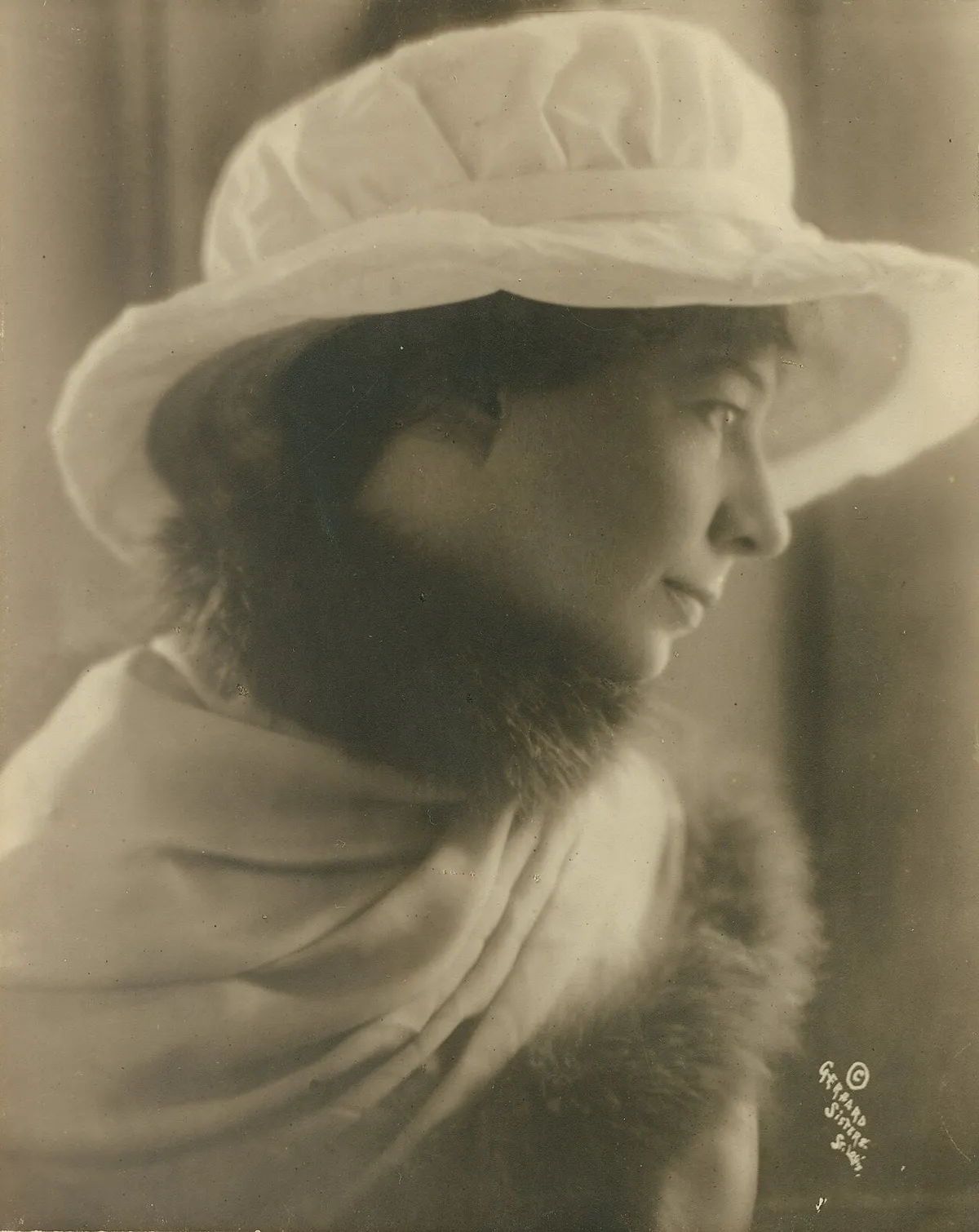
Sara Teasdale
The Years
To-night I close my eyes and see
A strange procession passing me --
The years before I saw your face
Go by me with a wistful grace;
They pass, the sensitive, shy years,
As one who strives to dance, half blind with tears.
The years went by and never knew
That each one brought me nearer you;
Their path was narrow and apart
And yet it led me to your heart --
Oh, sensitive, shy years, oh, lonely years,
That strove to sing with voices drowned in tears.
Read more →
A strange procession passing me --
The years before I saw your face
Go by me with a wistful grace;
They pass, the sensitive, shy years,
As one who strives to dance, half blind with tears.
The years went by and never knew
That each one brought me nearer you;
Their path was narrow and apart
And yet it led me to your heart --
Oh, sensitive, shy years, oh, lonely years,
That strove to sing with voices drowned in tears.
486
Rudyard Kipling
To the Unknown Goddess
Will you conquer my heart with your beauty; my sould going out from afar?
Shall I fall to your hand as a victim of crafty and cautions shikar?
Have I met you and passed you already, unknowing, unthinking and blind?
Shall I meet you next session at Simla, O sweetest and best of your kind?
Does the P. and O. bear you to meward, or, clad in short frocks in the West,
Are you growing the charms that shall capture and torture the heart in my breast?
Will you stay in the Plains till September -- my passion as warm as the day?
Will you bring me to book on the Mountains, or where the thermantidotes play?
When the light of your eyes shall make pallid the mean lesser lights I pursue,
And the charm of your presence shall lure me from love of the gay "thirteen-two";
When the peg and the pig-skin shall please not; when I buy me Calcutta-build clothes;
When I quit the Delight of Wild Asses; foreswearing the swearing of oaths ;
As a deer to the hand of the hunter when I turn 'mid the gibes of my friends;
When the days of my freedom are numbered, and the life of the bachelor ends.
Ah, Goddess! child, spinster, or widow -- as of old on Mars Hill whey they raised
To the God that they knew not an altar -- so I, a young Pagan, have praised
The Goddess I know not nor worship; yet, if half that men tell me be true,
You will come in the future, and therefore these verses are written to you.
Read more →
Shall I fall to your hand as a victim of crafty and cautions shikar?
Have I met you and passed you already, unknowing, unthinking and blind?
Shall I meet you next session at Simla, O sweetest and best of your kind?
Does the P. and O. bear you to meward, or, clad in short frocks in the West,
Are you growing the charms that shall capture and torture the heart in my breast?
Will you stay in the Plains till September -- my passion as warm as the day?
Will you bring me to book on the Mountains, or where the thermantidotes play?
When the light of your eyes shall make pallid the mean lesser lights I pursue,
And the charm of your presence shall lure me from love of the gay "thirteen-two";
When the peg and the pig-skin shall please not; when I buy me Calcutta-build clothes;
When I quit the Delight of Wild Asses; foreswearing the swearing of oaths ;
As a deer to the hand of the hunter when I turn 'mid the gibes of my friends;
When the days of my freedom are numbered, and the life of the bachelor ends.
Ah, Goddess! child, spinster, or widow -- as of old on Mars Hill whey they raised
To the God that they knew not an altar -- so I, a young Pagan, have praised
The Goddess I know not nor worship; yet, if half that men tell me be true,
You will come in the future, and therefore these verses are written to you.
486

Johann Wolfgang von Goethe
Spirit Song Over The Waters
THE soul of man
Resembleth water:
From heaven it cometh,
To heaven it soareth.
And then again
To earth descendeth,
Changing ever.
Down from the lofty
Rocky wall
Streams the bright flood,
Then spreadeth gently
In cloudy billows
O'er the smooth rock,
And welcomed kindly,
Veiling, on roams it,
Soft murmuring,
Tow'rd the abyss.
Cliffs projecting
Oppose its progress,--
Angrily foams it
Down to the bottom,
Step by step.
Now, in flat channel,
Through the meadowland steals it,
And in the polish'd lake
Each constellation
Joyously peepeth.
Wind is the loving
Wooer of waters;
Wind blends together
Billows all-foaming.
Spirit of man,
Thou art like unto water!
Fortune of man,
Thou art like unto wind!
Read more →
Resembleth water:
From heaven it cometh,
To heaven it soareth.
And then again
To earth descendeth,
Changing ever.
Down from the lofty
Rocky wall
Streams the bright flood,
Then spreadeth gently
In cloudy billows
O'er the smooth rock,
And welcomed kindly,
Veiling, on roams it,
Soft murmuring,
Tow'rd the abyss.
Cliffs projecting
Oppose its progress,--
Angrily foams it
Down to the bottom,
Step by step.
Now, in flat channel,
Through the meadowland steals it,
And in the polish'd lake
Each constellation
Joyously peepeth.
Wind is the loving
Wooer of waters;
Wind blends together
Billows all-foaming.
Spirit of man,
Thou art like unto water!
Fortune of man,
Thou art like unto wind!
487
Hilaire Belloc
[Month of] January
It freezes- all across a soundless sky
The birds go home. The governing dark's begun:
The steadfast dark that waits not for a sun;
The ultimate dark wherein the race shall die.
Death, with his evil finger to his lip,
Leers in at human windows, turning spy
To learn the country where his rule shall lie
When he assumes perpetual generalship.
The undefeated enemy, the chill
That shall benumb the voiceful earth at last,
Is master of our moment, and has bound
The viewless wind it-self. There is no sound.
It freezes. Every friendly stream is fast.
It freezes; and the graven twigs are still.
Read more →
The birds go home. The governing dark's begun:
The steadfast dark that waits not for a sun;
The ultimate dark wherein the race shall die.
Death, with his evil finger to his lip,
Leers in at human windows, turning spy
To learn the country where his rule shall lie
When he assumes perpetual generalship.
The undefeated enemy, the chill
That shall benumb the voiceful earth at last,
Is master of our moment, and has bound
The viewless wind it-self. There is no sound.
It freezes. Every friendly stream is fast.
It freezes; and the graven twigs are still.
483
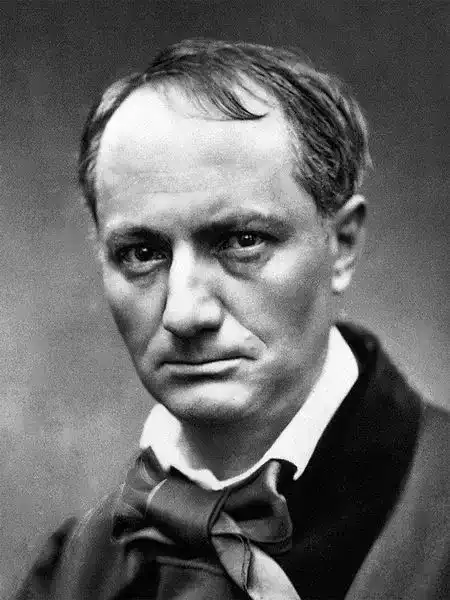
Charles Baudelaire
Ill-Starred
To bear a weight that cannot be borne,
Sisyphus, even you aren't that strong,
Although your heart cannot be torn
Time is short and Art is long.
Far from celebrated sepulchers
Toward a solitary graveyard
My heart, like a drum muffled hard
Beats a funeral march for the ill-starred.
—Many jewels are buried or shrouded
In darkness and oblivion's clouds,
Far from any pick or drill bit,
Many a flower unburdens with regret
Its perfume sweet like a secret;
In profoundly empty solitude to sit.
Translated by William A. Sigler
Read more →
Sisyphus, even you aren't that strong,
Although your heart cannot be torn
Time is short and Art is long.
Far from celebrated sepulchers
Toward a solitary graveyard
My heart, like a drum muffled hard
Beats a funeral march for the ill-starred.
—Many jewels are buried or shrouded
In darkness and oblivion's clouds,
Far from any pick or drill bit,
Many a flower unburdens with regret
Its perfume sweet like a secret;
In profoundly empty solitude to sit.
Translated by William A. Sigler
481

Ella Wheeler Wilcox
The Farewell to Clarimonde
Adieu, Romauld! But thou canst not forget me.
Although no more I haunt thy dreams at night,
Thy hungering heart forever must regret me,
And starve for those lost moments of delight.
Naught shall avail thy priestly rites and duties,
Nor fears of Hell, nor hopes of Heaven beyond:
Before the Cross shall rise my fair form's beauties—-
The lips, the limbs, the eyes of Clarimonde.
Like gall the wine sipped from the sacred chalice
Shall taste to one who knew my red mouth's bliss,
When Youth and Beauty dwelt in Love's own palace,
And life flowed on in one eternal kiss.
Through what strange ways I come, dear heart, to reach thee,
From viewless lands, by paths no man e'er trod!
I braved all fears, all dangers dared, to teach thee
A love more mighty than thy love of God.
Think not in all His Kingdom to discover
Such joys, Romauld, as ours, when fierce yet fond
I clasped thee—kissed thee—crowned thee my one lover:
Thou canst not find another Clarimonde.
I knew all arts of love: he who possessed me
Possessed all women, and could never tire;
A new life dawned for him who once caressed me;
Satiety itself I set on fire.
Inconstancy I chained: men died to win me;
Kings cast by crowns for one hour on my breast:
And all the passionate tide of love within me
I gave to thee, Romauld. Wert thou not blest?
Yet, for the love of God, thy hand hath riven
Our welded souls. But not in prayer well conned,
Not in thy dearly-purchased peace of Heaven,
Canst thou forget those hours with Clarimonde.
Read more →
Although no more I haunt thy dreams at night,
Thy hungering heart forever must regret me,
And starve for those lost moments of delight.
Naught shall avail thy priestly rites and duties,
Nor fears of Hell, nor hopes of Heaven beyond:
Before the Cross shall rise my fair form's beauties—-
The lips, the limbs, the eyes of Clarimonde.
Like gall the wine sipped from the sacred chalice
Shall taste to one who knew my red mouth's bliss,
When Youth and Beauty dwelt in Love's own palace,
And life flowed on in one eternal kiss.
Through what strange ways I come, dear heart, to reach thee,
From viewless lands, by paths no man e'er trod!
I braved all fears, all dangers dared, to teach thee
A love more mighty than thy love of God.
Think not in all His Kingdom to discover
Such joys, Romauld, as ours, when fierce yet fond
I clasped thee—kissed thee—crowned thee my one lover:
Thou canst not find another Clarimonde.
I knew all arts of love: he who possessed me
Possessed all women, and could never tire;
A new life dawned for him who once caressed me;
Satiety itself I set on fire.
Inconstancy I chained: men died to win me;
Kings cast by crowns for one hour on my breast:
And all the passionate tide of love within me
I gave to thee, Romauld. Wert thou not blest?
Yet, for the love of God, thy hand hath riven
Our welded souls. But not in prayer well conned,
Not in thy dearly-purchased peace of Heaven,
Canst thou forget those hours with Clarimonde.
483
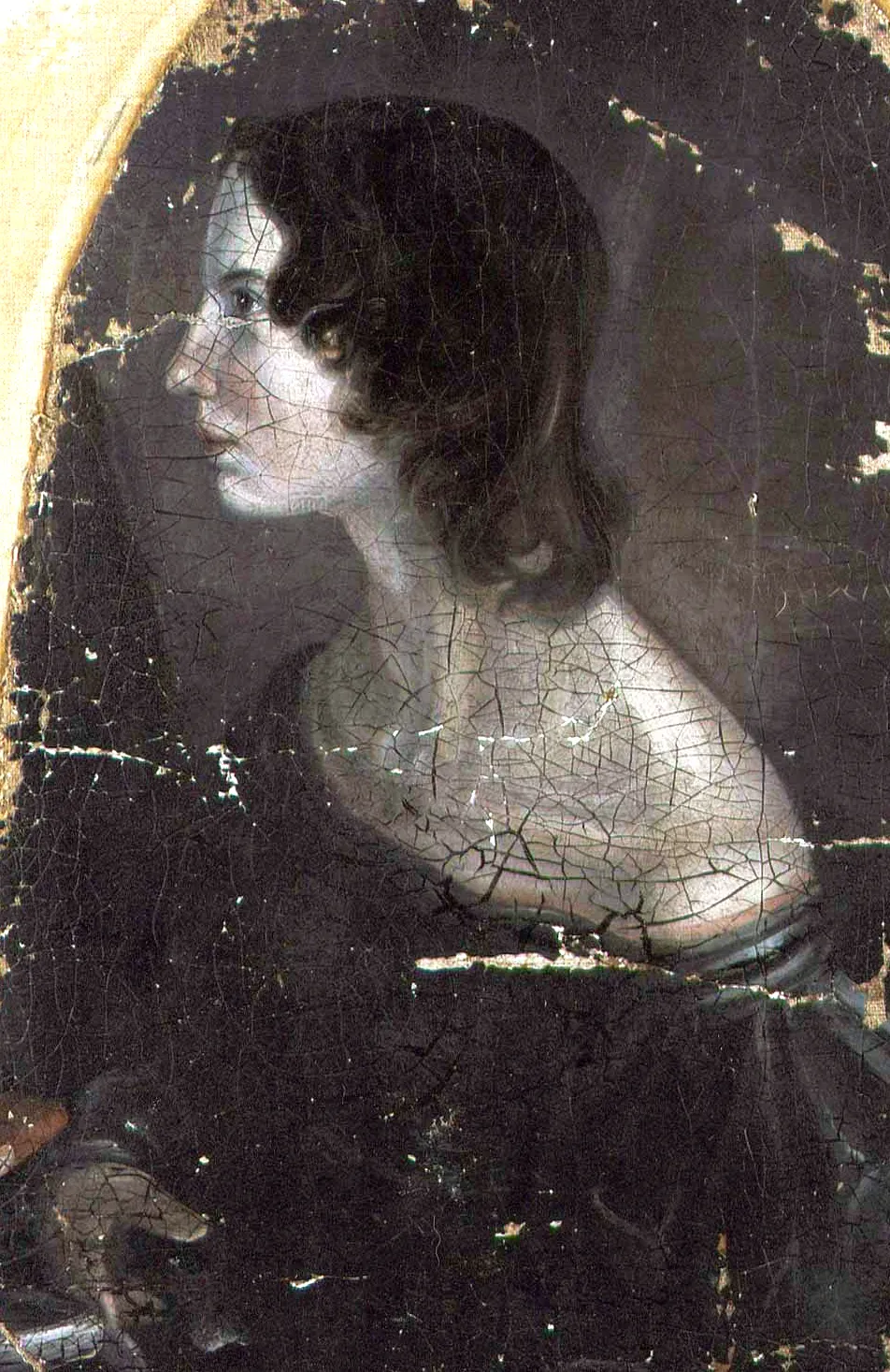
Emily Jane Brontë
Ah! Why, Because the Dazzling Sun
Ah! why, because the dazzling sun
Restored my earth to joy
Have you departed, every one,
And left a desert sky?
All through the night, your glorious eyes
Were gazing down in mine,
And with a full heart's thankful sighs
I blessed that watch divine!
I was at peace, and drank your beams
As they were life to me
And revelled in my changeful dreams
Like petrel on the sea.
Thought followed thought—star followed star
Through boundless regions on,
While one sweet influence, near and far,
Thrilled through and proved us one.
Why did the morning rise to break
So great, so pure a spell,
And scorch with fire the tranquil cheek
Where your cool radiance fell?
Blood-red he rose, and arrow-straight,
His fierce beams struck my brow;
The soul of Nature sprang elate,
But mine sank sad and low!
My lids closed down—yet through their veil
I saw him blazing still;
And bathe in gold the misty dale,
And flash upon the hill.
I turned me to the pillow then
To call back Night, and see
Your worlds of solemn light, again
Throb with my heart and me!
It would not do—the pillow glowed
And glowed both roof and floor,
And birds sang loudly in the wood,
And fresh winds shook the door.
The curtains waved, the wakened flies
Were murmuring round my room,
Imprisoned there, till I should rise
And give them leave to roam.
O Stars and Dreams and Gentle Night;
O Night and Stars return!
And hide me from the hostile light
That does not warm, but burn—
That drains the blood of suffering men;
Drinks tears, instead of dew:
Let me sleep through his blinding reign,
And only wake with you!
Read more →
Restored my earth to joy
Have you departed, every one,
And left a desert sky?
All through the night, your glorious eyes
Were gazing down in mine,
And with a full heart's thankful sighs
I blessed that watch divine!
I was at peace, and drank your beams
As they were life to me
And revelled in my changeful dreams
Like petrel on the sea.
Thought followed thought—star followed star
Through boundless regions on,
While one sweet influence, near and far,
Thrilled through and proved us one.
Why did the morning rise to break
So great, so pure a spell,
And scorch with fire the tranquil cheek
Where your cool radiance fell?
Blood-red he rose, and arrow-straight,
His fierce beams struck my brow;
The soul of Nature sprang elate,
But mine sank sad and low!
My lids closed down—yet through their veil
I saw him blazing still;
And bathe in gold the misty dale,
And flash upon the hill.
I turned me to the pillow then
To call back Night, and see
Your worlds of solemn light, again
Throb with my heart and me!
It would not do—the pillow glowed
And glowed both roof and floor,
And birds sang loudly in the wood,
And fresh winds shook the door.
The curtains waved, the wakened flies
Were murmuring round my room,
Imprisoned there, till I should rise
And give them leave to roam.
O Stars and Dreams and Gentle Night;
O Night and Stars return!
And hide me from the hostile light
That does not warm, but burn—
That drains the blood of suffering men;
Drinks tears, instead of dew:
Let me sleep through his blinding reign,
And only wake with you!
483
Sara Teasdale
Summer Night, Riverside
In the wild, soft summer darkness
How many and many a night we two together
Sat in the park and watched the Hudson
Wearing her lights like golden spangles
Glinting on black satin.
The rail along the curving pathway
Was low in a happy place to let us cross,
And down the hill a tree that dripped with bloom
Sheltered us,
While your kisses and the flowers,
Falling, falling,
Tangled my hair. . . .
The frail white stars moved slowly over the sky.
And now, far off
In the fragrant darkness
The tree is tremulous again with bloom,
For June comes back.
To-night what girl
Dreamily before her mirror shakes from her hair
This year's blossoms, clinging in its coils?
Read more →
How many and many a night we two together
Sat in the park and watched the Hudson
Wearing her lights like golden spangles
Glinting on black satin.
The rail along the curving pathway
Was low in a happy place to let us cross,
And down the hill a tree that dripped with bloom
Sheltered us,
While your kisses and the flowers,
Falling, falling,
Tangled my hair. . . .
The frail white stars moved slowly over the sky.
And now, far off
In the fragrant darkness
The tree is tremulous again with bloom,
For June comes back.
To-night what girl
Dreamily before her mirror shakes from her hair
This year's blossoms, clinging in its coils?
483

Alfred Lord Tennyson
All Things will Die
All Things will Die
Clearly the blue river chimes in its flowing
Under my eye;
Warmly and broadly the south winds are blowing
Over the sky.
One after another the white clouds are fleeting;
Every heart this May morning in joyance is beating
Full merrily;
Yet all things must die.
The stream will cease to flow;
The wind will cease to blow;
The clouds will cease to fleet;
The heart will cease to beat;
For all things must die.
All things must die.
Spring will come never more.
O, vanity!
Death waits at the door.
See! our friends are all forsaking
The wine and the merrymaking.
We are call’d–we must go.
Laid low, very low,
In the dark we must lie.
The merry glees are still;
The voice of the bird
Shall no more be heard,
Nor the wind on the hill.
O, misery!
Hark! death is calling
While I speak to ye,
The jaw is falling,
The red cheek paling,
The strong limbs failing;
Ice with the warm blood mixing;
The eyeballs fixing.
Nine times goes the passing bell:
Ye merry souls, farewell.
The old earth
Had a birth,
As all men know,
Long ago.
And the old earth must die.
So let the warm winds range,
And the blue wave beat the shore;
For even and morn
Ye will never see
Thro’ eternity.
All things were born.
Ye will come never more,
For all things must die.
Read more →
Clearly the blue river chimes in its flowing
Under my eye;
Warmly and broadly the south winds are blowing
Over the sky.
One after another the white clouds are fleeting;
Every heart this May morning in joyance is beating
Full merrily;
Yet all things must die.
The stream will cease to flow;
The wind will cease to blow;
The clouds will cease to fleet;
The heart will cease to beat;
For all things must die.
All things must die.
Spring will come never more.
O, vanity!
Death waits at the door.
See! our friends are all forsaking
The wine and the merrymaking.
We are call’d–we must go.
Laid low, very low,
In the dark we must lie.
The merry glees are still;
The voice of the bird
Shall no more be heard,
Nor the wind on the hill.
O, misery!
Hark! death is calling
While I speak to ye,
The jaw is falling,
The red cheek paling,
The strong limbs failing;
Ice with the warm blood mixing;
The eyeballs fixing.
Nine times goes the passing bell:
Ye merry souls, farewell.
The old earth
Had a birth,
As all men know,
Long ago.
And the old earth must die.
So let the warm winds range,
And the blue wave beat the shore;
For even and morn
Ye will never see
Thro’ eternity.
All things were born.
Ye will come never more,
For all things must die.
482

Lord Byron
From The Last Hill That Looks On Thy Once Holy Dome
I.
From the last hill that looks on thy once holy dome,
I beheld thee, Oh Sion! when rendered to Rome:
'Twas thy last sun went down, and the flames of thy fall
Flash'd back on the last glance I gave to thy wall.
II.
I look'd for thy temple, I look'd for my home,
And forgot for a moment my bondage to come;
I beheld but the deathfire
that fed on thy fane,
And the fastfetter'd
hands that made vengeance in vain.
III.
Oh many an eve, the high spot whence I gazed
Had reflected the last beam of day as it blazed;
While I stood on the height, and beheld the decline
Of the rays from the mountain that shone on thy shrine.
IV.
And now on that mountain I stood on that day,
But I marked not the twilight beam melting away;
Oh! would that the lightning had glared in its stead,
And the thunderbolt burst on the conqueror's head!
V.
But the Gods of the Pagan shall never profane
The shrine where Jehovah disdain'd not to reign;
And scattered and scorn'd as thy people may be,
Our worship, oh Father! is only for thee.
Read more →
From the last hill that looks on thy once holy dome,
I beheld thee, Oh Sion! when rendered to Rome:
'Twas thy last sun went down, and the flames of thy fall
Flash'd back on the last glance I gave to thy wall.
II.
I look'd for thy temple, I look'd for my home,
And forgot for a moment my bondage to come;
I beheld but the deathfire
that fed on thy fane,
And the fastfetter'd
hands that made vengeance in vain.
III.
Oh many an eve, the high spot whence I gazed
Had reflected the last beam of day as it blazed;
While I stood on the height, and beheld the decline
Of the rays from the mountain that shone on thy shrine.
IV.
And now on that mountain I stood on that day,
But I marked not the twilight beam melting away;
Oh! would that the lightning had glared in its stead,
And the thunderbolt burst on the conqueror's head!
V.
But the Gods of the Pagan shall never profane
The shrine where Jehovah disdain'd not to reign;
And scattered and scorn'd as thy people may be,
Our worship, oh Father! is only for thee.
483
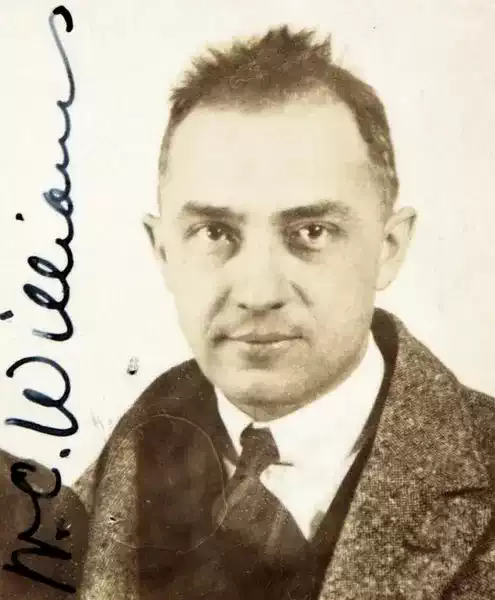
William Carlos Williams
Thursday
I have had my dream--like others--
and it has come to nothing, so that
I remain now carelessly
with feet planted on the ground
and look up at the sky--
feeling my clothes about me,
the weight of my body in my shoes,
the rim of my hat, air passing in and out
at my nose--and decide to dream no more.
Read more →
and it has come to nothing, so that
I remain now carelessly
with feet planted on the ground
and look up at the sky--
feeling my clothes about me,
the weight of my body in my shoes,
the rim of my hat, air passing in and out
at my nose--and decide to dream no more.
484
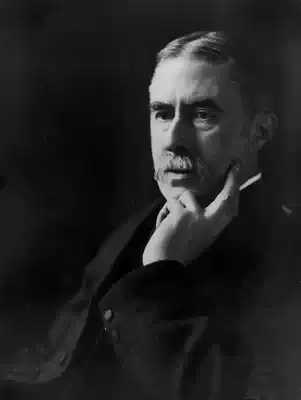
Alfred Edward Housman
Along The Field as We Came By
ALONG the field as we came by
A year ago, my love and I,
The aspen over stile and stone
Was talking to itself alone.
‘Oh who are these that kiss and pass?
A country lover and his lass;
Two lovers looking to be wed;
And time shall put them both to bed,
But she shall lie with earth above,
And he beside another love.’
And sure enough beneath the tree
There walks another love with me,
And overhead the aspen heaves
Its rainy-sounding silver leaves;
And I spell nothing in their stir,
But now perhaps they speak to her,
And plain for her to understand
They talk about a time at hand
When I shall sleep with clover clad,
And she beside another lad.
Read more →
A year ago, my love and I,
The aspen over stile and stone
Was talking to itself alone.
‘Oh who are these that kiss and pass?
A country lover and his lass;
Two lovers looking to be wed;
And time shall put them both to bed,
But she shall lie with earth above,
And he beside another love.’
And sure enough beneath the tree
There walks another love with me,
And overhead the aspen heaves
Its rainy-sounding silver leaves;
And I spell nothing in their stir,
But now perhaps they speak to her,
And plain for her to understand
They talk about a time at hand
When I shall sleep with clover clad,
And she beside another lad.
483
Sara Teasdale
If Death Is Kind
Perhaps if Death is kind, and there can be returning,
We will come back to earth some fragrant night,
And take these lanes to find the sea, and bending
Breathe the same honeysuckle, low and white.
We will come down at night to these resounding beaches
And the long gentle thunder of the sea,
Here for a single hour in the wide starlight
We shall be happy, for the dead are free.
Read more →
We will come back to earth some fragrant night,
And take these lanes to find the sea, and bending
Breathe the same honeysuckle, low and white.
We will come down at night to these resounding beaches
And the long gentle thunder of the sea,
Here for a single hour in the wide starlight
We shall be happy, for the dead are free.
482
Ella Wheeler Wilcox
Christ Crucified
Now ere I slept, my prayer had been that I might see my way
To do the will of Christ, our Lord and Master, day by day;
And with this prayer upon my lips, I knew not that I dreamed,
But suddenly the world of night a pandemonium seemed.
From forest, and from slaughter house, from bull ring, and from stall,
There rose an anguished cry of pain, a loud, appealing call;
As man – the dumb beast’s next of kin – with gun, and whip, and knife,
Went pleasure-seeking through the earth, blood-bent on taking life.
From trap, and cage, and house, and zoo, and street, that awful strain
Of tortured creatures rose and swelled the orchestra of pain.
And then methought the gentle Christ appeared to me and spoke:
‘I called you, but ye answered not’ – and in my fear I woke.
Then next I heard the roar of mills; and moving through the noise,
Like phantoms in an underworld, were little girls and boys.
Their backs were bent, their brows were pale, their eyes were sad and old;
But by the labour of their hands greed added gold to gold.
Again the Presence and the Voice: ‘Behold the crimes I see,
As ye have done it unto these, so have ye done to me.’
Again I slept. I seemed to climb a hard, ascending track;
And just behind me laboured one whose patient face was black.
I pitied him; but hour by hour he gained upon the path;
He stood beside me, stood upright – and then I turned in wrath.
‘Go back! ’ I cried. ‘What right have you to walk beside me here?
For you are black, and I am white.’ I paused struck dumb with fear.
For lo! the black man was not there, but Christ stood in his place;
And oh! the pain, the pain, the pain that looked from his dear face.
Now when I woke, the air was rife with that sweet, rhythmic din
Which tells the world that Christ has come to save mankind from sin.
And through the open door of church and temple passed a throng,
To worship Him, with bended knee with sermon, and with song.
But over all I heard the cry of hunted, mangled things;
Those creatures which are part of God, though they have hoofs and wings.
I saw the mill, the mine, and shop, the little slaves of greed;
I heard the strife of race with race, all sprung from one God-seed.
And then I bowed my head in shame, and in contrition cried –
‘Lo, after nineteen hundred years, Christ still is crucified.’
Read more →
To do the will of Christ, our Lord and Master, day by day;
And with this prayer upon my lips, I knew not that I dreamed,
But suddenly the world of night a pandemonium seemed.
From forest, and from slaughter house, from bull ring, and from stall,
There rose an anguished cry of pain, a loud, appealing call;
As man – the dumb beast’s next of kin – with gun, and whip, and knife,
Went pleasure-seeking through the earth, blood-bent on taking life.
From trap, and cage, and house, and zoo, and street, that awful strain
Of tortured creatures rose and swelled the orchestra of pain.
And then methought the gentle Christ appeared to me and spoke:
‘I called you, but ye answered not’ – and in my fear I woke.
Then next I heard the roar of mills; and moving through the noise,
Like phantoms in an underworld, were little girls and boys.
Their backs were bent, their brows were pale, their eyes were sad and old;
But by the labour of their hands greed added gold to gold.
Again the Presence and the Voice: ‘Behold the crimes I see,
As ye have done it unto these, so have ye done to me.’
Again I slept. I seemed to climb a hard, ascending track;
And just behind me laboured one whose patient face was black.
I pitied him; but hour by hour he gained upon the path;
He stood beside me, stood upright – and then I turned in wrath.
‘Go back! ’ I cried. ‘What right have you to walk beside me here?
For you are black, and I am white.’ I paused struck dumb with fear.
For lo! the black man was not there, but Christ stood in his place;
And oh! the pain, the pain, the pain that looked from his dear face.
Now when I woke, the air was rife with that sweet, rhythmic din
Which tells the world that Christ has come to save mankind from sin.
And through the open door of church and temple passed a throng,
To worship Him, with bended knee with sermon, and with song.
But over all I heard the cry of hunted, mangled things;
Those creatures which are part of God, though they have hoofs and wings.
I saw the mill, the mine, and shop, the little slaves of greed;
I heard the strife of race with race, all sprung from one God-seed.
And then I bowed my head in shame, and in contrition cried –
‘Lo, after nineteen hundred years, Christ still is crucified.’
484
Sara Teasdale
I Shall Not Care
When I am dead and over me bright April
Shakes out her rain-drenched hair,
Though you should lean above me broken-hearted,
I shall not care.
I shall have peace, as leafy trees are peaceful
When rain bends down the bough,
And I shall be more silent and cold-hearted
Than you are now.
Read more →
Shakes out her rain-drenched hair,
Though you should lean above me broken-hearted,
I shall not care.
I shall have peace, as leafy trees are peaceful
When rain bends down the bough,
And I shall be more silent and cold-hearted
Than you are now.
483

Ezra Pound
Paracelsus In Excelsis
‘Being no longer human, why should I
Pretend humanity or don the frail attire?
Men have I known and men, but never one
Was grown so free an essence, or become
So simply element as what I am.
The mist goes from the mirror and I see.
Behold! the world of forms is swept beneath-
Turmoil grown visible beneath our peace,
And we that are grown formless, rise above-
Fluids intangible that have been men,
We seem as statues round whose high-risen base
Some overflowing river is run mad,
In us alone the element of calm.'
Read more →
Pretend humanity or don the frail attire?
Men have I known and men, but never one
Was grown so free an essence, or become
So simply element as what I am.
The mist goes from the mirror and I see.
Behold! the world of forms is swept beneath-
Turmoil grown visible beneath our peace,
And we that are grown formless, rise above-
Fluids intangible that have been men,
We seem as statues round whose high-risen base
Some overflowing river is run mad,
In us alone the element of calm.'
483
Alfred Edward Housman
White in the Moon the Long Road Lies
White in the moon the long road lies,
The moon stands blank above;
White in the moon the long road lies
That leads me from my love.
Still hangs the hedge without a gust,
Still, still the shadows stay:
My feet upon the moonlit dust
Pursue the ceaseless way.
The world is round, so travellers tell,
And straight though reach the track,
Trudge on, trudge on, 'twill all be well,
The way will guide one back.
But ere the circle homeward hies
Far, far must it remove:
White in the moon the long road lies
That leads me from my love.
Read more →
The moon stands blank above;
White in the moon the long road lies
That leads me from my love.
Still hangs the hedge without a gust,
Still, still the shadows stay:
My feet upon the moonlit dust
Pursue the ceaseless way.
The world is round, so travellers tell,
And straight though reach the track,
Trudge on, trudge on, 'twill all be well,
The way will guide one back.
But ere the circle homeward hies
Far, far must it remove:
White in the moon the long road lies
That leads me from my love.
483