
Soul
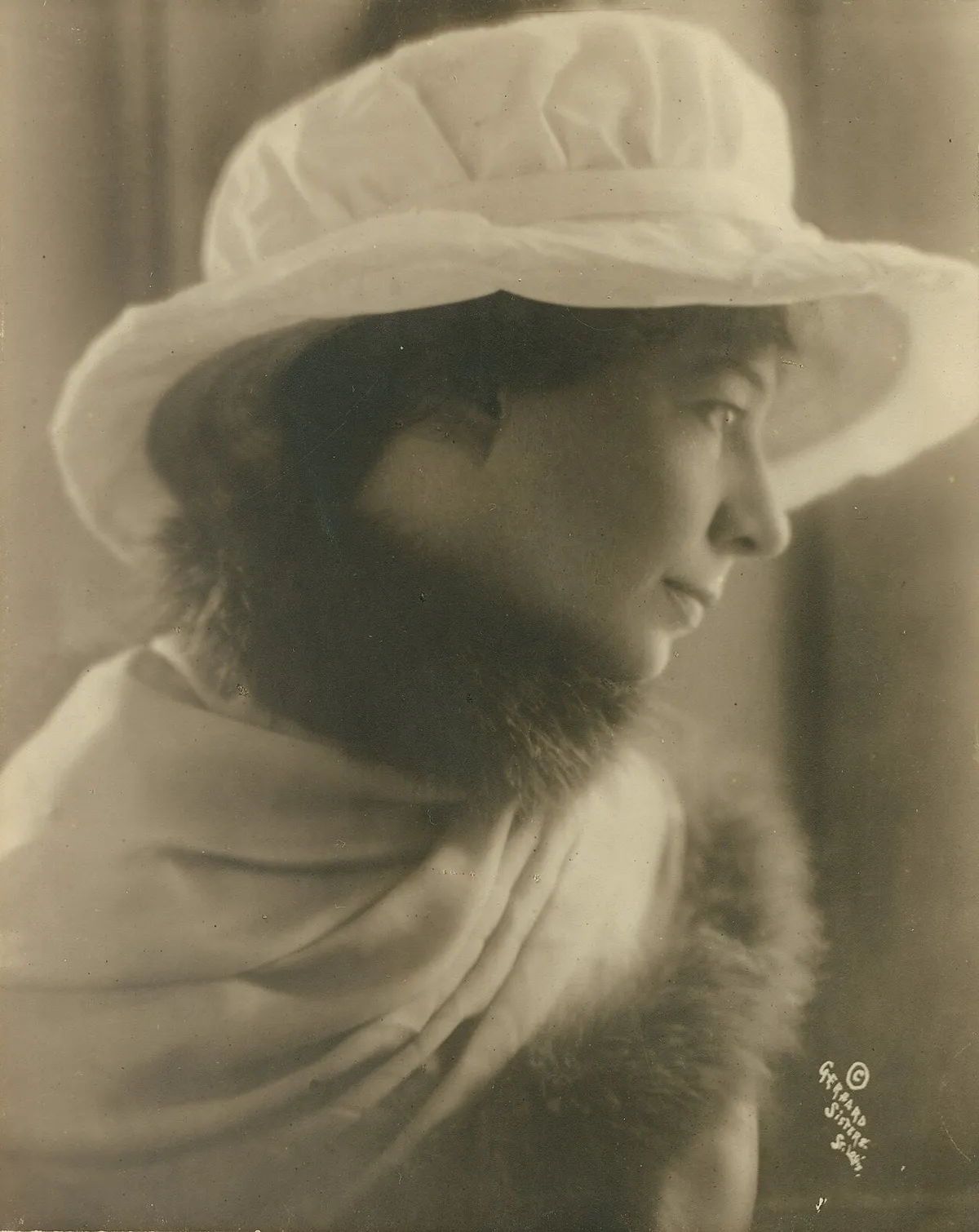
Sara Teasdale
Morning Song
A diamond of a morning
Waked me an hour too soon;
Dawn had taken in the stars
And left the faint white moon.
O white moon, you are lonely,
It is the same with me,
But we have the world to roam over,
Only the lonely are free.
Read more →
Waked me an hour too soon;
Dawn had taken in the stars
And left the faint white moon.
O white moon, you are lonely,
It is the same with me,
But we have the world to roam over,
Only the lonely are free.
492
Sara Teasdale
Change
Remember me as I was then;
Turn from me now, but always see
The laughing shadowy girl who stood
At midnight by the flowering tree,
With eyes that love had made as bright
As the trembling stars of the summer night.
Turn from me now, but always hear
The muted laughter in the dew
Of that one year of youth we had,
The only youth we ever knew --
Turn from me now, or you will see
What other years have done to me.
Read more →
Turn from me now, but always see
The laughing shadowy girl who stood
At midnight by the flowering tree,
With eyes that love had made as bright
As the trembling stars of the summer night.
Turn from me now, but always hear
The muted laughter in the dew
Of that one year of youth we had,
The only youth we ever knew --
Turn from me now, or you will see
What other years have done to me.
489
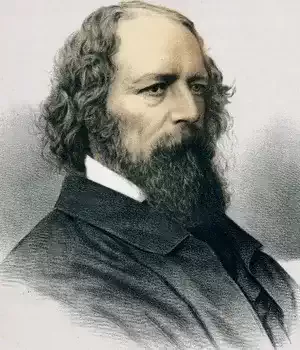
Alfred Lord Tennyson
Spring
Birds' love and birds' song
Flying here and there,
Birds' songand birds' love
And you with gold for hair!
Birds' songand birds' love
Passing with the weather,
Men's song and men's love,
To love once and forever.
Men's love and birds' love,
And women's love and men's!
And you my wren with a crown of gold,
You my queen of the wrens!
You the queen of the wrens -We'll
be birds of a feather,
I'll be King of the Queen of the wrens,
And all in a nest together.
Read more →
Flying here and there,
Birds' songand birds' love
And you with gold for hair!
Birds' songand birds' love
Passing with the weather,
Men's song and men's love,
To love once and forever.
Men's love and birds' love,
And women's love and men's!
And you my wren with a crown of gold,
You my queen of the wrens!
You the queen of the wrens -We'll
be birds of a feather,
I'll be King of the Queen of the wrens,
And all in a nest together.
489
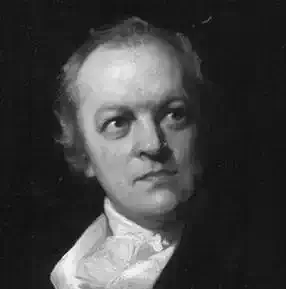
William Blake
An Imitation of Spenser
Golden Apollo, that thro' heaven wide
Scatter'st the rays of light, and truth's beams,
In lucent words my darkling verses dight,
And wash my earthy mind in thy clear streams,
That wisdom may descend in fairy dreams,
All while the jocund hours in thy train
Scatter their fancies at thy poet's feet;
And when thou yields to night thy wide domain,
Let rays of truth enlight his sleeping brain.
For brutish Pan in vain might thee assay
With tinkling sounds to dash thy nervous verse,
Sound without sense; yet in his rude affray,
(For ignorance is Folly's leasing nurse
And love of Folly needs none other's curse)
Midas the praise hath gain'd of lengthen'd ears,
For which himself might deem him ne'er the worse
To sit in council with his modern peers,
And judge of tinkling rimes and elegances terse.
And thou, Mercurius, that with wingèd brow
Dost mount aloft into the yielding sky,
And thro' Heav'n's halls thy airy flight dost throw,
Entering with holy feet to where on high
Jove weighs the counsel of futurity;
Then, laden with eternal fate, dost go
Down, like a falling star, from autumn sky,
And o'er the surface of the silent deep dost fly:
If thou arrivest at the sandy shore
Where nought but envious hissing adders dwell,
Thy golden rod, thrown on t he dusty floor,
Can charm to harmony with potent spell.
Such is sweet Eloquence, that does dispel
Envy and Hate that thirst for human gore;
And cause in sweet society to dwell
Vile savage minds that lurk in lonely cell
O Mercury, assist my lab'ring sense
That round the circle of the world would fly,
As the wing'd eagle scorns the tow'ry fence
Of Alpine hills round his high aëry,
And searches thro' the corners of the sky,
Sports in the clouds to hear the thunder's sound,
And see the wingèd lightnings as they fly;
Then, bosom'd in an amber cloud, around
Plumes his wide wings, and seeks Sol's palace high.
And thou, O warrior maid invincible,
Arm'd with the terrors of Almighty Jove,
Pallas, Minerva, maiden terrible,
Lov'st thou to walk the peaceful solemn grove,
In solemn gloom of branches interwove?
Or bear'st thy AEgis o'er the burning field,
Where, like the sea, the waves of battle move?
Or have thy soft piteous eyes beheld
The weary wanderer thro' the desert rove?
Or does th' afflicted man thy heav'nly bosom move?
Read more →
Scatter'st the rays of light, and truth's beams,
In lucent words my darkling verses dight,
And wash my earthy mind in thy clear streams,
That wisdom may descend in fairy dreams,
All while the jocund hours in thy train
Scatter their fancies at thy poet's feet;
And when thou yields to night thy wide domain,
Let rays of truth enlight his sleeping brain.
For brutish Pan in vain might thee assay
With tinkling sounds to dash thy nervous verse,
Sound without sense; yet in his rude affray,
(For ignorance is Folly's leasing nurse
And love of Folly needs none other's curse)
Midas the praise hath gain'd of lengthen'd ears,
For which himself might deem him ne'er the worse
To sit in council with his modern peers,
And judge of tinkling rimes and elegances terse.
And thou, Mercurius, that with wingèd brow
Dost mount aloft into the yielding sky,
And thro' Heav'n's halls thy airy flight dost throw,
Entering with holy feet to where on high
Jove weighs the counsel of futurity;
Then, laden with eternal fate, dost go
Down, like a falling star, from autumn sky,
And o'er the surface of the silent deep dost fly:
If thou arrivest at the sandy shore
Where nought but envious hissing adders dwell,
Thy golden rod, thrown on t he dusty floor,
Can charm to harmony with potent spell.
Such is sweet Eloquence, that does dispel
Envy and Hate that thirst for human gore;
And cause in sweet society to dwell
Vile savage minds that lurk in lonely cell
O Mercury, assist my lab'ring sense
That round the circle of the world would fly,
As the wing'd eagle scorns the tow'ry fence
Of Alpine hills round his high aëry,
And searches thro' the corners of the sky,
Sports in the clouds to hear the thunder's sound,
And see the wingèd lightnings as they fly;
Then, bosom'd in an amber cloud, around
Plumes his wide wings, and seeks Sol's palace high.
And thou, O warrior maid invincible,
Arm'd with the terrors of Almighty Jove,
Pallas, Minerva, maiden terrible,
Lov'st thou to walk the peaceful solemn grove,
In solemn gloom of branches interwove?
Or bear'st thy AEgis o'er the burning field,
Where, like the sea, the waves of battle move?
Or have thy soft piteous eyes beheld
The weary wanderer thro' the desert rove?
Or does th' afflicted man thy heav'nly bosom move?
490
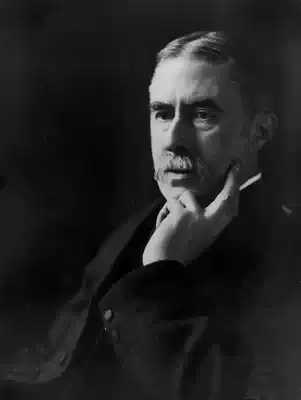
Alfred Edward Housman
I Hoed and Trenched and Weeded
I hoed and trenched and weeded,
And took the flowers to fair:
I brought them home unheeded;
The hue was not the wear.
So up and down I sow them
For lads like me to find,
When I shall lie below them,
A dead man out of mind.
Some seed the birds devour,
And some the season mars,
But here and there will flower,
The solitary stars,
And fields will yearly bear them
As light-leaved spring comes on,
And luckless lads will wear them
When I am dead and gone.
Read more →
And took the flowers to fair:
I brought them home unheeded;
The hue was not the wear.
So up and down I sow them
For lads like me to find,
When I shall lie below them,
A dead man out of mind.
Some seed the birds devour,
And some the season mars,
But here and there will flower,
The solitary stars,
And fields will yearly bear them
As light-leaved spring comes on,
And luckless lads will wear them
When I am dead and gone.
491
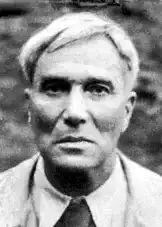
Boris Pasternak
I hang limp on the Creator's pen
I hang limp on the Creator's pen
Like a large drop of lilac gloss-paint.
Underneath are dykes' secrets; the air
From the railways is sodden and sticky,
Of the fumes of coal and night fires reeking.
But the moment night kills sunset's glare,
It turns pink itself, tinged with far flares,
And the fence stands stiff, paradox-stricken.
It keeps muttering: stop it till dawn.
Let the dry whiting finally settle.
Hard as nails is the worm-eaten ground,
And the echo's as keen as a skittle.
Warm spring wind, spots of cheviot and mud,
Early naileries' hoots faraway,
On the grater of cobble-stones road,
As on radishes lavishly sprayed,
Tears stand out clearly at break of day.
Like an acrid drop of thick lead paint,
I hang on to the Creator's pen.
Read more →
Like a large drop of lilac gloss-paint.
Underneath are dykes' secrets; the air
From the railways is sodden and sticky,
Of the fumes of coal and night fires reeking.
But the moment night kills sunset's glare,
It turns pink itself, tinged with far flares,
And the fence stands stiff, paradox-stricken.
It keeps muttering: stop it till dawn.
Let the dry whiting finally settle.
Hard as nails is the worm-eaten ground,
And the echo's as keen as a skittle.
Warm spring wind, spots of cheviot and mud,
Early naileries' hoots faraway,
On the grater of cobble-stones road,
As on radishes lavishly sprayed,
Tears stand out clearly at break of day.
Like an acrid drop of thick lead paint,
I hang on to the Creator's pen.
488

William Shakespeare
All the World's a Stage
All the world's a stage,
And all the men and women merely players;
They have their exits and their entrances,
And one man in his time plays many parts,
His acts being seven ages. At first, the infant,
Mewling and puking in the nurse's arms.
Then the whining schoolboy, with his satchel
And shining morning face, creeping like snail
Unwillingly to school. And then the lover,
Sighing like furnace, with a woeful ballad
Made to his mistress' eyebrow. Then a soldier,
Full of strange oaths and bearded like the pard,
Jealous in honor, sudden and quick in quarrel,
Seeking the bubble reputation
Even in the cannon's mouth. And then the justice,
In fair round belly with good capon lined,
With eyes severe and beard of formal cut,
Full of wise saws and modern instances;
And so he plays his part. The sixth age shifts
Into the lean and slippered pantaloon,
With spectacles on nose and pouch on side;
His youthful hose, well saved, a world too wide
For his shrunk shank, and his big manly voice,
Turning again toward childish treble, pipes
And whistles in his sound. Last scene of all,
That ends this strange eventful history,
Is second childishness and mere oblivion,
Sans teeth, sans eyes, sans taste, sans everything.
Read more →
And all the men and women merely players;
They have their exits and their entrances,
And one man in his time plays many parts,
His acts being seven ages. At first, the infant,
Mewling and puking in the nurse's arms.
Then the whining schoolboy, with his satchel
And shining morning face, creeping like snail
Unwillingly to school. And then the lover,
Sighing like furnace, with a woeful ballad
Made to his mistress' eyebrow. Then a soldier,
Full of strange oaths and bearded like the pard,
Jealous in honor, sudden and quick in quarrel,
Seeking the bubble reputation
Even in the cannon's mouth. And then the justice,
In fair round belly with good capon lined,
With eyes severe and beard of formal cut,
Full of wise saws and modern instances;
And so he plays his part. The sixth age shifts
Into the lean and slippered pantaloon,
With spectacles on nose and pouch on side;
His youthful hose, well saved, a world too wide
For his shrunk shank, and his big manly voice,
Turning again toward childish treble, pipes
And whistles in his sound. Last scene of all,
That ends this strange eventful history,
Is second childishness and mere oblivion,
Sans teeth, sans eyes, sans taste, sans everything.
490
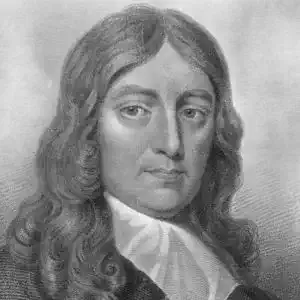
John Milton
Psalm 08
Aug. 14. 1653.
O Jehovah our Lord how wondrous great
And glorious is thy name through all the earth?
So as above the Heavens thy praise to set
Out of the tender mouths of latest bearth,
Out of the mouths of babes and sucklings thou
Hast founded strength because of all thy foes
To stint th'enemy, and slack th'avengers brow
That bends his rage thy providence to oppose.
When I behold thy Heavens, thy Fingers art,
The Moon and Starrs which thou so bright hast set,
In the pure firmament, then saith my heart,
O What is man that thou remembrest yet,
And think'st upon him; or of man begot
That him thou visit'st and of him art found;
Scarce to be less then Gods, thou mad'st his lot,
With honour and with state thou hast him crown'd.
O're the works of thy hand thou mad'st him Lord,
Thou hast put all under his lordly feet,
All Flocks, and Herds, by thy commanding word,
All beasts that in the field or forrest meet.
Fowl of the Heavens, and Fish that through the wet
Sea-paths in shoals do slide. And know no dearth.
O Jehovah our Lord how wondrous great
And glorious is thy name through all the earth.
Read more →
O Jehovah our Lord how wondrous great
And glorious is thy name through all the earth?
So as above the Heavens thy praise to set
Out of the tender mouths of latest bearth,
Out of the mouths of babes and sucklings thou
Hast founded strength because of all thy foes
To stint th'enemy, and slack th'avengers brow
That bends his rage thy providence to oppose.
When I behold thy Heavens, thy Fingers art,
The Moon and Starrs which thou so bright hast set,
In the pure firmament, then saith my heart,
O What is man that thou remembrest yet,
And think'st upon him; or of man begot
That him thou visit'st and of him art found;
Scarce to be less then Gods, thou mad'st his lot,
With honour and with state thou hast him crown'd.
O're the works of thy hand thou mad'st him Lord,
Thou hast put all under his lordly feet,
All Flocks, and Herds, by thy commanding word,
All beasts that in the field or forrest meet.
Fowl of the Heavens, and Fish that through the wet
Sea-paths in shoals do slide. And know no dearth.
O Jehovah our Lord how wondrous great
And glorious is thy name through all the earth.
491

Rudyard Kipling
The Mother's Son
I have a dream -- a dreadful dream --
A dream that is never done.
I watch a man go out of his mind,
And he is My Mother's Son.
They pushed him into a Mental Home,
And that is like the grave:
For they do not let you sleep upstairs,
And you aren't allowed to shave.
And it was not disease or crime
Which got him landed there,
But because They laid on My Mother's Son
More than a man could bear.
What with noise, and fear of death,
Waking, and wounds and cold,
They filled the Cup for My Mother's Son
Fuller than it could hold.
They broke his body and his mind
And yet They made him live,
And They asked more of My Mother's Son
Than any man could give.
For, just because he had not died,
Nor been discharged nor sick,
They dragged it out with My Mother's Son
Longer than he could stick....
And no one knows when he'll get well --
So, there he'll have to be:
And, 'spite of the beard in the looking-glass,
I know that man is me!
Read more →
A dream that is never done.
I watch a man go out of his mind,
And he is My Mother's Son.
They pushed him into a Mental Home,
And that is like the grave:
For they do not let you sleep upstairs,
And you aren't allowed to shave.
And it was not disease or crime
Which got him landed there,
But because They laid on My Mother's Son
More than a man could bear.
What with noise, and fear of death,
Waking, and wounds and cold,
They filled the Cup for My Mother's Son
Fuller than it could hold.
They broke his body and his mind
And yet They made him live,
And They asked more of My Mother's Son
Than any man could give.
For, just because he had not died,
Nor been discharged nor sick,
They dragged it out with My Mother's Son
Longer than he could stick....
And no one knows when he'll get well --
So, there he'll have to be:
And, 'spite of the beard in the looking-glass,
I know that man is me!
487
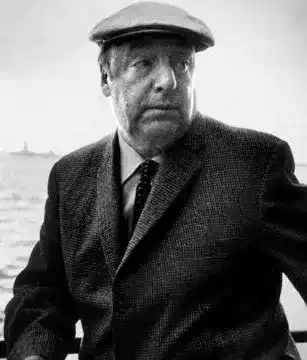
Pablo Neruda
LXXXIV From: ‘Cien sonetos de amor’
One time more, my love, the net of light extinguishes
work, wheels, flames, boredoms and farewells,
and we surrender the swaying wheat to night,
the wheat that noon stole from earth and light.
The moon alone in the midst of its clear page
sustains the pillars of Heaven’s Bay,
the room acquires the slowness of gold,
and your hands go here and there preparing night.
O love, O night. O cupola ringed by a river
of impenetrable water in the shadows of Heaven,
that raises and drowns its tempestuous orbs,
until we are only the one dark space
a glass into which fall celestial ashes,
one drop in the flow of a vast slow river
Read more →
work, wheels, flames, boredoms and farewells,
and we surrender the swaying wheat to night,
the wheat that noon stole from earth and light.
The moon alone in the midst of its clear page
sustains the pillars of Heaven’s Bay,
the room acquires the slowness of gold,
and your hands go here and there preparing night.
O love, O night. O cupola ringed by a river
of impenetrable water in the shadows of Heaven,
that raises and drowns its tempestuous orbs,
until we are only the one dark space
a glass into which fall celestial ashes,
one drop in the flow of a vast slow river
487

William Wordsworth
Fountain, The: A Conversation
We talked with open heart, and tongue
Affectionate and true,
A pair of friends, though I was young,
And Matthew seventy-two.
We lay beneath a spreading oak,
Beside a mossy seat;
And from the turf a fountain broke,
And gurgled at our feet.
"Now, Matthew!" said I, "let us match
This water's pleasant tune
With some old border-song, or catch
That suits a summer's noon;
"Or of the church-clock and the chimes
Sing here beneath the shade,
That half-mad thing of witty rhymes
Which you last April made!"
In silence Matthew lay, and eyed
The spring beneath the tree;
And thus the dear old Man replied,
The grey-haired man of glee:
"No check, no stay, this Streamlet fears;
How merrily it goes!
'Twill murmur on a thousand years,
And flow as now it flows.
"And here, on this delightful day,
I cannot choose but think
How oft, a vigorous man, I lay
Beside this fountain's brink.
"My eyes are dim with childish tears,
My heart is idly stirred,
For the same sound is in my ears
Which in those days I heard.
"Thus fares it still in our decay:
And yet the wiser mind
Mourns less for what age takes away
Than what it leaves behind.
"The blackbird amid leafy trees,
The lark above the hill,
Let loose their carols when they please
Are quiet when they will.
"With Nature never do 'they' wage
A foolish strife; they see
A happy youth, and their old age
Is beautiful and free:
"But we are pressed by heavy laws;
And often, glad no more,
We wear a face of joy, because
We have been glad of yore.
"If there be one who need bemoan
His kindred laid in earth,
The household hearts that were his own;
It is the man of mirth.
"My days, my Friend, are almost gone,
My life has been approved,
And many love me; but by none
Am I enough beloved."
"Now both himself and me he wrongs,
The man who thus complains;
I live and sing my idle songs
Upon these happy plains;
"And, Matthew, for thy children dead
I'll be a son to thee!"
At this he grasped my hand, and said,
"Alas! that cannot be."
We rose up from the fountain-side;
And down the smooth descent
Of the green sheep-track did we glide;
And through the wood we went;
And, ere we came to Leonard's rock,
He sang those witty rhymes
About the crazy old church-clock,
And the bewildered chimes.
Read more →
Affectionate and true,
A pair of friends, though I was young,
And Matthew seventy-two.
We lay beneath a spreading oak,
Beside a mossy seat;
And from the turf a fountain broke,
And gurgled at our feet.
"Now, Matthew!" said I, "let us match
This water's pleasant tune
With some old border-song, or catch
That suits a summer's noon;
"Or of the church-clock and the chimes
Sing here beneath the shade,
That half-mad thing of witty rhymes
Which you last April made!"
In silence Matthew lay, and eyed
The spring beneath the tree;
And thus the dear old Man replied,
The grey-haired man of glee:
"No check, no stay, this Streamlet fears;
How merrily it goes!
'Twill murmur on a thousand years,
And flow as now it flows.
"And here, on this delightful day,
I cannot choose but think
How oft, a vigorous man, I lay
Beside this fountain's brink.
"My eyes are dim with childish tears,
My heart is idly stirred,
For the same sound is in my ears
Which in those days I heard.
"Thus fares it still in our decay:
And yet the wiser mind
Mourns less for what age takes away
Than what it leaves behind.
"The blackbird amid leafy trees,
The lark above the hill,
Let loose their carols when they please
Are quiet when they will.
"With Nature never do 'they' wage
A foolish strife; they see
A happy youth, and their old age
Is beautiful and free:
"But we are pressed by heavy laws;
And often, glad no more,
We wear a face of joy, because
We have been glad of yore.
"If there be one who need bemoan
His kindred laid in earth,
The household hearts that were his own;
It is the man of mirth.
"My days, my Friend, are almost gone,
My life has been approved,
And many love me; but by none
Am I enough beloved."
"Now both himself and me he wrongs,
The man who thus complains;
I live and sing my idle songs
Upon these happy plains;
"And, Matthew, for thy children dead
I'll be a son to thee!"
At this he grasped my hand, and said,
"Alas! that cannot be."
We rose up from the fountain-side;
And down the smooth descent
Of the green sheep-track did we glide;
And through the wood we went;
And, ere we came to Leonard's rock,
He sang those witty rhymes
About the crazy old church-clock,
And the bewildered chimes.
485

Ezra Pound
Invern
Earth's winter cometh
And I being part of all
And sith the spirit of all moveth in me
I must needs bear earth's winter
Drawn cold and grey with hours
And joying in a momentary sun,
Lo I am withered with waiting till my spring cometh!
Or crouch covetous of warmth
O'er scant-logged ingle blaze,
Must take cramped joy in tomed Longinus
That, read I him first time
The woods agleam with summer
Or mid desirous winds of spring,
Had set me singing spheres
Or made heart to wander forth among warm roses
Or curl in grass next neath a kindly moon.
Read more →
And I being part of all
And sith the spirit of all moveth in me
I must needs bear earth's winter
Drawn cold and grey with hours
And joying in a momentary sun,
Lo I am withered with waiting till my spring cometh!
Or crouch covetous of warmth
O'er scant-logged ingle blaze,
Must take cramped joy in tomed Longinus
That, read I him first time
The woods agleam with summer
Or mid desirous winds of spring,
Had set me singing spheres
Or made heart to wander forth among warm roses
Or curl in grass next neath a kindly moon.
486
Sara Teasdale
I Am Not Yours
I am not yours, not lost in you,
Not lost, although I long to be
Lost as a candle lit at noon,
Lost as a snowflake in the sea.
You love me, and I find you still
A spirit beautiful and bright,
Yet I am I, who long to be
Lost as a light is lost in light.
Oh plunge me deep in love -- put out
My senses, leave me deaf and blind,
Swept by the tempest of your love,
A taper in a rushing wind.
Read more →
Not lost, although I long to be
Lost as a candle lit at noon,
Lost as a snowflake in the sea.
You love me, and I find you still
A spirit beautiful and bright,
Yet I am I, who long to be
Lost as a light is lost in light.
Oh plunge me deep in love -- put out
My senses, leave me deaf and blind,
Swept by the tempest of your love,
A taper in a rushing wind.
488

John Keats
Acrostic : Georgiana Augusta Keats
Give me your patience, sister, while I frame
Exact in capitals your golden name;
Or sue the fair Apollo and he will
Rouse from his heavy slumber and instill
Great love in me for thee and Poesy.
Imagine not that greatest mastery
And kingdom over all the Realms of verse,
Nears more to heaven in aught, than when we nurse
And surety give to love and Brotherhood.
Anthropophagi in Othello's mood;
Ulysses storm'd and his enchanted belt
Glow with the Muse, but they are never felt
Unbosom'd so and so eternal made,
Such tender incense in their laurel shade
To all the regent sisters of the Nine
As this poor offering to you, sister mine.
Kind sister! aye, this third name says you are;
Enchanted has it been the Lord knows where;
And may it taste to you like good old wine,
Take you to real happiness and give
Sons, daughters and a home like honied hive.
Read more →
Exact in capitals your golden name;
Or sue the fair Apollo and he will
Rouse from his heavy slumber and instill
Great love in me for thee and Poesy.
Imagine not that greatest mastery
And kingdom over all the Realms of verse,
Nears more to heaven in aught, than when we nurse
And surety give to love and Brotherhood.
Anthropophagi in Othello's mood;
Ulysses storm'd and his enchanted belt
Glow with the Muse, but they are never felt
Unbosom'd so and so eternal made,
Such tender incense in their laurel shade
To all the regent sisters of the Nine
As this poor offering to you, sister mine.
Kind sister! aye, this third name says you are;
Enchanted has it been the Lord knows where;
And may it taste to you like good old wine,
Take you to real happiness and give
Sons, daughters and a home like honied hive.
486
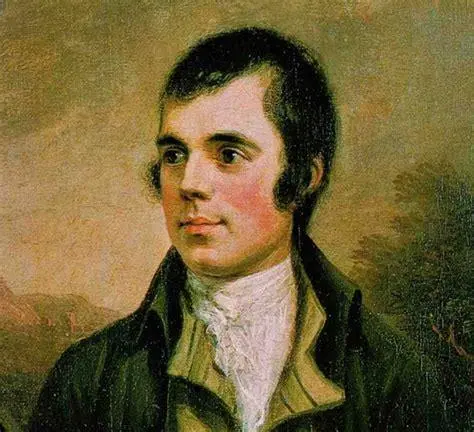
Robert Burns
My Nannie, O
Behind yon hills, where Lugar flows,
'Mang moors an' mosses many, O,
The wintry sun the day has clos'd,
And I'll awa to Nannie, O.
The westlin wind blaws loud and shill;
The night's baith mirk an' rainy, O;
But I'll get my plaid, an' out I'll steal,
An' owre the hills to Nannie, O.
My Nannie's charming, sweet, an' young:
Nae artfu' wiles to Will ye, O:
May ill befa' the flattering tongue
That wad beguile my Nannie, O.
Her face is fair, her heart is true,
She's spotless as she's bonnie, O:
The op'ning gowan, wet wi' dew,
Nae purer is than Nannie, O.
A country lad is my degree,
And few there be that ken me, O;
But what care I how few they be
I'm welcome aye to Nannie, O.
My riches a' 's my penny-fee,
An' I maun guide it cannie, O;
But warl's gear ne'er troubles me,
My thoughts are a' my Nannie, O.
Our auld guidman delights to view
His sheep and kye thrive bonnie, O;
But I'm as blythe that hauds his pleugh,
An' has nae care but Nannie, O.
Come weel, come woe, I care na by,
I'll tak' what Heav'n will sen' me, O;
Nae ither care in life have I,
But live, an' love my Nannie, O.
Read more →
'Mang moors an' mosses many, O,
The wintry sun the day has clos'd,
And I'll awa to Nannie, O.
The westlin wind blaws loud and shill;
The night's baith mirk an' rainy, O;
But I'll get my plaid, an' out I'll steal,
An' owre the hills to Nannie, O.
My Nannie's charming, sweet, an' young:
Nae artfu' wiles to Will ye, O:
May ill befa' the flattering tongue
That wad beguile my Nannie, O.
Her face is fair, her heart is true,
She's spotless as she's bonnie, O:
The op'ning gowan, wet wi' dew,
Nae purer is than Nannie, O.
A country lad is my degree,
And few there be that ken me, O;
But what care I how few they be
I'm welcome aye to Nannie, O.
My riches a' 's my penny-fee,
An' I maun guide it cannie, O;
But warl's gear ne'er troubles me,
My thoughts are a' my Nannie, O.
Our auld guidman delights to view
His sheep and kye thrive bonnie, O;
But I'm as blythe that hauds his pleugh,
An' has nae care but Nannie, O.
Come weel, come woe, I care na by,
I'll tak' what Heav'n will sen' me, O;
Nae ither care in life have I,
But live, an' love my Nannie, O.
486
Pablo Neruda
Potter
Your whole body has
a fullness or a gentleness destined for me.
When I move my hand up
I find in each place a dove
that was seeking me, as
if they had, love, made you of clay
for my own potter's hands.
Your knees, your breasts,
your waist
are missing parts of me like the hollow
of a thirsty earth
from which they broke off
a form,
and together
we are complete like a single river,
like a single grain of sand.
Read more →
a fullness or a gentleness destined for me.
When I move my hand up
I find in each place a dove
that was seeking me, as
if they had, love, made you of clay
for my own potter's hands.
Your knees, your breasts,
your waist
are missing parts of me like the hollow
of a thirsty earth
from which they broke off
a form,
and together
we are complete like a single river,
like a single grain of sand.
485
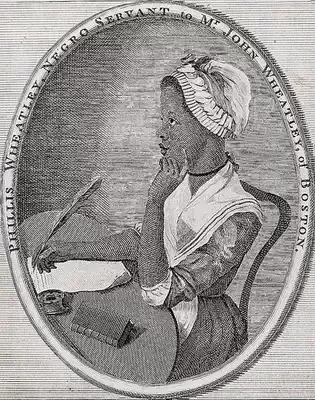
Phillis Wheatley
On The Death Of Rev. Mr. George Whitefield
HAIL, happy saint, on thine immortal throne,
Possest of glory, life, and bliss unknown;
We hear no more the music of thy tongue,
Thy wonted auditories cease to throng.
Thy sermons in unequall'd accents flow'd,
And ev'ry bosom with devotion glow'd;
Thou didst in strains of eloquence refin'd
Inflame the heart, and captivate the mind.
Unhappy we the setting sun deplore,
So glorious once, but ah! it shines no more.
Behold the prophet in his tow'ring flight!
He leaves the earth for heav'n's unmeasur'd height,
And worlds unknown receive him from our sight.
There Whitefield wings with rapid course his way,
And sails to Zion through vast seas of day.
Thy pray'rs, great saint, and thine incessant cries
Have pierc'd the bosom of thy native skies.
Thou moon hast seen, and all the stars of light,
How he has wrestled with his God by night.
He pray'd that grace in ev'ry heart might dwell,
He long'd to see America excell;
He charg'd its youth that ev'ry grace divine
Should with full lustre in their conduct shine;
That Saviour, which his soul did first receive,
The greatest gift that ev'n a God can give,
He freely offer'd to the num'rous throng,
That on his lips with list'ning pleasure hung.
"Take him, ye wretched, for your only good,
"Take him ye starving sinners, for your food;
"Ye thirsty, come to this life-giving stream,
"Ye preachers, take him for your joyful theme;
"Take him my dear Americans, he said,
"Be your complaints on his kind bosom laid:
"Take him, ye Africans, he longs for you,
"Impartial Saviour is his title due:
"Wash'd in the fountain of redeeming blood,
"You shall be sons, and kings, and priests to God."
Great Countess,* we Americans revere
Thy name, and mingle in thy grief sincere;
New England deeply feels, the Orphans mourn,
Their more than father will no more return.
But, though arrested by the hand of death,
Whitefield no more exerts his lab'ring breath,
Yet let us view him in th' eternal skies,
Let ev'ry heart to this bright vision rise;
While the tomb safe retains its sacred trust,
Till life divine re-animates his dust.
*The Countess of Huntingdon, to whom Mr. Whitefield was
Chaplain.
Read more →
Possest of glory, life, and bliss unknown;
We hear no more the music of thy tongue,
Thy wonted auditories cease to throng.
Thy sermons in unequall'd accents flow'd,
And ev'ry bosom with devotion glow'd;
Thou didst in strains of eloquence refin'd
Inflame the heart, and captivate the mind.
Unhappy we the setting sun deplore,
So glorious once, but ah! it shines no more.
Behold the prophet in his tow'ring flight!
He leaves the earth for heav'n's unmeasur'd height,
And worlds unknown receive him from our sight.
There Whitefield wings with rapid course his way,
And sails to Zion through vast seas of day.
Thy pray'rs, great saint, and thine incessant cries
Have pierc'd the bosom of thy native skies.
Thou moon hast seen, and all the stars of light,
How he has wrestled with his God by night.
He pray'd that grace in ev'ry heart might dwell,
He long'd to see America excell;
He charg'd its youth that ev'ry grace divine
Should with full lustre in their conduct shine;
That Saviour, which his soul did first receive,
The greatest gift that ev'n a God can give,
He freely offer'd to the num'rous throng,
That on his lips with list'ning pleasure hung.
"Take him, ye wretched, for your only good,
"Take him ye starving sinners, for your food;
"Ye thirsty, come to this life-giving stream,
"Ye preachers, take him for your joyful theme;
"Take him my dear Americans, he said,
"Be your complaints on his kind bosom laid:
"Take him, ye Africans, he longs for you,
"Impartial Saviour is his title due:
"Wash'd in the fountain of redeeming blood,
"You shall be sons, and kings, and priests to God."
Great Countess,* we Americans revere
Thy name, and mingle in thy grief sincere;
New England deeply feels, the Orphans mourn,
Their more than father will no more return.
But, though arrested by the hand of death,
Whitefield no more exerts his lab'ring breath,
Yet let us view him in th' eternal skies,
Let ev'ry heart to this bright vision rise;
While the tomb safe retains its sacred trust,
Till life divine re-animates his dust.
*The Countess of Huntingdon, to whom Mr. Whitefield was
Chaplain.
487
Rudyard Kipling
Late Came the God
Late came the God, having sent his forerunners who were
not regarded--
Late, but in wrath;
Saying: "The wrong shall be paid, the contempt be rewarded
On all that she hath."
He poisoned the blade and struck home, the full bosom receiving
The wound and the venom in one, past cure or relieving.
He made treaty with Time to stand still that the grief might
be fresh--
Daily renewed and nightly pursued through her soul to her
flesh--
Mornings of memory, noontides of agony, midnights unslaked
for her,
Till the stones of the streets of her Hells and her Paradise ached
for her.
So she lived while her body corrupted upon her.
And she called on the Night for a sign, and a Sign was allowed,
And she builded an Altar and served by the light of her Vision--
Alone, without hope of regard or reward, but uncowed,
Resolute, selfless, divine.
These things she did in Love's honour...
What is a God beside Woman? Dust and derision!
Read more →
not regarded--
Late, but in wrath;
Saying: "The wrong shall be paid, the contempt be rewarded
On all that she hath."
He poisoned the blade and struck home, the full bosom receiving
The wound and the venom in one, past cure or relieving.
He made treaty with Time to stand still that the grief might
be fresh--
Daily renewed and nightly pursued through her soul to her
flesh--
Mornings of memory, noontides of agony, midnights unslaked
for her,
Till the stones of the streets of her Hells and her Paradise ached
for her.
So she lived while her body corrupted upon her.
And she called on the Night for a sign, and a Sign was allowed,
And she builded an Altar and served by the light of her Vision--
Alone, without hope of regard or reward, but uncowed,
Resolute, selfless, divine.
These things she did in Love's honour...
What is a God beside Woman? Dust and derision!
488
Ezra Pound
Homage To Sextus Propertius - VII
Me happy, night, night full of brightness;
Oh couch made happy by iny long delectations;
How many words talked out with abundant candles;
Struggles when the lights were taken away;
Now with bared breasts she wrestled against me,
Tunic spread in delay;
And she then opening my eyelids fallen in sleep,
Her lips upon them; and it was her mouth saying:
Sluggard!
In how many varied embraces, our changing arms,
Her kisses, how many, lingering on my lips.
'Turn not Venus into a blinded motion,
Eyes are the guides of love,
Paris took Helen naked coming from the bed of Menelaus,
Endymion's naked body, bright bait for Diana,'
such at least is the story.
While our fates twine together, sate we our eyes with love;
For long night comes upon you
and a day when no day returns.
Let the gods lay chains upon us
so that no day shall unbind them.
Fool who would set a term to love's madness,
For the sun shall drive with black horses,
earth shall bring wheat from barley,
The flood shall move toward the fountain
Ere love know moderations,
The fish shall swim in dry streams.
No, now while it may be, let not the fruit of life cease.
Dry wreaths drop their petals,
their stalks are woven in baskets,
To-day we take the great breath of lovers,
to-morrow fate shuts us in.
Though you give all your kisses
you give but few.
Nor can I shift my pains to other,
Hers will I be dead,
If she confer such nights upon me,
long is my life, long in years,
If she give me many,
God am I for the time.
Read more →
Oh couch made happy by iny long delectations;
How many words talked out with abundant candles;
Struggles when the lights were taken away;
Now with bared breasts she wrestled against me,
Tunic spread in delay;
And she then opening my eyelids fallen in sleep,
Her lips upon them; and it was her mouth saying:
Sluggard!
In how many varied embraces, our changing arms,
Her kisses, how many, lingering on my lips.
'Turn not Venus into a blinded motion,
Eyes are the guides of love,
Paris took Helen naked coming from the bed of Menelaus,
Endymion's naked body, bright bait for Diana,'
such at least is the story.
While our fates twine together, sate we our eyes with love;
For long night comes upon you
and a day when no day returns.
Let the gods lay chains upon us
so that no day shall unbind them.
Fool who would set a term to love's madness,
For the sun shall drive with black horses,
earth shall bring wheat from barley,
The flood shall move toward the fountain
Ere love know moderations,
The fish shall swim in dry streams.
No, now while it may be, let not the fruit of life cease.
Dry wreaths drop their petals,
their stalks are woven in baskets,
To-day we take the great breath of lovers,
to-morrow fate shuts us in.
Though you give all your kisses
you give but few.
Nor can I shift my pains to other,
Hers will I be dead,
If she confer such nights upon me,
long is my life, long in years,
If she give me many,
God am I for the time.
485
Ezra Pound
Homage To Sextus Propertius - II
I had been seen in the shade, recumbent on cushioned Helicon,
The water dripping from Bellerophon's horse,
Alba, your kings, and the realm your folk
have constructed with such industry
Shall be yawned out on my lyre with such industry.
My little mouth shall gobble in such great fountains,
'Wherefrom father Ennius, sitting before I came, hath drunk.'
I had rehearsed the Curian brothers, and made remarks
on the Horatian javelin
(Near Q. H. Flaccus' book-stall).
'Of’ royal Aemilia, drawn on the memorial raft,
'Of’ the victorious delay of Fabius, and the left-handed
battle at Cannae,
Of lares fleeing the 'Roman seat' . . .
I had sung of all these
And of Hannibal,
and of Jove protected by geese.
And Phoebus looking upon me from the Castalian tree,
Said then 'You idiot! What are you doing with that water:
‘Who has ordered a book about heroes?
'You need, Propertius, not think
'About acquiring that sort of a reputation.
'Soft fields must be worn by small wheels,
'Your pamphlets will be thrown, thrown often into a chair
'Where a girl waits alone for her lover;
'Why wrench your page out of its course?
'No keel will sink with your genius
'Let another oar churn the water,
'Another wheel, the arena; mid-crowd is as bad as mid-sea.'
He had spoken, and pointed me a place with his plectrum:
Orgies of vintages, an earthern image of Silenus
Strengthened with rushes, Tegaean Pan,
The small birds of the Cytharean mother,
their Punic faces dyed in the Gorgon's lake;
Nine girls, from as many countrysides
bearing her offerings in their unhardened hands,
Such my cohort and setting. And she bound ivy to his thyrsos;
Fitted song to the strings;
Roses twined in her hands.
And one among them looked at me with face offended,
Calliope:
'Content ever to move with white swans!
'Nor will the noise of high horses lead you ever to battle;
Nor will the public criers ever have your name;
in their classic horns,
'Nor Mars shout you in the wood at Aeonium,
Nor where Rome ruins German riches,
'Nor where the Rhine flows with barbarous blood,
and flood carries wounded Suevi.
'Obviously crowned lovers at unknown doors,
'Night dogs, the marks of a drunken scurry,
'These are your images, and from you the sorcerizing of
shut-in young ladies,
'The wounding of austere men by chicane.'
Thus Mistress Calliope,
Dabbling her hands in the fount, thus she
Stiffened our face with the backwash of Philetas the Coan.
Read more →
The water dripping from Bellerophon's horse,
Alba, your kings, and the realm your folk
have constructed with such industry
Shall be yawned out on my lyre with such industry.
My little mouth shall gobble in such great fountains,
'Wherefrom father Ennius, sitting before I came, hath drunk.'
I had rehearsed the Curian brothers, and made remarks
on the Horatian javelin
(Near Q. H. Flaccus' book-stall).
'Of’ royal Aemilia, drawn on the memorial raft,
'Of’ the victorious delay of Fabius, and the left-handed
battle at Cannae,
Of lares fleeing the 'Roman seat' . . .
I had sung of all these
And of Hannibal,
and of Jove protected by geese.
And Phoebus looking upon me from the Castalian tree,
Said then 'You idiot! What are you doing with that water:
‘Who has ordered a book about heroes?
'You need, Propertius, not think
'About acquiring that sort of a reputation.
'Soft fields must be worn by small wheels,
'Your pamphlets will be thrown, thrown often into a chair
'Where a girl waits alone for her lover;
'Why wrench your page out of its course?
'No keel will sink with your genius
'Let another oar churn the water,
'Another wheel, the arena; mid-crowd is as bad as mid-sea.'
He had spoken, and pointed me a place with his plectrum:
Orgies of vintages, an earthern image of Silenus
Strengthened with rushes, Tegaean Pan,
The small birds of the Cytharean mother,
their Punic faces dyed in the Gorgon's lake;
Nine girls, from as many countrysides
bearing her offerings in their unhardened hands,
Such my cohort and setting. And she bound ivy to his thyrsos;
Fitted song to the strings;
Roses twined in her hands.
And one among them looked at me with face offended,
Calliope:
'Content ever to move with white swans!
'Nor will the noise of high horses lead you ever to battle;
Nor will the public criers ever have your name;
in their classic horns,
'Nor Mars shout you in the wood at Aeonium,
Nor where Rome ruins German riches,
'Nor where the Rhine flows with barbarous blood,
and flood carries wounded Suevi.
'Obviously crowned lovers at unknown doors,
'Night dogs, the marks of a drunken scurry,
'These are your images, and from you the sorcerizing of
shut-in young ladies,
'The wounding of austere men by chicane.'
Thus Mistress Calliope,
Dabbling her hands in the fount, thus she
Stiffened our face with the backwash of Philetas the Coan.
486
Ezra Pound
Prayer For His Lady’s Life
FROM PROPERTIUS, ELEGIAE, LIB. III, 26
Here let thy clemency, Persephone, hold firm,
Do thou, Pluto, bring here no greater harshness.
So many thousand beauties are gone down to Avernus,
Ye might let one remain above with us.
With you is lope, with you the white-gleaming Tyro,
With you is Europa and the shameless Pasiphae,
And all the fair from Troy and all from Achaia,
From the sundered realms, of Thebes and of aged Priamus;
And all the maidens of Rome, as many as they were,
They died and the greed of your flame consumes them.
Here let thy clemency, Persephone, hold firm.
Do thou, Pluto, bring here no greater harshness.
So many thousandfair are gone down to Avernus,
Ye might let one remain above with us.
Read more →
Here let thy clemency, Persephone, hold firm,
Do thou, Pluto, bring here no greater harshness.
So many thousand beauties are gone down to Avernus,
Ye might let one remain above with us.
With you is lope, with you the white-gleaming Tyro,
With you is Europa and the shameless Pasiphae,
And all the fair from Troy and all from Achaia,
From the sundered realms, of Thebes and of aged Priamus;
And all the maidens of Rome, as many as they were,
They died and the greed of your flame consumes them.
Here let thy clemency, Persephone, hold firm.
Do thou, Pluto, bring here no greater harshness.
So many thousandfair are gone down to Avernus,
Ye might let one remain above with us.
486
William Blake
The Book of Urizen: Chapter VI
. But Los saw the Female & pitied
He embrac'd her, she wept, she refus'd
In perverse and cruel delight
She fled from his arms, yet he followd
. Eternity shudder'd when they saw,
Man begetting his likeness,
On his own divided image.
. A time passed over, the Eternals
Began to erect the tent;
When Enitharmon sick,
Felt a Worm within her womb.
. Yet helpless it lay like a Worm
In the trembling womb
To be moulded into existence
. All day the worm lay on her bosom
All night within her womb
The worm lay till it grew to a serpent
With dolorous hissings & poisons
Round Enitharmons loins folding,
. Coild within Enitharmons womb
The serpent grew casting its scales,
With sharp pangs the hissings began
To change to a grating cry,
Many sorrows and dismal throes,
Many forms of fish, bird & beast,
Brought forth an Infant form
Where was a worm before.
. The Eternals their tent finished
Alarm'd with these gloomy visions
When Enitharmon groaning
Produc'd a man Child to the light.
. A shriek ran thro' Eternity:
And a paralytic stroke;
At the birth of the Human shadow.
. Delving earth in his resistless way;
Howling, the Child with fierce flames
Issu'd from Enitharmon.
. The Eternals, closed the tent
They beat down the stakes the cords
Stretch'd for a work of eternity;
No more Los beheld Eternity.
. In his hands he seiz'd the infant
He bathed him in springs of sorrow
He gave him to Enitharmon.
Read more →
He embrac'd her, she wept, she refus'd
In perverse and cruel delight
She fled from his arms, yet he followd
. Eternity shudder'd when they saw,
Man begetting his likeness,
On his own divided image.
. A time passed over, the Eternals
Began to erect the tent;
When Enitharmon sick,
Felt a Worm within her womb.
. Yet helpless it lay like a Worm
In the trembling womb
To be moulded into existence
. All day the worm lay on her bosom
All night within her womb
The worm lay till it grew to a serpent
With dolorous hissings & poisons
Round Enitharmons loins folding,
. Coild within Enitharmons womb
The serpent grew casting its scales,
With sharp pangs the hissings began
To change to a grating cry,
Many sorrows and dismal throes,
Many forms of fish, bird & beast,
Brought forth an Infant form
Where was a worm before.
. The Eternals their tent finished
Alarm'd with these gloomy visions
When Enitharmon groaning
Produc'd a man Child to the light.
. A shriek ran thro' Eternity:
And a paralytic stroke;
At the birth of the Human shadow.
. Delving earth in his resistless way;
Howling, the Child with fierce flames
Issu'd from Enitharmon.
. The Eternals, closed the tent
They beat down the stakes the cords
Stretch'd for a work of eternity;
No more Los beheld Eternity.
. In his hands he seiz'd the infant
He bathed him in springs of sorrow
He gave him to Enitharmon.
485
Sara Teasdale
In the End
All that could never be said,
All that could never be done,
Wait for us at last
Somewhere back of the sun;
All the heart broke to forego
Shall be ours without pain,
We shall take them as lightly as girls
Pluck flowers after rain.
And when they are ours in the end
Perhaps after all
The skies will not open for us
Nor heaven be there at our call.
Read more →
All that could never be done,
Wait for us at last
Somewhere back of the sun;
All the heart broke to forego
Shall be ours without pain,
We shall take them as lightly as girls
Pluck flowers after rain.
And when they are ours in the end
Perhaps after all
The skies will not open for us
Nor heaven be there at our call.
485
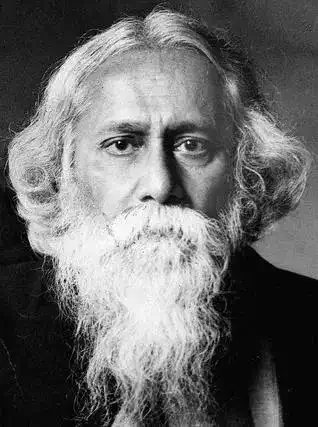
Rabindranath Tagore
Senses
Deliverance is not for me in renunciation.
I feel the embrace of freedom in a thousand bonds of delight.
Thou ever pourest for me the fresh draught of thy wine of various
colours and fragrance, filling this earthen vessel to the brim.
My world will light its hundred different lamps with thy flame
and place them before the altar of thy temple.
No, I will never shut the doors of my senses.
The delights of sight and hearing and touch will bear thy delight.
Yes, all my illusions will burn into illumination of joy,
and all my desires ripen into fruits of love.
Read more →
I feel the embrace of freedom in a thousand bonds of delight.
Thou ever pourest for me the fresh draught of thy wine of various
colours and fragrance, filling this earthen vessel to the brim.
My world will light its hundred different lamps with thy flame
and place them before the altar of thy temple.
No, I will never shut the doors of my senses.
The delights of sight and hearing and touch will bear thy delight.
Yes, all my illusions will burn into illumination of joy,
and all my desires ripen into fruits of love.
486