
Soul

Johann Wolfgang von Goethe
A Legacy
No living atom comes at last to naught!
Active in each is still the eternal Thought:
Hold fast to Being if thou wouldst be blest.
Being is without end; for changeless laws
Bind that from which the All its glory draws
Of living treasures endlessly possessed.
Unto the wise of old this truth was known,
Such wisdom knit their noble souls in one;
Then hold thou still the lore of ancient days!
To that high power thou ow'st it, son of man,
By whose decree the earth its circuit ran
And all the planets went their various ways.
Then inward turn at once thy searching eyes;
Thence shalt thou see the central truth arise
From which no lofty soul goes e'er astray;
There shalt thou miss no needful guiding sign-
For conscience lives, and still its light divine
Shall be the sun of all thy moral day.
Next shalt thou trust thy senses' evidence,
And fear from them no treacherous offence
While the mind's watchful eye thy road commands:
With lively pleasure contemplate the scene
And roam securely, teachable, serene,
At will throughout a world of fruitful lands.
Enjoy in moderation all life gives:
Where it rejoices in each thing that lives
Let reason be thy guide and make thee see.
Then shall the distant past be present still,
The future, ere it comes, thy vision fill-
Each single moment touch eternity.
Then at the last shalt thou achieve thy quest,
And in one final, firm conviction rest:
What bears for thee true fruit alone is true.
Prove all things, watch the movement of the world
As down the various ways its tribes are whirled;
Take thou thy stand among the chosen few.
Thus hath it been of old; in solitude
The artist shaped what thing to him seemed good,
The wise man hearkened to his own soul's voice.
Thus also shalt thou find thy greatest bliss;
To lead where the elect shall follow-this
And this alone is worth a hero's choice.
Read more →
Active in each is still the eternal Thought:
Hold fast to Being if thou wouldst be blest.
Being is without end; for changeless laws
Bind that from which the All its glory draws
Of living treasures endlessly possessed.
Unto the wise of old this truth was known,
Such wisdom knit their noble souls in one;
Then hold thou still the lore of ancient days!
To that high power thou ow'st it, son of man,
By whose decree the earth its circuit ran
And all the planets went their various ways.
Then inward turn at once thy searching eyes;
Thence shalt thou see the central truth arise
From which no lofty soul goes e'er astray;
There shalt thou miss no needful guiding sign-
For conscience lives, and still its light divine
Shall be the sun of all thy moral day.
Next shalt thou trust thy senses' evidence,
And fear from them no treacherous offence
While the mind's watchful eye thy road commands:
With lively pleasure contemplate the scene
And roam securely, teachable, serene,
At will throughout a world of fruitful lands.
Enjoy in moderation all life gives:
Where it rejoices in each thing that lives
Let reason be thy guide and make thee see.
Then shall the distant past be present still,
The future, ere it comes, thy vision fill-
Each single moment touch eternity.
Then at the last shalt thou achieve thy quest,
And in one final, firm conviction rest:
What bears for thee true fruit alone is true.
Prove all things, watch the movement of the world
As down the various ways its tribes are whirled;
Take thou thy stand among the chosen few.
Thus hath it been of old; in solitude
The artist shaped what thing to him seemed good,
The wise man hearkened to his own soul's voice.
Thus also shalt thou find thy greatest bliss;
To lead where the elect shall follow-this
And this alone is worth a hero's choice.
494

Elizabeth Barrett Browning
My Heart and I
I.
ENOUGH ! we're tired, my heart and I.
We sit beside the headstone thus,
And wish that name were carved for us.
The moss reprints more tenderly
The hard types of the mason's knife,
As heaven's sweet life renews earth's life
With which we're tired, my heart and I.
II.
You see we're tired, my heart and I.
We dealt with books, we trusted men,
And in our own blood drenched the pen,
As if such colours could not fly.
We walked too straight for fortune's end,
We loved too true to keep a friend ;
At last we're tired, my heart and I.
III.
How tired we feel, my heart and I !
We seem of no use in the world ;
Our fancies hang grey and uncurled
About men's eyes indifferently ;
Our voice which thrilled you so, will let
You sleep; our tears are only wet :
What do we here, my heart and I ?
IV.
So tired, so tired, my heart and I !
It was not thus in that old time
When Ralph sat with me 'neath the lime
To watch the sunset from the sky.
`Dear love, you're looking tired,' he said;
I, smiling at him, shook my head :
'Tis now we're tired, my heart and I.
V.
So tired, so tired, my heart and I !
Though now none takes me on his arm
To fold me close and kiss me warm
Till each quick breath end in a sigh
Of happy languor. Now, alone,
We lean upon this graveyard stone,
Uncheered, unkissed, my heart and I.
VI.
Tired out we are, my heart and I.
Suppose the world brought diadems
To tempt us, crusted with loose gems
Of powers and pleasures ? Let it try.
We scarcely care to look at even
A pretty child, or God's blue heaven,
We feel so tired, my heart and I.
VII.
Yet who complains ? My heart and I ?
In this abundant earth no doubt
Is little room for things worn out :
Disdain them, break them, throw them by
And if before the days grew rough
We once were loved, used, -- well enough,
I think, we've fared, my heart and I.
Read more →
ENOUGH ! we're tired, my heart and I.
We sit beside the headstone thus,
And wish that name were carved for us.
The moss reprints more tenderly
The hard types of the mason's knife,
As heaven's sweet life renews earth's life
With which we're tired, my heart and I.
II.
You see we're tired, my heart and I.
We dealt with books, we trusted men,
And in our own blood drenched the pen,
As if such colours could not fly.
We walked too straight for fortune's end,
We loved too true to keep a friend ;
At last we're tired, my heart and I.
III.
How tired we feel, my heart and I !
We seem of no use in the world ;
Our fancies hang grey and uncurled
About men's eyes indifferently ;
Our voice which thrilled you so, will let
You sleep; our tears are only wet :
What do we here, my heart and I ?
IV.
So tired, so tired, my heart and I !
It was not thus in that old time
When Ralph sat with me 'neath the lime
To watch the sunset from the sky.
`Dear love, you're looking tired,' he said;
I, smiling at him, shook my head :
'Tis now we're tired, my heart and I.
V.
So tired, so tired, my heart and I !
Though now none takes me on his arm
To fold me close and kiss me warm
Till each quick breath end in a sigh
Of happy languor. Now, alone,
We lean upon this graveyard stone,
Uncheered, unkissed, my heart and I.
VI.
Tired out we are, my heart and I.
Suppose the world brought diadems
To tempt us, crusted with loose gems
Of powers and pleasures ? Let it try.
We scarcely care to look at even
A pretty child, or God's blue heaven,
We feel so tired, my heart and I.
VII.
Yet who complains ? My heart and I ?
In this abundant earth no doubt
Is little room for things worn out :
Disdain them, break them, throw them by
And if before the days grew rough
We once were loved, used, -- well enough,
I think, we've fared, my heart and I.
493
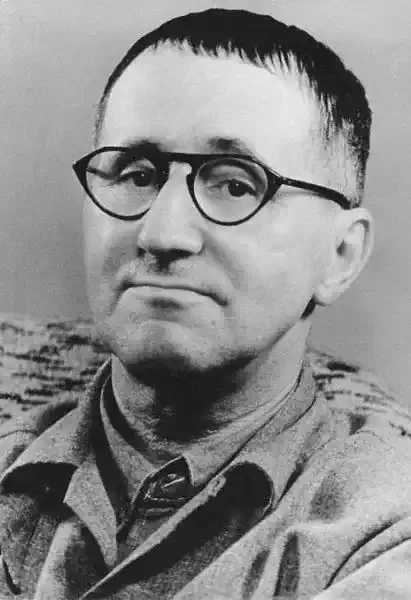
Bertolt Brecht
Ich habe dich nie je so geliebt...
[Original]
Ich habe dich nie je so geliebt, ma soeur
Als wie ich fortging von dir in jenem Abendrot.
Der Wald schluckte mich, der blaue Wald, ma soeur
Über dem immer schon die bleichen Gestirne im Westen standen.
Ich lachte kein klein wenig, gar nicht, ma soeur
Der ich spielend dunklem Schicksal entgegenging -W&
auml;hrend schon die Gesichter hinter mir
Langsam im Abend des blauen Walds verblaßten.
Alles war schön an diesem einzigen Abend, ma soeur
Nachher nie wieder und nie zuvor --
Freilich: mir blieben nur mehr die großen Vögel
Die abends im dunklen Himmel Hunger haben.
[Translation]
I never loved you more, ma soeur
Than as I walked away from you that evening.
The forest swallowed me, the blue forest, ma soeur
The blue forest and above it pale stars in the west.
I did not laugh, not one little bit, ma soeur
As I playfully walked towards a dark fate --
While the faces behind me
Slowly paled in the evening of the blue forest.
Everything was grand that one night, ma soeur
Never thereafter and never before --
I admit it: I was left with nothing but the big birds
And their hungry cries in the dark evening sky.
Read more →
Ich habe dich nie je so geliebt, ma soeur
Als wie ich fortging von dir in jenem Abendrot.
Der Wald schluckte mich, der blaue Wald, ma soeur
Über dem immer schon die bleichen Gestirne im Westen standen.
Ich lachte kein klein wenig, gar nicht, ma soeur
Der ich spielend dunklem Schicksal entgegenging -W&
auml;hrend schon die Gesichter hinter mir
Langsam im Abend des blauen Walds verblaßten.
Alles war schön an diesem einzigen Abend, ma soeur
Nachher nie wieder und nie zuvor --
Freilich: mir blieben nur mehr die großen Vögel
Die abends im dunklen Himmel Hunger haben.
[Translation]
I never loved you more, ma soeur
Than as I walked away from you that evening.
The forest swallowed me, the blue forest, ma soeur
The blue forest and above it pale stars in the west.
I did not laugh, not one little bit, ma soeur
As I playfully walked towards a dark fate --
While the faces behind me
Slowly paled in the evening of the blue forest.
Everything was grand that one night, ma soeur
Never thereafter and never before --
I admit it: I was left with nothing but the big birds
And their hungry cries in the dark evening sky.
495

Lord Byron
All Is Vanity, Saieth the Preacher
I.
Fame, wisdom, love, and power were mine,
And health and youth possess'd me;
My goblets blush'd from every vine,
And lovely forms caress'd me;
I sunn'd my heart in beauty's eyes,
And felt my soul grow tender:
All earth can give, or mortal prize,
Was mine of regal splendour.
II.
I strive to number o'er what days
Remembrance can discover,
Which all that life or earth displays
Would lure me to live over.
There rose no day, there roll'd no hour
Of pleasure unembitter'd;
And not a trapping deck'd my power
That gall'd not while it glitter'd.
III.
The serpent of the field, by art
And spells, is won from harming;
But that which coils around the heart,
Oh! who hath pwer of charming?
It will not list to wisdom's lore,
Nor music's voice can lure it;
But there it stings for evermore
The soul that must endure it.
Read more →
Fame, wisdom, love, and power were mine,
And health and youth possess'd me;
My goblets blush'd from every vine,
And lovely forms caress'd me;
I sunn'd my heart in beauty's eyes,
And felt my soul grow tender:
All earth can give, or mortal prize,
Was mine of regal splendour.
II.
I strive to number o'er what days
Remembrance can discover,
Which all that life or earth displays
Would lure me to live over.
There rose no day, there roll'd no hour
Of pleasure unembitter'd;
And not a trapping deck'd my power
That gall'd not while it glitter'd.
III.
The serpent of the field, by art
And spells, is won from harming;
But that which coils around the heart,
Oh! who hath pwer of charming?
It will not list to wisdom's lore,
Nor music's voice can lure it;
But there it stings for evermore
The soul that must endure it.
496
Elizabeth Barrett Browning
De Profundis
I
The face, which, duly as the sun,
Rose up for me with life begun,
To mark all bright hours of the day
With hourly love, is dimmed away—
And yet my days go on, go on.
II
The tongue which, like a stream, could run
Smooth music from the roughest stone,
And every morning with ' Good day'
Make each day good, is hushed away,
And yet my days go on, go on.
III
The heart which, like a staff, was one
For mine to lean and rest upon,
The strongest on the longest day
With steadfast love, is caught away,
And yet my days go on, go on.
IV
And cold before my summer's done,
And deaf in Nature's general tune,
And fallen too low for special fear,
And here, with hope no longer here,
While the tears drop, my days go on.
V
The world goes whispering to its own,
‘This anguish pierces to the bone;’
And tender friends go sighing round,
‘What love can ever cure this wound ?'
My days go on, my days go on.
VI
The past rolls forward on the sun
And makes all night. O dreams begun,
Not to be ended! Ended bliss,
And life that will not end in this!
My days go on, my days go on.
VII
Breath freezes on my lips to moan:
As one alone, once not alone,
I sit and knock at Nature's door,
Heart-bare, heart-hungry, very poor,
Whose desolated days go on.
VIII
I knock and cry, —Undone, undone!
Is there no help, no comfort, —none?
No gleaning in the wide wheat plains
Where others drive their loaded wains?
My vacant days go on, go on.
IX
This Nature, though the snows be down,
Thinks kindly of the bird of June:
The little red hip on the tree
Is ripe for such. What is for me,
Whose days so winterly go on?
X
No bird am I, to sing in June,
And dare not ask an equal boon.
Good nests and berries red are Nature's
To give away to better creatures, —
And yet my days go on, go on.
XI
I ask less kindness to be done, —
Only to loose these pilgrim shoon,
(Too early worn and grimed) with sweet
Cool deadly touch to these tired feet.
Till days go out which now go on.
XII
Only to lift the turf unmown
From off the earth where it has grown,
Some cubit-space, and say ‘Behold,
Creep in, poor Heart, beneath that fold,
Forgetting how the days go on.’
XIII
What harm would that do? Green anon
The sward would quicken, overshone
By skies as blue; and crickets might
Have leave to chirp there day and night
While my new rest went on, went on.
XIV
From gracious Nature have I won
Such liberal bounty? may I run
So, lizard-like, within her side,
And there be safe, who now am tried
By days that painfully go on?
XV
—A Voice reproves me thereupon,
More sweet than Nature's when the drone
Of bees is sweetest, and more deep
Than when the rivers overleap
The shuddering pines, and thunder on.
XVI
God's Voice, not Nature's! Night and noon
He sits upon the great white throne
And listens for the creatures' praise.
What babble we of days and days?
The Day-spring He, whose days go on.
XVII
He reigns above, He reigns alone;
Systems burn out and have his throne;
Fair mists of seraphs melt and fall
Around Him, changeless amid all,
Ancient of Days, whose days go on.
XVIII
He reigns below, He reigns alone,
And, having life in love forgone
Beneath the crown of sovran thorns,
He reigns the Jealous God. Who mourns
Or rules with Him, while days go on?
XIX
By anguish which made pale the sun,
I hear Him charge his saints that none
Among his creatures anywhere
Blaspheme against Him with despair,
However darkly days go on.
XX
Take from my head the thorn-wreath brown!
No mortal grief deserves that crown.
O supreme Love, chief misery,
The sharp regalia are for Thee
Whose days eternally go on!
XXI
For us, —whatever's undergone,
Thou knowest, willest what is done,
Grief may be joy misunderstood;
Only the Good discerns the good.
I trust Thee while my days go on.
XXII
Whatever's lost, it first was won;
We will not struggle nor impugn.
Perhaps the cup was broken here,
That Heaven's new wine might show more clear.
I praise Thee while my days go on.
XXIII
I praise Thee while my days go on;
I love Thee while my days go on:
Through dark and dearth, through fire and frost,
With emptied arms and treasure lost,
I thank Thee while my days go on.
XXIV
And having in thy life-depth thrown
Being and suffering (which are one),
As a child drops his pebble small
Down some deep well, and hears it fall
Smiling—so I. THY DAYS GO ON.
Read more →
The face, which, duly as the sun,
Rose up for me with life begun,
To mark all bright hours of the day
With hourly love, is dimmed away—
And yet my days go on, go on.
II
The tongue which, like a stream, could run
Smooth music from the roughest stone,
And every morning with ' Good day'
Make each day good, is hushed away,
And yet my days go on, go on.
III
The heart which, like a staff, was one
For mine to lean and rest upon,
The strongest on the longest day
With steadfast love, is caught away,
And yet my days go on, go on.
IV
And cold before my summer's done,
And deaf in Nature's general tune,
And fallen too low for special fear,
And here, with hope no longer here,
While the tears drop, my days go on.
V
The world goes whispering to its own,
‘This anguish pierces to the bone;’
And tender friends go sighing round,
‘What love can ever cure this wound ?'
My days go on, my days go on.
VI
The past rolls forward on the sun
And makes all night. O dreams begun,
Not to be ended! Ended bliss,
And life that will not end in this!
My days go on, my days go on.
VII
Breath freezes on my lips to moan:
As one alone, once not alone,
I sit and knock at Nature's door,
Heart-bare, heart-hungry, very poor,
Whose desolated days go on.
VIII
I knock and cry, —Undone, undone!
Is there no help, no comfort, —none?
No gleaning in the wide wheat plains
Where others drive their loaded wains?
My vacant days go on, go on.
IX
This Nature, though the snows be down,
Thinks kindly of the bird of June:
The little red hip on the tree
Is ripe for such. What is for me,
Whose days so winterly go on?
X
No bird am I, to sing in June,
And dare not ask an equal boon.
Good nests and berries red are Nature's
To give away to better creatures, —
And yet my days go on, go on.
XI
I ask less kindness to be done, —
Only to loose these pilgrim shoon,
(Too early worn and grimed) with sweet
Cool deadly touch to these tired feet.
Till days go out which now go on.
XII
Only to lift the turf unmown
From off the earth where it has grown,
Some cubit-space, and say ‘Behold,
Creep in, poor Heart, beneath that fold,
Forgetting how the days go on.’
XIII
What harm would that do? Green anon
The sward would quicken, overshone
By skies as blue; and crickets might
Have leave to chirp there day and night
While my new rest went on, went on.
XIV
From gracious Nature have I won
Such liberal bounty? may I run
So, lizard-like, within her side,
And there be safe, who now am tried
By days that painfully go on?
XV
—A Voice reproves me thereupon,
More sweet than Nature's when the drone
Of bees is sweetest, and more deep
Than when the rivers overleap
The shuddering pines, and thunder on.
XVI
God's Voice, not Nature's! Night and noon
He sits upon the great white throne
And listens for the creatures' praise.
What babble we of days and days?
The Day-spring He, whose days go on.
XVII
He reigns above, He reigns alone;
Systems burn out and have his throne;
Fair mists of seraphs melt and fall
Around Him, changeless amid all,
Ancient of Days, whose days go on.
XVIII
He reigns below, He reigns alone,
And, having life in love forgone
Beneath the crown of sovran thorns,
He reigns the Jealous God. Who mourns
Or rules with Him, while days go on?
XIX
By anguish which made pale the sun,
I hear Him charge his saints that none
Among his creatures anywhere
Blaspheme against Him with despair,
However darkly days go on.
XX
Take from my head the thorn-wreath brown!
No mortal grief deserves that crown.
O supreme Love, chief misery,
The sharp regalia are for Thee
Whose days eternally go on!
XXI
For us, —whatever's undergone,
Thou knowest, willest what is done,
Grief may be joy misunderstood;
Only the Good discerns the good.
I trust Thee while my days go on.
XXII
Whatever's lost, it first was won;
We will not struggle nor impugn.
Perhaps the cup was broken here,
That Heaven's new wine might show more clear.
I praise Thee while my days go on.
XXIII
I praise Thee while my days go on;
I love Thee while my days go on:
Through dark and dearth, through fire and frost,
With emptied arms and treasure lost,
I thank Thee while my days go on.
XXIV
And having in thy life-depth thrown
Being and suffering (which are one),
As a child drops his pebble small
Down some deep well, and hears it fall
Smiling—so I. THY DAYS GO ON.
494

Ella Wheeler Wilcox
Desolation
I think that the bitterest sorrow or pain
Of love unrequited, or cold death’s woe,
Is sweet, compared to that hour when we know
That some grand passion is on the wane.
When we see that the glory, and glow, and grace
Which lent a splendour to night and day,
Are surely fading, and showing grey
And dull groundwork of the commonplace.
When fond expressions on dull ears fall,
When the hands clasp calmly without one thrill,
When we cannot muster by force of will
The old emotions that came at call.
When the dream has vanished we fain would keep,
When the heart, like a watch, runs out of gear,
And all the savour goes out of the year,
Oh, then is the time – if we could – to weep!
But no tears soften this dull, pale woe;
We must sit and face it with dry, sad eyes.
If we seek to hold it, the swifter joy flies –
We can only be passive, and let it go.
Read more →
Of love unrequited, or cold death’s woe,
Is sweet, compared to that hour when we know
That some grand passion is on the wane.
When we see that the glory, and glow, and grace
Which lent a splendour to night and day,
Are surely fading, and showing grey
And dull groundwork of the commonplace.
When fond expressions on dull ears fall,
When the hands clasp calmly without one thrill,
When we cannot muster by force of will
The old emotions that came at call.
When the dream has vanished we fain would keep,
When the heart, like a watch, runs out of gear,
And all the savour goes out of the year,
Oh, then is the time – if we could – to weep!
But no tears soften this dull, pale woe;
We must sit and face it with dry, sad eyes.
If we seek to hold it, the swifter joy flies –
We can only be passive, and let it go.
488

Rabindranath Tagore
Poems On Man
Man goes into the noisy crowd
to drown his own clamour of silence.
Man is immortal; therefore he must die endlessly.
For life is a creative idea;
it can only find itself in changing forms.
Man's abiding happiness is not in getting anything
but in giving himself up to what is greater than himself,
to ideas which are larger than his individual life,
the idea of his country,
of humanity,
of God.
Read more →
to drown his own clamour of silence.
Man is immortal; therefore he must die endlessly.
For life is a creative idea;
it can only find itself in changing forms.
Man's abiding happiness is not in getting anything
but in giving himself up to what is greater than himself,
to ideas which are larger than his individual life,
the idea of his country,
of humanity,
of God.
491

Walt Whitman
O Me! O Life!
O ME! O life!... of the questions of these recurring;
Of the endless trains of the faithless--of cities fill'd with the
foolish;
Of myself forever reproaching myself, (for who more foolish than I,
and who more faithless?)
Of eyes that vainly crave the light--of the objects mean--of the
struggle ever renew'd;
Of the poor results of all--of the plodding and sordid crowds I see
around me;
Of the empty and useless years of the rest--with the rest me
intertwined;
The question, O me! so sad, recurring--What good amid these, O me, O
life?
Answer.
That you are here--that life exists, and identity;
That the powerful play goes on, and you will contribute a verse.
Read more →
Of the endless trains of the faithless--of cities fill'd with the
foolish;
Of myself forever reproaching myself, (for who more foolish than I,
and who more faithless?)
Of eyes that vainly crave the light--of the objects mean--of the
struggle ever renew'd;
Of the poor results of all--of the plodding and sordid crowds I see
around me;
Of the empty and useless years of the rest--with the rest me
intertwined;
The question, O me! so sad, recurring--What good amid these, O me, O
life?
Answer.
That you are here--that life exists, and identity;
That the powerful play goes on, and you will contribute a verse.
492
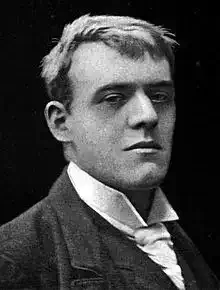
Hilaire Belloc
[Month of] March
The north-cast wind has come from Norroway,
Roaring he came above the white waves' tips!
The foam of the loud sea was on his lips,
And all his hair was salt with falling spray.
Over the keen light of northern day
He cast his snow cloud's terrible eclipse;
Beyond our banks he suddenly struck the ships,
And left them labouring on his landward way.
The certain course that to my strength belongs
Drives him with gathering purpose and control
Until across Vendean flats he sees
Ocean, the eldest of his enemies.
Then wheels he for him, glorying in goal
And gives him challenge, bellowing battle songs.
Read more →
Roaring he came above the white waves' tips!
The foam of the loud sea was on his lips,
And all his hair was salt with falling spray.
Over the keen light of northern day
He cast his snow cloud's terrible eclipse;
Beyond our banks he suddenly struck the ships,
And left them labouring on his landward way.
The certain course that to my strength belongs
Drives him with gathering purpose and control
Until across Vendean flats he sees
Ocean, the eldest of his enemies.
Then wheels he for him, glorying in goal
And gives him challenge, bellowing battle songs.
488
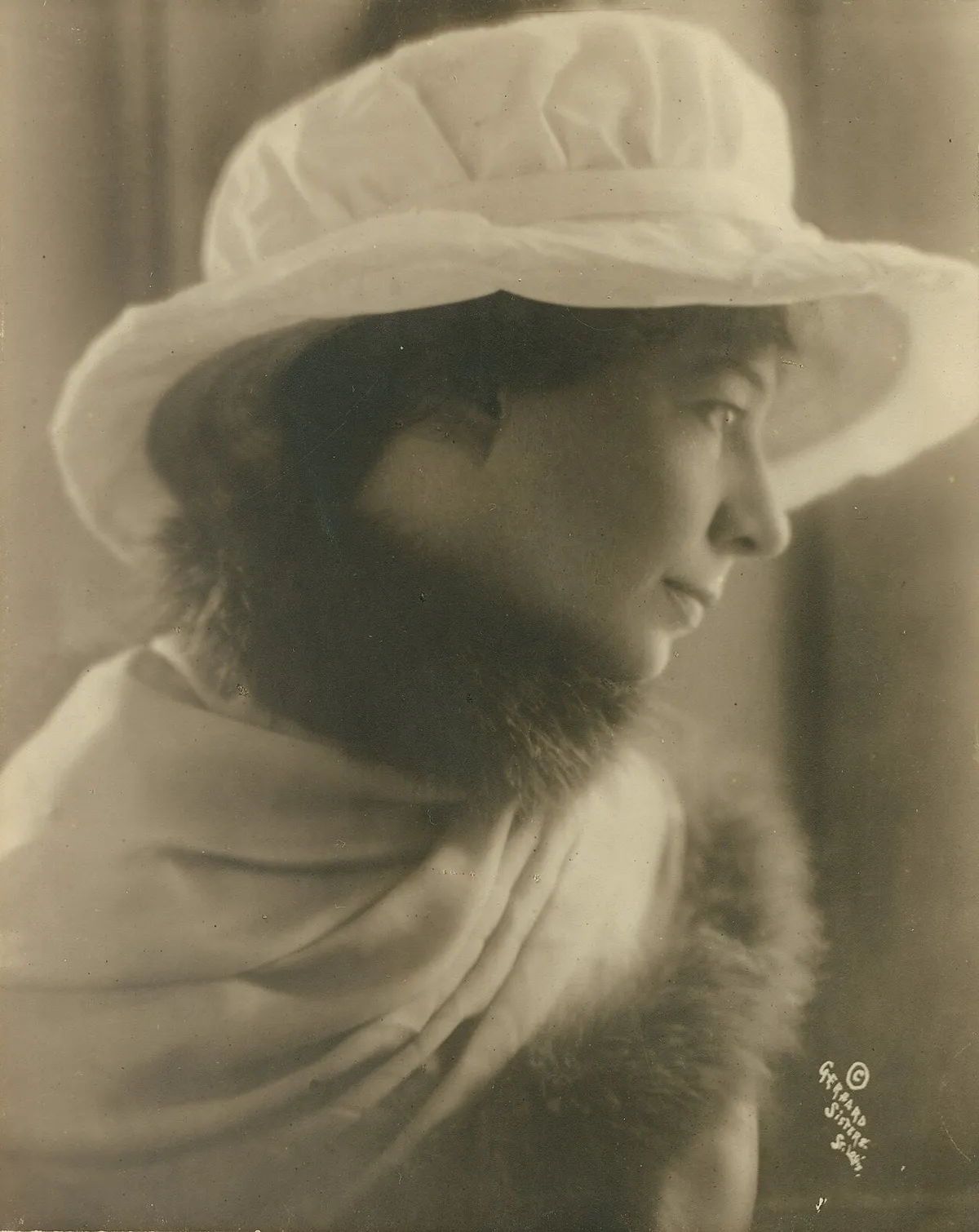
Sara Teasdale
June Night
Oh Earth, you are too dear to-night,
How can I sleep while all around
Floats rainy fragrance and the far
Deep voice of the ocean that talks to the ground?
Oh Earth, you gave me all I have,
I love you, I love you, -- oh what have I
That I can give you in return --
Except my body after I die?
Read more →
How can I sleep while all around
Floats rainy fragrance and the far
Deep voice of the ocean that talks to the ground?
Oh Earth, you gave me all I have,
I love you, I love you, -- oh what have I
That I can give you in return --
Except my body after I die?
490
Elizabeth Barrett Browning
Now he muses deep the meaning of the Heaven-words as they come.
Speak not! he is consecrated--Breathe
no breath across his eyes.
Lifted up and separated,
On the hand of God he lies,
In a sweetness beyond touching---held in cloistral sanctities.
Could ye bless him---father---mother ?
Bless the dimple in his cheek?
Dare ye look at one another,
And the benediction speak?
Would ye not break out in weeping, and confess yourselves too weak?
He is harmless---ye are sinful,--Ye
are troubled---he, at ease:
From his slumber, virtue winful
Floweth outward with increase---
Dare not bless him! but be blessed by his peace---and go in peace.
Read more →
no breath across his eyes.
Lifted up and separated,
On the hand of God he lies,
In a sweetness beyond touching---held in cloistral sanctities.
Could ye bless him---father---mother ?
Bless the dimple in his cheek?
Dare ye look at one another,
And the benediction speak?
Would ye not break out in weeping, and confess yourselves too weak?
He is harmless---ye are sinful,--Ye
are troubled---he, at ease:
From his slumber, virtue winful
Floweth outward with increase---
Dare not bless him! but be blessed by his peace---and go in peace.
491

Robert Frost
A Dream Pang
I had withdrawn in forest, and my song
Was swallowed up in leaves that blew alway;
And to the forest edge you came one day
(This was my dream) and looked and pondered long,
But did not enter, though the wish was strong:
You shook your pensive head as who should say,
‘I dare not—too far in his footsteps stray—
He must seek me would he undo the wrong.
Not far, but near, I stood and saw it all
Behind low boughs the trees let down outside;
And the sweet pang it cost me not to call
And tell you that I saw does still abide.
But ’tis not true that thus I dwelt aloof,
For the wood wakes, and you are here for proof.
Read more →
Was swallowed up in leaves that blew alway;
And to the forest edge you came one day
(This was my dream) and looked and pondered long,
But did not enter, though the wish was strong:
You shook your pensive head as who should say,
‘I dare not—too far in his footsteps stray—
He must seek me would he undo the wrong.
Not far, but near, I stood and saw it all
Behind low boughs the trees let down outside;
And the sweet pang it cost me not to call
And tell you that I saw does still abide.
But ’tis not true that thus I dwelt aloof,
For the wood wakes, and you are here for proof.
491

Robert Browning
A Light Woman
I.
So far as our story approaches the end,
Which do you pity the most of us three?---
My friend, or the mistress of my friend
With her wanton eyes, or me?
II.
My friend was already too good to lose,
And seemed in the way of improvement yet,
When she crossed his path with her hunting-noose
And over him drew her net.
III.
When I saw him tangled in her toils,
A shame, said I, if she adds just him
To her nine-and-ninety other spoils,
The hundredth for a whim!
IV.
And before my friend be wholly hers,
How easy to prove to him, I said,
An eagle's the game her pride prefers,
Though she snaps at a wren instead!
V.
So, I gave her eyes my own eyes to take,
My hand sought hers as in earnest need,
And round she turned for my noble sake,
And gave me herself indeed.
VI.
The eagle am I, with my fame in the world,
The wren is he, with his maiden face.
---You look away and your lip is curled?
Patience, a moment's space!
VII.
For see, my friend goes shaling and white;
He eyes me as the basilisk:
I have turned, it appears, his day to night,
Eclipsing his sun's disk.
VIII.
And I did it, he thinks, as a very thief:
``Though I love her---that, he comprehends---
``One should master one's passions, (love, in chief)
``And be loyal to one's friends!''
IX.
And she,---she lies in my hand as tame
As a pear late basking over a wall;
Just a touch to try and off it came;
'Tis mine,---can I let it fall?
X.
With no mind to eat it, that's the worst!
Were it thrown in the road, would the case assist?
'Twas quenching a dozen blue-flies' thirst
When I gave its stalk a twist.
XI.
And I,---what I seem to my friend, you see:
What I soon shall seem to his love, you guess:
What I seem to myself, do you ask of me?
No hero, I confess.
XII.
'Tis an awkward thing to play with souls,
And matter enough to save one's own:
Yet think of my friend, and the burning coals
He played with for bits of stone!
XIII.
One likes to show the truth for the truth;
That the woman was light is very true:
But suppose she says,---Never mind that youth!
What wrong have I done to you?
XIV.
Well, any how, here the story stays,
So far at least as I understand;
And, Robert Browning, you writer of plays,
Here's a subject made to your hand!
Read more →
So far as our story approaches the end,
Which do you pity the most of us three?---
My friend, or the mistress of my friend
With her wanton eyes, or me?
II.
My friend was already too good to lose,
And seemed in the way of improvement yet,
When she crossed his path with her hunting-noose
And over him drew her net.
III.
When I saw him tangled in her toils,
A shame, said I, if she adds just him
To her nine-and-ninety other spoils,
The hundredth for a whim!
IV.
And before my friend be wholly hers,
How easy to prove to him, I said,
An eagle's the game her pride prefers,
Though she snaps at a wren instead!
V.
So, I gave her eyes my own eyes to take,
My hand sought hers as in earnest need,
And round she turned for my noble sake,
And gave me herself indeed.
VI.
The eagle am I, with my fame in the world,
The wren is he, with his maiden face.
---You look away and your lip is curled?
Patience, a moment's space!
VII.
For see, my friend goes shaling and white;
He eyes me as the basilisk:
I have turned, it appears, his day to night,
Eclipsing his sun's disk.
VIII.
And I did it, he thinks, as a very thief:
``Though I love her---that, he comprehends---
``One should master one's passions, (love, in chief)
``And be loyal to one's friends!''
IX.
And she,---she lies in my hand as tame
As a pear late basking over a wall;
Just a touch to try and off it came;
'Tis mine,---can I let it fall?
X.
With no mind to eat it, that's the worst!
Were it thrown in the road, would the case assist?
'Twas quenching a dozen blue-flies' thirst
When I gave its stalk a twist.
XI.
And I,---what I seem to my friend, you see:
What I soon shall seem to his love, you guess:
What I seem to myself, do you ask of me?
No hero, I confess.
XII.
'Tis an awkward thing to play with souls,
And matter enough to save one's own:
Yet think of my friend, and the burning coals
He played with for bits of stone!
XIII.
One likes to show the truth for the truth;
That the woman was light is very true:
But suppose she says,---Never mind that youth!
What wrong have I done to you?
XIV.
Well, any how, here the story stays,
So far at least as I understand;
And, Robert Browning, you writer of plays,
Here's a subject made to your hand!
491
Rabindranath Tagore
The Gardener LXI: Peace, My Heart
Peace, my heart, let the time for
the parting be sweet.
Let it not be a death but completeness.
Let love melt into memory and pain
into songs.
Let the flight through the sky end
in the folding of the wings over the
nest.
Let the last touch of your hands be
gentle like the flower of the night.
Stand still, O Beautiful End, for a
moment, and say your last words in
silence.
I bow to you and hold up my lamp
to light you on your way.
Read more →
the parting be sweet.
Let it not be a death but completeness.
Let love melt into memory and pain
into songs.
Let the flight through the sky end
in the folding of the wings over the
nest.
Let the last touch of your hands be
gentle like the flower of the night.
Stand still, O Beautiful End, for a
moment, and say your last words in
silence.
I bow to you and hold up my lamp
to light you on your way.
489
Walt Whitman
Beginning My Studies
BEGINNING my studies, the first step pleas'd me so much,
The mere fact, consciousness--these forms--the power of motion,
The least insect or animal--the senses--eyesight--love;
The first step, I say, aw'd me and pleas'd me so much,
I have hardly gone, and hardly wish'd to go, any farther,
But stop and loiter all the time, to sing it in extatic songs.
Read more →
The mere fact, consciousness--these forms--the power of motion,
The least insect or animal--the senses--eyesight--love;
The first step, I say, aw'd me and pleas'd me so much,
I have hardly gone, and hardly wish'd to go, any farther,
But stop and loiter all the time, to sing it in extatic songs.
490
Elizabeth Barrett Browning
Sonnet 10 - Yet, love, mere love, is beautiful indeed
X
Yet, love, mere love, is beautiful indeed
And worthy of acceptation. Fire is bright,
Let temple burn, or flax; an equal light
Leaps in the flame from cedar-plank or weed:
And love is fire. And when I say at need
I love thee . . . mark! . . . I love thee-in thy sight
I stand transfigured, glorified aright,
With conscience of the new rays that proceed
Out of my face toward thine. There's nothing low
In love, when love the lowest: meanest creatures
Who love God, God accepts while loving so.
And what I feel, across the inferior features
Of what I am, doth flash itself, and show
How that great work of Love enhances Nature's.
Read more →
Yet, love, mere love, is beautiful indeed
And worthy of acceptation. Fire is bright,
Let temple burn, or flax; an equal light
Leaps in the flame from cedar-plank or weed:
And love is fire. And when I say at need
I love thee . . . mark! . . . I love thee-in thy sight
I stand transfigured, glorified aright,
With conscience of the new rays that proceed
Out of my face toward thine. There's nothing low
In love, when love the lowest: meanest creatures
Who love God, God accepts while loving so.
And what I feel, across the inferior features
Of what I am, doth flash itself, and show
How that great work of Love enhances Nature's.
491

William Butler Yeats
A Last Confession
What lively lad most pleasured me
Of all that with me lay?
I answer that I gave my soul
And loved in misery,
But had great pleasure with a lad
That I loved bodily.
Flinging from his arms I laughed
To think his passion such
He fancied that I gave a soul
Did but our bodies touch,
And laughed upon his breast to think
Beast gave beast as much.
I gave what other women gave
That stepped out of their clothes.
But when this soul, its body off,
Naked to naked goes,
He it has found shall find therein
What none other knows,
And give his own and take his own
And rule in his own right;
And though it loved in misery
Close and cling so tight,
There's not a bird of day that dare
Extinguish that delight.
Read more →
Of all that with me lay?
I answer that I gave my soul
And loved in misery,
But had great pleasure with a lad
That I loved bodily.
Flinging from his arms I laughed
To think his passion such
He fancied that I gave a soul
Did but our bodies touch,
And laughed upon his breast to think
Beast gave beast as much.
I gave what other women gave
That stepped out of their clothes.
But when this soul, its body off,
Naked to naked goes,
He it has found shall find therein
What none other knows,
And give his own and take his own
And rule in his own right;
And though it loved in misery
Close and cling so tight,
There's not a bird of day that dare
Extinguish that delight.
491
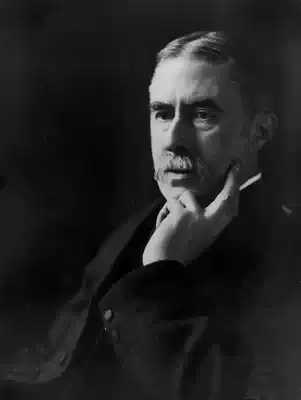
Alfred Edward Housman
On Your Midnight Pallet Lying
On your midnight pallet lying,
Listen, and undo the door:
Lads that waste the light in sighing
In the dark should sigh no more;
Night should ease a lover's sorrow;
Therefore, since I go to-morrow,
Pity me before.
In the land to which I travel,
The far dwelling, let me say--
Once, if here the couch is gravel,
In a kinder bed I lay,
And the breast the darnel smothers
Rested once upon another's
When it was not clay.
Read more →
Listen, and undo the door:
Lads that waste the light in sighing
In the dark should sigh no more;
Night should ease a lover's sorrow;
Therefore, since I go to-morrow,
Pity me before.
In the land to which I travel,
The far dwelling, let me say--
Once, if here the couch is gravel,
In a kinder bed I lay,
And the breast the darnel smothers
Rested once upon another's
When it was not clay.
490

William Blake
Preludium to America
The shadowy Daughter of Urthona stood before red Orc,
When fourteen suns had faintly journey'd o'er his dark abode:
His food she brought in iron baskets, his drink in cups of iron:
Crown'd with a helmet and dark hair the nameless female stood;
A quiver with its burning stores, a bow like that of night,
When pestilence is shot from heaven: no other arms she need!
Invulnerable though naked, save where clouds roll round her loins
Their awful folds in the dark air: silent she stood as night;
For never from her iron tongue could voice or sound arise,
But dumb till that dread day when Orc assay'd his fierce embrace.
'Dark Virgin,' said the hairy youth, 'thy father stern, abhorr'd,
Rivets my tenfold chains while still on high my spirit soars;
Sometimes an Eagle screaming in the sky, sometimes a Lion
Stalking upon the mountains, and sometimes a Whale, I lash
The raging fathomless abyss; anon a Serpent folding
Around the pillars of Urthona, and round thy dark limbs
On the Canadian wilds I fold; feeble my spirit folds,
For chain'd beneath I rend these caverns: when thou bringest food
I howl my joy, and my red eyes seek to behold thy face--
In vain! these clouds roll to and fro, and hide thee from my sight.'
Silent as despairing love, and strong as jealousy,
The hairy shoulders rend the links; free are the wrists of fire;
Round the terrific loins he seiz'd the panting, struggling womb;
It joy'd: she put aside her clouds and smiled her first-born smile,
As when a black cloud shews its lightnings to the silent deep.
Soon as she saw the terrible boy, then burst the virgin cry:
'I know thee, I have found thee, and I will not let thee go:
Thou art the image of God who dwells in darkness of Africa,
And thou art fall'n to give me life in regions of dark death.
On my American plains I feel the struggling afflictions
Endur'd by roots that writhe their arms into the nether deep.
I see a Serpent in Canada who courts me to his love,
In Mexico an Eagle, and a Lion in Peru;
I see a Whale in the south-sea, drinking my soul away.
O what limb-rending pains I feel! thy fire and my frost
Mingle in howling pains, in furrows by thy lightnings rent.
This is eternal death, and this the torment long foretold.'
Read more →
When fourteen suns had faintly journey'd o'er his dark abode:
His food she brought in iron baskets, his drink in cups of iron:
Crown'd with a helmet and dark hair the nameless female stood;
A quiver with its burning stores, a bow like that of night,
When pestilence is shot from heaven: no other arms she need!
Invulnerable though naked, save where clouds roll round her loins
Their awful folds in the dark air: silent she stood as night;
For never from her iron tongue could voice or sound arise,
But dumb till that dread day when Orc assay'd his fierce embrace.
'Dark Virgin,' said the hairy youth, 'thy father stern, abhorr'd,
Rivets my tenfold chains while still on high my spirit soars;
Sometimes an Eagle screaming in the sky, sometimes a Lion
Stalking upon the mountains, and sometimes a Whale, I lash
The raging fathomless abyss; anon a Serpent folding
Around the pillars of Urthona, and round thy dark limbs
On the Canadian wilds I fold; feeble my spirit folds,
For chain'd beneath I rend these caverns: when thou bringest food
I howl my joy, and my red eyes seek to behold thy face--
In vain! these clouds roll to and fro, and hide thee from my sight.'
Silent as despairing love, and strong as jealousy,
The hairy shoulders rend the links; free are the wrists of fire;
Round the terrific loins he seiz'd the panting, struggling womb;
It joy'd: she put aside her clouds and smiled her first-born smile,
As when a black cloud shews its lightnings to the silent deep.
Soon as she saw the terrible boy, then burst the virgin cry:
'I know thee, I have found thee, and I will not let thee go:
Thou art the image of God who dwells in darkness of Africa,
And thou art fall'n to give me life in regions of dark death.
On my American plains I feel the struggling afflictions
Endur'd by roots that writhe their arms into the nether deep.
I see a Serpent in Canada who courts me to his love,
In Mexico an Eagle, and a Lion in Peru;
I see a Whale in the south-sea, drinking my soul away.
O what limb-rending pains I feel! thy fire and my frost
Mingle in howling pains, in furrows by thy lightnings rent.
This is eternal death, and this the torment long foretold.'
489
Johann Wolfgang von Goethe
The Godlike
NOBLE be man,
Helpful and good!
For that alone
Distinguisheth him
From all the beings
Unto us known.
Hail to the beings,
Unknown and glorious,
Whom we forebode!
From his example
Learn we to know them!
For unfeeling
Nature is ever:
On bad and on good
The sun alike shineth;
And on the wicked,
As on the best,
The moon and stars gleam.
Tempest and torrent,
Thunder and hail,
Roar on their path,
Seizing the while,
As they haste onward,
One after another.
Even so, fortune
Gropes 'mid the throng--
Innocent boyhood's
Curly head seizing,--
Seizing the hoary
Head of the sinner.
After laws mighty,
Brazen, eternal,
Must all we mortals
Finish the circuit
Of our existence.
Man, and man only
Can do the impossible;
He 'tis distinguisheth,
Chooseth and judgeth;
He to the moment
Endurance can lend.
He and he only
The good can reward,
The bad can he punish,
Can heal and can save;
All that wanders and strays
Can usefully blend.
And we pay homage
To the immortals
As though they were men,
And did in the great,
What the best, in the small,
Does or might do.
Be the man that is noble,
Both helpful and good.
Unweariedly forming
The right and the useful,
A type of those beings
Our mind hath foreshadow'd!
Read more →
Helpful and good!
For that alone
Distinguisheth him
From all the beings
Unto us known.
Hail to the beings,
Unknown and glorious,
Whom we forebode!
From his example
Learn we to know them!
For unfeeling
Nature is ever:
On bad and on good
The sun alike shineth;
And on the wicked,
As on the best,
The moon and stars gleam.
Tempest and torrent,
Thunder and hail,
Roar on their path,
Seizing the while,
As they haste onward,
One after another.
Even so, fortune
Gropes 'mid the throng--
Innocent boyhood's
Curly head seizing,--
Seizing the hoary
Head of the sinner.
After laws mighty,
Brazen, eternal,
Must all we mortals
Finish the circuit
Of our existence.
Man, and man only
Can do the impossible;
He 'tis distinguisheth,
Chooseth and judgeth;
He to the moment
Endurance can lend.
He and he only
The good can reward,
The bad can he punish,
Can heal and can save;
All that wanders and strays
Can usefully blend.
And we pay homage
To the immortals
As though they were men,
And did in the great,
What the best, in the small,
Does or might do.
Be the man that is noble,
Both helpful and good.
Unweariedly forming
The right and the useful,
A type of those beings
Our mind hath foreshadow'd!
490
Alfred Edward Housman
From Far, From Eve and Morning
From far, from eve and morning
And yon twelve-winded sky,
The stuff of life to knit me
Blew hither: here am I.
Now-- for a breath I tarry
Nor yet disperse apart--
Take my hand quick and tell me,
What have you in your heart.
Speak now, and I will answer;
How shall I help you, say;
Ere to the wind's twelve quarters
I take my endless way.
Read more →
And yon twelve-winded sky,
The stuff of life to knit me
Blew hither: here am I.
Now-- for a breath I tarry
Nor yet disperse apart--
Take my hand quick and tell me,
What have you in your heart.
Speak now, and I will answer;
How shall I help you, say;
Ere to the wind's twelve quarters
I take my endless way.
491
Elizabeth Barrett Browning
Minstrelsy
For ever, since my childish looks
Could rest on Nature's pictured books;
For ever, since my childish tongue
Could name the themes our bards have sung;
So long, the sweetness of their singing
Hath been to me a rapture bringing!
Yet ask me not the reason why
I have delight in minstrelsy.
I know that much whereof I sing,
Is shapen but for vanishing;
I know that summer's flower and leaf
And shine and shade are very brief,
And that the heart they brighten, may,
Before them all, be sheathed in clay! --
I do not know the reason why
I have delight in minstrelsy.
A few there are, whose smile and praise
My minstrel hope, would kindly raise:
But, of those few -- Death may impress
The lips of some with silentness;
While some may friendship's faith resign,
And heed no more a song of mine. --
Ask not, ask not the reason why
I have delight in minstrelsy.
The sweetest song that minstrels sing,
Will charm not Joy to tarrying;
The greenest bay that earth can grow,
Will shelter not in burning woe;
A thousand voices will not cheer,
When one is mute that aye is dear! --
Is there, alas! no reason why
I have delight in minstrelsy.
I do not know! The turf is green
Beneath the rain's fast-dropping sheen,
Yet asks not why that deeper hue
Doth all its tender leaves renew; --
And I, like-minded, am content,
While music to my soul is sent,
To question not the reason why
I have delight in minstrelsy.
Years pass -- my life with them shall pass:
And soon, the cricket in the grass
And summer bird, shall louder sing
Than she who owns a minstrel's string.
Oh then may some, the dear and few,
Recall her love, whose truth they knew;
When all forget to question why
She had delight in minstrelsy!
Read more →
Could rest on Nature's pictured books;
For ever, since my childish tongue
Could name the themes our bards have sung;
So long, the sweetness of their singing
Hath been to me a rapture bringing!
Yet ask me not the reason why
I have delight in minstrelsy.
I know that much whereof I sing,
Is shapen but for vanishing;
I know that summer's flower and leaf
And shine and shade are very brief,
And that the heart they brighten, may,
Before them all, be sheathed in clay! --
I do not know the reason why
I have delight in minstrelsy.
A few there are, whose smile and praise
My minstrel hope, would kindly raise:
But, of those few -- Death may impress
The lips of some with silentness;
While some may friendship's faith resign,
And heed no more a song of mine. --
Ask not, ask not the reason why
I have delight in minstrelsy.
The sweetest song that minstrels sing,
Will charm not Joy to tarrying;
The greenest bay that earth can grow,
Will shelter not in burning woe;
A thousand voices will not cheer,
When one is mute that aye is dear! --
Is there, alas! no reason why
I have delight in minstrelsy.
I do not know! The turf is green
Beneath the rain's fast-dropping sheen,
Yet asks not why that deeper hue
Doth all its tender leaves renew; --
And I, like-minded, am content,
While music to my soul is sent,
To question not the reason why
I have delight in minstrelsy.
Years pass -- my life with them shall pass:
And soon, the cricket in the grass
And summer bird, shall louder sing
Than she who owns a minstrel's string.
Oh then may some, the dear and few,
Recall her love, whose truth they knew;
When all forget to question why
She had delight in minstrelsy!
489
Ella Wheeler Wilcox
Love Song
Once in the world’s first prime,
When nothing lived or stirred,
Nothing but new-born Time,
Nor was there even a bird –
The Silence spoke to a Star,
But do not dare repeat
What it said to its love afar:
It was too sweet, too sweet.
But there, in the fair world’s youth,
Ere sorrow had drawn breath,
When nothing was known but Truth,
Nor was there even death,
The Star to Silence wed,
And the Sun was priest that day,
And they made their bridal-bed
High in the Milky Way.
For the great white star had heard
Her silent lover’s speech;
It needed no passionate word
To pledge them each to each.
O lady fair and far,
Hear, oh, hear, and apply!
Thou the beautiful Star –
The voiceless silence, I.
Read more →
When nothing lived or stirred,
Nothing but new-born Time,
Nor was there even a bird –
The Silence spoke to a Star,
But do not dare repeat
What it said to its love afar:
It was too sweet, too sweet.
But there, in the fair world’s youth,
Ere sorrow had drawn breath,
When nothing was known but Truth,
Nor was there even death,
The Star to Silence wed,
And the Sun was priest that day,
And they made their bridal-bed
High in the Milky Way.
For the great white star had heard
Her silent lover’s speech;
It needed no passionate word
To pledge them each to each.
O lady fair and far,
Hear, oh, hear, and apply!
Thou the beautiful Star –
The voiceless silence, I.
489
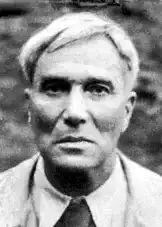
Boris Pasternak
Wet Paint
'Look out! Wet paint.' My soul was blind,
I have to pay the price,
All marked with stains of calves and cheeks
And hands and lips and eyes.
I loved you more than luck or grief
Because with you in sight
The old and yellowed world became
As white as painters' white.
I swear my friend, my gloom-it will
One day still whiter gleam,
Than lampshades, than a bandaged brow,
Than a delirious dream.
~~~~~~~~~~~
Не трогать
'Не трогать,
свежевыкрk
2;шен', &#
1044;уша не
береглась,
И память - в
пятнах икр
и щек,
И рук, и губ, и
глаз.
Я больше
всех удач и
бед
За то тебя
любил,
Что
пожелтелыl
1; белый свет
С тобой &#
1073;елей
белил.
И мгла моя,
мой друг,
божусь,
Он станет
как-нибудь
Белей, чем
бред, чем
абажур,
Чем белый
бинт на лбу!
Read more →
I have to pay the price,
All marked with stains of calves and cheeks
And hands and lips and eyes.
I loved you more than luck or grief
Because with you in sight
The old and yellowed world became
As white as painters' white.
I swear my friend, my gloom-it will
One day still whiter gleam,
Than lampshades, than a bandaged brow,
Than a delirious dream.
~~~~~~~~~~~
Не трогать
'Не трогать,
свежевыкрk
2;шен', &#
1044;уша не
береглась,
И память - в
пятнах икр
и щек,
И рук, и губ, и
глаз.
Я больше
всех удач и
бед
За то тебя
любил,
Что
пожелтелыl
1; белый свет
С тобой &#
1073;елей
белил.
И мгла моя,
мой друг,
божусь,
Он станет
как-нибудь
Белей, чем
бред, чем
абажур,
Чем белый
бинт на лбу!
489