
Soul

Alfred Lord Tennyson
A Farewell
Flow down, cold rivulet, to the sea,
Thy tribute wave deliver:
No more by thee my steps shall be,
For ever and for ever.
Flow, softly flow, by lawn and lea,
A rivulet then a river:
Nowhere by thee my steps shall be
For ever and for ever.
But here will sigh thine alder tree
And here thine aspen shiver;
And here by thee will hum the bee,
For ever and for ever.
A thousand suns will stream on thee,
A thousand moons will quiver;
But not by thee my steps shall be,
For ever and for ever.
Read more →
Thy tribute wave deliver:
No more by thee my steps shall be,
For ever and for ever.
Flow, softly flow, by lawn and lea,
A rivulet then a river:
Nowhere by thee my steps shall be
For ever and for ever.
But here will sigh thine alder tree
And here thine aspen shiver;
And here by thee will hum the bee,
For ever and for ever.
A thousand suns will stream on thee,
A thousand moons will quiver;
But not by thee my steps shall be,
For ever and for ever.
449

Elizabeth Barrett Browning
Cheerfulness Taught By Reason
I THINK we are too ready with complaint
In this fair world of God's. Had we no hope
Indeed beyond the zenith and the slope
Of yon gray blank of sky, we might grow faint
To muse upon eternity's constraint
Round our aspirant souls; but since the scope
Must widen early, is it well to droop,
For a few days consumed in loss and taint ?
O pusillanimous Heart, be comforted
And, like a cheerful traveller, take the road
Singing beside the hedge. What if the bread
Be bitter in thine inn, and thou unshod
To meet the flints ? At least it may be said
' Because the way is short, I thank thee, God. '
Read more →
In this fair world of God's. Had we no hope
Indeed beyond the zenith and the slope
Of yon gray blank of sky, we might grow faint
To muse upon eternity's constraint
Round our aspirant souls; but since the scope
Must widen early, is it well to droop,
For a few days consumed in loss and taint ?
O pusillanimous Heart, be comforted
And, like a cheerful traveller, take the road
Singing beside the hedge. What if the bread
Be bitter in thine inn, and thou unshod
To meet the flints ? At least it may be said
' Because the way is short, I thank thee, God. '
449
Elizabeth Barrett Browning
XXVII
My own Beloved, who hast lifted me
From this drear flat of earth where I was thrown,
And, in betwixt the languid ringlets, blown
A life-breath, till the forehead hopefully
Shines out again, as all the angels see,
Before thy saving kiss ! My own, my own,
Who camest to me when the world was gone,
And I who looked for only God, found thee !
I find thee; I am safe, and strong, and glad.
As one who stands in dewless asphodel
Looks backward on the tedious time he had
In the upper life,--so I, with bosom-swell,
Make witness, here, between the good and bad,
That Love, as strong as Death, retrieves as well.
Read more →
From this drear flat of earth where I was thrown,
And, in betwixt the languid ringlets, blown
A life-breath, till the forehead hopefully
Shines out again, as all the angels see,
Before thy saving kiss ! My own, my own,
Who camest to me when the world was gone,
And I who looked for only God, found thee !
I find thee; I am safe, and strong, and glad.
As one who stands in dewless asphodel
Looks backward on the tedious time he had
In the upper life,--so I, with bosom-swell,
Make witness, here, between the good and bad,
That Love, as strong as Death, retrieves as well.
449
Alfred Lord Tennyson
Come not when I am dead
Come not, when I am dead,
To drop thy foolish tears upon my grave,
To trample round my fallen head,
And vex the unhappy dust thou wouldst not save.
There let the wind sweep and the plover cry;
But thou, go by.
Child, if it were thine error or thy crime
I care no longer, being all unblest:
Wed whom thou wilt, but I am sick of Time,
And I desire to rest.
Pass on, weak heart, and leave to where I lie:
Go by, go by.
Read more →
To drop thy foolish tears upon my grave,
To trample round my fallen head,
And vex the unhappy dust thou wouldst not save.
There let the wind sweep and the plover cry;
But thou, go by.
Child, if it were thine error or thy crime
I care no longer, being all unblest:
Wed whom thou wilt, but I am sick of Time,
And I desire to rest.
Pass on, weak heart, and leave to where I lie:
Go by, go by.
448

Rudyard Kipling
The Last Chantey
"And there was no more sea."
Thus said The Lord in the Vault above the Cherubim
Calling to the Angels and the Souls in their degree:
"Lo! Earth has passed away
On the smoke of Judgment Day.
That Our word may be established shall We gather up the sea?"
Loud sang the souls of the jolly, jolly mariners:
"Plague upon the hurricane that made us furl and flee!
But the war is done between us,
In the deep the Lord hath seen us --
Our bones we'll leave the barracout', and God may sink the sea!"
Then said the soul of Judas that betray]\ed Him:
"Lord, hast Thou forgotten Thy covenant with me?
How once a year I go
To cool me on the floe?
And Ye take my day of mercy if Ye take away the sea!"
Then said the soul of the Angel of the Off-shore Wind:
(He that bits the thunder when the bull-mouthed breakers flee):
"I have watch and ward to keep
O'er Thy wonders on the deep,
And Ye take mine honour from me if Ye take away the sea!"
Loud sang the souls of the jolly, jolly mariners:
"Nay, but we were angry, and a hasty folk are we!
If we worked the ship together
Till she foundered in foul weather,
Are we babes that we should clamour for a vengeance on the sea?"
Then said the souls of the slaves that men threw overboard:
"Kennelled in the picaroon a weary band were we;
But Thy arm was strong to save,
And it touched us on the wave,
And we drowsed the long tides idle till Thy Trumpets tore the sea."
Then cried the soul of the stout Apostle Paul to God:
"Once we frapped a ship, and she laboured woundily.
There were fourteen score of these,
And they blessed Thee on their knees,
When they learned Thy Grace and Glory under Malta by the sea!"
Loud sang the souls of the jolly, jolly mariners,
Plucking at their harps, and they plucked unhandily:
"Our thumbs are rough and tarred,
And the tune is something hard --
May we lift a Deep-sea Chantey such as seamen use at sea?"
Then said the souls of the gentlemen-adventurers --
Fettered wrist to bar all for red iniquity:
"Ho, we revel in our chains
O'er the sorrow that was Spain's;
Heave or sink it, leave or drink it, we were masters of the sea!"
Up spake the soul of a gray Gothavn 'speckshioner --
(He that led the flinching in the fleets of fair Dundee):
"Oh, the ice-blink white and near,
And the bowhead breaching clear!
Will Ye whelm them all for wantonness that wallow in the sea?"
Loud sang the souls of the jolly, jolly mariners,
Crying: "Under Heaven, here is neither lead nor lee!
Must we sing for evermore
On the windless, glassy floor?
Take back your golden fiddles and we'll beat to open sea!"
Then stooped the Lord, and He called the good sea up to Him,
And 'stablished his borders unto all eternity,
That such as have no pleasure
For to praise the Lord by measure,
They may enter into galleons and serve Him on the sea.
Sun, wind, and cloud shall fail not from the face of it,
Stinging, ringing spindrift, nor the fulmar flying free;
And the ships shall go abroad
To the Glory of the Lord
Who heard the silly sailor-folk and gave them back their sea!
Read more →
Thus said The Lord in the Vault above the Cherubim
Calling to the Angels and the Souls in their degree:
"Lo! Earth has passed away
On the smoke of Judgment Day.
That Our word may be established shall We gather up the sea?"
Loud sang the souls of the jolly, jolly mariners:
"Plague upon the hurricane that made us furl and flee!
But the war is done between us,
In the deep the Lord hath seen us --
Our bones we'll leave the barracout', and God may sink the sea!"
Then said the soul of Judas that betray]\ed Him:
"Lord, hast Thou forgotten Thy covenant with me?
How once a year I go
To cool me on the floe?
And Ye take my day of mercy if Ye take away the sea!"
Then said the soul of the Angel of the Off-shore Wind:
(He that bits the thunder when the bull-mouthed breakers flee):
"I have watch and ward to keep
O'er Thy wonders on the deep,
And Ye take mine honour from me if Ye take away the sea!"
Loud sang the souls of the jolly, jolly mariners:
"Nay, but we were angry, and a hasty folk are we!
If we worked the ship together
Till she foundered in foul weather,
Are we babes that we should clamour for a vengeance on the sea?"
Then said the souls of the slaves that men threw overboard:
"Kennelled in the picaroon a weary band were we;
But Thy arm was strong to save,
And it touched us on the wave,
And we drowsed the long tides idle till Thy Trumpets tore the sea."
Then cried the soul of the stout Apostle Paul to God:
"Once we frapped a ship, and she laboured woundily.
There were fourteen score of these,
And they blessed Thee on their knees,
When they learned Thy Grace and Glory under Malta by the sea!"
Loud sang the souls of the jolly, jolly mariners,
Plucking at their harps, and they plucked unhandily:
"Our thumbs are rough and tarred,
And the tune is something hard --
May we lift a Deep-sea Chantey such as seamen use at sea?"
Then said the souls of the gentlemen-adventurers --
Fettered wrist to bar all for red iniquity:
"Ho, we revel in our chains
O'er the sorrow that was Spain's;
Heave or sink it, leave or drink it, we were masters of the sea!"
Up spake the soul of a gray Gothavn 'speckshioner --
(He that led the flinching in the fleets of fair Dundee):
"Oh, the ice-blink white and near,
And the bowhead breaching clear!
Will Ye whelm them all for wantonness that wallow in the sea?"
Loud sang the souls of the jolly, jolly mariners,
Crying: "Under Heaven, here is neither lead nor lee!
Must we sing for evermore
On the windless, glassy floor?
Take back your golden fiddles and we'll beat to open sea!"
Then stooped the Lord, and He called the good sea up to Him,
And 'stablished his borders unto all eternity,
That such as have no pleasure
For to praise the Lord by measure,
They may enter into galleons and serve Him on the sea.
Sun, wind, and cloud shall fail not from the face of it,
Stinging, ringing spindrift, nor the fulmar flying free;
And the ships shall go abroad
To the Glory of the Lord
Who heard the silly sailor-folk and gave them back their sea!
450

Ezra Pound
Les Millwin
The little Millwins attend the Russian Ballet.
The mauve and greenish souls of the little Millwins
Were seen lying along the upper seats
Like so many unused boas.
The turbulent and undisciplined host of art students-
The rigorous deputation from ‘Slade’-
Was before them.
With arms exalted, with fore-arms
Crossed in great futuristic X's, the art students
Exulted, they beheld the splendours of Cleopatra
And the little Millwins beheld these things;
With their large and anaemic eyes they looked out upon
this configuration.
Let us therefore mention the fact,
For it seems to us worthy of record.
Read more →
The mauve and greenish souls of the little Millwins
Were seen lying along the upper seats
Like so many unused boas.
The turbulent and undisciplined host of art students-
The rigorous deputation from ‘Slade’-
Was before them.
With arms exalted, with fore-arms
Crossed in great futuristic X's, the art students
Exulted, they beheld the splendours of Cleopatra
And the little Millwins beheld these things;
With their large and anaemic eyes they looked out upon
this configuration.
Let us therefore mention the fact,
For it seems to us worthy of record.
449

John Keats
Lines Written In The Highlands After A Visit To Burns's Country
There is a charm in footing slow across a silent plain,
Where patriot battle has been fought, where glory had the gain;
There is a pleasure on the heath where Druids old have been,
Where mantles grey have rustled by and swept the nettles green;
There is a joy in every spot made known by times of old,
New to the feet, although each tale a hundred times be told;
There is a deeper joy than all, more solemn in the heart,
More parching to the tongue than all, of more divine a smart,
When weary steps forget themselves upon a pleasant turf,
Upon hot sand, or flinty road, or sea-shore iron scurf,
Toward the castle or the cot, where long ago was born
One who was great through mortal days, and died of fame unshorn.
Light heather-bells may tremble then, but they are far away;
Wood-lark may sing from sandy fern, -- the Sun may hear this lay;
Runnels may kiss the grass on shelves and shallows clear,
But their low voices are not heard, though come on travels drear;
Blood-red the Sun may set behind the black mountain peaks;
Blue tides may sluice and drench their time in caves and weedy creeks;
Eagles may seem to sleep wing-side upon the air;
Ring-dove may fly convuls'd across to some high-cedar'd lair;
But the forgotten eye is still fast lidded to the ground,
As Palmer's, that with weariness, mid-desert shrine hath found.
At such a time the soul's a child, in childhood is the brain;
Forgotten is the worldly heart -- alone, it beats in vain.--
Aye, if a madman could have leave to pass a healthful day
To tell his forehead's swoon and faint when first began decay,
He might make tremble many a one whose spirit had gone forth
To find a Bard's low cradle-place about the silent North!
Scanty the hour and few the steps, because a longer stay
Would bar return, and make a man forget his mortal way:
O horrible! to lose the sight of well remember'd face,
Of Brother's eyes, of Sister's brow -- constant to every place;
Filling the air, as on we move, with portraiture intense;
More warm than those heroic tints that pain a painter's sense,
When shapes of old come striding by, and visages of old,
Locks shining black, hair scanty grey, and passions manifold.
No, no, that horror cannot be, for at the cable's length
Man feels the gentle anchor pull and gladdens in its strength:--
One hour, half-idiot, he stands by mossy waterfall,
But in the very next he reads his soul's memorial:--
He reads it on the mountain's height, where chance he may sit down
Upon rough marble diadem -- that hill's eternal crown.
Yet be his anchor e'er so fast, room is there for a prayer
That man may never lose his mind on mountains black and bare;
That he may stray league after league some great birth-place to find
And keep his vision clear from speck, his inward sight unblind.
Read more →
Where patriot battle has been fought, where glory had the gain;
There is a pleasure on the heath where Druids old have been,
Where mantles grey have rustled by and swept the nettles green;
There is a joy in every spot made known by times of old,
New to the feet, although each tale a hundred times be told;
There is a deeper joy than all, more solemn in the heart,
More parching to the tongue than all, of more divine a smart,
When weary steps forget themselves upon a pleasant turf,
Upon hot sand, or flinty road, or sea-shore iron scurf,
Toward the castle or the cot, where long ago was born
One who was great through mortal days, and died of fame unshorn.
Light heather-bells may tremble then, but they are far away;
Wood-lark may sing from sandy fern, -- the Sun may hear this lay;
Runnels may kiss the grass on shelves and shallows clear,
But their low voices are not heard, though come on travels drear;
Blood-red the Sun may set behind the black mountain peaks;
Blue tides may sluice and drench their time in caves and weedy creeks;
Eagles may seem to sleep wing-side upon the air;
Ring-dove may fly convuls'd across to some high-cedar'd lair;
But the forgotten eye is still fast lidded to the ground,
As Palmer's, that with weariness, mid-desert shrine hath found.
At such a time the soul's a child, in childhood is the brain;
Forgotten is the worldly heart -- alone, it beats in vain.--
Aye, if a madman could have leave to pass a healthful day
To tell his forehead's swoon and faint when first began decay,
He might make tremble many a one whose spirit had gone forth
To find a Bard's low cradle-place about the silent North!
Scanty the hour and few the steps, because a longer stay
Would bar return, and make a man forget his mortal way:
O horrible! to lose the sight of well remember'd face,
Of Brother's eyes, of Sister's brow -- constant to every place;
Filling the air, as on we move, with portraiture intense;
More warm than those heroic tints that pain a painter's sense,
When shapes of old come striding by, and visages of old,
Locks shining black, hair scanty grey, and passions manifold.
No, no, that horror cannot be, for at the cable's length
Man feels the gentle anchor pull and gladdens in its strength:--
One hour, half-idiot, he stands by mossy waterfall,
But in the very next he reads his soul's memorial:--
He reads it on the mountain's height, where chance he may sit down
Upon rough marble diadem -- that hill's eternal crown.
Yet be his anchor e'er so fast, room is there for a prayer
That man may never lose his mind on mountains black and bare;
That he may stray league after league some great birth-place to find
And keep his vision clear from speck, his inward sight unblind.
449
Rudyard Kipling
The Playmate
She is not Folly -- that I know.
Her steadfast eyelids tell me so
When, at the hour the lights divide,
She steals as summonsed to my side.
When, finger on the pursed lip
In secret, mirthful fellowship,
She, heralding new -- framed delights,
Breathes, "This shall be a Night of Nights!"
Then, out of Time and out of Space,
Is built an Hour and a Place
Where all an earnest, baffled Earth
Blunders and trips to make us mirth;
Whence from the trivial flux of Things,
Rise inconceived miscarryings,
Outrageous but immortal, shown,
Of Her great love, to me alone...
She is not Wisdom, but, maybe,
Wiser than all the Norns is She:
And more than Wisdom I prefer
To wait on Her, -- to wait on Her!
Read more →
Her steadfast eyelids tell me so
When, at the hour the lights divide,
She steals as summonsed to my side.
When, finger on the pursed lip
In secret, mirthful fellowship,
She, heralding new -- framed delights,
Breathes, "This shall be a Night of Nights!"
Then, out of Time and out of Space,
Is built an Hour and a Place
Where all an earnest, baffled Earth
Blunders and trips to make us mirth;
Whence from the trivial flux of Things,
Rise inconceived miscarryings,
Outrageous but immortal, shown,
Of Her great love, to me alone...
She is not Wisdom, but, maybe,
Wiser than all the Norns is She:
And more than Wisdom I prefer
To wait on Her, -- to wait on Her!
450
Elizabeth Barrett Browning
The Look
The Saviour looked on Peter. Ay, no word,
No gesture of reproach; the Heavens serene
Though heavy with armed justice, did not lean
Their thunders that way: the forsaken Lord
Looked only, on the traitor. None record
What that look was, none guess; for those who have seen
Wronged lovers loving through a death-pang keen,
Or pale-cheeked martyrs smiling to a sword,
Have missed Jehovah at the judgment-call.
And Peter, from the height of blasphemy-'
I never knew this man '--did quail and fall
As knowing straight THAT GOD; and turned free
And went out speechless from the face of all
And filled the silenc, weeping bitterly.
Read more →
No gesture of reproach; the Heavens serene
Though heavy with armed justice, did not lean
Their thunders that way: the forsaken Lord
Looked only, on the traitor. None record
What that look was, none guess; for those who have seen
Wronged lovers loving through a death-pang keen,
Or pale-cheeked martyrs smiling to a sword,
Have missed Jehovah at the judgment-call.
And Peter, from the height of blasphemy-'
I never knew this man '--did quail and fall
As knowing straight THAT GOD; and turned free
And went out speechless from the face of all
And filled the silenc, weeping bitterly.
450

Kabir
O friend
O friend! hope for Him whilst you live
O friend! hope for Him whilst you live,
know whilst you live, understand whilst you live:
for in life deliverance abides.
If your bonds be not broken whilst living,
what hope of deliverance in death ?
It is but an empty dream, that the soul shall have union with Him
because it has passed from the body:
If He is found now, He is found then,
If not, we do but go to dwell in the City of Death.
If you have union now, you shall have it hereafter.
Bathe in the truth, know the true Guru,
have faith in the true Name!
Kabir says : 'It is the spirit of the quest which helps;
I am the slave of this Spirit of the quest.'
Read more →
O friend! hope for Him whilst you live,
know whilst you live, understand whilst you live:
for in life deliverance abides.
If your bonds be not broken whilst living,
what hope of deliverance in death ?
It is but an empty dream, that the soul shall have union with Him
because it has passed from the body:
If He is found now, He is found then,
If not, we do but go to dwell in the City of Death.
If you have union now, you shall have it hereafter.
Bathe in the truth, know the true Guru,
have faith in the true Name!
Kabir says : 'It is the spirit of the quest which helps;
I am the slave of this Spirit of the quest.'
451
Rudyard Kipling
The Widower
For a season there must be pain--
For a little, little space
I shall lose the sight of her face,
Take back the old life again
While She is at rest in her place.
For a season this pain must endure,
For a little, little while
I shall sigh more often than smile
Till time shall work me a cure,
And the pitiful days beguile.
For that season we must be apart,
For a little length of years,
Till my life's last hour nears,
And, above the beat of my heart,
I hear Her voice in my ears.
But I shall not understand--
Being set on some later love,
Shall not know her for whom I strove,
Till she reach me forth her hand,
Saying, "Who but I have the right?"
And out of a troubled night
Shall draw me safe to the land.
Read more →
For a little, little space
I shall lose the sight of her face,
Take back the old life again
While She is at rest in her place.
For a season this pain must endure,
For a little, little while
I shall sigh more often than smile
Till time shall work me a cure,
And the pitiful days beguile.
For that season we must be apart,
For a little length of years,
Till my life's last hour nears,
And, above the beat of my heart,
I hear Her voice in my ears.
But I shall not understand--
Being set on some later love,
Shall not know her for whom I strove,
Till she reach me forth her hand,
Saying, "Who but I have the right?"
And out of a troubled night
Shall draw me safe to the land.
451
Elizabeth Barrett Browning
Sonnet IV
Thou hast thy calling to some palace-floor,
Most gracious singer of high poems ! where
The dancers will break footing, from the care
Of watching up thy pregnant lips for more.
And dost thou lift this house's latch too poor
For hand of thine ? and canst thou think and bear
To let thy music drop here unaware
In folds of golden fulness at my door ?
Look up and see the casement broken in,
The bats and owlets builders in the roof !
My cricket chirps against thy mandolin.
Hush, call no echo up in further proof
Of desolation ! there 's a voice within
That weeps . . . as thou must sing . . . alone, aloof
Read more →
Most gracious singer of high poems ! where
The dancers will break footing, from the care
Of watching up thy pregnant lips for more.
And dost thou lift this house's latch too poor
For hand of thine ? and canst thou think and bear
To let thy music drop here unaware
In folds of golden fulness at my door ?
Look up and see the casement broken in,
The bats and owlets builders in the roof !
My cricket chirps against thy mandolin.
Hush, call no echo up in further proof
Of desolation ! there 's a voice within
That weeps . . . as thou must sing . . . alone, aloof
448

Walt Whitman
To A Historian
YOU who celebrate bygones!
Who have explored the outward, the surfaces of the races--the life
that has exhibited itself;
Who have treated of man as the creature of politics, aggregates,
rulers and priests;
I, habitan of the Alleghanies, treating of him as he is in himself,
in his own rights,
Pressing the pulse of the life that has seldom exhibited itself, (the
great pride of man in himself;)
Chanter of Personality, outlining what is yet to be,
I project the history of the future.
Read more →
Who have explored the outward, the surfaces of the races--the life
that has exhibited itself;
Who have treated of man as the creature of politics, aggregates,
rulers and priests;
I, habitan of the Alleghanies, treating of him as he is in himself,
in his own rights,
Pressing the pulse of the life that has seldom exhibited itself, (the
great pride of man in himself;)
Chanter of Personality, outlining what is yet to be,
I project the history of the future.
450

Carl Sandburg
Who Am I?
My head knocks against the stars.
My feet are on the hilltops.
My finger-tips are in the valleys and shores of
universal life.
Down in the sounding foam of primal things I
reach my hands and play with pebbles of
destiny.
I have been to hell and back many times.
I know all about heaven, for I have talked with God.
I dabble in the blood and guts of the terrible.
I know the passionate seizure of beauty
And the marvelous rebellion of man at all signs
reading "Keep Off."
My name is Truth and I am the most elusive captive
in the universe.
Read more →
My feet are on the hilltops.
My finger-tips are in the valleys and shores of
universal life.
Down in the sounding foam of primal things I
reach my hands and play with pebbles of
destiny.
I have been to hell and back many times.
I know all about heaven, for I have talked with God.
I dabble in the blood and guts of the terrible.
I know the passionate seizure of beauty
And the marvelous rebellion of man at all signs
reading "Keep Off."
My name is Truth and I am the most elusive captive
in the universe.
449

William Butler Yeats
Under Saturn
DO not because this day I have grown saturnine
Imagine that lost love, inseparable from my thought
Because I have no other youth, can make me pine;
For how should I forget the wisdom that you brought,
The comfort that you made? Although my wits have gone
On a fantastic ride, my horse's flanks are spurred
By childish memories of an old cross Pollexfen,
And of a Middleton, whose name you never heard,
And of a red-haired Yeats whose looks, although he died
Before my time, seem like a vivid memory.
You heard that labouring man who had served my people. He said
Upon the open road, near to the Sligo quay --
No, no, not said, but cried it out -- 'You have come again,
And surely after twenty years it was time to come.'
I am thinking of a child's vow sworn in vain
Never to leave that valley his fathers called their home.
Read more →
Imagine that lost love, inseparable from my thought
Because I have no other youth, can make me pine;
For how should I forget the wisdom that you brought,
The comfort that you made? Although my wits have gone
On a fantastic ride, my horse's flanks are spurred
By childish memories of an old cross Pollexfen,
And of a Middleton, whose name you never heard,
And of a red-haired Yeats whose looks, although he died
Before my time, seem like a vivid memory.
You heard that labouring man who had served my people. He said
Upon the open road, near to the Sligo quay --
No, no, not said, but cried it out -- 'You have come again,
And surely after twenty years it was time to come.'
I am thinking of a child's vow sworn in vain
Never to leave that valley his fathers called their home.
449
Walt Whitman
Whoever You Are, Holding Me Now In Hand
WHOEVER you are, holding me now in hand,
Without one thing, all will be useless,
I give you fair warning, before you attempt me further,
I am not what you supposed, but far different.
Who is he that would become my follower?
Who would sign himself a candidate for my affections?
The way is suspicious--the result uncertain, perhaps destructive;
You would have to give up all else--I alone would expect to be your
God, sole and exclusive,
Your novitiate would even then be long and exhausting,
The whole past theory of your life, and all conformity to the lives
around you, would have to be abandon'd;
Therefore release me now, before troubling yourself any further--Let
go your hand from my shoulders,
Put me down, and depart on your way.
Or else, by stealth, in some wood, for trial,
Or back of a rock, in the open air,
(For in any roof'd room of a house I emerge not--nor in company,
And in libraries I lie as one dumb, a gawk, or unborn, or dead,)
But just possibly with you on a high hill--first watching lest any
person, for miles around, approach unawares,
Or possibly with you sailing at sea, or on the beach of the sea, or
some quiet island,
Here to put your lips upon mine I permit you,
With the comrade's long-dwelling kiss, or the new husband's kiss,
For I am the new husband, and I am the comrade.
Or, if you will, thrusting me beneath your clothing,
Where I may feel the throbs of your heart, or rest upon your hip,
Carry me when you go forth over land or sea;
For thus, merely touching you, is enough--is best,
And thus, touching you, would I silently sleep and be carried
eternally.
But these leaves conning, you con at peril,
For these leaves, and me, you will not understand,
They will elude you at first, and still more afterward--I will
certainly elude you,
Even while you should think you had unquestionably caught me,
behold!
Already you see I have escaped from you.
For it is not for what I have put into it that I have written this
book,
Nor is it by reading it you will acquire it,
Nor do those know me best who admire me, and vauntingly praise me,
Nor will the candidates for my love, (unless at most a very few,)
prove victorious,
Nor will my poems do good only--they will do just as much evil,
perhaps more;
For all is useless without that which you may guess at many times and
not hit--that which I hinted at;
Therefore release me, and depart on your way.
Read more →
Without one thing, all will be useless,
I give you fair warning, before you attempt me further,
I am not what you supposed, but far different.
Who is he that would become my follower?
Who would sign himself a candidate for my affections?
The way is suspicious--the result uncertain, perhaps destructive;
You would have to give up all else--I alone would expect to be your
God, sole and exclusive,
Your novitiate would even then be long and exhausting,
The whole past theory of your life, and all conformity to the lives
around you, would have to be abandon'd;
Therefore release me now, before troubling yourself any further--Let
go your hand from my shoulders,
Put me down, and depart on your way.
Or else, by stealth, in some wood, for trial,
Or back of a rock, in the open air,
(For in any roof'd room of a house I emerge not--nor in company,
And in libraries I lie as one dumb, a gawk, or unborn, or dead,)
But just possibly with you on a high hill--first watching lest any
person, for miles around, approach unawares,
Or possibly with you sailing at sea, or on the beach of the sea, or
some quiet island,
Here to put your lips upon mine I permit you,
With the comrade's long-dwelling kiss, or the new husband's kiss,
For I am the new husband, and I am the comrade.
Or, if you will, thrusting me beneath your clothing,
Where I may feel the throbs of your heart, or rest upon your hip,
Carry me when you go forth over land or sea;
For thus, merely touching you, is enough--is best,
And thus, touching you, would I silently sleep and be carried
eternally.
But these leaves conning, you con at peril,
For these leaves, and me, you will not understand,
They will elude you at first, and still more afterward--I will
certainly elude you,
Even while you should think you had unquestionably caught me,
behold!
Already you see I have escaped from you.
For it is not for what I have put into it that I have written this
book,
Nor is it by reading it you will acquire it,
Nor do those know me best who admire me, and vauntingly praise me,
Nor will the candidates for my love, (unless at most a very few,)
prove victorious,
Nor will my poems do good only--they will do just as much evil,
perhaps more;
For all is useless without that which you may guess at many times and
not hit--that which I hinted at;
Therefore release me, and depart on your way.
449
William Butler Yeats
Crazy Jane On The Day Of Judgment
'Love is all
Unsatisfied
That cannot take the whole
Body and soul';
And that is what Jane said.
'Take the sour
If you take me
I can scoff and lour
And scold for an hour.'
"That's certainly the case,' said he.
'Naked I lay,
The grass my bed;
Naked and hidden away,
That black day';
And that is what Jane said.
'What can be shown?
What true love be?
All could be known or shown
If Time were but gone.'
'That's certainly the case,' said he.
Read more →
Unsatisfied
That cannot take the whole
Body and soul';
And that is what Jane said.
'Take the sour
If you take me
I can scoff and lour
And scold for an hour.'
"That's certainly the case,' said he.
'Naked I lay,
The grass my bed;
Naked and hidden away,
That black day';
And that is what Jane said.
'What can be shown?
What true love be?
All could be known or shown
If Time were but gone.'
'That's certainly the case,' said he.
451

Alexander Pope
Ode on St. Cecilia's Day
I.
Descend ye Nine! descend and sing;
The breathing instruments inspire,
Wake into voice each silent string,
And sweep the sounding lyre!
In a sadly-pleasing strain
Let the warbling lute complain:
Let the loud trumpet sound,
'Till the roofs all around
The shrill echo's rebound:
While in more lengthen'd notes and slow,
The deep, majestic, solemn organs blow.
Hark! the numbers, soft and clear,
Gently steal upon the ear;
Now louder, and yet louder rise,
And fill with spreading sounds the skies;
Exulting in triumph now swell the bold notes,
In broken air, trembling, the wild music floats;
'Till, by degrees, remote and small,
The strains decay,
And melt away,
In a dying, dying fall.
II.
By Music, minds an equal temper know,
Nor swell too high, nor sink too low.
If in the breast tumultuous joys arise,
Music her soft, assuasive voice applies;
Or when the soul is press'd with cares,
Exalts her in enlivening airs.
Warriors she fires with animated sounds;
Pours balm into the bleeding lover's wounds:
Melancholy lifts her head,
Morpheus rouzes from his bed,
Sloth unfolds her arms and wakes,
List'ning Envy drops her snakes;
Intestine war no more our Passions wage,
And giddy Factions hear away their rage.
III.
But when our Country's cause provokes to Arms,
How martial music ev'ry bosom warms!
So when the first bold vessel dar'd the seas,
High on the stern the Thracian rais'd his strain,
While Argo saw her kindred trees
Descend from Pelion to the main.
Transported demi-gods stood round,
And men grew heroes at the sound,
Enflam'd with glory's charms:
Each chief his sev'nfold shield display'd,
And half unsheath'd the shining blade:
And seas, and rocks, and skies rebound
To arms, to arms, to arms!
IV.
But when thro' all th'infernal bounds
Which flaming Phlegeton surrounds,
Love, strong as Death, the Poet led
To the pale nations of the dead,
What sounds were heard,
What scenes appear'd,
O'er all the dreary coasts!
Dreadful gleams,
Dismal screams,
Fires that glow,
Shrieks of woe,
Sullen moans,
Hollow groans,
And cries of tortur'd ghosts!
But hark! he strikes the golden lyre;
And see! the tortur'd ghosts respire,
See, shady forms advance!
Thy stone, O Sysiphus, stands still,
Ixion rests upon his wheel,
And the pale spectres dance!
The Furies sink upon their iron beds,
And snakes uncurl'd hang list'ning round their heads.
V.
By the streams that ever flow,
By the fragrant winds that blow
O'er th' Elysian flow'rs,
By those happy souls who dwell
In yellow meads of Asphodel,
Or Amaranthine bow'rs,
By the hero's armed shades,
Glitt'ring thro' the gloomy glades,
By the youths that dy'd for love,
Wand'ring in the myrtle grove,
Restore, restore Eurydice to life;
Oh take the husband, or return the wife!
He sung, and hell consented
To hear the Poet's pray'r;
Stern Proserpine relented,
And gave him back the fair.
Thus song could prevail
O'er death and o'er hell,
A conquest how hard and how glorious?
Tho' fate had fast bound her
With Styx nine times round her,
Yet music and love were victorious.
VI.
But soon, too soon, the lover turns his eyes:
Again she falls, again she dies, she dies!
How wilt thou now the fatal sisters move?
No crime was thine, if 'tis no crime to love.
Now under hanging mountains,
Beside the falls of fountains,
Or where Hebrus wanders,
Rolling in Maeanders,
All alone,
Unheard, unknown,
He makes his moan;
And calls her ghost,
For ever, ever, ever lost!
Now with Furies surrounded,
Despairing, confounded,
He trembles, he glows,
Amidst Rhodope's snows:
See, wild as the winds, o'er the desart he flies;
Hark! Haemus resounds with the Bacchanals cries
-Ah see, he dies!
Yet ev'n in death Eurydice he sung,
Eurydice still trembled on his tongue,
Eurydice the woods,
Eurydice the floods,
Eurydice the rocks, and hollow mountains rung.
VII.
Music the fiercest grief can charm,
And fate's severest rage disarm:
Music can soften pain to ease,
And make despair and madness please:
Our joys below it can improve,
And antedate the bliss above.
This the divine Cecilia found,
And to her Maker's praise confin'd the sound.
When the full organ joins the tuneful quire,
Th'immortal pow'rs incline their ear;
Borne on the swelling notes our souls aspire,
While solemn airs improve the sacred fire;
And Angels lean from heav'n to hear.
Of Orpheus now no more let Poets tell,
To bright Cecilia greater pow'r is giv'n;
His numbers rais'd a shade from hell,
Hers lift the soul to heav'n.
Read more →
Descend ye Nine! descend and sing;
The breathing instruments inspire,
Wake into voice each silent string,
And sweep the sounding lyre!
In a sadly-pleasing strain
Let the warbling lute complain:
Let the loud trumpet sound,
'Till the roofs all around
The shrill echo's rebound:
While in more lengthen'd notes and slow,
The deep, majestic, solemn organs blow.
Hark! the numbers, soft and clear,
Gently steal upon the ear;
Now louder, and yet louder rise,
And fill with spreading sounds the skies;
Exulting in triumph now swell the bold notes,
In broken air, trembling, the wild music floats;
'Till, by degrees, remote and small,
The strains decay,
And melt away,
In a dying, dying fall.
II.
By Music, minds an equal temper know,
Nor swell too high, nor sink too low.
If in the breast tumultuous joys arise,
Music her soft, assuasive voice applies;
Or when the soul is press'd with cares,
Exalts her in enlivening airs.
Warriors she fires with animated sounds;
Pours balm into the bleeding lover's wounds:
Melancholy lifts her head,
Morpheus rouzes from his bed,
Sloth unfolds her arms and wakes,
List'ning Envy drops her snakes;
Intestine war no more our Passions wage,
And giddy Factions hear away their rage.
III.
But when our Country's cause provokes to Arms,
How martial music ev'ry bosom warms!
So when the first bold vessel dar'd the seas,
High on the stern the Thracian rais'd his strain,
While Argo saw her kindred trees
Descend from Pelion to the main.
Transported demi-gods stood round,
And men grew heroes at the sound,
Enflam'd with glory's charms:
Each chief his sev'nfold shield display'd,
And half unsheath'd the shining blade:
And seas, and rocks, and skies rebound
To arms, to arms, to arms!
IV.
But when thro' all th'infernal bounds
Which flaming Phlegeton surrounds,
Love, strong as Death, the Poet led
To the pale nations of the dead,
What sounds were heard,
What scenes appear'd,
O'er all the dreary coasts!
Dreadful gleams,
Dismal screams,
Fires that glow,
Shrieks of woe,
Sullen moans,
Hollow groans,
And cries of tortur'd ghosts!
But hark! he strikes the golden lyre;
And see! the tortur'd ghosts respire,
See, shady forms advance!
Thy stone, O Sysiphus, stands still,
Ixion rests upon his wheel,
And the pale spectres dance!
The Furies sink upon their iron beds,
And snakes uncurl'd hang list'ning round their heads.
V.
By the streams that ever flow,
By the fragrant winds that blow
O'er th' Elysian flow'rs,
By those happy souls who dwell
In yellow meads of Asphodel,
Or Amaranthine bow'rs,
By the hero's armed shades,
Glitt'ring thro' the gloomy glades,
By the youths that dy'd for love,
Wand'ring in the myrtle grove,
Restore, restore Eurydice to life;
Oh take the husband, or return the wife!
He sung, and hell consented
To hear the Poet's pray'r;
Stern Proserpine relented,
And gave him back the fair.
Thus song could prevail
O'er death and o'er hell,
A conquest how hard and how glorious?
Tho' fate had fast bound her
With Styx nine times round her,
Yet music and love were victorious.
VI.
But soon, too soon, the lover turns his eyes:
Again she falls, again she dies, she dies!
How wilt thou now the fatal sisters move?
No crime was thine, if 'tis no crime to love.
Now under hanging mountains,
Beside the falls of fountains,
Or where Hebrus wanders,
Rolling in Maeanders,
All alone,
Unheard, unknown,
He makes his moan;
And calls her ghost,
For ever, ever, ever lost!
Now with Furies surrounded,
Despairing, confounded,
He trembles, he glows,
Amidst Rhodope's snows:
See, wild as the winds, o'er the desart he flies;
Hark! Haemus resounds with the Bacchanals cries
-Ah see, he dies!
Yet ev'n in death Eurydice he sung,
Eurydice still trembled on his tongue,
Eurydice the woods,
Eurydice the floods,
Eurydice the rocks, and hollow mountains rung.
VII.
Music the fiercest grief can charm,
And fate's severest rage disarm:
Music can soften pain to ease,
And make despair and madness please:
Our joys below it can improve,
And antedate the bliss above.
This the divine Cecilia found,
And to her Maker's praise confin'd the sound.
When the full organ joins the tuneful quire,
Th'immortal pow'rs incline their ear;
Borne on the swelling notes our souls aspire,
While solemn airs improve the sacred fire;
And Angels lean from heav'n to hear.
Of Orpheus now no more let Poets tell,
To bright Cecilia greater pow'r is giv'n;
His numbers rais'd a shade from hell,
Hers lift the soul to heav'n.
449

Muhammad Iqbal
First Date Tree Saeeded By Abdul Rahman The Firs
You are the apple of my eye,
My heart's delight:
I am remote from my valley,
To me you are the Burning Bush of Sinai!
You are a houri of the Arabian Desert,
Nursed by the Western breeze.
I feel homesick in exile,
You feel homesick in exile:
Prosper in this strange land!
May the morning dew quench your thirst!
The world presents a strange sight:
The vision's mantle is torn apart—
May valour struggle with the waves if it must,
The other side of the river is not to be seen!
Life owes itself to the heat of one's soul:
Flame does not rise from dust.
The Syrian evening's fallen star
Shined brighter in the exile's dawn.
There are no frontiers for the Man of Faith,
He is at home everywhere.
[Translated by the Editors]
*
That blood of pristine vigour is no more;
That yearning heart's power is no more;
Prayer, fasting, hajj, sacrifice survive,
But in thee nature's old dower is no more.
[Translated by Naim Siddiqui]
Not: These verses from Abdul Rahman the First
are quoted in Tarikh al Muqqari. The
following Urdu poem is a liberal
translation (the tree mentioned here was
planted in Madinatut Zahra)
Read more →
My heart's delight:
I am remote from my valley,
To me you are the Burning Bush of Sinai!
You are a houri of the Arabian Desert,
Nursed by the Western breeze.
I feel homesick in exile,
You feel homesick in exile:
Prosper in this strange land!
May the morning dew quench your thirst!
The world presents a strange sight:
The vision's mantle is torn apart—
May valour struggle with the waves if it must,
The other side of the river is not to be seen!
Life owes itself to the heat of one's soul:
Flame does not rise from dust.
The Syrian evening's fallen star
Shined brighter in the exile's dawn.
There are no frontiers for the Man of Faith,
He is at home everywhere.
[Translated by the Editors]
*
That blood of pristine vigour is no more;
That yearning heart's power is no more;
Prayer, fasting, hajj, sacrifice survive,
But in thee nature's old dower is no more.
[Translated by Naim Siddiqui]
Not: These verses from Abdul Rahman the First
are quoted in Tarikh al Muqqari. The
following Urdu poem is a liberal
translation (the tree mentioned here was
planted in Madinatut Zahra)
446
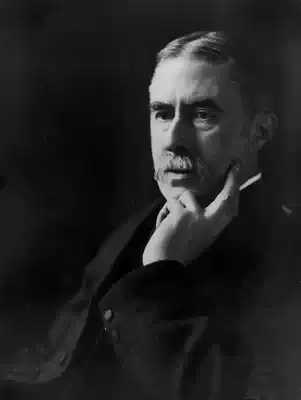
Alfred Edward Housman
When Smoke Stood Up From Ludlow
When smoke stood up from Ludlow,
And mist blew off from Teme,
And blithe afield to ploughing
Against the morning beam
I strode beside my team,
The blackbird in the coppice
Looked out to see me stride,
And hearkened as I whistled
The trampling team beside,
And fluted and replied:
"Lie down, lie down, young yeoman;
What use to rise and rise?
Rise man a thousand mornings
Yet down at last he lies,
And then the man is wise."
I heard the tune he sang me,
And spied his yellow bill;
I picked a stone and aimed it
And threw it with a will:
Then the bird was still.
Then my soul within me
Took up the blackbird's strain,
And still beside the horses
Along the dewy lane
It sang the song again:
"Lie down, lie down, young yeoman;
The sun moves always west;
The road one treads to labour
Will lead one home to rest,
And that will be the best."
Read more →
And mist blew off from Teme,
And blithe afield to ploughing
Against the morning beam
I strode beside my team,
The blackbird in the coppice
Looked out to see me stride,
And hearkened as I whistled
The trampling team beside,
And fluted and replied:
"Lie down, lie down, young yeoman;
What use to rise and rise?
Rise man a thousand mornings
Yet down at last he lies,
And then the man is wise."
I heard the tune he sang me,
And spied his yellow bill;
I picked a stone and aimed it
And threw it with a will:
Then the bird was still.
Then my soul within me
Took up the blackbird's strain,
And still beside the horses
Along the dewy lane
It sang the song again:
"Lie down, lie down, young yeoman;
The sun moves always west;
The road one treads to labour
Will lead one home to rest,
And that will be the best."
445
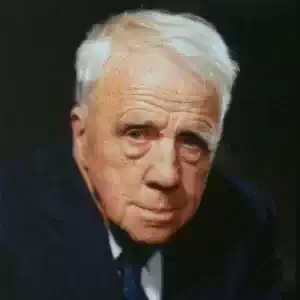
Robert Frost
The Secret Sits
We dance round in a ring and suppose,
But the Secret sits in the middle and knows.
But the Secret sits in the middle and knows.
446
Alexander Pope
Universal Prayer
Father of all! In every age,
In ev'ry clime ador'd,
By saint, by savage, and by sage,
Jehovah, Jove, or Lord!
Thou Great First Cause, least understood,
Who all my sense confin'd
To know but this, that Thou art good,
And that myself am blind:
Yet gave me, in this dark estate,
To see the good from ill;
And, binding Nature fast in Fate,
Left free the human Will.
What Conscience dictates to be done,
Or warns me not to do;
This teach me more than Hell to shun,
That more than Heav'n pursue.
What blessings thy free bounty gives
Let me not cast away;
For God is paid when man receives;
T' enjoy is to obey.
Yet not to earth's contracted span
Thy goodness let me bound,
Or think thee Lord alone of man,
When thousand worlds are round.
Let not this weak, unknowing hand
Presume thy bolts to throw,
And teach damnation round the land
On each I judge thy foe.
If I am right, thy grace impart,
Still in the right to stay;
If I am wrong, O teach my heart
To find that better way.
Save me alike from foolish Pride
Or impious Discontent,
At aught thy wisdom has denied,
Or aught that goodness lent.
Teach me to feel another's woe,
To right the fault I see:
That mercy I to others show,
That mercy show to me.
Mean tho' I am, not wholly so,
Since quicken'd by thy breath;
O lead me whereso'er I go,
Thro' this day's life or death!
This day be bread and peace my lot:
All else beneath the sun
Though know'st if best bestow'd or not,
And let Thy will be done.
To Thee, whose temple is of Space,
Whose altar earth, sea, skies,
One chorus let all Beings raise!
All Nature's incense rise!
Read more →
In ev'ry clime ador'd,
By saint, by savage, and by sage,
Jehovah, Jove, or Lord!
Thou Great First Cause, least understood,
Who all my sense confin'd
To know but this, that Thou art good,
And that myself am blind:
Yet gave me, in this dark estate,
To see the good from ill;
And, binding Nature fast in Fate,
Left free the human Will.
What Conscience dictates to be done,
Or warns me not to do;
This teach me more than Hell to shun,
That more than Heav'n pursue.
What blessings thy free bounty gives
Let me not cast away;
For God is paid when man receives;
T' enjoy is to obey.
Yet not to earth's contracted span
Thy goodness let me bound,
Or think thee Lord alone of man,
When thousand worlds are round.
Let not this weak, unknowing hand
Presume thy bolts to throw,
And teach damnation round the land
On each I judge thy foe.
If I am right, thy grace impart,
Still in the right to stay;
If I am wrong, O teach my heart
To find that better way.
Save me alike from foolish Pride
Or impious Discontent,
At aught thy wisdom has denied,
Or aught that goodness lent.
Teach me to feel another's woe,
To right the fault I see:
That mercy I to others show,
That mercy show to me.
Mean tho' I am, not wholly so,
Since quicken'd by thy breath;
O lead me whereso'er I go,
Thro' this day's life or death!
This day be bread and peace my lot:
All else beneath the sun
Though know'st if best bestow'd or not,
And let Thy will be done.
To Thee, whose temple is of Space,
Whose altar earth, sea, skies,
One chorus let all Beings raise!
All Nature's incense rise!
445
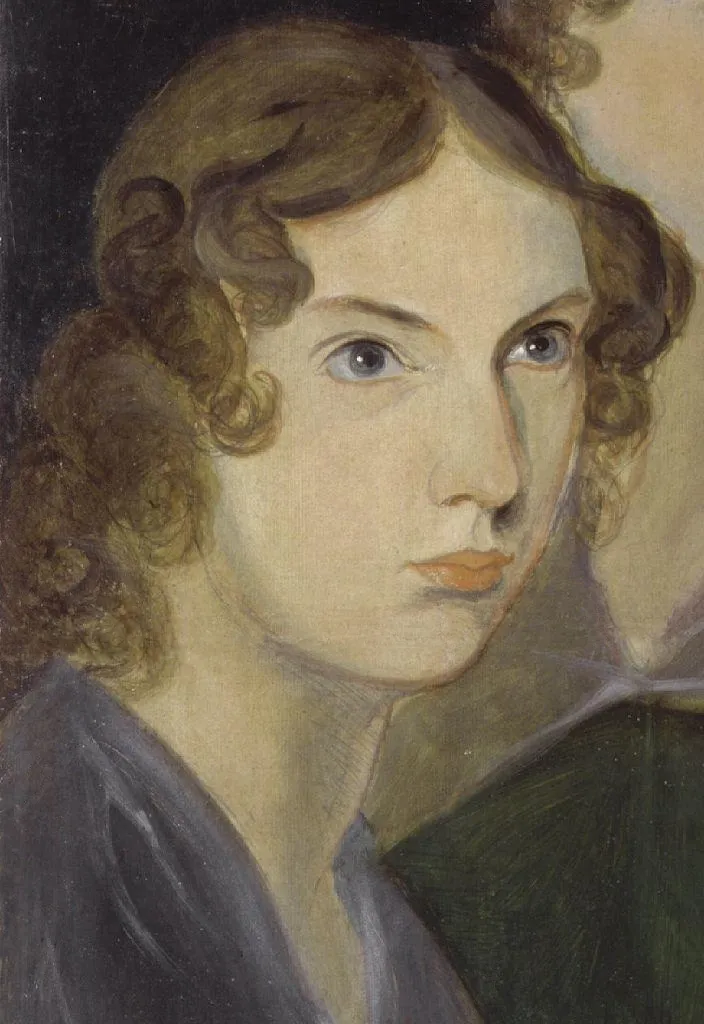
Anne Brontë
Lines Composed in a Wood on a Windy Day
My soul is awakened, my spirit is soaring
And carried aloft on the wings of the breeze;
For above and around me the wild wind is roaring,
Arousing to rapture the earth and the seas.
The long withered grass in the sunshine is glancing,
The bare trees are tossing their branches on high;
The dead leaves, beneath them, are merrily dancing,
The white clouds are scudding across the blue sky.
I wish I could see how the ocean is lashing
The foam of its billows to whirlwinds of spray;
I wish I could see how its proud waves are dashing,
And hear the wild roar of their thunder today!
Acton
Read more →
And carried aloft on the wings of the breeze;
For above and around me the wild wind is roaring,
Arousing to rapture the earth and the seas.
The long withered grass in the sunshine is glancing,
The bare trees are tossing their branches on high;
The dead leaves, beneath them, are merrily dancing,
The white clouds are scudding across the blue sky.
I wish I could see how the ocean is lashing
The foam of its billows to whirlwinds of spray;
I wish I could see how its proud waves are dashing,
And hear the wild roar of their thunder today!
Acton
445
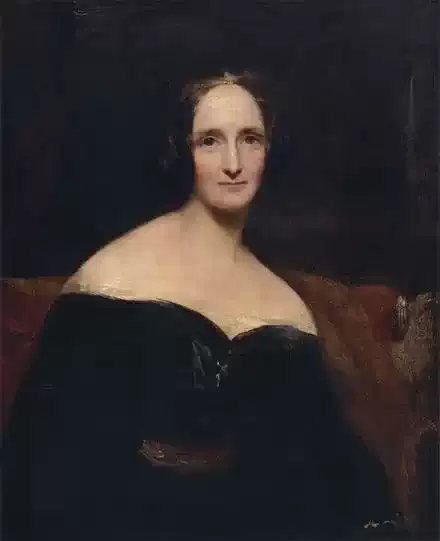
Percy Bysshe Shelley
From the Arabic, an Imitation
MY faint spirit was sitting in the light
Of thy looks, my love;
It panted for thee like the hind at noon
For the brooks, my love.
Thy barb, whose hoofs outspeed the tempest's flight,
Bore thee far from me;
My heart, for my weak feet were weary soon,
Did companion thee.
Ah! fleeter far than fleetest storm or steed,
Or the death they bear,
The heart which tender thought clothes like a dove
With the wings of care;
In the battle, in the darkness, in the need,
Shall mine cling to thee,
Nor claim one smile for all the comfort, love,
It may bring to thee.
Read more →
Of thy looks, my love;
It panted for thee like the hind at noon
For the brooks, my love.
Thy barb, whose hoofs outspeed the tempest's flight,
Bore thee far from me;
My heart, for my weak feet were weary soon,
Did companion thee.
Ah! fleeter far than fleetest storm or steed,
Or the death they bear,
The heart which tender thought clothes like a dove
With the wings of care;
In the battle, in the darkness, in the need,
Shall mine cling to thee,
Nor claim one smile for all the comfort, love,
It may bring to thee.
445