
Soul

Boris Pasternak
‘February. Take ink and weep,’
February. Take ink and weep,
write February as you’re sobbing,
while black Spring burns deep
through the slush and throbbing.
Take a cab. For a clutch of copecks,
through bell-towers’ and wheel noise,
go where the rain-storm’s din breaks,
greater than crying or ink employs.
Where rooks in thousands falling,
like charred pears from the skies,
drop down into puddles, bringing
cold grief to the depths of eyes.
Below, the black shows through,
and the wind’s furrowed with cries:
the more freely, the more truly
then, sobbing verse is realised.
Read more →
write February as you’re sobbing,
while black Spring burns deep
through the slush and throbbing.
Take a cab. For a clutch of copecks,
through bell-towers’ and wheel noise,
go where the rain-storm’s din breaks,
greater than crying or ink employs.
Where rooks in thousands falling,
like charred pears from the skies,
drop down into puddles, bringing
cold grief to the depths of eyes.
Below, the black shows through,
and the wind’s furrowed with cries:
the more freely, the more truly
then, sobbing verse is realised.
447
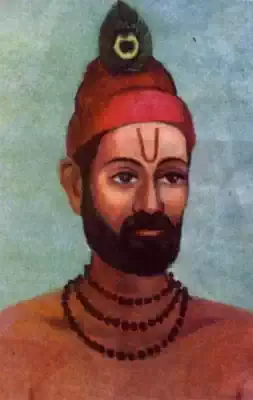
Kabir
Tentacles of Time
Sadho Ye Murdon Ka Gaon
Peer Mare, Pygambar Mari Hain
Mari Hain Zinda Jogi
Raja Mari Hain, Parja Mari Hain
Mari Hain Baid Aur Rogi
Chanda Mari Hain, Suraj Mari Hain
Mari Hain Dharni Akasa
Chaudan Bhuvan Ke Chaudhry Mari Hain
In Hun Ki Ka Asa
Nauhun Mari Hain, Dus Hun Mari Hain
Mari Hain Sahaj Athasi
Tethis Koti Devata Mari Hain
Badi Kaal Ki Bazi
Naam Anam Anant Rehat Hai
Duja Tatva Na Hoi
Kahe Kabir Suno Bhai Sadho
Bhatak Maro Mat Koi
English Translation
Oh Sadhu This is the Village of the Dead
The Saints Have Died, The God-Messengers Die
The Life-Filled Yogis Die Too |
The Kings Die, The Subjects Die
The Healers and the Sick Die Too ||
The Moon Dies, The Sun Dies
The Earth and Sky Die Too |
Even the Caretakers of the Fourteen Worlds Die
Why Hope For Any of These ||
The Nine Die, The Ten Die
The Eighty Eight Die Easily Too |
The Thirty Three Crore Devatas Die
It's a Big Game of Time ||
The Un-Named Naam Lives Without Any End
There is No Other Truth ||
Says Kabir Listen Oh Sadhu
Don't Get Lost and Die ||
Read more →
Peer Mare, Pygambar Mari Hain
Mari Hain Zinda Jogi
Raja Mari Hain, Parja Mari Hain
Mari Hain Baid Aur Rogi
Chanda Mari Hain, Suraj Mari Hain
Mari Hain Dharni Akasa
Chaudan Bhuvan Ke Chaudhry Mari Hain
In Hun Ki Ka Asa
Nauhun Mari Hain, Dus Hun Mari Hain
Mari Hain Sahaj Athasi
Tethis Koti Devata Mari Hain
Badi Kaal Ki Bazi
Naam Anam Anant Rehat Hai
Duja Tatva Na Hoi
Kahe Kabir Suno Bhai Sadho
Bhatak Maro Mat Koi
English Translation
Oh Sadhu This is the Village of the Dead
The Saints Have Died, The God-Messengers Die
The Life-Filled Yogis Die Too |
The Kings Die, The Subjects Die
The Healers and the Sick Die Too ||
The Moon Dies, The Sun Dies
The Earth and Sky Die Too |
Even the Caretakers of the Fourteen Worlds Die
Why Hope For Any of These ||
The Nine Die, The Ten Die
The Eighty Eight Die Easily Too |
The Thirty Three Crore Devatas Die
It's a Big Game of Time ||
The Un-Named Naam Lives Without Any End
There is No Other Truth ||
Says Kabir Listen Oh Sadhu
Don't Get Lost and Die ||
448
Kabir
Knowing Nothing Shuts The Iron Gates
Knowing nothing shuts the iron gates;
the new love opens them.
The sound of the gates opening wakes
the beautiful woman asleep.
Kabir says: Fantastic!
Don't let a chance like this go by!
Read more →
the new love opens them.
The sound of the gates opening wakes
the beautiful woman asleep.
Kabir says: Fantastic!
Don't let a chance like this go by!
445

Rabindranath Tagore
Lover's Gifts XLVII: The Road Is
The road is my wedded companion. She speaks to me under my feet all
day, she sings to my dreams all night.
My meeting with her had no beginning, it begins endlessly at
each daybreak, renewing its summer in fresh flowers and songs, and
her every new kiss is the first kiss to me.
The road and I are lovers. I change my dress for her night
after night, leaving the tattered cumber of the old in the wayside
inns when the day dawns.
Read more →
day, she sings to my dreams all night.
My meeting with her had no beginning, it begins endlessly at
each daybreak, renewing its summer in fresh flowers and songs, and
her every new kiss is the first kiss to me.
The road and I are lovers. I change my dress for her night
after night, leaving the tattered cumber of the old in the wayside
inns when the day dawns.
446
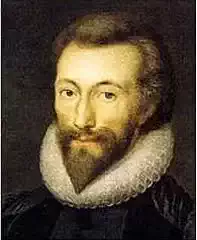
John Donne
Crucifying
By miracles exceeding power of man,
He faith in some, envy in some begat,
For, what weak spirits admire, ambitious hate :
In both affections many to Him ran.
But O ! the worst are most, they will and can,
Alas ! and do, unto th' Immaculate,
Whose creature Fate is, now prescribe a fate,
Measuring self-life's infinity to span,
Nay to an inch. Lo ! where condemned He
Bears His own cross, with pain, yet by and by
When it bears him, He must bear more and die.
Now Thou art lifted up, draw me to Thee,
And at Thy death giving such liberal dole,
Moist with one drop of Thy blood my dry soul.
Read more →
He faith in some, envy in some begat,
For, what weak spirits admire, ambitious hate :
In both affections many to Him ran.
But O ! the worst are most, they will and can,
Alas ! and do, unto th' Immaculate,
Whose creature Fate is, now prescribe a fate,
Measuring self-life's infinity to span,
Nay to an inch. Lo ! where condemned He
Bears His own cross, with pain, yet by and by
When it bears him, He must bear more and die.
Now Thou art lifted up, draw me to Thee,
And at Thy death giving such liberal dole,
Moist with one drop of Thy blood my dry soul.
446

Ezra Pound
Mauberley
I
Turned from the 'eau-forte
Par Jaquemart'
To the strait head
Of Messalina:
'His true Penelope
Was Flaubert,'
And his tool
The engraver's.
Firmness,
Not the full smile,
His art, but an art
In profile;
Colourless
Pier Francesca,
Pisanello lacking the skill
To forge Achaia.
II
For three years, diabolus in the scale,
He drank ambrosia,
All passes, ANANGKE prevails,
Came end, at last, to that Arcadia.
He had moved amid her phantasmagoria,
Amid her galaxies,
NUKTIS 'AGALMA
Drifted . . . drifted precipitate,
Asking time to be rid of ...
Of his bewilderment; to designate
His new found orchid. . . .
To be certain . . . certain . . .
(Amid aerial flowers) . . . time for arrangements-
Drifted on
To the final estrangement;
Unable in the supervening blankness
To sift TO AGATHON from the chaff
Until he found his sieve . . .
Ultimately, his seismograph:
Given that is his 'fundamental passion',
This urge to convey the relation
Of eye-lid and cheek-bone
By verbal manifestations;
To present the series
Of curious heads in medallion
He had passed, inconscient, full gaze,
The wide-branded irides
And botticellian sprays implied
In their diastasis;
Which ansethesis, noted a year late,
And weighed, revealed his great affect,
(Orchid), mandate
Of Eros, a retrospect.
Mouths biting empty air,
The still stone dogs,
Caught in metamorphosis, were
Left him as epilogues.
Read more →
Turned from the 'eau-forte
Par Jaquemart'
To the strait head
Of Messalina:
'His true Penelope
Was Flaubert,'
And his tool
The engraver's.
Firmness,
Not the full smile,
His art, but an art
In profile;
Colourless
Pier Francesca,
Pisanello lacking the skill
To forge Achaia.
II
For three years, diabolus in the scale,
He drank ambrosia,
All passes, ANANGKE prevails,
Came end, at last, to that Arcadia.
He had moved amid her phantasmagoria,
Amid her galaxies,
NUKTIS 'AGALMA
Drifted . . . drifted precipitate,
Asking time to be rid of ...
Of his bewilderment; to designate
His new found orchid. . . .
To be certain . . . certain . . .
(Amid aerial flowers) . . . time for arrangements-
Drifted on
To the final estrangement;
Unable in the supervening blankness
To sift TO AGATHON from the chaff
Until he found his sieve . . .
Ultimately, his seismograph:
Given that is his 'fundamental passion',
This urge to convey the relation
Of eye-lid and cheek-bone
By verbal manifestations;
To present the series
Of curious heads in medallion
He had passed, inconscient, full gaze,
The wide-branded irides
And botticellian sprays implied
In their diastasis;
Which ansethesis, noted a year late,
And weighed, revealed his great affect,
(Orchid), mandate
Of Eros, a retrospect.
Mouths biting empty air,
The still stone dogs,
Caught in metamorphosis, were
Left him as epilogues.
447
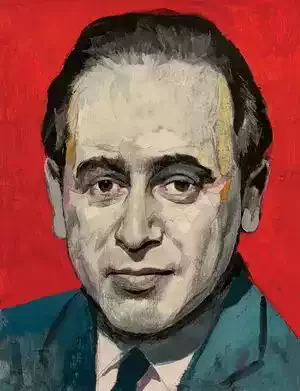
Paul Celan
I Can Still See You
I can still see you: an Echo,
to be touched with Feeler-
Words, on the Parting-
Ridge.
Your face softly shies away,
when all at once there is
lamp-like brightness
in me, at the Point,
where most painfully one says Never.
Read more →
to be touched with Feeler-
Words, on the Parting-
Ridge.
Your face softly shies away,
when all at once there is
lamp-like brightness
in me, at the Point,
where most painfully one says Never.
448
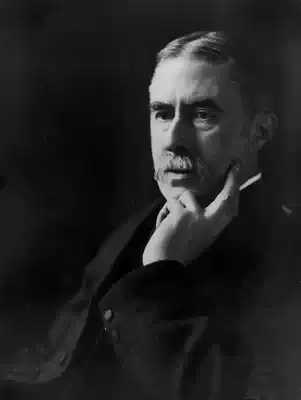
Alfred Edward Housman
Be Still, My Soul, Be Still
Be still, my soul, be still; the arms you bear are brittle,
Earth and high heaven are fixt of old and founded strong.
Think rather,-- call to thought, if now you grieve a little,
The days when we had rest, O soul, for they were long.
Men loved unkindness then, but lightless in the quarry
I slept and saw not; tears fell down, I did not mourn;
Sweat ran and blood sprang out and I was never sorry:
Then it was well with me, in days ere I was born.
Now, and I muse for why and never find the reason,
I pace the earth, and drink the air, and feel the sun.
Be still, be still, my soul; it is but for a season:
Let us endure an hour and see injustice done.
Ay, look: high heaven and earth ail from the prime foundation;
All thoughts to rive the heart are here, and all are vain:
Horror and scorn and hate and fear and indignation--
Oh why did I awake? when shall I sleep again?
Read more →
Earth and high heaven are fixt of old and founded strong.
Think rather,-- call to thought, if now you grieve a little,
The days when we had rest, O soul, for they were long.
Men loved unkindness then, but lightless in the quarry
I slept and saw not; tears fell down, I did not mourn;
Sweat ran and blood sprang out and I was never sorry:
Then it was well with me, in days ere I was born.
Now, and I muse for why and never find the reason,
I pace the earth, and drink the air, and feel the sun.
Be still, be still, my soul; it is but for a season:
Let us endure an hour and see injustice done.
Ay, look: high heaven and earth ail from the prime foundation;
All thoughts to rive the heart are here, and all are vain:
Horror and scorn and hate and fear and indignation--
Oh why did I awake? when shall I sleep again?
445

Sara Teasdale
I Thought of You
I thought of you and how you love this beauty,
And walking up the long beach all alone
I heard the waves breaking in measured thunder
As you and I once heard their monotone.
Around me were the echoing dunes, beyond me
The cold and sparkling silver of the sea --
We two will pass through death and ages lengthen
Before you hear that sound again with me.
Read more →
And walking up the long beach all alone
I heard the waves breaking in measured thunder
As you and I once heard their monotone.
Around me were the echoing dunes, beyond me
The cold and sparkling silver of the sea --
We two will pass through death and ages lengthen
Before you hear that sound again with me.
447

William Wordsworth
Stanzas
WITHIN our happy castle there dwelt One
Whom without blame I may not overlook;
For never sun on living creature shone
Who more devout enjoyment with us took:
Here on his hours he hung as on a book,
On his own time here would he float away,
As doth a fly upon a summer brook;
But go tomorrow, or belike today,
Seek for him,---he is fled; and whither none can say.
Thus often would he leave our peaceful home,
And find elsewhere his business or delight;
Out of our Valley's limit did he roam:
Full many a time, upon a stormy night,
His voice came to us from the neighbouring height:
Oft could we see him driving full in view
At mid-day when the sun was shining bright;
What ill was on him, what he had to do,
A mighty wonder bred among our quiet crew.
Ah! piteous sight it was to see this Man
When he came back to us, a withered flower,---
Or like a sinful creature, pale and wan.
Down would he sit; and without strength or power
Look at the common grass from hour to hour:
And oftentimes, how long I fear to say,
Where apple-trees in blossom made a bower,
Retired in that sunshiny shade he lay;
And, like a naked Indian, slept himself away.
Great wonder to our gentle tribe it was
Whenever from our Valley he withdrew;
For happier soul no living creature has
Than he had, beiug here the long day through.
Some thought he was a lover, and did woo:
Some thought far worse of him, and judged him wrong;
But verse was what he had been wedded to;
And his own mind did like a tempest strong
Come to him thus, and drove the weary Wight along.
With him there often walked in friendly guise,
Or lay upon the moss by brook or tree,
A noticeable Man with large grey eyes,
And a pale face that seemed undoubtedly
As if a blooming face it ought to be;
Heavy his low-hung lip did oft appear,
Deprest by weight of musing Phantasy;
Profound his forehead was, though not severe;
Yet some did think that he had little business here:
Sweet heaven forfend! his was a lawful right;
Noisy he was, and gamesome as a boy;
His limbs would toss about him with delight
Like branches when strong winds the trees annoy.
Nor lacked his calmer hours device or toy
To banish listlessness and irksome care;
He would have taught you how you might employ
Yourself; and many did to him repair,---
And certes not in vain; he had inventions rare.
Expedients, too, of simplest sort he tried:
Long blades of grass, plucked round him as he lay,
Made, to his ear attentively applied,
A pipe on which the wind would deftly play;
Glasses he had, that little things display,
The beetle panoplied in gems and gold,
A mailed angel on a battle-day;
The mysteries that cups of flowers enfold,
And all the gorgeous sights which fairies do behold.
He would entice that other Man to hear
His music, and to view his imagery:
And, sooth, these two were each to the other dear:
No livelier love in such a place could be:
There did they dwellÑfrom earthly labour free,
As happy spirits as were ever seen;
If but a bird, to keep them company,
Or butterfly sate down, they were, I ween,
As pleased as if the same had been a Maiden-queen.
Read more →
Whom without blame I may not overlook;
For never sun on living creature shone
Who more devout enjoyment with us took:
Here on his hours he hung as on a book,
On his own time here would he float away,
As doth a fly upon a summer brook;
But go tomorrow, or belike today,
Seek for him,---he is fled; and whither none can say.
Thus often would he leave our peaceful home,
And find elsewhere his business or delight;
Out of our Valley's limit did he roam:
Full many a time, upon a stormy night,
His voice came to us from the neighbouring height:
Oft could we see him driving full in view
At mid-day when the sun was shining bright;
What ill was on him, what he had to do,
A mighty wonder bred among our quiet crew.
Ah! piteous sight it was to see this Man
When he came back to us, a withered flower,---
Or like a sinful creature, pale and wan.
Down would he sit; and without strength or power
Look at the common grass from hour to hour:
And oftentimes, how long I fear to say,
Where apple-trees in blossom made a bower,
Retired in that sunshiny shade he lay;
And, like a naked Indian, slept himself away.
Great wonder to our gentle tribe it was
Whenever from our Valley he withdrew;
For happier soul no living creature has
Than he had, beiug here the long day through.
Some thought he was a lover, and did woo:
Some thought far worse of him, and judged him wrong;
But verse was what he had been wedded to;
And his own mind did like a tempest strong
Come to him thus, and drove the weary Wight along.
With him there often walked in friendly guise,
Or lay upon the moss by brook or tree,
A noticeable Man with large grey eyes,
And a pale face that seemed undoubtedly
As if a blooming face it ought to be;
Heavy his low-hung lip did oft appear,
Deprest by weight of musing Phantasy;
Profound his forehead was, though not severe;
Yet some did think that he had little business here:
Sweet heaven forfend! his was a lawful right;
Noisy he was, and gamesome as a boy;
His limbs would toss about him with delight
Like branches when strong winds the trees annoy.
Nor lacked his calmer hours device or toy
To banish listlessness and irksome care;
He would have taught you how you might employ
Yourself; and many did to him repair,---
And certes not in vain; he had inventions rare.
Expedients, too, of simplest sort he tried:
Long blades of grass, plucked round him as he lay,
Made, to his ear attentively applied,
A pipe on which the wind would deftly play;
Glasses he had, that little things display,
The beetle panoplied in gems and gold,
A mailed angel on a battle-day;
The mysteries that cups of flowers enfold,
And all the gorgeous sights which fairies do behold.
He would entice that other Man to hear
His music, and to view his imagery:
And, sooth, these two were each to the other dear:
No livelier love in such a place could be:
There did they dwellÑfrom earthly labour free,
As happy spirits as were ever seen;
If but a bird, to keep them company,
Or butterfly sate down, they were, I ween,
As pleased as if the same had been a Maiden-queen.
448
Boris Pasternak
Hops
Beneath the willow wound round with ivy
we take cover from the worst
of the storm, with a greatcoat round
our shoulders and my hands around your waist.
I've got it wrong. That isn't ivy
entwined in the bushes round
the wood, but hops. You intoxicate me!
Let's spread the greatcoat on the ground.
Read more →
we take cover from the worst
of the storm, with a greatcoat round
our shoulders and my hands around your waist.
I've got it wrong. That isn't ivy
entwined in the bushes round
the wood, but hops. You intoxicate me!
Let's spread the greatcoat on the ground.
445
Ezra Pound
Ole Kate
When I was only a youngster,
Sing: toodle doodlede ootl
Ole Kate would git her 'arf a pint
And wouldn't' giv' a damn hoot.
'Them stairs! them stairs, them gordam stairs
Will be the death of me/
I never heerd her say nothin'
About the priv'lege of liberty.
She'd come a sweatin' up with the coals
An a-sloshin' round with 'er mop,
Startin' in about 6 a.m.
And didn't seem never to stop.
She died on the job they tells me,
Fell plump into her pail.
Never got properly tanked as I saw,
And never got took to jail,
Just went on a sloshin'
And totin' up scuttles of coal,
And kissin9 her cat fer diversion,
Cod rest her sloshin’ soul.
‘Gimme a kissy-cuddle'
She'd say to her tibby-cat,
But she never made no mention
Of this here proletariat.
Read more →
Sing: toodle doodlede ootl
Ole Kate would git her 'arf a pint
And wouldn't' giv' a damn hoot.
'Them stairs! them stairs, them gordam stairs
Will be the death of me/
I never heerd her say nothin'
About the priv'lege of liberty.
She'd come a sweatin' up with the coals
An a-sloshin' round with 'er mop,
Startin' in about 6 a.m.
And didn't seem never to stop.
She died on the job they tells me,
Fell plump into her pail.
Never got properly tanked as I saw,
And never got took to jail,
Just went on a sloshin'
And totin' up scuttles of coal,
And kissin9 her cat fer diversion,
Cod rest her sloshin’ soul.
‘Gimme a kissy-cuddle'
She'd say to her tibby-cat,
But she never made no mention
Of this here proletariat.
445

Henry Wadsworth Longfellow
Old Age. (Sonnet IV.)
The course of my long life hath reached at last,
In fragile bark o'er a tempestuous sea,
The common harbor, where must rendered be
Account of all the actions of the past.
The impassioned phantasy, that, vague and vast,
Made art an idol and a king to me,
Was an illusion, and but vanity
Were the desires that lured me and harassed.
The dreams of love, that were so sweet of yore,
What are they now, when two deaths may be mine,--
One sure, and one forecasting its alarms?
Painting and sculpture satisfy no more
The soul now turning to the Love Divine,
That oped, to embrace us, on the cross its arms.
Read more →
In fragile bark o'er a tempestuous sea,
The common harbor, where must rendered be
Account of all the actions of the past.
The impassioned phantasy, that, vague and vast,
Made art an idol and a king to me,
Was an illusion, and but vanity
Were the desires that lured me and harassed.
The dreams of love, that were so sweet of yore,
What are they now, when two deaths may be mine,--
One sure, and one forecasting its alarms?
Painting and sculpture satisfy no more
The soul now turning to the Love Divine,
That oped, to embrace us, on the cross its arms.
447

Ella Wheeler Wilcox
Mesalliance
I am troubled to-night with a curious pain;
It is not of the flesh, it is not of the brain,
Nor yet of a heart that is breaking:
But down still deeper, and out of sight—
In the place where the soul and the body unite—
There lies the scat of the aching.
They have been lovers in days gone by;
But the soul is fickle, and longs to fly
From the fettering mesalliance:
And she tears at the bonds which are binding her so,
And pleads with the body to let her go,
But he will not yield compliance.
For the body loves, as he loved in the past,
When he wedded the soul; and he holds her fast,
And swears that he will not loose her;
That he will keep her and hide her away
For ever and ever and for a day
From the arms of Death, the seducer.
Ah! this is the strife that is wearying me—
The strife 'twixt a soul that would be free
And a body that will not let her.
And I say to my soul, 'Be calm, and wait;
For I tell ye truly that soon or late
Ye surely shall drop each fetter.'
And I say to the body, 'Be kind, I pray;
For the soul is not of thy mortal clay,
But is formed in spirit fashion.'
And still through the hours of the solemn night
I can hear my sad soul's plea for flight,
And my body's reply of passion.
Read more →
It is not of the flesh, it is not of the brain,
Nor yet of a heart that is breaking:
But down still deeper, and out of sight—
In the place where the soul and the body unite—
There lies the scat of the aching.
They have been lovers in days gone by;
But the soul is fickle, and longs to fly
From the fettering mesalliance:
And she tears at the bonds which are binding her so,
And pleads with the body to let her go,
But he will not yield compliance.
For the body loves, as he loved in the past,
When he wedded the soul; and he holds her fast,
And swears that he will not loose her;
That he will keep her and hide her away
For ever and ever and for a day
From the arms of Death, the seducer.
Ah! this is the strife that is wearying me—
The strife 'twixt a soul that would be free
And a body that will not let her.
And I say to my soul, 'Be calm, and wait;
For I tell ye truly that soon or late
Ye surely shall drop each fetter.'
And I say to the body, 'Be kind, I pray;
For the soul is not of thy mortal clay,
But is formed in spirit fashion.'
And still through the hours of the solemn night
I can hear my sad soul's plea for flight,
And my body's reply of passion.
448

Claude Mckay
The Castaways
The vivid grass with visible delight
Springing triumphant from the pregnant earth,
The butterflies, and sparrows in brief flight
Chirping and dancing for the season's birth,
The dandelions and rare daffodils
That touch the deep-stirred heart with hands of gold,
The thrushes sending forth their joyous trills,--
Not these, not these did I at first behold!
But seated on the benches daubed with green,
The castaways of life, a few asleep,
Some withered women desolate and mean,
And over all, life's shadows dark and deep.
Moaning I turned away, for misery
I have the strength to bear but not to see.
Read more →
Springing triumphant from the pregnant earth,
The butterflies, and sparrows in brief flight
Chirping and dancing for the season's birth,
The dandelions and rare daffodils
That touch the deep-stirred heart with hands of gold,
The thrushes sending forth their joyous trills,--
Not these, not these did I at first behold!
But seated on the benches daubed with green,
The castaways of life, a few asleep,
Some withered women desolate and mean,
And over all, life's shadows dark and deep.
Moaning I turned away, for misery
I have the strength to bear but not to see.
442

Alfred Lord Tennyson
Claribel
Where Claribel low-lieth
The breezes pause and die,
Letting the rose-leaves fall:
But the solemn oak-tree sigheth,
Thick-leaved, ambrosial,
With an ancient melody
Of an inward agony,
Where Claribel low-lieth.
At eve the beetle boometh
Athwart the thicket lone:
At noon the wild bee hummeth
About the moss'd headstone:
At midnight the moon cometh,
And looketh down alone.
Her song the lintwhite swelleth,
The clear-voiced mavis dwelleth,
The callow throstle lispeth,
The slumbrous wave outwelleth,
The babbling runnel crispeth,
The hollow grot replieth
Where Claribel low-lieth.
Read more →
The breezes pause and die,
Letting the rose-leaves fall:
But the solemn oak-tree sigheth,
Thick-leaved, ambrosial,
With an ancient melody
Of an inward agony,
Where Claribel low-lieth.
At eve the beetle boometh
Athwart the thicket lone:
At noon the wild bee hummeth
About the moss'd headstone:
At midnight the moon cometh,
And looketh down alone.
Her song the lintwhite swelleth,
The clear-voiced mavis dwelleth,
The callow throstle lispeth,
The slumbrous wave outwelleth,
The babbling runnel crispeth,
The hollow grot replieth
Where Claribel low-lieth.
441

Dorothy Parker
Verse For a Certain Dog
Such glorious faith as fills your limpid eyes,
Dear little friend of mine, I never knew.
All-innocent are you, and yet all-wise.
(For Heaven's sake, stop worrying that shoe!)
You look about, and all you see is fair;
This mighty globe was made for you alone.
Of all the thunderous ages, you're the heir.
(Get off the pillow with that dirty bone!)
A skeptic world you face with steady gaze;
High in young pride you hold your noble head,
Gayly you meet the rush of roaring days.
(Must you eat puppy biscuit on the bed?)
Lancelike your courage, gleaming swift and strong,
Yours the white rapture of a winged soul,
Yours is a spirit like a Mayday song.
(God help you, if you break the goldfish bowl!)
"Whatever is, is good" - your gracious creed.
You wear your joy of living like a crown.
Love lights your simplest act, your every deed.
(Drop it, I tell you- put that kitten down!)
You are God's kindliest gift of all - a friend.
Your shining loyalty unflecked by doubt,
You ask but leave to follow to the end.
(Couldn't you wait until I took you out?)
Read more →
Dear little friend of mine, I never knew.
All-innocent are you, and yet all-wise.
(For Heaven's sake, stop worrying that shoe!)
You look about, and all you see is fair;
This mighty globe was made for you alone.
Of all the thunderous ages, you're the heir.
(Get off the pillow with that dirty bone!)
A skeptic world you face with steady gaze;
High in young pride you hold your noble head,
Gayly you meet the rush of roaring days.
(Must you eat puppy biscuit on the bed?)
Lancelike your courage, gleaming swift and strong,
Yours the white rapture of a winged soul,
Yours is a spirit like a Mayday song.
(God help you, if you break the goldfish bowl!)
"Whatever is, is good" - your gracious creed.
You wear your joy of living like a crown.
Love lights your simplest act, your every deed.
(Drop it, I tell you- put that kitten down!)
You are God's kindliest gift of all - a friend.
Your shining loyalty unflecked by doubt,
You ask but leave to follow to the end.
(Couldn't you wait until I took you out?)
443

Mirza Ghalib
A Thousand Desires
Thousands of desires, each worth dying for...
Many of them I have realized...yet I yearn for more...
Why should my killer (lover) be afraid? No one will hold her responsible
For the blood which will continuously flow through my eyes all my life
We have heard about the dismissal of Adam from Heaven,
With a more humiliation, I am leaving the street on which you live...
Oh tyrant, your true personality will be known to all
If the curls of my hair slip through my turban!
But if someone wants to write her a letter, they can ask me,
Every morning I leave my house with my pen on my ear.
In that age, I turned to drinking (alcohol)
And then the time came when my entire world was occupied by alcohol
From whom I expected justice/praise for my weakness
Turned out to be more injured with the same cruel sword
When in love, there is little difference between life and death
We live by looking at the infidel who we are willing to die for
Put some pressure on your heart to remove that cruel arrow,
For if the arrow comes out, so will your heart...and your life.
For god's sake, don't lift the cover off any secrets you tyrant
The infidel might turn out to be my lover!
The preacher and the bar's entrance are way apart
Yet I saw him entering the bar as I was leaving!
Thousands of desires, each worth dying for...
>Many of them I have realized...yet I yearn for more
Read more →
Many of them I have realized...yet I yearn for more...
Why should my killer (lover) be afraid? No one will hold her responsible
For the blood which will continuously flow through my eyes all my life
We have heard about the dismissal of Adam from Heaven,
With a more humiliation, I am leaving the street on which you live...
Oh tyrant, your true personality will be known to all
If the curls of my hair slip through my turban!
But if someone wants to write her a letter, they can ask me,
Every morning I leave my house with my pen on my ear.
In that age, I turned to drinking (alcohol)
And then the time came when my entire world was occupied by alcohol
From whom I expected justice/praise for my weakness
Turned out to be more injured with the same cruel sword
When in love, there is little difference between life and death
We live by looking at the infidel who we are willing to die for
Put some pressure on your heart to remove that cruel arrow,
For if the arrow comes out, so will your heart...and your life.
For god's sake, don't lift the cover off any secrets you tyrant
The infidel might turn out to be my lover!
The preacher and the bar's entrance are way apart
Yet I saw him entering the bar as I was leaving!
Thousands of desires, each worth dying for...
>Many of them I have realized...yet I yearn for more
442

William Butler Yeats
Crazy Jane And Jack The Journeyman
I know, although when looks meet
I tremble to the bone,
The more I leave the door unlatched
The sooner love is gone,
For love is but a skein unwound
Between the dark and dawn.
A lonely ghost the ghost is
That to God shall come;
I - love's skein upon the ground,
My body in the tomb -
Shall leap into the light lost
In my mother's womb.
But were I left to lie alone
In an empty bed,
The skein so bound us ghost to ghost
When he turned his head
passing on the road that night,
Mine must walk when dead.
Read more →
I tremble to the bone,
The more I leave the door unlatched
The sooner love is gone,
For love is but a skein unwound
Between the dark and dawn.
A lonely ghost the ghost is
That to God shall come;
I - love's skein upon the ground,
My body in the tomb -
Shall leap into the light lost
In my mother's womb.
But were I left to lie alone
In an empty bed,
The skein so bound us ghost to ghost
When he turned his head
passing on the road that night,
Mine must walk when dead.
443
Ezra Pound
Middle-Aged
‘Tis but a vague, invarious delight
As gold that rains about some buried king.
As the fine flakes,
When tourists frolicking
Stamp on his roof or in the glazing light
Try photographs, wolf down their ale and cakes
And start to inspect some further pyramid;
As the fine dust, in the hid cell
Beneath their transitory step and merriment,
Drifts through the air, and the sarcophagus
Gains yet another crust
Of useless riches for the occupant,
So I, the fires that lit once dreams
Now over and spent,
Lie dead within four walls
And so now love
Rains down and so enriches some stiff case,
And strews a mind with precious metaphors,
And so the space
Of my still consciousness
Is full of gilded snow,
The which, no cat has eyes enough
To see the brightness of.
Read more →
As gold that rains about some buried king.
As the fine flakes,
When tourists frolicking
Stamp on his roof or in the glazing light
Try photographs, wolf down their ale and cakes
And start to inspect some further pyramid;
As the fine dust, in the hid cell
Beneath their transitory step and merriment,
Drifts through the air, and the sarcophagus
Gains yet another crust
Of useless riches for the occupant,
So I, the fires that lit once dreams
Now over and spent,
Lie dead within four walls
And so now love
Rains down and so enriches some stiff case,
And strews a mind with precious metaphors,
And so the space
Of my still consciousness
Is full of gilded snow,
The which, no cat has eyes enough
To see the brightness of.
444

Walt Whitman
Warble Of Lilac-Time
WARBLE me now, for joy of Lilac-time,
Sort me, O tongue and lips, for Nature's sake, and sweet life's
sake--and death's the same as life's,
Souvenirs of earliest summer--birds' eggs, and the first berries;
Gather the welcome signs, (as children, with pebbles, or stringing
shells;)
Put in April and May--the hylas croaking in the ponds--the elastic
air,
Bees, butterflies, the sparrow with its simple notes,
Blue-bird, and darting swallow--nor forget the high-hole flashing his
golden wings,
The tranquil sunny haze, the clinging smoke, the vapor,
Spiritual, airy insects, humming on gossamer wings,
Shimmer of waters, with fish in them--the cerulean above;
All that is jocund and sparkling--the brooks running,
The maple woods, the crisp February days, and the sugar-making;
The robin, where he hops, bright-eyed, brown-breasted,
With musical clear call at sunrise, and again at sunset,
Or flitting among the trees of the apple-orchard, building the nest
of his mate;
The melted snow of March--the willow sending forth its yellow-green
sprouts;
--For spring-time is here! the summer is here! and what is this in it
and from it?
Thou, Soul, unloosen'd--the restlessness after I know not what;
Come! let us lag here no longer--let us be up and away!
O for another world! O if one could but fly like a bird!
O to escape--to sail forth, as in a ship!
To glide with thee, O Soul, o'er all, in all, as a ship o'er the
waters!
--Gathering these hints, these preludes--the blue sky, the grass, the
morning drops of dew;
(With additional songs--every spring will I now strike up additional
songs,
Nor ever again forget, these tender days, the chants of Death as well
as Life;)
The lilac-scent, the bushes, and the dark green, heart-shaped leaves,
Wood violets, the little delicate pale blossoms called innocence,
Samples and sorts not for themselves alone, but for their atmosphere,
To tally, drench'd with them, tested by them,
Cities and artificial life, and all their sights and scenes,
My mind henceforth, and all its meditations--my recitatives,
My land, my age, my race, for once to serve in songs,
(Sprouts, tokens ever of death indeed the same as life,)
To grace the bush I love--to sing with the birds,
A warble for joy of Lilac-time.
Read more →
Sort me, O tongue and lips, for Nature's sake, and sweet life's
sake--and death's the same as life's,
Souvenirs of earliest summer--birds' eggs, and the first berries;
Gather the welcome signs, (as children, with pebbles, or stringing
shells;)
Put in April and May--the hylas croaking in the ponds--the elastic
air,
Bees, butterflies, the sparrow with its simple notes,
Blue-bird, and darting swallow--nor forget the high-hole flashing his
golden wings,
The tranquil sunny haze, the clinging smoke, the vapor,
Spiritual, airy insects, humming on gossamer wings,
Shimmer of waters, with fish in them--the cerulean above;
All that is jocund and sparkling--the brooks running,
The maple woods, the crisp February days, and the sugar-making;
The robin, where he hops, bright-eyed, brown-breasted,
With musical clear call at sunrise, and again at sunset,
Or flitting among the trees of the apple-orchard, building the nest
of his mate;
The melted snow of March--the willow sending forth its yellow-green
sprouts;
--For spring-time is here! the summer is here! and what is this in it
and from it?
Thou, Soul, unloosen'd--the restlessness after I know not what;
Come! let us lag here no longer--let us be up and away!
O for another world! O if one could but fly like a bird!
O to escape--to sail forth, as in a ship!
To glide with thee, O Soul, o'er all, in all, as a ship o'er the
waters!
--Gathering these hints, these preludes--the blue sky, the grass, the
morning drops of dew;
(With additional songs--every spring will I now strike up additional
songs,
Nor ever again forget, these tender days, the chants of Death as well
as Life;)
The lilac-scent, the bushes, and the dark green, heart-shaped leaves,
Wood violets, the little delicate pale blossoms called innocence,
Samples and sorts not for themselves alone, but for their atmosphere,
To tally, drench'd with them, tested by them,
Cities and artificial life, and all their sights and scenes,
My mind henceforth, and all its meditations--my recitatives,
My land, my age, my race, for once to serve in songs,
(Sprouts, tokens ever of death indeed the same as life,)
To grace the bush I love--to sing with the birds,
A warble for joy of Lilac-time.
444
Walt Whitman
Adieu To A Solider
ADIEU, O soldier!
You of the rude campaigning, (which we shared,)
The rapid march, the life of the camp,
The hot contention of opposing fronts--the long manoeuver,
Red battles with their slaughter,--the stimulus--the strong, terrific
game,
Spell of all brave and manly hearts--the trains of Time through you,
and like of you, all fill'd,
With war, and war's expression.
Adieu, dear comrade!
Your mission is fulfill'd--but I, more warlike,
Myself, and this contentious soul of mine,
Still on our own campaigning bound,
Through untried roads, with ambushes, opponents lined,
Through many a sharp defeat and many a crisis--often baffled,
Here marching, ever marching on, a war fight out--aye here,
To fiercer, weightier battles give expression.
Read more →
You of the rude campaigning, (which we shared,)
The rapid march, the life of the camp,
The hot contention of opposing fronts--the long manoeuver,
Red battles with their slaughter,--the stimulus--the strong, terrific
game,
Spell of all brave and manly hearts--the trains of Time through you,
and like of you, all fill'd,
With war, and war's expression.
Adieu, dear comrade!
Your mission is fulfill'd--but I, more warlike,
Myself, and this contentious soul of mine,
Still on our own campaigning bound,
Through untried roads, with ambushes, opponents lined,
Through many a sharp defeat and many a crisis--often baffled,
Here marching, ever marching on, a war fight out--aye here,
To fiercer, weightier battles give expression.
442

Johann Wolfgang von Goethe
A Parable
I PICKED a rustic nosegay lately,
And bore it homewards, musing greatly;
When, heated by my hand, I found
The heads all drooping tow'rd the ground.
I plac'd them in a well-cool'd glass,
And what a wonder came to pass
The heads soon raised themselves once more.
The stalks were blooming as before,
And all were in as good a case
As when they left their native place.
So felt I, when I wond'ring heard
My song to foreign tongues transferr'd.
Read more →
And bore it homewards, musing greatly;
When, heated by my hand, I found
The heads all drooping tow'rd the ground.
I plac'd them in a well-cool'd glass,
And what a wonder came to pass
The heads soon raised themselves once more.
The stalks were blooming as before,
And all were in as good a case
As when they left their native place.
So felt I, when I wond'ring heard
My song to foreign tongues transferr'd.
443
William Butler Yeats
Two Years Later
HAS no one said those daring
Kind eyes should be more learn'd?
Or warned you how despairing
The moths are when they are burned?
I could have warned you; but you are young,
So we speak a different tongue.
O you will take whatever's offered
And dream that all the world's a friend,
Suffer as your mother suffered,
Be as broken in the end.
But I am old and you are young,
And I speak a barbarous tongue.
Read more →
Kind eyes should be more learn'd?
Or warned you how despairing
The moths are when they are burned?
I could have warned you; but you are young,
So we speak a different tongue.
O you will take whatever's offered
And dream that all the world's a friend,
Suffer as your mother suffered,
Be as broken in the end.
But I am old and you are young,
And I speak a barbarous tongue.
445