Soul

Johann Wolfgang von Goethe
The Bridegroom
I SLEPT,--'twas midnight,--in my bosom woke,
As though 'twere day, my love-o'erflowing heart;
To me it seemed like night, when day first broke;
What is't to me, whate'er it may impart?
She was away; the world's unceasing strife
For her alone I suffer'd through the heat
Of sultry day; oh, what refreshing life
At cooling eve!--my guerdon was complete.
The sun now set, and wand'ring hand in hand,
His last and blissful look we greeted then;
While spake our eyes, as they each other scann'd:
"From the far east, let's trust, he'll come again!"
At midnight!--the bright stars, in vision blest,
Guide to the threshold where she slumbers calm:
Oh be it mine, there too at length to rest,--
Yet howsoe'er this prove, life's full of charm!
Read more →
As though 'twere day, my love-o'erflowing heart;
To me it seemed like night, when day first broke;
What is't to me, whate'er it may impart?
She was away; the world's unceasing strife
For her alone I suffer'd through the heat
Of sultry day; oh, what refreshing life
At cooling eve!--my guerdon was complete.
The sun now set, and wand'ring hand in hand,
His last and blissful look we greeted then;
While spake our eyes, as they each other scann'd:
"From the far east, let's trust, he'll come again!"
At midnight!--the bright stars, in vision blest,
Guide to the threshold where she slumbers calm:
Oh be it mine, there too at length to rest,--
Yet howsoe'er this prove, life's full of charm!
443

John Keats
Dedication To Leigh Hunt, Esq.
Glory and loveliness have pass'd away;
For if we wander out in early morn,
No wreathed incense do we see upborne
Into the east, to meet the smiling day:
No crowd of nymphs soft voic'd and young, and gay,
In woven baskets bringing ears of corn,
Roses, and pinks, and violets, to adorn
The shrine of Flora in her early May.
But there are left delights as high as these,
And I shall ever bless my destiny,
That in a time, when under pleasant trees
Pan is no longer sought, I feel a free,
A leafy luxury, seeing I could please
With these poor offerings, a man like thee.
Read more →
For if we wander out in early morn,
No wreathed incense do we see upborne
Into the east, to meet the smiling day:
No crowd of nymphs soft voic'd and young, and gay,
In woven baskets bringing ears of corn,
Roses, and pinks, and violets, to adorn
The shrine of Flora in her early May.
But there are left delights as high as these,
And I shall ever bless my destiny,
That in a time, when under pleasant trees
Pan is no longer sought, I feel a free,
A leafy luxury, seeing I could please
With these poor offerings, a man like thee.
441

Ella Wheeler Wilcox
Little Queen
Do you remember the name I wore –
The old pet-name of Little Queen –
In the dear, dead days that are no more,
The happiest days of our lives, I ween?
For we loved with that passionate love of youth
That blesses but once with its perfect bliss, -
A love that, in spite of its trust and truth,
Seems never to thrive, in a world like this.
I lived for you, and you lived for me;
All was centred in “Little Queen”;
And never a thought in our hearts had we
That strife or trouble could come between,
What utter sinking of self it was!
How little we cared for the world of men!
For love’s fair kingdom, and loves’ sweet laws,
Were all of the world and life to us then.
But a love like ours was a challenge to fate;
She rang down the curtains and shifted the scene;
Yet sometimes now, when the day grows late,
I can hear you calling for Little Queen;
For a happy home and a busy life
Can never wholly crowd out our past;
In the twilight pauses that come from strife,
You will think of me while life shall last.
And however sweet the voice of fame
May sing to me of a great world’s praise,
I shall long sometimes for the old pet-name
That you gave to me in the dear, dead days;
And nothing the angel band can say,
When I reach the shores of the great Unseen,
Can please me so much as on that day
To hear your greeting of “Little Queen.”
Read more →
The old pet-name of Little Queen –
In the dear, dead days that are no more,
The happiest days of our lives, I ween?
For we loved with that passionate love of youth
That blesses but once with its perfect bliss, -
A love that, in spite of its trust and truth,
Seems never to thrive, in a world like this.
I lived for you, and you lived for me;
All was centred in “Little Queen”;
And never a thought in our hearts had we
That strife or trouble could come between,
What utter sinking of self it was!
How little we cared for the world of men!
For love’s fair kingdom, and loves’ sweet laws,
Were all of the world and life to us then.
But a love like ours was a challenge to fate;
She rang down the curtains and shifted the scene;
Yet sometimes now, when the day grows late,
I can hear you calling for Little Queen;
For a happy home and a busy life
Can never wholly crowd out our past;
In the twilight pauses that come from strife,
You will think of me while life shall last.
And however sweet the voice of fame
May sing to me of a great world’s praise,
I shall long sometimes for the old pet-name
That you gave to me in the dear, dead days;
And nothing the angel band can say,
When I reach the shores of the great Unseen,
Can please me so much as on that day
To hear your greeting of “Little Queen.”
442

Henry Wadsworth Longfellow
The Reaper And The Flowers
There is a Reaper whose name is Death,
And, with his sickle keen,
He reaps the bearded grain at a breath,
And the flowers that grow between.
``Shall I have nought that is fair?'' saith he;
``Have nought but the bearded grain?
Though the breath of these flowers is sweet to me,
I will give them all back again.''
He gazed at the flowers with tearful eyes,
He kissed their drooping leaves;
It was for the Lord of Paradise
He bound them in his sheaves.
``My Lord has need of these flowerets gay,''
The Reaper said, and smiled;
``Dear tokens of the earth are they,
Where he was once a child.
``They shall all bloom in fields of light,
Transplanted by my care,
And saints, upon their garments white,
These sacred blossoms wear.''
And the mother gave, in tears and pain,
The flowers she most did love;
She knew she should find them all again
In the fields of light above.
O, not in cruelty, not in wrath,
The Reaper came that day;
'Twas an angel visited the green earth,
And took the flowers away.
Read more →
And, with his sickle keen,
He reaps the bearded grain at a breath,
And the flowers that grow between.
``Shall I have nought that is fair?'' saith he;
``Have nought but the bearded grain?
Though the breath of these flowers is sweet to me,
I will give them all back again.''
He gazed at the flowers with tearful eyes,
He kissed their drooping leaves;
It was for the Lord of Paradise
He bound them in his sheaves.
``My Lord has need of these flowerets gay,''
The Reaper said, and smiled;
``Dear tokens of the earth are they,
Where he was once a child.
``They shall all bloom in fields of light,
Transplanted by my care,
And saints, upon their garments white,
These sacred blossoms wear.''
And the mother gave, in tears and pain,
The flowers she most did love;
She knew she should find them all again
In the fields of light above.
O, not in cruelty, not in wrath,
The Reaper came that day;
'Twas an angel visited the green earth,
And took the flowers away.
443

Alfred Lord Tennyson
In Memoriam A. H. H.: 45. The baby new to earth and sky
The baby new to earth and sky,
What time his tender palm is prest
Against the circle of the breast,
Has never thought that "this is I":
But as he grows he gathers much,
And learns the use of "I," and "me,"
And finds "I am not what I see,
And other than the things I touch."
So rounds he to a separate mind
From whence clear memory may begin,
As thro' the frame that binds him in
His isolation grows defined.
This use may lie in blood and breath
Which else were fruitless of their due,
Had man to learn himself anew
Beyond the second birth of Death.
Read more →
What time his tender palm is prest
Against the circle of the breast,
Has never thought that "this is I":
But as he grows he gathers much,
And learns the use of "I," and "me,"
And finds "I am not what I see,
And other than the things I touch."
So rounds he to a separate mind
From whence clear memory may begin,
As thro' the frame that binds him in
His isolation grows defined.
This use may lie in blood and breath
Which else were fruitless of their due,
Had man to learn himself anew
Beyond the second birth of Death.
442

Ezra Pound
The Altar
Let us build here an exquisite friendship,
The flame, the autumn, and the green rose of love
Fought out their strife here, 'tis a place of wonder;
Where these have been, meet 'tis, the ground is holy.
Read more →
The flame, the autumn, and the green rose of love
Fought out their strife here, 'tis a place of wonder;
Where these have been, meet 'tis, the ground is holy.
444
Ella Wheeler Wilcox
Daft
In the warm yellow smile of the morning,
She stands at the lattice pane,
And watches the strong young binders
Stride down to the fields of grain.
And she counts them over and over
As they pass her cottage door:
Are they six, she counts them seven;
Are they seven, she counts one more.
When the sun swings high in the heavens,
And the reapers go shouting home,
She calls to the household, saying,
'Make haste! for the binders have come
And Johnnie will want his dinner He
was always a hungry child';
And they answer, 'Yes, it ia waiting';
Then tell you, 'Her brain is wild.'
Again, in the hush of the evening,
When the work of the day is done,
And the binders go singing homeward
In the last red rays of the sun,
She will sit at the threshold waiting,
And with her withered face lights with joy:
'Come, Johnnie, ' she says, as they pass her,
'Come into the house, my boy.'
Five summers ago her Johnnie
Went out in the smile of the morn,
Singing across the meadow,
Striding down through the corn -
He towered above the binders,
Walking on either side,
And the mother's heart within her
Swelled with exultant pride.
For he was the light of the household His
brown eyes were wells of truth,
And his face was the face of the morning,
Lit with its pure, fresh youth,
And his song rang out from the hilltops
Like the mellow blast of a horn,
And he strode o'er the fresh shorn meadows,
And down through the rows of corn.
But hushed were the voices of singing,
Hushed by the presence of death,
As back to the cottage they bore him In
the noontide's scorching breath,
For the heat of the sun had slain him,
Had smitten the heart in his breast,
And he who towered above them
Lay lower than all the rest.
The grain grows ripe in the sunshine,
And the summers ebb and flow,
And the binders stride to their labour
And sing as they come and go;
But never again from the hilltops
Echoes the voice like a horn;
Never up from the meadows,
Never back from the corn.
Yet the poor, crazed brain of the mother
Fancies him always near;
She is blest in her strange delusion,
For she knoweth no pain nor fear,
And always she counts the binders
As they pass by her cottage door;
Are they six, she counts them seven;
Are they seven, she counts one more.
Read more →
She stands at the lattice pane,
And watches the strong young binders
Stride down to the fields of grain.
And she counts them over and over
As they pass her cottage door:
Are they six, she counts them seven;
Are they seven, she counts one more.
When the sun swings high in the heavens,
And the reapers go shouting home,
She calls to the household, saying,
'Make haste! for the binders have come
And Johnnie will want his dinner He
was always a hungry child';
And they answer, 'Yes, it ia waiting';
Then tell you, 'Her brain is wild.'
Again, in the hush of the evening,
When the work of the day is done,
And the binders go singing homeward
In the last red rays of the sun,
She will sit at the threshold waiting,
And with her withered face lights with joy:
'Come, Johnnie, ' she says, as they pass her,
'Come into the house, my boy.'
Five summers ago her Johnnie
Went out in the smile of the morn,
Singing across the meadow,
Striding down through the corn -
He towered above the binders,
Walking on either side,
And the mother's heart within her
Swelled with exultant pride.
For he was the light of the household His
brown eyes were wells of truth,
And his face was the face of the morning,
Lit with its pure, fresh youth,
And his song rang out from the hilltops
Like the mellow blast of a horn,
And he strode o'er the fresh shorn meadows,
And down through the rows of corn.
But hushed were the voices of singing,
Hushed by the presence of death,
As back to the cottage they bore him In
the noontide's scorching breath,
For the heat of the sun had slain him,
Had smitten the heart in his breast,
And he who towered above them
Lay lower than all the rest.
The grain grows ripe in the sunshine,
And the summers ebb and flow,
And the binders stride to their labour
And sing as they come and go;
But never again from the hilltops
Echoes the voice like a horn;
Never up from the meadows,
Never back from the corn.
Yet the poor, crazed brain of the mother
Fancies him always near;
She is blest in her strange delusion,
For she knoweth no pain nor fear,
And always she counts the binders
As they pass by her cottage door;
Are they six, she counts them seven;
Are they seven, she counts one more.
443
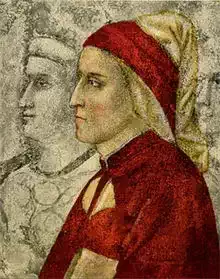
Dante Alighieri
Sonnet: Beauty Of Her Face
For certain he hath seen all perfectness
Who among other ladies hath seen mine:
They that go with her humbly should combine
To thank their God for such peculiar grace.
So perfect is the beauty of her face
That is begets in no wise any sigh
Of envy, but draws round her a clear line
Of love, and blessed faith, and gentleness.
Merely the sight of her makes all things bow:
Not she herself alone is holier
Than all; but hers, through her, are raised above.
From all her acts such lovely graces flow
That truly one may never think of her
Without a passion of exceeding love.
Read more →
Who among other ladies hath seen mine:
They that go with her humbly should combine
To thank their God for such peculiar grace.
So perfect is the beauty of her face
That is begets in no wise any sigh
Of envy, but draws round her a clear line
Of love, and blessed faith, and gentleness.
Merely the sight of her makes all things bow:
Not she herself alone is holier
Than all; but hers, through her, are raised above.
From all her acts such lovely graces flow
That truly one may never think of her
Without a passion of exceeding love.
443
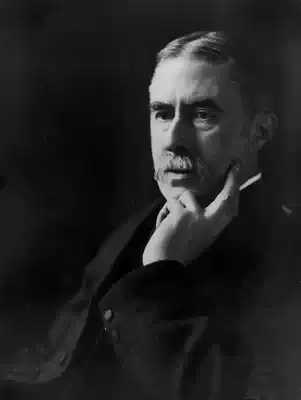
Alfred Edward Housman
Twice a Week the Winter Thorough
Twice a week the winter thorough
Here stood I to keep the goal:
Football then was fighting sorrow
For the young man's soul.
Now in Maytime to the wicket
Out I march with bat and pad:
See the son of grief at cricket
Trying to be glad.
Try I will; no harm in trying:
Wonder 'tis how little mirth
Keeps the bones of man from lying
On the bed of earth.
Read more →
Here stood I to keep the goal:
Football then was fighting sorrow
For the young man's soul.
Now in Maytime to the wicket
Out I march with bat and pad:
See the son of grief at cricket
Trying to be glad.
Try I will; no harm in trying:
Wonder 'tis how little mirth
Keeps the bones of man from lying
On the bed of earth.
442
Henry Wadsworth Longfellow
The Boy And The Brook. (Armenian Popular Song, From The Prose Version Of Alishan)
Down from yon distant mountain height
The brooklet flows through the village street;
A boy comes forth to wash his hands,
Washing, yes washing, there he stands,
In the water cool and sweet.
Brook, from what mountain dost thou come,
O my brooklet cool and sweet!
I come from yon mountain high and cold,
Where lieth the new snow on the old,
And melts in the summer heat.
Brook, to what river dost thou go?
O my brooklet cool and sweet!
I go to the river there below
Where in bunches the violets grow,
And sun and shadow meet.
Brook, to what garden dost thou go?
O my brooklet cool and sweet!
I go to the garden in the vale
Where all night long the nightingale
Her love-song doth repeat.
Brook, to what fountain dost thou go?
O my brooklet cool and sweet!
I go to the fountain at whose brink
The maid that loves thee comes to drink,
And whenever she looks therein,
I rise to meet her, and kiss her chin,
And my joy is then complete.
Read more →
The brooklet flows through the village street;
A boy comes forth to wash his hands,
Washing, yes washing, there he stands,
In the water cool and sweet.
Brook, from what mountain dost thou come,
O my brooklet cool and sweet!
I come from yon mountain high and cold,
Where lieth the new snow on the old,
And melts in the summer heat.
Brook, to what river dost thou go?
O my brooklet cool and sweet!
I go to the river there below
Where in bunches the violets grow,
And sun and shadow meet.
Brook, to what garden dost thou go?
O my brooklet cool and sweet!
I go to the garden in the vale
Where all night long the nightingale
Her love-song doth repeat.
Brook, to what fountain dost thou go?
O my brooklet cool and sweet!
I go to the fountain at whose brink
The maid that loves thee comes to drink,
And whenever she looks therein,
I rise to meet her, and kiss her chin,
And my joy is then complete.
442
Alfred Lord Tennyson
In Memoriam A. H. H.: 56. So careful of the type? but no
"So careful of the type?" but no.
From scarped cliff and quarried stone
She cries, "A thousand types are gone:
I care for nothing, all shall go.
"Thou makest thine appeal to me:
I bring to life, I bring to death:
The spirit does but mean the breath:
I know no more." And he, shall he,
Man, her last work, who seem'd so fair,
Such splendid purpose in his eyes,
Who roll'd the psalm to wintry skies,
Who built him fanes of fruitless prayer,
Who trusted God was love indeed
And love Creation's final law-Tho'
Nature, red in tooth and claw
With ravine, shriek'd against his creed-
Who loved, who suffer'd countless ills,
Who battled for the True, the Just,
Be blown about the desert dust,
Or seal'd within the iron hills?
No more? A monster then, a dream,
A discord. Dragons of the prime,
That tare each other in their slime,
Were mellow music match'd with him.
O life as futile, then, as frail!
O for thy voice to soothe and bless!
What hope of answer, or redress?
Behind the veil, behind the veil.
Read more →
From scarped cliff and quarried stone
She cries, "A thousand types are gone:
I care for nothing, all shall go.
"Thou makest thine appeal to me:
I bring to life, I bring to death:
The spirit does but mean the breath:
I know no more." And he, shall he,
Man, her last work, who seem'd so fair,
Such splendid purpose in his eyes,
Who roll'd the psalm to wintry skies,
Who built him fanes of fruitless prayer,
Who trusted God was love indeed
And love Creation's final law-Tho'
Nature, red in tooth and claw
With ravine, shriek'd against his creed-
Who loved, who suffer'd countless ills,
Who battled for the True, the Just,
Be blown about the desert dust,
Or seal'd within the iron hills?
No more? A monster then, a dream,
A discord. Dragons of the prime,
That tare each other in their slime,
Were mellow music match'd with him.
O life as futile, then, as frail!
O for thy voice to soothe and bless!
What hope of answer, or redress?
Behind the veil, behind the veil.
444

William Butler Yeats
Ephemera
'YOUR eyes that once were never weary of mine
Are bowed in sotrow under pendulous lids,
Because our love is waning.'
And then She:
'Although our love is waning, let us stand
By the lone border of the lake once more,
Together in that hour of gentleness
When the poor tired child, passion, falls asleep.
How far away the stars seem, and how far
Is our first kiss, and ah, how old my heart!'
Pensive they paced along the faded leaves,
While slowly he whose hand held hers replied:
'Passion has often worn our wandering hearts.'
The woods were round them, and the yellow leaves
Fell like faint meteors in the gloom, and once
A rabbit old and lame limped down the path;
Autumn was over him: and now they stood
On the lone border of the lake once more:
Turning, he saw that she had thrust dead leaves
Gathered in silence, dewy as her eyes,
In bosom and hair.
'Ah, do not mourn,' he said,
'That we are tired, for other loves await us;
Hate on and love through unrepining hours.
Before us lies eternity; our souls
Are love, and a continual farewell.'
Read more →
Are bowed in sotrow under pendulous lids,
Because our love is waning.'
And then She:
'Although our love is waning, let us stand
By the lone border of the lake once more,
Together in that hour of gentleness
When the poor tired child, passion, falls asleep.
How far away the stars seem, and how far
Is our first kiss, and ah, how old my heart!'
Pensive they paced along the faded leaves,
While slowly he whose hand held hers replied:
'Passion has often worn our wandering hearts.'
The woods were round them, and the yellow leaves
Fell like faint meteors in the gloom, and once
A rabbit old and lame limped down the path;
Autumn was over him: and now they stood
On the lone border of the lake once more:
Turning, he saw that she had thrust dead leaves
Gathered in silence, dewy as her eyes,
In bosom and hair.
'Ah, do not mourn,' he said,
'That we are tired, for other loves await us;
Hate on and love through unrepining hours.
Before us lies eternity; our souls
Are love, and a continual farewell.'
442

Claude Mckay
The Spanish Needle
Lovely dainty Spanish needle
With your yellow flower and white,
Dew bedecked and softly sleeping,
Do you think of me to-night?
Shadowed by the spreading mango,
Nodding o'er the rippling stream,
Tell me, dear plant of my childhood,
Do you of the exile dream?
Do you see me by the brook's side
Catching crayfish 'neath the stone,
As you did the day you whispered:
Leave the harmless dears alone?
Do you see me in the meadow
Coming from the woodland spring
With a bamboo on my shoulder
And a pail slung from a string?
Do you see me all expectant
Lying in an orange grove,
While the swee-swees sing above me,
Waiting for my elf-eyed love?
Lovely dainty Spanish needle,
Source to me of sweet delight,
In your far-off sunny southland
Do you dream of me to-night?
Read more →
With your yellow flower and white,
Dew bedecked and softly sleeping,
Do you think of me to-night?
Shadowed by the spreading mango,
Nodding o'er the rippling stream,
Tell me, dear plant of my childhood,
Do you of the exile dream?
Do you see me by the brook's side
Catching crayfish 'neath the stone,
As you did the day you whispered:
Leave the harmless dears alone?
Do you see me in the meadow
Coming from the woodland spring
With a bamboo on my shoulder
And a pail slung from a string?
Do you see me all expectant
Lying in an orange grove,
While the swee-swees sing above me,
Waiting for my elf-eyed love?
Lovely dainty Spanish needle,
Source to me of sweet delight,
In your far-off sunny southland
Do you dream of me to-night?
442
Alfred Lord Tennyson
In Memoriam A. H. H.: 105. To-night ungather'd let us leave
To-night ungather'd let us leave
This laurel, let this holly stand:
We live within the stranger's land,
And strangely falls our Christmas-eve.
Our father's dust is left alone
And silent under other snows:
There in due time the woodbine blows,
The violet comes, but we are gone.
No more shall wayward grief abuse
The genial hour with mask and mime;
For change of place, like growth of time,
Has broke the bond of dying use.
Let cares that petty shadows cast,
By which our lives are chiefly proved,
A little spare the night I loved,
And hold it solemn to the past.
But let no footstep beat the floor,
Nor bowl of wassail mantle warm;
For who would keep an ancient form
Thro' which the spirit breathes no more?
Be neither song, nor game, nor feast;
Nor harp be touch'd, nor flute be blown;
No dance, no motion, save alone
What lightens in the lucid east
Of rising worlds by yonder wood.
Long sleeps the summer in the seed;
Run out your measured arcs, and lead
The closing cycle rich in good.
Read more →
This laurel, let this holly stand:
We live within the stranger's land,
And strangely falls our Christmas-eve.
Our father's dust is left alone
And silent under other snows:
There in due time the woodbine blows,
The violet comes, but we are gone.
No more shall wayward grief abuse
The genial hour with mask and mime;
For change of place, like growth of time,
Has broke the bond of dying use.
Let cares that petty shadows cast,
By which our lives are chiefly proved,
A little spare the night I loved,
And hold it solemn to the past.
But let no footstep beat the floor,
Nor bowl of wassail mantle warm;
For who would keep an ancient form
Thro' which the spirit breathes no more?
Be neither song, nor game, nor feast;
Nor harp be touch'd, nor flute be blown;
No dance, no motion, save alone
What lightens in the lucid east
Of rising worlds by yonder wood.
Long sleeps the summer in the seed;
Run out your measured arcs, and lead
The closing cycle rich in good.
438
Henry Wadsworth Longfellow
Holidays
The holiest of all holidays are those
Kept by ourselves in silence and apart;
The secret anniversaries of the heart,
When the full river of feeling overflows;--
The happy days unclouded to their close;
The sudden joys that out of darkness start
As flames from ashes; swift desires that dart
Like swallows singing down each wind that blows!
White as the gleam of a receding sail,
White as a cloud that floats and fades in air,
White as the whitest lily on a stream,
These tender memories are;--a fairy tale
Of some enchanted land we know not where,
But lovely as a landscape in a dream.
Read more →
Kept by ourselves in silence and apart;
The secret anniversaries of the heart,
When the full river of feeling overflows;--
The happy days unclouded to their close;
The sudden joys that out of darkness start
As flames from ashes; swift desires that dart
Like swallows singing down each wind that blows!
White as the gleam of a receding sail,
White as a cloud that floats and fades in air,
White as the whitest lily on a stream,
These tender memories are;--a fairy tale
Of some enchanted land we know not where,
But lovely as a landscape in a dream.
440
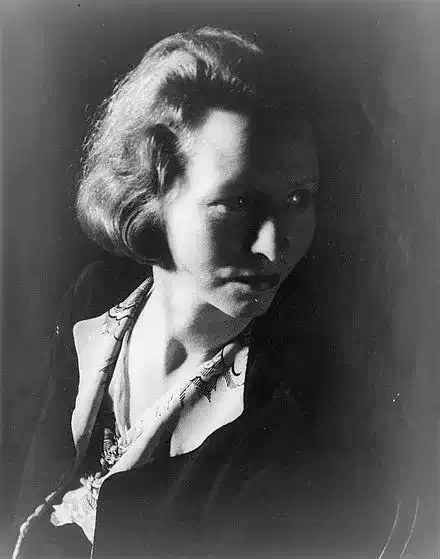
Edna St. Vincent Millay
Interim
The room is full of you!—As I came in
And closed the door behind me, all at once
A something in the air, intangible,
Yet stiff with meaning, struck my senses sick!—
Sharp, unfamiliar odors have destroyed
Each other room's dear personality.
The heavy scent of damp, funereal flowers,—
The very essence, hush-distilled, of Death—
Has strangled that habitual breath of home
Whose expiration leaves all houses dead;
And wheresoe'er I look is hideous change.
Save here. Here 'twas as if a weed-choked gate
Had opened at my touch, and I had stepped
Into some long-forgot, enchanted, strange,
Sweet garden of a thousand years ago
And suddenly thought, "I have been here before!"
You are not here. I know that you are gone,
And will not ever enter here again.
And yet it seems to me, if I should speak,
Your silent step must wake across the hall;
If I should turn my head, that your sweet eyes
Would kiss me from the door.—So short a time
To teach my life its transposition to
This difficult and unaccustomed key!—
The room is as you left it; your last touch—
A thoughtless pressure, knowing not itself
As saintly—hallows now each simple thing;
Hallows and glorifies, and glows between
The dust's grey fingers like a shielded light.
There is your book, just as you laid it down,
Face to the table,—I cannot believe
That you are gone!—Just then it seemed to me
You must be here. I almost laughed to think
How like reality the dream had been;
Yet knew before I laughed, and so was still.
That book, outspread, just as you laid it down!
Perhaps you thought, "I wonder what comes next,
And whether this or this will be the end";
So rose, and left it, thinking to return.
Perhaps that chair, when you arose and passed
Out of the room, rocked silently a while
Ere it again was still. When you were gone
Forever from the room, perhaps that chair,
Stirred by your movement, rocked a little while,
Silently, to and fro...
And here are the last words your fingers wrote,
Scrawled in broad characters across a page
In this brown book I gave you. Here your hand,
Guiding your rapid pen, moved up and down.
Here with a looping knot you crossed a "t,"
And here another like it, just beyond
These two eccentric "e's." You were so small,
And wrote so brave a hand!
How strange it seems
That of all words these are the words you chose!
And yet a simple choice; you did not know
You would not write again. If you had known—
But then, it does not matter,—and indeed
If you had known there was so little time
You would have dropped your pen and come to me
And this page would be empty, and some phrase
Other than this would hold my wonder now.
Yet, since you could not know, and it befell
That these are the last words your fingers wrote,
There is a dignity some might not see
In this, "I picked the first sweet-pea to-day."
To-day! Was there an opening bud beside it
You left until to-morrow?—O my love,
The things that withered,—and you came not back
That day you filled this circle of my arms
That now is empty. (O my empty life!)
That day—that day you picked the first sweet-pea,—
And brought it in to show me! I recall
With terrible distinctness how the smell
Of your cool gardens drifted in with you.
I know, you held it up for me to see
And flushed because I looked not at the flower,
But at your face; and when behind my look
You saw such unmistakable intent
You laughed and brushed your flower against my lips.
(You were the fairest thing God ever made,
I think.) And then your hands above my heart
Drew down its stem into a fastening,
And while your head was bent I kissed your hair.
I wonder if you knew. (Beloved hands!
Somehow I cannot seem to see them still.
Somehow I cannot seem to see the dust
In your bright hair.) What is the need of Heaven
When earth can be so sweet?—If only God
Had let us love,—and show the world the way!
Strange cancellings must ink th' eternal books
When love-crossed-out will bring the answer right!
That first sweet-pea! I wonder where it is.
It seems to me I laid it down somewhere,
And yet,—I am not sure. I am not sure,
Even, if it was white or pink; for then
'Twas much like any other flower to me
Save that it was the first. I did not know
Then, that it was the last. If I had known—
But then, it does not matter. Strange how few,
After all's said and done, the things that are
Of moment.
Few indeed! When I can make
Of ten small words a rope to hang the world!
"I had you and I have you now no more."
There, there it dangles,—where's the little truth
That can for long keep footing under that
When its slack syllables tighten to a thought?
Here, let me write it down! I wish to see
Just how a thing like that will look on paper!
"I had you and I have you now no more."
O little words, how can you run so straight
Across the page, beneath the weight you bear?
How can you fall apart, whom such a theme
Has bound together, and hereafter aid
In trivial expression, that have been
So hideously dignified?—Would God
That tearing you apart would tear the thread
I strung you on! Would God—O God, my mind
Stretches asunder on this merciless rack
Of imagery! O, let me sleep a while!
Would I could sleep, and wake to find me back
In that sweet summer afternoon with you.
Summer? Tis summer still by the calendar!
How easily could God, if He so willed,
Set back the world a little turn or two!
Correct its griefs, and bring its joys again!
We were so wholly one I had not thought
That we could die apart. I had not thought
That I could move,—and you be stiff and still!
That I could speak,—and you perforce be dumb!
I think our heart-strings were, like warp and woof
In some firm fabric, woven in and out;
Your golden filaments in fair design
Across my duller fibre. And to-day
The shining strip is rent; the exquisite
Fine pattern is destroyed; part of your heart
Aches in my breast; part of my heart lies chilled
In the damp earth with you. I have been tom
In two, and suffer for the rest of me.
What is my life to me? And what am I
To life,—a ship whose star has guttered out?
A Fear that in the deep night starts awake
Perpetually, to find its senses strained
Against the taut strings of the quivering air,
Awaiting the return of some dread chord?
Dark, Dark, is all I find for metaphor;
All else were contrast,—save that contrast's wall
Is down, and all opposed things flow together
Into a vast monotony, where night
And day, and frost and thaw, and death and life,
Are synonyms. What now—what now to me
Are all the jabbering birds and foolish flowers
That clutter up the world? You were my song!
Now, let discord scream! You were my flower!
Now let the world grow weeds! For I shall not
Plant things above your grave—(the common balm
Of the conventional woe for its own wound!)
Amid sensations rendered negative
By your elimination stands to-day,
Certain, unmixed, the element of grief;
I sorrow; and I shall not mock my truth
With travesties of suffering, nor seek
To effigy its incorporeal bulk
In little wry-faced images of woe.
I cannot call you back; and I desire
No utterance of my immaterial voice.
I cannot even turn my face this way
Or that, and say, "My face is turned to you";
I know not where you are, I do not know
If Heaven hold you or if earth transmute,
Body and soul, you into earth again;
But this I know:—not for one second's space
Shall I insult my sight with visionings
Such as the credulous crowd so eager-eyed
Beholds, self-conjured, in the empty air.
Let the world wail! Let drip its easy tears!
My sorrow shall be dumb!
—What do I say?
God! God!—God pity me! Am I gone mad
That I should spit upon a rosary?
Am I become so shrunken? Would to God
I too might feel that frenzied faith whose touch
Makes temporal the most enduring grief;
Though it must walk a while, as is its wont,
With wild lamenting! Would I too might weep
Where weeps the world and hangs its piteous wreaths
For its new dead! Not Truth, but Faith, it is
That keeps the world alive. If all at once
Faith were to slacken,—that unconscious faith
Which must, I know, yet be the corner-stone
Of all believing,—birds now flying fearless
Across would drop in terror to the earth;
Fishes would drown; and the all-governing reins
Would tangle in the frantic hands of God
And the worlds gallop headlong to destruction!
O God, I see it now, and my sick brain
Staggers and swoons! How often over me
Flashes this breathlessness of sudden sight
In which I see the universe unrolled
Before me like a scroll and read thereon
Chaos and Doom, where helpless planets whirl
Dizzily round and round and round and round,
Like tops across a table, gathering speed
With every spin, to waver on the edge
One instant—looking over—and the next
To shudder and lurch forward out of sight—
* * * * * * *
Ah, I am worn out—I am wearied out—
It is too much—I am but flesh and blood,
And I must sleep. Though you were dead again,
I am but flesh and blood and I must sleep.
Read more →
And closed the door behind me, all at once
A something in the air, intangible,
Yet stiff with meaning, struck my senses sick!—
Sharp, unfamiliar odors have destroyed
Each other room's dear personality.
The heavy scent of damp, funereal flowers,—
The very essence, hush-distilled, of Death—
Has strangled that habitual breath of home
Whose expiration leaves all houses dead;
And wheresoe'er I look is hideous change.
Save here. Here 'twas as if a weed-choked gate
Had opened at my touch, and I had stepped
Into some long-forgot, enchanted, strange,
Sweet garden of a thousand years ago
And suddenly thought, "I have been here before!"
You are not here. I know that you are gone,
And will not ever enter here again.
And yet it seems to me, if I should speak,
Your silent step must wake across the hall;
If I should turn my head, that your sweet eyes
Would kiss me from the door.—So short a time
To teach my life its transposition to
This difficult and unaccustomed key!—
The room is as you left it; your last touch—
A thoughtless pressure, knowing not itself
As saintly—hallows now each simple thing;
Hallows and glorifies, and glows between
The dust's grey fingers like a shielded light.
There is your book, just as you laid it down,
Face to the table,—I cannot believe
That you are gone!—Just then it seemed to me
You must be here. I almost laughed to think
How like reality the dream had been;
Yet knew before I laughed, and so was still.
That book, outspread, just as you laid it down!
Perhaps you thought, "I wonder what comes next,
And whether this or this will be the end";
So rose, and left it, thinking to return.
Perhaps that chair, when you arose and passed
Out of the room, rocked silently a while
Ere it again was still. When you were gone
Forever from the room, perhaps that chair,
Stirred by your movement, rocked a little while,
Silently, to and fro...
And here are the last words your fingers wrote,
Scrawled in broad characters across a page
In this brown book I gave you. Here your hand,
Guiding your rapid pen, moved up and down.
Here with a looping knot you crossed a "t,"
And here another like it, just beyond
These two eccentric "e's." You were so small,
And wrote so brave a hand!
How strange it seems
That of all words these are the words you chose!
And yet a simple choice; you did not know
You would not write again. If you had known—
But then, it does not matter,—and indeed
If you had known there was so little time
You would have dropped your pen and come to me
And this page would be empty, and some phrase
Other than this would hold my wonder now.
Yet, since you could not know, and it befell
That these are the last words your fingers wrote,
There is a dignity some might not see
In this, "I picked the first sweet-pea to-day."
To-day! Was there an opening bud beside it
You left until to-morrow?—O my love,
The things that withered,—and you came not back
That day you filled this circle of my arms
That now is empty. (O my empty life!)
That day—that day you picked the first sweet-pea,—
And brought it in to show me! I recall
With terrible distinctness how the smell
Of your cool gardens drifted in with you.
I know, you held it up for me to see
And flushed because I looked not at the flower,
But at your face; and when behind my look
You saw such unmistakable intent
You laughed and brushed your flower against my lips.
(You were the fairest thing God ever made,
I think.) And then your hands above my heart
Drew down its stem into a fastening,
And while your head was bent I kissed your hair.
I wonder if you knew. (Beloved hands!
Somehow I cannot seem to see them still.
Somehow I cannot seem to see the dust
In your bright hair.) What is the need of Heaven
When earth can be so sweet?—If only God
Had let us love,—and show the world the way!
Strange cancellings must ink th' eternal books
When love-crossed-out will bring the answer right!
That first sweet-pea! I wonder where it is.
It seems to me I laid it down somewhere,
And yet,—I am not sure. I am not sure,
Even, if it was white or pink; for then
'Twas much like any other flower to me
Save that it was the first. I did not know
Then, that it was the last. If I had known—
But then, it does not matter. Strange how few,
After all's said and done, the things that are
Of moment.
Few indeed! When I can make
Of ten small words a rope to hang the world!
"I had you and I have you now no more."
There, there it dangles,—where's the little truth
That can for long keep footing under that
When its slack syllables tighten to a thought?
Here, let me write it down! I wish to see
Just how a thing like that will look on paper!
"I had you and I have you now no more."
O little words, how can you run so straight
Across the page, beneath the weight you bear?
How can you fall apart, whom such a theme
Has bound together, and hereafter aid
In trivial expression, that have been
So hideously dignified?—Would God
That tearing you apart would tear the thread
I strung you on! Would God—O God, my mind
Stretches asunder on this merciless rack
Of imagery! O, let me sleep a while!
Would I could sleep, and wake to find me back
In that sweet summer afternoon with you.
Summer? Tis summer still by the calendar!
How easily could God, if He so willed,
Set back the world a little turn or two!
Correct its griefs, and bring its joys again!
We were so wholly one I had not thought
That we could die apart. I had not thought
That I could move,—and you be stiff and still!
That I could speak,—and you perforce be dumb!
I think our heart-strings were, like warp and woof
In some firm fabric, woven in and out;
Your golden filaments in fair design
Across my duller fibre. And to-day
The shining strip is rent; the exquisite
Fine pattern is destroyed; part of your heart
Aches in my breast; part of my heart lies chilled
In the damp earth with you. I have been tom
In two, and suffer for the rest of me.
What is my life to me? And what am I
To life,—a ship whose star has guttered out?
A Fear that in the deep night starts awake
Perpetually, to find its senses strained
Against the taut strings of the quivering air,
Awaiting the return of some dread chord?
Dark, Dark, is all I find for metaphor;
All else were contrast,—save that contrast's wall
Is down, and all opposed things flow together
Into a vast monotony, where night
And day, and frost and thaw, and death and life,
Are synonyms. What now—what now to me
Are all the jabbering birds and foolish flowers
That clutter up the world? You were my song!
Now, let discord scream! You were my flower!
Now let the world grow weeds! For I shall not
Plant things above your grave—(the common balm
Of the conventional woe for its own wound!)
Amid sensations rendered negative
By your elimination stands to-day,
Certain, unmixed, the element of grief;
I sorrow; and I shall not mock my truth
With travesties of suffering, nor seek
To effigy its incorporeal bulk
In little wry-faced images of woe.
I cannot call you back; and I desire
No utterance of my immaterial voice.
I cannot even turn my face this way
Or that, and say, "My face is turned to you";
I know not where you are, I do not know
If Heaven hold you or if earth transmute,
Body and soul, you into earth again;
But this I know:—not for one second's space
Shall I insult my sight with visionings
Such as the credulous crowd so eager-eyed
Beholds, self-conjured, in the empty air.
Let the world wail! Let drip its easy tears!
My sorrow shall be dumb!
—What do I say?
God! God!—God pity me! Am I gone mad
That I should spit upon a rosary?
Am I become so shrunken? Would to God
I too might feel that frenzied faith whose touch
Makes temporal the most enduring grief;
Though it must walk a while, as is its wont,
With wild lamenting! Would I too might weep
Where weeps the world and hangs its piteous wreaths
For its new dead! Not Truth, but Faith, it is
That keeps the world alive. If all at once
Faith were to slacken,—that unconscious faith
Which must, I know, yet be the corner-stone
Of all believing,—birds now flying fearless
Across would drop in terror to the earth;
Fishes would drown; and the all-governing reins
Would tangle in the frantic hands of God
And the worlds gallop headlong to destruction!
O God, I see it now, and my sick brain
Staggers and swoons! How often over me
Flashes this breathlessness of sudden sight
In which I see the universe unrolled
Before me like a scroll and read thereon
Chaos and Doom, where helpless planets whirl
Dizzily round and round and round and round,
Like tops across a table, gathering speed
With every spin, to waver on the edge
One instant—looking over—and the next
To shudder and lurch forward out of sight—
* * * * * * *
Ah, I am worn out—I am wearied out—
It is too much—I am but flesh and blood,
And I must sleep. Though you were dead again,
I am but flesh and blood and I must sleep.
440
Ezra Pound
Liu Ch'e
The rustling of the silk is discontinued,
Dust drifts over the court-yard,
There is no sound of foot-fall, and the leaves
Scurry into heaps and lie still,
And she the rejoicer of the heart is beneath them:
A wet leaf that clings to the threshold.
Read more →
Dust drifts over the court-yard,
There is no sound of foot-fall, and the leaves
Scurry into heaps and lie still,
And she the rejoicer of the heart is beneath them:
A wet leaf that clings to the threshold.
439
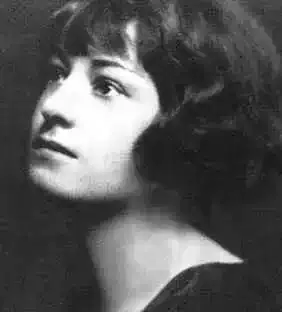
Dorothy Parker
Ballade of Unfortunate Mammals
Love is sharper than stones or sticks;
Lone as the sea, and deeper blue;
Loud in the night as a clock that ticks;
Longer-lived than the Wandering Jew.
Show me a love was done and through,
Tell me a kiss escaped its debt!
Son, to your death you'll pay your due-
Women and elephants never forget.
Ever a man, alas, would mix,
Ever a man, heigh-ho, must woo;
So he's left in the world-old fix,
Thus is furthered the sale of rue.
Son, your chances are thin and few
Won't
you ponder, before you're set?
Shoot if you must, but hold in view
Women and elephants never forget.
Down from Caesar past Joynson-Hicks
Echoes the warning, ever new:
Though they're trained to amusing tricks,
Gentler, they, than the pigeon's coo,
Careful, son, of the curs'ed two-
Either one is a dangerous pet;
Natural history proves it true-
Women and elephants never forget.
L'ENVOI
Prince, a precept I'd leave for you,
Coined in Eden, existing yet:
Skirt the parlor, and shun the zoo-
Women and elephants never forget.
Read more →
Lone as the sea, and deeper blue;
Loud in the night as a clock that ticks;
Longer-lived than the Wandering Jew.
Show me a love was done and through,
Tell me a kiss escaped its debt!
Son, to your death you'll pay your due-
Women and elephants never forget.
Ever a man, alas, would mix,
Ever a man, heigh-ho, must woo;
So he's left in the world-old fix,
Thus is furthered the sale of rue.
Son, your chances are thin and few
Won't
you ponder, before you're set?
Shoot if you must, but hold in view
Women and elephants never forget.
Down from Caesar past Joynson-Hicks
Echoes the warning, ever new:
Though they're trained to amusing tricks,
Gentler, they, than the pigeon's coo,
Careful, son, of the curs'ed two-
Either one is a dangerous pet;
Natural history proves it true-
Women and elephants never forget.
L'ENVOI
Prince, a precept I'd leave for you,
Coined in Eden, existing yet:
Skirt the parlor, and shun the zoo-
Women and elephants never forget.
438
Ezra Pound
Erat Hora
‘Thank you, whatever comes.' And then she turned
And, as the ray of sun on hanging flowers
Fades when the wind hath lifted them aside,
Went swiftly from me. Nay, whatever comes
One hour was sunlit and the most high gods
May not make boast of any better thing
Than to have watched that hour as it passed.
Read more →
And, as the ray of sun on hanging flowers
Fades when the wind hath lifted them aside,
Went swiftly from me. Nay, whatever comes
One hour was sunlit and the most high gods
May not make boast of any better thing
Than to have watched that hour as it passed.
439
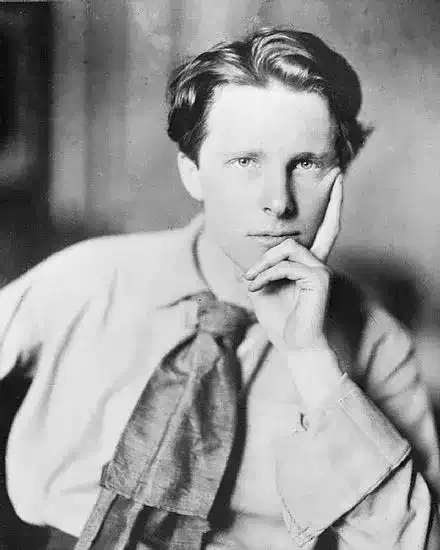
Rupert Brooke
III. The Dead
Blow out, you bugles, over the rich Dead!
There's none of these so lonely and poor of old,
But, dying, has made us rarer gifts than gold.
These laid the world away; poured out the red
Sweet wine of youth; gave up the years to be
Of work and joy, and that unhoped serene,
That men call age; and those who would have been,
Their sons, they gave, their immortality.
Blow, bugles, blow! They brought us, for our dearth,
Holiness, lacked so long, and Love, and Pain.
Honour has come back, as a king, to earth,
And paid his subjects with a royal wage;
And Nobleness walks in our ways again;
And we have come into our heritage.
Read more →
There's none of these so lonely and poor of old,
But, dying, has made us rarer gifts than gold.
These laid the world away; poured out the red
Sweet wine of youth; gave up the years to be
Of work and joy, and that unhoped serene,
That men call age; and those who would have been,
Their sons, they gave, their immortality.
Blow, bugles, blow! They brought us, for our dearth,
Holiness, lacked so long, and Love, and Pain.
Honour has come back, as a king, to earth,
And paid his subjects with a royal wage;
And Nobleness walks in our ways again;
And we have come into our heritage.
439
Ezra Pound
La Regina Avrillouse
Lady of rich allure,
Queen of the spring's embrace,
Your arms are long like boughs of ash,
Mid laugh-broken streams, spirit of rain unsure,
Breath of the poppy flower,
All the wood thy bower
And the hills thy dwelling-place.
This will I no more dream;
Warm is thy arm's allure,
Warm is the gust of breath
That ere thy lips meet mine
Kisseth my cheek and saith:
"This is the joy of earth,
Here is the wine of mirth
Drain ye one goblet sure,
Take ye the honey cup
The honied song raise up,
Drink of the spring's allure,
April and dew and rain;
Brown of the earth sing sure,
Cheeks and lips and hair
And soft breath that kisseth where
Thy lips have come not yet to drink."
Moss and the mold of earth,
These be thy couch of mirth,
Long arms thy boughs of shade
April-alluring, as the blade
Of grass doth catch the dew
And make it crown to hold the sun.
Banner be you
Above my head,
Glory to all wold display'd,
April-alluring, glory-bold.
Read more →
Queen of the spring's embrace,
Your arms are long like boughs of ash,
Mid laugh-broken streams, spirit of rain unsure,
Breath of the poppy flower,
All the wood thy bower
And the hills thy dwelling-place.
This will I no more dream;
Warm is thy arm's allure,
Warm is the gust of breath
That ere thy lips meet mine
Kisseth my cheek and saith:
"This is the joy of earth,
Here is the wine of mirth
Drain ye one goblet sure,
Take ye the honey cup
The honied song raise up,
Drink of the spring's allure,
April and dew and rain;
Brown of the earth sing sure,
Cheeks and lips and hair
And soft breath that kisseth where
Thy lips have come not yet to drink."
Moss and the mold of earth,
These be thy couch of mirth,
Long arms thy boughs of shade
April-alluring, as the blade
Of grass doth catch the dew
And make it crown to hold the sun.
Banner be you
Above my head,
Glory to all wold display'd,
April-alluring, glory-bold.
440
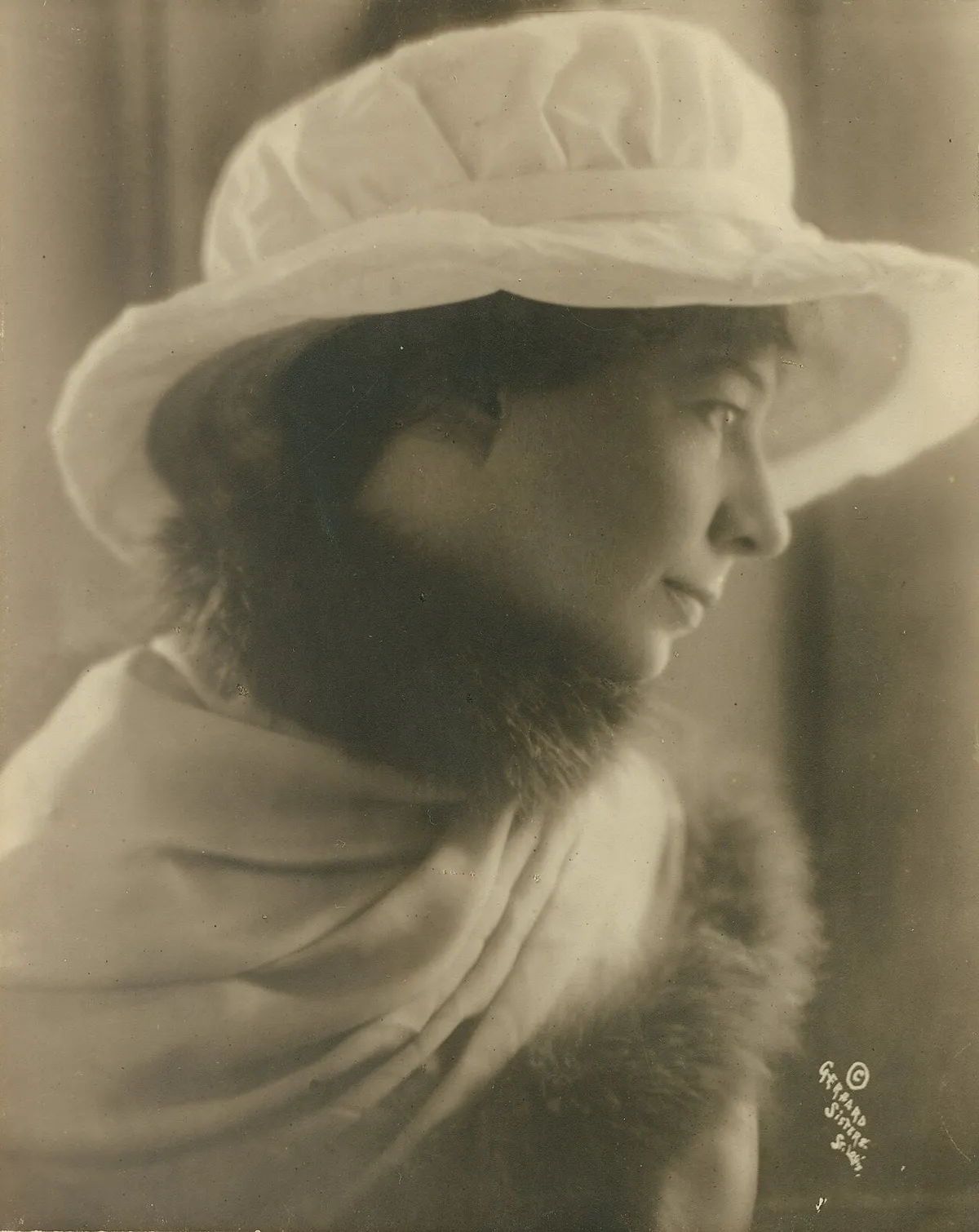
Sara Teasdale
My Heart Is Heavy
My heart is heavy with many a song
Like ripe fruit bearing down the tree,
But I can never give you one --
My songs do not belong to me.
Yet in the evening, in the dusk
When moths go to and fro,
In the gray hour if the fruit has fallen,
Take it, no one will know.
Read more →
Like ripe fruit bearing down the tree,
But I can never give you one --
My songs do not belong to me.
Yet in the evening, in the dusk
When moths go to and fro,
In the gray hour if the fruit has fallen,
Take it, no one will know.
440
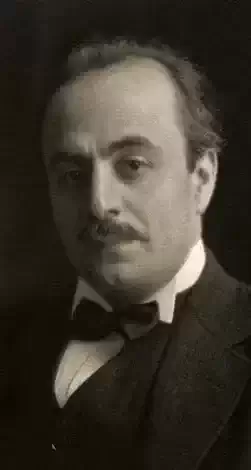
Khalil Gibran
Talking XX
And then a scholar said, "Speak of Talking."
And he answered, saying:
You talk when you cease to be at peace with your thoughts;
And when you can no longer dwell in the solitude of your heart you live in your lips,
and sound is a diversion and a pastime.
And in much of your talking, thinking is half murdered.
For thought is a bird of space, that in a cage of words many indeed unfold its wings but
cannot fly.
There are those among you who seek the talkative through fear of being alone.
The silence of aloneness reveals to their eyes their naked selves and they would
escape.
And there are those who talk, and without knowledge or forethought reveal a truth
which they themselves do not understand.
And there are those who have the truth within them, but they tell it not in words.
In the bosom of such as these the spirit dwells in rhythmic silence.
When you meet your friend on the roadside or in the market place, let the spirit in you
move your lips and direct your tongue.
Let the voice within your voice speak to the ear of his ear;
For his soul will keep the truth of your heart as the taste of the wine is remembered
When the color is forgotten and the vessel is no more.
Read more →
And he answered, saying:
You talk when you cease to be at peace with your thoughts;
And when you can no longer dwell in the solitude of your heart you live in your lips,
and sound is a diversion and a pastime.
And in much of your talking, thinking is half murdered.
For thought is a bird of space, that in a cage of words many indeed unfold its wings but
cannot fly.
There are those among you who seek the talkative through fear of being alone.
The silence of aloneness reveals to their eyes their naked selves and they would
escape.
And there are those who talk, and without knowledge or forethought reveal a truth
which they themselves do not understand.
And there are those who have the truth within them, but they tell it not in words.
In the bosom of such as these the spirit dwells in rhythmic silence.
When you meet your friend on the roadside or in the market place, let the spirit in you
move your lips and direct your tongue.
Let the voice within your voice speak to the ear of his ear;
For his soul will keep the truth of your heart as the taste of the wine is remembered
When the color is forgotten and the vessel is no more.
440