
Soul
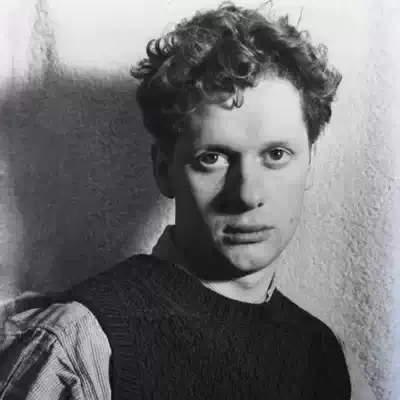
Dylan Thomas
When I Woke
When I woke, the town spoke.
Birds and clocks and cross bells
Dinned aside the coiling crowd,
The reptile profligates in a flame,
Spoilers and pokers of sleep,
The next-door sea dispelled
Frogs and satans and woman-luck,
While a man outside with a billhook,
Up to his head in his blood,
Cutting the morning off,
The warm-veined double of Time
And his scarving beard from a book,
Slashed down the last snake as though
It were a wand or subtle bough,
Its tongue peeled in the wrap of a leaf.
Every morning I make,
God in bed, good and bad,
After a water-face walk,
The death-stagged scatter-breath
Mammoth and sparrowfall
Everybody's earth.
Where birds ride like leaves and boats like ducks
I heard, this morning, waking,
Crossly out of the town noises
A voice in the erected air,
No prophet-progeny of mine,
Cry my sea town was breaking.
No Time, spoke the clocks, no God, rang the bells,
I drew the white sheet over the islands
And the coins on my eyelids sang like shells.
Read more →
Birds and clocks and cross bells
Dinned aside the coiling crowd,
The reptile profligates in a flame,
Spoilers and pokers of sleep,
The next-door sea dispelled
Frogs and satans and woman-luck,
While a man outside with a billhook,
Up to his head in his blood,
Cutting the morning off,
The warm-veined double of Time
And his scarving beard from a book,
Slashed down the last snake as though
It were a wand or subtle bough,
Its tongue peeled in the wrap of a leaf.
Every morning I make,
God in bed, good and bad,
After a water-face walk,
The death-stagged scatter-breath
Mammoth and sparrowfall
Everybody's earth.
Where birds ride like leaves and boats like ducks
I heard, this morning, waking,
Crossly out of the town noises
A voice in the erected air,
No prophet-progeny of mine,
Cry my sea town was breaking.
No Time, spoke the clocks, no God, rang the bells,
I drew the white sheet over the islands
And the coins on my eyelids sang like shells.
440

Ella Wheeler Wilcox
Art and Heart
Though critics may bow to art, and I am its own true lover,
It is not art, but heart, which wins the wide world over.
Though smooth be the heartless prayer, no ear in Heaven will mind it,
And the finest phrase falls dead if there is no feeling behind it.
Though perfect the player's touch, little, if any, he sways us,
Unless we feel his heart throb through the music he plays us.
Though the poet may spend his life in skilfully rounding a measure,
Unless he writes from a full, warm heart he gives us little pleasure.
So it is not the speech which tells, but the impulse which goes with the saying;
And it is not the words of the prayer, but the yearning back of the praying.
It is not the artist's skill which into our soul comes stealing
With a joy that is almost pain, but it is the player's feeling.
And it is not the poet's song, though sweeter than sweet bells chiming,
Which thrills us through and through, but the heart which beats under the rhyming.
And therefore I say again, though I am art's own true lover,
That it is not art, but heart, which wins the wide world over.
Read more →
It is not art, but heart, which wins the wide world over.
Though smooth be the heartless prayer, no ear in Heaven will mind it,
And the finest phrase falls dead if there is no feeling behind it.
Though perfect the player's touch, little, if any, he sways us,
Unless we feel his heart throb through the music he plays us.
Though the poet may spend his life in skilfully rounding a measure,
Unless he writes from a full, warm heart he gives us little pleasure.
So it is not the speech which tells, but the impulse which goes with the saying;
And it is not the words of the prayer, but the yearning back of the praying.
It is not the artist's skill which into our soul comes stealing
With a joy that is almost pain, but it is the player's feeling.
And it is not the poet's song, though sweeter than sweet bells chiming,
Which thrills us through and through, but the heart which beats under the rhyming.
And therefore I say again, though I am art's own true lover,
That it is not art, but heart, which wins the wide world over.
439
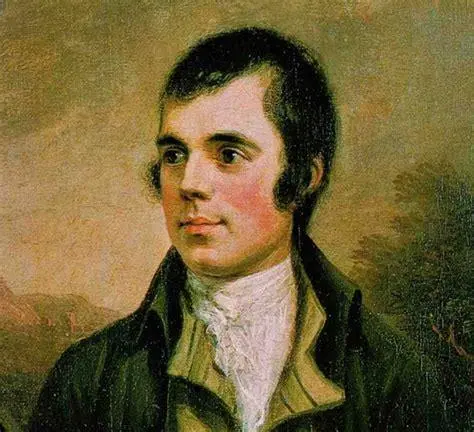
Robert Burns
Of a' the Airts
Of a' the airts the wind can blaw
I dearly like the west,
For there the bonie lassie lives,
The lassie I lo'e best.
There wild woods grow and rivers row,
And monie a hill between;
But day and night my fancy's flight
Is ever wi' my Jean.
I see her in the dewy flowers;
I see her sweet and fair:
I hear her in the tunefu' birds;
I hear her charm the air.
There's not a bonie flower that springs
By fountain, shaw, or green;
There's not a bonie bird that sings,
But minds me o' my Jean.
Read more →
I dearly like the west,
For there the bonie lassie lives,
The lassie I lo'e best.
There wild woods grow and rivers row,
And monie a hill between;
But day and night my fancy's flight
Is ever wi' my Jean.
I see her in the dewy flowers;
I see her sweet and fair:
I hear her in the tunefu' birds;
I hear her charm the air.
There's not a bonie flower that springs
By fountain, shaw, or green;
There's not a bonie bird that sings,
But minds me o' my Jean.
441

Johann Wolfgang von Goethe
Finnish Song
IF the loved one, the well-known one,
Should return as he departed,
On his lips would ring my kisses,
Though the wolf's blood might have dyed them;
And a hearty grasp I'd give him,
Though his finger-ends were serpents.
Wind! Oh, if thou hadst but reason,
Word for word in turns thou'dst carry,
E'en though some perchance might perish
'Tween two lovers so far distant.
All choice morsels I'd dispense with,
Table-flesh of priests neglect too,
Sooner than renounce my lover,
Whom, in Summer having vanquish'd,
I in Winter tamed still longer.
Read more →
Should return as he departed,
On his lips would ring my kisses,
Though the wolf's blood might have dyed them;
And a hearty grasp I'd give him,
Though his finger-ends were serpents.
Wind! Oh, if thou hadst but reason,
Word for word in turns thou'dst carry,
E'en though some perchance might perish
'Tween two lovers so far distant.
All choice morsels I'd dispense with,
Table-flesh of priests neglect too,
Sooner than renounce my lover,
Whom, in Summer having vanquish'd,
I in Winter tamed still longer.
440
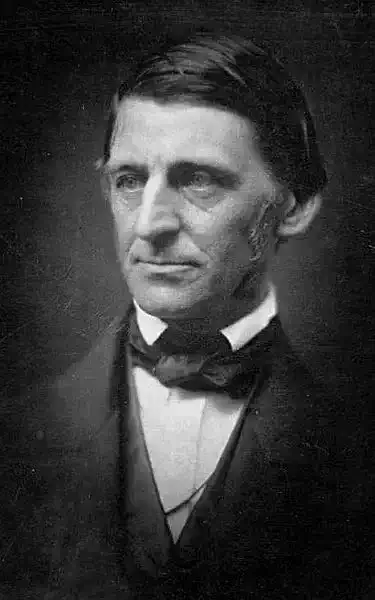
Ralph Waldo Emerson
Initial Love
Venus, when her son was lost,
Cried him up and down the coast,
In hamlets, palaces, and parks,
And told the truant by his marks,
Golden curls, and quiver, and bow;—
This befell long ago.
Time and tide are strangely changed,
Men and manners much deranged;
None will now find Cupid latent
By this foolish antique patent.
He came late along the waste,
Shod like a traveller for haste,
With malice dared me to proclaim him,
That the maids and boys might name him.
Boy no more, he wears all coats,
Frocks, and blouses, capes, capôtes,
He bears no bow, or quiver, or wand,
Nor chaplet on his head or hand:
Leave his weeds and heed his eyes,
All the rest he can disguise.
In the pit of his eyes a spark
Would bring back day if it were dark,
And,—if I tell you all my thought,
Though I comprehend it not,—
In those unfathomable orbs
Every function he absorbs;
He doth eat, and drink, and fish, and shoot,
And write, and reason, and compute,
And ride, and run, and have, and hold,
And whine, and flatter, and regret,
And kiss, and couple, and beget,
By those roving eye-balls bold;
Undaunted are their courages,
Right Cossacks in their forages;
Fleeter they than any creature,
They are his steeds and not his feature,
Inquisitive, and fierce, and fasting,
Restless, predatory, hasting,—
And they pounce on other eyes,
As lions on their prey;
And round their circles is writ,
Plainer than the day,
Underneath, within, above,
Love, love, love, love.
He lives in his eyes,
There doth digest, and work, and spin,
And buy, and sell, and lose, and win;
He rolls them with delighted motion,
Joy-tides swell their mimic ocean.
Yet holds he them with tortest rein,
That they may seize and entertain
The glance that to their glance opposes,
Like fiery honey sucked from roses.
He palmistry can understand,
Imbibing virtue by his hand
As if it were a living root;
The pulse of hands will make him mute;
With all his force he gathers balms
Into those wise thrilling palms.
Cupid is a casuist,
A mystic, and a cabalist,
Can your lurking Thought surprise,
And interpret your device;
Mainly versed in occult science,
In magic, and in clairvoyance.
Oft he keeps his fine ear strained,
And reason on her tiptoe pained,
For aery intelligence,
And for strange coincidence.
But it touches his quick heart
When Fate by omens takes his part,
And chance-dropt hints from Nature's sphere
Deeply soothe his anxious ear.
Heralds high before him run,
He has ushers many a one,
Spreads his welcome where he goes,
And touches all things with his rose.
All things wait for and divine him,—
How shall I dare to malign him,
Or accuse the god of sport?—
I must end my true report,
Painting him from head to foot,
In as far as I took note,
Trusting well the matchless power
Of this young-eyed emperor
Will clear his fame from every cloud,
With the bards, and with the crowd.
He is wilful, mutable,
Shy, untamed, inscrutable,
Swifter-fashioned than the fairies,
Substance mixed of pure contraries,
His vice some elder virtue's token,
And his good is evil spoken.
Failing sometimes of his own,
He is headstrong and alone;
He affects the wood and wild,
Like a flower-hunting child,
Buries himself in summer waves,
In trees, with beasts, in mines, and caves,
Loves nature like a horned cow,
Bird, or deer, or cariboo.
Shun him, nymphs, on the fleet horses!
He has a total world of wit,
O how wise are his discourses!
But he is the arch-hypocrite,
And through all science and all art,
Seeks alone his counterpart.
He is a Pundit of the east,
He is an augur and a priest,
And his soul will melt in prayer,
But word and wisdom are a snare;
Corrupted by the present toy,
He follows joy, and only joy.
There is no mask but he will wear,
He invented oaths to swear,
He paints, he carves, he chants, he prays,
And holds all stars in his embrace,
Godlike, —but 'tis for his fine pelf,
The social quintessence of self.
Well, said I, he is hypocrite,
And folly the end of his subtle wit,
He takes a sovran privilege
Not allowed to any liege,
For he does go behind all law,
And right into himself does draw,
For he is sovranly allied.
Heaven's oldest blood flows in his side,
And interchangeably at one
With every king on every throne,
That no God dare say him nay,
Or see the fault, or seen betray;
He has the Muses by the heart,
And the Parcæ all are of his part.
His many signs cannot be told,
He has not one mode, but manifold,
Many fashions and addresses,
Piques, reproaches, hurts, caresses,
Action, service, badinage,
He will preach like a friar,
And jump like Harlequin,
He will read like a crier,
And fight like a Paladin.
Boundless is his memory,
Plans immense his term prolong,
He is not of counted age,
Meaning always to be young.
And his wish is intimacy,
Intimater intimacy,
And a stricter privacy,
The impossible shall yet be done,
And being two shall still be one.
As the wave breaks to foam on shelves,
Then runs into a wave again,
So lovers melt their sundered selves,
Yet melted would be twain.
Read more →
Cried him up and down the coast,
In hamlets, palaces, and parks,
And told the truant by his marks,
Golden curls, and quiver, and bow;—
This befell long ago.
Time and tide are strangely changed,
Men and manners much deranged;
None will now find Cupid latent
By this foolish antique patent.
He came late along the waste,
Shod like a traveller for haste,
With malice dared me to proclaim him,
That the maids and boys might name him.
Boy no more, he wears all coats,
Frocks, and blouses, capes, capôtes,
He bears no bow, or quiver, or wand,
Nor chaplet on his head or hand:
Leave his weeds and heed his eyes,
All the rest he can disguise.
In the pit of his eyes a spark
Would bring back day if it were dark,
And,—if I tell you all my thought,
Though I comprehend it not,—
In those unfathomable orbs
Every function he absorbs;
He doth eat, and drink, and fish, and shoot,
And write, and reason, and compute,
And ride, and run, and have, and hold,
And whine, and flatter, and regret,
And kiss, and couple, and beget,
By those roving eye-balls bold;
Undaunted are their courages,
Right Cossacks in their forages;
Fleeter they than any creature,
They are his steeds and not his feature,
Inquisitive, and fierce, and fasting,
Restless, predatory, hasting,—
And they pounce on other eyes,
As lions on their prey;
And round their circles is writ,
Plainer than the day,
Underneath, within, above,
Love, love, love, love.
He lives in his eyes,
There doth digest, and work, and spin,
And buy, and sell, and lose, and win;
He rolls them with delighted motion,
Joy-tides swell their mimic ocean.
Yet holds he them with tortest rein,
That they may seize and entertain
The glance that to their glance opposes,
Like fiery honey sucked from roses.
He palmistry can understand,
Imbibing virtue by his hand
As if it were a living root;
The pulse of hands will make him mute;
With all his force he gathers balms
Into those wise thrilling palms.
Cupid is a casuist,
A mystic, and a cabalist,
Can your lurking Thought surprise,
And interpret your device;
Mainly versed in occult science,
In magic, and in clairvoyance.
Oft he keeps his fine ear strained,
And reason on her tiptoe pained,
For aery intelligence,
And for strange coincidence.
But it touches his quick heart
When Fate by omens takes his part,
And chance-dropt hints from Nature's sphere
Deeply soothe his anxious ear.
Heralds high before him run,
He has ushers many a one,
Spreads his welcome where he goes,
And touches all things with his rose.
All things wait for and divine him,—
How shall I dare to malign him,
Or accuse the god of sport?—
I must end my true report,
Painting him from head to foot,
In as far as I took note,
Trusting well the matchless power
Of this young-eyed emperor
Will clear his fame from every cloud,
With the bards, and with the crowd.
He is wilful, mutable,
Shy, untamed, inscrutable,
Swifter-fashioned than the fairies,
Substance mixed of pure contraries,
His vice some elder virtue's token,
And his good is evil spoken.
Failing sometimes of his own,
He is headstrong and alone;
He affects the wood and wild,
Like a flower-hunting child,
Buries himself in summer waves,
In trees, with beasts, in mines, and caves,
Loves nature like a horned cow,
Bird, or deer, or cariboo.
Shun him, nymphs, on the fleet horses!
He has a total world of wit,
O how wise are his discourses!
But he is the arch-hypocrite,
And through all science and all art,
Seeks alone his counterpart.
He is a Pundit of the east,
He is an augur and a priest,
And his soul will melt in prayer,
But word and wisdom are a snare;
Corrupted by the present toy,
He follows joy, and only joy.
There is no mask but he will wear,
He invented oaths to swear,
He paints, he carves, he chants, he prays,
And holds all stars in his embrace,
Godlike, —but 'tis for his fine pelf,
The social quintessence of self.
Well, said I, he is hypocrite,
And folly the end of his subtle wit,
He takes a sovran privilege
Not allowed to any liege,
For he does go behind all law,
And right into himself does draw,
For he is sovranly allied.
Heaven's oldest blood flows in his side,
And interchangeably at one
With every king on every throne,
That no God dare say him nay,
Or see the fault, or seen betray;
He has the Muses by the heart,
And the Parcæ all are of his part.
His many signs cannot be told,
He has not one mode, but manifold,
Many fashions and addresses,
Piques, reproaches, hurts, caresses,
Action, service, badinage,
He will preach like a friar,
And jump like Harlequin,
He will read like a crier,
And fight like a Paladin.
Boundless is his memory,
Plans immense his term prolong,
He is not of counted age,
Meaning always to be young.
And his wish is intimacy,
Intimater intimacy,
And a stricter privacy,
The impossible shall yet be done,
And being two shall still be one.
As the wave breaks to foam on shelves,
Then runs into a wave again,
So lovers melt their sundered selves,
Yet melted would be twain.
440

Robert Louis Stevenson
Prayer
I ASK good things that I detest,
With speeches fair;
Heed not, I pray Thee, Lord, my breast,
But hear my prayer.
I say ill things I would not say -
Things unaware:
Regard my breast, Lord, in Thy day,
And not my prayer.
My heart is evil in Thy sight:
My good thoughts flee:
O Lord, I cannot wish aright -
Wish Thou for me.
O bend my words and acts to Thee,
However ill,
That I, whate'er I say or be,
May serve Thee still.
O let my thoughts abide in Thee
Lest I should fall:
Show me Thyself in all I see,
Thou Lord of all.
Read more →
With speeches fair;
Heed not, I pray Thee, Lord, my breast,
But hear my prayer.
I say ill things I would not say -
Things unaware:
Regard my breast, Lord, in Thy day,
And not my prayer.
My heart is evil in Thy sight:
My good thoughts flee:
O Lord, I cannot wish aright -
Wish Thou for me.
O bend my words and acts to Thee,
However ill,
That I, whate'er I say or be,
May serve Thee still.
O let my thoughts abide in Thee
Lest I should fall:
Show me Thyself in all I see,
Thou Lord of all.
441
Ella Wheeler Wilcox
Thought-Magnets
With each strong thought, with every earnest longing
For aught thou deemest needful to thy soul,
Invisible vast forces are set thronging
Between thee and that goal.
‘Tis only when some hidden weakness alters
And changes thy desire, or makes it less,
That this mysterious army ever falters
Or stops short of success.
Thought is a magnet; and the longed-for pleasure
Or boon, or aim, or object, is the steel;
And is attainment hangs but on the measure
Of what thy soul can feel.
Read more →
For aught thou deemest needful to thy soul,
Invisible vast forces are set thronging
Between thee and that goal.
‘Tis only when some hidden weakness alters
And changes thy desire, or makes it less,
That this mysterious army ever falters
Or stops short of success.
Thought is a magnet; and the longed-for pleasure
Or boon, or aim, or object, is the steel;
And is attainment hangs but on the measure
Of what thy soul can feel.
440
Johann Wolfgang von Goethe
After-Sensations
WHEN the vine again is blowing,
Then the wine moves in the cask;
When the rose again is glowing,
Wherefore should I feel oppress'd?
Down my cheeks run tears all-burning,
If I do, or leave my task;
I but feel a speechless yearning,
That pervades my inmost breast.
But at length I see the reason,
When the question I would ask:
'Twas in such a beauteous season,
Doris glowed to make me blest!
Read more →
Then the wine moves in the cask;
When the rose again is glowing,
Wherefore should I feel oppress'd?
Down my cheeks run tears all-burning,
If I do, or leave my task;
I but feel a speechless yearning,
That pervades my inmost breast.
But at length I see the reason,
When the question I would ask:
'Twas in such a beauteous season,
Doris glowed to make me blest!
440

Robert Frost
For once, then Something
Others taught me with having knelt at well-curbs
Always wrong to the light, so never seeing
Deeper down in the well than where the water
Gives me back in a shining surface picture
Me myself in the summer heaven godlike
Looking out of a wreath of fern and cloud puffs.
Once, when trying with chin against a well-curb,
I discerned, as I thought, beyond the picture,
Through the picture, a something white, uncertain,
Something more of the depths--and then I lost it.
Water came to rebuke the too clear water.
One drop fell from a fern, and lo, a ripple
Shook whatever it was lay there at bottom,
Blurred it, blotted it out. What was that whiteness?
Truth? A pebble of quartz? For once, then, something.
Read more →
Always wrong to the light, so never seeing
Deeper down in the well than where the water
Gives me back in a shining surface picture
Me myself in the summer heaven godlike
Looking out of a wreath of fern and cloud puffs.
Once, when trying with chin against a well-curb,
I discerned, as I thought, beyond the picture,
Through the picture, a something white, uncertain,
Something more of the depths--and then I lost it.
Water came to rebuke the too clear water.
One drop fell from a fern, and lo, a ripple
Shook whatever it was lay there at bottom,
Blurred it, blotted it out. What was that whiteness?
Truth? A pebble of quartz? For once, then, something.
440
Ella Wheeler Wilcox
Fleeing Away
My thoughts soar not as they ought to soar,
Higher and higher on soul-lent wings;
But ever and often and more and more
They are dragged down earthward by little things,
By little troubles and little needs,
As a lark might be tangled among the weeds.
My purpose is not what it ought to be,
Steady and fixed, like a star on high,
But more like a fisherman's light at sea;
Hither and thither it seems to fly--
Sometimes feeble, and sometimes bright,
Then suddenly lost in the gloom of night.
My life is far from my dream of life--
Calmly contented, serenely glad;
But, vexed and worried by daily strife,
It is always troubled and ofttimes sad--
And the heights I had thought I should reach one day
Grow dimmer and dimmer, and farther away.
My heart never finds the longed-for rest;
Its worldly striving, its greed for gold,
Chilled and frightened the calm-eyed guest
Who sometimes sought me in days of old;
And ever fleeing away from me
Is the higher self that I long to be.
Read more →
Higher and higher on soul-lent wings;
But ever and often and more and more
They are dragged down earthward by little things,
By little troubles and little needs,
As a lark might be tangled among the weeds.
My purpose is not what it ought to be,
Steady and fixed, like a star on high,
But more like a fisherman's light at sea;
Hither and thither it seems to fly--
Sometimes feeble, and sometimes bright,
Then suddenly lost in the gloom of night.
My life is far from my dream of life--
Calmly contented, serenely glad;
But, vexed and worried by daily strife,
It is always troubled and ofttimes sad--
And the heights I had thought I should reach one day
Grow dimmer and dimmer, and farther away.
My heart never finds the longed-for rest;
Its worldly striving, its greed for gold,
Chilled and frightened the calm-eyed guest
Who sometimes sought me in days of old;
And ever fleeing away from me
Is the higher self that I long to be.
440
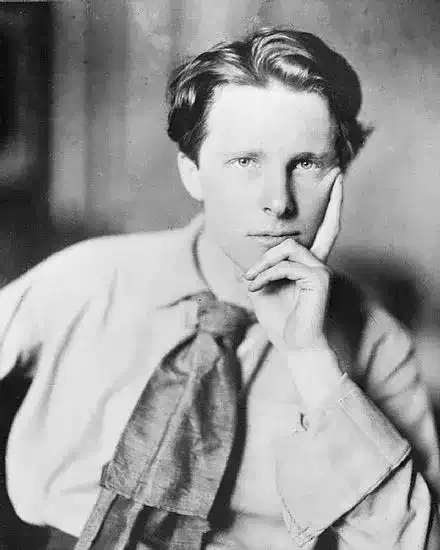
Rupert Brooke
The Song of the Pilgrims
(Halted around the fire by night, after moon-set, they sing this beneath the
trees.)
What light of unremembered skies
Hast thou relumed within our eyes,
Thou whom we seek, whom we shall find?…
A certain odour on the wind,
Thy hidden face beyond the west,
These things have called us; on a quest
Older than any road we trod,
More endless than desire.…
Far God,
Sigh with thy cruel voice, that fills
The soul with longing for dim hills
And faint horizons! For there come
Grey moments of the antient dumb
Sickness of travel, when no song
Can cheer us; but the way seems long;
And one remembers.…
Ah! the beat
Of weary unreturning feet,
And songs of pilgrims unreturning!…
The fires we left are always burning
On the old shrines of home. Our kin
Have built them temples, and therein
Pray to the Gods we know; and dwell
In little houses lovable,
Being happy (we remember how!)
And peaceful even to death...
O Thou,
God of all long desirous roaming,
Our hearts are sick of fruitless homing,
And crying after lost desire.
Hearten us onward! as with fire
Consuming dreams of other bliss.
The best Thou givest, giving this
Sufficient thing—to travel still
Over the plain, beyond the hill,
Unhesitating through the shade,
Amid the silence unafraid,
Till, at some sudden turn, one sees
Against the black and muttering trees
Thine altar, wonderfully white,
Among the Forests of the Night.
Read more →
trees.)
What light of unremembered skies
Hast thou relumed within our eyes,
Thou whom we seek, whom we shall find?…
A certain odour on the wind,
Thy hidden face beyond the west,
These things have called us; on a quest
Older than any road we trod,
More endless than desire.…
Far God,
Sigh with thy cruel voice, that fills
The soul with longing for dim hills
And faint horizons! For there come
Grey moments of the antient dumb
Sickness of travel, when no song
Can cheer us; but the way seems long;
And one remembers.…
Ah! the beat
Of weary unreturning feet,
And songs of pilgrims unreturning!…
The fires we left are always burning
On the old shrines of home. Our kin
Have built them temples, and therein
Pray to the Gods we know; and dwell
In little houses lovable,
Being happy (we remember how!)
And peaceful even to death...
O Thou,
God of all long desirous roaming,
Our hearts are sick of fruitless homing,
And crying after lost desire.
Hearten us onward! as with fire
Consuming dreams of other bliss.
The best Thou givest, giving this
Sufficient thing—to travel still
Over the plain, beyond the hill,
Unhesitating through the shade,
Amid the silence unafraid,
Till, at some sudden turn, one sees
Against the black and muttering trees
Thine altar, wonderfully white,
Among the Forests of the Night.
441

William Butler Yeats
The Lamentation Of The Old Pensioner
ALTHOUGH I shelter from the rain
Under a broken tree,
My chair was nearest to the fire
In every company
That talked of love or politics,
Ere Time transfigured me.
Though lads are making pikes again
For some conspiracy,
And crazy rascals rage their fill
At human tyranny,
My contemplations are of Time
That has transfigured me.
There's not a woman turns her face
Upon a broken tree,
And yet the beauties that I loved
Are in my memory;
I spit into the face of Time
That has transfigured me.
Read more →
Under a broken tree,
My chair was nearest to the fire
In every company
That talked of love or politics,
Ere Time transfigured me.
Though lads are making pikes again
For some conspiracy,
And crazy rascals rage their fill
At human tyranny,
My contemplations are of Time
That has transfigured me.
There's not a woman turns her face
Upon a broken tree,
And yet the beauties that I loved
Are in my memory;
I spit into the face of Time
That has transfigured me.
439
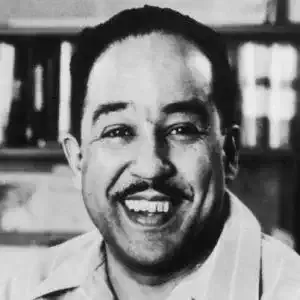
Langston Hughes
Trumpet Player
The Negro
With the trumpet at his lips
Has dark moons of weariness
Beneath his eyes
where the smoldering memory
of slave ships
Blazed to the crack of whips
about thighs
The negro
with the trumpet at his lips
has a head of vibrant hair
tamed down,
patent-leathered now
until it gleams
like jetwere
jet a crown
the music
from the trumpet at his lips
is honey
mixed with liquid fire
the rhythm
from the trumpet at his lips
is ecstasy
distilled from old desire-
Desire
that is longing for the moon
where the moonlight's but a spotlight
in his eyes,
desire
that is longing for the sea
where the sea's a bar-glass
sucker size
The Negro
with the trumpet at his lips
whose jacket
Has a fine one-button roll,
does not know
upon what riff the music slips
It's hypodermic needle
to his soul
but softly
as the tune comes from his throat
trouble
mellows to a golden note
Read more →
With the trumpet at his lips
Has dark moons of weariness
Beneath his eyes
where the smoldering memory
of slave ships
Blazed to the crack of whips
about thighs
The negro
with the trumpet at his lips
has a head of vibrant hair
tamed down,
patent-leathered now
until it gleams
like jetwere
jet a crown
the music
from the trumpet at his lips
is honey
mixed with liquid fire
the rhythm
from the trumpet at his lips
is ecstasy
distilled from old desire-
Desire
that is longing for the moon
where the moonlight's but a spotlight
in his eyes,
desire
that is longing for the sea
where the sea's a bar-glass
sucker size
The Negro
with the trumpet at his lips
whose jacket
Has a fine one-button roll,
does not know
upon what riff the music slips
It's hypodermic needle
to his soul
but softly
as the tune comes from his throat
trouble
mellows to a golden note
440
Ella Wheeler Wilcox
Life's Harmonies
Let no man pray that he know not sorrow,
Let no soul ask to be free from pain,
For the gall of to-day is the sweet of to-morrow,
And the moment's loss is the lifetime's gain.
Through want of a thing does its worth redouble,
Through hunger's pangs does the feast content,
And only the heart that has harbored trouble,
Can fully rejoice when joy is sent.
Let no man shrink from the bitter tonics
Of grief, and yearning, and need, and strife,
For the rarest chords in the soul's harmonies,
Are found in the minor strains of life.
Read more →
Let no soul ask to be free from pain,
For the gall of to-day is the sweet of to-morrow,
And the moment's loss is the lifetime's gain.
Through want of a thing does its worth redouble,
Through hunger's pangs does the feast content,
And only the heart that has harbored trouble,
Can fully rejoice when joy is sent.
Let no man shrink from the bitter tonics
Of grief, and yearning, and need, and strife,
For the rarest chords in the soul's harmonies,
Are found in the minor strains of life.
439
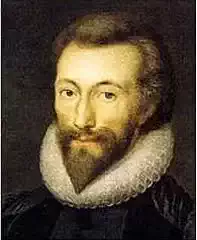
John Donne
A Litany
I.
THE FATHER.
FATHER of Heaven, and Him, by whom
It, and us for it, and all else for us,
Thou madest, and govern'st ever, come
And re-create me, now grown ruinous:
My heart is by dejection, clay,
And by self-murder, red.
From this red earth, O Father, purge away
All vicious tinctures, that new-fashioned
I may rise up from death, before I'm dead.
II.
THE SON.
O Son of God, who, seeing two things,
Sin and Death, crept in, which were never made,
By bearing one, tried'st with what stings
The other could Thine heritage invade ;
O be Thou nail'd unto my heart,
And crucified again ;
Part not from it, though it from Thee would part,
But let it be by applying so Thy pain,
Drown'd in Thy blood, and in Thy passion slain.
III.
THE HOLY GHOST.
O Holy Ghost, whose temple I
Am, but of mud walls , and condensèd dust,
And being sacrilegiously
Half wasted with youth's fires of pride and lust,
Must with new storms be weather-beat,
Double in my heart Thy flame,
Which let devout sad tears intend, and let—
Though this glass lanthorn, flesh, do suffer maim—
Fire, sacrifice, priest, altar be the same.
IV.
THE TRINITY.
O blessed glorious Trinity,
Bones to philosophy, but milk to faith,
Which, as wise serpents, diversely
Most slipperiness, yet most entanglings hath,
As you distinguish'd, undistinct,
By power, love, knowledge be,
Give me a such self different instinct,
Of these let all me elemented be,
Of power, to love, to know you unnumbered three.
V.
THE VIRGIN MARY.
For that fair blessed mother-maid,
Whose flesh redeem'd us, that she-cherubin,
Which unlock'd paradise, and made
One claim for innocence, and disseizèd sin,
Whose womb was a strange heaven, for there
God clothed Himself, and grew,
Our zealous thanks we pour. As her deeds were
Our helps, so are her prayers ; nor can she sue
In vain, who hath such titles unto you.
VI.
THE ANGELS.
And since this life our nonage is,
And we in wardship to Thine angels be,
Native in heaven's fair palaces
Where we shall be but denizen'd by Thee ;
As th' earth conceiving by the sun,
Yields fair diversity,
Yet never knows what course that light doth run ;
So let me study that mine actions be
Worthy their sight, though blind in how they see.
VII.
THE PATRIARCHS.
And let Thy patriarchs' desire,
—Those great grandfathers of Thy Church, which saw
More in the cloud than we in fire,
Whom nature clear'd more, than us grace and law,
And now in heaven still pray, that we
May use our new helps right—
Be satisfied, and fructify in me ;
Let not my mind be blinder by more light,
Nor faith by reason added lose her sight.
VIII.
THE PROPHETS.
Thy eagle-sighted prophets too,
—Which were Thy Church's organs, and did sound
That harmony which made of two
One law, and did unite, but not confound ;
Those heavenly poets which did see
Thy will, and it express
In rhythmic feet—in common pray for me,
That I by them excuse not my excess
In seeking secrets, or poeticness.
IX.
THE APOSTLES.
And thy illustrious zodiac
Of twelve apostles, which engirt this All,
—From whom whosoever do not take
Their light, to dark deep pits throw down and fall ;—
As through their prayers Thou'st let me know
That their books are divine,
May they pray still, and be heard, that I go
Th' old broad way in applying ; O decline
Me, when my comment would make Thy word mine.
X.
THE MARTYRS.
And since Thou so desirously
Didst long to die, that long before Thou couldst,
And long since Thou no more couldst die,
Thou in thy scatter'd mystic body wouldst
In Abel die, and ever since
In Thine ; let their blood come
To beg for us a discreet patience
Of death, or of worse life ; for O, to some
Not to be martyrs, is a martyrdom.
XI.
THE CONFESSORS.
Therefore with Thee triumpheth there
A virgin squadron of white confessors,
Whose bloods betroth'd not married were,
Tender'd, not taken by those ravishers.
They know, and pray that we may know,
In every Christian
Hourly tempestuous persecutions grow ;
Temptations martyr us alive ; a man
Is to himself a Diocletian.
XII.
THE VIRGINS.
The cold white snowy nunnery,
Which, as Thy Mother, their high abbess, sent
Their bodies back again to Thee,
As Thou hadst lent them, clean and innocent ;
Though they have not obtain'd of Thee,
That or Thy Church or I
Should keep, as they, our first integrity,
Divorce Thou sin in us, or bid it die,
And call chaste widowhead virginity.
XIII.
THE DOCTORS.
The sacred academy above
Of Doctors, whose pains have unclasp'd, and taught
Both books of life to us—for love
To know Thy scriptures tells us, we are wrote
In Thy other book—pray for us there,
That what they have misdone
Or missaid, we to that may not adhere.
Their zeal may be our sin. Lord, let us run
Mean ways, and call them stars, but not the sun.
XIV.
And whilst this universal quire,
That Church in triumph, this in warfare here,
Warm'd with one all-partaking fire
Of love, that none be lost, which cost Thee dear,
Prays ceaselessly, and Thou hearken too
—Since to be gracious
Our task is treble, to pray, bear, and do—
Hear this prayer, Lord ; O Lord, deliver us
From trusting in those prayers, though pour'd out
thus.
XV.
From being anxious, or secure,
Dead clods of sadness, or light squibs of mirth,
From thinking that great courts immure
All, or no happiness, or that this earth
Is only for our prison framed,
Or that Thou'rt covetous
To them whom Thou lovest, or that they are maim'd
From reaching this world's sweet who seek Thee
thus,
With all their might, good Lord, deliver us.
XVI.
From needing danger, to be good,
From owing Thee yesterday's tears to-day,
From trusting so much to Thy blood
That in that hope we wound our soul away,
From bribing Thee with alms, to excuse
Some sin more burdenous,
From light affecting, in religion, news,
From thinking us all soul, neglecting thus
Our mutual duties, Lord, deliver us.
XVII.
From tempting Satan to tempt us,
By our connivance, or slack company,
From measuring ill by vicious
Neglecting to choke sin's spawn, vanity,
From indiscreet humility,
Which might be scandalous
And cast reproach on Christianity,
From being spies, or to spies pervious,
From thirst or scorn of fame, deliver us.
XVIII.
Deliver us through Thy descent
Into the Virgin, whose womb was a place
Of middle kind ; and Thou being sent
To ungracious us, stay'dst at her full of grace ;
And through Thy poor birth, where first Thou
Glorified'st poverty ;
And yet soon after riches didst allow,
By accepting kings' gifts in th' Epiphany ;
Deliver us, and make us to both ways free.
XIX.
And through that bitter agony,
Which is still th' agony of pious wits,
Disputing what distorted Thee,
And interrupted evenness with fits ;
And through Thy free confession,
Though thereby they were then
Made blind, so that Thou mightst from them have gone ;
Good Lord, deliver us, and teach us when
We may not, and we may, blind unjust men.
XX.
Through Thy submitting all, to blows
Thy face, Thy robes to spoil, Thy fame to scorn,
All ways, which rage, or justice knows,
And by which Thou couldst show that Thou wast born ;
And through Thy gallant humbleness
Which Thou in death didst show,
Dying before Thy soul they could express ;
Deliver us from death, by dying so
To this world, ere this world do bid us go.
XXI.
When senses, which Thy soldiers are,
We arm against Thee, and they fight for sin ;
When want, sent but to tame, doth war,
And work despair a breach to enter in ;
When plenty, God's image, and seal,
Makes us idolatrous,
And love it, not him, whom it should reveal ;
When we are moved to seem religious
Only to vent wit ; Lord, deliver us.
XXII.
In churches, when th' infirmity
Of him which speaks, diminishes the word ;
When magistrates do misapply
To us, as we judge, lay or ghostly sword ;
When plague, which is Thine angel, reigns,
Or wars, Thy champions, sway ;
When heresy, Thy second deluge, gains ;
In th' hour of death, th' eve of last Judgment day ;
Deliver us from the sinister way.
XXIII.
Hear us, O hear us, Lord; to Thee
A sinner is more music, when he prays,
Than spheres' or angels' praises be,
In panegyric alleluias ;
Hear us, for till Thou hear us, Lord,
We know not what to say ;
Thine ear to our sighs, tears, thoughts, gives voice and word ;
O Thou, who Satan heard'st in Job's sick day,
Hear Thyself now, for Thou in us dost pray.
XXIV.
That we may change to evenness
This intermitting aguish piety ;
That snatching cramps of wickedness
And apoplexies of fast sin may die ;
That music of Thy promises,
Not threats in thunder may
Awaken us to our just offices ;
What in Thy book Thou dost, or creatures say,
That we may hear, Lord, hear us when we pray.
XXV.
That our ears' sickness we may cure,
And rectify those labyrinths aright,
That we by heark'ning not procure
Our praise, nor others' dispraise so invite ;
That we get not a slipp'riness
And senselessly decline,
From hearing bold wits jest at kings' excess,
To admit the like of majesty divine ;
That we may lock our ears, Lord, open Thine.
XXVI.
That living law, the magistrate,
Which to give us, and make us physic, doth
Our vices often aggravate ;
That preachers taxing sin, before her growth ;
That Satan, and envenom'd men—
Which will, if we starve, dine—
When they do most accuse us, may see then
Us to amendment hear them, Thee decline ;
That we may open our ears, Lord, lock Thine.
XXVII.
That learning, Thine ambassador,
From Thine allegiance we never tempt ;
That beauty, paradise's flower
For physic made, from poison be exempt ;
That wit—born apt high good to do—
By dwelling lazily
On nature's nothing be not nothing too ;
That our affections kill us not, nor die ;
Hear us, weak echoes, O, Thou Ear and Eye.
XXVIII.
Son of God, hear us, and since Thou
By taking our blood, owest it us again,
Gain to Thyself, or us allow ;
And let not both us and Thyself be slain ;
O Lamb of God, which took'st our sin,
Which could not stick to Thee,
O let it not return to us again ;
But patient and physician being free,
As sin is nothing, let it nowhere be.
Read more →
THE FATHER.
FATHER of Heaven, and Him, by whom
It, and us for it, and all else for us,
Thou madest, and govern'st ever, come
And re-create me, now grown ruinous:
My heart is by dejection, clay,
And by self-murder, red.
From this red earth, O Father, purge away
All vicious tinctures, that new-fashioned
I may rise up from death, before I'm dead.
II.
THE SON.
O Son of God, who, seeing two things,
Sin and Death, crept in, which were never made,
By bearing one, tried'st with what stings
The other could Thine heritage invade ;
O be Thou nail'd unto my heart,
And crucified again ;
Part not from it, though it from Thee would part,
But let it be by applying so Thy pain,
Drown'd in Thy blood, and in Thy passion slain.
III.
THE HOLY GHOST.
O Holy Ghost, whose temple I
Am, but of mud walls , and condensèd dust,
And being sacrilegiously
Half wasted with youth's fires of pride and lust,
Must with new storms be weather-beat,
Double in my heart Thy flame,
Which let devout sad tears intend, and let—
Though this glass lanthorn, flesh, do suffer maim—
Fire, sacrifice, priest, altar be the same.
IV.
THE TRINITY.
O blessed glorious Trinity,
Bones to philosophy, but milk to faith,
Which, as wise serpents, diversely
Most slipperiness, yet most entanglings hath,
As you distinguish'd, undistinct,
By power, love, knowledge be,
Give me a such self different instinct,
Of these let all me elemented be,
Of power, to love, to know you unnumbered three.
V.
THE VIRGIN MARY.
For that fair blessed mother-maid,
Whose flesh redeem'd us, that she-cherubin,
Which unlock'd paradise, and made
One claim for innocence, and disseizèd sin,
Whose womb was a strange heaven, for there
God clothed Himself, and grew,
Our zealous thanks we pour. As her deeds were
Our helps, so are her prayers ; nor can she sue
In vain, who hath such titles unto you.
VI.
THE ANGELS.
And since this life our nonage is,
And we in wardship to Thine angels be,
Native in heaven's fair palaces
Where we shall be but denizen'd by Thee ;
As th' earth conceiving by the sun,
Yields fair diversity,
Yet never knows what course that light doth run ;
So let me study that mine actions be
Worthy their sight, though blind in how they see.
VII.
THE PATRIARCHS.
And let Thy patriarchs' desire,
—Those great grandfathers of Thy Church, which saw
More in the cloud than we in fire,
Whom nature clear'd more, than us grace and law,
And now in heaven still pray, that we
May use our new helps right—
Be satisfied, and fructify in me ;
Let not my mind be blinder by more light,
Nor faith by reason added lose her sight.
VIII.
THE PROPHETS.
Thy eagle-sighted prophets too,
—Which were Thy Church's organs, and did sound
That harmony which made of two
One law, and did unite, but not confound ;
Those heavenly poets which did see
Thy will, and it express
In rhythmic feet—in common pray for me,
That I by them excuse not my excess
In seeking secrets, or poeticness.
IX.
THE APOSTLES.
And thy illustrious zodiac
Of twelve apostles, which engirt this All,
—From whom whosoever do not take
Their light, to dark deep pits throw down and fall ;—
As through their prayers Thou'st let me know
That their books are divine,
May they pray still, and be heard, that I go
Th' old broad way in applying ; O decline
Me, when my comment would make Thy word mine.
X.
THE MARTYRS.
And since Thou so desirously
Didst long to die, that long before Thou couldst,
And long since Thou no more couldst die,
Thou in thy scatter'd mystic body wouldst
In Abel die, and ever since
In Thine ; let their blood come
To beg for us a discreet patience
Of death, or of worse life ; for O, to some
Not to be martyrs, is a martyrdom.
XI.
THE CONFESSORS.
Therefore with Thee triumpheth there
A virgin squadron of white confessors,
Whose bloods betroth'd not married were,
Tender'd, not taken by those ravishers.
They know, and pray that we may know,
In every Christian
Hourly tempestuous persecutions grow ;
Temptations martyr us alive ; a man
Is to himself a Diocletian.
XII.
THE VIRGINS.
The cold white snowy nunnery,
Which, as Thy Mother, their high abbess, sent
Their bodies back again to Thee,
As Thou hadst lent them, clean and innocent ;
Though they have not obtain'd of Thee,
That or Thy Church or I
Should keep, as they, our first integrity,
Divorce Thou sin in us, or bid it die,
And call chaste widowhead virginity.
XIII.
THE DOCTORS.
The sacred academy above
Of Doctors, whose pains have unclasp'd, and taught
Both books of life to us—for love
To know Thy scriptures tells us, we are wrote
In Thy other book—pray for us there,
That what they have misdone
Or missaid, we to that may not adhere.
Their zeal may be our sin. Lord, let us run
Mean ways, and call them stars, but not the sun.
XIV.
And whilst this universal quire,
That Church in triumph, this in warfare here,
Warm'd with one all-partaking fire
Of love, that none be lost, which cost Thee dear,
Prays ceaselessly, and Thou hearken too
—Since to be gracious
Our task is treble, to pray, bear, and do—
Hear this prayer, Lord ; O Lord, deliver us
From trusting in those prayers, though pour'd out
thus.
XV.
From being anxious, or secure,
Dead clods of sadness, or light squibs of mirth,
From thinking that great courts immure
All, or no happiness, or that this earth
Is only for our prison framed,
Or that Thou'rt covetous
To them whom Thou lovest, or that they are maim'd
From reaching this world's sweet who seek Thee
thus,
With all their might, good Lord, deliver us.
XVI.
From needing danger, to be good,
From owing Thee yesterday's tears to-day,
From trusting so much to Thy blood
That in that hope we wound our soul away,
From bribing Thee with alms, to excuse
Some sin more burdenous,
From light affecting, in religion, news,
From thinking us all soul, neglecting thus
Our mutual duties, Lord, deliver us.
XVII.
From tempting Satan to tempt us,
By our connivance, or slack company,
From measuring ill by vicious
Neglecting to choke sin's spawn, vanity,
From indiscreet humility,
Which might be scandalous
And cast reproach on Christianity,
From being spies, or to spies pervious,
From thirst or scorn of fame, deliver us.
XVIII.
Deliver us through Thy descent
Into the Virgin, whose womb was a place
Of middle kind ; and Thou being sent
To ungracious us, stay'dst at her full of grace ;
And through Thy poor birth, where first Thou
Glorified'st poverty ;
And yet soon after riches didst allow,
By accepting kings' gifts in th' Epiphany ;
Deliver us, and make us to both ways free.
XIX.
And through that bitter agony,
Which is still th' agony of pious wits,
Disputing what distorted Thee,
And interrupted evenness with fits ;
And through Thy free confession,
Though thereby they were then
Made blind, so that Thou mightst from them have gone ;
Good Lord, deliver us, and teach us when
We may not, and we may, blind unjust men.
XX.
Through Thy submitting all, to blows
Thy face, Thy robes to spoil, Thy fame to scorn,
All ways, which rage, or justice knows,
And by which Thou couldst show that Thou wast born ;
And through Thy gallant humbleness
Which Thou in death didst show,
Dying before Thy soul they could express ;
Deliver us from death, by dying so
To this world, ere this world do bid us go.
XXI.
When senses, which Thy soldiers are,
We arm against Thee, and they fight for sin ;
When want, sent but to tame, doth war,
And work despair a breach to enter in ;
When plenty, God's image, and seal,
Makes us idolatrous,
And love it, not him, whom it should reveal ;
When we are moved to seem religious
Only to vent wit ; Lord, deliver us.
XXII.
In churches, when th' infirmity
Of him which speaks, diminishes the word ;
When magistrates do misapply
To us, as we judge, lay or ghostly sword ;
When plague, which is Thine angel, reigns,
Or wars, Thy champions, sway ;
When heresy, Thy second deluge, gains ;
In th' hour of death, th' eve of last Judgment day ;
Deliver us from the sinister way.
XXIII.
Hear us, O hear us, Lord; to Thee
A sinner is more music, when he prays,
Than spheres' or angels' praises be,
In panegyric alleluias ;
Hear us, for till Thou hear us, Lord,
We know not what to say ;
Thine ear to our sighs, tears, thoughts, gives voice and word ;
O Thou, who Satan heard'st in Job's sick day,
Hear Thyself now, for Thou in us dost pray.
XXIV.
That we may change to evenness
This intermitting aguish piety ;
That snatching cramps of wickedness
And apoplexies of fast sin may die ;
That music of Thy promises,
Not threats in thunder may
Awaken us to our just offices ;
What in Thy book Thou dost, or creatures say,
That we may hear, Lord, hear us when we pray.
XXV.
That our ears' sickness we may cure,
And rectify those labyrinths aright,
That we by heark'ning not procure
Our praise, nor others' dispraise so invite ;
That we get not a slipp'riness
And senselessly decline,
From hearing bold wits jest at kings' excess,
To admit the like of majesty divine ;
That we may lock our ears, Lord, open Thine.
XXVI.
That living law, the magistrate,
Which to give us, and make us physic, doth
Our vices often aggravate ;
That preachers taxing sin, before her growth ;
That Satan, and envenom'd men—
Which will, if we starve, dine—
When they do most accuse us, may see then
Us to amendment hear them, Thee decline ;
That we may open our ears, Lord, lock Thine.
XXVII.
That learning, Thine ambassador,
From Thine allegiance we never tempt ;
That beauty, paradise's flower
For physic made, from poison be exempt ;
That wit—born apt high good to do—
By dwelling lazily
On nature's nothing be not nothing too ;
That our affections kill us not, nor die ;
Hear us, weak echoes, O, Thou Ear and Eye.
XXVIII.
Son of God, hear us, and since Thou
By taking our blood, owest it us again,
Gain to Thyself, or us allow ;
And let not both us and Thyself be slain ;
O Lamb of God, which took'st our sin,
Which could not stick to Thee,
O let it not return to us again ;
But patient and physician being free,
As sin is nothing, let it nowhere be.
435
William Butler Yeats
The Three Bushes
SAID lady once to lover,
'None can rely upon
A love that lacks its proper food;
And if your love were gone
How could you sing those songs of love?
I should be blamed, young man.
O my dear, O my dear.
Have no lit candles in your room,'
That lovely lady said,
'That I at midnight by the clock
May creep into your bed,
For if I saw myself creep in
I think I should drop dead.'
O my dear, O my dear.
'I love a man in secret,
Dear chambermaid,' said she.
'I know that I must drop down dead
If he stop loving me,
Yet what could I but drop down dead
If I lost my chastity?
O my dear, O my dear.
'So you must lie beside him
And let him think me there.
And maybe we are all the same
Where no candles are,
And maybe we are all the same
That stip the body bare.'
O my dear, O my dear.
But no dogs barked, and midnights chimed,
And through the chime she'd say,
'That was a lucky thought of mine,
My lover. looked so gay';
But heaved a sigh if the chambermaid
Looked half asleep all day.
O my dear, O my dear.
'No, not another song,' siid he,
'Because my lady came
A year ago for the first time
At midnight to my room,
And I must lie between the sheets
When the clock begins to chime.'
O my dear, O my d-ear.
'A laughing, crying, sacred song,
A leching song,' they said.
Did ever men hear such a song?
No, but that day they did.
Did ever man ride such a race?
No, not until he rode.
O my dear, O my dear.
But when his horse had put its hoof
Into a rabbit-hole
He dropped upon his head and died.
His lady saw it all
And dropped and died thereon, for she
Loved him with her soul.
O my dear, O my dear.
The chambermaid lived long, and took
Their graves into her charge,
And there two bushes planted
That when they had grown large
Seemed sprung from but a single root
So did their roses merge.
O my dear, O my dear.
When she was old and dying,
The priest came where she was;
She made a full confession.
Long looked he in her face,
And O he was a good man
And understood her case.
O my dear, O my dear.
He bade them take and bury her
Beside her lady's man,
And set a rose-tree on her grave,
And now none living can,
When they have plucked a rose there,
Know where its roots began.
O my dear, O my dear.
Read more →
'None can rely upon
A love that lacks its proper food;
And if your love were gone
How could you sing those songs of love?
I should be blamed, young man.
O my dear, O my dear.
Have no lit candles in your room,'
That lovely lady said,
'That I at midnight by the clock
May creep into your bed,
For if I saw myself creep in
I think I should drop dead.'
O my dear, O my dear.
'I love a man in secret,
Dear chambermaid,' said she.
'I know that I must drop down dead
If he stop loving me,
Yet what could I but drop down dead
If I lost my chastity?
O my dear, O my dear.
'So you must lie beside him
And let him think me there.
And maybe we are all the same
Where no candles are,
And maybe we are all the same
That stip the body bare.'
O my dear, O my dear.
But no dogs barked, and midnights chimed,
And through the chime she'd say,
'That was a lucky thought of mine,
My lover. looked so gay';
But heaved a sigh if the chambermaid
Looked half asleep all day.
O my dear, O my dear.
'No, not another song,' siid he,
'Because my lady came
A year ago for the first time
At midnight to my room,
And I must lie between the sheets
When the clock begins to chime.'
O my dear, O my d-ear.
'A laughing, crying, sacred song,
A leching song,' they said.
Did ever men hear such a song?
No, but that day they did.
Did ever man ride such a race?
No, not until he rode.
O my dear, O my dear.
But when his horse had put its hoof
Into a rabbit-hole
He dropped upon his head and died.
His lady saw it all
And dropped and died thereon, for she
Loved him with her soul.
O my dear, O my dear.
The chambermaid lived long, and took
Their graves into her charge,
And there two bushes planted
That when they had grown large
Seemed sprung from but a single root
So did their roses merge.
O my dear, O my dear.
When she was old and dying,
The priest came where she was;
She made a full confession.
Long looked he in her face,
And O he was a good man
And understood her case.
O my dear, O my dear.
He bade them take and bury her
Beside her lady's man,
And set a rose-tree on her grave,
And now none living can,
When they have plucked a rose there,
Know where its roots began.
O my dear, O my dear.
438
Ella Wheeler Wilcox
Come Back Clean
This is the song for a soldier
To sing as he rides from home
To the fields afar where the battles are
Or over the ocean's foam:
'Whatever the dangers waiting
In the lands I have not seen,
If I do not fall-if I come back at all,
Then I will come back clean.
'I may lie in the mud of the trenches,
I may reek with blood and mire,
But I will control, by the God in my soul,
The might of my man's desire.
I will fight my foe in the open,
But my sword shall be sharp and keen
For the foe within who would lure me to sin,
And I will come back clean.
'I may not leave for my children
Brave medals that I have worn,
But the blood in my veins shall leave no stains
On bride or on babes unborn;
And the scars that my body may carry
Shall not be from deeds obscene,
For my will shall say to the beast,
Obey
!
And I will come back clean.
'Oh, not on the fields of slaughter
And not in the prison-cell,
Or in hunger and cold is the story told
By war, of its darkest hell.
But the old, old sin of the senses
Can tell what that word may mean
To the soldiers' wives and to innocent lives,
And I will come back clean.'
Read more →
To sing as he rides from home
To the fields afar where the battles are
Or over the ocean's foam:
'Whatever the dangers waiting
In the lands I have not seen,
If I do not fall-if I come back at all,
Then I will come back clean.
'I may lie in the mud of the trenches,
I may reek with blood and mire,
But I will control, by the God in my soul,
The might of my man's desire.
I will fight my foe in the open,
But my sword shall be sharp and keen
For the foe within who would lure me to sin,
And I will come back clean.
'I may not leave for my children
Brave medals that I have worn,
But the blood in my veins shall leave no stains
On bride or on babes unborn;
And the scars that my body may carry
Shall not be from deeds obscene,
For my will shall say to the beast,
Obey
!
And I will come back clean.
'Oh, not on the fields of slaughter
And not in the prison-cell,
Or in hunger and cold is the story told
By war, of its darkest hell.
But the old, old sin of the senses
Can tell what that word may mean
To the soldiers' wives and to innocent lives,
And I will come back clean.'
436
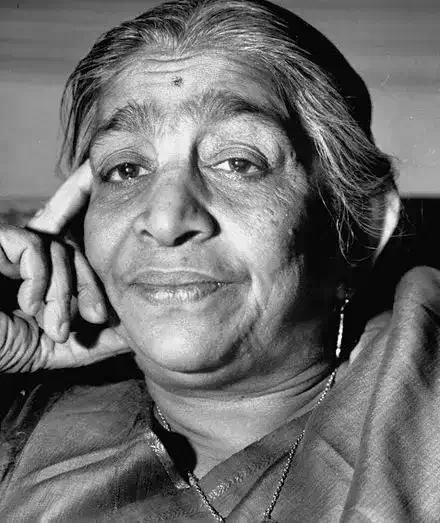
Sarojini Naidu
Past and Future
The new hath come and now the old retires:
And so the past becomes a mountain-cell,
Where lone, apart, old hermit-memories dwell
In consecrated calm, forgotten yet
Of the keen heart that hastens to forget
Old longings in fulfilling new desires.
And now the Soul stands in a vague, intense
Expectancy and anguish of suspense,
On the dim chamber-threshold . . . lo! he sees
Like a strange, fated bride as yet unknown,
His timid future shrinking there alone,
Beneath her marriage-veil of mysteries.
Read more →
And so the past becomes a mountain-cell,
Where lone, apart, old hermit-memories dwell
In consecrated calm, forgotten yet
Of the keen heart that hastens to forget
Old longings in fulfilling new desires.
And now the Soul stands in a vague, intense
Expectancy and anguish of suspense,
On the dim chamber-threshold . . . lo! he sees
Like a strange, fated bride as yet unknown,
His timid future shrinking there alone,
Beneath her marriage-veil of mysteries.
435
William Butler Yeats
Reconciliation
SOME may have blamed you that you took away
The verses that could move them on the day
When, the ears being deafened, the sight of the eyes blind
With lightning, you went from me, and I could find
Nothing to make a song about but kings,
Helmets, and swords, and half-forgotten things
That were like memories of you -- but now
We'll out, for the world lives as long ago;
And while we're in our laughing, weeping fit,
Hurl helmets, crowns, and swords into the pit.
But, dear, cling close to me; since you were gone,
My barren thoughts have chilled me to the bone.
Read more →
The verses that could move them on the day
When, the ears being deafened, the sight of the eyes blind
With lightning, you went from me, and I could find
Nothing to make a song about but kings,
Helmets, and swords, and half-forgotten things
That were like memories of you -- but now
We'll out, for the world lives as long ago;
And while we're in our laughing, weeping fit,
Hurl helmets, crowns, and swords into the pit.
But, dear, cling close to me; since you were gone,
My barren thoughts have chilled me to the bone.
438
John Donne
No Man Is An Island
No man is an island,
Entire of itself.
Each is a piece of the continent,
A part of the main.
If a clod be washed away by the sea,
Europe is the less.
As well as if a promontory were.
As well as if a manor of thine own
Or of thine friend's were.
Each man's death diminishes me,
For I am involved in mankind.
Therefore, send not to know
For whom the bell tolls,
It tolls for thee.
Read more →
Entire of itself.
Each is a piece of the continent,
A part of the main.
If a clod be washed away by the sea,
Europe is the less.
As well as if a promontory were.
As well as if a manor of thine own
Or of thine friend's were.
Each man's death diminishes me,
For I am involved in mankind.
Therefore, send not to know
For whom the bell tolls,
It tolls for thee.
436

Alfred Lord Tennyson
In Memoriam A. H. H.: 2. Old Yew, which graspest at the sto
Old Yew, which graspest at the stones
That name the under-lying dead,
Thy fibres net the dreamless head,
Thy roots are wrapt about the bones.
The seasons bring the flower again,
And bring the firstling to the flock;
And in the dusk of thee, the clock
Beats out the little lives of men.
O not for thee the glow, the bloom,
Who changest not in any gale,
Nor branding summer suns avail
To touch thy thousand years of gloom:
And gazing on thee, sullen tree,
Sick for thy stubborn hardihood,
I seem to fail from out my blood
And grow incorporate into thee.
Read more →
That name the under-lying dead,
Thy fibres net the dreamless head,
Thy roots are wrapt about the bones.
The seasons bring the flower again,
And bring the firstling to the flock;
And in the dusk of thee, the clock
Beats out the little lives of men.
O not for thee the glow, the bloom,
Who changest not in any gale,
Nor branding summer suns avail
To touch thy thousand years of gloom:
And gazing on thee, sullen tree,
Sick for thy stubborn hardihood,
I seem to fail from out my blood
And grow incorporate into thee.
436

William Blake
The Book of Urizen: Chapter VIII
. Urizen explor'd his dens
Mountain, moor, & wilderness,
With a globe of fire lighting his journey
A fearful journey, annoy'd
By cruel enormities: forms
Of life on his forsaken mountains
. And his world teemd vast enormities
Frightning; faithless; fawning
Portions of life; similitudes
Of a foot, or a hand, or a head
Or a heart, or an eye, they swam mischevous
Dread terrors! delighting in blood
. Most Urizen sicken'd to see
His eternal creations appear
Sons & daughters of sorrow on mountains
Weeping! wailing! first Thiriel appear'd
Astonish'd at his own existence
Like a man from a cloud born, & Utha
From the waters emerging, laments!
Grodna rent the deep earth howling
Amaz'd! his heavens immense cracks
Like the ground parch'd with heat; then Fuzon
Flam'd out! first begotten, last born.
All his eternal sons in like manner
His daughters from green herbs & cattle
From monsters, & worms of the pit.
. He in darkness clos'd, view'd all his race,
And his soul sicken'd! he curs'd
Both sons & daughters; for he saw
That no flesh nor spirit could keep
His iron laws one moment.
. For he saw that life liv'd upon death
The Ox in the slaughter house moans
The Dog at the wintry door
And he wept, & he called it Pity
And his tears flowed down on the winds
. Cold he wander'd on high, over their cities
In weeping & pain & woe!
And where-ever he wanderd in sorrows
Upon the aged heavens
A cold shadow follow'd behind him
Like a spiders web, moist, cold, & dim
Drawing out from his sorrowing soul
The dungeon-like heaven dividing.
Where ever the footsteps of Urizen
Walk'd over the cities in sorrow.
. Till a Web dark & cold, throughout all
The tormented element stretch'd
From the sorrows of Urizens soul
And the Web is a Female in embrio
None could break the Web, no wings of fire.
. So twisted the cords, & so knotted
The meshes: twisted like to the human brain
. And all calld it, The Net of Religion
Read more →
Mountain, moor, & wilderness,
With a globe of fire lighting his journey
A fearful journey, annoy'd
By cruel enormities: forms
Of life on his forsaken mountains
. And his world teemd vast enormities
Frightning; faithless; fawning
Portions of life; similitudes
Of a foot, or a hand, or a head
Or a heart, or an eye, they swam mischevous
Dread terrors! delighting in blood
. Most Urizen sicken'd to see
His eternal creations appear
Sons & daughters of sorrow on mountains
Weeping! wailing! first Thiriel appear'd
Astonish'd at his own existence
Like a man from a cloud born, & Utha
From the waters emerging, laments!
Grodna rent the deep earth howling
Amaz'd! his heavens immense cracks
Like the ground parch'd with heat; then Fuzon
Flam'd out! first begotten, last born.
All his eternal sons in like manner
His daughters from green herbs & cattle
From monsters, & worms of the pit.
. He in darkness clos'd, view'd all his race,
And his soul sicken'd! he curs'd
Both sons & daughters; for he saw
That no flesh nor spirit could keep
His iron laws one moment.
. For he saw that life liv'd upon death
The Ox in the slaughter house moans
The Dog at the wintry door
And he wept, & he called it Pity
And his tears flowed down on the winds
. Cold he wander'd on high, over their cities
In weeping & pain & woe!
And where-ever he wanderd in sorrows
Upon the aged heavens
A cold shadow follow'd behind him
Like a spiders web, moist, cold, & dim
Drawing out from his sorrowing soul
The dungeon-like heaven dividing.
Where ever the footsteps of Urizen
Walk'd over the cities in sorrow.
. Till a Web dark & cold, throughout all
The tormented element stretch'd
From the sorrows of Urizens soul
And the Web is a Female in embrio
None could break the Web, no wings of fire.
. So twisted the cords, & so knotted
The meshes: twisted like to the human brain
. And all calld it, The Net of Religion
436
William Butler Yeats
The Lover Mourns For The Loss Of Love
PALE brows, still hands and dim hair,
I had a beautiful friend
And dreamed that the old despair
Would end in love in the end:
She looked in my heart one day
And saw your image was there;
She has gone weeping away.
Read more →
I had a beautiful friend
And dreamed that the old despair
Would end in love in the end:
She looked in my heart one day
And saw your image was there;
She has gone weeping away.
435

Walt Whitman
Give Me The Splendid, Silent Sun
GIVE me the splendid silent sun, with all his beams full-dazzling;
Give me juicy autumnal fruit, ripe and red from the orchard;
Give me a field where the unmow'd grass grows;
Give me an arbor, give me the trellis'd grape;
Give me fresh corn and wheat--give me serene-moving animals, teaching
content;
Give me nights perfectly quiet, as on high plateaus west of the
Mississippi, and I looking up at the stars;
Give me odorous at sunrise a garden of beautiful flowers, where I can
walk undisturb'd;
Give me for marriage a sweet-breath'd woman, of whom I should never
tire;
Give me a perfect child--give me, away, aside from the noise of the
world, a rural, domestic life;
Give me to warble spontaneous songs, reliev'd, recluse by myself, for
my own ears only;
Give me solitude--give me Nature--give me again, O Nature, your
primal sanities!
--These, demanding to have them, (tired with ceaseless excitement,
and rack'd by the war-strife;)
These to procure, incessantly asking, rising in cries from my heart,
While yet incessantly asking, still I adhere to my city;
Day upon day, and year upon year, O city, walking your streets,
Where you hold me enchain'd a certain time, refusing to give me up;
Yet giving to make me glutted, enrich'd of soul--you give me forever
faces;
(O I see what I sought to escape, confronting, reversing my cries;
I see my own soul trampling down what it ask'd for.)
Keep your splendid, silent sun;
Keep your woods, O Nature, and the quiet places by the woods;
Keep your fields of clover and timothy, and your corn-fields and
orchards;
Keep the blossoming buckwheat fields, where the Ninth-month bees hum;
Give me faces and streets! give me these phantoms incessant and
endless along the trottoirs!
Give me interminable eyes! give me women! give me comrades and lovers
by the thousand!
Let me see new ones every day! let me hold new ones by the hand every
day!
Give me such shows! give me the streets of Manhattan!
Give me Broadway, with the soldiers marching--give me the sound of
the trumpets and drums!
(The soldiers in companies or regiments--some, starting away, flush'd
and reckless;
Some, their time up, returning, with thinn'd ranks--young, yet very
old, worn, marching, noticing nothing;)
--Give me the shores and the wharves heavy-fringed with the black
ships!
O such for me! O an intense life! O full to repletion, and varied!
The life of the theatre, bar-room, huge hotel, for me!
The saloon of the steamer! the crowded excursion for me! the torchlight
procession!
The dense brigade, bound for the war, with high piled military wagons
following;
People, endless, streaming, with strong voices, passions, pageants;
Manhattan streets, with their powerful throbs, with the beating
drums, as now;
The endless and noisy chorus, the rustle and clank of muskets, (even
the sight of the wounded;)
Manhattan crowds, with their turbulent musical chorus--with varied
chorus, and light of the sparkling eyes;
Manhattan faces and eyes forever for me.
Read more →
Give me juicy autumnal fruit, ripe and red from the orchard;
Give me a field where the unmow'd grass grows;
Give me an arbor, give me the trellis'd grape;
Give me fresh corn and wheat--give me serene-moving animals, teaching
content;
Give me nights perfectly quiet, as on high plateaus west of the
Mississippi, and I looking up at the stars;
Give me odorous at sunrise a garden of beautiful flowers, where I can
walk undisturb'd;
Give me for marriage a sweet-breath'd woman, of whom I should never
tire;
Give me a perfect child--give me, away, aside from the noise of the
world, a rural, domestic life;
Give me to warble spontaneous songs, reliev'd, recluse by myself, for
my own ears only;
Give me solitude--give me Nature--give me again, O Nature, your
primal sanities!
--These, demanding to have them, (tired with ceaseless excitement,
and rack'd by the war-strife;)
These to procure, incessantly asking, rising in cries from my heart,
While yet incessantly asking, still I adhere to my city;
Day upon day, and year upon year, O city, walking your streets,
Where you hold me enchain'd a certain time, refusing to give me up;
Yet giving to make me glutted, enrich'd of soul--you give me forever
faces;
(O I see what I sought to escape, confronting, reversing my cries;
I see my own soul trampling down what it ask'd for.)
Keep your splendid, silent sun;
Keep your woods, O Nature, and the quiet places by the woods;
Keep your fields of clover and timothy, and your corn-fields and
orchards;
Keep the blossoming buckwheat fields, where the Ninth-month bees hum;
Give me faces and streets! give me these phantoms incessant and
endless along the trottoirs!
Give me interminable eyes! give me women! give me comrades and lovers
by the thousand!
Let me see new ones every day! let me hold new ones by the hand every
day!
Give me such shows! give me the streets of Manhattan!
Give me Broadway, with the soldiers marching--give me the sound of
the trumpets and drums!
(The soldiers in companies or regiments--some, starting away, flush'd
and reckless;
Some, their time up, returning, with thinn'd ranks--young, yet very
old, worn, marching, noticing nothing;)
--Give me the shores and the wharves heavy-fringed with the black
ships!
O such for me! O an intense life! O full to repletion, and varied!
The life of the theatre, bar-room, huge hotel, for me!
The saloon of the steamer! the crowded excursion for me! the torchlight
procession!
The dense brigade, bound for the war, with high piled military wagons
following;
People, endless, streaming, with strong voices, passions, pageants;
Manhattan streets, with their powerful throbs, with the beating
drums, as now;
The endless and noisy chorus, the rustle and clank of muskets, (even
the sight of the wounded;)
Manhattan crowds, with their turbulent musical chorus--with varied
chorus, and light of the sparkling eyes;
Manhattan faces and eyes forever for me.
435