
Soul

Henry Wadsworth Longfellow
Cantos From Dante's Paradiso
(Canto XXIII.)
Even as a bird, 'mid the beloved leaves,
Quiet upon the nest of her sweet brood
Throughout the night, that hideth all things from us,
Who, that she may behold their longed-for looks
And find the nourishment wherewith to feed them,
In which, to her, grave labors grateful are,
Anticipates the time on open spray
And with an ardent longing waits the sun,
Gazing intent, as soon as breaks the dawn:
Even thus my Lady standing was, erect
And vigilant, turned round towards the zone
Underneath which the sun displays least haste;
So that beholding her distraught and eager,
Such I became as he is, who desiring
For something yearns, and hoping is appeased.
But brief the space from one When to the other;
From my awaiting, say I, to the seeing
The welkin grow resplendent more and more.
And Beatrice exclaimed: 'Behold the hosts
Of the triumphant Christ, and all the fruit
Harvested by the rolling of these spheres!'
It seemed to me her face was all on flame;
And eyes she had so full of ecstasy
That I must needs pass on without describing.
As when in nights serene of the full moon
Smiles Trivia among the nymphs eternal
Who paint the heaven through all its hollow cope,
Saw I, above the myriads of lamps,
A sun that one and all of them enkindled,
E'en as our own does the supernal stars.
And through the living light transparent shone
The lucent substance so intensely clear
Into my sight, that I could not sustain it.
O Beatrice, my gentle guide and dear!
She said to me: 'That which o'ermasters thee
A virtue is which no one can resist.
There are the wisdom and omnipotence
That oped the thoroughfares 'twixt heaven and earth,
For which there erst had been so long a yearning.'
As fire from out a cloud itself discharges,
Dilating so it finds not room therein,
And down, against its nature, falls to earth,
So did my mind, among those aliments
Becoming larger, issue from itself,
And what became of it cannot remember.
'Open thine eyes, and look at what I am:
Thou hast beheld such things, that strong enough
Hast thou become to tolerate my smile.'
I was as one who still retains the feeling
Of a forgotten dream, and who endeavors
In vain to bring it back into his mind,
When I this invitation heard, deserving
Of so much gratitude, it never fades
Out of the book that chronicles the past.
It at this moment sounded all the tongues
That Polyhymnia and her sisters made
Most lubrical with their delicious milk,
To aid me, to a thousandth of the truth
It would not reach, singing the holy smile,
And how the holy aspect it illumed.
And therefore, representing Paradise,
The sacred poem must perforce leap over,
Even as a man who finds his way cut off.
But whoso thinketh of the ponderous theme,
And of the mortal shoulder that sustains it,
Should blame it not, if under this it trembles.
It is no passage for a little boat
This which goes cleaving the audacious prow,
Nor for a pilot who would spare himself.
'Why does my face so much enamor thee,
That to the garden fair thou turnest not,
Which under the rays of Christ is blossoming?
There is the rose in which the Word Divine
Became incarnate; there the lilies are
By whose perfume the good way was selected.'
Thus Beatrice; and I, who to her counsels
Was wholly ready, once again betook me
Unto the battle of the feeble brows.
As in a sunbeam, that unbroken passes
Through fractured cloud, ere now a meadow of flowers
Mine eyes with shadow covered have beheld,
So I beheld the multitudinous splendors
Refulgent from above with burning rays,
Beholding not the source of the effulgence.
O thou benignant power that so imprint'st them!
Thou didst exalt thyself to give more scope
There to the eyes, that were not strong enough.
The name of that fair flower I e'er invoke
Morning and evening utterly enthralled
My soul to gaze upon the greater fire.
And when in both mine eyes depicted were
The glory and greatness of the living star
Which conquers there, and here below it conquered,
Athwart the heavens descended a bright sheen
Formed in a circle like a coronal,
And cinctured it, and whirled itself about it.
Whatever melody most sweetly soundeth
On earth, and to itself most draws the soul,
Would seem a cloud that, rent asunder, thunders,
Compared unto the sounding of that lyre
Wherewith was crowned the sapphire beautiful,
Which gives the clearest heaven its sapphire hue.
'I am Angelic Love, that circle round
The joy sublime which breathes from out the bosom
That was the hostelry of our Desire;
And I shall circle, Lady of Heaven, while
Thou followest thy Son, and mak'st diviner
The sphere supreme, because thou enterest it.'
Thus did the circulated melody
Seal itself up; and all the other lights
Were making resonant the name of Mary.
The regal mantle of the volumes all
Of that world, which most fervid is and living
With breath of God and with his works and ways,
Extended over us its inner curve,
So very distant, that its outward show,
There where I was, not yet appeared to me.
Therefore mine eyes did not possess the power
Of following the incoronated flame,
Which had ascended near to its own seed.
And as a little child, that toward its mother
Extends its arms, when it the milk has taken,
Through impulse kindled into outward flame,
Each of those gleams of white did upward stretch
So with its summit, that the deep affection
They had for Mary was revealed to me.
Thereafter they remained there in my sight,
Regina coeli singing with such sweetness,
That ne'er from me has the delight departed.
Oh, what exuberance is garnered up
In those resplendent coffers, which had been
For sowing here below good husbandmen!
There they enjoy and live upon the treasure
Which was acquired while weeping in the exile
Of Babylon, wherein the gold was left.
There triumpheth beneath the exalted Son
Of God and Mary, in his victory,
Both with the ancient council and the new,
He who doth keep the keys of such a glory.
(Canto XXIV.)
'O company elect to the great supper
Of the Lamb benedight, who feedeth you
So that for ever full is your desire,
If by the grace of God this man foretaste
Something of that which falleth from your table,
Or ever death prescribe to him the time,
Direct your mind to his immense desire,
And him somewhat bedew; ye drinking are
For ever at the fount whence comes his thought.'
Thus Beatrice; and those souls beatified
Transformed themselves to spheres on steadfast poles,
Flaming intensely in the guise of comets.
And as the wheels in works of horologes
Revolve so that the first to the beholder
Motionless seems, and the last one to fly,
So in like manner did those carols, dancing
In different measure, of their affluence
Give me the gauge, as they were swift or slow.
From that one which I noted of most beauty
Beheld I issue forth a fire so happy
That none it left there of a greater brightness;
And around Beatrice three several times
It whirled itself with so divine a song,
My fantasy repeats it not to me;
Therefore the pen skips, and I write it not,
Since our imagination for such folds,
Much more our speech, is of a tint too glaring.
'O holy sister mine, who us implorest
With such devotion, by thine ardent love
Thou dost unbind me from that beautiful sphere!'
Thereafter, having stopped, the blessed fire
Unto my Lady did direct its breath,
Which spake in fashion as I here have said.
And she: 'O light eterne of the great man
To whom our Lord delivered up the keys
He carried down of this miraculous joy,
This one examine on points light and grave,
As good beseemeth thee, about the Faith
By means of which thou on the sea didst walk.
If he love well, and hope well, and believe,
From thee 'tis hid not; for thou hast thy sight
There where depicted everything is seen.
But since this kingdom has made citizens
By means of the true Faith, to glorify it
'Tis well he have the chance to speak thereof.'
As baccalaureate arms himself, and speaks not
Until the master doth propose the question,
To argue it, and not to terminate it,
So did I arm myself with every reason,
While she was speaking, that I might be ready
For such a questioner and such profession.
'Say, thou good Christian; manifest thyself;
What is the Faith?' Whereat I raised my brow
Unto that light wherefrom was this breathed forth.
Then turned I round to Beatrice, and she
Prompt signals made to me that I should pour
The water forth from my internal fountain.
'May grace, that suffers me to make confession,'
Began I, 'to the great centurion,
Cause my conceptions all to be explicit!'
And I continued: 'As the truthful pen,
Father, of thy dear brother wrote of it,
Who put with thee Rome into the good way,
Faith is the substance of the things we hope for,
And evidence of those that are not seen;
And this appears to me its quiddity.'
Then heard I: 'Very rightly thou perceivest,
If well thou understandest why he placed it
With substances and then with evidences.'
And I thereafterward: 'The things profound,
That here vouchsafe to me their apparition,
Unto all eyes below are so concealed,
That they exist there only in belief,
Upon the which is founded the high hope,
And hence it takes the nature of a substance.
And it behoveth us from this belief
To reason without having other sight,
And hence it has the nature of evidence.'
Then heard I: 'If whatever is acquired
Below by doctrine were thus understood,
No sophist's subtlety would there find place.'
Thus was breathed forth from that enkindled love;
Then added: 'Very well has been gone over
Already of this coin the alloy and weight;
But tell me if thou hast it in thy purse?'
And I: 'Yes, both so shining and so round
That in its stamp there is no peradventure.'
Thereafter issued from the light profound
That there resplendent was: 'This precious jewel,
Upon the which is every virtue founded,
Whence hadst thou it?' And I: 'The large outpouring
Of Holy Spirit, which has been diffused
Upon the ancient parchments and the new,
A syllogism is, which proved it to me
With such acuteness, that, compared therewith,
All demonstration seems to me obtuse.'
And then I heard: 'The ancient and the new
Postulates, that to thee are so conclusive,
Why dost thou take them for the word divine?'
And I: 'The proofs, which show the truth to me,
Are the works subsequent, whereunto Nature
Ne'er heated iron yet, nor anvil beat.'
'Twas answered me: 'Say, who assureth thee
That those works ever were? the thing itself
That must be proved, nought else to thee affirms it.'
'Were the world to Christianity converted,'
I said, 'withouten miracles, this one
Is such, the rest are not its hundredth part;
Because that poor and fasting thou didst enter
Into the field to sow there the good plant,
Which was a vine and has become a thorn!'
This being finished, the high, holy Court
Resounded through the spheres, 'One God we praise!'
In melody that there above is chanted.
And then that Baron, who from branch to branch,
Examining, had thus conducted me,
Till the extremest leaves we were approaching,
Again began: 'The Grace that dallying
Plays with thine intellect thy mouth has opened,
Up to this point, as it should opened be,
So that I do approve what forth emerged;
But now thou must express what thou believest,
And whence to thy belief it was presented.'
'O holy father, spirit who beholdest
What thou believedst so that thou o'ercamest,
Towards the sepulchre, more youthful feet,'
Began I, 'thou dost wish me in this place
The form to manifest of my prompt belief,
And likewise thou the cause thereof demandest.
And I respond: In one God I believe,
Sole and eterne, who moveth all the heavens
With love and with desire, himself unmoved;
And of such faith not only have I proofs
Physical and metaphysical, but gives them
Likewise the truth that from this place rains down
Through Moses, through the Prophets and the Psalms,
Through the Evangel, and through you, who wrote
After the fiery Spirit sanctified you;
In Persons three eterne believe, and these
One essence I believe, so one and trine
They bear conjunction both with 'sunt' and 'est.'
With the profound condition and divine
Which now I touch upon, doth stamp my mind
Ofttimes the doctrine evangelical.
This the beginning is, this is the spark
Which afterwards dilates to vivid flame,
And, like a star in heaven, is sparkling in me.'
Even as a lord who hears what pleaseth him
His servant straight embraces, gratulating
For the good news as soon as he is silent;
So, giving me its benediction, singing,
Three times encircled me, when I was silent,
The apostolic light, at whose command
I spoken had, in speaking I so pleased him.
(Canto XXV.)
If e'er it happen that the Poem Sacred,
To which both heaven and earth have set their hand,
So that it many a year hath made me lean,
O'ercome the cruelty that bars me out
From the fair sheepfold, where a lamb I slumbered,
An enemy to the wolves that war upon it,
With other voice forthwith, with other fleece
Poet will I return, and at my font
Baptismal will I take the laurel crown;
Because into the Faith that maketh known
All souls to God there entered I, and then
Peter for her sake thus my brow encircled.
Thereafterward towards us moved a light
Out of that band whence issued the first-fruits
Which of his vicars Christ behind him left,
And then my Lady, full of ecstasy,
Said unto me: 'Look, look! behold the Baron
For whom below Galicia is frequented.'
In the same way as, when a dove alights
Near his companion, both of them pour forth,
Circling about and murmuring, their affection,
So one beheld I by the other grand
Prince glorified to be with welcome greeted,
Lauding the food that there above is eaten.
But when their gratulations were complete,
Silently 'coram me' each one stood still,
So incandescent it o'ercame my sight.
Smiling thereafterwards, said Beatrice:
'Illustrious life, by whom the benefactions
Of our Basilica have been described,
Make Hope resound within this altitude;
Thou knowest as oft thou dost personify it
As Jesus to the three gave greater clearness.'-'
Lift up thy head, and make thyself assured;
For what comes hither from the mortal world
Must needs be ripened in our radiance.'
This comfort came to me from the second fire;
Wherefore mine eyes I lifted to the hills,
Which bent them down before with too great weight.
'Since, through his grace, our Emperor wills that thou
Shouldst find thee face to face, before thy death,
In the most secret chamber, with his Counts,
So that, the truth beholden of this court,
Hope, which below there rightfully enamours,
Thereby thou strengthen in thyself and others,
Say what it is, and how is flowering with it
Thy mind, and say from whence it came to thee.'
Thus did the second light again continue.
And the Compassionate, who piloted
The plumage of my wings in such high flight,
Did in reply anticipate me thus:
'No child whatever the Church Militant
Of greater hope possesses, as is written
In that Sun which irradiates all our band;
Therefore it is conceded him from Egypt
To come into Jerusalem to see,
Or ever yet his warfare be completed.
The two remaining points, that not for knowledge
Have been demanded, but that he report
How much this virtue unto thee is pleasing,
To him I leave; for hard he will not find them,
Nor of self-praise; and let him answer them;
And may the grace of God in this assist him!'
As a disciple, who his teacher follows,
Ready and willing, where he is expert,
That his proficiency may be displayed,
'Hope,' said I, 'is the certain expectation
Of future glory, which is the effect
Of grace divine and merit precedent.
From many stars this light comes unto me;
But he instilled it first into my heart
Who was chief singer unto the chief captain.
'
Sperent in te
,' in the high Theody
He sayeth, 'those who know thy name;' and who
Knoweth it not, if he my faith possess?
Thou didst instil me, then, with his instilling
In the Epistle, so that I am full,
And upon others rain again your rain.'
While I was speaking, in the living bosom
Of that combustion quivered an effulgence,
Sudden and frequent, in the guise of lightning;
Then breathed: 'The love wherewith I am inflamed
Towards the virtue still which followed me
Unto the palm and issue of the field,
Wills that I breathe to thee that thou delight
In her; and grateful to me is thy telling
Whatever things Hope promises to thee.'
And I: 'The ancient Scriptures and the new
The mark establish, and this shows it me,
Of all the souls whom God hath made his friends.
Isaiah saith, that each one garmented
In his own land shall be with twofold garments,
And his own land is this delightful life.
Thy brother, too, far more explicitly,
There where he treateth of the robes of white,
This revelation manifests to us.'
And first, and near the ending of these words,
'
Sperent in te
' from over us was heard,
To which responsive answered all the carols.
Thereafterward a light among them brightened,
So that, if Cancer one such crystal had,
Winter would have a month of one sole day.
And as uprises, goes, and enters the dance
A winsome maiden, only to do honour
To the new bride, and not from any failing,
Even thus did I behold the brightened splendour
Approach the two, who in a wheel revolved
As was beseeming to their ardent love.
Into the song and music there it entered;
And fixed on them my Lady kept her look,
Even as a bride silent and motionless.
'This is the one who lay upon the breast
Of him our Pelican; and this is he
To the great office from the cross elected.'
My Lady thus; but therefore none the more
Did move her sight from its attentive gaze
Before or afterward these words of hers.
Even as a man who gazes, and endeavours
To see the eclipsing of the sun a little,
And who, by seeing, sightless doth become,
So I became before that latest fire,
While it was said, 'Why dost thou daze thyself
To see a thing which here hath no existence?
Earth in the earth my body is, and shall be
With all the others there, until our number
With the eternal proposition tallies.
With the two garments in the blessed cloister
Are the two lights alone that have ascended:
And this shalt thou take back into your world.'
And at this utterance the flaming circle
Grew quiet, with the dulcet intermingling
Of sound that by the trinal breath was made,
As to escape from danger or fatigue
The oars that erst were in the water beaten
Are all suspended at a whistle's sound.
Ah, how much in my mind was I disturbed,
When I turned round to look on Beatrice,
That her I could not see, although I was
Close at her side and in the Happy World!
Read more →
408

William Butler Yeats
The Municipal Gallery Revisited
AROUND me the images of thirty years:
An ambush; pilgrims at the water-side;
Casement upon trial, half hidden by the bars,
Guarded; Griffith staring in hysterical pride;
Kevin O'Higgins' countenance that wears
A gentle questioning look that cannot hide
A soul incapable of remorse or rest;
A revolutionary soldier kneeling to be blessed;
An Abbot or Archbishop with an upraised hand
Blessing the Tricolour. 'This is not,' I say,
'The dead Ireland of my youth, but an Ireland
The poets have imagined, terrible and gay.'
Before a woman's portrait suddenly I stand,
Beautiful and gentle in her Venetian way.
I met her all but fifty years ago
For twenty minutes in some studio.
III
Heart-smitten with emotion I Sink down,
My heart recovering with covered eyes;
Wherever I had looked I had looked upon
My permanent or impermanent images:
Augusta Gregory's son; her sister's son,
Hugh Lane, 'onlie begetter' of all these;
Hazel Lavery living and dying, that tale
As though some ballad-singer had sung it all;
Mancini's portrait of Augusta Gregory,
'Greatest since Rembrandt,' according to John Synge;
A great ebullient portrait certainly;
But where is the brush that could show anything
Of all that pride and that humility?
And I am in despair that time may bring
Approved patterns of women or of men
But not that selfsame excellence again.
My mediaeval knees lack health until they bend,
But in that woman, in that household where
Honour had lived so long, all lacking found.
Childless I thought, 'My children may find here
Deep-rooted things,' but never foresaw its end,
And now that end has come I have not wept;
No fox can foul the lair the badger swept --
VI
(An image out of Spenser and the common tongue).
John Synge, I and Augusta Gregory, thought
All that we did, all that we said or sang
Must come from contact with the soil, from that
Contact everything Antaeus-like grew strong.
We three alone in modern times had brought
Everything down to that sole test again,
Dream of the noble and the beggar-man.
VII
And here's John Synge himself, that rooted man,
'Forgetting human words,' a grave deep face.
You that would judge me, do not judge alone
This book or that, come to this hallowed place
Where my friends' portraits hang and look thereon;
Ireland's history in their lineaments trace;
Think where man's glory most begins and ends,
And say my glory was I had such friends.
Read more →
407
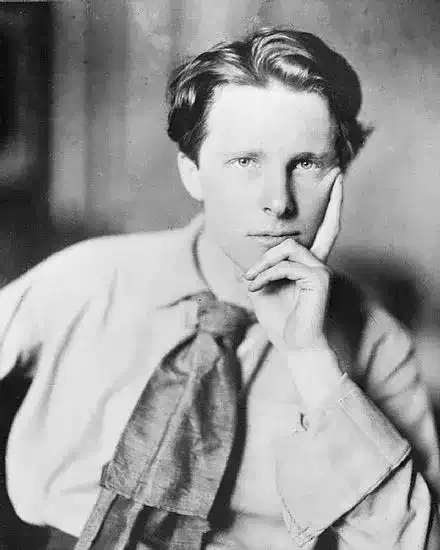
Rupert Brooke
The Night Journey
Hands and lit faces eddy to a line;
The dazed last minutes click; the clamour dies.
Beyond the great-swung arc o’ the roof, divine,
Night, smoky-scarv’d, with thousand coloured eyes
Glares the imperious mystery of the way.
Thirsty for dark, you feel the long-limbed train
Throb, stretch, thrill motion, slide, pull out and sway,
Strain for the far, pause, draw to strength again.…
As a man, caught by some great hour, will rise,
Slow-limbed, to meet the light or find his love;
And, breathing long, with staring sightless eyes,
Hands out, head back, agape and silent, move
Sure as a flood, smooth as a vast wind blowing;
And, gathering power and purpose as he goes,
Unstumbling, unreluctant, strong, unknowing,
Borne by a will not his, that lifts, that grows,
Sweep out to darkness, triumphing in his goal,
Out of the fire, out of the little room.…
—There is an end appointed, O my soul!
Crimson and green the signals burn; the gloom
Is hung with steam’s far-blowing livid streamers.
Lost into God, as lights in light, we fly,
Grown one with will, end-drunken huddled dreamers.
The white lights roar. The sounds of the world die.
And lips and laughter are forgotten things.
Speed sharpens; grows. Into the night, and on,
The strength and splendour of our purpose swings.
The lamps fade; and the stars. We are alone.
Read more →
408
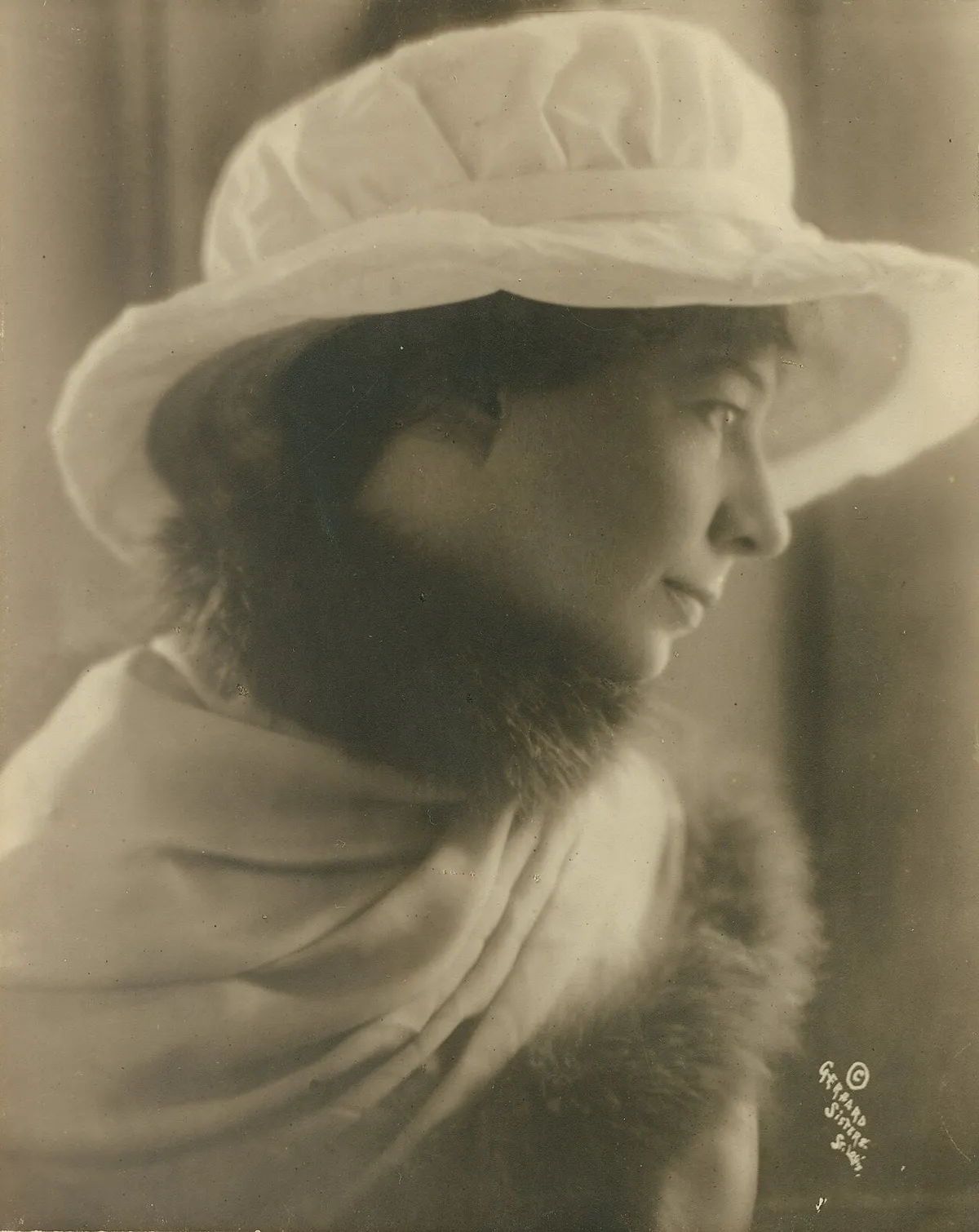
Sara Teasdale
The Lamp
If I can bear your love like a lamp before me,
When I go down the long steep Road of Darkness,
I shall not fear the everlasting shadows,
Nor cry in terror.
If I can find out God, then I shall find Him,
If none can find Him, then I shall sleep soundly,
Knowing how well on earth your love sufficed me,
A lamp in darkness.
Read more →
407
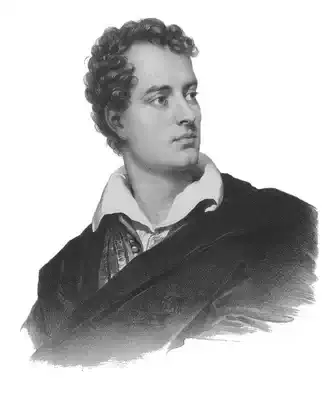
Lord Byron
Stanzas For Music: There's Not A Joy The World Can Give
There's not a joy the world can give like that it takes away
When the glow of early thought declines in feeling's dull decay;
'Tis not on youth's smooth cheek the blush alone, which fades so fast,
But the tender bloom of heart is gone, ere youth itself be past.
Then the few whose spirits float above the wreck of happiness
Are driven o'er the shoals of guilt, or ocean of excess:
The magnet of their course is gone, or only points in vain
The shore to which their shivered sail shall never stretch again.
Then the mortal coldness of the soul like death itself comes down;
It cannot feel for others' woes, it dare not dream its own;
That heavy chill has frozen o'er the fountain of our tears,
And though the eye may sparkle still, 'tis where the ice appears.
Though wit may flash from fluent lips, and mirth distract the breast,
Through midnight hours that yield no more their former hope of rest,
'Tis but as ivyleaves
around the ruined turret wreath—
All green and wildly fresh without, but worn and grey beneath.
Oh, could I feel as I have felt, or be what I have been,
Or weep as I could once have wept, o'er many a vanished scene;
As springs in deserts found seem sweet, all brackish though they be,
So, midst the withered waste of life, those tears would flow to me.
Read more →
407
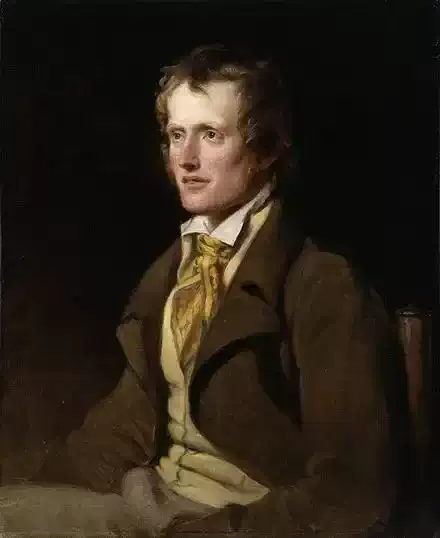
John Clare
Love Cannot Die
In crime and enmity they lie
Who sin and tell us love can die,
Who say to us in slander's breath
That love belongs to sin and death.
From heaven it came on angel's wing
To bloom on earth, eternal spring;
In falsehood's enmity they lie
Who sin and tell us love can die.
Twas born upon an angel's breast.
The softest dreams, the sweetest rest,
The brightest sun, the bluest sky,
Are love's own home and canopy.
The thought that cheers this heart of mine
Is that of love; love so divine
They sin who say in slander's breath
That love belongs to sin and death.
The sweetest voice that lips contain,
The sweetest thought that leaves the brain,
The sweetest feeling of the heart-There's
pleasure in its very smart.
The scent of rose and cinnamon
Is not like love remembered on;
In falsehood's enmity they lie
Who sin and tell us love can die.
Read more →
408
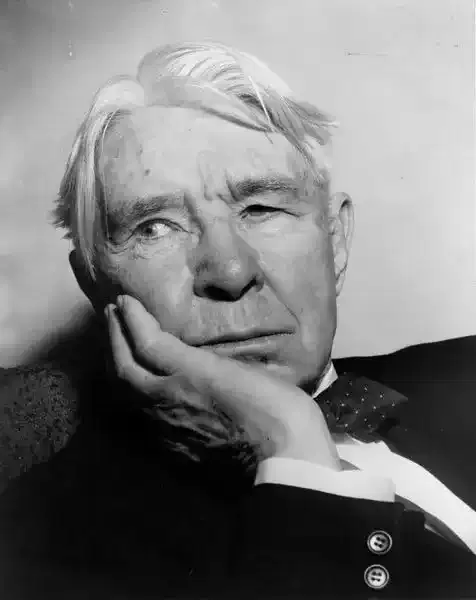
Carl Sandburg
Chamfort
There's Chamfort. He’s a sample.
Locked himself in his library with a gun,
Shot off his nose and shot out his right eye.
And this Chamfort knew how to write
And thousands read his books on how to live,
But he himself didn’t know
How to die by force of his own hand—see?
They found him a red pool on the carpet
Cool as an April forenoon,
Talking and talking gay maxims and grim epigrams.
Well, he wore bandages over his nose and right eye,
Drank coffee and chatted many years
With men and women who loved him
Because he laughed and daily dared Death:
“Come and take me.”
Read more →
409
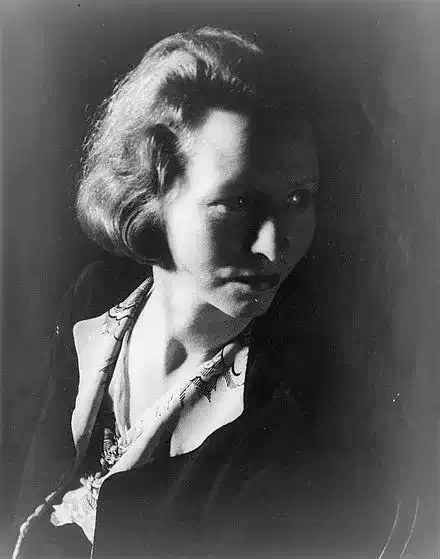
Edna St. Vincent Millay
Scrub
If I grow bitterly,
Like a gnarled and stunted tree,
Bearing harshly of my youth
Puckered fruit that sears the mouth;
If I make of my drawn boughs
An Inshospitable House,
Out of which I nevery pry
Towards the water and the sky,
Under which I stand and hide
And hear the day go by outside;
It is that a wind to strong
Bent my back when I was young,
It is that I fear the rain
Lest it blister me again.
Read more →
406
Sara Teasdale
Message
I heard a cry in the night,
A thousand miles it came,
Sharp as a flash of light,
My name, my name!
It was your voice I heard,
You waked and loved me so --
I send you back this word,
I know, I know!
Read more →
410

Robert Browning
Any Wife To Any Husband
My love, this is the bitterest, that thou---
Who art all truth, and who dost love me now
As thine eyes say, as thy voice breaks to say---
Shouldst love so truly, and couldst love me still
A whole long life through, had but love its will,
Would death that leads me from thee brook delay.
II.
I have but to be by thee, and thy hand
Will never let mine go, nor heart withstand
The beating of my heart to reach its place.
When shall I look for thee and feel thee gone?
When cry for the old comfort and find none?
Never, I know! Thy soul is in thy face.
III.
Oh, I should fade---'tis willed so! Might I save,
Gladly I would, whatever beauty gave
Joy to thy sense, for that was precious too.
It is not to be granted. But the soul
Whence the love comes, all ravage leaves that whole;
Vainly the flesh fades; soul makes all things new.
IV.
It would not be because my eye grew dim
Thou couldst not find the love there, thanks to Him
Who never is dishonoured in the spark
He gave us from his fire of fires, and bade
Remember whence it sprang, nor be afraid
While that burns on, though all the rest grow dark.
V.
So, how thou wouldst be perfect, white and clean
Outside as inside, soul and soul's demesne
Alike, this body given to show it by!
Oh, three-parts through the worst of life's abyss,
What plaudits from the next world after this,
Couldst thou repeat a stroke and gain the sky!
VI.
And is it not the bitterer to think
That, disengage our hands and thou wilt sink
Although thy love was love in very deed?
I know that nature! Pass a festive day,
Thou dost not throw its relic-flower away
Nor bid its music's loitering echo speed.
VII.
Thou let'st the stranger's glove lie where it fell;
If old things remain old things all is well,
For thou art grateful as becomes man best
And hadst thou only heard me play one tune,
Or viewed me from a window, not so soon
With thee would such things fade as with the rest.
VIII.
I seem to see! We meet and part; 'tis brief;
The book I opened keeps a folded leaf,
The very chair I sat on, breaks the rank
That is a portrait of me on the wall---
Three lines, my face comes at so slight a call:
And for all this, one little hour to thank!
IX.
But now, because the hour through years was fixed,
Because our inmost beings met and mixed,
Because thou once hast loved me---wilt thou dare
Say to thy soul and Who may list beside,
``Therefore she is immortally my bride;
``Chance cannot change my love, nor time impair.
X.
``So, what if in the dusk of life that's left,
``I, a tired traveller of my sun bereft,
Look from my path when, mimicking the same,
``The fire-fly glimpses past me, come and gone?
``---Where was it till the sunset? where anon
``It will be at the sunrise! What's to blame?''
XI.
Is it so helpful to thee? Canst thou take
The mimic up, nor, for the true thing's sake,
Put gently by such efforts at a beam?
Is the remainder of the way so long,
Thou need'st the little solace, thou the strong
Watch out thy watch, let weak ones doze and dream!
XII.
---Ah, but the fresher faces! ``Is it true,''
Thou'lt ask, ``some eyes are beautiful and new?
``Some hair,---how can one choose but grasp such wealth?
``And if a man would press his lips to lips
``Fresh as the wilding hedge-rose-cup there slips
``The dew-drop out of, must it be by stealth?
XIII.
``It cannot change the love still kept for Her,
``More than if such a picture I prefer
``Passing a day with, to a room's bare side:
The painted form takes nothing she possessed,
Yet, while the Titian's Venus lies at rest,
A man looks. Once more, what is there to chide?''
XIV.
So must I see, from where I sit and watch,
My own self sell myself, my hand attach
Its warrant to the very thefts from me---
Thy singleness of soul that made me proud,
Thy purity of heart I loved aloud,
Thy man's-truth I was bold to bid God see!
XV.
Love so, then, if thou wilt! Give all thou canst
Away to the new faces---disentranced,
(Say it and think it) obdurate no more:
Re-issue looks and words from the old mint,
Pass them afresh, no matter whose the print
Image and superscription once they bore
XVI.
Re-coin thyself and give it them to spend,---
It all comes to the same thing at the end,
Since mine thou wast, mine art and mine shalt be,
Faithful or faithless, scaling up the sum
Or lavish of my treasure, thou must come
Back to the heart's place here I keep for thee!
XVII.
Only, why should it be with stain at all?
Why must I, 'twixt the leaves of coronal,
Put any kiss of pardon on thy brow?
Why need the other women know so much,
And talk together, ``Such the look and such
``The smile he used to love with, then as now!''
XVIII.
Might I die last and show thee! Should I find
Such hardship in the few years left behind,
If free to take and light my lamp, and go
Into thy tomb, and shut the door and sit,
Seeing thy face on those four sides of it
The better that they are so blank, I know!
XIX.
Why, time was what I wanted, to turn o'er
Within my mind each look, get more and more
By heart each word, too much to learn at first;
And join thee all the fitter for the pause
'Neath the low doorway's lintel. That were cause
For lingering, though thou calledst, if I durst!
XX.
And yet thou art the nobler of us two
What dare I dream of, that thou canst not do,
Outstripping my ten small steps with one stride?
I'll say then, here's a trial and a task---
Is it to bear?---if easy, I'll not ask:
Though love fail, I can trust on in thy pride.
XXI.
Pride?---when those eyes forestall the life behind
The death I have to go through!---when I find,
Now that I want thy help most, all of thee!
What did I fear? Thy love shall hold me fast
Until the little minute's sleep is past
And I wake saved.---And yet it will not be!
Read more →
406
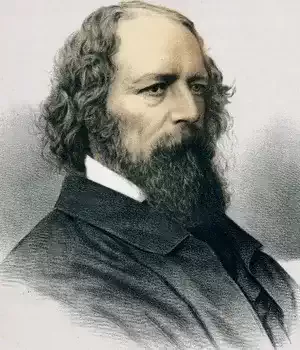
Alfred Lord Tennyson
In Memoriam A. H. H.: The Prelude
Strong Son of God, immortal Love,
Whom we, that have not seen thy face,
By faith, and faith alone, embrace,
Believing where we cannot prove;
Thine are these orbs of light and shade;
Thou madest Life in man and brute;
Thou madest Death; and lo, thy foot
Is on the skull which thou hast made.
Thou wilt not leave us in the dust:
Thou madest man, he knows not why,
He thinks he was not made to die;
And thou hast made him: thou art just.
Thou seemest human and divine,
The highest, holiest manhood, thou.
Our wills are ours, we know not how,
Our wills are ours, to make them thine.
Our little systems have their day;
They have their day and cease to be:
They are but broken lights of thee,
And thou, O Lord, art more than they.
We have but faith: we cannot know;
For knowledge is of things we see;
And yet we trust it comes from thee,
A beam in darkness: let it grow.
Let knowledge grow from more to more,
But more of reverence in us dwell;
That mind and soul, according well,
May make one music as before,
But vaster. We are fools and slight;
We mock thee when we do not fear:
But help thy foolish ones to bear;
Help thy vain worlds to bear thy light.
Forgive what seem'd my sin in me,
What seem'd my worth since I began;
For merit lives from man to man,
And not from man, O Lord, to thee.
Forgive my grief for one removed,
Thy creature, whom I found so fair.
I trust he lives in thee, and there
I find him worthier to be loved.
Forgive these wild and wandering cries,
Confusions of a wasted youth;
Forgive them where they fail in truth,
And in thy wisdom make me wise.
Read more →
406
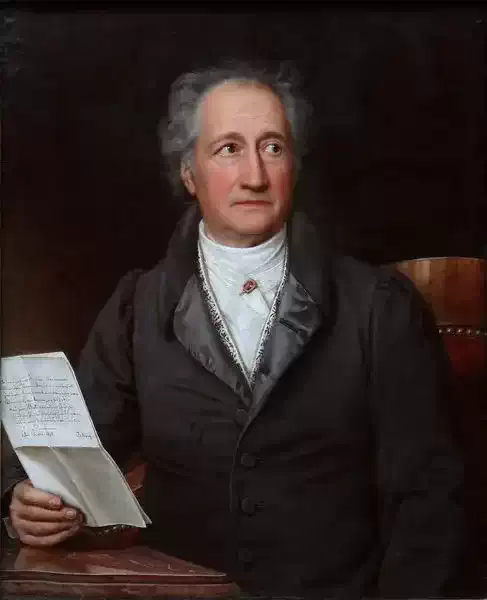
Johann Wolfgang von Goethe
Winter Journey Over The Hartz Mountain
LIKE the vulture
Who on heavy morning clouds
With gentle wing reposing
Looks for his prey,--
Hover, my song!
For a God hath
Unto each prescribed
His destined path,
Which the happy one
Runs o'er swiftly
To his glad goal:
He whose heart cruel
Fate hath contracted,
Struggles but vainly
Against all the barriers
The brazen thread raises,
But which the harsh shears
Must one day sever.
Through gloomy thickets
Presseth the wild deer on,
And with the sparrows
Long have the wealthy
Settled themselves in the marsh.
Easy 'tis following the chariot
That by Fortune is driven,
Like the baggage that moves
Over well-mended highways
After the train of a prince.
But who stands there apart?
In the thicket, lost is his path;
Behind him the bushes
Are closing together,
The grass springs up again,
The desert engulphs him.
Ah, who'll heal his afflictions,
To whom balsam was poison,
Who, from love's fullness,
Drank in misanthropy only?
First despised, and now a despiser,
He, in secret, wasteth
All that he is worth,
In a selfishness vain.
If there be, on thy psaltery,
Father of Love, but one tone
That to his ear may be pleasing,
Oh, then, quicken his heart!
Clear his cloud-enveloped eyes
Over the thousand fountains
Close by the thirsty one
In the desert.
Thou who createst much joy,
For each a measure o'erflowing,
Bless the sons of the chase
When on the track of the prey,
With a wild thirsting for blood,
Youthful and joyous
Avenging late the injustice
Which the peasant resisted
Vainly for years with his staff.
But the lonely one veil
Within thy gold clouds!
Surround with winter-green,
Until the roses bloom again,
The humid locks,
Oh Love, of thy minstrel!
With thy glimmering torch
Lightest thou him
Through the fords when 'tis night,
Over bottomless places
On desert-like plains;
With the thousand colours of morning
Gladd'nest his bosom;
With the fierce-biting storm
Bearest him proudly on high;
Winter torrents rush from the cliffs,--
Blend with his psalms;
An altar of grateful delight
He finds in the much-dreaded mountain's
Snow-begirded summit,
Which foreboding nations
Crown'd with spirit-dances.
Thou stand'st with breast inscrutable,
Mysteriously disclosed,
High o'er the wondering world,
And look'st from clouds
Upon its realms and its majesty,
Which thou from the veins of thy brethren
Near thee dost water.
Read more →
409
William Butler Yeats
Aedh Tells of a Valley Full of Lovers
I dreamed that I stood in a valley, and amid sighs,
For happy lovers passed two by two where I stood;
And I dreamed my lost love came stealthily out of the wood
With her cloud-pale eyelids falling on dream-dimmed eyes:
I cried in my dream ‘O women bid the young men lay
‘Their heads on your knees, and drown their eyes with your hair,
‘Or remembering hers they will find no other face fair
‘Till all the valleys of the world have been withered away.’
Read more →
407
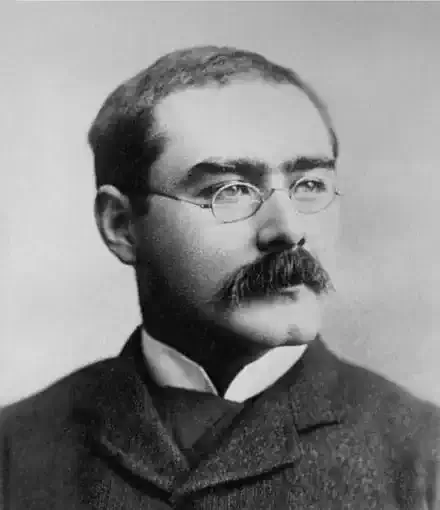
Rudyard Kipling
The Explanation
Love and Death once ceased their strife
At the Tavern of Man's Life.
Called for wine, and threw -- alas! --
Each his quiver on the grass.
When the bout was o'er they found
Mingled arrows strewed the ground.
Hastily they gathered then
Each the loves and lives of men.
Ah, the fateful dawn deceived!
Mingled arrows each one sheaved;
Death's dread armoury was stored
With the shafts he most abhorred;
Love's light quiver groaned beneath
Venom-headed darts of Death.
Thus it was they wrought our woe
At the Tavern long ago.
Tell me, do our masters know,
Loosing blindly as they fly,
Old men love while young men die?
Read more →
404

John Greenleaf Whittier
The Inward Judge
From Institutes of Manu.
The soul itself its awful witness is.
Say not in evil doing, 'No one sees,'
And so offend the conscious One within,
Whose ear can hear the silences of sin.
Ere they find voice, whose eyes unsleeping see
The secret motions of iniquity.
Nor in thy folly say, 'I am alone.'
For, seated in thy heart, as on a throne,
The ancient Judge and Witness liveth still,
To note thy act and thought; and as thy ill
Or good goes from thee, far beyond thy reach,
The solemn Doomsman's seal is set on each.
Read more →
404
Henry Wadsworth Longfellow
Childhood. (From The Danish)
There was a time when I was very small,
When my whole frame was but an ell in height;
Sweetly, as I recall it, tears do fall,
And therefore I recall it with delight.
I sported in my tender mother's arms,
And rode a-horseback on best father's knee;
Alike were sorrows, passions and alarms,
And gold, and Greek, and love, unknown to me,
Then seemed to me this world far less in size,
Likewise it seemed to me less wicked far;
Like points in heaven, I saw the stars arise,
And longed for wings that I might catch a star.
I saw the moon behind the island fade,
And thought, 'Oh, were I on that island there,
I could find out of what the moon is made,
Find out how large it is, how round, how fair!'
Wondering, I saw God's sun, through western skies,
Sink in the ocean's golden lap at night,
And yet upon the morrow early rise,
And paint the eastern heaven with crimson light;
And thought of God, the gracious Heavenly Father,
Who made me, and that lovely sun on high,
And all those pearls of heaven thick-strung together,
Dropped, clustering, from his hand o'er all the sky.
With childish reverence, my young lips did say
The prayer my pious mother taught to me:
'O gentle God! oh, let me strive alway
Still to be wise, and good, and follow Thee!'
So prayed I for my father and my mother,
And for my sister, and for all the town;
The king I knew not, and the beggar-brother,
Who, bent with age, went, sighing, up and down.
They perished, the blithe days of boyhood perished,
And all the gladness, all the peace I knew!
Now have I but their memory, fondly cherished;--
God! may I never lose that too!
Read more →
405
William Butler Yeats
The Lover Speaks To The Hearers Of His Songs In Coming Days
O WOMEN, kneeling by your altar-rails long hence,
When songs I wove for my beloved hide the prayer,
And smoke from this dead heart drifts through the violet air
And covers away the smoke of myrrh and frankincense;
Bend down and pray for all that sin I wove in song,
Till the Attorney for Lost Souls cry her sweet cry,
And.call to my beloved and me: 'No longer fly
Amid the hovering, piteouS, penitential throng.'
Read more →
405
Johann Wolfgang von Goethe
Book Of Paradise - The Privileged Men
AFTER THE BATTLE OF BADE, BENEATH THE CANOPY OF HEAVEN.
MAHOMET (Speaks).
LET the foeman sorrow o'er his dead,
Ne'er will they return again to light;
O'er our brethren let no tear be shed,
For they dwell above yon spheres so bright.
All the seven planets open throw
All their metal doors with mighty shock,
And the forms of those we loved below
At the gates of Eden boldly knock.
There they find, with bliss ne'er dream'd before,
Glories that my flight first show'd to eye,
When the wondrous steed my person bore
In one second through the realms on high.
Wisdom's trees, in cypress-order growing,
High uphold the golden apples sweet;
Trees of life, their spreading shadows throwing,
Shade each blossoming plant, each flow'ry seat.
Now a balmy zephyr from the East
Brings the heavenly maidens to thy view;
With the eye thou now dost taste the feast,
Soon the sight pervades thee through and through.
There they stand, to ask thee thy career:
Mighty plans? or dangerous bloody rout?
Thou'rt a hero, know they,--for Thourt here,
What a hero?--This they'll fathom out.
By thy wounds soon clearly this is shown,
Wounds that write thy fame's undying story;
Wounds the true believer mark alone,
When have perish'd joy and earthly glory.
To chiosks and arbors thou art brought,
Fill'd with checkered marble columns bright;
To the noble grape-juice, solace-fraught,
They the guest with kindly sips invite.
Youth! Thou'rt welcome more than e'er was youth
All alike are radiant and serene;
When thou tak'st one to thine heart with truth,
Of thy band she'll be the friend and queen.
So prepare thee for this place of rest,
Never can it now be changed again;
Maids like these will ever make thee blest,
Wines like these will never harm thy brain.
Read more →
403
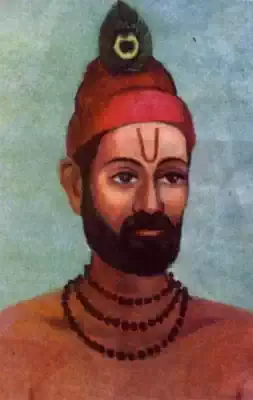
Kabir
Where do you search me
Moko Kahan Dhundhere Bande
Mein To Tere Paas Mein
Na Teerath Mein, Na Moorat Mein
Na Ekant Niwas Mein
Na Mandir Mein, Na Masjid Mein
Na Kabe Kailas Mein
Mein To Tere Paas Mein Bande
Mein To Tere Paas Mein
Na Mein Jap Mein, Na Mein Tap Mein
Na Mein Barat Upaas Mein
Na Mein Kiriya Karm Mein Rehta
Nahin Jog Sanyas Mein
Nahin Pran Mein Nahin Pind Mein
Na Brahmand Akas Mein
Na Mein Prakuti Prawar Gufa Mein
Nahin Swasan Ki Swans Mein
Khoji Hoye Turat Mil Jaoon
Ik Pal Ki Talas Mein
Kahet Kabir Suno Bhai Sadho
Mein To Hun Viswas Mein
English Translation:
Where do you search me?
I am with you
Not in pilgrimage, nor in icons
Neither in solitudes
Not in temples, nor in mosques
Neither in Kaba nor in Kailash
I am with you O man
I am with you
Not in prayers, nor in meditation
Neither in fasting
Not in yogic exercises
Neither in renunciation
Neither in the vital force nor in the body
Not even in the ethereal space
Neither in the womb of Nature
Not in the breath of the breath
Seek earnestly and discover
In but a moment of search
Says Kabir, Listen with care
Where your faith is, I am there.
Read more →
403

Claude Mckay
Poetry
Sometimes I tremble like a storm-swept flower,
And seek to hide my tortured soul from thee.
Bowing my head in deep humility
Before the silent thunder of thy power.
Sometimes I flee before thy blazing light,
As from the specter of pursuing death;
Intimidated lest thy mighty breath,
Windways, will sweep me into utter night.
For oh, I fear they will be swallowed up--
The loves which are to me of vital worth,
My passion and my pleasure in the earth--
And lost forever in thy magic cup!
I fear, I fear my truly human heart
Will perish on the altar-stone of art!
Read more →
405
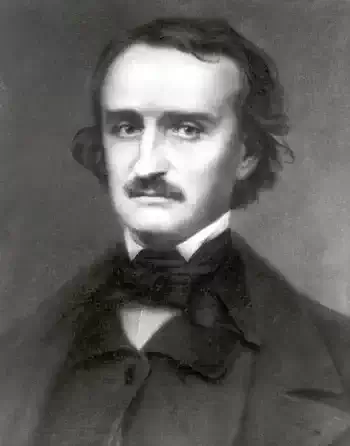
Edgar Allan Poe
Spirits Of The Dead
Thy soul shall find itself alone
'Mid dark thoughts of the grey tomb-stone;
Not one, of all the crowd, to pry
Into thine hour of secrecy.
Be silent in that solitude,
Which is not loneliness- for then
The spirits of the dead, who stood
In life before thee, are again
In death around thee, and their will
Shall overshadow thee; be still.
The night, though clear, shall frown,
And the stars shall not look down
From their high thrones in the Heaven
With light like hope to mortals given,
But their red orbs, without beam,
To thy weariness shall seem
As a burning and a fever
Which would cling to thee for ever.
Now are thoughts thou shalt not banish,
Now are visions ne'er to vanish;
From thy spirit shall they pass
No more, like dew-drop from the grass.
The breeze, the breath of God, is still,
And the mist upon the hill
Shadowy, shadowy, yet unbroken,
Is a symbol and a token.
How it hangs upon the trees,
A mystery of mysteries!
Read more →
404
Johann Wolfgang von Goethe
Solitude
OH ye kindly nymphs, who dwell 'mongst the rocks and the thickets,
Grant unto each whatsoe'er he may in silence desire!
Comfort impart to the mourner, and give to the doubter instruction,
And let the lover rejoice, finding the bliss that he craves.
For from the gods ye received what they ever denied unto mortals,
Power to comfort and aid all who in you may confide.
Read more →
405
Sara Teasdale
It Will Not Change
It will not change now
After so many years;
Life has not broken it
With parting or tears;
Death will not alter it,
It will live on
In all my songs for you
When I am gone.
Read more →
406
Johann Wolfgang von Goethe
Book Of Hafis - The Unlimited
THAT thou can't never end, doth make thee great,
And that thou ne'er beginnest, is thy fate.
Thy song is changeful as yon starry frame,
End and beginning evermore the same;
And what the middle bringeth, but contains
What was at first, and what at last remains.
Thou art of joy the true and minstrel-source,
From thee pours wave on wave with ceaseless force.
A mouth that's aye prepared to kiss,
A breast whence flows a loving song,
A throat that finds no draught amiss,
An open heart that knows no wrong.
And what though all the world should sink!
Hafis, with thee, alone with thee
Will I contend! joy, misery,
The portion of us twain shall be;
Like thee to love, like thee to drink,--
This be my pride,--this, life to me!
Now, Song, with thine own fire be sung,--
For thou art older, thou more young!
Read more →
404