

Poems in this theme
Body

Robert W. Service
Obesity
Obesity
With belly like a poisoned pup
Said I: 'I must give bacon up:
And also, I profanely fear,
I must abandon bread and beer
That make for portliness they say;
Yet of them copiously today
I ate with an increasingly sense
Of grievous corpulence.
I like a lot of thinks I like.
Too bad that I must go on strike
Against pork sausages and mash,
Spaghetti and fried corn-beef hash.
I deem he is a lucky soul
Who has no need of girth control;
For in the old of age: 'Il faut
Souffrir pour etre bean.'
Yet let me not be unconsoled:
So many greybeards I behold,
Distinguished in affairs of state,
In culture counted with the Great,
Have tummies with a shameless bulge,
And so I think I'll still indulge
In eats I like without a qualm,
And damn my diaphragm!'
With belly like a poisoned pup
Said I: 'I must give bacon up:
And also, I profanely fear,
I must abandon bread and beer
That make for portliness they say;
Yet of them copiously today
I ate with an increasingly sense
Of grievous corpulence.
I like a lot of thinks I like.
Too bad that I must go on strike
Against pork sausages and mash,
Spaghetti and fried corn-beef hash.
I deem he is a lucky soul
Who has no need of girth control;
For in the old of age: 'Il faut
Souffrir pour etre bean.'
Yet let me not be unconsoled:
So many greybeards I behold,
Distinguished in affairs of state,
In culture counted with the Great,
Have tummies with a shameless bulge,
And so I think I'll still indulge
In eats I like without a qualm,
And damn my diaphragm!'
364
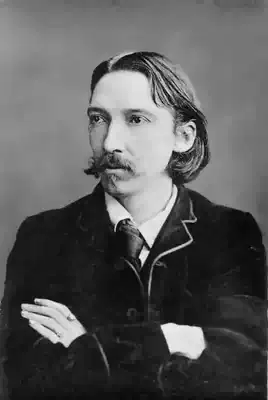
Robert Louis Stevenson
Ne Sit Ancillae Tibi Amor Pudor
Ne Sit Ancillae Tibi Amor Pudor
THERE'S just a twinkle in your eye
That seems to say I MIGHT, if I
Were only bold enough to try
An arm about your waist.
I hear, too, as you come and go,
That pretty nervous laugh, you know;
And then your cap is always so
Coquettishly displaced.
Your cap! the word's profanely said.
That little top-knot, white and red,
That quaintly crowns your graceful head,
No bigger than a flower,
Is set with such a witching art,
Is so provocatively smart,
I'd like to wear it on my heart,
An order for an hour!
O graceful housemaid, tall and fair,
I love your shy imperial air,
And always loiter on the stair
When you are going by.
A strict reserve the fates demand;
But, when to let you pass I stand,
Sometimes by chance I touch your hand
And sometimes catch your eye.
THERE'S just a twinkle in your eye
That seems to say I MIGHT, if I
Were only bold enough to try
An arm about your waist.
I hear, too, as you come and go,
That pretty nervous laugh, you know;
And then your cap is always so
Coquettishly displaced.
Your cap! the word's profanely said.
That little top-knot, white and red,
That quaintly crowns your graceful head,
No bigger than a flower,
Is set with such a witching art,
Is so provocatively smart,
I'd like to wear it on my heart,
An order for an hour!
O graceful housemaid, tall and fair,
I love your shy imperial air,
And always loiter on the stair
When you are going by.
A strict reserve the fates demand;
But, when to let you pass I stand,
Sometimes by chance I touch your hand
And sometimes catch your eye.
311
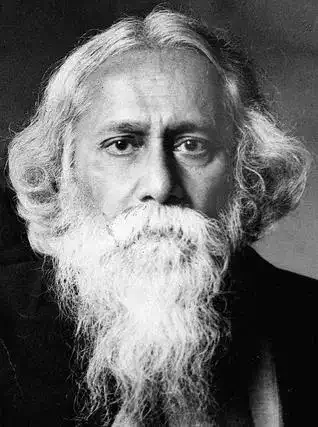
Rabindranath Tagore
Senses
Senses
Deliverance is not for me in renunciation.
I feel the embrace of freedom in a thousand bonds of delight.
Thou ever pourest for me the fresh draught of thy wine of various
colours and fragrance, filling this earthen vessel to the brim.
My world will light its hundred different lamps with thy flame
and place them before the altar of thy temple.
No, I will never shut the doors of my senses.
The delights of sight and hearing and touch will bear thy delight.
Yes, all my illusions will burn into illumination of joy,
and all my desires ripen into fruits of love.
Deliverance is not for me in renunciation.
I feel the embrace of freedom in a thousand bonds of delight.
Thou ever pourest for me the fresh draught of thy wine of various
colours and fragrance, filling this earthen vessel to the brim.
My world will light its hundred different lamps with thy flame
and place them before the altar of thy temple.
No, I will never shut the doors of my senses.
The delights of sight and hearing and touch will bear thy delight.
Yes, all my illusions will burn into illumination of joy,
and all my desires ripen into fruits of love.
471
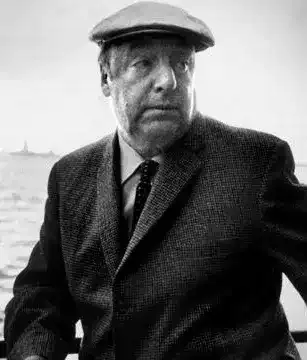
Pablo Neruda
Sonnet XXXIV
Sonnet XXXIV
You are the daughter of the sea, oregano's first cousin.
Swimmer, your body is pure as the water;
cook, your blood is quick as the soil.
Everything you do is full of flowers, rich with the earth.
Your eyes go out toward the water, and the waves rise;
your hands go out to the earth and the seeds swell;
you know the deep essence of water and the earth,
conjoined in you like a formula for clay.
Naiad: cut your body into turquoise pieces,
they will bloom resurrected in the kitchen.
This is how you become everything that lives.
And so at last, you sleep, in the circle of my arms
that push back the shadows so that you can restvegetables,
seaweed, herbs: the foam of your dreams.
Translated by Stephen Tapscott
You are the daughter of the sea, oregano's first cousin.
Swimmer, your body is pure as the water;
cook, your blood is quick as the soil.
Everything you do is full of flowers, rich with the earth.
Your eyes go out toward the water, and the waves rise;
your hands go out to the earth and the seeds swell;
you know the deep essence of water and the earth,
conjoined in you like a formula for clay.
Naiad: cut your body into turquoise pieces,
they will bloom resurrected in the kitchen.
This is how you become everything that lives.
And so at last, you sleep, in the circle of my arms
that push back the shadows so that you can restvegetables,
seaweed, herbs: the foam of your dreams.
Translated by Stephen Tapscott
666
Pablo Neruda
Ode to Clothes
Ode to Clothes
Every morning you wait,
clothes, over a chair,
to fill yourself with
my vanity, my love,
my hope, my body.
Barely
risen from sleep,
I relinquish the water,
enter your sleeves,
my legs look for
the hollows of your legs,
and so embraced
by your indefatigable faithfulness
I rise, to tread the grass,
enter poetry,
consider through the windows,
the things,
the men, the women,
the deeds and the fights
go on forming me,
go on making me face things
working my hands,
opening my eyes,
using my mouth,
and so,
clothes,
I too go forming you,
extending your elbows,
snapping your threads,
and so your life expands
in the image of my life.
In the wind
you billow and snap
as if you were my soul,
at bad times
you cling
to my bones,
vacant, for the night,
darkness, sleep
populate with their phantoms
your wings and mine.
I wonder
if one day
a bullet
from the enemy
will leave you stained with my blood
and then
you will die with me
or one day
not quite
so dramatic
but simple,
you will fall ill,
clothes,
with me,
grow old
with me, with my body
and joined
we will enter
the earth.
Because of this
each day
I greet you
with reverence and then
you embrace me and I forget you,
because we are one
and we will go on
facing the wind, in the night,
the streets or the fight,
a single body,
one day, one day, some day, still.
Every morning you wait,
clothes, over a chair,
to fill yourself with
my vanity, my love,
my hope, my body.
Barely
risen from sleep,
I relinquish the water,
enter your sleeves,
my legs look for
the hollows of your legs,
and so embraced
by your indefatigable faithfulness
I rise, to tread the grass,
enter poetry,
consider through the windows,
the things,
the men, the women,
the deeds and the fights
go on forming me,
go on making me face things
working my hands,
opening my eyes,
using my mouth,
and so,
clothes,
I too go forming you,
extending your elbows,
snapping your threads,
and so your life expands
in the image of my life.
In the wind
you billow and snap
as if you were my soul,
at bad times
you cling
to my bones,
vacant, for the night,
darkness, sleep
populate with their phantoms
your wings and mine.
I wonder
if one day
a bullet
from the enemy
will leave you stained with my blood
and then
you will die with me
or one day
not quite
so dramatic
but simple,
you will fall ill,
clothes,
with me,
grow old
with me, with my body
and joined
we will enter
the earth.
Because of this
each day
I greet you
with reverence and then
you embrace me and I forget you,
because we are one
and we will go on
facing the wind, in the night,
the streets or the fight,
a single body,
one day, one day, some day, still.
638
Pablo Neruda
In You The Earth
In You The Earth
Little
rose,
roselet,
at times,
tiny and naked,
it seems
as though you would fit
in one of my hands,
as though I’ll clasp you like this
and carry you to my mouth,
but
suddenly
my feet touch your feet and my mouth your lips:
you have grown,
your shoulders rise like two hills,
your breasts wander over my breast,
my arm scarcely manages to encircle the thin
new-moon line of your waist:
in love you loosened yourself like sea water:
I can scarcely measure the sky’s most spacious eyes
and I lean down to your mouth to kiss the earth.
Little
rose,
roselet,
at times,
tiny and naked,
it seems
as though you would fit
in one of my hands,
as though I’ll clasp you like this
and carry you to my mouth,
but
suddenly
my feet touch your feet and my mouth your lips:
you have grown,
your shoulders rise like two hills,
your breasts wander over my breast,
my arm scarcely manages to encircle the thin
new-moon line of your waist:
in love you loosened yourself like sea water:
I can scarcely measure the sky’s most spacious eyes
and I lean down to your mouth to kiss the earth.
548
Pablo Neruda
Entrance Of The Rivers
Entrance Of The Rivers
Beloved of the rivers,beset
By azure water and transparent drops,
Like a tree of veins your spectre
Of dark goddess biting apples:
And then awakening naked
To be tattoed by the rivers,
And in the wet heights your head
Filled the world with new dew.
Water rose to your waist,
You are made of wellsprings
And lakes shone on your forehead.
From your sources of density you drew
Water like vital tears
And hauled the riverbeds to the sand
Across the planetary night,
Crossing rough, dilated stone,
Breaking down on the way
All the salt of geology,
Cutting through forests of compact walls
Dislodging the muscles of quartz.
Beloved of the rivers,beset
By azure water and transparent drops,
Like a tree of veins your spectre
Of dark goddess biting apples:
And then awakening naked
To be tattoed by the rivers,
And in the wet heights your head
Filled the world with new dew.
Water rose to your waist,
You are made of wellsprings
And lakes shone on your forehead.
From your sources of density you drew
Water like vital tears
And hauled the riverbeds to the sand
Across the planetary night,
Crossing rough, dilated stone,
Breaking down on the way
All the salt of geology,
Cutting through forests of compact walls
Dislodging the muscles of quartz.
560
Pablo Neruda
Cat's Dream
Cat's Dream
How neatly a cat sleeps,
sleeps with its paws and its posture,
sleeps with its wicked claws,
and with its unfeeling blood,
sleeps with all the rings-a
series of burnt circles-which
have formed the odd geology
of its sand-colored tail.
I should like to sleep like a cat,
with all the fur of time,
with a tongue rough as flint,
with the dry sex of fire;
and after speaking to no one,
stretch myself over the world,
over roofs and landscapes,
with a passionate desire
to hunt the rats in my dreams.
I have seen how the cat asleep
would undulate, how the night
flowed through it like dark water;
and at times, it was going to fall
or possibly plunge into
the bare deserted snowdrifts.
Sometimes it grew so much in sleep
like a tiger's great-grandfather,
and would leap in the darkness over
rooftops, clouds and volcanoes.
Sleep, sleep cat of the night,
with episcopal ceremony
and your stone-carved moustache.
Take care of all our dreams;
control the obscurity
of our slumbering prowess
with your relentless heart
and the great ruff of your tail.
Translated by Alastair Reid
Submitted by Jen
How neatly a cat sleeps,
sleeps with its paws and its posture,
sleeps with its wicked claws,
and with its unfeeling blood,
sleeps with all the rings-a
series of burnt circles-which
have formed the odd geology
of its sand-colored tail.
I should like to sleep like a cat,
with all the fur of time,
with a tongue rough as flint,
with the dry sex of fire;
and after speaking to no one,
stretch myself over the world,
over roofs and landscapes,
with a passionate desire
to hunt the rats in my dreams.
I have seen how the cat asleep
would undulate, how the night
flowed through it like dark water;
and at times, it was going to fall
or possibly plunge into
the bare deserted snowdrifts.
Sometimes it grew so much in sleep
like a tiger's great-grandfather,
and would leap in the darkness over
rooftops, clouds and volcanoes.
Sleep, sleep cat of the night,
with episcopal ceremony
and your stone-carved moustache.
Take care of all our dreams;
control the obscurity
of our slumbering prowess
with your relentless heart
and the great ruff of your tail.
Translated by Alastair Reid
Submitted by Jen
709

Ogden Nash
Samson Agonistes
Samson Agonistes
I test my bath before I sit,
And I'm always moved to wonderment
That what chills the finger not a bit
Is so frigid upon the fundament.
I test my bath before I sit,
And I'm always moved to wonderment
That what chills the finger not a bit
Is so frigid upon the fundament.
192

Nazim Hikmet
Hymn To Life
Hymn To Life
The hair falling on your forehead
suddenly lifted.
Suddenly something stirred on the ground.
The trees are whispering
in the dark.
Your bare arms will be cold.
Far off
where we can't see,
the moon must be rising.
It hasn't reached us yet,
slipping through the leaves
to light up your shoulder.
But I know
a wind comes up with the moon.
The trees are whispering.
Your bare arms will be cold.
From above,
from the branches lost in the dark,
something dropped at your feet.
You moved closer to me.
Under my hand your bare flesh is like the fuzzy skin of a fruit.
Neither a song of the heart nor "common sense"--
before the trees, birds, and insects,
my hand on my wife's flesh
is thinking.
Tonight my hand
can't read or write.
Neither loving nor unloving...
It's the tongue of a leopard at a spring,
a grape leaf,
a wolf's paw.
To move, breathe, eat, drink.
My hand is like a seed
splitting open underground.
Neither a song of the heart nor "common sense,"
neither loving nor unloving.
My hand thinking on my wife's flesh
is the hand of the first man.
Like a root that finds water underground,
it says to me:
"To eat, drink, cold, hot, struggle, smell, color--
not to live in order to die
but to die to live..."
And now
as red female hair blows across my face,
as something stirs on the ground,
as the trees whisper in the dark,
and as the moon rises far off
where we can't see,
my hand on my wife's flesh
before the trees, birds, and insects,
I want the right of life,
of the leopard at the spring, of the seed splitting open--
I want the right of the first man.
Trans. by Randy Blasing and Mutlu Konuk ()
The hair falling on your forehead
suddenly lifted.
Suddenly something stirred on the ground.
The trees are whispering
in the dark.
Your bare arms will be cold.
Far off
where we can't see,
the moon must be rising.
It hasn't reached us yet,
slipping through the leaves
to light up your shoulder.
But I know
a wind comes up with the moon.
The trees are whispering.
Your bare arms will be cold.
From above,
from the branches lost in the dark,
something dropped at your feet.
You moved closer to me.
Under my hand your bare flesh is like the fuzzy skin of a fruit.
Neither a song of the heart nor "common sense"--
before the trees, birds, and insects,
my hand on my wife's flesh
is thinking.
Tonight my hand
can't read or write.
Neither loving nor unloving...
It's the tongue of a leopard at a spring,
a grape leaf,
a wolf's paw.
To move, breathe, eat, drink.
My hand is like a seed
splitting open underground.
Neither a song of the heart nor "common sense,"
neither loving nor unloving.
My hand thinking on my wife's flesh
is the hand of the first man.
Like a root that finds water underground,
it says to me:
"To eat, drink, cold, hot, struggle, smell, color--
not to live in order to die
but to die to live..."
And now
as red female hair blows across my face,
as something stirs on the ground,
as the trees whisper in the dark,
and as the moon rises far off
where we can't see,
my hand on my wife's flesh
before the trees, birds, and insects,
I want the right of life,
of the leopard at the spring, of the seed splitting open--
I want the right of the first man.
Trans. by Randy Blasing and Mutlu Konuk ()
343

Jonathan Swift
The Lady's Dressing Room
The Lady's Dressing Room
By haughty Celia spent in dressing;
The goddess from her chamber issues,
Arrayed in lace, brocades, and tissues.
Strephon, who found the room was void
And Betty otherwise employed,
Stole in and took a strict survey
Of all the litter as it lay;
Whereof, to make the matter clear,
An inventory follows here.
And first a dirty smock appeared,
Beneath the arm-pits well besmeared.
Strephon, the rogue, displayed it wide
And turned it round on every side.
On such a point few words are best,
And Strephon bids us guess the rest;
And swears how damnably the men lie
In calling Celia sweet and cleanly.
Now listen while he next produces
The various combs for various uses,
Filled up with dirt so closely fixt,
No brush could force a way betwixt.
A paste of composition rare,
Sweat, dandruff, powder, lead and hair;
A forehead cloth with oil upon't
To smooth the wrinkles on her front.
Here alum flower to stop the steams
Exhaled from sour unsavory streams;
There night-gloves made of Tripsy's hide,
Bequeath'd by Tripsy when she died,
With puppy water, beauty's help,
Distilled from Tripsy's darling whelp;
Here gallypots and vials placed,
Some filled with washes, some with paste,
Some with pomatum, paints and slops,
And ointments good for scabby chops.
Hard by a filthy basin stands,
Fouled with the scouring of her hands;
The basin takes whatever comes,
The scrapings of her teeth and gums,
A nasty compound of all hues,
For here she spits, and here she spews.
But oh! it turned poor Strephon's bowels,
When he beheld and smelt the towels,
Begummed, besmattered, and beslimed
With dirt, and sweat, and ear-wax grimed.
No object Strephon's eye escapes:
Here petticoats in frowzy heaps;
Nor be the handkerchiefs forgot
All varnished o'er with snuff and snot.
The stockings, why should I expose,
Stained with the marks of stinking toes;
Or greasy coifs and pinners reeking,
Which Celia slept at least a week in?
A pair of tweezers next he found
To pluck her brows in arches round,
Or hairs that sink the forehead low,
Or on her chin like bristles grow.
The virtues we must not let pass,
Of Celia's magnifying glass.
When frighted Strephon cast his eye on't
It shewed the visage of a giant.
A glass that can to sight disclose
The smallest worm in Celia's nose,
And faithfully direct her nail
To squeeze it out from head to tail;
(For catch it nicely by the head,
It must come out alive or dead.)
Why Strephon will you tell the rest?
And must you needs describe the chest?
That careless wench! no creature warn her
To move it out from yonder corner;
But leave it standing full in sight
For you to exercise your spite.
In vain, the workman shewed his wit
With rings and hinges counterfeit
To make it seem in this disguise
A cabinet to vulgar eyes;
For Strephon ventured to look in,
Resolved to go through thick and thin;
He lifts the lid, there needs no more:
He smelt it all the time before.
As from within Pandora's box,
When Epimetheus oped the locks,
A sudden universal crew
Of humane evils upwards flew,
He still was comforted to find
That Hope at last remained behind;
So Strephon lifting up the lid
To view what in the chest was hid,
The vapours flew from out the vent.
But Strephon cautious never meant
The bottom of the pan to grope
And foul his hands in search of Hope.
O never may such vile machine
Be once in Celia's chamber seen!
O may she better learn to keep
'Those secrets of the hoary deep'!
As mutton cutlets, prime of meat,
Which, though with art you salt and beat
As laws of cookery require
And toast them at the clearest fire,
If from adown the hopeful chops
The fat upon the cinder drops,
To stinking smoke it turns the flame
Poisoning the flesh from whence it came;
And up exhales a greasy stench
For which you curse the careless wench;
So things which must not be exprest,
When plumpt into the reeking chest,
Send up an excremental smell
To taint the parts from whence they fell,
The petticoats and gown perfume,
Which waft a stink round every room.
Thus finishing his grand survey,
Disgusted Strephon stole away
Repeating in his amorous fits,
Oh! Celia, Celia, Celia shits!
But vengeance, Goddess never sleeping,
Soon punished Strephon for his peeping:
His foul Imagination links
Each dame he see with all her stinks;
And, if unsavory odors fly,
Conceives a lady standing by.
All women his description fits,
And both ideas jump like wits
By vicious fancy coupled fast,
And still appearing in contrast.
I pity wretched Strephon blind
To all the charms of female kind.
Should I the Queen of Love refuse
Because she rose from stinking ooze?
To him that looks behind the scene
Satira's but some pocky queen.
When Celia in her glory shows,
If Strephon would but stop his nose
(Who now so impiously blasphemes
Her ointments, daubs, and paints and creams,
Her washes, slops, and every clout
With which he makes so foul a rout),
He soon would learn to think like me
And bless his ravished sight to see
Such order from confusion sprung,
Such gaudy tulips raised from dung.
By haughty Celia spent in dressing;
The goddess from her chamber issues,
Arrayed in lace, brocades, and tissues.
Strephon, who found the room was void
And Betty otherwise employed,
Stole in and took a strict survey
Of all the litter as it lay;
Whereof, to make the matter clear,
An inventory follows here.
And first a dirty smock appeared,
Beneath the arm-pits well besmeared.
Strephon, the rogue, displayed it wide
And turned it round on every side.
On such a point few words are best,
And Strephon bids us guess the rest;
And swears how damnably the men lie
In calling Celia sweet and cleanly.
Now listen while he next produces
The various combs for various uses,
Filled up with dirt so closely fixt,
No brush could force a way betwixt.
A paste of composition rare,
Sweat, dandruff, powder, lead and hair;
A forehead cloth with oil upon't
To smooth the wrinkles on her front.
Here alum flower to stop the steams
Exhaled from sour unsavory streams;
There night-gloves made of Tripsy's hide,
Bequeath'd by Tripsy when she died,
With puppy water, beauty's help,
Distilled from Tripsy's darling whelp;
Here gallypots and vials placed,
Some filled with washes, some with paste,
Some with pomatum, paints and slops,
And ointments good for scabby chops.
Hard by a filthy basin stands,
Fouled with the scouring of her hands;
The basin takes whatever comes,
The scrapings of her teeth and gums,
A nasty compound of all hues,
For here she spits, and here she spews.
But oh! it turned poor Strephon's bowels,
When he beheld and smelt the towels,
Begummed, besmattered, and beslimed
With dirt, and sweat, and ear-wax grimed.
No object Strephon's eye escapes:
Here petticoats in frowzy heaps;
Nor be the handkerchiefs forgot
All varnished o'er with snuff and snot.
The stockings, why should I expose,
Stained with the marks of stinking toes;
Or greasy coifs and pinners reeking,
Which Celia slept at least a week in?
A pair of tweezers next he found
To pluck her brows in arches round,
Or hairs that sink the forehead low,
Or on her chin like bristles grow.
The virtues we must not let pass,
Of Celia's magnifying glass.
When frighted Strephon cast his eye on't
It shewed the visage of a giant.
A glass that can to sight disclose
The smallest worm in Celia's nose,
And faithfully direct her nail
To squeeze it out from head to tail;
(For catch it nicely by the head,
It must come out alive or dead.)
Why Strephon will you tell the rest?
And must you needs describe the chest?
That careless wench! no creature warn her
To move it out from yonder corner;
But leave it standing full in sight
For you to exercise your spite.
In vain, the workman shewed his wit
With rings and hinges counterfeit
To make it seem in this disguise
A cabinet to vulgar eyes;
For Strephon ventured to look in,
Resolved to go through thick and thin;
He lifts the lid, there needs no more:
He smelt it all the time before.
As from within Pandora's box,
When Epimetheus oped the locks,
A sudden universal crew
Of humane evils upwards flew,
He still was comforted to find
That Hope at last remained behind;
So Strephon lifting up the lid
To view what in the chest was hid,
The vapours flew from out the vent.
But Strephon cautious never meant
The bottom of the pan to grope
And foul his hands in search of Hope.
O never may such vile machine
Be once in Celia's chamber seen!
O may she better learn to keep
'Those secrets of the hoary deep'!
As mutton cutlets, prime of meat,
Which, though with art you salt and beat
As laws of cookery require
And toast them at the clearest fire,
If from adown the hopeful chops
The fat upon the cinder drops,
To stinking smoke it turns the flame
Poisoning the flesh from whence it came;
And up exhales a greasy stench
For which you curse the careless wench;
So things which must not be exprest,
When plumpt into the reeking chest,
Send up an excremental smell
To taint the parts from whence they fell,
The petticoats and gown perfume,
Which waft a stink round every room.
Thus finishing his grand survey,
Disgusted Strephon stole away
Repeating in his amorous fits,
Oh! Celia, Celia, Celia shits!
But vengeance, Goddess never sleeping,
Soon punished Strephon for his peeping:
His foul Imagination links
Each dame he see with all her stinks;
And, if unsavory odors fly,
Conceives a lady standing by.
All women his description fits,
And both ideas jump like wits
By vicious fancy coupled fast,
And still appearing in contrast.
I pity wretched Strephon blind
To all the charms of female kind.
Should I the Queen of Love refuse
Because she rose from stinking ooze?
To him that looks behind the scene
Satira's but some pocky queen.
When Celia in her glory shows,
If Strephon would but stop his nose
(Who now so impiously blasphemes
Her ointments, daubs, and paints and creams,
Her washes, slops, and every clout
With which he makes so foul a rout),
He soon would learn to think like me
And bless his ravished sight to see
Such order from confusion sprung,
Such gaudy tulips raised from dung.
266
Jonathan Swift
On The Five Senses
On The Five Senses
All of us in one you'll find, Brethren of a wondrous kind;
Yet among us all no brother
Knows one tittle of the other;
We in frequent councils are,
And our marks of things declare,
Where, to us unknown, a clerk
Sits, and takes them in the dark.
He's the register of all
In our ken, both great and small;
By us forms his laws and rules,
He's our master, we his tools;
Yet we can with greatest ease
Turn and wind him where we please.
One of us alone can sleep,
Yet no watch the rest will keep,
But the moment that he closes,
Every brother else reposes.
If wine's brought or victuals drest,
One enjoys them for the rest.
Pierce us all with wounding steel,
One for all of us will feel.
Though ten thousand cannons roar,
Add to them ten thousand more,
Yet but one of us is found
Who regards the dreadful sound.
Do what is not fit to tell,
There's but one of us can smell.
All of us in one you'll find, Brethren of a wondrous kind;
Yet among us all no brother
Knows one tittle of the other;
We in frequent councils are,
And our marks of things declare,
Where, to us unknown, a clerk
Sits, and takes them in the dark.
He's the register of all
In our ken, both great and small;
By us forms his laws and rules,
He's our master, we his tools;
Yet we can with greatest ease
Turn and wind him where we please.
One of us alone can sleep,
Yet no watch the rest will keep,
But the moment that he closes,
Every brother else reposes.
If wine's brought or victuals drest,
One enjoys them for the rest.
Pierce us all with wounding steel,
One for all of us will feel.
Though ten thousand cannons roar,
Add to them ten thousand more,
Yet but one of us is found
Who regards the dreadful sound.
Do what is not fit to tell,
There's but one of us can smell.
258

John Donne
To His Mistress Going to Bed
To His Mistress Going to Bed
Come, Madam, come, all rest my powers defy,
Until I labour, I in labour lie.
The foe oft-times having the foe in sight,
Is tired with standing though they never fight.
Off with that girdle, like heaven's zone glistering,
But a far fairer world encompassing.
Unpin that spangled breastplate which you wear,
That th' eyes of busy fools may be stopped there.
Unlace yourself, for that harmonious chime
Tells me from you, that now 'tis your bed time.
Off with that happy busk, which I envy,
That still can be, and still can stand so nigh.
Your gown going off, such beauteous state reveals,
As when from flowery meads th' hill's shadow steals.
Off with that wiry coronet and show
The hairy diadem which on you doth grow;
Now off with those shoes, and then safely tread
In this love's hallowed temple, this soft bed.
In such white robes heaven's angels used to be
Received by men; thou angel bring'st with thee
A heaven like Mahomet's paradise; and though
Ill spirits walk in white, we easily know
By this these angels from an evil sprite,
Those set our hairs, but these our flesh upright.
License my roving hands, and let them go
Before, behind, between, above, below.
O my America, my new found land,
My kingdom, safeliest when with one man manned,
My mine of precious stones, my empery,
How blessed am I in this discovering thee!
To enter in these bonds, is to be free;
Then where my hand is set, my seal shall be.
Full nakedness, all joys are due to thee
As souls unbodied, bodies unclothed must be,
To taste whole joys. Gems which you women use
Are like Atlanta's balls, cast in men's views,
That when a fool's eye lighteth on a gem,
His earthly soul may covet theirs, not them.
Like pictures, or like books' gay coverings made
For laymen, are all women thus arrayed;
Themselves are mystic books, which only we
Whom their imputed grace will dignify
Must see revealed. Then since I may know,
As liberally, as to a midwife, show
Thyself: cast all, yea, this white linen hence,
Here is no penance, much less innocence.
To teach thee, I am naked first, why then
What needst thou have more covering than a man.
Come, Madam, come, all rest my powers defy,
Until I labour, I in labour lie.
The foe oft-times having the foe in sight,
Is tired with standing though they never fight.
Off with that girdle, like heaven's zone glistering,
But a far fairer world encompassing.
Unpin that spangled breastplate which you wear,
That th' eyes of busy fools may be stopped there.
Unlace yourself, for that harmonious chime
Tells me from you, that now 'tis your bed time.
Off with that happy busk, which I envy,
That still can be, and still can stand so nigh.
Your gown going off, such beauteous state reveals,
As when from flowery meads th' hill's shadow steals.
Off with that wiry coronet and show
The hairy diadem which on you doth grow;
Now off with those shoes, and then safely tread
In this love's hallowed temple, this soft bed.
In such white robes heaven's angels used to be
Received by men; thou angel bring'st with thee
A heaven like Mahomet's paradise; and though
Ill spirits walk in white, we easily know
By this these angels from an evil sprite,
Those set our hairs, but these our flesh upright.
License my roving hands, and let them go
Before, behind, between, above, below.
O my America, my new found land,
My kingdom, safeliest when with one man manned,
My mine of precious stones, my empery,
How blessed am I in this discovering thee!
To enter in these bonds, is to be free;
Then where my hand is set, my seal shall be.
Full nakedness, all joys are due to thee
As souls unbodied, bodies unclothed must be,
To taste whole joys. Gems which you women use
Are like Atlanta's balls, cast in men's views,
That when a fool's eye lighteth on a gem,
His earthly soul may covet theirs, not them.
Like pictures, or like books' gay coverings made
For laymen, are all women thus arrayed;
Themselves are mystic books, which only we
Whom their imputed grace will dignify
Must see revealed. Then since I may know,
As liberally, as to a midwife, show
Thyself: cast all, yea, this white linen hence,
Here is no penance, much less innocence.
To teach thee, I am naked first, why then
What needst thou have more covering than a man.
289
John Donne
The Ecstasy
The Ecstasy
Where, like a pillow on a bed
A pregnant bank swell'd up to rest
The violet's reclining head,
Sat we two, one another's best.
Our hands were firmly cemented
With a fast balm, which thence did spring;
Our eye-beams twisted, and did thread
Our eyes upon one double string;
So to'intergraft our hands, as yet
Was all the means to make us one,
And pictures in our eyes to get
Was all our propagation.
As 'twixt two equal armies fate
Suspends uncertain victory,
Our souls (which to advance their state
Were gone out) hung 'twixt her and me.
And whilst our souls negotiate there,
We like sepulchral statues lay;
All day, the same our postures were,
And we said nothing, all the day.
If any, so by love refin'd
That he soul's language understood,
And by good love were grown all mind,
Within convenient distance stood,
He (though he knew not which soul spake,
Because both meant, both spake the same)
Might thence a new concoction take
And part far purer than he came.
This ecstasy doth unperplex,
We said, and tell us what we love;
We see by this it was not sex,
We see we saw not what did move;
But as all several souls contain
Mixture of things, they know not what,
Love these mix'd souls doth mix again
And makes both one, each this and that.
A single violet transplant,
The strength, the colour, and the size,
(All which before was poor and scant)
Redoubles still, and multiplies.
When love with one another so
Interinanimates two souls,
That abler soul, which thence doth flow,
Defects of loneliness controls.
We then, who are this new soul, know
Of what we are compos'd and made,
For th' atomies of which we grow
Are souls. whom no change can invade.
But oh alas, so long, so far,
Our bodies why do we forbear?
They'are ours, though they'are not we; we are
The intelligences, they the spheres.
We owe them thanks, because they thus
Did us, to us, at first convey,
Yielded their senses' force to us,
Nor are dross to us, but allay.
On man heaven's influence works not so,
But that it first imprints the air;
So soul into the soul may flow,
Though it to body first repair.
As our blood labors to beget
Spirits, as like souls as it can,
Because such fingers need to knit
That subtle knot which makes us man,
So must pure lovers' souls descend
T' affections, and to faculties,
Which sense may reach and apprehend,
Else a great prince in prison lies.
To'our bodies turn we then, that so
Weak men on love reveal'd may look;
Love's mysteries in souls do grow,
But yet the body is his book.
And if some lover, such as we,
Have heard this dialogue of one,
Let him still mark us, he shall see
Small change, when we'are to bodies gone.
Where, like a pillow on a bed
A pregnant bank swell'd up to rest
The violet's reclining head,
Sat we two, one another's best.
Our hands were firmly cemented
With a fast balm, which thence did spring;
Our eye-beams twisted, and did thread
Our eyes upon one double string;
So to'intergraft our hands, as yet
Was all the means to make us one,
And pictures in our eyes to get
Was all our propagation.
As 'twixt two equal armies fate
Suspends uncertain victory,
Our souls (which to advance their state
Were gone out) hung 'twixt her and me.
And whilst our souls negotiate there,
We like sepulchral statues lay;
All day, the same our postures were,
And we said nothing, all the day.
If any, so by love refin'd
That he soul's language understood,
And by good love were grown all mind,
Within convenient distance stood,
He (though he knew not which soul spake,
Because both meant, both spake the same)
Might thence a new concoction take
And part far purer than he came.
This ecstasy doth unperplex,
We said, and tell us what we love;
We see by this it was not sex,
We see we saw not what did move;
But as all several souls contain
Mixture of things, they know not what,
Love these mix'd souls doth mix again
And makes both one, each this and that.
A single violet transplant,
The strength, the colour, and the size,
(All which before was poor and scant)
Redoubles still, and multiplies.
When love with one another so
Interinanimates two souls,
That abler soul, which thence doth flow,
Defects of loneliness controls.
We then, who are this new soul, know
Of what we are compos'd and made,
For th' atomies of which we grow
Are souls. whom no change can invade.
But oh alas, so long, so far,
Our bodies why do we forbear?
They'are ours, though they'are not we; we are
The intelligences, they the spheres.
We owe them thanks, because they thus
Did us, to us, at first convey,
Yielded their senses' force to us,
Nor are dross to us, but allay.
On man heaven's influence works not so,
But that it first imprints the air;
So soul into the soul may flow,
Though it to body first repair.
As our blood labors to beget
Spirits, as like souls as it can,
Because such fingers need to knit
That subtle knot which makes us man,
So must pure lovers' souls descend
T' affections, and to faculties,
Which sense may reach and apprehend,
Else a great prince in prison lies.
To'our bodies turn we then, that so
Weak men on love reveal'd may look;
Love's mysteries in souls do grow,
But yet the body is his book.
And if some lover, such as we,
Have heard this dialogue of one,
Let him still mark us, he shall see
Small change, when we'are to bodies gone.
369
John Donne
Elegy VIII: The Comparison
Elegy VIII: The Comparison
As the sweet sweat of roses in a still,
As that which from chafed musk-cats' pores doth trill,
As the almighty balm of th' early East,
Such are the sweat drops of my mistress' breast,
And on her brow her skin such lustre sets,
They seem no sweat drops, but pearl coronets.
Rank sweaty froth thy Mistress's brow defiles,
Like spermatic issue of ripe menstruous boils,
Or like the scum, which, by need's lawless law
Enforced, Sanserra's starved men did draw
From parboiled shoes and boots, and all the rest
Which were with any sovereigne fatness blest,
And like vile lying stones in saffroned tin,
Or warts, or weals, they hang upon her skin.
Round as the world's her head, on every side,
Like to the fatal ball which fell on Ide,
Or that whereof God had such jealousy,
As, for the ravishing thereof we die.
Thy head is like a rough-hewn statue of jet,
Where marks for eyes, nose, mouth, are yet scarce set;
Like the first Chaos, or flat-seeming face
Of Cynthia, when th' earth's shadows her embrace.
Like Proserpine's white beauty-keeping chest,
Or Jove's best fortunes urn, is her fair breast.
Thine's like worm-eaten trunks, clothed in seals' skin,
Or grave, that's dust without, and stink within.
And like that slender stalk, at whose end stands
The woodbine quivering, are her arms and hands.
Like rough barked elm-boughs, or the russet skin
Of men late scourged for madness, or for sin,
Like sun-parched quarters on the city gate,
Such is thy tanned skin's lamentable state.
And like a bunch of ragged carrots stand
The short swol'n fingers of thy gouty hand.
Then like the Chimic's masculine equal fire,
Which in the Lymbecks warm womb doth inspire
Into th' earth's worthless dirt a soul of gold,
Such cherishing heat her best loved part doth hold.
Thine's like the dread mouth of a fired gun,
Or like hot liquid metals newly run
Into clay moulds, or like to that Etna
Where round about the grass is burnt away.
Are not your kisses then as filthy, and more,
As a worm sucking an envenomed sore?
Doth not thy feareful hand in feeling quake,
As one which gath'ring flowers still fears a snake?
Is not your last act harsh, and violent,
As when a plough a stony ground doth rent?
So kiss good turtles, so devoutly nice
Are priests in handling reverent sacrifice,
And such in searching wounds the surgeon is
As we, when we embrace, or touch, or kiss.
Leave her, and I will leave comparing thus,
She, and comparisons are odious.
As the sweet sweat of roses in a still,
As that which from chafed musk-cats' pores doth trill,
As the almighty balm of th' early East,
Such are the sweat drops of my mistress' breast,
And on her brow her skin such lustre sets,
They seem no sweat drops, but pearl coronets.
Rank sweaty froth thy Mistress's brow defiles,
Like spermatic issue of ripe menstruous boils,
Or like the scum, which, by need's lawless law
Enforced, Sanserra's starved men did draw
From parboiled shoes and boots, and all the rest
Which were with any sovereigne fatness blest,
And like vile lying stones in saffroned tin,
Or warts, or weals, they hang upon her skin.
Round as the world's her head, on every side,
Like to the fatal ball which fell on Ide,
Or that whereof God had such jealousy,
As, for the ravishing thereof we die.
Thy head is like a rough-hewn statue of jet,
Where marks for eyes, nose, mouth, are yet scarce set;
Like the first Chaos, or flat-seeming face
Of Cynthia, when th' earth's shadows her embrace.
Like Proserpine's white beauty-keeping chest,
Or Jove's best fortunes urn, is her fair breast.
Thine's like worm-eaten trunks, clothed in seals' skin,
Or grave, that's dust without, and stink within.
And like that slender stalk, at whose end stands
The woodbine quivering, are her arms and hands.
Like rough barked elm-boughs, or the russet skin
Of men late scourged for madness, or for sin,
Like sun-parched quarters on the city gate,
Such is thy tanned skin's lamentable state.
And like a bunch of ragged carrots stand
The short swol'n fingers of thy gouty hand.
Then like the Chimic's masculine equal fire,
Which in the Lymbecks warm womb doth inspire
Into th' earth's worthless dirt a soul of gold,
Such cherishing heat her best loved part doth hold.
Thine's like the dread mouth of a fired gun,
Or like hot liquid metals newly run
Into clay moulds, or like to that Etna
Where round about the grass is burnt away.
Are not your kisses then as filthy, and more,
As a worm sucking an envenomed sore?
Doth not thy feareful hand in feeling quake,
As one which gath'ring flowers still fears a snake?
Is not your last act harsh, and violent,
As when a plough a stony ground doth rent?
So kiss good turtles, so devoutly nice
Are priests in handling reverent sacrifice,
And such in searching wounds the surgeon is
As we, when we embrace, or touch, or kiss.
Leave her, and I will leave comparing thus,
She, and comparisons are odious.
298
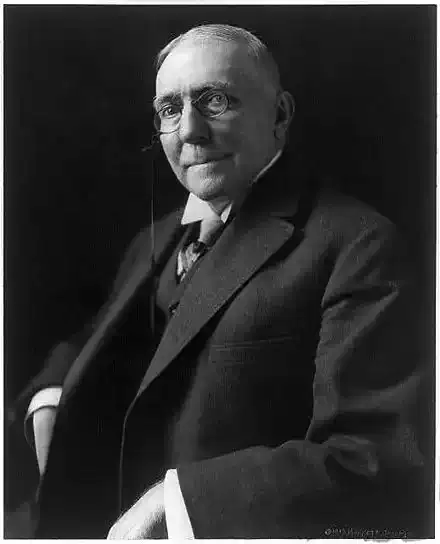
James Whitcomb Riley
Dear Hands
Dear Hands
The touches of her hands are like the fall
Of velvet snowflakes; like the touch of down
The peach just brushes 'gainst the garden wall;
The flossy fondlings of the thistle-wisp
Caught in the crinkle of a leaf of brown
The blighting frost hath turned from green to crisp.
Soft as the falling of the dusk at night,
The touches of her hands, and the delight--
The touches of her hands!
The touches of her hands are like the dew
That falls so softly down no one e'er knew
The touch thereof save lovers like to one
Astray in lights where ranged Endymion.
O rarely soft, the touches of her hands,
As drowsy zephyrs in enchanted lands;
Or pulse of dying fay; or fairy sighs,
Or--in between the midnight and the dawn,
When long unrest and tears and fears are gone--
Sleep, smoothing down the lids of weary eyes.
The touches of her hands are like the fall
Of velvet snowflakes; like the touch of down
The peach just brushes 'gainst the garden wall;
The flossy fondlings of the thistle-wisp
Caught in the crinkle of a leaf of brown
The blighting frost hath turned from green to crisp.
Soft as the falling of the dusk at night,
The touches of her hands, and the delight--
The touches of her hands!
The touches of her hands are like the dew
That falls so softly down no one e'er knew
The touch thereof save lovers like to one
Astray in lights where ranged Endymion.
O rarely soft, the touches of her hands,
As drowsy zephyrs in enchanted lands;
Or pulse of dying fay; or fairy sighs,
Or--in between the midnight and the dawn,
When long unrest and tears and fears are gone--
Sleep, smoothing down the lids of weary eyes.
316
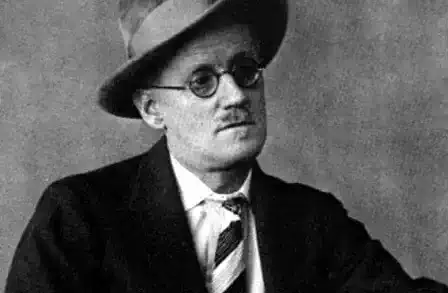
James Joyce
A Memory of the Players in a Mirror at Midnight
A Memory of the Players in a Mirror at Midnight
They mouth love's language. Gnash
The thirteen teeth
Your lean jaws grin with. Lash
Your itch and quailing, nude greed of the flesh.
Love's breath in you is stale, worded or sung,
As sour as cat's breath,
Harsh of tongue.
This grey that stares
Lies not, stark skin and bone.
Leave greasy lips their kissing. None
Will choose her what you see to mouth upon.
Dire hunger holds his hour.
Pluck forth your heart, saltblood, a fruit of tears.
Pluck and devour!
They mouth love's language. Gnash
The thirteen teeth
Your lean jaws grin with. Lash
Your itch and quailing, nude greed of the flesh.
Love's breath in you is stale, worded or sung,
As sour as cat's breath,
Harsh of tongue.
This grey that stares
Lies not, stark skin and bone.
Leave greasy lips their kissing. None
Will choose her what you see to mouth upon.
Dire hunger holds his hour.
Pluck forth your heart, saltblood, a fruit of tears.
Pluck and devour!
249

Federico García Lorca
Adam
Adam
A tree of blood soaks the morning
where the newborn woman groans.
Her voice leaves glass in the wound
and on the panes, a diagram of bone.
The coming light establishes and wins
white limits of a fable that forgets
the tumult of veins in flight
toward the dim cool of the apple.
Adam dreams in the fever of the clay
of a child who comes galloping
through the double pulse of his cheek.
But a dark other Adam is dreaming
a neuter moon of seedless stone
where the child of light will burn.
A tree of blood soaks the morning
where the newborn woman groans.
Her voice leaves glass in the wound
and on the panes, a diagram of bone.
The coming light establishes and wins
white limits of a fable that forgets
the tumult of veins in flight
toward the dim cool of the apple.
Adam dreams in the fever of the clay
of a child who comes galloping
through the double pulse of his cheek.
But a dark other Adam is dreaming
a neuter moon of seedless stone
where the child of light will burn.
631
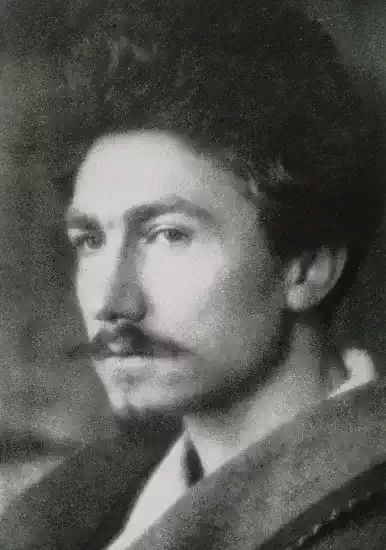
Ezra Pound
Speech For Psyche In The Golden Book Of Apuleius
Speech For Psyche In The Golden Book Of Apuleius
All night, and as the wind lieth among
The cypress trees, he lay,
Nor held me save as air that brusheth by one
Close, and as the petals of flowers in falling
Waver and seem not drawn to earth, so he
Seemed over me to hover light as leaves
And closer me than air,
And music flowing through me seemed to open
Mine eyes upon new colours.
O winds, what wind can match the weight of him!
All night, and as the wind lieth among
The cypress trees, he lay,
Nor held me save as air that brusheth by one
Close, and as the petals of flowers in falling
Waver and seem not drawn to earth, so he
Seemed over me to hover light as leaves
And closer me than air,
And music flowing through me seemed to open
Mine eyes upon new colours.
O winds, what wind can match the weight of him!
407
Ezra Pound
A Girl
A Girl
The tree has entered my hands,
The sap has ascended my arms,
The tree has grown in my breast -
Downward,
The branches grow out of me, like arms.
Tree you are,
Moss you are,
You are violets with wind above them.
A child - so high - you are,
And all this is folly to the world.
The tree has entered my hands,
The sap has ascended my arms,
The tree has grown in my breast -
Downward,
The branches grow out of me, like arms.
Tree you are,
Moss you are,
You are violets with wind above them.
A child - so high - you are,
And all this is folly to the world.
699
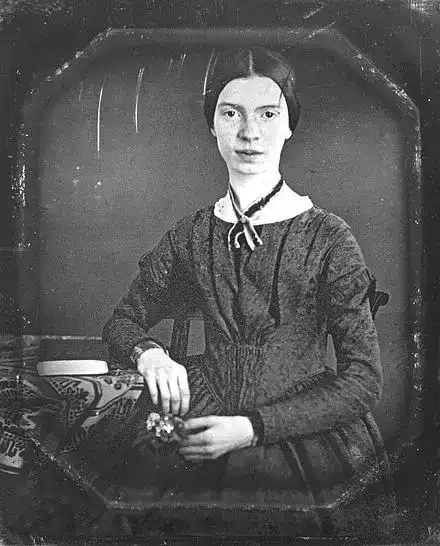
Emily Dickinson
What if I say I shall not wait!
What if I say I shall not wait!
277
What if I say I shall not wait!
What if I burst the fleshly Gate-
And pass escaped-to thee!
What if I file this Mortal-off-
See where it hurt me-That's enough-
And wade in Liberty!
They cannot take me-any more!
Dungeons can call-and Guns implore
Unmeaning-now-to me-
As laughter-was-an hour ago-
Or Laces-or a Travelling Show-
Or who died-yesterday!
277
What if I say I shall not wait!
What if I burst the fleshly Gate-
And pass escaped-to thee!
What if I file this Mortal-off-
See where it hurt me-That's enough-
And wade in Liberty!
They cannot take me-any more!
Dungeons can call-and Guns implore
Unmeaning-now-to me-
As laughter-was-an hour ago-
Or Laces-or a Travelling Show-
Or who died-yesterday!
219
Emily Dickinson
A single Screw of Flesh
A single Screw of Flesh
263
Is all that pins the Soul
That stands for Deity, to Mine,
Upon my side the Veil-
Once witnessed of the Gauze-
Its name is put away
As far from mine, as if no plight
Had printed yesterday,
In tender-solemn Alphabet,
My eyes just turned to see,
When it was smuggled by my sight
Into Eternity-
More Hands-to hold-These are but Two-
One more new-mailed Nerve
Just granted, for the Peril's sake-
Some striding-Giant-Love-
So greater than the Gods can show,
They slink before the Clay,
That not for all their Heaven can boast
Will let its Keepsake-go
263
Is all that pins the Soul
That stands for Deity, to Mine,
Upon my side the Veil-
Once witnessed of the Gauze-
Its name is put away
As far from mine, as if no plight
Had printed yesterday,
In tender-solemn Alphabet,
My eyes just turned to see,
When it was smuggled by my sight
Into Eternity-
More Hands-to hold-These are but Two-
One more new-mailed Nerve
Just granted, for the Peril's sake-
Some striding-Giant-Love-
So greater than the Gods can show,
They slink before the Clay,
That not for all their Heaven can boast
Will let its Keepsake-go
310
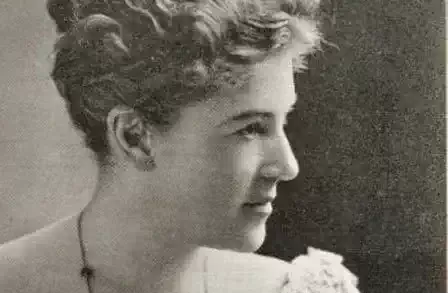
Ella Wheeler Wilcox
The Wheel of the Breast
The Wheel of the Breast
Through rivers of veins on the nameless quest
The tide of my life goes hurriedly sweeping,
Till it reaches that curious wheel o' the breast,
The human heart, which is never at rest.
Faster, faster, it cries, and leaping,
Plunging, dashing, speeding away,
The wheel and the river work night and day.
I know not wherefore, I know not whither,
This strange tide rushes with such mad force:
It glides on hither, it slides on thither,
Over and over the selfsame course,
With never an outlet and never a source;
And it lashes itself to the heat of passion
And whirls the heart in a mill-wheel fashion.
I can hear in the hush of the still, still night,
The ceaseless sound of that mighty river;
I can hear it gushing, gurgling, rushing,
With a wild, delirious, strange delight,
And a conscious pride in its sense of might,
As it hurries and worries my heart forever.
And I wonder oft as I lie awake,
And list to the river that seethes and surges
Over the wheel that it chides and urges—
I wonder oft if that wheel will break
With the mighty pressure it bears, some day,
Or slowly and wearily wear away.
For little by little the heart is wearing,
Like the wheel of the mill, as the tide goes tearing
And plunging hurriedly through my breast,
In a network of veins on a nameless quet,
From and forth, unto unknown oceans,
Bringing its cargoes of fierce emotions,
With never a pause or an hour for rest.
Through rivers of veins on the nameless quest
The tide of my life goes hurriedly sweeping,
Till it reaches that curious wheel o' the breast,
The human heart, which is never at rest.
Faster, faster, it cries, and leaping,
Plunging, dashing, speeding away,
The wheel and the river work night and day.
I know not wherefore, I know not whither,
This strange tide rushes with such mad force:
It glides on hither, it slides on thither,
Over and over the selfsame course,
With never an outlet and never a source;
And it lashes itself to the heat of passion
And whirls the heart in a mill-wheel fashion.
I can hear in the hush of the still, still night,
The ceaseless sound of that mighty river;
I can hear it gushing, gurgling, rushing,
With a wild, delirious, strange delight,
And a conscious pride in its sense of might,
As it hurries and worries my heart forever.
And I wonder oft as I lie awake,
And list to the river that seethes and surges
Over the wheel that it chides and urges—
I wonder oft if that wheel will break
With the mighty pressure it bears, some day,
Or slowly and wearily wear away.
For little by little the heart is wearing,
Like the wheel of the mill, as the tide goes tearing
And plunging hurriedly through my breast,
In a network of veins on a nameless quet,
From and forth, unto unknown oceans,
Bringing its cargoes of fierce emotions,
With never a pause or an hour for rest.
321
Ella Wheeler Wilcox
The Poor Little Toe
The Poor Little Toe
I am all tired out, said the mouth, with a pout,
I am all tired out with talk.
Just wait, said the knee, till you're lame as you can be-
And then have to walk-walk-walk.
My work, said the hand, is the hardest in the land.
Nay, mine is harder yet, said the brain;
When you toil, said the eye, as steadily as I,
O then you'll have reason to complain.
Then a voice, faint and low, of the poor little toe
Spoke out in the dark with a wail:
It is seldom I complain, but you all will bear your pain
With more patience if you hearken to my tale.
I'm the youngest of five, and the others live and thrive,
They are cared for, and considered and admired.
I am overlooked and snubbed, I am pushed upon and rubbed,
I am always sick and ailing, sore and tired.
But I carry all the weight of the body, small or great,
Yet no one ever praises what I do;
I am always in the way, and 'tis I who have to pay
For the folly and the pride of all of you.
Then the mouth and the brain and the hand said, 'tis plain
Though troubled be our lives with woe,
The hardest lot of all, does certainly befall
The poor little, humble little toe,
The snubbed little, rubbed little toe.
I am all tired out, said the mouth, with a pout,
I am all tired out with talk.
Just wait, said the knee, till you're lame as you can be-
And then have to walk-walk-walk.
My work, said the hand, is the hardest in the land.
Nay, mine is harder yet, said the brain;
When you toil, said the eye, as steadily as I,
O then you'll have reason to complain.
Then a voice, faint and low, of the poor little toe
Spoke out in the dark with a wail:
It is seldom I complain, but you all will bear your pain
With more patience if you hearken to my tale.
I'm the youngest of five, and the others live and thrive,
They are cared for, and considered and admired.
I am overlooked and snubbed, I am pushed upon and rubbed,
I am always sick and ailing, sore and tired.
But I carry all the weight of the body, small or great,
Yet no one ever praises what I do;
I am always in the way, and 'tis I who have to pay
For the folly and the pride of all of you.
Then the mouth and the brain and the hand said, 'tis plain
Though troubled be our lives with woe,
The hardest lot of all, does certainly befall
The poor little, humble little toe,
The snubbed little, rubbed little toe.
372