
Quotes in this theme
Consciousness and Self-Knowledge
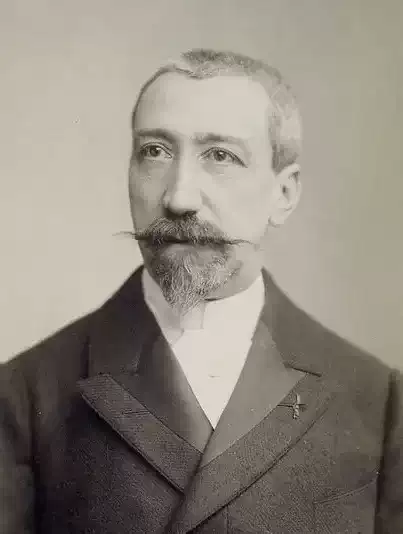
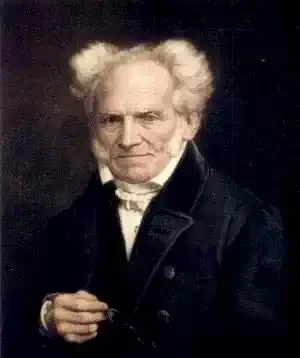
Arthur Schopenhauer
The discovery of truth is prevented more effectively, not by the false appearance things present and which mislead into error, not directly by weakness of the reasoning powers, but by preconceived opinion, by prejudice.
12

Epicteto
Be careful whom you associate with. It is human to imitate the habits of those with whom we interact. We inadvertently adopt their interests, their opinions, their values, and their habit of interpreting events.
6

Benjamin Franklin
Remember not only to say the right thing in the right place, but far more difficult still, to leave unsaid the wrong thing at the tempting moment.
10
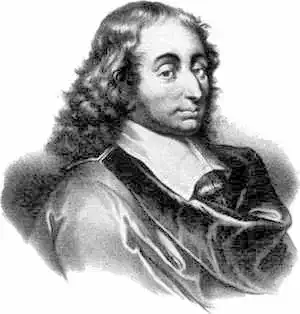
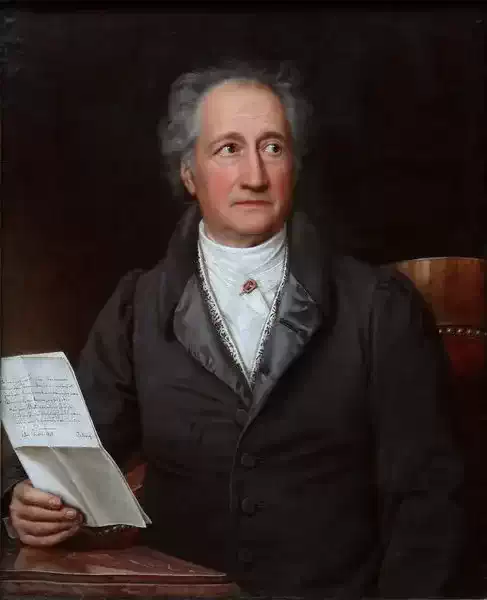
Johann Wolfgang von Goethe
No one has ever properly understood me, I have never fully understood anyone; and no one understands anyone else.
7
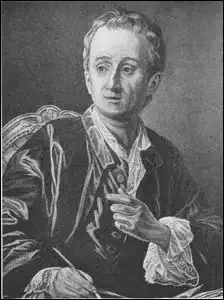
Denis Diderot
To say that man is made up of strength and weakness, of insight and blindness, of pettiness and grandeur, is not to draw up an indictment against him: it is to define him.
12

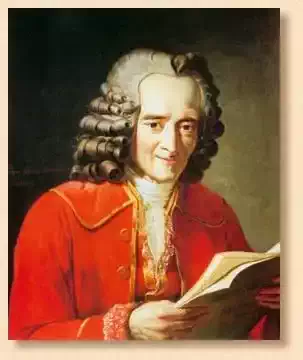
Voltaire
The human brain is a complex organ with the wonderful power of enabling man to find reasons for continuing to believe whatever it is that he wants to believe.
10
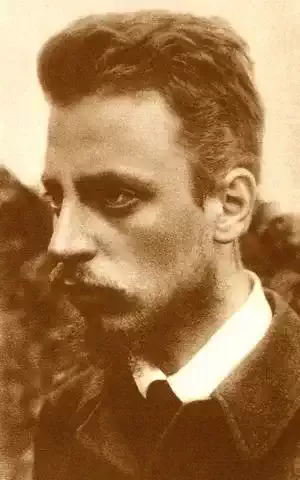
Rainer Maria Rilke
Nobody can advise and help you, nobody. There is only one single means. Go inside yourself. Discover the motive that bids you write; examine whether it sends its roots down to the deepest places of your heart, confess to yourself whether you would have to die if writing were denied you. This before all: ask yourself in the quietest hour of your night: must I write?
18

Ernest Hemingway
Never write about a place until you’re away from it, because it gives you perspective.
10
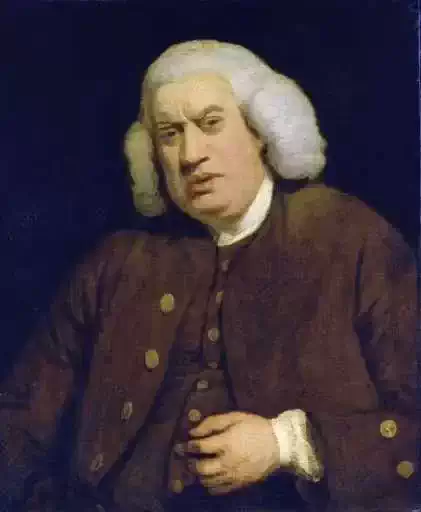
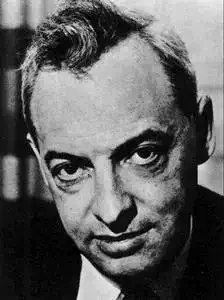
Saul Bellow
Every writer’s assumption is that he is as other human beings are, and that they are more or less as he is. There’s a principle of psychic unity. [Writing] was not meant to be an occult operation; it was not meant to be an esoteric secret.
10
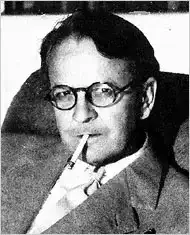
Raymond Chandler
Writers who get written about become self-conscious. They develop a regrettable habit of looking at themselves through the eyes of other people. They are no longer alone, they have an investment in critical praise, and they think they must protect it. This leads to a diffusion of effort. The writer watches himself as he works. He grows more subtle and he pays for it by loss of organic dash.
13
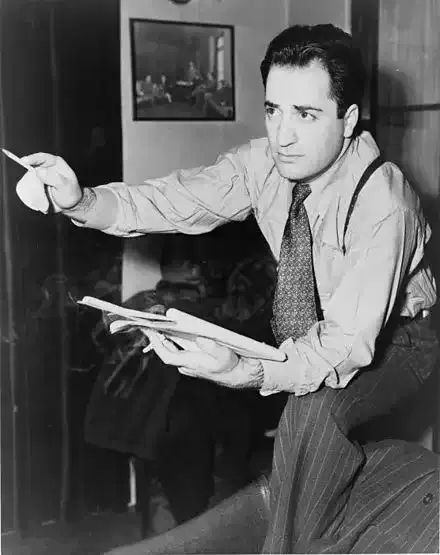
William Saroyan
The most solid advice … for a writer is this, I think: Try to learn to breathe deeply, really to taste food when you eat, and when you sleep, really to sleep. Try as much as possible to be wholly alive, with all your might, and when you laugh, laugh like hell, and when you get angry, get good and angry. Try to be alive. You will be dead soon enough.
10
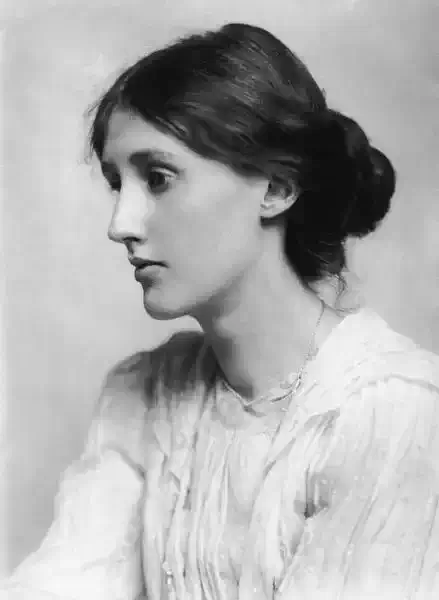
Virginia Woolf
A note: despair at the badness of the book; can’t think how I ever could write such stuff—and with such excitement: that’s yesterday: today I think it good again. A note, by way of advising other Virginias with other books that this is the way of the thing: up down up down—and Lord know the truth.
9
