

Poems in this topic
Relationships and Family
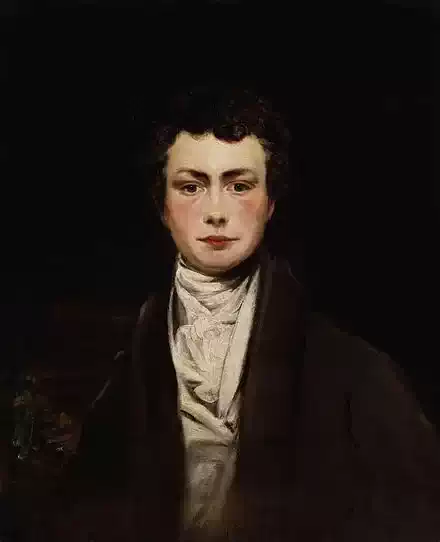
Thomas Moore
The Dream of Those Days
The Dream of Those Days
The dream of those days when first I sung thee is o'er
Thy triumph hath stain'd the charm thy sorrows then wore;
And even the light which Hope once shed o'er thy chains,
Alas, not a gleam to grace thy freedom remains.
Say, is it that slavery sunk so deep in thy heart,
That still the dark brand is there, though chainless thou art;
And Freedom's sweet fruit, for which thy spirit long burn'd,
Now, reaching at last thy lip, to ashes hath turn'd?
Up Liberty's steep by Truth and Eloquence led,
With eyes on her temple fix'd, how proud was thy tread!
Ah, better thou ne'er hadst lived that summit to gain,
Denied in the porch, than thus dishonour the fane.
The dream of those days when first I sung thee is o'er
Thy triumph hath stain'd the charm thy sorrows then wore;
And even the light which Hope once shed o'er thy chains,
Alas, not a gleam to grace thy freedom remains.
Say, is it that slavery sunk so deep in thy heart,
That still the dark brand is there, though chainless thou art;
And Freedom's sweet fruit, for which thy spirit long burn'd,
Now, reaching at last thy lip, to ashes hath turn'd?
Up Liberty's steep by Truth and Eloquence led,
With eyes on her temple fix'd, how proud was thy tread!
Ah, better thou ne'er hadst lived that summit to gain,
Denied in the porch, than thus dishonour the fane.
202
Thomas Moore
Sail On, Sail On
Sail On, Sail On
Sail on, sail on, thou fearless bark --
Where'er blows the welcome wind,
It cannot lead to scenes more dark,
More sad than those we leave behind.
Each wave that passes seems to say,
"Though death beneath our smile may be,
Less cold we are, less false than they,
Whose smiling wreck'd thy hopes and thee."
Sail on, sail on -- through endless space --
Through calm -- through tempest -- stop no more:
The stormiest sea's a resting-place
To him who leaves such hearts on shore.
Or -- if some desert land we meet,
Where never yet false-hearted men
Profaned a world, that else were sweet --
Then rest thee, bark, but not till then.
Sail on, sail on, thou fearless bark --
Where'er blows the welcome wind,
It cannot lead to scenes more dark,
More sad than those we leave behind.
Each wave that passes seems to say,
"Though death beneath our smile may be,
Less cold we are, less false than they,
Whose smiling wreck'd thy hopes and thee."
Sail on, sail on -- through endless space --
Through calm -- through tempest -- stop no more:
The stormiest sea's a resting-place
To him who leaves such hearts on shore.
Or -- if some desert land we meet,
Where never yet false-hearted men
Profaned a world, that else were sweet --
Then rest thee, bark, but not till then.
192
Thomas Moore
Sail On, Sail On
Sail On, Sail On
Sail on, sail on, thou fearless bark --
Where'er blows the welcome wind,
It cannot lead to scenes more dark,
More sad than those we leave behind.
Each wave that passes seems to say,
"Though death beneath our smile may be,
Less cold we are, less false than they,
Whose smiling wreck'd thy hopes and thee."
Sail on, sail on -- through endless space --
Through calm -- through tempest -- stop no more:
The stormiest sea's a resting-place
To him who leaves such hearts on shore.
Or -- if some desert land we meet,
Where never yet false-hearted men
Profaned a world, that else were sweet --
Then rest thee, bark, but not till then.
Sail on, sail on, thou fearless bark --
Where'er blows the welcome wind,
It cannot lead to scenes more dark,
More sad than those we leave behind.
Each wave that passes seems to say,
"Though death beneath our smile may be,
Less cold we are, less false than they,
Whose smiling wreck'd thy hopes and thee."
Sail on, sail on -- through endless space --
Through calm -- through tempest -- stop no more:
The stormiest sea's a resting-place
To him who leaves such hearts on shore.
Or -- if some desert land we meet,
Where never yet false-hearted men
Profaned a world, that else were sweet --
Then rest thee, bark, but not till then.
192
Thomas Moore
Quantum Est Quod Desit
Quantum Est Quod Desit
'Twas a new feeling - something more
Than we had dar'd to own before,
Which then we hid not;
We saw it in each other's eye,
And wish'd in every broken sigh
To speak, but did not!
She felt my lips' impassion'd touch;
'Twas the first time I dar'd so much,
And yet, she chid not;
But whisper'd o'er my burning brow,
'Oh! do you doubt I love you now?'
Sweet soul! I did not!
Warmly I felt her bosom thrill,
I prest it closer, closer still,
Though gently bid not;
Till - oh! the world hath seldom heard
Of lovers, who so nearly err'd,
And yet who - did not!
'Twas a new feeling - something more
Than we had dar'd to own before,
Which then we hid not;
We saw it in each other's eye,
And wish'd in every broken sigh
To speak, but did not!
She felt my lips' impassion'd touch;
'Twas the first time I dar'd so much,
And yet, she chid not;
But whisper'd o'er my burning brow,
'Oh! do you doubt I love you now?'
Sweet soul! I did not!
Warmly I felt her bosom thrill,
I prest it closer, closer still,
Though gently bid not;
Till - oh! the world hath seldom heard
Of lovers, who so nearly err'd,
And yet who - did not!
164
Thomas Moore
Oh! Had We Some Bright Little Isle of Our Own
Oh! Had We Some Bright Little Isle of Our Own
Oh! had we some bright little isle of our own,
In a blue summer ocean, far off and alone,
Where a leaf never dies in the still blooming bowers,
And the bee banquets on through a whole year of flowers;
Where the sun loves to pause
With so fond a delay,
That the night only draws
A thin veil o'er the day;
Where simply to feel that we breathe, that we live,
Is worth the best joy that life elsewhere can give.
There with souls ever ardent and pure as the clime,
We should love, as they loved in the first golden time;
The glow of the sunshine, the balm of the air,
Would steal to our hearts, and make all summer there.
With affection as free
From decline as the bowers,
And, with hope, like the bee,
Living always on flowers,
Our life should resemble a long day of light,
And our death come on, holy and calm as the night.
Oh! had we some bright little isle of our own,
In a blue summer ocean, far off and alone,
Where a leaf never dies in the still blooming bowers,
And the bee banquets on through a whole year of flowers;
Where the sun loves to pause
With so fond a delay,
That the night only draws
A thin veil o'er the day;
Where simply to feel that we breathe, that we live,
Is worth the best joy that life elsewhere can give.
There with souls ever ardent and pure as the clime,
We should love, as they loved in the first golden time;
The glow of the sunshine, the balm of the air,
Would steal to our hearts, and make all summer there.
With affection as free
From decline as the bowers,
And, with hope, like the bee,
Living always on flowers,
Our life should resemble a long day of light,
And our death come on, holy and calm as the night.
176
Thomas Moore
Nay, Tell Me Not, Dear
Nay, Tell Me Not, Dear
Nay, tell me not, dear, that the goblet drowns
One charm of feeling, one fond regret;
Believe me, a few of thy angry frowns
Are all I've sunk in its bright wave yet.
Ne'er hath a beam
Been lost in the stream
That ever was shed from thy form or soul;
The spell of those eyes,
The balm of thy sighs,
Still float on the surface, and hallow by bowl.
Then fancy not, dearest, that wine can steal
One blissful dream of the heart from me;
Like founts that awaken the pilgrim's zeal,
The bowl but brightens my love for thee.
They tell us the Love in his fairy bower
Had two blush-roses, of birth divine;
He sprinkled the one with a rainbow's shower,
But bathed the other with mantling wine.
Soon did the buds
That drunk of the floods
Distill'd by the rainbow decline and fade;
While those which the tide
Of ruby had dyed
All blush'd into beauty, like thee, sweet maid!
Then fancy not, dearest, that wine can steal
One blissful dream of the heart from me;
Like founts that awaken the pilgrim's zeal,
The bowl but brightens my love for thee.
Nay, tell me not, dear, that the goblet drowns
One charm of feeling, one fond regret;
Believe me, a few of thy angry frowns
Are all I've sunk in its bright wave yet.
Ne'er hath a beam
Been lost in the stream
That ever was shed from thy form or soul;
The spell of those eyes,
The balm of thy sighs,
Still float on the surface, and hallow by bowl.
Then fancy not, dearest, that wine can steal
One blissful dream of the heart from me;
Like founts that awaken the pilgrim's zeal,
The bowl but brightens my love for thee.
They tell us the Love in his fairy bower
Had two blush-roses, of birth divine;
He sprinkled the one with a rainbow's shower,
But bathed the other with mantling wine.
Soon did the buds
That drunk of the floods
Distill'd by the rainbow decline and fade;
While those which the tide
Of ruby had dyed
All blush'd into beauty, like thee, sweet maid!
Then fancy not, dearest, that wine can steal
One blissful dream of the heart from me;
Like founts that awaken the pilgrim's zeal,
The bowl but brightens my love for thee.
196
Thomas Moore
Love and the Novice
Love and the Novice
"Here we dwell, in holiest bowers,
Where angels of light o'er our orisans bend;
Where sighs of devotion and breathings of flowers
To heaven in mingled odour ascend.
Do not disturb our calm, oh Love!
So like is thy form to the cherubs above,
It well might deceive such hearts as ours."
Love stood near the Novice and listen'd,
And Love is no novice in taking a hint;
His laughing blue eyes soon with piety glisten'd;
His rosy wing turn'd to heaven's own tint.
"Who would have thought," the urchin cries,
"That Love could so well, so gravely disguise
His wandering wings, and wounding eyes?"
Love now warms thee, waking and sleeping,
Young Novice, to him all thy orisons rise.
He tinges the heavenly fount with his weeping,
He brightens the censer's flame with his sighs.
Love is the Saint enshrined in thy breast,
And angels themselves would admit such a guest,
If he came to them clothed in Piety's vest.
"Here we dwell, in holiest bowers,
Where angels of light o'er our orisans bend;
Where sighs of devotion and breathings of flowers
To heaven in mingled odour ascend.
Do not disturb our calm, oh Love!
So like is thy form to the cherubs above,
It well might deceive such hearts as ours."
Love stood near the Novice and listen'd,
And Love is no novice in taking a hint;
His laughing blue eyes soon with piety glisten'd;
His rosy wing turn'd to heaven's own tint.
"Who would have thought," the urchin cries,
"That Love could so well, so gravely disguise
His wandering wings, and wounding eyes?"
Love now warms thee, waking and sleeping,
Young Novice, to him all thy orisons rise.
He tinges the heavenly fount with his weeping,
He brightens the censer's flame with his sighs.
Love is the Saint enshrined in thy breast,
And angels themselves would admit such a guest,
If he came to them clothed in Piety's vest.
202
Thomas Moore
Lesbia Hath a Beaming Eye
Lesbia Hath a Beaming Eye
Lesbia hath a beaming eye,
But no one knows for whom it beameth;
Right and left its arrows fly,
But what they aim at no one dreameth.
Sweeter 'tis to gaze upon
My Nora's lid that seldom rises;
Few its looks, but every one,
Like unexpected light, surprises!
Oh, my Nora Creina, dear,
My gentle, bashful Nora Creina,
Beauty lies
In many eyes,
But Love in yours, my Nora Creina.
Lesbia wears a robe of gold,
But all so close the nymph hath laced it,
Not a charm of beauty's mould
Presumes to stay where Nature placed it.
Oh! my Nora's gown for me,
That floats as wild as mountain breezes,
Leaving every beauty free
To sink or swell as Heaven pleases.
Yes, my Nora Creina, dear,
My simple, graceful Nora Creina,
Nature's dress
Is loveliness --
The dress you wear, my Nora Creina.
Lesbia hath a wit refined,
But, when its points are gleaning round us,
Who can tell if they're design'd
To dazzle merely, or to wound us?
Pillow'd on my Nora's heart,
In safer slumber Love reposes --
Bed of peace! whose roughest part
Is but the crumpling of the roses.
Oh! my Nora Creina, dear,
My mild, my artless Nora Creina!
Wit, though bright,
Hath no such light
As warms your eyes, my Nora Creina.
Lesbia hath a beaming eye,
But no one knows for whom it beameth;
Right and left its arrows fly,
But what they aim at no one dreameth.
Sweeter 'tis to gaze upon
My Nora's lid that seldom rises;
Few its looks, but every one,
Like unexpected light, surprises!
Oh, my Nora Creina, dear,
My gentle, bashful Nora Creina,
Beauty lies
In many eyes,
But Love in yours, my Nora Creina.
Lesbia wears a robe of gold,
But all so close the nymph hath laced it,
Not a charm of beauty's mould
Presumes to stay where Nature placed it.
Oh! my Nora's gown for me,
That floats as wild as mountain breezes,
Leaving every beauty free
To sink or swell as Heaven pleases.
Yes, my Nora Creina, dear,
My simple, graceful Nora Creina,
Nature's dress
Is loveliness --
The dress you wear, my Nora Creina.
Lesbia hath a wit refined,
But, when its points are gleaning round us,
Who can tell if they're design'd
To dazzle merely, or to wound us?
Pillow'd on my Nora's heart,
In safer slumber Love reposes --
Bed of peace! whose roughest part
Is but the crumpling of the roses.
Oh! my Nora Creina, dear,
My mild, my artless Nora Creina!
Wit, though bright,
Hath no such light
As warms your eyes, my Nora Creina.
218
Thomas Moore
Lalla Rookh
Lalla Rookh
"How sweetly," said the trembling maid,
Of her own gentle voice afraid,
So long had they in silence stood,
Looking upon that tranquil flood--
"How sweetly does the moon-beam smile
To-night upon yon leafy isle!
Oft in my fancy's wanderings,
I've wish'd that little isle had wings,
And we, within its fairy bow'rs,
Were wafted off to seas unknown,
Where not a pulse should beat but ours,
And we might live, love, die alone!
Far from the cruel and the cold,--
Where the bright eyes of angels only
Should come around us, to behold
A paradise so pure and lonely.
Would this be world enough for thee?"--
Playful she turn'd, that he might see
The passing smile her cheek put on;
But when she mark'd how mournfully
His eyes met hers, that smile was gone;
And, bursting into heart-felt tears,
"Yes, yes," she cried, "my hourly fears
My dreams have boded all too right--
We part--for ever part--to-night!
I knew, I knew it could not last--
'Twas bright, 'twas heav'nly, but 'tis past!
Oh! ever thus, from childhood's hour,
I've seen my fondest hopes decay;
I never lov'd a tree or flow'r,
But 'twas the first to fade away.
I never nurs'd a dear gazelle
To glad me with its soft black eye,
But when it came to know me well
And love me, it was sure to die!
Now too--the joy most like divine
Of all I ever dreamt or knew,
To see thee, hear thee, call thee mine,--
Oh misery! must I lose that too?
Yet go--on peril's brink we meet;--
Those frightful rocks--that treach'rous sea--
No, never come again--though sweet,
Though heav'n, it may be death to thee.
Farewell--and blessings on thy way,
Where'er thou goest, beloved stranger!
Better to sit and watch that ray,
And think thee safe, though far away,
Than have thee near me, and in danger!"
"How sweetly," said the trembling maid,
Of her own gentle voice afraid,
So long had they in silence stood,
Looking upon that tranquil flood--
"How sweetly does the moon-beam smile
To-night upon yon leafy isle!
Oft in my fancy's wanderings,
I've wish'd that little isle had wings,
And we, within its fairy bow'rs,
Were wafted off to seas unknown,
Where not a pulse should beat but ours,
And we might live, love, die alone!
Far from the cruel and the cold,--
Where the bright eyes of angels only
Should come around us, to behold
A paradise so pure and lonely.
Would this be world enough for thee?"--
Playful she turn'd, that he might see
The passing smile her cheek put on;
But when she mark'd how mournfully
His eyes met hers, that smile was gone;
And, bursting into heart-felt tears,
"Yes, yes," she cried, "my hourly fears
My dreams have boded all too right--
We part--for ever part--to-night!
I knew, I knew it could not last--
'Twas bright, 'twas heav'nly, but 'tis past!
Oh! ever thus, from childhood's hour,
I've seen my fondest hopes decay;
I never lov'd a tree or flow'r,
But 'twas the first to fade away.
I never nurs'd a dear gazelle
To glad me with its soft black eye,
But when it came to know me well
And love me, it was sure to die!
Now too--the joy most like divine
Of all I ever dreamt or knew,
To see thee, hear thee, call thee mine,--
Oh misery! must I lose that too?
Yet go--on peril's brink we meet;--
Those frightful rocks--that treach'rous sea--
No, never come again--though sweet,
Though heav'n, it may be death to thee.
Farewell--and blessings on thy way,
Where'er thou goest, beloved stranger!
Better to sit and watch that ray,
And think thee safe, though far away,
Than have thee near me, and in danger!"
204
Thomas Moore
If Thou'lt Be Mine
If Thou'lt Be Mine
If thou'lt be mine, the treasures of air,
Of earth, and sea, shall lie at thy feet;
Whatever in Fancy's eye looks fair,
Or in Hope's sweet music sounds most sweet,
Shall be ours -- if thou wilt be mine, love!
Bright flowers shall bloom wherever we rove,
A voice divine shall talk in each stream;
The stars shall look like world of love,
And this earth be all one beautiful dream
In our eyes -- if thou wilt be mine, love!
And thoughts, whose source is hidden and high,
Like streams that come from heaven-ward hills,
Shall keep our hearts, like meads, that lie
To be bathed by those eternal rills,
Ever green, if thou wilt be mine, love!
All this and more the Spirit of Love
Can breathe o'er them who feel his spells;
That heaven, which forms his home above,
He can make on earth, wherever he dwells,
As thou'lt own, -- if thou wilt be mine, love!
If thou'lt be mine, the treasures of air,
Of earth, and sea, shall lie at thy feet;
Whatever in Fancy's eye looks fair,
Or in Hope's sweet music sounds most sweet,
Shall be ours -- if thou wilt be mine, love!
Bright flowers shall bloom wherever we rove,
A voice divine shall talk in each stream;
The stars shall look like world of love,
And this earth be all one beautiful dream
In our eyes -- if thou wilt be mine, love!
And thoughts, whose source is hidden and high,
Like streams that come from heaven-ward hills,
Shall keep our hearts, like meads, that lie
To be bathed by those eternal rills,
Ever green, if thou wilt be mine, love!
All this and more the Spirit of Love
Can breathe o'er them who feel his spells;
That heaven, which forms his home above,
He can make on earth, wherever he dwells,
As thou'lt own, -- if thou wilt be mine, love!
188
Thomas Moore
I Saw From the Beach
I Saw From the Beach
I saw from the beach, when the morning was shining,
A bark o'er the waters move gloriously on;
I came when the sun o'er that beach was declining,
The bark was still there, but the waters were gone.
And such is the fate of our life's early promise,
So passing the spring-tide of joy we have known;
Each wave that we danced on at morning ebbs from us,
And leaves us, at eve, on the bleak shore alone.
Oh, who would not welcome that moment's returning
When passion first waked a new life through his frame,
And his soul, like the wood that grows precious in burning,
Gave out all its sweets to love's exquisite flame.
I saw from the beach, when the morning was shining,
A bark o'er the waters move gloriously on;
I came when the sun o'er that beach was declining,
The bark was still there, but the waters were gone.
And such is the fate of our life's early promise,
So passing the spring-tide of joy we have known;
Each wave that we danced on at morning ebbs from us,
And leaves us, at eve, on the bleak shore alone.
Oh, who would not welcome that moment's returning
When passion first waked a new life through his frame,
And his soul, like the wood that grows precious in burning,
Gave out all its sweets to love's exquisite flame.
188
Thomas Moore
Go Where Glory Waits Thee
Go Where Glory Waits Thee
Go where glory waits thee,
But while fame elates thee,
Oh! still remember me.
When the praise thou meetest
To thine ear is sweetest,
Oh! then remember me.
Other arms may press thee,
Dearer friends caress thee,
All the joys that bless thee,
Sweeter far may be;
But when friends are nearest,
And when joys are dearest,
Oh! then remember me!
When, at eve, thou rovest
By the star thou lovest,
Oh! then remember me.
Think, when home returning,
Bright we've seen it burning,
Oh! thus remember me.
Oft as summer closes,
When thine eye reposes
On its lingering roses,
Once so loved by thee,
Think of her who wove them,
Her who made thee love them,
Oh! then remember me.
When, around thee dying,
Autumn leaves are lying,
Oh! then remember me.
And, at night, when gazing
On the gay hearth blazing,
Oh! still remember me.
Then should music, stealing
All the soul of feeling,
To thy heart appealing,
Draw one tear from thee;
Then let memory bring thee
Strains I used to sing thee, --
Oh! then remember me.
Go where glory waits thee,
But while fame elates thee,
Oh! still remember me.
When the praise thou meetest
To thine ear is sweetest,
Oh! then remember me.
Other arms may press thee,
Dearer friends caress thee,
All the joys that bless thee,
Sweeter far may be;
But when friends are nearest,
And when joys are dearest,
Oh! then remember me!
When, at eve, thou rovest
By the star thou lovest,
Oh! then remember me.
Think, when home returning,
Bright we've seen it burning,
Oh! thus remember me.
Oft as summer closes,
When thine eye reposes
On its lingering roses,
Once so loved by thee,
Think of her who wove them,
Her who made thee love them,
Oh! then remember me.
When, around thee dying,
Autumn leaves are lying,
Oh! then remember me.
And, at night, when gazing
On the gay hearth blazing,
Oh! still remember me.
Then should music, stealing
All the soul of feeling,
To thy heart appealing,
Draw one tear from thee;
Then let memory bring thee
Strains I used to sing thee, --
Oh! then remember me.
224
Thomas Moore
Drink To Her
Drink To Her
Drink to her who long
Hath waked the poet's sigh,
The girl who gave to song
What gold could never buy.
Oh! woman's heart was made
For minstrel hands alone;
By other fingers play'd,
It yields not half the tone.
Then here's to her who long
Hath waked the poet's sigh,
The girl who gave to song
What gold could never buy.
At Beauty's door of glass,
When Wealth and Wit once stood,
They ask'd her, "which might pass?"
She answer'd, "he who could."
With golden key Wealth thought
To pass -- but 'twould not do:
While Wit a diamond brought,
Which cut his bright way through.
So here's to her who long
Hath waked the poet's sigh,
The girl who gave to song
What gold could never buy.
The love that seeks a home
Where wealth or grandeur shines,
Is like the gloomy gnome,
That dwells in dark mines.
But oh! the poet's love
Can boast a brighter sphere;
Its native home's above,
Though woman keeps it here.
Then drink to her who long
Hath waked the poet's sigh,
The girl who gave to song
What gold could never buy.
Drink to her who long
Hath waked the poet's sigh,
The girl who gave to song
What gold could never buy.
Oh! woman's heart was made
For minstrel hands alone;
By other fingers play'd,
It yields not half the tone.
Then here's to her who long
Hath waked the poet's sigh,
The girl who gave to song
What gold could never buy.
At Beauty's door of glass,
When Wealth and Wit once stood,
They ask'd her, "which might pass?"
She answer'd, "he who could."
With golden key Wealth thought
To pass -- but 'twould not do:
While Wit a diamond brought,
Which cut his bright way through.
So here's to her who long
Hath waked the poet's sigh,
The girl who gave to song
What gold could never buy.
The love that seeks a home
Where wealth or grandeur shines,
Is like the gloomy gnome,
That dwells in dark mines.
But oh! the poet's love
Can boast a brighter sphere;
Its native home's above,
Though woman keeps it here.
Then drink to her who long
Hath waked the poet's sigh,
The girl who gave to song
What gold could never buy.
261
Thomas Moore
Did Not
Did Not
'Twas a new feeling - something more
Than we had dared to own before,
Which then we hid not;
We saw it in each other's eye,
And wished, in every half-breathed sigh,
To speak, but did not.
She felt my lips' impassioned touch -
'Twas the first time I dared so much,
And yet she chid not;
But whispered o'er my burning brow,
'Oh, do you doubt I love you now?'
Sweet soul! I did not.
Warmly I felt her bosom thrill,
I pressed it closer, closer still,
Though gently bid not;
Till - oh! the world hath seldom heard
Of lovers, who so nearly erred,
And yet, who did not.
'Twas a new feeling - something more
Than we had dared to own before,
Which then we hid not;
We saw it in each other's eye,
And wished, in every half-breathed sigh,
To speak, but did not.
She felt my lips' impassioned touch -
'Twas the first time I dared so much,
And yet she chid not;
But whispered o'er my burning brow,
'Oh, do you doubt I love you now?'
Sweet soul! I did not.
Warmly I felt her bosom thrill,
I pressed it closer, closer still,
Though gently bid not;
Till - oh! the world hath seldom heard
Of lovers, who so nearly erred,
And yet, who did not.
239
Thomas Moore
Did Not
Did Not
'Twas a new feeling - something more
Than we had dared to own before,
Which then we hid not;
We saw it in each other's eye,
And wished, in every half-breathed sigh,
To speak, but did not.
She felt my lips' impassioned touch -
'Twas the first time I dared so much,
And yet she chid not;
But whispered o'er my burning brow,
'Oh, do you doubt I love you now?'
Sweet soul! I did not.
Warmly I felt her bosom thrill,
I pressed it closer, closer still,
Though gently bid not;
Till - oh! the world hath seldom heard
Of lovers, who so nearly erred,
And yet, who did not.
'Twas a new feeling - something more
Than we had dared to own before,
Which then we hid not;
We saw it in each other's eye,
And wished, in every half-breathed sigh,
To speak, but did not.
She felt my lips' impassioned touch -
'Twas the first time I dared so much,
And yet she chid not;
But whispered o'er my burning brow,
'Oh, do you doubt I love you now?'
Sweet soul! I did not.
Warmly I felt her bosom thrill,
I pressed it closer, closer still,
Though gently bid not;
Till - oh! the world hath seldom heard
Of lovers, who so nearly erred,
And yet, who did not.
239
Thomas Moore
Desmond's Song
Desmond's Song
By the Feal's wave benighted,
No star in the skies,
To thy door by Love lighted,
I first saw those eyes.
Some voice whisper'd o'er me,
As the threshold I cross'd,
There was ruin before me,
If I loved, I was lost.
Love came, and brought sorrow
Too soon in his train;
Yet so sweet, that to-morrow
'Twere welcome again.
Though misery's full measure
My portion should be,
I would drain it with pleasure,
If pour'd out by thee.
You, who call it dishonour
To bow to this flame,
If you've eyes, look but on her,
And blush while you blame.
Hath the pearl less whiteness
Because of its birth?
Hath the violet less brightness
For growing near earth?
No -- Man for his glory
To ancestry flies;
But Woman's bright story
Is told in her eyes.
While the Monarch but traces
Through mortals his line,
Beauty, born of the Graces,
Ranks next to Divine!
By the Feal's wave benighted,
No star in the skies,
To thy door by Love lighted,
I first saw those eyes.
Some voice whisper'd o'er me,
As the threshold I cross'd,
There was ruin before me,
If I loved, I was lost.
Love came, and brought sorrow
Too soon in his train;
Yet so sweet, that to-morrow
'Twere welcome again.
Though misery's full measure
My portion should be,
I would drain it with pleasure,
If pour'd out by thee.
You, who call it dishonour
To bow to this flame,
If you've eyes, look but on her,
And blush while you blame.
Hath the pearl less whiteness
Because of its birth?
Hath the violet less brightness
For growing near earth?
No -- Man for his glory
To ancestry flies;
But Woman's bright story
Is told in her eyes.
While the Monarch but traces
Through mortals his line,
Beauty, born of the Graces,
Ranks next to Divine!
208
Thomas Moore
Come O'er the Sea
Come O'er the Sea
Come o'er the sea,
Maiden with me,
Mine through sunshine, storm, and snows;
Seasons may roll,
But the true soul
Burns the same, where'er it goes.
Let fate frown on, so we love and part not;
'Tis life where thou art, 'tis death were thou are not.
Then come o'er the sea,
Maiden with me,
Come wherever the wild wind blows;
Seasons may roll,
But the true soul
Burns the same, where'er it goes.
Was not the sea
Made for the Free,
Land for courts and chains alone?
Here we are slaves,
But, on the waves,
Love and Liberty's all our own.
No eye to watch, and no tongue to wound us
All earth forgot, and all heaven around us --
Then come o'er the sea,
Maiden, with me,
Mine through sunshine, storms, and snows
Seasons may roll,
But the true soul
Burns the same, where'er it goes.
Come o'er the sea,
Maiden with me,
Mine through sunshine, storm, and snows;
Seasons may roll,
But the true soul
Burns the same, where'er it goes.
Let fate frown on, so we love and part not;
'Tis life where thou art, 'tis death were thou are not.
Then come o'er the sea,
Maiden with me,
Come wherever the wild wind blows;
Seasons may roll,
But the true soul
Burns the same, where'er it goes.
Was not the sea
Made for the Free,
Land for courts and chains alone?
Here we are slaves,
But, on the waves,
Love and Liberty's all our own.
No eye to watch, and no tongue to wound us
All earth forgot, and all heaven around us --
Then come o'er the sea,
Maiden, with me,
Mine through sunshine, storms, and snows
Seasons may roll,
But the true soul
Burns the same, where'er it goes.
222
Thomas Moore
Believe Me, If All Those Endearing Young Charms
Believe Me, If All Those Endearing Young Charms
Believe me, if all those endearing young charms,
Which I gaze on so fondly to-day,
Were to change by to-morrow, and fleet in my arms,
Live fairy-gifts fading away,
Thou wouldst still be adored, as this moment thou art,
Let thy loveliness fade as it will,
And around the dear ruin each wish of my heart
Would entwine itself verdantly still.
It is not while beauty and youth are thine own,
And thy cheeks unprofaned by a tear,
That the fervor and faith of a soul may be known,
To which time will but make thee more dear!
No, the heart that has truly loved never forgets,
But as truly loves on to the close,
As the sunflower turns on her god when he sets
The same look which she turned when he rose!
Believe me, if all those endearing young charms,
Which I gaze on so fondly to-day,
Were to change by to-morrow, and fleet in my arms,
Live fairy-gifts fading away,
Thou wouldst still be adored, as this moment thou art,
Let thy loveliness fade as it will,
And around the dear ruin each wish of my heart
Would entwine itself verdantly still.
It is not while beauty and youth are thine own,
And thy cheeks unprofaned by a tear,
That the fervor and faith of a soul may be known,
To which time will but make thee more dear!
No, the heart that has truly loved never forgets,
But as truly loves on to the close,
As the sunflower turns on her god when he sets
The same look which she turned when he rose!
178
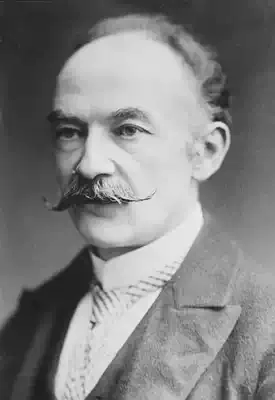
Thomas Hardy
Transformations
Transformations
Portion of this yew
Is a man my grandsire knew,
Bosomed here at its foot:
This branch may be his wife,
A ruddy human life
Now turned to a green shoot.
These grasses must be made
Of her who often prayed,
Last century, for repose;
And the fair girl long ago
Whom I often tried to know
May be entering this rose.
So, they are not underground,
But as nerves and veins abound
In the growths of upper air,
And they feel the sun and rain,
And the energy again
That made them what they were!
Portion of this yew
Is a man my grandsire knew,
Bosomed here at its foot:
This branch may be his wife,
A ruddy human life
Now turned to a green shoot.
These grasses must be made
Of her who often prayed,
Last century, for repose;
And the fair girl long ago
Whom I often tried to know
May be entering this rose.
So, they are not underground,
But as nerves and veins abound
In the growths of upper air,
And they feel the sun and rain,
And the energy again
That made them what they were!
251
Thomas Hardy
Unknowing
Unknowing
WHEN, soul in soul reflected,
We breathed an æthered air,
When we neglected
All things elsewhere,
And left the friendly friendless
To keep our love aglow,
We deemed it endless...
--We did not know!
When, by mad passion goaded,
We planned to hie away,
But, unforeboded,
The storm-shafts gray
So heavily down-pattered
That none could forthward go,
Our lives seemed shattered...
--We did not know!
When I found you, helpless lying,
And you waived my deep misprise,
And swore me, dying,
In phantom-guise
To wing to me when grieving,
And touch away my woe,
We kissed, believing...
--We did not know!
But though, your powers outreckoning,
You hold you dead and dumb,
Or scorn my beckoning,
And will not come;
And I say, "'Twere mood ungainly
To store her memory so:"
I say it vainly--
I feel and know!
WHEN, soul in soul reflected,
We breathed an æthered air,
When we neglected
All things elsewhere,
And left the friendly friendless
To keep our love aglow,
We deemed it endless...
--We did not know!
When, by mad passion goaded,
We planned to hie away,
But, unforeboded,
The storm-shafts gray
So heavily down-pattered
That none could forthward go,
Our lives seemed shattered...
--We did not know!
When I found you, helpless lying,
And you waived my deep misprise,
And swore me, dying,
In phantom-guise
To wing to me when grieving,
And touch away my woe,
We kissed, believing...
--We did not know!
But though, your powers outreckoning,
You hold you dead and dumb,
Or scorn my beckoning,
And will not come;
And I say, "'Twere mood ungainly
To store her memory so:"
I say it vainly--
I feel and know!
245
Thomas Hardy
To Lizbie Browne
To Lizbie Browne
I
Dear Lizbie Browne,
Where are you now?
In sun, in rain? -
Or is your brow
Past joy, past pain,
Dear Lizbie Browne?
II
Sweet Lizbie Browne
How you could smile,
How you could sing! -
How archly wile
In glance-giving,
Sweet Lizbie Browne!
III
And, Lizbie Browne,
Who else had hair
Bay-red as yours,
Or flesh so fair
Bred out of doors,
Sweet Lizbie Browne?
IV
When, Lizbie Browne,
You had just begun
To be endeared
By stealth to one,
You disappeared
My Lizbie Browne!
V
Ay, Lizbie Browne,
So swift your life,
And mine so slow,
You were a wife
Ere I could show
Love, Lizbie Browne.
VI
Still, Lizbie Browne,
You won, they said,
The best of men
When you were wed . . .
Where went you then,
O Lizbie Browne?
VII
Dear Lizbie Browne,
I should have thought,
"Girls ripen fast,"
And coaxed and caught
You ere you passed,
Dear Lizbie Browne!
VIII
But, Lizbie Browne,
I let you slip;
Shaped not a sign;
Touched never your lip
With lip of mine,
Lost Lizbie Browne!
IX
So, Lizbie Browne,
When on a day
Men speak of me
As not, you'll say,
"And who was he?" -
Yes, Lizbie Browne!
I
Dear Lizbie Browne,
Where are you now?
In sun, in rain? -
Or is your brow
Past joy, past pain,
Dear Lizbie Browne?
II
Sweet Lizbie Browne
How you could smile,
How you could sing! -
How archly wile
In glance-giving,
Sweet Lizbie Browne!
III
And, Lizbie Browne,
Who else had hair
Bay-red as yours,
Or flesh so fair
Bred out of doors,
Sweet Lizbie Browne?
IV
When, Lizbie Browne,
You had just begun
To be endeared
By stealth to one,
You disappeared
My Lizbie Browne!
V
Ay, Lizbie Browne,
So swift your life,
And mine so slow,
You were a wife
Ere I could show
Love, Lizbie Browne.
VI
Still, Lizbie Browne,
You won, they said,
The best of men
When you were wed . . .
Where went you then,
O Lizbie Browne?
VII
Dear Lizbie Browne,
I should have thought,
"Girls ripen fast,"
And coaxed and caught
You ere you passed,
Dear Lizbie Browne!
VIII
But, Lizbie Browne,
I let you slip;
Shaped not a sign;
Touched never your lip
With lip of mine,
Lost Lizbie Browne!
IX
So, Lizbie Browne,
When on a day
Men speak of me
As not, you'll say,
"And who was he?" -
Yes, Lizbie Browne!
248
Thomas Hardy
To An Orphan Child
To An Orphan Child
A Whimsey
AH, child, thou art but half thy darling mother's;
Hers couldst thou wholly be,
My light in thee would outglow all in others;
She would relive to me.
But niggard Nature's trick of birth
Bars, lest she overjoy,
Renewal of the loved on earth
Save with alloy.
The Dame has no regard, alas, my maiden,
For love and loss like mine--
No sympathy with mind-sight memory-laden;
Only with fickle eyne.
To her mechanic artistry
My dreams are all unknown,
And why I wish that thou couldst be
But One's alone!
A Whimsey
AH, child, thou art but half thy darling mother's;
Hers couldst thou wholly be,
My light in thee would outglow all in others;
She would relive to me.
But niggard Nature's trick of birth
Bars, lest she overjoy,
Renewal of the loved on earth
Save with alloy.
The Dame has no regard, alas, my maiden,
For love and loss like mine--
No sympathy with mind-sight memory-laden;
Only with fickle eyne.
To her mechanic artistry
My dreams are all unknown,
And why I wish that thou couldst be
But One's alone!
243
Thomas Hardy
The Widow
The Widow
By Mellstock Lodge and Avenue
Towards her door I went,
And sunset on her window-panes
Reflected our intent.
The creeper on the gable nigh
Was fired to more than red
And when I came to halt thereby
"Bright as my joy!" I said.
Of late days it had been her aim
To meet me in the hall;
Now at my footsteps no one came;
And no one to my call.
Again I knocked; and tardily
An inner step was heard,
And I was shown her presence then
With scarce an answering word.
She met me, and but barely took
My proffered warm embrace;
Preoccupation weighed her look,
And hardened her sweet face.
"To-morrow--could you--would you call?
Make brief your present stay?
My child is ill--my one, my all! -
And can't be left to-day."
And then she turns, and gives commands
As I were out of sound,
Or were no more to her and hers
Than any neighbour round . . .
- As maid I wooed her; but one came
And coaxed her heart away,
And when in time he wedded her
I deemed her gone for aye.
He won, I lost her; and my loss
I bore I know not how;
But I do think I suffered then
Less wretchedness than now.
For Time, in taking him, had oped
An unexpected door
Of bliss for me, which grew to seem
Far surer than before . . .
Her word is steadfast, and I know
That plighted firm are we:
But she has caught new love-calls since
She smiled as maid on me!
By Mellstock Lodge and Avenue
Towards her door I went,
And sunset on her window-panes
Reflected our intent.
The creeper on the gable nigh
Was fired to more than red
And when I came to halt thereby
"Bright as my joy!" I said.
Of late days it had been her aim
To meet me in the hall;
Now at my footsteps no one came;
And no one to my call.
Again I knocked; and tardily
An inner step was heard,
And I was shown her presence then
With scarce an answering word.
She met me, and but barely took
My proffered warm embrace;
Preoccupation weighed her look,
And hardened her sweet face.
"To-morrow--could you--would you call?
Make brief your present stay?
My child is ill--my one, my all! -
And can't be left to-day."
And then she turns, and gives commands
As I were out of sound,
Or were no more to her and hers
Than any neighbour round . . .
- As maid I wooed her; but one came
And coaxed her heart away,
And when in time he wedded her
I deemed her gone for aye.
He won, I lost her; and my loss
I bore I know not how;
But I do think I suffered then
Less wretchedness than now.
For Time, in taking him, had oped
An unexpected door
Of bliss for me, which grew to seem
Far surer than before . . .
Her word is steadfast, and I know
That plighted firm are we:
But she has caught new love-calls since
She smiled as maid on me!
259
Thomas Hardy
The Tree: An Old Man's Story
The Tree: An Old Man's Story
I
Its roots are bristling in the air
Like some mad Earth-god's spiny hair;
The loud south-wester's swell and yell
Smote it at midnight, and it fell.
Thus ends the tree
Where Some One sat with me.
II
Its boughs, which none but darers trod,
A child may step on from the sod,
And twigs that earliest met the dawn
Are lit the last upon the lawn.
Cart off the tree
Beneath whose trunk sat we!
III
Yes, there we sat: she cooed content,
And bats ringed round, and daylight went;
The gnarl, our seat, is wrenched and sunk,
Prone that queer pocket in the trunk
Where lay the key
To her pale mystery.
IV
"Years back, within this pocket-hole
I found, my Love, a hurried scrawl
Meant not for me," at length said I;
"I glanced thereat, and let it lie:
The words were three -
'Beloved, I agree.'
V
"Who placed it here; to what request
It gave assent, I never guessed.
Some prayer of some hot heart, no doubt,
To some coy maiden hereabout,
Just as, maybe,
With you, Sweet Heart, and me."
VI
She waited, till with quickened breath
She spoke, as one who banisheth
Reserves that lovecraft heeds so well,
To ease some mighty wish to tell:
"'Twas I," said she,
"Who wrote thus clinchingly.
VII
"My lover's wife--aye, wife!--knew nought
Of what we felt, and bore, and thought . . .
He'd said: 'I wed with thee or die:
She stands between, 'tis true. But why?
Do thou agree,
And--she shalt cease to be.'
VIII
"How I held back, how love supreme
Involved me madly in his scheme
Why should I say? . . . I wrote assent
(You found it hid) to his intent . . .
She--DIED . . . But he
Came not to wed with me.
IX
"O shrink not, Love!--Had these eyes seen
But once thine own, such had not been!
But we were strangers . . . Thus the plot
Cleared passion's path.--Why came he not
To wed with me? . . .
He wived the gibbet-tree."
X
- Under that oak of heretofore
Sat Sweetheart mine with me no more:
By many a Fiord, and Strom, and Fleuve
Have I since wandered . . . Soon, for love,
Distraught went she -
'Twas said for love of me.
I
Its roots are bristling in the air
Like some mad Earth-god's spiny hair;
The loud south-wester's swell and yell
Smote it at midnight, and it fell.
Thus ends the tree
Where Some One sat with me.
II
Its boughs, which none but darers trod,
A child may step on from the sod,
And twigs that earliest met the dawn
Are lit the last upon the lawn.
Cart off the tree
Beneath whose trunk sat we!
III
Yes, there we sat: she cooed content,
And bats ringed round, and daylight went;
The gnarl, our seat, is wrenched and sunk,
Prone that queer pocket in the trunk
Where lay the key
To her pale mystery.
IV
"Years back, within this pocket-hole
I found, my Love, a hurried scrawl
Meant not for me," at length said I;
"I glanced thereat, and let it lie:
The words were three -
'Beloved, I agree.'
V
"Who placed it here; to what request
It gave assent, I never guessed.
Some prayer of some hot heart, no doubt,
To some coy maiden hereabout,
Just as, maybe,
With you, Sweet Heart, and me."
VI
She waited, till with quickened breath
She spoke, as one who banisheth
Reserves that lovecraft heeds so well,
To ease some mighty wish to tell:
"'Twas I," said she,
"Who wrote thus clinchingly.
VII
"My lover's wife--aye, wife!--knew nought
Of what we felt, and bore, and thought . . .
He'd said: 'I wed with thee or die:
She stands between, 'tis true. But why?
Do thou agree,
And--she shalt cease to be.'
VIII
"How I held back, how love supreme
Involved me madly in his scheme
Why should I say? . . . I wrote assent
(You found it hid) to his intent . . .
She--DIED . . . But he
Came not to wed with me.
IX
"O shrink not, Love!--Had these eyes seen
But once thine own, such had not been!
But we were strangers . . . Thus the plot
Cleared passion's path.--Why came he not
To wed with me? . . .
He wived the gibbet-tree."
X
- Under that oak of heretofore
Sat Sweetheart mine with me no more:
By many a Fiord, and Strom, and Fleuve
Have I since wandered . . . Soon, for love,
Distraught went she -
'Twas said for love of me.
233