

Poems in this topic
Relationships and Family
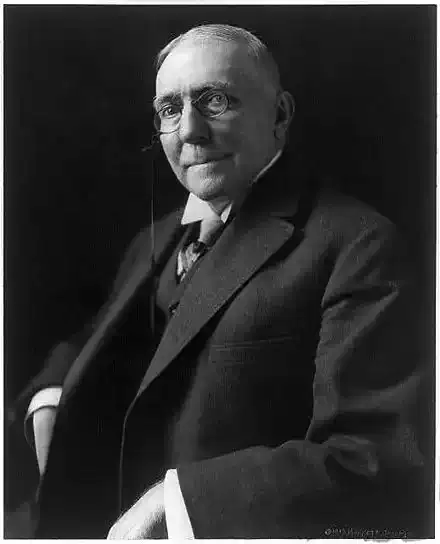
James Whitcomb Riley
Dreamer, Say
Dreamer, Say
Dreamer, say, will you dream for me
A wild sweet dream of a foreign land,
Whose border sips of a foaming sea
With lips of coral and silver sand;
Where warm winds loll on the shady deeps,
Or lave themselves in the tearful mist
The great wild wave of the breaker weeps
O'er crags of opal and amethyst?
Dreamer, say, will you dream a dream
Of tropic shades in the lands of shine,
Where the lily leans o'er an amber stream
That flows like a rill of wasted wine,--
Where the palm-trees, lifting their shields of green,
Parry the shafts of the Indian sun
Whose splintering vengeance falls between
The reeds below where the waters run?
Dreamer, say, will you dream of love
That lives in a land of sweet perfume,
Where the stars drip down from the skies above
In molten spatters of bud and bloom?
Where never the weary eyes are wet,
And never a sob in the balmy air,
And only the laugh of the paroquet
Breaks the sleep of the silence there?
Dreamer, say, will you dream for me
A wild sweet dream of a foreign land,
Whose border sips of a foaming sea
With lips of coral and silver sand;
Where warm winds loll on the shady deeps,
Or lave themselves in the tearful mist
The great wild wave of the breaker weeps
O'er crags of opal and amethyst?
Dreamer, say, will you dream a dream
Of tropic shades in the lands of shine,
Where the lily leans o'er an amber stream
That flows like a rill of wasted wine,--
Where the palm-trees, lifting their shields of green,
Parry the shafts of the Indian sun
Whose splintering vengeance falls between
The reeds below where the waters run?
Dreamer, say, will you dream of love
That lives in a land of sweet perfume,
Where the stars drip down from the skies above
In molten spatters of bud and bloom?
Where never the weary eyes are wet,
And never a sob in the balmy air,
And only the laugh of the paroquet
Breaks the sleep of the silence there?
286
James Whitcomb Riley
Dot Leedle Boy
Dot Leedle Boy
Ot's a leedle Gristmas story
Dot I told der leedle folks--
Und I vant you stop dot laughin'
Und grackin' funny jokes!--
So help me Peter-Moses!
Ot's no time for monkey-shine,
Ober I vast told you somedings
Of dot leedle boy of mine!
Ot vas von cold Vinter vedder,
Ven der snow vas all about--
Dot you have to chop der hatchet
Eef you got der sauerkraut!
Und der cheekens on der hind leg
Vas standin' in der shine
Der sun shmile out dot morning
On dot leedle boy of mine.
He vas yoost a leedle baby
Not bigger as a doll
Dot time I got acquaintet--
Ach! you ought to heard 'im squall!--
I grackys! dot's der moosic
Ot make me feel so fine
Ven first I vas been marriet--
Oh, dot leedle boy of mine!
He look yoost like his fader!--
So, ven der vimmen said,
'Vot a purty leedle baby!'
Katrina shake der head. . . .
I dink she must 'a' notice
Dot der baby vas a-gryin',
Und she cover up der blankets
Of dot leedle boy of mine.
Vel, ven he vas got bigger,
Dot he grawl und bump his nose,
Und make der table over,
Und molasses on his glothes--
Dot make 'im all der sveeter,--
So I say to my Katrine,
'Better you vas quit a-shpankin'
Dot leedle boy of mine!'
No more he vas older
As about a dozen months
He speak der English language
Und der German--bote at vonce!
Und he dringk his glass of lager
Like a Londsman fon der Rhine--
Und I klingk my glass togeder
Mit dot leedle boy of mine!
I vish you could 'a' seen id--
Ven he glimb up on der chair
Und shmash der lookin'-glasses
Ven he try to comb his hair
Mit a hammer!--Und Katrina
Say, 'Dot's an ugly sign!'
But I laugh und vink my fingers
At dot leedle boy of mine.
But vonce, dot Vinter morning,
He shlip out in der snow
Mitout no stockin's on 'im.--
He say he 'vant to go
Und fly some mit der birdies!'
Und ve give 'im medi-cine
Ven he catch der 'parrygoric'--
Dot leedle boy of mine!
Und so I set und nurse 'im,
Vile der Gristmas vas come roun',
Und I told 'im 'bout 'Kriss Kringle,'
How he come der chimbly down:
Und I ask 'im eef he love 'im
Eef he bring 'im someding fine?
'Nicht besser as mein fader,'
Say dot leedle boy of mine.--
Und he put his arms aroun' me
Und hug so close und tight,
I hear der gclock a-tickin'
All der balance of der night! . . .
Someding make me feel so funny
Ven I say to my Katrine,
'Let us go und fill der stockin's
Of dot leedle boy of mine.'
Vell.--Ve buyed a leedle horses
Dot you pull 'im mit a shtring,
Und a leedle fancy jay-bird--
Eef you vant to hear 'im sing
You took 'im by der topknot
Und yoost blow in behine--
Und dot make much spectakel
For dot leedle boy of mine!
Und gandies, nuts und raizens--
Und I buy a leedle drum
Dot I vant to hear 'im rattle
Ven der Gristmas morning come!
Und a leedle shmall tin rooster
Dot vould crow so loud und fine
Ven he sqveeze 'im in der morning,
Dot leedle boy of mine!
Und--vile ve vas a-fixin'--
Dot leedle boy vake out!
I t'ought he been a-dreamin'
'Kriss Kringle' vas about,--
For he say--'DOT'S HIM!--I SEE 'IM
MIT DER SHTARS DOT MAKE DER SHINE!'
Und he yoost keep on a-gryin'--
Dot leedle boy of mine,--
Und gottin' vorse und vorser--
Und tumble on der bed!
So--ven der doctor seen id,
He kindo' shake his head,
Und feel his pulse--und visper,
'Der boy is a-dyin'.'
You dink I could BELIEVE id?--
DOT LEEDLE BOY OF MINE?
I told you, friends--dot's someding,
Der last time dot he speak
Und say, 'GOOT-BY, KRISS KRINGLE!'
--Dot make me feel so veak
I yoost kneel down und drimble,
Und bur-sed out a-gryin',
'MEIN GOTT, MEIN GOTT IN HIMMEL!--
DOT LEEDLE BOY OF MINE!'
. . . . . . . . . .
Der sun don't shine DOT Gristmas!
. . . Eef dot leedle boy vould LIFF'D--
No deefer-en'! for HEAVEN vas
His leedle Gristmas gift!
Und der ROOSTER, und der GANDY,
Und me--und my Katrine--
Und der jay-bird--is awaiting
For dot leedle boy of mine.
Ot's a leedle Gristmas story
Dot I told der leedle folks--
Und I vant you stop dot laughin'
Und grackin' funny jokes!--
So help me Peter-Moses!
Ot's no time for monkey-shine,
Ober I vast told you somedings
Of dot leedle boy of mine!
Ot vas von cold Vinter vedder,
Ven der snow vas all about--
Dot you have to chop der hatchet
Eef you got der sauerkraut!
Und der cheekens on der hind leg
Vas standin' in der shine
Der sun shmile out dot morning
On dot leedle boy of mine.
He vas yoost a leedle baby
Not bigger as a doll
Dot time I got acquaintet--
Ach! you ought to heard 'im squall!--
I grackys! dot's der moosic
Ot make me feel so fine
Ven first I vas been marriet--
Oh, dot leedle boy of mine!
He look yoost like his fader!--
So, ven der vimmen said,
'Vot a purty leedle baby!'
Katrina shake der head. . . .
I dink she must 'a' notice
Dot der baby vas a-gryin',
Und she cover up der blankets
Of dot leedle boy of mine.
Vel, ven he vas got bigger,
Dot he grawl und bump his nose,
Und make der table over,
Und molasses on his glothes--
Dot make 'im all der sveeter,--
So I say to my Katrine,
'Better you vas quit a-shpankin'
Dot leedle boy of mine!'
No more he vas older
As about a dozen months
He speak der English language
Und der German--bote at vonce!
Und he dringk his glass of lager
Like a Londsman fon der Rhine--
Und I klingk my glass togeder
Mit dot leedle boy of mine!
I vish you could 'a' seen id--
Ven he glimb up on der chair
Und shmash der lookin'-glasses
Ven he try to comb his hair
Mit a hammer!--Und Katrina
Say, 'Dot's an ugly sign!'
But I laugh und vink my fingers
At dot leedle boy of mine.
But vonce, dot Vinter morning,
He shlip out in der snow
Mitout no stockin's on 'im.--
He say he 'vant to go
Und fly some mit der birdies!'
Und ve give 'im medi-cine
Ven he catch der 'parrygoric'--
Dot leedle boy of mine!
Und so I set und nurse 'im,
Vile der Gristmas vas come roun',
Und I told 'im 'bout 'Kriss Kringle,'
How he come der chimbly down:
Und I ask 'im eef he love 'im
Eef he bring 'im someding fine?
'Nicht besser as mein fader,'
Say dot leedle boy of mine.--
Und he put his arms aroun' me
Und hug so close und tight,
I hear der gclock a-tickin'
All der balance of der night! . . .
Someding make me feel so funny
Ven I say to my Katrine,
'Let us go und fill der stockin's
Of dot leedle boy of mine.'
Vell.--Ve buyed a leedle horses
Dot you pull 'im mit a shtring,
Und a leedle fancy jay-bird--
Eef you vant to hear 'im sing
You took 'im by der topknot
Und yoost blow in behine--
Und dot make much spectakel
For dot leedle boy of mine!
Und gandies, nuts und raizens--
Und I buy a leedle drum
Dot I vant to hear 'im rattle
Ven der Gristmas morning come!
Und a leedle shmall tin rooster
Dot vould crow so loud und fine
Ven he sqveeze 'im in der morning,
Dot leedle boy of mine!
Und--vile ve vas a-fixin'--
Dot leedle boy vake out!
I t'ought he been a-dreamin'
'Kriss Kringle' vas about,--
For he say--'DOT'S HIM!--I SEE 'IM
MIT DER SHTARS DOT MAKE DER SHINE!'
Und he yoost keep on a-gryin'--
Dot leedle boy of mine,--
Und gottin' vorse und vorser--
Und tumble on der bed!
So--ven der doctor seen id,
He kindo' shake his head,
Und feel his pulse--und visper,
'Der boy is a-dyin'.'
You dink I could BELIEVE id?--
DOT LEEDLE BOY OF MINE?
I told you, friends--dot's someding,
Der last time dot he speak
Und say, 'GOOT-BY, KRISS KRINGLE!'
--Dot make me feel so veak
I yoost kneel down und drimble,
Und bur-sed out a-gryin',
'MEIN GOTT, MEIN GOTT IN HIMMEL!--
DOT LEEDLE BOY OF MINE!'
. . . . . . . . . .
Der sun don't shine DOT Gristmas!
. . . Eef dot leedle boy vould LIFF'D--
No deefer-en'! for HEAVEN vas
His leedle Gristmas gift!
Und der ROOSTER, und der GANDY,
Und me--und my Katrine--
Und der jay-bird--is awaiting
For dot leedle boy of mine.
296
James Whitcomb Riley
Dot Leedle Boy
Dot Leedle Boy
Ot's a leedle Gristmas story
Dot I told der leedle folks--
Und I vant you stop dot laughin'
Und grackin' funny jokes!--
So help me Peter-Moses!
Ot's no time for monkey-shine,
Ober I vast told you somedings
Of dot leedle boy of mine!
Ot vas von cold Vinter vedder,
Ven der snow vas all about--
Dot you have to chop der hatchet
Eef you got der sauerkraut!
Und der cheekens on der hind leg
Vas standin' in der shine
Der sun shmile out dot morning
On dot leedle boy of mine.
He vas yoost a leedle baby
Not bigger as a doll
Dot time I got acquaintet--
Ach! you ought to heard 'im squall!--
I grackys! dot's der moosic
Ot make me feel so fine
Ven first I vas been marriet--
Oh, dot leedle boy of mine!
He look yoost like his fader!--
So, ven der vimmen said,
'Vot a purty leedle baby!'
Katrina shake der head. . . .
I dink she must 'a' notice
Dot der baby vas a-gryin',
Und she cover up der blankets
Of dot leedle boy of mine.
Vel, ven he vas got bigger,
Dot he grawl und bump his nose,
Und make der table over,
Und molasses on his glothes--
Dot make 'im all der sveeter,--
So I say to my Katrine,
'Better you vas quit a-shpankin'
Dot leedle boy of mine!'
No more he vas older
As about a dozen months
He speak der English language
Und der German--bote at vonce!
Und he dringk his glass of lager
Like a Londsman fon der Rhine--
Und I klingk my glass togeder
Mit dot leedle boy of mine!
I vish you could 'a' seen id--
Ven he glimb up on der chair
Und shmash der lookin'-glasses
Ven he try to comb his hair
Mit a hammer!--Und Katrina
Say, 'Dot's an ugly sign!'
But I laugh und vink my fingers
At dot leedle boy of mine.
But vonce, dot Vinter morning,
He shlip out in der snow
Mitout no stockin's on 'im.--
He say he 'vant to go
Und fly some mit der birdies!'
Und ve give 'im medi-cine
Ven he catch der 'parrygoric'--
Dot leedle boy of mine!
Und so I set und nurse 'im,
Vile der Gristmas vas come roun',
Und I told 'im 'bout 'Kriss Kringle,'
How he come der chimbly down:
Und I ask 'im eef he love 'im
Eef he bring 'im someding fine?
'Nicht besser as mein fader,'
Say dot leedle boy of mine.--
Und he put his arms aroun' me
Und hug so close und tight,
I hear der gclock a-tickin'
All der balance of der night! . . .
Someding make me feel so funny
Ven I say to my Katrine,
'Let us go und fill der stockin's
Of dot leedle boy of mine.'
Vell.--Ve buyed a leedle horses
Dot you pull 'im mit a shtring,
Und a leedle fancy jay-bird--
Eef you vant to hear 'im sing
You took 'im by der topknot
Und yoost blow in behine--
Und dot make much spectakel
For dot leedle boy of mine!
Und gandies, nuts und raizens--
Und I buy a leedle drum
Dot I vant to hear 'im rattle
Ven der Gristmas morning come!
Und a leedle shmall tin rooster
Dot vould crow so loud und fine
Ven he sqveeze 'im in der morning,
Dot leedle boy of mine!
Und--vile ve vas a-fixin'--
Dot leedle boy vake out!
I t'ought he been a-dreamin'
'Kriss Kringle' vas about,--
For he say--'DOT'S HIM!--I SEE 'IM
MIT DER SHTARS DOT MAKE DER SHINE!'
Und he yoost keep on a-gryin'--
Dot leedle boy of mine,--
Und gottin' vorse und vorser--
Und tumble on der bed!
So--ven der doctor seen id,
He kindo' shake his head,
Und feel his pulse--und visper,
'Der boy is a-dyin'.'
You dink I could BELIEVE id?--
DOT LEEDLE BOY OF MINE?
I told you, friends--dot's someding,
Der last time dot he speak
Und say, 'GOOT-BY, KRISS KRINGLE!'
--Dot make me feel so veak
I yoost kneel down und drimble,
Und bur-sed out a-gryin',
'MEIN GOTT, MEIN GOTT IN HIMMEL!--
DOT LEEDLE BOY OF MINE!'
. . . . . . . . . .
Der sun don't shine DOT Gristmas!
. . . Eef dot leedle boy vould LIFF'D--
No deefer-en'! for HEAVEN vas
His leedle Gristmas gift!
Und der ROOSTER, und der GANDY,
Und me--und my Katrine--
Und der jay-bird--is awaiting
For dot leedle boy of mine.
Ot's a leedle Gristmas story
Dot I told der leedle folks--
Und I vant you stop dot laughin'
Und grackin' funny jokes!--
So help me Peter-Moses!
Ot's no time for monkey-shine,
Ober I vast told you somedings
Of dot leedle boy of mine!
Ot vas von cold Vinter vedder,
Ven der snow vas all about--
Dot you have to chop der hatchet
Eef you got der sauerkraut!
Und der cheekens on der hind leg
Vas standin' in der shine
Der sun shmile out dot morning
On dot leedle boy of mine.
He vas yoost a leedle baby
Not bigger as a doll
Dot time I got acquaintet--
Ach! you ought to heard 'im squall!--
I grackys! dot's der moosic
Ot make me feel so fine
Ven first I vas been marriet--
Oh, dot leedle boy of mine!
He look yoost like his fader!--
So, ven der vimmen said,
'Vot a purty leedle baby!'
Katrina shake der head. . . .
I dink she must 'a' notice
Dot der baby vas a-gryin',
Und she cover up der blankets
Of dot leedle boy of mine.
Vel, ven he vas got bigger,
Dot he grawl und bump his nose,
Und make der table over,
Und molasses on his glothes--
Dot make 'im all der sveeter,--
So I say to my Katrine,
'Better you vas quit a-shpankin'
Dot leedle boy of mine!'
No more he vas older
As about a dozen months
He speak der English language
Und der German--bote at vonce!
Und he dringk his glass of lager
Like a Londsman fon der Rhine--
Und I klingk my glass togeder
Mit dot leedle boy of mine!
I vish you could 'a' seen id--
Ven he glimb up on der chair
Und shmash der lookin'-glasses
Ven he try to comb his hair
Mit a hammer!--Und Katrina
Say, 'Dot's an ugly sign!'
But I laugh und vink my fingers
At dot leedle boy of mine.
But vonce, dot Vinter morning,
He shlip out in der snow
Mitout no stockin's on 'im.--
He say he 'vant to go
Und fly some mit der birdies!'
Und ve give 'im medi-cine
Ven he catch der 'parrygoric'--
Dot leedle boy of mine!
Und so I set und nurse 'im,
Vile der Gristmas vas come roun',
Und I told 'im 'bout 'Kriss Kringle,'
How he come der chimbly down:
Und I ask 'im eef he love 'im
Eef he bring 'im someding fine?
'Nicht besser as mein fader,'
Say dot leedle boy of mine.--
Und he put his arms aroun' me
Und hug so close und tight,
I hear der gclock a-tickin'
All der balance of der night! . . .
Someding make me feel so funny
Ven I say to my Katrine,
'Let us go und fill der stockin's
Of dot leedle boy of mine.'
Vell.--Ve buyed a leedle horses
Dot you pull 'im mit a shtring,
Und a leedle fancy jay-bird--
Eef you vant to hear 'im sing
You took 'im by der topknot
Und yoost blow in behine--
Und dot make much spectakel
For dot leedle boy of mine!
Und gandies, nuts und raizens--
Und I buy a leedle drum
Dot I vant to hear 'im rattle
Ven der Gristmas morning come!
Und a leedle shmall tin rooster
Dot vould crow so loud und fine
Ven he sqveeze 'im in der morning,
Dot leedle boy of mine!
Und--vile ve vas a-fixin'--
Dot leedle boy vake out!
I t'ought he been a-dreamin'
'Kriss Kringle' vas about,--
For he say--'DOT'S HIM!--I SEE 'IM
MIT DER SHTARS DOT MAKE DER SHINE!'
Und he yoost keep on a-gryin'--
Dot leedle boy of mine,--
Und gottin' vorse und vorser--
Und tumble on der bed!
So--ven der doctor seen id,
He kindo' shake his head,
Und feel his pulse--und visper,
'Der boy is a-dyin'.'
You dink I could BELIEVE id?--
DOT LEEDLE BOY OF MINE?
I told you, friends--dot's someding,
Der last time dot he speak
Und say, 'GOOT-BY, KRISS KRINGLE!'
--Dot make me feel so veak
I yoost kneel down und drimble,
Und bur-sed out a-gryin',
'MEIN GOTT, MEIN GOTT IN HIMMEL!--
DOT LEEDLE BOY OF MINE!'
. . . . . . . . . .
Der sun don't shine DOT Gristmas!
. . . Eef dot leedle boy vould LIFF'D--
No deefer-en'! for HEAVEN vas
His leedle Gristmas gift!
Und der ROOSTER, und der GANDY,
Und me--und my Katrine--
Und der jay-bird--is awaiting
For dot leedle boy of mine.
296
James Whitcomb Riley
Down On Wriggle Crick
Down On Wriggle Crick
'Best time to kill a hog's when he's fat.' --Old Saw.
Mostly folks is law-abidin'
Down on Wriggle Crick--,
Seein' they's no Squire residin'
In our bailywick;
No grand juries, no suppeenies,
Ner no vested rights to pick
Out yer man, jerk up and jail ef
He's outragin' Wriggle Crick!
Wriggle Crick hain't got no lawin',
Ner no suits to beat;
Ner no court-house gee-and-hawin'
Like a County-seat;
Hain't no waitin' round fer verdick,
Ner non-gittin' witness-fees;
Ner no thiefs 'at gits 'new heain's,'
By some lawyer slick as grease!
Wriggle Cricks's leadin' spirit
Is old Johnts Culwell--,
Keeps post-office, and right near it
Owns what's called 'The Grand Hotel--'
(Warehouse now--) buys wheat and ships it;
Gits out ties, and trades in stock,
And knows all the high-toned drummers
'Twixt South Bend and Mishawauk'
Last year comes along a feller--
Sharper 'an a lance-Stovepipe-
hat and silk umbreller,
And a boughten all-wool pants--,
Tinkerin of clocks and watches:
Says a trial's all he wants--
And rents out the tavern-office
Next to Uncle Johnts.
Well--. He tacked up his k'dentials,
And got down to biz--.
Captured Johnts by cuttin' stenchils
Fer them old wheat-sacks o' his--.
Fixed his clock, in the post-office--
Painted fer him, clean and slick,
'Crost his safe, in gold-leaf letters,
'J. Culwells's Wriggle Crick.'
Any kindo' job you keered to
Resk him with, and bring,
He'd fix fer you-- jest appeared to
Turn his hand to anything--!
Rings, er earbobs, er umbrellers--
Glue a cheer er chany doll--,
W'y, of all the beatin' fellers,
He Jest beat 'em all!
Made his friends, but wouldn't stop there--,
One mistake he learnt,
That was, sleepin' in his shop there--.
And one Sund'y night it burnt!
Come in one o' jest a-sweepin'
All the whole town high and dry--
And that feller, when they waked him,
Suffocatin', mighty nigh!
Johnts he drug him from the buildin',
He'pless-- 'peared to be--,
And the women and the childern
Drenchin' him with sympathy!
But I noticed Johnts helt on him
With a' extry lovin' grip,
And the men-folks gethered round him
In most warmest pardership!
That's the whole mess, grease-and-dopin'!
Johnt's safe was saved--,
But the lock was found sprung open,
And the inside caved.
Was no trial-- ner no jury--
Ner no jedge ner court-house-click--.
Circumstances alters cases
Down on Wriggle Crick!
'Best time to kill a hog's when he's fat.' --Old Saw.
Mostly folks is law-abidin'
Down on Wriggle Crick--,
Seein' they's no Squire residin'
In our bailywick;
No grand juries, no suppeenies,
Ner no vested rights to pick
Out yer man, jerk up and jail ef
He's outragin' Wriggle Crick!
Wriggle Crick hain't got no lawin',
Ner no suits to beat;
Ner no court-house gee-and-hawin'
Like a County-seat;
Hain't no waitin' round fer verdick,
Ner non-gittin' witness-fees;
Ner no thiefs 'at gits 'new heain's,'
By some lawyer slick as grease!
Wriggle Cricks's leadin' spirit
Is old Johnts Culwell--,
Keeps post-office, and right near it
Owns what's called 'The Grand Hotel--'
(Warehouse now--) buys wheat and ships it;
Gits out ties, and trades in stock,
And knows all the high-toned drummers
'Twixt South Bend and Mishawauk'
Last year comes along a feller--
Sharper 'an a lance-Stovepipe-
hat and silk umbreller,
And a boughten all-wool pants--,
Tinkerin of clocks and watches:
Says a trial's all he wants--
And rents out the tavern-office
Next to Uncle Johnts.
Well--. He tacked up his k'dentials,
And got down to biz--.
Captured Johnts by cuttin' stenchils
Fer them old wheat-sacks o' his--.
Fixed his clock, in the post-office--
Painted fer him, clean and slick,
'Crost his safe, in gold-leaf letters,
'J. Culwells's Wriggle Crick.'
Any kindo' job you keered to
Resk him with, and bring,
He'd fix fer you-- jest appeared to
Turn his hand to anything--!
Rings, er earbobs, er umbrellers--
Glue a cheer er chany doll--,
W'y, of all the beatin' fellers,
He Jest beat 'em all!
Made his friends, but wouldn't stop there--,
One mistake he learnt,
That was, sleepin' in his shop there--.
And one Sund'y night it burnt!
Come in one o' jest a-sweepin'
All the whole town high and dry--
And that feller, when they waked him,
Suffocatin', mighty nigh!
Johnts he drug him from the buildin',
He'pless-- 'peared to be--,
And the women and the childern
Drenchin' him with sympathy!
But I noticed Johnts helt on him
With a' extry lovin' grip,
And the men-folks gethered round him
In most warmest pardership!
That's the whole mess, grease-and-dopin'!
Johnt's safe was saved--,
But the lock was found sprung open,
And the inside caved.
Was no trial-- ner no jury--
Ner no jedge ner court-house-click--.
Circumstances alters cases
Down on Wriggle Crick!
314
James Whitcomb Riley
Dear Hands
Dear Hands
The touches of her hands are like the fall
Of velvet snowflakes; like the touch of down
The peach just brushes 'gainst the garden wall;
The flossy fondlings of the thistle-wisp
Caught in the crinkle of a leaf of brown
The blighting frost hath turned from green to crisp.
Soft as the falling of the dusk at night,
The touches of her hands, and the delight--
The touches of her hands!
The touches of her hands are like the dew
That falls so softly down no one e'er knew
The touch thereof save lovers like to one
Astray in lights where ranged Endymion.
O rarely soft, the touches of her hands,
As drowsy zephyrs in enchanted lands;
Or pulse of dying fay; or fairy sighs,
Or--in between the midnight and the dawn,
When long unrest and tears and fears are gone--
Sleep, smoothing down the lids of weary eyes.
The touches of her hands are like the fall
Of velvet snowflakes; like the touch of down
The peach just brushes 'gainst the garden wall;
The flossy fondlings of the thistle-wisp
Caught in the crinkle of a leaf of brown
The blighting frost hath turned from green to crisp.
Soft as the falling of the dusk at night,
The touches of her hands, and the delight--
The touches of her hands!
The touches of her hands are like the dew
That falls so softly down no one e'er knew
The touch thereof save lovers like to one
Astray in lights where ranged Endymion.
O rarely soft, the touches of her hands,
As drowsy zephyrs in enchanted lands;
Or pulse of dying fay; or fairy sighs,
Or--in between the midnight and the dawn,
When long unrest and tears and fears are gone--
Sleep, smoothing down the lids of weary eyes.
324
James Whitcomb Riley
Dead Leaves
Dead Leaves
DAWN
As though a gipsy maiden with dim look,
Sat crooning by the roadside of the year,
So, Autumn, in thy strangeness, thou art here
To read dark fortunes for us from the book
Of fate; thou flingest in the crinkled brook
The trembling maple's gold, and frosty-clear
Thy mocking laughter thrills the atmosphere,
And drifting on its current calls the rook
To other lands. As one who wades, alone,
Deep in the dusk, and hears the minor talk
Of distant melody, and finds the tone,
In some wierd way compelling him to stalk
The paths of childhood over,--so I moan,
And like a troubled sleeper, groping, walk.
DUSK
The frightened herds of clouds across the sky
Trample the sunshine down, and chase the day
Into the dusky forest-lands of gray
And somber twilight. Far, and faint, and high
The wild goose trails his harrow, with a cry
Sad as the wail of some poor castaway
Who sees a vessel drifting far astray
Of his last hope, and lays him down to die.
The children, riotous from school, grow bold
And quarrel with the wind, whose angry gust
Plucks off the summer hat, and flaps the fold
Of many a crimson cloak, and twirls the dust
In spiral shapes grotesque, and dims the gold
Of gleaming tresses with the blur of rust.
NIGHT
Funereal Darkness, drear and desolate,
Muffles the world. The moaning of the wind
Is piteous with sobs of saddest kind;
And laughter is a phantom at the gate
Of memory. The long-neglected grate
Within sprouts into flame and lights the mind
With hopes and wishes long ago refined
To ashes,--long departed friends await
Our words of welcome: and our lips are dumb
And powerless to greet the ones that press
Old kisses there. The baby beats its drum,
And fancy marches to the dear caress
Of mother-arms, and all the gleeful hum
Of home intrudes upon our loneliness.
DAWN
As though a gipsy maiden with dim look,
Sat crooning by the roadside of the year,
So, Autumn, in thy strangeness, thou art here
To read dark fortunes for us from the book
Of fate; thou flingest in the crinkled brook
The trembling maple's gold, and frosty-clear
Thy mocking laughter thrills the atmosphere,
And drifting on its current calls the rook
To other lands. As one who wades, alone,
Deep in the dusk, and hears the minor talk
Of distant melody, and finds the tone,
In some wierd way compelling him to stalk
The paths of childhood over,--so I moan,
And like a troubled sleeper, groping, walk.
DUSK
The frightened herds of clouds across the sky
Trample the sunshine down, and chase the day
Into the dusky forest-lands of gray
And somber twilight. Far, and faint, and high
The wild goose trails his harrow, with a cry
Sad as the wail of some poor castaway
Who sees a vessel drifting far astray
Of his last hope, and lays him down to die.
The children, riotous from school, grow bold
And quarrel with the wind, whose angry gust
Plucks off the summer hat, and flaps the fold
Of many a crimson cloak, and twirls the dust
In spiral shapes grotesque, and dims the gold
Of gleaming tresses with the blur of rust.
NIGHT
Funereal Darkness, drear and desolate,
Muffles the world. The moaning of the wind
Is piteous with sobs of saddest kind;
And laughter is a phantom at the gate
Of memory. The long-neglected grate
Within sprouts into flame and lights the mind
With hopes and wishes long ago refined
To ashes,--long departed friends await
Our words of welcome: and our lips are dumb
And powerless to greet the ones that press
Old kisses there. The baby beats its drum,
And fancy marches to the dear caress
Of mother-arms, and all the gleeful hum
Of home intrudes upon our loneliness.
297
James Whitcomb Riley
Dawn, Noon And Dewfall
Dawn, Noon And Dewfall
I.
Dawn, noon and dewfall! Bluebird and robin
Up and at it airly, and the orchard-blossoms bobbin'!
Peekin' from the winder, half-awake, and wishin'
I could go to sleep agin as well as go a-fishin'!
II.
On the apern o' the dam, legs a-danglin' over,
Drowsy-like with sound o' worter and the smell o' clover:
Fish all out a visitin'--'cept some dratted minnor!
Yes, and mill shet down at last and hands is gone to dinner.
III.
Trompin' home acrost the fields: Lightnin'-bugs a-blinkin'
In the wheat like sparks o' things feller keeps a-thinkin':--
Mother waitin' supper, and the childern there to cherr me!
And fiddle on the kitchen-wall a-jist a-eechin' fer me!
I.
Dawn, noon and dewfall! Bluebird and robin
Up and at it airly, and the orchard-blossoms bobbin'!
Peekin' from the winder, half-awake, and wishin'
I could go to sleep agin as well as go a-fishin'!
II.
On the apern o' the dam, legs a-danglin' over,
Drowsy-like with sound o' worter and the smell o' clover:
Fish all out a visitin'--'cept some dratted minnor!
Yes, and mill shet down at last and hands is gone to dinner.
III.
Trompin' home acrost the fields: Lightnin'-bugs a-blinkin'
In the wheat like sparks o' things feller keeps a-thinkin':--
Mother waitin' supper, and the childern there to cherr me!
And fiddle on the kitchen-wall a-jist a-eechin' fer me!
371
James Whitcomb Riley
Dawn, Noon And Dewfall
Dawn, Noon And Dewfall
I.
Dawn, noon and dewfall! Bluebird and robin
Up and at it airly, and the orchard-blossoms bobbin'!
Peekin' from the winder, half-awake, and wishin'
I could go to sleep agin as well as go a-fishin'!
II.
On the apern o' the dam, legs a-danglin' over,
Drowsy-like with sound o' worter and the smell o' clover:
Fish all out a visitin'--'cept some dratted minnor!
Yes, and mill shet down at last and hands is gone to dinner.
III.
Trompin' home acrost the fields: Lightnin'-bugs a-blinkin'
In the wheat like sparks o' things feller keeps a-thinkin':--
Mother waitin' supper, and the childern there to cherr me!
And fiddle on the kitchen-wall a-jist a-eechin' fer me!
I.
Dawn, noon and dewfall! Bluebird and robin
Up and at it airly, and the orchard-blossoms bobbin'!
Peekin' from the winder, half-awake, and wishin'
I could go to sleep agin as well as go a-fishin'!
II.
On the apern o' the dam, legs a-danglin' over,
Drowsy-like with sound o' worter and the smell o' clover:
Fish all out a visitin'--'cept some dratted minnor!
Yes, and mill shet down at last and hands is gone to dinner.
III.
Trompin' home acrost the fields: Lightnin'-bugs a-blinkin'
In the wheat like sparks o' things feller keeps a-thinkin':--
Mother waitin' supper, and the childern there to cherr me!
And fiddle on the kitchen-wall a-jist a-eechin' fer me!
371
James Whitcomb Riley
By Her White Bed
By Her White Bed
By her white bed I muse a little space:
She fell asleep--not very long ago,--
And yet the grass was here and not the snow--
The leaf, the bud, the blossom, and--her face!-Midsummer's
heaven above us, and the grace
Of Lovers own day, from dawn to afterglow;
The fireflies' glimmering, and the sweet and low
Plaint of the whip-poor-wills, and every place
In thicker twilight for the roses' scent.
Then _night_.--She slept--in such tranquility,
I walk atiptoe still, nor _dare_ to weep,
Feeling, in all this hush, she rests content--
That though God stood to wake her for me, she
Would mutely plead: 'Nay, Lord! Let _him_ so sleep.'
By her white bed I muse a little space:
She fell asleep--not very long ago,--
And yet the grass was here and not the snow--
The leaf, the bud, the blossom, and--her face!-Midsummer's
heaven above us, and the grace
Of Lovers own day, from dawn to afterglow;
The fireflies' glimmering, and the sweet and low
Plaint of the whip-poor-wills, and every place
In thicker twilight for the roses' scent.
Then _night_.--She slept--in such tranquility,
I walk atiptoe still, nor _dare_ to weep,
Feeling, in all this hush, she rests content--
That though God stood to wake her for me, she
Would mutely plead: 'Nay, Lord! Let _him_ so sleep.'
304
James Whitcomb Riley
Bewildering Emotions
Bewildering Emotions
The merriment that followed was subdued--
As though the story-teller's attitude
Were dual, in a sense, appealing quite
As much to sorrow as to mere delight,
According, haply, to the listener's bent
Either of sad or merry temperament.-'
And of your two appeals I much prefer
The pathos,' said 'The Noted Traveler,'-'
For should I live to twice my present years,
I know I could not quite forget the tears
That child-eyes bleed, the little palms nailed wide,
And quivering soul and body crucified....
But, bless 'em! there are no such children here
To-night, thank God!--Come here to me, my dear!'
He said to little Alex, in a tone
So winning that the sound of it alone
Had drawn a child more lothful to his knee:-'
And, now-sir, _I'll_ agree if _you'll_ agree,-_
You_ tell us all a story, and then _I_
Will tell one.'
'_But I can't._'
'Well, can't you _try?_'
'Yes, Mister: he _kin_ tell _one_. Alex, tell
The one, you know, 'at you made up so well,
About the _Bear_. He allus tells that one,'
Said Bud,--'He gits it mixed some 'bout the _gun_
An' _ax_ the Little Boy had, an' _apples_, too.'--
Then Uncle Mart said--'There, now! that'll do!--
Let _Alex_ tell his story his own way!'
And Alex, prompted thus, without delay
Began.
The merriment that followed was subdued--
As though the story-teller's attitude
Were dual, in a sense, appealing quite
As much to sorrow as to mere delight,
According, haply, to the listener's bent
Either of sad or merry temperament.-'
And of your two appeals I much prefer
The pathos,' said 'The Noted Traveler,'-'
For should I live to twice my present years,
I know I could not quite forget the tears
That child-eyes bleed, the little palms nailed wide,
And quivering soul and body crucified....
But, bless 'em! there are no such children here
To-night, thank God!--Come here to me, my dear!'
He said to little Alex, in a tone
So winning that the sound of it alone
Had drawn a child more lothful to his knee:-'
And, now-sir, _I'll_ agree if _you'll_ agree,-_
You_ tell us all a story, and then _I_
Will tell one.'
'_But I can't._'
'Well, can't you _try?_'
'Yes, Mister: he _kin_ tell _one_. Alex, tell
The one, you know, 'at you made up so well,
About the _Bear_. He allus tells that one,'
Said Bud,--'He gits it mixed some 'bout the _gun_
An' _ax_ the Little Boy had, an' _apples_, too.'--
Then Uncle Mart said--'There, now! that'll do!--
Let _Alex_ tell his story his own way!'
And Alex, prompted thus, without delay
Began.
294
James Whitcomb Riley
Back From A Two-years' Sentence
Back From A Two-years' Sentence
Back from a two-years' sentence!
And though it had been ten,
You think, I were scarred no deeper
In the eyes of my fellow-men.
'My fellow-men--?' Sounds like a satire,
You think-- and I so allow,
Here in my home since childhood,
Yet more than a stranger now!
Pardon--! Not wholly a stranger--,
For I have a wife and child:
That woman has wept for two long years,
And yet last night she smiled--!
Smiled, as I leapt from the platform
Of the midnight train, and then--
All that I knew was that smile of hers,
And our babe in my arms again!
Back from a two-years' sentence--
But I've thought the whole thing through--,
A hint of it came when the bars swung back
And I looked straight up in the blue
Of the blessed skies with my hat off!
O-ho! I've a wife and child:
That woman has wept for two long years,
And yet last night she smiled!
Back from a two-years' sentence!
And though it had been ten,
You think, I were scarred no deeper
In the eyes of my fellow-men.
'My fellow-men--?' Sounds like a satire,
You think-- and I so allow,
Here in my home since childhood,
Yet more than a stranger now!
Pardon--! Not wholly a stranger--,
For I have a wife and child:
That woman has wept for two long years,
And yet last night she smiled--!
Smiled, as I leapt from the platform
Of the midnight train, and then--
All that I knew was that smile of hers,
And our babe in my arms again!
Back from a two-years' sentence--
But I've thought the whole thing through--,
A hint of it came when the bars swung back
And I looked straight up in the blue
Of the blessed skies with my hat off!
O-ho! I've a wife and child:
That woman has wept for two long years,
And yet last night she smiled!
268
James Whitcomb Riley
At Noey's House
At Noey's House
At Noey's house--when they arrived with him--
How snug seemed everything, and neat and trim:
The little picket-fence, and little gate-It's
little pulley, and its little weight,--
All glib as clock-work, as it clicked behind
Them, on the little red brick pathway, lined
With little paint-keg-vases and teapots
Of wee moss-blossoms and forgetmenots:
And in the windows, either side the door,
Were ranged as many little boxes more
Of like old-fashioned larkspurs, pinks and moss
And fern and phlox; while up and down across
Them rioted the morning-glory-vines
On taut-set cotton-strings, whose snowy lines
Whipt in and out and under the bright green
Like basting-threads; and, here and there between,
A showy, shiny hollyhock would flare
Its pink among the white and purple there.--
And still behind the vines, the children saw
A strange, bleached, wistful face that seemed to draw
A vague, indefinite sympathy. A face
It was of some newcomer to the place.--
In explanation, Noey, briefly, said
That it was 'Jason,' as he turned and led
The little fellows 'round the house to show
Them his menagerie of pets. And so
For quite a time the face of the strange guest
Was partially forgotten, as they pressed
About the squirrel-cage and rousted both
The lazy inmates out, though wholly loath
To whirl the wheel for them.--And then with awe
They walked 'round Noey's big pet owl, and saw
Him film his great, clear, liquid eyes and stare
And turn and turn and turn his head 'round there
The same way they kept circling--as though he
Could turn it one way thus eternally.
Behind the kitchen, then, with special pride
Noey stirred up a terrapin inside
The rain-barrel where he lived, with three or four
Little mud-turtles of a size not more
In neat circumference than the tiny toy
Dumb-watches worn by every little boy.
Then, back of the old shop, beneath the tree
Of 'rusty-coats,' as Noey called them, he
Next took the boys, to show his favorite new
Pet 'coon--pulled rather coyly into view
Up through a square hole in the bottom of
An old inverted tub he bent above,
Yanking a little chain, with 'Hey! you, sir!
Here's _comp'ny_ come to see you, Bolivur!'
Explanatory, he went on to say,
'I named him '_Bolivur_' jes thisaway,--
He looks so _round_ and _ovalish_ and _fat_,
'Peared like no other name 'ud fit but that.'
Here Noey's father called and sent him on
Some errand. 'Wait,' he said--'I won't be gone
A half a' hour.--Take Bud, and go on in
Where Jason is, tel I git back agin.'
Whoever _Jason_ was, they found him there
Still at the front-room window.--By his chair
Leaned a new pair of crutches; and from one
Knee down, a leg was bandaged.--'Jason done
That-air with one o' these-'ere tools _we_ call
A '_shin-hoe_'--but a _foot-adz_ mostly all
_Hardware_-store-keepers calls 'em.'--(_Noey_ made
This explanation later.)
Jason paid
But little notice to the boys as they
Came in the room:--An idle volume lay
Upon his lap--the only book in sight--
And Johnty read the title,--'Light, More Light,
There's Danger in the Dark,'--though _first_ and best--
In fact, the _whole_ of Jason's interest
Seemed centered on a little _dog_--one pet
Of Noey's all uncelebrated yet--
Though _Jason_, certainly, avowed his worth,
And niched him over all the pets on earth--
As the observant Johnty would relate
The _Jason_-episode, and imitate
The all-enthusiastic speech and air
Of Noey's kinsman and his tribute there:--
At Noey's house--when they arrived with him--
How snug seemed everything, and neat and trim:
The little picket-fence, and little gate-It's
little pulley, and its little weight,--
All glib as clock-work, as it clicked behind
Them, on the little red brick pathway, lined
With little paint-keg-vases and teapots
Of wee moss-blossoms and forgetmenots:
And in the windows, either side the door,
Were ranged as many little boxes more
Of like old-fashioned larkspurs, pinks and moss
And fern and phlox; while up and down across
Them rioted the morning-glory-vines
On taut-set cotton-strings, whose snowy lines
Whipt in and out and under the bright green
Like basting-threads; and, here and there between,
A showy, shiny hollyhock would flare
Its pink among the white and purple there.--
And still behind the vines, the children saw
A strange, bleached, wistful face that seemed to draw
A vague, indefinite sympathy. A face
It was of some newcomer to the place.--
In explanation, Noey, briefly, said
That it was 'Jason,' as he turned and led
The little fellows 'round the house to show
Them his menagerie of pets. And so
For quite a time the face of the strange guest
Was partially forgotten, as they pressed
About the squirrel-cage and rousted both
The lazy inmates out, though wholly loath
To whirl the wheel for them.--And then with awe
They walked 'round Noey's big pet owl, and saw
Him film his great, clear, liquid eyes and stare
And turn and turn and turn his head 'round there
The same way they kept circling--as though he
Could turn it one way thus eternally.
Behind the kitchen, then, with special pride
Noey stirred up a terrapin inside
The rain-barrel where he lived, with three or four
Little mud-turtles of a size not more
In neat circumference than the tiny toy
Dumb-watches worn by every little boy.
Then, back of the old shop, beneath the tree
Of 'rusty-coats,' as Noey called them, he
Next took the boys, to show his favorite new
Pet 'coon--pulled rather coyly into view
Up through a square hole in the bottom of
An old inverted tub he bent above,
Yanking a little chain, with 'Hey! you, sir!
Here's _comp'ny_ come to see you, Bolivur!'
Explanatory, he went on to say,
'I named him '_Bolivur_' jes thisaway,--
He looks so _round_ and _ovalish_ and _fat_,
'Peared like no other name 'ud fit but that.'
Here Noey's father called and sent him on
Some errand. 'Wait,' he said--'I won't be gone
A half a' hour.--Take Bud, and go on in
Where Jason is, tel I git back agin.'
Whoever _Jason_ was, they found him there
Still at the front-room window.--By his chair
Leaned a new pair of crutches; and from one
Knee down, a leg was bandaged.--'Jason done
That-air with one o' these-'ere tools _we_ call
A '_shin-hoe_'--but a _foot-adz_ mostly all
_Hardware_-store-keepers calls 'em.'--(_Noey_ made
This explanation later.)
Jason paid
But little notice to the boys as they
Came in the room:--An idle volume lay
Upon his lap--the only book in sight--
And Johnty read the title,--'Light, More Light,
There's Danger in the Dark,'--though _first_ and best--
In fact, the _whole_ of Jason's interest
Seemed centered on a little _dog_--one pet
Of Noey's all uncelebrated yet--
Though _Jason_, certainly, avowed his worth,
And niched him over all the pets on earth--
As the observant Johnty would relate
The _Jason_-episode, and imitate
The all-enthusiastic speech and air
Of Noey's kinsman and his tribute there:--
244
James Whitcomb Riley
At Noey's House
At Noey's House
At Noey's house--when they arrived with him--
How snug seemed everything, and neat and trim:
The little picket-fence, and little gate-It's
little pulley, and its little weight,--
All glib as clock-work, as it clicked behind
Them, on the little red brick pathway, lined
With little paint-keg-vases and teapots
Of wee moss-blossoms and forgetmenots:
And in the windows, either side the door,
Were ranged as many little boxes more
Of like old-fashioned larkspurs, pinks and moss
And fern and phlox; while up and down across
Them rioted the morning-glory-vines
On taut-set cotton-strings, whose snowy lines
Whipt in and out and under the bright green
Like basting-threads; and, here and there between,
A showy, shiny hollyhock would flare
Its pink among the white and purple there.--
And still behind the vines, the children saw
A strange, bleached, wistful face that seemed to draw
A vague, indefinite sympathy. A face
It was of some newcomer to the place.--
In explanation, Noey, briefly, said
That it was 'Jason,' as he turned and led
The little fellows 'round the house to show
Them his menagerie of pets. And so
For quite a time the face of the strange guest
Was partially forgotten, as they pressed
About the squirrel-cage and rousted both
The lazy inmates out, though wholly loath
To whirl the wheel for them.--And then with awe
They walked 'round Noey's big pet owl, and saw
Him film his great, clear, liquid eyes and stare
And turn and turn and turn his head 'round there
The same way they kept circling--as though he
Could turn it one way thus eternally.
Behind the kitchen, then, with special pride
Noey stirred up a terrapin inside
The rain-barrel where he lived, with three or four
Little mud-turtles of a size not more
In neat circumference than the tiny toy
Dumb-watches worn by every little boy.
Then, back of the old shop, beneath the tree
Of 'rusty-coats,' as Noey called them, he
Next took the boys, to show his favorite new
Pet 'coon--pulled rather coyly into view
Up through a square hole in the bottom of
An old inverted tub he bent above,
Yanking a little chain, with 'Hey! you, sir!
Here's _comp'ny_ come to see you, Bolivur!'
Explanatory, he went on to say,
'I named him '_Bolivur_' jes thisaway,--
He looks so _round_ and _ovalish_ and _fat_,
'Peared like no other name 'ud fit but that.'
Here Noey's father called and sent him on
Some errand. 'Wait,' he said--'I won't be gone
A half a' hour.--Take Bud, and go on in
Where Jason is, tel I git back agin.'
Whoever _Jason_ was, they found him there
Still at the front-room window.--By his chair
Leaned a new pair of crutches; and from one
Knee down, a leg was bandaged.--'Jason done
That-air with one o' these-'ere tools _we_ call
A '_shin-hoe_'--but a _foot-adz_ mostly all
_Hardware_-store-keepers calls 'em.'--(_Noey_ made
This explanation later.)
Jason paid
But little notice to the boys as they
Came in the room:--An idle volume lay
Upon his lap--the only book in sight--
And Johnty read the title,--'Light, More Light,
There's Danger in the Dark,'--though _first_ and best--
In fact, the _whole_ of Jason's interest
Seemed centered on a little _dog_--one pet
Of Noey's all uncelebrated yet--
Though _Jason_, certainly, avowed his worth,
And niched him over all the pets on earth--
As the observant Johnty would relate
The _Jason_-episode, and imitate
The all-enthusiastic speech and air
Of Noey's kinsman and his tribute there:--
At Noey's house--when they arrived with him--
How snug seemed everything, and neat and trim:
The little picket-fence, and little gate-It's
little pulley, and its little weight,--
All glib as clock-work, as it clicked behind
Them, on the little red brick pathway, lined
With little paint-keg-vases and teapots
Of wee moss-blossoms and forgetmenots:
And in the windows, either side the door,
Were ranged as many little boxes more
Of like old-fashioned larkspurs, pinks and moss
And fern and phlox; while up and down across
Them rioted the morning-glory-vines
On taut-set cotton-strings, whose snowy lines
Whipt in and out and under the bright green
Like basting-threads; and, here and there between,
A showy, shiny hollyhock would flare
Its pink among the white and purple there.--
And still behind the vines, the children saw
A strange, bleached, wistful face that seemed to draw
A vague, indefinite sympathy. A face
It was of some newcomer to the place.--
In explanation, Noey, briefly, said
That it was 'Jason,' as he turned and led
The little fellows 'round the house to show
Them his menagerie of pets. And so
For quite a time the face of the strange guest
Was partially forgotten, as they pressed
About the squirrel-cage and rousted both
The lazy inmates out, though wholly loath
To whirl the wheel for them.--And then with awe
They walked 'round Noey's big pet owl, and saw
Him film his great, clear, liquid eyes and stare
And turn and turn and turn his head 'round there
The same way they kept circling--as though he
Could turn it one way thus eternally.
Behind the kitchen, then, with special pride
Noey stirred up a terrapin inside
The rain-barrel where he lived, with three or four
Little mud-turtles of a size not more
In neat circumference than the tiny toy
Dumb-watches worn by every little boy.
Then, back of the old shop, beneath the tree
Of 'rusty-coats,' as Noey called them, he
Next took the boys, to show his favorite new
Pet 'coon--pulled rather coyly into view
Up through a square hole in the bottom of
An old inverted tub he bent above,
Yanking a little chain, with 'Hey! you, sir!
Here's _comp'ny_ come to see you, Bolivur!'
Explanatory, he went on to say,
'I named him '_Bolivur_' jes thisaway,--
He looks so _round_ and _ovalish_ and _fat_,
'Peared like no other name 'ud fit but that.'
Here Noey's father called and sent him on
Some errand. 'Wait,' he said--'I won't be gone
A half a' hour.--Take Bud, and go on in
Where Jason is, tel I git back agin.'
Whoever _Jason_ was, they found him there
Still at the front-room window.--By his chair
Leaned a new pair of crutches; and from one
Knee down, a leg was bandaged.--'Jason done
That-air with one o' these-'ere tools _we_ call
A '_shin-hoe_'--but a _foot-adz_ mostly all
_Hardware_-store-keepers calls 'em.'--(_Noey_ made
This explanation later.)
Jason paid
But little notice to the boys as they
Came in the room:--An idle volume lay
Upon his lap--the only book in sight--
And Johnty read the title,--'Light, More Light,
There's Danger in the Dark,'--though _first_ and best--
In fact, the _whole_ of Jason's interest
Seemed centered on a little _dog_--one pet
Of Noey's all uncelebrated yet--
Though _Jason_, certainly, avowed his worth,
And niched him over all the pets on earth--
As the observant Johnty would relate
The _Jason_-episode, and imitate
The all-enthusiastic speech and air
Of Noey's kinsman and his tribute there:--
244
James Whitcomb Riley
Art And Love
Art And Love
He faced his canvas (as a seer whose ken
Pierces the crust of this existence through)
And smiled beyond on that his genius knew
Ere mated with his being. Conscious then
Of his high theme alone, he smiled again
Straight back upon himself in many a hue
And tint, and light and shade, which slowly grew
Enfeatured of a fair girl's face, as when
First time she smiles for love's sake with no fear.
So wrought he, witless that behind him leant
A woman, with old features, dim and sear,
And glamoured eyes that felt the brimming tear,
And with a voice, like some sad instrument,
That sighing said, 'I'm dead there; love me here!'
He faced his canvas (as a seer whose ken
Pierces the crust of this existence through)
And smiled beyond on that his genius knew
Ere mated with his being. Conscious then
Of his high theme alone, he smiled again
Straight back upon himself in many a hue
And tint, and light and shade, which slowly grew
Enfeatured of a fair girl's face, as when
First time she smiles for love's sake with no fear.
So wrought he, witless that behind him leant
A woman, with old features, dim and sear,
And glamoured eyes that felt the brimming tear,
And with a voice, like some sad instrument,
That sighing said, 'I'm dead there; love me here!'
321
James Whitcomb Riley
An Out-Worn Sappho
An Out-Worn Sappho
How tired I am! I sink down all alone
Here by the wayside of the Present. Lo,
Even as a child I hide my face and moan--
A little girl that may no farther go;
The path above me only seems to grow
More rugged, climbing still, and ever briered
With keener thorns of pain than these below;
And O the bleeding feet that falter so
And are so very tired!
Why, I have journeyed from the far-off Lands
Of Babyhood--where baby-lilies blew
Their trumpets in mine ears, and filled my hands
With treasures of perfume and honey-dew,
And where the orchard shadows ever drew
Their cool arms round me when my cheeks were fired
With too much joy, and lulled mine eyelids to,
And only let the starshine trickle through
In sprays, when I was tired!
Yet I remember, when the butterfly
Went flickering about me like a flame
That quenched itself in roses suddenly,
How oft I wished that _I_ might blaze the same,
And in some rose-wreath nestle with my name,
While all the world looked on it and admired.--
Poor moth!--Along my wavering flight toward fame
The winds drive backward, and my wings are lame
And broken, bruised and tired!
I hardly know the path from those old times;
I know at first it was a smoother one
Than this that hurries past me now, and climbs
So high, its far cliffs even hide the sun
And shroud in gloom my journey scarce begun.
I could not do quite all the world required--
I could not do quite all I should have done,
And in my eagerness I have outrun
My strength--and I am tired....
Just tired! But when of old I had the stay
Of mother-hands, O very sweet indeed
It was to dream that all the weary way
I should but follow where I now must lead--
For long ago they left me in my need,
And, groping on alone, I tripped and mired
Among rank grasses where the serpents breed
In knotted coils about the feet of speed.--
There first it was I tired.
And yet I staggered on, and bore my load
Right gallantly: The sun, in summer-time,
In lazy belts came slipping down the road
To woo me on, with many a glimmering rhyme
Rained from the golden rim of some fair clime,
That, hovering beyond the clouds, inspired
My failing heart with fancies so sublime
I half forgot my path of dust and grime,
Though I was growing tired.
And there were many voices cheering me:
I listened to sweet praises where the wind
Went laughing o'er my shoulders gleefully
And scattering my love-songs far behind;--
Until, at last, I thought the world so kind--
So rich in all my yearning soul desired--
So generous--so loyally inclined,
I grew to love and trust it.... I was blind--
Yea, blind as I was tired!
And yet one hand held me in creature-touch:
And O, how fair it was, how true and strong,
How it did hold my heart up like a crutch,
Till, in my dreams, I joyed to walk along
The toilsome way, contented with a song-'
Twas all of earthly things I had acquired,
And 'twas enough, I feigned, or right or wrong,
Since, binding me to man--a mortal thong--
It stayed me, growing tired....
Yea, I had e'en resigned me to the strait
Of earthly rulership--had bowed my head
Acceptant of the master-mind--the great
One lover--lord of all,--the perfected
Kiss-comrade of my soul;--had stammering said
My prayers to him;--all--all that he desired
I rendered sacredly as we were wed.-Nay--
nay!--'twas but a myth I worshipped.--
And--God of love!--how tired!
For, O my friends, to lose the latest grasp--
To feel the last hope slipping from its hold--
To feel the one fond hand within your clasp
Fall slack, and loosen with a touch so cold
Its pressure may not warm you as of old
Before the light of love had thus expired--
To know your tears are worthless, though they rolled
Their torrents out in molten drops of gold.-God's
pity! I am tired!
And I must rest.--Yet do not say 'She _died_,'
In speaking of me, sleeping here alone.
I kiss the grassy grave I sink beside,
And close mine eyes in slumber all mine own:
Hereafter I shall neither sob nor moan
Nor murmur one complaint;--all I desired,
And failed in life to find, will now be known--
So let me dream. Good night! And on the stone
Say simply: She was tired.
How tired I am! I sink down all alone
Here by the wayside of the Present. Lo,
Even as a child I hide my face and moan--
A little girl that may no farther go;
The path above me only seems to grow
More rugged, climbing still, and ever briered
With keener thorns of pain than these below;
And O the bleeding feet that falter so
And are so very tired!
Why, I have journeyed from the far-off Lands
Of Babyhood--where baby-lilies blew
Their trumpets in mine ears, and filled my hands
With treasures of perfume and honey-dew,
And where the orchard shadows ever drew
Their cool arms round me when my cheeks were fired
With too much joy, and lulled mine eyelids to,
And only let the starshine trickle through
In sprays, when I was tired!
Yet I remember, when the butterfly
Went flickering about me like a flame
That quenched itself in roses suddenly,
How oft I wished that _I_ might blaze the same,
And in some rose-wreath nestle with my name,
While all the world looked on it and admired.--
Poor moth!--Along my wavering flight toward fame
The winds drive backward, and my wings are lame
And broken, bruised and tired!
I hardly know the path from those old times;
I know at first it was a smoother one
Than this that hurries past me now, and climbs
So high, its far cliffs even hide the sun
And shroud in gloom my journey scarce begun.
I could not do quite all the world required--
I could not do quite all I should have done,
And in my eagerness I have outrun
My strength--and I am tired....
Just tired! But when of old I had the stay
Of mother-hands, O very sweet indeed
It was to dream that all the weary way
I should but follow where I now must lead--
For long ago they left me in my need,
And, groping on alone, I tripped and mired
Among rank grasses where the serpents breed
In knotted coils about the feet of speed.--
There first it was I tired.
And yet I staggered on, and bore my load
Right gallantly: The sun, in summer-time,
In lazy belts came slipping down the road
To woo me on, with many a glimmering rhyme
Rained from the golden rim of some fair clime,
That, hovering beyond the clouds, inspired
My failing heart with fancies so sublime
I half forgot my path of dust and grime,
Though I was growing tired.
And there were many voices cheering me:
I listened to sweet praises where the wind
Went laughing o'er my shoulders gleefully
And scattering my love-songs far behind;--
Until, at last, I thought the world so kind--
So rich in all my yearning soul desired--
So generous--so loyally inclined,
I grew to love and trust it.... I was blind--
Yea, blind as I was tired!
And yet one hand held me in creature-touch:
And O, how fair it was, how true and strong,
How it did hold my heart up like a crutch,
Till, in my dreams, I joyed to walk along
The toilsome way, contented with a song-'
Twas all of earthly things I had acquired,
And 'twas enough, I feigned, or right or wrong,
Since, binding me to man--a mortal thong--
It stayed me, growing tired....
Yea, I had e'en resigned me to the strait
Of earthly rulership--had bowed my head
Acceptant of the master-mind--the great
One lover--lord of all,--the perfected
Kiss-comrade of my soul;--had stammering said
My prayers to him;--all--all that he desired
I rendered sacredly as we were wed.-Nay--
nay!--'twas but a myth I worshipped.--
And--God of love!--how tired!
For, O my friends, to lose the latest grasp--
To feel the last hope slipping from its hold--
To feel the one fond hand within your clasp
Fall slack, and loosen with a touch so cold
Its pressure may not warm you as of old
Before the light of love had thus expired--
To know your tears are worthless, though they rolled
Their torrents out in molten drops of gold.-God's
pity! I am tired!
And I must rest.--Yet do not say 'She _died_,'
In speaking of me, sleeping here alone.
I kiss the grassy grave I sink beside,
And close mine eyes in slumber all mine own:
Hereafter I shall neither sob nor moan
Nor murmur one complaint;--all I desired,
And failed in life to find, will now be known--
So let me dream. Good night! And on the stone
Say simply: She was tired.
290
James Whitcomb Riley
An Old Sweetheart Of Mine
An Old Sweetheart Of Mine
As one who cons at evening o'er an album all alone,
And muses on the faces of the friends that he has known,
So I turn the leaves of Fancy, till in shadowy design
I find the smiling features of an old sweetheart of mine.
The lamplight seems to glimmer with a flicker of surprise,
As I turn it low, to rest me of the dazzle in my eyes,
And light my pipe in silence, save a sigh that seems to yoke
Its fate with my tobacco, and to vanish with the smoke.
'Tis a fragrant retrospection, for the loving thoughts that start
Into being are like perfumes from the blossom of the heart;
And to dream the old dreams over is a luxury divine—
When my truant fancies wander with that old sweetheart of mine.
Though I hear, beneath my study, like a fluttering of wings,
The voices of my children and the mother as she sings,
I feel no twinge of conscience to deny me any theme
When Care has cast her anchor in the harbor of a dream.
In fact, to speak in earnest, I believe it adds a charm
To spice the good a trifle with a little dust of harm;
For I find an extra flavor in Memory's mellow wine
That makes me drink the deeper to that old sweetheart of mine.
A face of lily-beauty, with a form of airy grace,
Floats out of my tobacco as the genii from the vase;
And I thrill beneath the glances of a pair of azure eyes,
As glowing as the summer and as tender as the skies.
I can see the pink sunbonnet and the little checkered dress
She wore when first I kissed her, and she answered the caress
With the written declaration that, 'as surely as the vine
Grew round the stump,' she loved me,—that old sweetheart of mine!
And again I feel the pressure of her slender little hand,
As we used to talk together of the future we had planned:
When I should be a poet, and with nothing else to do
But write the tender verses that she set the music to;
When we should live together in a cozy little cot,
Hid in a nest of roses, with a fairy garden-spot,
Where the vines were ever fruited, and the weather ever fine,
And the birds were ever singing for that old sweetheart of mine;
And I should be her lover forever and a day,
And she my faithful sweetheart till the golden hair was gray;
And we should be so happy that when either's lips were dumb
They would not smile in heaven till the other's kiss had come.
But ah! my dream is broken by a step upon the stair,
And the door is softly opened, and my wife is standing there!
Yet with eagerness and rapture all my visions I resign
To greet the living presence of that old sweetheart of mine.
As one who cons at evening o'er an album all alone,
And muses on the faces of the friends that he has known,
So I turn the leaves of Fancy, till in shadowy design
I find the smiling features of an old sweetheart of mine.
The lamplight seems to glimmer with a flicker of surprise,
As I turn it low, to rest me of the dazzle in my eyes,
And light my pipe in silence, save a sigh that seems to yoke
Its fate with my tobacco, and to vanish with the smoke.
'Tis a fragrant retrospection, for the loving thoughts that start
Into being are like perfumes from the blossom of the heart;
And to dream the old dreams over is a luxury divine—
When my truant fancies wander with that old sweetheart of mine.
Though I hear, beneath my study, like a fluttering of wings,
The voices of my children and the mother as she sings,
I feel no twinge of conscience to deny me any theme
When Care has cast her anchor in the harbor of a dream.
In fact, to speak in earnest, I believe it adds a charm
To spice the good a trifle with a little dust of harm;
For I find an extra flavor in Memory's mellow wine
That makes me drink the deeper to that old sweetheart of mine.
A face of lily-beauty, with a form of airy grace,
Floats out of my tobacco as the genii from the vase;
And I thrill beneath the glances of a pair of azure eyes,
As glowing as the summer and as tender as the skies.
I can see the pink sunbonnet and the little checkered dress
She wore when first I kissed her, and she answered the caress
With the written declaration that, 'as surely as the vine
Grew round the stump,' she loved me,—that old sweetheart of mine!
And again I feel the pressure of her slender little hand,
As we used to talk together of the future we had planned:
When I should be a poet, and with nothing else to do
But write the tender verses that she set the music to;
When we should live together in a cozy little cot,
Hid in a nest of roses, with a fairy garden-spot,
Where the vines were ever fruited, and the weather ever fine,
And the birds were ever singing for that old sweetheart of mine;
And I should be her lover forever and a day,
And she my faithful sweetheart till the golden hair was gray;
And we should be so happy that when either's lips were dumb
They would not smile in heaven till the other's kiss had come.
But ah! my dream is broken by a step upon the stair,
And the door is softly opened, and my wife is standing there!
Yet with eagerness and rapture all my visions I resign
To greet the living presence of that old sweetheart of mine.
349
James Whitcomb Riley
An Impetuous Resolve
An Impetuous Resolve
When little Dickie Swope's a man,
He's go' to be a Sailor;
An' little Hamey Tincher, he's
A-go' to be a Tailor:
Bud Mitchell, he's a-go' to be
A stylish Carriage-Maker;
An' when _I_ grow a grea'-big man,
I'm go' to be a Baker!
An' Dick'll buy his sailor-suit
O' Hame; and Hame'll take it
An' buy as fine a double-rigg
As ever Bud can make it:
An' nen all three'll drive roun' fer me
An' we'll drive off togevver,
A-slingin' pie-crust 'long the road
Ferever an' ferever!
When little Dickie Swope's a man,
He's go' to be a Sailor;
An' little Hamey Tincher, he's
A-go' to be a Tailor:
Bud Mitchell, he's a-go' to be
A stylish Carriage-Maker;
An' when _I_ grow a grea'-big man,
I'm go' to be a Baker!
An' Dick'll buy his sailor-suit
O' Hame; and Hame'll take it
An' buy as fine a double-rigg
As ever Bud can make it:
An' nen all three'll drive roun' fer me
An' we'll drive off togevver,
A-slingin' pie-crust 'long the road
Ferever an' ferever!
336
James Whitcomb Riley
A Variation
A Variation
I am tired of this!
Nothing else but loving!
Nothing else but kiss and kiss,
Coo, and turtle-doving!
Can't you change the order some?
Hate me just a little--come!
Lay aside your 'dears,'
'Darlings,' 'kings,' and 'princes!'--
Call me knave, and dry your tears--
Nothing in me winces,--
Call me something low and base--
Something that will suit the case!
Wish I had your eyes
And their drooping lashes!
I would dry their teary lies
Up with lightning-flashes--
Make your sobbing lips unsheathe
All the glitter of your teeth!
Can't you lift one word--
With some pang of laughter--
Louder than the drowsy bird
Crooning 'neath the rafter?
Just one bitter word, to shriek
Madly at me as I speak!
How I hate the fair
Beauty of your forehead!
How I hate your fragrant hair!
How I hate the torrid
Touches of your splendid lips,
And the kiss that drips and drips!
Ah, you pale at last!
And your face is lifted
Like a white sail to the blast,
And your hands are shifted
Into fists: and, towering thus,
You are simply glorious!
Now before me looms
Something more than human;
Something more than beauty blooms
In the wrath of Woman--
Something to bow down before
Reverently and adore.
I am tired of this!
Nothing else but loving!
Nothing else but kiss and kiss,
Coo, and turtle-doving!
Can't you change the order some?
Hate me just a little--come!
Lay aside your 'dears,'
'Darlings,' 'kings,' and 'princes!'--
Call me knave, and dry your tears--
Nothing in me winces,--
Call me something low and base--
Something that will suit the case!
Wish I had your eyes
And their drooping lashes!
I would dry their teary lies
Up with lightning-flashes--
Make your sobbing lips unsheathe
All the glitter of your teeth!
Can't you lift one word--
With some pang of laughter--
Louder than the drowsy bird
Crooning 'neath the rafter?
Just one bitter word, to shriek
Madly at me as I speak!
How I hate the fair
Beauty of your forehead!
How I hate your fragrant hair!
How I hate the torrid
Touches of your splendid lips,
And the kiss that drips and drips!
Ah, you pale at last!
And your face is lifted
Like a white sail to the blast,
And your hands are shifted
Into fists: and, towering thus,
You are simply glorious!
Now before me looms
Something more than human;
Something more than beauty blooms
In the wrath of Woman--
Something to bow down before
Reverently and adore.
261
James Whitcomb Riley
A Voice From The Farm
A Voice From The Farm
It is my dream to have you here with me,
Out of the heated city's dust and din--
Here where the colts have room to gambol in,
And kine to graze, in clover to the knee.
I want to see your wan face happily
Lit with the wholesome smiles that have not been
In use since the old games you used to win
When we pitched horseshoes: And I want to be
At utter loaf with you in this dim land
Of grove and meadow, while the crickets make
Our own talk tedious, and the bat wields
His bulky flight, as we cease converse and
In a dusk like velvet smoothly take
Our way toward home across the dewy fields.
It is my dream to have you here with me,
Out of the heated city's dust and din--
Here where the colts have room to gambol in,
And kine to graze, in clover to the knee.
I want to see your wan face happily
Lit with the wholesome smiles that have not been
In use since the old games you used to win
When we pitched horseshoes: And I want to be
At utter loaf with you in this dim land
Of grove and meadow, while the crickets make
Our own talk tedious, and the bat wields
His bulky flight, as we cease converse and
In a dusk like velvet smoothly take
Our way toward home across the dewy fields.
284
James Whitcomb Riley
A Tale Of The Airly Days
A Tale Of The Airly Days
Oh! tell me a tale of the airly days--
Of the times as they ust to be;
'Piller of Fi-er' and 'Shakespeare's Plays'
Is a' most too deep fer me!
I want plane facts, and I want plane words,
Of the good old-fashioned ways,
When speech run free as the songs of birds
'Way back in the airly days.
Tell me a tale of the timber-lands--
Of the old-time pioneers;
Somepin' a pore man understands
With his feelins's well as ears.
Tell of the old log house,--about
The loft, and the puncheon flore--
The old fi-er-place, with the crane swung out,
And the latch-string thrugh the door.
Tell of the things jest as they was--
They don't need no excuse!-Don't
tech 'em up like the poets does,
Tel theyr all too fine fer use!--
Say they was 'leven in the fambily--
Two beds, and the chist, below,
And the trundle-beds that each helt three,
And the clock and the old bureau.
Then blow the horn at the old back-door
Tel the echoes all halloo,
And the childern gethers home onc't more,
Jest as they ust to do:
Blow fer Pap tel he hears and comes,
With Tomps and Elias, too,
A-marchin' home, with the fife and drums
And the old Red White and Blue!
Blow and blow tel the sound draps low
As the moan of the whipperwill,
And wake up Mother, and Ruth and Jo,
All sleepin' at Bethel Hill:
Blow and call tel the faces all
Shine out in the back-log's blaze,
And the shadders dance on the old hewed wall
As they did in the airly days.
Oh! tell me a tale of the airly days--
Of the times as they ust to be;
'Piller of Fi-er' and 'Shakespeare's Plays'
Is a' most too deep fer me!
I want plane facts, and I want plane words,
Of the good old-fashioned ways,
When speech run free as the songs of birds
'Way back in the airly days.
Tell me a tale of the timber-lands--
Of the old-time pioneers;
Somepin' a pore man understands
With his feelins's well as ears.
Tell of the old log house,--about
The loft, and the puncheon flore--
The old fi-er-place, with the crane swung out,
And the latch-string thrugh the door.
Tell of the things jest as they was--
They don't need no excuse!-Don't
tech 'em up like the poets does,
Tel theyr all too fine fer use!--
Say they was 'leven in the fambily--
Two beds, and the chist, below,
And the trundle-beds that each helt three,
And the clock and the old bureau.
Then blow the horn at the old back-door
Tel the echoes all halloo,
And the childern gethers home onc't more,
Jest as they ust to do:
Blow fer Pap tel he hears and comes,
With Tomps and Elias, too,
A-marchin' home, with the fife and drums
And the old Red White and Blue!
Blow and blow tel the sound draps low
As the moan of the whipperwill,
And wake up Mother, and Ruth and Jo,
All sleepin' at Bethel Hill:
Blow and call tel the faces all
Shine out in the back-log's blaze,
And the shadders dance on the old hewed wall
As they did in the airly days.
304
James Whitcomb Riley
A Song of the Road
A Song of the Road
O I will walk with you, my lad, whichever way you fare,
You'll have me, too, the side o' you, with heart as light as air;
No care for where the road you take's a-leadin' anywhere,--
It can but be a joyful ja'nt whilst you journey there.
The road you take's the path o' love, an' that's the bridth o' two--
An' I will walk with you, my lad -- O I will walk with you.
Ho! I will walk with you, my lad,
Be weather black or blue
Or roadsides frost or dew, my lad --
O I will walk with you.
Aye, glad, my lad, I'll walk with you, whatever winds may blow,
Or summer blossoms stay our steps, or blinding drifts of snow;
The way thay you set face an' foot 's the way that I will go,
An' brave I'll be, abreast o' ye, the Saints and Angels know!
With loyal hand in loyal hand, an' one heart made o' two,
Through summer's gold, or winter's cold, It's I will walk with you.
Sure, I will walk with you, my lad,
A love ordains me to,--
To Heaven's door, an' through, my lad.
O I will walk with you.
O I will walk with you, my lad, whichever way you fare,
You'll have me, too, the side o' you, with heart as light as air;
No care for where the road you take's a-leadin' anywhere,--
It can but be a joyful ja'nt whilst you journey there.
The road you take's the path o' love, an' that's the bridth o' two--
An' I will walk with you, my lad -- O I will walk with you.
Ho! I will walk with you, my lad,
Be weather black or blue
Or roadsides frost or dew, my lad --
O I will walk with you.
Aye, glad, my lad, I'll walk with you, whatever winds may blow,
Or summer blossoms stay our steps, or blinding drifts of snow;
The way thay you set face an' foot 's the way that I will go,
An' brave I'll be, abreast o' ye, the Saints and Angels know!
With loyal hand in loyal hand, an' one heart made o' two,
Through summer's gold, or winter's cold, It's I will walk with you.
Sure, I will walk with you, my lad,
A love ordains me to,--
To Heaven's door, an' through, my lad.
O I will walk with you.
281
James Whitcomb Riley
A Scrawl
A Scrawl
I want to sing something-- but this is all--
I try and I try, but the rhymes are dull
As though they were damp, and the echoes fall
Limp and unlovable.
Words will not say what I yearn to say--
They will not walk as I want them to,
But they stumble and fall in the path of the way
Of my telling my love for you.
Simply take what the scrawl is worth--
Knowing I love you as sun the sod
On the ripening side of the great round earth
That swings in the smile of God.
I want to sing something-- but this is all--
I try and I try, but the rhymes are dull
As though they were damp, and the echoes fall
Limp and unlovable.
Words will not say what I yearn to say--
They will not walk as I want them to,
But they stumble and fall in the path of the way
Of my telling my love for you.
Simply take what the scrawl is worth--
Knowing I love you as sun the sod
On the ripening side of the great round earth
That swings in the smile of God.
299
James Whitcomb Riley
A Prospective Visit
A Prospective Visit
While _any_ day was notable and dear
That gave the children Noey, history here
Records his advent emphasized indeed
With sharp italics, as he came to feed
The stock one special morning, fair and bright,
When Johnty and Bud met him, with delight
Unusual even as their extra dress--
Garbed as for holiday, with much excess
Of proud self-consciousness and vain conceit
In their new finery.--Far up the street
They called to Noey, as he came, that they,
As promised, both were going back that day
To _his_ house with him!
And by time that each
Had one of Noey's hands--ceasing their speech
And coyly anxious, in their new attire,
To wake the comment of their mute desire,--
Noey seemed rendered voiceless. Quite a while
They watched him furtively.--He seemed to smile
As though he would conceal it; and they saw
Him look away, and his lips purse and draw
In curious, twitching spasms, as though he might
Be whispering,--while in his eye the white
Predominated strangely.--Then the spell
Gave way, and his pent speech burst audible:
'They wuz two stylish little boys,
and they wuz mighty bold ones,
Had two new pairs o' britches made
out o' their daddy's old ones!'
And at the inspirational outbreak,
Both joker and his victims seemed to take
An equal share of laughter,--and all through
Their morning visit kept recurring to
The funny words and jingle of the rhyme
That just kept getting funnier all the time.
While _any_ day was notable and dear
That gave the children Noey, history here
Records his advent emphasized indeed
With sharp italics, as he came to feed
The stock one special morning, fair and bright,
When Johnty and Bud met him, with delight
Unusual even as their extra dress--
Garbed as for holiday, with much excess
Of proud self-consciousness and vain conceit
In their new finery.--Far up the street
They called to Noey, as he came, that they,
As promised, both were going back that day
To _his_ house with him!
And by time that each
Had one of Noey's hands--ceasing their speech
And coyly anxious, in their new attire,
To wake the comment of their mute desire,--
Noey seemed rendered voiceless. Quite a while
They watched him furtively.--He seemed to smile
As though he would conceal it; and they saw
Him look away, and his lips purse and draw
In curious, twitching spasms, as though he might
Be whispering,--while in his eye the white
Predominated strangely.--Then the spell
Gave way, and his pent speech burst audible:
'They wuz two stylish little boys,
and they wuz mighty bold ones,
Had two new pairs o' britches made
out o' their daddy's old ones!'
And at the inspirational outbreak,
Both joker and his victims seemed to take
An equal share of laughter,--and all through
Their morning visit kept recurring to
The funny words and jingle of the rhyme
That just kept getting funnier all the time.
273
James Whitcomb Riley
A Prospective Visit
A Prospective Visit
While _any_ day was notable and dear
That gave the children Noey, history here
Records his advent emphasized indeed
With sharp italics, as he came to feed
The stock one special morning, fair and bright,
When Johnty and Bud met him, with delight
Unusual even as their extra dress--
Garbed as for holiday, with much excess
Of proud self-consciousness and vain conceit
In their new finery.--Far up the street
They called to Noey, as he came, that they,
As promised, both were going back that day
To _his_ house with him!
And by time that each
Had one of Noey's hands--ceasing their speech
And coyly anxious, in their new attire,
To wake the comment of their mute desire,--
Noey seemed rendered voiceless. Quite a while
They watched him furtively.--He seemed to smile
As though he would conceal it; and they saw
Him look away, and his lips purse and draw
In curious, twitching spasms, as though he might
Be whispering,--while in his eye the white
Predominated strangely.--Then the spell
Gave way, and his pent speech burst audible:
'They wuz two stylish little boys,
and they wuz mighty bold ones,
Had two new pairs o' britches made
out o' their daddy's old ones!'
And at the inspirational outbreak,
Both joker and his victims seemed to take
An equal share of laughter,--and all through
Their morning visit kept recurring to
The funny words and jingle of the rhyme
That just kept getting funnier all the time.
While _any_ day was notable and dear
That gave the children Noey, history here
Records his advent emphasized indeed
With sharp italics, as he came to feed
The stock one special morning, fair and bright,
When Johnty and Bud met him, with delight
Unusual even as their extra dress--
Garbed as for holiday, with much excess
Of proud self-consciousness and vain conceit
In their new finery.--Far up the street
They called to Noey, as he came, that they,
As promised, both were going back that day
To _his_ house with him!
And by time that each
Had one of Noey's hands--ceasing their speech
And coyly anxious, in their new attire,
To wake the comment of their mute desire,--
Noey seemed rendered voiceless. Quite a while
They watched him furtively.--He seemed to smile
As though he would conceal it; and they saw
Him look away, and his lips purse and draw
In curious, twitching spasms, as though he might
Be whispering,--while in his eye the white
Predominated strangely.--Then the spell
Gave way, and his pent speech burst audible:
'They wuz two stylish little boys,
and they wuz mighty bold ones,
Had two new pairs o' britches made
out o' their daddy's old ones!'
And at the inspirational outbreak,
Both joker and his victims seemed to take
An equal share of laughter,--and all through
Their morning visit kept recurring to
The funny words and jingle of the rhyme
That just kept getting funnier all the time.
273