

Poems in this topic
Relationships and Family
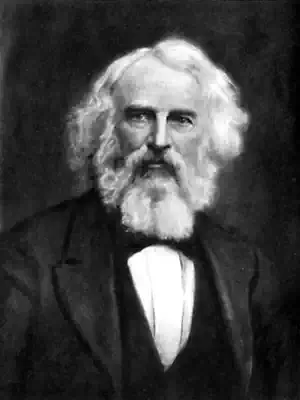
Henry Wadsworth Longfellow
Endymion
Endymion
The rising moon has hid the stars;
Her level rays, like golden bars,
Lie on the landscape green,
With shadows brown between.
And silver white the river gleams,
As if Diana, in her dreams,
Had dropt her silver bow
Upon the meadows low.
On such a tranquil night as this,
She woke Endymion with a kiss,
When, sleeping in the grove,
He dreamed not of her love.
Like Dian's kiss, unasked, unsought,
Love gives itself, but is not bought;
Nor voice, nor sound betrays
Its deep, impassioned gaze.
It comes,--the beautiful, the free,
The crown of all humanity,-In
silence and alone
To seek the elected one.
It lifts the boughs, whose shadows deep
Are Life's oblivion, the soul's sleep,
And kisses the closed eyes
Of him, who slumbering lies.
O weary hearts! O slumbering eyes!
O drooping souls, whose destinies
Are fraught with fear and pain,
Ye shall be loved again!
No one is so accursed by fate,
No one so utterly desolate,
But some heart, though unknown,
Responds unto his own.
Responds,--as if with unseen wings,
An angel touched its quivering strings;
And whispers, in its song,
"'Where hast thou stayed so long?"
The rising moon has hid the stars;
Her level rays, like golden bars,
Lie on the landscape green,
With shadows brown between.
And silver white the river gleams,
As if Diana, in her dreams,
Had dropt her silver bow
Upon the meadows low.
On such a tranquil night as this,
She woke Endymion with a kiss,
When, sleeping in the grove,
He dreamed not of her love.
Like Dian's kiss, unasked, unsought,
Love gives itself, but is not bought;
Nor voice, nor sound betrays
Its deep, impassioned gaze.
It comes,--the beautiful, the free,
The crown of all humanity,-In
silence and alone
To seek the elected one.
It lifts the boughs, whose shadows deep
Are Life's oblivion, the soul's sleep,
And kisses the closed eyes
Of him, who slumbering lies.
O weary hearts! O slumbering eyes!
O drooping souls, whose destinies
Are fraught with fear and pain,
Ye shall be loved again!
No one is so accursed by fate,
No one so utterly desolate,
But some heart, though unknown,
Responds unto his own.
Responds,--as if with unseen wings,
An angel touched its quivering strings;
And whispers, in its song,
"'Where hast thou stayed so long?"
417
Henry Wadsworth Longfellow
Endymion
Endymion
The rising moon has hid the stars;
Her level rays, like golden bars,
Lie on the landscape green,
With shadows brown between.
And silver white the river gleams,
As if Diana, in her dreams,
Had dropt her silver bow
Upon the meadows low.
On such a tranquil night as this,
She woke Endymion with a kiss,
When, sleeping in the grove,
He dreamed not of her love.
Like Dian's kiss, unasked, unsought,
Love gives itself, but is not bought;
Nor voice, nor sound betrays
Its deep, impassioned gaze.
It comes,--the beautiful, the free,
The crown of all humanity,-In
silence and alone
To seek the elected one.
It lifts the boughs, whose shadows deep
Are Life's oblivion, the soul's sleep,
And kisses the closed eyes
Of him, who slumbering lies.
O weary hearts! O slumbering eyes!
O drooping souls, whose destinies
Are fraught with fear and pain,
Ye shall be loved again!
No one is so accursed by fate,
No one so utterly desolate,
But some heart, though unknown,
Responds unto his own.
Responds,--as if with unseen wings,
An angel touched its quivering strings;
And whispers, in its song,
"'Where hast thou stayed so long?"
The rising moon has hid the stars;
Her level rays, like golden bars,
Lie on the landscape green,
With shadows brown between.
And silver white the river gleams,
As if Diana, in her dreams,
Had dropt her silver bow
Upon the meadows low.
On such a tranquil night as this,
She woke Endymion with a kiss,
When, sleeping in the grove,
He dreamed not of her love.
Like Dian's kiss, unasked, unsought,
Love gives itself, but is not bought;
Nor voice, nor sound betrays
Its deep, impassioned gaze.
It comes,--the beautiful, the free,
The crown of all humanity,-In
silence and alone
To seek the elected one.
It lifts the boughs, whose shadows deep
Are Life's oblivion, the soul's sleep,
And kisses the closed eyes
Of him, who slumbering lies.
O weary hearts! O slumbering eyes!
O drooping souls, whose destinies
Are fraught with fear and pain,
Ye shall be loved again!
No one is so accursed by fate,
No one so utterly desolate,
But some heart, though unknown,
Responds unto his own.
Responds,--as if with unseen wings,
An angel touched its quivering strings;
And whispers, in its song,
"'Where hast thou stayed so long?"
417
Henry Wadsworth Longfellow
Childhood. (From The Danish)
Childhood. (From The Danish)
There was a time when I was very small,
When my whole frame was but an ell in height;
Sweetly, as I recall it, tears do fall,
And therefore I recall it with delight.
I sported in my tender mother's arms,
And rode a-horseback on best father's knee;
Alike were sorrows, passions and alarms,
And gold, and Greek, and love, unknown to me,
Then seemed to me this world far less in size,
Likewise it seemed to me less wicked far;
Like points in heaven, I saw the stars arise,
And longed for wings that I might catch a star.
I saw the moon behind the island fade,
And thought, 'Oh, were I on that island there,
I could find out of what the moon is made,
Find out how large it is, how round, how fair!'
Wondering, I saw God's sun, through western skies,
Sink in the ocean's golden lap at night,
And yet upon the morrow early rise,
And paint the eastern heaven with crimson light;
And thought of God, the gracious Heavenly Father,
Who made me, and that lovely sun on high,
And all those pearls of heaven thick-strung together,
Dropped, clustering, from his hand o'er all the sky.
With childish reverence, my young lips did say
The prayer my pious mother taught to me:
'O gentle God! oh, let me strive alway
Still to be wise, and good, and follow Thee!'
So prayed I for my father and my mother,
And for my sister, and for all the town;
The king I knew not, and the beggar-brother,
Who, bent with age, went, sighing, up and down.
They perished, the blithe days of boyhood perished,
And all the gladness, all the peace I knew!
Now have I but their memory, fondly cherished;--
God! may I never lose that too!
There was a time when I was very small,
When my whole frame was but an ell in height;
Sweetly, as I recall it, tears do fall,
And therefore I recall it with delight.
I sported in my tender mother's arms,
And rode a-horseback on best father's knee;
Alike were sorrows, passions and alarms,
And gold, and Greek, and love, unknown to me,
Then seemed to me this world far less in size,
Likewise it seemed to me less wicked far;
Like points in heaven, I saw the stars arise,
And longed for wings that I might catch a star.
I saw the moon behind the island fade,
And thought, 'Oh, were I on that island there,
I could find out of what the moon is made,
Find out how large it is, how round, how fair!'
Wondering, I saw God's sun, through western skies,
Sink in the ocean's golden lap at night,
And yet upon the morrow early rise,
And paint the eastern heaven with crimson light;
And thought of God, the gracious Heavenly Father,
Who made me, and that lovely sun on high,
And all those pearls of heaven thick-strung together,
Dropped, clustering, from his hand o'er all the sky.
With childish reverence, my young lips did say
The prayer my pious mother taught to me:
'O gentle God! oh, let me strive alway
Still to be wise, and good, and follow Thee!'
So prayed I for my father and my mother,
And for my sister, and for all the town;
The king I knew not, and the beggar-brother,
Who, bent with age, went, sighing, up and down.
They perished, the blithe days of boyhood perished,
And all the gladness, all the peace I knew!
Now have I but their memory, fondly cherished;--
God! may I never lose that too!
396
Henry Wadsworth Longfellow
By The Seaside : Twilight
By The Seaside : Twilight
The twilight is sad and cloudy,
The wind blows wild and free,
And like the wings of sea-birds
Flash the white caps of the sea.
But in the fisherman's cottage
There shines a ruddier light,
And a little face at the window
Peers out into the night.
Close, close it is pressed to the window,
As if those childish eyes
Were looking into the darkness,
To see some form arise.
And a woman's waving shadow
Is passing to and fro,
Now rising to the ceiling,
Now bowing and bending low.
What tale do the roaring ocean,
And the night-wind, bleak and wild,
As they beat at the crazy casement,
Tell to that little child?
And why do the roaring ocean,
And the night-wind, wild and bleak,
As they beat at the heart of the mother,
Drive the color from her cheek?
The twilight is sad and cloudy,
The wind blows wild and free,
And like the wings of sea-birds
Flash the white caps of the sea.
But in the fisherman's cottage
There shines a ruddier light,
And a little face at the window
Peers out into the night.
Close, close it is pressed to the window,
As if those childish eyes
Were looking into the darkness,
To see some form arise.
And a woman's waving shadow
Is passing to and fro,
Now rising to the ceiling,
Now bowing and bending low.
What tale do the roaring ocean,
And the night-wind, bleak and wild,
As they beat at the crazy casement,
Tell to that little child?
And why do the roaring ocean,
And the night-wind, wild and bleak,
As they beat at the heart of the mother,
Drive the color from her cheek?
366
Henry Wadsworth Longfellow
By The Seaside : The Evening Star
By The Seaside : The Evening Star
Lo! in the paintedoriel of the West,
Whose panes the sunken sun incarnadines,
Like a fair lady at her casement, shines
The evening star, the star of love and rest!
And then anon she doth herself divest
Of all her radiant garments, and reclines
Behind the sombre screen of yonder pines,
With slumber and soft dreams of love oppressed.
O my beloved, my sweet Hesperus!
My morning and my evening star of love!
My best and gentlest lady! even thus,
As that fair planet in the sky above,
Dost thou retire unto thy rest at night,
And from thy darkened window fades the light.
Lo! in the paintedoriel of the West,
Whose panes the sunken sun incarnadines,
Like a fair lady at her casement, shines
The evening star, the star of love and rest!
And then anon she doth herself divest
Of all her radiant garments, and reclines
Behind the sombre screen of yonder pines,
With slumber and soft dreams of love oppressed.
O my beloved, my sweet Hesperus!
My morning and my evening star of love!
My best and gentlest lady! even thus,
As that fair planet in the sky above,
Dost thou retire unto thy rest at night,
And from thy darkened window fades the light.
364
Henry Wadsworth Longfellow
By The Seaside : The Evening Star
By The Seaside : The Evening Star
Lo! in the paintedoriel of the West,
Whose panes the sunken sun incarnadines,
Like a fair lady at her casement, shines
The evening star, the star of love and rest!
And then anon she doth herself divest
Of all her radiant garments, and reclines
Behind the sombre screen of yonder pines,
With slumber and soft dreams of love oppressed.
O my beloved, my sweet Hesperus!
My morning and my evening star of love!
My best and gentlest lady! even thus,
As that fair planet in the sky above,
Dost thou retire unto thy rest at night,
And from thy darkened window fades the light.
Lo! in the paintedoriel of the West,
Whose panes the sunken sun incarnadines,
Like a fair lady at her casement, shines
The evening star, the star of love and rest!
And then anon she doth herself divest
Of all her radiant garments, and reclines
Behind the sombre screen of yonder pines,
With slumber and soft dreams of love oppressed.
O my beloved, my sweet Hesperus!
My morning and my evening star of love!
My best and gentlest lady! even thus,
As that fair planet in the sky above,
Dost thou retire unto thy rest at night,
And from thy darkened window fades the light.
364
Henry Wadsworth Longfellow
Blessing The Cornfields
Blessing The Cornfields
Sing, O Song of Hiawatha,
Of the happy days that followed,
In the land of the Ojibways,
In the pleasant land and peaceful!
Sing the mysteries of Mondamin,
Sing the Blessing of the Cornfields!
Buried was the bloody hatchet,
Buried was the dreadful war-club,
Buried were all warlike weapons,
And the war-cry was forgotten.
There was peace among the nations;
Unmolested roved the hunters,
Built the birch canoe for sailing,
Caught the fish in lake and river,
Shot the deer and trapped the beaver;
Unmolested worked the women,
Made their sugar from the maple,
Gathered wild rice in the meadows,
Dressed the skins of deer and beaver.
All around the happy village
Stood the maize-fields, green and shining,
Waved the green plumes of Mondamin,
Waved his soft and sunny tresses,
Filling all the land with plenty.
`T was the women who in Spring-time
Planted the broad fields and fruitful,
Buried in the earth Mondamin;
`T was the women who in Autumn
Stripped the yellow husks of harvest,
Stripped the garments from Mondamin,
Even as Hiawatha taught them.
Once, when all the maize was planted,
Hiawatha, wise and thoughtful,
Spake and said to Minnehaha,
To his wife, the Laughing Water:
"You shall bless to-night the cornfields,
Draw a magic circle round them,
To protect them from destruction,
Blast of mildew, blight of insect,
Wagemin, the thief of cornfields,
Paimosaid, who steals the maize-ear
"In the night, when all Is silence,'
In the night, when all Is darkness,
When the Spirit of Sleep, Nepahwin,
Shuts the doors of all the wigwams,
So that not an ear can hear you,
So that not an eye can see you,
Rise up from your bed in silence,
Lay aside your garments wholly,
Walk around the fields you planted,
Round the borders of the cornfields,
Covered by your tresses only,
Robed with darkness as a garment.
"Thus the fields shall be more fruitful,
And the passing of your footsteps
Draw a magic circle round them,
So that neither blight nor mildew,
Neither burrowing worm nor insect,
Shall pass o'er the magic circle;
Not the dragon-fly, Kwo-ne-she,
Nor the spider, Subbekashe,
Nor the grasshopper, Pah-puk-keena;
Nor the mighty caterpillar,
Way-muk-kwana, with the bear-skin,
King of all the caterpillars!"
On the tree-tops near the cornfields
Sat the hungry crows and ravens,
Kahgahgee, the King of Ravens,
With his band of black marauders.
And they laughed at Hiawatha,
Till the tree-tops shook with laughter,
With their melancholy laughter,
At the words of Hiawatha.
"Hear him!" said they; "hear the Wise Man,
Hear the plots of Hiawatha!"
When the noiseless night descended
Broad and dark o'er field and forest,
When the mournful Wawonaissa
Sorrowing sang among the hemlocks,
And the Spirit of Sleep, Nepahwin,
Shut the doors of all the wigwams,
From her bed rose Laughing Water,
Laid aside her garments wholly,
And with darkness clothed and guarded,
Unashamed and unaffrighted,
Walked securely round the cornfields,
Drew the sacred, magic circle
Of her footprints round the cornfields.
No one but the Midnight only
Saw her beauty in the darkness,
No one but the Wawonaissa
Heard the panting of her bosom
Guskewau, the darkness, wrapped her
Closely in his sacred mantle,
So that none might see her beauty,
So that none might boast, "I saw her!"
On the morrow, as the day dawned,
Kahgahgee, the King of Ravens,
Gathered all his black marauders,
Crows and blackbirds, jays and ravens,
Clamorous on the dusky tree-tops,
And descended, fast and fearless,
On the fields of Hiawatha,
On the grave of the Mondamin.
"We will drag Mondamin," said they,
"From the grave where he is buried,
Spite of all the magic circles
Laughing Water draws around it,
Spite of all the sacred footprints
Minnehaha stamps upon it!"
But the wary Hiawatha,
Ever thoughtful, careful, watchful,
Had o'erheard the scornful laughter
When they mocked him from the tree-tops.
"Kaw!" he said, "my friends the ravens!
Kahgahgee, my King of Ravens!
I will teach you all a lesson
That shall not be soon forgotten!"
He had risen before the daybreak,
He had spread o'er all the cornfields
Snares to catch the black marauders,
And was lying now in ambush
In the neighboring grove of pine-trees,
Waiting for the crows and blackbirds,
Waiting for the jays and ravens.
Soon they came with caw and clamor,
Rush of wings and cry of voices,
To their work of devastation,
Settling down upon the cornfields,
Delving deep with beak and talon,
For the body of Mondamin.
And with all their craft and cunning,
All their skill in wiles of warfare,
They perceived no danger near them,
Till their claws became entangled,
Till they found themselves imprisoned
In the snares of Hiawatha.
From his place of ambush came he,
Striding terrible among them,
And so awful was his aspect
That the bravest quailed with terror.
Without mercy he destroyed them
Right and left, by tens and twenties,
And their wretched, lifeless bodies
Hung aloft on poles for scarecrows
Round the consecrated cornfields,
As a signal of his vengeance,
As a warning to marauders.
Only Kahgahgee, the leader,
Kahgahgee, the King of Ravens,
He alone was spared among them
As a hostage for his people.
With his prisoner-string he bound him,
Led him captive to his wigwam,
Tied him fast with cords of elm-bark
To the ridge-pole of his wigwam.
"Kahgahgee, my raven!" said he,
"You the leader of the robbers,
You the plotter of this mischief,
The contriver of this outrage,
I will keep you, I will hold you,
As a hostage for your people,
As a pledge of good behavior!"
And he left him, grim and sulky,
Sitting in the morning sunshine
On the summit of the wigwam,
Croaking fiercely his displeasure,
Flapping his great sable pinions,
Vainly struggling for his freedom,
Vainly calling on his people!
Summer passed, and Shawondasee
Breathed his sighs o'er all the landscape,
From the South-land sent his ardor,
Wafted kisses warm and tender;
And the maize-field grew and ripened,
Till it stood in all the splendor
Of its garments green and yellow,
Of its tassels and its plumage,
And the maize-ears full and shining
Gleamed from bursting sheaths of verdure.
Then Nokomis, the old woman,
Spake, and said to Minnehaha:
`T is the Moon when, leaves are falling;
All the wild rice has been gathered,
And the maize is ripe and ready;
Let us gather in the harvest,
Let us wrestle with Mondamin,
Strip him of his plumes and tassels,
Of his garments green and yellow!"
And the merry Laughing Water
Went rejoicing from the wigwam,
With Nokomis, old and wrinkled,
And they called the women round them,
Called the young men and the maidens,
To the harvest of the cornfields,
To the husking of the maize-ear.
On the border of the forest,
Underneath the fragrant pine-trees,
Sat the old men and the warriors
Smoking in the pleasant shadow.
In uninterrupted silence
Looked they at the gamesome labor
Of the young men and the women;
Listened to their noisy talking,
To their laughter and their singing,
Heard them chattering like the magpies,
Heard them laughing like the blue-jays,
Heard them singing like the robins.
And whene'er some lucky maiden
Found a red ear in the husking,
Found a maize-ear red as blood is,
"Nushka!" cried they all together,
"Nushka! you shall have a sweetheart,
You shall have a handsome husband!"
"Ugh!" the old men all responded
From their seats beneath the pine-trees.
And whene'er a youth or maiden
Found a crooked ear in husking,
Found a maize-ear in the husking
Blighted, mildewed, or misshapen,
Then they laughed and sang together,
Crept and limped about the cornfields,
Mimicked in their gait and gestures
Some old man, bent almost double,
Singing singly or together:
"Wagemin, the thief of cornfields!
Paimosaid, who steals the maize-ear!"
Till the cornfields rang with laughter,
Till from Hiawatha's wigwam
Kahgahgee, the King of Ravens,
Screamed and quivered in his anger,
And from all the neighboring tree-tops
Cawed and croaked the black marauders.
"Ugh!" the old men all responded,
From their seats beneath the pine-trees!
Sing, O Song of Hiawatha,
Of the happy days that followed,
In the land of the Ojibways,
In the pleasant land and peaceful!
Sing the mysteries of Mondamin,
Sing the Blessing of the Cornfields!
Buried was the bloody hatchet,
Buried was the dreadful war-club,
Buried were all warlike weapons,
And the war-cry was forgotten.
There was peace among the nations;
Unmolested roved the hunters,
Built the birch canoe for sailing,
Caught the fish in lake and river,
Shot the deer and trapped the beaver;
Unmolested worked the women,
Made their sugar from the maple,
Gathered wild rice in the meadows,
Dressed the skins of deer and beaver.
All around the happy village
Stood the maize-fields, green and shining,
Waved the green plumes of Mondamin,
Waved his soft and sunny tresses,
Filling all the land with plenty.
`T was the women who in Spring-time
Planted the broad fields and fruitful,
Buried in the earth Mondamin;
`T was the women who in Autumn
Stripped the yellow husks of harvest,
Stripped the garments from Mondamin,
Even as Hiawatha taught them.
Once, when all the maize was planted,
Hiawatha, wise and thoughtful,
Spake and said to Minnehaha,
To his wife, the Laughing Water:
"You shall bless to-night the cornfields,
Draw a magic circle round them,
To protect them from destruction,
Blast of mildew, blight of insect,
Wagemin, the thief of cornfields,
Paimosaid, who steals the maize-ear
"In the night, when all Is silence,'
In the night, when all Is darkness,
When the Spirit of Sleep, Nepahwin,
Shuts the doors of all the wigwams,
So that not an ear can hear you,
So that not an eye can see you,
Rise up from your bed in silence,
Lay aside your garments wholly,
Walk around the fields you planted,
Round the borders of the cornfields,
Covered by your tresses only,
Robed with darkness as a garment.
"Thus the fields shall be more fruitful,
And the passing of your footsteps
Draw a magic circle round them,
So that neither blight nor mildew,
Neither burrowing worm nor insect,
Shall pass o'er the magic circle;
Not the dragon-fly, Kwo-ne-she,
Nor the spider, Subbekashe,
Nor the grasshopper, Pah-puk-keena;
Nor the mighty caterpillar,
Way-muk-kwana, with the bear-skin,
King of all the caterpillars!"
On the tree-tops near the cornfields
Sat the hungry crows and ravens,
Kahgahgee, the King of Ravens,
With his band of black marauders.
And they laughed at Hiawatha,
Till the tree-tops shook with laughter,
With their melancholy laughter,
At the words of Hiawatha.
"Hear him!" said they; "hear the Wise Man,
Hear the plots of Hiawatha!"
When the noiseless night descended
Broad and dark o'er field and forest,
When the mournful Wawonaissa
Sorrowing sang among the hemlocks,
And the Spirit of Sleep, Nepahwin,
Shut the doors of all the wigwams,
From her bed rose Laughing Water,
Laid aside her garments wholly,
And with darkness clothed and guarded,
Unashamed and unaffrighted,
Walked securely round the cornfields,
Drew the sacred, magic circle
Of her footprints round the cornfields.
No one but the Midnight only
Saw her beauty in the darkness,
No one but the Wawonaissa
Heard the panting of her bosom
Guskewau, the darkness, wrapped her
Closely in his sacred mantle,
So that none might see her beauty,
So that none might boast, "I saw her!"
On the morrow, as the day dawned,
Kahgahgee, the King of Ravens,
Gathered all his black marauders,
Crows and blackbirds, jays and ravens,
Clamorous on the dusky tree-tops,
And descended, fast and fearless,
On the fields of Hiawatha,
On the grave of the Mondamin.
"We will drag Mondamin," said they,
"From the grave where he is buried,
Spite of all the magic circles
Laughing Water draws around it,
Spite of all the sacred footprints
Minnehaha stamps upon it!"
But the wary Hiawatha,
Ever thoughtful, careful, watchful,
Had o'erheard the scornful laughter
When they mocked him from the tree-tops.
"Kaw!" he said, "my friends the ravens!
Kahgahgee, my King of Ravens!
I will teach you all a lesson
That shall not be soon forgotten!"
He had risen before the daybreak,
He had spread o'er all the cornfields
Snares to catch the black marauders,
And was lying now in ambush
In the neighboring grove of pine-trees,
Waiting for the crows and blackbirds,
Waiting for the jays and ravens.
Soon they came with caw and clamor,
Rush of wings and cry of voices,
To their work of devastation,
Settling down upon the cornfields,
Delving deep with beak and talon,
For the body of Mondamin.
And with all their craft and cunning,
All their skill in wiles of warfare,
They perceived no danger near them,
Till their claws became entangled,
Till they found themselves imprisoned
In the snares of Hiawatha.
From his place of ambush came he,
Striding terrible among them,
And so awful was his aspect
That the bravest quailed with terror.
Without mercy he destroyed them
Right and left, by tens and twenties,
And their wretched, lifeless bodies
Hung aloft on poles for scarecrows
Round the consecrated cornfields,
As a signal of his vengeance,
As a warning to marauders.
Only Kahgahgee, the leader,
Kahgahgee, the King of Ravens,
He alone was spared among them
As a hostage for his people.
With his prisoner-string he bound him,
Led him captive to his wigwam,
Tied him fast with cords of elm-bark
To the ridge-pole of his wigwam.
"Kahgahgee, my raven!" said he,
"You the leader of the robbers,
You the plotter of this mischief,
The contriver of this outrage,
I will keep you, I will hold you,
As a hostage for your people,
As a pledge of good behavior!"
And he left him, grim and sulky,
Sitting in the morning sunshine
On the summit of the wigwam,
Croaking fiercely his displeasure,
Flapping his great sable pinions,
Vainly struggling for his freedom,
Vainly calling on his people!
Summer passed, and Shawondasee
Breathed his sighs o'er all the landscape,
From the South-land sent his ardor,
Wafted kisses warm and tender;
And the maize-field grew and ripened,
Till it stood in all the splendor
Of its garments green and yellow,
Of its tassels and its plumage,
And the maize-ears full and shining
Gleamed from bursting sheaths of verdure.
Then Nokomis, the old woman,
Spake, and said to Minnehaha:
`T is the Moon when, leaves are falling;
All the wild rice has been gathered,
And the maize is ripe and ready;
Let us gather in the harvest,
Let us wrestle with Mondamin,
Strip him of his plumes and tassels,
Of his garments green and yellow!"
And the merry Laughing Water
Went rejoicing from the wigwam,
With Nokomis, old and wrinkled,
And they called the women round them,
Called the young men and the maidens,
To the harvest of the cornfields,
To the husking of the maize-ear.
On the border of the forest,
Underneath the fragrant pine-trees,
Sat the old men and the warriors
Smoking in the pleasant shadow.
In uninterrupted silence
Looked they at the gamesome labor
Of the young men and the women;
Listened to their noisy talking,
To their laughter and their singing,
Heard them chattering like the magpies,
Heard them laughing like the blue-jays,
Heard them singing like the robins.
And whene'er some lucky maiden
Found a red ear in the husking,
Found a maize-ear red as blood is,
"Nushka!" cried they all together,
"Nushka! you shall have a sweetheart,
You shall have a handsome husband!"
"Ugh!" the old men all responded
From their seats beneath the pine-trees.
And whene'er a youth or maiden
Found a crooked ear in husking,
Found a maize-ear in the husking
Blighted, mildewed, or misshapen,
Then they laughed and sang together,
Crept and limped about the cornfields,
Mimicked in their gait and gestures
Some old man, bent almost double,
Singing singly or together:
"Wagemin, the thief of cornfields!
Paimosaid, who steals the maize-ear!"
Till the cornfields rang with laughter,
Till from Hiawatha's wigwam
Kahgahgee, the King of Ravens,
Screamed and quivered in his anger,
And from all the neighboring tree-tops
Cawed and croaked the black marauders.
"Ugh!" the old men all responded,
From their seats beneath the pine-trees!
456
Henry Wadsworth Longfellow
A Song Of Savoy
A Song Of Savoy
As the dim twilight shrouds
The mountain's purple crest,
And Summer's white and folded clouds
Are glowing in the west,
Loud shouts come up the rocky dell,
And voices hail the evening-bell.
Faint is the goatherd's song,
And sighing comes the breeze;
The silent river sweeps along
Amid its bending trees -
And the full moon shines faintly there,
And music fills the evening air.
Beneath the waving firs
The tinkling cymbals sound;
And as the wind the foliage stirs,
I see the dancers bound
Where the green branches, arched above,
Bend over this fair scene of love.
And he is there, that sought
My young heart long ago!
But he has left me - though I thought
He ne'er could leave me so.
Ah! lover's vows - how frail are they!
And his - were made but yesterday.
Why comes he not? I call
In tears upon him yet;
'Twere better ne'er to love at all,
Than love, and then forget!
Why comes he not? Alas! I should
Reclaim him still, if weeping could.
But see - he leaves the glade,
And beckons me away:
He comes to seek his mountain maid!
I cannot chide his stay.
Glad sounds along the valley swell,
And voices hail the evening-bell.
As the dim twilight shrouds
The mountain's purple crest,
And Summer's white and folded clouds
Are glowing in the west,
Loud shouts come up the rocky dell,
And voices hail the evening-bell.
Faint is the goatherd's song,
And sighing comes the breeze;
The silent river sweeps along
Amid its bending trees -
And the full moon shines faintly there,
And music fills the evening air.
Beneath the waving firs
The tinkling cymbals sound;
And as the wind the foliage stirs,
I see the dancers bound
Where the green branches, arched above,
Bend over this fair scene of love.
And he is there, that sought
My young heart long ago!
But he has left me - though I thought
He ne'er could leave me so.
Ah! lover's vows - how frail are they!
And his - were made but yesterday.
Why comes he not? I call
In tears upon him yet;
'Twere better ne'er to love at all,
Than love, and then forget!
Why comes he not? Alas! I should
Reclaim him still, if weeping could.
But see - he leaves the glade,
And beckons me away:
He comes to seek his mountain maid!
I cannot chide his stay.
Glad sounds along the valley swell,
And voices hail the evening-bell.
329
Henry Wadsworth Longfellow
A Song Of Savoy
A Song Of Savoy
As the dim twilight shrouds
The mountain's purple crest,
And Summer's white and folded clouds
Are glowing in the west,
Loud shouts come up the rocky dell,
And voices hail the evening-bell.
Faint is the goatherd's song,
And sighing comes the breeze;
The silent river sweeps along
Amid its bending trees -
And the full moon shines faintly there,
And music fills the evening air.
Beneath the waving firs
The tinkling cymbals sound;
And as the wind the foliage stirs,
I see the dancers bound
Where the green branches, arched above,
Bend over this fair scene of love.
And he is there, that sought
My young heart long ago!
But he has left me - though I thought
He ne'er could leave me so.
Ah! lover's vows - how frail are they!
And his - were made but yesterday.
Why comes he not? I call
In tears upon him yet;
'Twere better ne'er to love at all,
Than love, and then forget!
Why comes he not? Alas! I should
Reclaim him still, if weeping could.
But see - he leaves the glade,
And beckons me away:
He comes to seek his mountain maid!
I cannot chide his stay.
Glad sounds along the valley swell,
And voices hail the evening-bell.
As the dim twilight shrouds
The mountain's purple crest,
And Summer's white and folded clouds
Are glowing in the west,
Loud shouts come up the rocky dell,
And voices hail the evening-bell.
Faint is the goatherd's song,
And sighing comes the breeze;
The silent river sweeps along
Amid its bending trees -
And the full moon shines faintly there,
And music fills the evening air.
Beneath the waving firs
The tinkling cymbals sound;
And as the wind the foliage stirs,
I see the dancers bound
Where the green branches, arched above,
Bend over this fair scene of love.
And he is there, that sought
My young heart long ago!
But he has left me - though I thought
He ne'er could leave me so.
Ah! lover's vows - how frail are they!
And his - were made but yesterday.
Why comes he not? I call
In tears upon him yet;
'Twere better ne'er to love at all,
Than love, and then forget!
Why comes he not? Alas! I should
Reclaim him still, if weeping could.
But see - he leaves the glade,
And beckons me away:
He comes to seek his mountain maid!
I cannot chide his stay.
Glad sounds along the valley swell,
And voices hail the evening-bell.
329
Henry Van Dyke
Without Disguise
Without Disguise
If I have erred in showing all my heart,
And lost your favour by a lack of pride;
If standing like a beggar at your side
With naked feet, I have forgot the art
Of those who bargain well in passion's mart,
And win the thing they want by what they hide;
Be mine the fault as mine the hope denied,
Be mine the lover's and the loser's part.
The sin, if sin it was, I do repent,
And take the penance on myself alone;
Yet after I have borne the punishment,
I shall not fear to stand before the throne
Of Love with open heart, and make this plea:
"At least I have not lied to her nor Thee!"
If I have erred in showing all my heart,
And lost your favour by a lack of pride;
If standing like a beggar at your side
With naked feet, I have forgot the art
Of those who bargain well in passion's mart,
And win the thing they want by what they hide;
Be mine the fault as mine the hope denied,
Be mine the lover's and the loser's part.
The sin, if sin it was, I do repent,
And take the penance on myself alone;
Yet after I have borne the punishment,
I shall not fear to stand before the throne
Of Love with open heart, and make this plea:
"At least I have not lied to her nor Thee!"
346
Henry Van Dyke
The Window
The Window
All night long, by a distant bell,
The passing hours were notched
On the dark, while her breathing rose and fell,
And the spark of life I watched
In her face was glowing or fading, -- who could tell? --
And the open window of the room,
With a flare of yellow light,
Was peering out into the gloom,
Like an eye that searched the night.
Oh, what do you see in the dark, little window, and why do you fear?
"I see that the garden is crowded with creeping forms of fear:
Little white ghosts in the locust-tree, that wave in the night-wind's breath,
And low in the leafy laurels the larking shadow of death."
Sweet, clear notes of a waking bird
Told of the passing away
Of the dark, -- and my darling may have heard;
For she smiled in her sleep, while the ray
Of the rising dawn spoke joy without a word,
Till the splendor born in the east outburned
The yellow lamplight, pale and thin,
And the open window slowly turned
To the eye of the morning, looking in.
Oh, what do you see in the room, little window, that makes you so bright?
"I see that a child is asleep on her pillow, soft and white,
With the rose of life on her tips, and the breath of life in her breast,
And the arms of God around her as she quietly takes her rest."
All night long, by a distant bell,
The passing hours were notched
On the dark, while her breathing rose and fell,
And the spark of life I watched
In her face was glowing or fading, -- who could tell? --
And the open window of the room,
With a flare of yellow light,
Was peering out into the gloom,
Like an eye that searched the night.
Oh, what do you see in the dark, little window, and why do you fear?
"I see that the garden is crowded with creeping forms of fear:
Little white ghosts in the locust-tree, that wave in the night-wind's breath,
And low in the leafy laurels the larking shadow of death."
Sweet, clear notes of a waking bird
Told of the passing away
Of the dark, -- and my darling may have heard;
For she smiled in her sleep, while the ray
Of the rising dawn spoke joy without a word,
Till the splendor born in the east outburned
The yellow lamplight, pale and thin,
And the open window slowly turned
To the eye of the morning, looking in.
Oh, what do you see in the room, little window, that makes you so bright?
"I see that a child is asleep on her pillow, soft and white,
With the rose of life on her tips, and the breath of life in her breast,
And the arms of God around her as she quietly takes her rest."
324
Henry Van Dyke
The Mocking-Bird
The Mocking-Bird
In mirth he mocks the other birds at noon,
Catching the lilt of every easy tune;
But when the day departs he sings of love,--
His own wild song beneath the listening moon.
In mirth he mocks the other birds at noon,
Catching the lilt of every easy tune;
But when the day departs he sings of love,--
His own wild song beneath the listening moon.
263
Henry Van Dyke
The Hermit Thrush
The Hermit Thrush
O wonderful! How liquid clear
The molten gold of that ethereal tone,
Floating and falling through the wood alone,
A hermit-hymn poured out for God to hear!
0 holy, holy, holy! Hyaline,
Long light, low light, glory of eventide!
Love far away, far up. -- up, -- love divine!
Little love, too, for ever, ever, near,
Warm love, earth love, tender love of mine,
In the leafy dark where you hide,
You are mine, -- mine, -- mine!
Ah, my belovèd, do you feel with me
The hidden virtue of that melody,
The rapture and the purity of love,
The heavenly joy that can not find the word?
Then, while we wait again to hear the bird,
Come very near to me, and do not move, --
Now, hermit of the woodland, fill anew
The cool, green cup of air with harmony,
And we will drink the wine of love with you.
O wonderful! How liquid clear
The molten gold of that ethereal tone,
Floating and falling through the wood alone,
A hermit-hymn poured out for God to hear!
0 holy, holy, holy! Hyaline,
Long light, low light, glory of eventide!
Love far away, far up. -- up, -- love divine!
Little love, too, for ever, ever, near,
Warm love, earth love, tender love of mine,
In the leafy dark where you hide,
You are mine, -- mine, -- mine!
Ah, my belovèd, do you feel with me
The hidden virtue of that melody,
The rapture and the purity of love,
The heavenly joy that can not find the word?
Then, while we wait again to hear the bird,
Come very near to me, and do not move, --
Now, hermit of the woodland, fill anew
The cool, green cup of air with harmony,
And we will drink the wine of love with you.
327
Henry Van Dyke
The Foolish Fir-Tree
The Foolish Fir-Tree
A tale that the poet Rückert told
To German children, in days of old;
Disguised in a random, rollicking rhyme
Like a merry mummer of ancient time,
And sent, in its English dress, to please
The little folk of the Christmas trees.
A little fir grew in the midst of the wood
Contented and happy, as young trees should.
His body was straight and his boughs were clean;
And summer and winter the bountiful sheen
Of his needles bedecked him, from top to root,
In a beautiful, all-the-year, evergreen suit.
But a trouble came into his heart one day,
When he saw that the other trees were gay
In the wonderful raiment that summer weaves
Of manifold shapes and kinds of leaves:
He looked at his needles so stiff and small,
And thought that his dress was the poorest of all.
Then jealousy clouded the little tree's mind,
And he said to himself, "It was not very kind
"To give such an ugly old dress to a tree!
"If the fays of the forest would only ask me,
"I'd tell them how I should like to be dressed,—
"In a garment of gold, to bedazzle the rest!"
So he fell asleep, but his dreams were bad.
When he woke in the morning, his heart was glad;
For every leaf that his boughs could hold
Was made of the brightest beaten gold.
I tell you, children, the tree was proud;
He was something above the common crowd;
And he tinkled his leaves, as if he would say
To a pedlar who happened to pass that way,
"Just look at me! don't you think I am fine?
"And wouldn't you like such a dress as mine?"
"Oh, yes!" said the man, "and I really guess
I must fill my pack with your beautiful dress."
So he picked the golden leaves with care,
And left the little tree shivering there.
"Oh, why did I wish for golden leaves?"
The fir-tree said, "I forgot that thieves
"Would be sure to rob me in passing by.
"If the fairies would give me another try,
"I'd wish for something that cost much less,
"And be satisfied with glass for my dress!"
Then he fell asleep; and, just as before,
The fairies granted his wish once more.
When the night was gone, and the sun rose clear,
The tree was a crystal chandelier;
And it seemed, as he stood in the morning light,
That his branches were covered with jewels bright.
"Aha!" said the tree. "This is something great!"
And he held himself up, very proud and straight;
But a rude young wind through the forest dashed,
In a reckless temper, and quickly smashed
The delicate leaves. With a clashing sound
They broke into pieces and fell on the ground,
Like a silvery, shimmering shower of hail,
And the tree stood naked and bare to the gale.
Then his heart was sad; and he cried, "Alas
"For my beautiful leaves of shining glass!
"Perhaps I have made another mistake
"In choosing a dress so easy to break.
"If the fairies only would hear me again
"I'd ask them for something both pretty and plain:
"It wouldn't cost much to grant my request,—
"In leaves of green lettuce I'd like to be dressed!"
By this time the fairies were laughing, I know;
But they gave him his wish in a second; and so
With leaves of green lettuce, all tender and sweet,
The tree was arrayed, from his head to his feet.
"I knew it!" he cried, "I was sure I could find
"The sort of a suit that would be to my mind.
"There's none of the trees has a prettier dress,
"And none as attractive as I am, I guess."
But a goat, who was taking an afternoon walk,
By chance overheard the fir-tree's talk.
So he came up close for a nearer view;—
"My salad!" he bleated, "I think so too!
"You're the most attractive kind of a tree,
"And I want your leaves for my five-o'clock tea."
So he ate them all without saying grace,
And walked away with a grin on his face;
While the little tree stood in the twilight dim,
With never a leaf on a single limb.
Then he sighed and groaned; but his voice was weak—
He was so ashamed that he could not speak.
He knew at last that he had been a fool,
To think of breaking the forest rule,
And choosing a dress himself to please,
Because he envied the other trees.
But it couldn't be helped, it was now too late,
He must make up his mind to a leafless fate!
So he let himself sink in a slumber deep,
But he moaned and he tossed in his troubled sleep,
Till the morning touched him with joyful beam,
And he woke to find it was all a dream.
For there in his evergreen dress he stood,
A pointed fir in the midst of the wood!
His branches were sweet with the balsam smell,
His needles were green when the white snow fell.
And always contented and happy was he,—
The very best kind of a Christmas tree.
A tale that the poet Rückert told
To German children, in days of old;
Disguised in a random, rollicking rhyme
Like a merry mummer of ancient time,
And sent, in its English dress, to please
The little folk of the Christmas trees.
A little fir grew in the midst of the wood
Contented and happy, as young trees should.
His body was straight and his boughs were clean;
And summer and winter the bountiful sheen
Of his needles bedecked him, from top to root,
In a beautiful, all-the-year, evergreen suit.
But a trouble came into his heart one day,
When he saw that the other trees were gay
In the wonderful raiment that summer weaves
Of manifold shapes and kinds of leaves:
He looked at his needles so stiff and small,
And thought that his dress was the poorest of all.
Then jealousy clouded the little tree's mind,
And he said to himself, "It was not very kind
"To give such an ugly old dress to a tree!
"If the fays of the forest would only ask me,
"I'd tell them how I should like to be dressed,—
"In a garment of gold, to bedazzle the rest!"
So he fell asleep, but his dreams were bad.
When he woke in the morning, his heart was glad;
For every leaf that his boughs could hold
Was made of the brightest beaten gold.
I tell you, children, the tree was proud;
He was something above the common crowd;
And he tinkled his leaves, as if he would say
To a pedlar who happened to pass that way,
"Just look at me! don't you think I am fine?
"And wouldn't you like such a dress as mine?"
"Oh, yes!" said the man, "and I really guess
I must fill my pack with your beautiful dress."
So he picked the golden leaves with care,
And left the little tree shivering there.
"Oh, why did I wish for golden leaves?"
The fir-tree said, "I forgot that thieves
"Would be sure to rob me in passing by.
"If the fairies would give me another try,
"I'd wish for something that cost much less,
"And be satisfied with glass for my dress!"
Then he fell asleep; and, just as before,
The fairies granted his wish once more.
When the night was gone, and the sun rose clear,
The tree was a crystal chandelier;
And it seemed, as he stood in the morning light,
That his branches were covered with jewels bright.
"Aha!" said the tree. "This is something great!"
And he held himself up, very proud and straight;
But a rude young wind through the forest dashed,
In a reckless temper, and quickly smashed
The delicate leaves. With a clashing sound
They broke into pieces and fell on the ground,
Like a silvery, shimmering shower of hail,
And the tree stood naked and bare to the gale.
Then his heart was sad; and he cried, "Alas
"For my beautiful leaves of shining glass!
"Perhaps I have made another mistake
"In choosing a dress so easy to break.
"If the fairies only would hear me again
"I'd ask them for something both pretty and plain:
"It wouldn't cost much to grant my request,—
"In leaves of green lettuce I'd like to be dressed!"
By this time the fairies were laughing, I know;
But they gave him his wish in a second; and so
With leaves of green lettuce, all tender and sweet,
The tree was arrayed, from his head to his feet.
"I knew it!" he cried, "I was sure I could find
"The sort of a suit that would be to my mind.
"There's none of the trees has a prettier dress,
"And none as attractive as I am, I guess."
But a goat, who was taking an afternoon walk,
By chance overheard the fir-tree's talk.
So he came up close for a nearer view;—
"My salad!" he bleated, "I think so too!
"You're the most attractive kind of a tree,
"And I want your leaves for my five-o'clock tea."
So he ate them all without saying grace,
And walked away with a grin on his face;
While the little tree stood in the twilight dim,
With never a leaf on a single limb.
Then he sighed and groaned; but his voice was weak—
He was so ashamed that he could not speak.
He knew at last that he had been a fool,
To think of breaking the forest rule,
And choosing a dress himself to please,
Because he envied the other trees.
But it couldn't be helped, it was now too late,
He must make up his mind to a leafless fate!
So he let himself sink in a slumber deep,
But he moaned and he tossed in his troubled sleep,
Till the morning touched him with joyful beam,
And he woke to find it was all a dream.
For there in his evergreen dress he stood,
A pointed fir in the midst of the wood!
His branches were sweet with the balsam smell,
His needles were green when the white snow fell.
And always contented and happy was he,—
The very best kind of a Christmas tree.
321
Henry Van Dyke
The Ancestral Dwelling
The Ancestral Dwelling
Dear to my heart are the ancestral dwellings of America,
Dearer than if they were haunted by ghosts of royal splendour;
These are the homes that were built by the brave beginners of a nation,
They are simple enough to be great, and full of a friendly dignity.
I love the old white farmhouses nestled in New England valleys,
Ample and long and low, with elm-trees feathering over them:
Borders of box in the yard, and lilacs, and old-fashioned Howers,
A fan-light above the door, and little square panes in the windows,
The wood-shed piled with maple and birch and hickory ready for winter,
The gambrel-roof with its garret crowded with household relics, --
All the tokens of prudent thrift and the spirit of self-reliance.
I love the look of the shingled houses that front the ocean;
Their backs are bowed, and their lichened sides are weather-beaten;
Soft in their colour as grey pearls, they are full of patience and courage.
They seem to grow out of the rocks, there is something indomitable about them:
Facing the briny wind in a lonely land they stand undaunted,
While the thin blue line of smoke from the square-built chimney rises,
Telling of shelter for man, with room for a hearth and a cradle.
I love the stately southern mansions with their tall white columns,
They look through avenues of trees, over fields where the cotton is growing;
I can see the flutter of white frocks along their shady porches,
Music and laughter float from the windows, the yards are full of hounds and horses.
They have all ridden away, yet the houses have not forgotten,
They are proud of their name and place, and their doors are always open,
For the thing they remember best is the pride of their ancient hospitality.
In the towns I love the discreet and tranquil Quaker dwellings,
With their demure brick faces and immaculate white-stone doorsteps;
And the gabled houses of the Dutch, with their high stoops and iron railings,
(I can see their little brass knobs shining in the morning sunlight);
And the solid houses of the descendants of the Puritans,
Fronting the street with their narrow doors and dormer-windows;
And the triple-galleried, many-pillared mansions of Charleston,
Standing sideways in their gardens full of roses and magnolias.
Yes, they are all dear to my heart, and in my eyes they are beautiful;
For under their roofs were nourished the thoughts that have made the nation;
The glory and strength of America came from her ancestral dwellings.
Dear to my heart are the ancestral dwellings of America,
Dearer than if they were haunted by ghosts of royal splendour;
These are the homes that were built by the brave beginners of a nation,
They are simple enough to be great, and full of a friendly dignity.
I love the old white farmhouses nestled in New England valleys,
Ample and long and low, with elm-trees feathering over them:
Borders of box in the yard, and lilacs, and old-fashioned Howers,
A fan-light above the door, and little square panes in the windows,
The wood-shed piled with maple and birch and hickory ready for winter,
The gambrel-roof with its garret crowded with household relics, --
All the tokens of prudent thrift and the spirit of self-reliance.
I love the look of the shingled houses that front the ocean;
Their backs are bowed, and their lichened sides are weather-beaten;
Soft in their colour as grey pearls, they are full of patience and courage.
They seem to grow out of the rocks, there is something indomitable about them:
Facing the briny wind in a lonely land they stand undaunted,
While the thin blue line of smoke from the square-built chimney rises,
Telling of shelter for man, with room for a hearth and a cradle.
I love the stately southern mansions with their tall white columns,
They look through avenues of trees, over fields where the cotton is growing;
I can see the flutter of white frocks along their shady porches,
Music and laughter float from the windows, the yards are full of hounds and horses.
They have all ridden away, yet the houses have not forgotten,
They are proud of their name and place, and their doors are always open,
For the thing they remember best is the pride of their ancient hospitality.
In the towns I love the discreet and tranquil Quaker dwellings,
With their demure brick faces and immaculate white-stone doorsteps;
And the gabled houses of the Dutch, with their high stoops and iron railings,
(I can see their little brass knobs shining in the morning sunlight);
And the solid houses of the descendants of the Puritans,
Fronting the street with their narrow doors and dormer-windows;
And the triple-galleried, many-pillared mansions of Charleston,
Standing sideways in their gardens full of roses and magnolias.
Yes, they are all dear to my heart, and in my eyes they are beautiful;
For under their roofs were nourished the thoughts that have made the nation;
The glory and strength of America came from her ancestral dwellings.
313
Henry Van Dyke
The Ancestral Dwelling
The Ancestral Dwelling
Dear to my heart are the ancestral dwellings of America,
Dearer than if they were haunted by ghosts of royal splendour;
These are the homes that were built by the brave beginners of a nation,
They are simple enough to be great, and full of a friendly dignity.
I love the old white farmhouses nestled in New England valleys,
Ample and long and low, with elm-trees feathering over them:
Borders of box in the yard, and lilacs, and old-fashioned Howers,
A fan-light above the door, and little square panes in the windows,
The wood-shed piled with maple and birch and hickory ready for winter,
The gambrel-roof with its garret crowded with household relics, --
All the tokens of prudent thrift and the spirit of self-reliance.
I love the look of the shingled houses that front the ocean;
Their backs are bowed, and their lichened sides are weather-beaten;
Soft in their colour as grey pearls, they are full of patience and courage.
They seem to grow out of the rocks, there is something indomitable about them:
Facing the briny wind in a lonely land they stand undaunted,
While the thin blue line of smoke from the square-built chimney rises,
Telling of shelter for man, with room for a hearth and a cradle.
I love the stately southern mansions with their tall white columns,
They look through avenues of trees, over fields where the cotton is growing;
I can see the flutter of white frocks along their shady porches,
Music and laughter float from the windows, the yards are full of hounds and horses.
They have all ridden away, yet the houses have not forgotten,
They are proud of their name and place, and their doors are always open,
For the thing they remember best is the pride of their ancient hospitality.
In the towns I love the discreet and tranquil Quaker dwellings,
With their demure brick faces and immaculate white-stone doorsteps;
And the gabled houses of the Dutch, with their high stoops and iron railings,
(I can see their little brass knobs shining in the morning sunlight);
And the solid houses of the descendants of the Puritans,
Fronting the street with their narrow doors and dormer-windows;
And the triple-galleried, many-pillared mansions of Charleston,
Standing sideways in their gardens full of roses and magnolias.
Yes, they are all dear to my heart, and in my eyes they are beautiful;
For under their roofs were nourished the thoughts that have made the nation;
The glory and strength of America came from her ancestral dwellings.
Dear to my heart are the ancestral dwellings of America,
Dearer than if they were haunted by ghosts of royal splendour;
These are the homes that were built by the brave beginners of a nation,
They are simple enough to be great, and full of a friendly dignity.
I love the old white farmhouses nestled in New England valleys,
Ample and long and low, with elm-trees feathering over them:
Borders of box in the yard, and lilacs, and old-fashioned Howers,
A fan-light above the door, and little square panes in the windows,
The wood-shed piled with maple and birch and hickory ready for winter,
The gambrel-roof with its garret crowded with household relics, --
All the tokens of prudent thrift and the spirit of self-reliance.
I love the look of the shingled houses that front the ocean;
Their backs are bowed, and their lichened sides are weather-beaten;
Soft in their colour as grey pearls, they are full of patience and courage.
They seem to grow out of the rocks, there is something indomitable about them:
Facing the briny wind in a lonely land they stand undaunted,
While the thin blue line of smoke from the square-built chimney rises,
Telling of shelter for man, with room for a hearth and a cradle.
I love the stately southern mansions with their tall white columns,
They look through avenues of trees, over fields where the cotton is growing;
I can see the flutter of white frocks along their shady porches,
Music and laughter float from the windows, the yards are full of hounds and horses.
They have all ridden away, yet the houses have not forgotten,
They are proud of their name and place, and their doors are always open,
For the thing they remember best is the pride of their ancient hospitality.
In the towns I love the discreet and tranquil Quaker dwellings,
With their demure brick faces and immaculate white-stone doorsteps;
And the gabled houses of the Dutch, with their high stoops and iron railings,
(I can see their little brass knobs shining in the morning sunlight);
And the solid houses of the descendants of the Puritans,
Fronting the street with their narrow doors and dormer-windows;
And the triple-galleried, many-pillared mansions of Charleston,
Standing sideways in their gardens full of roses and magnolias.
Yes, they are all dear to my heart, and in my eyes they are beautiful;
For under their roofs were nourished the thoughts that have made the nation;
The glory and strength of America came from her ancestral dwellings.
313
Henry Van Dyke
Shelley
Shelley
Knight-errant of the Never-ending Quest,
And Minstrel of the Unfulfilled Desire;
For ever tuning thy frail earthly lyre
To some unearthly music, and possessed
With painful passionate longing to invest
The golden dream of Love's immortal fire
In mortal robes of beautiful attire,
And fold perfection to thy throbbing breast!
What wonder, Shelley, if the restless wave
Should claim thee and the leaping flame consume
Thy drifted form on Viareggio's beach?
Fate to thy body gave a fitting grave,
And bade thy soul ride on with fiery plume,
Thy wild song ring in ocean's yearning speech!
Knight-errant of the Never-ending Quest,
And Minstrel of the Unfulfilled Desire;
For ever tuning thy frail earthly lyre
To some unearthly music, and possessed
With painful passionate longing to invest
The golden dream of Love's immortal fire
In mortal robes of beautiful attire,
And fold perfection to thy throbbing breast!
What wonder, Shelley, if the restless wave
Should claim thee and the leaping flame consume
Thy drifted form on Viareggio's beach?
Fate to thy body gave a fitting grave,
And bade thy soul ride on with fiery plume,
Thy wild song ring in ocean's yearning speech!
233
Henry Van Dyke
Love in a Look
Love in a Look
Let me but feel thy look's embrace,
Transparent, pure, and warm,
And I'll not ask to touch thy face,
Or fold thee with mine arm.
For in thine eyes a girl doth rise,
Arrayed in candid bliss,
And draws me to her with a charm
More close than any kiss.
A loving-cup of golden wine,
Songs of a silver brook,
And fragrant breaths of eglantine,
Are mingled in thy look.
More fair they are than any star,
Thy topaz eyes divine --
And deep within their trysting-nook
Thy spirit blends with mine.
Let me but feel thy look's embrace,
Transparent, pure, and warm,
And I'll not ask to touch thy face,
Or fold thee with mine arm.
For in thine eyes a girl doth rise,
Arrayed in candid bliss,
And draws me to her with a charm
More close than any kiss.
A loving-cup of golden wine,
Songs of a silver brook,
And fragrant breaths of eglantine,
Are mingled in thy look.
More fair they are than any star,
Thy topaz eyes divine --
And deep within their trysting-nook
Thy spirit blends with mine.
349
Henry Van Dyke
Love's Reason
Love's Reason
For that thy face is fair I love thee not;
Nor yet because the light of thy brown eyes
Hath gleams of wonder and of glad surprise,
Like woodland streams that cross a sunlit spot:
Nor for thy beauty, born without a blot,
Most perfect when it shines through no disguise
Pure as the star of Eve in Paradise, ---
For all these outward things I love thee not:
But for a something in thy form and face,
Thy looks and ways, of primal harmony;
A certain soothing charm, a vital grace
That breathes of the eternal womanly,
And makes me feel the warmth of Nature's breast,
When in her arms, and thine, I sink to rest.
For that thy face is fair I love thee not;
Nor yet because the light of thy brown eyes
Hath gleams of wonder and of glad surprise,
Like woodland streams that cross a sunlit spot:
Nor for thy beauty, born without a blot,
Most perfect when it shines through no disguise
Pure as the star of Eve in Paradise, ---
For all these outward things I love thee not:
But for a something in thy form and face,
Thy looks and ways, of primal harmony;
A certain soothing charm, a vital grace
That breathes of the eternal womanly,
And makes me feel the warmth of Nature's breast,
When in her arms, and thine, I sink to rest.
345
Henry Van Dyke
Inscriptions for a Friend's House
Inscriptions for a Friend's House
THE HOUSE
The cornerstone in Truth is laid,
The guardian walls of Honour made,
The roof of Faith is built above,
The fire upon the hearth is Love:
Though rains descend and loud winds call,
This happy house shall never fall.
THE DOORSTEAD
The lintel low enough to keep out pomp and pride:
The threshold high enough to turn deceit aside:
The doorband strong enough from robbers to defend:
This door will open at a touch to welcome every friend.
THE HEARTHSTONE
When the logs are burning free,
Then the fire is full of glee:
When each heart gives out its best,
Then the talk is full of zest:
Light your fire and never fear,
Life was made for love and cheer.
THE SUN-DIAL
Time can never take
What Time did not give;
When my shadows have all passed,
You shall live.
THE HOUSE
The cornerstone in Truth is laid,
The guardian walls of Honour made,
The roof of Faith is built above,
The fire upon the hearth is Love:
Though rains descend and loud winds call,
This happy house shall never fall.
THE DOORSTEAD
The lintel low enough to keep out pomp and pride:
The threshold high enough to turn deceit aside:
The doorband strong enough from robbers to defend:
This door will open at a touch to welcome every friend.
THE HEARTHSTONE
When the logs are burning free,
Then the fire is full of glee:
When each heart gives out its best,
Then the talk is full of zest:
Light your fire and never fear,
Life was made for love and cheer.
THE SUN-DIAL
Time can never take
What Time did not give;
When my shadows have all passed,
You shall live.
333
Henry Van Dyke
Hudson's Last Voyage
Hudson's Last Voyage
June 22, 1611
THE SHALLOP ON HUDSON BAY
One sail in sight upon the lonely sea
And only one, God knows! For never ship
But mine broke through the icy gates that guard
These waters, greater grown than any since
We left the shores of England. We were first,
My men, to battle in between the bergs
And floes to these wide waves. This gulf is mine;
I name it! and that flying sail is mine!
And there, hull-down below that flying sail,
The ship that staggers home is mine, mine, mine!
My ship Discoverie!
The sullen dogs
Of mutineers, the bitches' whelps that snatched
Their food and bit the hand that nourished them,
Have stolen her. You ingrate Henry Greene,
I picked you from the gutter of Houndsditch,
And paid your debts, and kept you in my house,
And brought you here to make a man of you!
You Robert Juet, ancient, crafty man,
Toothless and tremulous, how many times
Have I employed you as a master's mate
To give you bread? And you Abacuck Prickett,
You sailor-clerk, you salted puritan,
You knew the plot and silently agreed,
Salving your conscience with a pious lie!
Yes, all of you -- hounds, rebels, thieves! Bring back
My ship!
Too late, -- I rave, -- they cannot hear
My voice: and if they heard, a drunken laugh
Would be their answer; for their minds have caught
The fatal firmness of the fool's resolve,
That looks like courage but is only fear.
They'll blunder on, and lose my ship, and drown, --
Or blunder home to England and be hanged.
Their skeletons will rattle in the chains
Of some tall gibbet on the Channel cliffs,
While passing mariners look up and say:
"Those are the rotten bones of Hudson's men
"Who left their captain in the frozen North!"
O God of justice, why hast Thou ordained
Plans of the wise and actions of the brave
Dependent on the aid of fools and cowards?
Look, -- there she goes, -- her topsails in the sun
Gleam from the ragged ocean edge, and drop
Clean out of sight! So let the traitors go
Clean out of mind! We'll think of braver things!
Come closer in the boat, my friends. John King,
You take the tiller, keep her head nor'west.
You Philip Staffe, the only one who chose
Freely to share our little shallop's fate,
Rather than travel in the hell-bound ship, --
Too good an English seaman to desert
These crippled comrades, -- try to make them rest
More easy on the thwarts. And John, my son,
My little shipmate, come and lean your head
Against your father's knee. Do you recall
That April morn in Ethelburga's church,
Five years ago, when side by side we kneeled
To take the sacrament with all our men,
Before the Hopewell left St. Catherine's docks
On our first voyage? It was then I vowed
My sailor-soul and years to search the sea
Until we found the water-path that leads
From Europe into Asia.
I believe
That God has poured the ocean round His world,
Not to divide, but to unite the lands.
And all the English captains that have dared
In little ships to plough uncharted waves, --
Davis and Drake, Hawkins and Frobisher,
Raleigh and Gilbert, -- all the other names, --
Are written in the chivalry of God
As men who served His purpose. I would claim
A place among that knighthood of the sea;
And I have earned it, though my quest should fail!
For, mark me well, the honour of our life
Derives from this: to have a certain aim
Before us always, which our will must seek
Amid the peril of uncertain ways.
Then, though we miss the goal, our search is crowned
With courage, and we find along our path
A rich reward of unexpected things.
Press towards the aim: take fortune as it fares!
I know not why, but something in my heart
Has always whispered, "Westward seek your goal!"
Three times they sent me east, but still I turned
The bowsprit west, and felt among the floes
Of ruttling ice along the Gröneland coast,
And down the rugged shore of Newfoundland,
And past the rocky capes and wooded bays
Where Gosnold sailed, -- like one who feels his way
With outstretched hand across a darkened room, --
I groped among the inlets and the isles,
To find the passage to the Land of Spice.
I have not found it yet, -- but I have found
Things worth the finding!
Son, have you forgot
Those mellow autumn days, two years ago,
When first we sent our little ship Half-Moon, --
The flag of Holland floating at her peak, --
Across a sandy bar, and sounded in
Among the channels, to a goodly bay
Where all the navies of the world could ride?
A fertile island that the redmen called
Manhattan, lay above the bay: the land
Around was bountiful and friendly fair.
But never land was fair enough to hold
The seaman from the calling of the sea.
And so we bore to westward of the isle,
Along a mighty inlet, where the tide
Was troubled by a downward-flowing flood
That seemed to come from far away, -- perhaps
From some mysterious gulf of Tartary?
Inland we held our course; by palisades
Of naked rock where giants might have built
Their fortress; and by rolling hills adorned
With forests rich in timber for great ships;
Through narrows where the mountains shut us in
With frowning cliffs that seemed to bar the stream;
And then through open reaches where the banks
Sloped to the water gently, with their fields
Of corn and lentils smiling in the sun.
Ten days we voyaged through that placid land,
Until we came to shoals, and sent a boat
Upstream to find, -- what I already knew, --
We travelled on a river, not a strait.
But what a river! God has never poured
A stream more royal through a land more rich.
Even now I see it flowing in my dream,
While coming ages people it with men
Of manhood equal to the river's pride.
I see the wigwams of the redmen changed
To ample houses, and the tiny plots
Of maize and green tobacco broadened out
To prosperous farms, that spread o'er hill and dale
The many-coloured mantle of their crops;
I see the terraced vineyard on the slope
Where now the fox-grape loops its tangled vine;
And cattle feeding where the red deer roam;
And wild-bees gathered into busy hives,
To store the silver comb with golden sweet;
And all the promised land begins to flow
With milk and honey. Stately manors rise
Along the banks, and castles top the hills,
And little villages grow populous with trade,
Until the river runs as proudly as the Rhine, --
The thread that links a hundred towns and towers!
And looking deeper in my dream, I see
A mighty city covering the isle
They call Manhattan, equal in her state
To all the older capitals of earth, --
The gateway city of a golden world, --
A city girt with masts, and crowned with spires,
And swarming with a host of busy men,
While to her open door across the bay
The ships of all the nations flock like doves.
My name will be remembered there, for men
Will say, "This river and this isle were found
By Henry Hudson, on his way to seek
The Northwest Passage into Farthest Inde."
Yes! yes! I sought it then, I seek it still, --
My great adventure and my guiding star!
For look ye, friends, our voyage is not done;
We hold by hope as long as life endures!
Somewhere among these floating fields of ice,
Somewhere along this westward widening bay,
Somewhere beneath this luminous northern night,
The channel opens to the Orient, --
I know it, -- and some day a little ship
Will push her bowsprit in, and battle through!
And why not ours, -- to-morrow, -- who can tell?
The lucky chance awaits the fearless heart!
These are the longest days of all the year;
The world is round and God is everywhere,
And while our shallop floats we still can steer.
So point her up, John King, nor'west by north.
We 'l1 keep the honour of a certain aim
Amid the peril of uncertain ways,
And sail ahead, and leave the rest to God.
June 22, 1611
THE SHALLOP ON HUDSON BAY
One sail in sight upon the lonely sea
And only one, God knows! For never ship
But mine broke through the icy gates that guard
These waters, greater grown than any since
We left the shores of England. We were first,
My men, to battle in between the bergs
And floes to these wide waves. This gulf is mine;
I name it! and that flying sail is mine!
And there, hull-down below that flying sail,
The ship that staggers home is mine, mine, mine!
My ship Discoverie!
The sullen dogs
Of mutineers, the bitches' whelps that snatched
Their food and bit the hand that nourished them,
Have stolen her. You ingrate Henry Greene,
I picked you from the gutter of Houndsditch,
And paid your debts, and kept you in my house,
And brought you here to make a man of you!
You Robert Juet, ancient, crafty man,
Toothless and tremulous, how many times
Have I employed you as a master's mate
To give you bread? And you Abacuck Prickett,
You sailor-clerk, you salted puritan,
You knew the plot and silently agreed,
Salving your conscience with a pious lie!
Yes, all of you -- hounds, rebels, thieves! Bring back
My ship!
Too late, -- I rave, -- they cannot hear
My voice: and if they heard, a drunken laugh
Would be their answer; for their minds have caught
The fatal firmness of the fool's resolve,
That looks like courage but is only fear.
They'll blunder on, and lose my ship, and drown, --
Or blunder home to England and be hanged.
Their skeletons will rattle in the chains
Of some tall gibbet on the Channel cliffs,
While passing mariners look up and say:
"Those are the rotten bones of Hudson's men
"Who left their captain in the frozen North!"
O God of justice, why hast Thou ordained
Plans of the wise and actions of the brave
Dependent on the aid of fools and cowards?
Look, -- there she goes, -- her topsails in the sun
Gleam from the ragged ocean edge, and drop
Clean out of sight! So let the traitors go
Clean out of mind! We'll think of braver things!
Come closer in the boat, my friends. John King,
You take the tiller, keep her head nor'west.
You Philip Staffe, the only one who chose
Freely to share our little shallop's fate,
Rather than travel in the hell-bound ship, --
Too good an English seaman to desert
These crippled comrades, -- try to make them rest
More easy on the thwarts. And John, my son,
My little shipmate, come and lean your head
Against your father's knee. Do you recall
That April morn in Ethelburga's church,
Five years ago, when side by side we kneeled
To take the sacrament with all our men,
Before the Hopewell left St. Catherine's docks
On our first voyage? It was then I vowed
My sailor-soul and years to search the sea
Until we found the water-path that leads
From Europe into Asia.
I believe
That God has poured the ocean round His world,
Not to divide, but to unite the lands.
And all the English captains that have dared
In little ships to plough uncharted waves, --
Davis and Drake, Hawkins and Frobisher,
Raleigh and Gilbert, -- all the other names, --
Are written in the chivalry of God
As men who served His purpose. I would claim
A place among that knighthood of the sea;
And I have earned it, though my quest should fail!
For, mark me well, the honour of our life
Derives from this: to have a certain aim
Before us always, which our will must seek
Amid the peril of uncertain ways.
Then, though we miss the goal, our search is crowned
With courage, and we find along our path
A rich reward of unexpected things.
Press towards the aim: take fortune as it fares!
I know not why, but something in my heart
Has always whispered, "Westward seek your goal!"
Three times they sent me east, but still I turned
The bowsprit west, and felt among the floes
Of ruttling ice along the Gröneland coast,
And down the rugged shore of Newfoundland,
And past the rocky capes and wooded bays
Where Gosnold sailed, -- like one who feels his way
With outstretched hand across a darkened room, --
I groped among the inlets and the isles,
To find the passage to the Land of Spice.
I have not found it yet, -- but I have found
Things worth the finding!
Son, have you forgot
Those mellow autumn days, two years ago,
When first we sent our little ship Half-Moon, --
The flag of Holland floating at her peak, --
Across a sandy bar, and sounded in
Among the channels, to a goodly bay
Where all the navies of the world could ride?
A fertile island that the redmen called
Manhattan, lay above the bay: the land
Around was bountiful and friendly fair.
But never land was fair enough to hold
The seaman from the calling of the sea.
And so we bore to westward of the isle,
Along a mighty inlet, where the tide
Was troubled by a downward-flowing flood
That seemed to come from far away, -- perhaps
From some mysterious gulf of Tartary?
Inland we held our course; by palisades
Of naked rock where giants might have built
Their fortress; and by rolling hills adorned
With forests rich in timber for great ships;
Through narrows where the mountains shut us in
With frowning cliffs that seemed to bar the stream;
And then through open reaches where the banks
Sloped to the water gently, with their fields
Of corn and lentils smiling in the sun.
Ten days we voyaged through that placid land,
Until we came to shoals, and sent a boat
Upstream to find, -- what I already knew, --
We travelled on a river, not a strait.
But what a river! God has never poured
A stream more royal through a land more rich.
Even now I see it flowing in my dream,
While coming ages people it with men
Of manhood equal to the river's pride.
I see the wigwams of the redmen changed
To ample houses, and the tiny plots
Of maize and green tobacco broadened out
To prosperous farms, that spread o'er hill and dale
The many-coloured mantle of their crops;
I see the terraced vineyard on the slope
Where now the fox-grape loops its tangled vine;
And cattle feeding where the red deer roam;
And wild-bees gathered into busy hives,
To store the silver comb with golden sweet;
And all the promised land begins to flow
With milk and honey. Stately manors rise
Along the banks, and castles top the hills,
And little villages grow populous with trade,
Until the river runs as proudly as the Rhine, --
The thread that links a hundred towns and towers!
And looking deeper in my dream, I see
A mighty city covering the isle
They call Manhattan, equal in her state
To all the older capitals of earth, --
The gateway city of a golden world, --
A city girt with masts, and crowned with spires,
And swarming with a host of busy men,
While to her open door across the bay
The ships of all the nations flock like doves.
My name will be remembered there, for men
Will say, "This river and this isle were found
By Henry Hudson, on his way to seek
The Northwest Passage into Farthest Inde."
Yes! yes! I sought it then, I seek it still, --
My great adventure and my guiding star!
For look ye, friends, our voyage is not done;
We hold by hope as long as life endures!
Somewhere among these floating fields of ice,
Somewhere along this westward widening bay,
Somewhere beneath this luminous northern night,
The channel opens to the Orient, --
I know it, -- and some day a little ship
Will push her bowsprit in, and battle through!
And why not ours, -- to-morrow, -- who can tell?
The lucky chance awaits the fearless heart!
These are the longest days of all the year;
The world is round and God is everywhere,
And while our shallop floats we still can steer.
So point her up, John King, nor'west by north.
We 'l1 keep the honour of a certain aim
Amid the peril of uncertain ways,
And sail ahead, and leave the rest to God.
318
Henry Van Dyke
Hide and Seek
Hide and Seek
All the trees are sleeping, all the winds are still,
All the flocks of fleecy clouds have wandered past the hill;
Through the noonday silence, down the woods of June,
Hark, a little hunter's voice comes running with a tune.
"Hide and seek!
"When I speak,
"You must answer me:
"Call again,
"Merry men,
"Coo-ee, coo-ee, coo-ee!"
Now I hear his footsteps, rustling through the grass:
Hidden in my leafy nook, shall I let him pass?
Just a low, soft whistle,--quick the hunter turns,
Leaps upon me laughing, rolls me in the ferns.
"Hold him fast,
"Caught at last!
"Now you're it, you see.
"Hide your eye,
"Till I cry,
"Coo-ee, coo-ee, coo-ee!"
II
Long ago he left me, long and long ago:
Now I wander through the world and seek him high and low;
Hidden safe and happy, in some pleasant place,--
Ah, if I could hear his voice, I soon should find his face.
Far away,
Many a day,
Where can Barney be?
Answer, dear,
Don't you hear?
Coo-ee, coo-ee, coo-ee!
Birds that in the spring-time thrilled his heart with joy,
Flowers he loved to pick for me, mind me of my boy.
Surely he is waiting till my steps come nigh;
Love may hide itself awhile, but love can never die.
Heart, be glad,
The little lad
Will call some day to thee:
"Father dear,
"Heaven is here,
"Coo-ee, coo-ee, coo-ee!"
All the trees are sleeping, all the winds are still,
All the flocks of fleecy clouds have wandered past the hill;
Through the noonday silence, down the woods of June,
Hark, a little hunter's voice comes running with a tune.
"Hide and seek!
"When I speak,
"You must answer me:
"Call again,
"Merry men,
"Coo-ee, coo-ee, coo-ee!"
Now I hear his footsteps, rustling through the grass:
Hidden in my leafy nook, shall I let him pass?
Just a low, soft whistle,--quick the hunter turns,
Leaps upon me laughing, rolls me in the ferns.
"Hold him fast,
"Caught at last!
"Now you're it, you see.
"Hide your eye,
"Till I cry,
"Coo-ee, coo-ee, coo-ee!"
II
Long ago he left me, long and long ago:
Now I wander through the world and seek him high and low;
Hidden safe and happy, in some pleasant place,--
Ah, if I could hear his voice, I soon should find his face.
Far away,
Many a day,
Where can Barney be?
Answer, dear,
Don't you hear?
Coo-ee, coo-ee, coo-ee!
Birds that in the spring-time thrilled his heart with joy,
Flowers he loved to pick for me, mind me of my boy.
Surely he is waiting till my steps come nigh;
Love may hide itself awhile, but love can never die.
Heart, be glad,
The little lad
Will call some day to thee:
"Father dear,
"Heaven is here,
"Coo-ee, coo-ee, coo-ee!"
324
Henry Van Dyke
Departure
Departure
Oh, why are you shining so bright, big Sun,
And why is the garden so gay?
Do you know that my days of delight are done,
Do you know I am going away?
If you covered your face with a cloud, I 'd dream
You were sorry for me in my pain,
And the heads of the flowers all bowed would seem
To be weeping with me in the rain.
But why is your head so low, sweet heart,
And why are your eyes overcast?
Are they clouded because you know we must part,
Do you think this embrace is our last?
Then kiss me again, and again, and again,
Look up as you bid me good-bye!
For your face is too dear for the stain of a tear,
And your smile is the sun in my sky.
Oh, why are you shining so bright, big Sun,
And why is the garden so gay?
Do you know that my days of delight are done,
Do you know I am going away?
If you covered your face with a cloud, I 'd dream
You were sorry for me in my pain,
And the heads of the flowers all bowed would seem
To be weeping with me in the rain.
But why is your head so low, sweet heart,
And why are your eyes overcast?
Are they clouded because you know we must part,
Do you think this embrace is our last?
Then kiss me again, and again, and again,
Look up as you bid me good-bye!
For your face is too dear for the stain of a tear,
And your smile is the sun in my sky.
294
Henry Van Dyke
Autumn in the Garden
Autumn in the Garden
When the frosty kiss of Autumn in the dark
Makes its mark
On the flowers, and the misty morning grieves
Over fallen leaves;
Then my olden garden, where the golden soil
Through the toil
Of a hundred years is mellow, rich, and deep,
Whispers in its sleep.
'Mid the crumpled beds of marigold and phlox,
Where the box
Borders with its glossy green the ancient walks,
There's a voice that talks
Of the human hopes that bloomed and withered here
Year by year,--
Dreams of joy, that brightened all the labouring hours,
Fading as the flowers.
Yet the whispered story does not deepen grief;
But relief
For the loneliness of sorrow seems to flow
From the Long-Ago,
When I think of other lives that learned, like mine,
To resign,
And remember that the sadness of the fall
Comes alike to all.
What regrets, what longings for the lost were theirs!
And what prayers
For the silent strength that nerves us to endure
Things we cannot cure!
Pacing up and down the garden where they paced,
I have traced
All their well-worn paths of patience, till I find
Comfort in my mind.
Faint and far away their ancient griefs appear:
Yet how near
Is the tender voice, the careworn, kindly face,
Of the human race!
Let us walk together in the garden, dearest heart,
Not apart!
They who know the sorrows other lives have known
Never walk alone.
When the frosty kiss of Autumn in the dark
Makes its mark
On the flowers, and the misty morning grieves
Over fallen leaves;
Then my olden garden, where the golden soil
Through the toil
Of a hundred years is mellow, rich, and deep,
Whispers in its sleep.
'Mid the crumpled beds of marigold and phlox,
Where the box
Borders with its glossy green the ancient walks,
There's a voice that talks
Of the human hopes that bloomed and withered here
Year by year,--
Dreams of joy, that brightened all the labouring hours,
Fading as the flowers.
Yet the whispered story does not deepen grief;
But relief
For the loneliness of sorrow seems to flow
From the Long-Ago,
When I think of other lives that learned, like mine,
To resign,
And remember that the sadness of the fall
Comes alike to all.
What regrets, what longings for the lost were theirs!
And what prayers
For the silent strength that nerves us to endure
Things we cannot cure!
Pacing up and down the garden where they paced,
I have traced
All their well-worn paths of patience, till I find
Comfort in my mind.
Faint and far away their ancient griefs appear:
Yet how near
Is the tender voice, the careworn, kindly face,
Of the human race!
Let us walk together in the garden, dearest heart,
Not apart!
They who know the sorrows other lives have known
Never walk alone.
309