

Poems in this topic
Relationships and Family
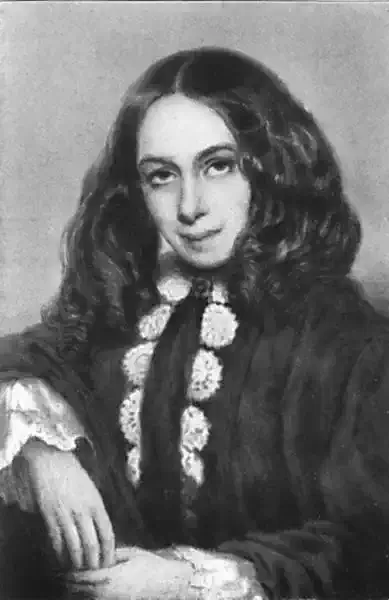
Elizabeth Barrett Browning
Sonnet 24 - Let the world's sharpness, like a clasping knife
Sonnet 24 - Let the world's sharpness, like a clasping knife
XXIV
Let the world's sharpness, like a clasping knife,
Shut in upon itself and do no harm
In this close hand of Love, now soft and warm,
And let us hear no sound of human strife
After the click of the shutting. Life to life-
I lean upon thee, Dear, without alarm,
And feel as safe as guarded by a charm
Against the stab of worldlings, who if rife
Are weak to injure. Very whitely still
The lilies of our lives may reassure
Their blossoms from their roots, accessible
Alone to heavenly dews that drop not fewer,
Growing straight, out of man's reach, on the hill.
God only, who made us rich, can make us poor.
XXIV
Let the world's sharpness, like a clasping knife,
Shut in upon itself and do no harm
In this close hand of Love, now soft and warm,
And let us hear no sound of human strife
After the click of the shutting. Life to life-
I lean upon thee, Dear, without alarm,
And feel as safe as guarded by a charm
Against the stab of worldlings, who if rife
Are weak to injure. Very whitely still
The lilies of our lives may reassure
Their blossoms from their roots, accessible
Alone to heavenly dews that drop not fewer,
Growing straight, out of man's reach, on the hill.
God only, who made us rich, can make us poor.
402
Elizabeth Barrett Browning
Sonnet 20 - Beloved, my Beloved, when I think
Sonnet 20 - Beloved, my Beloved, when I think
XX
Beloved, my Beloved, when I think
That thou wast in the world a year ago,
What time I sat alone here in the snow
And saw no footprint, heard the silence sink
No moment at thy voice, but, link by link,
Went counting all my chains as if that so
They never could fall off at any blow
Struck by thy possible hand,-why, thus I drink
Of life's great cup of wonder ! Wonderful,
Never to feel thee thrill the day or night
With personal act or speech,-nor ever cull
Some prescience of thee with the blossoms white
Thou sawest growing! Atheists are as dull,
Who cannot guess God's presence out of sight.
XX
Beloved, my Beloved, when I think
That thou wast in the world a year ago,
What time I sat alone here in the snow
And saw no footprint, heard the silence sink
No moment at thy voice, but, link by link,
Went counting all my chains as if that so
They never could fall off at any blow
Struck by thy possible hand,-why, thus I drink
Of life's great cup of wonder ! Wonderful,
Never to feel thee thrill the day or night
With personal act or speech,-nor ever cull
Some prescience of thee with the blossoms white
Thou sawest growing! Atheists are as dull,
Who cannot guess God's presence out of sight.
368
Elizabeth Barrett Browning
Sonnet 16 - And yet, because thou overcomest so
Sonnet 16 - And yet, because thou overcomest so
XVI
And yet, because thou overcomest so,
Because thou art more noble and like a king,
Thou canst prevail against my fears and fling
Thy purple round me, till my heart shall grow
Too close against thine heart henceforth to know
How it shook when alone. Why, conquering
May prove as lordly and complete a thing
In lifting upward, as in crushing low!
And as a vanquished soldier yields his sword
To one who lifts him from the bloody earth,
Even so, Beloved, I at last record,
Here ends my strife. If thou invite me forth,
I rise above abasement at the word.
Make thy love larger to enlarge my worth.
XVI
And yet, because thou overcomest so,
Because thou art more noble and like a king,
Thou canst prevail against my fears and fling
Thy purple round me, till my heart shall grow
Too close against thine heart henceforth to know
How it shook when alone. Why, conquering
May prove as lordly and complete a thing
In lifting upward, as in crushing low!
And as a vanquished soldier yields his sword
To one who lifts him from the bloody earth,
Even so, Beloved, I at last record,
Here ends my strife. If thou invite me forth,
I rise above abasement at the word.
Make thy love larger to enlarge my worth.
460
Elizabeth Barrett Browning
Sonnet 14 - If thou must love me, let it be for nought
Sonnet 14 - If thou must love me, let it be for nought
XIV
If thou must love me, let it be for nought
Except for love's sake only. Do not say
'I love her for her smile-her look-her way
Of speaking gently,-for a trick of thought
That falls in well with mine, and certes brought
A sense of pleasant ease on such a day'-
For these things in themselves, Beloved, may
Be changed, or change for thee,-and love, so wrought,
May be unwrought so. Neither love me for
Thine own dear pity's wiping my cheeks dry,-
A creature might forget to weep, who bore
Thy comfort long, and lose thy love thereby!
But love me for love's sake, that evermore
Thou mayst love on, through love's eternity.
XIV
If thou must love me, let it be for nought
Except for love's sake only. Do not say
'I love her for her smile-her look-her way
Of speaking gently,-for a trick of thought
That falls in well with mine, and certes brought
A sense of pleasant ease on such a day'-
For these things in themselves, Beloved, may
Be changed, or change for thee,-and love, so wrought,
May be unwrought so. Neither love me for
Thine own dear pity's wiping my cheeks dry,-
A creature might forget to weep, who bore
Thy comfort long, and lose thy love thereby!
But love me for love's sake, that evermore
Thou mayst love on, through love's eternity.
668
Elizabeth Barrett Browning
Sonnet 10 - Yet, love, mere love, is beautiful indeed
Sonnet 10 - Yet, love, mere love, is beautiful indeed
X
Yet, love, mere love, is beautiful indeed
And worthy of acceptation. Fire is bright,
Let temple burn, or flax; an equal light
Leaps in the flame from cedar-plank or weed:
And love is fire. And when I say at need
I love thee . . . mark! . . . I love thee-in thy sight
I stand transfigured, glorified aright,
With conscience of the new rays that proceed
Out of my face toward thine. There's nothing low
In love, when love the lowest: meanest creatures
Who love God, God accepts while loving so.
And what I feel, across the inferior features
Of what I am, doth flash itself, and show
How that great work of Love enhances Nature's.
X
Yet, love, mere love, is beautiful indeed
And worthy of acceptation. Fire is bright,
Let temple burn, or flax; an equal light
Leaps in the flame from cedar-plank or weed:
And love is fire. And when I say at need
I love thee . . . mark! . . . I love thee-in thy sight
I stand transfigured, glorified aright,
With conscience of the new rays that proceed
Out of my face toward thine. There's nothing low
In love, when love the lowest: meanest creatures
Who love God, God accepts while loving so.
And what I feel, across the inferior features
Of what I am, doth flash itself, and show
How that great work of Love enhances Nature's.
475
Elizabeth Barrett Browning
Sonnet 12 - Indeed this very love which is my boast
Sonnet 12 - Indeed this very love which is my boast
XII
Indeed this very love which is my boast,
And which, when rising up from breast to brow,
Doth crown me with a ruby large enow
To draw men's eyes and prove the inner cost,-
This love even, all my worth, to the uttermost,
I should not love withal, unless that thou
Hadst set me an example, shown me how,
When first thine earnest eyes with mine were crossed,
And love called love. And thus, I cannot speak
Of love even, as a good thing of my own:
Thy soul hath snatched up mine all faint and weak,
And placed it by thee on a golden throne,-
And that I love (O soul, we must be meek!)
Is by thee only, whom I love alone.
XII
Indeed this very love which is my boast,
And which, when rising up from breast to brow,
Doth crown me with a ruby large enow
To draw men's eyes and prove the inner cost,-
This love even, all my worth, to the uttermost,
I should not love withal, unless that thou
Hadst set me an example, shown me how,
When first thine earnest eyes with mine were crossed,
And love called love. And thus, I cannot speak
Of love even, as a good thing of my own:
Thy soul hath snatched up mine all faint and weak,
And placed it by thee on a golden throne,-
And that I love (O soul, we must be meek!)
Is by thee only, whom I love alone.
473
Elizabeth Barrett Browning
Sonnet 06 - Go from me. Yet I feel that I shall stand
Sonnet 06 - Go from me. Yet I feel that I shall stand
VI
Go from me. Yet I feel that I shall stand
Henceforward in thy shadow. Nevermore
Alone upon the threshold of my door
Of individual life, I shall command
The uses of my soul, nor lift my hand
Serenely in the sunshine as before,
Without the sense of that which I forbore-
Thy touch upon the palm. The widest land
Doom takes to part us, leaves thy heart in mine
With pulses that beat double. What I do
And what I dream include thee, as the wine
Must taste of its own grapes. And when I sue
God for myself, He hears that name of thine,
And sees within my eyes the tears of two.
VI
Go from me. Yet I feel that I shall stand
Henceforward in thy shadow. Nevermore
Alone upon the threshold of my door
Of individual life, I shall command
The uses of my soul, nor lift my hand
Serenely in the sunshine as before,
Without the sense of that which I forbore-
Thy touch upon the palm. The widest land
Doom takes to part us, leaves thy heart in mine
With pulses that beat double. What I do
And what I dream include thee, as the wine
Must taste of its own grapes. And when I sue
God for myself, He hears that name of thine,
And sees within my eyes the tears of two.
432
Elizabeth Barrett Browning
IX
IX
Can it be right to give what I can give ?
To let thee sit beneath the fall of tears
As salt as mine, and hear the sighing years
Re-sighing on my lips renunciative
Through those infrequent smiles which fail to live
For all thy adjurations ? O my fears,
That this can scarce be right ! We are not peers,
So to be lovers; and I own, and grieve,
That givers of such gifts as mine are, must
Be counted with the ungenerous. Out, alas !
I will not soil thy purple with my dust,
Nor breathe my poison on thy Venice-glass,
Nor give thee any love--which were unjust.
Beloved, I only love thee ! let it pass.
Can it be right to give what I can give ?
To let thee sit beneath the fall of tears
As salt as mine, and hear the sighing years
Re-sighing on my lips renunciative
Through those infrequent smiles which fail to live
For all thy adjurations ? O my fears,
That this can scarce be right ! We are not peers,
So to be lovers; and I own, and grieve,
That givers of such gifts as mine are, must
Be counted with the ungenerous. Out, alas !
I will not soil thy purple with my dust,
Nor breathe my poison on thy Venice-glass,
Nor give thee any love--which were unjust.
Beloved, I only love thee ! let it pass.
485
Elizabeth Barrett Browning
III
III
Unlike are we, unlike, O princely Heart !
Unlike our uses and our destinies.
Our ministering two angels look surprise
On one another, as they strike athwart
Their wings in passing. Thou, bethink thee, art
A guest for queens to social pageantries,
With gages from a hundred brighter eyes
Than tears even can make mine, to play thy part
Of chief musician. What hast thou to do
With looking from the lattice-lights at me,
A poor, tired, wandering singer, singing through
The dark, and leaning up a cypress tree ?
The chrism is on thine head,--on mine, the dew,--
And Death must dig the level where these agree.
Unlike are we, unlike, O princely Heart !
Unlike our uses and our destinies.
Our ministering two angels look surprise
On one another, as they strike athwart
Their wings in passing. Thou, bethink thee, art
A guest for queens to social pageantries,
With gages from a hundred brighter eyes
Than tears even can make mine, to play thy part
Of chief musician. What hast thou to do
With looking from the lattice-lights at me,
A poor, tired, wandering singer, singing through
The dark, and leaning up a cypress tree ?
The chrism is on thine head,--on mine, the dew,--
And Death must dig the level where these agree.
490
Elizabeth Barrett Browning
How Do I Love Thee?
How Do I Love Thee?
How do I love thee? Let me count the ways.
I love thee to the depth and breadth and height
My soul can reach, when feeling out of sight
For the ends of Being and ideal Grace.
I love thee to the level of every day's
Most quiet need, by sun and candlelight.
I love thee freely, as men strive for Right;
I love thee purely, as they turn from Praise.
I love with a passion put to use
In my old griefs, and with my childhood's faith.
I love thee with a love I seemed to lose
With my lost saints, -- I love thee with the breath,
Smiles, tears, of all my life! -- and, if God choose,
I shall but love thee better after death.
How do I love thee? Let me count the ways.
I love thee to the depth and breadth and height
My soul can reach, when feeling out of sight
For the ends of Being and ideal Grace.
I love thee to the level of every day's
Most quiet need, by sun and candlelight.
I love thee freely, as men strive for Right;
I love thee purely, as they turn from Praise.
I love with a passion put to use
In my old griefs, and with my childhood's faith.
I love thee with a love I seemed to lose
With my lost saints, -- I love thee with the breath,
Smiles, tears, of all my life! -- and, if God choose,
I shall but love thee better after death.
795
Elizabeth Barrett Browning
A Woman's Shortcomings
A Woman's Shortcomings
She has laughed as softly as if she sighed,
She has counted six, and over,
Of a purse well filled, and a heart well tried -
Oh, each a worthy lover!
They "give her time"; for her soul must slip
Where the world has set the grooving;
She will lie to none with her fair red lip:
But love seeks truer loving.
She trembles her fan in a sweetness dumb,
As her thoughts were beyond recalling;
With a glance for one, and a glance for some,
From her eyelids rising and falling;
Speaks common words with a blushful air,
Hears bold words, unreproving;
But her silence says - what she never will swear -
And love seeks better loving.
Go, lady! lean to the night-guitar,
And drop a smile to the bringer;
Then smile as sweetly, when he is far,
At the voice of an in-door singer.
Bask tenderly beneath tender eyes;
Glance lightly, on their removing;
And join new vows to old perjuries -
But dare not call it loving!
Unless you can think, when the song is done,
No other is soft in the rhythm;
Unless you can feel, when left by One,
That all men else go with him;
Unless you can know, when unpraised by his breath,
That your beauty itself wants proving;
Unless you can swear "For life, for death!" -
Oh, fear to call it loving!
Unless you can muse in a crowd all day
On the absent face that fixed you;
Unless you can love, as the angels may,
With the breadth of heaven betwixt you;
Unless you can dream that his faith is fast,
Through behoving and unbehoving;
Unless you can die when the dream is past -
Oh, never call it loving!
She has laughed as softly as if she sighed,
She has counted six, and over,
Of a purse well filled, and a heart well tried -
Oh, each a worthy lover!
They "give her time"; for her soul must slip
Where the world has set the grooving;
She will lie to none with her fair red lip:
But love seeks truer loving.
She trembles her fan in a sweetness dumb,
As her thoughts were beyond recalling;
With a glance for one, and a glance for some,
From her eyelids rising and falling;
Speaks common words with a blushful air,
Hears bold words, unreproving;
But her silence says - what she never will swear -
And love seeks better loving.
Go, lady! lean to the night-guitar,
And drop a smile to the bringer;
Then smile as sweetly, when he is far,
At the voice of an in-door singer.
Bask tenderly beneath tender eyes;
Glance lightly, on their removing;
And join new vows to old perjuries -
But dare not call it loving!
Unless you can think, when the song is done,
No other is soft in the rhythm;
Unless you can feel, when left by One,
That all men else go with him;
Unless you can know, when unpraised by his breath,
That your beauty itself wants proving;
Unless you can swear "For life, for death!" -
Oh, fear to call it loving!
Unless you can muse in a crowd all day
On the absent face that fixed you;
Unless you can love, as the angels may,
With the breadth of heaven betwixt you;
Unless you can dream that his faith is fast,
Through behoving and unbehoving;
Unless you can die when the dream is past -
Oh, never call it loving!
523
Elizabeth Barrett Browning
A Woman's Shortcomings
A Woman's Shortcomings
She has laughed as softly as if she sighed,
She has counted six, and over,
Of a purse well filled, and a heart well tried -
Oh, each a worthy lover!
They "give her time"; for her soul must slip
Where the world has set the grooving;
She will lie to none with her fair red lip:
But love seeks truer loving.
She trembles her fan in a sweetness dumb,
As her thoughts were beyond recalling;
With a glance for one, and a glance for some,
From her eyelids rising and falling;
Speaks common words with a blushful air,
Hears bold words, unreproving;
But her silence says - what she never will swear -
And love seeks better loving.
Go, lady! lean to the night-guitar,
And drop a smile to the bringer;
Then smile as sweetly, when he is far,
At the voice of an in-door singer.
Bask tenderly beneath tender eyes;
Glance lightly, on their removing;
And join new vows to old perjuries -
But dare not call it loving!
Unless you can think, when the song is done,
No other is soft in the rhythm;
Unless you can feel, when left by One,
That all men else go with him;
Unless you can know, when unpraised by his breath,
That your beauty itself wants proving;
Unless you can swear "For life, for death!" -
Oh, fear to call it loving!
Unless you can muse in a crowd all day
On the absent face that fixed you;
Unless you can love, as the angels may,
With the breadth of heaven betwixt you;
Unless you can dream that his faith is fast,
Through behoving and unbehoving;
Unless you can die when the dream is past -
Oh, never call it loving!
She has laughed as softly as if she sighed,
She has counted six, and over,
Of a purse well filled, and a heart well tried -
Oh, each a worthy lover!
They "give her time"; for her soul must slip
Where the world has set the grooving;
She will lie to none with her fair red lip:
But love seeks truer loving.
She trembles her fan in a sweetness dumb,
As her thoughts were beyond recalling;
With a glance for one, and a glance for some,
From her eyelids rising and falling;
Speaks common words with a blushful air,
Hears bold words, unreproving;
But her silence says - what she never will swear -
And love seeks better loving.
Go, lady! lean to the night-guitar,
And drop a smile to the bringer;
Then smile as sweetly, when he is far,
At the voice of an in-door singer.
Bask tenderly beneath tender eyes;
Glance lightly, on their removing;
And join new vows to old perjuries -
But dare not call it loving!
Unless you can think, when the song is done,
No other is soft in the rhythm;
Unless you can feel, when left by One,
That all men else go with him;
Unless you can know, when unpraised by his breath,
That your beauty itself wants proving;
Unless you can swear "For life, for death!" -
Oh, fear to call it loving!
Unless you can muse in a crowd all day
On the absent face that fixed you;
Unless you can love, as the angels may,
With the breadth of heaven betwixt you;
Unless you can dream that his faith is fast,
Through behoving and unbehoving;
Unless you can die when the dream is past -
Oh, never call it loving!
523
Elizabeth Barrett Browning
A Man's Requirements
A Man's Requirements
I
Love me Sweet, with all thou art,
Feeling, thinking, seeing;
Love me in the lightest part,
Love me in full being.
II
Love me with thine open youth
In its frank surrender;
With the vowing of thy mouth,
With its silence tender.
III
Love me with thine azure eyes,
Made for earnest grantings;
Taking colour from the skies,
Can Heaven's truth be wanting?
IV
Love me with their lids, that fall
Snow-like at first meeting;
Love me with thine heart, that all
Neighbours then see beating.
V
Love me with thine hand stretched out
Freely -- open-minded:
Love me with thy loitering foot, --
Hearing one behind it.
VI
Love me with thy voice, that turns
Sudden faint above me;
Love me with thy blush that burns
When I murmur 'Love me!'
VII
Love me with thy thinking soul,
Break it to love-sighing;
Love me with thy thoughts that roll
On through living -- dying.
VIII
Love me in thy gorgeous airs,
When the world has crowned thee;
Love me, kneeling at thy prayers,
With the angels round thee.
IX
Love me pure, as muses do,
Up the woodlands shady:
Love me gaily, fast and true,
As a winsome lady.
X
Through all hopes that keep us brave,
Farther off or nigher,
Love me for the house and grave,
And for something higher.
XI
Thus, if thou wilt prove me, Dear,
Woman's love no fable,
I will love thee -- half a year --
As a man is able.
I
Love me Sweet, with all thou art,
Feeling, thinking, seeing;
Love me in the lightest part,
Love me in full being.
II
Love me with thine open youth
In its frank surrender;
With the vowing of thy mouth,
With its silence tender.
III
Love me with thine azure eyes,
Made for earnest grantings;
Taking colour from the skies,
Can Heaven's truth be wanting?
IV
Love me with their lids, that fall
Snow-like at first meeting;
Love me with thine heart, that all
Neighbours then see beating.
V
Love me with thine hand stretched out
Freely -- open-minded:
Love me with thy loitering foot, --
Hearing one behind it.
VI
Love me with thy voice, that turns
Sudden faint above me;
Love me with thy blush that burns
When I murmur 'Love me!'
VII
Love me with thy thinking soul,
Break it to love-sighing;
Love me with thy thoughts that roll
On through living -- dying.
VIII
Love me in thy gorgeous airs,
When the world has crowned thee;
Love me, kneeling at thy prayers,
With the angels round thee.
IX
Love me pure, as muses do,
Up the woodlands shady:
Love me gaily, fast and true,
As a winsome lady.
X
Through all hopes that keep us brave,
Farther off or nigher,
Love me for the house and grave,
And for something higher.
XI
Thus, if thou wilt prove me, Dear,
Woman's love no fable,
I will love thee -- half a year --
As a man is able.
574
Elizabeth Barrett Browning
Now he muses deep the meaning of the Heaven-words as they come.
Now he muses deep the meaning of the Heaven-words as they come.
Speak not! he is consecrated--Breathe
no breath across his eyes.
Lifted up and separated,
On the hand of God he lies,
In a sweetness beyond touching---held in cloistral sanctities.
Could ye bless him---father---mother ?
Bless the dimple in his cheek?
Dare ye look at one another,
And the benediction speak?
Would ye not break out in weeping, and confess yourselves too weak?
He is harmless---ye are sinful,--Ye
are troubled---he, at ease:
From his slumber, virtue winful
Floweth outward with increase---
Dare not bless him! but be blessed by his peace---and go in peace.
Speak not! he is consecrated--Breathe
no breath across his eyes.
Lifted up and separated,
On the hand of God he lies,
In a sweetness beyond touching---held in cloistral sanctities.
Could ye bless him---father---mother ?
Bless the dimple in his cheek?
Dare ye look at one another,
And the benediction speak?
Would ye not break out in weeping, and confess yourselves too weak?
He is harmless---ye are sinful,--Ye
are troubled---he, at ease:
From his slumber, virtue winful
Floweth outward with increase---
Dare not bless him! but be blessed by his peace---and go in peace.
477

Edward Lear
The Courtship of the Yonghy-Bonghy-Bo
The Courtship of the Yonghy-Bonghy-Bo
I
On the Coast of Coromandel
Where the early pumpkins blow,
In the middle of the woods
Lived the Yonghy-Bonghy-Bò.
Two old chairs, and half a candle,--
One old jug without a handle,--
These were all his worldly goods:
In the middle of the woods,
These were all the worldly goods,
Of the Yonghy-Bonghy-Bò,
Of the Yonghy-Bonghy-Bò.
II
Once, among the Bong-trees walking
Where the early pumpkins blow,
To a little heap of stones
Came the Yonghy-Bonghy-Bò.
There he heard a Lady talking,
To some milk-white Hens of Dorking,-''
Tis the lady Jingly Jones!
'On that little heap of stones
'Sits the Lady Jingly Jones!'
Said the Yonghy-Bonghy-Bò,
Said the Yonghy-Bonghy-Bò.
III
'Lady Jingly! Lady Jingly!
'Sitting where the pumpkins blow,
'Will you come and be my wife?'
Said the Yonghy-Bonghy-Bò.
'I am tired of living singly,-'
On this coast so wild and shingly,-'
I'm a-weary of my life:
'If you'll come and be my wife,
'Quite serene would be my life!'--
Said the Yonghy-Bonghy-Bò,
Said the Yonghy-Bonghy-Bò.
IV
'On this Coast of Coromandel,
'Shrimps and watercresses grow,
'Prawns are plentiful and cheap,'
Said the Yonghy-Bonghy-Bò.
'You shall have my chairs and candle,
'And my jug without a handle!-'
Gaze upon the rolling deep
('Fish is plentiful and cheap)
'As the sea, my love is deep!'
Said the Yonghy-Bonghy-Bò,
Said the Yonghy-Bonghy-Bò.
V
Lady Jingly answered sadly,
And her tears began to flow,-'
Your proposal comes too late,
'Mr. Yonghy-Bonghy-Bò!
'I would be your wife most gladly!'
(Here she twirled her fingers madly,)
'But in England I've a mate!
'Yes! you've asked me far too late,
'For in England I've a mate,
'Mr. Yonghy-Bonghy-Bò!
'Mr. Yonghy-Bonghy-Bò!'
VI
'Mr. Jones -- (his name is Handel,-'
Handel Jones, Esquire, & Co.)
'Dorking fowls delights to send,
'Mr. Yonghy-Bonghy-Bò!
'Keep, oh! keep your chairs and candle,
'And your jug without a handle,-'
I can merely be your friend!
'-- Should my Jones more Dorkings send,
'I will give you three, my friend!
'Mr. Yonghy-Bonghy-Bò!
'Mr. Yonghy-Bonghy-Bò!'
VII
'Though you've such a tiny body,
'And your head so large doth grow,-'
Though your hat may blow away,
'Mr. Yonghy-Bonghy-Bò!
'Though you're such a Hoddy Doddy-'
Yet a wish that I could modi'
fy the words I needs must say!
'Will you please to go away?
'That is all I have to say-'
Mr. Yonghy-Bonghy-Bò!
'Mr. Yonghy-Bonghy-Bò!'.
VIII
Down the slippery slopes of Myrtle,
Where the early pumpkins blow,
To the calm and silent sea
Fled the Yonghy-Bonghy-Bò.
There, beyond the Bay of Gurtle,
Lay a large and lively Turtle,-'
You're the Cove,' he said, 'for me
'On your back beyond the sea,
'Turtle, you shall carry me!'
Said the Yonghy-Bonghy-Bò,
Said the Yonghy-Bonghy-Bò.
IX
Through the silent-roaring ocean
Did the Turtle swiftly go;
Holding fast upon his shell
Rode the Yonghy-Bonghy-Bò.
With a sad primæval motion
Towards the sunset isles of Boshen
Still the Turtle bore him well.
Holding fast upon his shell,
'Lady Jingly Jones, farewell!'
Sang the Yonghy-Bonghy-Bò,
Sang the Yonghy-Bonghy-Bò.
X
From the Coast of Coromandel,
Did that Lady never go;
On that heap of stones she mourns
For the Yonghy-Bonghy-Bò.
On that Coast of Coromandel,
In his jug without a handle
Still she weeps, and daily moans;
On that little hep of stones
To her Dorking Hens she moans,
For the Yonghy-Bonghy-Bò,
For the Yonghy-Bonghy-Bò.
I
On the Coast of Coromandel
Where the early pumpkins blow,
In the middle of the woods
Lived the Yonghy-Bonghy-Bò.
Two old chairs, and half a candle,--
One old jug without a handle,--
These were all his worldly goods:
In the middle of the woods,
These were all the worldly goods,
Of the Yonghy-Bonghy-Bò,
Of the Yonghy-Bonghy-Bò.
II
Once, among the Bong-trees walking
Where the early pumpkins blow,
To a little heap of stones
Came the Yonghy-Bonghy-Bò.
There he heard a Lady talking,
To some milk-white Hens of Dorking,-''
Tis the lady Jingly Jones!
'On that little heap of stones
'Sits the Lady Jingly Jones!'
Said the Yonghy-Bonghy-Bò,
Said the Yonghy-Bonghy-Bò.
III
'Lady Jingly! Lady Jingly!
'Sitting where the pumpkins blow,
'Will you come and be my wife?'
Said the Yonghy-Bonghy-Bò.
'I am tired of living singly,-'
On this coast so wild and shingly,-'
I'm a-weary of my life:
'If you'll come and be my wife,
'Quite serene would be my life!'--
Said the Yonghy-Bonghy-Bò,
Said the Yonghy-Bonghy-Bò.
IV
'On this Coast of Coromandel,
'Shrimps and watercresses grow,
'Prawns are plentiful and cheap,'
Said the Yonghy-Bonghy-Bò.
'You shall have my chairs and candle,
'And my jug without a handle!-'
Gaze upon the rolling deep
('Fish is plentiful and cheap)
'As the sea, my love is deep!'
Said the Yonghy-Bonghy-Bò,
Said the Yonghy-Bonghy-Bò.
V
Lady Jingly answered sadly,
And her tears began to flow,-'
Your proposal comes too late,
'Mr. Yonghy-Bonghy-Bò!
'I would be your wife most gladly!'
(Here she twirled her fingers madly,)
'But in England I've a mate!
'Yes! you've asked me far too late,
'For in England I've a mate,
'Mr. Yonghy-Bonghy-Bò!
'Mr. Yonghy-Bonghy-Bò!'
VI
'Mr. Jones -- (his name is Handel,-'
Handel Jones, Esquire, & Co.)
'Dorking fowls delights to send,
'Mr. Yonghy-Bonghy-Bò!
'Keep, oh! keep your chairs and candle,
'And your jug without a handle,-'
I can merely be your friend!
'-- Should my Jones more Dorkings send,
'I will give you three, my friend!
'Mr. Yonghy-Bonghy-Bò!
'Mr. Yonghy-Bonghy-Bò!'
VII
'Though you've such a tiny body,
'And your head so large doth grow,-'
Though your hat may blow away,
'Mr. Yonghy-Bonghy-Bò!
'Though you're such a Hoddy Doddy-'
Yet a wish that I could modi'
fy the words I needs must say!
'Will you please to go away?
'That is all I have to say-'
Mr. Yonghy-Bonghy-Bò!
'Mr. Yonghy-Bonghy-Bò!'.
VIII
Down the slippery slopes of Myrtle,
Where the early pumpkins blow,
To the calm and silent sea
Fled the Yonghy-Bonghy-Bò.
There, beyond the Bay of Gurtle,
Lay a large and lively Turtle,-'
You're the Cove,' he said, 'for me
'On your back beyond the sea,
'Turtle, you shall carry me!'
Said the Yonghy-Bonghy-Bò,
Said the Yonghy-Bonghy-Bò.
IX
Through the silent-roaring ocean
Did the Turtle swiftly go;
Holding fast upon his shell
Rode the Yonghy-Bonghy-Bò.
With a sad primæval motion
Towards the sunset isles of Boshen
Still the Turtle bore him well.
Holding fast upon his shell,
'Lady Jingly Jones, farewell!'
Sang the Yonghy-Bonghy-Bò,
Sang the Yonghy-Bonghy-Bò.
X
From the Coast of Coromandel,
Did that Lady never go;
On that heap of stones she mourns
For the Yonghy-Bonghy-Bò.
On that Coast of Coromandel,
In his jug without a handle
Still she weeps, and daily moans;
On that little hep of stones
To her Dorking Hens she moans,
For the Yonghy-Bonghy-Bò,
For the Yonghy-Bonghy-Bò.
290
Edward Lear
Mr and Mrs Discobbolos
Mr and Mrs Discobbolos
First Part
Mr and Mrs Discobbolos
Climbed to the top of a wall,
And they sat to watch the sunset sky
And to hear the Nupiter Piffkin cry
And the Biscuit Buffalo call.
They took up a roll and some Chamomile tea,
And both were as happy as happy could be -
Till Mrs Discobbolos said, '
Oh! W! X! Y! Z!
It has just come into my head -
Suppose we should happen to fall!!!!!
Darling Mr Discobbolos?
'Suppose we should fall down flumpetty
Just like two pieces of stone!
On to the thorns, - or into the moat!
What would become of your new green coat?
And might you not break a bone?
It never occurred to me before -
That perhaps we shall never go down any more!'
And Mrs Discobbolos said '
Oh! W! X! Y! Z!
What put it into your head
To climb up this wall? - my own
Darling Mr Discobbolos?'
Mr Discobbolos answered, '
At first it gave me pain, -
And I felt my ears turn perfectly pink
When your exclamation made me think
We might never get down again!
But now I believe it is wiser far
To remain for ever just where we are.' -
And Mr Discobbolos said,
'Oh! W! X! Y! Z!
It has just come into my head '-
We shall never go down again -
Dearest Mrs Discobbolos.!'
So Mr and Mrs Discobbolos
Stood up, and began to sing,
'Far away from hurry and strife
Here we will pass the rest of life,
Ding a dong, ding dong, ding!
We want no knives nor forks nor chairs,
No tables nor carpets nor household cares,
From worry of life we've fled '
Oh! W! X! Y! Z!
There is no more trouble ahead
Sorrow or any such thing -
For Mr and Mrs Discobbolos!'
Second Part.
Mr and Mrs Discobbolos
Lived on the top of the wall
For twenty years, a month and a day,
Till their hair had grown all pearly gray,
And their teeth began to fall.
They never were ill, or at all dejected,
By all admired, and by some respected,
Till Mrs Discobbolos said,
'Oh! W! X! Y! Z!
It has just come into my head,
We have no more room at all -
Darling Mr Discobbolos!
Look at our six fine boys!
And our six sweet girls so fair!
Upon this wall they have all been born,
And not one of the twelve has happened to fall
Through my maternal care!
Surely they should not pass their lives
Without any chance of husbands or wives!'
And Mrs Discobbolos said,
'Oh! W! X! Y! Z!
Did it never come into your head
That our lives must be lived elsewhere,
Dearest Mr Discobbolos?
'They have never been at a ball,
Nor have even seen a bazaar!
Nor have heard folks say in a tone all hearty,
'What loves of girls (at a garden party)
Those Misses Discobbolos are!'
Morning and night it drives me wild
To think of the fate of each darling child!'
But Mr Discobbolos said,
'Oh! W! X! Y! Z!
What has come to your fiddledum head!
What a runcible goose you are!
Octopod Mrs Discobbolos!'
Suddenly Mr Discobbolos
Slid from the top of the wall;
And beneath it he dug a dreadful trench,
And filled it with dynamite, gunpowder gench,
And aloud he began to call '
Let the wild bee sing,
And the blue bird hum!
For the end of your lives has certainly come!'
And Mrs Discobbolos said,
'Oh! W! X! Y! Z!
We shall presently all be dead,
On this ancient runcible wall,
Terrible Mr Discobbolos!'
Pensively, Mr Discobbolos
Sat with his back to the wall;
He lighted a match, and fired the train,
And the mortified mountain echoed again
To the sound of an awful fall!
And all the Discobbolos family flew
In thousands of bits to the sky so blue,
And no one was left to have said,
'Oh! W! X! Y! Z!
Has it come into anyone's head
That the end has happened to all
Of the whole of the Clan Discobbolos?'
First Part
Mr and Mrs Discobbolos
Climbed to the top of a wall,
And they sat to watch the sunset sky
And to hear the Nupiter Piffkin cry
And the Biscuit Buffalo call.
They took up a roll and some Chamomile tea,
And both were as happy as happy could be -
Till Mrs Discobbolos said, '
Oh! W! X! Y! Z!
It has just come into my head -
Suppose we should happen to fall!!!!!
Darling Mr Discobbolos?
'Suppose we should fall down flumpetty
Just like two pieces of stone!
On to the thorns, - or into the moat!
What would become of your new green coat?
And might you not break a bone?
It never occurred to me before -
That perhaps we shall never go down any more!'
And Mrs Discobbolos said '
Oh! W! X! Y! Z!
What put it into your head
To climb up this wall? - my own
Darling Mr Discobbolos?'
Mr Discobbolos answered, '
At first it gave me pain, -
And I felt my ears turn perfectly pink
When your exclamation made me think
We might never get down again!
But now I believe it is wiser far
To remain for ever just where we are.' -
And Mr Discobbolos said,
'Oh! W! X! Y! Z!
It has just come into my head '-
We shall never go down again -
Dearest Mrs Discobbolos.!'
So Mr and Mrs Discobbolos
Stood up, and began to sing,
'Far away from hurry and strife
Here we will pass the rest of life,
Ding a dong, ding dong, ding!
We want no knives nor forks nor chairs,
No tables nor carpets nor household cares,
From worry of life we've fled '
Oh! W! X! Y! Z!
There is no more trouble ahead
Sorrow or any such thing -
For Mr and Mrs Discobbolos!'
Second Part.
Mr and Mrs Discobbolos
Lived on the top of the wall
For twenty years, a month and a day,
Till their hair had grown all pearly gray,
And their teeth began to fall.
They never were ill, or at all dejected,
By all admired, and by some respected,
Till Mrs Discobbolos said,
'Oh! W! X! Y! Z!
It has just come into my head,
We have no more room at all -
Darling Mr Discobbolos!
Look at our six fine boys!
And our six sweet girls so fair!
Upon this wall they have all been born,
And not one of the twelve has happened to fall
Through my maternal care!
Surely they should not pass their lives
Without any chance of husbands or wives!'
And Mrs Discobbolos said,
'Oh! W! X! Y! Z!
Did it never come into your head
That our lives must be lived elsewhere,
Dearest Mr Discobbolos?
'They have never been at a ball,
Nor have even seen a bazaar!
Nor have heard folks say in a tone all hearty,
'What loves of girls (at a garden party)
Those Misses Discobbolos are!'
Morning and night it drives me wild
To think of the fate of each darling child!'
But Mr Discobbolos said,
'Oh! W! X! Y! Z!
What has come to your fiddledum head!
What a runcible goose you are!
Octopod Mrs Discobbolos!'
Suddenly Mr Discobbolos
Slid from the top of the wall;
And beneath it he dug a dreadful trench,
And filled it with dynamite, gunpowder gench,
And aloud he began to call '
Let the wild bee sing,
And the blue bird hum!
For the end of your lives has certainly come!'
And Mrs Discobbolos said,
'Oh! W! X! Y! Z!
We shall presently all be dead,
On this ancient runcible wall,
Terrible Mr Discobbolos!'
Pensively, Mr Discobbolos
Sat with his back to the wall;
He lighted a match, and fired the train,
And the mortified mountain echoed again
To the sound of an awful fall!
And all the Discobbolos family flew
In thousands of bits to the sky so blue,
And no one was left to have said,
'Oh! W! X! Y! Z!
Has it come into anyone's head
That the end has happened to all
Of the whole of the Clan Discobbolos?'
300
Edward Lear
Limerick: There Was an Old Man on a Hill
Limerick: There Was an Old Man on a Hill
There was an Old Man on a hill,
Who seldom, if ever, stood still;
He ran up and down,
In his Grandmother's gown,
Which adorned that Old Man on a hill.
There was an Old Man on a hill,
Who seldom, if ever, stood still;
He ran up and down,
In his Grandmother's gown,
Which adorned that Old Man on a hill.
237
Edward Lear
Limerick: There was a Young Person of Smyrna,
Limerick: There was a Young Person of Smyrna,
There was a Young Person of Smyrna,
Whose Grandmother threatened to burn her;
But she seized on the cat,
And said, 'Granny, burn that!
You incongruous Old Woman of Smyrna!'
There was a Young Person of Smyrna,
Whose Grandmother threatened to burn her;
But she seized on the cat,
And said, 'Granny, burn that!
You incongruous Old Woman of Smyrna!'
268
Edward Lear
Unicorny,
Unicorny,
In a barn,
Little unicorn!
V was once a little van,
Vanny,
Flanny,
Manny
Vanny,
Drive really fasty,
Little van!
W was once a little witch,
Witchy,
Twitchy,
Cwitchy,
Witchy,
Fly real high,
Little witch!
X was once a little x-man,
Mexman,
Nexman,
Pexman,
Mexman,
X-man has big claws,
Little x-man!
Y was once a little yarn,
Yarny,
Carny,
Larny,
Yarny,
Rolly yarny,
Little yarn!
Z was once a little zucchini,
Winey,
Tiney,
Liney,
Winey,
Tinky zinky,
Little letter z!
In a barn,
Little unicorn!
V was once a little van,
Vanny,
Flanny,
Manny
Vanny,
Drive really fasty,
Little van!
W was once a little witch,
Witchy,
Twitchy,
Cwitchy,
Witchy,
Fly real high,
Little witch!
X was once a little x-man,
Mexman,
Nexman,
Pexman,
Mexman,
X-man has big claws,
Little x-man!
Y was once a little yarn,
Yarny,
Carny,
Larny,
Yarny,
Rolly yarny,
Little yarn!
Z was once a little zucchini,
Winey,
Tiney,
Liney,
Winey,
Tinky zinky,
Little letter z!
262
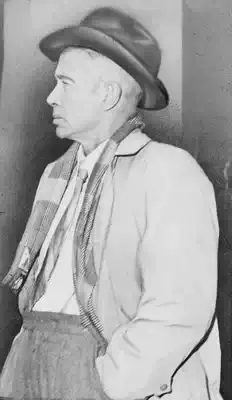
E. E. Cummings
this(let's remember)day died again and...
this(let's remember)day died again and...
this(let's remember)day died again and
again;whose golden,crimson dooms conceive
an oceaning abyss of orange dream
larger than sky times earth:a flame beyond
soul immemorially forevering amand
as collapsing that grey mind by wave
doom disappeared,out of perhaps(who knows?)
eternity floated a blossoming
(while anyone might slowly count to soon)
rose-did you see her?darling,did you(kiss
me)quickly count to never?you were wrong
-then all the way from perfect nowhere came
(as easily as we forget something)
livingest the imaginable moon
this(let's remember)day died again and
again;whose golden,crimson dooms conceive
an oceaning abyss of orange dream
larger than sky times earth:a flame beyond
soul immemorially forevering amand
as collapsing that grey mind by wave
doom disappeared,out of perhaps(who knows?)
eternity floated a blossoming
(while anyone might slowly count to soon)
rose-did you see her?darling,did you(kiss
me)quickly count to never?you were wrong
-then all the way from perfect nowhere came
(as easily as we forget something)
livingest the imaginable moon
534
E. E. Cummings
Sometimes I Am Alive Because With
Sometimes I Am Alive Because With
sometimes i am alive because with
me her alert treelike body sleeps
which i will feel slowly sharpening
becoming distinct with love slowly,
who in my shoulder sinks sweetly teeth
until we shall attain the Springsmelling
intense large togethercoloured instant
the moment pleasantly frightful
when, her mouth suddenly rising, wholly
begins with mine fiercely to fool
(and from my thighs which shrug and pant
a murdering rain leapingly reaches the upward singular deepest flower which she
carries in a gesture of her hips)
sometimes i am alive because with
me her alert treelike body sleeps
which i will feel slowly sharpening
becoming distinct with love slowly,
who in my shoulder sinks sweetly teeth
until we shall attain the Springsmelling
intense large togethercoloured instant
the moment pleasantly frightful
when, her mouth suddenly rising, wholly
begins with mine fiercely to fool
(and from my thighs which shrug and pant
a murdering rain leapingly reaches the upward singular deepest flower which she
carries in a gesture of her hips)
571
E. E. Cummings
nobody loses all the time (X)
nobody loses all the time (X)
nobody loses all the time
i had an uncle named
Sol who was a born failure and
nearly everybody said he should have gone
into vaudeville perhaps because my Uncle Sol could
sing McCann He Was A Diver on Xmas Eve like Hell Itself which
may or may not account for the fact that my Uncle
Sol indulged in that possibly most inexcusable
of all to use a highfalootin phrase
luxuries that is or to
wit farming and be
it needlessly
added
my Uncle Sol's farm
failed because the chickens
ate the vegetables so
my Uncle Sol had a
chicken farm till the
skunks ate the chickens when
my Uncle Sol
had a skunk farm but
the skunks caught cold and
died so
my Uncle Sol imitated the
skunks in a subtle manner
or by drowning himself in the watertank
but somebody who'd given my Unde Sol a Victor
Victrola and records while he lived presented to
him upon the auspicious occasion of his decease a
scrumptious not to mention splendiferous funeral with
tall boys in black gloves and flowers and everything and
i remember we all cried like the Missouri
when my Uncle Sol's coffin lurched because
somebody pressed a button
(and down went
my Uncle
Sol
and started a worm farm)
nobody loses all the time
i had an uncle named
Sol who was a born failure and
nearly everybody said he should have gone
into vaudeville perhaps because my Uncle Sol could
sing McCann He Was A Diver on Xmas Eve like Hell Itself which
may or may not account for the fact that my Uncle
Sol indulged in that possibly most inexcusable
of all to use a highfalootin phrase
luxuries that is or to
wit farming and be
it needlessly
added
my Uncle Sol's farm
failed because the chickens
ate the vegetables so
my Uncle Sol had a
chicken farm till the
skunks ate the chickens when
my Uncle Sol
had a skunk farm but
the skunks caught cold and
died so
my Uncle Sol imitated the
skunks in a subtle manner
or by drowning himself in the watertank
but somebody who'd given my Unde Sol a Victor
Victrola and records while he lived presented to
him upon the auspicious occasion of his decease a
scrumptious not to mention splendiferous funeral with
tall boys in black gloves and flowers and everything and
i remember we all cried like the Missouri
when my Uncle Sol's coffin lurched because
somebody pressed a button
(and down went
my Uncle
Sol
and started a worm farm)
577
E. E. Cummings
maggie and milly and molly and may
maggie and milly and molly and may
maggie and milly and molly and may
went down to the beach (to play one day)
and maggie discovered a shell that sang
so sweetly she couldn’t remember her troubles,and
milly befriended a stranded star
whose rays five languid fingers were;
and molly was chased by a horrible thing
which raced sideways while blowing bubbles:and
may came home with a smooth round stone
as small as a world and as large as alone.
For whatever we lose(like a you or a me)
it’s always ourselves we find in the sea
maggie and milly and molly and may
went down to the beach (to play one day)
and maggie discovered a shell that sang
so sweetly she couldn’t remember her troubles,and
milly befriended a stranded star
whose rays five languid fingers were;
and molly was chased by a horrible thing
which raced sideways while blowing bubbles:and
may came home with a smooth round stone
as small as a world and as large as alone.
For whatever we lose(like a you or a me)
it’s always ourselves we find in the sea
921
E. E. Cummings
my father moved through dooms of love
my father moved through dooms of love
my father moved through dooms of love
through sames of am through haves of give,
singing each morning out of each night
my father moved through depths of height
this motionless forgetful where
turned at his glance to shining here;
that if(so timid air is firm)
under his eyes would stir and squirm
newly as from unburied which
floats the first who, his april touch
drove sleeping selves to swarm their fates
woke dreamers to their ghostly roots
and should some why completely weep
my father's fingers brought her sleep:
vainly no smallest voice might cry
for he could feel the mountains grow.
Lifting the valleys of the sea
my father moved through griefs of joy;
praising a forehead called the moon
singing desire into begin
joy was his song and joy so pure
a heart of star by him could steer
and pure so now and now so yes
the wrists of twilight would rejoice
keen as midsummer's keen beyond
conceiving mind of sun will stand,
so strictly(over utmost him
so hugely)stood my father's dream
his flesh was flesh his blood was blood:
no hungry man but wished him food;
no cripple wouldn't creep one mile
uphill to only see him smile.
Scorning the pomp of must and shall
my father moved through dooms of feel;
his anger was as right as rain
his pity was as green as grain
septembering arms of year extend
less humbly wealth to foe and friend
than he to foolish and to wise
offered immeasurable is
proudly and(by octobering flame
beckoned)as earth will downward climb,
so naked for immortal work
his shoulders marched against the dark
his sorrow was as true as bread:
no liar looked him in the head;
if every friend became his foe
he'd laugh and build a world with snow.
My father moved through theys of we,
singing each new leaf out of each tree
(and every child was sure that spring
danced when she heard my father sing)
then let men kill which cannot share,
let blood and flesh be mud and mire,
scheming imagine,passion willed,
freedom a drug that's bought and sold
giving to steal and cruel kind,
a heart to fear,to doubt a mind,
to differ a disease of same,
conform the pinnacle of am
though dull were all we taste as bright,
bitter all utterly things sweet,
maggoty minus and dumb death
all we inherit,all bequeath
and nothing quite so least as truth
-i say though hate were why men breathebecause
my father lived his soul
love is the whole and more than all
my father moved through dooms of love
through sames of am through haves of give,
singing each morning out of each night
my father moved through depths of height
this motionless forgetful where
turned at his glance to shining here;
that if(so timid air is firm)
under his eyes would stir and squirm
newly as from unburied which
floats the first who, his april touch
drove sleeping selves to swarm their fates
woke dreamers to their ghostly roots
and should some why completely weep
my father's fingers brought her sleep:
vainly no smallest voice might cry
for he could feel the mountains grow.
Lifting the valleys of the sea
my father moved through griefs of joy;
praising a forehead called the moon
singing desire into begin
joy was his song and joy so pure
a heart of star by him could steer
and pure so now and now so yes
the wrists of twilight would rejoice
keen as midsummer's keen beyond
conceiving mind of sun will stand,
so strictly(over utmost him
so hugely)stood my father's dream
his flesh was flesh his blood was blood:
no hungry man but wished him food;
no cripple wouldn't creep one mile
uphill to only see him smile.
Scorning the pomp of must and shall
my father moved through dooms of feel;
his anger was as right as rain
his pity was as green as grain
septembering arms of year extend
less humbly wealth to foe and friend
than he to foolish and to wise
offered immeasurable is
proudly and(by octobering flame
beckoned)as earth will downward climb,
so naked for immortal work
his shoulders marched against the dark
his sorrow was as true as bread:
no liar looked him in the head;
if every friend became his foe
he'd laugh and build a world with snow.
My father moved through theys of we,
singing each new leaf out of each tree
(and every child was sure that spring
danced when she heard my father sing)
then let men kill which cannot share,
let blood and flesh be mud and mire,
scheming imagine,passion willed,
freedom a drug that's bought and sold
giving to steal and cruel kind,
a heart to fear,to doubt a mind,
to differ a disease of same,
conform the pinnacle of am
though dull were all we taste as bright,
bitter all utterly things sweet,
maggoty minus and dumb death
all we inherit,all bequeath
and nothing quite so least as truth
-i say though hate were why men breathebecause
my father lived his soul
love is the whole and more than all
612