

Poems in this topic
Relationships and Family
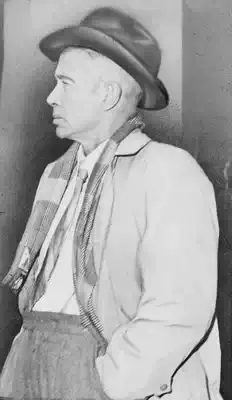
E. E. Cummings
it may not always be so
it may not always be so
it may not always be so; and i say
that if your lips, which i have loved, should touch
another's, and your dear strong fingers clutch
his heart, as mine in time not far away;
if on another's face your sweet hair lay
in such a silence as i know, or such
great writhing words as, uttering overmuch,
stand helplessly before the spirit at bay;
if this should be, i say if this should be -you
of my heart, send me a little word;
that i may go unto him, and take his hands,
saying, Accept all happiness from me.
Then shall i turn my face, and hear one bird
sing terribly afar in the lost lands.
it may not always be so; and i say
that if your lips, which i have loved, should touch
another's, and your dear strong fingers clutch
his heart, as mine in time not far away;
if on another's face your sweet hair lay
in such a silence as i know, or such
great writhing words as, uttering overmuch,
stand helplessly before the spirit at bay;
if this should be, i say if this should be -you
of my heart, send me a little word;
that i may go unto him, and take his hands,
saying, Accept all happiness from me.
Then shall i turn my face, and hear one bird
sing terribly afar in the lost lands.
643
E. E. Cummings
it may not always be so
it may not always be so
it may not always be so; and i say
that if your lips, which i have loved, should touch
another's, and your dear strong fingers clutch
his heart, as mine in time not far away;
if on another's face your sweet hair lay
in such a silence as i know, or such
great writhing words as, uttering overmuch,
stand helplessly before the spirit at bay;
if this should be, i say if this should be -you
of my heart, send me a little word;
that i may go unto him, and take his hands,
saying, Accept all happiness from me.
Then shall i turn my face, and hear one bird
sing terribly afar in the lost lands.
it may not always be so; and i say
that if your lips, which i have loved, should touch
another's, and your dear strong fingers clutch
his heart, as mine in time not far away;
if on another's face your sweet hair lay
in such a silence as i know, or such
great writhing words as, uttering overmuch,
stand helplessly before the spirit at bay;
if this should be, i say if this should be -you
of my heart, send me a little word;
that i may go unto him, and take his hands,
saying, Accept all happiness from me.
Then shall i turn my face, and hear one bird
sing terribly afar in the lost lands.
643
E. E. Cummings
If I have made, my lady, intricate
If I have made, my lady, intricate
If I have made, my lady, intricate
imperfect various things chiefly which wrong
your eyes (frailer than most deep dreams are frail)
songs less firm than your body's whitest song
upon my mind - if I have failed to snare
the glance too shy - if through my singing slips
the very skillful strangeness of your smile
the keen primeval silence of your hair
-let the world say "his most wise music stole
nothing from death" you
will only create
(who are so perfectly alive) my shame:
lady whose profound and fragile lips
the sweet small clumsy feet of April came
into the ragged meadow of my soul.
If I have made, my lady, intricate
imperfect various things chiefly which wrong
your eyes (frailer than most deep dreams are frail)
songs less firm than your body's whitest song
upon my mind - if I have failed to snare
the glance too shy - if through my singing slips
the very skillful strangeness of your smile
the keen primeval silence of your hair
-let the world say "his most wise music stole
nothing from death" you
will only create
(who are so perfectly alive) my shame:
lady whose profound and fragile lips
the sweet small clumsy feet of April came
into the ragged meadow of my soul.
583
E. E. Cummings
if everything happens that can't be done
if everything happens that can't be done
if everything happens that can't be done
(and anything's righter
than books
could plan)
the stupidest teacher will almost guess
(with a run
skip
around we go yes)
there's nothing as something as one
one hasn't a why or because or although
(and buds know better
than books
don't grow)
one's anything old being everything new
(with a what
which
around we come who)
one's everyanything so
so world is a leaf so tree is a bough
(and birds sing sweeter
than books
tell how)
so here is away and so your is a my
(with a down
up
around again fly)
forever was never till now
now i love you and you love me
(and books are shutter
than books
can be)
and deep in the high that does nothing but fall
(with a shout
each
around we go all)
there's somebody calling who's we
we're anything brighter than even the sun
(we're everything greater
than books
might mean)
we're everanything more than believe
(with a spin
leap
alive we're alive)
we're wonderful one times one
if everything happens that can't be done
(and anything's righter
than books
could plan)
the stupidest teacher will almost guess
(with a run
skip
around we go yes)
there's nothing as something as one
one hasn't a why or because or although
(and buds know better
than books
don't grow)
one's anything old being everything new
(with a what
which
around we come who)
one's everyanything so
so world is a leaf so tree is a bough
(and birds sing sweeter
than books
tell how)
so here is away and so your is a my
(with a down
up
around again fly)
forever was never till now
now i love you and you love me
(and books are shutter
than books
can be)
and deep in the high that does nothing but fall
(with a shout
each
around we go all)
there's somebody calling who's we
we're anything brighter than even the sun
(we're everything greater
than books
might mean)
we're everanything more than believe
(with a spin
leap
alive we're alive)
we're wonderful one times one
658
E. E. Cummings
i have found what you are like
i have found what you are like
i have found what you are like
the rain
(Who feathers frightened fields
with the superior dust-of-sleep. wields
easily the pale club of the wind
and swirled justly souls of flower strike
the air in utterable coolness
deeds of gren thrilling light
with thinned
newfragile yellows
lurch and press
--in the woods
which
stutter
and
sing
And the coolness of your smile is
stirringofbirds between my arms;but
i should rather than anything
have(almost when hugeness will shut
quietly)almost,
your kiss
i have found what you are like
the rain
(Who feathers frightened fields
with the superior dust-of-sleep. wields
easily the pale club of the wind
and swirled justly souls of flower strike
the air in utterable coolness
deeds of gren thrilling light
with thinned
newfragile yellows
lurch and press
--in the woods
which
stutter
and
sing
And the coolness of your smile is
stirringofbirds between my arms;but
i should rather than anything
have(almost when hugeness will shut
quietly)almost,
your kiss
550
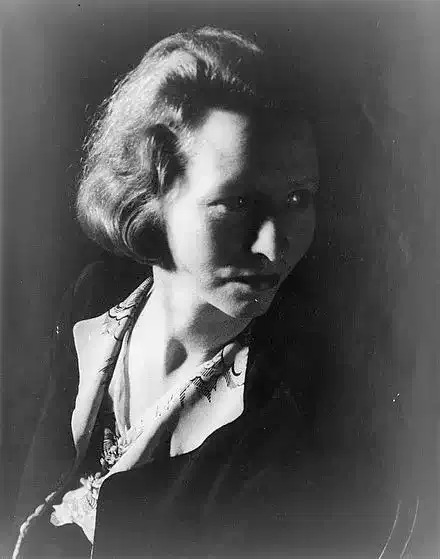
Edna St. Vincent Millay
When We Are Old And These Rejoicing Veins
When We Are Old And These Rejoicing Veins
When we are old and these rejoicing veins
Are frosty channels to a muted stream,
And out of all our burning their remains
No feeblest spark to fire us, even in dream,
This be our solace: that it was not said
When we were young and warm and in our prime,
Upon our couch we lay as lie the dead,
Sleeping away the unreturning time.
O sweet, O heavy-lidded, O my love,
When morning strikes her spear upon the land,
And we must rise and arm us and reprove
The insolent daylight with a steady hand,
Be not discountenanced if the knowing know
We rose from rapture but an hour ago.
When we are old and these rejoicing veins
Are frosty channels to a muted stream,
And out of all our burning their remains
No feeblest spark to fire us, even in dream,
This be our solace: that it was not said
When we were young and warm and in our prime,
Upon our couch we lay as lie the dead,
Sleeping away the unreturning time.
O sweet, O heavy-lidded, O my love,
When morning strikes her spear upon the land,
And we must rise and arm us and reprove
The insolent daylight with a steady hand,
Be not discountenanced if the knowing know
We rose from rapture but an hour ago.
419
Edna St. Vincent Millay
When I Too Long Have Looked Upon Your Face
When I Too Long Have Looked Upon Your Face
When I too long have looked upon your face,
Wherein for me a brightness unobscured
Save by the mists of brightness has its place,
And terrible beauty not to be endured,
I turn away reluctant from your light,
And stand irresolute, a mind undone,
A silly, dazzled thing deprived of sight
From having looked too long upon the sun.
Then is my daily life a narrow room
In which a little while, uncertainly,
Surrounded by impenetrable gloom,
Among familiar things grown strange to me
Making my way, I pause, and feel, and hark,
Till I become accustomed to the dark.
When I too long have looked upon your face,
Wherein for me a brightness unobscured
Save by the mists of brightness has its place,
And terrible beauty not to be endured,
I turn away reluctant from your light,
And stand irresolute, a mind undone,
A silly, dazzled thing deprived of sight
From having looked too long upon the sun.
Then is my daily life a narrow room
In which a little while, uncertainly,
Surrounded by impenetrable gloom,
Among familiar things grown strange to me
Making my way, I pause, and feel, and hark,
Till I become accustomed to the dark.
396
Edna St. Vincent Millay
We Talk of Taxes...
We Talk of Taxes...
We talk of taxes, and I call you friend;
Well, such you are, -- but well enough we know
How thick about us root, how rankly grow
Those subtle weeds no man has need to tend,
That flourish through neglect, and soon must send
Perfume too sweet upon us and overthrow
Our steady senses; how such matters go
We are aware, and how such matters end.
Yet shall be told no meagre passion here;
With lovers such as we forevermore
Isolde drinks the draught, and Guinevere
Receives the Table's ruin through her door,
Francesca, with the loud surf at her ear,
Lets fall the coloured book upon the floor.
We talk of taxes, and I call you friend;
Well, such you are, -- but well enough we know
How thick about us root, how rankly grow
Those subtle weeds no man has need to tend,
That flourish through neglect, and soon must send
Perfume too sweet upon us and overthrow
Our steady senses; how such matters go
We are aware, and how such matters end.
Yet shall be told no meagre passion here;
With lovers such as we forevermore
Isolde drinks the draught, and Guinevere
Receives the Table's ruin through her door,
Francesca, with the loud surf at her ear,
Lets fall the coloured book upon the floor.
335
Edna St. Vincent Millay
To Kathleen
To Kathleen
Still must the poet as of old,
In barren attic bleak and cold,
Starve, freeze, and fashion verses to
Such things as flowers and song and you;
Still as of old his being give
In Beauty's name, while she may live,
Beauty that may not die as long
As there are flowers and you and song.
Still must the poet as of old,
In barren attic bleak and cold,
Starve, freeze, and fashion verses to
Such things as flowers and song and you;
Still as of old his being give
In Beauty's name, while she may live,
Beauty that may not die as long
As there are flowers and you and song.
366
Edna St. Vincent Millay
The True Encounter
The True Encounter
"Wolf!" cried my cunning heart
At every sheep it spied,
And roused the countryside.
"Wolf! Wolf!"—and up would start
Good neighbours, bringing spade
And pitchfork to my aid.
At length my cry was known:
Therein lay my release.
I met the wolf alone
And was devoured in peace.
"Wolf!" cried my cunning heart
At every sheep it spied,
And roused the countryside.
"Wolf! Wolf!"—and up would start
Good neighbours, bringing spade
And pitchfork to my aid.
At length my cry was known:
Therein lay my release.
I met the wolf alone
And was devoured in peace.
477
Edna St. Vincent Millay
The Spring And The Fall
The Spring And The Fall
In the spring of the year, in the spring of the year,
I walked the road beside my dear.
The trees were black where the bark was wet.
I see them yet, in the spring of the year.
He broke me a bough of the blossoming peach
That was out of the way and hard to reach.
In the fall of the year, in the fall of the year,
I walked the road beside my dear.
The rooks went up with a raucous trill.
I hear them still, in the fall of the year.
He laughed at all I dared to praise,
And broke my heart, in little ways.
Year be springing or year be falling,
The bark will drip and the birds be calling.
There's much that's fine to see and hear
In the spring of a year, in the fall of a year.
'Tis not love's going hurt my days.
But that it went in little ways.
In the spring of the year, in the spring of the year,
I walked the road beside my dear.
The trees were black where the bark was wet.
I see them yet, in the spring of the year.
He broke me a bough of the blossoming peach
That was out of the way and hard to reach.
In the fall of the year, in the fall of the year,
I walked the road beside my dear.
The rooks went up with a raucous trill.
I hear them still, in the fall of the year.
He laughed at all I dared to praise,
And broke my heart, in little ways.
Year be springing or year be falling,
The bark will drip and the birds be calling.
There's much that's fine to see and hear
In the spring of a year, in the fall of a year.
'Tis not love's going hurt my days.
But that it went in little ways.
444
Edna St. Vincent Millay
The Return From Town
The Return From Town
As I sat down by Saddle Stream
To bathe my dusty feet there,
A boy was standing on the bridge
Any girl would meet there.
As I went over Woody Knob
A youth was coming up the hill
Any maid would follow.
Then in I turned at my own gate,—
And nothing to be sad for—
To such a man as any WIFE
Would pass a pretty lad for.
As I sat down by Saddle Stream
To bathe my dusty feet there,
A boy was standing on the bridge
Any girl would meet there.
As I went over Woody Knob
A youth was coming up the hill
Any maid would follow.
Then in I turned at my own gate,—
And nothing to be sad for—
To such a man as any WIFE
Would pass a pretty lad for.
363
Edna St. Vincent Millay
The Singing-Woman From The Wood's Edge
The Singing-Woman From The Wood's Edge
What should I be but a prophet and a liar,
Whose mother was a leprechaun, whose father was a friar?
Teethed on a crucifix and cradled under water,
What should I be but the fiend's god-daughter?
And who should be my playmates but the adder and the frog,
That was got beneath a furze-bush and born in a bog?
And what should be my singing, that was christened at an altar,
But Aves and Credos and Psalms out of the Psalter?
You will see such webs on the wet grass, maybe,
As a pixie-mother weaves for her baby,
You will find such flame at the wave's weedy ebb
As flashes in the meshes of a mer-mother's web,
But there comes to birth no common spawn
From the love a a priest for a leprechaun,
And you never have seen and you never will see
Such things as the things that swaddled me!
After all's said and after all's done,
What should I be but a harlot and a nun?
In through the bushes, on any foggy day,
My Da would come a-swishing of the drops away,
With a prayer for my death and a groan for my birth,
A-mumbling of his beads for all that he was worth.
And there'd sit my Ma, with her knees beneath her chin,
A-looking in his face and a-drinking of it in,
And a-marking in the moss some funny little saying
That would mean just the opposite of all that he was praying!
He taught me the holy-talk of Vesper and of Matin,
He heard me my Greek and he heard me my Latin,
He blessed me and crossed me to keep my soul from evil,
And we watched him out of sight, and we conjured up the devil!
Oh, the things I haven't seen and the things I haven't known,
What with hedges and ditches till after I was grown,
And yanked both way by my mother and my father,
With a "Which would you better?" and a " Which would you
rather?"
With him for a sire and her for a dam,
What should I be but just what I am?
What should I be but a prophet and a liar,
Whose mother was a leprechaun, whose father was a friar?
Teethed on a crucifix and cradled under water,
What should I be but the fiend's god-daughter?
And who should be my playmates but the adder and the frog,
That was got beneath a furze-bush and born in a bog?
And what should be my singing, that was christened at an altar,
But Aves and Credos and Psalms out of the Psalter?
You will see such webs on the wet grass, maybe,
As a pixie-mother weaves for her baby,
You will find such flame at the wave's weedy ebb
As flashes in the meshes of a mer-mother's web,
But there comes to birth no common spawn
From the love a a priest for a leprechaun,
And you never have seen and you never will see
Such things as the things that swaddled me!
After all's said and after all's done,
What should I be but a harlot and a nun?
In through the bushes, on any foggy day,
My Da would come a-swishing of the drops away,
With a prayer for my death and a groan for my birth,
A-mumbling of his beads for all that he was worth.
And there'd sit my Ma, with her knees beneath her chin,
A-looking in his face and a-drinking of it in,
And a-marking in the moss some funny little saying
That would mean just the opposite of all that he was praying!
He taught me the holy-talk of Vesper and of Matin,
He heard me my Greek and he heard me my Latin,
He blessed me and crossed me to keep my soul from evil,
And we watched him out of sight, and we conjured up the devil!
Oh, the things I haven't seen and the things I haven't known,
What with hedges and ditches till after I was grown,
And yanked both way by my mother and my father,
With a "Which would you better?" and a " Which would you
rather?"
With him for a sire and her for a dam,
What should I be but just what I am?
358
Edna St. Vincent Millay
The Plaid Dress
The Plaid Dress
Strong sun, that bleach
The curtains of my room, can you not render
Colourless this dress I wear?—
This violent plaid
Of purple angers and red shames; the yellow stripe
Of thin but valid treacheries; the flashy green of kind deeds done
Through indolence high judgments given here in haste;
The recurring checker of the serious breach of taste?
No more uncoloured than unmade,
I fear, can be this garment that I may not doff;
Confession does not strip it off,
To send me homeward eased and bare;
All through the formal, unoffending evening, under the clean
Bright hair,
Lining the subtle gown. . .it is not seen,
But it is there.
Strong sun, that bleach
The curtains of my room, can you not render
Colourless this dress I wear?—
This violent plaid
Of purple angers and red shames; the yellow stripe
Of thin but valid treacheries; the flashy green of kind deeds done
Through indolence high judgments given here in haste;
The recurring checker of the serious breach of taste?
No more uncoloured than unmade,
I fear, can be this garment that I may not doff;
Confession does not strip it off,
To send me homeward eased and bare;
All through the formal, unoffending evening, under the clean
Bright hair,
Lining the subtle gown. . .it is not seen,
But it is there.
358
Edna St. Vincent Millay
The Little Ghost
The Little Ghost
I knew her for a little ghost
That in my garden walked;
The wall is high—higher than most—
And the green gate was locked.
And yet I did not think of that
Till after she was gone—
I knew her by the broad white hat,
All ruffled, she had on.
By the dear ruffles round her feet,
By her small hands that hung
In their lace mitts, austere and sweet,
Her gown's white folds among.
I watched to see if she would stay,
What she would do—and oh!
She looked as if she liked the way
I let my garden grow!
She bent above my favourite mint
With conscious garden grace,
She smiled and smiled—there was no hint
Of sadness in her face.
She held her gown on either side
To let her slippers show,
And up the walk she went with pride,
The way great ladies go.
And where the wall is built in new
And is of ivy bare
She paused—then opened and passed through
A gate that once was there.
I knew her for a little ghost
That in my garden walked;
The wall is high—higher than most—
And the green gate was locked.
And yet I did not think of that
Till after she was gone—
I knew her by the broad white hat,
All ruffled, she had on.
By the dear ruffles round her feet,
By her small hands that hung
In their lace mitts, austere and sweet,
Her gown's white folds among.
I watched to see if she would stay,
What she would do—and oh!
She looked as if she liked the way
I let my garden grow!
She bent above my favourite mint
With conscious garden grace,
She smiled and smiled—there was no hint
Of sadness in her face.
She held her gown on either side
To let her slippers show,
And up the walk she went with pride,
The way great ladies go.
And where the wall is built in new
And is of ivy bare
She paused—then opened and passed through
A gate that once was there.
365
Edna St. Vincent Millay
Tavern
Tavern
I'll keep a little tavern
Below the high hill's crest,
Wherein all grey-eyed people
May set them down and rest.
There shall be plates a-plenty,
And mugs to melt the chill
Of all the grey-eyed people
Who happen up the hill.
There sound will sleep the traveller,
And dream his journey's end,
But I will rouse at midnight
The falling fire to tend.
Aye, 'tis a curious fancy—
But all the good I know
Was taught me out of two grey eyes
A long time ago.
I'll keep a little tavern
Below the high hill's crest,
Wherein all grey-eyed people
May set them down and rest.
There shall be plates a-plenty,
And mugs to melt the chill
Of all the grey-eyed people
Who happen up the hill.
There sound will sleep the traveller,
And dream his journey's end,
But I will rouse at midnight
The falling fire to tend.
Aye, 'tis a curious fancy—
But all the good I know
Was taught me out of two grey eyes
A long time ago.
360
Edna St. Vincent Millay
Sonnets 12: Cherish You Then The Hope I Shall Forget
Sonnets 12: Cherish You Then The Hope I Shall Forget
Cherish you then the hope I shall forget
At length, my lord, Pieria?—put away
For your so passing sake, this mouth of clay
These mortal bones against my body set,
For all the puny fever and frail sweat
Of human love,—renounce for these, I say,
The Singing Mountain's memory, and betray
The silent lyre that hangs upon me yet?
Ah, but indeed, some day shall you awake,
Rather, from dreams of me, that at your side
So many nights, a lover and a bride,
But stern in my soul's chastity, have lain,
To walk the world forever for my sake,
And in each chamber find me gone again!
Cherish you then the hope I shall forget
At length, my lord, Pieria?—put away
For your so passing sake, this mouth of clay
These mortal bones against my body set,
For all the puny fever and frail sweat
Of human love,—renounce for these, I say,
The Singing Mountain's memory, and betray
The silent lyre that hangs upon me yet?
Ah, but indeed, some day shall you awake,
Rather, from dreams of me, that at your side
So many nights, a lover and a bride,
But stern in my soul's chastity, have lain,
To walk the world forever for my sake,
And in each chamber find me gone again!
291
Edna St. Vincent Millay
Sonnets 06: No Rose That In A Garden Ever Grew
Sonnets 06: No Rose That In A Garden Ever Grew
No rose that in a garden ever grew,
In Homer's or in Omar's or in mine,
Though buried under centuries of fine
Dead dust of roses, shut from sun and dew
Forever, and forever lost from view,
But must again in fragrance rich as wine
The grey aisles of the air incarnadine
When the old summers surge into a new.
Thus when I swear, "I love with all my heart,"
'Tis with the heart of Lilith that I swear,
'Tis with the love of Lesbia and Lucrece;
And thus as well my love must lose some part
Of what it is, had Helen been less fair,
Or perished young, or stayed at home in Greece.
No rose that in a garden ever grew,
In Homer's or in Omar's or in mine,
Though buried under centuries of fine
Dead dust of roses, shut from sun and dew
Forever, and forever lost from view,
But must again in fragrance rich as wine
The grey aisles of the air incarnadine
When the old summers surge into a new.
Thus when I swear, "I love with all my heart,"
'Tis with the heart of Lilith that I swear,
'Tis with the love of Lesbia and Lucrece;
And thus as well my love must lose some part
Of what it is, had Helen been less fair,
Or perished young, or stayed at home in Greece.
294
Edna St. Vincent Millay
Sonnets 02: Into The Golden Vessel Of Great Song
Sonnets 02: Into The Golden Vessel Of Great Song
Into the golden vessel of great song
Let us pour all our passion; breast to breast
Let other lovers lie, in love and rest;
Not we,—articulate, so, but with the tongue
Of all the world: the churning blood, the long
Shuddering quiet, the desperate hot palms pressed
Sharply together upon the escaping guest,
The common soul, unguarded, and grown strong.
Longing alone is singer to the lute;
Let still on nettles in the open sigh
The minstrel, that in slumber is as mute
As any man, and love be far and high,
That else forsakes the topmost branch, a fruit
Found on the ground by every passer-by.
Into the golden vessel of great song
Let us pour all our passion; breast to breast
Let other lovers lie, in love and rest;
Not we,—articulate, so, but with the tongue
Of all the world: the churning blood, the long
Shuddering quiet, the desperate hot palms pressed
Sharply together upon the escaping guest,
The common soul, unguarded, and grown strong.
Longing alone is singer to the lute;
Let still on nettles in the open sigh
The minstrel, that in slumber is as mute
As any man, and love be far and high,
That else forsakes the topmost branch, a fruit
Found on the ground by every passer-by.
233
Edna St. Vincent Millay
Sonnets 04: Only Until This Cigarette Is Ended
Sonnets 04: Only Until This Cigarette Is Ended
Only until this cigarette is ended,
A little moment at the end of all,
While on the floor the quiet ashes fall,
And in the firelight to a lance extended,
Bizarrely with the jazzing music blended,
The broken shadow dances on the wall,
I will permit my memory to recall
The vision of you, by all my dreams attended.
And then adieu,—farewell!—the dream is done.
Yours is a face of which I can forget
The color and the features, every one,
The words not ever, and the smiles not yet;
But in your day this moment is the sun
Upon a hill, after the sun has set.
Only until this cigarette is ended,
A little moment at the end of all,
While on the floor the quiet ashes fall,
And in the firelight to a lance extended,
Bizarrely with the jazzing music blended,
The broken shadow dances on the wall,
I will permit my memory to recall
The vision of you, by all my dreams attended.
And then adieu,—farewell!—the dream is done.
Yours is a face of which I can forget
The color and the features, every one,
The words not ever, and the smiles not yet;
But in your day this moment is the sun
Upon a hill, after the sun has set.
253
Edna St. Vincent Millay
Sonnets (1923)
Sonnets (1923)
VIII8.
Oh, oh, you will be sorry for that word!
.
Give back my book and take my kiss instead.
.
Was it my enemy or my friend I heard,
.
"What a big book for such a little head!"
.
Come, I will show you now my newest hat,
.
And you may watch me purse my mouth and prink!
.
Oh, I shall love you still, and all of that.
.
I never again shall tell you what I think.
.
I shall be sweet and crafty, soft and sly;
.
You will not catch me reading any more:
.
I shall be called a wife to pattern by;
.
And some day when you knock and push the door,
.
Some sane day, not too bright and not too stormy,
.
I shall be gone, and you may whistle for me. IX9.
Here is a wound that never will heal, I know,
.
Being wrought not of a dearness and a death,
.
But of a love turned ashes and the breath
.
Gone out of beauty; never again will grow
.
The grass on that scarred acre, though I sow
.
Young seed there yearly and the sky bequeath
.
Its friendly weathers down, far underneath
.
Shall be such bitterness of an old woe.
.
That April should be shattered by a gust,
.
That August should be levelled by a rain,
.
I can endure, and that the lifted dust
.
Of man should settle to the earth again;
.
But that a dream can die, will be a thrust
.
Between my ribs forever of hot pain. XVIII18.
I, being born a woman and distressed
.
By all the needs and notions of my kind,
.
Am urged by your propinquity to find
.
Your person fair, and feel a certain zest
.
To bear your body's weight upon my breast:
.
So subtly is the fume of life designed,
.
To clarify the pulse and cloud the mind,
.
And leave me once again undone, possessed.
.
Think not for this, however, the poor treason
.
Of my stout blood against my staggering brain,
.
I shall remember you with love, or season
.
My scorn with pity, -- let me make it plain:
.
I find this frenzy insufficient reason
.
For conversation when we meet again. XIX19.
What lips my lips have kissed, and where, and why,
.
I have forgotten, and what arms have lain
.
Under my head till morning; but the rain
.
Is full of ghosts to-night, that tap and sigh
.
Upon the glass and listen for reply,
.
And in my heart there stirs a quiet pain
.
For unremembered lads that not again
.
Will turn to me at midnight with a cry.
.
Thus in the winter stands the lonely tree,
.
Nor knows what birds have vanished one by one,
.
Yet knows its boughs more silent than before:
.
I cannot say what loves have come and gone,
.
I only know that summer sang in me
.
A little while, that in me sings no more.
VIII8.
Oh, oh, you will be sorry for that word!
.
Give back my book and take my kiss instead.
.
Was it my enemy or my friend I heard,
.
"What a big book for such a little head!"
.
Come, I will show you now my newest hat,
.
And you may watch me purse my mouth and prink!
.
Oh, I shall love you still, and all of that.
.
I never again shall tell you what I think.
.
I shall be sweet and crafty, soft and sly;
.
You will not catch me reading any more:
.
I shall be called a wife to pattern by;
.
And some day when you knock and push the door,
.
Some sane day, not too bright and not too stormy,
.
I shall be gone, and you may whistle for me. IX9.
Here is a wound that never will heal, I know,
.
Being wrought not of a dearness and a death,
.
But of a love turned ashes and the breath
.
Gone out of beauty; never again will grow
.
The grass on that scarred acre, though I sow
.
Young seed there yearly and the sky bequeath
.
Its friendly weathers down, far underneath
.
Shall be such bitterness of an old woe.
.
That April should be shattered by a gust,
.
That August should be levelled by a rain,
.
I can endure, and that the lifted dust
.
Of man should settle to the earth again;
.
But that a dream can die, will be a thrust
.
Between my ribs forever of hot pain. XVIII18.
I, being born a woman and distressed
.
By all the needs and notions of my kind,
.
Am urged by your propinquity to find
.
Your person fair, and feel a certain zest
.
To bear your body's weight upon my breast:
.
So subtly is the fume of life designed,
.
To clarify the pulse and cloud the mind,
.
And leave me once again undone, possessed.
.
Think not for this, however, the poor treason
.
Of my stout blood against my staggering brain,
.
I shall remember you with love, or season
.
My scorn with pity, -- let me make it plain:
.
I find this frenzy insufficient reason
.
For conversation when we meet again. XIX19.
What lips my lips have kissed, and where, and why,
.
I have forgotten, and what arms have lain
.
Under my head till morning; but the rain
.
Is full of ghosts to-night, that tap and sigh
.
Upon the glass and listen for reply,
.
And in my heart there stirs a quiet pain
.
For unremembered lads that not again
.
Will turn to me at midnight with a cry.
.
Thus in the winter stands the lonely tree,
.
Nor knows what birds have vanished one by one,
.
Yet knows its boughs more silent than before:
.
I cannot say what loves have come and gone,
.
I only know that summer sang in me
.
A little while, that in me sings no more.
366
Edna St. Vincent Millay
Sonnet 01: Thou Art Not Lovelier Than Lilacs,—No
Sonnet 01: Thou Art Not Lovelier Than Lilacs,—No
Thou art not lovelier than lilacs,—no,
Nor honeysuckle; thou art not more fair
Than small white single poppies,—I can bear
Thy beauty; though I bend before thee, though
From left to right, not knowing where to go,
I turn my troubled eyes, nor here nor there
Find any refuge from thee, yet I swear
So has it been with mist,—with moonlight so.
Like him who day by day unto his draught
Of delicate poison adds him one drop more
Till he may drink unharmed the death of ten,
Even so, inured to beauty, who have quaffed
Each hour more deeply than the hour before,
I drink—and live—what has destroyed some men.
Thou art not lovelier than lilacs,—no,
Nor honeysuckle; thou art not more fair
Than small white single poppies,—I can bear
Thy beauty; though I bend before thee, though
From left to right, not knowing where to go,
I turn my troubled eyes, nor here nor there
Find any refuge from thee, yet I swear
So has it been with mist,—with moonlight so.
Like him who day by day unto his draught
Of delicate poison adds him one drop more
Till he may drink unharmed the death of ten,
Even so, inured to beauty, who have quaffed
Each hour more deeply than the hour before,
I drink—and live—what has destroyed some men.
279
Edna St. Vincent Millay
Pity Me Not Because The Light Of Day
Pity Me Not Because The Light Of Day
Pity me not because the light of day
At close of day no longer walks the sky;
Pity me not for beauties passed away
From field and thicket as the the year goes by;
Pity me not the waning of the moon,
Nor that the ebbing tide goes out to sea,
Nor that a man's desire is hushed so soon,
And you no longer look with love on me.
This have I known always: Love is no more
Than the wide blossom which the wind assails,
Than the great tide that treads the shifting shore,
Strewing fresh wreckage gathered in the gales:
Pity me that the heart is slow to learn
What the swift mind beholds at ever turn.
Pity me not because the light of day
At close of day no longer walks the sky;
Pity me not for beauties passed away
From field and thicket as the the year goes by;
Pity me not the waning of the moon,
Nor that the ebbing tide goes out to sea,
Nor that a man's desire is hushed so soon,
And you no longer look with love on me.
This have I known always: Love is no more
Than the wide blossom which the wind assails,
Than the great tide that treads the shifting shore,
Strewing fresh wreckage gathered in the gales:
Pity me that the heart is slow to learn
What the swift mind beholds at ever turn.
307
Edna St. Vincent Millay
Oh, Oh, You Will Be Sorry
Oh, Oh, You Will Be Sorry
Oh, oh, you will be sorry for that word!
Give me back my book and take my kiss instead.
Was it my enemy or my friend I heard,
"What a big book for such a little head!"
Come, I will show you now my newest hat,
And you may watch me purse my mouth and prink!
Oh, I shall love you still, and all of that.
I never again shall tell you what I think.
I shall be sweet and crafty, soft and sly;
You will not catch me reading any more:
I shall be called a wife to pattern by;
And some day when you knock and push the door,
Some sane day, not too bright and not too stormy,
I shall be gone, and you may whistle for me.
Oh, oh, you will be sorry for that word!
Give me back my book and take my kiss instead.
Was it my enemy or my friend I heard,
"What a big book for such a little head!"
Come, I will show you now my newest hat,
And you may watch me purse my mouth and prink!
Oh, I shall love you still, and all of that.
I never again shall tell you what I think.
I shall be sweet and crafty, soft and sly;
You will not catch me reading any more:
I shall be called a wife to pattern by;
And some day when you knock and push the door,
Some sane day, not too bright and not too stormy,
I shall be gone, and you may whistle for me.
381