

Poems in this topic
Dates and Celebrations
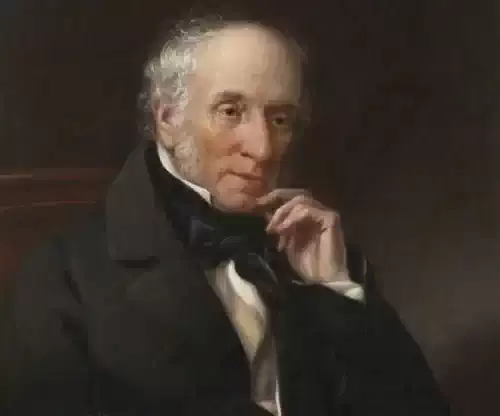
William Wordsworth
Lament of Mary Queen of Scots, on The Eve of a New Year
Lament of Mary Queen of Scots, on The Eve of a New Year
Smile of the Moon!---for I so name
That silent greeting from above;
A gentle flash of light that came
From her whom drooping captives love;
Or art thou of still higher birth?
Thou that didst part the clouds of earth,
My torpor to reprove!
Bright boon of pitying Heaven!---alas,
I may not trust thy placid cheer!
Pondering that Time tonight will pass
The threshold of another year;
For years to me are sad and dull;
My very moments are too full
Of hopelessness and fear.
And yet, the soul-awakening gleam,
That struck perchance the farthest cone
Of Scotland's rocky wilds, did seem
To visit me, and me alone;
Me, unapproached by any friend,
Save those who to my sorrow lend
Tears due unto their own.
To night the church-tower bells will ring
Through these wide realms a festire peal;
To the new year a welcoming;
A tuneful offering for the weal
Of happy millions lulled in deep;
While I am forced to watch and weep,
By wounds that may not heal.
Born all too high, by wedlock raised
Still higherÑto be cast thus low!
Would that mine eyes had never gazed
On aught of more ambitious show
Than the sweet flowerets of the fields
---It is my royal state that yields
This bitterness of woe.
Yet how?---for I, if there be truth
In the world's voice, was passing fair;
And beauty, for confiding youth,
Those shocks of passion can prepare
That kill the bloom before its time;
And blanch, without the owner's crime,
The most resplendent hair.
Unblest distinction! showered on me
To bind a lingering life in chains:
All that could quit my grasp, or flee,
Is gone;---but not the subtle stains
Fixed in the spirit; for even here
Can I be proud that jealous fear
Of what I was remains.
A Woman rules my prison's key;
A sister Queen, against the bent
O£ law and holiest sympathy,
Detains me, doubtful of the event;
Great God, who feel'st for my distress,
My thoughts are all that I possess,
O keep them innocent!
Farewell desire of human aid,
Which abject mortals vainly court!
By friends deceived, by foes betrayed,
Of fears the prey, of hopes the sport;
Nought but the world-redeeming Cross
Is able to support my loss,
My burthen to support.
Hark! the death-note of the year
Sounded by the castle-clock!
From her sunk eyes a stagnant tear
Stole forth, unsettled by the shock;
But oft the woods renewed their green,
Ere the tired head of Scotland's Queen
Reposed upon the block!
Smile of the Moon!---for I so name
That silent greeting from above;
A gentle flash of light that came
From her whom drooping captives love;
Or art thou of still higher birth?
Thou that didst part the clouds of earth,
My torpor to reprove!
Bright boon of pitying Heaven!---alas,
I may not trust thy placid cheer!
Pondering that Time tonight will pass
The threshold of another year;
For years to me are sad and dull;
My very moments are too full
Of hopelessness and fear.
And yet, the soul-awakening gleam,
That struck perchance the farthest cone
Of Scotland's rocky wilds, did seem
To visit me, and me alone;
Me, unapproached by any friend,
Save those who to my sorrow lend
Tears due unto their own.
To night the church-tower bells will ring
Through these wide realms a festire peal;
To the new year a welcoming;
A tuneful offering for the weal
Of happy millions lulled in deep;
While I am forced to watch and weep,
By wounds that may not heal.
Born all too high, by wedlock raised
Still higherÑto be cast thus low!
Would that mine eyes had never gazed
On aught of more ambitious show
Than the sweet flowerets of the fields
---It is my royal state that yields
This bitterness of woe.
Yet how?---for I, if there be truth
In the world's voice, was passing fair;
And beauty, for confiding youth,
Those shocks of passion can prepare
That kill the bloom before its time;
And blanch, without the owner's crime,
The most resplendent hair.
Unblest distinction! showered on me
To bind a lingering life in chains:
All that could quit my grasp, or flee,
Is gone;---but not the subtle stains
Fixed in the spirit; for even here
Can I be proud that jealous fear
Of what I was remains.
A Woman rules my prison's key;
A sister Queen, against the bent
O£ law and holiest sympathy,
Detains me, doubtful of the event;
Great God, who feel'st for my distress,
My thoughts are all that I possess,
O keep them innocent!
Farewell desire of human aid,
Which abject mortals vainly court!
By friends deceived, by foes betrayed,
Of fears the prey, of hopes the sport;
Nought but the world-redeeming Cross
Is able to support my loss,
My burthen to support.
Hark! the death-note of the year
Sounded by the castle-clock!
From her sunk eyes a stagnant tear
Stole forth, unsettled by the shock;
But oft the woods renewed their green,
Ere the tired head of Scotland's Queen
Reposed upon the block!
295
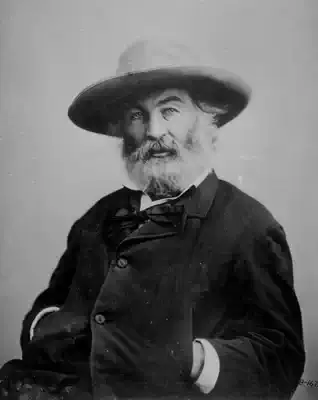
Walt Whitman
Years Of The Modern
Years Of The Modern
YEARS of the modern! years of the unperform'd!
Your horizon rises--I see it parting away for more august dramas;
I see not America only--I see not only Liberty's nation, but other
nations preparing;
I see tremendous entrances and exits--I see new combinations--I see
the solidarity of races;
I see that force advancing with irresistible power on the world's
stage;
(Have the old forces, the old wars, played their parts? are the acts
suitable to them closed?)
I see Freedom, completely arm'd, and victorious, and very haughty,
with Law on one side, and Peace on the other,
A stupendous Trio, all issuing forth against the idea of caste;
--What historic denouements are these we so rapidly approach?
I see men marching and countermarching by swift millions; 10
I see the frontiers and boundaries of the old aristocracies broken;
I see the landmarks of European kings removed;
I see this day the People beginning their landmarks, (all others give
way;)
--Never were such sharp questions ask'd as this day;
Never was average man, his soul, more energetic, more like a God;
Lo! how he urges and urges, leaving the masses no rest;
His daring foot is on land and sea everywhere--he colonizes the
Pacific, the archipelagoes;
With the steam-ship, the electric telegraph, the newspaper, the
wholesale engines of war,
With these, and the world-spreading factories, he interlinks all
geography, all lands;
--What whispers are these, O lands, running ahead of you, passing
under the seas? 20
Are all nations communing? is there going to be but one heart to the
globe?
Is humanity forming, en-masse?--for lo! tyrants tremble, crowns grow
dim;
The earth, restive, confronts a new era, perhaps a general divine
war;
No one knows what will happen next--such portents fill the days and
nights;
Years prophetical! the space ahead as I walk, as I vainly try to
pierce it, is full of phantoms;
Unborn deeds, things soon to be, project their shapes around me;
This incredible rush and heat--this strange extatic fever of dreams,
O years!
Your dreams, O year, how they penetrate through me! (I know not
whether I sleep or wake!)
The perform'd America and Europe grow dim, retiring in shadow behind
me,
The unperform'd, more gigantic than ever, advance, advance upon
me. 30
YEARS of the modern! years of the unperform'd!
Your horizon rises--I see it parting away for more august dramas;
I see not America only--I see not only Liberty's nation, but other
nations preparing;
I see tremendous entrances and exits--I see new combinations--I see
the solidarity of races;
I see that force advancing with irresistible power on the world's
stage;
(Have the old forces, the old wars, played their parts? are the acts
suitable to them closed?)
I see Freedom, completely arm'd, and victorious, and very haughty,
with Law on one side, and Peace on the other,
A stupendous Trio, all issuing forth against the idea of caste;
--What historic denouements are these we so rapidly approach?
I see men marching and countermarching by swift millions; 10
I see the frontiers and boundaries of the old aristocracies broken;
I see the landmarks of European kings removed;
I see this day the People beginning their landmarks, (all others give
way;)
--Never were such sharp questions ask'd as this day;
Never was average man, his soul, more energetic, more like a God;
Lo! how he urges and urges, leaving the masses no rest;
His daring foot is on land and sea everywhere--he colonizes the
Pacific, the archipelagoes;
With the steam-ship, the electric telegraph, the newspaper, the
wholesale engines of war,
With these, and the world-spreading factories, he interlinks all
geography, all lands;
--What whispers are these, O lands, running ahead of you, passing
under the seas? 20
Are all nations communing? is there going to be but one heart to the
globe?
Is humanity forming, en-masse?--for lo! tyrants tremble, crowns grow
dim;
The earth, restive, confronts a new era, perhaps a general divine
war;
No one knows what will happen next--such portents fill the days and
nights;
Years prophetical! the space ahead as I walk, as I vainly try to
pierce it, is full of phantoms;
Unborn deeds, things soon to be, project their shapes around me;
This incredible rush and heat--this strange extatic fever of dreams,
O years!
Your dreams, O year, how they penetrate through me! (I know not
whether I sleep or wake!)
The perform'd America and Europe grow dim, retiring in shadow behind
me,
The unperform'd, more gigantic than ever, advance, advance upon
me. 30
439
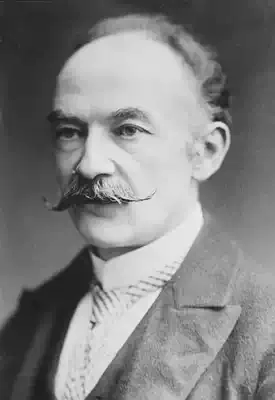
Thomas Hardy
The Oxen
The Oxen
Christmas Eve, and twelve of the clock.
"Now they are all on their knees,"
An elder said as we sat in a flock
By the embers in hearthside ease.
We pictured the meek mild creatures where
They dwelt in their strawy pen,
Nor did it occur to one of us there
To doubt they were kneeling then.
So fair a fancy few would weave
In these years! Yet, I feel,
If someone said on Christmas Eve,
"Come; see the oxen kneel
"In the lonely barton by yonder coomb
Our childhood used to know,"
I should go with him in the gloom,
Hoping it might be so.
Christmas Eve, and twelve of the clock.
"Now they are all on their knees,"
An elder said as we sat in a flock
By the embers in hearthside ease.
We pictured the meek mild creatures where
They dwelt in their strawy pen,
Nor did it occur to one of us there
To doubt they were kneeling then.
So fair a fancy few would weave
In these years! Yet, I feel,
If someone said on Christmas Eve,
"Come; see the oxen kneel
"In the lonely barton by yonder coomb
Our childhood used to know,"
I should go with him in the gloom,
Hoping it might be so.
254
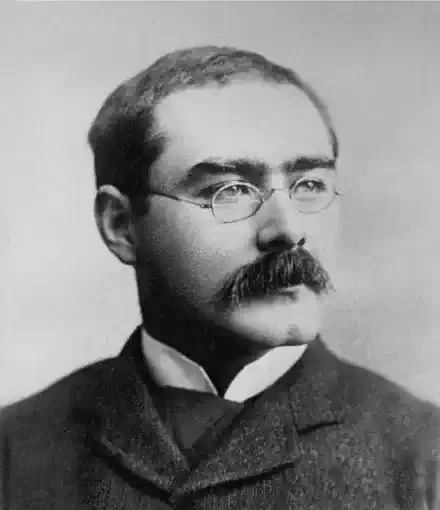
Rudyard Kipling
The Rupaiyat of Omar Kal'vin
The Rupaiyat of Omar Kal'vin
Allowing for the difference 'twixt prose and rhymed exaggeration, this ought to
reproduce the sense of what Sir A-- told the nation sometime ago, when the
Government struck from our incomes two per cent.
Now the New Year, reviving last Year's Debt,
The Thoughtful Fisher casteth wide his Net;
So I with begging Dish and ready Tongue
Assail all Men for all that I can get.
Imports indeed are gone with all their Dues --
Lo! Salt a Lever that I dare not use,
Nor may I ask the Tillers in Bengal --
Surely my Kith and Kin will not refuse!
Pay -- and I promise by the Dust of Spring,
Retrenchment. If my promises can bring
Comfort, Ye have Them now a thousandfold --
By Allah! I will promise Anything!
Indeed, indeed, Retrenchment oft before
I swore -- but did I mean it when I swore?
And then, and then, We wandered to the Hills,
And so the Little Less became Much More.
Whether a Boileaugunge or Babylon,
I know not how the wretched Thing is done,
The Items of Receipt grow surely small;
The Items of Expense mount one by one.
I cannot help it. What have I to do
With One and Five, or Four, or Three, or Two?
Let Scribes spit Blood and Sulphur as they please,
Or Statesmen call me foolish -- Heed not you.
Behold, I promise -- Anything You will.
Behold, I greet you with an empty Till --
Ah! Fellow-Sinners, of your Charity
Seek not the Reason of the Dearth, but fill.
For if I sinned and fell, where lies the Gain
Of Knowledge? Would it ease you of your Pain
To know the tangled Threads of Revenue,
I ravel deeper in a hopeless Skein?
"Who hath not Prudence" -- what was it I said,
Of Her who paints her Eyes and tires Her Head,
And gibes and mocks and People in the Street,
And fawns upon them for Her thriftless Bread?
Accursed is She of Eve's daughters -- She
Hath cast off Prudence, and Her End shall be
Destruction . . . Brethren, of your Bounty
Some portion of your daily Bread to Me.
Allowing for the difference 'twixt prose and rhymed exaggeration, this ought to
reproduce the sense of what Sir A-- told the nation sometime ago, when the
Government struck from our incomes two per cent.
Now the New Year, reviving last Year's Debt,
The Thoughtful Fisher casteth wide his Net;
So I with begging Dish and ready Tongue
Assail all Men for all that I can get.
Imports indeed are gone with all their Dues --
Lo! Salt a Lever that I dare not use,
Nor may I ask the Tillers in Bengal --
Surely my Kith and Kin will not refuse!
Pay -- and I promise by the Dust of Spring,
Retrenchment. If my promises can bring
Comfort, Ye have Them now a thousandfold --
By Allah! I will promise Anything!
Indeed, indeed, Retrenchment oft before
I swore -- but did I mean it when I swore?
And then, and then, We wandered to the Hills,
And so the Little Less became Much More.
Whether a Boileaugunge or Babylon,
I know not how the wretched Thing is done,
The Items of Receipt grow surely small;
The Items of Expense mount one by one.
I cannot help it. What have I to do
With One and Five, or Four, or Three, or Two?
Let Scribes spit Blood and Sulphur as they please,
Or Statesmen call me foolish -- Heed not you.
Behold, I promise -- Anything You will.
Behold, I greet you with an empty Till --
Ah! Fellow-Sinners, of your Charity
Seek not the Reason of the Dearth, but fill.
For if I sinned and fell, where lies the Gain
Of Knowledge? Would it ease you of your Pain
To know the tangled Threads of Revenue,
I ravel deeper in a hopeless Skein?
"Who hath not Prudence" -- what was it I said,
Of Her who paints her Eyes and tires Her Head,
And gibes and mocks and People in the Street,
And fawns upon them for Her thriftless Bread?
Accursed is She of Eve's daughters -- She
Hath cast off Prudence, and Her End shall be
Destruction . . . Brethren, of your Bounty
Some portion of your daily Bread to Me.
454
Rudyard Kipling
Christmas in India
Christmas in India
Dim dawn behind the tamerisks -- the sky is saffron-yellow --
As the women in the village grind the corn,
And the parrots seek the riverside, each calling to his fellow
That the Day, the staring Easter Day is born.
Oh the white dust on the highway! Oh the stenches in the byway!
Oh the clammy fog that hovers
And at Home they're making merry 'neath the white and scarlet berry --
What part have India's exiles in their mirth?
Full day begind the tamarisks -- the sky is blue and staring --
As the cattle crawl afield beneath the yoke,
And they bear One o'er the field-path, who is past all hope or caring,
To the ghat below the curling wreaths of smoke.
Call on Rama, going slowly, as ye bear a brother lowly --
Call on Rama -- he may hear, perhaps, your voice!
With our hymn-books and our psalters we appeal to other altars,
And to-day we bid "good Christian men rejoice!"
High noon behind the tamarisks -- the sun is hot above us --
As at Home the Christmas Day is breaking wan.
They will drink our healths at dinner -- those who tell us how they love us,
And forget us till another year be gone!
Oh the toil that knows no breaking! Oh the Heimweh, ceaseless, aching!
Oh the black dividing Sea and alien Plain!
Youth was cheap -- wherefore we sold it.
Gold was good -- we hoped to hold it,
And to-day we know the fulness of our gain.
Grey dusk behind the tamarisks -- the parrots fly together --
As the sun is sinking slowly over Home;
And his last ray seems to mock us shackled in a lifelong tether.
That drags us back how'er so far we roam.
Hard her service, poor her payment -- she is ancient, tattered raiment --
India, she the grim Stepmother of our kind.
If a year of life be lent her, if her temple's shrine we enter,
The door is hut -- we may not look behind.
Black night behind the tamarisks -- the owls begin their chorus --
As the conches from the temple scream and bray.
With the fruitless years behind us, and the hopeless years before us,
Let us honor, O my brother, Christmas Day!
Call a truce, then, to our labors -- let us feast with friends and neighbors,
And be merry as the custom of our caste;
For if "faint and forced the laughter," and if sadness follow after,
We are richer by one mocking Christmas past.
Dim dawn behind the tamerisks -- the sky is saffron-yellow --
As the women in the village grind the corn,
And the parrots seek the riverside, each calling to his fellow
That the Day, the staring Easter Day is born.
Oh the white dust on the highway! Oh the stenches in the byway!
Oh the clammy fog that hovers
And at Home they're making merry 'neath the white and scarlet berry --
What part have India's exiles in their mirth?
Full day begind the tamarisks -- the sky is blue and staring --
As the cattle crawl afield beneath the yoke,
And they bear One o'er the field-path, who is past all hope or caring,
To the ghat below the curling wreaths of smoke.
Call on Rama, going slowly, as ye bear a brother lowly --
Call on Rama -- he may hear, perhaps, your voice!
With our hymn-books and our psalters we appeal to other altars,
And to-day we bid "good Christian men rejoice!"
High noon behind the tamarisks -- the sun is hot above us --
As at Home the Christmas Day is breaking wan.
They will drink our healths at dinner -- those who tell us how they love us,
And forget us till another year be gone!
Oh the toil that knows no breaking! Oh the Heimweh, ceaseless, aching!
Oh the black dividing Sea and alien Plain!
Youth was cheap -- wherefore we sold it.
Gold was good -- we hoped to hold it,
And to-day we know the fulness of our gain.
Grey dusk behind the tamarisks -- the parrots fly together --
As the sun is sinking slowly over Home;
And his last ray seems to mock us shackled in a lifelong tether.
That drags us back how'er so far we roam.
Hard her service, poor her payment -- she is ancient, tattered raiment --
India, she the grim Stepmother of our kind.
If a year of life be lent her, if her temple's shrine we enter,
The door is hut -- we may not look behind.
Black night behind the tamarisks -- the owls begin their chorus --
As the conches from the temple scream and bray.
With the fruitless years behind us, and the hopeless years before us,
Let us honor, O my brother, Christmas Day!
Call a truce, then, to our labors -- let us feast with friends and neighbors,
And be merry as the custom of our caste;
For if "faint and forced the laughter," and if sadness follow after,
We are richer by one mocking Christmas past.
502

Robert W. Service
The Trapper's Christmas Eve
The Trapper's Christmas Eve
It's mighty lonesome-like and drear.
Above the Wild the moon rides high,
And shows up sharp and needle-clear
The emptiness of earth and sky;
No happy homes with love a-glow;
No Santa Claus to make believe:
Just snow and snow, and then more snow;
It's Christmas Eve, it's Christmas Eve.
And here am I where all things end,
And Undesirables are hurled;
A poor old man without a friend,
Forgot and dead to all the world;
Clean out of sight and out of mind . . .
Well, maybe it is better so;
We all in life our level find,
And mine, I guess, is pretty low.
Yet as I sit with pipe alight
Beside the cabin-fir
take to-night
The backward trail of fifty year.
The school-house and the Christmas tree;
The children with their cheeks a-glow;
Two bright blue eyes that smile on me . . .
Just half a century ago.
Again (it's maybe forty years),
With faith and trust almost divine,
These same blue eyes, abrim with tears,
Through depths of love look into mine.
A parting, tender, soft and low,
With arms that cling and lips that cleave . . .
Ah me! it's all so long ago,
Yet seems so sweet this Christmas Eve.
Just thirty years ago, again . . .
We say a bitter, last good-bye;
Our lips are white with wrath and pain;
Our little children cling and cry.
Whose was the fault? it matters not,
For man and woman both deceive;
It's buried now and all forgot,
Forgiven, too, this Christmas Eve.
And she (God pity me) is dead;
Our children men and women grown.
I like to think that they are wed,
With little children of their own,
That crowd around their Christmas tree . . .
I would not ever have them grieve,
Or shed a single tear for me,
To mar their joy this Christmas Eve.
Stripped to the buff and gaunt and still
Lies all the land in grim distress.
Like lost soul wailing, long and shrill,
A wolf-howl cleaves the emptiness.
Then hushed as Death is everything.
The moon rides haggard and forlorn . . .
"O hark the herald angels sing!"
God bless all men -- it's Christmas morn.
It's mighty lonesome-like and drear.
Above the Wild the moon rides high,
And shows up sharp and needle-clear
The emptiness of earth and sky;
No happy homes with love a-glow;
No Santa Claus to make believe:
Just snow and snow, and then more snow;
It's Christmas Eve, it's Christmas Eve.
And here am I where all things end,
And Undesirables are hurled;
A poor old man without a friend,
Forgot and dead to all the world;
Clean out of sight and out of mind . . .
Well, maybe it is better so;
We all in life our level find,
And mine, I guess, is pretty low.
Yet as I sit with pipe alight
Beside the cabin-fir
take to-night
The backward trail of fifty year.
The school-house and the Christmas tree;
The children with their cheeks a-glow;
Two bright blue eyes that smile on me . . .
Just half a century ago.
Again (it's maybe forty years),
With faith and trust almost divine,
These same blue eyes, abrim with tears,
Through depths of love look into mine.
A parting, tender, soft and low,
With arms that cling and lips that cleave . . .
Ah me! it's all so long ago,
Yet seems so sweet this Christmas Eve.
Just thirty years ago, again . . .
We say a bitter, last good-bye;
Our lips are white with wrath and pain;
Our little children cling and cry.
Whose was the fault? it matters not,
For man and woman both deceive;
It's buried now and all forgot,
Forgiven, too, this Christmas Eve.
And she (God pity me) is dead;
Our children men and women grown.
I like to think that they are wed,
With little children of their own,
That crowd around their Christmas tree . . .
I would not ever have them grieve,
Or shed a single tear for me,
To mar their joy this Christmas Eve.
Stripped to the buff and gaunt and still
Lies all the land in grim distress.
Like lost soul wailing, long and shrill,
A wolf-howl cleaves the emptiness.
Then hushed as Death is everything.
The moon rides haggard and forlorn . . .
"O hark the herald angels sing!"
God bless all men -- it's Christmas morn.
196
Robert W. Service
The Passing Of The Year
The Passing Of The Year
My glass is filled, my pipe is lit,
My den is all a cosy glow;
And snug before the fire I sit,
And wait to feel the old year go.
I dedicate to solemn thought
Amid my too-unthinking days,
This sober moment, sadly fraught
With much of blame, with little praise.
Old Year! upon the Stage of Time
You stand to bow your last adieu;
A moment, and the prompter's chime
Will ring the curtain down on you.
Your mien is sad, your step is slow;
You falter as a Sage in pain;
Yet turn, Old Year, before you go,
And face your audience again.
That sphinx-like face, remote, austere,
Let us all read, whate'er the cost:
O Maiden! why that bitter tear?
Is it for dear one you have lost?
Is it for fond illusion gone?
For trusted lover proved untrue?
O sweet girl-face, so sad, so wan
What hath the Old Year meant to you?
And you, O neighbour on my right
So sleek, so prosperously clad!
What see you in that aged wight
That makes your smile so gay and glad?
What opportunity unmissed?
What golden gain, what pride of place?
What splendid hope? O Optimist!
What read you in that withered face?
And You, deep shrinking in the gloom,
What find you in that filmy gaze?
What menace of a tragic doom?
What dark, condemning yesterdays?
What urge to crime, what evil done?
What cold, confronting shape of fear?
O haggard, haunted, hidden One
What see you in the dying year?
And so from face to face I flit,
The countless eyes that stare and stare;
Some are with approbation lit,
And some are shadowed with despair.
Some show a smile and some a frown;
Some joy and hope, some pain and woe:
Enough! Oh, ring the curtain down!
Old weary year! it's time to go.
My pipe is out, my glass is dry;
My fire is almost ashes too;
But once again, before you go,
And I prepare to meet the New:
Old Year! a parting word that's true,
For we've been comrades, you and I --
I thank God for each day of you;
There! bless you now! Old Year, good-bye!
My glass is filled, my pipe is lit,
My den is all a cosy glow;
And snug before the fire I sit,
And wait to feel the old year go.
I dedicate to solemn thought
Amid my too-unthinking days,
This sober moment, sadly fraught
With much of blame, with little praise.
Old Year! upon the Stage of Time
You stand to bow your last adieu;
A moment, and the prompter's chime
Will ring the curtain down on you.
Your mien is sad, your step is slow;
You falter as a Sage in pain;
Yet turn, Old Year, before you go,
And face your audience again.
That sphinx-like face, remote, austere,
Let us all read, whate'er the cost:
O Maiden! why that bitter tear?
Is it for dear one you have lost?
Is it for fond illusion gone?
For trusted lover proved untrue?
O sweet girl-face, so sad, so wan
What hath the Old Year meant to you?
And you, O neighbour on my right
So sleek, so prosperously clad!
What see you in that aged wight
That makes your smile so gay and glad?
What opportunity unmissed?
What golden gain, what pride of place?
What splendid hope? O Optimist!
What read you in that withered face?
And You, deep shrinking in the gloom,
What find you in that filmy gaze?
What menace of a tragic doom?
What dark, condemning yesterdays?
What urge to crime, what evil done?
What cold, confronting shape of fear?
O haggard, haunted, hidden One
What see you in the dying year?
And so from face to face I flit,
The countless eyes that stare and stare;
Some are with approbation lit,
And some are shadowed with despair.
Some show a smile and some a frown;
Some joy and hope, some pain and woe:
Enough! Oh, ring the curtain down!
Old weary year! it's time to go.
My pipe is out, my glass is dry;
My fire is almost ashes too;
But once again, before you go,
And I prepare to meet the New:
Old Year! a parting word that's true,
For we've been comrades, you and I --
I thank God for each day of you;
There! bless you now! Old Year, good-bye!
222
Robert W. Service
The Christmas Tree
The Christmas Tree
In the dark and damp of the alley cold,
Lay the Christmas tree that hadn't been sold;
By a shopman dourly thrown outside;
With the ruck and rubble of Christmas-tide;
Trodden deep in the muck and mire,
Unworthy even to feed a fire...
So I stopped and salvaged that tarnished tree,
And thus is the story it told to me:
"My Mother was Queen of the forest glade,
And proudly I prospered in her shade;
For she said to me: 'When I am dead,
You will be monarch in my stead,
And reign, as I, for a hundred years,
A tower of triumph amid your peers,
When I crash in storm I will yield you space;
Son, you will worthily take my place.'
"So I grew in grace like a happy child,
In the heart of the forest free and wild;
And the moss and the ferns were all about,
And the craintive mice crept in and out;
And a wood-dove swung on my highest twig,
And a chipmunk chattered: 'So big! So big!'
And a shy fawn nibbled a tender shoot,
And a rabbit nibbled under my root...
Oh, I was happy in rain and shine
As I thought of the destiny that was mine!
Then a man with an axe came cruising by
And I knew that my fate was to fall and die.
"With a hundred others he packed me tight,
And we drove to a magic city of light,
To an avenue lined with Christmas trees,
And I thought: may be I'll be one of these,
Tinselled with silver and tricked with gold,
A lovely sight for a child to behold;
A-glitter with lights of every hue,
Ruby and emerald, orange and blue,
And kiddies dancing, with shrieks of glee -
One might fare worse than a Christmas tree.
"So they stood me up with a hundred more
In the blaze of a big department store;
But I thought of the forest dark and still,
And the dew and the snow and the heat and the chill,
And the soft chinook and the summer breeze,
And the dappled deer and the birds and the bees...
I was so homesick I wanted to cry,
But patient I waited for someone to buy.
And some said 'Too big,' and some 'Too small,'
And some passed on saying nothing at all.
Then a little boy cried: Ma, buy that one,'
But she shook her head: 'Too dear, my son."
So the evening came, when they closed the store,
And I was left on the littered floor,
A tree unwanted, despised, unsold,
Thrown out at last in the alley cold."
Then I said: "Don't sorrow; at least you'll be
A bright and beautiful New Year's tree,
All shimmer and glimmer and glow and gleam,
A radiant sight like a fairy dream.
For there is a little child I know,
Who lives in poverty, want and woe;
Who lies abed from morn to night,
And never has known an hour's delight..."
So I stood the tree at the foot of her bed:
"Santa's a little late," I said.
"Poor old chap! Snowbound on the way,
But he's here at last, so let's be gay."
Then she woke from sleep and she saw you there,
And her eyes were love and her lips were prayer.
And her thin little arms were stretched to you
With a yearning joy that they never knew.
She woke from the darkest dark to see
Like a heavenly vision, that Christmas Tree.
Her mother despaired and feared the end,
But from that day she began to mend,
To play, to sing, to laugh with glee...
Bless you, O little Christmas Tree!
You died, but your life was not in vain:
You helped a child to forget her pain,
And let hope live in our hearts again.
In the dark and damp of the alley cold,
Lay the Christmas tree that hadn't been sold;
By a shopman dourly thrown outside;
With the ruck and rubble of Christmas-tide;
Trodden deep in the muck and mire,
Unworthy even to feed a fire...
So I stopped and salvaged that tarnished tree,
And thus is the story it told to me:
"My Mother was Queen of the forest glade,
And proudly I prospered in her shade;
For she said to me: 'When I am dead,
You will be monarch in my stead,
And reign, as I, for a hundred years,
A tower of triumph amid your peers,
When I crash in storm I will yield you space;
Son, you will worthily take my place.'
"So I grew in grace like a happy child,
In the heart of the forest free and wild;
And the moss and the ferns were all about,
And the craintive mice crept in and out;
And a wood-dove swung on my highest twig,
And a chipmunk chattered: 'So big! So big!'
And a shy fawn nibbled a tender shoot,
And a rabbit nibbled under my root...
Oh, I was happy in rain and shine
As I thought of the destiny that was mine!
Then a man with an axe came cruising by
And I knew that my fate was to fall and die.
"With a hundred others he packed me tight,
And we drove to a magic city of light,
To an avenue lined with Christmas trees,
And I thought: may be I'll be one of these,
Tinselled with silver and tricked with gold,
A lovely sight for a child to behold;
A-glitter with lights of every hue,
Ruby and emerald, orange and blue,
And kiddies dancing, with shrieks of glee -
One might fare worse than a Christmas tree.
"So they stood me up with a hundred more
In the blaze of a big department store;
But I thought of the forest dark and still,
And the dew and the snow and the heat and the chill,
And the soft chinook and the summer breeze,
And the dappled deer and the birds and the bees...
I was so homesick I wanted to cry,
But patient I waited for someone to buy.
And some said 'Too big,' and some 'Too small,'
And some passed on saying nothing at all.
Then a little boy cried: Ma, buy that one,'
But she shook her head: 'Too dear, my son."
So the evening came, when they closed the store,
And I was left on the littered floor,
A tree unwanted, despised, unsold,
Thrown out at last in the alley cold."
Then I said: "Don't sorrow; at least you'll be
A bright and beautiful New Year's tree,
All shimmer and glimmer and glow and gleam,
A radiant sight like a fairy dream.
For there is a little child I know,
Who lives in poverty, want and woe;
Who lies abed from morn to night,
And never has known an hour's delight..."
So I stood the tree at the foot of her bed:
"Santa's a little late," I said.
"Poor old chap! Snowbound on the way,
But he's here at last, so let's be gay."
Then she woke from sleep and she saw you there,
And her eyes were love and her lips were prayer.
And her thin little arms were stretched to you
With a yearning joy that they never knew.
She woke from the darkest dark to see
Like a heavenly vision, that Christmas Tree.
Her mother despaired and feared the end,
But from that day she began to mend,
To play, to sing, to laugh with glee...
Bless you, O little Christmas Tree!
You died, but your life was not in vain:
You helped a child to forget her pain,
And let hope live in our hearts again.
233
Robert W. Service
New Year's Eve
New Year's Eve
It's cruel cold on the water-front, silent and dark and drear;
Only the black tide weltering, only the hissing snow;
And I, alone, like a storm-tossed wreck, on this night of the glad New Year,
Shuffling along in the icy wind, ghastly and gaunt and slow.
They're playing a tune in McGuffy's saloon, and it's cheery and bright in there
(God! but I'm weak -- since the bitter dawn, and never a bite of food);
I'll just go over and slip inside -- I mustn't give way to despair -Perhaps
I can bum a little booze if the boys are feeling good.
They'll jeer at me, and they'll sneer at me, and they'll call me a whiskey soak;
("Have a drink? Well, thankee kindly, sir, I don't mind if I do.")
A drivelling, dirty, gin-joint fiend, the butt of the bar-room joke;
Sunk and sodden and hopeless -- "Another? Well, here's to you!"
McGuffy is showing a bunch of the boys how Bob Fitzsimmons hit;
The barman is talking of Tammany Hall, and why the ward boss got fired.
I'll just sneak into a corner and they'll let me alone a bit;
The room is reeling round and round . . .O God! but I'm tired, I'm tired. . . .
* * * * *
Roses she wore on her breast that night. Oh, but their scent was sweet!
Alone we sat on the balcony, and the fan-palms arched above;
The witching strain of a waltz by Strauss came up to our cool retreat,
And I prisoned her little hand in mine, and I whispered my plea of love.
Then sudden the laughter died on her lips, and lowly she bent her head;
And oh, there came in the deep, dark eyes a look that was heaven to see;
And the moments went, and I waited there, and never a word was said,
And she plucked from her bosom a rose of red and shyly gave it to me.
Then the music swelled to a crash of joy, and the lights blazed up like day,
And I held her fast to my throbbing heart, and I kissed her bonny brow.
"She is mine, she is mine for evermore!" the violins seemed to say,
And the bells were ringing the New Year in -- O God! I can hear them now.
Don't you remember that long, last waltz, with its sobbing, sad refrain?
Don't you remember that last good-by, and the dear eyes dim with tears?
Don't you remember that golden dream, with never a hint of pain,
Of lives that would blend like an angel-song in the bliss of the coming years?
Oh, what have I lost! What have I lost! Ethel, forgive, forgive!
The red, red rose is faded now, and it's fifty years ago.
'Twere better to die a thousand deaths than live each day as I live!
I have sinned, I have sunk to the lowest depths -- but oh, I have suffered so!
Hark! Oh, hark! I can hear the bells! . . . Look! I can see her there,
Fair as a dream . . . but it fades . . . And now -- I can hear the dreadful hum
Of the crowded court . . . See! the Judge looks down . . .
NOT GUILTY, my Lord, I swear . . .
The bells -- I can hear the bells again! . . . Ethel, I come, I come! . . .
* * * * *
"Rouse up, old man, it's twelve o'clock. You can't sleep here, you know.
Say! ain't you got no sentiment? Lift up your muddled head;
Have a drink to the glad New Year, a drop before you go -You
darned old dirty hobo . . . My God! Here, boys! He's DEAD!"
It's cruel cold on the water-front, silent and dark and drear;
Only the black tide weltering, only the hissing snow;
And I, alone, like a storm-tossed wreck, on this night of the glad New Year,
Shuffling along in the icy wind, ghastly and gaunt and slow.
They're playing a tune in McGuffy's saloon, and it's cheery and bright in there
(God! but I'm weak -- since the bitter dawn, and never a bite of food);
I'll just go over and slip inside -- I mustn't give way to despair -Perhaps
I can bum a little booze if the boys are feeling good.
They'll jeer at me, and they'll sneer at me, and they'll call me a whiskey soak;
("Have a drink? Well, thankee kindly, sir, I don't mind if I do.")
A drivelling, dirty, gin-joint fiend, the butt of the bar-room joke;
Sunk and sodden and hopeless -- "Another? Well, here's to you!"
McGuffy is showing a bunch of the boys how Bob Fitzsimmons hit;
The barman is talking of Tammany Hall, and why the ward boss got fired.
I'll just sneak into a corner and they'll let me alone a bit;
The room is reeling round and round . . .O God! but I'm tired, I'm tired. . . .
* * * * *
Roses she wore on her breast that night. Oh, but their scent was sweet!
Alone we sat on the balcony, and the fan-palms arched above;
The witching strain of a waltz by Strauss came up to our cool retreat,
And I prisoned her little hand in mine, and I whispered my plea of love.
Then sudden the laughter died on her lips, and lowly she bent her head;
And oh, there came in the deep, dark eyes a look that was heaven to see;
And the moments went, and I waited there, and never a word was said,
And she plucked from her bosom a rose of red and shyly gave it to me.
Then the music swelled to a crash of joy, and the lights blazed up like day,
And I held her fast to my throbbing heart, and I kissed her bonny brow.
"She is mine, she is mine for evermore!" the violins seemed to say,
And the bells were ringing the New Year in -- O God! I can hear them now.
Don't you remember that long, last waltz, with its sobbing, sad refrain?
Don't you remember that last good-by, and the dear eyes dim with tears?
Don't you remember that golden dream, with never a hint of pain,
Of lives that would blend like an angel-song in the bliss of the coming years?
Oh, what have I lost! What have I lost! Ethel, forgive, forgive!
The red, red rose is faded now, and it's fifty years ago.
'Twere better to die a thousand deaths than live each day as I live!
I have sinned, I have sunk to the lowest depths -- but oh, I have suffered so!
Hark! Oh, hark! I can hear the bells! . . . Look! I can see her there,
Fair as a dream . . . but it fades . . . And now -- I can hear the dreadful hum
Of the crowded court . . . See! the Judge looks down . . .
NOT GUILTY, my Lord, I swear . . .
The bells -- I can hear the bells again! . . . Ethel, I come, I come! . . .
* * * * *
"Rouse up, old man, it's twelve o'clock. You can't sleep here, you know.
Say! ain't you got no sentiment? Lift up your muddled head;
Have a drink to the glad New Year, a drop before you go -You
darned old dirty hobo . . . My God! Here, boys! He's DEAD!"
264
Robert W. Service
Birthdays
Birthdays
Let us have birthdays every day,
(I had the thought while I was shaving)
Because a birthday should be gay,
And full of grace and good behaving.
We can't have cakes and candles bright,
And presents are beyond our giving,
But let lt us cherish with delight
The birthday way of lovely living.
For I have passed three-score and ten
And I can count upon my fingers
The years I hope to bide with men,
(Though by God's grace one often lingers.)
So in the summers left to me,
Because I'm blest beyond my merit,
I hope with gratitude and glee
To sparkle with the birthday spirit.
Let me inform myself each day
Who's proudmost on the natal roster;
If Washington or Henry Clay,
Or Eugene Field or Stephen Foster.
oh lots of famous folks I'll find
Who more than measure to my rating,
And so thanksgivingly inclined
Their birthdays I'll be celebrating.
For Oh I know the cheery glow|
Of Anniversary rejoicing;
Let me reflect its radiance so
My daily gladness I'll be voicing.
And though I'm stooped and silver-haired,
Let me with laughter make the hearth gay,
So by the gods I may be spared
Each year to hear: "Pop, Happy Birthday."
Let us have birthdays every day,
(I had the thought while I was shaving)
Because a birthday should be gay,
And full of grace and good behaving.
We can't have cakes and candles bright,
And presents are beyond our giving,
But let lt us cherish with delight
The birthday way of lovely living.
For I have passed three-score and ten
And I can count upon my fingers
The years I hope to bide with men,
(Though by God's grace one often lingers.)
So in the summers left to me,
Because I'm blest beyond my merit,
I hope with gratitude and glee
To sparkle with the birthday spirit.
Let me inform myself each day
Who's proudmost on the natal roster;
If Washington or Henry Clay,
Or Eugene Field or Stephen Foster.
oh lots of famous folks I'll find
Who more than measure to my rating,
And so thanksgivingly inclined
Their birthdays I'll be celebrating.
For Oh I know the cheery glow|
Of Anniversary rejoicing;
Let me reflect its radiance so
My daily gladness I'll be voicing.
And though I'm stooped and silver-haired,
Let me with laughter make the hearth gay,
So by the gods I may be spared
Each year to hear: "Pop, Happy Birthday."
272
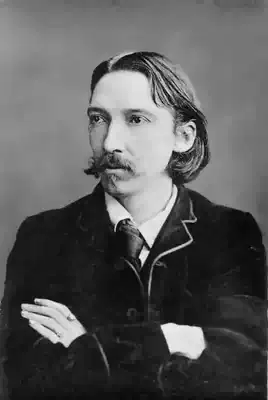
Robert Louis Stevenson
To Miss Cornish
To Miss Cornish
THEY tell me, lady, that to-day
On that unknown Australian strand -
Some time ago, so far away -
Another lady joined the band.
She joined the company of those
Lovelily dowered, nobly planned,
Who, smiling, still forgive their foes
And keep their friends in close command.
She, lady, as I learn, was one
Among the many rarely good;
And destined still to be a sun
Through every dark and rainy mood:-
She, as they told me, far had come,
By sea and land, o'er many a rood:-
Admired by all, beloved by some,
She was yourself, I understood.
But, compliment apart and free
From all constraint of verses, may
Goodness and honour, grace and glee,
Attend you ever on your way -
Up to the measure of your will,
Beyond all power of mine to say -
As she and I desire you still,
Miss Cornish, on your natal day.
THEY tell me, lady, that to-day
On that unknown Australian strand -
Some time ago, so far away -
Another lady joined the band.
She joined the company of those
Lovelily dowered, nobly planned,
Who, smiling, still forgive their foes
And keep their friends in close command.
She, lady, as I learn, was one
Among the many rarely good;
And destined still to be a sun
Through every dark and rainy mood:-
She, as they told me, far had come,
By sea and land, o'er many a rood:-
Admired by all, beloved by some,
She was yourself, I understood.
But, compliment apart and free
From all constraint of verses, may
Goodness and honour, grace and glee,
Attend you ever on your way -
Up to the measure of your will,
Beyond all power of mine to say -
As she and I desire you still,
Miss Cornish, on your natal day.
346
Robert Louis Stevenson
A Valentine's Song
A Valentine's Song
MOTLEY I count the only wear
That suits, in this mixed world, the truly wise,
Who boldly smile upon despair
And shake their bells in Grandam Grundy's eyes.
Singers should sing with such a goodly cheer
That the bare listening should make strong like wine,
At this unruly time of year,
The Feast of Valentine.
We do not now parade our "oughts"
And "shoulds" and motives and beliefs in God.
Their life lies all indoors; sad thoughts
Must keep the house, while gay thoughts go abroad,
Within we hold the wake for hopes deceased;
But in the public streets, in wind or sun,
Keep open, at the annual feast,
The puppet-booth of fun.
Our powers, perhaps, are small to please,
But even negro-songs and castanettes,
Old jokes and hackneyed repartees
Are more than the parade of vain regrets.
Let Jacques stand Wert(h)ering by the wounded deer -
We shall make merry, honest friends of mine,
At this unruly time of year,
The Feast of Valentine.
I know how, day by weary day,
Hope fades, love fades, a thousand pleasures fade.
I have not trudged in vain that way
On which life's daylight darkens, shade by shade.
And still, with hopes decreasing, griefs increased,
Still, with what wit I have shall I, for one,
Keep open, at the annual feast,
The puppet-booth of fun.
I care not if the wit be poor,
The old worn motley stained with rain and tears,
If but the courage still endure
That filled and strengthened hope in earlier years;
If still, with friends averted, fate severe,
A glad, untainted cheerfulness be mine
To greet the unruly time of year,
The Feast of Valentine.
Priest, I am none of thine, and see
In the perspective of still hopeful youth
That Truth shall triumph over thee -
Truth to one's self - I know no other truth.
I see strange days for thee and thine, O priest,
And how your doctrines, fallen one by one,
Shall furnish at the annual feast
The puppet-booth of fun.
Stand on your putrid ruins - stand,
White neck-clothed bigot, fixedly the same,
Cruel with all things but the hand,
Inquisitor in all things but the name.
Back, minister of Christ and source of fear -
We cherish freedom - back with thee and thine
From this unruly time of year,
The Feast of Valentine.
Blood thou mayest spare; but what of tears?
But what of riven households, broken faith -
Bywords that cling through all men's years
And drag them surely down to shame and death?
Stand back, O cruel man, O foe of youth,
And let such men as hearken not thy voice
Press freely up the road to truth,
The King's highway of choice.
MOTLEY I count the only wear
That suits, in this mixed world, the truly wise,
Who boldly smile upon despair
And shake their bells in Grandam Grundy's eyes.
Singers should sing with such a goodly cheer
That the bare listening should make strong like wine,
At this unruly time of year,
The Feast of Valentine.
We do not now parade our "oughts"
And "shoulds" and motives and beliefs in God.
Their life lies all indoors; sad thoughts
Must keep the house, while gay thoughts go abroad,
Within we hold the wake for hopes deceased;
But in the public streets, in wind or sun,
Keep open, at the annual feast,
The puppet-booth of fun.
Our powers, perhaps, are small to please,
But even negro-songs and castanettes,
Old jokes and hackneyed repartees
Are more than the parade of vain regrets.
Let Jacques stand Wert(h)ering by the wounded deer -
We shall make merry, honest friends of mine,
At this unruly time of year,
The Feast of Valentine.
I know how, day by weary day,
Hope fades, love fades, a thousand pleasures fade.
I have not trudged in vain that way
On which life's daylight darkens, shade by shade.
And still, with hopes decreasing, griefs increased,
Still, with what wit I have shall I, for one,
Keep open, at the annual feast,
The puppet-booth of fun.
I care not if the wit be poor,
The old worn motley stained with rain and tears,
If but the courage still endure
That filled and strengthened hope in earlier years;
If still, with friends averted, fate severe,
A glad, untainted cheerfulness be mine
To greet the unruly time of year,
The Feast of Valentine.
Priest, I am none of thine, and see
In the perspective of still hopeful youth
That Truth shall triumph over thee -
Truth to one's self - I know no other truth.
I see strange days for thee and thine, O priest,
And how your doctrines, fallen one by one,
Shall furnish at the annual feast
The puppet-booth of fun.
Stand on your putrid ruins - stand,
White neck-clothed bigot, fixedly the same,
Cruel with all things but the hand,
Inquisitor in all things but the name.
Back, minister of Christ and source of fear -
We cherish freedom - back with thee and thine
From this unruly time of year,
The Feast of Valentine.
Blood thou mayest spare; but what of tears?
But what of riven households, broken faith -
Bywords that cling through all men's years
And drag them surely down to shame and death?
Stand back, O cruel man, O foe of youth,
And let such men as hearken not thy voice
Press freely up the road to truth,
The King's highway of choice.
359
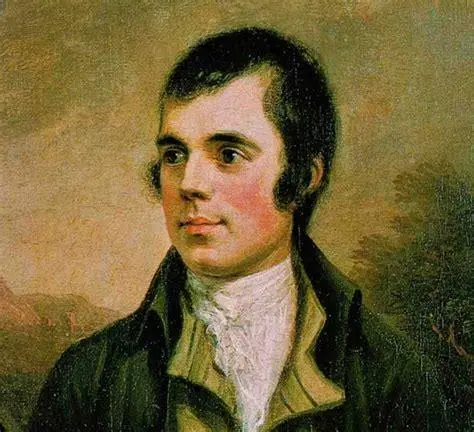
Robert Burns
A Dream
A Dream
Guid-Mornin' to our Majesty!
May Heaven augment your blisses
On ev'ry new birth-day ye see,
A humble poet wishes.
My bardship here, at your Levee
On sic a day as this is,
Is sure an uncouth sight to see,
Amang thae birth-day dresses
Sae fine this day.
I see ye're complimented thrang,
By mony a lord an' lady;
"God save the King" 's a cuckoo sang
That's unco easy said aye:
The poets, too, a venal gang,
Wi' rhymes weel-turn'd an' ready,
Wad gar you trow ye ne'er do wrang,
But aye unerring steady,
On sic a day.
For me! before a monarch's face
Ev'n there I winna flatter;
For neither pension, post, nor place,
Am I your humble debtor:
So, nae reflection on your Grace,
Your Kingship to bespatter;
There's mony waur been o' the race,
And aiblins ane been better
Than you this day.
'Tis very true, my sovereign King,
My skill may weel be doubted;
But facts are chiels that winna ding,
An' downa be disputed:
Your royal nest, beneath your wing,
Is e'en right reft and clouted,
And now the third part o' the string,
An' less, will gang aboot it
Than did ae day.^
Far be't frae me that I aspire
To blame your legislation,
Or say, ye wisdom want, or fire,
To rule this mighty nation:
But faith! I muckle doubt, my sire,
Ye've trusted ministration
To chaps wha in barn or byre
Wad better fill'd their station
Than courts yon day.
And now ye've gien auld Britain peace,
Her broken shins to plaister,
Your sair taxation does her fleece,
Till she has scarce a tester:
For me, thank God, my life's a lease,
Nae bargain wearin' faster,
Or, faith! I fear, that, wi' the geese,
I shortly boost to pasture
I' the craft some day.
I'm no mistrusting Willie Pitt,
When taxes he enlarges,
(An' Will's a true guid fallow's get,
A name not envy spairges),
That he intends to pay your debt,
An' lessen a' your charges;
But, God-sake! let nae saving fit
Abridge your bonie barges
An'boats this day.
Adieu, my Liege; may freedom geck
Beneath your high protection;
An' may ye rax Corruption's neck,
And gie her for dissection!
But since I'm here, I'll no neglect,
In loyal, true affection,
To pay your Queen, wi' due respect,
May fealty an' subjection
This great birth-day.
Hail, Majesty most Excellent!
While nobles strive to please ye,
Will ye accept a compliment,
A simple poet gies ye?
Thae bonie bairntime, Heav'n has lent,
Still higher may they heeze ye
In bliss, till fate some day is sent
For ever to release ye
Frae care that day.
For you, young Potentate o'Wales,
I tell your highness fairly,
Down Pleasure's stream, wi' swelling sails,
I'm tauld ye're driving rarely;
But some day ye may gnaw your nails,
An' curse your folly sairly,
That e'er ye brak Diana's pales,
Or rattl'd dice wi' Charlie
By night or day.
Yet aft a ragged cowt's been known,
To mak a noble aiver;
So, ye may doucely fill the throne,
For a'their clish-ma-claver:
There, him^ at Agincourt wha shone,
Few better were or braver:
And yet, wi' funny, queer Sir John,^
He was an unco shaver
For mony a day.
For you, right rev'rend Osnaburg,
Nane sets the lawn-sleeve sweeter,
Altho' a ribbon at your lug
Wad been a dress completer:
As ye disown yon paughty dog,
That bears the keys of Peter,
Then swith! an' get a wife to hug,
Or trowth, ye'll stain the mitre
Some luckless day!
Young, royal Tarry-breeks, I learn,
Ye've lately come athwart her-
A glorious galley,^ stem and stern,
Weel rigg'd for Venus' barter;
But first hang out, that she'll discern,
Your hymeneal charter;
Then heave aboard your grapple airn,
An' large upon her quarter,
Come full that day.
Ye, lastly, bonie blossoms a',
Ye royal lasses dainty,
Heav'n mak you guid as well as braw,
An' gie you lads a-plenty!
But sneer na British boys awa!
For kings are unco scant aye,
An' German gentles are but sma',
They're better just than want aye
On ony day.
Gad bless you a'! consider now,
Ye're unco muckle dautit;
But ere the course o' life be through,
It may be bitter sautit:
An' I hae seen their coggie fou,
That yet hae tarrow't at it.
But or the day was done, I trow,
The laggen they hae clautit
Fu' clean that day.
Guid-Mornin' to our Majesty!
May Heaven augment your blisses
On ev'ry new birth-day ye see,
A humble poet wishes.
My bardship here, at your Levee
On sic a day as this is,
Is sure an uncouth sight to see,
Amang thae birth-day dresses
Sae fine this day.
I see ye're complimented thrang,
By mony a lord an' lady;
"God save the King" 's a cuckoo sang
That's unco easy said aye:
The poets, too, a venal gang,
Wi' rhymes weel-turn'd an' ready,
Wad gar you trow ye ne'er do wrang,
But aye unerring steady,
On sic a day.
For me! before a monarch's face
Ev'n there I winna flatter;
For neither pension, post, nor place,
Am I your humble debtor:
So, nae reflection on your Grace,
Your Kingship to bespatter;
There's mony waur been o' the race,
And aiblins ane been better
Than you this day.
'Tis very true, my sovereign King,
My skill may weel be doubted;
But facts are chiels that winna ding,
An' downa be disputed:
Your royal nest, beneath your wing,
Is e'en right reft and clouted,
And now the third part o' the string,
An' less, will gang aboot it
Than did ae day.^
Far be't frae me that I aspire
To blame your legislation,
Or say, ye wisdom want, or fire,
To rule this mighty nation:
But faith! I muckle doubt, my sire,
Ye've trusted ministration
To chaps wha in barn or byre
Wad better fill'd their station
Than courts yon day.
And now ye've gien auld Britain peace,
Her broken shins to plaister,
Your sair taxation does her fleece,
Till she has scarce a tester:
For me, thank God, my life's a lease,
Nae bargain wearin' faster,
Or, faith! I fear, that, wi' the geese,
I shortly boost to pasture
I' the craft some day.
I'm no mistrusting Willie Pitt,
When taxes he enlarges,
(An' Will's a true guid fallow's get,
A name not envy spairges),
That he intends to pay your debt,
An' lessen a' your charges;
But, God-sake! let nae saving fit
Abridge your bonie barges
An'boats this day.
Adieu, my Liege; may freedom geck
Beneath your high protection;
An' may ye rax Corruption's neck,
And gie her for dissection!
But since I'm here, I'll no neglect,
In loyal, true affection,
To pay your Queen, wi' due respect,
May fealty an' subjection
This great birth-day.
Hail, Majesty most Excellent!
While nobles strive to please ye,
Will ye accept a compliment,
A simple poet gies ye?
Thae bonie bairntime, Heav'n has lent,
Still higher may they heeze ye
In bliss, till fate some day is sent
For ever to release ye
Frae care that day.
For you, young Potentate o'Wales,
I tell your highness fairly,
Down Pleasure's stream, wi' swelling sails,
I'm tauld ye're driving rarely;
But some day ye may gnaw your nails,
An' curse your folly sairly,
That e'er ye brak Diana's pales,
Or rattl'd dice wi' Charlie
By night or day.
Yet aft a ragged cowt's been known,
To mak a noble aiver;
So, ye may doucely fill the throne,
For a'their clish-ma-claver:
There, him^ at Agincourt wha shone,
Few better were or braver:
And yet, wi' funny, queer Sir John,^
He was an unco shaver
For mony a day.
For you, right rev'rend Osnaburg,
Nane sets the lawn-sleeve sweeter,
Altho' a ribbon at your lug
Wad been a dress completer:
As ye disown yon paughty dog,
That bears the keys of Peter,
Then swith! an' get a wife to hug,
Or trowth, ye'll stain the mitre
Some luckless day!
Young, royal Tarry-breeks, I learn,
Ye've lately come athwart her-
A glorious galley,^ stem and stern,
Weel rigg'd for Venus' barter;
But first hang out, that she'll discern,
Your hymeneal charter;
Then heave aboard your grapple airn,
An' large upon her quarter,
Come full that day.
Ye, lastly, bonie blossoms a',
Ye royal lasses dainty,
Heav'n mak you guid as well as braw,
An' gie you lads a-plenty!
But sneer na British boys awa!
For kings are unco scant aye,
An' German gentles are but sma',
They're better just than want aye
On ony day.
Gad bless you a'! consider now,
Ye're unco muckle dautit;
But ere the course o' life be through,
It may be bitter sautit:
An' I hae seen their coggie fou,
That yet hae tarrow't at it.
But or the day was done, I trow,
The laggen they hae clautit
Fu' clean that day.
317

Paul Laurence Dunbar
Signs of the Times
Signs of the Times
Air a-gittin' cool an' coolah,
Frost a-comin' in de night,
Hicka' nuts an' wa'nuts fallin',
Possum keepin' out o' sight.
Tu'key struttin' in de ba'nya'd,
Nary a step so proud ez his;
Keep on struttin', Mistah Tu'key,
Yo' do' know whut time it is.
Cidah press commence a-squeakin'
Eatin' apples sto'ed away,
Chillun swa'min' 'roun' lak ho'nets,
Huntin' aigs ermung de hay.
Mistah Tu'key keep on gobblin'
At de geese a-flyin' souf,
Oomph! dat bird do' know whut's comin';
Ef he did he'd shet his mouf.
Pumpkin gittin' good an' yallah
Mek me open up my eyes;
Seems lak it's a-lookin' at me
Jes' a-la'in' dah sayin' "Pies."
Tu'key gobbler gwine 'roun' blowin',
Gwine 'roun' gibbin' sass an' slack;
Keep on talkin', Mistah Tu'key,
You ain't seed no almanac.
Fa'mer walkin' th'oo de ba'nya'd
Seein' how things is comin' on,
Sees ef all de fowls is fatt'nin' --
Good times comin' sho's you bo'n.
Hyeahs dat tu'key gobbler braggin',
Den his face break in a smile --
Nebbah min', you sassy rascal,
He's gwine nab you atter while.
Choppin' suet in de kitchen,
Stonin' raisins in de hall,
Beef a-cookin' fu' de mince meat,
Spices groun' -- I smell 'em all.
Look hyeah, Tu'key, stop dat gobblin',
You ain' luned de sense ob feah,
You ol' fool, yo' naik's in dangah,
Do' you know Thanksgibbin's hyeah?
Air a-gittin' cool an' coolah,
Frost a-comin' in de night,
Hicka' nuts an' wa'nuts fallin',
Possum keepin' out o' sight.
Tu'key struttin' in de ba'nya'd,
Nary a step so proud ez his;
Keep on struttin', Mistah Tu'key,
Yo' do' know whut time it is.
Cidah press commence a-squeakin'
Eatin' apples sto'ed away,
Chillun swa'min' 'roun' lak ho'nets,
Huntin' aigs ermung de hay.
Mistah Tu'key keep on gobblin'
At de geese a-flyin' souf,
Oomph! dat bird do' know whut's comin';
Ef he did he'd shet his mouf.
Pumpkin gittin' good an' yallah
Mek me open up my eyes;
Seems lak it's a-lookin' at me
Jes' a-la'in' dah sayin' "Pies."
Tu'key gobbler gwine 'roun' blowin',
Gwine 'roun' gibbin' sass an' slack;
Keep on talkin', Mistah Tu'key,
You ain't seed no almanac.
Fa'mer walkin' th'oo de ba'nya'd
Seein' how things is comin' on,
Sees ef all de fowls is fatt'nin' --
Good times comin' sho's you bo'n.
Hyeahs dat tu'key gobbler braggin',
Den his face break in a smile --
Nebbah min', you sassy rascal,
He's gwine nab you atter while.
Choppin' suet in de kitchen,
Stonin' raisins in de hall,
Beef a-cookin' fu' de mince meat,
Spices groun' -- I smell 'em all.
Look hyeah, Tu'key, stop dat gobblin',
You ain' luned de sense ob feah,
You ol' fool, yo' naik's in dangah,
Do' you know Thanksgibbin's hyeah?
494

Ogden Nash
To My Valentine
To My Valentine
More than a catbird hates a cat,
Or a criminal hates a clue,
Or the Axis hates the United States,
That's how much I love you.
I love you more than a duck can swim,
And more than a grapefruit squirts,
I love you more than a gin rummy is a bore,
And more than a toothache hurts.
As a shipwrecked sailor hates the sea,
Or a juggler hates a shove,
As a hostess detests unexpected guests,
That's how much you I love.
I love you more than a wasp can sting,
And more than the subway jerks,
I love you as much as a beggar needs a crutch,
And more than a hangnail irks.
I swear to you by the stars above,
And below, if such there be,
As the High Court loathes perjurious oathes,
That's how you're love by me.
More than a catbird hates a cat,
Or a criminal hates a clue,
Or the Axis hates the United States,
That's how much I love you.
I love you more than a duck can swim,
And more than a grapefruit squirts,
I love you more than a gin rummy is a bore,
And more than a toothache hurts.
As a shipwrecked sailor hates the sea,
Or a juggler hates a shove,
As a hostess detests unexpected guests,
That's how much you I love.
I love you more than a wasp can sting,
And more than the subway jerks,
I love you as much as a beggar needs a crutch,
And more than a hangnail irks.
I swear to you by the stars above,
And below, if such there be,
As the High Court loathes perjurious oathes,
That's how you're love by me.
392

Mao Tsé-Tung
New Year's Day
New Year's Day
Ninghua, Chingliu, Kueihua
What narrow paths, deep woods and slippery moss!
Whither are we bound today?
Straight to the foot of Wuyi Mountain.
To the mountain, the foot of the mountain,
Red flags stream in the wind in a blaze of glory.
Ninghua, Chingliu, Kueihua
What narrow paths, deep woods and slippery moss!
Whither are we bound today?
Straight to the foot of Wuyi Mountain.
To the mountain, the foot of the mountain,
Red flags stream in the wind in a blaze of glory.
260

Jonathan Swift
To Stella On Her Birth-Day, 1721-2
To Stella On Her Birth-Day, 1721-2
While, Stella, to your lasting praise
The Muse her annual tribute pays,
While I assign myself a task
Which you expect, but scorn to ask;
If I perform this task with pain,
Let me of partial fate complain;
You every year the debt enlarge,
I grow less equal to the charge:
In you each virtue brighter shines,
But my poetic vein declines;
My harp will soon in vain be strung,
And all your virtues left unsung.
For none among the upstart race
Of poets dare assume my place;
Your worth will be to them unknown,
They must have Stellas of their own;
And thus, my stock of wit decay'd,
I dying leave the debt unpaid,
Unless Delany, as my heir,
Will answer for the whole arrear.
While, Stella, to your lasting praise
The Muse her annual tribute pays,
While I assign myself a task
Which you expect, but scorn to ask;
If I perform this task with pain,
Let me of partial fate complain;
You every year the debt enlarge,
I grow less equal to the charge:
In you each virtue brighter shines,
But my poetic vein declines;
My harp will soon in vain be strung,
And all your virtues left unsung.
For none among the upstart race
Of poets dare assume my place;
Your worth will be to them unknown,
They must have Stellas of their own;
And thus, my stock of wit decay'd,
I dying leave the debt unpaid,
Unless Delany, as my heir,
Will answer for the whole arrear.
224
Jonathan Swift
Stella's Birthday March 13, 1727
Stella's Birthday March 13, 1727
This day, whate'er the Fates decree,
Shall still be kept with joy by me:
This day then let us not be told,
That you are sick, and I grown old;
Nor think on our approaching ills,
And talk of spectacles and pills.
To-morrow will be time enough
To hear such mortifying stuff.
Yet, since from reason may be brought
A better and more pleasing thought,
Which can, in spite of all decays,
Support a few remaining days:
From not the gravest of divines
Accept for once some serious lines.
Although we now can form no more
Long schemes of life, as heretofore;
Yet you, while time is running fast,
Can look with joy on what is past.
Were future happiness and pain
A mere contrivance of the brain,
As atheists argue, to entice
And fit their proselytes for vice;
(The only comfort they propose,
To have companions in their woes;)
Grant this the case; yet sure 'tis hard
That virtue, styl'd its own reward,
And by all sages understood
To be the chief of human good,
Should, acting, die, nor leave behind
Some lasting pleasure in the mind;
Which by remembrance will assuage
Grief, sickness, poverty, and age;
And strongly shoot a radiant dart
To shine through life's declining part.
Say, Stella, feel you no content,
Reflecting on a life well spent?
Your skilful hand employ'd to save
Despairing wretches from the grave;
And then supporting with your store
Those whom you dragg'd from death before?
So Providence on mortals waits,
Preserving what it first creates.
Your gen'rous boldness to defend
An innocent and absent friend;
That courage which can make you just
To merit humbled in the dust;
The detestation you express
For vice in all its glitt'ring dress;
That patience under torturing pain,
Where stubborn stoics would complain:
Must these like empty shadows pass,
Or forms reflected from a glass?
Or mere chimæras in the mind,
That fly, and leave no marks behind?
Does not the body thrive and grow
By food of twenty years ago?
And, had it not been still supplied,
It must a thousand times have died.
Then who with reason can maintain
That no effects of food remain?
And is not virtue in mankind
The nutriment that feeds the mind;
Upheld by each good action past,
And still continued by the last?
Then, who with reason can pretend
That all effects of virtue end?
Believe me, Stella, when you show
That true contempt for things below,
Nor prize your life for other ends,
Than merely to oblige your friends;
Your former actions claim their part,
And join to fortify your heart.
For Virtue, in her daily race,
Like Janus, bears a double face;
Looks back with joy where she has gone
And therefore goes with courage on:
She at your sickly couch will wait,
And guide you to a better state.
O then, whatever Heav'n intends,
Take pity on your pitying friends!
Nor let your ills affect your mind,
To fancy they can be unkind.
Me, surely me, you ought to spare,
Who gladly would your suff'rings share;
Or give my scrap of life to you,
And think it far beneath your due;
You, to whose care so oft I owe
That I'm alive to tell you so.
This day, whate'er the Fates decree,
Shall still be kept with joy by me:
This day then let us not be told,
That you are sick, and I grown old;
Nor think on our approaching ills,
And talk of spectacles and pills.
To-morrow will be time enough
To hear such mortifying stuff.
Yet, since from reason may be brought
A better and more pleasing thought,
Which can, in spite of all decays,
Support a few remaining days:
From not the gravest of divines
Accept for once some serious lines.
Although we now can form no more
Long schemes of life, as heretofore;
Yet you, while time is running fast,
Can look with joy on what is past.
Were future happiness and pain
A mere contrivance of the brain,
As atheists argue, to entice
And fit their proselytes for vice;
(The only comfort they propose,
To have companions in their woes;)
Grant this the case; yet sure 'tis hard
That virtue, styl'd its own reward,
And by all sages understood
To be the chief of human good,
Should, acting, die, nor leave behind
Some lasting pleasure in the mind;
Which by remembrance will assuage
Grief, sickness, poverty, and age;
And strongly shoot a radiant dart
To shine through life's declining part.
Say, Stella, feel you no content,
Reflecting on a life well spent?
Your skilful hand employ'd to save
Despairing wretches from the grave;
And then supporting with your store
Those whom you dragg'd from death before?
So Providence on mortals waits,
Preserving what it first creates.
Your gen'rous boldness to defend
An innocent and absent friend;
That courage which can make you just
To merit humbled in the dust;
The detestation you express
For vice in all its glitt'ring dress;
That patience under torturing pain,
Where stubborn stoics would complain:
Must these like empty shadows pass,
Or forms reflected from a glass?
Or mere chimæras in the mind,
That fly, and leave no marks behind?
Does not the body thrive and grow
By food of twenty years ago?
And, had it not been still supplied,
It must a thousand times have died.
Then who with reason can maintain
That no effects of food remain?
And is not virtue in mankind
The nutriment that feeds the mind;
Upheld by each good action past,
And still continued by the last?
Then, who with reason can pretend
That all effects of virtue end?
Believe me, Stella, when you show
That true contempt for things below,
Nor prize your life for other ends,
Than merely to oblige your friends;
Your former actions claim their part,
And join to fortify your heart.
For Virtue, in her daily race,
Like Janus, bears a double face;
Looks back with joy where she has gone
And therefore goes with courage on:
She at your sickly couch will wait,
And guide you to a better state.
O then, whatever Heav'n intends,
Take pity on your pitying friends!
Nor let your ills affect your mind,
To fancy they can be unkind.
Me, surely me, you ought to spare,
Who gladly would your suff'rings share;
Or give my scrap of life to you,
And think it far beneath your due;
You, to whose care so oft I owe
That I'm alive to tell you so.
258
Jonathan Swift
Stella's Birthday March 13, 1719
Stella's Birthday March 13, 1719
Stella this day is thirty-four,
(We shan't dispute a year or more:)
However, Stella, be not troubled,
Although thy size and years are doubled,
Since first I saw thee at sixteen,
The brightest virgin on the green;
So little is thy form declin'd;
Made up so largely in thy mind.
Oh, would it please the gods to split
Thy beauty, size, and years, and wit;
No age could furnish out a pair
Of nymphs so graceful, wise, and fair;
With half the lustre of your eyes,
With half your wit, your years, and size.
And then, before it grew too late,
How should I beg of gentle Fate,
(That either nymph might have her swain,)
To split my worship too in twain.
Stella this day is thirty-four,
(We shan't dispute a year or more:)
However, Stella, be not troubled,
Although thy size and years are doubled,
Since first I saw thee at sixteen,
The brightest virgin on the green;
So little is thy form declin'd;
Made up so largely in thy mind.
Oh, would it please the gods to split
Thy beauty, size, and years, and wit;
No age could furnish out a pair
Of nymphs so graceful, wise, and fair;
With half the lustre of your eyes,
With half your wit, your years, and size.
And then, before it grew too late,
How should I beg of gentle Fate,
(That either nymph might have her swain,)
To split my worship too in twain.
229
Jonathan Swift
On Stella's Birth-Day, 1719
On Stella's Birth-Day, 1719
Stella this Day is thirty four,
(We shan't dispute a Year or more)
However Stella, be not troubled,
Although thy Size and Years are doubled,
Since first I saw Thee at Sixteen
The brightest Virgin on the Green,
So little is thy Form declin'd
Made up so largely in thy Mind.
Oh, woud it please the Gods to split
Thy Beauty, Size, and Years, and Wit,
No Age could furnish out a Pair
Of Nymphs so graceful, Wise and fair
With half the Lustre of your Eyes,
With half your Wit, your Years and Size:
And then before it grew too late,
How should I beg of gentle Fate,
(That either Nymph might have her Swain,)
To split my Worship too in twain.
Stella this Day is thirty four,
(We shan't dispute a Year or more)
However Stella, be not troubled,
Although thy Size and Years are doubled,
Since first I saw Thee at Sixteen
The brightest Virgin on the Green,
So little is thy Form declin'd
Made up so largely in thy Mind.
Oh, woud it please the Gods to split
Thy Beauty, Size, and Years, and Wit,
No Age could furnish out a Pair
Of Nymphs so graceful, Wise and fair
With half the Lustre of your Eyes,
With half your Wit, your Years and Size:
And then before it grew too late,
How should I beg of gentle Fate,
(That either Nymph might have her Swain,)
To split my Worship too in twain.
327
Jonathan Swift
Bec’s Birth-Day Nov. 8, 1726
Bec’s Birth-Day Nov. 8, 1726
This day, dear Bec, is thy nativity;
Had Fate a luckier one, she'd give it ye.
She chose a thread of greatest length,
And doubly twisted it for strength:
Nor will be able with her shears
To cut it off these forty years.
Then who says care will kill a cat?
Rebecca shows they're out in that.
For she, though overrun with care,
Continues healthy, fat, and fair.
As, if the gout should seize the head,
Doctors pronounce the patient dead;
But, if they can, by all their arts,
Eject it to the extremest parts,
They give the sick man joy, and praise
The gout that will prolong his days.
Rebecca thus I gladly greet,
Who drives her cares to hands and feet:
For, though philosophers maintain
The limbs are guided by the brain,
Quite contrary Rebecca's led;
Her hands and feet conduct her head;
By arbitrary power convey her,
She ne'er considers why or where:
Her hands may meddle, feet may wander,
Her head is but a mere by-stander:
And all her bustling but supplies
The part of wholesome exercise.
Thus nature has resolved to pay her
The cat's nine lives, and eke the care.
Long may she live, and help her friends
Whene'er it suits her private ends;
Domestic business never mind
Till coffee has her stomach lined;
But, when her breakfast gives her courage,
Then think on Stella's chicken porridge:
I mean when Tigerhas been served,
Or else poor Stella may be starved.
May Bec have many an evening nap,
With Tiger slabbering in her lap;
But always take a special care
She does not overset the chair;
Still be she curious, never hearken
To any speech but Tiger's barking!
And when she's in another scene,
Stella long dead, but first the Dean,
May fortune and her coffee get her
Companions that will please her better!
Whole afternoons will sit beside her,
Nor for neglects or blunders chide her.
A goodly set as can be found
Of hearty gossips prating round;
Fresh from a wedding or a christening,
To teach her ears the art of listening,
And please her more to hear them tattle,
Than the Dean storm, or Stella rattle.
Late be her death, one gentle nod,
When Hermes, waiting with his rod,
Shall to Elysian fields invite her,
Where there will be no cares to fright her!
This day, dear Bec, is thy nativity;
Had Fate a luckier one, she'd give it ye.
She chose a thread of greatest length,
And doubly twisted it for strength:
Nor will be able with her shears
To cut it off these forty years.
Then who says care will kill a cat?
Rebecca shows they're out in that.
For she, though overrun with care,
Continues healthy, fat, and fair.
As, if the gout should seize the head,
Doctors pronounce the patient dead;
But, if they can, by all their arts,
Eject it to the extremest parts,
They give the sick man joy, and praise
The gout that will prolong his days.
Rebecca thus I gladly greet,
Who drives her cares to hands and feet:
For, though philosophers maintain
The limbs are guided by the brain,
Quite contrary Rebecca's led;
Her hands and feet conduct her head;
By arbitrary power convey her,
She ne'er considers why or where:
Her hands may meddle, feet may wander,
Her head is but a mere by-stander:
And all her bustling but supplies
The part of wholesome exercise.
Thus nature has resolved to pay her
The cat's nine lives, and eke the care.
Long may she live, and help her friends
Whene'er it suits her private ends;
Domestic business never mind
Till coffee has her stomach lined;
But, when her breakfast gives her courage,
Then think on Stella's chicken porridge:
I mean when Tigerhas been served,
Or else poor Stella may be starved.
May Bec have many an evening nap,
With Tiger slabbering in her lap;
But always take a special care
She does not overset the chair;
Still be she curious, never hearken
To any speech but Tiger's barking!
And when she's in another scene,
Stella long dead, but first the Dean,
May fortune and her coffee get her
Companions that will please her better!
Whole afternoons will sit beside her,
Nor for neglects or blunders chide her.
A goodly set as can be found
Of hearty gossips prating round;
Fresh from a wedding or a christening,
To teach her ears the art of listening,
And please her more to hear them tattle,
Than the Dean storm, or Stella rattle.
Late be her death, one gentle nod,
When Hermes, waiting with his rod,
Shall to Elysian fields invite her,
Where there will be no cares to fright her!
236
John Milton
On the Morning of Christ’s Nativity
On the Morning of Christ’s Nativity
I
This is the month, and this the happy morn,
Wherein the Son of Heaven’s eternal King,
Of wedded maid and Virgin Mother born,
Our great redemption from above did bring;
For so the holy sages once did sing,
That he our deadly forfeit should release,
And with his Father work us a perpetual peace.
II
That glorious Form, that Light unsufferable,
And that far-beaming blaze of majesty,
Wherewith he wont at Heaven’s high council-table
To sit the midst of Trinal Unity,
He laid aside, and, here with us to be,
Forsook the Courts of everlasting Day,
And chose with us a darksome house of mortal clay.
III
Say, Heavenly Muse, shall not thy sacred vein
Afford a present to the Infant God?
Hast thou no verse, no hymn, or solemn strain,
To welcome him to this his new abode,
Now while the heaven, by the Sun’s team untrod,
Hath took no print of the approaching light,
And all the spangled host keep watch in squadrons bright?
IV
See how from far upon the Eastern road
The star-led Wisards haste with odours sweet!
Oh! run; prevent them with thy humble ode,
And lay it lowly at his blessèd feet;
Have thou the honour first thy Lord to greet,
And join thy voice unto the Angel Quire,
From out his secret altar touched with hallowed fire.
The Hymn
I
It was the winter wild,
While the heaven-born child
All meanly wrapt in the rude manger lies;
Nature, in awe to him,
Had doffed her gaudy trim,
With her great Master so to sympathize:
It was no season then for her
To wanton with the Sun, her lusty Paramour.
II
Only with speeches fair
She woos the gentle air
To hide her guilty front with innocent snow,
And on her naked shame,
Pollute with sinful blame,
The saintly veil of maiden white to throw;
Confounded, that her Maker’s eyes
Should look so near upon her foul deformities.
III
But he, her fears to cease,
Sent down the meek-eyed Peace:
She, crowned with olive green, came softly sliding
Down through the turning sphere,
His ready Harbinger,
With turtle wing the amorous clouds dividing;
And, waving wide her myrtle wand,
She strikes a universal peace through sea and land.
IV
No war, or battail’s sound,
Was heard the world around;
The idle spear and shield were high uphung;
The hookèd chariot stood,
Unstained with hostile blood;
The trumpet spake not to the armèd throng;
And Kings sat still with awful eye,
As if they surely knew their sovran Lord was by.
V
But peaceful was the night
Wherein the Prince of Light
His reign of peace upon the earth began.
The winds, with wonder whist,
Smoothly the waters kissed,
Whispering new joys to the mild Ocean,
Who now hath quite forgot to rave,
While birds of calm sit brooding on the charmed wave.
VI
The stars, with deep amaze,
Stand fixed in steadfast gaze,
Bending one way their precious influence,
And will not take their flight,
For all the morning light,
Or Lucifer that often warned them thence;
But in their glimmering orbs did glow,
Until their Lord himself bespake, and bid them go.
VII
And, though the shady gloom
Had given day her room,
The Sun himself withheld his wonted speed,
And hid his head of shame,
As his inferior flame
The new-enlightened world no more should need:
He saw a greater Sun appear
Than his bright Throne or burning axletree could bear.
VIII
The Shepherds on the lawn,
Or ere the point of dawn,
Sat simply chatting in a rustic row;
Full little thought they than
That the mighty Pan
Was kindly come to live with them below:
Perhaps their loves, or else their sheep,
Was all that did their silly thoughts so busy keep.
IX
When such music sweet
Their hearts and ears did greet
As never was by mortal finger strook,
Divinely-warbled voice
Answering the stringèd noise,
As all their souls in blissful rapture took:
The air, such pleasure loth to lose,
With thousand echoes still prolongs each heavenly close.
X
Nature, that heard such sound
Beneath the hollow round
Of Cynthia’s seat the airy Region thrilling,
Now was almost won
To think her part was done,
And that her reign had here its last fulfilling:
She knew such harmony alone
Could hold all Heaven and Earth in happier union.
XI
At last surrounds their sight
A globe of circular light,
That with long beams the shamefaced Night arrayed;
The helmèd Cherubim
And sworded Seraphim
Are seen in glittering ranks with wings displayed,
Harping in loud and solemn quire,
With unexpressive notes, to Heaven’s newborn Heir.
XII
Such music (as ’tis said)
Before was never made,
But when of old the Sons of Morning sung,
While the Creator great
His constellations set,
And the well-balanced World on hinges hung,
And cast the dark foundations deep,
And bid the weltering waves their oozy channel keep.
XIII
Ring out, ye crystal spheres!
Once bless our human ears,
If ye have power to touch our senses so;
And let your silver chime
Move in melodious time;
And let the bass of heaven’s deep organ blow;
And with your ninefold harmony
Make up full consort of the angelic symphony.
XIV
For, if such holy song
Enwrap our fancy long,
Time will run back and fetch the Age of Gold;
And speckled Vanity
Will sicken soon and die,
And leprous Sin will melt from earthly mould;
And Hell itself will pass away,
And leave her dolorous mansions of the peering day.
XV
Yes, Truth and Justice then
Will down return to men,
The enamelled arras of the rainbow wearing;
And Mercy set between,
Throned in celestial sheen,
With radiant feet the tissued clouds down steering;
And Heaven, as at some festival,
Will open wide the gates of her high palace-hall.
XVI
But wisest Fate says No,
This must not yet be so;
The Babe lies yet in smiling infancy
That on the bitter cross
Must redeem our loss,
So both himself and us to glorify:
Yet first, to those chained in sleep,
The wakeful trump of doom must thunder through the deep,
XVII
With such a horrid clang
As on Mount Sinai rang,
While the red fire and smouldering clouds outbrake:
The aged Earth, aghast
With terror of that blast,
Shall from the surface to the centre shake,
When, at the world’s last sessiön,
The dreadful Judge in middle air shall spread his throne.
XVIII
And then at last our bliss
Full and perfect is,
But now begins; for from this happy day
The Old Dragon under ground,
In straiter limits bound,
Not half so far casts his usurpèd sway,
And, wroth to see his Kingdom fail,
Swindges the scaly horror of his folded tail.
XIX
The Oracles are dumb;
No voice or hideous hum
Runs through the archèd roof in words deceiving.
Apollo from his shrine
Can no more divine,
Will hollow shriek the steep of Delphos leaving.
No nightly trance, or breathèd spell,
Inspires the pale-eyed Priest from the prophetic cell.
XX
The lonely mountains o’er,
And the resounding shore,
A voice of weeping heard and loud lament;
Edgèd with poplar pale,
From haunted spring, and dale
The parting Genius is with sighing sent;
With flower-inwoven tresses torn
The Nymphs in twilight shade of tangled thickets mourn.
XXI
In consecrated earth,
And on the holy hearth,
The Lars and Lemures moan with midnight plaint;
In urns, and altars round,
A drear and dying sound
Affrights the Flamens at their service quaint;
And the chill marble seems to sweat,
While each peculiar power forgoes his wonted seat.
XXII
Peor and Baälim
Forsake their temples dim,
With that twice-battered god of Palestine;
And moonèd Ashtaroth,
Heaven’s Queen and Mother both,
Now sits not girt with tapers’ holy shine:
The Libyc Hammon shrinks his horn;
In vain the Tyrian maids their wounded Thammuz mourn.
XXIII
And sullen Moloch, fled,
Hath left in shadows dread
His burning idol all of blackest hue;
In vain with cymbals’ ring
They call the grisly king,
In dismal dance about the furnace blue;
The brutish gods of Nile as fast,
Isis, and Orus, and the dog Anubis, haste.
XXIV
Nor is Osiris seen
In Memphian grove or green,
Trampling the unshowered grass with lowings loud;
Nor can he be at rest
Within his sacred chest;
Nought but profoundest Hell can be his shroud;
In vain, with timbreled anthems dark,
The sable-stolèd Sorcerers bear his worshiped ark.
XXV
He feels from Juda’s land
The dreaded Infant’s hand;
The rays of Bethlehem blind his dusky eyn;
Nor all the gods beside
Longer dare abide,
Not Typhon huge ending in snaky twine:
Our Babe, to show his Godhead true,
Can in his swaddling bands control the damnèd crew.
XXVI
So, when the Sun in bed,
Curtained with cloudy red,
Pillows his chin upon an orient wave,
The flocking shadows pale
Troop to the infernal jail,
Each fettered ghost slips to his several grave,
And the yellow-skirted Fays
Fly after the night-steeds, leaving their moon-loved maze.
XXVII
But see! the Virgin blest
Hath laid her Babe to rest,
Time is our tedious song should here have ending:
Heaven’s youngest-teemèd star
Hath fixed her polished car,
Her sleeping Lord with handmaid lamp attending;
And all about the courtly stable
Bright-harnessed Angels sit in order serviceable.
I
This is the month, and this the happy morn,
Wherein the Son of Heaven’s eternal King,
Of wedded maid and Virgin Mother born,
Our great redemption from above did bring;
For so the holy sages once did sing,
That he our deadly forfeit should release,
And with his Father work us a perpetual peace.
II
That glorious Form, that Light unsufferable,
And that far-beaming blaze of majesty,
Wherewith he wont at Heaven’s high council-table
To sit the midst of Trinal Unity,
He laid aside, and, here with us to be,
Forsook the Courts of everlasting Day,
And chose with us a darksome house of mortal clay.
III
Say, Heavenly Muse, shall not thy sacred vein
Afford a present to the Infant God?
Hast thou no verse, no hymn, or solemn strain,
To welcome him to this his new abode,
Now while the heaven, by the Sun’s team untrod,
Hath took no print of the approaching light,
And all the spangled host keep watch in squadrons bright?
IV
See how from far upon the Eastern road
The star-led Wisards haste with odours sweet!
Oh! run; prevent them with thy humble ode,
And lay it lowly at his blessèd feet;
Have thou the honour first thy Lord to greet,
And join thy voice unto the Angel Quire,
From out his secret altar touched with hallowed fire.
The Hymn
I
It was the winter wild,
While the heaven-born child
All meanly wrapt in the rude manger lies;
Nature, in awe to him,
Had doffed her gaudy trim,
With her great Master so to sympathize:
It was no season then for her
To wanton with the Sun, her lusty Paramour.
II
Only with speeches fair
She woos the gentle air
To hide her guilty front with innocent snow,
And on her naked shame,
Pollute with sinful blame,
The saintly veil of maiden white to throw;
Confounded, that her Maker’s eyes
Should look so near upon her foul deformities.
III
But he, her fears to cease,
Sent down the meek-eyed Peace:
She, crowned with olive green, came softly sliding
Down through the turning sphere,
His ready Harbinger,
With turtle wing the amorous clouds dividing;
And, waving wide her myrtle wand,
She strikes a universal peace through sea and land.
IV
No war, or battail’s sound,
Was heard the world around;
The idle spear and shield were high uphung;
The hookèd chariot stood,
Unstained with hostile blood;
The trumpet spake not to the armèd throng;
And Kings sat still with awful eye,
As if they surely knew their sovran Lord was by.
V
But peaceful was the night
Wherein the Prince of Light
His reign of peace upon the earth began.
The winds, with wonder whist,
Smoothly the waters kissed,
Whispering new joys to the mild Ocean,
Who now hath quite forgot to rave,
While birds of calm sit brooding on the charmed wave.
VI
The stars, with deep amaze,
Stand fixed in steadfast gaze,
Bending one way their precious influence,
And will not take their flight,
For all the morning light,
Or Lucifer that often warned them thence;
But in their glimmering orbs did glow,
Until their Lord himself bespake, and bid them go.
VII
And, though the shady gloom
Had given day her room,
The Sun himself withheld his wonted speed,
And hid his head of shame,
As his inferior flame
The new-enlightened world no more should need:
He saw a greater Sun appear
Than his bright Throne or burning axletree could bear.
VIII
The Shepherds on the lawn,
Or ere the point of dawn,
Sat simply chatting in a rustic row;
Full little thought they than
That the mighty Pan
Was kindly come to live with them below:
Perhaps their loves, or else their sheep,
Was all that did their silly thoughts so busy keep.
IX
When such music sweet
Their hearts and ears did greet
As never was by mortal finger strook,
Divinely-warbled voice
Answering the stringèd noise,
As all their souls in blissful rapture took:
The air, such pleasure loth to lose,
With thousand echoes still prolongs each heavenly close.
X
Nature, that heard such sound
Beneath the hollow round
Of Cynthia’s seat the airy Region thrilling,
Now was almost won
To think her part was done,
And that her reign had here its last fulfilling:
She knew such harmony alone
Could hold all Heaven and Earth in happier union.
XI
At last surrounds their sight
A globe of circular light,
That with long beams the shamefaced Night arrayed;
The helmèd Cherubim
And sworded Seraphim
Are seen in glittering ranks with wings displayed,
Harping in loud and solemn quire,
With unexpressive notes, to Heaven’s newborn Heir.
XII
Such music (as ’tis said)
Before was never made,
But when of old the Sons of Morning sung,
While the Creator great
His constellations set,
And the well-balanced World on hinges hung,
And cast the dark foundations deep,
And bid the weltering waves their oozy channel keep.
XIII
Ring out, ye crystal spheres!
Once bless our human ears,
If ye have power to touch our senses so;
And let your silver chime
Move in melodious time;
And let the bass of heaven’s deep organ blow;
And with your ninefold harmony
Make up full consort of the angelic symphony.
XIV
For, if such holy song
Enwrap our fancy long,
Time will run back and fetch the Age of Gold;
And speckled Vanity
Will sicken soon and die,
And leprous Sin will melt from earthly mould;
And Hell itself will pass away,
And leave her dolorous mansions of the peering day.
XV
Yes, Truth and Justice then
Will down return to men,
The enamelled arras of the rainbow wearing;
And Mercy set between,
Throned in celestial sheen,
With radiant feet the tissued clouds down steering;
And Heaven, as at some festival,
Will open wide the gates of her high palace-hall.
XVI
But wisest Fate says No,
This must not yet be so;
The Babe lies yet in smiling infancy
That on the bitter cross
Must redeem our loss,
So both himself and us to glorify:
Yet first, to those chained in sleep,
The wakeful trump of doom must thunder through the deep,
XVII
With such a horrid clang
As on Mount Sinai rang,
While the red fire and smouldering clouds outbrake:
The aged Earth, aghast
With terror of that blast,
Shall from the surface to the centre shake,
When, at the world’s last sessiön,
The dreadful Judge in middle air shall spread his throne.
XVIII
And then at last our bliss
Full and perfect is,
But now begins; for from this happy day
The Old Dragon under ground,
In straiter limits bound,
Not half so far casts his usurpèd sway,
And, wroth to see his Kingdom fail,
Swindges the scaly horror of his folded tail.
XIX
The Oracles are dumb;
No voice or hideous hum
Runs through the archèd roof in words deceiving.
Apollo from his shrine
Can no more divine,
Will hollow shriek the steep of Delphos leaving.
No nightly trance, or breathèd spell,
Inspires the pale-eyed Priest from the prophetic cell.
XX
The lonely mountains o’er,
And the resounding shore,
A voice of weeping heard and loud lament;
Edgèd with poplar pale,
From haunted spring, and dale
The parting Genius is with sighing sent;
With flower-inwoven tresses torn
The Nymphs in twilight shade of tangled thickets mourn.
XXI
In consecrated earth,
And on the holy hearth,
The Lars and Lemures moan with midnight plaint;
In urns, and altars round,
A drear and dying sound
Affrights the Flamens at their service quaint;
And the chill marble seems to sweat,
While each peculiar power forgoes his wonted seat.
XXII
Peor and Baälim
Forsake their temples dim,
With that twice-battered god of Palestine;
And moonèd Ashtaroth,
Heaven’s Queen and Mother both,
Now sits not girt with tapers’ holy shine:
The Libyc Hammon shrinks his horn;
In vain the Tyrian maids their wounded Thammuz mourn.
XXIII
And sullen Moloch, fled,
Hath left in shadows dread
His burning idol all of blackest hue;
In vain with cymbals’ ring
They call the grisly king,
In dismal dance about the furnace blue;
The brutish gods of Nile as fast,
Isis, and Orus, and the dog Anubis, haste.
XXIV
Nor is Osiris seen
In Memphian grove or green,
Trampling the unshowered grass with lowings loud;
Nor can he be at rest
Within his sacred chest;
Nought but profoundest Hell can be his shroud;
In vain, with timbreled anthems dark,
The sable-stolèd Sorcerers bear his worshiped ark.
XXV
He feels from Juda’s land
The dreaded Infant’s hand;
The rays of Bethlehem blind his dusky eyn;
Nor all the gods beside
Longer dare abide,
Not Typhon huge ending in snaky twine:
Our Babe, to show his Godhead true,
Can in his swaddling bands control the damnèd crew.
XXVI
So, when the Sun in bed,
Curtained with cloudy red,
Pillows his chin upon an orient wave,
The flocking shadows pale
Troop to the infernal jail,
Each fettered ghost slips to his several grave,
And the yellow-skirted Fays
Fly after the night-steeds, leaving their moon-loved maze.
XXVII
But see! the Virgin blest
Hath laid her Babe to rest,
Time is our tedious song should here have ending:
Heaven’s youngest-teemèd star
Hath fixed her polished car,
Her sleeping Lord with handmaid lamp attending;
And all about the courtly stable
Bright-harnessed Angels sit in order serviceable.
576
John Keats
Sonnet VIII. To My Brothers
Sonnet VIII. To My Brothers
Small, busy flames play through the fresh laid coals,
And their faint cracklings o'er our silence creep
Like whispers of the household gods that keep
A gentle empire o'er fraternal souls.
And while, for rhymes, I search around the poles,
Your eyes are fix d, as in poetic sleep,
Upon the lore so voluble and deep,
That aye at fall of night our care condoles.
This is your birth-day Tom, and I rejoice
That thus it passes smoothly, quietly.
Many such eves of gently whisp'ring noise
May we together pass, and calmly try
What are this world s true joys, ere the great voice,
From its fair face, shall bid our spirits fly.
Small, busy flames play through the fresh laid coals,
And their faint cracklings o'er our silence creep
Like whispers of the household gods that keep
A gentle empire o'er fraternal souls.
And while, for rhymes, I search around the poles,
Your eyes are fix d, as in poetic sleep,
Upon the lore so voluble and deep,
That aye at fall of night our care condoles.
This is your birth-day Tom, and I rejoice
That thus it passes smoothly, quietly.
Many such eves of gently whisp'ring noise
May we together pass, and calmly try
What are this world s true joys, ere the great voice,
From its fair face, shall bid our spirits fly.
367
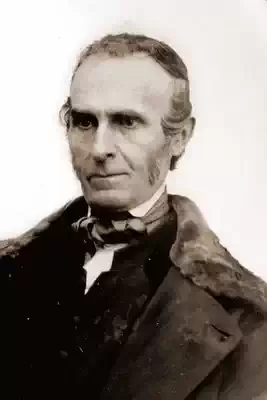
John Greenleaf Whittier
The Mystic’s Christmas
The Mystic’s Christmas
'All hail!' the bells of Christmas rang,
'All hail!' the monks at Christmas sang,
The merry monks who kept with cheer
The gladdest day of all their year.
But still apart, unmoved thereat,
A pious elder brother sat
Silent, in his accustomed place,
With God's sweet peace upon his face.
'Why sitt'st thou thus?' his brethren cried.
'It is the blessed Christmas-tide;
The Christmas lights are all aglow,
The sacred lilies bud and blow.
'Above our heads the joy-bells ring,
Without the happy children sing,
And all God's creatures hail the morn
On which the holy Christ was born!
'Rejoice with us; no more rebuke
Our gladness with thy quiet look.'
The gray monk answered: 'Keep, I pray,
Even as ye list, the Lord's birthday.
'Let heathen Yule fires flicker red
Where thronged refectory feasts are spread;
With mystery-play and masque and mime
And wait-songs speed the holy time!
'The blindest faith may haply save;
The Lord accepts the things we have;
And reverence, howsoe'er it strays,
May find at last the shining ways.
'They needs must grope who cannot see,
The blade before the ear must be;
As ye are feeling I have felt,
And where ye dwell I too have dwelt.
'But now, beyond the things of sense,
Beyond occasions and events,
I know, through God's exceeding grace,
Release from form and time and place.
'I listen, from no mortal tongue,
To hear the song the angels sung;
And wait within myself to know
The Christmas lilies bud and blow.
'The outward symbols disappear
From him whose inward sight is clear;
And small must be the choice of clays
To him who fills them all with praise!
'Keep while you need it, brothers mine,
With honest zeal your Christmas sign,
But judge not him who every morn
Feels in his heart the Lord Christ born!'
'All hail!' the bells of Christmas rang,
'All hail!' the monks at Christmas sang,
The merry monks who kept with cheer
The gladdest day of all their year.
But still apart, unmoved thereat,
A pious elder brother sat
Silent, in his accustomed place,
With God's sweet peace upon his face.
'Why sitt'st thou thus?' his brethren cried.
'It is the blessed Christmas-tide;
The Christmas lights are all aglow,
The sacred lilies bud and blow.
'Above our heads the joy-bells ring,
Without the happy children sing,
And all God's creatures hail the morn
On which the holy Christ was born!
'Rejoice with us; no more rebuke
Our gladness with thy quiet look.'
The gray monk answered: 'Keep, I pray,
Even as ye list, the Lord's birthday.
'Let heathen Yule fires flicker red
Where thronged refectory feasts are spread;
With mystery-play and masque and mime
And wait-songs speed the holy time!
'The blindest faith may haply save;
The Lord accepts the things we have;
And reverence, howsoe'er it strays,
May find at last the shining ways.
'They needs must grope who cannot see,
The blade before the ear must be;
As ye are feeling I have felt,
And where ye dwell I too have dwelt.
'But now, beyond the things of sense,
Beyond occasions and events,
I know, through God's exceeding grace,
Release from form and time and place.
'I listen, from no mortal tongue,
To hear the song the angels sung;
And wait within myself to know
The Christmas lilies bud and blow.
'The outward symbols disappear
From him whose inward sight is clear;
And small must be the choice of clays
To him who fills them all with praise!
'Keep while you need it, brothers mine,
With honest zeal your Christmas sign,
But judge not him who every morn
Feels in his heart the Lord Christ born!'
299
Page 1
Next