

Poems in this topic
Emotions and Feelings
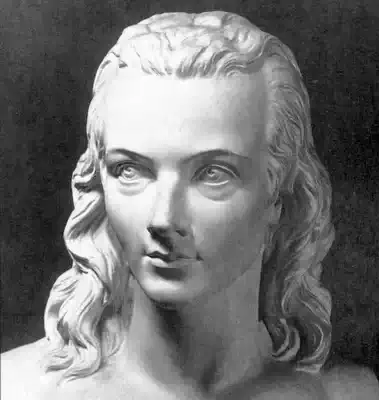
Novalis
Hymns to the Night :
Hymns to the Night :
Before all the wondrous shows of the widespread space around him, what living,
sentient thing loves not the all-joyous light -- with its colors, its rays and undulations,
its gentle omnipresence in the form of the wakening Day? The giant-world of the
unresting constellations inhales it as the innermost soul of life, and floats dancing in its
blue flood -- the sparkling, ever-tranquil stone, the thoughtful, imbibing plant, and the
wild, burning multiform beast inhales it -- but more than all, the lordly stranger with
the sense-filled eyes, the swaying walk, and the sweetly closed, melodious lips. Like a
king over earthly nature, it rouses every force to countless transformations, binds and
unbinds innumerable alliances, hangs its heavenly form around every earthly
substance. -- Its presence alone reveals the marvelous splendor of the kingdoms of the
world.
Aside I turn to the holy, unspeakable, mysterious Night. Afar lies the world -- sunk in a
deep grave -- waste and lonely is its place. In the chords of the bosom blows a deep
sadness. I am ready to sink away in drops of dew, and mingle with the ashes. -- The
distances of memory, the wishes of youth, the dreams of childhood, the brief joys and
vain hopes of a whole long life, arise in gray garments, like an evening vapor after the
sunset. In other regions the light has pitched its joyous tents. What if it should never
return to its children, who wait for it with the faith of innocence?
What springs up all at once so sweetly boding in my heart, and stills the soft air of
sadness? Dost thou also take a pleasure in us, dark Night? What holdest thou under
thy mantle, that with hidden power affects my soul? Precious balm drips from thy hand
out of its bundle of poppies. Thou upliftest the heavy-laden wings of the soul. Darkly
and inexpressibly are we moved -- joy-startled, I see a grave face that, tender and
worshipful, inclines toward me, and, amid manifold entangled locks, reveals the
youthful loveliness of the Mother. How poor and childish a thing seems to me now the
Light -- how joyous and welcome the departure of the day -- because the Night turns
away from thee thy servants, you now strew in the gulfs of space those flashing
globes, to proclaim thy omnipotence -- thy return -- in seasons of thy absence. More
heavenly than those glittering stars we hold the eternal eyes which the Night hath
opened within us. Farther they see than the palest of those countless hosts -- needing
no aid from the light, they penetrate the depths of a loving soul -- that fills a loftier
region with bliss ineffable. Glory to the queen of the world, to the great prophet of the
holier worlds, to the guardian of blissful love -- she sends thee to me -- thou tenderly
beloved -- the gracious sun of the Night, -- now am I awake -- for now am I thine and
mine -- thou hast made me know the Night -- made of me a man -- consume with
spirit-fire my body, that I, turned to finer air, may mingle more closely with thee, and
then our bridal night endure forever.
Before all the wondrous shows of the widespread space around him, what living,
sentient thing loves not the all-joyous light -- with its colors, its rays and undulations,
its gentle omnipresence in the form of the wakening Day? The giant-world of the
unresting constellations inhales it as the innermost soul of life, and floats dancing in its
blue flood -- the sparkling, ever-tranquil stone, the thoughtful, imbibing plant, and the
wild, burning multiform beast inhales it -- but more than all, the lordly stranger with
the sense-filled eyes, the swaying walk, and the sweetly closed, melodious lips. Like a
king over earthly nature, it rouses every force to countless transformations, binds and
unbinds innumerable alliances, hangs its heavenly form around every earthly
substance. -- Its presence alone reveals the marvelous splendor of the kingdoms of the
world.
Aside I turn to the holy, unspeakable, mysterious Night. Afar lies the world -- sunk in a
deep grave -- waste and lonely is its place. In the chords of the bosom blows a deep
sadness. I am ready to sink away in drops of dew, and mingle with the ashes. -- The
distances of memory, the wishes of youth, the dreams of childhood, the brief joys and
vain hopes of a whole long life, arise in gray garments, like an evening vapor after the
sunset. In other regions the light has pitched its joyous tents. What if it should never
return to its children, who wait for it with the faith of innocence?
What springs up all at once so sweetly boding in my heart, and stills the soft air of
sadness? Dost thou also take a pleasure in us, dark Night? What holdest thou under
thy mantle, that with hidden power affects my soul? Precious balm drips from thy hand
out of its bundle of poppies. Thou upliftest the heavy-laden wings of the soul. Darkly
and inexpressibly are we moved -- joy-startled, I see a grave face that, tender and
worshipful, inclines toward me, and, amid manifold entangled locks, reveals the
youthful loveliness of the Mother. How poor and childish a thing seems to me now the
Light -- how joyous and welcome the departure of the day -- because the Night turns
away from thee thy servants, you now strew in the gulfs of space those flashing
globes, to proclaim thy omnipotence -- thy return -- in seasons of thy absence. More
heavenly than those glittering stars we hold the eternal eyes which the Night hath
opened within us. Farther they see than the palest of those countless hosts -- needing
no aid from the light, they penetrate the depths of a loving soul -- that fills a loftier
region with bliss ineffable. Glory to the queen of the world, to the great prophet of the
holier worlds, to the guardian of blissful love -- she sends thee to me -- thou tenderly
beloved -- the gracious sun of the Night, -- now am I awake -- for now am I thine and
mine -- thou hast made me know the Night -- made of me a man -- consume with
spirit-fire my body, that I, turned to finer air, may mingle more closely with thee, and
then our bridal night endure forever.
410
Novalis
Hymns to the Night :
Hymns to the Night :
Must the morning always return? Will the despotism of the earthly never cease? Unholy
activity consumes the angel-visit of the Night. Will the time never come when Love's
hidden sacrifice shall burn eternally? To the Light a season was set; but everlasting and
boundless is the dominion of the Night. -- Endless is the duration of sleep. Holy Sleep
-- gladden not too seldom in this earthly day-labor, the devoted servant of the Night.
Fools alone mistake thee, knowing nought of sleep but the shadow which, in the
twilight of the real Night, thou pitifully castest over us. They feel thee not in the golden
flood of the grapes -- in the magic oil of the almond tree -- and the brown juice of the
poppy. They know not that it is thou who hauntest the bosom of the tender maiden,
and makest a heaven of her lap -- never suspect it is thou, opening the doors to
Heaven, that steppest to meet them out of ancient stories, bearing the key to the
dwellings of the blessed, silent messenger of secrets infinite.
Must the morning always return? Will the despotism of the earthly never cease? Unholy
activity consumes the angel-visit of the Night. Will the time never come when Love's
hidden sacrifice shall burn eternally? To the Light a season was set; but everlasting and
boundless is the dominion of the Night. -- Endless is the duration of sleep. Holy Sleep
-- gladden not too seldom in this earthly day-labor, the devoted servant of the Night.
Fools alone mistake thee, knowing nought of sleep but the shadow which, in the
twilight of the real Night, thou pitifully castest over us. They feel thee not in the golden
flood of the grapes -- in the magic oil of the almond tree -- and the brown juice of the
poppy. They know not that it is thou who hauntest the bosom of the tender maiden,
and makest a heaven of her lap -- never suspect it is thou, opening the doors to
Heaven, that steppest to meet them out of ancient stories, bearing the key to the
dwellings of the blessed, silent messenger of secrets infinite.
330

Nazim Hikmet
Some Advice To Those Who Will Serve Time In Prison
Some Advice To Those Who Will Serve Time In Prison
If instead of being hanged by the neck
you're thrown inside
for not giving up hope
in the world, your country, your people,
if you do ten or fifteen years
apart from the time you have left,
you won't say,
"Better I had swung from the end of a rope
like a flag" --
You'll put your foot down and live.
It may not be a pleasure exactly,
but it's your solemn duty
to live one more day
to spite the enemy.
Part of you may live alone inside,
like a tone at the bottom of a well.
But the other part
must be so caught up
in the flurry of the world
that you shiver there inside
when outside, at forty days' distance, a leaf moves.
To wait for letters inside,
to sing sad songs,
or to lie awake all night staring at the ceiling
is sweet but dangerous.
Look at your face from shave to shave,
forget your age,
watch out for lice
and for spring nights,
and always remember
to eat every last piece of bread--
also, don't forget to laugh heartily.
And who knows,
the woman you love may stop loving you.
Don't say it's no big thing:
it's like the snapping of a green branch
to the man inside.
To think of roses and gardens inside is bad,
to think of seas and mountains is good.
Read and write without rest,
and I also advise weaving
and making mirrors.
I mean, it's not that you can't pass
ten or fifteen years inside
and more --
you can,
as long as the jewel
on the left side of your chest doesn't lose it's luster!
May
Trans. by Randy Blasing and Mutlu Konuk ()
If instead of being hanged by the neck
you're thrown inside
for not giving up hope
in the world, your country, your people,
if you do ten or fifteen years
apart from the time you have left,
you won't say,
"Better I had swung from the end of a rope
like a flag" --
You'll put your foot down and live.
It may not be a pleasure exactly,
but it's your solemn duty
to live one more day
to spite the enemy.
Part of you may live alone inside,
like a tone at the bottom of a well.
But the other part
must be so caught up
in the flurry of the world
that you shiver there inside
when outside, at forty days' distance, a leaf moves.
To wait for letters inside,
to sing sad songs,
or to lie awake all night staring at the ceiling
is sweet but dangerous.
Look at your face from shave to shave,
forget your age,
watch out for lice
and for spring nights,
and always remember
to eat every last piece of bread--
also, don't forget to laugh heartily.
And who knows,
the woman you love may stop loving you.
Don't say it's no big thing:
it's like the snapping of a green branch
to the man inside.
To think of roses and gardens inside is bad,
to think of seas and mountains is good.
Read and write without rest,
and I also advise weaving
and making mirrors.
I mean, it's not that you can't pass
ten or fifteen years inside
and more --
you can,
as long as the jewel
on the left side of your chest doesn't lose it's luster!
May
Trans. by Randy Blasing and Mutlu Konuk ()
354
Nazim Hikmet
Some Advice To Those Who Will Serve Time In Prison
Some Advice To Those Who Will Serve Time In Prison
If instead of being hanged by the neck
you're thrown inside
for not giving up hope
in the world, your country, your people,
if you do ten or fifteen years
apart from the time you have left,
you won't say,
"Better I had swung from the end of a rope
like a flag" --
You'll put your foot down and live.
It may not be a pleasure exactly,
but it's your solemn duty
to live one more day
to spite the enemy.
Part of you may live alone inside,
like a tone at the bottom of a well.
But the other part
must be so caught up
in the flurry of the world
that you shiver there inside
when outside, at forty days' distance, a leaf moves.
To wait for letters inside,
to sing sad songs,
or to lie awake all night staring at the ceiling
is sweet but dangerous.
Look at your face from shave to shave,
forget your age,
watch out for lice
and for spring nights,
and always remember
to eat every last piece of bread--
also, don't forget to laugh heartily.
And who knows,
the woman you love may stop loving you.
Don't say it's no big thing:
it's like the snapping of a green branch
to the man inside.
To think of roses and gardens inside is bad,
to think of seas and mountains is good.
Read and write without rest,
and I also advise weaving
and making mirrors.
I mean, it's not that you can't pass
ten or fifteen years inside
and more --
you can,
as long as the jewel
on the left side of your chest doesn't lose it's luster!
May
Trans. by Randy Blasing and Mutlu Konuk ()
If instead of being hanged by the neck
you're thrown inside
for not giving up hope
in the world, your country, your people,
if you do ten or fifteen years
apart from the time you have left,
you won't say,
"Better I had swung from the end of a rope
like a flag" --
You'll put your foot down and live.
It may not be a pleasure exactly,
but it's your solemn duty
to live one more day
to spite the enemy.
Part of you may live alone inside,
like a tone at the bottom of a well.
But the other part
must be so caught up
in the flurry of the world
that you shiver there inside
when outside, at forty days' distance, a leaf moves.
To wait for letters inside,
to sing sad songs,
or to lie awake all night staring at the ceiling
is sweet but dangerous.
Look at your face from shave to shave,
forget your age,
watch out for lice
and for spring nights,
and always remember
to eat every last piece of bread--
also, don't forget to laugh heartily.
And who knows,
the woman you love may stop loving you.
Don't say it's no big thing:
it's like the snapping of a green branch
to the man inside.
To think of roses and gardens inside is bad,
to think of seas and mountains is good.
Read and write without rest,
and I also advise weaving
and making mirrors.
I mean, it's not that you can't pass
ten or fifteen years inside
and more --
you can,
as long as the jewel
on the left side of your chest doesn't lose it's luster!
May
Trans. by Randy Blasing and Mutlu Konuk ()
354
Nazim Hikmet
Some Advice To Those Who Will Serve Time In Prison
Some Advice To Those Who Will Serve Time In Prison
If instead of being hanged by the neck
you're thrown inside
for not giving up hope
in the world, your country, your people,
if you do ten or fifteen years
apart from the time you have left,
you won't say,
"Better I had swung from the end of a rope
like a flag" --
You'll put your foot down and live.
It may not be a pleasure exactly,
but it's your solemn duty
to live one more day
to spite the enemy.
Part of you may live alone inside,
like a tone at the bottom of a well.
But the other part
must be so caught up
in the flurry of the world
that you shiver there inside
when outside, at forty days' distance, a leaf moves.
To wait for letters inside,
to sing sad songs,
or to lie awake all night staring at the ceiling
is sweet but dangerous.
Look at your face from shave to shave,
forget your age,
watch out for lice
and for spring nights,
and always remember
to eat every last piece of bread--
also, don't forget to laugh heartily.
And who knows,
the woman you love may stop loving you.
Don't say it's no big thing:
it's like the snapping of a green branch
to the man inside.
To think of roses and gardens inside is bad,
to think of seas and mountains is good.
Read and write without rest,
and I also advise weaving
and making mirrors.
I mean, it's not that you can't pass
ten or fifteen years inside
and more --
you can,
as long as the jewel
on the left side of your chest doesn't lose it's luster!
May
Trans. by Randy Blasing and Mutlu Konuk ()
If instead of being hanged by the neck
you're thrown inside
for not giving up hope
in the world, your country, your people,
if you do ten or fifteen years
apart from the time you have left,
you won't say,
"Better I had swung from the end of a rope
like a flag" --
You'll put your foot down and live.
It may not be a pleasure exactly,
but it's your solemn duty
to live one more day
to spite the enemy.
Part of you may live alone inside,
like a tone at the bottom of a well.
But the other part
must be so caught up
in the flurry of the world
that you shiver there inside
when outside, at forty days' distance, a leaf moves.
To wait for letters inside,
to sing sad songs,
or to lie awake all night staring at the ceiling
is sweet but dangerous.
Look at your face from shave to shave,
forget your age,
watch out for lice
and for spring nights,
and always remember
to eat every last piece of bread--
also, don't forget to laugh heartily.
And who knows,
the woman you love may stop loving you.
Don't say it's no big thing:
it's like the snapping of a green branch
to the man inside.
To think of roses and gardens inside is bad,
to think of seas and mountains is good.
Read and write without rest,
and I also advise weaving
and making mirrors.
I mean, it's not that you can't pass
ten or fifteen years inside
and more --
you can,
as long as the jewel
on the left side of your chest doesn't lose it's luster!
May
Trans. by Randy Blasing and Mutlu Konuk ()
354
Nazim Hikmet
On Living
On Living
I
Living is no laughing matter:
you must live with great seriousness
like a squirrel, for example--
I mean without looking for something beyond and above living,
I mean living must be your whole occupation.
Living is no laughing matter:
you must take it seriously,
so much so and to such a degree
that, for example, your hands tied behind your back,
your back to the wall,
or else in a laboratory
in your white coat and safety glasses,
you can die for people--
even for people whose faces you've never seen,
even though you know living
is the most real, the most beautiful thing.
I mean, you must take living so seriously
that even at seventy, for example, you'll plant olive trees--
and not for your children, either,
but because although you fear death you don't believe it,
because living, I mean, weighs heavier.
II
Let's say you're seriously ill, need surgery--
which is to say we might not get
from the white table.
Even though it's impossible not to feel sad
about going a little too soon,
we'll still laugh at the jokes being told,
we'll look out the window to see it's raining,
or still wait anxiously
for the latest newscast ...
Let's say we're at the front--
for something worth fighting for, say.
There, in the first offensive, on that very day,
we might fall on our face, dead.
We'll know this with a curious anger,
but we'll still worry ourselves to death
about the outcome of the war, which could last years.
Let's say we're in prison
and close to fifty,
and we have eighteen more years, say,
before the iron doors will open.
We'll still live with the outside,
with its people and animals, struggle and wind--
I mean with the outside beyond the walls.
I mean, however and wherever we are,
we must live as if we will never die.
III
This earth will grow cold,
a star among stars
and one of the smallest,
a gilded mote on blue velvet--
I mean this, our great earth.
This earth will grow cold one day,
not like a block of ice
or a dead cloud even
but like an empty walnut it will roll along
in pitch-black space ...
You must grieve for this right now
--you have to feel this sorrow now--
for the world must be loved this much
if you're going to say "I lived" ...
Trans. by Randy Blasing and Mutlu Konuk ()
I
Living is no laughing matter:
you must live with great seriousness
like a squirrel, for example--
I mean without looking for something beyond and above living,
I mean living must be your whole occupation.
Living is no laughing matter:
you must take it seriously,
so much so and to such a degree
that, for example, your hands tied behind your back,
your back to the wall,
or else in a laboratory
in your white coat and safety glasses,
you can die for people--
even for people whose faces you've never seen,
even though you know living
is the most real, the most beautiful thing.
I mean, you must take living so seriously
that even at seventy, for example, you'll plant olive trees--
and not for your children, either,
but because although you fear death you don't believe it,
because living, I mean, weighs heavier.
II
Let's say you're seriously ill, need surgery--
which is to say we might not get
from the white table.
Even though it's impossible not to feel sad
about going a little too soon,
we'll still laugh at the jokes being told,
we'll look out the window to see it's raining,
or still wait anxiously
for the latest newscast ...
Let's say we're at the front--
for something worth fighting for, say.
There, in the first offensive, on that very day,
we might fall on our face, dead.
We'll know this with a curious anger,
but we'll still worry ourselves to death
about the outcome of the war, which could last years.
Let's say we're in prison
and close to fifty,
and we have eighteen more years, say,
before the iron doors will open.
We'll still live with the outside,
with its people and animals, struggle and wind--
I mean with the outside beyond the walls.
I mean, however and wherever we are,
we must live as if we will never die.
III
This earth will grow cold,
a star among stars
and one of the smallest,
a gilded mote on blue velvet--
I mean this, our great earth.
This earth will grow cold one day,
not like a block of ice
or a dead cloud even
but like an empty walnut it will roll along
in pitch-black space ...
You must grieve for this right now
--you have to feel this sorrow now--
for the world must be loved this much
if you're going to say "I lived" ...
Trans. by Randy Blasing and Mutlu Konuk ()
395
Nazim Hikmet
Letters From A Man In Solitary
Letters From A Man In Solitary
I carved your name on my watchband
with my fingernail.
Where I am, you know,
I don't have a pearl-handled jackknife
(they won't give me anything sharp)
or a plane tree with its head in the clouds.
Trees may grow in the yard,
but I'm not allowed
to see the sky overhead...
How many others are in this place?
I don't know.
I'm alone far from them,
they're all together far from me.
To talk anyone besides myself
is forbidden.
So I talk to myself.
But I find my conversation so boring,
my dear wife, that I sing songs.
And what do you know,
that awful, always off-key voice of mine
touches me so
that my heart breaks.
And just like the barefoot orphan
lost in the snow
in those old sad stories, my heart
-- with moist blue eyes
and a little red runny rose --
wants to snuggle up in your arms.
It doesn't make me blush
that right now
I'm this weak,
this selfish,
this human simply.
No doubt my state can be explained
physiologically, psychologically, etc.
Or maybe it's
this barred window,
this earthen jug,
these four walls,
which for months have kept me from hearing
another human voice.
It's five o'clock, my dear.
Outside,
with its dryness,
eerie whispers,
mud roof,
and lame, skinny horse
standing motionless in infinity
-- I mean, it's enough to drive the man inside crazy with grief --
outside, with all its machinery and all its art,
a plains night comes down red on treeless space.
Again today, night will fall in no time.
A light will circle the lame, skinny horse.
And the treeless space, in this hopeless landscape
stretched out before me like the body of a hard man,
will suddenly be filled with stars.
We'll reach the inevitable end once more,
which is to say the stage is set
again today for an elaborate nostalgia.
Me,
the man inside,
once more I'll exhibit my customary talent,
and singing an old-fashioned lament
in the reedy voice of my childhood,
once more, by God, it will crush my unhappy heart
to hear you inside my head,
so far
away, as if I were watching you
in a smoky, broken mirror...
It's spring outside, my dear wife, spring.
Outside on the plain, suddenly the smell
of fresh earth, birds singing, etc.
It's spring, my dear wife,
the plain outside sparkles...
And inside the bed comes alive with bugs,
the water jug no longer freezes,
and in the morning sun floods the concrete...
The sun--
every day till noon now
it comes and goes
from me, flashing off
and on...
And as the day turns to afternoon, shadows climb the walls,
the glass of the barred window catches fire,
and it's night outside,
a cloudless spring night...
And inside this is spring's darkest hour.
In short, the demon called freedom,
with its glittering scales and fiery eyes,
possesses the man inside
especially in spring...
I know this from experience, my dear wife,
from experience...
Sunday today.
Today they took me out in the sun for the first time.
And I just stood there, struck for the first time in my life
by how far away the sky is,
how blue
and how wide.
Then I respectfully sat down on the earth.
I leaned back against the wall.
For a moment no trap to fall into,
no struggle, no freedom, no wife.
Only earth, sun, and me...
I am happy.
Trans. by Randy Blasing and Mutlu Konuk ()
I carved your name on my watchband
with my fingernail.
Where I am, you know,
I don't have a pearl-handled jackknife
(they won't give me anything sharp)
or a plane tree with its head in the clouds.
Trees may grow in the yard,
but I'm not allowed
to see the sky overhead...
How many others are in this place?
I don't know.
I'm alone far from them,
they're all together far from me.
To talk anyone besides myself
is forbidden.
So I talk to myself.
But I find my conversation so boring,
my dear wife, that I sing songs.
And what do you know,
that awful, always off-key voice of mine
touches me so
that my heart breaks.
And just like the barefoot orphan
lost in the snow
in those old sad stories, my heart
-- with moist blue eyes
and a little red runny rose --
wants to snuggle up in your arms.
It doesn't make me blush
that right now
I'm this weak,
this selfish,
this human simply.
No doubt my state can be explained
physiologically, psychologically, etc.
Or maybe it's
this barred window,
this earthen jug,
these four walls,
which for months have kept me from hearing
another human voice.
It's five o'clock, my dear.
Outside,
with its dryness,
eerie whispers,
mud roof,
and lame, skinny horse
standing motionless in infinity
-- I mean, it's enough to drive the man inside crazy with grief --
outside, with all its machinery and all its art,
a plains night comes down red on treeless space.
Again today, night will fall in no time.
A light will circle the lame, skinny horse.
And the treeless space, in this hopeless landscape
stretched out before me like the body of a hard man,
will suddenly be filled with stars.
We'll reach the inevitable end once more,
which is to say the stage is set
again today for an elaborate nostalgia.
Me,
the man inside,
once more I'll exhibit my customary talent,
and singing an old-fashioned lament
in the reedy voice of my childhood,
once more, by God, it will crush my unhappy heart
to hear you inside my head,
so far
away, as if I were watching you
in a smoky, broken mirror...
It's spring outside, my dear wife, spring.
Outside on the plain, suddenly the smell
of fresh earth, birds singing, etc.
It's spring, my dear wife,
the plain outside sparkles...
And inside the bed comes alive with bugs,
the water jug no longer freezes,
and in the morning sun floods the concrete...
The sun--
every day till noon now
it comes and goes
from me, flashing off
and on...
And as the day turns to afternoon, shadows climb the walls,
the glass of the barred window catches fire,
and it's night outside,
a cloudless spring night...
And inside this is spring's darkest hour.
In short, the demon called freedom,
with its glittering scales and fiery eyes,
possesses the man inside
especially in spring...
I know this from experience, my dear wife,
from experience...
Sunday today.
Today they took me out in the sun for the first time.
And I just stood there, struck for the first time in my life
by how far away the sky is,
how blue
and how wide.
Then I respectfully sat down on the earth.
I leaned back against the wall.
For a moment no trap to fall into,
no struggle, no freedom, no wife.
Only earth, sun, and me...
I am happy.
Trans. by Randy Blasing and Mutlu Konuk ()
361
Nazim Hikmet
Letters From A Man In Solitary
Letters From A Man In Solitary
I carved your name on my watchband
with my fingernail.
Where I am, you know,
I don't have a pearl-handled jackknife
(they won't give me anything sharp)
or a plane tree with its head in the clouds.
Trees may grow in the yard,
but I'm not allowed
to see the sky overhead...
How many others are in this place?
I don't know.
I'm alone far from them,
they're all together far from me.
To talk anyone besides myself
is forbidden.
So I talk to myself.
But I find my conversation so boring,
my dear wife, that I sing songs.
And what do you know,
that awful, always off-key voice of mine
touches me so
that my heart breaks.
And just like the barefoot orphan
lost in the snow
in those old sad stories, my heart
-- with moist blue eyes
and a little red runny rose --
wants to snuggle up in your arms.
It doesn't make me blush
that right now
I'm this weak,
this selfish,
this human simply.
No doubt my state can be explained
physiologically, psychologically, etc.
Or maybe it's
this barred window,
this earthen jug,
these four walls,
which for months have kept me from hearing
another human voice.
It's five o'clock, my dear.
Outside,
with its dryness,
eerie whispers,
mud roof,
and lame, skinny horse
standing motionless in infinity
-- I mean, it's enough to drive the man inside crazy with grief --
outside, with all its machinery and all its art,
a plains night comes down red on treeless space.
Again today, night will fall in no time.
A light will circle the lame, skinny horse.
And the treeless space, in this hopeless landscape
stretched out before me like the body of a hard man,
will suddenly be filled with stars.
We'll reach the inevitable end once more,
which is to say the stage is set
again today for an elaborate nostalgia.
Me,
the man inside,
once more I'll exhibit my customary talent,
and singing an old-fashioned lament
in the reedy voice of my childhood,
once more, by God, it will crush my unhappy heart
to hear you inside my head,
so far
away, as if I were watching you
in a smoky, broken mirror...
It's spring outside, my dear wife, spring.
Outside on the plain, suddenly the smell
of fresh earth, birds singing, etc.
It's spring, my dear wife,
the plain outside sparkles...
And inside the bed comes alive with bugs,
the water jug no longer freezes,
and in the morning sun floods the concrete...
The sun--
every day till noon now
it comes and goes
from me, flashing off
and on...
And as the day turns to afternoon, shadows climb the walls,
the glass of the barred window catches fire,
and it's night outside,
a cloudless spring night...
And inside this is spring's darkest hour.
In short, the demon called freedom,
with its glittering scales and fiery eyes,
possesses the man inside
especially in spring...
I know this from experience, my dear wife,
from experience...
Sunday today.
Today they took me out in the sun for the first time.
And I just stood there, struck for the first time in my life
by how far away the sky is,
how blue
and how wide.
Then I respectfully sat down on the earth.
I leaned back against the wall.
For a moment no trap to fall into,
no struggle, no freedom, no wife.
Only earth, sun, and me...
I am happy.
Trans. by Randy Blasing and Mutlu Konuk ()
I carved your name on my watchband
with my fingernail.
Where I am, you know,
I don't have a pearl-handled jackknife
(they won't give me anything sharp)
or a plane tree with its head in the clouds.
Trees may grow in the yard,
but I'm not allowed
to see the sky overhead...
How many others are in this place?
I don't know.
I'm alone far from them,
they're all together far from me.
To talk anyone besides myself
is forbidden.
So I talk to myself.
But I find my conversation so boring,
my dear wife, that I sing songs.
And what do you know,
that awful, always off-key voice of mine
touches me so
that my heart breaks.
And just like the barefoot orphan
lost in the snow
in those old sad stories, my heart
-- with moist blue eyes
and a little red runny rose --
wants to snuggle up in your arms.
It doesn't make me blush
that right now
I'm this weak,
this selfish,
this human simply.
No doubt my state can be explained
physiologically, psychologically, etc.
Or maybe it's
this barred window,
this earthen jug,
these four walls,
which for months have kept me from hearing
another human voice.
It's five o'clock, my dear.
Outside,
with its dryness,
eerie whispers,
mud roof,
and lame, skinny horse
standing motionless in infinity
-- I mean, it's enough to drive the man inside crazy with grief --
outside, with all its machinery and all its art,
a plains night comes down red on treeless space.
Again today, night will fall in no time.
A light will circle the lame, skinny horse.
And the treeless space, in this hopeless landscape
stretched out before me like the body of a hard man,
will suddenly be filled with stars.
We'll reach the inevitable end once more,
which is to say the stage is set
again today for an elaborate nostalgia.
Me,
the man inside,
once more I'll exhibit my customary talent,
and singing an old-fashioned lament
in the reedy voice of my childhood,
once more, by God, it will crush my unhappy heart
to hear you inside my head,
so far
away, as if I were watching you
in a smoky, broken mirror...
It's spring outside, my dear wife, spring.
Outside on the plain, suddenly the smell
of fresh earth, birds singing, etc.
It's spring, my dear wife,
the plain outside sparkles...
And inside the bed comes alive with bugs,
the water jug no longer freezes,
and in the morning sun floods the concrete...
The sun--
every day till noon now
it comes and goes
from me, flashing off
and on...
And as the day turns to afternoon, shadows climb the walls,
the glass of the barred window catches fire,
and it's night outside,
a cloudless spring night...
And inside this is spring's darkest hour.
In short, the demon called freedom,
with its glittering scales and fiery eyes,
possesses the man inside
especially in spring...
I know this from experience, my dear wife,
from experience...
Sunday today.
Today they took me out in the sun for the first time.
And I just stood there, struck for the first time in my life
by how far away the sky is,
how blue
and how wide.
Then I respectfully sat down on the earth.
I leaned back against the wall.
For a moment no trap to fall into,
no struggle, no freedom, no wife.
Only earth, sun, and me...
I am happy.
Trans. by Randy Blasing and Mutlu Konuk ()
361
Nazim Hikmet
Letters From A Man In Solitary
Letters From A Man In Solitary
I carved your name on my watchband
with my fingernail.
Where I am, you know,
I don't have a pearl-handled jackknife
(they won't give me anything sharp)
or a plane tree with its head in the clouds.
Trees may grow in the yard,
but I'm not allowed
to see the sky overhead...
How many others are in this place?
I don't know.
I'm alone far from them,
they're all together far from me.
To talk anyone besides myself
is forbidden.
So I talk to myself.
But I find my conversation so boring,
my dear wife, that I sing songs.
And what do you know,
that awful, always off-key voice of mine
touches me so
that my heart breaks.
And just like the barefoot orphan
lost in the snow
in those old sad stories, my heart
-- with moist blue eyes
and a little red runny rose --
wants to snuggle up in your arms.
It doesn't make me blush
that right now
I'm this weak,
this selfish,
this human simply.
No doubt my state can be explained
physiologically, psychologically, etc.
Or maybe it's
this barred window,
this earthen jug,
these four walls,
which for months have kept me from hearing
another human voice.
It's five o'clock, my dear.
Outside,
with its dryness,
eerie whispers,
mud roof,
and lame, skinny horse
standing motionless in infinity
-- I mean, it's enough to drive the man inside crazy with grief --
outside, with all its machinery and all its art,
a plains night comes down red on treeless space.
Again today, night will fall in no time.
A light will circle the lame, skinny horse.
And the treeless space, in this hopeless landscape
stretched out before me like the body of a hard man,
will suddenly be filled with stars.
We'll reach the inevitable end once more,
which is to say the stage is set
again today for an elaborate nostalgia.
Me,
the man inside,
once more I'll exhibit my customary talent,
and singing an old-fashioned lament
in the reedy voice of my childhood,
once more, by God, it will crush my unhappy heart
to hear you inside my head,
so far
away, as if I were watching you
in a smoky, broken mirror...
It's spring outside, my dear wife, spring.
Outside on the plain, suddenly the smell
of fresh earth, birds singing, etc.
It's spring, my dear wife,
the plain outside sparkles...
And inside the bed comes alive with bugs,
the water jug no longer freezes,
and in the morning sun floods the concrete...
The sun--
every day till noon now
it comes and goes
from me, flashing off
and on...
And as the day turns to afternoon, shadows climb the walls,
the glass of the barred window catches fire,
and it's night outside,
a cloudless spring night...
And inside this is spring's darkest hour.
In short, the demon called freedom,
with its glittering scales and fiery eyes,
possesses the man inside
especially in spring...
I know this from experience, my dear wife,
from experience...
Sunday today.
Today they took me out in the sun for the first time.
And I just stood there, struck for the first time in my life
by how far away the sky is,
how blue
and how wide.
Then I respectfully sat down on the earth.
I leaned back against the wall.
For a moment no trap to fall into,
no struggle, no freedom, no wife.
Only earth, sun, and me...
I am happy.
Trans. by Randy Blasing and Mutlu Konuk ()
I carved your name on my watchband
with my fingernail.
Where I am, you know,
I don't have a pearl-handled jackknife
(they won't give me anything sharp)
or a plane tree with its head in the clouds.
Trees may grow in the yard,
but I'm not allowed
to see the sky overhead...
How many others are in this place?
I don't know.
I'm alone far from them,
they're all together far from me.
To talk anyone besides myself
is forbidden.
So I talk to myself.
But I find my conversation so boring,
my dear wife, that I sing songs.
And what do you know,
that awful, always off-key voice of mine
touches me so
that my heart breaks.
And just like the barefoot orphan
lost in the snow
in those old sad stories, my heart
-- with moist blue eyes
and a little red runny rose --
wants to snuggle up in your arms.
It doesn't make me blush
that right now
I'm this weak,
this selfish,
this human simply.
No doubt my state can be explained
physiologically, psychologically, etc.
Or maybe it's
this barred window,
this earthen jug,
these four walls,
which for months have kept me from hearing
another human voice.
It's five o'clock, my dear.
Outside,
with its dryness,
eerie whispers,
mud roof,
and lame, skinny horse
standing motionless in infinity
-- I mean, it's enough to drive the man inside crazy with grief --
outside, with all its machinery and all its art,
a plains night comes down red on treeless space.
Again today, night will fall in no time.
A light will circle the lame, skinny horse.
And the treeless space, in this hopeless landscape
stretched out before me like the body of a hard man,
will suddenly be filled with stars.
We'll reach the inevitable end once more,
which is to say the stage is set
again today for an elaborate nostalgia.
Me,
the man inside,
once more I'll exhibit my customary talent,
and singing an old-fashioned lament
in the reedy voice of my childhood,
once more, by God, it will crush my unhappy heart
to hear you inside my head,
so far
away, as if I were watching you
in a smoky, broken mirror...
It's spring outside, my dear wife, spring.
Outside on the plain, suddenly the smell
of fresh earth, birds singing, etc.
It's spring, my dear wife,
the plain outside sparkles...
And inside the bed comes alive with bugs,
the water jug no longer freezes,
and in the morning sun floods the concrete...
The sun--
every day till noon now
it comes and goes
from me, flashing off
and on...
And as the day turns to afternoon, shadows climb the walls,
the glass of the barred window catches fire,
and it's night outside,
a cloudless spring night...
And inside this is spring's darkest hour.
In short, the demon called freedom,
with its glittering scales and fiery eyes,
possesses the man inside
especially in spring...
I know this from experience, my dear wife,
from experience...
Sunday today.
Today they took me out in the sun for the first time.
And I just stood there, struck for the first time in my life
by how far away the sky is,
how blue
and how wide.
Then I respectfully sat down on the earth.
I leaned back against the wall.
For a moment no trap to fall into,
no struggle, no freedom, no wife.
Only earth, sun, and me...
I am happy.
Trans. by Randy Blasing and Mutlu Konuk ()
361
Nazim Hikmet
Letters From A Man In Solitary
Letters From A Man In Solitary
I carved your name on my watchband
with my fingernail.
Where I am, you know,
I don't have a pearl-handled jackknife
(they won't give me anything sharp)
or a plane tree with its head in the clouds.
Trees may grow in the yard,
but I'm not allowed
to see the sky overhead...
How many others are in this place?
I don't know.
I'm alone far from them,
they're all together far from me.
To talk anyone besides myself
is forbidden.
So I talk to myself.
But I find my conversation so boring,
my dear wife, that I sing songs.
And what do you know,
that awful, always off-key voice of mine
touches me so
that my heart breaks.
And just like the barefoot orphan
lost in the snow
in those old sad stories, my heart
-- with moist blue eyes
and a little red runny rose --
wants to snuggle up in your arms.
It doesn't make me blush
that right now
I'm this weak,
this selfish,
this human simply.
No doubt my state can be explained
physiologically, psychologically, etc.
Or maybe it's
this barred window,
this earthen jug,
these four walls,
which for months have kept me from hearing
another human voice.
It's five o'clock, my dear.
Outside,
with its dryness,
eerie whispers,
mud roof,
and lame, skinny horse
standing motionless in infinity
-- I mean, it's enough to drive the man inside crazy with grief --
outside, with all its machinery and all its art,
a plains night comes down red on treeless space.
Again today, night will fall in no time.
A light will circle the lame, skinny horse.
And the treeless space, in this hopeless landscape
stretched out before me like the body of a hard man,
will suddenly be filled with stars.
We'll reach the inevitable end once more,
which is to say the stage is set
again today for an elaborate nostalgia.
Me,
the man inside,
once more I'll exhibit my customary talent,
and singing an old-fashioned lament
in the reedy voice of my childhood,
once more, by God, it will crush my unhappy heart
to hear you inside my head,
so far
away, as if I were watching you
in a smoky, broken mirror...
It's spring outside, my dear wife, spring.
Outside on the plain, suddenly the smell
of fresh earth, birds singing, etc.
It's spring, my dear wife,
the plain outside sparkles...
And inside the bed comes alive with bugs,
the water jug no longer freezes,
and in the morning sun floods the concrete...
The sun--
every day till noon now
it comes and goes
from me, flashing off
and on...
And as the day turns to afternoon, shadows climb the walls,
the glass of the barred window catches fire,
and it's night outside,
a cloudless spring night...
And inside this is spring's darkest hour.
In short, the demon called freedom,
with its glittering scales and fiery eyes,
possesses the man inside
especially in spring...
I know this from experience, my dear wife,
from experience...
Sunday today.
Today they took me out in the sun for the first time.
And I just stood there, struck for the first time in my life
by how far away the sky is,
how blue
and how wide.
Then I respectfully sat down on the earth.
I leaned back against the wall.
For a moment no trap to fall into,
no struggle, no freedom, no wife.
Only earth, sun, and me...
I am happy.
Trans. by Randy Blasing and Mutlu Konuk ()
I carved your name on my watchband
with my fingernail.
Where I am, you know,
I don't have a pearl-handled jackknife
(they won't give me anything sharp)
or a plane tree with its head in the clouds.
Trees may grow in the yard,
but I'm not allowed
to see the sky overhead...
How many others are in this place?
I don't know.
I'm alone far from them,
they're all together far from me.
To talk anyone besides myself
is forbidden.
So I talk to myself.
But I find my conversation so boring,
my dear wife, that I sing songs.
And what do you know,
that awful, always off-key voice of mine
touches me so
that my heart breaks.
And just like the barefoot orphan
lost in the snow
in those old sad stories, my heart
-- with moist blue eyes
and a little red runny rose --
wants to snuggle up in your arms.
It doesn't make me blush
that right now
I'm this weak,
this selfish,
this human simply.
No doubt my state can be explained
physiologically, psychologically, etc.
Or maybe it's
this barred window,
this earthen jug,
these four walls,
which for months have kept me from hearing
another human voice.
It's five o'clock, my dear.
Outside,
with its dryness,
eerie whispers,
mud roof,
and lame, skinny horse
standing motionless in infinity
-- I mean, it's enough to drive the man inside crazy with grief --
outside, with all its machinery and all its art,
a plains night comes down red on treeless space.
Again today, night will fall in no time.
A light will circle the lame, skinny horse.
And the treeless space, in this hopeless landscape
stretched out before me like the body of a hard man,
will suddenly be filled with stars.
We'll reach the inevitable end once more,
which is to say the stage is set
again today for an elaborate nostalgia.
Me,
the man inside,
once more I'll exhibit my customary talent,
and singing an old-fashioned lament
in the reedy voice of my childhood,
once more, by God, it will crush my unhappy heart
to hear you inside my head,
so far
away, as if I were watching you
in a smoky, broken mirror...
It's spring outside, my dear wife, spring.
Outside on the plain, suddenly the smell
of fresh earth, birds singing, etc.
It's spring, my dear wife,
the plain outside sparkles...
And inside the bed comes alive with bugs,
the water jug no longer freezes,
and in the morning sun floods the concrete...
The sun--
every day till noon now
it comes and goes
from me, flashing off
and on...
And as the day turns to afternoon, shadows climb the walls,
the glass of the barred window catches fire,
and it's night outside,
a cloudless spring night...
And inside this is spring's darkest hour.
In short, the demon called freedom,
with its glittering scales and fiery eyes,
possesses the man inside
especially in spring...
I know this from experience, my dear wife,
from experience...
Sunday today.
Today they took me out in the sun for the first time.
And I just stood there, struck for the first time in my life
by how far away the sky is,
how blue
and how wide.
Then I respectfully sat down on the earth.
I leaned back against the wall.
For a moment no trap to fall into,
no struggle, no freedom, no wife.
Only earth, sun, and me...
I am happy.
Trans. by Randy Blasing and Mutlu Konuk ()
361
Nazim Hikmet
Last Will And Testament
Last Will And Testament
Comrades, if I don't live to see the day
-- I mean,if I die before freedom comes --
take me away
and bury me in a village cemetery in Anatolia.
The worker Osman whom Hassan Bey ordered shot
can lie on one side of me, and on the other side
the martyr Aysha, who gave birth in the rye
and died inside of forty days.
Tractors and songs can pass below the cemetery --
in the dawn light, new people, the smell of burnt gasoline,
fields held in common, water in canals,
no drought or fear of the police.
Of course, we won't hear those songs:
the dead lie stretched out underground
and rot like black branches,
deaf, dumb, and blind under the earth.
But, I sang those songs
before they were written,
I smelled the burnt gasoline
before the blueprints for the tractors were drawn.
As for my neighbors,
the worker Osman and the martyr Aysha,
they felt the great longing while alive,
maybe without even knowing it.
Comrades, if I die before that day, I mean
-- and it's looking more and more likely --
bury me in a village cemetery in Anatolia,
and if there's one handy,
a plane tree could stand at my head,
I wouldn't need a stone or anything.
Moscow, Barviha Hospital
Trans. by Randy Blasing and Mutlu Konuk ()
Comrades, if I don't live to see the day
-- I mean,if I die before freedom comes --
take me away
and bury me in a village cemetery in Anatolia.
The worker Osman whom Hassan Bey ordered shot
can lie on one side of me, and on the other side
the martyr Aysha, who gave birth in the rye
and died inside of forty days.
Tractors and songs can pass below the cemetery --
in the dawn light, new people, the smell of burnt gasoline,
fields held in common, water in canals,
no drought or fear of the police.
Of course, we won't hear those songs:
the dead lie stretched out underground
and rot like black branches,
deaf, dumb, and blind under the earth.
But, I sang those songs
before they were written,
I smelled the burnt gasoline
before the blueprints for the tractors were drawn.
As for my neighbors,
the worker Osman and the martyr Aysha,
they felt the great longing while alive,
maybe without even knowing it.
Comrades, if I die before that day, I mean
-- and it's looking more and more likely --
bury me in a village cemetery in Anatolia,
and if there's one handy,
a plane tree could stand at my head,
I wouldn't need a stone or anything.
Moscow, Barviha Hospital
Trans. by Randy Blasing and Mutlu Konuk ()
336
Nazim Hikmet
Hymn To Life
Hymn To Life
The hair falling on your forehead
suddenly lifted.
Suddenly something stirred on the ground.
The trees are whispering
in the dark.
Your bare arms will be cold.
Far off
where we can't see,
the moon must be rising.
It hasn't reached us yet,
slipping through the leaves
to light up your shoulder.
But I know
a wind comes up with the moon.
The trees are whispering.
Your bare arms will be cold.
From above,
from the branches lost in the dark,
something dropped at your feet.
You moved closer to me.
Under my hand your bare flesh is like the fuzzy skin of a fruit.
Neither a song of the heart nor "common sense"--
before the trees, birds, and insects,
my hand on my wife's flesh
is thinking.
Tonight my hand
can't read or write.
Neither loving nor unloving...
It's the tongue of a leopard at a spring,
a grape leaf,
a wolf's paw.
To move, breathe, eat, drink.
My hand is like a seed
splitting open underground.
Neither a song of the heart nor "common sense,"
neither loving nor unloving.
My hand thinking on my wife's flesh
is the hand of the first man.
Like a root that finds water underground,
it says to me:
"To eat, drink, cold, hot, struggle, smell, color--
not to live in order to die
but to die to live..."
And now
as red female hair blows across my face,
as something stirs on the ground,
as the trees whisper in the dark,
and as the moon rises far off
where we can't see,
my hand on my wife's flesh
before the trees, birds, and insects,
I want the right of life,
of the leopard at the spring, of the seed splitting open--
I want the right of the first man.
Trans. by Randy Blasing and Mutlu Konuk ()
The hair falling on your forehead
suddenly lifted.
Suddenly something stirred on the ground.
The trees are whispering
in the dark.
Your bare arms will be cold.
Far off
where we can't see,
the moon must be rising.
It hasn't reached us yet,
slipping through the leaves
to light up your shoulder.
But I know
a wind comes up with the moon.
The trees are whispering.
Your bare arms will be cold.
From above,
from the branches lost in the dark,
something dropped at your feet.
You moved closer to me.
Under my hand your bare flesh is like the fuzzy skin of a fruit.
Neither a song of the heart nor "common sense"--
before the trees, birds, and insects,
my hand on my wife's flesh
is thinking.
Tonight my hand
can't read or write.
Neither loving nor unloving...
It's the tongue of a leopard at a spring,
a grape leaf,
a wolf's paw.
To move, breathe, eat, drink.
My hand is like a seed
splitting open underground.
Neither a song of the heart nor "common sense,"
neither loving nor unloving.
My hand thinking on my wife's flesh
is the hand of the first man.
Like a root that finds water underground,
it says to me:
"To eat, drink, cold, hot, struggle, smell, color--
not to live in order to die
but to die to live..."
And now
as red female hair blows across my face,
as something stirs on the ground,
as the trees whisper in the dark,
and as the moon rises far off
where we can't see,
my hand on my wife's flesh
before the trees, birds, and insects,
I want the right of life,
of the leopard at the spring, of the seed splitting open--
I want the right of the first man.
Trans. by Randy Blasing and Mutlu Konuk ()
361
Nazim Hikmet
Don Quixote
Don Quixote
The knight of immortal youth
at the age of fifty found his mind in his heart
and on July morning went out to capture
the right, the beautiful, the just.
Facing him a world of silly and arrogant giants,
he on his sad but brave Rocinante.
I know what it means to be longing for something,
but if your heart weighs only a pound and sixteen ounces,
there's no sense, my Don, in fighting these senseless windmills.
But you are right, of course, Dulcinea is your woman,
the most beautiful in the world;
I'm sure you'll shout this fact
at the face of street-traders;
but they'll pull you down from your horse
and beat you up.
But you, the unbeatable knight of our curse,
will continue to glow behind the heavy iron visor
and Dulcinea will become even more beautiful.
Translated by Taner Baybars
The knight of immortal youth
at the age of fifty found his mind in his heart
and on July morning went out to capture
the right, the beautiful, the just.
Facing him a world of silly and arrogant giants,
he on his sad but brave Rocinante.
I know what it means to be longing for something,
but if your heart weighs only a pound and sixteen ounces,
there's no sense, my Don, in fighting these senseless windmills.
But you are right, of course, Dulcinea is your woman,
the most beautiful in the world;
I'm sure you'll shout this fact
at the face of street-traders;
but they'll pull you down from your horse
and beat you up.
But you, the unbeatable knight of our curse,
will continue to glow behind the heavy iron visor
and Dulcinea will become even more beautiful.
Translated by Taner Baybars
353
Nazim Hikmet
Angina Pectoris
Angina Pectoris
If half my heart is here, doctor,
the other half is in China
with the army flowing
toward the Yellow River.
And, every morning, doctor,
every morning at sunrise my heart
is shot in Greece.
And every night,c doctor,
when the prisoners are asleep and the infirmary is deserted,
my heart stops at a run-down old house
in Istanbul.
And then after ten years
all i have to offer my poor people
is this apple in my hand, doctor,
one read apple:
my heart.
And that, doctor, that is the reason
for this angina pectoris--
not nicotine, prison, or arteriosclerosis.
I look at the night through the bars,
and despite the weight on my chest
my heart still beats with the most distant stars.
Trans. by Randy Blasing and Mutlu Konuk ()
If half my heart is here, doctor,
the other half is in China
with the army flowing
toward the Yellow River.
And, every morning, doctor,
every morning at sunrise my heart
is shot in Greece.
And every night,c doctor,
when the prisoners are asleep and the infirmary is deserted,
my heart stops at a run-down old house
in Istanbul.
And then after ten years
all i have to offer my poor people
is this apple in my hand, doctor,
one read apple:
my heart.
And that, doctor, that is the reason
for this angina pectoris--
not nicotine, prison, or arteriosclerosis.
I look at the night through the bars,
and despite the weight on my chest
my heart still beats with the most distant stars.
Trans. by Randy Blasing and Mutlu Konuk ()
409
Nazim Hikmet
Angina Pectoris
Angina Pectoris
If half my heart is here, doctor,
the other half is in China
with the army flowing
toward the Yellow River.
And, every morning, doctor,
every morning at sunrise my heart
is shot in Greece.
And every night,c doctor,
when the prisoners are asleep and the infirmary is deserted,
my heart stops at a run-down old house
in Istanbul.
And then after ten years
all i have to offer my poor people
is this apple in my hand, doctor,
one read apple:
my heart.
And that, doctor, that is the reason
for this angina pectoris--
not nicotine, prison, or arteriosclerosis.
I look at the night through the bars,
and despite the weight on my chest
my heart still beats with the most distant stars.
Trans. by Randy Blasing and Mutlu Konuk ()
If half my heart is here, doctor,
the other half is in China
with the army flowing
toward the Yellow River.
And, every morning, doctor,
every morning at sunrise my heart
is shot in Greece.
And every night,c doctor,
when the prisoners are asleep and the infirmary is deserted,
my heart stops at a run-down old house
in Istanbul.
And then after ten years
all i have to offer my poor people
is this apple in my hand, doctor,
one read apple:
my heart.
And that, doctor, that is the reason
for this angina pectoris--
not nicotine, prison, or arteriosclerosis.
I look at the night through the bars,
and despite the weight on my chest
my heart still beats with the most distant stars.
Trans. by Randy Blasing and Mutlu Konuk ()
409
Nazim Hikmet
Angina Pectoris
Angina Pectoris
If half my heart is here, doctor,
the other half is in China
with the army flowing
toward the Yellow River.
And, every morning, doctor,
every morning at sunrise my heart
is shot in Greece.
And every night,c doctor,
when the prisoners are asleep and the infirmary is deserted,
my heart stops at a run-down old house
in Istanbul.
And then after ten years
all i have to offer my poor people
is this apple in my hand, doctor,
one read apple:
my heart.
And that, doctor, that is the reason
for this angina pectoris--
not nicotine, prison, or arteriosclerosis.
I look at the night through the bars,
and despite the weight on my chest
my heart still beats with the most distant stars.
Trans. by Randy Blasing and Mutlu Konuk ()
If half my heart is here, doctor,
the other half is in China
with the army flowing
toward the Yellow River.
And, every morning, doctor,
every morning at sunrise my heart
is shot in Greece.
And every night,c doctor,
when the prisoners are asleep and the infirmary is deserted,
my heart stops at a run-down old house
in Istanbul.
And then after ten years
all i have to offer my poor people
is this apple in my hand, doctor,
one read apple:
my heart.
And that, doctor, that is the reason
for this angina pectoris--
not nicotine, prison, or arteriosclerosis.
I look at the night through the bars,
and despite the weight on my chest
my heart still beats with the most distant stars.
Trans. by Randy Blasing and Mutlu Konuk ()
409

Mirza Ghalib
Pain did not become grateful to medicine
Pain did not become grateful to medicine
Pain did not become grateful to medicine
I didn't get well; [but it] wasn't bad either
Why are you gathering the Rivals?
[It was just] a mere spectacle [that] took place, no complaint was made
Where would we go to test our fate/ destiny?
When you yourself did not put your dagger to test
How sweet are your lips, that the rival
[after] receiving abuse, did not lack pleasure
Recent/ hot news is that she is coming
Only today, in the house there was not a straw mat!
Does the divinity belonged to Namrood'?
[cause] in your servitude, my wellbeing did not happen
[God] gave life- the given [life] was His alone
The truth is; that the responsibility was not fulfilled [by us]
If the wound was pressed, the blood did not stop
[though] the task was halted, [but the bleeding still] set out
Is it highway robbery, or is it heart-theft?
Having taken the heart, the heart-thief set out [to depart]
Recite something, for people are saying
Today "Ghalib" was not a ghazal-reciter
Pain did not become grateful to medicine
I didn't get well; [but it] wasn't bad either
Why are you gathering the Rivals?
[It was just] a mere spectacle [that] took place, no complaint was made
Where would we go to test our fate/ destiny?
When you yourself did not put your dagger to test
How sweet are your lips, that the rival
[after] receiving abuse, did not lack pleasure
Recent/ hot news is that she is coming
Only today, in the house there was not a straw mat!
Does the divinity belonged to Namrood'?
[cause] in your servitude, my wellbeing did not happen
[God] gave life- the given [life] was His alone
The truth is; that the responsibility was not fulfilled [by us]
If the wound was pressed, the blood did not stop
[though] the task was halted, [but the bleeding still] set out
Is it highway robbery, or is it heart-theft?
Having taken the heart, the heart-thief set out [to depart]
Recite something, for people are saying
Today "Ghalib" was not a ghazal-reciter
318
Mirza Ghalib
Pain did not become grateful to medicine
Pain did not become grateful to medicine
Pain did not become grateful to medicine
I didn't get well; [but it] wasn't bad either
Why are you gathering the Rivals?
[It was just] a mere spectacle [that] took place, no complaint was made
Where would we go to test our fate/ destiny?
When you yourself did not put your dagger to test
How sweet are your lips, that the rival
[after] receiving abuse, did not lack pleasure
Recent/ hot news is that she is coming
Only today, in the house there was not a straw mat!
Does the divinity belonged to Namrood'?
[cause] in your servitude, my wellbeing did not happen
[God] gave life- the given [life] was His alone
The truth is; that the responsibility was not fulfilled [by us]
If the wound was pressed, the blood did not stop
[though] the task was halted, [but the bleeding still] set out
Is it highway robbery, or is it heart-theft?
Having taken the heart, the heart-thief set out [to depart]
Recite something, for people are saying
Today "Ghalib" was not a ghazal-reciter
Pain did not become grateful to medicine
I didn't get well; [but it] wasn't bad either
Why are you gathering the Rivals?
[It was just] a mere spectacle [that] took place, no complaint was made
Where would we go to test our fate/ destiny?
When you yourself did not put your dagger to test
How sweet are your lips, that the rival
[after] receiving abuse, did not lack pleasure
Recent/ hot news is that she is coming
Only today, in the house there was not a straw mat!
Does the divinity belonged to Namrood'?
[cause] in your servitude, my wellbeing did not happen
[God] gave life- the given [life] was His alone
The truth is; that the responsibility was not fulfilled [by us]
If the wound was pressed, the blood did not stop
[though] the task was halted, [but the bleeding still] set out
Is it highway robbery, or is it heart-theft?
Having taken the heart, the heart-thief set out [to depart]
Recite something, for people are saying
Today "Ghalib" was not a ghazal-reciter
318
Mirza Ghalib
The dropp dies in the river
The dropp dies in the river
The dropp dies in the riverof its joy
Pain goes so far it cures itself
In the spring after the heavy rain the cloud disappears
That was nothing but tears
In the spring the mirror turns green
holding a miracle
Change the shining wind
The rose led us to our eyes
Let whatever is be open.
[Translated by W. S. Merwin and Aijaz Ahmed]
The dropp dies in the riverof its joy
Pain goes so far it cures itself
In the spring after the heavy rain the cloud disappears
That was nothing but tears
In the spring the mirror turns green
holding a miracle
Change the shining wind
The rose led us to our eyes
Let whatever is be open.
[Translated by W. S. Merwin and Aijaz Ahmed]
306
Mirza Ghalib
Let the ascetics sing of the garden of Paradise --
Let the ascetics sing of the garden of Paradise --
Let the ascetics sing of the garden of Paradise --
We who dwell in the true ecstasy can forget their vase-tamed bouquet.
In our hall of mirrors, the map of the one Face appears
As the sun's splendor would spangle a world made of dew.
Hidden in this image is also its end,
As peasants' lives harbor revolt and unthreshed corn sparks with fire.
Hidden in my silence are a thousand abandoned longings:
My words the darkened oil lamp on a stranger's unspeaking grave.
Ghalib, the road of change is before you always:
The only line stitching this world's scattered parts.
Let the ascetics sing of the garden of Paradise --
We who dwell in the true ecstasy can forget their vase-tamed bouquet.
In our hall of mirrors, the map of the one Face appears
As the sun's splendor would spangle a world made of dew.
Hidden in this image is also its end,
As peasants' lives harbor revolt and unthreshed corn sparks with fire.
Hidden in my silence are a thousand abandoned longings:
My words the darkened oil lamp on a stranger's unspeaking grave.
Ghalib, the road of change is before you always:
The only line stitching this world's scattered parts.
318
Mirza Ghalib
Let the ascetics sing of the garden of Paradise --
Let the ascetics sing of the garden of Paradise --
Let the ascetics sing of the garden of Paradise --
We who dwell in the true ecstasy can forget their vase-tamed bouquet.
In our hall of mirrors, the map of the one Face appears
As the sun's splendor would spangle a world made of dew.
Hidden in this image is also its end,
As peasants' lives harbor revolt and unthreshed corn sparks with fire.
Hidden in my silence are a thousand abandoned longings:
My words the darkened oil lamp on a stranger's unspeaking grave.
Ghalib, the road of change is before you always:
The only line stitching this world's scattered parts.
Let the ascetics sing of the garden of Paradise --
We who dwell in the true ecstasy can forget their vase-tamed bouquet.
In our hall of mirrors, the map of the one Face appears
As the sun's splendor would spangle a world made of dew.
Hidden in this image is also its end,
As peasants' lives harbor revolt and unthreshed corn sparks with fire.
Hidden in my silence are a thousand abandoned longings:
My words the darkened oil lamp on a stranger's unspeaking grave.
Ghalib, the road of change is before you always:
The only line stitching this world's scattered parts.
318
Mirza Ghalib
No Hope
No Hope
I am left with no hope at all,
No possibility to reach my goal,
The Day of my death is fixed,
I am so very anxious that I can not sleep all night.
Though I know the reward of obedience and worship,
But I have no tendency for it.
I am silent for a certain reason,
Otherwise I can convince you with my words,
Why I shouldn't cry,
For when I don't, she asks about me,
My heart is burning, though you cannot see the spot,
But O my doctor, can't you smell my heart burn?
I have reached to a certain state,
From where even I cannot find myself.
I am dying (Waiting anxiously) for my death,
I don't know where the hell my death has gone.
With what face you will go to Ka'ba, O! Ghalib,
You should be ashamed of yourself while thinking to go there.
I am left with no hope at all,
No possibility to reach my goal,
The Day of my death is fixed,
I am so very anxious that I can not sleep all night.
Though I know the reward of obedience and worship,
But I have no tendency for it.
I am silent for a certain reason,
Otherwise I can convince you with my words,
Why I shouldn't cry,
For when I don't, she asks about me,
My heart is burning, though you cannot see the spot,
But O my doctor, can't you smell my heart burn?
I have reached to a certain state,
From where even I cannot find myself.
I am dying (Waiting anxiously) for my death,
I don't know where the hell my death has gone.
With what face you will go to Ka'ba, O! Ghalib,
You should be ashamed of yourself while thinking to go there.
346
Mirza Ghalib
No Hope
No Hope
I am left with no hope at all,
No possibility to reach my goal,
The Day of my death is fixed,
I am so very anxious that I can not sleep all night.
Though I know the reward of obedience and worship,
But I have no tendency for it.
I am silent for a certain reason,
Otherwise I can convince you with my words,
Why I shouldn't cry,
For when I don't, she asks about me,
My heart is burning, though you cannot see the spot,
But O my doctor, can't you smell my heart burn?
I have reached to a certain state,
From where even I cannot find myself.
I am dying (Waiting anxiously) for my death,
I don't know where the hell my death has gone.
With what face you will go to Ka'ba, O! Ghalib,
You should be ashamed of yourself while thinking to go there.
I am left with no hope at all,
No possibility to reach my goal,
The Day of my death is fixed,
I am so very anxious that I can not sleep all night.
Though I know the reward of obedience and worship,
But I have no tendency for it.
I am silent for a certain reason,
Otherwise I can convince you with my words,
Why I shouldn't cry,
For when I don't, she asks about me,
My heart is burning, though you cannot see the spot,
But O my doctor, can't you smell my heart burn?
I have reached to a certain state,
From where even I cannot find myself.
I am dying (Waiting anxiously) for my death,
I don't know where the hell my death has gone.
With what face you will go to Ka'ba, O! Ghalib,
You should be ashamed of yourself while thinking to go there.
346
Mirza Ghalib
No Hope
No Hope
I am left with no hope at all,
No possibility to reach my goal,
The Day of my death is fixed,
I am so very anxious that I can not sleep all night.
Though I know the reward of obedience and worship,
But I have no tendency for it.
I am silent for a certain reason,
Otherwise I can convince you with my words,
Why I shouldn't cry,
For when I don't, she asks about me,
My heart is burning, though you cannot see the spot,
But O my doctor, can't you smell my heart burn?
I have reached to a certain state,
From where even I cannot find myself.
I am dying (Waiting anxiously) for my death,
I don't know where the hell my death has gone.
With what face you will go to Ka'ba, O! Ghalib,
You should be ashamed of yourself while thinking to go there.
I am left with no hope at all,
No possibility to reach my goal,
The Day of my death is fixed,
I am so very anxious that I can not sleep all night.
Though I know the reward of obedience and worship,
But I have no tendency for it.
I am silent for a certain reason,
Otherwise I can convince you with my words,
Why I shouldn't cry,
For when I don't, she asks about me,
My heart is burning, though you cannot see the spot,
But O my doctor, can't you smell my heart burn?
I have reached to a certain state,
From where even I cannot find myself.
I am dying (Waiting anxiously) for my death,
I don't know where the hell my death has gone.
With what face you will go to Ka'ba, O! Ghalib,
You should be ashamed of yourself while thinking to go there.
346