

Poems in this topic
Emotions and Feelings
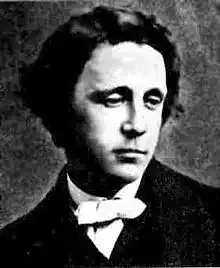
Lewis Carroll
A Valentine
A Valentine
Sent to a friend who had complained that I was glad enough to see
him when he came, but didn't seem to miss him if he stayed away.
And cannot pleasures, while they last,
Be actual unless, when past,
They leave us shuddering and aghast,
With anguish smarting?
And cannot friends be firm and fast,
And yet bear parting?
And must I then, at Friendship's call,
Calmly resign the little all
(Trifling, I grant, it is and small)
I have of gladness,
And lend my being to the thrall
Of gloom and sadness?
And think you that I should be dumb,
And full DOLORUM OMNIUM,
Excepting when YOU choose to come
And share my dinner?
At other times be sour and glum
And daily thinner?
Must he then only live to weep,
Who'd prove his friendship true and deep
By day a lonely shadow creep,
At nighttime
languish,
Oft raising in his broken sleep
The moan of anguish?
The lover, if for certain days
His fair one be denied his gaze,
Sinks not in grief and wild amaze,
But, wiser wooer,
He spends the time in writing lays,
And posts them to her.
And if the verse flow free and fast,
Till even the poet is aghast,
A touching Valentine at last
The post shall carry,
When thirteen days are gone and past
Of February.
Farewell, dear friend, and when we meet,
In desert waste or crowded street,
Perhaps before this week shall fleet,
Perhaps tomorrow.
I trust to find YOUR heart the seat
Of wasting sorrow.
Sent to a friend who had complained that I was glad enough to see
him when he came, but didn't seem to miss him if he stayed away.
And cannot pleasures, while they last,
Be actual unless, when past,
They leave us shuddering and aghast,
With anguish smarting?
And cannot friends be firm and fast,
And yet bear parting?
And must I then, at Friendship's call,
Calmly resign the little all
(Trifling, I grant, it is and small)
I have of gladness,
And lend my being to the thrall
Of gloom and sadness?
And think you that I should be dumb,
And full DOLORUM OMNIUM,
Excepting when YOU choose to come
And share my dinner?
At other times be sour and glum
And daily thinner?
Must he then only live to weep,
Who'd prove his friendship true and deep
By day a lonely shadow creep,
At nighttime
languish,
Oft raising in his broken sleep
The moan of anguish?
The lover, if for certain days
His fair one be denied his gaze,
Sinks not in grief and wild amaze,
But, wiser wooer,
He spends the time in writing lays,
And posts them to her.
And if the verse flow free and fast,
Till even the poet is aghast,
A touching Valentine at last
The post shall carry,
When thirteen days are gone and past
Of February.
Farewell, dear friend, and when we meet,
In desert waste or crowded street,
Perhaps before this week shall fleet,
Perhaps tomorrow.
I trust to find YOUR heart the seat
Of wasting sorrow.
207
Lewis Carroll
A Valentine
A Valentine
Sent to a friend who had complained that I was glad enough to see
him when he came, but didn't seem to miss him if he stayed away.
And cannot pleasures, while they last,
Be actual unless, when past,
They leave us shuddering and aghast,
With anguish smarting?
And cannot friends be firm and fast,
And yet bear parting?
And must I then, at Friendship's call,
Calmly resign the little all
(Trifling, I grant, it is and small)
I have of gladness,
And lend my being to the thrall
Of gloom and sadness?
And think you that I should be dumb,
And full DOLORUM OMNIUM,
Excepting when YOU choose to come
And share my dinner?
At other times be sour and glum
And daily thinner?
Must he then only live to weep,
Who'd prove his friendship true and deep
By day a lonely shadow creep,
At nighttime
languish,
Oft raising in his broken sleep
The moan of anguish?
The lover, if for certain days
His fair one be denied his gaze,
Sinks not in grief and wild amaze,
But, wiser wooer,
He spends the time in writing lays,
And posts them to her.
And if the verse flow free and fast,
Till even the poet is aghast,
A touching Valentine at last
The post shall carry,
When thirteen days are gone and past
Of February.
Farewell, dear friend, and when we meet,
In desert waste or crowded street,
Perhaps before this week shall fleet,
Perhaps tomorrow.
I trust to find YOUR heart the seat
Of wasting sorrow.
Sent to a friend who had complained that I was glad enough to see
him when he came, but didn't seem to miss him if he stayed away.
And cannot pleasures, while they last,
Be actual unless, when past,
They leave us shuddering and aghast,
With anguish smarting?
And cannot friends be firm and fast,
And yet bear parting?
And must I then, at Friendship's call,
Calmly resign the little all
(Trifling, I grant, it is and small)
I have of gladness,
And lend my being to the thrall
Of gloom and sadness?
And think you that I should be dumb,
And full DOLORUM OMNIUM,
Excepting when YOU choose to come
And share my dinner?
At other times be sour and glum
And daily thinner?
Must he then only live to weep,
Who'd prove his friendship true and deep
By day a lonely shadow creep,
At nighttime
languish,
Oft raising in his broken sleep
The moan of anguish?
The lover, if for certain days
His fair one be denied his gaze,
Sinks not in grief and wild amaze,
But, wiser wooer,
He spends the time in writing lays,
And posts them to her.
And if the verse flow free and fast,
Till even the poet is aghast,
A touching Valentine at last
The post shall carry,
When thirteen days are gone and past
Of February.
Farewell, dear friend, and when we meet,
In desert waste or crowded street,
Perhaps before this week shall fleet,
Perhaps tomorrow.
I trust to find YOUR heart the seat
Of wasting sorrow.
207
Lewis Carroll
Alice And The White Knight
Alice And The White Knight
Alice was walking beside the White Knight in Looking Glass Land.
'You are sad.' the Knight said in an anxious tone: 'let me sing you a song to comfort
you.'
'Is it very long?' Alice asked, for she had heard a good deal of poetry that day.
'It's long.' said the Knight, 'but it's very, very beautiful. Everybody that hears me sing
it either
it brings tears to their eyes, or else '
'Or else what?' said Alice, for the Knight had made a sudden pause.
'Or else it doesn't, you know. The name of the song is called 'Haddocks' Eyes.''
'Oh, that's the name of the song, is it?' Alice said, trying to feel interested.
'No, you don't understand,' the Knight said, looking a little vexed. 'That's what the
name
is called. The name really is 'The Aged, Aged Man.''
'Then I ought to have said 'That's what the song is called'?' Alice corrected herself.
'No you oughtn't: that's another thing. The song is called 'Ways and Means' but that's
only
what it's called, you know!'
'Well, what is the song then?' said Alice, who was by this time completely bewildered.
'I was coming to that,' the Knight said. 'The song really is 'Asitting
On a Gate': and the
tune's my own invention.'
So saying, he stopped his horse and let the reins fall on its neck: then slowly beating
time
with one hand, and with a faint smile lighting up his gentle, foolish face, he began:
I'll tell thee everything I can;
There's little to relate.
I saw an aged, aged man,
Asitting
on a gate.
'Who are you, aged man?' I said,
' And how is it you live?'
And his answer trickled through my head
like water through a sieve.
He said 'I look for butterflies
That sleep among the wheat:
I make them into mutton pies,
And sell them in the street.
I sell them unto men,' he said,
'Who sail on stormy seas;
And that's the way I get my bread
A trifle if you please.'
But I was thinking of a plan
To dye one's whiskers green,
And always use so large a fan
That they could not be seen.
So, having no reply to give
To what the old man said,
I cried, 'Come tell me how you live!'
And thumped him on the head.
His accents mild took up the tale:
He said, 'I go my ways,
And when I find a mountainrill,
I set it in a blaze;
And thence they make a stuff they call
Rowland's Macassar Oil Yet
twopencehalfpenny
is all
They give me for my toil.'
But I was thinking of a way
To feed one's self on batter,
And so go on from day to day
Getting a little fatter.
I shook him well from side to side
Until his face was blue:
'Come tell me how you live,' I cried,
'And what it is you do!'
He said 'I hunt for haddocks' eyes
Among the heather bright,
And work them into waistcoat buttons
In the silent night.
And these I do not sell for gold
Or coin of silvery shine,
But for a copper halfpenny,
And that will purchase nine.
'I sometimes dig for buttered rolls,
Or set limed twigs for crabs;
I sometimes search for grassy knolls
For wheels of hansomcabs.
And that's the way' (he gave a wink)
'By which I get my wealth And
very gladly will I drink
Your Honour's noble health.'
I heard him then, for I had just
Completed my design
To keep the Menai Bridge from rust
By boiling it in wine.
I thanked him much for telling me
The way he got his wealth,
But chiefly for the wish that he
Might drink my noble health.
And now if e'er by chance I put
My fingers into glue,
Or madly squeeze a righthand
foot
Into a lefthand
shoe,
Or if I drop upon my toe
A very heavy weight,
I weep, for it reminds me so
Of that old man I used to know Whose
look was mild, whose speech was slow
Whose hair was whiter than the snow,
Whose face was very like a crow,
With eyes, like cinders, all aglow,
Who seemed distracted with his woe,
Who rocked his body to and fro,
And muttered mumblingly and low,
As if his mouth were full of dough,
Who snorted like a buffalo That
summer evening long ago
Asitting
on a gate.
As the Knight sang the last words of the ballad, he gathered up the reins, and turned
his horse's head along the road by which they had come.
Alice was walking beside the White Knight in Looking Glass Land.
'You are sad.' the Knight said in an anxious tone: 'let me sing you a song to comfort
you.'
'Is it very long?' Alice asked, for she had heard a good deal of poetry that day.
'It's long.' said the Knight, 'but it's very, very beautiful. Everybody that hears me sing
it either
it brings tears to their eyes, or else '
'Or else what?' said Alice, for the Knight had made a sudden pause.
'Or else it doesn't, you know. The name of the song is called 'Haddocks' Eyes.''
'Oh, that's the name of the song, is it?' Alice said, trying to feel interested.
'No, you don't understand,' the Knight said, looking a little vexed. 'That's what the
name
is called. The name really is 'The Aged, Aged Man.''
'Then I ought to have said 'That's what the song is called'?' Alice corrected herself.
'No you oughtn't: that's another thing. The song is called 'Ways and Means' but that's
only
what it's called, you know!'
'Well, what is the song then?' said Alice, who was by this time completely bewildered.
'I was coming to that,' the Knight said. 'The song really is 'Asitting
On a Gate': and the
tune's my own invention.'
So saying, he stopped his horse and let the reins fall on its neck: then slowly beating
time
with one hand, and with a faint smile lighting up his gentle, foolish face, he began:
I'll tell thee everything I can;
There's little to relate.
I saw an aged, aged man,
Asitting
on a gate.
'Who are you, aged man?' I said,
' And how is it you live?'
And his answer trickled through my head
like water through a sieve.
He said 'I look for butterflies
That sleep among the wheat:
I make them into mutton pies,
And sell them in the street.
I sell them unto men,' he said,
'Who sail on stormy seas;
And that's the way I get my bread
A trifle if you please.'
But I was thinking of a plan
To dye one's whiskers green,
And always use so large a fan
That they could not be seen.
So, having no reply to give
To what the old man said,
I cried, 'Come tell me how you live!'
And thumped him on the head.
His accents mild took up the tale:
He said, 'I go my ways,
And when I find a mountainrill,
I set it in a blaze;
And thence they make a stuff they call
Rowland's Macassar Oil Yet
twopencehalfpenny
is all
They give me for my toil.'
But I was thinking of a way
To feed one's self on batter,
And so go on from day to day
Getting a little fatter.
I shook him well from side to side
Until his face was blue:
'Come tell me how you live,' I cried,
'And what it is you do!'
He said 'I hunt for haddocks' eyes
Among the heather bright,
And work them into waistcoat buttons
In the silent night.
And these I do not sell for gold
Or coin of silvery shine,
But for a copper halfpenny,
And that will purchase nine.
'I sometimes dig for buttered rolls,
Or set limed twigs for crabs;
I sometimes search for grassy knolls
For wheels of hansomcabs.
And that's the way' (he gave a wink)
'By which I get my wealth And
very gladly will I drink
Your Honour's noble health.'
I heard him then, for I had just
Completed my design
To keep the Menai Bridge from rust
By boiling it in wine.
I thanked him much for telling me
The way he got his wealth,
But chiefly for the wish that he
Might drink my noble health.
And now if e'er by chance I put
My fingers into glue,
Or madly squeeze a righthand
foot
Into a lefthand
shoe,
Or if I drop upon my toe
A very heavy weight,
I weep, for it reminds me so
Of that old man I used to know Whose
look was mild, whose speech was slow
Whose hair was whiter than the snow,
Whose face was very like a crow,
With eyes, like cinders, all aglow,
Who seemed distracted with his woe,
Who rocked his body to and fro,
And muttered mumblingly and low,
As if his mouth were full of dough,
Who snorted like a buffalo That
summer evening long ago
Asitting
on a gate.
As the Knight sang the last words of the ballad, he gathered up the reins, and turned
his horse's head along the road by which they had come.
196
Lewis Carroll
Alice And The White Knight
Alice And The White Knight
Alice was walking beside the White Knight in Looking Glass Land.
'You are sad.' the Knight said in an anxious tone: 'let me sing you a song to comfort
you.'
'Is it very long?' Alice asked, for she had heard a good deal of poetry that day.
'It's long.' said the Knight, 'but it's very, very beautiful. Everybody that hears me sing
it either
it brings tears to their eyes, or else '
'Or else what?' said Alice, for the Knight had made a sudden pause.
'Or else it doesn't, you know. The name of the song is called 'Haddocks' Eyes.''
'Oh, that's the name of the song, is it?' Alice said, trying to feel interested.
'No, you don't understand,' the Knight said, looking a little vexed. 'That's what the
name
is called. The name really is 'The Aged, Aged Man.''
'Then I ought to have said 'That's what the song is called'?' Alice corrected herself.
'No you oughtn't: that's another thing. The song is called 'Ways and Means' but that's
only
what it's called, you know!'
'Well, what is the song then?' said Alice, who was by this time completely bewildered.
'I was coming to that,' the Knight said. 'The song really is 'Asitting
On a Gate': and the
tune's my own invention.'
So saying, he stopped his horse and let the reins fall on its neck: then slowly beating
time
with one hand, and with a faint smile lighting up his gentle, foolish face, he began:
I'll tell thee everything I can;
There's little to relate.
I saw an aged, aged man,
Asitting
on a gate.
'Who are you, aged man?' I said,
' And how is it you live?'
And his answer trickled through my head
like water through a sieve.
He said 'I look for butterflies
That sleep among the wheat:
I make them into mutton pies,
And sell them in the street.
I sell them unto men,' he said,
'Who sail on stormy seas;
And that's the way I get my bread
A trifle if you please.'
But I was thinking of a plan
To dye one's whiskers green,
And always use so large a fan
That they could not be seen.
So, having no reply to give
To what the old man said,
I cried, 'Come tell me how you live!'
And thumped him on the head.
His accents mild took up the tale:
He said, 'I go my ways,
And when I find a mountainrill,
I set it in a blaze;
And thence they make a stuff they call
Rowland's Macassar Oil Yet
twopencehalfpenny
is all
They give me for my toil.'
But I was thinking of a way
To feed one's self on batter,
And so go on from day to day
Getting a little fatter.
I shook him well from side to side
Until his face was blue:
'Come tell me how you live,' I cried,
'And what it is you do!'
He said 'I hunt for haddocks' eyes
Among the heather bright,
And work them into waistcoat buttons
In the silent night.
And these I do not sell for gold
Or coin of silvery shine,
But for a copper halfpenny,
And that will purchase nine.
'I sometimes dig for buttered rolls,
Or set limed twigs for crabs;
I sometimes search for grassy knolls
For wheels of hansomcabs.
And that's the way' (he gave a wink)
'By which I get my wealth And
very gladly will I drink
Your Honour's noble health.'
I heard him then, for I had just
Completed my design
To keep the Menai Bridge from rust
By boiling it in wine.
I thanked him much for telling me
The way he got his wealth,
But chiefly for the wish that he
Might drink my noble health.
And now if e'er by chance I put
My fingers into glue,
Or madly squeeze a righthand
foot
Into a lefthand
shoe,
Or if I drop upon my toe
A very heavy weight,
I weep, for it reminds me so
Of that old man I used to know Whose
look was mild, whose speech was slow
Whose hair was whiter than the snow,
Whose face was very like a crow,
With eyes, like cinders, all aglow,
Who seemed distracted with his woe,
Who rocked his body to and fro,
And muttered mumblingly and low,
As if his mouth were full of dough,
Who snorted like a buffalo That
summer evening long ago
Asitting
on a gate.
As the Knight sang the last words of the ballad, he gathered up the reins, and turned
his horse's head along the road by which they had come.
Alice was walking beside the White Knight in Looking Glass Land.
'You are sad.' the Knight said in an anxious tone: 'let me sing you a song to comfort
you.'
'Is it very long?' Alice asked, for she had heard a good deal of poetry that day.
'It's long.' said the Knight, 'but it's very, very beautiful. Everybody that hears me sing
it either
it brings tears to their eyes, or else '
'Or else what?' said Alice, for the Knight had made a sudden pause.
'Or else it doesn't, you know. The name of the song is called 'Haddocks' Eyes.''
'Oh, that's the name of the song, is it?' Alice said, trying to feel interested.
'No, you don't understand,' the Knight said, looking a little vexed. 'That's what the
name
is called. The name really is 'The Aged, Aged Man.''
'Then I ought to have said 'That's what the song is called'?' Alice corrected herself.
'No you oughtn't: that's another thing. The song is called 'Ways and Means' but that's
only
what it's called, you know!'
'Well, what is the song then?' said Alice, who was by this time completely bewildered.
'I was coming to that,' the Knight said. 'The song really is 'Asitting
On a Gate': and the
tune's my own invention.'
So saying, he stopped his horse and let the reins fall on its neck: then slowly beating
time
with one hand, and with a faint smile lighting up his gentle, foolish face, he began:
I'll tell thee everything I can;
There's little to relate.
I saw an aged, aged man,
Asitting
on a gate.
'Who are you, aged man?' I said,
' And how is it you live?'
And his answer trickled through my head
like water through a sieve.
He said 'I look for butterflies
That sleep among the wheat:
I make them into mutton pies,
And sell them in the street.
I sell them unto men,' he said,
'Who sail on stormy seas;
And that's the way I get my bread
A trifle if you please.'
But I was thinking of a plan
To dye one's whiskers green,
And always use so large a fan
That they could not be seen.
So, having no reply to give
To what the old man said,
I cried, 'Come tell me how you live!'
And thumped him on the head.
His accents mild took up the tale:
He said, 'I go my ways,
And when I find a mountainrill,
I set it in a blaze;
And thence they make a stuff they call
Rowland's Macassar Oil Yet
twopencehalfpenny
is all
They give me for my toil.'
But I was thinking of a way
To feed one's self on batter,
And so go on from day to day
Getting a little fatter.
I shook him well from side to side
Until his face was blue:
'Come tell me how you live,' I cried,
'And what it is you do!'
He said 'I hunt for haddocks' eyes
Among the heather bright,
And work them into waistcoat buttons
In the silent night.
And these I do not sell for gold
Or coin of silvery shine,
But for a copper halfpenny,
And that will purchase nine.
'I sometimes dig for buttered rolls,
Or set limed twigs for crabs;
I sometimes search for grassy knolls
For wheels of hansomcabs.
And that's the way' (he gave a wink)
'By which I get my wealth And
very gladly will I drink
Your Honour's noble health.'
I heard him then, for I had just
Completed my design
To keep the Menai Bridge from rust
By boiling it in wine.
I thanked him much for telling me
The way he got his wealth,
But chiefly for the wish that he
Might drink my noble health.
And now if e'er by chance I put
My fingers into glue,
Or madly squeeze a righthand
foot
Into a lefthand
shoe,
Or if I drop upon my toe
A very heavy weight,
I weep, for it reminds me so
Of that old man I used to know Whose
look was mild, whose speech was slow
Whose hair was whiter than the snow,
Whose face was very like a crow,
With eyes, like cinders, all aglow,
Who seemed distracted with his woe,
Who rocked his body to and fro,
And muttered mumblingly and low,
As if his mouth were full of dough,
Who snorted like a buffalo That
summer evening long ago
Asitting
on a gate.
As the Knight sang the last words of the ballad, he gathered up the reins, and turned
his horse's head along the road by which they had come.
196
Lewis Carroll
A Sea Dirge
A Sea Dirge
There are certain things as,
a spider, a ghost,
The incometax,
gout, an umbrella for three That
I hate, but the thing that I hate the most
Is a thing they call the Sea.
Pour some salt water over the floor Ugly
I'm sure you'll allow it to be:
Suppose it extended a mile or more,
THAT'S very like the Sea.
Beat a dog till it howls outright Cruel,
but all very well for a spree:
Suppose that he did so day and night,
THAT would be like the Sea.
I had a vision of nurserymaids;
Tens of thousands passed by me All
leading children with wooden spades,
And this was by the Sea.
Who invented those spades of wood?
Who was it cut them out of the tree?
None, I think, but an idiot could Or
one that loved the Sea.
It is pleasant and dreamy, no doubt, to float
With 'thoughts as boundless, and souls as free':
But, suppose you are very unwell in the boat,
How do you like the Sea?
There is an insect that people avoid
(Whence is derived the verb 'to flee').
Where have you been by it most annoyed?
In lodgings by the Sea.
If you like your coffee with sand for dregs,
A decided hint of salt in your tea,
And a fishy taste in the very eggs By
all means choose the Sea.
And if, with these dainties to drink and eat,
You prefer not a vestige of grass or tree,
And a chronic state of wet in your feet,
Then I
recommend the Sea.
For I have friends who dwell by the coast Pleasant
friends they are to me!
It is when I am with them I wonder most
That anyone likes the Sea.
They take me a walk: though tired and stiff,
To climb the heights I madly agree;
And, after a tumble or so from the cliff,
They kindly suggest the Sea.
I try the rocks, and I think it cool
That they laugh with such an excess of glee,
As I heavily slip into every pool
That skirts the cold cold Sea.
There are certain things as,
a spider, a ghost,
The incometax,
gout, an umbrella for three That
I hate, but the thing that I hate the most
Is a thing they call the Sea.
Pour some salt water over the floor Ugly
I'm sure you'll allow it to be:
Suppose it extended a mile or more,
THAT'S very like the Sea.
Beat a dog till it howls outright Cruel,
but all very well for a spree:
Suppose that he did so day and night,
THAT would be like the Sea.
I had a vision of nurserymaids;
Tens of thousands passed by me All
leading children with wooden spades,
And this was by the Sea.
Who invented those spades of wood?
Who was it cut them out of the tree?
None, I think, but an idiot could Or
one that loved the Sea.
It is pleasant and dreamy, no doubt, to float
With 'thoughts as boundless, and souls as free':
But, suppose you are very unwell in the boat,
How do you like the Sea?
There is an insect that people avoid
(Whence is derived the verb 'to flee').
Where have you been by it most annoyed?
In lodgings by the Sea.
If you like your coffee with sand for dregs,
A decided hint of salt in your tea,
And a fishy taste in the very eggs By
all means choose the Sea.
And if, with these dainties to drink and eat,
You prefer not a vestige of grass or tree,
And a chronic state of wet in your feet,
Then I
recommend the Sea.
For I have friends who dwell by the coast Pleasant
friends they are to me!
It is when I am with them I wonder most
That anyone likes the Sea.
They take me a walk: though tired and stiff,
To climb the heights I madly agree;
And, after a tumble or so from the cliff,
They kindly suggest the Sea.
I try the rocks, and I think it cool
That they laugh with such an excess of glee,
As I heavily slip into every pool
That skirts the cold cold Sea.
210
Lewis Carroll
A Boat beneath a Sunny Sky
A Boat beneath a Sunny Sky
A BOAT beneath a sunny sky,
Lingering onward dreamily
In an evening of July Children
three that nestle near,
Eager eye and willing ear,
Pleased a simple tale to hear Long
has paled that sunny sky:
Echoes fade and memories die:
Autumn frosts have slain July.
Still she haunts me, phantomwise,
Alice moving under skies
Never seen by waking eyes.
Children yet, the tale to hear,
Eager eye and willing ear,
Lovingly shall nestle near.
In a Wonderland they lie,
Dreaming as the days go by,
Dreaming as the summers die:
Ever drifting down the stream Lingering
in the golden dream Life,
what is it but a dream?
THE END
A BOAT beneath a sunny sky,
Lingering onward dreamily
In an evening of July Children
three that nestle near,
Eager eye and willing ear,
Pleased a simple tale to hear Long
has paled that sunny sky:
Echoes fade and memories die:
Autumn frosts have slain July.
Still she haunts me, phantomwise,
Alice moving under skies
Never seen by waking eyes.
Children yet, the tale to hear,
Eager eye and willing ear,
Lovingly shall nestle near.
In a Wonderland they lie,
Dreaming as the days go by,
Dreaming as the summers die:
Ever drifting down the stream Lingering
in the golden dream Life,
what is it but a dream?
THE END
195
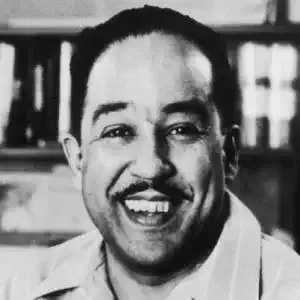
Langston Hughes
Walkers with the Dawn
Walkers with the Dawn
Being walkers with the dawn and morning,
Walkers with the sun and morning,
We are not afraid of night,
Nor days of gloom,
Nor darkness--
Being walkers with the sun and morning.
Being walkers with the dawn and morning,
Walkers with the sun and morning,
We are not afraid of night,
Nor days of gloom,
Nor darkness--
Being walkers with the sun and morning.
342
Langston Hughes
When Sue Wears Red
When Sue Wears Red
When Susanna Jones wears red
her face is like an ancient cameo
Turned brown by the ages.
Come with a blast of trumphets, Jesus!
When Susanna Jones wears red
A queen from some time-dead Egyptian night
Walks once again.
Blow trumphets, Jesus!
And the beauty of Susanna Jones in red
Burns in my heart a love-fire sharp like a pain.
Sweet silver trumphets, Jesus!
When Susanna Jones wears red
her face is like an ancient cameo
Turned brown by the ages.
Come with a blast of trumphets, Jesus!
When Susanna Jones wears red
A queen from some time-dead Egyptian night
Walks once again.
Blow trumphets, Jesus!
And the beauty of Susanna Jones in red
Burns in my heart a love-fire sharp like a pain.
Sweet silver trumphets, Jesus!
358
Langston Hughes
Trumpet Player
Trumpet Player
The Negro
With the trumpet at his lips
Has dark moons of weariness
Beneath his eyes
where the smoldering memory
of slave ships
Blazed to the crack of whips
about thighs
The negro
with the trumpet at his lips
has a head of vibrant hair
tamed down,
patent-leathered now
until it gleams
like jetwere
jet a crown
the music
from the trumpet at his lips
is honey
mixed with liquid fire
the rhythm
from the trumpet at his lips
is ecstasy
distilled from old desire-
Desire
that is longing for the moon
where the moonlight's but a spotlight
in his eyes,
desire
that is longing for the sea
where the sea's a bar-glass
sucker size
The Negro
with the trumpet at his lips
whose jacket
Has a fine one-button roll,
does not know
upon what riff the music slips
It's hypodermic needle
to his soul
but softly
as the tune comes from his throat
trouble
mellows to a golden note
The Negro
With the trumpet at his lips
Has dark moons of weariness
Beneath his eyes
where the smoldering memory
of slave ships
Blazed to the crack of whips
about thighs
The negro
with the trumpet at his lips
has a head of vibrant hair
tamed down,
patent-leathered now
until it gleams
like jetwere
jet a crown
the music
from the trumpet at his lips
is honey
mixed with liquid fire
the rhythm
from the trumpet at his lips
is ecstasy
distilled from old desire-
Desire
that is longing for the moon
where the moonlight's but a spotlight
in his eyes,
desire
that is longing for the sea
where the sea's a bar-glass
sucker size
The Negro
with the trumpet at his lips
whose jacket
Has a fine one-button roll,
does not know
upon what riff the music slips
It's hypodermic needle
to his soul
but softly
as the tune comes from his throat
trouble
mellows to a golden note
431
Langston Hughes
Trumpet Player
Trumpet Player
The Negro
With the trumpet at his lips
Has dark moons of weariness
Beneath his eyes
where the smoldering memory
of slave ships
Blazed to the crack of whips
about thighs
The negro
with the trumpet at his lips
has a head of vibrant hair
tamed down,
patent-leathered now
until it gleams
like jetwere
jet a crown
the music
from the trumpet at his lips
is honey
mixed with liquid fire
the rhythm
from the trumpet at his lips
is ecstasy
distilled from old desire-
Desire
that is longing for the moon
where the moonlight's but a spotlight
in his eyes,
desire
that is longing for the sea
where the sea's a bar-glass
sucker size
The Negro
with the trumpet at his lips
whose jacket
Has a fine one-button roll,
does not know
upon what riff the music slips
It's hypodermic needle
to his soul
but softly
as the tune comes from his throat
trouble
mellows to a golden note
The Negro
With the trumpet at his lips
Has dark moons of weariness
Beneath his eyes
where the smoldering memory
of slave ships
Blazed to the crack of whips
about thighs
The negro
with the trumpet at his lips
has a head of vibrant hair
tamed down,
patent-leathered now
until it gleams
like jetwere
jet a crown
the music
from the trumpet at his lips
is honey
mixed with liquid fire
the rhythm
from the trumpet at his lips
is ecstasy
distilled from old desire-
Desire
that is longing for the moon
where the moonlight's but a spotlight
in his eyes,
desire
that is longing for the sea
where the sea's a bar-glass
sucker size
The Negro
with the trumpet at his lips
whose jacket
Has a fine one-button roll,
does not know
upon what riff the music slips
It's hypodermic needle
to his soul
but softly
as the tune comes from his throat
trouble
mellows to a golden note
431
Langston Hughes
To Artina
To Artina
I will take you heart.
I will take your soul out of your body
As though I were God.
I will not be satisfied
With the touch of your hand
Nor the sweet of your lips alone.
I will take your heart for mine.
I will take your soul.
I will be God when it comes to you.
I will take you heart.
I will take your soul out of your body
As though I were God.
I will not be satisfied
With the touch of your hand
Nor the sweet of your lips alone.
I will take your heart for mine.
I will take your soul.
I will be God when it comes to you.
489
Langston Hughes
The Negro Mother
The Negro Mother
Children, I come back today
To tell you a story of the long dark way
That I had to climb, that I had to know
In order that the race might live and grow.
Look at my face -- dark as the night --
Yet shining like the sun with love's true light.
I am the dark girl who crossed the red sea
Carrying in my body the seed of the free.
I am the woman who worked in the field
Bringing the cotton and the corn to yield.
I am the one who labored as a slave,
Beaten and mistreated for the work that I gave --
Children sold away from me, I'm husband sold, too.
No safety , no love, no respect was I due.
Three hundred years in the deepest South:
But God put a song and a prayer in my mouth .
God put a dream like steel in my soul.
Now, through my children, I'm reaching the goal.
Now, through my children, young and free,
I realized the blessing deed to me.
I couldn't read then. I couldn't write.
I had nothing, back there in the night.
Sometimes, the valley was filled with tears,
But I kept trudging on through the lonely years.
Sometimes, the road was hot with the sun,
But I had to keep on till my work was done:
I had to keep on! No stopping for me --
I was the seed of the coming Free.
I nourished the dream that nothing could smother
Deep in my breast -- the Negro mother.
I had only hope then , but now through you,
Dark ones of today, my dreams must come true:
All you dark children in the world out there,
Remember my sweat, my pain, my despair.
Remember my years, heavy with sorrow --
And make of those years a torch for tomorrow.
Make of my pass a road to the light
Out of the darkness, the ignorance, the night.
Lift high my banner out of the dust.
Stand like free men supporting my trust.
Believe in the right, let none push you back.
Remember the whip and the slaver's track.
Remember how the strong in struggle and strife
Still bar you the way, and deny you life --
But march ever forward, breaking down bars.
Look ever upward at the sun and the stars.
Oh, my dark children, may my dreams and my prayers
Impel you forever up the great stairs --
For I will be with you till no white brother
Dares keep down the children of the Negro Mother.
Children, I come back today
To tell you a story of the long dark way
That I had to climb, that I had to know
In order that the race might live and grow.
Look at my face -- dark as the night --
Yet shining like the sun with love's true light.
I am the dark girl who crossed the red sea
Carrying in my body the seed of the free.
I am the woman who worked in the field
Bringing the cotton and the corn to yield.
I am the one who labored as a slave,
Beaten and mistreated for the work that I gave --
Children sold away from me, I'm husband sold, too.
No safety , no love, no respect was I due.
Three hundred years in the deepest South:
But God put a song and a prayer in my mouth .
God put a dream like steel in my soul.
Now, through my children, I'm reaching the goal.
Now, through my children, young and free,
I realized the blessing deed to me.
I couldn't read then. I couldn't write.
I had nothing, back there in the night.
Sometimes, the valley was filled with tears,
But I kept trudging on through the lonely years.
Sometimes, the road was hot with the sun,
But I had to keep on till my work was done:
I had to keep on! No stopping for me --
I was the seed of the coming Free.
I nourished the dream that nothing could smother
Deep in my breast -- the Negro mother.
I had only hope then , but now through you,
Dark ones of today, my dreams must come true:
All you dark children in the world out there,
Remember my sweat, my pain, my despair.
Remember my years, heavy with sorrow --
And make of those years a torch for tomorrow.
Make of my pass a road to the light
Out of the darkness, the ignorance, the night.
Lift high my banner out of the dust.
Stand like free men supporting my trust.
Believe in the right, let none push you back.
Remember the whip and the slaver's track.
Remember how the strong in struggle and strife
Still bar you the way, and deny you life --
But march ever forward, breaking down bars.
Look ever upward at the sun and the stars.
Oh, my dark children, may my dreams and my prayers
Impel you forever up the great stairs --
For I will be with you till no white brother
Dares keep down the children of the Negro Mother.
617
Langston Hughes
The Negro Mother
The Negro Mother
Children, I come back today
To tell you a story of the long dark way
That I had to climb, that I had to know
In order that the race might live and grow.
Look at my face -- dark as the night --
Yet shining like the sun with love's true light.
I am the dark girl who crossed the red sea
Carrying in my body the seed of the free.
I am the woman who worked in the field
Bringing the cotton and the corn to yield.
I am the one who labored as a slave,
Beaten and mistreated for the work that I gave --
Children sold away from me, I'm husband sold, too.
No safety , no love, no respect was I due.
Three hundred years in the deepest South:
But God put a song and a prayer in my mouth .
God put a dream like steel in my soul.
Now, through my children, I'm reaching the goal.
Now, through my children, young and free,
I realized the blessing deed to me.
I couldn't read then. I couldn't write.
I had nothing, back there in the night.
Sometimes, the valley was filled with tears,
But I kept trudging on through the lonely years.
Sometimes, the road was hot with the sun,
But I had to keep on till my work was done:
I had to keep on! No stopping for me --
I was the seed of the coming Free.
I nourished the dream that nothing could smother
Deep in my breast -- the Negro mother.
I had only hope then , but now through you,
Dark ones of today, my dreams must come true:
All you dark children in the world out there,
Remember my sweat, my pain, my despair.
Remember my years, heavy with sorrow --
And make of those years a torch for tomorrow.
Make of my pass a road to the light
Out of the darkness, the ignorance, the night.
Lift high my banner out of the dust.
Stand like free men supporting my trust.
Believe in the right, let none push you back.
Remember the whip and the slaver's track.
Remember how the strong in struggle and strife
Still bar you the way, and deny you life --
But march ever forward, breaking down bars.
Look ever upward at the sun and the stars.
Oh, my dark children, may my dreams and my prayers
Impel you forever up the great stairs --
For I will be with you till no white brother
Dares keep down the children of the Negro Mother.
Children, I come back today
To tell you a story of the long dark way
That I had to climb, that I had to know
In order that the race might live and grow.
Look at my face -- dark as the night --
Yet shining like the sun with love's true light.
I am the dark girl who crossed the red sea
Carrying in my body the seed of the free.
I am the woman who worked in the field
Bringing the cotton and the corn to yield.
I am the one who labored as a slave,
Beaten and mistreated for the work that I gave --
Children sold away from me, I'm husband sold, too.
No safety , no love, no respect was I due.
Three hundred years in the deepest South:
But God put a song and a prayer in my mouth .
God put a dream like steel in my soul.
Now, through my children, I'm reaching the goal.
Now, through my children, young and free,
I realized the blessing deed to me.
I couldn't read then. I couldn't write.
I had nothing, back there in the night.
Sometimes, the valley was filled with tears,
But I kept trudging on through the lonely years.
Sometimes, the road was hot with the sun,
But I had to keep on till my work was done:
I had to keep on! No stopping for me --
I was the seed of the coming Free.
I nourished the dream that nothing could smother
Deep in my breast -- the Negro mother.
I had only hope then , but now through you,
Dark ones of today, my dreams must come true:
All you dark children in the world out there,
Remember my sweat, my pain, my despair.
Remember my years, heavy with sorrow --
And make of those years a torch for tomorrow.
Make of my pass a road to the light
Out of the darkness, the ignorance, the night.
Lift high my banner out of the dust.
Stand like free men supporting my trust.
Believe in the right, let none push you back.
Remember the whip and the slaver's track.
Remember how the strong in struggle and strife
Still bar you the way, and deny you life --
But march ever forward, breaking down bars.
Look ever upward at the sun and the stars.
Oh, my dark children, may my dreams and my prayers
Impel you forever up the great stairs --
For I will be with you till no white brother
Dares keep down the children of the Negro Mother.
617
Langston Hughes
The Negro Mother
The Negro Mother
Children, I come back today
To tell you a story of the long dark way
That I had to climb, that I had to know
In order that the race might live and grow.
Look at my face -- dark as the night --
Yet shining like the sun with love's true light.
I am the dark girl who crossed the red sea
Carrying in my body the seed of the free.
I am the woman who worked in the field
Bringing the cotton and the corn to yield.
I am the one who labored as a slave,
Beaten and mistreated for the work that I gave --
Children sold away from me, I'm husband sold, too.
No safety , no love, no respect was I due.
Three hundred years in the deepest South:
But God put a song and a prayer in my mouth .
God put a dream like steel in my soul.
Now, through my children, I'm reaching the goal.
Now, through my children, young and free,
I realized the blessing deed to me.
I couldn't read then. I couldn't write.
I had nothing, back there in the night.
Sometimes, the valley was filled with tears,
But I kept trudging on through the lonely years.
Sometimes, the road was hot with the sun,
But I had to keep on till my work was done:
I had to keep on! No stopping for me --
I was the seed of the coming Free.
I nourished the dream that nothing could smother
Deep in my breast -- the Negro mother.
I had only hope then , but now through you,
Dark ones of today, my dreams must come true:
All you dark children in the world out there,
Remember my sweat, my pain, my despair.
Remember my years, heavy with sorrow --
And make of those years a torch for tomorrow.
Make of my pass a road to the light
Out of the darkness, the ignorance, the night.
Lift high my banner out of the dust.
Stand like free men supporting my trust.
Believe in the right, let none push you back.
Remember the whip and the slaver's track.
Remember how the strong in struggle and strife
Still bar you the way, and deny you life --
But march ever forward, breaking down bars.
Look ever upward at the sun and the stars.
Oh, my dark children, may my dreams and my prayers
Impel you forever up the great stairs --
For I will be with you till no white brother
Dares keep down the children of the Negro Mother.
Children, I come back today
To tell you a story of the long dark way
That I had to climb, that I had to know
In order that the race might live and grow.
Look at my face -- dark as the night --
Yet shining like the sun with love's true light.
I am the dark girl who crossed the red sea
Carrying in my body the seed of the free.
I am the woman who worked in the field
Bringing the cotton and the corn to yield.
I am the one who labored as a slave,
Beaten and mistreated for the work that I gave --
Children sold away from me, I'm husband sold, too.
No safety , no love, no respect was I due.
Three hundred years in the deepest South:
But God put a song and a prayer in my mouth .
God put a dream like steel in my soul.
Now, through my children, I'm reaching the goal.
Now, through my children, young and free,
I realized the blessing deed to me.
I couldn't read then. I couldn't write.
I had nothing, back there in the night.
Sometimes, the valley was filled with tears,
But I kept trudging on through the lonely years.
Sometimes, the road was hot with the sun,
But I had to keep on till my work was done:
I had to keep on! No stopping for me --
I was the seed of the coming Free.
I nourished the dream that nothing could smother
Deep in my breast -- the Negro mother.
I had only hope then , but now through you,
Dark ones of today, my dreams must come true:
All you dark children in the world out there,
Remember my sweat, my pain, my despair.
Remember my years, heavy with sorrow --
And make of those years a torch for tomorrow.
Make of my pass a road to the light
Out of the darkness, the ignorance, the night.
Lift high my banner out of the dust.
Stand like free men supporting my trust.
Believe in the right, let none push you back.
Remember the whip and the slaver's track.
Remember how the strong in struggle and strife
Still bar you the way, and deny you life --
But march ever forward, breaking down bars.
Look ever upward at the sun and the stars.
Oh, my dark children, may my dreams and my prayers
Impel you forever up the great stairs --
For I will be with you till no white brother
Dares keep down the children of the Negro Mother.
617
Langston Hughes
The Weary Blues
The Weary Blues
Droning a drowsy syncopated tune,
Rocking back and forth to a mellow croon,
I heard a Negro play.
Down on Lenox Avenue the other night
By the pale dull pallor of an old gas light
He did a lazy sway ....
He did a lazy sway ....
To the tune o' those Weary Blues.
With his ebony hands on each ivory key
He made that poor piano moan with melody.
O Blues!
Swaying to and fro on his rickety stool
He played that sad raggy tune like a musical fool.
Sweet Blues!
Coming from a black man's soul.
O Blues!
In a deep song voice with a melancholy tone
I heard that Negro sing, that old piano moan-"
Ain't got nobody in all this world,
Ain't got nobody but ma self.
I's gwine to quit ma frownin'
And put ma troubles on the shelf."
Thump, thump, thump, went his foot on the floor.
He played a few chords then he sang some more-"
I got the Weary Blues
And I can't be satisfied.
Got the Weary Blues
And can't be satisfied--
I ain't happy no mo'
And I wish that I had died."
And far into the night he crooned that tune.
The stars went out and so did the moon.
The singer stopped playing and went to bed
While the Weary Blues echoed through his head.
He slept like a rock or a man that's dead.
Droning a drowsy syncopated tune,
Rocking back and forth to a mellow croon,
I heard a Negro play.
Down on Lenox Avenue the other night
By the pale dull pallor of an old gas light
He did a lazy sway ....
He did a lazy sway ....
To the tune o' those Weary Blues.
With his ebony hands on each ivory key
He made that poor piano moan with melody.
O Blues!
Swaying to and fro on his rickety stool
He played that sad raggy tune like a musical fool.
Sweet Blues!
Coming from a black man's soul.
O Blues!
In a deep song voice with a melancholy tone
I heard that Negro sing, that old piano moan-"
Ain't got nobody in all this world,
Ain't got nobody but ma self.
I's gwine to quit ma frownin'
And put ma troubles on the shelf."
Thump, thump, thump, went his foot on the floor.
He played a few chords then he sang some more-"
I got the Weary Blues
And I can't be satisfied.
Got the Weary Blues
And can't be satisfied--
I ain't happy no mo'
And I wish that I had died."
And far into the night he crooned that tune.
The stars went out and so did the moon.
The singer stopped playing and went to bed
While the Weary Blues echoed through his head.
He slept like a rock or a man that's dead.
697
Langston Hughes
The Weary Blues
The Weary Blues
Droning a drowsy syncopated tune,
Rocking back and forth to a mellow croon,
I heard a Negro play.
Down on Lenox Avenue the other night
By the pale dull pallor of an old gas light
He did a lazy sway ....
He did a lazy sway ....
To the tune o' those Weary Blues.
With his ebony hands on each ivory key
He made that poor piano moan with melody.
O Blues!
Swaying to and fro on his rickety stool
He played that sad raggy tune like a musical fool.
Sweet Blues!
Coming from a black man's soul.
O Blues!
In a deep song voice with a melancholy tone
I heard that Negro sing, that old piano moan-"
Ain't got nobody in all this world,
Ain't got nobody but ma self.
I's gwine to quit ma frownin'
And put ma troubles on the shelf."
Thump, thump, thump, went his foot on the floor.
He played a few chords then he sang some more-"
I got the Weary Blues
And I can't be satisfied.
Got the Weary Blues
And can't be satisfied--
I ain't happy no mo'
And I wish that I had died."
And far into the night he crooned that tune.
The stars went out and so did the moon.
The singer stopped playing and went to bed
While the Weary Blues echoed through his head.
He slept like a rock or a man that's dead.
Droning a drowsy syncopated tune,
Rocking back and forth to a mellow croon,
I heard a Negro play.
Down on Lenox Avenue the other night
By the pale dull pallor of an old gas light
He did a lazy sway ....
He did a lazy sway ....
To the tune o' those Weary Blues.
With his ebony hands on each ivory key
He made that poor piano moan with melody.
O Blues!
Swaying to and fro on his rickety stool
He played that sad raggy tune like a musical fool.
Sweet Blues!
Coming from a black man's soul.
O Blues!
In a deep song voice with a melancholy tone
I heard that Negro sing, that old piano moan-"
Ain't got nobody in all this world,
Ain't got nobody but ma self.
I's gwine to quit ma frownin'
And put ma troubles on the shelf."
Thump, thump, thump, went his foot on the floor.
He played a few chords then he sang some more-"
I got the Weary Blues
And I can't be satisfied.
Got the Weary Blues
And can't be satisfied--
I ain't happy no mo'
And I wish that I had died."
And far into the night he crooned that tune.
The stars went out and so did the moon.
The singer stopped playing and went to bed
While the Weary Blues echoed through his head.
He slept like a rock or a man that's dead.
697
Langston Hughes
The Blues
The Blues
When the shoe strings break
On both your shoes
And you're in a hurryThat's
the blues.
When you go to buy a candy bar
And you've lost the dime you had-
Slipped through a hole in your pocket somewhereThat's
the blues, too, and bad!
Submitted by Denice Jackson
When the shoe strings break
On both your shoes
And you're in a hurryThat's
the blues.
When you go to buy a candy bar
And you've lost the dime you had-
Slipped through a hole in your pocket somewhereThat's
the blues, too, and bad!
Submitted by Denice Jackson
375
Langston Hughes
The Blues
The Blues
When the shoe strings break
On both your shoes
And you're in a hurryThat's
the blues.
When you go to buy a candy bar
And you've lost the dime you had-
Slipped through a hole in your pocket somewhereThat's
the blues, too, and bad!
Submitted by Denice Jackson
When the shoe strings break
On both your shoes
And you're in a hurryThat's
the blues.
When you go to buy a candy bar
And you've lost the dime you had-
Slipped through a hole in your pocket somewhereThat's
the blues, too, and bad!
Submitted by Denice Jackson
375
Langston Hughes
Sylvester’s Dying Bed
Sylvester’s Dying Bed
I woke up this mornin’
’Bout half-past three.
All the womens in town
Was gathered round me.
Sweet gals was a-moanin’,
“Sylvester’s gonna die!”
And a hundred pretty mamas
Bowed their heads to cry.
I woke up little later
’Bout half-past fo’,
The doctor ‘n’ undertaker’s
Both at ma do’.
Black gals was a-beggin’,
“You can’t leave us here!”
Brown-skins cryin’, “Daddy!
Honey! Baby! Don’t go, dear!”
But I felt ma time’s a-comin’,
And I know’d I’s dyin’ fast.
I seed the River Jerden
A-creepin’ muddy past—
But I’s still Sweet Papa ’Vester,
Yes, sir! Long as life do last!
So I hollers, “Com’ere, babies,
Fo’ to love yo’ daddy right!”
And I reaches up to hug ’em—
When the Lawd put out the light.
Then everything was darkness
In a great ... big ... night.
I woke up this mornin’
’Bout half-past three.
All the womens in town
Was gathered round me.
Sweet gals was a-moanin’,
“Sylvester’s gonna die!”
And a hundred pretty mamas
Bowed their heads to cry.
I woke up little later
’Bout half-past fo’,
The doctor ‘n’ undertaker’s
Both at ma do’.
Black gals was a-beggin’,
“You can’t leave us here!”
Brown-skins cryin’, “Daddy!
Honey! Baby! Don’t go, dear!”
But I felt ma time’s a-comin’,
And I know’d I’s dyin’ fast.
I seed the River Jerden
A-creepin’ muddy past—
But I’s still Sweet Papa ’Vester,
Yes, sir! Long as life do last!
So I hollers, “Com’ere, babies,
Fo’ to love yo’ daddy right!”
And I reaches up to hug ’em—
When the Lawd put out the light.
Then everything was darkness
In a great ... big ... night.
364
Langston Hughes
Still Here
Still Here
been scared and battered.
My hopes the wind done scattered.
Snow has friz me,
Sun has baked me,
Looks like between 'em they done
Tried to make me
Stop laughin', stop lovin', stop livin'--
But I don't care!
I'm still here!
been scared and battered.
My hopes the wind done scattered.
Snow has friz me,
Sun has baked me,
Looks like between 'em they done
Tried to make me
Stop laughin', stop lovin', stop livin'--
But I don't care!
I'm still here!
328
Langston Hughes
Still Here
Still Here
been scared and battered.
My hopes the wind done scattered.
Snow has friz me,
Sun has baked me,
Looks like between 'em they done
Tried to make me
Stop laughin', stop lovin', stop livin'--
But I don't care!
I'm still here!
been scared and battered.
My hopes the wind done scattered.
Snow has friz me,
Sun has baked me,
Looks like between 'em they done
Tried to make me
Stop laughin', stop lovin', stop livin'--
But I don't care!
I'm still here!
328
Langston Hughes
Sick Room
Sick Room
How quiet
It is in this sick room
Where on the bed
A silent woman lies between two lovers-
Life and Death,
And all three covered with a sheet of pain.
How quiet
It is in this sick room
Where on the bed
A silent woman lies between two lovers-
Life and Death,
And all three covered with a sheet of pain.
435
Langston Hughes
Sick Room
Sick Room
How quiet
It is in this sick room
Where on the bed
A silent woman lies between two lovers-
Life and Death,
And all three covered with a sheet of pain.
How quiet
It is in this sick room
Where on the bed
A silent woman lies between two lovers-
Life and Death,
And all three covered with a sheet of pain.
435
Langston Hughes
Po' Boy Blues
Po' Boy Blues
When I was home de
Sunshine seemed like gold.
When I was home de
Sunshine seemed like gold.
Since I come up North de
Whole damn world's turned cold.
I was a good boy,
Never done no wrong.
Yes, I was a good boy,
Never done no wrong,
But this world is weary
An' de road is hard an' long.
I fell in love with
A gal I thought was kind.
Fell in love with
A gal I thought was kind.
She made me lose ma money
An' almost lose ma mind.
Weary, weary,
Weary early in de morn.
Weary, weary,
Early, early in de morn.
I's so weary
I wish I'd never been born.
When I was home de
Sunshine seemed like gold.
When I was home de
Sunshine seemed like gold.
Since I come up North de
Whole damn world's turned cold.
I was a good boy,
Never done no wrong.
Yes, I was a good boy,
Never done no wrong,
But this world is weary
An' de road is hard an' long.
I fell in love with
A gal I thought was kind.
Fell in love with
A gal I thought was kind.
She made me lose ma money
An' almost lose ma mind.
Weary, weary,
Weary early in de morn.
Weary, weary,
Early, early in de morn.
I's so weary
I wish I'd never been born.
376