

Poems in this topic
Emotions and Feelings
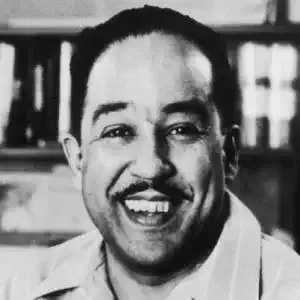
Langston Hughes
Bound No’th Blues
Bound No’th Blues
Goin’ down the road, Lawd,
Goin’ down the road.
Down the road, Lawd,
Way,way down the road.
Got to find somebody
To help me carry this load.
Road’s in front o’ me,
Nothin’ to do but walk.
Road’s in front of me,
Walk…an’ walk…an’ walk.
I’d like to meet a good friend
To come along an’ talk.
Hates to be lonely,
Lawd, I hates to be sad.
Says I hates to be lonely,
Hates to be lonely an’ sad,
But ever friend you finds seems
Like they try to do you bad.
Road, road, road, O!
Road, road…road…road, road!
Road, road, road, O!
On the no’thern road.
These Mississippi towns ain’t
Fit fer a hoppin’ toad.
Goin’ down the road, Lawd,
Goin’ down the road.
Down the road, Lawd,
Way,way down the road.
Got to find somebody
To help me carry this load.
Road’s in front o’ me,
Nothin’ to do but walk.
Road’s in front of me,
Walk…an’ walk…an’ walk.
I’d like to meet a good friend
To come along an’ talk.
Hates to be lonely,
Lawd, I hates to be sad.
Says I hates to be lonely,
Hates to be lonely an’ sad,
But ever friend you finds seems
Like they try to do you bad.
Road, road, road, O!
Road, road…road…road, road!
Road, road, road, O!
On the no’thern road.
These Mississippi towns ain’t
Fit fer a hoppin’ toad.
353
Langston Hughes
Bound No’th Blues
Bound No’th Blues
Goin’ down the road, Lawd,
Goin’ down the road.
Down the road, Lawd,
Way,way down the road.
Got to find somebody
To help me carry this load.
Road’s in front o’ me,
Nothin’ to do but walk.
Road’s in front of me,
Walk…an’ walk…an’ walk.
I’d like to meet a good friend
To come along an’ talk.
Hates to be lonely,
Lawd, I hates to be sad.
Says I hates to be lonely,
Hates to be lonely an’ sad,
But ever friend you finds seems
Like they try to do you bad.
Road, road, road, O!
Road, road…road…road, road!
Road, road, road, O!
On the no’thern road.
These Mississippi towns ain’t
Fit fer a hoppin’ toad.
Goin’ down the road, Lawd,
Goin’ down the road.
Down the road, Lawd,
Way,way down the road.
Got to find somebody
To help me carry this load.
Road’s in front o’ me,
Nothin’ to do but walk.
Road’s in front of me,
Walk…an’ walk…an’ walk.
I’d like to meet a good friend
To come along an’ talk.
Hates to be lonely,
Lawd, I hates to be sad.
Says I hates to be lonely,
Hates to be lonely an’ sad,
But ever friend you finds seems
Like they try to do you bad.
Road, road, road, O!
Road, road…road…road, road!
Road, road, road, O!
On the no’thern road.
These Mississippi towns ain’t
Fit fer a hoppin’ toad.
353
Langston Hughes
Brass Spittoons
Brass Spittoons
Clean the spittoons, boy.
Detroit,
Chicago,
Atlantic City,
Palm Beach.
Clean the spittoons.
The steam in hotel kitchens,
And the smoke in hotel lobbies,
And the slime in hotel spittoons:
Part of my life.
Hey, boy!
A nickel,
A dime,
A dollar,
Two dollars a day.
Hey, boy!
A nickel,
A dime,
A dollar,
Two dollars
Buy shoes for the baby.
House rent to pay.
Gin on Saturday,
Church on Sunday.
My God!
Babies and gin and church
And women and Sunday
All mixed with dimes and
Dollars and clean spittoons
And house rent to pay.
Hey, boy!
A bright bowl of brass is beautiful to the Lord.
Bright polished brass like the cymbals
Of King David’s dancers,
Like the wine cups of Solomon.
Hey, boy!
A clean spittoon on the altar of the Lord.
A clean bright spittoon all newly polished—
At least I can offer that.
Com’mere, boy!
Clean the spittoons, boy.
Detroit,
Chicago,
Atlantic City,
Palm Beach.
Clean the spittoons.
The steam in hotel kitchens,
And the smoke in hotel lobbies,
And the slime in hotel spittoons:
Part of my life.
Hey, boy!
A nickel,
A dime,
A dollar,
Two dollars a day.
Hey, boy!
A nickel,
A dime,
A dollar,
Two dollars
Buy shoes for the baby.
House rent to pay.
Gin on Saturday,
Church on Sunday.
My God!
Babies and gin and church
And women and Sunday
All mixed with dimes and
Dollars and clean spittoons
And house rent to pay.
Hey, boy!
A bright bowl of brass is beautiful to the Lord.
Bright polished brass like the cymbals
Of King David’s dancers,
Like the wine cups of Solomon.
Hey, boy!
A clean spittoon on the altar of the Lord.
A clean bright spittoon all newly polished—
At least I can offer that.
Com’mere, boy!
455
Langston Hughes
As I Grew Older
As I Grew Older
It was a long time ago.
I have almost forgotten my dream.
But it was there then,
In front of me,
Bright like a sun--
My dream.
And then the wall rose,
Rose slowly,
Slowly,
Between me and my dream.
Rose until it touched the sky--
The wall.
Shadow.
I am black.
I lie down in the shadow.
No longer the light of my dream before me,
Above me.
Only the thick wall.
Only the shadow.
My hands!
My dark hands!
Break through the wall!
Find my dream!
Help me to shatter this darkness,
To smash this night,
To break this shadow
Into a thousand lights of sun,
Into a thousand whirling dreams
Of sun!
It was a long time ago.
I have almost forgotten my dream.
But it was there then,
In front of me,
Bright like a sun--
My dream.
And then the wall rose,
Rose slowly,
Slowly,
Between me and my dream.
Rose until it touched the sky--
The wall.
Shadow.
I am black.
I lie down in the shadow.
No longer the light of my dream before me,
Above me.
Only the thick wall.
Only the shadow.
My hands!
My dark hands!
Break through the wall!
Find my dream!
Help me to shatter this darkness,
To smash this night,
To break this shadow
Into a thousand lights of sun,
Into a thousand whirling dreams
Of sun!
903
Langston Hughes
As I Grew Older
As I Grew Older
It was a long time ago.
I have almost forgotten my dream.
But it was there then,
In front of me,
Bright like a sun--
My dream.
And then the wall rose,
Rose slowly,
Slowly,
Between me and my dream.
Rose until it touched the sky--
The wall.
Shadow.
I am black.
I lie down in the shadow.
No longer the light of my dream before me,
Above me.
Only the thick wall.
Only the shadow.
My hands!
My dark hands!
Break through the wall!
Find my dream!
Help me to shatter this darkness,
To smash this night,
To break this shadow
Into a thousand lights of sun,
Into a thousand whirling dreams
Of sun!
It was a long time ago.
I have almost forgotten my dream.
But it was there then,
In front of me,
Bright like a sun--
My dream.
And then the wall rose,
Rose slowly,
Slowly,
Between me and my dream.
Rose until it touched the sky--
The wall.
Shadow.
I am black.
I lie down in the shadow.
No longer the light of my dream before me,
Above me.
Only the thick wall.
Only the shadow.
My hands!
My dark hands!
Break through the wall!
Find my dream!
Help me to shatter this darkness,
To smash this night,
To break this shadow
Into a thousand lights of sun,
Into a thousand whirling dreams
Of sun!
903
Langston Hughes
April Rain Song
April Rain Song
Let the rain kiss you
Let the rain beat upon your head with silver liquid drops
Let the rain sing you a lullaby
The rain makes still pools on the sidewalk
The rain makes running pools in the gutter
The rain plays a little sleep song on our roof at night
And I love the rain.
Let the rain kiss you
Let the rain beat upon your head with silver liquid drops
Let the rain sing you a lullaby
The rain makes still pools on the sidewalk
The rain makes running pools in the gutter
The rain plays a little sleep song on our roof at night
And I love the rain.
403
Langston Hughes
-50
-50
I’m all alone in this world, she said,
Ain’t got nobody to share my bed,
Ain’t got nobody to hold my hand—
The truth of the matter’s
I ain’t got no man.
Big Boy opened his mouth and said,
Trouble with you is
You ain’t got no head!
If you had a head and used your mind
You could have me with you
All the time.
She answered, Babe, what must I do?
He said, Share your bed—
And your money, too.
I’m all alone in this world, she said,
Ain’t got nobody to share my bed,
Ain’t got nobody to hold my hand—
The truth of the matter’s
I ain’t got no man.
Big Boy opened his mouth and said,
Trouble with you is
You ain’t got no head!
If you had a head and used your mind
You could have me with you
All the time.
She answered, Babe, what must I do?
He said, Share your bed—
And your money, too.
320
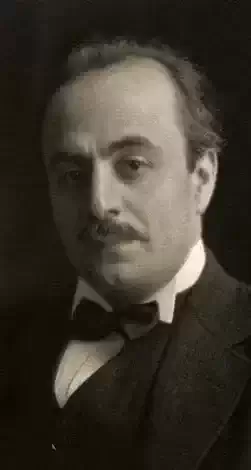
Khalil Gibran
Vision X
Vision X
There in the middle of the field, by the side of a crystalline stream, I saw a bird-cage
whose rods and hinges were fashioned by an expert's hands. In one corner lay a dead
bird, and in another were two basins -- one empty of water and the other of seeds. I
stood there reverently, as if the lifeless bird and the murmur of the water were worthy
of deep silence and respect -- something worth of examination and meditation by the
heard and conscience.
As I engrossed myself in view and thought, I found that the poor creature had died of
thirst beside a stream of water, and of hunger in the midst of a rich field, cradle of life;
like a rich man locked inside his iron safe, perishing from hunger amid heaps of gold.
Before my eyes I saw the cage turned suddenly into a human skeleton, and the dead
bird into a man's heart which was bleeding from a deep wound that looked like the lips
of a sorrowing woman. A voice came from that wound saying, "I am the human heart,
prisoner of substance and victim of earthly laws.
"In God's field of Beauty, at the edge of the stream of life, I was imprisoned in the cage
of laws made by man.
"In the center of beautiful Creation I died neglected because I was kept from enjoying
the freedom of God's bounty.
"Everything of beauty that awakens my love and desire is a disgrace, according to
man's conceptions; everything of goodness that I crave is but naught, according to his
judgment.
"I am the lost human heart, imprisoned in the foul dungeon of man's dictates, tied with
chains of earthly authority, dead and forgotten by laughing humanity whose tongue is
tied and whose eyes are empty of visible tears."
All these words I heard, and I saw them emerging with a stream of ever thinning blood
from that wounded heart.
More was said, but my misted eyes and crying should prevented further sight or
hearing.
There in the middle of the field, by the side of a crystalline stream, I saw a bird-cage
whose rods and hinges were fashioned by an expert's hands. In one corner lay a dead
bird, and in another were two basins -- one empty of water and the other of seeds. I
stood there reverently, as if the lifeless bird and the murmur of the water were worthy
of deep silence and respect -- something worth of examination and meditation by the
heard and conscience.
As I engrossed myself in view and thought, I found that the poor creature had died of
thirst beside a stream of water, and of hunger in the midst of a rich field, cradle of life;
like a rich man locked inside his iron safe, perishing from hunger amid heaps of gold.
Before my eyes I saw the cage turned suddenly into a human skeleton, and the dead
bird into a man's heart which was bleeding from a deep wound that looked like the lips
of a sorrowing woman. A voice came from that wound saying, "I am the human heart,
prisoner of substance and victim of earthly laws.
"In God's field of Beauty, at the edge of the stream of life, I was imprisoned in the cage
of laws made by man.
"In the center of beautiful Creation I died neglected because I was kept from enjoying
the freedom of God's bounty.
"Everything of beauty that awakens my love and desire is a disgrace, according to
man's conceptions; everything of goodness that I crave is but naught, according to his
judgment.
"I am the lost human heart, imprisoned in the foul dungeon of man's dictates, tied with
chains of earthly authority, dead and forgotten by laughing humanity whose tongue is
tied and whose eyes are empty of visible tears."
All these words I heard, and I saw them emerging with a stream of ever thinning blood
from that wounded heart.
More was said, but my misted eyes and crying should prevented further sight or
hearing.
360
Khalil Gibran
Two Infants II
Two Infants II
A prince stood on the balcony of his palace addressing a great multitude summoned for
the occasion and said, "Let me offer you and this whole fortunate country my
congratulations upon the birth of a new prince who will carry the name of my noble
family, and of whom you will be justly proud. He is the new bearer of a great and
illustrious ancestry, and upon him depends the brilliant future of this realm. Sing and
be merry!" The voices of the throngs, full of joy and thankfulness, flooded the sky with
exhilarating song, welcoming the new tyrant who would affix the yoke of oppression to
their necks by ruling the weak with bitter authority, and exploiting their bodies and
killing their souls. For that destiny, the people were singing and drinking ecstatically to
the heady of the new Emir.
Another child entered life and that kingdom at the same time. While the crowds were
glorifying the strong and belittling themselves by singing praise to a potential despot,
and while the angels of heaven were weeping over the people's weakness and
servitude, a sick woman was thinking. She lived in an old, deserted hovel and, lying in
her hard bed beside her newly born infant wrapped with ragged swaddles, was starving
to death. She was a penurious and miserable young wife neglected by humanity; her
husband had fallen into the trap of death set by the prince's oppression, leaving a
solitary woman to whom God had sent, that night, a tiny companion to prevent her
from working and sustaining life.
As the mass dispersed and silence was restored to the vicinity, the wretched woman
placed the infant on her lap and looked into his face and wept as if she were to baptize
him with tears. And with a hunger weakened voice she spoke to the child saying, "Why
have you left the spiritual world and come to share with me the bitterness of earthly
life? Why have you deserted the angels and the spacious firmament and come to this
miserable land of humans, filled with agony, oppression, and heartlessness? I have
nothing to give you except tears; will you be nourished on tears instead of milk? I have
no silk clothes to put on you; will my naked, shivering arms give you warmth? The little
animals graze in the pasture and return safely to their shed; and the small birds pick
the seeds and sleep placidly between the branches. But you, my beloved, have naught
save a loving but destitute mother."
Then she took the infant to her withered breast and clasped her arms around him as if
wanting to join the two bodies in one, as before. She lifted her burning eyes slowly
toward heaven and cried, "God! Have mercy on my unfortunate countrymen!"
At that moment the clouds floated from the face of the moon, whose beams penetrated
the transom of that poor home and fell upon two corpses.
A prince stood on the balcony of his palace addressing a great multitude summoned for
the occasion and said, "Let me offer you and this whole fortunate country my
congratulations upon the birth of a new prince who will carry the name of my noble
family, and of whom you will be justly proud. He is the new bearer of a great and
illustrious ancestry, and upon him depends the brilliant future of this realm. Sing and
be merry!" The voices of the throngs, full of joy and thankfulness, flooded the sky with
exhilarating song, welcoming the new tyrant who would affix the yoke of oppression to
their necks by ruling the weak with bitter authority, and exploiting their bodies and
killing their souls. For that destiny, the people were singing and drinking ecstatically to
the heady of the new Emir.
Another child entered life and that kingdom at the same time. While the crowds were
glorifying the strong and belittling themselves by singing praise to a potential despot,
and while the angels of heaven were weeping over the people's weakness and
servitude, a sick woman was thinking. She lived in an old, deserted hovel and, lying in
her hard bed beside her newly born infant wrapped with ragged swaddles, was starving
to death. She was a penurious and miserable young wife neglected by humanity; her
husband had fallen into the trap of death set by the prince's oppression, leaving a
solitary woman to whom God had sent, that night, a tiny companion to prevent her
from working and sustaining life.
As the mass dispersed and silence was restored to the vicinity, the wretched woman
placed the infant on her lap and looked into his face and wept as if she were to baptize
him with tears. And with a hunger weakened voice she spoke to the child saying, "Why
have you left the spiritual world and come to share with me the bitterness of earthly
life? Why have you deserted the angels and the spacious firmament and come to this
miserable land of humans, filled with agony, oppression, and heartlessness? I have
nothing to give you except tears; will you be nourished on tears instead of milk? I have
no silk clothes to put on you; will my naked, shivering arms give you warmth? The little
animals graze in the pasture and return safely to their shed; and the small birds pick
the seeds and sleep placidly between the branches. But you, my beloved, have naught
save a loving but destitute mother."
Then she took the infant to her withered breast and clasped her arms around him as if
wanting to join the two bodies in one, as before. She lifted her burning eyes slowly
toward heaven and cried, "God! Have mercy on my unfortunate countrymen!"
At that moment the clouds floated from the face of the moon, whose beams penetrated
the transom of that poor home and fell upon two corpses.
297
Khalil Gibran
The Widow and Her Son XXI
The Widow and Her Son XXI
Night fell over North Lebanon and snow was covering the villages surrounded by the
Kadeesha Valley, giving the fields and prairies the appearance of a great sheet of
parchment upon which the furious Nature was recording her many deeds. Men came
home from the streets while silence engulfed the night.
In a lone house near those villages lived a woman who sat by her fireside spinning
wool, and at her side was her only child, staring now at the fire and then at his mother.
A terrible roar of thunder shook the house and the little boy shook with fright. He threw
his arms about his mother, seeking protection from Nature in her affection. She took
him to her bosom and kissed him; then she say him on her lap and said, "Do not fear,
my son, for Nature is but comparing her great power to man's weakness. There is a
Supreme Being beyond the falling snow and the heavy clouds and the blowing wind,
and He knows the needs of the earth, for He made it; and He looks upon the weak with
merciful eyes.
"Be brave, my boy. Nature smiles in Spring and laughs in Summer and yawns in
Autumn, but now she is weeping; and with her tears she waters life, hidden under the
earth.
"Sleep, my dear child; your father is viewing us from Eternity. The snow and thunder
bring us closer to him at this time.
"Sleep, my beloved, for this white blanket which makes us cold, keeps the seeds warm,
and these war-like things will produce beautiful flowers when Nisan comes.
"Thus, my child, man cannot reap love until after sad and revealing separation, and
bitter patience, and desperate hardship. Sleep, my little boy; sweet dreams will find
your soul who is unafraid of the terrible darkness of night and the biting frost."
The little boy looked upon his mother with sleep-laden eyes and said, "Mother, my eyes
are heavy, but I cannot go to bed without saying my prayer."
The woman looked at his angelic face, her vision blurred by misted eyes, and said,
"Repeat with me, my boy - 'God, have mercy on the poor and protect them from the
winter; warm their thin-clad bodies with Thy merciful hands; look upon the orphans
who are sleeping in wretched houses, suffering from hunger and cold. Hear, oh Lord,
the call of widows who are helpless and shivering with fear for their young. Open, oh
Lord, the hearts of all humans, that they may see the misery of the weak. Have mercy
upon the sufferers who knock on doors, and lead the wayfarers into warm places.
Watch, oh Lord, over the little birds and protect the trees and fields from the anger of
the storm; for Thou art merciful and full of love.'"
As Slumber captured the boy's spirit, his mother placed him in the bed and kissed his
eyes with quivering lips. Then she went back and sat by the hearth, spinning the wool
to make him raiment.
Night fell over North Lebanon and snow was covering the villages surrounded by the
Kadeesha Valley, giving the fields and prairies the appearance of a great sheet of
parchment upon which the furious Nature was recording her many deeds. Men came
home from the streets while silence engulfed the night.
In a lone house near those villages lived a woman who sat by her fireside spinning
wool, and at her side was her only child, staring now at the fire and then at his mother.
A terrible roar of thunder shook the house and the little boy shook with fright. He threw
his arms about his mother, seeking protection from Nature in her affection. She took
him to her bosom and kissed him; then she say him on her lap and said, "Do not fear,
my son, for Nature is but comparing her great power to man's weakness. There is a
Supreme Being beyond the falling snow and the heavy clouds and the blowing wind,
and He knows the needs of the earth, for He made it; and He looks upon the weak with
merciful eyes.
"Be brave, my boy. Nature smiles in Spring and laughs in Summer and yawns in
Autumn, but now she is weeping; and with her tears she waters life, hidden under the
earth.
"Sleep, my dear child; your father is viewing us from Eternity. The snow and thunder
bring us closer to him at this time.
"Sleep, my beloved, for this white blanket which makes us cold, keeps the seeds warm,
and these war-like things will produce beautiful flowers when Nisan comes.
"Thus, my child, man cannot reap love until after sad and revealing separation, and
bitter patience, and desperate hardship. Sleep, my little boy; sweet dreams will find
your soul who is unafraid of the terrible darkness of night and the biting frost."
The little boy looked upon his mother with sleep-laden eyes and said, "Mother, my eyes
are heavy, but I cannot go to bed without saying my prayer."
The woman looked at his angelic face, her vision blurred by misted eyes, and said,
"Repeat with me, my boy - 'God, have mercy on the poor and protect them from the
winter; warm their thin-clad bodies with Thy merciful hands; look upon the orphans
who are sleeping in wretched houses, suffering from hunger and cold. Hear, oh Lord,
the call of widows who are helpless and shivering with fear for their young. Open, oh
Lord, the hearts of all humans, that they may see the misery of the weak. Have mercy
upon the sufferers who knock on doors, and lead the wayfarers into warm places.
Watch, oh Lord, over the little birds and protect the trees and fields from the anger of
the storm; for Thou art merciful and full of love.'"
As Slumber captured the boy's spirit, his mother placed him in the bed and kissed his
eyes with quivering lips. Then she went back and sat by the hearth, spinning the wool
to make him raiment.
347
Khalil Gibran
The Farewell XXVIII
The Farewell XXVIII
And now it was evening.
And Almitra the seeress said, "Blessed be this day and this place and your spirit that
has spoken."
And he answered, Was it I who spoke? Was I not also a listener?
Then he descended the steps of the Temple and all the people followed him. And he
reached his ship and stood upon the deck.
And facing the people again, he raised his voice and said:
People of Orphalese, the wind bids me leave you.
Less hasty am I than the wind, yet I must go.
We wanderers, ever seeking the lonelier way, begin no day where we have ended
another day; and no sunrise finds us where sunset left us.
Even while the earth sleeps we travel.
We are the seeds of the tenacious plant, and it is in our ripeness and our fullness of
heart that we are given to the wind and are scattered.
Brief were my days among you, and briefer still the words I have spoken.
But should my voice fade in your ears, and my love vanish in your memory, then I will
come again,
And with a richer heart and lips more yielding to the spirit will I speak.
Yea, I shall return with the tide,
And though death may hide me, and the greater silence enfold me, yet again will I
seek your understanding.
And not in vain will I seek.
If aught I have said is truth, that truth shall reveal itself in a clearer voice, and in
words more kin to your thoughts.
I go with the wind, people of Orphalese, but not down into emptiness;
And if this day is not a fulfillment of your needs and my love, then let it be a promise
till another day. Know therefore, that from the greater silence I shall return.
The mist that drifts away at dawn, leaving but dew in the fields, shall rise and gather
into a cloud and then fall down in rain.
And not unlike the mist have I been.
In the stillness of the night I have walked in your streets, and my spirit has entered
your houses,
And your heart-beats were in my heart, and your breath was upon my face, and I knew
you all.
Ay, I knew your joy and your pain, and in your sleep your dreams were my dreams.
And oftentimes I was among you a lake among the mountains.
I mirrored the summits in you and the bending slopes, and even the passing flocks of
your thoughts and your desires.
And to my silence came the laughter of your children in streams, and the longing of
your youths in rivers.
And when they reached my depth the streams and the rivers ceased not yet to sing.
But sweeter still than laughter and greater than longing came to me.
It was boundless in you;
The vast man in whom you are all but cells and sinews;
He in whose chant all your singing is but a soundless throbbing.
It is in the vast man that you are vast,
And in beholding him that I beheld you and loved you.
For what distances can love reach that are not in that vast sphere?
What visions, what expectations and what presumptions can outsoar that flight?
Like a giant oak tree covered with apple blossoms is the vast man in you.
His mind binds you to the earth, his fragrance lifts you into space, and in his durability
you are deathless.
You have been told that, even like a chain, you are as weak as your weakest link.
This is but half the truth. You are also as strong as your strongest link.
To measure you by your smallest deed is to reckon the power of ocean by the frailty of
its foam.
To judge you by your failures is to cast blame upon the seasons for their inconsistency.
Ay, you are like an ocean,
And though heavy-grounded ships await the tide upon your shores, yet, even like an
ocean, you cannot hasten your tides.
And like the seasons you are also,
And though in your winter you deny your spring,
Yet spring, reposing within you, smiles in her drowsiness and is not offended.
Think not I say these things in order that you may say the one to the other, "He
praised us well. He saw but the good in us."
I only speak to you in words of that which you yourselves know in thought.
And what is word knowledge but a shadow of wordless knowledge?
Your thoughts and my words are waves from a sealed memory that keeps records of
our yesterdays,
And of the ancient days when the earth knew not us nor herself,
And of nights when earth was upwrought with confusion,
Wise men have come to you to give you of their wisdom. I came to take of your
wisdom:
And behold I have found that which is greater than wisdom.
It is a flame spirit in you ever gathering more of itself,
While you, heedless of its expansion, bewail the withering of your days.
It is life in quest of life in bodies that fear the grave.
There are no graves here.
These mountains and plains are a cradle and a stepping-stone.
Whenever you pass by the field where you have laid your ancestors look well
thereupon, and you shall see yourselves and your children dancing hand in hand.
Verily you often make merry without knowing.
Others have come to you to whom for golden promises made unto your faith you have
given but riches and power and glory.
Less than a promise have I given, and yet more generous have you been to me.
You have given me deeper thirsting after life.
Surely there is no greater gift to a man than that which turns all his aims into parching
lips and all life into a fountain.
And in this lies my honour and my reward, -
That whenever I come to the fountain to drink I find the living water itself thirsty;
And it drinks me while I drink it.
Some of you have deemed me proud and over-shy to receive gifts.
To proud indeed am I to receive wages, but not gifts.
And though I have eaten berries among the hill when you would have had me sit at
your board,
And slept in the portico of the temple where you would gladly have sheltered me,
Yet was it not your loving mindfulness of my days and my nights that made food sweet
to my mouth and girdled my sleep with visions?
For this I bless you most:
You give much and know not that you give at all.
Verily the kindness that gazes upon itself in a mirror turns to stone,
And a good deed that calls itself by tender names becomes the parent to a curse.
And some of you have called me aloof, and drunk with my own aloneness,
And you have said, "He holds council with the trees of the forest, but not with men.
He sits alone on hill-tops and looks down upon our city."
True it is that I have climbed the hills and walked in remote places.
How could I have seen you save from a great height or a great distance?
How can one be indeed near unless he be far?
And others among you called unto me, not in words, and they said,
Stranger, stranger, lover of unreachable heights, why dwell you among the summits
where eagles build their nests?
Why seek you the unattainable?
What storms would you trap in your net,
And what vaporous birds do you hunt in the sky?
Come and be one of us.
Descend and appease your hunger with our bread and quench your thirst with our
wine."
In the solitude of their souls they said these things;
But were their solitude deeper they would have known that I sought but the secret of
your joy and your pain,
And I hunted only your larger selves that walk the sky.
But the hunter was also the hunted:
For many of my arrows left my bow only to seek my own breast.
And the flier was also the creeper;
For when my wings were spread in the sun their shadow upon the earth was a turtle.
And I the believer was also the doubter;
For often have I put my finger in my own wound that I might have the greater belief in
you and the greater knowledge of you.
And it is with this belief and this knowledge that I say,
You are not enclosed within your bodies, nor confined to houses or fields.
That which is you dwells above the mountain and roves with the wind.
It is not a thing that crawls into the sun for warmth or digs holes into darkness for
safety,
But a thing free, a spirit that envelops the earth and moves in the ether.
If this be vague words, then seek not to clear them.
Vague and nebulous is the beginning of all things, but not their end,
And I fain would have you remember me as a beginning.
Life, and all that lives, is conceived in the mist and not in the crystal.
And who knows but a crystal is mist in decay?
This would I have you remember in remembering me:
That which seems most feeble and bewildered in you is the strongest and most
determined.
Is it not your breath that has erected and hardened the structure of your bones?
And is it not a dream which none of you remember having dreamt that building your
city and fashioned all there is in it?
Could you but see the tides of that breath you would cease to see all else,
And if you could hear the whispering of the dream you would hear no other sound.
But you do not see, nor do you hear, and it is well.
The veil that clouds your eyes shall be lifted by the hands that wove it,
And the clay that fills your ears shall be pierced by those fingers that kneaded it.
And you shall see
And you shall hear.
Yet you shall not deplore having known blindness, nor regret having been deaf.
For in that day you shall know the hidden purposes in all things,
And you shall bless darkness as you would bless light.
After saying these things he looked about him, and he saw the pilot of his ship standing
by the helm and gazing now at the full sails and now at the distance.
And he said:
Patient, over-patient, is the captain of my ship.
The wind blows, and restless are the sails;
Even the rudder begs direction;
Yet quietly my captain awaits my silence.
And these my mariners, who have heard the choir of the greater sea, they too have
heard me patiently.
Now they shall wait no longer.
I am ready.
The stream has reached the sea, and once more the great mother holds her son
against her breast.
Fare you well, people of Orphalese.
This day has ended.
It is closing upon us even as the water-lily upon its own tomorrow.
What was given us here we shall keep,
And if it suffices not, then again must we come together and together stretch our
hands unto the giver.
Forget not that I shall come back to you.
A little while, and my longing shall gather dust and foam for another body.
A little while, a moment of rest upon the wind, and another woman shall bear me.
Farewell to you and the youth I have spent with you.
It was but yesterday we met in a dream.
You have sung to me in my aloneness, and I of your longings have built a tower in the
sky.
But now our sleep has fled and our dream is over, and it is no longer dawn.
The noontide is upon us and our half waking has turned to fuller day, and we must
part.
If in the twilight of memory we should meet once more, we shall speak again together
and you shall sing to me a deeper song.
And if our hands should meet in another dream, we shall build another tower in the
sky.
So saying he made a signal to the seamen, and straightaway they weighed anchor and
cast the ship loose from its moorings, and they moved eastward.
And a cry came from the people as from a single heart, and it rose the dusk and was
carried out over the sea like a great trumpeting.
Only Almitra was silent, gazing after the ship until it had vanished into the mist.
And when all the people were dispersed she still stood alone upon the sea-wall,
remembering in her heart his saying,
A little while, a moment of rest upon the wind, and another woman shall bear me."
And now it was evening.
And Almitra the seeress said, "Blessed be this day and this place and your spirit that
has spoken."
And he answered, Was it I who spoke? Was I not also a listener?
Then he descended the steps of the Temple and all the people followed him. And he
reached his ship and stood upon the deck.
And facing the people again, he raised his voice and said:
People of Orphalese, the wind bids me leave you.
Less hasty am I than the wind, yet I must go.
We wanderers, ever seeking the lonelier way, begin no day where we have ended
another day; and no sunrise finds us where sunset left us.
Even while the earth sleeps we travel.
We are the seeds of the tenacious plant, and it is in our ripeness and our fullness of
heart that we are given to the wind and are scattered.
Brief were my days among you, and briefer still the words I have spoken.
But should my voice fade in your ears, and my love vanish in your memory, then I will
come again,
And with a richer heart and lips more yielding to the spirit will I speak.
Yea, I shall return with the tide,
And though death may hide me, and the greater silence enfold me, yet again will I
seek your understanding.
And not in vain will I seek.
If aught I have said is truth, that truth shall reveal itself in a clearer voice, and in
words more kin to your thoughts.
I go with the wind, people of Orphalese, but not down into emptiness;
And if this day is not a fulfillment of your needs and my love, then let it be a promise
till another day. Know therefore, that from the greater silence I shall return.
The mist that drifts away at dawn, leaving but dew in the fields, shall rise and gather
into a cloud and then fall down in rain.
And not unlike the mist have I been.
In the stillness of the night I have walked in your streets, and my spirit has entered
your houses,
And your heart-beats were in my heart, and your breath was upon my face, and I knew
you all.
Ay, I knew your joy and your pain, and in your sleep your dreams were my dreams.
And oftentimes I was among you a lake among the mountains.
I mirrored the summits in you and the bending slopes, and even the passing flocks of
your thoughts and your desires.
And to my silence came the laughter of your children in streams, and the longing of
your youths in rivers.
And when they reached my depth the streams and the rivers ceased not yet to sing.
But sweeter still than laughter and greater than longing came to me.
It was boundless in you;
The vast man in whom you are all but cells and sinews;
He in whose chant all your singing is but a soundless throbbing.
It is in the vast man that you are vast,
And in beholding him that I beheld you and loved you.
For what distances can love reach that are not in that vast sphere?
What visions, what expectations and what presumptions can outsoar that flight?
Like a giant oak tree covered with apple blossoms is the vast man in you.
His mind binds you to the earth, his fragrance lifts you into space, and in his durability
you are deathless.
You have been told that, even like a chain, you are as weak as your weakest link.
This is but half the truth. You are also as strong as your strongest link.
To measure you by your smallest deed is to reckon the power of ocean by the frailty of
its foam.
To judge you by your failures is to cast blame upon the seasons for their inconsistency.
Ay, you are like an ocean,
And though heavy-grounded ships await the tide upon your shores, yet, even like an
ocean, you cannot hasten your tides.
And like the seasons you are also,
And though in your winter you deny your spring,
Yet spring, reposing within you, smiles in her drowsiness and is not offended.
Think not I say these things in order that you may say the one to the other, "He
praised us well. He saw but the good in us."
I only speak to you in words of that which you yourselves know in thought.
And what is word knowledge but a shadow of wordless knowledge?
Your thoughts and my words are waves from a sealed memory that keeps records of
our yesterdays,
And of the ancient days when the earth knew not us nor herself,
And of nights when earth was upwrought with confusion,
Wise men have come to you to give you of their wisdom. I came to take of your
wisdom:
And behold I have found that which is greater than wisdom.
It is a flame spirit in you ever gathering more of itself,
While you, heedless of its expansion, bewail the withering of your days.
It is life in quest of life in bodies that fear the grave.
There are no graves here.
These mountains and plains are a cradle and a stepping-stone.
Whenever you pass by the field where you have laid your ancestors look well
thereupon, and you shall see yourselves and your children dancing hand in hand.
Verily you often make merry without knowing.
Others have come to you to whom for golden promises made unto your faith you have
given but riches and power and glory.
Less than a promise have I given, and yet more generous have you been to me.
You have given me deeper thirsting after life.
Surely there is no greater gift to a man than that which turns all his aims into parching
lips and all life into a fountain.
And in this lies my honour and my reward, -
That whenever I come to the fountain to drink I find the living water itself thirsty;
And it drinks me while I drink it.
Some of you have deemed me proud and over-shy to receive gifts.
To proud indeed am I to receive wages, but not gifts.
And though I have eaten berries among the hill when you would have had me sit at
your board,
And slept in the portico of the temple where you would gladly have sheltered me,
Yet was it not your loving mindfulness of my days and my nights that made food sweet
to my mouth and girdled my sleep with visions?
For this I bless you most:
You give much and know not that you give at all.
Verily the kindness that gazes upon itself in a mirror turns to stone,
And a good deed that calls itself by tender names becomes the parent to a curse.
And some of you have called me aloof, and drunk with my own aloneness,
And you have said, "He holds council with the trees of the forest, but not with men.
He sits alone on hill-tops and looks down upon our city."
True it is that I have climbed the hills and walked in remote places.
How could I have seen you save from a great height or a great distance?
How can one be indeed near unless he be far?
And others among you called unto me, not in words, and they said,
Stranger, stranger, lover of unreachable heights, why dwell you among the summits
where eagles build their nests?
Why seek you the unattainable?
What storms would you trap in your net,
And what vaporous birds do you hunt in the sky?
Come and be one of us.
Descend and appease your hunger with our bread and quench your thirst with our
wine."
In the solitude of their souls they said these things;
But were their solitude deeper they would have known that I sought but the secret of
your joy and your pain,
And I hunted only your larger selves that walk the sky.
But the hunter was also the hunted:
For many of my arrows left my bow only to seek my own breast.
And the flier was also the creeper;
For when my wings were spread in the sun their shadow upon the earth was a turtle.
And I the believer was also the doubter;
For often have I put my finger in my own wound that I might have the greater belief in
you and the greater knowledge of you.
And it is with this belief and this knowledge that I say,
You are not enclosed within your bodies, nor confined to houses or fields.
That which is you dwells above the mountain and roves with the wind.
It is not a thing that crawls into the sun for warmth or digs holes into darkness for
safety,
But a thing free, a spirit that envelops the earth and moves in the ether.
If this be vague words, then seek not to clear them.
Vague and nebulous is the beginning of all things, but not their end,
And I fain would have you remember me as a beginning.
Life, and all that lives, is conceived in the mist and not in the crystal.
And who knows but a crystal is mist in decay?
This would I have you remember in remembering me:
That which seems most feeble and bewildered in you is the strongest and most
determined.
Is it not your breath that has erected and hardened the structure of your bones?
And is it not a dream which none of you remember having dreamt that building your
city and fashioned all there is in it?
Could you but see the tides of that breath you would cease to see all else,
And if you could hear the whispering of the dream you would hear no other sound.
But you do not see, nor do you hear, and it is well.
The veil that clouds your eyes shall be lifted by the hands that wove it,
And the clay that fills your ears shall be pierced by those fingers that kneaded it.
And you shall see
And you shall hear.
Yet you shall not deplore having known blindness, nor regret having been deaf.
For in that day you shall know the hidden purposes in all things,
And you shall bless darkness as you would bless light.
After saying these things he looked about him, and he saw the pilot of his ship standing
by the helm and gazing now at the full sails and now at the distance.
And he said:
Patient, over-patient, is the captain of my ship.
The wind blows, and restless are the sails;
Even the rudder begs direction;
Yet quietly my captain awaits my silence.
And these my mariners, who have heard the choir of the greater sea, they too have
heard me patiently.
Now they shall wait no longer.
I am ready.
The stream has reached the sea, and once more the great mother holds her son
against her breast.
Fare you well, people of Orphalese.
This day has ended.
It is closing upon us even as the water-lily upon its own tomorrow.
What was given us here we shall keep,
And if it suffices not, then again must we come together and together stretch our
hands unto the giver.
Forget not that I shall come back to you.
A little while, and my longing shall gather dust and foam for another body.
A little while, a moment of rest upon the wind, and another woman shall bear me.
Farewell to you and the youth I have spent with you.
It was but yesterday we met in a dream.
You have sung to me in my aloneness, and I of your longings have built a tower in the
sky.
But now our sleep has fled and our dream is over, and it is no longer dawn.
The noontide is upon us and our half waking has turned to fuller day, and we must
part.
If in the twilight of memory we should meet once more, we shall speak again together
and you shall sing to me a deeper song.
And if our hands should meet in another dream, we shall build another tower in the
sky.
So saying he made a signal to the seamen, and straightaway they weighed anchor and
cast the ship loose from its moorings, and they moved eastward.
And a cry came from the people as from a single heart, and it rose the dusk and was
carried out over the sea like a great trumpeting.
Only Almitra was silent, gazing after the ship until it had vanished into the mist.
And when all the people were dispersed she still stood alone upon the sea-wall,
remembering in her heart his saying,
A little while, a moment of rest upon the wind, and another woman shall bear me."
383
Khalil Gibran
The Life of Love XVI
The Life of Love XVI
Spring
Come, my beloved; let us walk amidst the knolls,
For the snow is water, and Life is alive from its
Slumber and is roaming the hills and valleys.
Let us follow the footprints of Spring into the
Distant fields, and mount the hilltops to draw
Inspiration high above the cool green plains.
Dawn of Spring has unfolded her winter-kept garment
And placed it on the peach and citrus trees; and
They appear as brides in the ceremonial custom of
the Night of Kedre.
The sprigs of grapevine embrace each other like
Sweethearts, and the brooks burst out in dance
Between the rocks, repeating the song of joy;
And the flowers bud suddenly from the heart of
Nature, like foam from the rich heart of the sea.
Come, my beloved; let us drink the last of Winter's
Tears from the cupped lilies, and soothe our spirits
With the shower of notes from the birds, and wander
In exhilaration through the intoxicating breeze.
Let us sit by that rock, where violets hide; let us
Pursue their exchange of the sweetness of kisses.
Summer
Let us go into the fields, my beloved, for the
Time of harvest approaches, and the sun's eyes
Are ripening the grain.
Let us tend the fruit of the earth, as the
Spirit nourishes the grains of Joy from the
Seeds of Love, sowed deep in our hearts.
Let us fill our bins with the products of
Nature, as life fills so abundantly the
Domain of our hearts with her endless bounty.
Let us make the flowers our bed, and the
Sky our blanket, and rest our heads together
Upon pillows of soft hay.
Let us relax after the day's toil, and listen
To the provoking murmur of the brook.
Autumn
Let us go and gather grapes in the vineyard
For the winepress, and keep the wine in old
Vases, as the spirit keeps Knowledge of the
Ages in eternal vessels.
Let us return to our dwelling, for the wind has
Caused the yellow leaves to fall and shroud the
Withering flowers that whisper elegy to Summer.
Come home, my eternal sweetheart, for the birds
Have made pilgrimage to warmth and lest the chilled
Prairies suffering pangs of solitude. The jasmine
And myrtle have no more tears.
Let us retreat, for the tired brook has
Ceased its song; and the bubblesome springs
Are drained of their copious weeping; and
Their cautious old hills have stored away
Their colorful garments.
Come, my beloved; Nature is justly weary
And is bidding her enthusiasm farewell
With quiet and contented melody.
Winter
Come close to me, oh companion of my full life;
Come close to me and let not Winter's touch
Enter between us. Sit by me before the hearth,
For fire is the only fruit of Winter.
Speak to me of the glory of your heart, for
That is greater than the shrieking elements
Beyond our door.
Bind the door and seal the transoms, for the
Angry countenance of the heaven depresses my
Spirit, and the face of our snow-laden fields
Makes my soul cry.
Feed the lamp with oil and let it not dim, and
Place it by you, so I can read with tears what
Your life with me has written upon your face.
Bring Autumn's wine. Let us drink and sing the
Song of remembrance to Spring's carefree sowing,
And Summer's watchful tending, and Autumn's
Reward in harvest.
Come close to me, oh beloved of my soul; the
Fire is cooling and fleeing under the ashes.
Embrace me, for I fear loneliness; the lamp is
Dim, and the wine which we pressed is closing
Our eyes. Let us look upon each other before
They are shut.
Find me with your arms and embrace me; let
Slumber then embrace our souls as one.
Kiss me, my beloved, for Winter has stolen
All but our moving lips.
You are close by me, My Forever.
How deep and wide will be the ocean of Slumber,
And how recent was the dawn!
Spring
Come, my beloved; let us walk amidst the knolls,
For the snow is water, and Life is alive from its
Slumber and is roaming the hills and valleys.
Let us follow the footprints of Spring into the
Distant fields, and mount the hilltops to draw
Inspiration high above the cool green plains.
Dawn of Spring has unfolded her winter-kept garment
And placed it on the peach and citrus trees; and
They appear as brides in the ceremonial custom of
the Night of Kedre.
The sprigs of grapevine embrace each other like
Sweethearts, and the brooks burst out in dance
Between the rocks, repeating the song of joy;
And the flowers bud suddenly from the heart of
Nature, like foam from the rich heart of the sea.
Come, my beloved; let us drink the last of Winter's
Tears from the cupped lilies, and soothe our spirits
With the shower of notes from the birds, and wander
In exhilaration through the intoxicating breeze.
Let us sit by that rock, where violets hide; let us
Pursue their exchange of the sweetness of kisses.
Summer
Let us go into the fields, my beloved, for the
Time of harvest approaches, and the sun's eyes
Are ripening the grain.
Let us tend the fruit of the earth, as the
Spirit nourishes the grains of Joy from the
Seeds of Love, sowed deep in our hearts.
Let us fill our bins with the products of
Nature, as life fills so abundantly the
Domain of our hearts with her endless bounty.
Let us make the flowers our bed, and the
Sky our blanket, and rest our heads together
Upon pillows of soft hay.
Let us relax after the day's toil, and listen
To the provoking murmur of the brook.
Autumn
Let us go and gather grapes in the vineyard
For the winepress, and keep the wine in old
Vases, as the spirit keeps Knowledge of the
Ages in eternal vessels.
Let us return to our dwelling, for the wind has
Caused the yellow leaves to fall and shroud the
Withering flowers that whisper elegy to Summer.
Come home, my eternal sweetheart, for the birds
Have made pilgrimage to warmth and lest the chilled
Prairies suffering pangs of solitude. The jasmine
And myrtle have no more tears.
Let us retreat, for the tired brook has
Ceased its song; and the bubblesome springs
Are drained of their copious weeping; and
Their cautious old hills have stored away
Their colorful garments.
Come, my beloved; Nature is justly weary
And is bidding her enthusiasm farewell
With quiet and contented melody.
Winter
Come close to me, oh companion of my full life;
Come close to me and let not Winter's touch
Enter between us. Sit by me before the hearth,
For fire is the only fruit of Winter.
Speak to me of the glory of your heart, for
That is greater than the shrieking elements
Beyond our door.
Bind the door and seal the transoms, for the
Angry countenance of the heaven depresses my
Spirit, and the face of our snow-laden fields
Makes my soul cry.
Feed the lamp with oil and let it not dim, and
Place it by you, so I can read with tears what
Your life with me has written upon your face.
Bring Autumn's wine. Let us drink and sing the
Song of remembrance to Spring's carefree sowing,
And Summer's watchful tending, and Autumn's
Reward in harvest.
Come close to me, oh beloved of my soul; the
Fire is cooling and fleeing under the ashes.
Embrace me, for I fear loneliness; the lamp is
Dim, and the wine which we pressed is closing
Our eyes. Let us look upon each other before
They are shut.
Find me with your arms and embrace me; let
Slumber then embrace our souls as one.
Kiss me, my beloved, for Winter has stolen
All but our moving lips.
You are close by me, My Forever.
How deep and wide will be the ocean of Slumber,
And how recent was the dawn!
421
Khalil Gibran
The Beauty of Death XIV
The Beauty of Death XIV
Part One - The Calling
Let me sleep, for my soul is intoxicated with love and
Let me rest, for my spirit has had its bounty of days and nights;
Light the candles and burn the incense around my bed, and
Scatter leaves of jasmine and roses over my body;
Embalm my hair with frankincense and sprinkle my feet with perfume,
And read what the hand of Death has written on my forehead.
Let me rest in the arms of Slumber, for my open eyes are tired;
Let the silver-stringed lyre quiver and soothe my spirit;
Weave from the harp and lute a veil around my withering heart.
Sing of the past as you behold the dawn of hope in my eyes, for
It's magic meaning is a soft bed upon which my heart rests.
Dry your tears, my friends, and raise your heads as the flowers
Raise their crowns to greet the dawn.
Look at the bride of Death standing like a column of light
Between my bed and the infinite;
Hold your breath and listen with me to the beckoning rustle of
Her white wings.
Come close and bid me farewell; touch my eyes with smiling lips.
Let the children grasp my hands with soft and rosy fingers;
Let the ages place their veined hands upon my head and bless me;
Let the virgins come close and see the shadow of God in my eyes,
And hear the echo of His will racing with my breath.
Part Two - The Ascending
I have passed a mountain peak and my soul is soaring in the
Firmament of complete and unbound freedom;
I am far, far away, my companions, and the clouds are
Hiding the hills from my eyes.
The valleys are becoming flooded with an ocean of silence, and the
Hands of oblivion are engulfing the roads and the houses;
The prairies and fields are disappearing behind a white specter
That looks like the spring cloud, yellow as the candlelight
And red as the twilight.
The songs of the waves and the hymns of the streams
Are scattered, and the voices of the throngs reduced to silence;
And I can hear naught but the music of Eternity
In exact harmony with the spirit's desires.
I am cloaked in full whiteness;
I am in comfort; I am in peace.
Part Three - The Remains
Unwrap me from this white linen shroud and clothe me
With leaves of jasmine and lilies;
Take my body from the ivory casket and let it rest
Upon pillows of orange blossoms.
Lament me not, but sing songs of youth and joy;
Shed not tears upon me, but sing of harvest and the winepress;
Utter no sigh of agony, but draw upon my face with your
Finger the symbol of Love and Joy.
Disturb not the air's tranquility with chanting and requiems,
But let your hearts sing with me the song of Eternal Life;
Mourn me not with apparel of black,
But dress in color and rejoice with me;
Talk not of my departure with sighs in your hearts; close
Your eyes and you will see me with you forevermore.
Place me upon clusters of leaves and
Carry my upon your friendly shoulders and
Walk slowly to the deserted forest.
Take me not to the crowded burying ground lest my slumber
Be disrupted by the rattling of bones and skulls.
Carry me to the cypress woods and dig my grave where violets
And poppies grow not in the other's shadow;
Let my grave be deep so that the flood will not
Carry my bones to the open valley;
Let my grace be wide, so that the twilight shadows
Will come and sit by me.
Take from me all earthly raiment and place me deep in my
Mother Earth; and place me with care upon my mother's breast.
Cover me with soft earth, and let each handful be mixed
With seeds of jasmine, lilies and myrtle; and when they
Grow above me, and thrive on my body's element they will
Breathe the fragrance of my heart into space;
And reveal even to the sun the secret of my peace;
And sail with the breeze and comfort the wayfarer.
Leave me then, friends - leave me and depart on mute feet,
As the silence walks in the deserted valley;
Leave me to God and disperse yourselves slowly, as the almond
And apple blossoms disperse under the vibration of Nisan's breeze.
Go back to the joy of your dwellings and you will find there
That which Death cannot remove from you and me.
Leave with place, for what you see here is far away in meaning
From the earthly world. Leave me.
Part One - The Calling
Let me sleep, for my soul is intoxicated with love and
Let me rest, for my spirit has had its bounty of days and nights;
Light the candles and burn the incense around my bed, and
Scatter leaves of jasmine and roses over my body;
Embalm my hair with frankincense and sprinkle my feet with perfume,
And read what the hand of Death has written on my forehead.
Let me rest in the arms of Slumber, for my open eyes are tired;
Let the silver-stringed lyre quiver and soothe my spirit;
Weave from the harp and lute a veil around my withering heart.
Sing of the past as you behold the dawn of hope in my eyes, for
It's magic meaning is a soft bed upon which my heart rests.
Dry your tears, my friends, and raise your heads as the flowers
Raise their crowns to greet the dawn.
Look at the bride of Death standing like a column of light
Between my bed and the infinite;
Hold your breath and listen with me to the beckoning rustle of
Her white wings.
Come close and bid me farewell; touch my eyes with smiling lips.
Let the children grasp my hands with soft and rosy fingers;
Let the ages place their veined hands upon my head and bless me;
Let the virgins come close and see the shadow of God in my eyes,
And hear the echo of His will racing with my breath.
Part Two - The Ascending
I have passed a mountain peak and my soul is soaring in the
Firmament of complete and unbound freedom;
I am far, far away, my companions, and the clouds are
Hiding the hills from my eyes.
The valleys are becoming flooded with an ocean of silence, and the
Hands of oblivion are engulfing the roads and the houses;
The prairies and fields are disappearing behind a white specter
That looks like the spring cloud, yellow as the candlelight
And red as the twilight.
The songs of the waves and the hymns of the streams
Are scattered, and the voices of the throngs reduced to silence;
And I can hear naught but the music of Eternity
In exact harmony with the spirit's desires.
I am cloaked in full whiteness;
I am in comfort; I am in peace.
Part Three - The Remains
Unwrap me from this white linen shroud and clothe me
With leaves of jasmine and lilies;
Take my body from the ivory casket and let it rest
Upon pillows of orange blossoms.
Lament me not, but sing songs of youth and joy;
Shed not tears upon me, but sing of harvest and the winepress;
Utter no sigh of agony, but draw upon my face with your
Finger the symbol of Love and Joy.
Disturb not the air's tranquility with chanting and requiems,
But let your hearts sing with me the song of Eternal Life;
Mourn me not with apparel of black,
But dress in color and rejoice with me;
Talk not of my departure with sighs in your hearts; close
Your eyes and you will see me with you forevermore.
Place me upon clusters of leaves and
Carry my upon your friendly shoulders and
Walk slowly to the deserted forest.
Take me not to the crowded burying ground lest my slumber
Be disrupted by the rattling of bones and skulls.
Carry me to the cypress woods and dig my grave where violets
And poppies grow not in the other's shadow;
Let my grave be deep so that the flood will not
Carry my bones to the open valley;
Let my grace be wide, so that the twilight shadows
Will come and sit by me.
Take from me all earthly raiment and place me deep in my
Mother Earth; and place me with care upon my mother's breast.
Cover me with soft earth, and let each handful be mixed
With seeds of jasmine, lilies and myrtle; and when they
Grow above me, and thrive on my body's element they will
Breathe the fragrance of my heart into space;
And reveal even to the sun the secret of my peace;
And sail with the breeze and comfort the wayfarer.
Leave me then, friends - leave me and depart on mute feet,
As the silence walks in the deserted valley;
Leave me to God and disperse yourselves slowly, as the almond
And apple blossoms disperse under the vibration of Nisan's breeze.
Go back to the joy of your dwellings and you will find there
That which Death cannot remove from you and me.
Leave with place, for what you see here is far away in meaning
From the earthly world. Leave me.
490
Khalil Gibran
The Beauty of Death XIV
The Beauty of Death XIV
Part One - The Calling
Let me sleep, for my soul is intoxicated with love and
Let me rest, for my spirit has had its bounty of days and nights;
Light the candles and burn the incense around my bed, and
Scatter leaves of jasmine and roses over my body;
Embalm my hair with frankincense and sprinkle my feet with perfume,
And read what the hand of Death has written on my forehead.
Let me rest in the arms of Slumber, for my open eyes are tired;
Let the silver-stringed lyre quiver and soothe my spirit;
Weave from the harp and lute a veil around my withering heart.
Sing of the past as you behold the dawn of hope in my eyes, for
It's magic meaning is a soft bed upon which my heart rests.
Dry your tears, my friends, and raise your heads as the flowers
Raise their crowns to greet the dawn.
Look at the bride of Death standing like a column of light
Between my bed and the infinite;
Hold your breath and listen with me to the beckoning rustle of
Her white wings.
Come close and bid me farewell; touch my eyes with smiling lips.
Let the children grasp my hands with soft and rosy fingers;
Let the ages place their veined hands upon my head and bless me;
Let the virgins come close and see the shadow of God in my eyes,
And hear the echo of His will racing with my breath.
Part Two - The Ascending
I have passed a mountain peak and my soul is soaring in the
Firmament of complete and unbound freedom;
I am far, far away, my companions, and the clouds are
Hiding the hills from my eyes.
The valleys are becoming flooded with an ocean of silence, and the
Hands of oblivion are engulfing the roads and the houses;
The prairies and fields are disappearing behind a white specter
That looks like the spring cloud, yellow as the candlelight
And red as the twilight.
The songs of the waves and the hymns of the streams
Are scattered, and the voices of the throngs reduced to silence;
And I can hear naught but the music of Eternity
In exact harmony with the spirit's desires.
I am cloaked in full whiteness;
I am in comfort; I am in peace.
Part Three - The Remains
Unwrap me from this white linen shroud and clothe me
With leaves of jasmine and lilies;
Take my body from the ivory casket and let it rest
Upon pillows of orange blossoms.
Lament me not, but sing songs of youth and joy;
Shed not tears upon me, but sing of harvest and the winepress;
Utter no sigh of agony, but draw upon my face with your
Finger the symbol of Love and Joy.
Disturb not the air's tranquility with chanting and requiems,
But let your hearts sing with me the song of Eternal Life;
Mourn me not with apparel of black,
But dress in color and rejoice with me;
Talk not of my departure with sighs in your hearts; close
Your eyes and you will see me with you forevermore.
Place me upon clusters of leaves and
Carry my upon your friendly shoulders and
Walk slowly to the deserted forest.
Take me not to the crowded burying ground lest my slumber
Be disrupted by the rattling of bones and skulls.
Carry me to the cypress woods and dig my grave where violets
And poppies grow not in the other's shadow;
Let my grave be deep so that the flood will not
Carry my bones to the open valley;
Let my grace be wide, so that the twilight shadows
Will come and sit by me.
Take from me all earthly raiment and place me deep in my
Mother Earth; and place me with care upon my mother's breast.
Cover me with soft earth, and let each handful be mixed
With seeds of jasmine, lilies and myrtle; and when they
Grow above me, and thrive on my body's element they will
Breathe the fragrance of my heart into space;
And reveal even to the sun the secret of my peace;
And sail with the breeze and comfort the wayfarer.
Leave me then, friends - leave me and depart on mute feet,
As the silence walks in the deserted valley;
Leave me to God and disperse yourselves slowly, as the almond
And apple blossoms disperse under the vibration of Nisan's breeze.
Go back to the joy of your dwellings and you will find there
That which Death cannot remove from you and me.
Leave with place, for what you see here is far away in meaning
From the earthly world. Leave me.
Part One - The Calling
Let me sleep, for my soul is intoxicated with love and
Let me rest, for my spirit has had its bounty of days and nights;
Light the candles and burn the incense around my bed, and
Scatter leaves of jasmine and roses over my body;
Embalm my hair with frankincense and sprinkle my feet with perfume,
And read what the hand of Death has written on my forehead.
Let me rest in the arms of Slumber, for my open eyes are tired;
Let the silver-stringed lyre quiver and soothe my spirit;
Weave from the harp and lute a veil around my withering heart.
Sing of the past as you behold the dawn of hope in my eyes, for
It's magic meaning is a soft bed upon which my heart rests.
Dry your tears, my friends, and raise your heads as the flowers
Raise their crowns to greet the dawn.
Look at the bride of Death standing like a column of light
Between my bed and the infinite;
Hold your breath and listen with me to the beckoning rustle of
Her white wings.
Come close and bid me farewell; touch my eyes with smiling lips.
Let the children grasp my hands with soft and rosy fingers;
Let the ages place their veined hands upon my head and bless me;
Let the virgins come close and see the shadow of God in my eyes,
And hear the echo of His will racing with my breath.
Part Two - The Ascending
I have passed a mountain peak and my soul is soaring in the
Firmament of complete and unbound freedom;
I am far, far away, my companions, and the clouds are
Hiding the hills from my eyes.
The valleys are becoming flooded with an ocean of silence, and the
Hands of oblivion are engulfing the roads and the houses;
The prairies and fields are disappearing behind a white specter
That looks like the spring cloud, yellow as the candlelight
And red as the twilight.
The songs of the waves and the hymns of the streams
Are scattered, and the voices of the throngs reduced to silence;
And I can hear naught but the music of Eternity
In exact harmony with the spirit's desires.
I am cloaked in full whiteness;
I am in comfort; I am in peace.
Part Three - The Remains
Unwrap me from this white linen shroud and clothe me
With leaves of jasmine and lilies;
Take my body from the ivory casket and let it rest
Upon pillows of orange blossoms.
Lament me not, but sing songs of youth and joy;
Shed not tears upon me, but sing of harvest and the winepress;
Utter no sigh of agony, but draw upon my face with your
Finger the symbol of Love and Joy.
Disturb not the air's tranquility with chanting and requiems,
But let your hearts sing with me the song of Eternal Life;
Mourn me not with apparel of black,
But dress in color and rejoice with me;
Talk not of my departure with sighs in your hearts; close
Your eyes and you will see me with you forevermore.
Place me upon clusters of leaves and
Carry my upon your friendly shoulders and
Walk slowly to the deserted forest.
Take me not to the crowded burying ground lest my slumber
Be disrupted by the rattling of bones and skulls.
Carry me to the cypress woods and dig my grave where violets
And poppies grow not in the other's shadow;
Let my grave be deep so that the flood will not
Carry my bones to the open valley;
Let my grace be wide, so that the twilight shadows
Will come and sit by me.
Take from me all earthly raiment and place me deep in my
Mother Earth; and place me with care upon my mother's breast.
Cover me with soft earth, and let each handful be mixed
With seeds of jasmine, lilies and myrtle; and when they
Grow above me, and thrive on my body's element they will
Breathe the fragrance of my heart into space;
And reveal even to the sun the secret of my peace;
And sail with the breeze and comfort the wayfarer.
Leave me then, friends - leave me and depart on mute feet,
As the silence walks in the deserted valley;
Leave me to God and disperse yourselves slowly, as the almond
And apple blossoms disperse under the vibration of Nisan's breeze.
Go back to the joy of your dwellings and you will find there
That which Death cannot remove from you and me.
Leave with place, for what you see here is far away in meaning
From the earthly world. Leave me.
490
Khalil Gibran
Talking XX
Talking XX
And then a scholar said, "Speak of Talking."
And he answered, saying:
You talk when you cease to be at peace with your thoughts;
And when you can no longer dwell in the solitude of your heart you live in your lips,
and sound is a diversion and a pastime.
And in much of your talking, thinking is half murdered.
For thought is a bird of space, that in a cage of words many indeed unfold its wings but
cannot fly.
There are those among you who seek the talkative through fear of being alone.
The silence of aloneness reveals to their eyes their naked selves and they would
escape.
And there are those who talk, and without knowledge or forethought reveal a truth
which they themselves do not understand.
And there are those who have the truth within them, but they tell it not in words.
In the bosom of such as these the spirit dwells in rhythmic silence.
When you meet your friend on the roadside or in the market place, let the spirit in you
move your lips and direct your tongue.
Let the voice within your voice speak to the ear of his ear;
For his soul will keep the truth of your heart as the taste of the wine is remembered
When the color is forgotten and the vessel is no more.
And then a scholar said, "Speak of Talking."
And he answered, saying:
You talk when you cease to be at peace with your thoughts;
And when you can no longer dwell in the solitude of your heart you live in your lips,
and sound is a diversion and a pastime.
And in much of your talking, thinking is half murdered.
For thought is a bird of space, that in a cage of words many indeed unfold its wings but
cannot fly.
There are those among you who seek the talkative through fear of being alone.
The silence of aloneness reveals to their eyes their naked selves and they would
escape.
And there are those who talk, and without knowledge or forethought reveal a truth
which they themselves do not understand.
And there are those who have the truth within them, but they tell it not in words.
In the bosom of such as these the spirit dwells in rhythmic silence.
When you meet your friend on the roadside or in the market place, let the spirit in you
move your lips and direct your tongue.
Let the voice within your voice speak to the ear of his ear;
For his soul will keep the truth of your heart as the taste of the wine is remembered
When the color is forgotten and the vessel is no more.
417
Khalil Gibran
Song of Love XXIV
Song of Love XXIV
I am the lover's eyes, and the spirit's
Wine, and the heart's nourishment.
I am a rose. My heart opens at dawn and
The virgin kisses me and places me
Upon her breast.
I am the house of true fortune, and the
Origin of pleasure, and the beginning
Of peace and tranquility. I am the gentle
Smile upon his lips of beauty. When youth
Overtakes me he forgets his toil, and his
Whole life becomes reality of sweet dreams.
I am the poet's elation,
And the artist's revelation,
And the musician's inspiration.
I am a sacred shrine in the heart of a
Child, adored by a merciful mother.
I appear to a heart's cry; I shun a demand;
My fullness pursues the heart's desire;
It shuns the empty claim of the voice.
I appeared to Adam through Eve
And exile was his lot;
Yet I revealed myself to Solomon, and
He drew wisdom from my presence.
I smiled at Helena and she destroyed Tarwada;
Yet I crowned Cleopatra and peace dominated
The Valley of the Nile.
I am like the ages -- building today
And destroying tomorrow;
I am like a god, who creates and ruins;
I am sweeter than a violet's sigh;
I am more violent than a raging tempest.
Gifts alone do not entice me;
Parting does not discourage me;
Poverty does not chase me;
Jealousy does not prove my awareness;
Madness does not evidence my presence.
Oh seekers, I am Truth, beseeching Truth;
And your Truth in seeking and receiving
And protecting me shall determine my
Behavior.
I am the lover's eyes, and the spirit's
Wine, and the heart's nourishment.
I am a rose. My heart opens at dawn and
The virgin kisses me and places me
Upon her breast.
I am the house of true fortune, and the
Origin of pleasure, and the beginning
Of peace and tranquility. I am the gentle
Smile upon his lips of beauty. When youth
Overtakes me he forgets his toil, and his
Whole life becomes reality of sweet dreams.
I am the poet's elation,
And the artist's revelation,
And the musician's inspiration.
I am a sacred shrine in the heart of a
Child, adored by a merciful mother.
I appear to a heart's cry; I shun a demand;
My fullness pursues the heart's desire;
It shuns the empty claim of the voice.
I appeared to Adam through Eve
And exile was his lot;
Yet I revealed myself to Solomon, and
He drew wisdom from my presence.
I smiled at Helena and she destroyed Tarwada;
Yet I crowned Cleopatra and peace dominated
The Valley of the Nile.
I am like the ages -- building today
And destroying tomorrow;
I am like a god, who creates and ruins;
I am sweeter than a violet's sigh;
I am more violent than a raging tempest.
Gifts alone do not entice me;
Parting does not discourage me;
Poverty does not chase me;
Jealousy does not prove my awareness;
Madness does not evidence my presence.
Oh seekers, I am Truth, beseeching Truth;
And your Truth in seeking and receiving
And protecting me shall determine my
Behavior.
359
Khalil Gibran
Reason and Passion XV
Reason and Passion XV
And the priestess spoke again and said: "Speak to us of Reason and Passion."
And he answered saying:
Your soul is oftentimes a battlefield, upon which your reason and your judgment wage
war against passion and your appetite.
Would that I could be the peacemaker in your soul, that I might turn the discord and
the rivalry of your elements into oneness and melody.
But how shall I, unless you yourselves be also the peacemakers, nay, the lovers of all
your elements?
Your reason and your passion are the rudder and the sails of your seafaring soul.
If either your sails or our rudder be broken, you can but toss and drift, or else be held
at a standstill in mid-seas.
For reason, ruling alone, is a force confining; and passion, unattended, is a flame that
burns to its own destruction.
Therefore let your soul exalt your reason to the height of passion; that it may sing;
And let it direct your passion with reason, that your passion may live through its own
daily resurrection, and like the phoenix rise above its own ashes.
I would have you consider your judgment and your appetite even as you would two
loved guests in your house.
Surely you would not honour one guest above the other; for he who is more mindful of
one loses the love and the faith of both.
Among the hills, when you sit in the cool shade of the white poplars, sharing the peace
and serenity of distant fields and meadows - then let your heart say in silence, "God
rests in reason."
And when the storm comes, and the mighty wind shakes the forest, and thunder and
lightning proclaim the majesty of the sky, - then let your heart say in awe, "God moves
in passion."
And since you are a breath In God's sphere, and a leaf in God's forest, you too should
rest in reason and move in passion.
And the priestess spoke again and said: "Speak to us of Reason and Passion."
And he answered saying:
Your soul is oftentimes a battlefield, upon which your reason and your judgment wage
war against passion and your appetite.
Would that I could be the peacemaker in your soul, that I might turn the discord and
the rivalry of your elements into oneness and melody.
But how shall I, unless you yourselves be also the peacemakers, nay, the lovers of all
your elements?
Your reason and your passion are the rudder and the sails of your seafaring soul.
If either your sails or our rudder be broken, you can but toss and drift, or else be held
at a standstill in mid-seas.
For reason, ruling alone, is a force confining; and passion, unattended, is a flame that
burns to its own destruction.
Therefore let your soul exalt your reason to the height of passion; that it may sing;
And let it direct your passion with reason, that your passion may live through its own
daily resurrection, and like the phoenix rise above its own ashes.
I would have you consider your judgment and your appetite even as you would two
loved guests in your house.
Surely you would not honour one guest above the other; for he who is more mindful of
one loses the love and the faith of both.
Among the hills, when you sit in the cool shade of the white poplars, sharing the peace
and serenity of distant fields and meadows - then let your heart say in silence, "God
rests in reason."
And when the storm comes, and the mighty wind shakes the forest, and thunder and
lightning proclaim the majesty of the sky, - then let your heart say in awe, "God moves
in passion."
And since you are a breath In God's sphere, and a leaf in God's forest, you too should
rest in reason and move in passion.
343
Khalil Gibran
Joy and Sorrow chapter VIII
Joy and Sorrow chapter VIII
Then a woman said, "Speak to us of Joy and Sorrow."
And he answered:
Your joy is your sorrow unmasked.
And the selfsame well from which your laughter rises was oftentimes filled with your
tears.
And how else can it be?
The deeper that sorrow carves into your being, the more joy you can contain.
Is not the cup that hold your wine the very cup that was burned in the potter's oven?
And is not the lute that soothes your spirit, the very wood that was hollowed with
knives?
When you are joyous, look deep into your heart and you shall find it is only that which
has given you sorrow that is giving you joy.
When you are sorrowful look again in your heart, and you shall see that in truth you
are weeping for that which has been your delight.
Some of you say, "Joy is greater than sorrow," and others say, "Nay, sorrow is the
greater."
But I say unto you, they are inseparable.
Together they come, and when one sits alone with you at your board, remember that
the other is asleep upon your bed.
Verily you are suspended like scales between your sorrow and your joy.
Only when you are empty are you at standstill and balanced.
When the treasure-keeper lifts you to weigh his gold and his silver, needs must your
joy or your sorrow rise or fall.
Then a woman said, "Speak to us of Joy and Sorrow."
And he answered:
Your joy is your sorrow unmasked.
And the selfsame well from which your laughter rises was oftentimes filled with your
tears.
And how else can it be?
The deeper that sorrow carves into your being, the more joy you can contain.
Is not the cup that hold your wine the very cup that was burned in the potter's oven?
And is not the lute that soothes your spirit, the very wood that was hollowed with
knives?
When you are joyous, look deep into your heart and you shall find it is only that which
has given you sorrow that is giving you joy.
When you are sorrowful look again in your heart, and you shall see that in truth you
are weeping for that which has been your delight.
Some of you say, "Joy is greater than sorrow," and others say, "Nay, sorrow is the
greater."
But I say unto you, they are inseparable.
Together they come, and when one sits alone with you at your board, remember that
the other is asleep upon your bed.
Verily you are suspended like scales between your sorrow and your joy.
Only when you are empty are you at standstill and balanced.
When the treasure-keeper lifts you to weigh his gold and his silver, needs must your
joy or your sorrow rise or fall.
523
Khalil Gibran
Joy and Sorrow chapter VIII
Joy and Sorrow chapter VIII
Then a woman said, "Speak to us of Joy and Sorrow."
And he answered:
Your joy is your sorrow unmasked.
And the selfsame well from which your laughter rises was oftentimes filled with your
tears.
And how else can it be?
The deeper that sorrow carves into your being, the more joy you can contain.
Is not the cup that hold your wine the very cup that was burned in the potter's oven?
And is not the lute that soothes your spirit, the very wood that was hollowed with
knives?
When you are joyous, look deep into your heart and you shall find it is only that which
has given you sorrow that is giving you joy.
When you are sorrowful look again in your heart, and you shall see that in truth you
are weeping for that which has been your delight.
Some of you say, "Joy is greater than sorrow," and others say, "Nay, sorrow is the
greater."
But I say unto you, they are inseparable.
Together they come, and when one sits alone with you at your board, remember that
the other is asleep upon your bed.
Verily you are suspended like scales between your sorrow and your joy.
Only when you are empty are you at standstill and balanced.
When the treasure-keeper lifts you to weigh his gold and his silver, needs must your
joy or your sorrow rise or fall.
Then a woman said, "Speak to us of Joy and Sorrow."
And he answered:
Your joy is your sorrow unmasked.
And the selfsame well from which your laughter rises was oftentimes filled with your
tears.
And how else can it be?
The deeper that sorrow carves into your being, the more joy you can contain.
Is not the cup that hold your wine the very cup that was burned in the potter's oven?
And is not the lute that soothes your spirit, the very wood that was hollowed with
knives?
When you are joyous, look deep into your heart and you shall find it is only that which
has given you sorrow that is giving you joy.
When you are sorrowful look again in your heart, and you shall see that in truth you
are weeping for that which has been your delight.
Some of you say, "Joy is greater than sorrow," and others say, "Nay, sorrow is the
greater."
But I say unto you, they are inseparable.
Together they come, and when one sits alone with you at your board, remember that
the other is asleep upon your bed.
Verily you are suspended like scales between your sorrow and your joy.
Only when you are empty are you at standstill and balanced.
When the treasure-keeper lifts you to weigh his gold and his silver, needs must your
joy or your sorrow rise or fall.
523
Khalil Gibran
Friendship IXX
Friendship IXX
And a youth said, "Speak to us of Friendship."
Your friend is your needs answered.
He is your field which you sow with love and reap with thanksgiving.
And he is your board and your fireside.
For you come to him with your hunger, and you seek him for peace.
When your friend speaks his mind you fear not the "nay" in your own mind, nor do you
withhold the "ay."
And when he is silent your heart ceases not to listen to his heart;
For without words, in friendship, all thoughts, all desires, all expectations are born and
shared, with joy that is unacclaimed.
When you part from your friend, you grieve not;
For that which you love most in him may be clearer in his absence, as the mountain to
the climber is clearer from the plain.
And let there be no purpose in friendship save the deepening of the spirit.
For love that seeks aught but the disclosure of its own mystery is not love but a net
cast forth: and only the unprofitable is caught.
And let your best be for your friend.
If he must know the ebb of your tide, let him know its flood also.
For what is your friend that you should seek him with hours to kill?
Seek him always with hours to live.
For it is his to fill your need, but not your emptiness.
And in the sweetness of friendship let there be laughter, and sharing of pleasures.
For in the dew of little things the heart finds its morning and is refreshed.
And a youth said, "Speak to us of Friendship."
Your friend is your needs answered.
He is your field which you sow with love and reap with thanksgiving.
And he is your board and your fireside.
For you come to him with your hunger, and you seek him for peace.
When your friend speaks his mind you fear not the "nay" in your own mind, nor do you
withhold the "ay."
And when he is silent your heart ceases not to listen to his heart;
For without words, in friendship, all thoughts, all desires, all expectations are born and
shared, with joy that is unacclaimed.
When you part from your friend, you grieve not;
For that which you love most in him may be clearer in his absence, as the mountain to
the climber is clearer from the plain.
And let there be no purpose in friendship save the deepening of the spirit.
For love that seeks aught but the disclosure of its own mystery is not love but a net
cast forth: and only the unprofitable is caught.
And let your best be for your friend.
If he must know the ebb of your tide, let him know its flood also.
For what is your friend that you should seek him with hours to kill?
Seek him always with hours to live.
For it is his to fill your need, but not your emptiness.
And in the sweetness of friendship let there be laughter, and sharing of pleasures.
For in the dew of little things the heart finds its morning and is refreshed.
478
Khalil Gibran
Friendship IXX
Friendship IXX
And a youth said, "Speak to us of Friendship."
Your friend is your needs answered.
He is your field which you sow with love and reap with thanksgiving.
And he is your board and your fireside.
For you come to him with your hunger, and you seek him for peace.
When your friend speaks his mind you fear not the "nay" in your own mind, nor do you
withhold the "ay."
And when he is silent your heart ceases not to listen to his heart;
For without words, in friendship, all thoughts, all desires, all expectations are born and
shared, with joy that is unacclaimed.
When you part from your friend, you grieve not;
For that which you love most in him may be clearer in his absence, as the mountain to
the climber is clearer from the plain.
And let there be no purpose in friendship save the deepening of the spirit.
For love that seeks aught but the disclosure of its own mystery is not love but a net
cast forth: and only the unprofitable is caught.
And let your best be for your friend.
If he must know the ebb of your tide, let him know its flood also.
For what is your friend that you should seek him with hours to kill?
Seek him always with hours to live.
For it is his to fill your need, but not your emptiness.
And in the sweetness of friendship let there be laughter, and sharing of pleasures.
For in the dew of little things the heart finds its morning and is refreshed.
And a youth said, "Speak to us of Friendship."
Your friend is your needs answered.
He is your field which you sow with love and reap with thanksgiving.
And he is your board and your fireside.
For you come to him with your hunger, and you seek him for peace.
When your friend speaks his mind you fear not the "nay" in your own mind, nor do you
withhold the "ay."
And when he is silent your heart ceases not to listen to his heart;
For without words, in friendship, all thoughts, all desires, all expectations are born and
shared, with joy that is unacclaimed.
When you part from your friend, you grieve not;
For that which you love most in him may be clearer in his absence, as the mountain to
the climber is clearer from the plain.
And let there be no purpose in friendship save the deepening of the spirit.
For love that seeks aught but the disclosure of its own mystery is not love but a net
cast forth: and only the unprofitable is caught.
And let your best be for your friend.
If he must know the ebb of your tide, let him know its flood also.
For what is your friend that you should seek him with hours to kill?
Seek him always with hours to live.
For it is his to fill your need, but not your emptiness.
And in the sweetness of friendship let there be laughter, and sharing of pleasures.
For in the dew of little things the heart finds its morning and is refreshed.
478
Khalil Gibran
Eating and Drinking chapter VI
Eating and Drinking chapter VI
Then an old man, a keeper of an inn, said, "Speak to us of Eating and Drinking."
And he said:
Would that you could live on the fragrance of the earth, and like an air plant be
sustained by the light.
But since you must kill to eat, and rob the young of its mother's milk to quench your
thirst, let it then be an act of worship,
And let your board stand an altar on which the pure and the innocent of forest and
plain are sacrificed for that which is purer and still more innocent in many.
When you kill a beast say to him in your heart,
"By the same power that slays you, I to am slain; and I too shall be consumed. For the
law that delivered you into my hand shall deliver me into a mightier hand.
Your blood and my blood is naught but the sap that feeds the tree of heaven."
And when you crush an apple with your teeth, say to it in your heart,
"Your seeds shall live in my body,
And the buds of your tomorrow shall blossom in my heart,
And your fragrance shall be my breath,
And together we shall rejoice through all the seasons."
And in the autumn, when you gather the grapes of your vineyard for the winepress,
say in you heart,
"I too am a vineyard, and my fruit shall be gathered for the winepress,
And like new wine I shall be kept in eternal vessels."
And in winter, when you draw the wine, let there be in your heart a song for each cup;
And let there be in the song a remembrance for the autumn days, and for the vineyard,
and for the winepress.
Then an old man, a keeper of an inn, said, "Speak to us of Eating and Drinking."
And he said:
Would that you could live on the fragrance of the earth, and like an air plant be
sustained by the light.
But since you must kill to eat, and rob the young of its mother's milk to quench your
thirst, let it then be an act of worship,
And let your board stand an altar on which the pure and the innocent of forest and
plain are sacrificed for that which is purer and still more innocent in many.
When you kill a beast say to him in your heart,
"By the same power that slays you, I to am slain; and I too shall be consumed. For the
law that delivered you into my hand shall deliver me into a mightier hand.
Your blood and my blood is naught but the sap that feeds the tree of heaven."
And when you crush an apple with your teeth, say to it in your heart,
"Your seeds shall live in my body,
And the buds of your tomorrow shall blossom in my heart,
And your fragrance shall be my breath,
And together we shall rejoice through all the seasons."
And in the autumn, when you gather the grapes of your vineyard for the winepress,
say in you heart,
"I too am a vineyard, and my fruit shall be gathered for the winepress,
And like new wine I shall be kept in eternal vessels."
And in winter, when you draw the wine, let there be in your heart a song for each cup;
And let there be in the song a remembrance for the autumn days, and for the vineyard,
and for the winepress.
332
Khalil Gibran
Beauty XXV
Beauty XXV
And a poet said, "Speak to us of Beauty."
Where shall you seek beauty, and how shall you find her unless she herself be your
way and your guide?
And how shall you speak of her except she be the weaver of your speech?
The aggrieved and the injured say, "Beauty is kind and gentle.
Like a young mother half-shy of her own glory she walks among us."
And the passionate say, "Nay, beauty is a thing of might and dread.
Like the tempest she shakes the earth beneath us and the sky above us."
The tired and the weary say, "beauty is of soft whisperings. She speaks in our spirit.
Her voice yields to our silences like a faint light that quivers in fear of the shadow."
But the restless say, "We have heard her shouting among the mountains,
And with her cries came the sound of hoofs, and the beating of wings and the roaring
of lions."
At night the watchmen of the city say, "Beauty shall rise with the dawn from the east."
And at noontide the toilers and the wayfarers say, "we have seen her leaning over the
earth from the windows of the sunset."
In winter say the snow-bound, "She shall come with the spring leaping upon the hills."
And in the summer heat the reapers say, "We have seen her dancing with the autumn
leaves, and we saw a drift of snow in her hair."
All these things have you said of beauty.
Yet in truth you spoke not of her but of needs unsatisfied,
And beauty is not a need but an ecstasy.
It is not a mouth thirsting nor an empty hand stretched forth,
But rather a heart enflamed and a soul enchanted.
It is not the image you would see nor the song you would hear,
But rather an image you see though you close your eyes and a song you hear though
you shut your ears.
It is not the sap within the furrowed bark, nor a wing attached to a claw,
But rather a garden forever in bloom and a flock of angels for ever in flight.
People of Orphalese, beauty is life when life unveils her holy face.
But you are life and you are the veil.
Beauty is eternity gazing at itself in a mirror.
But you are eternity and you are the mirror.
And a poet said, "Speak to us of Beauty."
Where shall you seek beauty, and how shall you find her unless she herself be your
way and your guide?
And how shall you speak of her except she be the weaver of your speech?
The aggrieved and the injured say, "Beauty is kind and gentle.
Like a young mother half-shy of her own glory she walks among us."
And the passionate say, "Nay, beauty is a thing of might and dread.
Like the tempest she shakes the earth beneath us and the sky above us."
The tired and the weary say, "beauty is of soft whisperings. She speaks in our spirit.
Her voice yields to our silences like a faint light that quivers in fear of the shadow."
But the restless say, "We have heard her shouting among the mountains,
And with her cries came the sound of hoofs, and the beating of wings and the roaring
of lions."
At night the watchmen of the city say, "Beauty shall rise with the dawn from the east."
And at noontide the toilers and the wayfarers say, "we have seen her leaning over the
earth from the windows of the sunset."
In winter say the snow-bound, "She shall come with the spring leaping upon the hills."
And in the summer heat the reapers say, "We have seen her dancing with the autumn
leaves, and we saw a drift of snow in her hair."
All these things have you said of beauty.
Yet in truth you spoke not of her but of needs unsatisfied,
And beauty is not a need but an ecstasy.
It is not a mouth thirsting nor an empty hand stretched forth,
But rather a heart enflamed and a soul enchanted.
It is not the image you would see nor the song you would hear,
But rather an image you see though you close your eyes and a song you hear though
you shut your ears.
It is not the sap within the furrowed bark, nor a wing attached to a claw,
But rather a garden forever in bloom and a flock of angels for ever in flight.
People of Orphalese, beauty is life when life unveils her holy face.
But you are life and you are the veil.
Beauty is eternity gazing at itself in a mirror.
But you are eternity and you are the mirror.
359
Khalil Gibran
A Poet's Death is His Life IV
A Poet's Death is His Life IV
The dark wings of night enfolded the city upon which Nature had spread a pure white
garment of snow; and men deserted the streets for their houses in search of warmth,
while the north wind probed in contemplation of laying waste the gardens. There in the
suburb stood an old hut heavily laden with snow and on the verge of falling. In a dark
recess of that hovel was a poor bed in which a dying youth was lying, staring at the
dim light of his oil lamp, made to flicker by the entering winds. He a man in the spring
of life who foresaw fully that the peaceful hour of freeing himself from the clutches of
life was fast nearing. He was awaiting Death's visit gratefully, and upon his pale face
appeared the dawn of hope; and on his lops a sorrowful smile; and in his eyes
forgiveness.
He was poet perishing from hunger in the city of living rich. He was placed in the
earthly world to enliven the heart of man with his beautiful and profound sayings. He
as noble soul, sent by the Goddess of Understanding to soothe and make gentle the
human spirit. But alas! He gladly bade the cold earth farewell without receiving a smile
from its strange occupants.
He was breathing his last and had no one at his bedside save the oil lamp, his only
companion, and some parchments upon which he had inscribed his heart's feeling. As
he salvaged the remnants of his withering strength he lifted his hands heavenward; he
moved his eyes hopelessly, as if wanting to penetrate the ceiling in order to see the
stars from behind the veil clouds.
And he said, "Come, oh beautiful Death; my soul is longing for you. Come close to me
and unfasten the irons life, for I am weary of dragging them. Come, oh sweet Death,
and deliver me from my neighbors who looked upon me as a stranger because I
interpret to them the language of the angels. Hurry, oh peaceful Death, and carry me
from these multitudes who left me in the dark corner of oblivion because I do not bleed
the weak as they do. Come, oh gentle Death, and enfold me under your white wings,
for my fellowmen are not in want of me. Embrace me, oh Death, full of love and
mercy; let your lips touch my lips which never tasted a mother's kiss, not touched a
sister's cheeks, not caresses a sweetheart's fingertips. Come and take me, by beloved
Death."
Then, at the bedside of the dying poet appeared an angel who possessed a
supernatural and divine beauty, holding in her hand a wreath of lilies. She embraced
him and closed his eyes so he could see no more, except with the eye of his spirit. She
impressed a deep and long and gently withdrawn kiss that left and eternal smile of
fulfillment upon his lips. Then the hovel became empty and nothing was lest save
parchments and papers which the poet had strewn with bitter futility.
Hundreds of years later, when the people of the city arose from the diseases slumber
of ignorance and saw the dawn of knowledge, they erected a monument in the most
beautiful garden of the city and celebrated a feast every year in honor of that poet,
whose writings had freed them. Oh, how cruel is man's ignorance!
The dark wings of night enfolded the city upon which Nature had spread a pure white
garment of snow; and men deserted the streets for their houses in search of warmth,
while the north wind probed in contemplation of laying waste the gardens. There in the
suburb stood an old hut heavily laden with snow and on the verge of falling. In a dark
recess of that hovel was a poor bed in which a dying youth was lying, staring at the
dim light of his oil lamp, made to flicker by the entering winds. He a man in the spring
of life who foresaw fully that the peaceful hour of freeing himself from the clutches of
life was fast nearing. He was awaiting Death's visit gratefully, and upon his pale face
appeared the dawn of hope; and on his lops a sorrowful smile; and in his eyes
forgiveness.
He was poet perishing from hunger in the city of living rich. He was placed in the
earthly world to enliven the heart of man with his beautiful and profound sayings. He
as noble soul, sent by the Goddess of Understanding to soothe and make gentle the
human spirit. But alas! He gladly bade the cold earth farewell without receiving a smile
from its strange occupants.
He was breathing his last and had no one at his bedside save the oil lamp, his only
companion, and some parchments upon which he had inscribed his heart's feeling. As
he salvaged the remnants of his withering strength he lifted his hands heavenward; he
moved his eyes hopelessly, as if wanting to penetrate the ceiling in order to see the
stars from behind the veil clouds.
And he said, "Come, oh beautiful Death; my soul is longing for you. Come close to me
and unfasten the irons life, for I am weary of dragging them. Come, oh sweet Death,
and deliver me from my neighbors who looked upon me as a stranger because I
interpret to them the language of the angels. Hurry, oh peaceful Death, and carry me
from these multitudes who left me in the dark corner of oblivion because I do not bleed
the weak as they do. Come, oh gentle Death, and enfold me under your white wings,
for my fellowmen are not in want of me. Embrace me, oh Death, full of love and
mercy; let your lips touch my lips which never tasted a mother's kiss, not touched a
sister's cheeks, not caresses a sweetheart's fingertips. Come and take me, by beloved
Death."
Then, at the bedside of the dying poet appeared an angel who possessed a
supernatural and divine beauty, holding in her hand a wreath of lilies. She embraced
him and closed his eyes so he could see no more, except with the eye of his spirit. She
impressed a deep and long and gently withdrawn kiss that left and eternal smile of
fulfillment upon his lips. Then the hovel became empty and nothing was lest save
parchments and papers which the poet had strewn with bitter futility.
Hundreds of years later, when the people of the city arose from the diseases slumber
of ignorance and saw the dawn of knowledge, they erected a monument in the most
beautiful garden of the city and celebrated a feast every year in honor of that poet,
whose writings had freed them. Oh, how cruel is man's ignorance!
349