

Poems in this topic
Emotions and Feelings
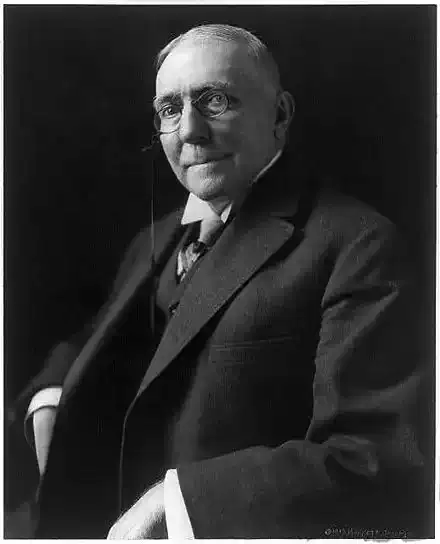
James Whitcomb Riley
Three Dead Friends
Three Dead Friends
Always suddenly they are gone--
The friends we trusted and held secure--
Suddenly we are gazing on,
Not a _smiling_ face, but the marble-pure
Dead mask of a face that nevermore
To a smile of ours will make reply--
The lips close-locked as the eyelids are-Gone--
swift as the flash of the molten ore
A meteor pours through a midnight sky,
Leaving it blind of a single star.
Tell us, O Death, Remorseless Might!
What is this old, unescapable ire
You wreak on us?--from the birth of light
Till the world be charred to a core of fire!
We do no evil thing to you--
We seek to evade you--that is all--
That is your will--you will not be known
Of men. What, then, would you have us do?--
Cringe, and wait till your vengeance fall,
And your graves be fed, and the trumpet blown?
You desire no friends; but _we_--O we
Need them so, as we falter here,
Fumbling through each new vacancy,
As each is stricken that we hold dear.
One you struck but a year ago;
And one not a month ago; and one-(
God's vast pity!)--and one lies now
Where the widow wails, in her nameless woe,
And the soldiers pace, with the sword and gun,
Where the comrade sleeps, with the laureled brow.
And what did the first?--that wayward soul,
Clothed of sorrow, yet nude of sin,
And with all hearts bowed in the strange control
Of the heavenly voice of his violin.
Why, it was music the way he _stood_,
So grand was the poise of the head and so
Full was the figure of majesty!--
One heard with the eyes, as a deaf man would,
And with all sense brimmed to the overflow
With tears of anguish and ecstasy.
And what did the girl, with the great warm light
Of genius sunning her eyes of blue,
With her heart so pure, and her soul so white--
What, O Death, did she do to you?
Through field and wood as a child she strayed,
As Nature, the dear sweet mother led;
While from her canvas, mirrored back,
Glimmered the stream through the everglade
Where the grapevine trailed from the trees to wed
Its likeness of emerald, blue and black.
And what did he, who, the last of these,
Faced you, with never a fear, O Death?
Did you hate _him_ that he loved the breeze,
And the morning dews, and the rose's breath?
Did you hate him that he answered not
Your hate again--but turned, instead,
His only hate on his country's wrongs?
Well--you possess him, dead!--but what
Of the good he wrought? With laureled head
He bides with us in his deeds and songs.
Laureled, first, that he bravely fought,
And forged a way to our flag's release;
Laureled, next--for the harp he taught
To wake glad songs in the days of peace--
Songs of the woodland haunts he held
As close in his love as they held their bloom
In their inmost bosoms of leaf and vine--
Songs that echoed, and pulsed and welled
Through the town's pent streets, and the sick child's room,
Pure as a shower in soft sunshine.
Claim them, Death; yet their fame endures,
What friend next will you rend from us
In that cold, pitiless way of yours,
And leave us a grief more dolorous?
Speak to us!--tell us, O Dreadful Power!--
Are we to have not a lone friend left?--
Since, frozen, sodden, or green the sod,--
In every second of every hour,
_Some one_, Death, you have left thus bereft,
Half inaudibly shrieks to God.
Always suddenly they are gone--
The friends we trusted and held secure--
Suddenly we are gazing on,
Not a _smiling_ face, but the marble-pure
Dead mask of a face that nevermore
To a smile of ours will make reply--
The lips close-locked as the eyelids are-Gone--
swift as the flash of the molten ore
A meteor pours through a midnight sky,
Leaving it blind of a single star.
Tell us, O Death, Remorseless Might!
What is this old, unescapable ire
You wreak on us?--from the birth of light
Till the world be charred to a core of fire!
We do no evil thing to you--
We seek to evade you--that is all--
That is your will--you will not be known
Of men. What, then, would you have us do?--
Cringe, and wait till your vengeance fall,
And your graves be fed, and the trumpet blown?
You desire no friends; but _we_--O we
Need them so, as we falter here,
Fumbling through each new vacancy,
As each is stricken that we hold dear.
One you struck but a year ago;
And one not a month ago; and one-(
God's vast pity!)--and one lies now
Where the widow wails, in her nameless woe,
And the soldiers pace, with the sword and gun,
Where the comrade sleeps, with the laureled brow.
And what did the first?--that wayward soul,
Clothed of sorrow, yet nude of sin,
And with all hearts bowed in the strange control
Of the heavenly voice of his violin.
Why, it was music the way he _stood_,
So grand was the poise of the head and so
Full was the figure of majesty!--
One heard with the eyes, as a deaf man would,
And with all sense brimmed to the overflow
With tears of anguish and ecstasy.
And what did the girl, with the great warm light
Of genius sunning her eyes of blue,
With her heart so pure, and her soul so white--
What, O Death, did she do to you?
Through field and wood as a child she strayed,
As Nature, the dear sweet mother led;
While from her canvas, mirrored back,
Glimmered the stream through the everglade
Where the grapevine trailed from the trees to wed
Its likeness of emerald, blue and black.
And what did he, who, the last of these,
Faced you, with never a fear, O Death?
Did you hate _him_ that he loved the breeze,
And the morning dews, and the rose's breath?
Did you hate him that he answered not
Your hate again--but turned, instead,
His only hate on his country's wrongs?
Well--you possess him, dead!--but what
Of the good he wrought? With laureled head
He bides with us in his deeds and songs.
Laureled, first, that he bravely fought,
And forged a way to our flag's release;
Laureled, next--for the harp he taught
To wake glad songs in the days of peace--
Songs of the woodland haunts he held
As close in his love as they held their bloom
In their inmost bosoms of leaf and vine--
Songs that echoed, and pulsed and welled
Through the town's pent streets, and the sick child's room,
Pure as a shower in soft sunshine.
Claim them, Death; yet their fame endures,
What friend next will you rend from us
In that cold, pitiless way of yours,
And leave us a grief more dolorous?
Speak to us!--tell us, O Dreadful Power!--
Are we to have not a lone friend left?--
Since, frozen, sodden, or green the sod,--
In every second of every hour,
_Some one_, Death, you have left thus bereft,
Half inaudibly shrieks to God.
311
James Whitcomb Riley
Three Dead Friends
Three Dead Friends
Always suddenly they are gone--
The friends we trusted and held secure--
Suddenly we are gazing on,
Not a _smiling_ face, but the marble-pure
Dead mask of a face that nevermore
To a smile of ours will make reply--
The lips close-locked as the eyelids are-Gone--
swift as the flash of the molten ore
A meteor pours through a midnight sky,
Leaving it blind of a single star.
Tell us, O Death, Remorseless Might!
What is this old, unescapable ire
You wreak on us?--from the birth of light
Till the world be charred to a core of fire!
We do no evil thing to you--
We seek to evade you--that is all--
That is your will--you will not be known
Of men. What, then, would you have us do?--
Cringe, and wait till your vengeance fall,
And your graves be fed, and the trumpet blown?
You desire no friends; but _we_--O we
Need them so, as we falter here,
Fumbling through each new vacancy,
As each is stricken that we hold dear.
One you struck but a year ago;
And one not a month ago; and one-(
God's vast pity!)--and one lies now
Where the widow wails, in her nameless woe,
And the soldiers pace, with the sword and gun,
Where the comrade sleeps, with the laureled brow.
And what did the first?--that wayward soul,
Clothed of sorrow, yet nude of sin,
And with all hearts bowed in the strange control
Of the heavenly voice of his violin.
Why, it was music the way he _stood_,
So grand was the poise of the head and so
Full was the figure of majesty!--
One heard with the eyes, as a deaf man would,
And with all sense brimmed to the overflow
With tears of anguish and ecstasy.
And what did the girl, with the great warm light
Of genius sunning her eyes of blue,
With her heart so pure, and her soul so white--
What, O Death, did she do to you?
Through field and wood as a child she strayed,
As Nature, the dear sweet mother led;
While from her canvas, mirrored back,
Glimmered the stream through the everglade
Where the grapevine trailed from the trees to wed
Its likeness of emerald, blue and black.
And what did he, who, the last of these,
Faced you, with never a fear, O Death?
Did you hate _him_ that he loved the breeze,
And the morning dews, and the rose's breath?
Did you hate him that he answered not
Your hate again--but turned, instead,
His only hate on his country's wrongs?
Well--you possess him, dead!--but what
Of the good he wrought? With laureled head
He bides with us in his deeds and songs.
Laureled, first, that he bravely fought,
And forged a way to our flag's release;
Laureled, next--for the harp he taught
To wake glad songs in the days of peace--
Songs of the woodland haunts he held
As close in his love as they held their bloom
In their inmost bosoms of leaf and vine--
Songs that echoed, and pulsed and welled
Through the town's pent streets, and the sick child's room,
Pure as a shower in soft sunshine.
Claim them, Death; yet their fame endures,
What friend next will you rend from us
In that cold, pitiless way of yours,
And leave us a grief more dolorous?
Speak to us!--tell us, O Dreadful Power!--
Are we to have not a lone friend left?--
Since, frozen, sodden, or green the sod,--
In every second of every hour,
_Some one_, Death, you have left thus bereft,
Half inaudibly shrieks to God.
Always suddenly they are gone--
The friends we trusted and held secure--
Suddenly we are gazing on,
Not a _smiling_ face, but the marble-pure
Dead mask of a face that nevermore
To a smile of ours will make reply--
The lips close-locked as the eyelids are-Gone--
swift as the flash of the molten ore
A meteor pours through a midnight sky,
Leaving it blind of a single star.
Tell us, O Death, Remorseless Might!
What is this old, unescapable ire
You wreak on us?--from the birth of light
Till the world be charred to a core of fire!
We do no evil thing to you--
We seek to evade you--that is all--
That is your will--you will not be known
Of men. What, then, would you have us do?--
Cringe, and wait till your vengeance fall,
And your graves be fed, and the trumpet blown?
You desire no friends; but _we_--O we
Need them so, as we falter here,
Fumbling through each new vacancy,
As each is stricken that we hold dear.
One you struck but a year ago;
And one not a month ago; and one-(
God's vast pity!)--and one lies now
Where the widow wails, in her nameless woe,
And the soldiers pace, with the sword and gun,
Where the comrade sleeps, with the laureled brow.
And what did the first?--that wayward soul,
Clothed of sorrow, yet nude of sin,
And with all hearts bowed in the strange control
Of the heavenly voice of his violin.
Why, it was music the way he _stood_,
So grand was the poise of the head and so
Full was the figure of majesty!--
One heard with the eyes, as a deaf man would,
And with all sense brimmed to the overflow
With tears of anguish and ecstasy.
And what did the girl, with the great warm light
Of genius sunning her eyes of blue,
With her heart so pure, and her soul so white--
What, O Death, did she do to you?
Through field and wood as a child she strayed,
As Nature, the dear sweet mother led;
While from her canvas, mirrored back,
Glimmered the stream through the everglade
Where the grapevine trailed from the trees to wed
Its likeness of emerald, blue and black.
And what did he, who, the last of these,
Faced you, with never a fear, O Death?
Did you hate _him_ that he loved the breeze,
And the morning dews, and the rose's breath?
Did you hate him that he answered not
Your hate again--but turned, instead,
His only hate on his country's wrongs?
Well--you possess him, dead!--but what
Of the good he wrought? With laureled head
He bides with us in his deeds and songs.
Laureled, first, that he bravely fought,
And forged a way to our flag's release;
Laureled, next--for the harp he taught
To wake glad songs in the days of peace--
Songs of the woodland haunts he held
As close in his love as they held their bloom
In their inmost bosoms of leaf and vine--
Songs that echoed, and pulsed and welled
Through the town's pent streets, and the sick child's room,
Pure as a shower in soft sunshine.
Claim them, Death; yet their fame endures,
What friend next will you rend from us
In that cold, pitiless way of yours,
And leave us a grief more dolorous?
Speak to us!--tell us, O Dreadful Power!--
Are we to have not a lone friend left?--
Since, frozen, sodden, or green the sod,--
In every second of every hour,
_Some one_, Death, you have left thus bereft,
Half inaudibly shrieks to God.
311
James Whitcomb Riley
Thomas The Pretender
Thomas The Pretender
Tommy's alluz playin' jokes,
An' actin' up, an' foolin' folks;
An' wunst one time he creep
In Pa's big chair, he did, one night,
An' squint an' shut his eyes bofe tight,
An' say, 'Now I 'm asleep.'
An' nen we knowed, an' Ma know' too,
He _ain't_ asleep no more 'n you!
An' wunst he clumbed on our back'fence
An' flop his arms an' nen commence
To crow, like he's a hen;
But when he failed off, like he done,
He didn't fool us childern none,
Ner didn't _crow_ again.
An' our Hired Man, as he come by,
Says, 'Tom can't _crow_, but he kin _cry_.'
Tommy's alluz playin' jokes,
An' actin' up, an' foolin' folks;
An' wunst one time he creep
In Pa's big chair, he did, one night,
An' squint an' shut his eyes bofe tight,
An' say, 'Now I 'm asleep.'
An' nen we knowed, an' Ma know' too,
He _ain't_ asleep no more 'n you!
An' wunst he clumbed on our back'fence
An' flop his arms an' nen commence
To crow, like he's a hen;
But when he failed off, like he done,
He didn't fool us childern none,
Ner didn't _crow_ again.
An' our Hired Man, as he come by,
Says, 'Tom can't _crow_, but he kin _cry_.'
266
James Whitcomb Riley
Their Sweet Sorrow
Their Sweet Sorrow
They meet to say farewell: Their way
Of saying this is hard to say--.
He holds her hand an Instant, wholly
Distressed-- and she unclasps it slowly,
He lends his gaze evasively
Over the printed page that she
Recurs to, with a new-moon shoulder
Glimpsed from the lace-mists that infold her.
The clock, beneath its crystal cup,
Discreetly clicks-- 'Quick! Act! Speak up!'
A tension circles both her slender
Wrists-- and her raised eyes flash in splendor,
Even as he feels his dazzled own--.
Then blindingly, round either thrown,
They feel a stress of arms that ever
Strain tremblingly-- and 'Never! Never!'
Is whispered brokenly, with half
A sob, like a belated laugh--,
While cloyingly their blurred kiss closes--,
Sweet as the dew's lip to the rose's.
They meet to say farewell: Their way
Of saying this is hard to say--.
He holds her hand an Instant, wholly
Distressed-- and she unclasps it slowly,
He lends his gaze evasively
Over the printed page that she
Recurs to, with a new-moon shoulder
Glimpsed from the lace-mists that infold her.
The clock, beneath its crystal cup,
Discreetly clicks-- 'Quick! Act! Speak up!'
A tension circles both her slender
Wrists-- and her raised eyes flash in splendor,
Even as he feels his dazzled own--.
Then blindingly, round either thrown,
They feel a stress of arms that ever
Strain tremblingly-- and 'Never! Never!'
Is whispered brokenly, with half
A sob, like a belated laugh--,
While cloyingly their blurred kiss closes--,
Sweet as the dew's lip to the rose's.
299
James Whitcomb Riley
The Watches Of The Night
The Watches Of The Night
O the waiting in the watches of the night!
In the darkness, desolation, and contrition and affright;
The awful hush that holds us shut away from all delight:
The ever weary memory that ever weary goes
Recounting ever over every aching loss it knows--
The ever weary eyelids gasping ever for repose--
In the dreary, weary watches of the night!
Dark--stifling dark--the watches of the night!
With tingling nerves at tension, how the blackness flashes white
With spectral visitations smitten past the inner sight!--
What shuddering sense of wrongs we've wrought
that may not be redressed--
Of tears we did not brush away--of lips we left unpressed,
And hands that we let fall, with all their loyalty unguessed!
Ah! the empty, empty watches of the night!
What solace in the watches of the night?--
What frailest staff of hope to stay--what faintest shaft of light?
Do we _dream_ and dare _believe_ it, that by never weight of right
Of our own poor weak deservings, we shall win the dawn at last--
Our famished souls find freedom from this penance for the past,
In a faith that leaps and lightens from the gloom
that flees aghast--
Shall we survive the watches of the night?
One leads us through the watches of the night--
By the ceaseless intercession of our loved ones lost to sight
He is with us through all trials, in His mercy and His might;--
With our mothers there about Him, all our sorrow disappears,
Till the silence of our sobbing is the prayer the Master hears,
And His hand is laid upon us with the tenderness of tears
In the waning of the watches of the night.
O the waiting in the watches of the night!
In the darkness, desolation, and contrition and affright;
The awful hush that holds us shut away from all delight:
The ever weary memory that ever weary goes
Recounting ever over every aching loss it knows--
The ever weary eyelids gasping ever for repose--
In the dreary, weary watches of the night!
Dark--stifling dark--the watches of the night!
With tingling nerves at tension, how the blackness flashes white
With spectral visitations smitten past the inner sight!--
What shuddering sense of wrongs we've wrought
that may not be redressed--
Of tears we did not brush away--of lips we left unpressed,
And hands that we let fall, with all their loyalty unguessed!
Ah! the empty, empty watches of the night!
What solace in the watches of the night?--
What frailest staff of hope to stay--what faintest shaft of light?
Do we _dream_ and dare _believe_ it, that by never weight of right
Of our own poor weak deservings, we shall win the dawn at last--
Our famished souls find freedom from this penance for the past,
In a faith that leaps and lightens from the gloom
that flees aghast--
Shall we survive the watches of the night?
One leads us through the watches of the night--
By the ceaseless intercession of our loved ones lost to sight
He is with us through all trials, in His mercy and His might;--
With our mothers there about Him, all our sorrow disappears,
Till the silence of our sobbing is the prayer the Master hears,
And His hand is laid upon us with the tenderness of tears
In the waning of the watches of the night.
319
James Whitcomb Riley
The Watches Of The Night
The Watches Of The Night
O the waiting in the watches of the night!
In the darkness, desolation, and contrition and affright;
The awful hush that holds us shut away from all delight:
The ever weary memory that ever weary goes
Recounting ever over every aching loss it knows--
The ever weary eyelids gasping ever for repose--
In the dreary, weary watches of the night!
Dark--stifling dark--the watches of the night!
With tingling nerves at tension, how the blackness flashes white
With spectral visitations smitten past the inner sight!--
What shuddering sense of wrongs we've wrought
that may not be redressed--
Of tears we did not brush away--of lips we left unpressed,
And hands that we let fall, with all their loyalty unguessed!
Ah! the empty, empty watches of the night!
What solace in the watches of the night?--
What frailest staff of hope to stay--what faintest shaft of light?
Do we _dream_ and dare _believe_ it, that by never weight of right
Of our own poor weak deservings, we shall win the dawn at last--
Our famished souls find freedom from this penance for the past,
In a faith that leaps and lightens from the gloom
that flees aghast--
Shall we survive the watches of the night?
One leads us through the watches of the night--
By the ceaseless intercession of our loved ones lost to sight
He is with us through all trials, in His mercy and His might;--
With our mothers there about Him, all our sorrow disappears,
Till the silence of our sobbing is the prayer the Master hears,
And His hand is laid upon us with the tenderness of tears
In the waning of the watches of the night.
O the waiting in the watches of the night!
In the darkness, desolation, and contrition and affright;
The awful hush that holds us shut away from all delight:
The ever weary memory that ever weary goes
Recounting ever over every aching loss it knows--
The ever weary eyelids gasping ever for repose--
In the dreary, weary watches of the night!
Dark--stifling dark--the watches of the night!
With tingling nerves at tension, how the blackness flashes white
With spectral visitations smitten past the inner sight!--
What shuddering sense of wrongs we've wrought
that may not be redressed--
Of tears we did not brush away--of lips we left unpressed,
And hands that we let fall, with all their loyalty unguessed!
Ah! the empty, empty watches of the night!
What solace in the watches of the night?--
What frailest staff of hope to stay--what faintest shaft of light?
Do we _dream_ and dare _believe_ it, that by never weight of right
Of our own poor weak deservings, we shall win the dawn at last--
Our famished souls find freedom from this penance for the past,
In a faith that leaps and lightens from the gloom
that flees aghast--
Shall we survive the watches of the night?
One leads us through the watches of the night--
By the ceaseless intercession of our loved ones lost to sight
He is with us through all trials, in His mercy and His might;--
With our mothers there about Him, all our sorrow disappears,
Till the silence of our sobbing is the prayer the Master hears,
And His hand is laid upon us with the tenderness of tears
In the waning of the watches of the night.
319
James Whitcomb Riley
The Watches Of The Night
The Watches Of The Night
O the waiting in the watches of the night!
In the darkness, desolation, and contrition and affright;
The awful hush that holds us shut away from all delight:
The ever weary memory that ever weary goes
Recounting ever over every aching loss it knows--
The ever weary eyelids gasping ever for repose--
In the dreary, weary watches of the night!
Dark--stifling dark--the watches of the night!
With tingling nerves at tension, how the blackness flashes white
With spectral visitations smitten past the inner sight!--
What shuddering sense of wrongs we've wrought
that may not be redressed--
Of tears we did not brush away--of lips we left unpressed,
And hands that we let fall, with all their loyalty unguessed!
Ah! the empty, empty watches of the night!
What solace in the watches of the night?--
What frailest staff of hope to stay--what faintest shaft of light?
Do we _dream_ and dare _believe_ it, that by never weight of right
Of our own poor weak deservings, we shall win the dawn at last--
Our famished souls find freedom from this penance for the past,
In a faith that leaps and lightens from the gloom
that flees aghast--
Shall we survive the watches of the night?
One leads us through the watches of the night--
By the ceaseless intercession of our loved ones lost to sight
He is with us through all trials, in His mercy and His might;--
With our mothers there about Him, all our sorrow disappears,
Till the silence of our sobbing is the prayer the Master hears,
And His hand is laid upon us with the tenderness of tears
In the waning of the watches of the night.
O the waiting in the watches of the night!
In the darkness, desolation, and contrition and affright;
The awful hush that holds us shut away from all delight:
The ever weary memory that ever weary goes
Recounting ever over every aching loss it knows--
The ever weary eyelids gasping ever for repose--
In the dreary, weary watches of the night!
Dark--stifling dark--the watches of the night!
With tingling nerves at tension, how the blackness flashes white
With spectral visitations smitten past the inner sight!--
What shuddering sense of wrongs we've wrought
that may not be redressed--
Of tears we did not brush away--of lips we left unpressed,
And hands that we let fall, with all their loyalty unguessed!
Ah! the empty, empty watches of the night!
What solace in the watches of the night?--
What frailest staff of hope to stay--what faintest shaft of light?
Do we _dream_ and dare _believe_ it, that by never weight of right
Of our own poor weak deservings, we shall win the dawn at last--
Our famished souls find freedom from this penance for the past,
In a faith that leaps and lightens from the gloom
that flees aghast--
Shall we survive the watches of the night?
One leads us through the watches of the night--
By the ceaseless intercession of our loved ones lost to sight
He is with us through all trials, in His mercy and His might;--
With our mothers there about Him, all our sorrow disappears,
Till the silence of our sobbing is the prayer the Master hears,
And His hand is laid upon us with the tenderness of tears
In the waning of the watches of the night.
319
James Whitcomb Riley
The Treasure Of The Wise Man
The Treasure Of The Wise Man
O the night was dark and the night was late,
And the robbers came to rob him;
And they picked the locks of his palace-gate,
The robbers that came to rob him--
They picked the locks of his palace-gate,
Seized his jewels and gems of state,
His coffers of gold and his priceless plate,--
The robbers that came to rob him.
But loud laughed he in the morning red!--
For of what had the robbers robbed him?--
Ho! hidden safe, as he slept in bed,
When the robbers came to rob him,--
They robbed him not of a golden shred
Of the childish dreams in his wise old head-'
And they're welcome to all things else,' he said,
When the robbers came to rob him.
O the night was dark and the night was late,
And the robbers came to rob him;
And they picked the locks of his palace-gate,
The robbers that came to rob him--
They picked the locks of his palace-gate,
Seized his jewels and gems of state,
His coffers of gold and his priceless plate,--
The robbers that came to rob him.
But loud laughed he in the morning red!--
For of what had the robbers robbed him?--
Ho! hidden safe, as he slept in bed,
When the robbers came to rob him,--
They robbed him not of a golden shred
Of the childish dreams in his wise old head-'
And they're welcome to all things else,' he said,
When the robbers came to rob him.
313
James Whitcomb Riley
The Twins
The Twins
One 's the pictur' of his Pa,
And the _other_ of her Ma--
Jes the bossest pair o' babies 'at a mortal ever saw!
And we love 'em as the bees
Loves the blossoms of the trees,
A-ridin' and a-rompin' in the breeze!
One's got her Mammy's eyes--
Soft and blue as Apurl-skies--
With the same sort of a smile, like--Yes,
and mouth about her size,--
Dimples, too, in cheek and chin,
'At my lips jes _wallers_ in,
A-goin' to work, er gittin' home agin.
And the _other_--Well, they say
That he's got his Daddy's way
O' bein' ruther soberfied, er ruther extry gay,--
That he either cries his best,
Er he laughs his howlin'est--
Like all he lacked was buttons and a vest!
Look at _her_!--and look at _him_!--
Talk about yer 'Cheru-_bim_!'
Roll 'em up in dreams together, rosy arm and chubby limb!
O we love 'em as the bees
Loves the blossoms of the trees,
A-ridin' and a-rompin' in the breeze!
One 's the pictur' of his Pa,
And the _other_ of her Ma--
Jes the bossest pair o' babies 'at a mortal ever saw!
And we love 'em as the bees
Loves the blossoms of the trees,
A-ridin' and a-rompin' in the breeze!
One's got her Mammy's eyes--
Soft and blue as Apurl-skies--
With the same sort of a smile, like--Yes,
and mouth about her size,--
Dimples, too, in cheek and chin,
'At my lips jes _wallers_ in,
A-goin' to work, er gittin' home agin.
And the _other_--Well, they say
That he's got his Daddy's way
O' bein' ruther soberfied, er ruther extry gay,--
That he either cries his best,
Er he laughs his howlin'est--
Like all he lacked was buttons and a vest!
Look at _her_!--and look at _him_!--
Talk about yer 'Cheru-_bim_!'
Roll 'em up in dreams together, rosy arm and chubby limb!
O we love 'em as the bees
Loves the blossoms of the trees,
A-ridin' and a-rompin' in the breeze!
314
James Whitcomb Riley
The Town Karnteel
The Town Karnteel
The Town Karnteel--! It's who'll reveal
Its praises jushtifiable?
For who can sing av anything
So lovely and reliable?
Whin Summer, Spring, or Winter lies
From Malin's Head to Tipperary,
There's no such town for interprise
Bechuxt Youghal and Londonderry!
There's not its likes in Ireland--
For twic't the week, be gorries!
They're playing jigs upon the band,
And joomping there in sacks-- and-- and--
And racing, wid wheelborries!
Kanteel-- it's there, like any fair,
The purty gurrls is plinty, sure--!
And man-alive! At forty-five
The leg's av me air twinty, sure!
I lave me cares, and hoein' too,
Behint me, as is sinsible,
And it's Karnteel I'm goin' to,
To cilebrate in principle!
For there's the town av all the land!
And twic't the week, be-gorries!
They're playing jigs upon the band,
And joomping there in sacks-- and-- and--
And racing, wid wheelborries!
And whilst I feel for owld Karnteel
That I've no phrases glorious,
It stands above the need av love
That boasts in voice uproarious--!
Lave that for Cork, and Dublin too,
And Armagh and Killarney thin--,
And Karnteel won't be troublin' you
Wid any jilous blarney, thin!
For there's the town av all the land
Where twic't the week, be-gorries!
They're playing jigs upon the band,
And joomping there in sacks-- and-- and--
And racing, wid wheelborries!
The Town Karnteel--! It's who'll reveal
Its praises jushtifiable?
For who can sing av anything
So lovely and reliable?
Whin Summer, Spring, or Winter lies
From Malin's Head to Tipperary,
There's no such town for interprise
Bechuxt Youghal and Londonderry!
There's not its likes in Ireland--
For twic't the week, be gorries!
They're playing jigs upon the band,
And joomping there in sacks-- and-- and--
And racing, wid wheelborries!
Kanteel-- it's there, like any fair,
The purty gurrls is plinty, sure--!
And man-alive! At forty-five
The leg's av me air twinty, sure!
I lave me cares, and hoein' too,
Behint me, as is sinsible,
And it's Karnteel I'm goin' to,
To cilebrate in principle!
For there's the town av all the land!
And twic't the week, be-gorries!
They're playing jigs upon the band,
And joomping there in sacks-- and-- and--
And racing, wid wheelborries!
And whilst I feel for owld Karnteel
That I've no phrases glorious,
It stands above the need av love
That boasts in voice uproarious--!
Lave that for Cork, and Dublin too,
And Armagh and Killarney thin--,
And Karnteel won't be troublin' you
Wid any jilous blarney, thin!
For there's the town av all the land
Where twic't the week, be-gorries!
They're playing jigs upon the band,
And joomping there in sacks-- and-- and--
And racing, wid wheelborries!
294
James Whitcomb Riley
The Sermon Of The Rose
The Sermon Of The Rose
Wilful we are in our infirmity
Of childish questioning and discontent.
Whate'er befalls us is divinely meant--
Thou Truth the clearer for thy mystery!
Make us to meet what is or is to be
With fervid welcome, knowing it is sent
To serve us in some way full excellent,
Though we discern it all belatedly.
The rose buds, and the rose blooms and the rose
Bows in the dews, and in its fulness, lo,
Is in the lover's hand,--then on the breast
Of her he loves,--and there dies.--And who knows
Which fate of all a rose may undergo
Is fairest, dearest, sweetest, loveliest?
Nay, we are children: we will not mature.
A blessed gift must seem a theft; and tears
Must storm our eyes when but a joy appears
In drear disguise of sorrow; and how poor
We seem when we are richest,--most secure
Against all poverty the lifelong years
We yet must waste in childish doubts and fears
That, in despite of reason, still endure!
Alas! the sermon of the rose we will
Not wisely ponder; nor the sobs of grief
Lulled into sighs of rapture; nor the cry
Of fierce defiance that again is still.
Be patient--patient with our frail belief,
And stay it yet a little ere we die.
O opulent life of ours, though dispossessed
Of treasure after treasure! Youth most fair
Went first, but left its priceless coil of hair--
Moaned over sleepless nights, kissed and caressed
Through drip and blur of tears the tenderest.
And next went Love--the ripe rose glowing there
Her very sister!... It is here; but where
Is she, of all the world the first and best?
And yet how sweet the sweet earth after rain--
How sweet the sunlight on the garden wall
Across the roses--and how sweetly flows
The limpid yodel of the brook again!
And yet--and yet how sweeter after all,
The smouldering sweetness of a dead red rose!
Wilful we are in our infirmity
Of childish questioning and discontent.
Whate'er befalls us is divinely meant--
Thou Truth the clearer for thy mystery!
Make us to meet what is or is to be
With fervid welcome, knowing it is sent
To serve us in some way full excellent,
Though we discern it all belatedly.
The rose buds, and the rose blooms and the rose
Bows in the dews, and in its fulness, lo,
Is in the lover's hand,--then on the breast
Of her he loves,--and there dies.--And who knows
Which fate of all a rose may undergo
Is fairest, dearest, sweetest, loveliest?
Nay, we are children: we will not mature.
A blessed gift must seem a theft; and tears
Must storm our eyes when but a joy appears
In drear disguise of sorrow; and how poor
We seem when we are richest,--most secure
Against all poverty the lifelong years
We yet must waste in childish doubts and fears
That, in despite of reason, still endure!
Alas! the sermon of the rose we will
Not wisely ponder; nor the sobs of grief
Lulled into sighs of rapture; nor the cry
Of fierce defiance that again is still.
Be patient--patient with our frail belief,
And stay it yet a little ere we die.
O opulent life of ours, though dispossessed
Of treasure after treasure! Youth most fair
Went first, but left its priceless coil of hair--
Moaned over sleepless nights, kissed and caressed
Through drip and blur of tears the tenderest.
And next went Love--the ripe rose glowing there
Her very sister!... It is here; but where
Is she, of all the world the first and best?
And yet how sweet the sweet earth after rain--
How sweet the sunlight on the garden wall
Across the roses--and how sweetly flows
The limpid yodel of the brook again!
And yet--and yet how sweeter after all,
The smouldering sweetness of a dead red rose!
320
James Whitcomb Riley
The Sermon Of The Rose
The Sermon Of The Rose
Wilful we are in our infirmity
Of childish questioning and discontent.
Whate'er befalls us is divinely meant--
Thou Truth the clearer for thy mystery!
Make us to meet what is or is to be
With fervid welcome, knowing it is sent
To serve us in some way full excellent,
Though we discern it all belatedly.
The rose buds, and the rose blooms and the rose
Bows in the dews, and in its fulness, lo,
Is in the lover's hand,--then on the breast
Of her he loves,--and there dies.--And who knows
Which fate of all a rose may undergo
Is fairest, dearest, sweetest, loveliest?
Nay, we are children: we will not mature.
A blessed gift must seem a theft; and tears
Must storm our eyes when but a joy appears
In drear disguise of sorrow; and how poor
We seem when we are richest,--most secure
Against all poverty the lifelong years
We yet must waste in childish doubts and fears
That, in despite of reason, still endure!
Alas! the sermon of the rose we will
Not wisely ponder; nor the sobs of grief
Lulled into sighs of rapture; nor the cry
Of fierce defiance that again is still.
Be patient--patient with our frail belief,
And stay it yet a little ere we die.
O opulent life of ours, though dispossessed
Of treasure after treasure! Youth most fair
Went first, but left its priceless coil of hair--
Moaned over sleepless nights, kissed and caressed
Through drip and blur of tears the tenderest.
And next went Love--the ripe rose glowing there
Her very sister!... It is here; but where
Is she, of all the world the first and best?
And yet how sweet the sweet earth after rain--
How sweet the sunlight on the garden wall
Across the roses--and how sweetly flows
The limpid yodel of the brook again!
And yet--and yet how sweeter after all,
The smouldering sweetness of a dead red rose!
Wilful we are in our infirmity
Of childish questioning and discontent.
Whate'er befalls us is divinely meant--
Thou Truth the clearer for thy mystery!
Make us to meet what is or is to be
With fervid welcome, knowing it is sent
To serve us in some way full excellent,
Though we discern it all belatedly.
The rose buds, and the rose blooms and the rose
Bows in the dews, and in its fulness, lo,
Is in the lover's hand,--then on the breast
Of her he loves,--and there dies.--And who knows
Which fate of all a rose may undergo
Is fairest, dearest, sweetest, loveliest?
Nay, we are children: we will not mature.
A blessed gift must seem a theft; and tears
Must storm our eyes when but a joy appears
In drear disguise of sorrow; and how poor
We seem when we are richest,--most secure
Against all poverty the lifelong years
We yet must waste in childish doubts and fears
That, in despite of reason, still endure!
Alas! the sermon of the rose we will
Not wisely ponder; nor the sobs of grief
Lulled into sighs of rapture; nor the cry
Of fierce defiance that again is still.
Be patient--patient with our frail belief,
And stay it yet a little ere we die.
O opulent life of ours, though dispossessed
Of treasure after treasure! Youth most fair
Went first, but left its priceless coil of hair--
Moaned over sleepless nights, kissed and caressed
Through drip and blur of tears the tenderest.
And next went Love--the ripe rose glowing there
Her very sister!... It is here; but where
Is she, of all the world the first and best?
And yet how sweet the sweet earth after rain--
How sweet the sunlight on the garden wall
Across the roses--and how sweetly flows
The limpid yodel of the brook again!
And yet--and yet how sweeter after all,
The smouldering sweetness of a dead red rose!
320
James Whitcomb Riley
The Sermon Of The Rose
The Sermon Of The Rose
Wilful we are in our infirmity
Of childish questioning and discontent.
Whate'er befalls us is divinely meant--
Thou Truth the clearer for thy mystery!
Make us to meet what is or is to be
With fervid welcome, knowing it is sent
To serve us in some way full excellent,
Though we discern it all belatedly.
The rose buds, and the rose blooms and the rose
Bows in the dews, and in its fulness, lo,
Is in the lover's hand,--then on the breast
Of her he loves,--and there dies.--And who knows
Which fate of all a rose may undergo
Is fairest, dearest, sweetest, loveliest?
Nay, we are children: we will not mature.
A blessed gift must seem a theft; and tears
Must storm our eyes when but a joy appears
In drear disguise of sorrow; and how poor
We seem when we are richest,--most secure
Against all poverty the lifelong years
We yet must waste in childish doubts and fears
That, in despite of reason, still endure!
Alas! the sermon of the rose we will
Not wisely ponder; nor the sobs of grief
Lulled into sighs of rapture; nor the cry
Of fierce defiance that again is still.
Be patient--patient with our frail belief,
And stay it yet a little ere we die.
O opulent life of ours, though dispossessed
Of treasure after treasure! Youth most fair
Went first, but left its priceless coil of hair--
Moaned over sleepless nights, kissed and caressed
Through drip and blur of tears the tenderest.
And next went Love--the ripe rose glowing there
Her very sister!... It is here; but where
Is she, of all the world the first and best?
And yet how sweet the sweet earth after rain--
How sweet the sunlight on the garden wall
Across the roses--and how sweetly flows
The limpid yodel of the brook again!
And yet--and yet how sweeter after all,
The smouldering sweetness of a dead red rose!
Wilful we are in our infirmity
Of childish questioning and discontent.
Whate'er befalls us is divinely meant--
Thou Truth the clearer for thy mystery!
Make us to meet what is or is to be
With fervid welcome, knowing it is sent
To serve us in some way full excellent,
Though we discern it all belatedly.
The rose buds, and the rose blooms and the rose
Bows in the dews, and in its fulness, lo,
Is in the lover's hand,--then on the breast
Of her he loves,--and there dies.--And who knows
Which fate of all a rose may undergo
Is fairest, dearest, sweetest, loveliest?
Nay, we are children: we will not mature.
A blessed gift must seem a theft; and tears
Must storm our eyes when but a joy appears
In drear disguise of sorrow; and how poor
We seem when we are richest,--most secure
Against all poverty the lifelong years
We yet must waste in childish doubts and fears
That, in despite of reason, still endure!
Alas! the sermon of the rose we will
Not wisely ponder; nor the sobs of grief
Lulled into sighs of rapture; nor the cry
Of fierce defiance that again is still.
Be patient--patient with our frail belief,
And stay it yet a little ere we die.
O opulent life of ours, though dispossessed
Of treasure after treasure! Youth most fair
Went first, but left its priceless coil of hair--
Moaned over sleepless nights, kissed and caressed
Through drip and blur of tears the tenderest.
And next went Love--the ripe rose glowing there
Her very sister!... It is here; but where
Is she, of all the world the first and best?
And yet how sweet the sweet earth after rain--
How sweet the sunlight on the garden wall
Across the roses--and how sweetly flows
The limpid yodel of the brook again!
And yet--and yet how sweeter after all,
The smouldering sweetness of a dead red rose!
320
James Whitcomb Riley
The Sermon Of The Rose
The Sermon Of The Rose
Wilful we are in our infirmity
Of childish questioning and discontent.
Whate'er befalls us is divinely meant--
Thou Truth the clearer for thy mystery!
Make us to meet what is or is to be
With fervid welcome, knowing it is sent
To serve us in some way full excellent,
Though we discern it all belatedly.
The rose buds, and the rose blooms and the rose
Bows in the dews, and in its fulness, lo,
Is in the lover's hand,--then on the breast
Of her he loves,--and there dies.--And who knows
Which fate of all a rose may undergo
Is fairest, dearest, sweetest, loveliest?
Nay, we are children: we will not mature.
A blessed gift must seem a theft; and tears
Must storm our eyes when but a joy appears
In drear disguise of sorrow; and how poor
We seem when we are richest,--most secure
Against all poverty the lifelong years
We yet must waste in childish doubts and fears
That, in despite of reason, still endure!
Alas! the sermon of the rose we will
Not wisely ponder; nor the sobs of grief
Lulled into sighs of rapture; nor the cry
Of fierce defiance that again is still.
Be patient--patient with our frail belief,
And stay it yet a little ere we die.
O opulent life of ours, though dispossessed
Of treasure after treasure! Youth most fair
Went first, but left its priceless coil of hair--
Moaned over sleepless nights, kissed and caressed
Through drip and blur of tears the tenderest.
And next went Love--the ripe rose glowing there
Her very sister!... It is here; but where
Is she, of all the world the first and best?
And yet how sweet the sweet earth after rain--
How sweet the sunlight on the garden wall
Across the roses--and how sweetly flows
The limpid yodel of the brook again!
And yet--and yet how sweeter after all,
The smouldering sweetness of a dead red rose!
Wilful we are in our infirmity
Of childish questioning and discontent.
Whate'er befalls us is divinely meant--
Thou Truth the clearer for thy mystery!
Make us to meet what is or is to be
With fervid welcome, knowing it is sent
To serve us in some way full excellent,
Though we discern it all belatedly.
The rose buds, and the rose blooms and the rose
Bows in the dews, and in its fulness, lo,
Is in the lover's hand,--then on the breast
Of her he loves,--and there dies.--And who knows
Which fate of all a rose may undergo
Is fairest, dearest, sweetest, loveliest?
Nay, we are children: we will not mature.
A blessed gift must seem a theft; and tears
Must storm our eyes when but a joy appears
In drear disguise of sorrow; and how poor
We seem when we are richest,--most secure
Against all poverty the lifelong years
We yet must waste in childish doubts and fears
That, in despite of reason, still endure!
Alas! the sermon of the rose we will
Not wisely ponder; nor the sobs of grief
Lulled into sighs of rapture; nor the cry
Of fierce defiance that again is still.
Be patient--patient with our frail belief,
And stay it yet a little ere we die.
O opulent life of ours, though dispossessed
Of treasure after treasure! Youth most fair
Went first, but left its priceless coil of hair--
Moaned over sleepless nights, kissed and caressed
Through drip and blur of tears the tenderest.
And next went Love--the ripe rose glowing there
Her very sister!... It is here; but where
Is she, of all the world the first and best?
And yet how sweet the sweet earth after rain--
How sweet the sunlight on the garden wall
Across the roses--and how sweetly flows
The limpid yodel of the brook again!
And yet--and yet how sweeter after all,
The smouldering sweetness of a dead red rose!
320
James Whitcomb Riley
The Ripest Peach
The Ripest Peach
The ripest peach is highest on the tree --
And so her love, beyond the reach of me,
Is dearest in my sight. Sweet breezes, bow
Her heart down to me where I worship now!
She looms aloft where every eye may see
The ripest peach is highest on the tree.
Such fruitage as her love I know, alas!
I may not reach here from the orchard grass.
I drink the sunshine showered past her lips
As roses drain the dewdrop as it drips.
The ripest peach is highest on the tree,
And so mine eyes gaze upward eagerly.
Why -- why do I not turn away in wrath
And pluck some heart here hanging in my path? -Love's
lower boughs bend with them -- but, ah me!
The ripest peach is highest on the tree!
The ripest peach is highest on the tree --
And so her love, beyond the reach of me,
Is dearest in my sight. Sweet breezes, bow
Her heart down to me where I worship now!
She looms aloft where every eye may see
The ripest peach is highest on the tree.
Such fruitage as her love I know, alas!
I may not reach here from the orchard grass.
I drink the sunshine showered past her lips
As roses drain the dewdrop as it drips.
The ripest peach is highest on the tree,
And so mine eyes gaze upward eagerly.
Why -- why do I not turn away in wrath
And pluck some heart here hanging in my path? -Love's
lower boughs bend with them -- but, ah me!
The ripest peach is highest on the tree!
381
James Whitcomb Riley
The Rose
The Rose
It tossed its head at the wooing breeze;
And the sun, like a bashful swain,
Beamed on it through the waving trees
With a passion all in vain,--
For my rose laughed in a crimson glee,
And hid in the leaves in wait for me.
The honey-bee came there to sing
His love through the languid hours,
And vaunt of his hives, as a proud old king
Might boast of his palace-towers:
But my rose bowed in a mockery,
And hid in the leaves in wait for me.
The humming-bird, like a courtier gay,
Dipped down with a dalliant song,
And twanged his wings through the roundelay
Of love the whole day long:
Yet my rose turned from his minstrelsy
And hid in the leaves in wait for me.
The firefly came in the twilight dim
My red, red rose to woo--
Till quenched was the flame of love in him,
And the light of his lantern too,
As my rose wept with dewdrops three
And hid in the leaves in wait for me.
And I said: I will cull my own sweet rose--
Some day I will claim as mine
The priceless worth of the flower that knows
No change, but a bloom divine--
The bloom of a fadeless constancy
That hides in the leaves in wait for me!
But time passed by in a strange disguise,
And I marked it not, but lay
In a lazy dream, with drowsy eyes,
Till the summer slipped away,
And a chill wind sang in a minor key:
'Where is the rose that waits for thee?'
. . . . . . . .
I dream to-day, o'er a purple stain
Of bloom on a withered stalk,
Pelted down by the autumn rain
In the dust of the garden-walk,
That an Angel-rose in the world to be
Will hide in the leaves in wait for me.
It tossed its head at the wooing breeze;
And the sun, like a bashful swain,
Beamed on it through the waving trees
With a passion all in vain,--
For my rose laughed in a crimson glee,
And hid in the leaves in wait for me.
The honey-bee came there to sing
His love through the languid hours,
And vaunt of his hives, as a proud old king
Might boast of his palace-towers:
But my rose bowed in a mockery,
And hid in the leaves in wait for me.
The humming-bird, like a courtier gay,
Dipped down with a dalliant song,
And twanged his wings through the roundelay
Of love the whole day long:
Yet my rose turned from his minstrelsy
And hid in the leaves in wait for me.
The firefly came in the twilight dim
My red, red rose to woo--
Till quenched was the flame of love in him,
And the light of his lantern too,
As my rose wept with dewdrops three
And hid in the leaves in wait for me.
And I said: I will cull my own sweet rose--
Some day I will claim as mine
The priceless worth of the flower that knows
No change, but a bloom divine--
The bloom of a fadeless constancy
That hides in the leaves in wait for me!
But time passed by in a strange disguise,
And I marked it not, but lay
In a lazy dream, with drowsy eyes,
Till the summer slipped away,
And a chill wind sang in a minor key:
'Where is the rose that waits for thee?'
. . . . . . . .
I dream to-day, o'er a purple stain
Of bloom on a withered stalk,
Pelted down by the autumn rain
In the dust of the garden-walk,
That an Angel-rose in the world to be
Will hide in the leaves in wait for me.
344
James Whitcomb Riley
The Rapture of the Year
The Rapture of the Year
While skies glint bright with bluest light
Through clouds that race o'er fields and town,
And leaves go dancing left and right,
And orchard apples tumble down;
While school-girls sweet, in lane or street,
Lean 'gainst the wind and feel and hear
Its glad heart like a lover's beat,--
So reigns the rapture of the year.
The ho! and hey! and whop-hooray!
Though winter clouds be looming,
Remember a November day
Is merrier than mildest May
With all her blossoms blooming.
While birds in scattered flight are blown
Aloft and lost in dusky mist,
And truant boys scud home alone
'Neath skies of gold and amethyst;
While twilight falls, and Echo calls
Across the haunted atmosphere,
With low, sweet laughs at intervals,--
So reigns the rapture of the year.
The ho! and hey! and whop-hooray!
Though winter clouds be looming,
Remember a November day
Is merrier than mildest May
With all her blossoms blooming.
While skies glint bright with bluest light
Through clouds that race o'er fields and town,
And leaves go dancing left and right,
And orchard apples tumble down;
While school-girls sweet, in lane or street,
Lean 'gainst the wind and feel and hear
Its glad heart like a lover's beat,--
So reigns the rapture of the year.
The ho! and hey! and whop-hooray!
Though winter clouds be looming,
Remember a November day
Is merrier than mildest May
With all her blossoms blooming.
While birds in scattered flight are blown
Aloft and lost in dusky mist,
And truant boys scud home alone
'Neath skies of gold and amethyst;
While twilight falls, and Echo calls
Across the haunted atmosphere,
With low, sweet laughs at intervals,--
So reigns the rapture of the year.
The ho! and hey! and whop-hooray!
Though winter clouds be looming,
Remember a November day
Is merrier than mildest May
With all her blossoms blooming.
373
James Whitcomb Riley
The Rainy Morning
The Rainy Morning
The dawn of the day was dreary,
And the lowering clouds o'erhead
Wept in a silent sorrow
Where the sweet sunshine lay dead;
And a wind came out of the eastward
Like an endless sigh of pain,
And the leaves fell down in the pathway
And writhed in the falling rain.
I had tried in a brave endeavor
To chord my harp with the sun,
But the strings would slacken ever,
And the task was a weary one:
And so, like a child impatient
And sick of a discontent,
I bowed in a shower of tear-drops
And mourned with the instrument.
And lo! as I bowed, the splendor
Of the sun bent over me,
With a touch as warm and tender
As a father's hand might be:
And, even as I felt its presence,
My clouded soul grew bright,
And the tears, like the rain of morning,
Melted in mists of light.
The dawn of the day was dreary,
And the lowering clouds o'erhead
Wept in a silent sorrow
Where the sweet sunshine lay dead;
And a wind came out of the eastward
Like an endless sigh of pain,
And the leaves fell down in the pathway
And writhed in the falling rain.
I had tried in a brave endeavor
To chord my harp with the sun,
But the strings would slacken ever,
And the task was a weary one:
And so, like a child impatient
And sick of a discontent,
I bowed in a shower of tear-drops
And mourned with the instrument.
And lo! as I bowed, the splendor
Of the sun bent over me,
With a touch as warm and tender
As a father's hand might be:
And, even as I felt its presence,
My clouded soul grew bright,
And the tears, like the rain of morning,
Melted in mists of light.
322
James Whitcomb Riley
The Raggedy Man
The Raggedy Man
1
2
3
4
6
7
8
O the Raggedy Man! He works fer Pa;
An' he's the goodest man ever you saw!
He comes to our house every day,
An' waters the horses, an' feeds 'em hay;
An' he opens the shed -- an' we all ist laugh
When he drives out our little old wobble-ly calf;
An' nen -- ef our hired girl says he can --
He milks the cow fer 'Lizabuth Ann. -9
Ain't he a' awful good Raggedy Man?
Raggedy! Raggedy! Raggedy Man!
11
12
13
14
16
17
W'y, The Raggedy Man -- he's ist so good,
He splits the kindlin' an' chops the wood;
An' nen he spades in our garden, too,
An' does most things 'at boys can't do. --
He clumbed clean up in our big tree
An' shooked a' apple down fer me --
An' 'nother 'n', too, fer 'Lizabuth Ann -18
19
An' 'nother 'n', too, fer The Raggedy Man. -Ain't
he a' awful kind Raggedy Man?
Raggedy! Raggedy! Raggedy Man!
21
22
An' The Raggedy Man one time say he
Pick' roast' rambos from a' orchurd-tree,
23 An' et 'em -- all ist roast' an' hot! -24
An' it's so, too! -- 'cause a corn-crib got
Afire one time an' all burn' down
26 On "The Smoot Farm," 'bout four mile from town -27
On "The Smoot Farm"! Yes -- an' the hired han'
28
29
'At worked there nen 'uz The Raggedy Man! -Ain't
he the beatin'est Raggedy Man?
Raggedy! Raggedy! Raggedy Man!
31
32
33
34
36
37
38
39
41
The Raggedy Man's so good an' kind
He'll be our "horsey," an' "haw" an' mind
Ever'thing 'at you make him do --
An' won't run off -- 'less you want him to!
I drived him wunst way down our lane
An' he got skeered, when it 'menced to rain,
An' ist rared up an' squealed and run
Purt' nigh away! -- an' it's all in fun!
Nen he skeered ag'in at a' old tin can ...
Whoa! y' old runaway Raggedy Man!
Raggedy! Raggedy! Raggedy Man!
42
43
44
An' The Raggedy Man, he knows most rhymes,
An' tells 'em, ef I be good, sometimes:
Knows 'bout Giunts, an' Griffuns, an' Elves,
46
47
48
An' the Squidgicum-Squees 'at swallers the'rselves:
An', wite by the pump in our pasture-lot,
He showed me the hole 'at the Wunks is got,
'At lives 'way deep in the ground, an' can
49 Turn into me, er 'Lizabuth Ann!
50 Er Ma, er Pa, er The Raggedy Man!
51 Ain't he a funny old Raggedy Man?
52 Raggedy! Raggedy! Raggedy Man!
53 An' wunst, when The Raggedy Man come late,
54 An' pigs ist root' thue the garden-gate,
55 He 'tend like the pigs 'uz bears an' said,
56 "Old Bear-shooter'll shoot 'em dead!"
57 An' race' an' chase' 'em, an' they'd ist run
58 When he pint his hoe at 'em like it's a gun
59 An' go "Bang! -- Bang!" nen 'tend he stan'
60 An' load up his gun ag'in! Raggedy Man!
61 He's an old Bear-shooter Raggedy Man!
62 Raggedy! Raggedy! Raggedy Man!
63 An' sometimes The Raggedy Man lets on
64 We're little prince-children, an' old King's gone
65 To git more money, an' lef' us there -66
And Robbers is ist thick ever'where;
67 An' nen -- ef we all won't cry, fer shore -68
The Raggedy Man he'll come and "'splore
69 The Castul-halls," an' steal the "gold" -70
An' steal us, too, an' grab an' hold
71 An' pack us off to his old "Cave"! -- An'
72 Haymow's the "cave" o' The Raggedy Man! -73
Raggedy! Raggedy! Raggedy Man!
74 The Raggedy Man -- one time, when he
75 Wuz makin' a little bow-'n'-orry fer me,
76 Says "When you're big like your Pa is,
77 Air you go' to keep a fine store like his -78
An' be a rich merchunt -- an' wear fine clothes? -79
Er what air you go' to be, goodness knows?"
80 An' nen he laughed at 'Lizabuth Ann,
81 An' I says "'M go' to be a Raggedy Man! -82
I'm ist go' to be a nice Raggedy Man!"
83 Raggedy! Raggedy! Raggedy Man!
1
2
3
4
6
7
8
O the Raggedy Man! He works fer Pa;
An' he's the goodest man ever you saw!
He comes to our house every day,
An' waters the horses, an' feeds 'em hay;
An' he opens the shed -- an' we all ist laugh
When he drives out our little old wobble-ly calf;
An' nen -- ef our hired girl says he can --
He milks the cow fer 'Lizabuth Ann. -9
Ain't he a' awful good Raggedy Man?
Raggedy! Raggedy! Raggedy Man!
11
12
13
14
16
17
W'y, The Raggedy Man -- he's ist so good,
He splits the kindlin' an' chops the wood;
An' nen he spades in our garden, too,
An' does most things 'at boys can't do. --
He clumbed clean up in our big tree
An' shooked a' apple down fer me --
An' 'nother 'n', too, fer 'Lizabuth Ann -18
19
An' 'nother 'n', too, fer The Raggedy Man. -Ain't
he a' awful kind Raggedy Man?
Raggedy! Raggedy! Raggedy Man!
21
22
An' The Raggedy Man one time say he
Pick' roast' rambos from a' orchurd-tree,
23 An' et 'em -- all ist roast' an' hot! -24
An' it's so, too! -- 'cause a corn-crib got
Afire one time an' all burn' down
26 On "The Smoot Farm," 'bout four mile from town -27
On "The Smoot Farm"! Yes -- an' the hired han'
28
29
'At worked there nen 'uz The Raggedy Man! -Ain't
he the beatin'est Raggedy Man?
Raggedy! Raggedy! Raggedy Man!
31
32
33
34
36
37
38
39
41
The Raggedy Man's so good an' kind
He'll be our "horsey," an' "haw" an' mind
Ever'thing 'at you make him do --
An' won't run off -- 'less you want him to!
I drived him wunst way down our lane
An' he got skeered, when it 'menced to rain,
An' ist rared up an' squealed and run
Purt' nigh away! -- an' it's all in fun!
Nen he skeered ag'in at a' old tin can ...
Whoa! y' old runaway Raggedy Man!
Raggedy! Raggedy! Raggedy Man!
42
43
44
An' The Raggedy Man, he knows most rhymes,
An' tells 'em, ef I be good, sometimes:
Knows 'bout Giunts, an' Griffuns, an' Elves,
46
47
48
An' the Squidgicum-Squees 'at swallers the'rselves:
An', wite by the pump in our pasture-lot,
He showed me the hole 'at the Wunks is got,
'At lives 'way deep in the ground, an' can
49 Turn into me, er 'Lizabuth Ann!
50 Er Ma, er Pa, er The Raggedy Man!
51 Ain't he a funny old Raggedy Man?
52 Raggedy! Raggedy! Raggedy Man!
53 An' wunst, when The Raggedy Man come late,
54 An' pigs ist root' thue the garden-gate,
55 He 'tend like the pigs 'uz bears an' said,
56 "Old Bear-shooter'll shoot 'em dead!"
57 An' race' an' chase' 'em, an' they'd ist run
58 When he pint his hoe at 'em like it's a gun
59 An' go "Bang! -- Bang!" nen 'tend he stan'
60 An' load up his gun ag'in! Raggedy Man!
61 He's an old Bear-shooter Raggedy Man!
62 Raggedy! Raggedy! Raggedy Man!
63 An' sometimes The Raggedy Man lets on
64 We're little prince-children, an' old King's gone
65 To git more money, an' lef' us there -66
And Robbers is ist thick ever'where;
67 An' nen -- ef we all won't cry, fer shore -68
The Raggedy Man he'll come and "'splore
69 The Castul-halls," an' steal the "gold" -70
An' steal us, too, an' grab an' hold
71 An' pack us off to his old "Cave"! -- An'
72 Haymow's the "cave" o' The Raggedy Man! -73
Raggedy! Raggedy! Raggedy Man!
74 The Raggedy Man -- one time, when he
75 Wuz makin' a little bow-'n'-orry fer me,
76 Says "When you're big like your Pa is,
77 Air you go' to keep a fine store like his -78
An' be a rich merchunt -- an' wear fine clothes? -79
Er what air you go' to be, goodness knows?"
80 An' nen he laughed at 'Lizabuth Ann,
81 An' I says "'M go' to be a Raggedy Man! -82
I'm ist go' to be a nice Raggedy Man!"
83 Raggedy! Raggedy! Raggedy Man!
316
James Whitcomb Riley
The Quest
The Quest
I am looking for Love. Has he passed this way,
With eyes as blue as the skies of May,
And a face as fair as the summer dawn?--
You answer back, but I wander on,--
For you say: 'Oh, yes; but his eyes were gray,
And his face as dim as a rainy day.'
Good friends, I query, I search for Love;
His eyes are as blue as the skies above,
And his smile as bright as the midst of May
When the truce-bird pipes: Has he passed this way?
And one says: 'Ay; but his face, alack!
Frowned as he passed, and his eyes were black.'
O who will tell me of Love? I cry!
His eyes are as blue as the mid-May sky,
And his face as bright as the morning sun;
And you answer and mock me, every one,
That his eyes were dark, and his face was wan,
And he passed you frowning and wandered on.
But stout of heart will I onward fare,
Knowing _my_ Love is beyond--somewhere,--
The Love I seek, with the eyes of blue,
And the bright, sweet smile unknown of you;
And on from the hour his trail is found
I shall sing sonnets the whole year round.
I am looking for Love. Has he passed this way,
With eyes as blue as the skies of May,
And a face as fair as the summer dawn?--
You answer back, but I wander on,--
For you say: 'Oh, yes; but his eyes were gray,
And his face as dim as a rainy day.'
Good friends, I query, I search for Love;
His eyes are as blue as the skies above,
And his smile as bright as the midst of May
When the truce-bird pipes: Has he passed this way?
And one says: 'Ay; but his face, alack!
Frowned as he passed, and his eyes were black.'
O who will tell me of Love? I cry!
His eyes are as blue as the mid-May sky,
And his face as bright as the morning sun;
And you answer and mock me, every one,
That his eyes were dark, and his face was wan,
And he passed you frowning and wandered on.
But stout of heart will I onward fare,
Knowing _my_ Love is beyond--somewhere,--
The Love I seek, with the eyes of blue,
And the bright, sweet smile unknown of you;
And on from the hour his trail is found
I shall sing sonnets the whole year round.
334
James Whitcomb Riley
The Pixy People
The Pixy People
It was just a very
Merry fairy dream!--
All the woods were airy
With the gloom and gleam;
Crickets in the clover
Clattered clear and strong,
And the bees droned over
Their old honey-song.
In the mossy passes,
Saucy grasshoppers
Leapt about the grasses
And the thistle-burs;
And the whispered chuckle
Of the katydid
Shook the honeysuckle
Blossoms where he hid.
Through the breezy mazes
Of the lazy June,
Drowsy with the hazes
Of the dreamy noon,
Little Pixy people
Winged above the walk,
Pouring from the steeple
Of a mullein-stalk.
One--a gallant fellow--
Evidently King,--
Wore a plume of yellow
In a jewelled ring
On a pansy bonnet,
Gold and white and blue,
With the dew still on it,
And the fragrance, too.
One--a dainty lady,--
Evidently Queen,--
Wore a gown of shady
Moonshine and green,
With a lace of gleaming
Starlight that sent
All the dewdrops dreaming
Everywhere she went.
One wore a waistcoat
Of roseleaves, out and in,
And one wore a faced-coat
Of tiger-lily-skin;
And one wore a neat coat
Of palest galingale;
And one a tiny street-coat,
And one a swallow-tail.
And Ho! sang the King of them,
And Hey! sang the Queen;
And round and round the ring of them
Went dancing o'er the green;
And Hey! sang the Queen of them,
And Ho! sang the King--
And all that I had seen of them
--Wasn't anything!
It was just a very
Merry fairy dream!--
All the woods were airy
With the gloom and gleam;
Crickets in the clover
Clattered clear and strong,
And the bees droned over
Their old honey-song!
It was just a very
Merry fairy dream!--
All the woods were airy
With the gloom and gleam;
Crickets in the clover
Clattered clear and strong,
And the bees droned over
Their old honey-song.
In the mossy passes,
Saucy grasshoppers
Leapt about the grasses
And the thistle-burs;
And the whispered chuckle
Of the katydid
Shook the honeysuckle
Blossoms where he hid.
Through the breezy mazes
Of the lazy June,
Drowsy with the hazes
Of the dreamy noon,
Little Pixy people
Winged above the walk,
Pouring from the steeple
Of a mullein-stalk.
One--a gallant fellow--
Evidently King,--
Wore a plume of yellow
In a jewelled ring
On a pansy bonnet,
Gold and white and blue,
With the dew still on it,
And the fragrance, too.
One--a dainty lady,--
Evidently Queen,--
Wore a gown of shady
Moonshine and green,
With a lace of gleaming
Starlight that sent
All the dewdrops dreaming
Everywhere she went.
One wore a waistcoat
Of roseleaves, out and in,
And one wore a faced-coat
Of tiger-lily-skin;
And one wore a neat coat
Of palest galingale;
And one a tiny street-coat,
And one a swallow-tail.
And Ho! sang the King of them,
And Hey! sang the Queen;
And round and round the ring of them
Went dancing o'er the green;
And Hey! sang the Queen of them,
And Ho! sang the King--
And all that I had seen of them
--Wasn't anything!
It was just a very
Merry fairy dream!--
All the woods were airy
With the gloom and gleam;
Crickets in the clover
Clattered clear and strong,
And the bees droned over
Their old honey-song!
317
James Whitcomb Riley
The Pathos Of Applause
The Pathos Of Applause
The greeting of the company throughout
Was like a jubilee,--the children's shout
And fusillading hand-claps, with great guns
And detonations of the older ones,
Raged to such tumult of tempestuous joy,
It even more alarmed than pleased the boy;
Till, with a sudden twitching lip, he slid
Down to the floor and dodged across and hid
His face against his mother as she raised
Him to the shelter of her heart, and praised
His story in low whisperings, and smoothed
The 'amber-colored hair,' and kissed, and soothed
And lulled him back to sweet tranquillity-'
And 'ats a sign 'at you're the Ma fer me!'
He lisped, with gurgling ecstasy, and drew
Her closer, with shut eyes; and feeling, too,
If he could only _purr_ now like a cat,
He would undoubtedly be doing that!
'And now'--the serious host said, lifting there
A hand entreating silence;--'now, aware
Of the good promise of our Traveler guest
To add some story with and for the rest,
I think I favor you, and him as well,
Asking a story I have heard him tell,
And know its truth,in each minute detail:'
Then leaning on his guest's chair, with a hale
Hand-pat by way of full indorsement, he
Said, 'Yes--the Free-Slave story--certainly.'
The old man, with his waddy notebook out,
And glittering spectacles, glanced round about
The expectant circle, and still firmer drew
His hat on, with a nervous cough or two:
And, save at times the big hard words, and tone
Of gathering passion--all the speaker's own,--
The tale that set each childish heart astir
Was thus told by 'The Noted Traveler.'
The greeting of the company throughout
Was like a jubilee,--the children's shout
And fusillading hand-claps, with great guns
And detonations of the older ones,
Raged to such tumult of tempestuous joy,
It even more alarmed than pleased the boy;
Till, with a sudden twitching lip, he slid
Down to the floor and dodged across and hid
His face against his mother as she raised
Him to the shelter of her heart, and praised
His story in low whisperings, and smoothed
The 'amber-colored hair,' and kissed, and soothed
And lulled him back to sweet tranquillity-'
And 'ats a sign 'at you're the Ma fer me!'
He lisped, with gurgling ecstasy, and drew
Her closer, with shut eyes; and feeling, too,
If he could only _purr_ now like a cat,
He would undoubtedly be doing that!
'And now'--the serious host said, lifting there
A hand entreating silence;--'now, aware
Of the good promise of our Traveler guest
To add some story with and for the rest,
I think I favor you, and him as well,
Asking a story I have heard him tell,
And know its truth,in each minute detail:'
Then leaning on his guest's chair, with a hale
Hand-pat by way of full indorsement, he
Said, 'Yes--the Free-Slave story--certainly.'
The old man, with his waddy notebook out,
And glittering spectacles, glanced round about
The expectant circle, and still firmer drew
His hat on, with a nervous cough or two:
And, save at times the big hard words, and tone
Of gathering passion--all the speaker's own,--
The tale that set each childish heart astir
Was thus told by 'The Noted Traveler.'
290
James Whitcomb Riley
The Old Year And The New
The Old Year And The New
I.
As one in sorrow looks upon
The dead face of a loyal friend,
By the dim light of New Year's dawn
I saw the Old Year end.
Upon the pallid features lay
The dear old smile--so warm and bright
Ere thus its cheer had died away
In ashes of delight.
The hands that I had learned to love
With strength of passion half divine,
Were folded now, all heedless of
The emptiness of mine.
The eyes that once had shed their bright
Sweet looks like sunshine, now were dull,
And ever lidded from the light
That made them beautiful.
II.
The chimes of bells were in the air,
And sounds of mirth in hall and street,
With pealing laughter everywhere
And throb of dancing feet:
The mirth and the convivial din
Of revelers in wanton glee,
With tunes of harp and violin
In tangled harmony.
But with a sense of nameless dread,
I turned me, from the merry face
Of this newcomer, to my dead;
And, kneeling there a space,
I sobbed aloud, all tearfully:--
By this dear face so fixed and cold,
O Lord, let not this New Year be
As happy as the old!
I.
As one in sorrow looks upon
The dead face of a loyal friend,
By the dim light of New Year's dawn
I saw the Old Year end.
Upon the pallid features lay
The dear old smile--so warm and bright
Ere thus its cheer had died away
In ashes of delight.
The hands that I had learned to love
With strength of passion half divine,
Were folded now, all heedless of
The emptiness of mine.
The eyes that once had shed their bright
Sweet looks like sunshine, now were dull,
And ever lidded from the light
That made them beautiful.
II.
The chimes of bells were in the air,
And sounds of mirth in hall and street,
With pealing laughter everywhere
And throb of dancing feet:
The mirth and the convivial din
Of revelers in wanton glee,
With tunes of harp and violin
In tangled harmony.
But with a sense of nameless dread,
I turned me, from the merry face
Of this newcomer, to my dead;
And, kneeling there a space,
I sobbed aloud, all tearfully:--
By this dear face so fixed and cold,
O Lord, let not this New Year be
As happy as the old!
286
James Whitcomb Riley
The Old Year And The New
The Old Year And The New
I.
As one in sorrow looks upon
The dead face of a loyal friend,
By the dim light of New Year's dawn
I saw the Old Year end.
Upon the pallid features lay
The dear old smile--so warm and bright
Ere thus its cheer had died away
In ashes of delight.
The hands that I had learned to love
With strength of passion half divine,
Were folded now, all heedless of
The emptiness of mine.
The eyes that once had shed their bright
Sweet looks like sunshine, now were dull,
And ever lidded from the light
That made them beautiful.
II.
The chimes of bells were in the air,
And sounds of mirth in hall and street,
With pealing laughter everywhere
And throb of dancing feet:
The mirth and the convivial din
Of revelers in wanton glee,
With tunes of harp and violin
In tangled harmony.
But with a sense of nameless dread,
I turned me, from the merry face
Of this newcomer, to my dead;
And, kneeling there a space,
I sobbed aloud, all tearfully:--
By this dear face so fixed and cold,
O Lord, let not this New Year be
As happy as the old!
I.
As one in sorrow looks upon
The dead face of a loyal friend,
By the dim light of New Year's dawn
I saw the Old Year end.
Upon the pallid features lay
The dear old smile--so warm and bright
Ere thus its cheer had died away
In ashes of delight.
The hands that I had learned to love
With strength of passion half divine,
Were folded now, all heedless of
The emptiness of mine.
The eyes that once had shed their bright
Sweet looks like sunshine, now were dull,
And ever lidded from the light
That made them beautiful.
II.
The chimes of bells were in the air,
And sounds of mirth in hall and street,
With pealing laughter everywhere
And throb of dancing feet:
The mirth and the convivial din
Of revelers in wanton glee,
With tunes of harp and violin
In tangled harmony.
But with a sense of nameless dread,
I turned me, from the merry face
Of this newcomer, to my dead;
And, kneeling there a space,
I sobbed aloud, all tearfully:--
By this dear face so fixed and cold,
O Lord, let not this New Year be
As happy as the old!
286