

Poems in this topic
Emotions and Feelings
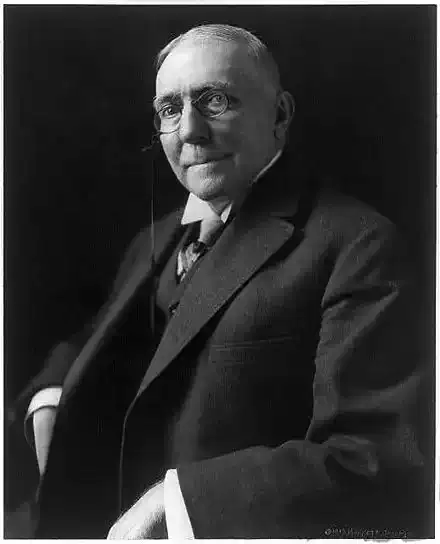
James Whitcomb Riley
The Harp Of The Minstrel
The Harp Of The Minstrel
The harp of the minstrel has never a tone
As sad as the song in his bosom to-night,
For the magical touch of his fingers alone
Can not waken the echoes that breathe it aright;
But oh! as the smile of the moon may impart
A sorrow to one in an alien clime,
Let the light of the melody fall on the heart,
And cadence his grief into musical rhyme.
The faces have faded, the eyes have grown dim
That once were his passionate love and his pride;
And alas! all the smiles that once blossomed for him
Have fallen away as the flowers have died.
The hands that entwined him the laureate's wreath
And crowned him with fame in the long, long ago,
Like the laurels are withered and folded beneath
The grass and the stubble--the frost and the snow.
Then sigh, if thou wilt, as the whispering strings
Strive ever in vain for the utterance clear,
And think of the sorrowful spirit that sings,
And jewel the song with the gem of a tear.
For the harp of the minstrel has never a tone
As sad as the song in his bosom tonight,
And the magical touch of his fingers alone
Can not waken the echoes that breathe it aright.
The harp of the minstrel has never a tone
As sad as the song in his bosom to-night,
For the magical touch of his fingers alone
Can not waken the echoes that breathe it aright;
But oh! as the smile of the moon may impart
A sorrow to one in an alien clime,
Let the light of the melody fall on the heart,
And cadence his grief into musical rhyme.
The faces have faded, the eyes have grown dim
That once were his passionate love and his pride;
And alas! all the smiles that once blossomed for him
Have fallen away as the flowers have died.
The hands that entwined him the laureate's wreath
And crowned him with fame in the long, long ago,
Like the laurels are withered and folded beneath
The grass and the stubble--the frost and the snow.
Then sigh, if thou wilt, as the whispering strings
Strive ever in vain for the utterance clear,
And think of the sorrowful spirit that sings,
And jewel the song with the gem of a tear.
For the harp of the minstrel has never a tone
As sad as the song in his bosom tonight,
And the magical touch of his fingers alone
Can not waken the echoes that breathe it aright.
267
James Whitcomb Riley
The Harp Of The Minstrel
The Harp Of The Minstrel
The harp of the minstrel has never a tone
As sad as the song in his bosom to-night,
For the magical touch of his fingers alone
Can not waken the echoes that breathe it aright;
But oh! as the smile of the moon may impart
A sorrow to one in an alien clime,
Let the light of the melody fall on the heart,
And cadence his grief into musical rhyme.
The faces have faded, the eyes have grown dim
That once were his passionate love and his pride;
And alas! all the smiles that once blossomed for him
Have fallen away as the flowers have died.
The hands that entwined him the laureate's wreath
And crowned him with fame in the long, long ago,
Like the laurels are withered and folded beneath
The grass and the stubble--the frost and the snow.
Then sigh, if thou wilt, as the whispering strings
Strive ever in vain for the utterance clear,
And think of the sorrowful spirit that sings,
And jewel the song with the gem of a tear.
For the harp of the minstrel has never a tone
As sad as the song in his bosom tonight,
And the magical touch of his fingers alone
Can not waken the echoes that breathe it aright.
The harp of the minstrel has never a tone
As sad as the song in his bosom to-night,
For the magical touch of his fingers alone
Can not waken the echoes that breathe it aright;
But oh! as the smile of the moon may impart
A sorrow to one in an alien clime,
Let the light of the melody fall on the heart,
And cadence his grief into musical rhyme.
The faces have faded, the eyes have grown dim
That once were his passionate love and his pride;
And alas! all the smiles that once blossomed for him
Have fallen away as the flowers have died.
The hands that entwined him the laureate's wreath
And crowned him with fame in the long, long ago,
Like the laurels are withered and folded beneath
The grass and the stubble--the frost and the snow.
Then sigh, if thou wilt, as the whispering strings
Strive ever in vain for the utterance clear,
And think of the sorrowful spirit that sings,
And jewel the song with the gem of a tear.
For the harp of the minstrel has never a tone
As sad as the song in his bosom tonight,
And the magical touch of his fingers alone
Can not waken the echoes that breathe it aright.
267
James Whitcomb Riley
The Good, Old-Fashioned People
The Good, Old-Fashioned People
When we hear Uncle Sidney tell
About the long-ago
An' old, old friends he loved so well
When _he_ was young--My-oh!--
Us childern all wish _we'd 'a'_ bin
A-livin' then with Uncle,--so
We could a-kindo' happened in
On them old friends he used to know!--
The good, old-fashioned people--
The hale, hard-working people--
The kindly country people
'At Uncle used to know!
They was God's people, Uncle says,
An' gloried in His name,
An' worked, without no selfishness,
An' loved their neighbers same
As they was kin: An' when they biled
Their tree-molasses, in the Spring,
Er butchered in the Fall, they smiled
An' sheered with all jist ever'thing!--
The good, old-fashioned people--
The hale, hard-working people--
The kindly country people
'At Uncle used to know!
He tells about 'em, lots o' times,
Till we'd all ruther hear
About 'em than the Nurs'ry Rhymes
Er Fairies--mighty near!--
Only sometimes he stops so long
An' then talks on so low an' slow,
It's purt'-nigh sad as any song
To listen to him talkin' so
Of the good, old-fashioned people--
The hale, hard-working people--
The kindly country people
'At Uncle used to know!
When we hear Uncle Sidney tell
About the long-ago
An' old, old friends he loved so well
When _he_ was young--My-oh!--
Us childern all wish _we'd 'a'_ bin
A-livin' then with Uncle,--so
We could a-kindo' happened in
On them old friends he used to know!--
The good, old-fashioned people--
The hale, hard-working people--
The kindly country people
'At Uncle used to know!
They was God's people, Uncle says,
An' gloried in His name,
An' worked, without no selfishness,
An' loved their neighbers same
As they was kin: An' when they biled
Their tree-molasses, in the Spring,
Er butchered in the Fall, they smiled
An' sheered with all jist ever'thing!--
The good, old-fashioned people--
The hale, hard-working people--
The kindly country people
'At Uncle used to know!
He tells about 'em, lots o' times,
Till we'd all ruther hear
About 'em than the Nurs'ry Rhymes
Er Fairies--mighty near!--
Only sometimes he stops so long
An' then talks on so low an' slow,
It's purt'-nigh sad as any song
To listen to him talkin' so
Of the good, old-fashioned people--
The hale, hard-working people--
The kindly country people
'At Uncle used to know!
278
James Whitcomb Riley
The Drum
The Drum
O the drum!
There is some
Intonation in thy grum
Monotony of utterance that strikes the spirit dumb,
As we hear
Through the clear
And unclouded atmosphere,
Thy palpitating syllables roll in upon the car!
There's a part
Of the art
Of thy music-throbbing heart
That thrills a something in us that awakens with a start,
And in rhyme
With the chime
And exactitude of time,
Goes marching on to glory to thy melody sublime.
And the guest
Of the breast
That thy rolling robs of rest
Is a patriotic spirit as a Continental dressed;
And he looms
From the glooms
Of a century of tombs,
And the blood he spilled at Lexington in living beauty blooms.
And his eyes
Wear the guise
Of a purpose pure and wise,
As the love of them is lifted to a something in the skies
That is bright
Red and white,
With a blur of starry light,
As it laughs in silken ripples to the breezes day and night.
There are deep
Hushes creep
O'er the pulses as they leap,
As thy tumult, fainter growing, on the silence falls asleep,
While the prayer
Rising there
Wills the sea and earth and air
As a heritage to Freedom's sons and daughters everywhere.
Then, with sound
As profound
As the thunderings resound,
Come thy wild reverberations in a throe that shakes the ground,
And a cry
Flung on high,
Like the flag it flutters by,
Wings rapturously upward till it nestles in the sky.
O the drum!
There is some
Intonation in thy grum
Monotony of utterance that strikes the spirit dumb,
As we hear
Through the clear
And unclouded atmosphere,
Thy palpitating syllables roll in upon the ear!
O the drum!
There is some
Intonation in thy grum
Monotony of utterance that strikes the spirit dumb,
As we hear
Through the clear
And unclouded atmosphere,
Thy palpitating syllables roll in upon the car!
There's a part
Of the art
Of thy music-throbbing heart
That thrills a something in us that awakens with a start,
And in rhyme
With the chime
And exactitude of time,
Goes marching on to glory to thy melody sublime.
And the guest
Of the breast
That thy rolling robs of rest
Is a patriotic spirit as a Continental dressed;
And he looms
From the glooms
Of a century of tombs,
And the blood he spilled at Lexington in living beauty blooms.
And his eyes
Wear the guise
Of a purpose pure and wise,
As the love of them is lifted to a something in the skies
That is bright
Red and white,
With a blur of starry light,
As it laughs in silken ripples to the breezes day and night.
There are deep
Hushes creep
O'er the pulses as they leap,
As thy tumult, fainter growing, on the silence falls asleep,
While the prayer
Rising there
Wills the sea and earth and air
As a heritage to Freedom's sons and daughters everywhere.
Then, with sound
As profound
As the thunderings resound,
Come thy wild reverberations in a throe that shakes the ground,
And a cry
Flung on high,
Like the flag it flutters by,
Wings rapturously upward till it nestles in the sky.
O the drum!
There is some
Intonation in thy grum
Monotony of utterance that strikes the spirit dumb,
As we hear
Through the clear
And unclouded atmosphere,
Thy palpitating syllables roll in upon the ear!
276
James Whitcomb Riley
The Frog
The Frog
Who am I but the Frog--the Frog!
My realm is the dark bayou,
And my throne is the muddy and moss-grown log
That the poison-vine clings to--
And the blacksnakes slide in the slimy tide
Where the ghost of the moon looks blue.
What am I but a King--a King!--
For the royal robes I wear--
A scepter, too, and a signet-ring,
As vassals and serfs declare:
And a voice, god wot, that is equaled not
In the wide world anywhere!
I can talk to the Night--the Night!--
Under her big black wing
She tells me the tale of the world outright,
And the secret of everything;
For she knows you all, from the time you crawl,
To the doom that death will bring.
The Storm swoops down, and he blows--and blows,--
While I drum on his swollen cheek,
And croak in his angered eye that glows
With the lurid lightning's streak;
While the rushes drown in the watery frown
That his bursting passions leak.
And I can see through the sky--the sky--
As clear as a piece of glass;
And I can tell you the how and why
Of the things that come to pass--
And whether the dead are there instead,
Or under the graveyard grass.
To your Sovereign lord all hail--all hail!--
To your Prince on his throne so grim!
Let the moon swing low, and the high stars trail
Their heads in the dust to him;
And the wide world sing: Long live the King,
And grace to his royal whim!
Who am I but the Frog--the Frog!
My realm is the dark bayou,
And my throne is the muddy and moss-grown log
That the poison-vine clings to--
And the blacksnakes slide in the slimy tide
Where the ghost of the moon looks blue.
What am I but a King--a King!--
For the royal robes I wear--
A scepter, too, and a signet-ring,
As vassals and serfs declare:
And a voice, god wot, that is equaled not
In the wide world anywhere!
I can talk to the Night--the Night!--
Under her big black wing
She tells me the tale of the world outright,
And the secret of everything;
For she knows you all, from the time you crawl,
To the doom that death will bring.
The Storm swoops down, and he blows--and blows,--
While I drum on his swollen cheek,
And croak in his angered eye that glows
With the lurid lightning's streak;
While the rushes drown in the watery frown
That his bursting passions leak.
And I can see through the sky--the sky--
As clear as a piece of glass;
And I can tell you the how and why
Of the things that come to pass--
And whether the dead are there instead,
Or under the graveyard grass.
To your Sovereign lord all hail--all hail!--
To your Prince on his throne so grim!
Let the moon swing low, and the high stars trail
Their heads in the dust to him;
And the wide world sing: Long live the King,
And grace to his royal whim!
258
James Whitcomb Riley
The Curse Of The Wandering Foot
The Curse Of The Wandering Foot
All hope of rest withdrawn me?--
What dread command hath put
This awful curse upon me--
The curse of the wandering foot!
Forward and backward and thither,
And hither and yon again--
Wandering ever! And whither?
Answer them, God! Amen.
The blue skies are far o'er me---
The bleak fields near below:
Where the mother that bore me?--
Where her grave in the snow?--
Glad in her trough of a coffin--
The sad eyes frozen shut
That wept so often, often,
The curse of the wandering foot!
Here in your marts I care not
Whatsoever ye think.
Good folk many who dare not
Give me to eat and drink:
Give me to sup of your pity--
Feast me on prayers!--O ye,
Met I your Christ in the city
He would fare forth with me--
Forward and onward and thither,
And hither again and yon,
With milk for our drink together
And honey to feed upon--
Nor hope of rest withdrawn us,
Since the one Father put
The blessed curse upon us--
The curse of the wandering foot.
All hope of rest withdrawn me?--
What dread command hath put
This awful curse upon me--
The curse of the wandering foot!
Forward and backward and thither,
And hither and yon again--
Wandering ever! And whither?
Answer them, God! Amen.
The blue skies are far o'er me---
The bleak fields near below:
Where the mother that bore me?--
Where her grave in the snow?--
Glad in her trough of a coffin--
The sad eyes frozen shut
That wept so often, often,
The curse of the wandering foot!
Here in your marts I care not
Whatsoever ye think.
Good folk many who dare not
Give me to eat and drink:
Give me to sup of your pity--
Feast me on prayers!--O ye,
Met I your Christ in the city
He would fare forth with me--
Forward and onward and thither,
And hither again and yon,
With milk for our drink together
And honey to feed upon--
Nor hope of rest withdrawn us,
Since the one Father put
The blessed curse upon us--
The curse of the wandering foot.
266
James Whitcomb Riley
The Days Gone By
The Days Gone By
O the days gone by! O the days gone by!
The apples in the orchard, and the pathway through the rye;
The chirrup of the robin, and the whistle of the quail
As he piped across the meadows sweet as any nightingale;
When the bloom was on the clover, and the blue was in the sky,
And my happy heart brimmed over in the days gone by.
In the days gone by, when my naked feet were tripped
By the honey-suckle's tangles where the water-lilies dipped,
And the ripples of the river lipped the moss along the brink
Where the placid-eyed and lazy-footed cattle came to drink,
And the tilting snipe stood fearless of the truant's wayward cry
And the splashing of the swimmer, in the days gone by.
O the days gone by! O the days gone by!
The music of the laughing lip, the luster of the eye;
The childish faith in fairies, and Aladdin's magic ring--
The simple, soul-reposing, glad belief in everything,--
When life was like a story, holding neither sob nor sigh,
In the golden olden glory of the days gone by.
O the days gone by! O the days gone by!
The apples in the orchard, and the pathway through the rye;
The chirrup of the robin, and the whistle of the quail
As he piped across the meadows sweet as any nightingale;
When the bloom was on the clover, and the blue was in the sky,
And my happy heart brimmed over in the days gone by.
In the days gone by, when my naked feet were tripped
By the honey-suckle's tangles where the water-lilies dipped,
And the ripples of the river lipped the moss along the brink
Where the placid-eyed and lazy-footed cattle came to drink,
And the tilting snipe stood fearless of the truant's wayward cry
And the splashing of the swimmer, in the days gone by.
O the days gone by! O the days gone by!
The music of the laughing lip, the luster of the eye;
The childish faith in fairies, and Aladdin's magic ring--
The simple, soul-reposing, glad belief in everything,--
When life was like a story, holding neither sob nor sigh,
In the golden olden glory of the days gone by.
263
James Whitcomb Riley
The Days Gone By
The Days Gone By
O the days gone by! O the days gone by!
The apples in the orchard, and the pathway through the rye;
The chirrup of the robin, and the whistle of the quail
As he piped across the meadows sweet as any nightingale;
When the bloom was on the clover, and the blue was in the sky,
And my happy heart brimmed over in the days gone by.
In the days gone by, when my naked feet were tripped
By the honey-suckle's tangles where the water-lilies dipped,
And the ripples of the river lipped the moss along the brink
Where the placid-eyed and lazy-footed cattle came to drink,
And the tilting snipe stood fearless of the truant's wayward cry
And the splashing of the swimmer, in the days gone by.
O the days gone by! O the days gone by!
The music of the laughing lip, the luster of the eye;
The childish faith in fairies, and Aladdin's magic ring--
The simple, soul-reposing, glad belief in everything,--
When life was like a story, holding neither sob nor sigh,
In the golden olden glory of the days gone by.
O the days gone by! O the days gone by!
The apples in the orchard, and the pathway through the rye;
The chirrup of the robin, and the whistle of the quail
As he piped across the meadows sweet as any nightingale;
When the bloom was on the clover, and the blue was in the sky,
And my happy heart brimmed over in the days gone by.
In the days gone by, when my naked feet were tripped
By the honey-suckle's tangles where the water-lilies dipped,
And the ripples of the river lipped the moss along the brink
Where the placid-eyed and lazy-footed cattle came to drink,
And the tilting snipe stood fearless of the truant's wayward cry
And the splashing of the swimmer, in the days gone by.
O the days gone by! O the days gone by!
The music of the laughing lip, the luster of the eye;
The childish faith in fairies, and Aladdin's magic ring--
The simple, soul-reposing, glad belief in everything,--
When life was like a story, holding neither sob nor sigh,
In the golden olden glory of the days gone by.
263
James Whitcomb Riley
The Circus-Day Parade
The Circus-Day Parade
Oh, the Circus-Day parade! How the bugles played and played!
And how the glossy horses tossed their flossy manes, and neighed,
As the rattle and the rhyme of the tenor-drummer's time
Filled all the hungry hearts of us with melody sublime!
How the grand band-wagon shone with a splendor all its own,
And glittered with a glory that our dreams had never known!
And how the boys behind, high and low of every kind,
Marched in unconscious capture, with a rapture undefined!
How the horsemen, two and two, with their plumes of white and blue,
And crimson, gold and purple, nodding by at me and you.
Waved the banners that they bore, as the Knights in days of yore,
Till our glad eyes gleamed and glistened like the spangles that they wore!
How the graceless-graceful stride of the elephant was eyed,
And the capers of the little horse that cantered at his side!
How the shambling camels, tame to the plaudits of their fame,
With listless eyes came silent, masticating as they came.
How the cages jolted past, with each wagon battened fast,
And the mystery within it only hinted of at last
From the little grated square in the rear, and nosing there
The snout of some strange animal that sniffed the outer air!
And, last of all, The Clown, making mirth for all the town,
With his lips curved ever upward and his eyebrows ever down,
And his chief attention paid to the little mule that played
A tattoo on the dashboard with his heels, in the parade.
Oh! the Circus-Day parade! How the bugles played and played!
And how the glossy horses tossed their flossy manes and neighed.
As the rattle and the rhyme of the tenor-drummer's time
Filled all the hungry hearts of us with melody sublime!
Oh, the Circus-Day parade! How the bugles played and played!
And how the glossy horses tossed their flossy manes, and neighed,
As the rattle and the rhyme of the tenor-drummer's time
Filled all the hungry hearts of us with melody sublime!
How the grand band-wagon shone with a splendor all its own,
And glittered with a glory that our dreams had never known!
And how the boys behind, high and low of every kind,
Marched in unconscious capture, with a rapture undefined!
How the horsemen, two and two, with their plumes of white and blue,
And crimson, gold and purple, nodding by at me and you.
Waved the banners that they bore, as the Knights in days of yore,
Till our glad eyes gleamed and glistened like the spangles that they wore!
How the graceless-graceful stride of the elephant was eyed,
And the capers of the little horse that cantered at his side!
How the shambling camels, tame to the plaudits of their fame,
With listless eyes came silent, masticating as they came.
How the cages jolted past, with each wagon battened fast,
And the mystery within it only hinted of at last
From the little grated square in the rear, and nosing there
The snout of some strange animal that sniffed the outer air!
And, last of all, The Clown, making mirth for all the town,
With his lips curved ever upward and his eyebrows ever down,
And his chief attention paid to the little mule that played
A tattoo on the dashboard with his heels, in the parade.
Oh! the Circus-Day parade! How the bugles played and played!
And how the glossy horses tossed their flossy manes and neighed.
As the rattle and the rhyme of the tenor-drummer's time
Filled all the hungry hearts of us with melody sublime!
306
James Whitcomb Riley
The Circus-Day Parade
The Circus-Day Parade
Oh, the Circus-Day parade! How the bugles played and played!
And how the glossy horses tossed their flossy manes, and neighed,
As the rattle and the rhyme of the tenor-drummer's time
Filled all the hungry hearts of us with melody sublime!
How the grand band-wagon shone with a splendor all its own,
And glittered with a glory that our dreams had never known!
And how the boys behind, high and low of every kind,
Marched in unconscious capture, with a rapture undefined!
How the horsemen, two and two, with their plumes of white and blue,
And crimson, gold and purple, nodding by at me and you.
Waved the banners that they bore, as the Knights in days of yore,
Till our glad eyes gleamed and glistened like the spangles that they wore!
How the graceless-graceful stride of the elephant was eyed,
And the capers of the little horse that cantered at his side!
How the shambling camels, tame to the plaudits of their fame,
With listless eyes came silent, masticating as they came.
How the cages jolted past, with each wagon battened fast,
And the mystery within it only hinted of at last
From the little grated square in the rear, and nosing there
The snout of some strange animal that sniffed the outer air!
And, last of all, The Clown, making mirth for all the town,
With his lips curved ever upward and his eyebrows ever down,
And his chief attention paid to the little mule that played
A tattoo on the dashboard with his heels, in the parade.
Oh! the Circus-Day parade! How the bugles played and played!
And how the glossy horses tossed their flossy manes and neighed.
As the rattle and the rhyme of the tenor-drummer's time
Filled all the hungry hearts of us with melody sublime!
Oh, the Circus-Day parade! How the bugles played and played!
And how the glossy horses tossed their flossy manes, and neighed,
As the rattle and the rhyme of the tenor-drummer's time
Filled all the hungry hearts of us with melody sublime!
How the grand band-wagon shone with a splendor all its own,
And glittered with a glory that our dreams had never known!
And how the boys behind, high and low of every kind,
Marched in unconscious capture, with a rapture undefined!
How the horsemen, two and two, with their plumes of white and blue,
And crimson, gold and purple, nodding by at me and you.
Waved the banners that they bore, as the Knights in days of yore,
Till our glad eyes gleamed and glistened like the spangles that they wore!
How the graceless-graceful stride of the elephant was eyed,
And the capers of the little horse that cantered at his side!
How the shambling camels, tame to the plaudits of their fame,
With listless eyes came silent, masticating as they came.
How the cages jolted past, with each wagon battened fast,
And the mystery within it only hinted of at last
From the little grated square in the rear, and nosing there
The snout of some strange animal that sniffed the outer air!
And, last of all, The Clown, making mirth for all the town,
With his lips curved ever upward and his eyebrows ever down,
And his chief attention paid to the little mule that played
A tattoo on the dashboard with his heels, in the parade.
Oh! the Circus-Day parade! How the bugles played and played!
And how the glossy horses tossed their flossy manes and neighed.
As the rattle and the rhyme of the tenor-drummer's time
Filled all the hungry hearts of us with melody sublime!
306
James Whitcomb Riley
The Chant Of The Cross-Bearing Child
The Chant Of The Cross-Bearing Child
I bear dis cross dis many a mile.
O de cross-bearin' chile--
De cross-bearin' chile!
I bear dis cross 'long many a road
Wha' de pink ain't bloom' an' de grass done mowed.
O de cross-bearin' chile--
De cross-bearin' chile!
Hits on my conscience all dese days
Fo' ter bear de cross ut de good Lord lays
On my po' soul, an' ter lif my praise.
O de cross-bearin' chile--
De cross-bearin' chile!
I 's nigh-'bout weak ez I mos' kin be,
Yit de Marstah call an' He say,--'You 's free
Fo' ter 'cept dis cross, an' ter cringe yo' knee
To no n'er man in de worl' but me!'
O de cross-bearin' chile--
De cross-bearin' chile!
Says you guess wrong, ef I let you guess--
Says you 'spec' mo', an'-a you git less:--
Says you go eas', says you go wes',
An' whense you fine de road ut you like bes'
You betteh take ch'ice er any er de res'!
O de cross-bearin' chile--
De cross-bearin' chile!
He build my feet, an' He fix de signs
Dat de shoe hit pinch an' de shoe hit bines
Ef I on'y w'ah eights an-a wanter w'ah nines;
I hone fo' de rain, an' de sun hit shines,
An' whilse I hunt de sun, hits de rain I fines.-O-
a trim my lamp, an-a gyrd my lines!
O de cross-bearin' chile--
De cross-bearin' chile!
I wade de wet, an' I walk de dry:
I done tromp long, an' I done clim high;
An' I pilgrim on ter de jasper sky,
An' I taken de resk fo' ter cas' my eye
Wha' de Gate swing wide an' de Lord draw nigh,
An' de Trump hit blow, an' I hear de cry,-'
You lay dat cross down by an' by!--
O de Cross-bearin' Chile--
Do Cross-bearin' Chile!'
I bear dis cross dis many a mile.
O de cross-bearin' chile--
De cross-bearin' chile!
I bear dis cross 'long many a road
Wha' de pink ain't bloom' an' de grass done mowed.
O de cross-bearin' chile--
De cross-bearin' chile!
Hits on my conscience all dese days
Fo' ter bear de cross ut de good Lord lays
On my po' soul, an' ter lif my praise.
O de cross-bearin' chile--
De cross-bearin' chile!
I 's nigh-'bout weak ez I mos' kin be,
Yit de Marstah call an' He say,--'You 's free
Fo' ter 'cept dis cross, an' ter cringe yo' knee
To no n'er man in de worl' but me!'
O de cross-bearin' chile--
De cross-bearin' chile!
Says you guess wrong, ef I let you guess--
Says you 'spec' mo', an'-a you git less:--
Says you go eas', says you go wes',
An' whense you fine de road ut you like bes'
You betteh take ch'ice er any er de res'!
O de cross-bearin' chile--
De cross-bearin' chile!
He build my feet, an' He fix de signs
Dat de shoe hit pinch an' de shoe hit bines
Ef I on'y w'ah eights an-a wanter w'ah nines;
I hone fo' de rain, an' de sun hit shines,
An' whilse I hunt de sun, hits de rain I fines.-O-
a trim my lamp, an-a gyrd my lines!
O de cross-bearin' chile--
De cross-bearin' chile!
I wade de wet, an' I walk de dry:
I done tromp long, an' I done clim high;
An' I pilgrim on ter de jasper sky,
An' I taken de resk fo' ter cas' my eye
Wha' de Gate swing wide an' de Lord draw nigh,
An' de Trump hit blow, an' I hear de cry,-'
You lay dat cross down by an' by!--
O de Cross-bearin' Chile--
Do Cross-bearin' Chile!'
237
James Whitcomb Riley
The Boys
The Boys
Where are they?--the friends of my childhood enchanted--
The clear, laughing eyes looking back in my own,
And the warm, chubby fingers my palms have so wanted,
As when we raced over
Pink pastures of clover,
And mocked the quail's whir and the bumblebee's drone?
Have the breezes of time blown their blossomy faces
Forever adrift down the years that are flown?
Am I never to see them romp back to their places,
Where over the meadow,
In sunshine and shadow,
The meadow-larks trill, and the bumblebees drone?
Where are they? Ah! dim in the dust lies the clover;
The whippoorwill's call has a sorrowful tone,
And the dove's--I have wept at it over and over;--
I want the glad luster
Of youth, and the cluster
Of faces asleep where the bumblebees drone!
Where are they?--the friends of my childhood enchanted--
The clear, laughing eyes looking back in my own,
And the warm, chubby fingers my palms have so wanted,
As when we raced over
Pink pastures of clover,
And mocked the quail's whir and the bumblebee's drone?
Have the breezes of time blown their blossomy faces
Forever adrift down the years that are flown?
Am I never to see them romp back to their places,
Where over the meadow,
In sunshine and shadow,
The meadow-larks trill, and the bumblebees drone?
Where are they? Ah! dim in the dust lies the clover;
The whippoorwill's call has a sorrowful tone,
And the dove's--I have wept at it over and over;--
I want the glad luster
Of youth, and the cluster
Of faces asleep where the bumblebees drone!
331
James Whitcomb Riley
The Boys
The Boys
Where are they?--the friends of my childhood enchanted--
The clear, laughing eyes looking back in my own,
And the warm, chubby fingers my palms have so wanted,
As when we raced over
Pink pastures of clover,
And mocked the quail's whir and the bumblebee's drone?
Have the breezes of time blown their blossomy faces
Forever adrift down the years that are flown?
Am I never to see them romp back to their places,
Where over the meadow,
In sunshine and shadow,
The meadow-larks trill, and the bumblebees drone?
Where are they? Ah! dim in the dust lies the clover;
The whippoorwill's call has a sorrowful tone,
And the dove's--I have wept at it over and over;--
I want the glad luster
Of youth, and the cluster
Of faces asleep where the bumblebees drone!
Where are they?--the friends of my childhood enchanted--
The clear, laughing eyes looking back in my own,
And the warm, chubby fingers my palms have so wanted,
As when we raced over
Pink pastures of clover,
And mocked the quail's whir and the bumblebee's drone?
Have the breezes of time blown their blossomy faces
Forever adrift down the years that are flown?
Am I never to see them romp back to their places,
Where over the meadow,
In sunshine and shadow,
The meadow-larks trill, and the bumblebees drone?
Where are they? Ah! dim in the dust lies the clover;
The whippoorwill's call has a sorrowful tone,
And the dove's--I have wept at it over and over;--
I want the glad luster
Of youth, and the cluster
Of faces asleep where the bumblebees drone!
331
James Whitcomb Riley
The Boys
The Boys
Where are they?--the friends of my childhood enchanted--
The clear, laughing eyes looking back in my own,
And the warm, chubby fingers my palms have so wanted,
As when we raced over
Pink pastures of clover,
And mocked the quail's whir and the bumblebee's drone?
Have the breezes of time blown their blossomy faces
Forever adrift down the years that are flown?
Am I never to see them romp back to their places,
Where over the meadow,
In sunshine and shadow,
The meadow-larks trill, and the bumblebees drone?
Where are they? Ah! dim in the dust lies the clover;
The whippoorwill's call has a sorrowful tone,
And the dove's--I have wept at it over and over;--
I want the glad luster
Of youth, and the cluster
Of faces asleep where the bumblebees drone!
Where are they?--the friends of my childhood enchanted--
The clear, laughing eyes looking back in my own,
And the warm, chubby fingers my palms have so wanted,
As when we raced over
Pink pastures of clover,
And mocked the quail's whir and the bumblebee's drone?
Have the breezes of time blown their blossomy faces
Forever adrift down the years that are flown?
Am I never to see them romp back to their places,
Where over the meadow,
In sunshine and shadow,
The meadow-larks trill, and the bumblebees drone?
Where are they? Ah! dim in the dust lies the clover;
The whippoorwill's call has a sorrowful tone,
And the dove's--I have wept at it over and over;--
I want the glad luster
Of youth, and the cluster
Of faces asleep where the bumblebees drone!
331
James Whitcomb Riley
The Brook-Song
The Brook-Song
Little brook! Little brook!
You have such a happy look--
Such a very merry manner, as you swerve and
curve and crook--
And your ripples, one and one,
Reach each other's hands and run
Like laughing little children in the sun!
Little brook, sing to me:
Sing about a bumblebee
That tumbled from a lily-bell and grumbled
mumblingly,
Because he wet the film
Of his wings, and had to swim,
While the water-bugs raced round and
laughed at him!
Little brook-sing a song
Of a leaf that sailed along
Down the golden-braided centre of your current
swift and strong,
And a dragon-fly that lit
On the tilting rim of it,
And rode away and wasn't scared a bit.
And sing--how oft in glee
Came a truant boy like me,
Who loved to lean and listen to your lilting
melody,
Till the gurgle and refrain
Of your music in his brain
Wrought a happiness as keen to him
as pain.
Little brook-laugh and leap!
Do not let the dreamer weep:
Sing him all the songs of summer till he sink in
softest sleep;
And then sing soft and low
Through his dreams of long ago--
Sing back to him the rest he used to
know!
Little brook! Little brook!
You have such a happy look--
Such a very merry manner, as you swerve and
curve and crook--
And your ripples, one and one,
Reach each other's hands and run
Like laughing little children in the sun!
Little brook, sing to me:
Sing about a bumblebee
That tumbled from a lily-bell and grumbled
mumblingly,
Because he wet the film
Of his wings, and had to swim,
While the water-bugs raced round and
laughed at him!
Little brook-sing a song
Of a leaf that sailed along
Down the golden-braided centre of your current
swift and strong,
And a dragon-fly that lit
On the tilting rim of it,
And rode away and wasn't scared a bit.
And sing--how oft in glee
Came a truant boy like me,
Who loved to lean and listen to your lilting
melody,
Till the gurgle and refrain
Of your music in his brain
Wrought a happiness as keen to him
as pain.
Little brook-laugh and leap!
Do not let the dreamer weep:
Sing him all the songs of summer till he sink in
softest sleep;
And then sing soft and low
Through his dreams of long ago--
Sing back to him the rest he used to
know!
296
James Whitcomb Riley
The Best is Good Enough
The Best is Good Enough
I quarrel not with destiny,
But make the best of everything-
The best is good enough for me.
Leave discontent alone, and she
Will shut her mouth and let you sing.
I quarrel not with destiny.
I take some things, or let 'em be-
Good gold has always got the ring;
The best is good enough for me.
Since fate insists on secrecy,
I have no arguments to bring-
I quarrel not with destiny.
The fellow that goes 'haw' for 'gee'
Will find he hasn't got full swing.
The best is good enough for me.
One only knows our needs, and he
Does all of the distributing.
I quarrel not with destiny:
The best is good enough for me.
I quarrel not with destiny,
But make the best of everything-
The best is good enough for me.
Leave discontent alone, and she
Will shut her mouth and let you sing.
I quarrel not with destiny.
I take some things, or let 'em be-
Good gold has always got the ring;
The best is good enough for me.
Since fate insists on secrecy,
I have no arguments to bring-
I quarrel not with destiny.
The fellow that goes 'haw' for 'gee'
Will find he hasn't got full swing.
The best is good enough for me.
One only knows our needs, and he
Does all of the distributing.
I quarrel not with destiny:
The best is good enough for me.
288
James Whitcomb Riley
The Bat
The Bat
I.
Thou dread, uncanny thing,
With fuzzy breast and leathern wing,
In mad, zigzagging flight,
Notching the dusk, and buffeting
The black cheeks of the night,
With grim delight!
II.
What witch's hand unhasps
Thy keen claw-cornered wings
From under the barn roof, and flings
Thee forth, with chattering gasps,
To scud the air,
And nip the lady-bug, and tear
Her children's hearts out unaware?
III.
The glow-worm's glimmer, and the bright,
Sad pulsings of the fire-fly's light,
Are banquet lights to thee.
O less than bird, and worse than beast,
Thou Devil's self, or brat, at least,
Grate not thy teeth at me!
I.
Thou dread, uncanny thing,
With fuzzy breast and leathern wing,
In mad, zigzagging flight,
Notching the dusk, and buffeting
The black cheeks of the night,
With grim delight!
II.
What witch's hand unhasps
Thy keen claw-cornered wings
From under the barn roof, and flings
Thee forth, with chattering gasps,
To scud the air,
And nip the lady-bug, and tear
Her children's hearts out unaware?
III.
The glow-worm's glimmer, and the bright,
Sad pulsings of the fire-fly's light,
Are banquet lights to thee.
O less than bird, and worse than beast,
Thou Devil's self, or brat, at least,
Grate not thy teeth at me!
311
James Whitcomb Riley
The Bat
The Bat
I.
Thou dread, uncanny thing,
With fuzzy breast and leathern wing,
In mad, zigzagging flight,
Notching the dusk, and buffeting
The black cheeks of the night,
With grim delight!
II.
What witch's hand unhasps
Thy keen claw-cornered wings
From under the barn roof, and flings
Thee forth, with chattering gasps,
To scud the air,
And nip the lady-bug, and tear
Her children's hearts out unaware?
III.
The glow-worm's glimmer, and the bright,
Sad pulsings of the fire-fly's light,
Are banquet lights to thee.
O less than bird, and worse than beast,
Thou Devil's self, or brat, at least,
Grate not thy teeth at me!
I.
Thou dread, uncanny thing,
With fuzzy breast and leathern wing,
In mad, zigzagging flight,
Notching the dusk, and buffeting
The black cheeks of the night,
With grim delight!
II.
What witch's hand unhasps
Thy keen claw-cornered wings
From under the barn roof, and flings
Thee forth, with chattering gasps,
To scud the air,
And nip the lady-bug, and tear
Her children's hearts out unaware?
III.
The glow-worm's glimmer, and the bright,
Sad pulsings of the fire-fly's light,
Are banquet lights to thee.
O less than bird, and worse than beast,
Thou Devil's self, or brat, at least,
Grate not thy teeth at me!
311
James Whitcomb Riley
Thanksgiving
Thanksgiving
Let us be thankful--not only because
Since last our universal thanks were told
We have grown greater in the world's applause,
And fortune's newer smiles surpass the old--
But thankful for all things that come as alms
From out the open hand of Providence:--
The winter clouds and storms---the summer calms--
The sleepless dread--the drowse of indolence.
Let us be thankful--thankful for the prayers
Whose gracious answers were long, long delayed,
That they might fall upon us unawares,
And bless us, as in greater need, we prayed.
Let us be thankful for the loyal hand
That love held out in welcome to our own,
When love and only love could understand
The need of touches we had never known.
Let us be thankful for the longing eyes
That gave their secret to us as they wept,
Yet in return found, with a sweet surprise,
Love's touch upon their lids, and, smiling, slept.
And let us, too, be thankful that the tears
Of sorrow have not all been drained away,
That through them still, for all the coming years,
We may look on the dead face of To-day.
Let us be thankful--not only because
Since last our universal thanks were told
We have grown greater in the world's applause,
And fortune's newer smiles surpass the old--
But thankful for all things that come as alms
From out the open hand of Providence:--
The winter clouds and storms---the summer calms--
The sleepless dread--the drowse of indolence.
Let us be thankful--thankful for the prayers
Whose gracious answers were long, long delayed,
That they might fall upon us unawares,
And bless us, as in greater need, we prayed.
Let us be thankful for the loyal hand
That love held out in welcome to our own,
When love and only love could understand
The need of touches we had never known.
Let us be thankful for the longing eyes
That gave their secret to us as they wept,
Yet in return found, with a sweet surprise,
Love's touch upon their lids, and, smiling, slept.
And let us, too, be thankful that the tears
Of sorrow have not all been drained away,
That through them still, for all the coming years,
We may look on the dead face of To-day.
262
James Whitcomb Riley
Thanksgiving
Thanksgiving
Let us be thankful--not only because
Since last our universal thanks were told
We have grown greater in the world's applause,
And fortune's newer smiles surpass the old--
But thankful for all things that come as alms
From out the open hand of Providence:--
The winter clouds and storms---the summer calms--
The sleepless dread--the drowse of indolence.
Let us be thankful--thankful for the prayers
Whose gracious answers were long, long delayed,
That they might fall upon us unawares,
And bless us, as in greater need, we prayed.
Let us be thankful for the loyal hand
That love held out in welcome to our own,
When love and only love could understand
The need of touches we had never known.
Let us be thankful for the longing eyes
That gave their secret to us as they wept,
Yet in return found, with a sweet surprise,
Love's touch upon their lids, and, smiling, slept.
And let us, too, be thankful that the tears
Of sorrow have not all been drained away,
That through them still, for all the coming years,
We may look on the dead face of To-day.
Let us be thankful--not only because
Since last our universal thanks were told
We have grown greater in the world's applause,
And fortune's newer smiles surpass the old--
But thankful for all things that come as alms
From out the open hand of Providence:--
The winter clouds and storms---the summer calms--
The sleepless dread--the drowse of indolence.
Let us be thankful--thankful for the prayers
Whose gracious answers were long, long delayed,
That they might fall upon us unawares,
And bless us, as in greater need, we prayed.
Let us be thankful for the loyal hand
That love held out in welcome to our own,
When love and only love could understand
The need of touches we had never known.
Let us be thankful for the longing eyes
That gave their secret to us as they wept,
Yet in return found, with a sweet surprise,
Love's touch upon their lids, and, smiling, slept.
And let us, too, be thankful that the tears
Of sorrow have not all been drained away,
That through them still, for all the coming years,
We may look on the dead face of To-day.
262
James Whitcomb Riley
Thanksgiving
Thanksgiving
Let us be thankful--not only because
Since last our universal thanks were told
We have grown greater in the world's applause,
And fortune's newer smiles surpass the old--
But thankful for all things that come as alms
From out the open hand of Providence:--
The winter clouds and storms---the summer calms--
The sleepless dread--the drowse of indolence.
Let us be thankful--thankful for the prayers
Whose gracious answers were long, long delayed,
That they might fall upon us unawares,
And bless us, as in greater need, we prayed.
Let us be thankful for the loyal hand
That love held out in welcome to our own,
When love and only love could understand
The need of touches we had never known.
Let us be thankful for the longing eyes
That gave their secret to us as they wept,
Yet in return found, with a sweet surprise,
Love's touch upon their lids, and, smiling, slept.
And let us, too, be thankful that the tears
Of sorrow have not all been drained away,
That through them still, for all the coming years,
We may look on the dead face of To-day.
Let us be thankful--not only because
Since last our universal thanks were told
We have grown greater in the world's applause,
And fortune's newer smiles surpass the old--
But thankful for all things that come as alms
From out the open hand of Providence:--
The winter clouds and storms---the summer calms--
The sleepless dread--the drowse of indolence.
Let us be thankful--thankful for the prayers
Whose gracious answers were long, long delayed,
That they might fall upon us unawares,
And bless us, as in greater need, we prayed.
Let us be thankful for the loyal hand
That love held out in welcome to our own,
When love and only love could understand
The need of touches we had never known.
Let us be thankful for the longing eyes
That gave their secret to us as they wept,
Yet in return found, with a sweet surprise,
Love's touch upon their lids, and, smiling, slept.
And let us, too, be thankful that the tears
Of sorrow have not all been drained away,
That through them still, for all the coming years,
We may look on the dead face of To-day.
262
James Whitcomb Riley
Song
Song
'Why do I sing--Tra-la-la-la-la!
Glad as a King?--Tra-la-la-la-la!
Well, since you ask,--
I have such a pleasant task,
I can not help but sing!
'Why do I smile--Tra-la-la-la-la!
Working the while?--Tra-la-la-la-la!
Work like this is play,--
So I'm playing all the day--
I can not help but smile!
'So, If you please--Tra-la-la-la-la!
Live at your ease!--Tra-la-la-la-la!
You've only got to turn,
And, you see, its bound to churn--
I can not help but please!'
The farmer pondered and scratched his head,
Reading over each mystic word.-'
Some o' the Dreamer's work!' he said-'
Ah, here's more--and name and date
In his hand-write'!'--And the good man read,-''
Patent applied for, July third,
Eighteen hundred and forty-eight'!'
The fragment fell from his nerveless grasp--
His awed lips thrilled with the joyous gasp:
'I see the p'int to the whole concern,-He's
studied out a patent churn!'
'Why do I sing--Tra-la-la-la-la!
Glad as a King?--Tra-la-la-la-la!
Well, since you ask,--
I have such a pleasant task,
I can not help but sing!
'Why do I smile--Tra-la-la-la-la!
Working the while?--Tra-la-la-la-la!
Work like this is play,--
So I'm playing all the day--
I can not help but smile!
'So, If you please--Tra-la-la-la-la!
Live at your ease!--Tra-la-la-la-la!
You've only got to turn,
And, you see, its bound to churn--
I can not help but please!'
The farmer pondered and scratched his head,
Reading over each mystic word.-'
Some o' the Dreamer's work!' he said-'
Ah, here's more--and name and date
In his hand-write'!'--And the good man read,-''
Patent applied for, July third,
Eighteen hundred and forty-eight'!'
The fragment fell from his nerveless grasp--
His awed lips thrilled with the joyous gasp:
'I see the p'int to the whole concern,-He's
studied out a patent churn!'
250
James Whitcomb Riley
Song Of The New Year
Song Of The New Year
I heard the bells at midnight
Ring in the dawning year;
And above the clanging chorus
Of the song, I seemed to hear
A choir of mystic voices
Flinging echoes, ringing clear,
From a band of angels winging
Through the haunted atmosphere:
'Ring out the shame and sorrow,
And the misery and sin,
That the dawning of the morrow
May in peace be ushered in.'
And I thought of all the trials
The departed years had cost,
And the blooming hopes and pleasures
That are withered now and lost;
And with joy I drank the music
Stealing o'er the feeling there
As the spirit song came pealing
On the silence everywhere:
'Ring out the shame and sorrow,
And the misery and sin,
That the dawning of the morrow
May in peace be ushered in.'
And I listened as a lover
To an utterance that flows
In syllables like dewdrops
From the red lips of a rose,
Till the anthem, fainter growing,
Climbing higher, chiming on
Up the rounds of happy rhyming,
Slowly vanished in the dawn:
'Ring out the shame and sorrow,
And the misery and sin,
That the dawning of the morrow
May in peace be ushered in.'
Then I raised my eyes to Heaven,
And with trembling lips I pled
For a blessing for the living
And a pardon for the dead;
And like a ghost of music
Slowly whispered--lowly sung--
Came the echo pure and holy
In the happy angel tongue:
'Ring out the shame and sorrow,
And the misery and sin,
And the dawn of every morrow
Will in peace be ushered in.'
I heard the bells at midnight
Ring in the dawning year;
And above the clanging chorus
Of the song, I seemed to hear
A choir of mystic voices
Flinging echoes, ringing clear,
From a band of angels winging
Through the haunted atmosphere:
'Ring out the shame and sorrow,
And the misery and sin,
That the dawning of the morrow
May in peace be ushered in.'
And I thought of all the trials
The departed years had cost,
And the blooming hopes and pleasures
That are withered now and lost;
And with joy I drank the music
Stealing o'er the feeling there
As the spirit song came pealing
On the silence everywhere:
'Ring out the shame and sorrow,
And the misery and sin,
That the dawning of the morrow
May in peace be ushered in.'
And I listened as a lover
To an utterance that flows
In syllables like dewdrops
From the red lips of a rose,
Till the anthem, fainter growing,
Climbing higher, chiming on
Up the rounds of happy rhyming,
Slowly vanished in the dawn:
'Ring out the shame and sorrow,
And the misery and sin,
That the dawning of the morrow
May in peace be ushered in.'
Then I raised my eyes to Heaven,
And with trembling lips I pled
For a blessing for the living
And a pardon for the dead;
And like a ghost of music
Slowly whispered--lowly sung--
Came the echo pure and holy
In the happy angel tongue:
'Ring out the shame and sorrow,
And the misery and sin,
And the dawn of every morrow
Will in peace be ushered in.'
291
James Whitcomb Riley
Song Of The New Year
Song Of The New Year
I heard the bells at midnight
Ring in the dawning year;
And above the clanging chorus
Of the song, I seemed to hear
A choir of mystic voices
Flinging echoes, ringing clear,
From a band of angels winging
Through the haunted atmosphere:
'Ring out the shame and sorrow,
And the misery and sin,
That the dawning of the morrow
May in peace be ushered in.'
And I thought of all the trials
The departed years had cost,
And the blooming hopes and pleasures
That are withered now and lost;
And with joy I drank the music
Stealing o'er the feeling there
As the spirit song came pealing
On the silence everywhere:
'Ring out the shame and sorrow,
And the misery and sin,
That the dawning of the morrow
May in peace be ushered in.'
And I listened as a lover
To an utterance that flows
In syllables like dewdrops
From the red lips of a rose,
Till the anthem, fainter growing,
Climbing higher, chiming on
Up the rounds of happy rhyming,
Slowly vanished in the dawn:
'Ring out the shame and sorrow,
And the misery and sin,
That the dawning of the morrow
May in peace be ushered in.'
Then I raised my eyes to Heaven,
And with trembling lips I pled
For a blessing for the living
And a pardon for the dead;
And like a ghost of music
Slowly whispered--lowly sung--
Came the echo pure and holy
In the happy angel tongue:
'Ring out the shame and sorrow,
And the misery and sin,
And the dawn of every morrow
Will in peace be ushered in.'
I heard the bells at midnight
Ring in the dawning year;
And above the clanging chorus
Of the song, I seemed to hear
A choir of mystic voices
Flinging echoes, ringing clear,
From a band of angels winging
Through the haunted atmosphere:
'Ring out the shame and sorrow,
And the misery and sin,
That the dawning of the morrow
May in peace be ushered in.'
And I thought of all the trials
The departed years had cost,
And the blooming hopes and pleasures
That are withered now and lost;
And with joy I drank the music
Stealing o'er the feeling there
As the spirit song came pealing
On the silence everywhere:
'Ring out the shame and sorrow,
And the misery and sin,
That the dawning of the morrow
May in peace be ushered in.'
And I listened as a lover
To an utterance that flows
In syllables like dewdrops
From the red lips of a rose,
Till the anthem, fainter growing,
Climbing higher, chiming on
Up the rounds of happy rhyming,
Slowly vanished in the dawn:
'Ring out the shame and sorrow,
And the misery and sin,
That the dawning of the morrow
May in peace be ushered in.'
Then I raised my eyes to Heaven,
And with trembling lips I pled
For a blessing for the living
And a pardon for the dead;
And like a ghost of music
Slowly whispered--lowly sung--
Came the echo pure and holy
In the happy angel tongue:
'Ring out the shame and sorrow,
And the misery and sin,
And the dawn of every morrow
Will in peace be ushered in.'
291