

Poems in this topic
Emotions and Feelings
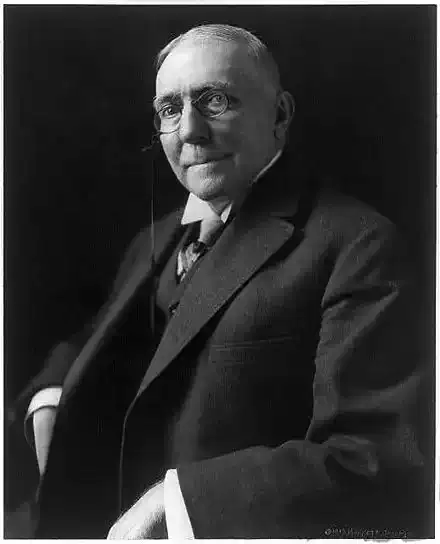
James Whitcomb Riley
My Father's Halls
My Father's Halls
My father's halls, so rich and rare,
Are desolate and bleak and bare;
My father's heart and halls are one,
Since I, their life and light, am gone.
O, valiant knight, with hand of steel
And heart of gold, hear my appeal:
Release me from the spoiler's charms,
And bear me to my father's arms.
My father's halls, so rich and rare,
Are desolate and bleak and bare;
My father's heart and halls are one,
Since I, their life and light, am gone.
O, valiant knight, with hand of steel
And heart of gold, hear my appeal:
Release me from the spoiler's charms,
And bear me to my father's arms.
220
James Whitcomb Riley
My Bride That Is To Be
My Bride That Is To Be
O soul of mine, look out and see
My bride, my bride that is to be!
Reach out with mad, impatient hands,
And draw aside futurity
As one might draw a veil aside--
And so unveil her where she stands
Madonna-like and glorified--
The queen of undiscovered lands
Of love, to where she beckons me--
My bride--my bride that is to be.
The shadow of a willow-tree
That wavers on a garden-wall
In summertime may never fall
In attitude as gracefully
As my fair bride that is to be;--
Nor ever Autumn's leaves of brown
As lightly flutter to the lawn
As fall her fairy-feet upon
The path of love she loiters down.-O'er
drops of dew she walks, and yet
Not one may stain her sandal wet--
Aye, she might _dance_ upon the way
Nor crush a single drop to spray,
So airy-like she seems to me,--
My bride, my bride that is to be.
I know not if her eyes are light
As summer skies or dark as night,--
I only know that they are dim
With mystery: In vain I peer
To make their hidden meaning clear,
While o'er their surface, like a tear
That ripples to the silken brim,
A look of longing seems to swim
All worn and wearylike to me;
And then, as suddenly, my sight
Is blinded with a smile so bright,
Through folded lids I still may see
My bride, my bride that is to be.
Her face is like a night of June
Upon whose brow the crescent-moon
Hangs pendant in a diadem
Of stars, with envy lighting them.--
And, like a wild cascade, her hair
Floods neck and shoulder, arm and wrist,
Till only through a gleaming mist
I seem to see a siren there,
With lips of love and melody
And open arms and heaving breast
Wherein I fling myself to rest,
The while my heart cries hopelessly
For my fair bride that is to be....
Nay, foolish heart and blinded eyes!
My bride hath need of no disguise.--
But, rather, let her come to me
In such a form as bent above
My pillow when in infancy
I knew not anything but love.--
O let her come from out the lands
Of Womanhood--not fairy isles,--
And let her come with Woman's hands
And Woman's eyes of tears and smiles,--
With Woman's hopefulness and grace
Of patience lighting up her face:
And let her diadem be wrought
Of kindly deed and prayerful thought,
That ever over all distress
May beam the light of cheerfulness.--
And let her feet be brave to fare
The labyrinths of doubt and care,
That, following, my own may find
The path to Heaven God designed.--
O let her come like this to me--
My bride--my bride that is to be.
O soul of mine, look out and see
My bride, my bride that is to be!
Reach out with mad, impatient hands,
And draw aside futurity
As one might draw a veil aside--
And so unveil her where she stands
Madonna-like and glorified--
The queen of undiscovered lands
Of love, to where she beckons me--
My bride--my bride that is to be.
The shadow of a willow-tree
That wavers on a garden-wall
In summertime may never fall
In attitude as gracefully
As my fair bride that is to be;--
Nor ever Autumn's leaves of brown
As lightly flutter to the lawn
As fall her fairy-feet upon
The path of love she loiters down.-O'er
drops of dew she walks, and yet
Not one may stain her sandal wet--
Aye, she might _dance_ upon the way
Nor crush a single drop to spray,
So airy-like she seems to me,--
My bride, my bride that is to be.
I know not if her eyes are light
As summer skies or dark as night,--
I only know that they are dim
With mystery: In vain I peer
To make their hidden meaning clear,
While o'er their surface, like a tear
That ripples to the silken brim,
A look of longing seems to swim
All worn and wearylike to me;
And then, as suddenly, my sight
Is blinded with a smile so bright,
Through folded lids I still may see
My bride, my bride that is to be.
Her face is like a night of June
Upon whose brow the crescent-moon
Hangs pendant in a diadem
Of stars, with envy lighting them.--
And, like a wild cascade, her hair
Floods neck and shoulder, arm and wrist,
Till only through a gleaming mist
I seem to see a siren there,
With lips of love and melody
And open arms and heaving breast
Wherein I fling myself to rest,
The while my heart cries hopelessly
For my fair bride that is to be....
Nay, foolish heart and blinded eyes!
My bride hath need of no disguise.--
But, rather, let her come to me
In such a form as bent above
My pillow when in infancy
I knew not anything but love.--
O let her come from out the lands
Of Womanhood--not fairy isles,--
And let her come with Woman's hands
And Woman's eyes of tears and smiles,--
With Woman's hopefulness and grace
Of patience lighting up her face:
And let her diadem be wrought
Of kindly deed and prayerful thought,
That ever over all distress
May beam the light of cheerfulness.--
And let her feet be brave to fare
The labyrinths of doubt and care,
That, following, my own may find
The path to Heaven God designed.--
O let her come like this to me--
My bride--my bride that is to be.
321
James Whitcomb Riley
Mr. Hammond's Parable--The Dreamer
Mr. Hammond's Parable--The Dreamer
I
He was a Dreamer of the Days:
Indolent as a lazy breeze
Of midsummer, in idlest ways
Lolling about in the shade of trees.
The farmer turned--as he passed him by
Under the hillside where he kneeled
Plucking a flower--with scornful eye
And rode ahead in the harvest field
Muttering--'Lawz! ef that-air shirk
Of a boy was mine fer a week er so,
He'd quit _dreamin'_ and git to work
And _airn_ his livin'--er--Well! _I_ know!'
And even kindlier rumor said,
Tapping with finger a shaking head,-'
Got such a curious kind o' way-Wouldn't
surprise me much, I say!'
Lying limp, with upturned gaze
Idly dreaming away his days.
No companions? Yes, a book
Sometimes under his arm he took
To read aloud to a lonesome brook.
And school-boys, truant, once had heard
A strange voice chanting, faint and dim--
Followed the echoes, and found it him,
Perched in a tree-top like a bird,
Singing, clean from the highest limb;
And, fearful and awed, they all slipped by
To wonder in whispers if he could fly.
'Let him alone!' his father said
When the old schoolmaster came to say,
'He took no part in his books to-day--
Only the lesson the readers read.--
His mind seems sadly going astray!'
'Let him alone!' came the mournful tone,
And the father's grief in his sad eyes shone--
Hiding his face in his trembling hand,
Moaning, 'Would I could understand!
But as heaven wills it I accept
Uncomplainingly!' So he wept.
Then went 'The Dreamer' as he willed,
As uncontrolled as a light sail filled
Flutters about with an empty boat
Loosed from its moorings and afloat:
Drifted out from the busy quay
Of dull school-moorings listlessly;
Drifted off on the talking breeze,
All alone with his reveries;
Drifted on, as his fancies wrought-
Out on the mighty gulfs of thought.
II
The farmer came in the evening gray
And took the bars of the pasture down;
Called to the cows in a coaxing way,
'Bess' and 'Lady' and 'Spot' and 'Brown,'
While each gazed with a wide-eyed stare,
As though surprised at his coming there--
Till another tone, in a higher key,
Brought their obeyance lothfully.
Then, as he slowly turned and swung
The topmost bar to its proper rest,
Something fluttered along and clung
An instant, shivering at his breast--
A wind-scared fragment of legal cap,
Which darted again, as he struck his hand
On his sounding chest with a sudden slap,
And hurried sailing across the land.
But as it clung he had caught the glance
Of a little penciled countenance,
And a glamour of written words; and hence,
A minute later, over the fence,
'Here and there and gone astray
Over the hills and far away,'
He chased it into a thicket of trees
And took it away from the captious breeze.
A scrap of paper with a rhyme
Scrawled upon it of summertime:
A pencil-sketch of a dairy-maid,
Under a farmhouse porch's shade,
Working merrily; and was blent
With her glad features such sweet content,
That a song she sung in the lines below
Seemed delightfully _apropos_:--
I
He was a Dreamer of the Days:
Indolent as a lazy breeze
Of midsummer, in idlest ways
Lolling about in the shade of trees.
The farmer turned--as he passed him by
Under the hillside where he kneeled
Plucking a flower--with scornful eye
And rode ahead in the harvest field
Muttering--'Lawz! ef that-air shirk
Of a boy was mine fer a week er so,
He'd quit _dreamin'_ and git to work
And _airn_ his livin'--er--Well! _I_ know!'
And even kindlier rumor said,
Tapping with finger a shaking head,-'
Got such a curious kind o' way-Wouldn't
surprise me much, I say!'
Lying limp, with upturned gaze
Idly dreaming away his days.
No companions? Yes, a book
Sometimes under his arm he took
To read aloud to a lonesome brook.
And school-boys, truant, once had heard
A strange voice chanting, faint and dim--
Followed the echoes, and found it him,
Perched in a tree-top like a bird,
Singing, clean from the highest limb;
And, fearful and awed, they all slipped by
To wonder in whispers if he could fly.
'Let him alone!' his father said
When the old schoolmaster came to say,
'He took no part in his books to-day--
Only the lesson the readers read.--
His mind seems sadly going astray!'
'Let him alone!' came the mournful tone,
And the father's grief in his sad eyes shone--
Hiding his face in his trembling hand,
Moaning, 'Would I could understand!
But as heaven wills it I accept
Uncomplainingly!' So he wept.
Then went 'The Dreamer' as he willed,
As uncontrolled as a light sail filled
Flutters about with an empty boat
Loosed from its moorings and afloat:
Drifted out from the busy quay
Of dull school-moorings listlessly;
Drifted off on the talking breeze,
All alone with his reveries;
Drifted on, as his fancies wrought-
Out on the mighty gulfs of thought.
II
The farmer came in the evening gray
And took the bars of the pasture down;
Called to the cows in a coaxing way,
'Bess' and 'Lady' and 'Spot' and 'Brown,'
While each gazed with a wide-eyed stare,
As though surprised at his coming there--
Till another tone, in a higher key,
Brought their obeyance lothfully.
Then, as he slowly turned and swung
The topmost bar to its proper rest,
Something fluttered along and clung
An instant, shivering at his breast--
A wind-scared fragment of legal cap,
Which darted again, as he struck his hand
On his sounding chest with a sudden slap,
And hurried sailing across the land.
But as it clung he had caught the glance
Of a little penciled countenance,
And a glamour of written words; and hence,
A minute later, over the fence,
'Here and there and gone astray
Over the hills and far away,'
He chased it into a thicket of trees
And took it away from the captious breeze.
A scrap of paper with a rhyme
Scrawled upon it of summertime:
A pencil-sketch of a dairy-maid,
Under a farmhouse porch's shade,
Working merrily; and was blent
With her glad features such sweet content,
That a song she sung in the lines below
Seemed delightfully _apropos_:--
264
James Whitcomb Riley
May I Not Weep With You
May I Not Weep With You
Let me come in where you sit weeping—aye,
Let me, who have not any child to die,
Weep with you for the little one whose love
I have known nothing of.
The little arms that slowly, slowly loosed
Then- pressure round your neck—the hands you vised
To kiss—such arms—such hands—I never knew,
May I not weep with you?
Fain would I be of service—say something
Between the tears, that would be comforting,
But Oh! so sadder than yourself am I,
Who have not any child to die!
Let me come in where you sit weeping—aye,
Let me, who have not any child to die,
Weep with you for the little one whose love
I have known nothing of.
The little arms that slowly, slowly loosed
Then- pressure round your neck—the hands you vised
To kiss—such arms—such hands—I never knew,
May I not weep with you?
Fain would I be of service—say something
Between the tears, that would be comforting,
But Oh! so sadder than yourself am I,
Who have not any child to die!
224
James Whitcomb Riley
Lullaby
Lullaby
The maple strews the embers of its leaves
O'er the laggard swallows nestled 'neath the eaves;
And the moody cricket falters in his cry--Baby-bye!--
And the lid of night is falling o'er the sky--Baby-bye!--
The lid of night is falling o'er the sky!
The rose is lying pallid, and the cup
Of the frosted calla-lily folded up;
And the breezes through the garden sob and sigh--Baby-bye!-O'er
the sleeping blooms of summer where they lie--Baby-bye!-O'er
the sleeping blooms of summer where they lie!
Yet, Baby--O my Baby, for your sake
This heart of mine is ever wide awake,
And my love may never droop a drowsy eye--Baby-bye!--
Till your own are wet above me when I die--Baby-bye!--
Till your own are wet above me when I die.
The maple strews the embers of its leaves
O'er the laggard swallows nestled 'neath the eaves;
And the moody cricket falters in his cry--Baby-bye!--
And the lid of night is falling o'er the sky--Baby-bye!--
The lid of night is falling o'er the sky!
The rose is lying pallid, and the cup
Of the frosted calla-lily folded up;
And the breezes through the garden sob and sigh--Baby-bye!-O'er
the sleeping blooms of summer where they lie--Baby-bye!-O'er
the sleeping blooms of summer where they lie!
Yet, Baby--O my Baby, for your sake
This heart of mine is ever wide awake,
And my love may never droop a drowsy eye--Baby-bye!--
Till your own are wet above me when I die--Baby-bye!--
Till your own are wet above me when I die.
303
James Whitcomb Riley
Man's Devotion
Man's Devotion
A lover said, 'O Maiden, love me well,
For I must go away:
And should ANOTHER ever come to tell
Of love--What WILL you say?'
And she let fall a royal robe of hair
That folded on his arm
And made a golden pillow for her there;
Her face--as bright a charm
As ever setting held in kingly crown--
Made answer with a look,
And reading it, the lover bended down,
And, trusting, 'kissed the book.'
He took a fond farewell and went away.
And slow the time went by--
So weary--dreary was it, day by day
To love, and wait, and sigh.
She kissed his pictured face sometimes, and said:
'O Lips, so cold and dumb,
I would that you would tell me, if not dead,
Why, why do you not come?'
The picture, smiling, stared her in the face
Unmoved--e'en with the touch
Of tear-drops--HERS--bejeweling the case-'
Twas plain--she loved him much.
And, thus she grew to think of him as gay
And joyous all the while,
And SHE was sorrowing--'Ah, welladay!'
But pictures ALWAYS smile!
And years--dull years--in dull monotony
As ever went and came,
Still weaving changes on unceasingly,
And changing, changed her name.
Was she untrue?--She oftentimes was glad
And happy as a wife;
But ONE remembrance oftentimes made sad
Her matrimonial life.--
Though its few years were hardly noted, when
Again her path was strown
With thorns--the roses swept away again,
And she again alone!
And then--alas! ah THEN!--her lover came:
'I come to claim you now-
My Darling, for I know you are the same,
And I have kept my vow
Through these long, long, long years, and now no more
Shall we asundered be!'
She staggered back and, sinking to the floor,
Cried in her agony:
'I have been false!' she moaned, '_I_ am not true--
I am not worthy now,
Nor ever can I be a wife to YOU--
For I have broke my vow!'
And as she kneeled there, sobbing at his feet,
He calmly spoke--no sign
Betrayed his inward agony--'I count you meet
To be a wife of mine!'
And raised her up forgiven, though untrue;
As fond he gazed on her,
She sighed,--'SO HAPPY!' And she never knew
HE was a WIDOWER.
A lover said, 'O Maiden, love me well,
For I must go away:
And should ANOTHER ever come to tell
Of love--What WILL you say?'
And she let fall a royal robe of hair
That folded on his arm
And made a golden pillow for her there;
Her face--as bright a charm
As ever setting held in kingly crown--
Made answer with a look,
And reading it, the lover bended down,
And, trusting, 'kissed the book.'
He took a fond farewell and went away.
And slow the time went by--
So weary--dreary was it, day by day
To love, and wait, and sigh.
She kissed his pictured face sometimes, and said:
'O Lips, so cold and dumb,
I would that you would tell me, if not dead,
Why, why do you not come?'
The picture, smiling, stared her in the face
Unmoved--e'en with the touch
Of tear-drops--HERS--bejeweling the case-'
Twas plain--she loved him much.
And, thus she grew to think of him as gay
And joyous all the while,
And SHE was sorrowing--'Ah, welladay!'
But pictures ALWAYS smile!
And years--dull years--in dull monotony
As ever went and came,
Still weaving changes on unceasingly,
And changing, changed her name.
Was she untrue?--She oftentimes was glad
And happy as a wife;
But ONE remembrance oftentimes made sad
Her matrimonial life.--
Though its few years were hardly noted, when
Again her path was strown
With thorns--the roses swept away again,
And she again alone!
And then--alas! ah THEN!--her lover came:
'I come to claim you now-
My Darling, for I know you are the same,
And I have kept my vow
Through these long, long, long years, and now no more
Shall we asundered be!'
She staggered back and, sinking to the floor,
Cried in her agony:
'I have been false!' she moaned, '_I_ am not true--
I am not worthy now,
Nor ever can I be a wife to YOU--
For I have broke my vow!'
And as she kneeled there, sobbing at his feet,
He calmly spoke--no sign
Betrayed his inward agony--'I count you meet
To be a wife of mine!'
And raised her up forgiven, though untrue;
As fond he gazed on her,
She sighed,--'SO HAPPY!' And she never knew
HE was a WIDOWER.
326
James Whitcomb Riley
Little Orphant Annie
Little Orphant Annie
To all the little children: -- The happy ones; and sad ones;
The sober and the silent ones; the boisterous and glad ones;
The good ones -- Yes, the good ones, too; and all the lovely bad ones.
Little Orphant Annie's come to our house to stay,
An' wash the cups an' saucers up, an' brush the crumbs away,
An' shoo the chickens off the porch, an' dust the hearth, an' sweep,
An' make the fire, an' bake the bread, an' earn her board-an'-keep;
An' all us other childern, when the supper-things is done,
We set around the kitchen fire an' has the mostest fun
A-list'nin' to the witch-tales 'at Annie tells about,
An' the Gobble-uns 'at gits you
Ef you
Don't
Watch
Out!
Wunst they wuz a little boy wouldn't say his prayers,--
An' when he went to bed at night, away up-stairs,
His Mammy heerd him holler, an' his Daddy heerd him bawl,
An' when they turn't the kivvers down, he wuzn't there at all!
An' they seeked him in the rafter-room, an' cubby-hole, an' press,
An' seeked him up the chimbly-flue, an' ever'-wheres, I guess;
But all they ever found wuz thist his pants an' roundabout:--
An' the Gobble-uns 'll git you
Ef you
Don't
Watch
Out!
An' one time a little girl 'ud allus laugh an' grin,
An' make fun of ever' one, an' all her blood-an'-kin;
An' wunst, when they was 'company,' an' ole folks wuz there,
She mocked 'em an' shocked 'em, an' said she didn't care!
An' thist as she kicked her heels, an' turn't to run an' hide,
They wuz two great big Black Things a-standin' by her side,
An' they snatched her through the ceilin' 'fore she knowed what she's about!
An' the Gobble-uns 'll git you
Ef you
Don't
Watch
Out!
An' little Orphant Annie says, when the blaze is blue,
An' the lamp-wick sputters, an' the wind goes woo-oo!
An' you hear the crickets quit, an' the moon is gray,
An' the lightnin'-bugs in dew is all squenched away,--
You better mind yer parunts, an' yer teachurs fond an' dear,
An' churish them 'at loves you, an' dry the orphant's tear,
An' he'p the pore an' needy ones 'at clusters all about,
Er the Gobble-uns 'll git you
Ef you
Don't
Watch
Out!
To all the little children: -- The happy ones; and sad ones;
The sober and the silent ones; the boisterous and glad ones;
The good ones -- Yes, the good ones, too; and all the lovely bad ones.
Little Orphant Annie's come to our house to stay,
An' wash the cups an' saucers up, an' brush the crumbs away,
An' shoo the chickens off the porch, an' dust the hearth, an' sweep,
An' make the fire, an' bake the bread, an' earn her board-an'-keep;
An' all us other childern, when the supper-things is done,
We set around the kitchen fire an' has the mostest fun
A-list'nin' to the witch-tales 'at Annie tells about,
An' the Gobble-uns 'at gits you
Ef you
Don't
Watch
Out!
Wunst they wuz a little boy wouldn't say his prayers,--
An' when he went to bed at night, away up-stairs,
His Mammy heerd him holler, an' his Daddy heerd him bawl,
An' when they turn't the kivvers down, he wuzn't there at all!
An' they seeked him in the rafter-room, an' cubby-hole, an' press,
An' seeked him up the chimbly-flue, an' ever'-wheres, I guess;
But all they ever found wuz thist his pants an' roundabout:--
An' the Gobble-uns 'll git you
Ef you
Don't
Watch
Out!
An' one time a little girl 'ud allus laugh an' grin,
An' make fun of ever' one, an' all her blood-an'-kin;
An' wunst, when they was 'company,' an' ole folks wuz there,
She mocked 'em an' shocked 'em, an' said she didn't care!
An' thist as she kicked her heels, an' turn't to run an' hide,
They wuz two great big Black Things a-standin' by her side,
An' they snatched her through the ceilin' 'fore she knowed what she's about!
An' the Gobble-uns 'll git you
Ef you
Don't
Watch
Out!
An' little Orphant Annie says, when the blaze is blue,
An' the lamp-wick sputters, an' the wind goes woo-oo!
An' you hear the crickets quit, an' the moon is gray,
An' the lightnin'-bugs in dew is all squenched away,--
You better mind yer parunts, an' yer teachurs fond an' dear,
An' churish them 'at loves you, an' dry the orphant's tear,
An' he'p the pore an' needy ones 'at clusters all about,
Er the Gobble-uns 'll git you
Ef you
Don't
Watch
Out!
315
James Whitcomb Riley
Little Dick And The Clock
Little Dick And The Clock
When Dicky was sick
In the night, and the clock,
As he listened, said 'TickAtty--
tick-atty--tock!'
He said that _it_ said,
Every time it said 'Tick,'
It said 'Sick,' instead,
And he _heard_ it say 'Sick!'
And when it said 'TickAtty--
tick-atty--tock,'
He said it said 'SickAtty--
sick-atty--sock!'
And he tried to _see_ then,
But the light was too dim,
Yet he _heard_ it again-And't
was _talking_ to him!
And then it said 'SickAtty--
sick-atty--sick
You poor little DickAtty--
Dick-atty--dock!
Have you got the hick-
Atties? Hi! send for Doc
To hurry up quick
Atty--quick-atty--quock,
And heat a hot brickAtty--
brick-atty--brock,
And rikle-ty wrap it
And clickle-ty clap it
Against his cold feetAl-
ty--weep-aty--eepaty-_
There_ he goes, slapitTy--
slippaty--sleepaty!'
When Dicky was sick
In the night, and the clock,
As he listened, said 'TickAtty--
tick-atty--tock!'
He said that _it_ said,
Every time it said 'Tick,'
It said 'Sick,' instead,
And he _heard_ it say 'Sick!'
And when it said 'TickAtty--
tick-atty--tock,'
He said it said 'SickAtty--
sick-atty--sock!'
And he tried to _see_ then,
But the light was too dim,
Yet he _heard_ it again-And't
was _talking_ to him!
And then it said 'SickAtty--
sick-atty--sick
You poor little DickAtty--
Dick-atty--dock!
Have you got the hick-
Atties? Hi! send for Doc
To hurry up quick
Atty--quick-atty--quock,
And heat a hot brickAtty--
brick-atty--brock,
And rikle-ty wrap it
And clickle-ty clap it
Against his cold feetAl-
ty--weep-aty--eepaty-_
There_ he goes, slapitTy--
slippaty--sleepaty!'
296
James Whitcomb Riley
Little Dick And The Clock
Little Dick And The Clock
When Dicky was sick
In the night, and the clock,
As he listened, said 'TickAtty--
tick-atty--tock!'
He said that _it_ said,
Every time it said 'Tick,'
It said 'Sick,' instead,
And he _heard_ it say 'Sick!'
And when it said 'TickAtty--
tick-atty--tock,'
He said it said 'SickAtty--
sick-atty--sock!'
And he tried to _see_ then,
But the light was too dim,
Yet he _heard_ it again-And't
was _talking_ to him!
And then it said 'SickAtty--
sick-atty--sick
You poor little DickAtty--
Dick-atty--dock!
Have you got the hick-
Atties? Hi! send for Doc
To hurry up quick
Atty--quick-atty--quock,
And heat a hot brickAtty--
brick-atty--brock,
And rikle-ty wrap it
And clickle-ty clap it
Against his cold feetAl-
ty--weep-aty--eepaty-_
There_ he goes, slapitTy--
slippaty--sleepaty!'
When Dicky was sick
In the night, and the clock,
As he listened, said 'TickAtty--
tick-atty--tock!'
He said that _it_ said,
Every time it said 'Tick,'
It said 'Sick,' instead,
And he _heard_ it say 'Sick!'
And when it said 'TickAtty--
tick-atty--tock,'
He said it said 'SickAtty--
sick-atty--sock!'
And he tried to _see_ then,
But the light was too dim,
Yet he _heard_ it again-And't
was _talking_ to him!
And then it said 'SickAtty--
sick-atty--sick
You poor little DickAtty--
Dick-atty--dock!
Have you got the hick-
Atties? Hi! send for Doc
To hurry up quick
Atty--quick-atty--quock,
And heat a hot brickAtty--
brick-atty--brock,
And rikle-ty wrap it
And clickle-ty clap it
Against his cold feetAl-
ty--weep-aty--eepaty-_
There_ he goes, slapitTy--
slippaty--sleepaty!'
296
James Whitcomb Riley
Leedle Dutch Baby
Leedle Dutch Baby
Leedle Dutch baby haff come ter town!
Jabber und jump till der day gone down--
Jabber und sphlutter und sphlit hees jaws--
Vot a Dutch baby dees Londsmon vas!
I dink dose mout' vas leedle too vide
Ober he laugh fon dot altso-side!
Haff got blenty off deemple und vrown--?
Hey! Leedle Dutchman come ter town!
Leedle Dutch baby, I dink me proud
Ober your fader can schquall dot loud
Ven he vas leedle Dutch baby like you
Und yoost don't gare, like he alvays do--!
Guess ven dey vean him on beer, you bet
Dot's der because dot he aind veaned yet--!
Vot you said off he dringk you down--?
Hey! Leedle Dutchman come ter town!
Leedle Dutch baby, yoost schquall avay--
Schquall fon preakfast till gisterday!
Better you all time gry und shout
Dan shmile me vonce fon der coffin out!
Vot I gare off you keek my nose
Downside-up mit your heels und toes--
Downside, oder der oopside-down--?
Hey! Leedle Dutchman come ter town!
Leedle Dutch baby haff come ter town!
Jabber und jump till der day gone down--
Jabber und sphlutter und sphlit hees jaws--
Vot a Dutch baby dees Londsmon vas!
I dink dose mout' vas leedle too vide
Ober he laugh fon dot altso-side!
Haff got blenty off deemple und vrown--?
Hey! Leedle Dutchman come ter town!
Leedle Dutch baby, I dink me proud
Ober your fader can schquall dot loud
Ven he vas leedle Dutch baby like you
Und yoost don't gare, like he alvays do--!
Guess ven dey vean him on beer, you bet
Dot's der because dot he aind veaned yet--!
Vot you said off he dringk you down--?
Hey! Leedle Dutchman come ter town!
Leedle Dutch baby, yoost schquall avay--
Schquall fon preakfast till gisterday!
Better you all time gry und shout
Dan shmile me vonce fon der coffin out!
Vot I gare off you keek my nose
Downside-up mit your heels und toes--
Downside, oder der oopside-down--?
Hey! Leedle Dutchman come ter town!
225
James Whitcomb Riley
Let Us Forget
Let Us Forget
Let us forget. What matters it that we
Once reigned o'er happy realms of long-ago,
And talked of love, and let our voices low,
And ruled for some brief sessions royally?
What if we sung, or laughed, or wept maybe?
It has availed not anything, and so
Let it go by that we may better know
How poor a thing is lost to you and me.
But yesterday I kissed your lips, and yet
Did thrill you not enough to shake the dew
From your drenched lids--and missed, with no regret,
Your kiss shot back, with sharp breaths failing you;
And so, to-day, while our worn eyes are wet
With all this waste of tears, let us forget!
Let us forget. What matters it that we
Once reigned o'er happy realms of long-ago,
And talked of love, and let our voices low,
And ruled for some brief sessions royally?
What if we sung, or laughed, or wept maybe?
It has availed not anything, and so
Let it go by that we may better know
How poor a thing is lost to you and me.
But yesterday I kissed your lips, and yet
Did thrill you not enough to shake the dew
From your drenched lids--and missed, with no regret,
Your kiss shot back, with sharp breaths failing you;
And so, to-day, while our worn eyes are wet
With all this waste of tears, let us forget!
293
James Whitcomb Riley
Knee-Deep in June
Knee-Deep in June
Tell you what I like the best -'
Long about knee-deep in June,
'Bout the time strawberries melts
On the vine, -- some afternoon
Like to jes' git out and rest,
And not work at nothin' else!
Orchard's where I'd ruther be -Needn't
fence it in fer me! --
Jes' the whole sky overhead,
And the whole airth underneath --
Sort o' so's a man kin breathe
Like he ort, and kind o' has
Elbow-room to keerlessly
Sprawl out len'thways on the grass
Where the shadders thick and soft
As the kivvers on the bed
Mother fixes in the loft
Allus, when they's company!
Jes' a-sort o' lazin there S'lazy,
'at you peek and peer
Through the wavin' leaves above,
Like a feller 'ats in love
And don't know it, ner don't keer!
Ever'thing you hear and see
Got some sort o' interest -
Maybe find a bluebird's nest
Tucked up there conveenently
Fer the boy 'at's ap' to be
Up some other apple tree!
Watch the swallers skootin' past
Bout as peert as you could ast;
Er the Bob-white raise and whiz
Where some other's whistle is.
Ketch a shadder down below,
And look up to find the crow --
Er a hawk, - away up there,
'Pearantly froze in the air! --
Hear the old hen squawk, and squat
Over ever' chick she's got,
Suddent-like! - and she knows where
That-air hawk is, well as you! --
You jes' bet yer life she do! --
Eyes a-glitterin' like glass,
Waitin' till he makes a pass!
Pee-wees wingin', to express
My opinion, 's second-class,
Yit you'll hear 'em more er less;
Sapsucks gittin' down to biz,
Weedin' out the lonesomeness;
Mr. Bluejay, full o' sass,
In them baseball clothes o' his,
Sportin' round the orchad jes'
Like he owned the premises!
Sun out in the fields kin sizz,
But flat on yer back, I guess,
In the shade's where glory is!
That's jes' what I'd like to do
Stiddy fer a year er two!
Plague! Ef they ain't somepin' in
Work 'at kind o' goes ag'in'
My convictions! - 'long about
Here in June especially! --
Under some ole apple tree,
Jes' a-restin through and through,
I could git along without
Nothin' else at all to do
Only jes' a-wishin' you
Wuz a-gittin' there like me,
And June wuz eternity!
Lay out there and try to see
Jes' how lazy you kin be! --
Tumble round and souse yer head
In the clover-bloom, er pull
Yer straw hat acrost yer eyes
And peek through it at the skies,
Thinkin' of old chums 'ats dead,
Maybe, smilin' back at you
In betwixt the beautiful
Clouds o'gold and white and blue! --
Month a man kin railly love --
June, you know, I'm talkin' of!
March ain't never nothin' new! -April's
altogether too
Brash fer me! and May -- I jes'
'Bominate its promises, --
Little hints o' sunshine and
Green around the timber-land --
A few blossoms, and a few
Chip-birds, and a sprout er two, --
Drap asleep, and it turns in
Fore daylight and snows ag'in! --
But when June comes - Clear my th'oat
With wild honey! -- Rench my hair
In the dew! And hold my coat!
Whoop out loud! And th'ow my hat! --
June wants me, and I'm to spare!
Spread them shadders anywhere,
I'll get down and waller there,
And obleeged to you at that!
Tell you what I like the best -'
Long about knee-deep in June,
'Bout the time strawberries melts
On the vine, -- some afternoon
Like to jes' git out and rest,
And not work at nothin' else!
Orchard's where I'd ruther be -Needn't
fence it in fer me! --
Jes' the whole sky overhead,
And the whole airth underneath --
Sort o' so's a man kin breathe
Like he ort, and kind o' has
Elbow-room to keerlessly
Sprawl out len'thways on the grass
Where the shadders thick and soft
As the kivvers on the bed
Mother fixes in the loft
Allus, when they's company!
Jes' a-sort o' lazin there S'lazy,
'at you peek and peer
Through the wavin' leaves above,
Like a feller 'ats in love
And don't know it, ner don't keer!
Ever'thing you hear and see
Got some sort o' interest -
Maybe find a bluebird's nest
Tucked up there conveenently
Fer the boy 'at's ap' to be
Up some other apple tree!
Watch the swallers skootin' past
Bout as peert as you could ast;
Er the Bob-white raise and whiz
Where some other's whistle is.
Ketch a shadder down below,
And look up to find the crow --
Er a hawk, - away up there,
'Pearantly froze in the air! --
Hear the old hen squawk, and squat
Over ever' chick she's got,
Suddent-like! - and she knows where
That-air hawk is, well as you! --
You jes' bet yer life she do! --
Eyes a-glitterin' like glass,
Waitin' till he makes a pass!
Pee-wees wingin', to express
My opinion, 's second-class,
Yit you'll hear 'em more er less;
Sapsucks gittin' down to biz,
Weedin' out the lonesomeness;
Mr. Bluejay, full o' sass,
In them baseball clothes o' his,
Sportin' round the orchad jes'
Like he owned the premises!
Sun out in the fields kin sizz,
But flat on yer back, I guess,
In the shade's where glory is!
That's jes' what I'd like to do
Stiddy fer a year er two!
Plague! Ef they ain't somepin' in
Work 'at kind o' goes ag'in'
My convictions! - 'long about
Here in June especially! --
Under some ole apple tree,
Jes' a-restin through and through,
I could git along without
Nothin' else at all to do
Only jes' a-wishin' you
Wuz a-gittin' there like me,
And June wuz eternity!
Lay out there and try to see
Jes' how lazy you kin be! --
Tumble round and souse yer head
In the clover-bloom, er pull
Yer straw hat acrost yer eyes
And peek through it at the skies,
Thinkin' of old chums 'ats dead,
Maybe, smilin' back at you
In betwixt the beautiful
Clouds o'gold and white and blue! --
Month a man kin railly love --
June, you know, I'm talkin' of!
March ain't never nothin' new! -April's
altogether too
Brash fer me! and May -- I jes'
'Bominate its promises, --
Little hints o' sunshine and
Green around the timber-land --
A few blossoms, and a few
Chip-birds, and a sprout er two, --
Drap asleep, and it turns in
Fore daylight and snows ag'in! --
But when June comes - Clear my th'oat
With wild honey! -- Rench my hair
In the dew! And hold my coat!
Whoop out loud! And th'ow my hat! --
June wants me, and I'm to spare!
Spread them shadders anywhere,
I'll get down and waller there,
And obleeged to you at that!
234
James Whitcomb Riley
Last Night-- And This
Last Night-- And This
Last night-- how deep the darkness was!
And well I knew its depths, because
I waded it from shore to shore,
Thinking to reach the light no more.
She would not even touch my hand---.
The winds rose and the cedars fanned
The moon out, and the stars fled back
In heaven and hid-- and all was black!
But ah! To-night a summons came,
Signed with a tear-drop for a name,
For as I wondering kissed it, lo
A line beneath it told me so.
And now-- the moon hangs over me
A disk of dazzling brilliancy,
And every star-tip stabs my sights
With splintered glitterings of light!
Last night-- how deep the darkness was!
And well I knew its depths, because
I waded it from shore to shore,
Thinking to reach the light no more.
She would not even touch my hand---.
The winds rose and the cedars fanned
The moon out, and the stars fled back
In heaven and hid-- and all was black!
But ah! To-night a summons came,
Signed with a tear-drop for a name,
For as I wondering kissed it, lo
A line beneath it told me so.
And now-- the moon hangs over me
A disk of dazzling brilliancy,
And every star-tip stabs my sights
With splintered glitterings of light!
218
James Whitcomb Riley
Last Night-- And This
Last Night-- And This
Last night-- how deep the darkness was!
And well I knew its depths, because
I waded it from shore to shore,
Thinking to reach the light no more.
She would not even touch my hand---.
The winds rose and the cedars fanned
The moon out, and the stars fled back
In heaven and hid-- and all was black!
But ah! To-night a summons came,
Signed with a tear-drop for a name,
For as I wondering kissed it, lo
A line beneath it told me so.
And now-- the moon hangs over me
A disk of dazzling brilliancy,
And every star-tip stabs my sights
With splintered glitterings of light!
Last night-- how deep the darkness was!
And well I knew its depths, because
I waded it from shore to shore,
Thinking to reach the light no more.
She would not even touch my hand---.
The winds rose and the cedars fanned
The moon out, and the stars fled back
In heaven and hid-- and all was black!
But ah! To-night a summons came,
Signed with a tear-drop for a name,
For as I wondering kissed it, lo
A line beneath it told me so.
And now-- the moon hangs over me
A disk of dazzling brilliancy,
And every star-tip stabs my sights
With splintered glitterings of light!
218
James Whitcomb Riley
Last Night-- And This
Last Night-- And This
Last night-- how deep the darkness was!
And well I knew its depths, because
I waded it from shore to shore,
Thinking to reach the light no more.
She would not even touch my hand---.
The winds rose and the cedars fanned
The moon out, and the stars fled back
In heaven and hid-- and all was black!
But ah! To-night a summons came,
Signed with a tear-drop for a name,
For as I wondering kissed it, lo
A line beneath it told me so.
And now-- the moon hangs over me
A disk of dazzling brilliancy,
And every star-tip stabs my sights
With splintered glitterings of light!
Last night-- how deep the darkness was!
And well I knew its depths, because
I waded it from shore to shore,
Thinking to reach the light no more.
She would not even touch my hand---.
The winds rose and the cedars fanned
The moon out, and the stars fled back
In heaven and hid-- and all was black!
But ah! To-night a summons came,
Signed with a tear-drop for a name,
For as I wondering kissed it, lo
A line beneath it told me so.
And now-- the moon hangs over me
A disk of dazzling brilliancy,
And every star-tip stabs my sights
With splintered glitterings of light!
218
James Whitcomb Riley
Kingry's Mill
Kingry's Mill
On old Brandywine-- about
Where White's Lots is now laid out,
And the old crick narries down
To the ditch that splits the town--,
Kingry's Mill stood. Hardly see
Where the old dam ust to be;
Shallor, long, dry trought o' grass
Where the old race ust to pass!
That's be'n forty years ago--
Forty years o' frost and snow--
Forty years o' shade and shine
Sence them boyhood-days o' mine--!
All the old landmarks o' town.
Changed about, er rotted down!
Where's the Tanyard? Where's the Still?
Tell me where's old Kingry's Mill?
Don't seem furder back, to me,
I'll be dogg'd! Than yisterd'y,
Since us fellers, in bare feet
And straw hats, went through the wheat,
Cuttin' 'crost the shortest shoot
Fer that-air old ellum root
Jest above the mill-dam-- where
The blame' cars now crosses there!
Through the willers down the crick
We could see the old mill stick
Its red gable up, as if
It jest knowed we'd stol'd the skiff!
See the winders in the sun
Blink like they wuz wonderun'
What the miller ort to do
With sich boys as me and you!
But old Kingry--! Who could fear
That old chap, with all his cheer--?
Leanin' at the window-sill,
Er the half-door o' the mill,
Swoppin' lies, and pokin' fun,
'N jigglin' like his hoppers done--
Laughin' grists o' gold and red
Right out o' the wagon-bed!
What did he keer where we went--?
'Jest keep out o' devilment,
And don't fool around the belts,
Bolts, ner burrs, ner nothin' else
'Bout the blame machinery,
And that's all I ast!' says-ee.
Then we'd climb the stairs, and play
In the bran-bins half the day!
Rickollect the dusty wall,
And the spider-webs, and all!
Rickollect the trimblin' spout
Where the meal come josslln' out--
Stand and comb yer fingers through
The fool-truck an hour er two--
Felt so sorto' warm-like and
Soothin' to a feller's hand!
Climb, high up above the stream,
And 'coon' out the wobbly beam
And peek down from out the lof'
Where the weather-boards was off-Gee-
mun-nee! w'y, it takes grit
Even jest to think of it--!
Lookin' 'way down there below
On the worter roarin' so!
Rickollect the flume, and wheel,
And the worter slosh and reel
And jest ravel out in froth
Flossier'n satin cloth!
Rickollect them paddles jest
Knock the bubbles galley-west,
And plunge under, and come up
Drippin' like a worter-pup!
And to see them old things gone
That I onc't was bettin' on,
In rale p'int o' fact, I feel
kindo' like that worter-wheel--,
Sorto' drippy-like and wet
Round the eyes-- but paddlin' yet,
And in mem'ry, loafin' still
Down around old Kingry's Mill!
On old Brandywine-- about
Where White's Lots is now laid out,
And the old crick narries down
To the ditch that splits the town--,
Kingry's Mill stood. Hardly see
Where the old dam ust to be;
Shallor, long, dry trought o' grass
Where the old race ust to pass!
That's be'n forty years ago--
Forty years o' frost and snow--
Forty years o' shade and shine
Sence them boyhood-days o' mine--!
All the old landmarks o' town.
Changed about, er rotted down!
Where's the Tanyard? Where's the Still?
Tell me where's old Kingry's Mill?
Don't seem furder back, to me,
I'll be dogg'd! Than yisterd'y,
Since us fellers, in bare feet
And straw hats, went through the wheat,
Cuttin' 'crost the shortest shoot
Fer that-air old ellum root
Jest above the mill-dam-- where
The blame' cars now crosses there!
Through the willers down the crick
We could see the old mill stick
Its red gable up, as if
It jest knowed we'd stol'd the skiff!
See the winders in the sun
Blink like they wuz wonderun'
What the miller ort to do
With sich boys as me and you!
But old Kingry--! Who could fear
That old chap, with all his cheer--?
Leanin' at the window-sill,
Er the half-door o' the mill,
Swoppin' lies, and pokin' fun,
'N jigglin' like his hoppers done--
Laughin' grists o' gold and red
Right out o' the wagon-bed!
What did he keer where we went--?
'Jest keep out o' devilment,
And don't fool around the belts,
Bolts, ner burrs, ner nothin' else
'Bout the blame machinery,
And that's all I ast!' says-ee.
Then we'd climb the stairs, and play
In the bran-bins half the day!
Rickollect the dusty wall,
And the spider-webs, and all!
Rickollect the trimblin' spout
Where the meal come josslln' out--
Stand and comb yer fingers through
The fool-truck an hour er two--
Felt so sorto' warm-like and
Soothin' to a feller's hand!
Climb, high up above the stream,
And 'coon' out the wobbly beam
And peek down from out the lof'
Where the weather-boards was off-Gee-
mun-nee! w'y, it takes grit
Even jest to think of it--!
Lookin' 'way down there below
On the worter roarin' so!
Rickollect the flume, and wheel,
And the worter slosh and reel
And jest ravel out in froth
Flossier'n satin cloth!
Rickollect them paddles jest
Knock the bubbles galley-west,
And plunge under, and come up
Drippin' like a worter-pup!
And to see them old things gone
That I onc't was bettin' on,
In rale p'int o' fact, I feel
kindo' like that worter-wheel--,
Sorto' drippy-like and wet
Round the eyes-- but paddlin' yet,
And in mem'ry, loafin' still
Down around old Kingry's Mill!
278
James Whitcomb Riley
Johnson's Boy
Johnson's Boy
The world is turned ag'in' me,
And people says, 'They guess
That nothin' else is in me
But pure maliciousness!'
I git the blame for doin'
What other chaps destroy,
And I'm a-goin' to ruin
Because I'm 'Johnson's boy.'
THAT ain't my name--I'd ruther
They'd call me IKE or PAT--
But they've forgot the other--
And so have _I_, for that!
I reckon it's as handy,
When Nibsy breaks his toy,
Or some one steals his candy,
To say 'twas 'JOHNSON'S BOY!'
You can't git any water
At the pump, and find the spout
So durn chuck-full o' mortar
That you have to bore it out;
You tackle any scholar
In Wisdom's wise employ,
And I'll bet you half a dollar
He'll say it's 'Johnson's boy!'
Folks don't know how I suffer
In my uncomplainin' way--
They think I'm gittin' tougher
And tougher every day.
Last Sunday night, when Flinder
Was a-shoutin' out for joy,
And some one shook the winder,
He prayed for 'Johnson's boy.'
I'm tired of bein' follered
By farmers every day,
And then o' bein' collared
For coaxin' hounds away;
Hounds always plays me double-It's
a trick they all enjoy--
To git me into trouble,
Because I'm 'Johnson's boy.'
But if I git to Heaven,
I hope the Lord'll see
SOME boy has been perfect,
And lay it on to me;
I'll swell the song sonorous,
And clap my wings for joy,
And sail off on the chorus-
'Hurrah for 'Johnson's boy!''
The world is turned ag'in' me,
And people says, 'They guess
That nothin' else is in me
But pure maliciousness!'
I git the blame for doin'
What other chaps destroy,
And I'm a-goin' to ruin
Because I'm 'Johnson's boy.'
THAT ain't my name--I'd ruther
They'd call me IKE or PAT--
But they've forgot the other--
And so have _I_, for that!
I reckon it's as handy,
When Nibsy breaks his toy,
Or some one steals his candy,
To say 'twas 'JOHNSON'S BOY!'
You can't git any water
At the pump, and find the spout
So durn chuck-full o' mortar
That you have to bore it out;
You tackle any scholar
In Wisdom's wise employ,
And I'll bet you half a dollar
He'll say it's 'Johnson's boy!'
Folks don't know how I suffer
In my uncomplainin' way--
They think I'm gittin' tougher
And tougher every day.
Last Sunday night, when Flinder
Was a-shoutin' out for joy,
And some one shook the winder,
He prayed for 'Johnson's boy.'
I'm tired of bein' follered
By farmers every day,
And then o' bein' collared
For coaxin' hounds away;
Hounds always plays me double-It's
a trick they all enjoy--
To git me into trouble,
Because I'm 'Johnson's boy.'
But if I git to Heaven,
I hope the Lord'll see
SOME boy has been perfect,
And lay it on to me;
I'll swell the song sonorous,
And clap my wings for joy,
And sail off on the chorus-
'Hurrah for 'Johnson's boy!''
301
James Whitcomb Riley
Johnson's Boy
Johnson's Boy
The world is turned ag'in' me,
And people says, 'They guess
That nothin' else is in me
But pure maliciousness!'
I git the blame for doin'
What other chaps destroy,
And I'm a-goin' to ruin
Because I'm 'Johnson's boy.'
THAT ain't my name--I'd ruther
They'd call me IKE or PAT--
But they've forgot the other--
And so have _I_, for that!
I reckon it's as handy,
When Nibsy breaks his toy,
Or some one steals his candy,
To say 'twas 'JOHNSON'S BOY!'
You can't git any water
At the pump, and find the spout
So durn chuck-full o' mortar
That you have to bore it out;
You tackle any scholar
In Wisdom's wise employ,
And I'll bet you half a dollar
He'll say it's 'Johnson's boy!'
Folks don't know how I suffer
In my uncomplainin' way--
They think I'm gittin' tougher
And tougher every day.
Last Sunday night, when Flinder
Was a-shoutin' out for joy,
And some one shook the winder,
He prayed for 'Johnson's boy.'
I'm tired of bein' follered
By farmers every day,
And then o' bein' collared
For coaxin' hounds away;
Hounds always plays me double-It's
a trick they all enjoy--
To git me into trouble,
Because I'm 'Johnson's boy.'
But if I git to Heaven,
I hope the Lord'll see
SOME boy has been perfect,
And lay it on to me;
I'll swell the song sonorous,
And clap my wings for joy,
And sail off on the chorus-
'Hurrah for 'Johnson's boy!''
The world is turned ag'in' me,
And people says, 'They guess
That nothin' else is in me
But pure maliciousness!'
I git the blame for doin'
What other chaps destroy,
And I'm a-goin' to ruin
Because I'm 'Johnson's boy.'
THAT ain't my name--I'd ruther
They'd call me IKE or PAT--
But they've forgot the other--
And so have _I_, for that!
I reckon it's as handy,
When Nibsy breaks his toy,
Or some one steals his candy,
To say 'twas 'JOHNSON'S BOY!'
You can't git any water
At the pump, and find the spout
So durn chuck-full o' mortar
That you have to bore it out;
You tackle any scholar
In Wisdom's wise employ,
And I'll bet you half a dollar
He'll say it's 'Johnson's boy!'
Folks don't know how I suffer
In my uncomplainin' way--
They think I'm gittin' tougher
And tougher every day.
Last Sunday night, when Flinder
Was a-shoutin' out for joy,
And some one shook the winder,
He prayed for 'Johnson's boy.'
I'm tired of bein' follered
By farmers every day,
And then o' bein' collared
For coaxin' hounds away;
Hounds always plays me double-It's
a trick they all enjoy--
To git me into trouble,
Because I'm 'Johnson's boy.'
But if I git to Heaven,
I hope the Lord'll see
SOME boy has been perfect,
And lay it on to me;
I'll swell the song sonorous,
And clap my wings for joy,
And sail off on the chorus-
'Hurrah for 'Johnson's boy!''
301
James Whitcomb Riley
Johnson's Boy
Johnson's Boy
The world is turned ag'in' me,
And people says, 'They guess
That nothin' else is in me
But pure maliciousness!'
I git the blame for doin'
What other chaps destroy,
And I'm a-goin' to ruin
Because I'm 'Johnson's boy.'
THAT ain't my name--I'd ruther
They'd call me IKE or PAT--
But they've forgot the other--
And so have _I_, for that!
I reckon it's as handy,
When Nibsy breaks his toy,
Or some one steals his candy,
To say 'twas 'JOHNSON'S BOY!'
You can't git any water
At the pump, and find the spout
So durn chuck-full o' mortar
That you have to bore it out;
You tackle any scholar
In Wisdom's wise employ,
And I'll bet you half a dollar
He'll say it's 'Johnson's boy!'
Folks don't know how I suffer
In my uncomplainin' way--
They think I'm gittin' tougher
And tougher every day.
Last Sunday night, when Flinder
Was a-shoutin' out for joy,
And some one shook the winder,
He prayed for 'Johnson's boy.'
I'm tired of bein' follered
By farmers every day,
And then o' bein' collared
For coaxin' hounds away;
Hounds always plays me double-It's
a trick they all enjoy--
To git me into trouble,
Because I'm 'Johnson's boy.'
But if I git to Heaven,
I hope the Lord'll see
SOME boy has been perfect,
And lay it on to me;
I'll swell the song sonorous,
And clap my wings for joy,
And sail off on the chorus-
'Hurrah for 'Johnson's boy!''
The world is turned ag'in' me,
And people says, 'They guess
That nothin' else is in me
But pure maliciousness!'
I git the blame for doin'
What other chaps destroy,
And I'm a-goin' to ruin
Because I'm 'Johnson's boy.'
THAT ain't my name--I'd ruther
They'd call me IKE or PAT--
But they've forgot the other--
And so have _I_, for that!
I reckon it's as handy,
When Nibsy breaks his toy,
Or some one steals his candy,
To say 'twas 'JOHNSON'S BOY!'
You can't git any water
At the pump, and find the spout
So durn chuck-full o' mortar
That you have to bore it out;
You tackle any scholar
In Wisdom's wise employ,
And I'll bet you half a dollar
He'll say it's 'Johnson's boy!'
Folks don't know how I suffer
In my uncomplainin' way--
They think I'm gittin' tougher
And tougher every day.
Last Sunday night, when Flinder
Was a-shoutin' out for joy,
And some one shook the winder,
He prayed for 'Johnson's boy.'
I'm tired of bein' follered
By farmers every day,
And then o' bein' collared
For coaxin' hounds away;
Hounds always plays me double-It's
a trick they all enjoy--
To git me into trouble,
Because I'm 'Johnson's boy.'
But if I git to Heaven,
I hope the Lord'll see
SOME boy has been perfect,
And lay it on to me;
I'll swell the song sonorous,
And clap my wings for joy,
And sail off on the chorus-
'Hurrah for 'Johnson's boy!''
301
James Whitcomb Riley
Johnson's Boy
Johnson's Boy
The world is turned ag'in' me,
And people says, 'They guess
That nothin' else is in me
But pure maliciousness!'
I git the blame for doin'
What other chaps destroy,
And I'm a-goin' to ruin
Because I'm 'Johnson's boy.'
THAT ain't my name--I'd ruther
They'd call me IKE or PAT--
But they've forgot the other--
And so have _I_, for that!
I reckon it's as handy,
When Nibsy breaks his toy,
Or some one steals his candy,
To say 'twas 'JOHNSON'S BOY!'
You can't git any water
At the pump, and find the spout
So durn chuck-full o' mortar
That you have to bore it out;
You tackle any scholar
In Wisdom's wise employ,
And I'll bet you half a dollar
He'll say it's 'Johnson's boy!'
Folks don't know how I suffer
In my uncomplainin' way--
They think I'm gittin' tougher
And tougher every day.
Last Sunday night, when Flinder
Was a-shoutin' out for joy,
And some one shook the winder,
He prayed for 'Johnson's boy.'
I'm tired of bein' follered
By farmers every day,
And then o' bein' collared
For coaxin' hounds away;
Hounds always plays me double-It's
a trick they all enjoy--
To git me into trouble,
Because I'm 'Johnson's boy.'
But if I git to Heaven,
I hope the Lord'll see
SOME boy has been perfect,
And lay it on to me;
I'll swell the song sonorous,
And clap my wings for joy,
And sail off on the chorus-
'Hurrah for 'Johnson's boy!''
The world is turned ag'in' me,
And people says, 'They guess
That nothin' else is in me
But pure maliciousness!'
I git the blame for doin'
What other chaps destroy,
And I'm a-goin' to ruin
Because I'm 'Johnson's boy.'
THAT ain't my name--I'd ruther
They'd call me IKE or PAT--
But they've forgot the other--
And so have _I_, for that!
I reckon it's as handy,
When Nibsy breaks his toy,
Or some one steals his candy,
To say 'twas 'JOHNSON'S BOY!'
You can't git any water
At the pump, and find the spout
So durn chuck-full o' mortar
That you have to bore it out;
You tackle any scholar
In Wisdom's wise employ,
And I'll bet you half a dollar
He'll say it's 'Johnson's boy!'
Folks don't know how I suffer
In my uncomplainin' way--
They think I'm gittin' tougher
And tougher every day.
Last Sunday night, when Flinder
Was a-shoutin' out for joy,
And some one shook the winder,
He prayed for 'Johnson's boy.'
I'm tired of bein' follered
By farmers every day,
And then o' bein' collared
For coaxin' hounds away;
Hounds always plays me double-It's
a trick they all enjoy--
To git me into trouble,
Because I'm 'Johnson's boy.'
But if I git to Heaven,
I hope the Lord'll see
SOME boy has been perfect,
And lay it on to me;
I'll swell the song sonorous,
And clap my wings for joy,
And sail off on the chorus-
'Hurrah for 'Johnson's boy!''
301
James Whitcomb Riley
Judith
Judith
O her eyes are amber-fine--
Dark and deep as wells of wine,
While her smile is like the noon
Splendor of a day of June.
If she sorrow--lo! her face
It is like a flowery space
In bright meadows, overlaid
With light clouds and lulled with shade
If she laugh--it is the trill
Of the wayward whippoorwill
Over upland pastures, heard
Echoed by the mocking-bird
In dim thickets dense with bloom
And blurred cloyings of perfume.
If she sigh--a zephyr swells
Over odorous asphodels
And wan lilies in lush plots
Of moon-drown'd forget-me-nots.
Then, the soft touch of her hand--
Takes all breath to understand
What to liken it thereto!--
Never roseleaf rinsed with dew
Might slip soother-suave than slips
Her slow palm, the while her lips
Swoon through mine, with kiss on kiss
Sweet as heated honey is.
O her eyes are amber-fine--
Dark and deep as wells of wine,
While her smile is like the noon
Splendor of a day of June.
If she sorrow--lo! her face
It is like a flowery space
In bright meadows, overlaid
With light clouds and lulled with shade
If she laugh--it is the trill
Of the wayward whippoorwill
Over upland pastures, heard
Echoed by the mocking-bird
In dim thickets dense with bloom
And blurred cloyings of perfume.
If she sigh--a zephyr swells
Over odorous asphodels
And wan lilies in lush plots
Of moon-drown'd forget-me-nots.
Then, the soft touch of her hand--
Takes all breath to understand
What to liken it thereto!--
Never roseleaf rinsed with dew
Might slip soother-suave than slips
Her slow palm, the while her lips
Swoon through mine, with kiss on kiss
Sweet as heated honey is.
310
James Whitcomb Riley
Judith
Judith
O her eyes are amber-fine--
Dark and deep as wells of wine,
While her smile is like the noon
Splendor of a day of June.
If she sorrow--lo! her face
It is like a flowery space
In bright meadows, overlaid
With light clouds and lulled with shade
If she laugh--it is the trill
Of the wayward whippoorwill
Over upland pastures, heard
Echoed by the mocking-bird
In dim thickets dense with bloom
And blurred cloyings of perfume.
If she sigh--a zephyr swells
Over odorous asphodels
And wan lilies in lush plots
Of moon-drown'd forget-me-nots.
Then, the soft touch of her hand--
Takes all breath to understand
What to liken it thereto!--
Never roseleaf rinsed with dew
Might slip soother-suave than slips
Her slow palm, the while her lips
Swoon through mine, with kiss on kiss
Sweet as heated honey is.
O her eyes are amber-fine--
Dark and deep as wells of wine,
While her smile is like the noon
Splendor of a day of June.
If she sorrow--lo! her face
It is like a flowery space
In bright meadows, overlaid
With light clouds and lulled with shade
If she laugh--it is the trill
Of the wayward whippoorwill
Over upland pastures, heard
Echoed by the mocking-bird
In dim thickets dense with bloom
And blurred cloyings of perfume.
If she sigh--a zephyr swells
Over odorous asphodels
And wan lilies in lush plots
Of moon-drown'd forget-me-nots.
Then, the soft touch of her hand--
Takes all breath to understand
What to liken it thereto!--
Never roseleaf rinsed with dew
Might slip soother-suave than slips
Her slow palm, the while her lips
Swoon through mine, with kiss on kiss
Sweet as heated honey is.
310
James Whitcomb Riley
John McKeen
John McKeen
John McKeen, in his rusty dress,
His loosened collar, and swarthy throat,
His face unshaven, and none the less,
His hearty laugh and his wholesomeness,
And the wealth of a workman's vote!
Bring him, O Memory, here once more,
And tilt him back in his Windsor chair
By the kitchen stove, when the day is o'er
And the light of the hearth is across the floor,
And the crickets everywhere!
And let their voices be gladly blent
With a watery jingle of pans and spoons,
And a motherly chirrup of sweet content,
And neighborly gossip and merriment,
And old-time fiddle-tunes!
Tick the clock with a wooden sound,
And fill the hearing with childish glee
Of rhyming riddle, or story found
In the Robinson Crusoe, leather-bound
Old book of the Used-to-be!
John McKeen of the Past! Ah John,
To have grown ambitious in worldly ways--!
To have rolled your shirt-sleeves down, to don
A broadcloth suit, and forgetful, gone
Out on election days!
John ah, John! Did it prove your worth
To yield you the office you still maintain--?
To fill your pockets, but leave the dearth
Of all the happier things on earth
To the hunger of heart and brain?
Under the dusk of your villa trees,
Edging the drives where your blooded span
Paw the pebbles and wait your ease--,
Where are the children about your knees,
And the mirth, and the happy man?
The blinds of your mansion are battened to;
Your faded wife is a close recluse;
And your 'finished' daughters will doubtless do
Dutifully all that is willed of you,
And marry as you shall choose--!
But O for the old-home voices, blent
With the watery jingle of pans and spoons,
And the motherly chirrup of glad content,
And neighborly gossip and merriment,
And the old-time fiddle-tunes!
John McKeen, in his rusty dress,
His loosened collar, and swarthy throat,
His face unshaven, and none the less,
His hearty laugh and his wholesomeness,
And the wealth of a workman's vote!
Bring him, O Memory, here once more,
And tilt him back in his Windsor chair
By the kitchen stove, when the day is o'er
And the light of the hearth is across the floor,
And the crickets everywhere!
And let their voices be gladly blent
With a watery jingle of pans and spoons,
And a motherly chirrup of sweet content,
And neighborly gossip and merriment,
And old-time fiddle-tunes!
Tick the clock with a wooden sound,
And fill the hearing with childish glee
Of rhyming riddle, or story found
In the Robinson Crusoe, leather-bound
Old book of the Used-to-be!
John McKeen of the Past! Ah John,
To have grown ambitious in worldly ways--!
To have rolled your shirt-sleeves down, to don
A broadcloth suit, and forgetful, gone
Out on election days!
John ah, John! Did it prove your worth
To yield you the office you still maintain--?
To fill your pockets, but leave the dearth
Of all the happier things on earth
To the hunger of heart and brain?
Under the dusk of your villa trees,
Edging the drives where your blooded span
Paw the pebbles and wait your ease--,
Where are the children about your knees,
And the mirth, and the happy man?
The blinds of your mansion are battened to;
Your faded wife is a close recluse;
And your 'finished' daughters will doubtless do
Dutifully all that is willed of you,
And marry as you shall choose--!
But O for the old-home voices, blent
With the watery jingle of pans and spoons,
And the motherly chirrup of glad content,
And neighborly gossip and merriment,
And the old-time fiddle-tunes!
266
James Whitcomb Riley
Jim
Jim
He was jes a plain ever'-day, all-round kind of a jour.,
Consumpted-Iookin'-- but la!
The jokeiest, wittiest, story-tellin', song-singin', laughin'est, jolliest
Feller you ever saw!
Worked at jes coarse work, but you kin bet he was fine enough in his talk,
And his feelin's too!
Lordy! Ef he was on'y back on his bench ag'in to-day, a- carryin' on
Like he ust to do!
Any shopmate'll tell you there never was, on top o' dirt,
A better feller'n Jim!
You want a favor, and couldn't git it anywheres else--
You could git it o' him!
Most free-heartedest man thataway in the world, I guess!
Give up ever' nickel he's worth--
And ef you'd a-wanted it, and named it to him, and it was his,
He'd a-give you the earth!
Allus a reachin' out, Jim was, and a-he'ppin' some
Pore feller onto his feet-He'd
a-never a-keered how hungry he was hisse'f,
So's the feller got somepin' to eat!
Didn't make no differ'nce at all to him how he was dressed,
He ust to say to me--,
'You togg out a tramp purty comfortable in winter-time, a huntin' a job,
And he'll git along!' says he.
Jim didn't have, ner never could git ahead, so overly much
O' this world's goods at a time--.
'Fore now I've saw him, more'n onc't, lend a dollar, and haf to, more'n
likely,
Turn round and borry a dime!
Mebby laugh and joke about it hisse'f fer awhile-- then jerk his coat,
And kindo' square his chin,
Tie on his apern, and squat hisse'f on his old shoe-bench,
And go to peggin' ag'in!
Patientest feller too, I reckon, 'at ever jes natchurly
Coughed hisse'f to death!
Long enough after his voice was lost he'd laugh in a whisper and say
He could git ever'thing but his breath-'
You fellers,' he'd sorto' twinkle his eyes and say,
'Is a-pilin' onto me
A mighty big debt fer that-air little weak-chested ghost o' mine to pack
Through all Eternity!'
Now there was a man 'at jes 'peared-like, to me,
'At ortn't a-never a-died!
'But death hain't a-showin' no favors,' the old boss said-'
On'y to Jim!' and cried:
And Wigger, who puts up the best sewed-work in the shop--
Er the whole blame neighborhood--,
He says, 'When God made Jim, I bet you He didn't do anything else that day
But jes set around and feel good!'
He was jes a plain ever'-day, all-round kind of a jour.,
Consumpted-Iookin'-- but la!
The jokeiest, wittiest, story-tellin', song-singin', laughin'est, jolliest
Feller you ever saw!
Worked at jes coarse work, but you kin bet he was fine enough in his talk,
And his feelin's too!
Lordy! Ef he was on'y back on his bench ag'in to-day, a- carryin' on
Like he ust to do!
Any shopmate'll tell you there never was, on top o' dirt,
A better feller'n Jim!
You want a favor, and couldn't git it anywheres else--
You could git it o' him!
Most free-heartedest man thataway in the world, I guess!
Give up ever' nickel he's worth--
And ef you'd a-wanted it, and named it to him, and it was his,
He'd a-give you the earth!
Allus a reachin' out, Jim was, and a-he'ppin' some
Pore feller onto his feet-He'd
a-never a-keered how hungry he was hisse'f,
So's the feller got somepin' to eat!
Didn't make no differ'nce at all to him how he was dressed,
He ust to say to me--,
'You togg out a tramp purty comfortable in winter-time, a huntin' a job,
And he'll git along!' says he.
Jim didn't have, ner never could git ahead, so overly much
O' this world's goods at a time--.
'Fore now I've saw him, more'n onc't, lend a dollar, and haf to, more'n
likely,
Turn round and borry a dime!
Mebby laugh and joke about it hisse'f fer awhile-- then jerk his coat,
And kindo' square his chin,
Tie on his apern, and squat hisse'f on his old shoe-bench,
And go to peggin' ag'in!
Patientest feller too, I reckon, 'at ever jes natchurly
Coughed hisse'f to death!
Long enough after his voice was lost he'd laugh in a whisper and say
He could git ever'thing but his breath-'
You fellers,' he'd sorto' twinkle his eyes and say,
'Is a-pilin' onto me
A mighty big debt fer that-air little weak-chested ghost o' mine to pack
Through all Eternity!'
Now there was a man 'at jes 'peared-like, to me,
'At ortn't a-never a-died!
'But death hain't a-showin' no favors,' the old boss said-'
On'y to Jim!' and cried:
And Wigger, who puts up the best sewed-work in the shop--
Er the whole blame neighborhood--,
He says, 'When God made Jim, I bet you He didn't do anything else that day
But jes set around and feel good!'
322