

Poems in this topic
Emotions and Feelings
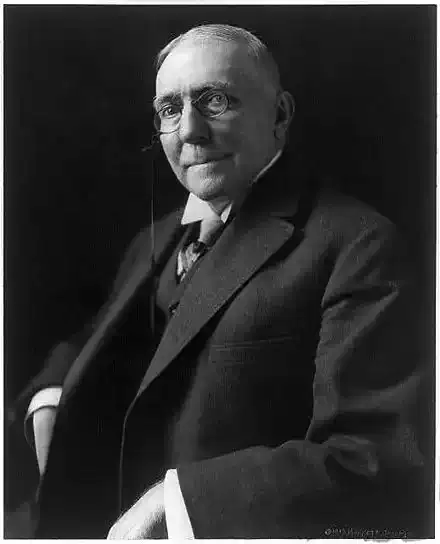
James Whitcomb Riley
Jim
Jim
He was jes a plain ever'-day, all-round kind of a jour.,
Consumpted-Iookin'-- but la!
The jokeiest, wittiest, story-tellin', song-singin', laughin'est, jolliest
Feller you ever saw!
Worked at jes coarse work, but you kin bet he was fine enough in his talk,
And his feelin's too!
Lordy! Ef he was on'y back on his bench ag'in to-day, a- carryin' on
Like he ust to do!
Any shopmate'll tell you there never was, on top o' dirt,
A better feller'n Jim!
You want a favor, and couldn't git it anywheres else--
You could git it o' him!
Most free-heartedest man thataway in the world, I guess!
Give up ever' nickel he's worth--
And ef you'd a-wanted it, and named it to him, and it was his,
He'd a-give you the earth!
Allus a reachin' out, Jim was, and a-he'ppin' some
Pore feller onto his feet-He'd
a-never a-keered how hungry he was hisse'f,
So's the feller got somepin' to eat!
Didn't make no differ'nce at all to him how he was dressed,
He ust to say to me--,
'You togg out a tramp purty comfortable in winter-time, a huntin' a job,
And he'll git along!' says he.
Jim didn't have, ner never could git ahead, so overly much
O' this world's goods at a time--.
'Fore now I've saw him, more'n onc't, lend a dollar, and haf to, more'n
likely,
Turn round and borry a dime!
Mebby laugh and joke about it hisse'f fer awhile-- then jerk his coat,
And kindo' square his chin,
Tie on his apern, and squat hisse'f on his old shoe-bench,
And go to peggin' ag'in!
Patientest feller too, I reckon, 'at ever jes natchurly
Coughed hisse'f to death!
Long enough after his voice was lost he'd laugh in a whisper and say
He could git ever'thing but his breath-'
You fellers,' he'd sorto' twinkle his eyes and say,
'Is a-pilin' onto me
A mighty big debt fer that-air little weak-chested ghost o' mine to pack
Through all Eternity!'
Now there was a man 'at jes 'peared-like, to me,
'At ortn't a-never a-died!
'But death hain't a-showin' no favors,' the old boss said-'
On'y to Jim!' and cried:
And Wigger, who puts up the best sewed-work in the shop--
Er the whole blame neighborhood--,
He says, 'When God made Jim, I bet you He didn't do anything else that day
But jes set around and feel good!'
He was jes a plain ever'-day, all-round kind of a jour.,
Consumpted-Iookin'-- but la!
The jokeiest, wittiest, story-tellin', song-singin', laughin'est, jolliest
Feller you ever saw!
Worked at jes coarse work, but you kin bet he was fine enough in his talk,
And his feelin's too!
Lordy! Ef he was on'y back on his bench ag'in to-day, a- carryin' on
Like he ust to do!
Any shopmate'll tell you there never was, on top o' dirt,
A better feller'n Jim!
You want a favor, and couldn't git it anywheres else--
You could git it o' him!
Most free-heartedest man thataway in the world, I guess!
Give up ever' nickel he's worth--
And ef you'd a-wanted it, and named it to him, and it was his,
He'd a-give you the earth!
Allus a reachin' out, Jim was, and a-he'ppin' some
Pore feller onto his feet-He'd
a-never a-keered how hungry he was hisse'f,
So's the feller got somepin' to eat!
Didn't make no differ'nce at all to him how he was dressed,
He ust to say to me--,
'You togg out a tramp purty comfortable in winter-time, a huntin' a job,
And he'll git along!' says he.
Jim didn't have, ner never could git ahead, so overly much
O' this world's goods at a time--.
'Fore now I've saw him, more'n onc't, lend a dollar, and haf to, more'n
likely,
Turn round and borry a dime!
Mebby laugh and joke about it hisse'f fer awhile-- then jerk his coat,
And kindo' square his chin,
Tie on his apern, and squat hisse'f on his old shoe-bench,
And go to peggin' ag'in!
Patientest feller too, I reckon, 'at ever jes natchurly
Coughed hisse'f to death!
Long enough after his voice was lost he'd laugh in a whisper and say
He could git ever'thing but his breath-'
You fellers,' he'd sorto' twinkle his eyes and say,
'Is a-pilin' onto me
A mighty big debt fer that-air little weak-chested ghost o' mine to pack
Through all Eternity!'
Now there was a man 'at jes 'peared-like, to me,
'At ortn't a-never a-died!
'But death hain't a-showin' no favors,' the old boss said-'
On'y to Jim!' and cried:
And Wigger, who puts up the best sewed-work in the shop--
Er the whole blame neighborhood--,
He says, 'When God made Jim, I bet you He didn't do anything else that day
But jes set around and feel good!'
322
James Whitcomb Riley
Jim
Jim
He was jes a plain ever'-day, all-round kind of a jour.,
Consumpted-Iookin'-- but la!
The jokeiest, wittiest, story-tellin', song-singin', laughin'est, jolliest
Feller you ever saw!
Worked at jes coarse work, but you kin bet he was fine enough in his talk,
And his feelin's too!
Lordy! Ef he was on'y back on his bench ag'in to-day, a- carryin' on
Like he ust to do!
Any shopmate'll tell you there never was, on top o' dirt,
A better feller'n Jim!
You want a favor, and couldn't git it anywheres else--
You could git it o' him!
Most free-heartedest man thataway in the world, I guess!
Give up ever' nickel he's worth--
And ef you'd a-wanted it, and named it to him, and it was his,
He'd a-give you the earth!
Allus a reachin' out, Jim was, and a-he'ppin' some
Pore feller onto his feet-He'd
a-never a-keered how hungry he was hisse'f,
So's the feller got somepin' to eat!
Didn't make no differ'nce at all to him how he was dressed,
He ust to say to me--,
'You togg out a tramp purty comfortable in winter-time, a huntin' a job,
And he'll git along!' says he.
Jim didn't have, ner never could git ahead, so overly much
O' this world's goods at a time--.
'Fore now I've saw him, more'n onc't, lend a dollar, and haf to, more'n
likely,
Turn round and borry a dime!
Mebby laugh and joke about it hisse'f fer awhile-- then jerk his coat,
And kindo' square his chin,
Tie on his apern, and squat hisse'f on his old shoe-bench,
And go to peggin' ag'in!
Patientest feller too, I reckon, 'at ever jes natchurly
Coughed hisse'f to death!
Long enough after his voice was lost he'd laugh in a whisper and say
He could git ever'thing but his breath-'
You fellers,' he'd sorto' twinkle his eyes and say,
'Is a-pilin' onto me
A mighty big debt fer that-air little weak-chested ghost o' mine to pack
Through all Eternity!'
Now there was a man 'at jes 'peared-like, to me,
'At ortn't a-never a-died!
'But death hain't a-showin' no favors,' the old boss said-'
On'y to Jim!' and cried:
And Wigger, who puts up the best sewed-work in the shop--
Er the whole blame neighborhood--,
He says, 'When God made Jim, I bet you He didn't do anything else that day
But jes set around and feel good!'
He was jes a plain ever'-day, all-round kind of a jour.,
Consumpted-Iookin'-- but la!
The jokeiest, wittiest, story-tellin', song-singin', laughin'est, jolliest
Feller you ever saw!
Worked at jes coarse work, but you kin bet he was fine enough in his talk,
And his feelin's too!
Lordy! Ef he was on'y back on his bench ag'in to-day, a- carryin' on
Like he ust to do!
Any shopmate'll tell you there never was, on top o' dirt,
A better feller'n Jim!
You want a favor, and couldn't git it anywheres else--
You could git it o' him!
Most free-heartedest man thataway in the world, I guess!
Give up ever' nickel he's worth--
And ef you'd a-wanted it, and named it to him, and it was his,
He'd a-give you the earth!
Allus a reachin' out, Jim was, and a-he'ppin' some
Pore feller onto his feet-He'd
a-never a-keered how hungry he was hisse'f,
So's the feller got somepin' to eat!
Didn't make no differ'nce at all to him how he was dressed,
He ust to say to me--,
'You togg out a tramp purty comfortable in winter-time, a huntin' a job,
And he'll git along!' says he.
Jim didn't have, ner never could git ahead, so overly much
O' this world's goods at a time--.
'Fore now I've saw him, more'n onc't, lend a dollar, and haf to, more'n
likely,
Turn round and borry a dime!
Mebby laugh and joke about it hisse'f fer awhile-- then jerk his coat,
And kindo' square his chin,
Tie on his apern, and squat hisse'f on his old shoe-bench,
And go to peggin' ag'in!
Patientest feller too, I reckon, 'at ever jes natchurly
Coughed hisse'f to death!
Long enough after his voice was lost he'd laugh in a whisper and say
He could git ever'thing but his breath-'
You fellers,' he'd sorto' twinkle his eyes and say,
'Is a-pilin' onto me
A mighty big debt fer that-air little weak-chested ghost o' mine to pack
Through all Eternity!'
Now there was a man 'at jes 'peared-like, to me,
'At ortn't a-never a-died!
'But death hain't a-showin' no favors,' the old boss said-'
On'y to Jim!' and cried:
And Wigger, who puts up the best sewed-work in the shop--
Er the whole blame neighborhood--,
He says, 'When God made Jim, I bet you He didn't do anything else that day
But jes set around and feel good!'
322
James Whitcomb Riley
Inscribed
Inscribed
To the Elect of Love,--or side-by-side
In raptest ecstasy, or sundered wide
By seas that bear no message to or fro
Between the loved and lost of long ago.
So were I but a minstrel, deft
At weaving, with the trembling strings
Of my glad harp, the warp and weft
Of rondels such as rapture sings,-I'd
loop my lyre across my breast,
Nor stay me till my knee found rest
In midnight banks of bud and flower
Beneath my lady's lattice-bower.
And there, drenched with the teary dews,
I'd woo her with such wondrous art
As well might stanch the songs that ooze
Out of the mockbird's breaking heart;
So light, so tender, and so sweet
Should be the words I would repeat,
Her casement, on my gradual sight,
Would blossom as a lily might.
To the Elect of Love,--or side-by-side
In raptest ecstasy, or sundered wide
By seas that bear no message to or fro
Between the loved and lost of long ago.
So were I but a minstrel, deft
At weaving, with the trembling strings
Of my glad harp, the warp and weft
Of rondels such as rapture sings,-I'd
loop my lyre across my breast,
Nor stay me till my knee found rest
In midnight banks of bud and flower
Beneath my lady's lattice-bower.
And there, drenched with the teary dews,
I'd woo her with such wondrous art
As well might stanch the songs that ooze
Out of the mockbird's breaking heart;
So light, so tender, and so sweet
Should be the words I would repeat,
Her casement, on my gradual sight,
Would blossom as a lily might.
338
James Whitcomb Riley
Iry And Billy Jo
Iry And Billy Jo
Iry an' Billy an' Jo!--
Iry an' Billy's _the boys_,
An' _Jo's_ their _dog_, you know,--
Their pictures took all in a row.
Bet they kin kick up a noise--
Iry and Billy, the boys,
And that-air little dog Jo!
_Iry's_ the one 'at stands
Up there a-lookin' so mild
An' meek--with his hat in his hands,
Like such a 'bediant child-(_
Sakes-alive_!)--An' _Billy_ he sets
In the cheer an' holds onto Jo an' _sweats_
Hisse'f, a-lookin' so good! Ho-ho!
Iry an' Billy an' Jo!
Yit the way them boys, you know,
Usen to jes turn in
An' fight over that dog Jo
Wuz a burnin'-shame-an'-a-sin !--
Iry _he'd_ argy 'at, by gee-whizz!
That-air little Jo-dog wuz _his_!--
An' Billy _he'd_ claim it wuzn't so-'
Cause the dog wuz _his'n_!--An' at it they'd go,
Nip-an'-tugg, tooth-an'-toenail, you know--
Iry an' Billy an' Jo!
But their Pa--(He wuz the marshal then)
He 'tended-like 'at he _jerked 'em up_;
An' got a jury o' Brickyard men
An' helt a _trial_ about the pup:
An' _he_ says _he_ jes like to a-died
When the rest o' us town-boys _testified_--
Regardin', you know,
Iry an' Billy an' Jo.-
'Cause we all knowed, when _the Gypsies_ they
Camped down here by the crick last Fall,
They brung Jo with 'em, an' give him away
To Iry an' Billy fer nothin' at all!--
So the jury fetched in the _verdick_ so
Jo he ain't _neether_ o' theirn fer _shore_-He's
_both_ their dog, an' jes no more!
An' so
They've quit quarrelin' long ago,
Iry an' Billy an' Jo.
Iry an' Billy an' Jo!--
Iry an' Billy's _the boys_,
An' _Jo's_ their _dog_, you know,--
Their pictures took all in a row.
Bet they kin kick up a noise--
Iry and Billy, the boys,
And that-air little dog Jo!
_Iry's_ the one 'at stands
Up there a-lookin' so mild
An' meek--with his hat in his hands,
Like such a 'bediant child-(_
Sakes-alive_!)--An' _Billy_ he sets
In the cheer an' holds onto Jo an' _sweats_
Hisse'f, a-lookin' so good! Ho-ho!
Iry an' Billy an' Jo!
Yit the way them boys, you know,
Usen to jes turn in
An' fight over that dog Jo
Wuz a burnin'-shame-an'-a-sin !--
Iry _he'd_ argy 'at, by gee-whizz!
That-air little Jo-dog wuz _his_!--
An' Billy _he'd_ claim it wuzn't so-'
Cause the dog wuz _his'n_!--An' at it they'd go,
Nip-an'-tugg, tooth-an'-toenail, you know--
Iry an' Billy an' Jo!
But their Pa--(He wuz the marshal then)
He 'tended-like 'at he _jerked 'em up_;
An' got a jury o' Brickyard men
An' helt a _trial_ about the pup:
An' _he_ says _he_ jes like to a-died
When the rest o' us town-boys _testified_--
Regardin', you know,
Iry an' Billy an' Jo.-
'Cause we all knowed, when _the Gypsies_ they
Camped down here by the crick last Fall,
They brung Jo with 'em, an' give him away
To Iry an' Billy fer nothin' at all!--
So the jury fetched in the _verdick_ so
Jo he ain't _neether_ o' theirn fer _shore_-He's
_both_ their dog, an' jes no more!
An' so
They've quit quarrelin' long ago,
Iry an' Billy an' Jo.
306
James Whitcomb Riley
In The South
In The South
There is a princess in the South
About whose beauty rumors hum
Like honey-bees about the mouth
Of roses dewdrops falter from;
And O her hair is like the fine
Clear amber of a jostled wine
In tropic revels; and her eyes
Are blue as rifts of Paradise.
Such beauty as may none before
Kneel daringly, to kiss the tips
Of fingers such as knights of yore
Had died to lift against their lips:
Such eyes as might the eyes of gold
Of all the stars of night behold
With glittering envy, and so glare
In dazzling splendor of despair.
So, were I but a minstrel, deft
At weaving, with the trembling strings
Of my glad harp, the warp and weft
Of rondels such as rapture sings,-I'd
loop my lyre across my breast,
Nor stay me till my knee found rest
In midnight banks of bud and flower
Beneath my lady's lattice-bower.
And there, drenched with the teary dews,
I'd woo her with such wondrous art
As well might stanch the songs that ooze
Out of the mockbird's breaking heart;
So light, so tender, and so sweet
Should be the words I would repeat,
Her casement, on my gradual sight,
Would blossom as a lily might.
There is a princess in the South
About whose beauty rumors hum
Like honey-bees about the mouth
Of roses dewdrops falter from;
And O her hair is like the fine
Clear amber of a jostled wine
In tropic revels; and her eyes
Are blue as rifts of Paradise.
Such beauty as may none before
Kneel daringly, to kiss the tips
Of fingers such as knights of yore
Had died to lift against their lips:
Such eyes as might the eyes of gold
Of all the stars of night behold
With glittering envy, and so glare
In dazzling splendor of despair.
So, were I but a minstrel, deft
At weaving, with the trembling strings
Of my glad harp, the warp and weft
Of rondels such as rapture sings,-I'd
loop my lyre across my breast,
Nor stay me till my knee found rest
In midnight banks of bud and flower
Beneath my lady's lattice-bower.
And there, drenched with the teary dews,
I'd woo her with such wondrous art
As well might stanch the songs that ooze
Out of the mockbird's breaking heart;
So light, so tender, and so sweet
Should be the words I would repeat,
Her casement, on my gradual sight,
Would blossom as a lily might.
281
James Whitcomb Riley
Ike Walton's Prayer
Ike Walton's Prayer
I crave, dear Lord,
No boundless hoard
Of gold and gear,
Nor jewels fine,
Nor lands, nor kine,
Nor treasure-heaps of anything.-
Let but a little hut be mine
Where at the hearthstore I may hear
The cricket sing,
And have the shine
Of one glad woman's eyes to make,
For my poor sake,
Our simple home a place divine;-
Just the wee cot-the cricket's chirr-
Love, and the smiling face of her.
I pray not for
Great riches, nor
For vast estates, and castle-halls,-
Give me to hear the bare footfalls
Of children o’er
An oaken floor,
New-risen with sunshine, or bespread
With but the tiny coverlet
And pillow for the baby’s head;
And pray Thou, may
The door stand open and the day
Send ever in a gentle breeze,
With fragrance from the locust-trees,
And drowsy moan of doves, and blur
Of robin-chirps, and drove of bees,
With afterhushes of the stir
Of intermingling sounds, and then
The good-wife and the smile of her
Filling the silences again-
The cricket’s call,
And the wee cot,
Dear Lord of all,
Deny me not!
I pray not that
Men tremble at
My power of place
And lordly sway, -
I only pray for simple grace
To look my neighbor in the face
Full honestly from day to day-
Yield me this horny palm to hold,
And I’ll not pray
For gold;-
The tanned face, garlanded with mirth,
It hath the kingliest smile on earth
The swart brow, diamonded with sweat,
Hath never need of coronet.
And so I reach,
Dear Lord, to Thee,
And do beseech
Thou givest me
The wee cot, and the cricket’s chirr,
Love, and the glad sweet face of her.
I crave, dear Lord,
No boundless hoard
Of gold and gear,
Nor jewels fine,
Nor lands, nor kine,
Nor treasure-heaps of anything.-
Let but a little hut be mine
Where at the hearthstore I may hear
The cricket sing,
And have the shine
Of one glad woman's eyes to make,
For my poor sake,
Our simple home a place divine;-
Just the wee cot-the cricket's chirr-
Love, and the smiling face of her.
I pray not for
Great riches, nor
For vast estates, and castle-halls,-
Give me to hear the bare footfalls
Of children o’er
An oaken floor,
New-risen with sunshine, or bespread
With but the tiny coverlet
And pillow for the baby’s head;
And pray Thou, may
The door stand open and the day
Send ever in a gentle breeze,
With fragrance from the locust-trees,
And drowsy moan of doves, and blur
Of robin-chirps, and drove of bees,
With afterhushes of the stir
Of intermingling sounds, and then
The good-wife and the smile of her
Filling the silences again-
The cricket’s call,
And the wee cot,
Dear Lord of all,
Deny me not!
I pray not that
Men tremble at
My power of place
And lordly sway, -
I only pray for simple grace
To look my neighbor in the face
Full honestly from day to day-
Yield me this horny palm to hold,
And I’ll not pray
For gold;-
The tanned face, garlanded with mirth,
It hath the kingliest smile on earth
The swart brow, diamonded with sweat,
Hath never need of coronet.
And so I reach,
Dear Lord, to Thee,
And do beseech
Thou givest me
The wee cot, and the cricket’s chirr,
Love, and the glad sweet face of her.
345
James Whitcomb Riley
Ike Walton's Prayer
Ike Walton's Prayer
I crave, dear Lord,
No boundless hoard
Of gold and gear,
Nor jewels fine,
Nor lands, nor kine,
Nor treasure-heaps of anything.-
Let but a little hut be mine
Where at the hearthstore I may hear
The cricket sing,
And have the shine
Of one glad woman's eyes to make,
For my poor sake,
Our simple home a place divine;-
Just the wee cot-the cricket's chirr-
Love, and the smiling face of her.
I pray not for
Great riches, nor
For vast estates, and castle-halls,-
Give me to hear the bare footfalls
Of children o’er
An oaken floor,
New-risen with sunshine, or bespread
With but the tiny coverlet
And pillow for the baby’s head;
And pray Thou, may
The door stand open and the day
Send ever in a gentle breeze,
With fragrance from the locust-trees,
And drowsy moan of doves, and blur
Of robin-chirps, and drove of bees,
With afterhushes of the stir
Of intermingling sounds, and then
The good-wife and the smile of her
Filling the silences again-
The cricket’s call,
And the wee cot,
Dear Lord of all,
Deny me not!
I pray not that
Men tremble at
My power of place
And lordly sway, -
I only pray for simple grace
To look my neighbor in the face
Full honestly from day to day-
Yield me this horny palm to hold,
And I’ll not pray
For gold;-
The tanned face, garlanded with mirth,
It hath the kingliest smile on earth
The swart brow, diamonded with sweat,
Hath never need of coronet.
And so I reach,
Dear Lord, to Thee,
And do beseech
Thou givest me
The wee cot, and the cricket’s chirr,
Love, and the glad sweet face of her.
I crave, dear Lord,
No boundless hoard
Of gold and gear,
Nor jewels fine,
Nor lands, nor kine,
Nor treasure-heaps of anything.-
Let but a little hut be mine
Where at the hearthstore I may hear
The cricket sing,
And have the shine
Of one glad woman's eyes to make,
For my poor sake,
Our simple home a place divine;-
Just the wee cot-the cricket's chirr-
Love, and the smiling face of her.
I pray not for
Great riches, nor
For vast estates, and castle-halls,-
Give me to hear the bare footfalls
Of children o’er
An oaken floor,
New-risen with sunshine, or bespread
With but the tiny coverlet
And pillow for the baby’s head;
And pray Thou, may
The door stand open and the day
Send ever in a gentle breeze,
With fragrance from the locust-trees,
And drowsy moan of doves, and blur
Of robin-chirps, and drove of bees,
With afterhushes of the stir
Of intermingling sounds, and then
The good-wife and the smile of her
Filling the silences again-
The cricket’s call,
And the wee cot,
Dear Lord of all,
Deny me not!
I pray not that
Men tremble at
My power of place
And lordly sway, -
I only pray for simple grace
To look my neighbor in the face
Full honestly from day to day-
Yield me this horny palm to hold,
And I’ll not pray
For gold;-
The tanned face, garlanded with mirth,
It hath the kingliest smile on earth
The swart brow, diamonded with sweat,
Hath never need of coronet.
And so I reach,
Dear Lord, to Thee,
And do beseech
Thou givest me
The wee cot, and the cricket’s chirr,
Love, and the glad sweet face of her.
345
James Whitcomb Riley
In Bohemia
In Bohemia
Ha! My dear! I'm back again--
Vendor of Bohemia's wares!
Lordy! How it pants a man
Climbing up those awful stairs!
Well, I've made the dealer say
Your sketch _might_ sell, anyway!
And I've made a publisher
Hear my poem, Kate, my dear.
In Bohemia, Kate, my dear--
Lodgers in a musty flat
On the top floor--living here
Neighborless, and used to that,--
Like a nest beneath the eaves,
So our little home receives
Only guests of chirping cheer-We'll
be happy, Kate, my dear!
Under your north-light there, you
At your easel, with a stain
On your nose of Prussian blue,
Paint your bits of shine and rain;
With my feet thrown up at will
O'er my littered window-sill,
I write rhymes that ring as clear
As your laughter, Kate, my dear.
Puff my pipe, and stroke my hair--
Bite my pencil-tip and gaze
At you, mutely mooning there
O'er your 'Aprils' and your 'Mays!'
Equal inspiration in
Dimples of your cheek and chin,
And the golden atmosphere
Of your paintings, Kate, my dear!
_Trying_! Yes, at times it is,
To clink happy rhymes, and fling
On the canvas scenes of bliss,
When we are half famishing!--
When your 'jersey' rips in spots,
And your hat's 'forget-me-nots'
Have grown tousled, old and sere--
It is trying, Kate, my dear!
But--as sure--_some_ picture sells,
And--sometimes--the poetry--
Bless us! How the parrot yells
His acclaims at you and me!
How we revel then in scenes
Of high banqueting!--sardines-Salads--
olives--and a sheer
Pint of sherry, Kate, my dear!
Even now I cross your palm,
With this great round world of gold!-'
Talking wild?' Perhaps I am--
Then, this little five-year-old!--
Call it anything you will,
So it lifts your face until
I may kiss away that tear
Ere it drowns me, Kate, my dear.
Ha! My dear! I'm back again--
Vendor of Bohemia's wares!
Lordy! How it pants a man
Climbing up those awful stairs!
Well, I've made the dealer say
Your sketch _might_ sell, anyway!
And I've made a publisher
Hear my poem, Kate, my dear.
In Bohemia, Kate, my dear--
Lodgers in a musty flat
On the top floor--living here
Neighborless, and used to that,--
Like a nest beneath the eaves,
So our little home receives
Only guests of chirping cheer-We'll
be happy, Kate, my dear!
Under your north-light there, you
At your easel, with a stain
On your nose of Prussian blue,
Paint your bits of shine and rain;
With my feet thrown up at will
O'er my littered window-sill,
I write rhymes that ring as clear
As your laughter, Kate, my dear.
Puff my pipe, and stroke my hair--
Bite my pencil-tip and gaze
At you, mutely mooning there
O'er your 'Aprils' and your 'Mays!'
Equal inspiration in
Dimples of your cheek and chin,
And the golden atmosphere
Of your paintings, Kate, my dear!
_Trying_! Yes, at times it is,
To clink happy rhymes, and fling
On the canvas scenes of bliss,
When we are half famishing!--
When your 'jersey' rips in spots,
And your hat's 'forget-me-nots'
Have grown tousled, old and sere--
It is trying, Kate, my dear!
But--as sure--_some_ picture sells,
And--sometimes--the poetry--
Bless us! How the parrot yells
His acclaims at you and me!
How we revel then in scenes
Of high banqueting!--sardines-Salads--
olives--and a sheer
Pint of sherry, Kate, my dear!
Even now I cross your palm,
With this great round world of gold!-'
Talking wild?' Perhaps I am--
Then, this little five-year-old!--
Call it anything you will,
So it lifts your face until
I may kiss away that tear
Ere it drowns me, Kate, my dear.
288
James Whitcomb Riley
His Room
His Room
'I'm home again, my dear old Room,
I'm home again, and happy, too,
As, peering through the brightening gloom,
I find myself alone with you:
Though brief my stay, nor far away,
I missed you--missed you night and day--
As wildly yearned for you as now.--
Old Room, how are you, anyhow?
'My easy chair, with open arms,
Awaits me just within the door;
The littered carpet's woven charms
Have never seemed so bright before,--
The old rosettes and mignonettes
And ivy-leaves and violets,
Look up as pure and fresh of hue
As though baptized in morning dew.
'Old Room, to me your homely walls
Fold round me like the arms of love,
And over all my being falls
A blessing pure as from above--
Even as a nestling child caressed
And lulled upon a loving breast,
With folded eyes, too glad to weep
And yet too sad for dreams or sleep.
'You've been so kind to me, old Room--
So patient in your tender care,
My drooping heart in fullest bloom
Has blossomed for you unaware;
And who but you had cared to woo
A heart so dark, and heavy, too,
As in the past you lifted mine
From out the shadow to the shine?
'For I was but a wayward boy
When first you gladly welcomed me
And taught me work was truer joy
Than rioting incessantly:
And thus the din that stormed within
The old guitar and violin
Has fallen in a fainter tone
And sweeter, for your sake alone.
'Though in my absence I have stood
In festal halls a favored guest,
I missed, in this old quietude,
My worthy work and worthy rest--
By _this_ I know that long ago
You loved me first, and told me so
In art's mute eloquence of speech
The voice of praise may never reach.
'For lips and eyes in truth's disguise
Confuse the faces of my friends,
Till old affection's fondest ties
I find unraveling at the ends;
But as I turn to you, and learn
To meet my griefs with less concern,
Your love seems all I have to keep
Me smiling lest I needs must weep.
'Yet I am happy, and would fain
Forget the world and all its woes;
So set me to my tasks again,
Old Room, and lull me to repose:
And as we glide adown the tide
Of dreams, forever side by side,
I'll hold your hands as lovers do
Their sweethearts' and talk love to you.'
'I'm home again, my dear old Room,
I'm home again, and happy, too,
As, peering through the brightening gloom,
I find myself alone with you:
Though brief my stay, nor far away,
I missed you--missed you night and day--
As wildly yearned for you as now.--
Old Room, how are you, anyhow?
'My easy chair, with open arms,
Awaits me just within the door;
The littered carpet's woven charms
Have never seemed so bright before,--
The old rosettes and mignonettes
And ivy-leaves and violets,
Look up as pure and fresh of hue
As though baptized in morning dew.
'Old Room, to me your homely walls
Fold round me like the arms of love,
And over all my being falls
A blessing pure as from above--
Even as a nestling child caressed
And lulled upon a loving breast,
With folded eyes, too glad to weep
And yet too sad for dreams or sleep.
'You've been so kind to me, old Room--
So patient in your tender care,
My drooping heart in fullest bloom
Has blossomed for you unaware;
And who but you had cared to woo
A heart so dark, and heavy, too,
As in the past you lifted mine
From out the shadow to the shine?
'For I was but a wayward boy
When first you gladly welcomed me
And taught me work was truer joy
Than rioting incessantly:
And thus the din that stormed within
The old guitar and violin
Has fallen in a fainter tone
And sweeter, for your sake alone.
'Though in my absence I have stood
In festal halls a favored guest,
I missed, in this old quietude,
My worthy work and worthy rest--
By _this_ I know that long ago
You loved me first, and told me so
In art's mute eloquence of speech
The voice of praise may never reach.
'For lips and eyes in truth's disguise
Confuse the faces of my friends,
Till old affection's fondest ties
I find unraveling at the ends;
But as I turn to you, and learn
To meet my griefs with less concern,
Your love seems all I have to keep
Me smiling lest I needs must weep.
'Yet I am happy, and would fain
Forget the world and all its woes;
So set me to my tasks again,
Old Room, and lull me to repose:
And as we glide adown the tide
Of dreams, forever side by side,
I'll hold your hands as lovers do
Their sweethearts' and talk love to you.'
322
James Whitcomb Riley
His Room
His Room
'I'm home again, my dear old Room,
I'm home again, and happy, too,
As, peering through the brightening gloom,
I find myself alone with you:
Though brief my stay, nor far away,
I missed you--missed you night and day--
As wildly yearned for you as now.--
Old Room, how are you, anyhow?
'My easy chair, with open arms,
Awaits me just within the door;
The littered carpet's woven charms
Have never seemed so bright before,--
The old rosettes and mignonettes
And ivy-leaves and violets,
Look up as pure and fresh of hue
As though baptized in morning dew.
'Old Room, to me your homely walls
Fold round me like the arms of love,
And over all my being falls
A blessing pure as from above--
Even as a nestling child caressed
And lulled upon a loving breast,
With folded eyes, too glad to weep
And yet too sad for dreams or sleep.
'You've been so kind to me, old Room--
So patient in your tender care,
My drooping heart in fullest bloom
Has blossomed for you unaware;
And who but you had cared to woo
A heart so dark, and heavy, too,
As in the past you lifted mine
From out the shadow to the shine?
'For I was but a wayward boy
When first you gladly welcomed me
And taught me work was truer joy
Than rioting incessantly:
And thus the din that stormed within
The old guitar and violin
Has fallen in a fainter tone
And sweeter, for your sake alone.
'Though in my absence I have stood
In festal halls a favored guest,
I missed, in this old quietude,
My worthy work and worthy rest--
By _this_ I know that long ago
You loved me first, and told me so
In art's mute eloquence of speech
The voice of praise may never reach.
'For lips and eyes in truth's disguise
Confuse the faces of my friends,
Till old affection's fondest ties
I find unraveling at the ends;
But as I turn to you, and learn
To meet my griefs with less concern,
Your love seems all I have to keep
Me smiling lest I needs must weep.
'Yet I am happy, and would fain
Forget the world and all its woes;
So set me to my tasks again,
Old Room, and lull me to repose:
And as we glide adown the tide
Of dreams, forever side by side,
I'll hold your hands as lovers do
Their sweethearts' and talk love to you.'
'I'm home again, my dear old Room,
I'm home again, and happy, too,
As, peering through the brightening gloom,
I find myself alone with you:
Though brief my stay, nor far away,
I missed you--missed you night and day--
As wildly yearned for you as now.--
Old Room, how are you, anyhow?
'My easy chair, with open arms,
Awaits me just within the door;
The littered carpet's woven charms
Have never seemed so bright before,--
The old rosettes and mignonettes
And ivy-leaves and violets,
Look up as pure and fresh of hue
As though baptized in morning dew.
'Old Room, to me your homely walls
Fold round me like the arms of love,
And over all my being falls
A blessing pure as from above--
Even as a nestling child caressed
And lulled upon a loving breast,
With folded eyes, too glad to weep
And yet too sad for dreams or sleep.
'You've been so kind to me, old Room--
So patient in your tender care,
My drooping heart in fullest bloom
Has blossomed for you unaware;
And who but you had cared to woo
A heart so dark, and heavy, too,
As in the past you lifted mine
From out the shadow to the shine?
'For I was but a wayward boy
When first you gladly welcomed me
And taught me work was truer joy
Than rioting incessantly:
And thus the din that stormed within
The old guitar and violin
Has fallen in a fainter tone
And sweeter, for your sake alone.
'Though in my absence I have stood
In festal halls a favored guest,
I missed, in this old quietude,
My worthy work and worthy rest--
By _this_ I know that long ago
You loved me first, and told me so
In art's mute eloquence of speech
The voice of praise may never reach.
'For lips and eyes in truth's disguise
Confuse the faces of my friends,
Till old affection's fondest ties
I find unraveling at the ends;
But as I turn to you, and learn
To meet my griefs with less concern,
Your love seems all I have to keep
Me smiling lest I needs must weep.
'Yet I am happy, and would fain
Forget the world and all its woes;
So set me to my tasks again,
Old Room, and lull me to repose:
And as we glide adown the tide
Of dreams, forever side by side,
I'll hold your hands as lovers do
Their sweethearts' and talk love to you.'
322
James Whitcomb Riley
His Mother
His Mother
DEAD! my wayward boy--_my own_--
Not _the Law's!_ but _mine_--the good
God's free gift to me alone,
Sanctified by motherhood.
'Bad,' you say: Well, who is not?
'Brutal'--'with a heart of stone'--
And 'red-handed.'--Ah! the hot
Blood upon your own!
I come not, with downward eyes,
To plead for him shamedly,--
God did not apologize
When He gave the boy to me.
Simply, I make ready now
For _His_ verdict.--_You_ prepare--
You have killed us both--and how
Will you face us There!
DEAD! my wayward boy--_my own_--
Not _the Law's!_ but _mine_--the good
God's free gift to me alone,
Sanctified by motherhood.
'Bad,' you say: Well, who is not?
'Brutal'--'with a heart of stone'--
And 'red-handed.'--Ah! the hot
Blood upon your own!
I come not, with downward eyes,
To plead for him shamedly,--
God did not apologize
When He gave the boy to me.
Simply, I make ready now
For _His_ verdict.--_You_ prepare--
You have killed us both--and how
Will you face us There!
358
James Whitcomb Riley
His Mother
His Mother
DEAD! my wayward boy--_my own_--
Not _the Law's!_ but _mine_--the good
God's free gift to me alone,
Sanctified by motherhood.
'Bad,' you say: Well, who is not?
'Brutal'--'with a heart of stone'--
And 'red-handed.'--Ah! the hot
Blood upon your own!
I come not, with downward eyes,
To plead for him shamedly,--
God did not apologize
When He gave the boy to me.
Simply, I make ready now
For _His_ verdict.--_You_ prepare--
You have killed us both--and how
Will you face us There!
DEAD! my wayward boy--_my own_--
Not _the Law's!_ but _mine_--the good
God's free gift to me alone,
Sanctified by motherhood.
'Bad,' you say: Well, who is not?
'Brutal'--'with a heart of stone'--
And 'red-handed.'--Ah! the hot
Blood upon your own!
I come not, with downward eyes,
To plead for him shamedly,--
God did not apologize
When He gave the boy to me.
Simply, I make ready now
For _His_ verdict.--_You_ prepare--
You have killed us both--and how
Will you face us There!
358
James Whitcomb Riley
Herr Weiser
Herr Weiser
Herr Weiser--! Three-score-years-and-ten--,
A hale white rose of his country-men,
Transplanted here in the Hoosier loam,
And blossomy as his German home--
As blossomy and as pure and sweet
As the cool green glen of his calm retreat,
Far withdrawn from the noisy town
Where trade goes clamoring up and down,
Whose fret and fever, and stress and strife,
May not trouble his tranquil life!
Breath of rest, what a balmy gust--!
Quite of the city's heat and dust,
Jostling down by the winding road,
Through the orchard ways of his quaint abode--.
Tether the horse, as we onward fare
Under the pear-trees trailing there,
And thumping the wood bridge at night
With lumps of ripeness and lush delight,
Till the stream, as it maunders on till dawn,
Is powdered and pelted and smiled upon.
Herr Weiser, with his wholesome face,
And the gentle blue of his eyes, and grace
Of unassuming honesty,
Be there to welcome you and me!
And what though the toil of the farm be stopped
And the tireless plans of the place be dropped,
While the prayerful master's knees are set
In beds of pansy and mignonette
And lily and aster and columbine,
Offered in love, as yours and mine--?
What, but a blessing of kindly thought,
Sweet as the breath of forget-me-not--!
What, but a spirit of lustrous love
White as the aster he bends above--!
What, but an odorous memory
Of the dear old man, made known to me
In days demanding a help like his--,
As sweet as the life of the lily is--
As sweet as the soul of a babe, bloom-wise
Born of a lily in paradise.
Herr Weiser--! Three-score-years-and-ten--,
A hale white rose of his country-men,
Transplanted here in the Hoosier loam,
And blossomy as his German home--
As blossomy and as pure and sweet
As the cool green glen of his calm retreat,
Far withdrawn from the noisy town
Where trade goes clamoring up and down,
Whose fret and fever, and stress and strife,
May not trouble his tranquil life!
Breath of rest, what a balmy gust--!
Quite of the city's heat and dust,
Jostling down by the winding road,
Through the orchard ways of his quaint abode--.
Tether the horse, as we onward fare
Under the pear-trees trailing there,
And thumping the wood bridge at night
With lumps of ripeness and lush delight,
Till the stream, as it maunders on till dawn,
Is powdered and pelted and smiled upon.
Herr Weiser, with his wholesome face,
And the gentle blue of his eyes, and grace
Of unassuming honesty,
Be there to welcome you and me!
And what though the toil of the farm be stopped
And the tireless plans of the place be dropped,
While the prayerful master's knees are set
In beds of pansy and mignonette
And lily and aster and columbine,
Offered in love, as yours and mine--?
What, but a blessing of kindly thought,
Sweet as the breath of forget-me-not--!
What, but a spirit of lustrous love
White as the aster he bends above--!
What, but an odorous memory
Of the dear old man, made known to me
In days demanding a help like his--,
As sweet as the life of the lily is--
As sweet as the soul of a babe, bloom-wise
Born of a lily in paradise.
360
James Whitcomb Riley
Her Beautiful Hands
Her Beautiful Hands
Your hands--they are strangely fair!
O Fair--for the jewels that sparkle there,-Fair--
for the witchery of the spell
That ivory keys alone can tell;
But when their delicate touches rest
Here in my own do I love them best,
As I clasp with eager, acquisitive spans
My glorious treasure of beautiful hands!
Marvelous--wonderful--beautiful hands!
They can coax roses to bloom in the strands
Of your brown tresses; and ribbons will twine,
Under mysterious touches of thine,
Into such knots as entangle the soul
And fetter the heart under such a control
As only the strength of my love understands--
My passionate love for your beautiful hands.
As I remember the first fair touch
Of those beautiful hands that I love so much,
I seem to thrill as I then was thrilled,
Kissing the glove that I found unfilled--
When I met your gaze, and the queenly bow,
As you said to me, laughingly, 'Keep it now!' . . .
And dazed and alone in a dream I stand,
Kissing this ghost of your beautiful hand.
When first I loved, in the long ago,
And held your hand as I told you so--
Pressed and caressed it and gave it a kiss
And said 'I could die for a hand like this!'
Little I dreamed love's fullness yet
Had to ripen when eyes were wet
And prayers were vain in their wild demands
For one warm touch of your beautiful hands.
. . . . . . . . .
Beautiful Hands!--O Beautiful Hands!
Could you reach out of the alien lands
Where you are lingering, and give me, to-night,
Only a touch--were it ever so light--
My heart were soothed, and my weary brain
Would lull itself into rest again;
For there is no solace the world commands
Like the caress of your beautiful hands.
Your hands--they are strangely fair!
O Fair--for the jewels that sparkle there,-Fair--
for the witchery of the spell
That ivory keys alone can tell;
But when their delicate touches rest
Here in my own do I love them best,
As I clasp with eager, acquisitive spans
My glorious treasure of beautiful hands!
Marvelous--wonderful--beautiful hands!
They can coax roses to bloom in the strands
Of your brown tresses; and ribbons will twine,
Under mysterious touches of thine,
Into such knots as entangle the soul
And fetter the heart under such a control
As only the strength of my love understands--
My passionate love for your beautiful hands.
As I remember the first fair touch
Of those beautiful hands that I love so much,
I seem to thrill as I then was thrilled,
Kissing the glove that I found unfilled--
When I met your gaze, and the queenly bow,
As you said to me, laughingly, 'Keep it now!' . . .
And dazed and alone in a dream I stand,
Kissing this ghost of your beautiful hand.
When first I loved, in the long ago,
And held your hand as I told you so--
Pressed and caressed it and gave it a kiss
And said 'I could die for a hand like this!'
Little I dreamed love's fullness yet
Had to ripen when eyes were wet
And prayers were vain in their wild demands
For one warm touch of your beautiful hands.
. . . . . . . . .
Beautiful Hands!--O Beautiful Hands!
Could you reach out of the alien lands
Where you are lingering, and give me, to-night,
Only a touch--were it ever so light--
My heart were soothed, and my weary brain
Would lull itself into rest again;
For there is no solace the world commands
Like the caress of your beautiful hands.
289
James Whitcomb Riley
Her Beautiful Hands
Her Beautiful Hands
Your hands--they are strangely fair!
O Fair--for the jewels that sparkle there,-Fair--
for the witchery of the spell
That ivory keys alone can tell;
But when their delicate touches rest
Here in my own do I love them best,
As I clasp with eager, acquisitive spans
My glorious treasure of beautiful hands!
Marvelous--wonderful--beautiful hands!
They can coax roses to bloom in the strands
Of your brown tresses; and ribbons will twine,
Under mysterious touches of thine,
Into such knots as entangle the soul
And fetter the heart under such a control
As only the strength of my love understands--
My passionate love for your beautiful hands.
As I remember the first fair touch
Of those beautiful hands that I love so much,
I seem to thrill as I then was thrilled,
Kissing the glove that I found unfilled--
When I met your gaze, and the queenly bow,
As you said to me, laughingly, 'Keep it now!' . . .
And dazed and alone in a dream I stand,
Kissing this ghost of your beautiful hand.
When first I loved, in the long ago,
And held your hand as I told you so--
Pressed and caressed it and gave it a kiss
And said 'I could die for a hand like this!'
Little I dreamed love's fullness yet
Had to ripen when eyes were wet
And prayers were vain in their wild demands
For one warm touch of your beautiful hands.
. . . . . . . . .
Beautiful Hands!--O Beautiful Hands!
Could you reach out of the alien lands
Where you are lingering, and give me, to-night,
Only a touch--were it ever so light--
My heart were soothed, and my weary brain
Would lull itself into rest again;
For there is no solace the world commands
Like the caress of your beautiful hands.
Your hands--they are strangely fair!
O Fair--for the jewels that sparkle there,-Fair--
for the witchery of the spell
That ivory keys alone can tell;
But when their delicate touches rest
Here in my own do I love them best,
As I clasp with eager, acquisitive spans
My glorious treasure of beautiful hands!
Marvelous--wonderful--beautiful hands!
They can coax roses to bloom in the strands
Of your brown tresses; and ribbons will twine,
Under mysterious touches of thine,
Into such knots as entangle the soul
And fetter the heart under such a control
As only the strength of my love understands--
My passionate love for your beautiful hands.
As I remember the first fair touch
Of those beautiful hands that I love so much,
I seem to thrill as I then was thrilled,
Kissing the glove that I found unfilled--
When I met your gaze, and the queenly bow,
As you said to me, laughingly, 'Keep it now!' . . .
And dazed and alone in a dream I stand,
Kissing this ghost of your beautiful hand.
When first I loved, in the long ago,
And held your hand as I told you so--
Pressed and caressed it and gave it a kiss
And said 'I could die for a hand like this!'
Little I dreamed love's fullness yet
Had to ripen when eyes were wet
And prayers were vain in their wild demands
For one warm touch of your beautiful hands.
. . . . . . . . .
Beautiful Hands!--O Beautiful Hands!
Could you reach out of the alien lands
Where you are lingering, and give me, to-night,
Only a touch--were it ever so light--
My heart were soothed, and my weary brain
Would lull itself into rest again;
For there is no solace the world commands
Like the caress of your beautiful hands.
289
James Whitcomb Riley
He And I
He And I
Just drifting on together--
He and I--
As through the balmy weather
Of July
Drift two thistle-tufts imbedded
Each in each--by zephyrs wedded--
Touring upward, giddy-headed,
For the sky.
And, veering up and onward,
Do we seem
Forever drifting dawnward
In a dream,
Where we meet song-birds that know us,
And the winds their kisses blow us,
While the years flow far below us
Like a stream.
And we are happy--very--
He and I--
Aye, even glad and merry
Though on high
The heavens are sometimes shrouded
By the midnight storm, and clouded
Till the pallid moon is crowded
From the sky.
My spirit ne'er expresses
Any choice
But to clothe him with caresses
And rejoice;
And as he laughs, it is in
Such a tone the moonbeams glisten
And the stars come out to listen
To his voice.
And so, whate'er the weather,
He and I,--
With our lives linked thus together,
Float and fly
As two thistle-tufts imbedded
Each in each--by zephyrs wedded--
Touring upward, giddy-headed,
For the sky.
Just drifting on together--
He and I--
As through the balmy weather
Of July
Drift two thistle-tufts imbedded
Each in each--by zephyrs wedded--
Touring upward, giddy-headed,
For the sky.
And, veering up and onward,
Do we seem
Forever drifting dawnward
In a dream,
Where we meet song-birds that know us,
And the winds their kisses blow us,
While the years flow far below us
Like a stream.
And we are happy--very--
He and I--
Aye, even glad and merry
Though on high
The heavens are sometimes shrouded
By the midnight storm, and clouded
Till the pallid moon is crowded
From the sky.
My spirit ne'er expresses
Any choice
But to clothe him with caresses
And rejoice;
And as he laughs, it is in
Such a tone the moonbeams glisten
And the stars come out to listen
To his voice.
And so, whate'er the weather,
He and I,--
With our lives linked thus together,
Float and fly
As two thistle-tufts imbedded
Each in each--by zephyrs wedded--
Touring upward, giddy-headed,
For the sky.
317
James Whitcomb Riley
He And I
He And I
Just drifting on together--
He and I--
As through the balmy weather
Of July
Drift two thistle-tufts imbedded
Each in each--by zephyrs wedded--
Touring upward, giddy-headed,
For the sky.
And, veering up and onward,
Do we seem
Forever drifting dawnward
In a dream,
Where we meet song-birds that know us,
And the winds their kisses blow us,
While the years flow far below us
Like a stream.
And we are happy--very--
He and I--
Aye, even glad and merry
Though on high
The heavens are sometimes shrouded
By the midnight storm, and clouded
Till the pallid moon is crowded
From the sky.
My spirit ne'er expresses
Any choice
But to clothe him with caresses
And rejoice;
And as he laughs, it is in
Such a tone the moonbeams glisten
And the stars come out to listen
To his voice.
And so, whate'er the weather,
He and I,--
With our lives linked thus together,
Float and fly
As two thistle-tufts imbedded
Each in each--by zephyrs wedded--
Touring upward, giddy-headed,
For the sky.
Just drifting on together--
He and I--
As through the balmy weather
Of July
Drift two thistle-tufts imbedded
Each in each--by zephyrs wedded--
Touring upward, giddy-headed,
For the sky.
And, veering up and onward,
Do we seem
Forever drifting dawnward
In a dream,
Where we meet song-birds that know us,
And the winds their kisses blow us,
While the years flow far below us
Like a stream.
And we are happy--very--
He and I--
Aye, even glad and merry
Though on high
The heavens are sometimes shrouded
By the midnight storm, and clouded
Till the pallid moon is crowded
From the sky.
My spirit ne'er expresses
Any choice
But to clothe him with caresses
And rejoice;
And as he laughs, it is in
Such a tone the moonbeams glisten
And the stars come out to listen
To his voice.
And so, whate'er the weather,
He and I,--
With our lives linked thus together,
Float and fly
As two thistle-tufts imbedded
Each in each--by zephyrs wedded--
Touring upward, giddy-headed,
For the sky.
317
James Whitcomb Riley
He And I
He And I
Just drifting on together--
He and I--
As through the balmy weather
Of July
Drift two thistle-tufts imbedded
Each in each--by zephyrs wedded--
Touring upward, giddy-headed,
For the sky.
And, veering up and onward,
Do we seem
Forever drifting dawnward
In a dream,
Where we meet song-birds that know us,
And the winds their kisses blow us,
While the years flow far below us
Like a stream.
And we are happy--very--
He and I--
Aye, even glad and merry
Though on high
The heavens are sometimes shrouded
By the midnight storm, and clouded
Till the pallid moon is crowded
From the sky.
My spirit ne'er expresses
Any choice
But to clothe him with caresses
And rejoice;
And as he laughs, it is in
Such a tone the moonbeams glisten
And the stars come out to listen
To his voice.
And so, whate'er the weather,
He and I,--
With our lives linked thus together,
Float and fly
As two thistle-tufts imbedded
Each in each--by zephyrs wedded--
Touring upward, giddy-headed,
For the sky.
Just drifting on together--
He and I--
As through the balmy weather
Of July
Drift two thistle-tufts imbedded
Each in each--by zephyrs wedded--
Touring upward, giddy-headed,
For the sky.
And, veering up and onward,
Do we seem
Forever drifting dawnward
In a dream,
Where we meet song-birds that know us,
And the winds their kisses blow us,
While the years flow far below us
Like a stream.
And we are happy--very--
He and I--
Aye, even glad and merry
Though on high
The heavens are sometimes shrouded
By the midnight storm, and clouded
Till the pallid moon is crowded
From the sky.
My spirit ne'er expresses
Any choice
But to clothe him with caresses
And rejoice;
And as he laughs, it is in
Such a tone the moonbeams glisten
And the stars come out to listen
To his voice.
And so, whate'er the weather,
He and I,--
With our lives linked thus together,
Float and fly
As two thistle-tufts imbedded
Each in each--by zephyrs wedded--
Touring upward, giddy-headed,
For the sky.
317
James Whitcomb Riley
Grant At Rest-- August 8, 1885
Grant At Rest-- August 8, 1885
Sir Launcelot rode overthwart and endlong in a wide forest, and held no
path but as wild adventure led him... And he returned and came again to his
horse, and took off his saddle and his bridle, and let him pasture; and
unlaced his helm, and ungirdled his sword, and laid him down to sleep upon
his shield before the cross. --Age of Chivalary
_Grant_
What shall we say of the soldier. Grant,
His sword put by and his great soul free?
How shall we cheer him now or chant
His requiem befittingly?
The fields of his conquest now are seen
Ranged no more with his armed men--
But the rank and file of the gold and green
Of the waving grain is there again.
Though his valiant life is a nation's pride,
And his death heroic and half divine,
And our grief as great as the world is wide,
There breaks in speech but a single line--:
We loved him living, revere him dead--!
A silence then on our lips is laid:
We can say no thing that has not been said,
Nor pray one prayer that has not been prayed.
But a spirit within us speaks: and lo,
We lean and listen to wondrous words
That have a sound as of winds that blow,
And the voice of waters and low of herds;
And we hear, as the song flows on serene,
The neigh of horses, and then the beat
Of hooves that skurry o'er pastures green,
And the patter and pad of a boy's bare feet.
A brave lad, wearing a manly brow,
Knit as with problems of grave dispute,
And a face, like the bloom of the orchard bough,
Pink and pallid, but resolute;
And flushed it grows as the clover-bloom,
And fresh it gleams as the morning dew,
As he reins his steed where the quick quails boom
Up from the grasses he races through.
And ho! As he rides what dreams are his?
And what have the breezes to suggest--?
Do they whisper to him of shells that whiz
O'er fields made ruddy with wrongs redressed?
Does the hawk above him an Eagle float?
Does he thrill and his boyish heart beat high,
Hearing the ribbon about his throat
Flap as a Flag as the winds go by?
And does he dream of the Warrior's fame--
This Western boy in his rustic dress?
For in miniature, this is the man that came
Riding out of the Wilderness--!
The selfsame figure-- the knitted brow--
The eyes full steady-- the lips full mute--
And the face, like the bloom of the orchard bough,
Pink and pallid, but resolute.
Ay, this is the man, with features grim
And stoical as the Sphinx's own,
That heard the harsh guns calling him,
As musical as the bugle blown,
When the sweet spring heavens were clouded o'er
With a tempest, glowering and wild,
And our country's flag bowed down before
Its bursting wrath as a stricken child.
Thus, ready mounted and booted and spurred,
He loosed his bridle and dashed away--!
Like a roll of drums were his hoof-beats heard,
Like the shriek of the fife his charger's neigh!
And over his shoulder and backward blown,
We heard his voice, and we saw the sod
Reel, as our wild steeds chased his own
As though hurled on by the hand of God!
And still, in fancy, we see him ride
In the blood-red front of a hundred frays,
His face set stolid, but glorified
As a knight's of the old Arthurian days:
And victor ever as courtly too,
Gently lifting the vanquished foe,
And staying him with a hand as true
As dealt the deadly avenging blow.
So brighter than all of the cluster of stars
Of the flag enshrouding his form to-day,
His face shines forth from the grime of wars
With a glory that shall not pass away:
He rests at last: he has borne his part
Of salutes and salvos and cheers on cheers--
But O the sobs of his country's heart,
And the driving rain of a nations tears!
Sir Launcelot rode overthwart and endlong in a wide forest, and held no
path but as wild adventure led him... And he returned and came again to his
horse, and took off his saddle and his bridle, and let him pasture; and
unlaced his helm, and ungirdled his sword, and laid him down to sleep upon
his shield before the cross. --Age of Chivalary
_Grant_
What shall we say of the soldier. Grant,
His sword put by and his great soul free?
How shall we cheer him now or chant
His requiem befittingly?
The fields of his conquest now are seen
Ranged no more with his armed men--
But the rank and file of the gold and green
Of the waving grain is there again.
Though his valiant life is a nation's pride,
And his death heroic and half divine,
And our grief as great as the world is wide,
There breaks in speech but a single line--:
We loved him living, revere him dead--!
A silence then on our lips is laid:
We can say no thing that has not been said,
Nor pray one prayer that has not been prayed.
But a spirit within us speaks: and lo,
We lean and listen to wondrous words
That have a sound as of winds that blow,
And the voice of waters and low of herds;
And we hear, as the song flows on serene,
The neigh of horses, and then the beat
Of hooves that skurry o'er pastures green,
And the patter and pad of a boy's bare feet.
A brave lad, wearing a manly brow,
Knit as with problems of grave dispute,
And a face, like the bloom of the orchard bough,
Pink and pallid, but resolute;
And flushed it grows as the clover-bloom,
And fresh it gleams as the morning dew,
As he reins his steed where the quick quails boom
Up from the grasses he races through.
And ho! As he rides what dreams are his?
And what have the breezes to suggest--?
Do they whisper to him of shells that whiz
O'er fields made ruddy with wrongs redressed?
Does the hawk above him an Eagle float?
Does he thrill and his boyish heart beat high,
Hearing the ribbon about his throat
Flap as a Flag as the winds go by?
And does he dream of the Warrior's fame--
This Western boy in his rustic dress?
For in miniature, this is the man that came
Riding out of the Wilderness--!
The selfsame figure-- the knitted brow--
The eyes full steady-- the lips full mute--
And the face, like the bloom of the orchard bough,
Pink and pallid, but resolute.
Ay, this is the man, with features grim
And stoical as the Sphinx's own,
That heard the harsh guns calling him,
As musical as the bugle blown,
When the sweet spring heavens were clouded o'er
With a tempest, glowering and wild,
And our country's flag bowed down before
Its bursting wrath as a stricken child.
Thus, ready mounted and booted and spurred,
He loosed his bridle and dashed away--!
Like a roll of drums were his hoof-beats heard,
Like the shriek of the fife his charger's neigh!
And over his shoulder and backward blown,
We heard his voice, and we saw the sod
Reel, as our wild steeds chased his own
As though hurled on by the hand of God!
And still, in fancy, we see him ride
In the blood-red front of a hundred frays,
His face set stolid, but glorified
As a knight's of the old Arthurian days:
And victor ever as courtly too,
Gently lifting the vanquished foe,
And staying him with a hand as true
As dealt the deadly avenging blow.
So brighter than all of the cluster of stars
Of the flag enshrouding his form to-day,
His face shines forth from the grime of wars
With a glory that shall not pass away:
He rests at last: he has borne his part
Of salutes and salvos and cheers on cheers--
But O the sobs of his country's heart,
And the driving rain of a nations tears!
320
James Whitcomb Riley
George Mullen's Confession
George Mullen's Confession
For the sake of guilty conscience, and the heart that ticks the
time
Of the clockworks of my nature, I desire to say that I'm
A weak and sinful creature, as regards my daily walk
The last five years and better. It ain't worth while to talk-
I've been too mean to tell it! I've been so hard, you see,
And full of pride, and--onry--now there's the word for me--
Just onry--and to show you, I'll give my history
With vital points in question, and I think you'll all agree.
I was always stiff and stubborn since I could recollect,
And had an awful temper, and never would reflect;
And always into trouble--I remember once at school
The teacher tried to flog me, and I reversed that rule.
O I was bad I tell you! And it's a funny move
That a fellow wild as I was could ever fall in love;
And it's a funny notion that an animal like me,
Under a girl's weak fingers was as tame as tame could be!
But it's so, and sets me thinking of the easy way she had
Of cooling down my temper--though I'd be fighting mad.
'My Lion Queen' I called her--when a spell of mine occurred
She'd come in a den of feelings and quell them with a word.
I'll tell you how she loved me--and what her people thought:
When I asked to marry Annie they said 'they reckoned not--
That I cut too many didoes and monkey-shines to suit
Their idea of a son-in-law, and I could go, to boot!'
I tell you that thing riled me! Why, I felt my face turn white,
And my teeth shut like a steel trap, and the fingers of my right
Hand pained me with their pressure--all the rest's a mystery
Till I heard my Annie saying--'I'm going, too, you see.'
We were coming through the gateway, and she wavered for a spell
When she heard her mother crying and her raving father yell
That she wa'n't no child of his'n--like an actor in a play
We saw at Independence, coming through the other day.
Well! that's the way we started. And for days and weeks and
months
And even years we journeyed on, regretting never once
Of starting out together upon the path of life--
Akind o' sort o' husband, but a mighty loving wife,--
And the cutest little baby--little Grace--I see her now
A-standin' on the pig-pen as her mother milked the cow--
And I can hear her shouting--as I stood unloading straw,-'
I'm ain't as big as papa, but I'm biggerest'n ma.'
Now folks that never married don't seem to understand
That a little baby's language is the sweetest ever planned--
Why, I tell you it's pure music, and I'll just go on to say
That I sometimes have a notion that the angels talk that way!
There's a chapter in this story I'd be happy to destroy;
I could burn it up before you with a mighty sight of joy;
But I'll go ahead and give it--not in detail, no, my friend,
For it takes five years of reading before you find the end.
My Annie's folks relented--at least, in some degree;
They sent one time for Annie, but they didn't send for me.
The old man wrote the message with a heart as hot and dry
As a furnace--'Annie Mullen, come and see your mother die.'
I saw the slur intended--why I fancied I could see
The old man shoot the insult like a poison dart at me;
And in that heat of passion I swore an inward oath
That if Annie pleased her father she could never please us both.
I watched her--dark and sullen--as she hurried on her shawl;
I watched her--calm and cruel, though I saw her tear-drops fall;
I watched her--cold and heartless, though I heard her moaning,
call
For mercy from high Heaven--and I smiled throughout it all.
Why even when she kissed me, and her tears were on my brow,
As she murmured, 'George, forgive me--I must go to mother now!'
Such hate there was within me that I answered not at all,
But calm, and cold and cruel, I smiled throughout it all.
But a shadow in the doorway caught my eye, and then the face
Full of innocence and sunshine of little baby Grace.
And I snatched her up and kissed her, and I softened through and
through
For a minute when she told me 'I must kiss her muvver too.'
I remember, at the starting, how I tried to freeze again
As I watched them slowly driving down the little crooked lane--
When Annie shouted something that ended in a cry,
And how I tried to whistle and it fizzled in a sigh.
I remember running after, with a glimmer in my sight--
Pretending I'd discovered that the traces wasn't right;
And the last that I remember, as they disappeared from view,
Was little Grace a-calling, 'I see papa! Howdy-do!'
And left alone to ponder, I again took up my hate
For the old man who would chuckle that I was desolate;
And I mouthed my wrongs in mutters till my pride called up the
pain
His last insult had given me--until I smiled again
Till the wild beast in my nature was raging in the den--
With no one now to quell it, and I wrote a letter then
Full of hissing things, and heated with so hot a heat of hate
That my pen flashed out black lightning at a most terrific rate.
I wrote that 'she had wronged me when she went away from me--
Though to see her dying mother 'twas her father's victory,
And a woman that could waver when her husband's pride was rent
Was no longer worthy of it.' And I shut the house and went.
To tell of my long exile would be of little good--
Though I couldn't half-way tell it, and I wouldn't if I could!
I could tell of California--of a wild and vicious life;
Of trackless plains, and mountains, and the Indian's
scalping-knife.
I could tell of gloomy forests howling wild with threats of
death;
I could tell of fiery deserts that have scorched me with their
breath;
I could tell of wretched outcasts by the hundreds, great and
small,
And could claim the nasty honor of the greatest of them all.
I could tell of toil and hardship; and of sickness and disease,
And hollow-eyed starvation, but I tell you, friend, that these
Are trifles in comparison with what a fellow feels
With that bloodhound, Remorsefulness, forever at his heels.
I remember--worn and weary of the long, long years of care,
When the frost of time was making early harvest of my hair--
I remember, wrecked and hopeless of a rest beneath the sky,
My resolve to quit the country, and to seek the East, and die.
I remember my long journey, like a dull, oppressive dream,
Across the empty prairies till I caught the distant gleam
Of a city in the beauty of its broad and shining stream
On whose bosom, flocked together, float the mighty swans of
steam.
I remember drifting with them till I found myself again
In the rush and roar and rattle of the engine and the train;
And when from my surroundings something spoke of child and wife,
It seemed the train was rumbling through a tunnel in my life.
Then I remember something--like a sudden burst of light--
That don't exactly tell it, but I couldn't tell it right--
A something clinging to me with its arms around my neck--
A little girl, for instance--or an angel, I expect--
For she kissed me, cried and called me 'her dear papa,' and I
felt
My heart was pure virgin gold, and just about to melt--
And so it did--it melted in a mist of gleaming rain
When she took my hand and whispered, 'My mama's on the train.'
There's some things I can dwell on, and get off pretty well,
But the balance of this story I know I couldn't tell;
So I ain't going to try it, for to tell the reason why-I'm
so chicken-hearted lately I'd be certain 'most to cry.
For the sake of guilty conscience, and the heart that ticks the
time
Of the clockworks of my nature, I desire to say that I'm
A weak and sinful creature, as regards my daily walk
The last five years and better. It ain't worth while to talk-
I've been too mean to tell it! I've been so hard, you see,
And full of pride, and--onry--now there's the word for me--
Just onry--and to show you, I'll give my history
With vital points in question, and I think you'll all agree.
I was always stiff and stubborn since I could recollect,
And had an awful temper, and never would reflect;
And always into trouble--I remember once at school
The teacher tried to flog me, and I reversed that rule.
O I was bad I tell you! And it's a funny move
That a fellow wild as I was could ever fall in love;
And it's a funny notion that an animal like me,
Under a girl's weak fingers was as tame as tame could be!
But it's so, and sets me thinking of the easy way she had
Of cooling down my temper--though I'd be fighting mad.
'My Lion Queen' I called her--when a spell of mine occurred
She'd come in a den of feelings and quell them with a word.
I'll tell you how she loved me--and what her people thought:
When I asked to marry Annie they said 'they reckoned not--
That I cut too many didoes and monkey-shines to suit
Their idea of a son-in-law, and I could go, to boot!'
I tell you that thing riled me! Why, I felt my face turn white,
And my teeth shut like a steel trap, and the fingers of my right
Hand pained me with their pressure--all the rest's a mystery
Till I heard my Annie saying--'I'm going, too, you see.'
We were coming through the gateway, and she wavered for a spell
When she heard her mother crying and her raving father yell
That she wa'n't no child of his'n--like an actor in a play
We saw at Independence, coming through the other day.
Well! that's the way we started. And for days and weeks and
months
And even years we journeyed on, regretting never once
Of starting out together upon the path of life--
Akind o' sort o' husband, but a mighty loving wife,--
And the cutest little baby--little Grace--I see her now
A-standin' on the pig-pen as her mother milked the cow--
And I can hear her shouting--as I stood unloading straw,-'
I'm ain't as big as papa, but I'm biggerest'n ma.'
Now folks that never married don't seem to understand
That a little baby's language is the sweetest ever planned--
Why, I tell you it's pure music, and I'll just go on to say
That I sometimes have a notion that the angels talk that way!
There's a chapter in this story I'd be happy to destroy;
I could burn it up before you with a mighty sight of joy;
But I'll go ahead and give it--not in detail, no, my friend,
For it takes five years of reading before you find the end.
My Annie's folks relented--at least, in some degree;
They sent one time for Annie, but they didn't send for me.
The old man wrote the message with a heart as hot and dry
As a furnace--'Annie Mullen, come and see your mother die.'
I saw the slur intended--why I fancied I could see
The old man shoot the insult like a poison dart at me;
And in that heat of passion I swore an inward oath
That if Annie pleased her father she could never please us both.
I watched her--dark and sullen--as she hurried on her shawl;
I watched her--calm and cruel, though I saw her tear-drops fall;
I watched her--cold and heartless, though I heard her moaning,
call
For mercy from high Heaven--and I smiled throughout it all.
Why even when she kissed me, and her tears were on my brow,
As she murmured, 'George, forgive me--I must go to mother now!'
Such hate there was within me that I answered not at all,
But calm, and cold and cruel, I smiled throughout it all.
But a shadow in the doorway caught my eye, and then the face
Full of innocence and sunshine of little baby Grace.
And I snatched her up and kissed her, and I softened through and
through
For a minute when she told me 'I must kiss her muvver too.'
I remember, at the starting, how I tried to freeze again
As I watched them slowly driving down the little crooked lane--
When Annie shouted something that ended in a cry,
And how I tried to whistle and it fizzled in a sigh.
I remember running after, with a glimmer in my sight--
Pretending I'd discovered that the traces wasn't right;
And the last that I remember, as they disappeared from view,
Was little Grace a-calling, 'I see papa! Howdy-do!'
And left alone to ponder, I again took up my hate
For the old man who would chuckle that I was desolate;
And I mouthed my wrongs in mutters till my pride called up the
pain
His last insult had given me--until I smiled again
Till the wild beast in my nature was raging in the den--
With no one now to quell it, and I wrote a letter then
Full of hissing things, and heated with so hot a heat of hate
That my pen flashed out black lightning at a most terrific rate.
I wrote that 'she had wronged me when she went away from me--
Though to see her dying mother 'twas her father's victory,
And a woman that could waver when her husband's pride was rent
Was no longer worthy of it.' And I shut the house and went.
To tell of my long exile would be of little good--
Though I couldn't half-way tell it, and I wouldn't if I could!
I could tell of California--of a wild and vicious life;
Of trackless plains, and mountains, and the Indian's
scalping-knife.
I could tell of gloomy forests howling wild with threats of
death;
I could tell of fiery deserts that have scorched me with their
breath;
I could tell of wretched outcasts by the hundreds, great and
small,
And could claim the nasty honor of the greatest of them all.
I could tell of toil and hardship; and of sickness and disease,
And hollow-eyed starvation, but I tell you, friend, that these
Are trifles in comparison with what a fellow feels
With that bloodhound, Remorsefulness, forever at his heels.
I remember--worn and weary of the long, long years of care,
When the frost of time was making early harvest of my hair--
I remember, wrecked and hopeless of a rest beneath the sky,
My resolve to quit the country, and to seek the East, and die.
I remember my long journey, like a dull, oppressive dream,
Across the empty prairies till I caught the distant gleam
Of a city in the beauty of its broad and shining stream
On whose bosom, flocked together, float the mighty swans of
steam.
I remember drifting with them till I found myself again
In the rush and roar and rattle of the engine and the train;
And when from my surroundings something spoke of child and wife,
It seemed the train was rumbling through a tunnel in my life.
Then I remember something--like a sudden burst of light--
That don't exactly tell it, but I couldn't tell it right--
A something clinging to me with its arms around my neck--
A little girl, for instance--or an angel, I expect--
For she kissed me, cried and called me 'her dear papa,' and I
felt
My heart was pure virgin gold, and just about to melt--
And so it did--it melted in a mist of gleaming rain
When she took my hand and whispered, 'My mama's on the train.'
There's some things I can dwell on, and get off pretty well,
But the balance of this story I know I couldn't tell;
So I ain't going to try it, for to tell the reason why-I'm
so chicken-hearted lately I'd be certain 'most to cry.
333
James Whitcomb Riley
Fool-Youngens
Fool-Youngens
Me an' Bert an' Minnie-Belle
Knows a joke, an' we won't tell!
No, we don't--'cause we don't know
_Why_ we got to laughin' so;
But we got to laughin' so,
'We ist kep' a-laughin'.
Wind wuz blowin' in the tree--
An' wuz only ist us three
Playin' there; an' ever' one
Ketched each other, like we done,
Squintin' up there at the sun
Like we wuz a-laughin'.
Nothin' funny anyway;
But I laughed, an' so did they--
An' we all three laughed, an' nen
Squint' our eyes an' laugh' again:
Ner we didn't ist _p'ten'_--
We wuz _shore-'nough_ laughin'.
'We ist laugh' an' laugh', tel Bert
Say he _can't_ quit an' it hurt.
Nen I _howl_, an' Minnie-Belle
She tear up the grass a spell
An' ist stop her yeers an' _yell_
Like she'd _die_ a-laughin'.
Never sich fool-youngens yit!
Nothin' funny,--not a bit!--
But we laugh' so; tel we whoop'
Purt'-nigh like we have the croup--
All so hoarse we'd wheeze an' whoop
An' ist _choke_ a-laughin'.
Me an' Bert an' Minnie-Belle
Knows a joke, an' we won't tell!
No, we don't--'cause we don't know
_Why_ we got to laughin' so;
But we got to laughin' so,
'We ist kep' a-laughin'.
Wind wuz blowin' in the tree--
An' wuz only ist us three
Playin' there; an' ever' one
Ketched each other, like we done,
Squintin' up there at the sun
Like we wuz a-laughin'.
Nothin' funny anyway;
But I laughed, an' so did they--
An' we all three laughed, an' nen
Squint' our eyes an' laugh' again:
Ner we didn't ist _p'ten'_--
We wuz _shore-'nough_ laughin'.
'We ist laugh' an' laugh', tel Bert
Say he _can't_ quit an' it hurt.
Nen I _howl_, an' Minnie-Belle
She tear up the grass a spell
An' ist stop her yeers an' _yell_
Like she'd _die_ a-laughin'.
Never sich fool-youngens yit!
Nothin' funny,--not a bit!--
But we laugh' so; tel we whoop'
Purt'-nigh like we have the croup--
All so hoarse we'd wheeze an' whoop
An' ist _choke_ a-laughin'.
325
James Whitcomb Riley
Fool-Youngens
Fool-Youngens
Me an' Bert an' Minnie-Belle
Knows a joke, an' we won't tell!
No, we don't--'cause we don't know
_Why_ we got to laughin' so;
But we got to laughin' so,
'We ist kep' a-laughin'.
Wind wuz blowin' in the tree--
An' wuz only ist us three
Playin' there; an' ever' one
Ketched each other, like we done,
Squintin' up there at the sun
Like we wuz a-laughin'.
Nothin' funny anyway;
But I laughed, an' so did they--
An' we all three laughed, an' nen
Squint' our eyes an' laugh' again:
Ner we didn't ist _p'ten'_--
We wuz _shore-'nough_ laughin'.
'We ist laugh' an' laugh', tel Bert
Say he _can't_ quit an' it hurt.
Nen I _howl_, an' Minnie-Belle
She tear up the grass a spell
An' ist stop her yeers an' _yell_
Like she'd _die_ a-laughin'.
Never sich fool-youngens yit!
Nothin' funny,--not a bit!--
But we laugh' so; tel we whoop'
Purt'-nigh like we have the croup--
All so hoarse we'd wheeze an' whoop
An' ist _choke_ a-laughin'.
Me an' Bert an' Minnie-Belle
Knows a joke, an' we won't tell!
No, we don't--'cause we don't know
_Why_ we got to laughin' so;
But we got to laughin' so,
'We ist kep' a-laughin'.
Wind wuz blowin' in the tree--
An' wuz only ist us three
Playin' there; an' ever' one
Ketched each other, like we done,
Squintin' up there at the sun
Like we wuz a-laughin'.
Nothin' funny anyway;
But I laughed, an' so did they--
An' we all three laughed, an' nen
Squint' our eyes an' laugh' again:
Ner we didn't ist _p'ten'_--
We wuz _shore-'nough_ laughin'.
'We ist laugh' an' laugh', tel Bert
Say he _can't_ quit an' it hurt.
Nen I _howl_, an' Minnie-Belle
She tear up the grass a spell
An' ist stop her yeers an' _yell_
Like she'd _die_ a-laughin'.
Never sich fool-youngens yit!
Nothin' funny,--not a bit!--
But we laugh' so; tel we whoop'
Purt'-nigh like we have the croup--
All so hoarse we'd wheeze an' whoop
An' ist _choke_ a-laughin'.
325
James Whitcomb Riley
Friday Afternoon
Friday Afternoon
To William Morris Pierson
[1868-1870]
Of the wealth of facts and fancies
That our memories may recall,
The old school-day romances
Are the dearest, after all!--.
When some sweet thought revises
The half-forgotten tune
That opened 'Exercises'
On 'Friday Afternoon.'
We seem to hear the clicking
Of the pencil and the pen,
And the solemn, ceaseless ticking
Of the timepiece ticking then;
And we note the watchful master,
As he waves the warning rod,
With our own heart beating faster
Than the boy's who threw the wad.
Some little hand uplifted,
And the creaking of a shoe:--
A problem left unsifted
For the teacher's hand to do:
The murmured hum of learning--
And the flutter of a book;
The smell of something burning,
And the school's inquiring look.
The bashful boy in blushes;
And the girl, with glancing eyes,
Who hides her smiles, and hushes
The laugh about to rise,--
Then, with a quick invention,
Assumes a serious face,
To meet the words, 'Attention!
Every scholar in his place!'
The opening song, page 20.--
Ah! dear old 'Golden Wreath,'
You willed your sweets in plenty;
And some who look beneath
The leaves of Time will linger,
And loving tears will start,
As Fancy trails her finger
O'er the index of the heart.
'Good News from Home'--We hear it
Welling tremulous, yet clear
And holy as the spirit
Of the song we used to hear-
'Good news for me' (A throbbing
And an aching melody)-'
Has come across the'--(sobbing,
Yea, and salty) 'dark blue sea!'
Or the paean 'Scotland's burning!'
With its mighty surge and swell
Of chorus, still returning
To its universal yell--
Till we're almost glad to drop to
Something sad and full of pain--
And 'Skip verse three,' and stop, too,
Ere our hearts are broke again.
Then 'the big girls'' compositions,
With their doubt, and hope, and glow
Of heart and face,--conditions
Of 'the big boys'--even so,--
When themes of 'Spring,' and 'Summer'
And of 'Fall,' and 'Winter-time'
Droop our heads and hold us dumber
Than the sleigh-bell's fancied chime.
Elocutionary science-(
Still in changeless infancy!)--
With its 'Cataline's Defiance,'
And 'The Banner of the Free':
Or, lured from Grandma's attic,
A ramshackle 'rocker' there,
Adds a skreek of the dramatic
To the poet's 'Old Arm-Chair.'
Or the 'Speech of Logan' shifts us
From the pathos, to the fire;
And Tell (with Gessler) lifts us
Many noble notches higher.--
Till a youngster, far from sunny,
With sad eyes of watery blue,
Winds up with something 'funny,'
Like 'Cock-a-doodle-do!'
Then a dialogue--selected
For its realistic worth:--
The Cruel Boy detected
With a turtle turned to earth
Back downward; and, in pleading,
The Good Boy--strangely gay
At such a sad proceeding--
Says, 'Turn him over, pray!'
So the exercises taper
Through gradations of delight
To the reading of 'The Paper,'
Which is entertaining--quite!
For it goes ahead and mentions
'If a certain Mr. O.
Has serious intentions
That he ought to tell her so.'
It also 'Asks permission
To intimate to 'John'
The dubious condition
Of the ground he's standing on';
And, dropping the suggestion
To 'mind what he's about,'
It stuns him with the question:
'Does his mother know he's out?'
And among the contributions
To this 'Academic Press'
Are 'Versified Effusions'
By--'Our lady editress'--
Which fact is proudly stated
By the CHIEF of the concern,-'
Though the verse communicated
Bears the pen-name 'Fanny Fern.' '
. . . . . .
When all has been recited,
And the teacher's bell is heard,
And visitors, invited,
Have dropped a kindly word,
A hush of holy feeling
Falls down upon us there,
As though the day were kneeling,
With the twilight for the prayer.
. . . . . .
Midst the wealth of facts and fancies
That our memories may recall,
Thus the old school-day romances
Are the dearest, after all!--
When some sweet thought revises
The half-forgotten tune
That opened 'Exercises,'
On 'Friday Afternoon.'
To William Morris Pierson
[1868-1870]
Of the wealth of facts and fancies
That our memories may recall,
The old school-day romances
Are the dearest, after all!--.
When some sweet thought revises
The half-forgotten tune
That opened 'Exercises'
On 'Friday Afternoon.'
We seem to hear the clicking
Of the pencil and the pen,
And the solemn, ceaseless ticking
Of the timepiece ticking then;
And we note the watchful master,
As he waves the warning rod,
With our own heart beating faster
Than the boy's who threw the wad.
Some little hand uplifted,
And the creaking of a shoe:--
A problem left unsifted
For the teacher's hand to do:
The murmured hum of learning--
And the flutter of a book;
The smell of something burning,
And the school's inquiring look.
The bashful boy in blushes;
And the girl, with glancing eyes,
Who hides her smiles, and hushes
The laugh about to rise,--
Then, with a quick invention,
Assumes a serious face,
To meet the words, 'Attention!
Every scholar in his place!'
The opening song, page 20.--
Ah! dear old 'Golden Wreath,'
You willed your sweets in plenty;
And some who look beneath
The leaves of Time will linger,
And loving tears will start,
As Fancy trails her finger
O'er the index of the heart.
'Good News from Home'--We hear it
Welling tremulous, yet clear
And holy as the spirit
Of the song we used to hear-
'Good news for me' (A throbbing
And an aching melody)-'
Has come across the'--(sobbing,
Yea, and salty) 'dark blue sea!'
Or the paean 'Scotland's burning!'
With its mighty surge and swell
Of chorus, still returning
To its universal yell--
Till we're almost glad to drop to
Something sad and full of pain--
And 'Skip verse three,' and stop, too,
Ere our hearts are broke again.
Then 'the big girls'' compositions,
With their doubt, and hope, and glow
Of heart and face,--conditions
Of 'the big boys'--even so,--
When themes of 'Spring,' and 'Summer'
And of 'Fall,' and 'Winter-time'
Droop our heads and hold us dumber
Than the sleigh-bell's fancied chime.
Elocutionary science-(
Still in changeless infancy!)--
With its 'Cataline's Defiance,'
And 'The Banner of the Free':
Or, lured from Grandma's attic,
A ramshackle 'rocker' there,
Adds a skreek of the dramatic
To the poet's 'Old Arm-Chair.'
Or the 'Speech of Logan' shifts us
From the pathos, to the fire;
And Tell (with Gessler) lifts us
Many noble notches higher.--
Till a youngster, far from sunny,
With sad eyes of watery blue,
Winds up with something 'funny,'
Like 'Cock-a-doodle-do!'
Then a dialogue--selected
For its realistic worth:--
The Cruel Boy detected
With a turtle turned to earth
Back downward; and, in pleading,
The Good Boy--strangely gay
At such a sad proceeding--
Says, 'Turn him over, pray!'
So the exercises taper
Through gradations of delight
To the reading of 'The Paper,'
Which is entertaining--quite!
For it goes ahead and mentions
'If a certain Mr. O.
Has serious intentions
That he ought to tell her so.'
It also 'Asks permission
To intimate to 'John'
The dubious condition
Of the ground he's standing on';
And, dropping the suggestion
To 'mind what he's about,'
It stuns him with the question:
'Does his mother know he's out?'
And among the contributions
To this 'Academic Press'
Are 'Versified Effusions'
By--'Our lady editress'--
Which fact is proudly stated
By the CHIEF of the concern,-'
Though the verse communicated
Bears the pen-name 'Fanny Fern.' '
. . . . . .
When all has been recited,
And the teacher's bell is heard,
And visitors, invited,
Have dropped a kindly word,
A hush of holy feeling
Falls down upon us there,
As though the day were kneeling,
With the twilight for the prayer.
. . . . . .
Midst the wealth of facts and fancies
That our memories may recall,
Thus the old school-day romances
Are the dearest, after all!--
When some sweet thought revises
The half-forgotten tune
That opened 'Exercises,'
On 'Friday Afternoon.'
356
James Whitcomb Riley
Elmer Brown
Elmer Brown
Awf'lest boy in this-here town
Er anywheres is Elmer Brown!
He'll mock you--yes, an' strangers, too,
An' make a face an' yell at you,-'_
Here's_ the way _you_ look!'
Yes, an' wunst in School one day,
An' Teacher's lookin' wite that way,
He helt his slate, an' hide his head,
An' maked a face at _her_, an' said,-'_
Here's_ the way _you_ look!'
An' sir! when Rosie Wheeler smile
One morning at him 'crosst the aisle,
He twist his face all up, an' black
His nose wiv ink, an' whisper back,-'_
Here's_ the way _you_ look!'
Wunst when his Aunt's all dressed to call,
An' kiss him good-bye in the hall,
An' latch the gate an' start away,
He holler out to her an' say,-'_
Here's_ the way _you_ look!'
An' when his Pa he read out loud
The speech he maked, an' feel so proud
It's in the paper--Elmer's Ma
She ketched him--wite behind his Pa,-'_
Here's_ the way _you_ look!'
Nen when his Ma she slip an' take
Him in the other room an' shake
Him good! w'y, he don't care--no-_sir_!--
He ist look up an' laugh at her,-'_
Here's_ the way _you_ look!'
Awf'lest boy in this-here town
Er anywheres is Elmer Brown!
He'll mock you--yes, an' strangers, too,
An' make a face an' yell at you,-'_
Here's_ the way _you_ look!'
Yes, an' wunst in School one day,
An' Teacher's lookin' wite that way,
He helt his slate, an' hide his head,
An' maked a face at _her_, an' said,-'_
Here's_ the way _you_ look!'
An' sir! when Rosie Wheeler smile
One morning at him 'crosst the aisle,
He twist his face all up, an' black
His nose wiv ink, an' whisper back,-'_
Here's_ the way _you_ look!'
Wunst when his Aunt's all dressed to call,
An' kiss him good-bye in the hall,
An' latch the gate an' start away,
He holler out to her an' say,-'_
Here's_ the way _you_ look!'
An' when his Pa he read out loud
The speech he maked, an' feel so proud
It's in the paper--Elmer's Ma
She ketched him--wite behind his Pa,-'_
Here's_ the way _you_ look!'
Nen when his Ma she slip an' take
Him in the other room an' shake
Him good! w'y, he don't care--no-_sir_!--
He ist look up an' laugh at her,-'_
Here's_ the way _you_ look!'
324