

Poems in this topic
Emotions and Feelings
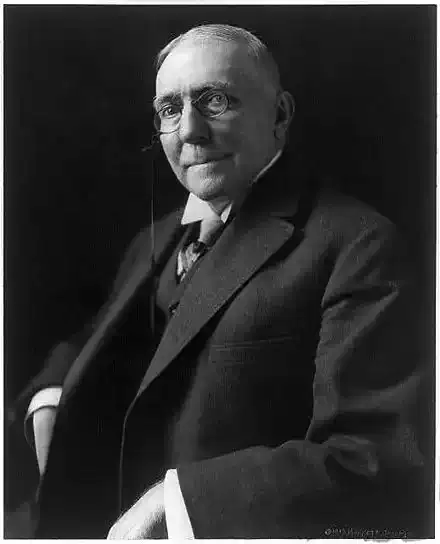
James Whitcomb Riley
An Impetuous Resolve
An Impetuous Resolve
When little Dickie Swope's a man,
He's go' to be a Sailor;
An' little Hamey Tincher, he's
A-go' to be a Tailor:
Bud Mitchell, he's a-go' to be
A stylish Carriage-Maker;
An' when _I_ grow a grea'-big man,
I'm go' to be a Baker!
An' Dick'll buy his sailor-suit
O' Hame; and Hame'll take it
An' buy as fine a double-rigg
As ever Bud can make it:
An' nen all three'll drive roun' fer me
An' we'll drive off togevver,
A-slingin' pie-crust 'long the road
Ferever an' ferever!
When little Dickie Swope's a man,
He's go' to be a Sailor;
An' little Hamey Tincher, he's
A-go' to be a Tailor:
Bud Mitchell, he's a-go' to be
A stylish Carriage-Maker;
An' when _I_ grow a grea'-big man,
I'm go' to be a Baker!
An' Dick'll buy his sailor-suit
O' Hame; and Hame'll take it
An' buy as fine a double-rigg
As ever Bud can make it:
An' nen all three'll drive roun' fer me
An' we'll drive off togevver,
A-slingin' pie-crust 'long the road
Ferever an' ferever!
336
James Whitcomb Riley
An Autumnal Extravaganza
An Autumnal Extravaganza
With a sweeter voice than birds
Dare to twitter in their sleep,
Pipe for me a tune of words,
Till my dancing fancies leap
Into freedom vaster far
Than the realms of Reason are!
Sing for me with wilder fire
Than the lover ever sung,
From the time he twanged the lyre
When the world was baby-young.
O my maiden Autumn, you--
You have filled me through and through
With a passion so intense,
All of earthly eloquence
Fails, and falls, and swoons away
In your presence. Like as one
Who essays to look the sun
Fairly in the face, I say,
Though my eyes you dazzle blind
Greater dazzled is my mind.
So, my Autumn, let me kneel
At your feet and worship you!
Be my sweetheart; let me feel
Your caress; and tell me too
Why your smiles bewilder me--
Glancing into laughter, then
Trancing into calm again,
Till your meaning drowning lies
In the dim depths of your eyes.
Let me see the things you see
Down the depths of mystery!
Blow aside the hazy veil
From the daylight of your face
With the fragrance-ladened gale
Of your spicy breath and chase
Every dimple to its place.
Lift your gipsy finger-tips
To the roses of your lips,
And fling down to me a bud--
But an unblown kiss--but one--
It shall blossom in my blood,
Even after life is done--
When I dare to touch the brow
Your rare hair is veiling now--
When the rich, red-golden strands
Of the treasure in my hands
Shall be all of worldly worth
Heaven lifted from the earth,
Like a banner to have set
On its highest minaret.
With a sweeter voice than birds
Dare to twitter in their sleep,
Pipe for me a tune of words,
Till my dancing fancies leap
Into freedom vaster far
Than the realms of Reason are!
Sing for me with wilder fire
Than the lover ever sung,
From the time he twanged the lyre
When the world was baby-young.
O my maiden Autumn, you--
You have filled me through and through
With a passion so intense,
All of earthly eloquence
Fails, and falls, and swoons away
In your presence. Like as one
Who essays to look the sun
Fairly in the face, I say,
Though my eyes you dazzle blind
Greater dazzled is my mind.
So, my Autumn, let me kneel
At your feet and worship you!
Be my sweetheart; let me feel
Your caress; and tell me too
Why your smiles bewilder me--
Glancing into laughter, then
Trancing into calm again,
Till your meaning drowning lies
In the dim depths of your eyes.
Let me see the things you see
Down the depths of mystery!
Blow aside the hazy veil
From the daylight of your face
With the fragrance-ladened gale
Of your spicy breath and chase
Every dimple to its place.
Lift your gipsy finger-tips
To the roses of your lips,
And fling down to me a bud--
But an unblown kiss--but one--
It shall blossom in my blood,
Even after life is done--
When I dare to touch the brow
Your rare hair is veiling now--
When the rich, red-golden strands
Of the treasure in my hands
Shall be all of worldly worth
Heaven lifted from the earth,
Like a banner to have set
On its highest minaret.
275
James Whitcomb Riley
An Autumnal Extravaganza
An Autumnal Extravaganza
With a sweeter voice than birds
Dare to twitter in their sleep,
Pipe for me a tune of words,
Till my dancing fancies leap
Into freedom vaster far
Than the realms of Reason are!
Sing for me with wilder fire
Than the lover ever sung,
From the time he twanged the lyre
When the world was baby-young.
O my maiden Autumn, you--
You have filled me through and through
With a passion so intense,
All of earthly eloquence
Fails, and falls, and swoons away
In your presence. Like as one
Who essays to look the sun
Fairly in the face, I say,
Though my eyes you dazzle blind
Greater dazzled is my mind.
So, my Autumn, let me kneel
At your feet and worship you!
Be my sweetheart; let me feel
Your caress; and tell me too
Why your smiles bewilder me--
Glancing into laughter, then
Trancing into calm again,
Till your meaning drowning lies
In the dim depths of your eyes.
Let me see the things you see
Down the depths of mystery!
Blow aside the hazy veil
From the daylight of your face
With the fragrance-ladened gale
Of your spicy breath and chase
Every dimple to its place.
Lift your gipsy finger-tips
To the roses of your lips,
And fling down to me a bud--
But an unblown kiss--but one--
It shall blossom in my blood,
Even after life is done--
When I dare to touch the brow
Your rare hair is veiling now--
When the rich, red-golden strands
Of the treasure in my hands
Shall be all of worldly worth
Heaven lifted from the earth,
Like a banner to have set
On its highest minaret.
With a sweeter voice than birds
Dare to twitter in their sleep,
Pipe for me a tune of words,
Till my dancing fancies leap
Into freedom vaster far
Than the realms of Reason are!
Sing for me with wilder fire
Than the lover ever sung,
From the time he twanged the lyre
When the world was baby-young.
O my maiden Autumn, you--
You have filled me through and through
With a passion so intense,
All of earthly eloquence
Fails, and falls, and swoons away
In your presence. Like as one
Who essays to look the sun
Fairly in the face, I say,
Though my eyes you dazzle blind
Greater dazzled is my mind.
So, my Autumn, let me kneel
At your feet and worship you!
Be my sweetheart; let me feel
Your caress; and tell me too
Why your smiles bewilder me--
Glancing into laughter, then
Trancing into calm again,
Till your meaning drowning lies
In the dim depths of your eyes.
Let me see the things you see
Down the depths of mystery!
Blow aside the hazy veil
From the daylight of your face
With the fragrance-ladened gale
Of your spicy breath and chase
Every dimple to its place.
Lift your gipsy finger-tips
To the roses of your lips,
And fling down to me a bud--
But an unblown kiss--but one--
It shall blossom in my blood,
Even after life is done--
When I dare to touch the brow
Your rare hair is veiling now--
When the rich, red-golden strands
Of the treasure in my hands
Shall be all of worldly worth
Heaven lifted from the earth,
Like a banner to have set
On its highest minaret.
275
James Whitcomb Riley
A Worn-Out Pencil
A Worn-Out Pencil
Welladay!
Here I lay
You at rest--all worn away,
O my pencil, to the tip
Of our old companionship!
Memory
Sighs to see
What you are, and used to be,
Looking backward to the time
When you wrote your earliest rhyme!--
When I sat
Filing at
Your first point, and dreaming that
Your initial song should be
Worthy of posterity.
With regret
I forget
If the song be living yet,
Yet remember, vaguely now,
It was honest, anyhow.
You have brought
Me a thought--
Truer yet was never taught,--
That the silent song is best,
And the unsung worthiest.
So if I,
When I die,
May as uncomplainingly
Drop aside as now you do,
Write of me, as I of you:--
Here lies one
Who begun
Life a-singing, heard of none;
And he died, satisfied,
With his dead songs by his side.
Welladay!
Here I lay
You at rest--all worn away,
O my pencil, to the tip
Of our old companionship!
Memory
Sighs to see
What you are, and used to be,
Looking backward to the time
When you wrote your earliest rhyme!--
When I sat
Filing at
Your first point, and dreaming that
Your initial song should be
Worthy of posterity.
With regret
I forget
If the song be living yet,
Yet remember, vaguely now,
It was honest, anyhow.
You have brought
Me a thought--
Truer yet was never taught,--
That the silent song is best,
And the unsung worthiest.
So if I,
When I die,
May as uncomplainingly
Drop aside as now you do,
Write of me, as I of you:--
Here lies one
Who begun
Life a-singing, heard of none;
And he died, satisfied,
With his dead songs by his side.
292
James Whitcomb Riley
A Wrangdillion
A Wrangdillion
Dexery-tethery! down in the dike,
Under the ooze and the slime,
Nestles the wraith of a reticent Gryke,
Blubbering bubbles of rhyme:
Though the reeds touch him and tickle his teeth--
Though the Graigroll and the Cheest
Pluck at the leaves of his laureate-wreath,
Nothing affects him the least.
He sinks to the dregs in the dead o' the night,
And he shuffles the shadows about
As he gathers the stars in a nest of delight
And sets there and hatches them out:
The Zhederrill peers from his watery mine
In scorn with the Will-o'-the-wisp,
As he twinkles his eyes in a whisper of shine
That ends in a luminous lisp.
The Morning is born like a baby of gold,
And it lies in a spasm of pink,
And rallies the Cheest for the horrible cold
He has dragged to the willowy brink,
The Gryke blots his tears with a scrap of his grief,
And growls at the wary Graigroll
As he twunkers a tune on a Tiljicum leaf
And hums like a telegraph pole.
Dexery-tethery! down in the dike,
Under the ooze and the slime,
Nestles the wraith of a reticent Gryke,
Blubbering bubbles of rhyme:
Though the reeds touch him and tickle his teeth--
Though the Graigroll and the Cheest
Pluck at the leaves of his laureate-wreath,
Nothing affects him the least.
He sinks to the dregs in the dead o' the night,
And he shuffles the shadows about
As he gathers the stars in a nest of delight
And sets there and hatches them out:
The Zhederrill peers from his watery mine
In scorn with the Will-o'-the-wisp,
As he twinkles his eyes in a whisper of shine
That ends in a luminous lisp.
The Morning is born like a baby of gold,
And it lies in a spasm of pink,
And rallies the Cheest for the horrible cold
He has dragged to the willowy brink,
The Gryke blots his tears with a scrap of his grief,
And growls at the wary Graigroll
As he twunkers a tune on a Tiljicum leaf
And hums like a telegraph pole.
263
James Whitcomb Riley
A Variation
A Variation
I am tired of this!
Nothing else but loving!
Nothing else but kiss and kiss,
Coo, and turtle-doving!
Can't you change the order some?
Hate me just a little--come!
Lay aside your 'dears,'
'Darlings,' 'kings,' and 'princes!'--
Call me knave, and dry your tears--
Nothing in me winces,--
Call me something low and base--
Something that will suit the case!
Wish I had your eyes
And their drooping lashes!
I would dry their teary lies
Up with lightning-flashes--
Make your sobbing lips unsheathe
All the glitter of your teeth!
Can't you lift one word--
With some pang of laughter--
Louder than the drowsy bird
Crooning 'neath the rafter?
Just one bitter word, to shriek
Madly at me as I speak!
How I hate the fair
Beauty of your forehead!
How I hate your fragrant hair!
How I hate the torrid
Touches of your splendid lips,
And the kiss that drips and drips!
Ah, you pale at last!
And your face is lifted
Like a white sail to the blast,
And your hands are shifted
Into fists: and, towering thus,
You are simply glorious!
Now before me looms
Something more than human;
Something more than beauty blooms
In the wrath of Woman--
Something to bow down before
Reverently and adore.
I am tired of this!
Nothing else but loving!
Nothing else but kiss and kiss,
Coo, and turtle-doving!
Can't you change the order some?
Hate me just a little--come!
Lay aside your 'dears,'
'Darlings,' 'kings,' and 'princes!'--
Call me knave, and dry your tears--
Nothing in me winces,--
Call me something low and base--
Something that will suit the case!
Wish I had your eyes
And their drooping lashes!
I would dry their teary lies
Up with lightning-flashes--
Make your sobbing lips unsheathe
All the glitter of your teeth!
Can't you lift one word--
With some pang of laughter--
Louder than the drowsy bird
Crooning 'neath the rafter?
Just one bitter word, to shriek
Madly at me as I speak!
How I hate the fair
Beauty of your forehead!
How I hate your fragrant hair!
How I hate the torrid
Touches of your splendid lips,
And the kiss that drips and drips!
Ah, you pale at last!
And your face is lifted
Like a white sail to the blast,
And your hands are shifted
Into fists: and, towering thus,
You are simply glorious!
Now before me looms
Something more than human;
Something more than beauty blooms
In the wrath of Woman--
Something to bow down before
Reverently and adore.
261
James Whitcomb Riley
A Voice From The Farm
A Voice From The Farm
It is my dream to have you here with me,
Out of the heated city's dust and din--
Here where the colts have room to gambol in,
And kine to graze, in clover to the knee.
I want to see your wan face happily
Lit with the wholesome smiles that have not been
In use since the old games you used to win
When we pitched horseshoes: And I want to be
At utter loaf with you in this dim land
Of grove and meadow, while the crickets make
Our own talk tedious, and the bat wields
His bulky flight, as we cease converse and
In a dusk like velvet smoothly take
Our way toward home across the dewy fields.
It is my dream to have you here with me,
Out of the heated city's dust and din--
Here where the colts have room to gambol in,
And kine to graze, in clover to the knee.
I want to see your wan face happily
Lit with the wholesome smiles that have not been
In use since the old games you used to win
When we pitched horseshoes: And I want to be
At utter loaf with you in this dim land
Of grove and meadow, while the crickets make
Our own talk tedious, and the bat wields
His bulky flight, as we cease converse and
In a dusk like velvet smoothly take
Our way toward home across the dewy fields.
285
James Whitcomb Riley
A Summer Afternoon
A Summer Afternoon
A languid atmosphere, a lazy breeze,
With labored respiration, moves the wheat
From distant reaches, till the golden seas
Break in crisp whispers at my feet.
My book, neglected of an idle mind,
Hides for a moment from the eyes of men;
Or lightly opened by a critic wind,
Affrightedly reviews itself again.
Off through the haze that dances in the shine
The warm sun showers in the open glade,
The forest lies, a silhouette design
Dimmed through and through with shade.
A dreamy day; and tranquilly I lie
At anchor from all storms of mental strain;
With absent vision, gazing at the sky,
"Like one that hears it rain."
The Katydid, so boisterous last night,
Clinging, inverted, in uneasy poise,
Beneath a wheat-blade, has forgotten quite
If "Katy DID or DIDN'T" make a noise.
The twitter, sometimes, of a wayward bird
That checks the song abruptly at the sound,
And mildly, chiding echoes that have stirred,
Sink into silence, all the more profound.
And drowsily I hear the plaintive strain
Of some poor dove . . . Why, I can scarcely keep
My heavy eyelids--there it is again-"
Coo-coo!"--I mustn't--"Coo-coo!"--fall asleep!
A languid atmosphere, a lazy breeze,
With labored respiration, moves the wheat
From distant reaches, till the golden seas
Break in crisp whispers at my feet.
My book, neglected of an idle mind,
Hides for a moment from the eyes of men;
Or lightly opened by a critic wind,
Affrightedly reviews itself again.
Off through the haze that dances in the shine
The warm sun showers in the open glade,
The forest lies, a silhouette design
Dimmed through and through with shade.
A dreamy day; and tranquilly I lie
At anchor from all storms of mental strain;
With absent vision, gazing at the sky,
"Like one that hears it rain."
The Katydid, so boisterous last night,
Clinging, inverted, in uneasy poise,
Beneath a wheat-blade, has forgotten quite
If "Katy DID or DIDN'T" make a noise.
The twitter, sometimes, of a wayward bird
That checks the song abruptly at the sound,
And mildly, chiding echoes that have stirred,
Sink into silence, all the more profound.
And drowsily I hear the plaintive strain
Of some poor dove . . . Why, I can scarcely keep
My heavy eyelids--there it is again-"
Coo-coo!"--I mustn't--"Coo-coo!"--fall asleep!
359
James Whitcomb Riley
A Tale Of The Airly Days
A Tale Of The Airly Days
Oh! tell me a tale of the airly days--
Of the times as they ust to be;
'Piller of Fi-er' and 'Shakespeare's Plays'
Is a' most too deep fer me!
I want plane facts, and I want plane words,
Of the good old-fashioned ways,
When speech run free as the songs of birds
'Way back in the airly days.
Tell me a tale of the timber-lands--
Of the old-time pioneers;
Somepin' a pore man understands
With his feelins's well as ears.
Tell of the old log house,--about
The loft, and the puncheon flore--
The old fi-er-place, with the crane swung out,
And the latch-string thrugh the door.
Tell of the things jest as they was--
They don't need no excuse!-Don't
tech 'em up like the poets does,
Tel theyr all too fine fer use!--
Say they was 'leven in the fambily--
Two beds, and the chist, below,
And the trundle-beds that each helt three,
And the clock and the old bureau.
Then blow the horn at the old back-door
Tel the echoes all halloo,
And the childern gethers home onc't more,
Jest as they ust to do:
Blow fer Pap tel he hears and comes,
With Tomps and Elias, too,
A-marchin' home, with the fife and drums
And the old Red White and Blue!
Blow and blow tel the sound draps low
As the moan of the whipperwill,
And wake up Mother, and Ruth and Jo,
All sleepin' at Bethel Hill:
Blow and call tel the faces all
Shine out in the back-log's blaze,
And the shadders dance on the old hewed wall
As they did in the airly days.
Oh! tell me a tale of the airly days--
Of the times as they ust to be;
'Piller of Fi-er' and 'Shakespeare's Plays'
Is a' most too deep fer me!
I want plane facts, and I want plane words,
Of the good old-fashioned ways,
When speech run free as the songs of birds
'Way back in the airly days.
Tell me a tale of the timber-lands--
Of the old-time pioneers;
Somepin' a pore man understands
With his feelins's well as ears.
Tell of the old log house,--about
The loft, and the puncheon flore--
The old fi-er-place, with the crane swung out,
And the latch-string thrugh the door.
Tell of the things jest as they was--
They don't need no excuse!-Don't
tech 'em up like the poets does,
Tel theyr all too fine fer use!--
Say they was 'leven in the fambily--
Two beds, and the chist, below,
And the trundle-beds that each helt three,
And the clock and the old bureau.
Then blow the horn at the old back-door
Tel the echoes all halloo,
And the childern gethers home onc't more,
Jest as they ust to do:
Blow fer Pap tel he hears and comes,
With Tomps and Elias, too,
A-marchin' home, with the fife and drums
And the old Red White and Blue!
Blow and blow tel the sound draps low
As the moan of the whipperwill,
And wake up Mother, and Ruth and Jo,
All sleepin' at Bethel Hill:
Blow and call tel the faces all
Shine out in the back-log's blaze,
And the shadders dance on the old hewed wall
As they did in the airly days.
304
James Whitcomb Riley
A Spring Song And A Later
A Spring Song And A Later
She sang a song of May for me,
Wherein once more I heard
The mirth of my glad infancy--
The orchard's earliest bird--
The joyous breeze among the trees
New-clad in leaf and bloom,
And there the happy honey-bees
In dewy gleam and gloom.
So purely, sweetly on the sense
Of heart and spirit fell
Her song of Spring, its influence--
Still irresistible,--
Commands me here--with eyes ablur--
To mate her bright refrain.
Though I but shed a rhyme for her
As dim as Autumn rain.
She sang a song of May for me,
Wherein once more I heard
The mirth of my glad infancy--
The orchard's earliest bird--
The joyous breeze among the trees
New-clad in leaf and bloom,
And there the happy honey-bees
In dewy gleam and gloom.
So purely, sweetly on the sense
Of heart and spirit fell
Her song of Spring, its influence--
Still irresistible,--
Commands me here--with eyes ablur--
To mate her bright refrain.
Though I but shed a rhyme for her
As dim as Autumn rain.
277
James Whitcomb Riley
A Song of the Road
A Song of the Road
O I will walk with you, my lad, whichever way you fare,
You'll have me, too, the side o' you, with heart as light as air;
No care for where the road you take's a-leadin' anywhere,--
It can but be a joyful ja'nt whilst you journey there.
The road you take's the path o' love, an' that's the bridth o' two--
An' I will walk with you, my lad -- O I will walk with you.
Ho! I will walk with you, my lad,
Be weather black or blue
Or roadsides frost or dew, my lad --
O I will walk with you.
Aye, glad, my lad, I'll walk with you, whatever winds may blow,
Or summer blossoms stay our steps, or blinding drifts of snow;
The way thay you set face an' foot 's the way that I will go,
An' brave I'll be, abreast o' ye, the Saints and Angels know!
With loyal hand in loyal hand, an' one heart made o' two,
Through summer's gold, or winter's cold, It's I will walk with you.
Sure, I will walk with you, my lad,
A love ordains me to,--
To Heaven's door, an' through, my lad.
O I will walk with you.
O I will walk with you, my lad, whichever way you fare,
You'll have me, too, the side o' you, with heart as light as air;
No care for where the road you take's a-leadin' anywhere,--
It can but be a joyful ja'nt whilst you journey there.
The road you take's the path o' love, an' that's the bridth o' two--
An' I will walk with you, my lad -- O I will walk with you.
Ho! I will walk with you, my lad,
Be weather black or blue
Or roadsides frost or dew, my lad --
O I will walk with you.
Aye, glad, my lad, I'll walk with you, whatever winds may blow,
Or summer blossoms stay our steps, or blinding drifts of snow;
The way thay you set face an' foot 's the way that I will go,
An' brave I'll be, abreast o' ye, the Saints and Angels know!
With loyal hand in loyal hand, an' one heart made o' two,
Through summer's gold, or winter's cold, It's I will walk with you.
Sure, I will walk with you, my lad,
A love ordains me to,--
To Heaven's door, an' through, my lad.
O I will walk with you.
281
James Whitcomb Riley
A Song of the Road
A Song of the Road
O I will walk with you, my lad, whichever way you fare,
You'll have me, too, the side o' you, with heart as light as air;
No care for where the road you take's a-leadin' anywhere,--
It can but be a joyful ja'nt whilst you journey there.
The road you take's the path o' love, an' that's the bridth o' two--
An' I will walk with you, my lad -- O I will walk with you.
Ho! I will walk with you, my lad,
Be weather black or blue
Or roadsides frost or dew, my lad --
O I will walk with you.
Aye, glad, my lad, I'll walk with you, whatever winds may blow,
Or summer blossoms stay our steps, or blinding drifts of snow;
The way thay you set face an' foot 's the way that I will go,
An' brave I'll be, abreast o' ye, the Saints and Angels know!
With loyal hand in loyal hand, an' one heart made o' two,
Through summer's gold, or winter's cold, It's I will walk with you.
Sure, I will walk with you, my lad,
A love ordains me to,--
To Heaven's door, an' through, my lad.
O I will walk with you.
O I will walk with you, my lad, whichever way you fare,
You'll have me, too, the side o' you, with heart as light as air;
No care for where the road you take's a-leadin' anywhere,--
It can but be a joyful ja'nt whilst you journey there.
The road you take's the path o' love, an' that's the bridth o' two--
An' I will walk with you, my lad -- O I will walk with you.
Ho! I will walk with you, my lad,
Be weather black or blue
Or roadsides frost or dew, my lad --
O I will walk with you.
Aye, glad, my lad, I'll walk with you, whatever winds may blow,
Or summer blossoms stay our steps, or blinding drifts of snow;
The way thay you set face an' foot 's the way that I will go,
An' brave I'll be, abreast o' ye, the Saints and Angels know!
With loyal hand in loyal hand, an' one heart made o' two,
Through summer's gold, or winter's cold, It's I will walk with you.
Sure, I will walk with you, my lad,
A love ordains me to,--
To Heaven's door, an' through, my lad.
O I will walk with you.
281
James Whitcomb Riley
A Scrawl
A Scrawl
I want to sing something-- but this is all--
I try and I try, but the rhymes are dull
As though they were damp, and the echoes fall
Limp and unlovable.
Words will not say what I yearn to say--
They will not walk as I want them to,
But they stumble and fall in the path of the way
Of my telling my love for you.
Simply take what the scrawl is worth--
Knowing I love you as sun the sod
On the ripening side of the great round earth
That swings in the smile of God.
I want to sing something-- but this is all--
I try and I try, but the rhymes are dull
As though they were damp, and the echoes fall
Limp and unlovable.
Words will not say what I yearn to say--
They will not walk as I want them to,
But they stumble and fall in the path of the way
Of my telling my love for you.
Simply take what the scrawl is worth--
Knowing I love you as sun the sod
On the ripening side of the great round earth
That swings in the smile of God.
300
James Whitcomb Riley
A Song Of Long Ago
A Song Of Long Ago
A song of Long Ago:
Sing it lightly--sing it low--
Sing it softly--like the lisping of the lips we used to know
When our baby-laughter spilled
From the glad hearts ever filled
With music blithe as robin ever trilled!
Let the fragrant summer-breeze,
And the leaves of locust-trees,
And the apple-buds and blossoms, and the wings of honey-bees,
All palpitate with glee,
Till the happy harmony
Brings back each childish joy to you and me.
Let the eyes of fancy turn
Where the tumbled pippins burn
Like embers in the orchard's lap of tangled grass and fern,--
There let the old path wind
In and out and on behind
The cider-press that chuckles as we grind.
Blend in the song the moan
Of the dove that grieves alone,
And the wild whir of the locust, and the bumble's drowsy drone;
And the low of cows that call
Through the pasture-bars when all
The landscape fades away at evenfall.
Then, far away and clear,
Through the dusky atmosphere,
Let the wailing of the kildee be the only sound we hear:
O sad and sweet and low
As the memory may know
Is the glad-pathetic song of Long Ago!
A song of Long Ago:
Sing it lightly--sing it low--
Sing it softly--like the lisping of the lips we used to know
When our baby-laughter spilled
From the glad hearts ever filled
With music blithe as robin ever trilled!
Let the fragrant summer-breeze,
And the leaves of locust-trees,
And the apple-buds and blossoms, and the wings of honey-bees,
All palpitate with glee,
Till the happy harmony
Brings back each childish joy to you and me.
Let the eyes of fancy turn
Where the tumbled pippins burn
Like embers in the orchard's lap of tangled grass and fern,--
There let the old path wind
In and out and on behind
The cider-press that chuckles as we grind.
Blend in the song the moan
Of the dove that grieves alone,
And the wild whir of the locust, and the bumble's drowsy drone;
And the low of cows that call
Through the pasture-bars when all
The landscape fades away at evenfall.
Then, far away and clear,
Through the dusky atmosphere,
Let the wailing of the kildee be the only sound we hear:
O sad and sweet and low
As the memory may know
Is the glad-pathetic song of Long Ago!
298
James Whitcomb Riley
A Passing Hail
A Passing Hail
Let us rest ourselves a bit!
Worry?-- wave your hand to it --
Kiss your finger-tips and smile
It farewell a little while.
Weary of the weary way
We have come from Yesterday,
Let us fret not, instead,
Of the wary way ahead.
Let us pause and catch our breath
On the hither side of death,
While we see the tender shoots
Of the grasses -- not the roots,--
While we yet look down -- not up --
To seek out the buttercup
And the daisy where they wave
O'er the green home of the grave.
Let us launch us smoothly on
The soft billows of the lawn,
And drift out across the main
Of our childish dreams again:
Voyage off, beneath the trees,
O'er the field's enchanted seas,
Where the lilies are our sails,
And our sea-gulls, nightingales:
Where no wilder storm shall beat
Than the wind that waves the wheat,
And no tempest-burst above
The old laughs we used to love:
Lose all troubles -- gain release,
Languor, and exceeding peace,
Cruising idly o'er the vast,
Calm mid-ocean of the Past.
Let us rest ourselves a bit!
Worry? -- Wave your hand to it --
Kiss your finger-tips and smile
It fare well a little while.
Let us rest ourselves a bit!
Worry?-- wave your hand to it --
Kiss your finger-tips and smile
It farewell a little while.
Weary of the weary way
We have come from Yesterday,
Let us fret not, instead,
Of the wary way ahead.
Let us pause and catch our breath
On the hither side of death,
While we see the tender shoots
Of the grasses -- not the roots,--
While we yet look down -- not up --
To seek out the buttercup
And the daisy where they wave
O'er the green home of the grave.
Let us launch us smoothly on
The soft billows of the lawn,
And drift out across the main
Of our childish dreams again:
Voyage off, beneath the trees,
O'er the field's enchanted seas,
Where the lilies are our sails,
And our sea-gulls, nightingales:
Where no wilder storm shall beat
Than the wind that waves the wheat,
And no tempest-burst above
The old laughs we used to love:
Lose all troubles -- gain release,
Languor, and exceeding peace,
Cruising idly o'er the vast,
Calm mid-ocean of the Past.
Let us rest ourselves a bit!
Worry? -- Wave your hand to it --
Kiss your finger-tips and smile
It fare well a little while.
328
James Whitcomb Riley
A Passing Hail
A Passing Hail
Let us rest ourselves a bit!
Worry?-- wave your hand to it --
Kiss your finger-tips and smile
It farewell a little while.
Weary of the weary way
We have come from Yesterday,
Let us fret not, instead,
Of the wary way ahead.
Let us pause and catch our breath
On the hither side of death,
While we see the tender shoots
Of the grasses -- not the roots,--
While we yet look down -- not up --
To seek out the buttercup
And the daisy where they wave
O'er the green home of the grave.
Let us launch us smoothly on
The soft billows of the lawn,
And drift out across the main
Of our childish dreams again:
Voyage off, beneath the trees,
O'er the field's enchanted seas,
Where the lilies are our sails,
And our sea-gulls, nightingales:
Where no wilder storm shall beat
Than the wind that waves the wheat,
And no tempest-burst above
The old laughs we used to love:
Lose all troubles -- gain release,
Languor, and exceeding peace,
Cruising idly o'er the vast,
Calm mid-ocean of the Past.
Let us rest ourselves a bit!
Worry? -- Wave your hand to it --
Kiss your finger-tips and smile
It fare well a little while.
Let us rest ourselves a bit!
Worry?-- wave your hand to it --
Kiss your finger-tips and smile
It farewell a little while.
Weary of the weary way
We have come from Yesterday,
Let us fret not, instead,
Of the wary way ahead.
Let us pause and catch our breath
On the hither side of death,
While we see the tender shoots
Of the grasses -- not the roots,--
While we yet look down -- not up --
To seek out the buttercup
And the daisy where they wave
O'er the green home of the grave.
Let us launch us smoothly on
The soft billows of the lawn,
And drift out across the main
Of our childish dreams again:
Voyage off, beneath the trees,
O'er the field's enchanted seas,
Where the lilies are our sails,
And our sea-gulls, nightingales:
Where no wilder storm shall beat
Than the wind that waves the wheat,
And no tempest-burst above
The old laughs we used to love:
Lose all troubles -- gain release,
Languor, and exceeding peace,
Cruising idly o'er the vast,
Calm mid-ocean of the Past.
Let us rest ourselves a bit!
Worry? -- Wave your hand to it --
Kiss your finger-tips and smile
It fare well a little while.
328
James Whitcomb Riley
A Prospective Visit
A Prospective Visit
While _any_ day was notable and dear
That gave the children Noey, history here
Records his advent emphasized indeed
With sharp italics, as he came to feed
The stock one special morning, fair and bright,
When Johnty and Bud met him, with delight
Unusual even as their extra dress--
Garbed as for holiday, with much excess
Of proud self-consciousness and vain conceit
In their new finery.--Far up the street
They called to Noey, as he came, that they,
As promised, both were going back that day
To _his_ house with him!
And by time that each
Had one of Noey's hands--ceasing their speech
And coyly anxious, in their new attire,
To wake the comment of their mute desire,--
Noey seemed rendered voiceless. Quite a while
They watched him furtively.--He seemed to smile
As though he would conceal it; and they saw
Him look away, and his lips purse and draw
In curious, twitching spasms, as though he might
Be whispering,--while in his eye the white
Predominated strangely.--Then the spell
Gave way, and his pent speech burst audible:
'They wuz two stylish little boys,
and they wuz mighty bold ones,
Had two new pairs o' britches made
out o' their daddy's old ones!'
And at the inspirational outbreak,
Both joker and his victims seemed to take
An equal share of laughter,--and all through
Their morning visit kept recurring to
The funny words and jingle of the rhyme
That just kept getting funnier all the time.
While _any_ day was notable and dear
That gave the children Noey, history here
Records his advent emphasized indeed
With sharp italics, as he came to feed
The stock one special morning, fair and bright,
When Johnty and Bud met him, with delight
Unusual even as their extra dress--
Garbed as for holiday, with much excess
Of proud self-consciousness and vain conceit
In their new finery.--Far up the street
They called to Noey, as he came, that they,
As promised, both were going back that day
To _his_ house with him!
And by time that each
Had one of Noey's hands--ceasing their speech
And coyly anxious, in their new attire,
To wake the comment of their mute desire,--
Noey seemed rendered voiceless. Quite a while
They watched him furtively.--He seemed to smile
As though he would conceal it; and they saw
Him look away, and his lips purse and draw
In curious, twitching spasms, as though he might
Be whispering,--while in his eye the white
Predominated strangely.--Then the spell
Gave way, and his pent speech burst audible:
'They wuz two stylish little boys,
and they wuz mighty bold ones,
Had two new pairs o' britches made
out o' their daddy's old ones!'
And at the inspirational outbreak,
Both joker and his victims seemed to take
An equal share of laughter,--and all through
Their morning visit kept recurring to
The funny words and jingle of the rhyme
That just kept getting funnier all the time.
274
James Whitcomb Riley
A Parent Reprimanded
A Parent Reprimanded
Sometimes I think 'at Parents does
Things ist about as bad as _us_--
Wite 'fore our vurry eyes, at that!
Fer one time Pa he scold' my Ma
'Cause he can't find his hat;
An' she ist _cried_, she did! An' I
Says, 'Ef you scold my Ma
Ever again an' make her cry,
Wy, you sha'n't _be_ my Pa!'
An' nen he laugh' an' find his hat
Ist wite where Ma she said it's at!
Sometimes I think 'at Parents does
Things ist about as bad as _us_--
Wite 'fore our vurry eyes, at that!
Fer one time Pa he scold' my Ma
'Cause he can't find his hat;
An' she ist _cried_, she did! An' I
Says, 'Ef you scold my Ma
Ever again an' make her cry,
Wy, you sha'n't _be_ my Pa!'
An' nen he laugh' an' find his hat
Ist wite where Ma she said it's at!
275
James Whitcomb Riley
A Monument For The Soldiers
A Monument For The Soldiers
A monument for the Soldiers!
And what will ye build it of?
Can ye build it of marble, or brass, or bronze,
Outlasting the Soldiers' love?
Can ye glorify it with legends
As grand as their blood hath writ
From the inmost shrine of this land of thine
To the outermost verge of it?
And the answer came: We would build it
Out of our hopes made sure,
And out of our purest prayers and tears,
And out of our faith secure:
We would build it out of the great white truths
Their death hath sanctified,
And the sculptured forms of the men in arms,
And their faces ere they died.
And what heroic figures
Can the sculptor carve in stone?
Can the marble breast be made to bleed,
And the marble lips to moan?
Can the marble brow be fevered?
And the marble eyes be graved
To look their last, as the flag floats past,
On the country they have saved?
And the answer came: The figures
Shall all be fair and brave,
And, as befitting, as pure and white
As the stars above their grave!
The marble lips, and breast and brow
Whereon the laurel lies,
Bequeath us right to guard the flight
Of the old flag in the skies!
A monument for the Soldiers!
Built of a people's love,
And blazoned and decked and panoplied
With the hearts ye build it oft
And see that ye build it stately,
In pillar and niche and gate,
And high in pose as the souls of those
It would commemorate!
A monument for the Soldiers!
And what will ye build it of?
Can ye build it of marble, or brass, or bronze,
Outlasting the Soldiers' love?
Can ye glorify it with legends
As grand as their blood hath writ
From the inmost shrine of this land of thine
To the outermost verge of it?
And the answer came: We would build it
Out of our hopes made sure,
And out of our purest prayers and tears,
And out of our faith secure:
We would build it out of the great white truths
Their death hath sanctified,
And the sculptured forms of the men in arms,
And their faces ere they died.
And what heroic figures
Can the sculptor carve in stone?
Can the marble breast be made to bleed,
And the marble lips to moan?
Can the marble brow be fevered?
And the marble eyes be graved
To look their last, as the flag floats past,
On the country they have saved?
And the answer came: The figures
Shall all be fair and brave,
And, as befitting, as pure and white
As the stars above their grave!
The marble lips, and breast and brow
Whereon the laurel lies,
Bequeath us right to guard the flight
Of the old flag in the skies!
A monument for the Soldiers!
Built of a people's love,
And blazoned and decked and panoplied
With the hearts ye build it oft
And see that ye build it stately,
In pillar and niche and gate,
And high in pose as the souls of those
It would commemorate!
268
James Whitcomb Riley
A New Year's Time At Willards's
A New Year's Time At Willards's
1
The Hired Man Talks
There's old man Willards; an' his wife;
An' Marg'et-- S'repty's sister--; an'
There's me-- an' I'm the hired man;
An' Tomps McClure, you better yer life!
Well now, old Willards hain't so bad,
Considerin' the chance he's had.
Of course, he's rich, an' sleeps an' eats
Whenever he's a mind to: Takes
An' leans back in the Amen-seats
An' thanks the Lord fer all he makes--.
That's purty much all folks has got
Ag'inst the old man, like as not!
But there's his woman-- jes the turn
Of them-air two wild girls o' hern-Marg'et
an' S'repty-- allus in
Fer any cuttin'-up concern--
Church festibals, and foolishin'
Round Christmas-trees, an' New Year's sprees--
Set up to watch the Old Year go
An' New Year come-- sich things as these;
An' turkey-dinners, don't you know!
S'repty's younger, an' more gay,
An' purtier, an' finer dressed
Than Marg'et is-- but, lawzy-day!
She hain't the independentest!
'Take care!' old Willards used to say,
'Take care--! Let Marg'et have her way,
An' S'repty, you go off an' play
On your melodeum--!' But, best
Of all, comes Tomps! An' I'll be bound,
Ef he hain't jes the beatin'est
Young chap in all the country round!
Ef you knowed Tomps you'd like him, shore!
They hain't no man on top o' ground
Walks into my affections more--!
An' all the Settlement'll say
That Tomps was liked jes thataway
By ever'body, till he tuk
A shine to S'repty Willards--. Then
You'd ort'o see the old man buck
An' h'ist hisse'f, an' paw the dirt,
An' hint that 'common workin'-men
That didn't want their feelin's hurt
'Ud better hunt fer 'comp'ny' where
The folks was pore an' didn't care--!'
The pine-blank facts is--, the old man,
Last Christmas was a year ago,
Found out some presents Tomps had got
Fer S'repty, an' hit made him hot--
Set down an' tuk his pen in hand
An' writ to Tomps an' told him so
On legal cap, in white an' black,
An' give him jes to understand
'No Christmas-gifts o' 'lily-white'
An' bear's-ile could fix matters right,'
An' wropped 'em up an' sent 'em back!
Well, S'repty cried an' snuffled round
Consid'able. But Marg'et she
Toed out another sock, an' wound
Her knittin' up, an' drawed the tea,
An' then set on the supper-things,
An' went up in the loft an' dressed--
An' through it all you'd never guessed
What she was up to! An' she brings
Her best hat with her an her shawl,
An' gloves, an' redicule, an' all,
An' injirubbers, an' comes down
An' tells 'em she's a-goin' to town
To he'p the Christmas goin's-on
Her Church got up. An' go she does--
The best hosswoman ever was!
'An' what'll We do while you're gone?'
The old man says, a-tryin' to be
Agreeable. 'Oh! You?' says she--,
'You kin jaw S'repty, like you did,
An' slander Tomps!' An' off she rid!
Now, this is all I'm goin' to tell
Of this-here story-- that is, I
Have done my very level best
As fur as this, an' here I 'dwell,'
As auctioneers says, winkin' sly:
Hit's old man Willards tells the rest.
2
The Old Man Talks
Adzackly jes one year ago,
This New Year's day, Tomps comes to me--
In my own house, an' whilse the folks
Was gittin' dinner--, an' he pokes
His nose right in, an' says, says he:
'I got yer note-- an' read it slow!
You don't like me, ner I don't you,'
He says--, 'we're even there, you know!
But you've said, furder that no gal
Of yourn kin marry me, er shall,
An' I'd best shet off comin', too!'
An' then he says--, 'Well, them's Your views--;
But havin' talked with S'repty, we
Have both agreed to disagree
With your peculiar notions-- some;
An', that s the reason, I refuse
To quit a-comin' here, but come--
Not fer to threat, ner raise no skeer
An' spile yer turkey-dinner here--,
But jes fer S'repty's sake, to sheer
Yer New Year's. Shall I take a cheer?'
Well, blame-don! Ef I ever see
Sich impidence! I couldn't say
Not nary word! But Mother she
Sot out a cheer fer Tomps, an' they
Shuk hands an' turnt their back on me.
Then I riz-- mad as mad could be--!
But Marg'et says--, 'Now, Pap! You set
Right where you're settin'--! Don't you fret!
An' Tomps-- you warm yer feet!' says she,
'An throw yer mitts an' comfert on
The bed there! Where is S'repty gone!
The cabbage is a-scortchin'! Ma,
Stop cryin' there an' stir the slaw!'
Well--! What was Mother cryin' fer--?
I half riz up-- but Marg'et's chin
Hit squared-- an' I set down ag'in--
I allus was afeard o' her,
I was, by jucks! So there I set,
Betwixt a sinkin'-chill an' sweat,
An' scuffled with my wrath, an' shet
My teeth to mighty tight, you bet!
An' yit, fer all that I could do,
I eeched to jes git up an' whet
The carvin'-knife a rasp er two
On Tomps's ribs-- an' so would you--!
Fer he had riz an' faced around,
An' stood there, smilin', as they brung
The turkey in, all stuffed an' browned--
Too sweet fer nose, er tooth, er tongue!
With sniffs o' sage, an' p'r'aps a dash
Of old burnt brandy, steamin'-hot
Mixed kindo' in with apple-mash
An' mince-meat, an' the Lord knows what!
Nobody was a-talkin' then,
To 'filiate any awk'ardness--
No noise o' any kind but jes
The rattle o' the dishes when
They'd fetch 'em in an' set 'em down,
An' fix an' change 'em round an' round,
Like women does-- till Mother says--,
'Vittels is ready; Abner, call
Down S'repty-- she's up-stairs, I guess--.'
And Marg'et she says, 'Ef you bawl
Like that, she'll not come down at all!
Besides, we needn't wait till she
Gits down! Here Temps, set down by me,
An' Pap: say grace...!' Well, there I was--!
What could I do! I drapped my head
Behind my fists an' groaned; an' said--:
'Indulgent Parent! In Thy cause
We bow the head an' bend the knee
An' break the bread, an' pour the wine,
Feelin'--' (The stair-door suddently
Went bang! An' S'repty flounced by me--)
'Feelin',' I says, 'this feast is Thine--
This New Year's feast--' an' rap-rap-rap!
Went Marg'ets case-knife on her plate--
An' next, I heerd a sasser drap--,
Then I looked up, an' strange to state,
There S'repty set in Tomps lap--
An' huggin' him, as shore as fate!
An' Mother kissin' him k-slap!
An' Marg'et-- she chips in to drap
The ruther peert remark to me--:
'That 'grace' o' yourn,' she says, 'won't 'gee'--
This hain't no 'New Year's feast,'' says she--,
'This is a' Infair-Dinner, Pap!'
An' so it was--! Be'n married fer
Purt' nigh a week--! 'Twas Marg'et planned
The whole thing fer 'em, through an' through.
I'm rickonciled; an' understand,
I take things jes as they occur--,
Ef Marg'et liked Tomps, Tomps 'ud do--!
But I-says-I, a-holt his hand--,
'I'm glad you didn't marry Her-'
Cause Marg'et's my guardeen-- yes-sir--!
An' S'repty's good enough fer you!'
1
The Hired Man Talks
There's old man Willards; an' his wife;
An' Marg'et-- S'repty's sister--; an'
There's me-- an' I'm the hired man;
An' Tomps McClure, you better yer life!
Well now, old Willards hain't so bad,
Considerin' the chance he's had.
Of course, he's rich, an' sleeps an' eats
Whenever he's a mind to: Takes
An' leans back in the Amen-seats
An' thanks the Lord fer all he makes--.
That's purty much all folks has got
Ag'inst the old man, like as not!
But there's his woman-- jes the turn
Of them-air two wild girls o' hern-Marg'et
an' S'repty-- allus in
Fer any cuttin'-up concern--
Church festibals, and foolishin'
Round Christmas-trees, an' New Year's sprees--
Set up to watch the Old Year go
An' New Year come-- sich things as these;
An' turkey-dinners, don't you know!
S'repty's younger, an' more gay,
An' purtier, an' finer dressed
Than Marg'et is-- but, lawzy-day!
She hain't the independentest!
'Take care!' old Willards used to say,
'Take care--! Let Marg'et have her way,
An' S'repty, you go off an' play
On your melodeum--!' But, best
Of all, comes Tomps! An' I'll be bound,
Ef he hain't jes the beatin'est
Young chap in all the country round!
Ef you knowed Tomps you'd like him, shore!
They hain't no man on top o' ground
Walks into my affections more--!
An' all the Settlement'll say
That Tomps was liked jes thataway
By ever'body, till he tuk
A shine to S'repty Willards--. Then
You'd ort'o see the old man buck
An' h'ist hisse'f, an' paw the dirt,
An' hint that 'common workin'-men
That didn't want their feelin's hurt
'Ud better hunt fer 'comp'ny' where
The folks was pore an' didn't care--!'
The pine-blank facts is--, the old man,
Last Christmas was a year ago,
Found out some presents Tomps had got
Fer S'repty, an' hit made him hot--
Set down an' tuk his pen in hand
An' writ to Tomps an' told him so
On legal cap, in white an' black,
An' give him jes to understand
'No Christmas-gifts o' 'lily-white'
An' bear's-ile could fix matters right,'
An' wropped 'em up an' sent 'em back!
Well, S'repty cried an' snuffled round
Consid'able. But Marg'et she
Toed out another sock, an' wound
Her knittin' up, an' drawed the tea,
An' then set on the supper-things,
An' went up in the loft an' dressed--
An' through it all you'd never guessed
What she was up to! An' she brings
Her best hat with her an her shawl,
An' gloves, an' redicule, an' all,
An' injirubbers, an' comes down
An' tells 'em she's a-goin' to town
To he'p the Christmas goin's-on
Her Church got up. An' go she does--
The best hosswoman ever was!
'An' what'll We do while you're gone?'
The old man says, a-tryin' to be
Agreeable. 'Oh! You?' says she--,
'You kin jaw S'repty, like you did,
An' slander Tomps!' An' off she rid!
Now, this is all I'm goin' to tell
Of this-here story-- that is, I
Have done my very level best
As fur as this, an' here I 'dwell,'
As auctioneers says, winkin' sly:
Hit's old man Willards tells the rest.
2
The Old Man Talks
Adzackly jes one year ago,
This New Year's day, Tomps comes to me--
In my own house, an' whilse the folks
Was gittin' dinner--, an' he pokes
His nose right in, an' says, says he:
'I got yer note-- an' read it slow!
You don't like me, ner I don't you,'
He says--, 'we're even there, you know!
But you've said, furder that no gal
Of yourn kin marry me, er shall,
An' I'd best shet off comin', too!'
An' then he says--, 'Well, them's Your views--;
But havin' talked with S'repty, we
Have both agreed to disagree
With your peculiar notions-- some;
An', that s the reason, I refuse
To quit a-comin' here, but come--
Not fer to threat, ner raise no skeer
An' spile yer turkey-dinner here--,
But jes fer S'repty's sake, to sheer
Yer New Year's. Shall I take a cheer?'
Well, blame-don! Ef I ever see
Sich impidence! I couldn't say
Not nary word! But Mother she
Sot out a cheer fer Tomps, an' they
Shuk hands an' turnt their back on me.
Then I riz-- mad as mad could be--!
But Marg'et says--, 'Now, Pap! You set
Right where you're settin'--! Don't you fret!
An' Tomps-- you warm yer feet!' says she,
'An throw yer mitts an' comfert on
The bed there! Where is S'repty gone!
The cabbage is a-scortchin'! Ma,
Stop cryin' there an' stir the slaw!'
Well--! What was Mother cryin' fer--?
I half riz up-- but Marg'et's chin
Hit squared-- an' I set down ag'in--
I allus was afeard o' her,
I was, by jucks! So there I set,
Betwixt a sinkin'-chill an' sweat,
An' scuffled with my wrath, an' shet
My teeth to mighty tight, you bet!
An' yit, fer all that I could do,
I eeched to jes git up an' whet
The carvin'-knife a rasp er two
On Tomps's ribs-- an' so would you--!
Fer he had riz an' faced around,
An' stood there, smilin', as they brung
The turkey in, all stuffed an' browned--
Too sweet fer nose, er tooth, er tongue!
With sniffs o' sage, an' p'r'aps a dash
Of old burnt brandy, steamin'-hot
Mixed kindo' in with apple-mash
An' mince-meat, an' the Lord knows what!
Nobody was a-talkin' then,
To 'filiate any awk'ardness--
No noise o' any kind but jes
The rattle o' the dishes when
They'd fetch 'em in an' set 'em down,
An' fix an' change 'em round an' round,
Like women does-- till Mother says--,
'Vittels is ready; Abner, call
Down S'repty-- she's up-stairs, I guess--.'
And Marg'et she says, 'Ef you bawl
Like that, she'll not come down at all!
Besides, we needn't wait till she
Gits down! Here Temps, set down by me,
An' Pap: say grace...!' Well, there I was--!
What could I do! I drapped my head
Behind my fists an' groaned; an' said--:
'Indulgent Parent! In Thy cause
We bow the head an' bend the knee
An' break the bread, an' pour the wine,
Feelin'--' (The stair-door suddently
Went bang! An' S'repty flounced by me--)
'Feelin',' I says, 'this feast is Thine--
This New Year's feast--' an' rap-rap-rap!
Went Marg'ets case-knife on her plate--
An' next, I heerd a sasser drap--,
Then I looked up, an' strange to state,
There S'repty set in Tomps lap--
An' huggin' him, as shore as fate!
An' Mother kissin' him k-slap!
An' Marg'et-- she chips in to drap
The ruther peert remark to me--:
'That 'grace' o' yourn,' she says, 'won't 'gee'--
This hain't no 'New Year's feast,'' says she--,
'This is a' Infair-Dinner, Pap!'
An' so it was--! Be'n married fer
Purt' nigh a week--! 'Twas Marg'et planned
The whole thing fer 'em, through an' through.
I'm rickonciled; an' understand,
I take things jes as they occur--,
Ef Marg'et liked Tomps, Tomps 'ud do--!
But I-says-I, a-holt his hand--,
'I'm glad you didn't marry Her-'
Cause Marg'et's my guardeen-- yes-sir--!
An' S'repty's good enough fer you!'
300
James Whitcomb Riley
A Liz Town Humorist
A Liz Town Humorist
Settin' round the stove, last night,
Down at Wess's store, was me
And Mart Strimples, Tunk, and White,
And Doc Bills, and two er three
Fellers o' the Mudsock tribe
No use tryin' to describe!
And says Doc, he says, says he--,
'Talkin' 'bout good things to eat,
Ripe mushmillon's hard to beat!'
I chawed on. And Mart he 'lowed
Wortermillon beat the mush--.
'Red,' he says, 'and juicy-- Hush--!
I'll jes' leave it to the crowd!'
Then a Mudsock chap, says he--,
'Punkin's good enough fer me--
Punkin pies, I mean,' he says--,
Them beats millons--! What say, Wess?
I chawed on. And Wess says--, 'Well,
You jes' fetch that wife of mine
All yer wortermillon-rine--,
And she'll bile it down a spell--
In with sorghum, I suppose,
And what else, Lord only knows--!
But I'm here to tell all hands
Them p'serves meets my demands!'
I chawed on. And White he says--,
'Well, I'll jes' stand, in with Wess-I'm
no hog!' And Tunk says--, 'I
Guess I'll pastur' out on pie
With the Mudsock boys!' says he;
'Now what's yourn?' he says to me:
I chawed on-- fer-- quite a spell
Then I speaks up, slow and dry--,
Jes' tobacker!' I-says-I--.
And you'd ort o' heerd 'em yell!
Settin' round the stove, last night,
Down at Wess's store, was me
And Mart Strimples, Tunk, and White,
And Doc Bills, and two er three
Fellers o' the Mudsock tribe
No use tryin' to describe!
And says Doc, he says, says he--,
'Talkin' 'bout good things to eat,
Ripe mushmillon's hard to beat!'
I chawed on. And Mart he 'lowed
Wortermillon beat the mush--.
'Red,' he says, 'and juicy-- Hush--!
I'll jes' leave it to the crowd!'
Then a Mudsock chap, says he--,
'Punkin's good enough fer me--
Punkin pies, I mean,' he says--,
Them beats millons--! What say, Wess?
I chawed on. And Wess says--, 'Well,
You jes' fetch that wife of mine
All yer wortermillon-rine--,
And she'll bile it down a spell--
In with sorghum, I suppose,
And what else, Lord only knows--!
But I'm here to tell all hands
Them p'serves meets my demands!'
I chawed on. And White he says--,
'Well, I'll jes' stand, in with Wess-I'm
no hog!' And Tunk says--, 'I
Guess I'll pastur' out on pie
With the Mudsock boys!' says he;
'Now what's yourn?' he says to me:
I chawed on-- fer-- quite a spell
Then I speaks up, slow and dry--,
Jes' tobacker!' I-says-I--.
And you'd ort o' heerd 'em yell!
293
James Whitcomb Riley
A Home-Made Fairy Tale
A Home-Made Fairy Tale
Bud, come here to your uncle a spell,
And I'll tell you something you mustn't tell--
For it's a secret and shore-'nuf true,
And maybe I oughtn't to tell it to you--!
But out in the garden, under the shade
Of the apple-trees, where we romped and played
Till the moon was up, and you thought I'd gone
Fast asleep--, That was all put on!
For I was a-watchin' something queer
Goin' on there in the grass, my dear--!
'Way down deep in it, there I see
A little dude-Fairy who winked at me,
And snapped his fingers, and laughed as low
And fine as the whine of a mus-kee-to!
I kept still-- watchin' him closer-- and
I noticed a little guitar in his hand,
Which he leant 'ginst a little dead bee-- and laid
His cigarette down on a clean grass-blade,
And then climbed up on the shell of a snail--
Carefully dusting his swallowtail--
And pulling up, by a waxed web-thread,
This little guitar, you remember. I said!
And there he trinkled and trilled a tune--,
'My Love, so Fair, Tans in the Moon!'
Till presently, out of the clover-top
He seemed to be singing to, came k'pop!
The purtiest, daintiest Fairy face
In all this world, or any place!
Then the little ser'nader waved his hand,
As much as to say, 'We'll excuse you!' and
I heard, as I squinted my eyelids to,
A kiss like the drip of a drop of dew!
Bud, come here to your uncle a spell,
And I'll tell you something you mustn't tell--
For it's a secret and shore-'nuf true,
And maybe I oughtn't to tell it to you--!
But out in the garden, under the shade
Of the apple-trees, where we romped and played
Till the moon was up, and you thought I'd gone
Fast asleep--, That was all put on!
For I was a-watchin' something queer
Goin' on there in the grass, my dear--!
'Way down deep in it, there I see
A little dude-Fairy who winked at me,
And snapped his fingers, and laughed as low
And fine as the whine of a mus-kee-to!
I kept still-- watchin' him closer-- and
I noticed a little guitar in his hand,
Which he leant 'ginst a little dead bee-- and laid
His cigarette down on a clean grass-blade,
And then climbed up on the shell of a snail--
Carefully dusting his swallowtail--
And pulling up, by a waxed web-thread,
This little guitar, you remember. I said!
And there he trinkled and trilled a tune--,
'My Love, so Fair, Tans in the Moon!'
Till presently, out of the clover-top
He seemed to be singing to, came k'pop!
The purtiest, daintiest Fairy face
In all this world, or any place!
Then the little ser'nader waved his hand,
As much as to say, 'We'll excuse you!' and
I heard, as I squinted my eyelids to,
A kiss like the drip of a drop of dew!
355
James Whitcomb Riley
A Home-Made Fairy Tale
A Home-Made Fairy Tale
Bud, come here to your uncle a spell,
And I'll tell you something you mustn't tell--
For it's a secret and shore-'nuf true,
And maybe I oughtn't to tell it to you--!
But out in the garden, under the shade
Of the apple-trees, where we romped and played
Till the moon was up, and you thought I'd gone
Fast asleep--, That was all put on!
For I was a-watchin' something queer
Goin' on there in the grass, my dear--!
'Way down deep in it, there I see
A little dude-Fairy who winked at me,
And snapped his fingers, and laughed as low
And fine as the whine of a mus-kee-to!
I kept still-- watchin' him closer-- and
I noticed a little guitar in his hand,
Which he leant 'ginst a little dead bee-- and laid
His cigarette down on a clean grass-blade,
And then climbed up on the shell of a snail--
Carefully dusting his swallowtail--
And pulling up, by a waxed web-thread,
This little guitar, you remember. I said!
And there he trinkled and trilled a tune--,
'My Love, so Fair, Tans in the Moon!'
Till presently, out of the clover-top
He seemed to be singing to, came k'pop!
The purtiest, daintiest Fairy face
In all this world, or any place!
Then the little ser'nader waved his hand,
As much as to say, 'We'll excuse you!' and
I heard, as I squinted my eyelids to,
A kiss like the drip of a drop of dew!
Bud, come here to your uncle a spell,
And I'll tell you something you mustn't tell--
For it's a secret and shore-'nuf true,
And maybe I oughtn't to tell it to you--!
But out in the garden, under the shade
Of the apple-trees, where we romped and played
Till the moon was up, and you thought I'd gone
Fast asleep--, That was all put on!
For I was a-watchin' something queer
Goin' on there in the grass, my dear--!
'Way down deep in it, there I see
A little dude-Fairy who winked at me,
And snapped his fingers, and laughed as low
And fine as the whine of a mus-kee-to!
I kept still-- watchin' him closer-- and
I noticed a little guitar in his hand,
Which he leant 'ginst a little dead bee-- and laid
His cigarette down on a clean grass-blade,
And then climbed up on the shell of a snail--
Carefully dusting his swallowtail--
And pulling up, by a waxed web-thread,
This little guitar, you remember. I said!
And there he trinkled and trilled a tune--,
'My Love, so Fair, Tans in the Moon!'
Till presently, out of the clover-top
He seemed to be singing to, came k'pop!
The purtiest, daintiest Fairy face
In all this world, or any place!
Then the little ser'nader waved his hand,
As much as to say, 'We'll excuse you!' and
I heard, as I squinted my eyelids to,
A kiss like the drip of a drop of dew!
355
James Whitcomb Riley
A Letter To A Friend
A Letter To A Friend
The past is like a story
I have listened to in dreams
That vanished in the glory
Of the Morning's early gleams;
And--at my shadow glancing--
I feel a loss of strength,
As the Day of Life advancing
Leaves it shorn of half its length.
But it's all in vain to worry
At the rapid race of Time--
And he flies in such a flurry
When I trip him with a rhyme,
I'll bother him no longer
Than to thank you for the thought
That 'my fame is growing stronger
As you really think it ought.'
And though I fall below it,
I might know as much of mirth
To live and die a poet
Of unacknowledged worth;
For Fame is but a vagrant--
Though a loyal one and brave,
And his laurels ne'er so fragrant
As when scattered o'er the grave.
The past is like a story
I have listened to in dreams
That vanished in the glory
Of the Morning's early gleams;
And--at my shadow glancing--
I feel a loss of strength,
As the Day of Life advancing
Leaves it shorn of half its length.
But it's all in vain to worry
At the rapid race of Time--
And he flies in such a flurry
When I trip him with a rhyme,
I'll bother him no longer
Than to thank you for the thought
That 'my fame is growing stronger
As you really think it ought.'
And though I fall below it,
I might know as much of mirth
To live and die a poet
Of unacknowledged worth;
For Fame is but a vagrant--
Though a loyal one and brave,
And his laurels ne'er so fragrant
As when scattered o'er the grave.
257