

Poems in this topic
Emotions and Feelings
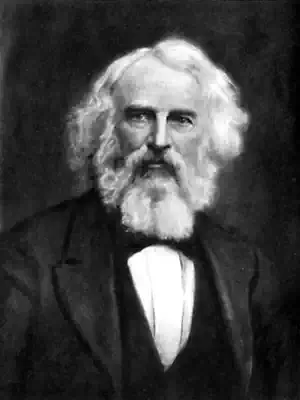
Henry Wadsworth Longfellow
The Seaside And The Fireside : Dedication
The Seaside And The Fireside : Dedication
As one who, walking in the twilight gloom,
Hears round about him voices as it darkens,
And seeing not the forms from which they come,
Pauses from time to time, and turns and hearkens;
So walking here in twilight, O my friends!
I hear your voices, softened by the distance,
And pause, and turn to listen, as each sends
His words of friendship, comfort, and assistance.
If any thought of mine, or sung or told,
Has ever given delight or consolation,
Ye have repaid me back a thousand-fold,
By every friendly sign and salutation.
Thanks for the sympathies that ye have shown!
Thanks for each kindly word, each silent token,
That teaches me, when seeming most alone,
Friends are around us, though no word be spoken.
Kind messages, that pass from land to land;
Kind letters, that betray the heart's deep history,
In which we feel the pressure of a hand,--
One touch of fire,--and all the rest is mystery!
The pleasant books, that silently among
Our household treasures take familiar places,
And are to us as if a living tongue
Spice from the printed leaves or pictured faces!
Perhaps on earth I never shall behold,
With eye of sense, your outward form and semblance;
Therefore to me ye never will grow old,
But live forever young in my remembrance!
Never grow old, nor change, nor pass away!
Your gentle voices will flow on forever,
When life grows bare and tarnished with decay,
As through a leafless landscape flows a river.
Not chance of birth or place has made us friends,
Being oftentimes of different tongues and nations,
But the endeavor for the selfsame ends,
With the same hopes, and fears, and aspirations.
Therefore I hope to join your seaside walk,
Saddened, and mostly silent, with emotion;
Not interrupting with intrusive talk
The grand, majestic symphonies of ocean.
Therefore I hope, as no unwelcome guest,
At your warm fireside, when the lamps are lighted,
To have my place reserved among the rest,
Nor stand as one unsought and uninvited!
As one who, walking in the twilight gloom,
Hears round about him voices as it darkens,
And seeing not the forms from which they come,
Pauses from time to time, and turns and hearkens;
So walking here in twilight, O my friends!
I hear your voices, softened by the distance,
And pause, and turn to listen, as each sends
His words of friendship, comfort, and assistance.
If any thought of mine, or sung or told,
Has ever given delight or consolation,
Ye have repaid me back a thousand-fold,
By every friendly sign and salutation.
Thanks for the sympathies that ye have shown!
Thanks for each kindly word, each silent token,
That teaches me, when seeming most alone,
Friends are around us, though no word be spoken.
Kind messages, that pass from land to land;
Kind letters, that betray the heart's deep history,
In which we feel the pressure of a hand,--
One touch of fire,--and all the rest is mystery!
The pleasant books, that silently among
Our household treasures take familiar places,
And are to us as if a living tongue
Spice from the printed leaves or pictured faces!
Perhaps on earth I never shall behold,
With eye of sense, your outward form and semblance;
Therefore to me ye never will grow old,
But live forever young in my remembrance!
Never grow old, nor change, nor pass away!
Your gentle voices will flow on forever,
When life grows bare and tarnished with decay,
As through a leafless landscape flows a river.
Not chance of birth or place has made us friends,
Being oftentimes of different tongues and nations,
But the endeavor for the selfsame ends,
With the same hopes, and fears, and aspirations.
Therefore I hope to join your seaside walk,
Saddened, and mostly silent, with emotion;
Not interrupting with intrusive talk
The grand, majestic symphonies of ocean.
Therefore I hope, as no unwelcome guest,
At your warm fireside, when the lamps are lighted,
To have my place reserved among the rest,
Nor stand as one unsought and uninvited!
356
Henry Wadsworth Longfellow
The Seaside And The Fireside : Dedication
The Seaside And The Fireside : Dedication
As one who, walking in the twilight gloom,
Hears round about him voices as it darkens,
And seeing not the forms from which they come,
Pauses from time to time, and turns and hearkens;
So walking here in twilight, O my friends!
I hear your voices, softened by the distance,
And pause, and turn to listen, as each sends
His words of friendship, comfort, and assistance.
If any thought of mine, or sung or told,
Has ever given delight or consolation,
Ye have repaid me back a thousand-fold,
By every friendly sign and salutation.
Thanks for the sympathies that ye have shown!
Thanks for each kindly word, each silent token,
That teaches me, when seeming most alone,
Friends are around us, though no word be spoken.
Kind messages, that pass from land to land;
Kind letters, that betray the heart's deep history,
In which we feel the pressure of a hand,--
One touch of fire,--and all the rest is mystery!
The pleasant books, that silently among
Our household treasures take familiar places,
And are to us as if a living tongue
Spice from the printed leaves or pictured faces!
Perhaps on earth I never shall behold,
With eye of sense, your outward form and semblance;
Therefore to me ye never will grow old,
But live forever young in my remembrance!
Never grow old, nor change, nor pass away!
Your gentle voices will flow on forever,
When life grows bare and tarnished with decay,
As through a leafless landscape flows a river.
Not chance of birth or place has made us friends,
Being oftentimes of different tongues and nations,
But the endeavor for the selfsame ends,
With the same hopes, and fears, and aspirations.
Therefore I hope to join your seaside walk,
Saddened, and mostly silent, with emotion;
Not interrupting with intrusive talk
The grand, majestic symphonies of ocean.
Therefore I hope, as no unwelcome guest,
At your warm fireside, when the lamps are lighted,
To have my place reserved among the rest,
Nor stand as one unsought and uninvited!
As one who, walking in the twilight gloom,
Hears round about him voices as it darkens,
And seeing not the forms from which they come,
Pauses from time to time, and turns and hearkens;
So walking here in twilight, O my friends!
I hear your voices, softened by the distance,
And pause, and turn to listen, as each sends
His words of friendship, comfort, and assistance.
If any thought of mine, or sung or told,
Has ever given delight or consolation,
Ye have repaid me back a thousand-fold,
By every friendly sign and salutation.
Thanks for the sympathies that ye have shown!
Thanks for each kindly word, each silent token,
That teaches me, when seeming most alone,
Friends are around us, though no word be spoken.
Kind messages, that pass from land to land;
Kind letters, that betray the heart's deep history,
In which we feel the pressure of a hand,--
One touch of fire,--and all the rest is mystery!
The pleasant books, that silently among
Our household treasures take familiar places,
And are to us as if a living tongue
Spice from the printed leaves or pictured faces!
Perhaps on earth I never shall behold,
With eye of sense, your outward form and semblance;
Therefore to me ye never will grow old,
But live forever young in my remembrance!
Never grow old, nor change, nor pass away!
Your gentle voices will flow on forever,
When life grows bare and tarnished with decay,
As through a leafless landscape flows a river.
Not chance of birth or place has made us friends,
Being oftentimes of different tongues and nations,
But the endeavor for the selfsame ends,
With the same hopes, and fears, and aspirations.
Therefore I hope to join your seaside walk,
Saddened, and mostly silent, with emotion;
Not interrupting with intrusive talk
The grand, majestic symphonies of ocean.
Therefore I hope, as no unwelcome guest,
At your warm fireside, when the lamps are lighted,
To have my place reserved among the rest,
Nor stand as one unsought and uninvited!
356
Henry Wadsworth Longfellow
The Siege Of Kazan. (Tartar Song, From The Prose Version Of Chodzko)
The Siege Of Kazan. (Tartar Song, From The Prose Version Of Chodzko)
Black are the moors before Kazan,
And their stagnant waters smell of blood:
I said in my heart, with horse and man,
I will swim across this shallow flood.
Under the feet of Argamack,
Like new moons were the shoes he bare,
Silken trappings hung on his back,
In a talisman on his neck, a prayer.
My warriors, thought I, are following me;
But when I looked behind, alas!
Not one of all the band could I see,
All had sunk in the black morass!
Where are our shallow fords? and where
The power of Kazan with its fourfold gates?
From the prison windows our maidens fair
Talk of us still through the iron grates.
We cannot hear them; for horse and man
Lie buried deep in the dark abyss!
Ah! the black day hath come down on Kazan!
Ah! was ever a grief like this?
Black are the moors before Kazan,
And their stagnant waters smell of blood:
I said in my heart, with horse and man,
I will swim across this shallow flood.
Under the feet of Argamack,
Like new moons were the shoes he bare,
Silken trappings hung on his back,
In a talisman on his neck, a prayer.
My warriors, thought I, are following me;
But when I looked behind, alas!
Not one of all the band could I see,
All had sunk in the black morass!
Where are our shallow fords? and where
The power of Kazan with its fourfold gates?
From the prison windows our maidens fair
Talk of us still through the iron grates.
We cannot hear them; for horse and man
Lie buried deep in the dark abyss!
Ah! the black day hath come down on Kazan!
Ah! was ever a grief like this?
406
Henry Wadsworth Longfellow
The Revenge of Rain-in-the-Face
The Revenge of Rain-in-the-Face
In that desolate land and lone,
Where the Big Horn and Yellowstone
Roar down their mountain path,
By their fires the Sioux Chiefs
Muttered their woes and griefs
And the menace of their wrath.
"Revenge!" cried Rain-in-the-Face,
"Revenue upon all the race
Of the White Chief with yellow hair!"
And the mountains dark and high
From their crags re-echoed the cry
Of his anger and despair.
In the meadow, spreading wide
By woodland and riverside
The Indian village stood;
All was silent as a dream,
Save the rushing a of the stream
And the blue-jay in the wood.
In his war paint and his beads,
Like a bison among the reeds,
In ambush the Sitting Bull
Lay with three thousand braves
Crouched in the clefts and caves,
Savage, unmerciful!
Into the fatal snare
The White Chief with yellow hair
And his three hundred men
Dashed headlong, sword in hand;
But of that gallant band
Not one returned again.
The sudden darkness of death
Overwhelmed them like the breath
And smoke of a furnace fire:
By the river's bank, and between
The rocks of the ravine,
They lay in their bloody attire.
But the foemen fled in the night,
And Rain-in-the-Face, in his flight
Uplifted high in air
As a ghastly trophy, bore
The brave heart, that beat no more,
Of the White Chief with yellow hair.
Whose was the right and the wrong?
Sing it, O funeral song,
With a voice that is full of tears,
And say that our broken faith
Wrought all this ruin and scathe,
In the Year of a Hundred Years.
In that desolate land and lone,
Where the Big Horn and Yellowstone
Roar down their mountain path,
By their fires the Sioux Chiefs
Muttered their woes and griefs
And the menace of their wrath.
"Revenge!" cried Rain-in-the-Face,
"Revenue upon all the race
Of the White Chief with yellow hair!"
And the mountains dark and high
From their crags re-echoed the cry
Of his anger and despair.
In the meadow, spreading wide
By woodland and riverside
The Indian village stood;
All was silent as a dream,
Save the rushing a of the stream
And the blue-jay in the wood.
In his war paint and his beads,
Like a bison among the reeds,
In ambush the Sitting Bull
Lay with three thousand braves
Crouched in the clefts and caves,
Savage, unmerciful!
Into the fatal snare
The White Chief with yellow hair
And his three hundred men
Dashed headlong, sword in hand;
But of that gallant band
Not one returned again.
The sudden darkness of death
Overwhelmed them like the breath
And smoke of a furnace fire:
By the river's bank, and between
The rocks of the ravine,
They lay in their bloody attire.
But the foemen fled in the night,
And Rain-in-the-Face, in his flight
Uplifted high in air
As a ghastly trophy, bore
The brave heart, that beat no more,
Of the White Chief with yellow hair.
Whose was the right and the wrong?
Sing it, O funeral song,
With a voice that is full of tears,
And say that our broken faith
Wrought all this ruin and scathe,
In the Year of a Hundred Years.
369
Henry Wadsworth Longfellow
The Revenge of Rain-in-the-Face
The Revenge of Rain-in-the-Face
In that desolate land and lone,
Where the Big Horn and Yellowstone
Roar down their mountain path,
By their fires the Sioux Chiefs
Muttered their woes and griefs
And the menace of their wrath.
"Revenge!" cried Rain-in-the-Face,
"Revenue upon all the race
Of the White Chief with yellow hair!"
And the mountains dark and high
From their crags re-echoed the cry
Of his anger and despair.
In the meadow, spreading wide
By woodland and riverside
The Indian village stood;
All was silent as a dream,
Save the rushing a of the stream
And the blue-jay in the wood.
In his war paint and his beads,
Like a bison among the reeds,
In ambush the Sitting Bull
Lay with three thousand braves
Crouched in the clefts and caves,
Savage, unmerciful!
Into the fatal snare
The White Chief with yellow hair
And his three hundred men
Dashed headlong, sword in hand;
But of that gallant band
Not one returned again.
The sudden darkness of death
Overwhelmed them like the breath
And smoke of a furnace fire:
By the river's bank, and between
The rocks of the ravine,
They lay in their bloody attire.
But the foemen fled in the night,
And Rain-in-the-Face, in his flight
Uplifted high in air
As a ghastly trophy, bore
The brave heart, that beat no more,
Of the White Chief with yellow hair.
Whose was the right and the wrong?
Sing it, O funeral song,
With a voice that is full of tears,
And say that our broken faith
Wrought all this ruin and scathe,
In the Year of a Hundred Years.
In that desolate land and lone,
Where the Big Horn and Yellowstone
Roar down their mountain path,
By their fires the Sioux Chiefs
Muttered their woes and griefs
And the menace of their wrath.
"Revenge!" cried Rain-in-the-Face,
"Revenue upon all the race
Of the White Chief with yellow hair!"
And the mountains dark and high
From their crags re-echoed the cry
Of his anger and despair.
In the meadow, spreading wide
By woodland and riverside
The Indian village stood;
All was silent as a dream,
Save the rushing a of the stream
And the blue-jay in the wood.
In his war paint and his beads,
Like a bison among the reeds,
In ambush the Sitting Bull
Lay with three thousand braves
Crouched in the clefts and caves,
Savage, unmerciful!
Into the fatal snare
The White Chief with yellow hair
And his three hundred men
Dashed headlong, sword in hand;
But of that gallant band
Not one returned again.
The sudden darkness of death
Overwhelmed them like the breath
And smoke of a furnace fire:
By the river's bank, and between
The rocks of the ravine,
They lay in their bloody attire.
But the foemen fled in the night,
And Rain-in-the-Face, in his flight
Uplifted high in air
As a ghastly trophy, bore
The brave heart, that beat no more,
Of the White Chief with yellow hair.
Whose was the right and the wrong?
Sing it, O funeral song,
With a voice that is full of tears,
And say that our broken faith
Wrought all this ruin and scathe,
In the Year of a Hundred Years.
369
Henry Wadsworth Longfellow
The Psalm Of Life
The Psalm Of Life
What the heart of the young man said to the psalmist
Tell me not, in mournful numbers,
Life is but an empty dream!--
For the soul is dead that slumbers,
And things are not what they seem.
Life is real! Life is earnest!
And the grave is not its goal;
Dust thou art, to dust returnest,
Was not spoken of the soul.
Not enjoyment, and not sorrow,
Is our destined end or way;
But to act, that each to-morrow
Find us farther than to-day.
Art is long, and Time is fleeting,
And our hearts, though stout and brave,
Still, like muffled drums, are beating
Funeral marches to the grave.
In the world's broad field of battle,
In the bivouac of Life,
Be not like dumb, driven cattle!
Be a hero in the strife!
Trust no future, howe'er pleasant!
Let the dead Past bury its dead!
Act,--act in the living present!
Heart within, and God o'erhead!
Lives of great men all remind us
We can make our lives sublime,
And departing, leave behind us
Footprints on the sands of time;
Footprints, that perhaps another,
Sailing o'er life's solemn main,
A forlorn and shipwrecked brother,
Seeing, shall take heart again.
Let us, then, be up and doing,
With a heart for any fate;
Still achieving, still pursuing,
Learn to labor and to wait.
What the heart of the young man said to the psalmist
Tell me not, in mournful numbers,
Life is but an empty dream!--
For the soul is dead that slumbers,
And things are not what they seem.
Life is real! Life is earnest!
And the grave is not its goal;
Dust thou art, to dust returnest,
Was not spoken of the soul.
Not enjoyment, and not sorrow,
Is our destined end or way;
But to act, that each to-morrow
Find us farther than to-day.
Art is long, and Time is fleeting,
And our hearts, though stout and brave,
Still, like muffled drums, are beating
Funeral marches to the grave.
In the world's broad field of battle,
In the bivouac of Life,
Be not like dumb, driven cattle!
Be a hero in the strife!
Trust no future, howe'er pleasant!
Let the dead Past bury its dead!
Act,--act in the living present!
Heart within, and God o'erhead!
Lives of great men all remind us
We can make our lives sublime,
And departing, leave behind us
Footprints on the sands of time;
Footprints, that perhaps another,
Sailing o'er life's solemn main,
A forlorn and shipwrecked brother,
Seeing, shall take heart again.
Let us, then, be up and doing,
With a heart for any fate;
Still achieving, still pursuing,
Learn to labor and to wait.
391
Henry Wadsworth Longfellow
The Poets
The Poets
O ye dead Poets, who are living still
Immortal in your verse, though life be fled,
And ye, O living Poets, who are dead
Though ye are living, if neglect can kill,
Tell me if in the darkest hours of ill,
With drops of anguish falling fast and red
From the sharp crown of thorns upon your head
Ye were not glad your errand to fulfill?
Yes; for the gift and ministry of Song
Have something in them so divinely sweet,
It can assuage the bitterness of wrong;
Not in the clamour of the crowded street,
Not in the shouts and plaudits of the throng,
But in ourselves, are triumph and defeat.
O ye dead Poets, who are living still
Immortal in your verse, though life be fled,
And ye, O living Poets, who are dead
Though ye are living, if neglect can kill,
Tell me if in the darkest hours of ill,
With drops of anguish falling fast and red
From the sharp crown of thorns upon your head
Ye were not glad your errand to fulfill?
Yes; for the gift and ministry of Song
Have something in them so divinely sweet,
It can assuage the bitterness of wrong;
Not in the clamour of the crowded street,
Not in the shouts and plaudits of the throng,
But in ourselves, are triumph and defeat.
418
Henry Wadsworth Longfellow
The Old Clock on the Stairs
The Old Clock on the Stairs
Somewhat back from the village street
Stands the old-fashioned country-seat.
Across its antique portico
Tall poplar-trees their shadows throw;
And from its station in the hall
An ancient timepiece says to all, -
"Forever -- never!
Never -- forever!"
Half-way up the stairs it stands,
And points and beckons with its hands
From its case of massive oak,
Like a monk, who, under his cloak,
Crosses himself, and sighs, alas!
With sorrowful voice to all who pass, -
"Forever -- never!
Never -- forever!"
By day its voice is low and light;
But in the silent dead of night,
Distinct as a passing footstep's fall,
It echoes along the vacant hall,
Along the ceiling, along the floor,
And seems to say, at each chamber-door, -
"Forever -- never!
Never -- forever!"
Through days of sorrow and of mirth,
Through days of death and days of birth,
Through every swift vicissitude
Of changeful time, unchanged it has stood,
And as if, like God, it all things saw,
It calmly repeats those words of awe, -
"Forever -- never!
Never -- forever!"
In that mansion used to be
Free-hearted Hospitality;
His great fires up the chimney roared;
The stranger feasted at his board;
But, like the skeleton at the feast,
That warning timepiece never ceased, -
"Forever -- never!
Never -- forever!"
There groups of merry children played,
There youths and maidens dreaming strayed;
O precious hours! O golden prime,
And affluence of love and time!
Even as a miser counts his gold,
Those hours the ancient timepiece told, -
"Forever -- never!
Never -- forever!"
From that chamber, clothed in white,
The bride came forth on her wedding night;
There, in that silent room below,
The dead lay in his shroud of snow;
And in the hush that followed the prayer,
Was heard the old clock on the stair, -
"Forever -- never!
Never -- forever!"
All are scattered now and fled,
Some are married, some are dead;
And when I ask, with throbs of pain,
"Ah! when shall they all meet again?"
As in the days long since gone by,
The ancient timepiece makes reply, -
"Forever -- never!
Never -- forever!"
Never here, forever there,
Where all parting, pain, and care,
And death, and time shall disappear, -Forever
there, but never here!
The horologe of Eternity
Sayeth this incessantly, -
"Forever -- never!
Never -- forever!"
Somewhat back from the village street
Stands the old-fashioned country-seat.
Across its antique portico
Tall poplar-trees their shadows throw;
And from its station in the hall
An ancient timepiece says to all, -
"Forever -- never!
Never -- forever!"
Half-way up the stairs it stands,
And points and beckons with its hands
From its case of massive oak,
Like a monk, who, under his cloak,
Crosses himself, and sighs, alas!
With sorrowful voice to all who pass, -
"Forever -- never!
Never -- forever!"
By day its voice is low and light;
But in the silent dead of night,
Distinct as a passing footstep's fall,
It echoes along the vacant hall,
Along the ceiling, along the floor,
And seems to say, at each chamber-door, -
"Forever -- never!
Never -- forever!"
Through days of sorrow and of mirth,
Through days of death and days of birth,
Through every swift vicissitude
Of changeful time, unchanged it has stood,
And as if, like God, it all things saw,
It calmly repeats those words of awe, -
"Forever -- never!
Never -- forever!"
In that mansion used to be
Free-hearted Hospitality;
His great fires up the chimney roared;
The stranger feasted at his board;
But, like the skeleton at the feast,
That warning timepiece never ceased, -
"Forever -- never!
Never -- forever!"
There groups of merry children played,
There youths and maidens dreaming strayed;
O precious hours! O golden prime,
And affluence of love and time!
Even as a miser counts his gold,
Those hours the ancient timepiece told, -
"Forever -- never!
Never -- forever!"
From that chamber, clothed in white,
The bride came forth on her wedding night;
There, in that silent room below,
The dead lay in his shroud of snow;
And in the hush that followed the prayer,
Was heard the old clock on the stair, -
"Forever -- never!
Never -- forever!"
All are scattered now and fled,
Some are married, some are dead;
And when I ask, with throbs of pain,
"Ah! when shall they all meet again?"
As in the days long since gone by,
The ancient timepiece makes reply, -
"Forever -- never!
Never -- forever!"
Never here, forever there,
Where all parting, pain, and care,
And death, and time shall disappear, -Forever
there, but never here!
The horologe of Eternity
Sayeth this incessantly, -
"Forever -- never!
Never -- forever!"
371
Henry Wadsworth Longfellow
The Norman Baron
The Norman Baron
et plus profonde, ou l'interet et l'avarice parlent moins haut
que la raison, dans les instants de chagrin domestique, de
maladie, et de peril de mort, les nobles se repentirent de
posseder des serfs, comme d'une chose peu agreable a Dieu, qui
avait cree tous les hommes a son image.--THIERRY, Conquete de
l'Angleterre.
In his chamber, weak and dying,
Was the Norman baron lying;
Loud, without, the tempest thundered
And the castle-turret shook,
In this fight was Death the gainer,
Spite of vassal and retainer,
And the lands his sires had plundered,
Written in the Doomsday Book.
By his bed a monk was seated,
Who in humble voice repeated
Many a prayer and pater-noster,
From the missal on his knee;
And, amid the tempest pealing,
Sounds of bells came faintly stealing,
Bells, that from the neighboring kloster
Rang for the Nativity.
In the hall, the serf and vassal
Held, that night their Christmas wassail;
Many a carol, old and saintly,
Sang the minstrels and the waits;
And so loud these Saxon gleemen
Sang to slaves the songs of freemen,
That the storm was heard but faintly,
Knocking at the castle-gates.
Till at length the lays they chanted
Reached the chamber terror-haunted,
Where the monk, with accents holy,
Whispered at the baron's ear.
Tears upon his eyelids glistened,
As he paused awhile and listened,
And the dying baron slowly
Turned his weary head to hear.
"Wassail for the kingly stranger
Born and cradled in a manger!
King, like David, priest, like Aaron,
Christ is born to set us free!"
And the lightning showed the sainted
Figures on the casement painted,
And exclaimed the shuddering baron,
"Miserere, Domine!"
In that hour of deep contrition
He beheld, with clearer vision,
Through all outward show and fashion,
Justice, the Avenger, rise.
All the pomp of earth had vanished,
Falsehood and deceit were banished,
Reason spake more loud than passion,
And the truth wore no disguise.
Every vassal of his banner,
Every serf born to his manor,
All those wronged and wretched creatures,
By his hand were freed again.
And, as on the sacred missal
He recorded their dismissal,
Death relaxed his iron features,
And the monk replied, "Amen!"
Many centuries have been numbered
Since in death the baron slumbered
By the convent's sculptured portal,
Mingling with the common dust:
But the good deed, through the ages
Living in historic pages,
Brighter grows and gleams immortal,
Unconsumed by moth or rust.
et plus profonde, ou l'interet et l'avarice parlent moins haut
que la raison, dans les instants de chagrin domestique, de
maladie, et de peril de mort, les nobles se repentirent de
posseder des serfs, comme d'une chose peu agreable a Dieu, qui
avait cree tous les hommes a son image.--THIERRY, Conquete de
l'Angleterre.
In his chamber, weak and dying,
Was the Norman baron lying;
Loud, without, the tempest thundered
And the castle-turret shook,
In this fight was Death the gainer,
Spite of vassal and retainer,
And the lands his sires had plundered,
Written in the Doomsday Book.
By his bed a monk was seated,
Who in humble voice repeated
Many a prayer and pater-noster,
From the missal on his knee;
And, amid the tempest pealing,
Sounds of bells came faintly stealing,
Bells, that from the neighboring kloster
Rang for the Nativity.
In the hall, the serf and vassal
Held, that night their Christmas wassail;
Many a carol, old and saintly,
Sang the minstrels and the waits;
And so loud these Saxon gleemen
Sang to slaves the songs of freemen,
That the storm was heard but faintly,
Knocking at the castle-gates.
Till at length the lays they chanted
Reached the chamber terror-haunted,
Where the monk, with accents holy,
Whispered at the baron's ear.
Tears upon his eyelids glistened,
As he paused awhile and listened,
And the dying baron slowly
Turned his weary head to hear.
"Wassail for the kingly stranger
Born and cradled in a manger!
King, like David, priest, like Aaron,
Christ is born to set us free!"
And the lightning showed the sainted
Figures on the casement painted,
And exclaimed the shuddering baron,
"Miserere, Domine!"
In that hour of deep contrition
He beheld, with clearer vision,
Through all outward show and fashion,
Justice, the Avenger, rise.
All the pomp of earth had vanished,
Falsehood and deceit were banished,
Reason spake more loud than passion,
And the truth wore no disguise.
Every vassal of his banner,
Every serf born to his manor,
All those wronged and wretched creatures,
By his hand were freed again.
And, as on the sacred missal
He recorded their dismissal,
Death relaxed his iron features,
And the monk replied, "Amen!"
Many centuries have been numbered
Since in death the baron slumbered
By the convent's sculptured portal,
Mingling with the common dust:
But the good deed, through the ages
Living in historic pages,
Brighter grows and gleams immortal,
Unconsumed by moth or rust.
406
Henry Wadsworth Longfellow
The Norman Baron
The Norman Baron
et plus profonde, ou l'interet et l'avarice parlent moins haut
que la raison, dans les instants de chagrin domestique, de
maladie, et de peril de mort, les nobles se repentirent de
posseder des serfs, comme d'une chose peu agreable a Dieu, qui
avait cree tous les hommes a son image.--THIERRY, Conquete de
l'Angleterre.
In his chamber, weak and dying,
Was the Norman baron lying;
Loud, without, the tempest thundered
And the castle-turret shook,
In this fight was Death the gainer,
Spite of vassal and retainer,
And the lands his sires had plundered,
Written in the Doomsday Book.
By his bed a monk was seated,
Who in humble voice repeated
Many a prayer and pater-noster,
From the missal on his knee;
And, amid the tempest pealing,
Sounds of bells came faintly stealing,
Bells, that from the neighboring kloster
Rang for the Nativity.
In the hall, the serf and vassal
Held, that night their Christmas wassail;
Many a carol, old and saintly,
Sang the minstrels and the waits;
And so loud these Saxon gleemen
Sang to slaves the songs of freemen,
That the storm was heard but faintly,
Knocking at the castle-gates.
Till at length the lays they chanted
Reached the chamber terror-haunted,
Where the monk, with accents holy,
Whispered at the baron's ear.
Tears upon his eyelids glistened,
As he paused awhile and listened,
And the dying baron slowly
Turned his weary head to hear.
"Wassail for the kingly stranger
Born and cradled in a manger!
King, like David, priest, like Aaron,
Christ is born to set us free!"
And the lightning showed the sainted
Figures on the casement painted,
And exclaimed the shuddering baron,
"Miserere, Domine!"
In that hour of deep contrition
He beheld, with clearer vision,
Through all outward show and fashion,
Justice, the Avenger, rise.
All the pomp of earth had vanished,
Falsehood and deceit were banished,
Reason spake more loud than passion,
And the truth wore no disguise.
Every vassal of his banner,
Every serf born to his manor,
All those wronged and wretched creatures,
By his hand were freed again.
And, as on the sacred missal
He recorded their dismissal,
Death relaxed his iron features,
And the monk replied, "Amen!"
Many centuries have been numbered
Since in death the baron slumbered
By the convent's sculptured portal,
Mingling with the common dust:
But the good deed, through the ages
Living in historic pages,
Brighter grows and gleams immortal,
Unconsumed by moth or rust.
et plus profonde, ou l'interet et l'avarice parlent moins haut
que la raison, dans les instants de chagrin domestique, de
maladie, et de peril de mort, les nobles se repentirent de
posseder des serfs, comme d'une chose peu agreable a Dieu, qui
avait cree tous les hommes a son image.--THIERRY, Conquete de
l'Angleterre.
In his chamber, weak and dying,
Was the Norman baron lying;
Loud, without, the tempest thundered
And the castle-turret shook,
In this fight was Death the gainer,
Spite of vassal and retainer,
And the lands his sires had plundered,
Written in the Doomsday Book.
By his bed a monk was seated,
Who in humble voice repeated
Many a prayer and pater-noster,
From the missal on his knee;
And, amid the tempest pealing,
Sounds of bells came faintly stealing,
Bells, that from the neighboring kloster
Rang for the Nativity.
In the hall, the serf and vassal
Held, that night their Christmas wassail;
Many a carol, old and saintly,
Sang the minstrels and the waits;
And so loud these Saxon gleemen
Sang to slaves the songs of freemen,
That the storm was heard but faintly,
Knocking at the castle-gates.
Till at length the lays they chanted
Reached the chamber terror-haunted,
Where the monk, with accents holy,
Whispered at the baron's ear.
Tears upon his eyelids glistened,
As he paused awhile and listened,
And the dying baron slowly
Turned his weary head to hear.
"Wassail for the kingly stranger
Born and cradled in a manger!
King, like David, priest, like Aaron,
Christ is born to set us free!"
And the lightning showed the sainted
Figures on the casement painted,
And exclaimed the shuddering baron,
"Miserere, Domine!"
In that hour of deep contrition
He beheld, with clearer vision,
Through all outward show and fashion,
Justice, the Avenger, rise.
All the pomp of earth had vanished,
Falsehood and deceit were banished,
Reason spake more loud than passion,
And the truth wore no disguise.
Every vassal of his banner,
Every serf born to his manor,
All those wronged and wretched creatures,
By his hand were freed again.
And, as on the sacred missal
He recorded their dismissal,
Death relaxed his iron features,
And the monk replied, "Amen!"
Many centuries have been numbered
Since in death the baron slumbered
By the convent's sculptured portal,
Mingling with the common dust:
But the good deed, through the ages
Living in historic pages,
Brighter grows and gleams immortal,
Unconsumed by moth or rust.
406
Henry Wadsworth Longfellow
The Native Land. (From The Spanish Of Francisco De Aldana)
The Native Land. (From The Spanish Of Francisco De Aldana)
Clear fount of light! my native land on high,
Bright with a glory that shall never fade!
Mansion of truth! without a veil or shade,
Thy holy quiet meets the spirit's eye.
There dwells the soul in its ethereal essence,
Gasping no longer for life's feeble breath;
But, sentinelled in heaven, its glorious presence
With pitying eye beholds, yet fears not, death.
Beloved country! banished from thy shore,
A stranger in this prison-house of clay,
The exiled spirit weeps and sighs for thee!
Heavenward the bright perfections I adore
Direct, and the sure promise cheers the way,
That, whither love aspires, there shall my dwelling be.
Clear fount of light! my native land on high,
Bright with a glory that shall never fade!
Mansion of truth! without a veil or shade,
Thy holy quiet meets the spirit's eye.
There dwells the soul in its ethereal essence,
Gasping no longer for life's feeble breath;
But, sentinelled in heaven, its glorious presence
With pitying eye beholds, yet fears not, death.
Beloved country! banished from thy shore,
A stranger in this prison-house of clay,
The exiled spirit weeps and sighs for thee!
Heavenward the bright perfections I adore
Direct, and the sure promise cheers the way,
That, whither love aspires, there shall my dwelling be.
369
Henry Wadsworth Longfellow
The Leap Of Roushan Beg. (Birds Of Passage. Flight The Fifth)
The Leap Of Roushan Beg. (Birds Of Passage. Flight The Fifth)
Mounted on Kyrat strong and fleet,
His chestnut steed with four white feet,
Roushan Beg, called Kurroglou,
Son of the road and bandit chief,
Seeking refuge and relief,
Up the mountain pathway flew.
Such was Kyrat's wondrous speed,
Never yet could any steed
Reach the dust-cloud in his course.
More than maiden, more than wife,
More than gold and next to life
Roushan the Robber loved his horse.
In the land that lies beyond
Erzeroum and Trebizond,
Garden-girt his fortress stood;
Plundered khan, or caravan
Journeying north from Koordistan,
Gave him wealth and wine and food.
Seven hundred and fourscore
Men at arms his livery wore,
Did his bidding night and day;
Now, through regions all unknown,
He was wandering, lost, alone,
Seeking without guide his way.
Suddenly the pathway ends,
Sheer the precipice descends,
Loud the torrent roars unseen;
Thirty feet from side to side
Yawns the chasm; on air must ride
He who crosses this ravine.
Following close in his pursuit,
At the precipice's foot,
Reyhan the Arab of Orfah
Halted with his hundred men,
Shouting upward from the glen,
'La Illáh illa Alláh!'
Gently Roushan Beg caressed
Kyrat's forehead, neck, and breast;
Kissed him upon both his eyes,
Sang to him in his wild way,
As upon the topmost spray
Sings a bird before it flies.
'O my Kyrat, O my steed,
Round and slender as a reed,
Carry me this peril through!
Satin housings shall be thine,
Shoes of gold, O Kyrat mine,
O thou soul of Kurroglou!
'Soft thy skin as silken skein,
Soft as woman's hair thy mane,
Tender are thine eyes and true;
All thy hoofs like ivory shine,
Polished bright; O, life of mine,
Leap, and rescue Kurroglou!'
Kyrat, then, the strong and fleet,
Drew together his four white feet,
Paused a moment on the verge,
Measured with his eye the space,
And into the air's embrace
Leaped as leaps the ocean surge.
As the ocean surge o'er sand
Bears a swimmer safe to land,
Kyrat safe his rider bore;
Rattling down the deep abyss
Fragments of the precipice
Rolled like pebbles on a shore.
Roushan's tasselled cap of red
Trembled not upon his head,
Careless sat he and upright;
Neither hand nor bridle shook,
Nor his head he turned to look,
As he galloped out of sight.
Flash of harness in the air,
Seen a moment like the glare
Of a sword drawn from its sheath;
Thus the phantom horseman passed,
And the shadow that he cast
Leaped the cataract underneath.
Reyhan the Arab held his breath
While this vision of life and death
Passed above him. 'Allahu!'
Cried he. 'In all Koordistan
Lives there not so brave a man
As this Robber Kurroglou!'
Mounted on Kyrat strong and fleet,
His chestnut steed with four white feet,
Roushan Beg, called Kurroglou,
Son of the road and bandit chief,
Seeking refuge and relief,
Up the mountain pathway flew.
Such was Kyrat's wondrous speed,
Never yet could any steed
Reach the dust-cloud in his course.
More than maiden, more than wife,
More than gold and next to life
Roushan the Robber loved his horse.
In the land that lies beyond
Erzeroum and Trebizond,
Garden-girt his fortress stood;
Plundered khan, or caravan
Journeying north from Koordistan,
Gave him wealth and wine and food.
Seven hundred and fourscore
Men at arms his livery wore,
Did his bidding night and day;
Now, through regions all unknown,
He was wandering, lost, alone,
Seeking without guide his way.
Suddenly the pathway ends,
Sheer the precipice descends,
Loud the torrent roars unseen;
Thirty feet from side to side
Yawns the chasm; on air must ride
He who crosses this ravine.
Following close in his pursuit,
At the precipice's foot,
Reyhan the Arab of Orfah
Halted with his hundred men,
Shouting upward from the glen,
'La Illáh illa Alláh!'
Gently Roushan Beg caressed
Kyrat's forehead, neck, and breast;
Kissed him upon both his eyes,
Sang to him in his wild way,
As upon the topmost spray
Sings a bird before it flies.
'O my Kyrat, O my steed,
Round and slender as a reed,
Carry me this peril through!
Satin housings shall be thine,
Shoes of gold, O Kyrat mine,
O thou soul of Kurroglou!
'Soft thy skin as silken skein,
Soft as woman's hair thy mane,
Tender are thine eyes and true;
All thy hoofs like ivory shine,
Polished bright; O, life of mine,
Leap, and rescue Kurroglou!'
Kyrat, then, the strong and fleet,
Drew together his four white feet,
Paused a moment on the verge,
Measured with his eye the space,
And into the air's embrace
Leaped as leaps the ocean surge.
As the ocean surge o'er sand
Bears a swimmer safe to land,
Kyrat safe his rider bore;
Rattling down the deep abyss
Fragments of the precipice
Rolled like pebbles on a shore.
Roushan's tasselled cap of red
Trembled not upon his head,
Careless sat he and upright;
Neither hand nor bridle shook,
Nor his head he turned to look,
As he galloped out of sight.
Flash of harness in the air,
Seen a moment like the glare
Of a sword drawn from its sheath;
Thus the phantom horseman passed,
And the shadow that he cast
Leaped the cataract underneath.
Reyhan the Arab held his breath
While this vision of life and death
Passed above him. 'Allahu!'
Cried he. 'In all Koordistan
Lives there not so brave a man
As this Robber Kurroglou!'
518
Henry Wadsworth Longfellow
The Image Of God (From The Spanish Of Francisco De Aldana)
The Image Of God (From The Spanish Of Francisco De Aldana)
O Lord! who seest, from yon starry height
Centred in one the future and the past
Fashioned in thine own image, see
The world obscures in me what once was bright!
Eternal Sun! the warmth which thou hast given,
To cheer life's flowery April, fast decays;
Yet in the hoary winter of my days,
For ever green shall be my trust in Heaven.
Celestial King! Oh let thy presence pass
Before my spirit, and an image fair
Shall meet that look of mercy from on high,
As the reflected image in a glass
Doth meet the look of him who seeks it there,
And owes its being to the gazer's eye.
O Lord! who seest, from yon starry height
Centred in one the future and the past
Fashioned in thine own image, see
The world obscures in me what once was bright!
Eternal Sun! the warmth which thou hast given,
To cheer life's flowery April, fast decays;
Yet in the hoary winter of my days,
For ever green shall be my trust in Heaven.
Celestial King! Oh let thy presence pass
Before my spirit, and an image fair
Shall meet that look of mercy from on high,
As the reflected image in a glass
Doth meet the look of him who seeks it there,
And owes its being to the gazer's eye.
242
Henry Wadsworth Longfellow
The Jewish Cemetery at Newport
The Jewish Cemetery at Newport
How strange it seems! These Hebrews in their graves,
Close by the street of this fair seaport town,
Silent beside the never-silent waves,
At rest in all this moving up and down!
The trees are white with dust, that o'er their sleep
Wave their broad curtains in the southwind's breath,
While underneath these leafy tents they keep
The long, mysterious Exodus of Death.
And these sepulchral stones, so old and brown,
That pave with level flags their burial-place,
Seem like the tablets of the Law, thrown down
And broken by Moses at the mountain's base.
The very names recorded here are strange,
Of foreign accent, and of different climes;
Alvares and Rivera interchange
With Abraham and Jacob of old times.
"Blessed be God! for he created Death!"
The mourner said, "and Death is rest and peace!"
Then added, in the certainty of faith,
"And giveth Life that nevermore shall cease."
Closed are the portals of their Synagogue,
No Psalms of David now the silence break,
No Rabbi reads the ancient Decalogue
In the grand dialect the Prophets spake.
Gone are the living, but the dead remain,
And not neglected; for a hand unseen,
Scattering its bounty, like a summer rain,
Still keeps their graves and their remembrance green.
How came they here? What burst of Christian hate,
What persecution, merciless and blind,
Drove o'er the sea -that desert desolate -
These Ishmaels and Hagars of mankind?
They lived in narrow streets and lanes obscure,
Ghetto and Judenstrass, in mirk and mire;
Taught in the school of patience to endure
The life of anguish and the death of fire.
All their lives long, with the unleavened bread
And bitter herbs of exile and its fears,
The wasting famine of the heart they fed,
And slaked its thirst with marah of their tears.
Anathema maranatha! was the cry
That rang from town to town, from street to street:
At every gate the accursed Mordecai
Was mocked and jeered, and spurned by Christian feet.
Pride and humiliation hand in hand
Walked with them through the world where'er they went;
Trampled and beaten were they as the sand,
And yet unshaken as the continent.
For in the background figures vague and vast
Of patriarchs and of prophets rose sublime,
And all the great traditions of the Past
They saw reflected in the coming time.
And thus forever with reverted look
The mystic volume of the world they read,
Spelling it backward, like a Hebrew book,
Till life became a Legend of the Dead.
But ah! what once has been shall be no more!
The groaning earth in travail and in pain
Brings forth its races, but does not restore,
And the dead nations never rise again.
How strange it seems! These Hebrews in their graves,
Close by the street of this fair seaport town,
Silent beside the never-silent waves,
At rest in all this moving up and down!
The trees are white with dust, that o'er their sleep
Wave their broad curtains in the southwind's breath,
While underneath these leafy tents they keep
The long, mysterious Exodus of Death.
And these sepulchral stones, so old and brown,
That pave with level flags their burial-place,
Seem like the tablets of the Law, thrown down
And broken by Moses at the mountain's base.
The very names recorded here are strange,
Of foreign accent, and of different climes;
Alvares and Rivera interchange
With Abraham and Jacob of old times.
"Blessed be God! for he created Death!"
The mourner said, "and Death is rest and peace!"
Then added, in the certainty of faith,
"And giveth Life that nevermore shall cease."
Closed are the portals of their Synagogue,
No Psalms of David now the silence break,
No Rabbi reads the ancient Decalogue
In the grand dialect the Prophets spake.
Gone are the living, but the dead remain,
And not neglected; for a hand unseen,
Scattering its bounty, like a summer rain,
Still keeps their graves and their remembrance green.
How came they here? What burst of Christian hate,
What persecution, merciless and blind,
Drove o'er the sea -that desert desolate -
These Ishmaels and Hagars of mankind?
They lived in narrow streets and lanes obscure,
Ghetto and Judenstrass, in mirk and mire;
Taught in the school of patience to endure
The life of anguish and the death of fire.
All their lives long, with the unleavened bread
And bitter herbs of exile and its fears,
The wasting famine of the heart they fed,
And slaked its thirst with marah of their tears.
Anathema maranatha! was the cry
That rang from town to town, from street to street:
At every gate the accursed Mordecai
Was mocked and jeered, and spurned by Christian feet.
Pride and humiliation hand in hand
Walked with them through the world where'er they went;
Trampled and beaten were they as the sand,
And yet unshaken as the continent.
For in the background figures vague and vast
Of patriarchs and of prophets rose sublime,
And all the great traditions of the Past
They saw reflected in the coming time.
And thus forever with reverted look
The mystic volume of the world they read,
Spelling it backward, like a Hebrew book,
Till life became a Legend of the Dead.
But ah! what once has been shall be no more!
The groaning earth in travail and in pain
Brings forth its races, but does not restore,
And the dead nations never rise again.
286
Henry Wadsworth Longfellow
The Jewish Cemetery at Newport
The Jewish Cemetery at Newport
How strange it seems! These Hebrews in their graves,
Close by the street of this fair seaport town,
Silent beside the never-silent waves,
At rest in all this moving up and down!
The trees are white with dust, that o'er their sleep
Wave their broad curtains in the southwind's breath,
While underneath these leafy tents they keep
The long, mysterious Exodus of Death.
And these sepulchral stones, so old and brown,
That pave with level flags their burial-place,
Seem like the tablets of the Law, thrown down
And broken by Moses at the mountain's base.
The very names recorded here are strange,
Of foreign accent, and of different climes;
Alvares and Rivera interchange
With Abraham and Jacob of old times.
"Blessed be God! for he created Death!"
The mourner said, "and Death is rest and peace!"
Then added, in the certainty of faith,
"And giveth Life that nevermore shall cease."
Closed are the portals of their Synagogue,
No Psalms of David now the silence break,
No Rabbi reads the ancient Decalogue
In the grand dialect the Prophets spake.
Gone are the living, but the dead remain,
And not neglected; for a hand unseen,
Scattering its bounty, like a summer rain,
Still keeps their graves and their remembrance green.
How came they here? What burst of Christian hate,
What persecution, merciless and blind,
Drove o'er the sea -that desert desolate -
These Ishmaels and Hagars of mankind?
They lived in narrow streets and lanes obscure,
Ghetto and Judenstrass, in mirk and mire;
Taught in the school of patience to endure
The life of anguish and the death of fire.
All their lives long, with the unleavened bread
And bitter herbs of exile and its fears,
The wasting famine of the heart they fed,
And slaked its thirst with marah of their tears.
Anathema maranatha! was the cry
That rang from town to town, from street to street:
At every gate the accursed Mordecai
Was mocked and jeered, and spurned by Christian feet.
Pride and humiliation hand in hand
Walked with them through the world where'er they went;
Trampled and beaten were they as the sand,
And yet unshaken as the continent.
For in the background figures vague and vast
Of patriarchs and of prophets rose sublime,
And all the great traditions of the Past
They saw reflected in the coming time.
And thus forever with reverted look
The mystic volume of the world they read,
Spelling it backward, like a Hebrew book,
Till life became a Legend of the Dead.
But ah! what once has been shall be no more!
The groaning earth in travail and in pain
Brings forth its races, but does not restore,
And the dead nations never rise again.
How strange it seems! These Hebrews in their graves,
Close by the street of this fair seaport town,
Silent beside the never-silent waves,
At rest in all this moving up and down!
The trees are white with dust, that o'er their sleep
Wave their broad curtains in the southwind's breath,
While underneath these leafy tents they keep
The long, mysterious Exodus of Death.
And these sepulchral stones, so old and brown,
That pave with level flags their burial-place,
Seem like the tablets of the Law, thrown down
And broken by Moses at the mountain's base.
The very names recorded here are strange,
Of foreign accent, and of different climes;
Alvares and Rivera interchange
With Abraham and Jacob of old times.
"Blessed be God! for he created Death!"
The mourner said, "and Death is rest and peace!"
Then added, in the certainty of faith,
"And giveth Life that nevermore shall cease."
Closed are the portals of their Synagogue,
No Psalms of David now the silence break,
No Rabbi reads the ancient Decalogue
In the grand dialect the Prophets spake.
Gone are the living, but the dead remain,
And not neglected; for a hand unseen,
Scattering its bounty, like a summer rain,
Still keeps their graves and their remembrance green.
How came they here? What burst of Christian hate,
What persecution, merciless and blind,
Drove o'er the sea -that desert desolate -
These Ishmaels and Hagars of mankind?
They lived in narrow streets and lanes obscure,
Ghetto and Judenstrass, in mirk and mire;
Taught in the school of patience to endure
The life of anguish and the death of fire.
All their lives long, with the unleavened bread
And bitter herbs of exile and its fears,
The wasting famine of the heart they fed,
And slaked its thirst with marah of their tears.
Anathema maranatha! was the cry
That rang from town to town, from street to street:
At every gate the accursed Mordecai
Was mocked and jeered, and spurned by Christian feet.
Pride and humiliation hand in hand
Walked with them through the world where'er they went;
Trampled and beaten were they as the sand,
And yet unshaken as the continent.
For in the background figures vague and vast
Of patriarchs and of prophets rose sublime,
And all the great traditions of the Past
They saw reflected in the coming time.
And thus forever with reverted look
The mystic volume of the world they read,
Spelling it backward, like a Hebrew book,
Till life became a Legend of the Dead.
But ah! what once has been shall be no more!
The groaning earth in travail and in pain
Brings forth its races, but does not restore,
And the dead nations never rise again.
286
Henry Wadsworth Longfellow
The Haunted Chamber. (Birds Of Passage. Flight The Third)
The Haunted Chamber. (Birds Of Passage. Flight The Third)
Each heart has its haunted chamber,
Where the silent moonlight falls!
On the floor are mysterious footsteps,
There are whispers along the walls!
And mine at times is haunted
By phantoms of the Past
As motionless as shadows
By the silent moonlight cast.
A form sits by the window,
That is not seen by day,
For as soon as the dawn approaches
It vanishes away.
It sits there in the moonlight
Itself as pale and still,
And points with its airy finger
Across the window-sill.
Without before the window,
There stands a gloomy pine,
Whose boughs wave upward and downward
As wave these thoughts of mine.
And underneath its branches
Is the grave of a little child,
Who died upon life's threshold,
And never wept nor smiled.
What are ye, O pallid phantoms!
That haunt my troubled brain?
That vanish when day approaches,
And at night return again?
What are ye, O pallid phantoms!
But the statues without breath,
That stand on the bridge overarching
The silent river of death?
Each heart has its haunted chamber,
Where the silent moonlight falls!
On the floor are mysterious footsteps,
There are whispers along the walls!
And mine at times is haunted
By phantoms of the Past
As motionless as shadows
By the silent moonlight cast.
A form sits by the window,
That is not seen by day,
For as soon as the dawn approaches
It vanishes away.
It sits there in the moonlight
Itself as pale and still,
And points with its airy finger
Across the window-sill.
Without before the window,
There stands a gloomy pine,
Whose boughs wave upward and downward
As wave these thoughts of mine.
And underneath its branches
Is the grave of a little child,
Who died upon life's threshold,
And never wept nor smiled.
What are ye, O pallid phantoms!
That haunt my troubled brain?
That vanish when day approaches,
And at night return again?
What are ye, O pallid phantoms!
But the statues without breath,
That stand on the bridge overarching
The silent river of death?
282
Henry Wadsworth Longfellow
The Haunted Chamber. (Birds Of Passage. Flight The Third)
The Haunted Chamber. (Birds Of Passage. Flight The Third)
Each heart has its haunted chamber,
Where the silent moonlight falls!
On the floor are mysterious footsteps,
There are whispers along the walls!
And mine at times is haunted
By phantoms of the Past
As motionless as shadows
By the silent moonlight cast.
A form sits by the window,
That is not seen by day,
For as soon as the dawn approaches
It vanishes away.
It sits there in the moonlight
Itself as pale and still,
And points with its airy finger
Across the window-sill.
Without before the window,
There stands a gloomy pine,
Whose boughs wave upward and downward
As wave these thoughts of mine.
And underneath its branches
Is the grave of a little child,
Who died upon life's threshold,
And never wept nor smiled.
What are ye, O pallid phantoms!
That haunt my troubled brain?
That vanish when day approaches,
And at night return again?
What are ye, O pallid phantoms!
But the statues without breath,
That stand on the bridge overarching
The silent river of death?
Each heart has its haunted chamber,
Where the silent moonlight falls!
On the floor are mysterious footsteps,
There are whispers along the walls!
And mine at times is haunted
By phantoms of the Past
As motionless as shadows
By the silent moonlight cast.
A form sits by the window,
That is not seen by day,
For as soon as the dawn approaches
It vanishes away.
It sits there in the moonlight
Itself as pale and still,
And points with its airy finger
Across the window-sill.
Without before the window,
There stands a gloomy pine,
Whose boughs wave upward and downward
As wave these thoughts of mine.
And underneath its branches
Is the grave of a little child,
Who died upon life's threshold,
And never wept nor smiled.
What are ye, O pallid phantoms!
That haunt my troubled brain?
That vanish when day approaches,
And at night return again?
What are ye, O pallid phantoms!
But the statues without breath,
That stand on the bridge overarching
The silent river of death?
282
Henry Wadsworth Longfellow
The Herons Of Elmwood. (Birds Of Passage. Flight The Fifth)
The Herons Of Elmwood. (Birds Of Passage. Flight The Fifth)
Warm and still is the summer night,
As here by the river's brink I wander;
White overhead are the stars, and white
The glimmering lamps on the hillside yonder.
Silent are all the sounds of day;
Nothing I hear but the chirp of crickets,
And the cry of the herons winging their way
O'er the poet's house in the Elmwood thickets.
Call to him, herons, as slowly you pass
To your roosts in the haunts of the exiled thrushes,
Sing him the song of the green morass;
And the tides that water the reeds and rushes.
Sing him the mystical Song of the Hern,
And the secret that baffles our utmost seeking;
For only a sound of lament we discern,
And cannot interpret the words you are speaking.
Sing of the air, and the wild delight
Of wings that uplift and winds that uphold you,
The joy of freedom, the rapture of flight
Through the drift of the floating mists that infold you.
Of the landscape lying so far below,
With its towns and rivers and desert places;
And the splendor of light above, and the glow
Of the limitless, blue, ethereal spaces.
Ask him if songs of the Troubadours,
Or of Minnesingers in old black-letter,
Sound in his ears more sweet than yours,
And if yours are not sweeter and wilder and better.
Sing to him, say to him, here at his gate,
Where the boughs of the stately elms are meeting,
Some one hath lingered to meditate,
And send him unseen this friendly greeting;
That many another hath done the same,
Though not by a sound was the silence broken;
The surest pledge of a deathless name
Is the silent homage of thoughts unspoken.
Warm and still is the summer night,
As here by the river's brink I wander;
White overhead are the stars, and white
The glimmering lamps on the hillside yonder.
Silent are all the sounds of day;
Nothing I hear but the chirp of crickets,
And the cry of the herons winging their way
O'er the poet's house in the Elmwood thickets.
Call to him, herons, as slowly you pass
To your roosts in the haunts of the exiled thrushes,
Sing him the song of the green morass;
And the tides that water the reeds and rushes.
Sing him the mystical Song of the Hern,
And the secret that baffles our utmost seeking;
For only a sound of lament we discern,
And cannot interpret the words you are speaking.
Sing of the air, and the wild delight
Of wings that uplift and winds that uphold you,
The joy of freedom, the rapture of flight
Through the drift of the floating mists that infold you.
Of the landscape lying so far below,
With its towns and rivers and desert places;
And the splendor of light above, and the glow
Of the limitless, blue, ethereal spaces.
Ask him if songs of the Troubadours,
Or of Minnesingers in old black-letter,
Sound in his ears more sweet than yours,
And if yours are not sweeter and wilder and better.
Sing to him, say to him, here at his gate,
Where the boughs of the stately elms are meeting,
Some one hath lingered to meditate,
And send him unseen this friendly greeting;
That many another hath done the same,
Though not by a sound was the silence broken;
The surest pledge of a deathless name
Is the silent homage of thoughts unspoken.
309
Henry Wadsworth Longfellow
The Happiest Land. (From The German)
The Happiest Land. (From The German)
There sat one day in quiet,
By an alehouse on the Rhine,
Four hale and hearty fellows,
And drank the precious wine.
The landlord's daughter filled their cups
Around the rustic board;
Then sat they all so calm and still,
And spake not one rude word.
But, when the maid departed,
A Swabian raised his hand,
And cried, all hot and flushed with wine,
'Long live the Swabian land!
'The greatest kingdom upon earth
Cannot with that compare;
With all the stout and hardy men
And the nut-brown maidens there.'
Ha! cried a Saxon, laughing,--
And dashed his beard with wine;
' I had rather live in Lapland,
Than that Swabian land of thine!
The goodliest land on all this earth,
It is the Saxon land!
There have I as many maidens
As fingers on this hand!
Hold your tongues! both Swabian and Saxon!
A bold Bohemian cries;
'If there's a heaven upon this earth,
In Bohemia it lies.
There the tailor blows the flute,
And the cobbler blows the horn,
And the miner blows the bugle,
Over mountain gorge and bourn.
****
And then the landlord's daughter
Up to heaven raised her hand,
And said, Ye may no more contend,--
There lies the happiest land!
There sat one day in quiet,
By an alehouse on the Rhine,
Four hale and hearty fellows,
And drank the precious wine.
The landlord's daughter filled their cups
Around the rustic board;
Then sat they all so calm and still,
And spake not one rude word.
But, when the maid departed,
A Swabian raised his hand,
And cried, all hot and flushed with wine,
'Long live the Swabian land!
'The greatest kingdom upon earth
Cannot with that compare;
With all the stout and hardy men
And the nut-brown maidens there.'
Ha! cried a Saxon, laughing,--
And dashed his beard with wine;
' I had rather live in Lapland,
Than that Swabian land of thine!
The goodliest land on all this earth,
It is the Saxon land!
There have I as many maidens
As fingers on this hand!
Hold your tongues! both Swabian and Saxon!
A bold Bohemian cries;
'If there's a heaven upon this earth,
In Bohemia it lies.
There the tailor blows the flute,
And the cobbler blows the horn,
And the miner blows the bugle,
Over mountain gorge and bourn.
****
And then the landlord's daughter
Up to heaven raised her hand,
And said, Ye may no more contend,--
There lies the happiest land!
352
Henry Wadsworth Longfellow
The Happiest Land. (From The German)
The Happiest Land. (From The German)
There sat one day in quiet,
By an alehouse on the Rhine,
Four hale and hearty fellows,
And drank the precious wine.
The landlord's daughter filled their cups
Around the rustic board;
Then sat they all so calm and still,
And spake not one rude word.
But, when the maid departed,
A Swabian raised his hand,
And cried, all hot and flushed with wine,
'Long live the Swabian land!
'The greatest kingdom upon earth
Cannot with that compare;
With all the stout and hardy men
And the nut-brown maidens there.'
Ha! cried a Saxon, laughing,--
And dashed his beard with wine;
' I had rather live in Lapland,
Than that Swabian land of thine!
The goodliest land on all this earth,
It is the Saxon land!
There have I as many maidens
As fingers on this hand!
Hold your tongues! both Swabian and Saxon!
A bold Bohemian cries;
'If there's a heaven upon this earth,
In Bohemia it lies.
There the tailor blows the flute,
And the cobbler blows the horn,
And the miner blows the bugle,
Over mountain gorge and bourn.
****
And then the landlord's daughter
Up to heaven raised her hand,
And said, Ye may no more contend,--
There lies the happiest land!
There sat one day in quiet,
By an alehouse on the Rhine,
Four hale and hearty fellows,
And drank the precious wine.
The landlord's daughter filled their cups
Around the rustic board;
Then sat they all so calm and still,
And spake not one rude word.
But, when the maid departed,
A Swabian raised his hand,
And cried, all hot and flushed with wine,
'Long live the Swabian land!
'The greatest kingdom upon earth
Cannot with that compare;
With all the stout and hardy men
And the nut-brown maidens there.'
Ha! cried a Saxon, laughing,--
And dashed his beard with wine;
' I had rather live in Lapland,
Than that Swabian land of thine!
The goodliest land on all this earth,
It is the Saxon land!
There have I as many maidens
As fingers on this hand!
Hold your tongues! both Swabian and Saxon!
A bold Bohemian cries;
'If there's a heaven upon this earth,
In Bohemia it lies.
There the tailor blows the flute,
And the cobbler blows the horn,
And the miner blows the bugle,
Over mountain gorge and bourn.
****
And then the landlord's daughter
Up to heaven raised her hand,
And said, Ye may no more contend,--
There lies the happiest land!
352
Henry Wadsworth Longfellow
The Hanging Of The Crane
The Hanging Of The Crane
The lights are out, and gone are all the guests
That thronging came with merriment and jests
To celebrate the Hanging of the Crane
In the new house,--into the night are gone;
But still the fire upon the hearth burns on,
And I alone remain.
O fortunate, O happy day,
When a new household finds its place
Among the myriad homes of earth,
Like a new star just sprung to birth,
And rolled on its harmonious way
Into the boundless realms of space!
So said the guests in speech and song,
As in the chimney, burning bright,
We hung the iron crane to-night,
And merry was the feast and long.
II.
And now I sit and muse on what may be,
And in my vision see, or seem to see,
Through floating vapors interfused with light,
Shapes indeterminate, that gleam and fade,
As shadows passing into deeper shade
Sink and elude the sight.
For two alone, there in the hall,
As spread the table round and small;
Upon the polished silver shine
The evening lamps, but, more divine,
The light of love shines over all;
Of love, that says not mine and thine,
But ours, for ours is thine and mine.
They want no guests, to come between
Their tender glances like a screen,
And tell them tales of land and sea,
And whatsoever may betide
The great, forgotten world outside;
They want no guests; they needs must be
Each other's own best company.
III.
The picture fades; as at a village fair
A showman's views, dissolving into air,
Again appear transfigured on the screen,
So in my fancy this; and now once more,
In part transfigured, through the open door
Appears the selfsame scene.
Seated, I see the two again,
But not alone; they entertain
A little angel unaware,
With face as round as is the moon;
A royal guest with flaxen hair,
Who, throned upon his lofty chair,
Drums on the table with his spoon,
Then drops it careless on the floor,
To grasp at things unseen before.
Are these celestial manners? these
The ways that win, the arts that please?
Ah yes; consider well the guest,
And whatsoe'er he does seems best;
He ruleth by the right divine
Of helplessness, so lately born
In purple chambers of the morn,
As sovereign over thee and thine.
He speaketh not; and yet there lies
A conversation in his eyes;
The golden silence of the Greek,
The gravest wisdom of the wise,
Not spoken in language, but in looks
More legible than printed books,
As if he could but would not speak.
And now, O monarch absolute,
Thy power is put to proof; for, lo!
Resistless, fathomless, and slow,
The nurse comes rustling like the sea,
And pushes back thy chair and thee,
And so good night to King Canute.
IV.
As one who walking in a forest sees
A lovely landscape through the parted frees,
Then sees it not, for boughs that intervene
Or as we see the moon sometimes revealed
Through drifting clouds, and then again concealed,
So I behold the scene.
There are two guests at table now;
The king, deposed and older grown,
No longer occupies the throne,--
The crown is on his sister's brow;
A Princess from the Fairy Isles,
The very pattern girl of girls.
All covered and embowered in curls,
Rose-tinted from the Isle of Flowers,
And sailing with soft, silken sails
From far-off Dreamland into ours.
Above their bowls with rims of blue
Four azure eyes of deeper hue
Are looking, dreamy with delight;
Limpid as planets that emerge
Above the ocean's rounded verge,
Soft-shining through the summer night.
Steadfast they gaze, yet nothing see
Beyond the horizon of their bowls;
Nor care they for the world that rolls
With all its freight of troubled souls
Into the days that are to be.
V.
Again the tossing boughs shut out the scene,
Again the drifting vapors intervene,
And the moon's pallid disk is hidden quite;
And now I see the table wider grown,
As round a pebble into water thrown
Dilates a ring of light.
I see the table wider grown,
I see it garlanded with guests,
As if fair Ariadne's Crown
Out of the sky had fallen down;
Maidens within whose tender breasts
A thousand restless hopes and fears,
Forth reaching to the coming years,
Flutter awhile, then quiet lie
Like timid birds that fain would fly,
But do not dare to leave their nests;--
And youths, who in their strength elate
Challenge the van and front of fate,
Eager as champions to be
In the divine knight-errantry
Of youth, that travels sea and land
Seeking adventures, or pursues,
Through cities, and through solitudes
Frequented by the lyric Muse,
The phantom with the beckoning hand,
That still allures and still eludes.
O sweet illusions of the brain!
O sudden thrills of fire and frost!
The world is bright while ye remain,
And dark and dead when ye are lost!
VI.
The meadow-brook, that seemeth to stand still,
Quickens its current as it nears the mill;
And so the stream of Time that lingereth
In level places, and so dull appears,
Runs with a swifter current as it nears
The gloomy mills of Death.
And now, like the magician's scroll,
That in the owner's keeping shrinks
With every wish he speaks or thinks,
Till the last wish consumes the whole,
The table dwindles, and again
I see the two alone remain.
The crown of stars is broken in parts;
Its jewels, brighter than the day,
Have one by one been stolen away
To shine in other homes and hearts.
One is a wanderer now afar
In Ceylon or in Zanzibar,
Or sunny regions of Cathay;
And one is in the boisterous camp
Mid clink of arms and horses' tramp,
And battle's terrible array.
I see the patient mother read,
With aching heart, of wrecks that float
Disabled on those seas remote,
Or of some great heroic deed
On battle-fie1ds where thousands bleed
To lift one hero into fame.
Anxious she bends her graceful head
Above these chronicles of pain,
And trembles with a secret dread
Lest there among the drowned or slain
She find the one beloved name.
VII.
After a day of cloud and wind and rain
Sometimes the setting sun breaks out again,
And touching all the darksome woods with light,
Smiles on the fields, until they laugh and sing,
Then like a ruby from the horizon's ring
Drops down into the night.
What see I now? The night is fair,
The storm of grief, the clouds of care,
The wind, the rain, have passed away;
The lamps are lit, the fires burn bright,
The house is full of life and light:
It is the Golden Wedding day.
The guests come thronging in once more,
Quick footsteps sound along the floor,
The trooping children crowd the stair,
And in and out and everywhere
Flashes along the corridor
The sunshine of their golden hair.
On the round table in the hall
Another Ariadne's Crown
Out of the sky hath fallen down;
More than one Monarch of the Moon
Is drumming with his silver spoon;
The light of love shines over all.
O fortunate, O happy day!
The people sing, the people say.
The ancient bridegroom and the bride,
Smiling contented and serene
Upon the blithe, bewildering scene,
Behold, well pleased, on every side
Their forms and features multiplied,
As the reflection of a light
Between two burnished mirrors gleams,
Or lamps upon a bridge at night
Stretch on and on before the sight,
Till the long vista endless seems.
The lights are out, and gone are all the guests
That thronging came with merriment and jests
To celebrate the Hanging of the Crane
In the new house,--into the night are gone;
But still the fire upon the hearth burns on,
And I alone remain.
O fortunate, O happy day,
When a new household finds its place
Among the myriad homes of earth,
Like a new star just sprung to birth,
And rolled on its harmonious way
Into the boundless realms of space!
So said the guests in speech and song,
As in the chimney, burning bright,
We hung the iron crane to-night,
And merry was the feast and long.
II.
And now I sit and muse on what may be,
And in my vision see, or seem to see,
Through floating vapors interfused with light,
Shapes indeterminate, that gleam and fade,
As shadows passing into deeper shade
Sink and elude the sight.
For two alone, there in the hall,
As spread the table round and small;
Upon the polished silver shine
The evening lamps, but, more divine,
The light of love shines over all;
Of love, that says not mine and thine,
But ours, for ours is thine and mine.
They want no guests, to come between
Their tender glances like a screen,
And tell them tales of land and sea,
And whatsoever may betide
The great, forgotten world outside;
They want no guests; they needs must be
Each other's own best company.
III.
The picture fades; as at a village fair
A showman's views, dissolving into air,
Again appear transfigured on the screen,
So in my fancy this; and now once more,
In part transfigured, through the open door
Appears the selfsame scene.
Seated, I see the two again,
But not alone; they entertain
A little angel unaware,
With face as round as is the moon;
A royal guest with flaxen hair,
Who, throned upon his lofty chair,
Drums on the table with his spoon,
Then drops it careless on the floor,
To grasp at things unseen before.
Are these celestial manners? these
The ways that win, the arts that please?
Ah yes; consider well the guest,
And whatsoe'er he does seems best;
He ruleth by the right divine
Of helplessness, so lately born
In purple chambers of the morn,
As sovereign over thee and thine.
He speaketh not; and yet there lies
A conversation in his eyes;
The golden silence of the Greek,
The gravest wisdom of the wise,
Not spoken in language, but in looks
More legible than printed books,
As if he could but would not speak.
And now, O monarch absolute,
Thy power is put to proof; for, lo!
Resistless, fathomless, and slow,
The nurse comes rustling like the sea,
And pushes back thy chair and thee,
And so good night to King Canute.
IV.
As one who walking in a forest sees
A lovely landscape through the parted frees,
Then sees it not, for boughs that intervene
Or as we see the moon sometimes revealed
Through drifting clouds, and then again concealed,
So I behold the scene.
There are two guests at table now;
The king, deposed and older grown,
No longer occupies the throne,--
The crown is on his sister's brow;
A Princess from the Fairy Isles,
The very pattern girl of girls.
All covered and embowered in curls,
Rose-tinted from the Isle of Flowers,
And sailing with soft, silken sails
From far-off Dreamland into ours.
Above their bowls with rims of blue
Four azure eyes of deeper hue
Are looking, dreamy with delight;
Limpid as planets that emerge
Above the ocean's rounded verge,
Soft-shining through the summer night.
Steadfast they gaze, yet nothing see
Beyond the horizon of their bowls;
Nor care they for the world that rolls
With all its freight of troubled souls
Into the days that are to be.
V.
Again the tossing boughs shut out the scene,
Again the drifting vapors intervene,
And the moon's pallid disk is hidden quite;
And now I see the table wider grown,
As round a pebble into water thrown
Dilates a ring of light.
I see the table wider grown,
I see it garlanded with guests,
As if fair Ariadne's Crown
Out of the sky had fallen down;
Maidens within whose tender breasts
A thousand restless hopes and fears,
Forth reaching to the coming years,
Flutter awhile, then quiet lie
Like timid birds that fain would fly,
But do not dare to leave their nests;--
And youths, who in their strength elate
Challenge the van and front of fate,
Eager as champions to be
In the divine knight-errantry
Of youth, that travels sea and land
Seeking adventures, or pursues,
Through cities, and through solitudes
Frequented by the lyric Muse,
The phantom with the beckoning hand,
That still allures and still eludes.
O sweet illusions of the brain!
O sudden thrills of fire and frost!
The world is bright while ye remain,
And dark and dead when ye are lost!
VI.
The meadow-brook, that seemeth to stand still,
Quickens its current as it nears the mill;
And so the stream of Time that lingereth
In level places, and so dull appears,
Runs with a swifter current as it nears
The gloomy mills of Death.
And now, like the magician's scroll,
That in the owner's keeping shrinks
With every wish he speaks or thinks,
Till the last wish consumes the whole,
The table dwindles, and again
I see the two alone remain.
The crown of stars is broken in parts;
Its jewels, brighter than the day,
Have one by one been stolen away
To shine in other homes and hearts.
One is a wanderer now afar
In Ceylon or in Zanzibar,
Or sunny regions of Cathay;
And one is in the boisterous camp
Mid clink of arms and horses' tramp,
And battle's terrible array.
I see the patient mother read,
With aching heart, of wrecks that float
Disabled on those seas remote,
Or of some great heroic deed
On battle-fie1ds where thousands bleed
To lift one hero into fame.
Anxious she bends her graceful head
Above these chronicles of pain,
And trembles with a secret dread
Lest there among the drowned or slain
She find the one beloved name.
VII.
After a day of cloud and wind and rain
Sometimes the setting sun breaks out again,
And touching all the darksome woods with light,
Smiles on the fields, until they laugh and sing,
Then like a ruby from the horizon's ring
Drops down into the night.
What see I now? The night is fair,
The storm of grief, the clouds of care,
The wind, the rain, have passed away;
The lamps are lit, the fires burn bright,
The house is full of life and light:
It is the Golden Wedding day.
The guests come thronging in once more,
Quick footsteps sound along the floor,
The trooping children crowd the stair,
And in and out and everywhere
Flashes along the corridor
The sunshine of their golden hair.
On the round table in the hall
Another Ariadne's Crown
Out of the sky hath fallen down;
More than one Monarch of the Moon
Is drumming with his silver spoon;
The light of love shines over all.
O fortunate, O happy day!
The people sing, the people say.
The ancient bridegroom and the bride,
Smiling contented and serene
Upon the blithe, bewildering scene,
Behold, well pleased, on every side
Their forms and features multiplied,
As the reflection of a light
Between two burnished mirrors gleams,
Or lamps upon a bridge at night
Stretch on and on before the sight,
Till the long vista endless seems.
356
Henry Wadsworth Longfellow
The Golden Mile-Stone. (Birds Of Passage. Flight The First)
The Golden Mile-Stone. (Birds Of Passage. Flight The First)
Leafless are the trees; their purple branches
Spread themselves abroad, like reefs of coral,
Rising silent
In the Red Sea of the winter sunset.
From the hundred chimneys of the village,
Like the Afreet in the Arabian story,
Smoky columns
Tower aloft into the air of amber.
At the window winks the flickering fire-light;
Here and there the lamps of evening glimmer,
Social watch-fires
Answering one another through the darkness.
On the hearth the lighted logs are glowing,
And like Ariel in the cloven pine-tree
For its freedom
Groans and sighs the air imprisoned in them.
By the fireside there are old men seated,
Seeing ruined cities in the ashes,
Asking sadly
Of the Past what it can ne'er restore them.
By the fireside there are youthful dreamers,
Building castles fair, with stately stairways,
Asking blindly
Of the Future what it cannot give them.
By the fireside tragedies are acted
In whose scenes appear two actors only,
Wife and husband,
And above them God the sole spectator.
By the fireside there are peace and comfort,
Wives and children, with fair, thoughtful faces,
Waiting, watching
For a well-known footstep in the passage.
Each man's chimney is his Golden Mile-Stone;
Is the central point, from which he measures
Every distance
Through the gateways of the world around him.
In his farthest wanderings still he sees it;
Hears the talking flame, the answering night-wind,
As he heard them
When he sat with those who were, but are not.
Happy he whom neither wealth nor fashion,
Nor the march of the encroaching city,
Drives an exile
From the hearth of his ancestral homestead.
We may build more splendid habitations,
Fill our rooms with paintings and with sculptures,
But we cannot
Buy with gold the old associations!
Leafless are the trees; their purple branches
Spread themselves abroad, like reefs of coral,
Rising silent
In the Red Sea of the winter sunset.
From the hundred chimneys of the village,
Like the Afreet in the Arabian story,
Smoky columns
Tower aloft into the air of amber.
At the window winks the flickering fire-light;
Here and there the lamps of evening glimmer,
Social watch-fires
Answering one another through the darkness.
On the hearth the lighted logs are glowing,
And like Ariel in the cloven pine-tree
For its freedom
Groans and sighs the air imprisoned in them.
By the fireside there are old men seated,
Seeing ruined cities in the ashes,
Asking sadly
Of the Past what it can ne'er restore them.
By the fireside there are youthful dreamers,
Building castles fair, with stately stairways,
Asking blindly
Of the Future what it cannot give them.
By the fireside tragedies are acted
In whose scenes appear two actors only,
Wife and husband,
And above them God the sole spectator.
By the fireside there are peace and comfort,
Wives and children, with fair, thoughtful faces,
Waiting, watching
For a well-known footstep in the passage.
Each man's chimney is his Golden Mile-Stone;
Is the central point, from which he measures
Every distance
Through the gateways of the world around him.
In his farthest wanderings still he sees it;
Hears the talking flame, the answering night-wind,
As he heard them
When he sat with those who were, but are not.
Happy he whom neither wealth nor fashion,
Nor the march of the encroaching city,
Drives an exile
From the hearth of his ancestral homestead.
We may build more splendid habitations,
Fill our rooms with paintings and with sculptures,
But we cannot
Buy with gold the old associations!
311
Henry Wadsworth Longfellow
The Good Shepherd (From The Spanish Of Lope De Vega)
The Good Shepherd (From The Spanish Of Lope De Vega)
Shepherd! who with thine amorous sylvan songs
Hast broken the slumber that encompassed me,
Who mad'st thy crook from the accursed tree,
On which thy powerful arms were stretched so long!
Lead me to mercy's ever-flowing fountains;
For thou my shepherd, guard, and guide shalt be ;
I will obey thy voice, and wait to see
Thy feet all beautiful upon the mountains.
Hear, Shepherd! thou who for thy flock art dying,
Oh, wash away these scarlet sins, for thou
Rejoicest at the contrite sinner's vow.
Oh, wait! to thee my weary soul is crying,
Wait for me! Yet why ask it, when I see,
With feet nailed to the cross, thou'rt waiting still for me?
Shepherd! who with thine amorous sylvan songs
Hast broken the slumber that encompassed me,
Who mad'st thy crook from the accursed tree,
On which thy powerful arms were stretched so long!
Lead me to mercy's ever-flowing fountains;
For thou my shepherd, guard, and guide shalt be ;
I will obey thy voice, and wait to see
Thy feet all beautiful upon the mountains.
Hear, Shepherd! thou who for thy flock art dying,
Oh, wash away these scarlet sins, for thou
Rejoicest at the contrite sinner's vow.
Oh, wait! to thee my weary soul is crying,
Wait for me! Yet why ask it, when I see,
With feet nailed to the cross, thou'rt waiting still for me?
237
Henry Wadsworth Longfellow
The Good Shepherd (From The Spanish Of Lope De Vega)
The Good Shepherd (From The Spanish Of Lope De Vega)
Shepherd! who with thine amorous sylvan songs
Hast broken the slumber that encompassed me,
Who mad'st thy crook from the accursed tree,
On which thy powerful arms were stretched so long!
Lead me to mercy's ever-flowing fountains;
For thou my shepherd, guard, and guide shalt be ;
I will obey thy voice, and wait to see
Thy feet all beautiful upon the mountains.
Hear, Shepherd! thou who for thy flock art dying,
Oh, wash away these scarlet sins, for thou
Rejoicest at the contrite sinner's vow.
Oh, wait! to thee my weary soul is crying,
Wait for me! Yet why ask it, when I see,
With feet nailed to the cross, thou'rt waiting still for me?
Shepherd! who with thine amorous sylvan songs
Hast broken the slumber that encompassed me,
Who mad'st thy crook from the accursed tree,
On which thy powerful arms were stretched so long!
Lead me to mercy's ever-flowing fountains;
For thou my shepherd, guard, and guide shalt be ;
I will obey thy voice, and wait to see
Thy feet all beautiful upon the mountains.
Hear, Shepherd! thou who for thy flock art dying,
Oh, wash away these scarlet sins, for thou
Rejoicest at the contrite sinner's vow.
Oh, wait! to thee my weary soul is crying,
Wait for me! Yet why ask it, when I see,
With feet nailed to the cross, thou'rt waiting still for me?
237