

Poems in this topic
Emotions and Feelings
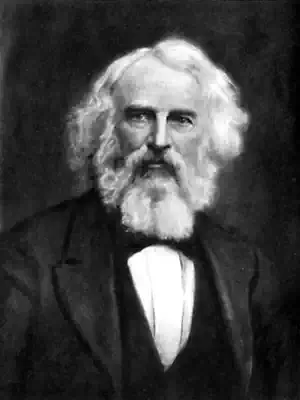
Henry Wadsworth Longfellow
Il Ponte Vecchio Di Firenze
Il Ponte Vecchio Di Firenze
Gaddi mi fece; il Ponte Vecchio sono;
Cinquecent' anni giá sull' Arno pianto
Il piede, come il suo Michele Santo
Piantó sul draco. Mentre ch' io ragiono
Lo vedo torcere con flebil suono
Le rilucenti scaglie. Ha questi affranto
Due volte i miei maggior. Me solo intanto
Neppure muove, ed io non l' abbandono.
Io mi rammento quando fur cacciati
I Medici; pur quando Ghibellino
E Guelfo fecer pace mi rammento.
Fiorenza i suoi giojelli m' ha prestati;
E quando penso ch' Agnolo il divino
Su me posava, insuperbir mi sento.
Gaddi mi fece; il Ponte Vecchio sono;
Cinquecent' anni giá sull' Arno pianto
Il piede, come il suo Michele Santo
Piantó sul draco. Mentre ch' io ragiono
Lo vedo torcere con flebil suono
Le rilucenti scaglie. Ha questi affranto
Due volte i miei maggior. Me solo intanto
Neppure muove, ed io non l' abbandono.
Io mi rammento quando fur cacciati
I Medici; pur quando Ghibellino
E Guelfo fecer pace mi rammento.
Fiorenza i suoi giojelli m' ha prestati;
E quando penso ch' Agnolo il divino
Su me posava, insuperbir mi sento.
297
Henry Wadsworth Longfellow
Il Ponte Vecchio Di Firenze
Il Ponte Vecchio Di Firenze
Gaddi mi fece; il Ponte Vecchio sono;
Cinquecent' anni giá sull' Arno pianto
Il piede, come il suo Michele Santo
Piantó sul draco. Mentre ch' io ragiono
Lo vedo torcere con flebil suono
Le rilucenti scaglie. Ha questi affranto
Due volte i miei maggior. Me solo intanto
Neppure muove, ed io non l' abbandono.
Io mi rammento quando fur cacciati
I Medici; pur quando Ghibellino
E Guelfo fecer pace mi rammento.
Fiorenza i suoi giojelli m' ha prestati;
E quando penso ch' Agnolo il divino
Su me posava, insuperbir mi sento.
Gaddi mi fece; il Ponte Vecchio sono;
Cinquecent' anni giá sull' Arno pianto
Il piede, come il suo Michele Santo
Piantó sul draco. Mentre ch' io ragiono
Lo vedo torcere con flebil suono
Le rilucenti scaglie. Ha questi affranto
Due volte i miei maggior. Me solo intanto
Neppure muove, ed io non l' abbandono.
Io mi rammento quando fur cacciati
I Medici; pur quando Ghibellino
E Guelfo fecer pace mi rammento.
Fiorenza i suoi giojelli m' ha prestati;
E quando penso ch' Agnolo il divino
Su me posava, insuperbir mi sento.
297
Henry Wadsworth Longfellow
Hymn For My Brother's Ordination
Hymn For My Brother's Ordination
Christ to the young man said: 'Yet one thing more;
If thou wouldst perfect be,
Sell all thou hast and give it to the poor,
And come and follow me!'
Within this temple Christ again, unseen,
Those sacred words hath said,
And his invisible hands to-day have been
Laid on a young man's head.
And evermore beside him on his way
The unseen Christ shall move,
That he may lean upon his arm and say,
'Dost thou, dear Lord, approve?'
Beside him at the marriage feast shall be,
To make the scene more fair;
Beside him in the dark Gethsemane
Of pain and midnight prayer.
O holy trust! O endless sense of rest!
Like the beloved John
To lay his head upon the Saviour's breast,
And thus to journey on!
Christ to the young man said: 'Yet one thing more;
If thou wouldst perfect be,
Sell all thou hast and give it to the poor,
And come and follow me!'
Within this temple Christ again, unseen,
Those sacred words hath said,
And his invisible hands to-day have been
Laid on a young man's head.
And evermore beside him on his way
The unseen Christ shall move,
That he may lean upon his arm and say,
'Dost thou, dear Lord, approve?'
Beside him at the marriage feast shall be,
To make the scene more fair;
Beside him in the dark Gethsemane
Of pain and midnight prayer.
O holy trust! O endless sense of rest!
Like the beloved John
To lay his head upon the Saviour's breast,
And thus to journey on!
345
Henry Wadsworth Longfellow
Holidays
Holidays
The holiest of all holidays are those
Kept by ourselves in silence and apart;
The secret anniversaries of the heart,
When the full river of feeling overflows;--
The happy days unclouded to their close;
The sudden joys that out of darkness start
As flames from ashes; swift desires that dart
Like swallows singing down each wind that blows!
White as the gleam of a receding sail,
White as a cloud that floats and fades in air,
White as the whitest lily on a stream,
These tender memories are;--a fairy tale
Of some enchanted land we know not where,
But lovely as a landscape in a dream.
The holiest of all holidays are those
Kept by ourselves in silence and apart;
The secret anniversaries of the heart,
When the full river of feeling overflows;--
The happy days unclouded to their close;
The sudden joys that out of darkness start
As flames from ashes; swift desires that dart
Like swallows singing down each wind that blows!
White as the gleam of a receding sail,
White as a cloud that floats and fades in air,
White as the whitest lily on a stream,
These tender memories are;--a fairy tale
Of some enchanted land we know not where,
But lovely as a landscape in a dream.
436
Henry Wadsworth Longfellow
Holidays
Holidays
The holiest of all holidays are those
Kept by ourselves in silence and apart;
The secret anniversaries of the heart,
When the full river of feeling overflows;--
The happy days unclouded to their close;
The sudden joys that out of darkness start
As flames from ashes; swift desires that dart
Like swallows singing down each wind that blows!
White as the gleam of a receding sail,
White as a cloud that floats and fades in air,
White as the whitest lily on a stream,
These tender memories are;--a fairy tale
Of some enchanted land we know not where,
But lovely as a landscape in a dream.
The holiest of all holidays are those
Kept by ourselves in silence and apart;
The secret anniversaries of the heart,
When the full river of feeling overflows;--
The happy days unclouded to their close;
The sudden joys that out of darkness start
As flames from ashes; swift desires that dart
Like swallows singing down each wind that blows!
White as the gleam of a receding sail,
White as a cloud that floats and fades in air,
White as the whitest lily on a stream,
These tender memories are;--a fairy tale
Of some enchanted land we know not where,
But lovely as a landscape in a dream.
436
Henry Wadsworth Longfellow
Hiawatha's Wedding-Feast
Hiawatha's Wedding-Feast
You shall hear how Pau-Puk-Keewis,
How the handsome Yenadizze
Danced at Hiawatha's wedding;
How the gentle Chibiabos,
He the sweetest of musicians,
Sang his songs of love and longing;
How Iagoo, the great boaster,
He the marvellous story-teller,
Told his tales of strange adventure,
That the feast might be more joyous,
That the time might pass more gayly,
And the guests be more contented.
Sumptuous was the feast Nokomis
Made at Hiawatha's wedding;
All the bowls were made of bass-wood,
White and polished very smoothly,
All the spoons of horn of bison,
Black and polished very smoothly.
She had sent through all the village
Messengers with wands of willow,
As a sign of invitation,
As a token of the feasting;
And the wedding guests assembled,
Clad in all their richest raiment,
Robes of fur and belts of wampum,
Splendid with their paint and plumage,
Beautiful with beads and tassels.
First they ate the sturgeon, Nahma,
And the pike, the Maskenozha,
Caught and cooked by old Nokomis;
Then on pemican they feasted,
Pemican and buffalo marrow,
Haunch of deer and hump of bison,
Yellow cakes of the Mondamin,
And the wild rice of the river.
But the gracious Hiawatha,
And the lovely Laughing Water,
And the careful old Nokomis,
Tasted not the food before them,
Only waited on the others
Only served their guests in silence.
And when all the guests had finished,
Old Nokomis, brisk and busy,
From an ample pouch of otter,
Filled the red-stone pipes for smoking
With tobacco from the South-land,
Mixed with bark of the red willow,
And with herbs and leaves of fragrance.
Then she said, "O Pau-Puk-Keewis,
Dance for us your merry dances,
Dance the Beggar's Dance to please us,
That the feast may be more joyous,
That the time may pass more gayly,
And our guests be more contented!"
Then the handsome Pau-Puk-Keewis,
He the idle Yenadizze,
He the merry mischief-maker,
Whom the people called the Storm-Fool,
Rose among the guests assembled.
Skilled was he in sports and pastimes,
In the merry dance of snow-shoes,
In the play of quoits and ball-play;
Skilled was he in games of hazard,
In all games of skill and hazard,
Pugasaing, the Bowl and Counters,
Kuntassoo, the Game of Plum-stones.
Though the warriors called him Faint-Heart,
Called him coward, Shaugodaya,
Idler, gambler, Yenadizze,
Little heeded he their jesting,
Little cared he for their insults,
For the women and the maidens
Loved the handsome Pau-Puk-Keewis.
He was dressed in shirt of doeskin,
White and soft, and fringed with ermine,
All inwrought with beads of wampum;
He was dressed in deer-skin leggings,
Fringed with hedgehog quills and ermine,
And in moccasins of buck-skin,
Thick with quills and beads embroidered.
On his head were plumes of swan's down,
On his heels were tails of foxes,
In one hand a fan of feathers,
And a pipe was in the other.
Barred with streaks of red and yellow,
Streaks of blue and bright vermilion,
Shone the face of Pau-Puk-Keewis.
From his forehead fell his tresses,
Smooth, and parted like a woman's,
Shining bright with oil, and plaited,
Hung with braids of scented grasses,
As among the guests assembled,
To the sound of flutes and singing,
To the sound of drums and voices,
Rose the handsome Pau-Puk-Keewis,
And began his mystic dances.
First he danced a solemn measure,
Very slow in step and gesture,
In and out among the pine-trees,
Through the shadows and the sunshine,
Treading softly like a panther.
Then more swiftly and still swifter,
Whirling, spinning round in circles,
Leaping o'er the guests assembled,
Eddying round and round the wigwam,
Till the leaves went whirling with him,
Till the dust and wind together
Swept in eddies round about him.
Then along the sandy margin
Of the lake, the Big-Sea-Water,
On he sped with frenzied gestures,
Stamped upon the sand, and tossed it
Wildly in the air around him;
Till the wind became a whirlwind,
Till the sand was blown and sifted
Like great snowdrifts o'er the landscape,
Heaping all the shores with Sand Dunes,
Sand Hills of the Nagow Wudjoo!
Thus the merry Pau-Puk-Keewis
Danced his Beggar's Dance to please them,
And, returning, sat down laughing
There among the guests assembled,
Sat and fanned himself serenely
With his fan of turkey-feathers.
Then they said to Chibiabos,
To the friend of Hiawatha,
To the sweetest of all singers,
To the best of all musicians,
"Sing to us, O Chibiabos!
Songs of love and songs of longing,
That the feast may be more joyous,
That the time may pass more gayly,
And our guests be more contented!"
And the gentle Chibiabos
Sang in accents sweet and tender,
Sang in tones of deep emotion,
Songs of love and songs of longing;
Looking still at Hiawatha,
Looking at fair Laughing Water,
Sang he softly, sang in this wise:
"Onaway! Awake, beloved!
Thou the wild-flower of the forest!
Thou the wild-bird of the prairie!
Thou with eyes so soft and fawn-like!
"If thou only lookest at me,
I am happy, I am happy,
As the lilies of the prairie,
When they feel the dew upon them!
"Sweet thy breath is as the fragrance
Of the wild-flowers in the morning,
As their fragrance is at evening,
In the Moon when leaves are falling.
"Does not all the blood within me
Leap to meet thee, leap to meet thee,
As the springs to meet the sunshine,
In the Moon when nights are brightest?
"Onaway! my heart sings to thee,
Sings with joy when thou art near me,
As the sighing, singing branches
In the pleasant Moon of Strawberries!
"When thou art not pleased, beloved,
Then my heart is sad and darkened,
As the shining river darkens
When the clouds drop shadows on it!
"When thou smilest, my beloved,
Then my troubled heart is brightened,
As in sunshine gleam the ripples
That the cold wind makes in rivers.
"Smiles the earth, and smile the waters,
Smile the cloudless skies above us,
But I lose the way of smiling
When thou art no longer near me!
"I myself, myself! behold me!
Blood of my beating heart, behold me!
Oh awake, awake, beloved!
Onaway! awake, beloved!"
Thus the gentle Chibiabos
Sang his song of love and longing;
And Iagoo, the great boaster,
He the marvellous story-teller,
He the friend of old Nokomis,
Jealous of the sweet musician,
Jealous of the applause they gave him,
Saw in all the eyes around him,
Saw in all their looks and gestures,
That the wedding guests assembled
Longed to hear his pleasant stories,
His immeasurable falsehoods.
Very boastful was Iagoo;
Never heard he an adventure
But himself had met a greater;
Never any deed of daring
But himself had done a bolder;
Never any marvellous story
But himself could tell a stranger.
Would you listen to his boasting,
Would you only give him credence,
No one ever shot an arrow
Half so far and high as he had;
Ever caught so many fishes,
Ever killed so many reindeer,
Ever trapped so many beaver!
None could run so fast as he could,
None could dive so deep as he could,
None could swim so far as he could;
None had made so many journeys,
None had seen so many wonders,
As this wonderful Iagoo,
As this marvellous story-teller!
Thus his name became a by-word
And a jest among the people;
And whene'er a boastful hunter
Praised his own address too highly,
Or a warrior, home returning,
Talked too much of his achievements,
All his hearers cried, "Iagoo!
Here's Iagoo come among us!"
He it was who carved the cradle
Of the little Hiawatha,
Carved its framework out of linden,
Bound it strong with reindeer sinews;
He it was who taught him later
How to make his bows and arrows,
How to make the bows of ash-tree,
And the arrows of the oak-tree.
So among the guests assembled
At my Hiawatha's wedding
Sat Iagoo, old and ugly,
Sat the marvellous story-teller.
And they said, "O good Iagoo,
Tell us now a tale of wonder,
Tell us of some strange adventure,
That the feast may be more joyous,
That the time may pass more gayly,
And our guests be more contented!"
And Iagoo answered straightway,
"You shall hear a tale of wonder,
You shall hear the strange adventures
Of Osseo, the Magician,
From the Evening Star descending."
You shall hear how Pau-Puk-Keewis,
How the handsome Yenadizze
Danced at Hiawatha's wedding;
How the gentle Chibiabos,
He the sweetest of musicians,
Sang his songs of love and longing;
How Iagoo, the great boaster,
He the marvellous story-teller,
Told his tales of strange adventure,
That the feast might be more joyous,
That the time might pass more gayly,
And the guests be more contented.
Sumptuous was the feast Nokomis
Made at Hiawatha's wedding;
All the bowls were made of bass-wood,
White and polished very smoothly,
All the spoons of horn of bison,
Black and polished very smoothly.
She had sent through all the village
Messengers with wands of willow,
As a sign of invitation,
As a token of the feasting;
And the wedding guests assembled,
Clad in all their richest raiment,
Robes of fur and belts of wampum,
Splendid with their paint and plumage,
Beautiful with beads and tassels.
First they ate the sturgeon, Nahma,
And the pike, the Maskenozha,
Caught and cooked by old Nokomis;
Then on pemican they feasted,
Pemican and buffalo marrow,
Haunch of deer and hump of bison,
Yellow cakes of the Mondamin,
And the wild rice of the river.
But the gracious Hiawatha,
And the lovely Laughing Water,
And the careful old Nokomis,
Tasted not the food before them,
Only waited on the others
Only served their guests in silence.
And when all the guests had finished,
Old Nokomis, brisk and busy,
From an ample pouch of otter,
Filled the red-stone pipes for smoking
With tobacco from the South-land,
Mixed with bark of the red willow,
And with herbs and leaves of fragrance.
Then she said, "O Pau-Puk-Keewis,
Dance for us your merry dances,
Dance the Beggar's Dance to please us,
That the feast may be more joyous,
That the time may pass more gayly,
And our guests be more contented!"
Then the handsome Pau-Puk-Keewis,
He the idle Yenadizze,
He the merry mischief-maker,
Whom the people called the Storm-Fool,
Rose among the guests assembled.
Skilled was he in sports and pastimes,
In the merry dance of snow-shoes,
In the play of quoits and ball-play;
Skilled was he in games of hazard,
In all games of skill and hazard,
Pugasaing, the Bowl and Counters,
Kuntassoo, the Game of Plum-stones.
Though the warriors called him Faint-Heart,
Called him coward, Shaugodaya,
Idler, gambler, Yenadizze,
Little heeded he their jesting,
Little cared he for their insults,
For the women and the maidens
Loved the handsome Pau-Puk-Keewis.
He was dressed in shirt of doeskin,
White and soft, and fringed with ermine,
All inwrought with beads of wampum;
He was dressed in deer-skin leggings,
Fringed with hedgehog quills and ermine,
And in moccasins of buck-skin,
Thick with quills and beads embroidered.
On his head were plumes of swan's down,
On his heels were tails of foxes,
In one hand a fan of feathers,
And a pipe was in the other.
Barred with streaks of red and yellow,
Streaks of blue and bright vermilion,
Shone the face of Pau-Puk-Keewis.
From his forehead fell his tresses,
Smooth, and parted like a woman's,
Shining bright with oil, and plaited,
Hung with braids of scented grasses,
As among the guests assembled,
To the sound of flutes and singing,
To the sound of drums and voices,
Rose the handsome Pau-Puk-Keewis,
And began his mystic dances.
First he danced a solemn measure,
Very slow in step and gesture,
In and out among the pine-trees,
Through the shadows and the sunshine,
Treading softly like a panther.
Then more swiftly and still swifter,
Whirling, spinning round in circles,
Leaping o'er the guests assembled,
Eddying round and round the wigwam,
Till the leaves went whirling with him,
Till the dust and wind together
Swept in eddies round about him.
Then along the sandy margin
Of the lake, the Big-Sea-Water,
On he sped with frenzied gestures,
Stamped upon the sand, and tossed it
Wildly in the air around him;
Till the wind became a whirlwind,
Till the sand was blown and sifted
Like great snowdrifts o'er the landscape,
Heaping all the shores with Sand Dunes,
Sand Hills of the Nagow Wudjoo!
Thus the merry Pau-Puk-Keewis
Danced his Beggar's Dance to please them,
And, returning, sat down laughing
There among the guests assembled,
Sat and fanned himself serenely
With his fan of turkey-feathers.
Then they said to Chibiabos,
To the friend of Hiawatha,
To the sweetest of all singers,
To the best of all musicians,
"Sing to us, O Chibiabos!
Songs of love and songs of longing,
That the feast may be more joyous,
That the time may pass more gayly,
And our guests be more contented!"
And the gentle Chibiabos
Sang in accents sweet and tender,
Sang in tones of deep emotion,
Songs of love and songs of longing;
Looking still at Hiawatha,
Looking at fair Laughing Water,
Sang he softly, sang in this wise:
"Onaway! Awake, beloved!
Thou the wild-flower of the forest!
Thou the wild-bird of the prairie!
Thou with eyes so soft and fawn-like!
"If thou only lookest at me,
I am happy, I am happy,
As the lilies of the prairie,
When they feel the dew upon them!
"Sweet thy breath is as the fragrance
Of the wild-flowers in the morning,
As their fragrance is at evening,
In the Moon when leaves are falling.
"Does not all the blood within me
Leap to meet thee, leap to meet thee,
As the springs to meet the sunshine,
In the Moon when nights are brightest?
"Onaway! my heart sings to thee,
Sings with joy when thou art near me,
As the sighing, singing branches
In the pleasant Moon of Strawberries!
"When thou art not pleased, beloved,
Then my heart is sad and darkened,
As the shining river darkens
When the clouds drop shadows on it!
"When thou smilest, my beloved,
Then my troubled heart is brightened,
As in sunshine gleam the ripples
That the cold wind makes in rivers.
"Smiles the earth, and smile the waters,
Smile the cloudless skies above us,
But I lose the way of smiling
When thou art no longer near me!
"I myself, myself! behold me!
Blood of my beating heart, behold me!
Oh awake, awake, beloved!
Onaway! awake, beloved!"
Thus the gentle Chibiabos
Sang his song of love and longing;
And Iagoo, the great boaster,
He the marvellous story-teller,
He the friend of old Nokomis,
Jealous of the sweet musician,
Jealous of the applause they gave him,
Saw in all the eyes around him,
Saw in all their looks and gestures,
That the wedding guests assembled
Longed to hear his pleasant stories,
His immeasurable falsehoods.
Very boastful was Iagoo;
Never heard he an adventure
But himself had met a greater;
Never any deed of daring
But himself had done a bolder;
Never any marvellous story
But himself could tell a stranger.
Would you listen to his boasting,
Would you only give him credence,
No one ever shot an arrow
Half so far and high as he had;
Ever caught so many fishes,
Ever killed so many reindeer,
Ever trapped so many beaver!
None could run so fast as he could,
None could dive so deep as he could,
None could swim so far as he could;
None had made so many journeys,
None had seen so many wonders,
As this wonderful Iagoo,
As this marvellous story-teller!
Thus his name became a by-word
And a jest among the people;
And whene'er a boastful hunter
Praised his own address too highly,
Or a warrior, home returning,
Talked too much of his achievements,
All his hearers cried, "Iagoo!
Here's Iagoo come among us!"
He it was who carved the cradle
Of the little Hiawatha,
Carved its framework out of linden,
Bound it strong with reindeer sinews;
He it was who taught him later
How to make his bows and arrows,
How to make the bows of ash-tree,
And the arrows of the oak-tree.
So among the guests assembled
At my Hiawatha's wedding
Sat Iagoo, old and ugly,
Sat the marvellous story-teller.
And they said, "O good Iagoo,
Tell us now a tale of wonder,
Tell us of some strange adventure,
That the feast may be more joyous,
That the time may pass more gayly,
And our guests be more contented!"
And Iagoo answered straightway,
"You shall hear a tale of wonder,
You shall hear the strange adventures
Of Osseo, the Magician,
From the Evening Star descending."
363
Henry Wadsworth Longfellow
Hiawatha's Lamentation
Hiawatha's Lamentation
In those days the Evil Spirits,
All the Manitos of mischief,
Fearing Hiawatha's wisdom,
And his love for Chibiabos,
Jealous of their faithful friendship,
And their noble words and actions,
Made at length a league against them,
To molest them and destroy them.
Hiawatha, wise and wary,
Often said to Chibiabos,
"O my brother! do not leave me,
Lest the Evil Spirits harm you!"
Chibiabos, young and heedless,
Laughing shook his coal-black tresses,
Answered ever sweet and childlike,
"Do not fear for me, O brother!
Harm and evil come not near me!"
Once when Peboan, the Winter,
Roofed with ice the Big-Sea-Water,
When the snow-flakes, whirling downward,
Hissed among the withered oak-leaves,
Changed the pine-trees into wigwams,
Covered all the earth with silence,
Armed with arrows, shod with snow-shoes,
Heeding not his brother's warning,
Fearing not the Evil Spirits,
Forth to hunt the deer with antlers
All alone went Chibiabos.
Right across the Big-Sea-Water
Sprang with speed the deer before him.
With the wind and snow he followed,
O'er the treacherous ice he followed,
Wild with all the fierce commotion
And the rapture of the hunting.
But beneath, the Evil Spirits
Lay in ambush, waiting for him,
Broke the treacherous ice beneath him,
Dragged him downward to the bottom,
Buried in the sand his body.
Unktahee, the god of water,
He the god of the Dacotahs,
Drowned him in the deep abysses
Of the lake of Gitche Gumee.
From the headlands Hiawatha
Sent forth such a wail of anguish,
Such a fearful lamentation,
That the bison paused to listen,
And the wolves howled from the prairies,
And the thunder in the distance
Starting answered "Baim-wawa!"
Then his face with black he painted,
With his robe his head he covered,
In his wigwam sat lamenting,
Seven long weeks he sat lamenting,
Uttering still this moan of sorrow:
"He is dead, the sweet musician!
He the sweetest of all singers!
He has gone from us forever,
He has moved a little nearer
To the Master of all music,
To the Master of all singing!
O my brother, Chibiabos!"
And the melancholy fir-trees
Waved their dark green fans above him,
Waved their purple cones above him,
Sighing with him to console him,
Mingling with his lamentation
Their complaining, their lamenting.
Came the Spring, and all the forest
Looked in vain for Chibiabos;
Sighed the rivulet, Sebowisha,
Sighed the rushes in the meadow.
From the tree-tops sang the bluebird,
Sang the bluebird, the Owaissa,
"Chibiabos! Chibiabos!
He is dead, the sweet musician!"
From the wigwam sang the robin,
Sang the robin, the Opechee,
"Chibiabos! Chibiabos!
He is dead, the sweetest singer!"
And at night through all the forest
Went the whippoorwill complaining,
Wailing went the Wawonaissa,
"Chibiabos! Chibiabos!
He is dead, the sweet musician!
He the sweetest of all singers!"
Then the Medicine-men, the Medas,
The magicians, the Wabenos,
And the Jossakeeds, the Prophets,
Came to visit Hiawatha;
Built a Sacred Lodge beside him,
To appease him, to console him,
Walked in silent, grave procession,
Bearing each a pouch of healing,
Skin of beaver, lynx, or otter,
Filled with magic roots and simples,
Filled with very potent medicines.
When he heard their steps approaching~,
Hiawatha ceased lamenting,
Called no more on Chibiabos;
Naught he questioned, naught he answered,
But his mournful head uncovered,
From his face the mourning colors
Washed he slowly and in silence,
Slowly and in silence followed
Onward to the Sacred Wigwam.
There a magic drink they gave him,
Made of Nahma-wusk, the spearmint,
And Wabeno-wusk, the yarrow,
Roots of power, and herbs of healing;
Beat their drums, and shook their rattles;
Chanted singly and in chorus,
Mystic songs like these, they chanted.
"I myself, myself! behold me!
`T Is the great Gray Eagle talking;
Come, ye white crows, come and hear him!
The loud-speaking thunder helps me;
All the unseen spirits help me;
I can hear their voices calling,
All around the sky I hear them!
I can blow you strong, my brother,
I can heal you, Hiawatha!"
"Hi-au-ha!" replied the chorus,
"Wayha-way!" the mystic chorus.
Friends of mine are all the serpents!
Hear me shake my skin of hen-hawk!
Mahng, the white loon, I can kill him;
I can shoot your heart and kill it!
I can blow you strong, my brother,
I can heal you, Hiawatha !"
"Hi-au-ha!" replied the chorus,
"Wayhaway!" the mystic chorus.
"I myself, myself! the prophet!
When I speak the wigwam trembles,
Shakes the Sacred Lodge with terror,
Hands unseen begin to shake it!
When I walk, the sky I tread on
Bends and makes a noise beneath me!
I can blow you strong, my brother!
Rise and speak, O Hiawatha!"
"Hi-au-ha!" replied the chorus,
"Way-ha-way!" the mystic chorus.
Then they shook their medicine-pouches
O'er the head of Hiawatha,
Danced their medicine-dance around him;
And upstarting wild and haggard,
Like a man from dreams awakened,
He was healed of all his madness.
As the clouds are swept from heaven,
Straightway from his brain departed
All his moody melancholy;
As the ice is swept from rivers,
Straightway from his heart departed
All his sorrow and affliction.
Then they summoned Chibiabos
From his grave beneath the waters,
From the sands of Gitche Gumee
Summoned Hiawatha's brother.
And so mighty was the magic
Of that cry and invocation,
That he heard it as he lay there
Underneath the Big-Sea-Water;
From the sand he rose and listened,
Heard the music and the singing,
Came, obedient to the summons,
To the doorway of the wigwam,
But to enter they forbade him.
Through a chink a coal they gave him,
Through the door a burning fire-brand;
Ruler in the Land of Spirits,
Ruler o'er the dead, they made him,
Telling him a fire to kindle
For all those that died thereafter,
Camp-fires for their night encampments
On their solitary journey
To the kingdom of Ponemah,
To the land of the Hereafter.
From the village of his childhood,
From the homes of those who knew him,
Passing silent through the forest,
Like a smoke-wreath wafted sideways,
Slowly vanished Chibiabos!
Where he passed, the branches moved not,
Where he trod, the grasses bent not,
And the fallen leaves of last year
Made no sound beneath his footstep.
Four whole days he journeyed onward
Down the pathway of the dead men;
On the dead-man's strawberry feasted,
Crossed the melancholy river,
On the swinging log he crossed it,
Came unto the Lake of Silver,
In the Stone Canoe was carried
To the Islands of the Blessed,
To the land of ghosts and shadows.
On that journey, moving slowly,
Many weary spirits saw he,
Panting under heavy burdens,
Laden with war-clubs, bows and arrows,
Robes of fur, and pots and kettles,
And with food that friends had given
For that solitary journey.
"Ay! why do the living," said they,
"Lay such heavy burdens on us!
Better were it to go naked,
Better were it to go fasting,
Than to bear such heavy burdens
On our long and weary journey!"
Forth then issued Hiawatha,
Wandered eastward, wandered westward,
Teaching men the use of simples
And the antidotes for poisons,
And the cure of all diseases.
Thus was first made known to mortals
All the mystery of Medamin,
All the sacred art of healing.
In those days the Evil Spirits,
All the Manitos of mischief,
Fearing Hiawatha's wisdom,
And his love for Chibiabos,
Jealous of their faithful friendship,
And their noble words and actions,
Made at length a league against them,
To molest them and destroy them.
Hiawatha, wise and wary,
Often said to Chibiabos,
"O my brother! do not leave me,
Lest the Evil Spirits harm you!"
Chibiabos, young and heedless,
Laughing shook his coal-black tresses,
Answered ever sweet and childlike,
"Do not fear for me, O brother!
Harm and evil come not near me!"
Once when Peboan, the Winter,
Roofed with ice the Big-Sea-Water,
When the snow-flakes, whirling downward,
Hissed among the withered oak-leaves,
Changed the pine-trees into wigwams,
Covered all the earth with silence,
Armed with arrows, shod with snow-shoes,
Heeding not his brother's warning,
Fearing not the Evil Spirits,
Forth to hunt the deer with antlers
All alone went Chibiabos.
Right across the Big-Sea-Water
Sprang with speed the deer before him.
With the wind and snow he followed,
O'er the treacherous ice he followed,
Wild with all the fierce commotion
And the rapture of the hunting.
But beneath, the Evil Spirits
Lay in ambush, waiting for him,
Broke the treacherous ice beneath him,
Dragged him downward to the bottom,
Buried in the sand his body.
Unktahee, the god of water,
He the god of the Dacotahs,
Drowned him in the deep abysses
Of the lake of Gitche Gumee.
From the headlands Hiawatha
Sent forth such a wail of anguish,
Such a fearful lamentation,
That the bison paused to listen,
And the wolves howled from the prairies,
And the thunder in the distance
Starting answered "Baim-wawa!"
Then his face with black he painted,
With his robe his head he covered,
In his wigwam sat lamenting,
Seven long weeks he sat lamenting,
Uttering still this moan of sorrow:
"He is dead, the sweet musician!
He the sweetest of all singers!
He has gone from us forever,
He has moved a little nearer
To the Master of all music,
To the Master of all singing!
O my brother, Chibiabos!"
And the melancholy fir-trees
Waved their dark green fans above him,
Waved their purple cones above him,
Sighing with him to console him,
Mingling with his lamentation
Their complaining, their lamenting.
Came the Spring, and all the forest
Looked in vain for Chibiabos;
Sighed the rivulet, Sebowisha,
Sighed the rushes in the meadow.
From the tree-tops sang the bluebird,
Sang the bluebird, the Owaissa,
"Chibiabos! Chibiabos!
He is dead, the sweet musician!"
From the wigwam sang the robin,
Sang the robin, the Opechee,
"Chibiabos! Chibiabos!
He is dead, the sweetest singer!"
And at night through all the forest
Went the whippoorwill complaining,
Wailing went the Wawonaissa,
"Chibiabos! Chibiabos!
He is dead, the sweet musician!
He the sweetest of all singers!"
Then the Medicine-men, the Medas,
The magicians, the Wabenos,
And the Jossakeeds, the Prophets,
Came to visit Hiawatha;
Built a Sacred Lodge beside him,
To appease him, to console him,
Walked in silent, grave procession,
Bearing each a pouch of healing,
Skin of beaver, lynx, or otter,
Filled with magic roots and simples,
Filled with very potent medicines.
When he heard their steps approaching~,
Hiawatha ceased lamenting,
Called no more on Chibiabos;
Naught he questioned, naught he answered,
But his mournful head uncovered,
From his face the mourning colors
Washed he slowly and in silence,
Slowly and in silence followed
Onward to the Sacred Wigwam.
There a magic drink they gave him,
Made of Nahma-wusk, the spearmint,
And Wabeno-wusk, the yarrow,
Roots of power, and herbs of healing;
Beat their drums, and shook their rattles;
Chanted singly and in chorus,
Mystic songs like these, they chanted.
"I myself, myself! behold me!
`T Is the great Gray Eagle talking;
Come, ye white crows, come and hear him!
The loud-speaking thunder helps me;
All the unseen spirits help me;
I can hear their voices calling,
All around the sky I hear them!
I can blow you strong, my brother,
I can heal you, Hiawatha!"
"Hi-au-ha!" replied the chorus,
"Wayha-way!" the mystic chorus.
Friends of mine are all the serpents!
Hear me shake my skin of hen-hawk!
Mahng, the white loon, I can kill him;
I can shoot your heart and kill it!
I can blow you strong, my brother,
I can heal you, Hiawatha !"
"Hi-au-ha!" replied the chorus,
"Wayhaway!" the mystic chorus.
"I myself, myself! the prophet!
When I speak the wigwam trembles,
Shakes the Sacred Lodge with terror,
Hands unseen begin to shake it!
When I walk, the sky I tread on
Bends and makes a noise beneath me!
I can blow you strong, my brother!
Rise and speak, O Hiawatha!"
"Hi-au-ha!" replied the chorus,
"Way-ha-way!" the mystic chorus.
Then they shook their medicine-pouches
O'er the head of Hiawatha,
Danced their medicine-dance around him;
And upstarting wild and haggard,
Like a man from dreams awakened,
He was healed of all his madness.
As the clouds are swept from heaven,
Straightway from his brain departed
All his moody melancholy;
As the ice is swept from rivers,
Straightway from his heart departed
All his sorrow and affliction.
Then they summoned Chibiabos
From his grave beneath the waters,
From the sands of Gitche Gumee
Summoned Hiawatha's brother.
And so mighty was the magic
Of that cry and invocation,
That he heard it as he lay there
Underneath the Big-Sea-Water;
From the sand he rose and listened,
Heard the music and the singing,
Came, obedient to the summons,
To the doorway of the wigwam,
But to enter they forbade him.
Through a chink a coal they gave him,
Through the door a burning fire-brand;
Ruler in the Land of Spirits,
Ruler o'er the dead, they made him,
Telling him a fire to kindle
For all those that died thereafter,
Camp-fires for their night encampments
On their solitary journey
To the kingdom of Ponemah,
To the land of the Hereafter.
From the village of his childhood,
From the homes of those who knew him,
Passing silent through the forest,
Like a smoke-wreath wafted sideways,
Slowly vanished Chibiabos!
Where he passed, the branches moved not,
Where he trod, the grasses bent not,
And the fallen leaves of last year
Made no sound beneath his footstep.
Four whole days he journeyed onward
Down the pathway of the dead men;
On the dead-man's strawberry feasted,
Crossed the melancholy river,
On the swinging log he crossed it,
Came unto the Lake of Silver,
In the Stone Canoe was carried
To the Islands of the Blessed,
To the land of ghosts and shadows.
On that journey, moving slowly,
Many weary spirits saw he,
Panting under heavy burdens,
Laden with war-clubs, bows and arrows,
Robes of fur, and pots and kettles,
And with food that friends had given
For that solitary journey.
"Ay! why do the living," said they,
"Lay such heavy burdens on us!
Better were it to go naked,
Better were it to go fasting,
Than to bear such heavy burdens
On our long and weary journey!"
Forth then issued Hiawatha,
Wandered eastward, wandered westward,
Teaching men the use of simples
And the antidotes for poisons,
And the cure of all diseases.
Thus was first made known to mortals
All the mystery of Medamin,
All the sacred art of healing.
324
Henry Wadsworth Longfellow
Hiawatha's Lamentation
Hiawatha's Lamentation
In those days the Evil Spirits,
All the Manitos of mischief,
Fearing Hiawatha's wisdom,
And his love for Chibiabos,
Jealous of their faithful friendship,
And their noble words and actions,
Made at length a league against them,
To molest them and destroy them.
Hiawatha, wise and wary,
Often said to Chibiabos,
"O my brother! do not leave me,
Lest the Evil Spirits harm you!"
Chibiabos, young and heedless,
Laughing shook his coal-black tresses,
Answered ever sweet and childlike,
"Do not fear for me, O brother!
Harm and evil come not near me!"
Once when Peboan, the Winter,
Roofed with ice the Big-Sea-Water,
When the snow-flakes, whirling downward,
Hissed among the withered oak-leaves,
Changed the pine-trees into wigwams,
Covered all the earth with silence,
Armed with arrows, shod with snow-shoes,
Heeding not his brother's warning,
Fearing not the Evil Spirits,
Forth to hunt the deer with antlers
All alone went Chibiabos.
Right across the Big-Sea-Water
Sprang with speed the deer before him.
With the wind and snow he followed,
O'er the treacherous ice he followed,
Wild with all the fierce commotion
And the rapture of the hunting.
But beneath, the Evil Spirits
Lay in ambush, waiting for him,
Broke the treacherous ice beneath him,
Dragged him downward to the bottom,
Buried in the sand his body.
Unktahee, the god of water,
He the god of the Dacotahs,
Drowned him in the deep abysses
Of the lake of Gitche Gumee.
From the headlands Hiawatha
Sent forth such a wail of anguish,
Such a fearful lamentation,
That the bison paused to listen,
And the wolves howled from the prairies,
And the thunder in the distance
Starting answered "Baim-wawa!"
Then his face with black he painted,
With his robe his head he covered,
In his wigwam sat lamenting,
Seven long weeks he sat lamenting,
Uttering still this moan of sorrow:
"He is dead, the sweet musician!
He the sweetest of all singers!
He has gone from us forever,
He has moved a little nearer
To the Master of all music,
To the Master of all singing!
O my brother, Chibiabos!"
And the melancholy fir-trees
Waved their dark green fans above him,
Waved their purple cones above him,
Sighing with him to console him,
Mingling with his lamentation
Their complaining, their lamenting.
Came the Spring, and all the forest
Looked in vain for Chibiabos;
Sighed the rivulet, Sebowisha,
Sighed the rushes in the meadow.
From the tree-tops sang the bluebird,
Sang the bluebird, the Owaissa,
"Chibiabos! Chibiabos!
He is dead, the sweet musician!"
From the wigwam sang the robin,
Sang the robin, the Opechee,
"Chibiabos! Chibiabos!
He is dead, the sweetest singer!"
And at night through all the forest
Went the whippoorwill complaining,
Wailing went the Wawonaissa,
"Chibiabos! Chibiabos!
He is dead, the sweet musician!
He the sweetest of all singers!"
Then the Medicine-men, the Medas,
The magicians, the Wabenos,
And the Jossakeeds, the Prophets,
Came to visit Hiawatha;
Built a Sacred Lodge beside him,
To appease him, to console him,
Walked in silent, grave procession,
Bearing each a pouch of healing,
Skin of beaver, lynx, or otter,
Filled with magic roots and simples,
Filled with very potent medicines.
When he heard their steps approaching~,
Hiawatha ceased lamenting,
Called no more on Chibiabos;
Naught he questioned, naught he answered,
But his mournful head uncovered,
From his face the mourning colors
Washed he slowly and in silence,
Slowly and in silence followed
Onward to the Sacred Wigwam.
There a magic drink they gave him,
Made of Nahma-wusk, the spearmint,
And Wabeno-wusk, the yarrow,
Roots of power, and herbs of healing;
Beat their drums, and shook their rattles;
Chanted singly and in chorus,
Mystic songs like these, they chanted.
"I myself, myself! behold me!
`T Is the great Gray Eagle talking;
Come, ye white crows, come and hear him!
The loud-speaking thunder helps me;
All the unseen spirits help me;
I can hear their voices calling,
All around the sky I hear them!
I can blow you strong, my brother,
I can heal you, Hiawatha!"
"Hi-au-ha!" replied the chorus,
"Wayha-way!" the mystic chorus.
Friends of mine are all the serpents!
Hear me shake my skin of hen-hawk!
Mahng, the white loon, I can kill him;
I can shoot your heart and kill it!
I can blow you strong, my brother,
I can heal you, Hiawatha !"
"Hi-au-ha!" replied the chorus,
"Wayhaway!" the mystic chorus.
"I myself, myself! the prophet!
When I speak the wigwam trembles,
Shakes the Sacred Lodge with terror,
Hands unseen begin to shake it!
When I walk, the sky I tread on
Bends and makes a noise beneath me!
I can blow you strong, my brother!
Rise and speak, O Hiawatha!"
"Hi-au-ha!" replied the chorus,
"Way-ha-way!" the mystic chorus.
Then they shook their medicine-pouches
O'er the head of Hiawatha,
Danced their medicine-dance around him;
And upstarting wild and haggard,
Like a man from dreams awakened,
He was healed of all his madness.
As the clouds are swept from heaven,
Straightway from his brain departed
All his moody melancholy;
As the ice is swept from rivers,
Straightway from his heart departed
All his sorrow and affliction.
Then they summoned Chibiabos
From his grave beneath the waters,
From the sands of Gitche Gumee
Summoned Hiawatha's brother.
And so mighty was the magic
Of that cry and invocation,
That he heard it as he lay there
Underneath the Big-Sea-Water;
From the sand he rose and listened,
Heard the music and the singing,
Came, obedient to the summons,
To the doorway of the wigwam,
But to enter they forbade him.
Through a chink a coal they gave him,
Through the door a burning fire-brand;
Ruler in the Land of Spirits,
Ruler o'er the dead, they made him,
Telling him a fire to kindle
For all those that died thereafter,
Camp-fires for their night encampments
On their solitary journey
To the kingdom of Ponemah,
To the land of the Hereafter.
From the village of his childhood,
From the homes of those who knew him,
Passing silent through the forest,
Like a smoke-wreath wafted sideways,
Slowly vanished Chibiabos!
Where he passed, the branches moved not,
Where he trod, the grasses bent not,
And the fallen leaves of last year
Made no sound beneath his footstep.
Four whole days he journeyed onward
Down the pathway of the dead men;
On the dead-man's strawberry feasted,
Crossed the melancholy river,
On the swinging log he crossed it,
Came unto the Lake of Silver,
In the Stone Canoe was carried
To the Islands of the Blessed,
To the land of ghosts and shadows.
On that journey, moving slowly,
Many weary spirits saw he,
Panting under heavy burdens,
Laden with war-clubs, bows and arrows,
Robes of fur, and pots and kettles,
And with food that friends had given
For that solitary journey.
"Ay! why do the living," said they,
"Lay such heavy burdens on us!
Better were it to go naked,
Better were it to go fasting,
Than to bear such heavy burdens
On our long and weary journey!"
Forth then issued Hiawatha,
Wandered eastward, wandered westward,
Teaching men the use of simples
And the antidotes for poisons,
And the cure of all diseases.
Thus was first made known to mortals
All the mystery of Medamin,
All the sacred art of healing.
In those days the Evil Spirits,
All the Manitos of mischief,
Fearing Hiawatha's wisdom,
And his love for Chibiabos,
Jealous of their faithful friendship,
And their noble words and actions,
Made at length a league against them,
To molest them and destroy them.
Hiawatha, wise and wary,
Often said to Chibiabos,
"O my brother! do not leave me,
Lest the Evil Spirits harm you!"
Chibiabos, young and heedless,
Laughing shook his coal-black tresses,
Answered ever sweet and childlike,
"Do not fear for me, O brother!
Harm and evil come not near me!"
Once when Peboan, the Winter,
Roofed with ice the Big-Sea-Water,
When the snow-flakes, whirling downward,
Hissed among the withered oak-leaves,
Changed the pine-trees into wigwams,
Covered all the earth with silence,
Armed with arrows, shod with snow-shoes,
Heeding not his brother's warning,
Fearing not the Evil Spirits,
Forth to hunt the deer with antlers
All alone went Chibiabos.
Right across the Big-Sea-Water
Sprang with speed the deer before him.
With the wind and snow he followed,
O'er the treacherous ice he followed,
Wild with all the fierce commotion
And the rapture of the hunting.
But beneath, the Evil Spirits
Lay in ambush, waiting for him,
Broke the treacherous ice beneath him,
Dragged him downward to the bottom,
Buried in the sand his body.
Unktahee, the god of water,
He the god of the Dacotahs,
Drowned him in the deep abysses
Of the lake of Gitche Gumee.
From the headlands Hiawatha
Sent forth such a wail of anguish,
Such a fearful lamentation,
That the bison paused to listen,
And the wolves howled from the prairies,
And the thunder in the distance
Starting answered "Baim-wawa!"
Then his face with black he painted,
With his robe his head he covered,
In his wigwam sat lamenting,
Seven long weeks he sat lamenting,
Uttering still this moan of sorrow:
"He is dead, the sweet musician!
He the sweetest of all singers!
He has gone from us forever,
He has moved a little nearer
To the Master of all music,
To the Master of all singing!
O my brother, Chibiabos!"
And the melancholy fir-trees
Waved their dark green fans above him,
Waved their purple cones above him,
Sighing with him to console him,
Mingling with his lamentation
Their complaining, their lamenting.
Came the Spring, and all the forest
Looked in vain for Chibiabos;
Sighed the rivulet, Sebowisha,
Sighed the rushes in the meadow.
From the tree-tops sang the bluebird,
Sang the bluebird, the Owaissa,
"Chibiabos! Chibiabos!
He is dead, the sweet musician!"
From the wigwam sang the robin,
Sang the robin, the Opechee,
"Chibiabos! Chibiabos!
He is dead, the sweetest singer!"
And at night through all the forest
Went the whippoorwill complaining,
Wailing went the Wawonaissa,
"Chibiabos! Chibiabos!
He is dead, the sweet musician!
He the sweetest of all singers!"
Then the Medicine-men, the Medas,
The magicians, the Wabenos,
And the Jossakeeds, the Prophets,
Came to visit Hiawatha;
Built a Sacred Lodge beside him,
To appease him, to console him,
Walked in silent, grave procession,
Bearing each a pouch of healing,
Skin of beaver, lynx, or otter,
Filled with magic roots and simples,
Filled with very potent medicines.
When he heard their steps approaching~,
Hiawatha ceased lamenting,
Called no more on Chibiabos;
Naught he questioned, naught he answered,
But his mournful head uncovered,
From his face the mourning colors
Washed he slowly and in silence,
Slowly and in silence followed
Onward to the Sacred Wigwam.
There a magic drink they gave him,
Made of Nahma-wusk, the spearmint,
And Wabeno-wusk, the yarrow,
Roots of power, and herbs of healing;
Beat their drums, and shook their rattles;
Chanted singly and in chorus,
Mystic songs like these, they chanted.
"I myself, myself! behold me!
`T Is the great Gray Eagle talking;
Come, ye white crows, come and hear him!
The loud-speaking thunder helps me;
All the unseen spirits help me;
I can hear their voices calling,
All around the sky I hear them!
I can blow you strong, my brother,
I can heal you, Hiawatha!"
"Hi-au-ha!" replied the chorus,
"Wayha-way!" the mystic chorus.
Friends of mine are all the serpents!
Hear me shake my skin of hen-hawk!
Mahng, the white loon, I can kill him;
I can shoot your heart and kill it!
I can blow you strong, my brother,
I can heal you, Hiawatha !"
"Hi-au-ha!" replied the chorus,
"Wayhaway!" the mystic chorus.
"I myself, myself! the prophet!
When I speak the wigwam trembles,
Shakes the Sacred Lodge with terror,
Hands unseen begin to shake it!
When I walk, the sky I tread on
Bends and makes a noise beneath me!
I can blow you strong, my brother!
Rise and speak, O Hiawatha!"
"Hi-au-ha!" replied the chorus,
"Way-ha-way!" the mystic chorus.
Then they shook their medicine-pouches
O'er the head of Hiawatha,
Danced their medicine-dance around him;
And upstarting wild and haggard,
Like a man from dreams awakened,
He was healed of all his madness.
As the clouds are swept from heaven,
Straightway from his brain departed
All his moody melancholy;
As the ice is swept from rivers,
Straightway from his heart departed
All his sorrow and affliction.
Then they summoned Chibiabos
From his grave beneath the waters,
From the sands of Gitche Gumee
Summoned Hiawatha's brother.
And so mighty was the magic
Of that cry and invocation,
That he heard it as he lay there
Underneath the Big-Sea-Water;
From the sand he rose and listened,
Heard the music and the singing,
Came, obedient to the summons,
To the doorway of the wigwam,
But to enter they forbade him.
Through a chink a coal they gave him,
Through the door a burning fire-brand;
Ruler in the Land of Spirits,
Ruler o'er the dead, they made him,
Telling him a fire to kindle
For all those that died thereafter,
Camp-fires for their night encampments
On their solitary journey
To the kingdom of Ponemah,
To the land of the Hereafter.
From the village of his childhood,
From the homes of those who knew him,
Passing silent through the forest,
Like a smoke-wreath wafted sideways,
Slowly vanished Chibiabos!
Where he passed, the branches moved not,
Where he trod, the grasses bent not,
And the fallen leaves of last year
Made no sound beneath his footstep.
Four whole days he journeyed onward
Down the pathway of the dead men;
On the dead-man's strawberry feasted,
Crossed the melancholy river,
On the swinging log he crossed it,
Came unto the Lake of Silver,
In the Stone Canoe was carried
To the Islands of the Blessed,
To the land of ghosts and shadows.
On that journey, moving slowly,
Many weary spirits saw he,
Panting under heavy burdens,
Laden with war-clubs, bows and arrows,
Robes of fur, and pots and kettles,
And with food that friends had given
For that solitary journey.
"Ay! why do the living," said they,
"Lay such heavy burdens on us!
Better were it to go naked,
Better were it to go fasting,
Than to bear such heavy burdens
On our long and weary journey!"
Forth then issued Hiawatha,
Wandered eastward, wandered westward,
Teaching men the use of simples
And the antidotes for poisons,
And the cure of all diseases.
Thus was first made known to mortals
All the mystery of Medamin,
All the sacred art of healing.
324
Henry Wadsworth Longfellow
Hiawatha's Departure
Hiawatha's Departure
By the shore of Gitche Gumee,
By the shining Big-Sea-Water,
At the doorway of his wigwam,
In the pleasant Summer morning,
Hiawatha stood and waited.
All the air was full of freshness,
All the earth was bright and joyous,
And before him, through the sunshine,
Westward toward the neighboring forest
Passed in golden swarms the Ahmo,
Passed the bees, the honey-makers,
Burning, singing In the sunshine.
Bright above him shone the heavens,
Level spread the lake before him;
From its bosom leaped the sturgeon,
Sparkling, flashing in the sunshine;
On its margin the great forest
Stood reflected in the water,
Every tree-top had its shadow,
Motionless beneath the water.
From the brow of Hiawatha
Gone was every trace of sorrow,
As the fog from off the water,
As the mist from off the meadow.
With a smile of joy and triumph,
With a look of exultation,
As of one who in a vision
Sees what is to be, but is not,
Stood and waited Hiawatha.
Toward the sun his hands were lifted,
Both the palms spread out against it,
And between the parted fingers
Fell the sunshine on his features,
Flecked with light his naked shoulders,
As it falls and flecks an oak-tree
Through the rifted leaves and branches.
O'er the water floating, flying,
Something in the hazy distance,
Something in the mists of morning,
Loomed and lifted from the water,
Now seemed floating, now seemed flying,
Coming nearer, nearer, nearer.
Was it Shingebis the diver?
Or the pelican, the Shada?
Or the heron, the Shuh-shuh-gah?
Or the white goose, Waw-be-wawa,
With the water dripping, flashing,
From its glossy neck and feathers?
It was neither goose nor diver,
Neither pelican nor heron,
O'er the water floating, flying,
Through the shining mist of morning,
But a birch canoe with paddles,
Rising, sinking on the water,
Dripping, flashing in the sunshine;
And within it came a people
From the distant land of Wabun,
From the farthest realms of morning
Came the Black-Robe chief, the Prophet,
He the Priest of Prayer, the Pale-face,
With his guides and his companions.
And the noble Hiawatha,
With his hands aloft extended,
Held aloft in sign of welcome,
Waited, full of exultation,
Till the birch canoe with paddles
Grated on the shining pebbles,
Stranded on the sandy margin,
Till the Black-Robe chief, the Pale-face,
With the cross upon his bosom,
Landed on the sandy margin.
Then the joyous Hiawatha
Cried aloud and spake in this wise:
"Beautiful is the sun, O strangers,
When you come so far to see us!
All our town in peace awaits you,
All our doors stand open for you;
You shall enter all our wigwams,
For the heart's right hand we give you.
"Never bloomed the earth so gayly,
Never shone the sun so brightly,
As to-day they shine and blossom
When you come so far to see us!
Never was our lake so tranquil,
Nor so free from rocks, and sand-bars;
For your birch canoe in passing
Has removed both rock and sand-bar.
"Never before had our tobacco
Such a sweet and pleasant flavor,
Never the broad leaves of our cornfields
Were so beautiful to look on,
As they seem to us this morning,
When you come so far to see us!'
And the Black-Robe chief made answer,
Stammered In his speech a little,
Speaking words yet unfamiliar:
"Peace be with you, Hiawatha,
Peace be with you and your people,
Peace of prayer, and peace of pardon,
Peace of Christ, and joy of Mary!"
Then the generous Hiawatha
Led the strangers to his wigwam,
Seated them on skins of bison,
Seated them on skins of ermine,
And the careful old Nokomis
Brought them food in bowls of basswood,
Water brought in birchen dippers,
And the calumet, the peace-pipe,
Filled and lighted for their smoking.
All the old men of the village,
All the warriors of the nation,
All the Jossakeeds, the Prophets,
The magicians, the Wabenos,
And the Medicine-men, the Medas,
Came to bid the strangers welcome;
"It is well", they said, "O brothers,
That you come so far to see us!"
In a circle round the doorway,
With their pipes they sat In silence,
Waiting to behold the strangers,
Waiting to receive their message;
Till the Black-Robe chief, the Pale-face,
From the wigwam came to greet them,
Stammering in his speech a little,
Speaking words yet unfamiliar;
"It Is well," they said, "O brother,
That you come so far to see us!"
Then the Black-Robe chief, the Prophet,
Told his message to the people,
Told the purport of his mission,
Told them of the Virgin Mary,
And her blessed Son, the Saviour,
How in distant lands and ages
He had lived on earth as we do;
How he fasted, prayed, and labored;
How the Jews, the tribe accursed,
Mocked him, scourged him, crucified him;
How he rose from where they laid him,
Walked again with his disciples,
And ascended into heaven.
And the chiefs made answer, saying:
"We have listened to your message,
We have heard your words of wisdom,
We will think on what you tell us.
It is well for us, O brothers,
That you come so far to see us!"
Then they rose up and departed
Each one homeward to his wigwam,
To the young men and the women
Told the story of the strangers
Whom the Master of Life had sent them
From the shining land of Wabun.
Heavy with the heat and silence
Grew the afternoon of Summer;
With a drowsy sound the forest
Whispered round the sultry wigwam,
With a sound of sleep the water
Rippled on the beach below it;
From the cornfields shrill and ceaseless
Sang the grasshopper, Pah-puk-keena;
And the guests of Hiawatha,
Weary with the heat of Summer,
Slumbered in the sultry wigwam.
Slowly o'er the simmering landscape
Fell the evening's dusk and coolness,
And the long and level sunbeams
Shot their spears into the forest,
Breaking through its shields of shadow,
Rushed into each secret ambush,
Searched each thicket, dingle, hollow;
Still the guests of Hiawatha
Slumbered In the silent wigwam.
From his place rose Hiawatha,
Bade farewell to old Nokomis,
Spake in whispers, spake in this wise,
Did not wake the guests, that slumbered.
"I am going, O Nokomis,
On a long and distant journey,
To the portals of the Sunset.
To the regions of the home-wind,
Of the Northwest-Wind, Keewaydin.
But these guests I leave behind me,
In your watch and ward I leave them;
See that never harm comes near them,
See that never fear molests them,
Never danger nor suspicion,
Never want of food or shelter,
In the lodge of Hiawatha!"
Forth into the village went he,
Bade farewell to all the warriors,
Bade farewell to all the young men,
Spake persuading, spake in this wise:
I am going, O my people,
On a long and distant journey;
Many moons and many winters
Will have come, and will have vanished,
Ere I come again to see you.
But my guests I leave behind me;
Listen to their words of wisdom,
Listen to the truth they tell you,
For the Master of Life has sent them
From the land of light and morning!"
On the shore stood Hiawatha,
Turned and waved his hand at parting;
On the clear and luminous water
Launched his birch canoe for sailing,
From the pebbles of the margin
Shoved it forth into the water;
Whispered to it, "Westward! westward!"
And with speed it darted forward.
And the evening sun descending
Set the clouds on fire with redness,
Burned the broad sky, like a prairie,
Left upon the level water
One long track and trail of splendor,
Down whose stream, as down a river,
Westward, westward Hiawatha
Sailed into the fiery sunset,
Sailed into the purple vapors,
Sailed into the dusk of evening:
And the people from the margin
Watched him floating, rising, sinking,
Till the birch canoe seemed lifted
High into that sea of splendor,
Till it sank into the vapors
Like the new moon slowly, slowly
Sinking in the purple distance.
And they said, "Farewell forever!"
Said, "Farewell, O Hiawatha!"
And the forests, dark and lonely,
Moved through all their depths of darkness,
Sighed, "Farewell, O Hiawatha!"
And the waves upon the margin
Rising, rippling on the pebbles,
Sobbed, "Farewell, O Hiawatha!"
And the heron, the Shuh-shuh-gah,
From her haunts among the fen-lands,
Screamed, "Farewell, O Hiawatha!"
Thus departed Hiawatha,
Hiawatha the Beloved,
In the glory of the sunset,.
In the purple mists of evening,
To the regions of the home-wind,
Of the Northwest-Wind, Keewaydin,
To the Islands of the Blessed,
To the Kingdom of Ponemah,
To the Land of the Hereafter!
By the shore of Gitche Gumee,
By the shining Big-Sea-Water,
At the doorway of his wigwam,
In the pleasant Summer morning,
Hiawatha stood and waited.
All the air was full of freshness,
All the earth was bright and joyous,
And before him, through the sunshine,
Westward toward the neighboring forest
Passed in golden swarms the Ahmo,
Passed the bees, the honey-makers,
Burning, singing In the sunshine.
Bright above him shone the heavens,
Level spread the lake before him;
From its bosom leaped the sturgeon,
Sparkling, flashing in the sunshine;
On its margin the great forest
Stood reflected in the water,
Every tree-top had its shadow,
Motionless beneath the water.
From the brow of Hiawatha
Gone was every trace of sorrow,
As the fog from off the water,
As the mist from off the meadow.
With a smile of joy and triumph,
With a look of exultation,
As of one who in a vision
Sees what is to be, but is not,
Stood and waited Hiawatha.
Toward the sun his hands were lifted,
Both the palms spread out against it,
And between the parted fingers
Fell the sunshine on his features,
Flecked with light his naked shoulders,
As it falls and flecks an oak-tree
Through the rifted leaves and branches.
O'er the water floating, flying,
Something in the hazy distance,
Something in the mists of morning,
Loomed and lifted from the water,
Now seemed floating, now seemed flying,
Coming nearer, nearer, nearer.
Was it Shingebis the diver?
Or the pelican, the Shada?
Or the heron, the Shuh-shuh-gah?
Or the white goose, Waw-be-wawa,
With the water dripping, flashing,
From its glossy neck and feathers?
It was neither goose nor diver,
Neither pelican nor heron,
O'er the water floating, flying,
Through the shining mist of morning,
But a birch canoe with paddles,
Rising, sinking on the water,
Dripping, flashing in the sunshine;
And within it came a people
From the distant land of Wabun,
From the farthest realms of morning
Came the Black-Robe chief, the Prophet,
He the Priest of Prayer, the Pale-face,
With his guides and his companions.
And the noble Hiawatha,
With his hands aloft extended,
Held aloft in sign of welcome,
Waited, full of exultation,
Till the birch canoe with paddles
Grated on the shining pebbles,
Stranded on the sandy margin,
Till the Black-Robe chief, the Pale-face,
With the cross upon his bosom,
Landed on the sandy margin.
Then the joyous Hiawatha
Cried aloud and spake in this wise:
"Beautiful is the sun, O strangers,
When you come so far to see us!
All our town in peace awaits you,
All our doors stand open for you;
You shall enter all our wigwams,
For the heart's right hand we give you.
"Never bloomed the earth so gayly,
Never shone the sun so brightly,
As to-day they shine and blossom
When you come so far to see us!
Never was our lake so tranquil,
Nor so free from rocks, and sand-bars;
For your birch canoe in passing
Has removed both rock and sand-bar.
"Never before had our tobacco
Such a sweet and pleasant flavor,
Never the broad leaves of our cornfields
Were so beautiful to look on,
As they seem to us this morning,
When you come so far to see us!'
And the Black-Robe chief made answer,
Stammered In his speech a little,
Speaking words yet unfamiliar:
"Peace be with you, Hiawatha,
Peace be with you and your people,
Peace of prayer, and peace of pardon,
Peace of Christ, and joy of Mary!"
Then the generous Hiawatha
Led the strangers to his wigwam,
Seated them on skins of bison,
Seated them on skins of ermine,
And the careful old Nokomis
Brought them food in bowls of basswood,
Water brought in birchen dippers,
And the calumet, the peace-pipe,
Filled and lighted for their smoking.
All the old men of the village,
All the warriors of the nation,
All the Jossakeeds, the Prophets,
The magicians, the Wabenos,
And the Medicine-men, the Medas,
Came to bid the strangers welcome;
"It is well", they said, "O brothers,
That you come so far to see us!"
In a circle round the doorway,
With their pipes they sat In silence,
Waiting to behold the strangers,
Waiting to receive their message;
Till the Black-Robe chief, the Pale-face,
From the wigwam came to greet them,
Stammering in his speech a little,
Speaking words yet unfamiliar;
"It Is well," they said, "O brother,
That you come so far to see us!"
Then the Black-Robe chief, the Prophet,
Told his message to the people,
Told the purport of his mission,
Told them of the Virgin Mary,
And her blessed Son, the Saviour,
How in distant lands and ages
He had lived on earth as we do;
How he fasted, prayed, and labored;
How the Jews, the tribe accursed,
Mocked him, scourged him, crucified him;
How he rose from where they laid him,
Walked again with his disciples,
And ascended into heaven.
And the chiefs made answer, saying:
"We have listened to your message,
We have heard your words of wisdom,
We will think on what you tell us.
It is well for us, O brothers,
That you come so far to see us!"
Then they rose up and departed
Each one homeward to his wigwam,
To the young men and the women
Told the story of the strangers
Whom the Master of Life had sent them
From the shining land of Wabun.
Heavy with the heat and silence
Grew the afternoon of Summer;
With a drowsy sound the forest
Whispered round the sultry wigwam,
With a sound of sleep the water
Rippled on the beach below it;
From the cornfields shrill and ceaseless
Sang the grasshopper, Pah-puk-keena;
And the guests of Hiawatha,
Weary with the heat of Summer,
Slumbered in the sultry wigwam.
Slowly o'er the simmering landscape
Fell the evening's dusk and coolness,
And the long and level sunbeams
Shot their spears into the forest,
Breaking through its shields of shadow,
Rushed into each secret ambush,
Searched each thicket, dingle, hollow;
Still the guests of Hiawatha
Slumbered In the silent wigwam.
From his place rose Hiawatha,
Bade farewell to old Nokomis,
Spake in whispers, spake in this wise,
Did not wake the guests, that slumbered.
"I am going, O Nokomis,
On a long and distant journey,
To the portals of the Sunset.
To the regions of the home-wind,
Of the Northwest-Wind, Keewaydin.
But these guests I leave behind me,
In your watch and ward I leave them;
See that never harm comes near them,
See that never fear molests them,
Never danger nor suspicion,
Never want of food or shelter,
In the lodge of Hiawatha!"
Forth into the village went he,
Bade farewell to all the warriors,
Bade farewell to all the young men,
Spake persuading, spake in this wise:
I am going, O my people,
On a long and distant journey;
Many moons and many winters
Will have come, and will have vanished,
Ere I come again to see you.
But my guests I leave behind me;
Listen to their words of wisdom,
Listen to the truth they tell you,
For the Master of Life has sent them
From the land of light and morning!"
On the shore stood Hiawatha,
Turned and waved his hand at parting;
On the clear and luminous water
Launched his birch canoe for sailing,
From the pebbles of the margin
Shoved it forth into the water;
Whispered to it, "Westward! westward!"
And with speed it darted forward.
And the evening sun descending
Set the clouds on fire with redness,
Burned the broad sky, like a prairie,
Left upon the level water
One long track and trail of splendor,
Down whose stream, as down a river,
Westward, westward Hiawatha
Sailed into the fiery sunset,
Sailed into the purple vapors,
Sailed into the dusk of evening:
And the people from the margin
Watched him floating, rising, sinking,
Till the birch canoe seemed lifted
High into that sea of splendor,
Till it sank into the vapors
Like the new moon slowly, slowly
Sinking in the purple distance.
And they said, "Farewell forever!"
Said, "Farewell, O Hiawatha!"
And the forests, dark and lonely,
Moved through all their depths of darkness,
Sighed, "Farewell, O Hiawatha!"
And the waves upon the margin
Rising, rippling on the pebbles,
Sobbed, "Farewell, O Hiawatha!"
And the heron, the Shuh-shuh-gah,
From her haunts among the fen-lands,
Screamed, "Farewell, O Hiawatha!"
Thus departed Hiawatha,
Hiawatha the Beloved,
In the glory of the sunset,.
In the purple mists of evening,
To the regions of the home-wind,
Of the Northwest-Wind, Keewaydin,
To the Islands of the Blessed,
To the Kingdom of Ponemah,
To the Land of the Hereafter!
478
Henry Wadsworth Longfellow
Hiawatha And The Pearl-Feather
Hiawatha And The Pearl-Feather
On the shores of Gitche Gumee,
Of the shining Big-Sea-Water,
Stood Nokomis, the old woman,
Pointing with her finger westward,
O'er the water pointing westward,
To the purple clouds of sunset.
Fiercely the red sun descending
Burned his way along the heavens,
Set the sky on fire behind him,
As war-parties, when retreating,
Burn the prairies on their war-trail;
And the moon, the Night-sun, eastward,
Suddenly starting from his ambush,
Followed fast those bloody footprints,
Followed in that fiery war-trail,
With its glare upon his features.
And Nokomis, the old woman,
Pointing with her finger westward,
Spake these words to Hiawatha:
"Yonder dwells the great Pearl-Feather,
Megissogwon, the Magician,
Manito of Wealth and Wampum,
Guarded by his fiery serpents,
Guarded by the black pitch-water.
You can see his fiery serpents,
The Kenabeek, the great serpents,
Coiling, playing in the water;
You can see the black pitch-water
Stretching far away beyond them,
To the purple clouds of sunset!
"He it was who slew my father,
By his wicked wiles and cunning,
When he from the moon descended,
When he came on earth to seek me.
He, the mightiest of Magicians,
Sends the fever from the marshes,
Sends the pestilential vapors,
Sends the poisonous exhalations,
Sends the white fog from the fen-lands,
Sends disease and death among us!
"Take your bow, O Hiawatha,
Take your arrows, jasper-headed,
Take your war-club, Puggawaugun,
And your mittens, Minjekahwun,
And your birch-canoe for sailing,
And the oil of Mishe-Nahma,
So to smear its sides, that swiftly
You may pass the black pitch-water;
Slay this merciless magician,
Save the people from the fever
That he breathes across the fen-lands,
And avenge my father's murder!"
Straightway then my Hiawatha
Armed himself with all his war-gear,
Launched his birch-canoe for sailing;
With his palm its sides he patted,
Said with glee, "Cheemaun, my darling,
O my Birch-canoe! leap forward,
Where you see the fiery serpents,
Where you see the black pitch-water!"
Forward leaped Cheemaun exulting,
And the noble Hiawatha
Sang his war-song wild and woful,
And above him the war-eagle,
The Keneu, the great war-eagle,
Master of all fowls with feathers,
Screamed and hurtled through the heavens.
Soon he reached the fiery serpents,
The Kenabeek, the great serpents,
Lying huge upon the water,
Sparkling, rippling in the water,
Lying coiled across the passage,
With their blazing crests uplifted,
Breathing fiery fogs and vapors,
So that none could pass beyond them.
But the fearless Hiawatha
Cried aloud, and spake in this wise,
"Let me pass my way, Kenabeek,
Let me go upon my journey!"
And they answered, hissing fiercely,
With their fiery breath made answer:
"Back, go back! O Shaugodaya!
Back to old Nokomis, Faint-heart!"
Then the angry Hiawatha
Raised his mighty bow of ash-tree,
Seized his arrows, jasper-headed,
Shot them fast among the serpents;
Every twanging of the bow-string
Was a war-cry and a death-cry,
Every whizzing of an arrow
Was a death-song of Kenabeek.
Weltering in the bloody water,
Dead lay all the fiery serpents,
And among them Hiawatha
Harmless sailed, and cried exulting:
"Onward, O Cheemaun, my darling!
Onward to the black pitch-water!"
Then he took the oil of Nahma,
And the bows and sides anointed,
Smeared them well with oil, that swiftly
He might pass the black pitch-water.
All night long he sailed upon it,
Sailed upon that sluggish water,
Covered with its mould of ages,
Black with rotting water-rushes,
Rank with flags and leaves of lilies,
Stagnant, lifeless, dreary, dismal,
Lighted by the shimmering moonlight,
And by will-o'-the-wisps illumined,
Fires by ghosts of dead men kindled,
In their weary night-encampments.
All the air was white with moonlight,
All the water black with shadow,
And around him the Suggema,
The mosquito, sang his war-song,
And the fire-flies, Wah-wah-taysee,
Waved their torches to mislead him;
And the bull-frog, the Dahinda,
Thrust his head into the moonlight,
Fixed his yellow eyes upon him,
Sobbed and sank beneath the surface;
And anon a thousand whistles,
Answered over all the fen-lands,
And the heron, the Shuh-shuh-gah,
Far off on the reedy margin,
Heralded the hero's coming.
Westward thus fared Hiawatha,
Toward the realm of Megissogwon,
Toward the land of the Pearl-Feather,
Till the level moon stared at him
In his face stared pale and haggard,
Till the sun was hot behind him,
Till it burned upon his shoulders,
And before him on the upland
He could see the Shining Wigwam
Of the Manito of Wampum,
Of the mightiest of Magicians.
Then once more Cheemaun he patted,
To his birch-canoe said, "Onward!"
And it stirred in all its fibres,
And with one great bound of triumph
Leaped across the water-lilies,
Leaped through tangled flags and rushes,
And upon the beach beyond them
Dry-shod landed Hiawatha.
Straight he took his bow of ash-tree,
On the sand one end he rested,
With his knee he pressed the middle,
Stretched the faithful bow-string tighter,
Took an arrow, jasperheaded,
Shot it at the Shining Wigwam,
Sent it singing as a herald,
As a bearer of his message,
Of his challenge loud and lofty:
"Come forth from your lodge, Pearl-Feather!
Hiawatha waits your coming!"
Straightway from the Shining Wigwam
Came the mighty Megissogwon,
Tall of stature, broad of shoulder,
Dark and terrible in aspect,
Clad from head to foot in wampum,
Armed with all his warlike weapons,
Painted like the sky of morning,
Streaked with crimson, blue, and yellow,
Crested with great eagle-feathers,
Streaming upward, streaming outward.
"Well I know you, Hiawatha!"
Cried he in a voice of thunder,
In a tone of loud derision.
"Hasten back, O Shaugodaya!
Hasten back among the women,
Back to old Nokomis, Faint-heart!
I will slay you as you stand there,
As of old I slew her father!"
But my Hiawatha answered,
Nothing daunted, fearing nothing:
"Big words do not smite like war-clubs,
Boastful breath is not a bow-string,
Taunts are not so sharp as arrows,
Deeds are better things than words are,
Actions mightier than boastings!"
Then began the greatest battle
That the sun had ever looked on,
That the war-birds ever witnessed.
All a Summer's day it lasted,
From the sunrise to the sunset;
For the shafts of Hiawatha
Harmless hit the shirt of wampum,
Harmless fell the blows he dealt it
With his mittens, Minjekahwun,
Harmless fell the heavy war-club;
It could dash the rocks asunder,
But it could not break the meshes
Of that magic shirt of wampum.
Till at sunset Hiawatha,
Leaning on his bow of ash-tree,
Wounded, weary, and desponding,
With his mighty war-club broken,
With his mittens torn and tattered,
And three useless arrows only,
Paused to rest beneath a pine-tree,
From whose branches trailed the mosses,
And whose trunk was coated over
With the Dead-man's Moccasin-leather,
With the fungus white and yellow.
Suddenly from the boughs above him
Sang the Mama, the woodpecker:
"Aim your arrows, Hiawatha,
At the head of Megissogwon,
Strike the tuft of hair upon it,
At their roots the long black tresses;
There alone can he be wounded!"
Winged with feathers, tipped with jasper,
Swift flew Hiawatha's arrow,
Just as Megissogwon, stooping,
Raised a heavy stone to throw it.
Full upon the crown it struck him,
At the roots of his long tresses,
And he reeled and staggered forward,
Plunging like a wounded bison,
Yes, like Pezhekee, the bison,
When the snow is on the prairie.
Swifter flew the second arrow,
In the pathway of the other,
Piercing deeper than the other,
Wounding sorer than the other;
And the knees of Megissogwon
Shook like windy reeds beneath him,
Bent and trembled like the rushes.
But the third and latest arrow
Swiftest flew, and wounded sorest,
And the mighty Megissogwon
Saw the fiery eyes of Pauguk,
Saw the eyes of Death glare at him,
Heard his voice call in the darkness;
At the feet of Hiawatha
Lifeless lay the great Pearl-Feather,
Lay the mightiest of Magicians.
Then the grateful Hiawatha
Called the Mama, the woodpecker,
From his perch among the branches
Of the melancholy pine-tree,
And, in honor of his service,
Stained with blood the tuft of feathers
On the little head of Mama;
Even to this day he wears it,
Wears the tuft of crimson feathers,
As a symbol of his service.
Then he stripped the shirt of wampum
From the back of Megissogwon,
As a trophy of the battle,
As a signal of his conquest.
On the shore he left the body,
Half on land and half in water,
In the sand his feet were buried,
And his face was in the water.
And above him, wheeled and clamored
The Keneu, the great war-eagle,
Sailing round in narrower circles,
Hovering nearer, nearer, nearer.
From the wigwam Hiawatha
Bore the wealth of Megissogwon,
All his wealth of skins and wampum,
Furs of bison and of beaver,
Furs of sable and of ermine,
Wampum belts and strings and pouches,
Quivers wrought with beads of wampum,
Filled with arrows, silver-headed.
Homeward then he sailed exulting,
Homeward through the black pitch-water,
Homeward through the weltering serpents,
With the trophies of the battle,
With a shout and song of triumph.
On the shore stood old Nokomis,
On the shore stood Chibiabos,
And the very strong man, Kwasind,
Waiting for the hero's coming,
Listening to his songs of triumph.
And the people of the village
Welcomed him with songs and dances,
Made a joyous feast, and shouted:
'Honor be to Hiawatha!
He has slain the great Pearl-Feather,
Slain the mightiest of Magicians,
Him, who sent the fiery fever,
Sent the white fog from the fen-lands,
Sent disease and death among us!"
Ever dear to Hiawatha
Was the memory of Mama!
And in token of his friendship,
As a mark of his remembrance,
He adorned and decked his pipe-stem
With the crimson tuft of feathers,
With the blood-red crest of Mama.
But the wealth of Megissogwon,
All the trophies of the battle,
He divided with his people,
Shared it equally among them.
On the shores of Gitche Gumee,
Of the shining Big-Sea-Water,
Stood Nokomis, the old woman,
Pointing with her finger westward,
O'er the water pointing westward,
To the purple clouds of sunset.
Fiercely the red sun descending
Burned his way along the heavens,
Set the sky on fire behind him,
As war-parties, when retreating,
Burn the prairies on their war-trail;
And the moon, the Night-sun, eastward,
Suddenly starting from his ambush,
Followed fast those bloody footprints,
Followed in that fiery war-trail,
With its glare upon his features.
And Nokomis, the old woman,
Pointing with her finger westward,
Spake these words to Hiawatha:
"Yonder dwells the great Pearl-Feather,
Megissogwon, the Magician,
Manito of Wealth and Wampum,
Guarded by his fiery serpents,
Guarded by the black pitch-water.
You can see his fiery serpents,
The Kenabeek, the great serpents,
Coiling, playing in the water;
You can see the black pitch-water
Stretching far away beyond them,
To the purple clouds of sunset!
"He it was who slew my father,
By his wicked wiles and cunning,
When he from the moon descended,
When he came on earth to seek me.
He, the mightiest of Magicians,
Sends the fever from the marshes,
Sends the pestilential vapors,
Sends the poisonous exhalations,
Sends the white fog from the fen-lands,
Sends disease and death among us!
"Take your bow, O Hiawatha,
Take your arrows, jasper-headed,
Take your war-club, Puggawaugun,
And your mittens, Minjekahwun,
And your birch-canoe for sailing,
And the oil of Mishe-Nahma,
So to smear its sides, that swiftly
You may pass the black pitch-water;
Slay this merciless magician,
Save the people from the fever
That he breathes across the fen-lands,
And avenge my father's murder!"
Straightway then my Hiawatha
Armed himself with all his war-gear,
Launched his birch-canoe for sailing;
With his palm its sides he patted,
Said with glee, "Cheemaun, my darling,
O my Birch-canoe! leap forward,
Where you see the fiery serpents,
Where you see the black pitch-water!"
Forward leaped Cheemaun exulting,
And the noble Hiawatha
Sang his war-song wild and woful,
And above him the war-eagle,
The Keneu, the great war-eagle,
Master of all fowls with feathers,
Screamed and hurtled through the heavens.
Soon he reached the fiery serpents,
The Kenabeek, the great serpents,
Lying huge upon the water,
Sparkling, rippling in the water,
Lying coiled across the passage,
With their blazing crests uplifted,
Breathing fiery fogs and vapors,
So that none could pass beyond them.
But the fearless Hiawatha
Cried aloud, and spake in this wise,
"Let me pass my way, Kenabeek,
Let me go upon my journey!"
And they answered, hissing fiercely,
With their fiery breath made answer:
"Back, go back! O Shaugodaya!
Back to old Nokomis, Faint-heart!"
Then the angry Hiawatha
Raised his mighty bow of ash-tree,
Seized his arrows, jasper-headed,
Shot them fast among the serpents;
Every twanging of the bow-string
Was a war-cry and a death-cry,
Every whizzing of an arrow
Was a death-song of Kenabeek.
Weltering in the bloody water,
Dead lay all the fiery serpents,
And among them Hiawatha
Harmless sailed, and cried exulting:
"Onward, O Cheemaun, my darling!
Onward to the black pitch-water!"
Then he took the oil of Nahma,
And the bows and sides anointed,
Smeared them well with oil, that swiftly
He might pass the black pitch-water.
All night long he sailed upon it,
Sailed upon that sluggish water,
Covered with its mould of ages,
Black with rotting water-rushes,
Rank with flags and leaves of lilies,
Stagnant, lifeless, dreary, dismal,
Lighted by the shimmering moonlight,
And by will-o'-the-wisps illumined,
Fires by ghosts of dead men kindled,
In their weary night-encampments.
All the air was white with moonlight,
All the water black with shadow,
And around him the Suggema,
The mosquito, sang his war-song,
And the fire-flies, Wah-wah-taysee,
Waved their torches to mislead him;
And the bull-frog, the Dahinda,
Thrust his head into the moonlight,
Fixed his yellow eyes upon him,
Sobbed and sank beneath the surface;
And anon a thousand whistles,
Answered over all the fen-lands,
And the heron, the Shuh-shuh-gah,
Far off on the reedy margin,
Heralded the hero's coming.
Westward thus fared Hiawatha,
Toward the realm of Megissogwon,
Toward the land of the Pearl-Feather,
Till the level moon stared at him
In his face stared pale and haggard,
Till the sun was hot behind him,
Till it burned upon his shoulders,
And before him on the upland
He could see the Shining Wigwam
Of the Manito of Wampum,
Of the mightiest of Magicians.
Then once more Cheemaun he patted,
To his birch-canoe said, "Onward!"
And it stirred in all its fibres,
And with one great bound of triumph
Leaped across the water-lilies,
Leaped through tangled flags and rushes,
And upon the beach beyond them
Dry-shod landed Hiawatha.
Straight he took his bow of ash-tree,
On the sand one end he rested,
With his knee he pressed the middle,
Stretched the faithful bow-string tighter,
Took an arrow, jasperheaded,
Shot it at the Shining Wigwam,
Sent it singing as a herald,
As a bearer of his message,
Of his challenge loud and lofty:
"Come forth from your lodge, Pearl-Feather!
Hiawatha waits your coming!"
Straightway from the Shining Wigwam
Came the mighty Megissogwon,
Tall of stature, broad of shoulder,
Dark and terrible in aspect,
Clad from head to foot in wampum,
Armed with all his warlike weapons,
Painted like the sky of morning,
Streaked with crimson, blue, and yellow,
Crested with great eagle-feathers,
Streaming upward, streaming outward.
"Well I know you, Hiawatha!"
Cried he in a voice of thunder,
In a tone of loud derision.
"Hasten back, O Shaugodaya!
Hasten back among the women,
Back to old Nokomis, Faint-heart!
I will slay you as you stand there,
As of old I slew her father!"
But my Hiawatha answered,
Nothing daunted, fearing nothing:
"Big words do not smite like war-clubs,
Boastful breath is not a bow-string,
Taunts are not so sharp as arrows,
Deeds are better things than words are,
Actions mightier than boastings!"
Then began the greatest battle
That the sun had ever looked on,
That the war-birds ever witnessed.
All a Summer's day it lasted,
From the sunrise to the sunset;
For the shafts of Hiawatha
Harmless hit the shirt of wampum,
Harmless fell the blows he dealt it
With his mittens, Minjekahwun,
Harmless fell the heavy war-club;
It could dash the rocks asunder,
But it could not break the meshes
Of that magic shirt of wampum.
Till at sunset Hiawatha,
Leaning on his bow of ash-tree,
Wounded, weary, and desponding,
With his mighty war-club broken,
With his mittens torn and tattered,
And three useless arrows only,
Paused to rest beneath a pine-tree,
From whose branches trailed the mosses,
And whose trunk was coated over
With the Dead-man's Moccasin-leather,
With the fungus white and yellow.
Suddenly from the boughs above him
Sang the Mama, the woodpecker:
"Aim your arrows, Hiawatha,
At the head of Megissogwon,
Strike the tuft of hair upon it,
At their roots the long black tresses;
There alone can he be wounded!"
Winged with feathers, tipped with jasper,
Swift flew Hiawatha's arrow,
Just as Megissogwon, stooping,
Raised a heavy stone to throw it.
Full upon the crown it struck him,
At the roots of his long tresses,
And he reeled and staggered forward,
Plunging like a wounded bison,
Yes, like Pezhekee, the bison,
When the snow is on the prairie.
Swifter flew the second arrow,
In the pathway of the other,
Piercing deeper than the other,
Wounding sorer than the other;
And the knees of Megissogwon
Shook like windy reeds beneath him,
Bent and trembled like the rushes.
But the third and latest arrow
Swiftest flew, and wounded sorest,
And the mighty Megissogwon
Saw the fiery eyes of Pauguk,
Saw the eyes of Death glare at him,
Heard his voice call in the darkness;
At the feet of Hiawatha
Lifeless lay the great Pearl-Feather,
Lay the mightiest of Magicians.
Then the grateful Hiawatha
Called the Mama, the woodpecker,
From his perch among the branches
Of the melancholy pine-tree,
And, in honor of his service,
Stained with blood the tuft of feathers
On the little head of Mama;
Even to this day he wears it,
Wears the tuft of crimson feathers,
As a symbol of his service.
Then he stripped the shirt of wampum
From the back of Megissogwon,
As a trophy of the battle,
As a signal of his conquest.
On the shore he left the body,
Half on land and half in water,
In the sand his feet were buried,
And his face was in the water.
And above him, wheeled and clamored
The Keneu, the great war-eagle,
Sailing round in narrower circles,
Hovering nearer, nearer, nearer.
From the wigwam Hiawatha
Bore the wealth of Megissogwon,
All his wealth of skins and wampum,
Furs of bison and of beaver,
Furs of sable and of ermine,
Wampum belts and strings and pouches,
Quivers wrought with beads of wampum,
Filled with arrows, silver-headed.
Homeward then he sailed exulting,
Homeward through the black pitch-water,
Homeward through the weltering serpents,
With the trophies of the battle,
With a shout and song of triumph.
On the shore stood old Nokomis,
On the shore stood Chibiabos,
And the very strong man, Kwasind,
Waiting for the hero's coming,
Listening to his songs of triumph.
And the people of the village
Welcomed him with songs and dances,
Made a joyous feast, and shouted:
'Honor be to Hiawatha!
He has slain the great Pearl-Feather,
Slain the mightiest of Magicians,
Him, who sent the fiery fever,
Sent the white fog from the fen-lands,
Sent disease and death among us!"
Ever dear to Hiawatha
Was the memory of Mama!
And in token of his friendship,
As a mark of his remembrance,
He adorned and decked his pipe-stem
With the crimson tuft of feathers,
With the blood-red crest of Mama.
But the wealth of Megissogwon,
All the trophies of the battle,
He divided with his people,
Shared it equally among them.
419
Henry Wadsworth Longfellow
Haunted Houses. (Birds Of Passage. Flight The First)
Haunted Houses. (Birds Of Passage. Flight The First)
All houses wherein men have lived and died
Are haunted houses. Through the open doors
The harmless phantoms on their errands glide,
With feet that make no sound upon the floors.
We meet them at the doorway, on the stair,
Along the passages they come and go,
Impalpable impressions on the air,
A sense of something moving to and fro.
There are more guests at table, than the hosts
Invited; the illuminated hall
Is thronged with quiet, inoffensive ghosts,
As silent as the pictures on the wall.
The stranger at my fireside cannot see
The forms I see, nor hear the sounds I hear;
He but perceives what is; while unto me
All that has been is visible and clear.
We have no title-deeds to house or lands;
Owners and occupants of earlier dates
From graves forgotten stretch their dusty hands,
And hold in mortmain still their old estates.
The spirit-world around this world of sense
Floats like an atmosphere, and everywhere
Wafts through these earthly mists and vapors dense
A vital breath of more ethereal air.
Our little lives are kept in equipoise
By opposite attractions and desires;
The struggle of the instinct that enjoys,
And the more noble instinct that aspires.
These perturbations, this perpetual jar
Of earthly wants and aspirations high,
Come from the influence of an unseen star,
An undiscovered planet in our sky.
And as the moon from some dark gate of cloud
Throws o'er the sea a floating bridge of light,
Across whose trembling planks our fancies crowd
Into the realm of mystery and night,--
So from the world of spirits there descends
A bridge of light, connecting it with this,
O'er whose unsteady floor, that sways and bends,
Wander our thoughts above the dark abyss.
All houses wherein men have lived and died
Are haunted houses. Through the open doors
The harmless phantoms on their errands glide,
With feet that make no sound upon the floors.
We meet them at the doorway, on the stair,
Along the passages they come and go,
Impalpable impressions on the air,
A sense of something moving to and fro.
There are more guests at table, than the hosts
Invited; the illuminated hall
Is thronged with quiet, inoffensive ghosts,
As silent as the pictures on the wall.
The stranger at my fireside cannot see
The forms I see, nor hear the sounds I hear;
He but perceives what is; while unto me
All that has been is visible and clear.
We have no title-deeds to house or lands;
Owners and occupants of earlier dates
From graves forgotten stretch their dusty hands,
And hold in mortmain still their old estates.
The spirit-world around this world of sense
Floats like an atmosphere, and everywhere
Wafts through these earthly mists and vapors dense
A vital breath of more ethereal air.
Our little lives are kept in equipoise
By opposite attractions and desires;
The struggle of the instinct that enjoys,
And the more noble instinct that aspires.
These perturbations, this perpetual jar
Of earthly wants and aspirations high,
Come from the influence of an unseen star,
An undiscovered planet in our sky.
And as the moon from some dark gate of cloud
Throws o'er the sea a floating bridge of light,
Across whose trembling planks our fancies crowd
Into the realm of mystery and night,--
So from the world of spirits there descends
A bridge of light, connecting it with this,
O'er whose unsteady floor, that sways and bends,
Wander our thoughts above the dark abyss.
617
Henry Wadsworth Longfellow
Haunted Houses. (Birds Of Passage. Flight The First)
Haunted Houses. (Birds Of Passage. Flight The First)
All houses wherein men have lived and died
Are haunted houses. Through the open doors
The harmless phantoms on their errands glide,
With feet that make no sound upon the floors.
We meet them at the doorway, on the stair,
Along the passages they come and go,
Impalpable impressions on the air,
A sense of something moving to and fro.
There are more guests at table, than the hosts
Invited; the illuminated hall
Is thronged with quiet, inoffensive ghosts,
As silent as the pictures on the wall.
The stranger at my fireside cannot see
The forms I see, nor hear the sounds I hear;
He but perceives what is; while unto me
All that has been is visible and clear.
We have no title-deeds to house or lands;
Owners and occupants of earlier dates
From graves forgotten stretch their dusty hands,
And hold in mortmain still their old estates.
The spirit-world around this world of sense
Floats like an atmosphere, and everywhere
Wafts through these earthly mists and vapors dense
A vital breath of more ethereal air.
Our little lives are kept in equipoise
By opposite attractions and desires;
The struggle of the instinct that enjoys,
And the more noble instinct that aspires.
These perturbations, this perpetual jar
Of earthly wants and aspirations high,
Come from the influence of an unseen star,
An undiscovered planet in our sky.
And as the moon from some dark gate of cloud
Throws o'er the sea a floating bridge of light,
Across whose trembling planks our fancies crowd
Into the realm of mystery and night,--
So from the world of spirits there descends
A bridge of light, connecting it with this,
O'er whose unsteady floor, that sways and bends,
Wander our thoughts above the dark abyss.
All houses wherein men have lived and died
Are haunted houses. Through the open doors
The harmless phantoms on their errands glide,
With feet that make no sound upon the floors.
We meet them at the doorway, on the stair,
Along the passages they come and go,
Impalpable impressions on the air,
A sense of something moving to and fro.
There are more guests at table, than the hosts
Invited; the illuminated hall
Is thronged with quiet, inoffensive ghosts,
As silent as the pictures on the wall.
The stranger at my fireside cannot see
The forms I see, nor hear the sounds I hear;
He but perceives what is; while unto me
All that has been is visible and clear.
We have no title-deeds to house or lands;
Owners and occupants of earlier dates
From graves forgotten stretch their dusty hands,
And hold in mortmain still their old estates.
The spirit-world around this world of sense
Floats like an atmosphere, and everywhere
Wafts through these earthly mists and vapors dense
A vital breath of more ethereal air.
Our little lives are kept in equipoise
By opposite attractions and desires;
The struggle of the instinct that enjoys,
And the more noble instinct that aspires.
These perturbations, this perpetual jar
Of earthly wants and aspirations high,
Come from the influence of an unseen star,
An undiscovered planet in our sky.
And as the moon from some dark gate of cloud
Throws o'er the sea a floating bridge of light,
Across whose trembling planks our fancies crowd
Into the realm of mystery and night,--
So from the world of spirits there descends
A bridge of light, connecting it with this,
O'er whose unsteady floor, that sways and bends,
Wander our thoughts above the dark abyss.
617
Henry Wadsworth Longfellow
Garfield
Garfield
'E venni dal martirio a questa pace.'
These words the poet heard in Paradise,
Uttered by one who, bravely dying here,
In the true faith was living in that sphere
Where the celestial cross of sacrifice
Spread its protecting arms athwart the skies;
And set thereon, like jewels crystal clear,
The souls magnanimous, that knew not fear,
Flashed their effulgence on his dazzled eyes.
Ah me! how dark the discipline of pain,
Were not the suffering followed by the sense
Of infinite rest and infinite release!
This is our consolation; and again
A great soul cries to us in our suspense,
'I came from martyrdom unto this peace!'
'E venni dal martirio a questa pace.'
These words the poet heard in Paradise,
Uttered by one who, bravely dying here,
In the true faith was living in that sphere
Where the celestial cross of sacrifice
Spread its protecting arms athwart the skies;
And set thereon, like jewels crystal clear,
The souls magnanimous, that knew not fear,
Flashed their effulgence on his dazzled eyes.
Ah me! how dark the discipline of pain,
Were not the suffering followed by the sense
Of infinite rest and infinite release!
This is our consolation; and again
A great soul cries to us in our suspense,
'I came from martyrdom unto this peace!'
371
Henry Wadsworth Longfellow
Good Part, That Shall Not Be Taken Away, The
Good Part, That Shall Not Be Taken Away, The
She dwells by Great Kenhawa's side,
In valleys green and cool;
And all her hope and all her pride
Are in the village school.
Her soul, like the transparent air
That robes the hills above,
Though not of earth, encircles there
All things with arms of love.
And thus she walks among her girls
With praise and mild rebukes;
Subduing e'en rude village churls
By her angelic looks.
She reads to them at eventide
Of One who came to save;
To cast the captive's chains aside
And liberate the slave.
And oft the blessed time foretells
When all men shall be free;
And musical, as silver bells,
Their falling chains shall be.
And following her beloved Lord,
In decent poverty,
She makes her life one sweet record
And deed of charity.
For she was rich, and gave up all
To break the iron bands
Of those who waited in her hall,
And labored in her lands.
Long since beyond the Southern Sea
Their outbound sails have sped,
While she, in meek humility,
Now earns her daily bread.
It is their prayers, which never cease,
That clothe her with such grace;
Their blessing is the light of peace
That shines upon her face.
She dwells by Great Kenhawa's side,
In valleys green and cool;
And all her hope and all her pride
Are in the village school.
Her soul, like the transparent air
That robes the hills above,
Though not of earth, encircles there
All things with arms of love.
And thus she walks among her girls
With praise and mild rebukes;
Subduing e'en rude village churls
By her angelic looks.
She reads to them at eventide
Of One who came to save;
To cast the captive's chains aside
And liberate the slave.
And oft the blessed time foretells
When all men shall be free;
And musical, as silver bells,
Their falling chains shall be.
And following her beloved Lord,
In decent poverty,
She makes her life one sweet record
And deed of charity.
For she was rich, and gave up all
To break the iron bands
Of those who waited in her hall,
And labored in her lands.
Long since beyond the Southern Sea
Their outbound sails have sped,
While she, in meek humility,
Now earns her daily bread.
It is their prayers, which never cease,
That clothe her with such grace;
Their blessing is the light of peace
That shines upon her face.
346
Henry Wadsworth Longfellow
Friar Lubin. (From The French)
Friar Lubin. (From The French)
To gallop off to town post-haste,
So oft, the times I cannot tell;
To do vile deed, nor feel disgraced,--
Friar Lubin will do it well.
But a sober life to lead,
To honor virtue, and pursue it,
That's a pious, Christian deed,--
Friar Lubin can not do it.
To mingle, with a knowing smile,
The goods of others with his own,
And leave you without cross or pile,
Friar Lubin stands alone.
To say 't is yours is all in vain,
If once he lays his finger to it;
For as to giving back again,
Friar Lubin cannot do it.
With flattering words and gentle tone,
To woo and win some guileless maid,
Cunning pander need you none,--
Friar Lubin knows the trade.
Loud preacheth he sobriety,
But as for water, doth eschew it;
Your dog may drink it,--but not he;
Friar Lubin cannot do it.
ENVOY
When an evil deed 's to do
Friar Lubin is stout and true;
Glimmers a ray of goodness through it,
Friar Lubin cannot do it.
To gallop off to town post-haste,
So oft, the times I cannot tell;
To do vile deed, nor feel disgraced,--
Friar Lubin will do it well.
But a sober life to lead,
To honor virtue, and pursue it,
That's a pious, Christian deed,--
Friar Lubin can not do it.
To mingle, with a knowing smile,
The goods of others with his own,
And leave you without cross or pile,
Friar Lubin stands alone.
To say 't is yours is all in vain,
If once he lays his finger to it;
For as to giving back again,
Friar Lubin cannot do it.
With flattering words and gentle tone,
To woo and win some guileless maid,
Cunning pander need you none,--
Friar Lubin knows the trade.
Loud preacheth he sobriety,
But as for water, doth eschew it;
Your dog may drink it,--but not he;
Friar Lubin cannot do it.
ENVOY
When an evil deed 's to do
Friar Lubin is stout and true;
Glimmers a ray of goodness through it,
Friar Lubin cannot do it.
353
Henry Wadsworth Longfellow
Frithiof's Temptation. (From The Swedish)
Frithiof's Temptation. (From The Swedish)
Spring is coming, birds are twittering, forests leaf, and smiles the sun,
And the loosened torrents downward, singing, to the ocean run;
Glowing like the cheek of Freya, peeping rosebuds 'gin to ope,
And in human hearts awaken love of life, and joy, and hope.
Now will hunt the ancient monarch, and the queen shall join the sport:
Swarming in its gorgeous splendor, is assembled all the Court;
Bows ring loud, and quivers rattle, stallions paw the ground alway,
And, with hoods upon their eyelids, scream the falcons for their prey.
See, the Queen of the Chase advances! Frithiof, gaze not at the sight!
Like a star upon a spring-cloud sits she on her palfrey white.
Half of Freya, half of Rota, yet more beauteous than these two,
And from her light hat of purple wave aloft the feathers blue.
Gaze not at her eyes' blue heaven, gaze not at her golden hair!
Oh beware! her waist is slender, full her bosom is, beware!
Look not at the rose and lily on her cheek that shifting play,
List not to the voice beloved, whispering like the wind of May.
Now the huntsman's band is ready. Hurrah! over hill and dale!
Horns ring, and the hawks right upward to the hall of Odin sail.
All the dwellers in the forest seek in fear their cavern homes,
But, with spear outstretched before her, after them the Valkyr comes.
. . . . . . . . . .
Then threw Frithiof down his mantle, and upon the greensward spread,
And the ancient king so trustful laid on Frithiof's knee his head,
Slept as calmly as the hero sleepeth, after war's alarm,
On his shield, or as an infant sleeps upon its mother's arm.
As he slumbers, hark! there sings a coal-black bird upon the bough;
'Hasten, Frithiof, slay the old man, end your quarrel at a blow:
Take his queen, for she is thine, and once the bridal kiss she gave,
Now no human eye beholds thee, deep and silent is the grave,'
Frithiof listens; hark! there sings a snow-white bird upon the bough:
'Though no human eye beholds thee, Odin's eye beholds thee now.
Coward! wilt thou murder sleep, and a defenceless old man slay!
Whatsoe'er thou winn'st, thou canst not win a hero's fame this way.'
Thus the two wood-birds did warble: Frithiof took his war-sword good,
With a shudder hurled it from him, far into the gloomy wood.
Coal-black bird flies down to Nastrand, but on light, unfolded wings,
Like the tone of harps, the other, sounding towards the sun, upsprings.
Straight the ancient king awakens. 'Sweet has been my sleep,' he said;
'Pleasantly sleeps one in the shadow, guarded by a brave man's blade.
But where is thy sword, O stranger? Lightning's brother, where is he?
Who thus parts you, who should never from each other parted be?'
'It avails not,' Frithiof answered; 'in the North are other swords:
Sharp, O monarch! is the sword's tongue, and it speaks not peaceful words;
Murky spirits dwell in steel blades, spirits from the Niffelhem;
Slumber is not safe before them, silver locks but anger them.'
Spring is coming, birds are twittering, forests leaf, and smiles the sun,
And the loosened torrents downward, singing, to the ocean run;
Glowing like the cheek of Freya, peeping rosebuds 'gin to ope,
And in human hearts awaken love of life, and joy, and hope.
Now will hunt the ancient monarch, and the queen shall join the sport:
Swarming in its gorgeous splendor, is assembled all the Court;
Bows ring loud, and quivers rattle, stallions paw the ground alway,
And, with hoods upon their eyelids, scream the falcons for their prey.
See, the Queen of the Chase advances! Frithiof, gaze not at the sight!
Like a star upon a spring-cloud sits she on her palfrey white.
Half of Freya, half of Rota, yet more beauteous than these two,
And from her light hat of purple wave aloft the feathers blue.
Gaze not at her eyes' blue heaven, gaze not at her golden hair!
Oh beware! her waist is slender, full her bosom is, beware!
Look not at the rose and lily on her cheek that shifting play,
List not to the voice beloved, whispering like the wind of May.
Now the huntsman's band is ready. Hurrah! over hill and dale!
Horns ring, and the hawks right upward to the hall of Odin sail.
All the dwellers in the forest seek in fear their cavern homes,
But, with spear outstretched before her, after them the Valkyr comes.
. . . . . . . . . .
Then threw Frithiof down his mantle, and upon the greensward spread,
And the ancient king so trustful laid on Frithiof's knee his head,
Slept as calmly as the hero sleepeth, after war's alarm,
On his shield, or as an infant sleeps upon its mother's arm.
As he slumbers, hark! there sings a coal-black bird upon the bough;
'Hasten, Frithiof, slay the old man, end your quarrel at a blow:
Take his queen, for she is thine, and once the bridal kiss she gave,
Now no human eye beholds thee, deep and silent is the grave,'
Frithiof listens; hark! there sings a snow-white bird upon the bough:
'Though no human eye beholds thee, Odin's eye beholds thee now.
Coward! wilt thou murder sleep, and a defenceless old man slay!
Whatsoe'er thou winn'st, thou canst not win a hero's fame this way.'
Thus the two wood-birds did warble: Frithiof took his war-sword good,
With a shudder hurled it from him, far into the gloomy wood.
Coal-black bird flies down to Nastrand, but on light, unfolded wings,
Like the tone of harps, the other, sounding towards the sun, upsprings.
Straight the ancient king awakens. 'Sweet has been my sleep,' he said;
'Pleasantly sleeps one in the shadow, guarded by a brave man's blade.
But where is thy sword, O stranger? Lightning's brother, where is he?
Who thus parts you, who should never from each other parted be?'
'It avails not,' Frithiof answered; 'in the North are other swords:
Sharp, O monarch! is the sword's tongue, and it speaks not peaceful words;
Murky spirits dwell in steel blades, spirits from the Niffelhem;
Slumber is not safe before them, silver locks but anger them.'
285
Henry Wadsworth Longfellow
Flowers-De-Luce: Noël
Flowers-De-Luce: Noël
Quand les astres de Noël
Brillaient, palpitaient au ciel,
Six gaillards, et chacun ivre,
Chantaient gaiment dans le givre,
'Bons amis,
Allons donc chez Agassiz!'
Ces illustres Pelerins
D'Outre-Mer adroits et fins,
Se donnant des airs de pretre,
A l'envi se vantaient d'etre
'Bons amis,
De Jean Rudolphe Agassiz!'
Oeil-de-Perdrix, grand farceur,
Sans reproche et sans pudeur,
Dans son patois de Bourgogne,
Bredouillait comme un ivrogne,
'Bons amis,
J'ai danse chez Agassiz!'
Verzenay le Champenois,
Bon Francais, point New-Yorquois,
Mais des environs d'Avize,
Fredonne a mainte reprise,
'Bons amis,
J'ai chante chez Agassiz!'
A cote marchait un vieux
Hidalgo, mais non mousseux;
Dans le temps de Charlemagne
Fut son pere Grand d'Espagne!
'Bons amis,
J'ai dine chez Agassiz!'
Derriere eux un Bordelais,
Gascon, s'il en fut jamais,
Parfume de poesie
Riait, chantait, plein de vie,
'Bons amis,
J'ai soupe chez Agassiz!'
Avec ce beau cadet roux,
Bras dessus et bras dessous,
Mine altiere et couleur terne,
Vint le Sire de Sauterne;
'Bons amis,
J'ai couche chez Agassiz!'
Mais le dernier de ces preux,
Etait un pauvre Chartreux,
Qui disait, d'un ton robuste,
'Benedictions sur le Juste!
Bons amis,
Benissons Pere Agassiz!'
Ils arrivent trois a trois,
Montent l'escalier de bois
Clopin-clopant! quel gendarme
Peut permettre ce vacarme,
Bons amis,
A la porte d'Agassiz!
'Ouvrer donc, mon bon Seigneur,
Ouvrez vite et n'ayez peur;
Ouvrez, ouvrez, car nous sommes
Gens de bien et gentilshommes,
Bons amis
De la famille Agassiz!'
Chut, ganaches! taisez-vous!
C'en est trop de vos glouglous;
Epargnez aux Philosophes
Vos abominables strophes!
Bons amis,
Respectez mon Agassiz!
Quand les astres de Noël
Brillaient, palpitaient au ciel,
Six gaillards, et chacun ivre,
Chantaient gaiment dans le givre,
'Bons amis,
Allons donc chez Agassiz!'
Ces illustres Pelerins
D'Outre-Mer adroits et fins,
Se donnant des airs de pretre,
A l'envi se vantaient d'etre
'Bons amis,
De Jean Rudolphe Agassiz!'
Oeil-de-Perdrix, grand farceur,
Sans reproche et sans pudeur,
Dans son patois de Bourgogne,
Bredouillait comme un ivrogne,
'Bons amis,
J'ai danse chez Agassiz!'
Verzenay le Champenois,
Bon Francais, point New-Yorquois,
Mais des environs d'Avize,
Fredonne a mainte reprise,
'Bons amis,
J'ai chante chez Agassiz!'
A cote marchait un vieux
Hidalgo, mais non mousseux;
Dans le temps de Charlemagne
Fut son pere Grand d'Espagne!
'Bons amis,
J'ai dine chez Agassiz!'
Derriere eux un Bordelais,
Gascon, s'il en fut jamais,
Parfume de poesie
Riait, chantait, plein de vie,
'Bons amis,
J'ai soupe chez Agassiz!'
Avec ce beau cadet roux,
Bras dessus et bras dessous,
Mine altiere et couleur terne,
Vint le Sire de Sauterne;
'Bons amis,
J'ai couche chez Agassiz!'
Mais le dernier de ces preux,
Etait un pauvre Chartreux,
Qui disait, d'un ton robuste,
'Benedictions sur le Juste!
Bons amis,
Benissons Pere Agassiz!'
Ils arrivent trois a trois,
Montent l'escalier de bois
Clopin-clopant! quel gendarme
Peut permettre ce vacarme,
Bons amis,
A la porte d'Agassiz!
'Ouvrer donc, mon bon Seigneur,
Ouvrez vite et n'ayez peur;
Ouvrez, ouvrez, car nous sommes
Gens de bien et gentilshommes,
Bons amis
De la famille Agassiz!'
Chut, ganaches! taisez-vous!
C'en est trop de vos glouglous;
Epargnez aux Philosophes
Vos abominables strophes!
Bons amis,
Respectez mon Agassiz!
245
Henry Wadsworth Longfellow
Forsaken. (From The German)
Forsaken. (From The German)
Something the heart must have to cherish,
Must love and joy and sorrow learn,
Something with passion clasp, or perish,
And in itself to ashes burn.
So to this child my heart is clinging,
And its frank eyes, with look intense,
Me from a world of sin are bringing
Back to a world of innocence.
Disdain must thou endure for ever;
Strong may thy heart in danger be!
Thou shalt not fail! but ah, be never
False as thy father was to me.
Never will I forsake thee, faithless,
And thou thy mother ne'er forsake,
Until her lips are white and breathless,
Until in death her eyes shall break.
Something the heart must have to cherish,
Must love and joy and sorrow learn,
Something with passion clasp, or perish,
And in itself to ashes burn.
So to this child my heart is clinging,
And its frank eyes, with look intense,
Me from a world of sin are bringing
Back to a world of innocence.
Disdain must thou endure for ever;
Strong may thy heart in danger be!
Thou shalt not fail! but ah, be never
False as thy father was to me.
Never will I forsake thee, faithless,
And thou thy mother ne'er forsake,
Until her lips are white and breathless,
Until in death her eyes shall break.
338
Henry Wadsworth Longfellow
Flower-De-Luce: The Bridge Of Cloud
Flower-De-Luce: The Bridge Of Cloud
Burn, O evening hearth, and waken
Pleasant visions, as of old!
Though the house by winds be shaken,
Safe I keep this room of gold!
Ah, no longer wizard Fancy
Builds her castles in the air,
Luring me by necromancy
Up the never-ending stair!
But, instead, she builds me bridges
Over many a dark ravine,
Where beneath the gusty ridges
Cataracts dash and roar unseen.
And I cross them, little heeding
Blast of wind or torrent's roar,
As I follow the receding
Footsteps that have gone before.
Naught avails the imploring gesture,
Naught avails the cry of pain!
When I touch the flying vesture,
'Tis the gray robe of the rain.
Baffled I return, and, leaning
O'er the parapets of cloud,
Watch the mist that intervening
Wraps the valley in its shroud.
And the sounds of life ascending
Faintly, vaguely, meet the ear,
Murmur of bells and voices blending
With the rush of waters near.
Well I know what there lies hidden,
Every tower and town and farm,
And again the land forbidden
Reassumes its vanished charm.
Well I know the secret places,
And the nests in hedge and tree;
At what doors are friendly faces,
In what hearts are thoughts of me.
Through the mist and darkness sinking,
Blown by wind and beaten by shower,
Down I fling the thought I'm thinking,
Down I toss this Alpine flower.
Burn, O evening hearth, and waken
Pleasant visions, as of old!
Though the house by winds be shaken,
Safe I keep this room of gold!
Ah, no longer wizard Fancy
Builds her castles in the air,
Luring me by necromancy
Up the never-ending stair!
But, instead, she builds me bridges
Over many a dark ravine,
Where beneath the gusty ridges
Cataracts dash and roar unseen.
And I cross them, little heeding
Blast of wind or torrent's roar,
As I follow the receding
Footsteps that have gone before.
Naught avails the imploring gesture,
Naught avails the cry of pain!
When I touch the flying vesture,
'Tis the gray robe of the rain.
Baffled I return, and, leaning
O'er the parapets of cloud,
Watch the mist that intervening
Wraps the valley in its shroud.
And the sounds of life ascending
Faintly, vaguely, meet the ear,
Murmur of bells and voices blending
With the rush of waters near.
Well I know what there lies hidden,
Every tower and town and farm,
And again the land forbidden
Reassumes its vanished charm.
Well I know the secret places,
And the nests in hedge and tree;
At what doors are friendly faces,
In what hearts are thoughts of me.
Through the mist and darkness sinking,
Blown by wind and beaten by shower,
Down I fling the thought I'm thinking,
Down I toss this Alpine flower.
279
Henry Wadsworth Longfellow
Flower-De-Luce: The Bridge Of Cloud
Flower-De-Luce: The Bridge Of Cloud
Burn, O evening hearth, and waken
Pleasant visions, as of old!
Though the house by winds be shaken,
Safe I keep this room of gold!
Ah, no longer wizard Fancy
Builds her castles in the air,
Luring me by necromancy
Up the never-ending stair!
But, instead, she builds me bridges
Over many a dark ravine,
Where beneath the gusty ridges
Cataracts dash and roar unseen.
And I cross them, little heeding
Blast of wind or torrent's roar,
As I follow the receding
Footsteps that have gone before.
Naught avails the imploring gesture,
Naught avails the cry of pain!
When I touch the flying vesture,
'Tis the gray robe of the rain.
Baffled I return, and, leaning
O'er the parapets of cloud,
Watch the mist that intervening
Wraps the valley in its shroud.
And the sounds of life ascending
Faintly, vaguely, meet the ear,
Murmur of bells and voices blending
With the rush of waters near.
Well I know what there lies hidden,
Every tower and town and farm,
And again the land forbidden
Reassumes its vanished charm.
Well I know the secret places,
And the nests in hedge and tree;
At what doors are friendly faces,
In what hearts are thoughts of me.
Through the mist and darkness sinking,
Blown by wind and beaten by shower,
Down I fling the thought I'm thinking,
Down I toss this Alpine flower.
Burn, O evening hearth, and waken
Pleasant visions, as of old!
Though the house by winds be shaken,
Safe I keep this room of gold!
Ah, no longer wizard Fancy
Builds her castles in the air,
Luring me by necromancy
Up the never-ending stair!
But, instead, she builds me bridges
Over many a dark ravine,
Where beneath the gusty ridges
Cataracts dash and roar unseen.
And I cross them, little heeding
Blast of wind or torrent's roar,
As I follow the receding
Footsteps that have gone before.
Naught avails the imploring gesture,
Naught avails the cry of pain!
When I touch the flying vesture,
'Tis the gray robe of the rain.
Baffled I return, and, leaning
O'er the parapets of cloud,
Watch the mist that intervening
Wraps the valley in its shroud.
And the sounds of life ascending
Faintly, vaguely, meet the ear,
Murmur of bells and voices blending
With the rush of waters near.
Well I know what there lies hidden,
Every tower and town and farm,
And again the land forbidden
Reassumes its vanished charm.
Well I know the secret places,
And the nests in hedge and tree;
At what doors are friendly faces,
In what hearts are thoughts of me.
Through the mist and darkness sinking,
Blown by wind and beaten by shower,
Down I fling the thought I'm thinking,
Down I toss this Alpine flower.
279
Henry Wadsworth Longfellow
Flower-De-Luce: The Bridge Of Cloud
Flower-De-Luce: The Bridge Of Cloud
Burn, O evening hearth, and waken
Pleasant visions, as of old!
Though the house by winds be shaken,
Safe I keep this room of gold!
Ah, no longer wizard Fancy
Builds her castles in the air,
Luring me by necromancy
Up the never-ending stair!
But, instead, she builds me bridges
Over many a dark ravine,
Where beneath the gusty ridges
Cataracts dash and roar unseen.
And I cross them, little heeding
Blast of wind or torrent's roar,
As I follow the receding
Footsteps that have gone before.
Naught avails the imploring gesture,
Naught avails the cry of pain!
When I touch the flying vesture,
'Tis the gray robe of the rain.
Baffled I return, and, leaning
O'er the parapets of cloud,
Watch the mist that intervening
Wraps the valley in its shroud.
And the sounds of life ascending
Faintly, vaguely, meet the ear,
Murmur of bells and voices blending
With the rush of waters near.
Well I know what there lies hidden,
Every tower and town and farm,
And again the land forbidden
Reassumes its vanished charm.
Well I know the secret places,
And the nests in hedge and tree;
At what doors are friendly faces,
In what hearts are thoughts of me.
Through the mist and darkness sinking,
Blown by wind and beaten by shower,
Down I fling the thought I'm thinking,
Down I toss this Alpine flower.
Burn, O evening hearth, and waken
Pleasant visions, as of old!
Though the house by winds be shaken,
Safe I keep this room of gold!
Ah, no longer wizard Fancy
Builds her castles in the air,
Luring me by necromancy
Up the never-ending stair!
But, instead, she builds me bridges
Over many a dark ravine,
Where beneath the gusty ridges
Cataracts dash and roar unseen.
And I cross them, little heeding
Blast of wind or torrent's roar,
As I follow the receding
Footsteps that have gone before.
Naught avails the imploring gesture,
Naught avails the cry of pain!
When I touch the flying vesture,
'Tis the gray robe of the rain.
Baffled I return, and, leaning
O'er the parapets of cloud,
Watch the mist that intervening
Wraps the valley in its shroud.
And the sounds of life ascending
Faintly, vaguely, meet the ear,
Murmur of bells and voices blending
With the rush of waters near.
Well I know what there lies hidden,
Every tower and town and farm,
And again the land forbidden
Reassumes its vanished charm.
Well I know the secret places,
And the nests in hedge and tree;
At what doors are friendly faces,
In what hearts are thoughts of me.
Through the mist and darkness sinking,
Blown by wind and beaten by shower,
Down I fling the thought I'm thinking,
Down I toss this Alpine flower.
279
Henry Wadsworth Longfellow
Flower-De-Luce: To-Morrow
Flower-De-Luce: To-Morrow
'Tis late at night, and in the realm of sleep
My little lambs are folded like the flocks;
From room to room I hear the wakeful clocks
Challenge the passing hour, like guards that keep
Their solitary watch on tower and steep;
Far off I hear the crowing of the cocks,
And through the opening door that time unlocks
Feel the fresh breathing of To-morrow creep.
To-morrow! the mysterious, unknown guest,
Who cries to me: 'Remember Barmecide,
And tremble to be happy with the rest.'
And I make answer: 'I am satisfied;
I dare not ask; I know not what is best;
God hath already said what shall betide.'
'Tis late at night, and in the realm of sleep
My little lambs are folded like the flocks;
From room to room I hear the wakeful clocks
Challenge the passing hour, like guards that keep
Their solitary watch on tower and steep;
Far off I hear the crowing of the cocks,
And through the opening door that time unlocks
Feel the fresh breathing of To-morrow creep.
To-morrow! the mysterious, unknown guest,
Who cries to me: 'Remember Barmecide,
And tremble to be happy with the rest.'
And I make answer: 'I am satisfied;
I dare not ask; I know not what is best;
God hath already said what shall betide.'
346
Henry Wadsworth Longfellow
Flower-De-Luce: Palingenesis
Flower-De-Luce: Palingenesis
I lay upon the headland-height, and listened
To the incessant sobbing of the sea
In caverns under me,
And watched the waves, that tossed and fled and glistened,
Until the rolling meadows of amethyst
Melted away in mist.
Then suddenly, as one from sleep, I started;
For round about me all the sunny capes
Seemed peopled with the shapes
Of those whom I had known in days departed,
Apparelled in the loveliness which gleams
On faces seen in dreams.
A moment only, and the light and glory
Faded away, and the disconsolate shore
Stood lonely as before;
And the wild-roses of the promontory
Around me shuddered in the wind, and shed
Their petals of pale red.
There was an old belief that in the embers
Of all things their primordial form exists,
And cunning alchemists
Could re-create the rose with all its members
From its own ashes, but without the bloom,
Without the lost perfume.
Ah me! what wonder-working, occult science
Can from the ashes in our hearts once more
The rose of youth restore?
What craft of alchemy can bid defiance
To time and change, and for a single hour
Renew this phantom-flower?
'O, give me back,' I cried, 'the vanished splendors,
The breath of morn, and the exultant strife,
When the swift stream of life
Bounds o'er its rocky channel, and surrenders
The pond, with all its lilies, for the leap
Into the unknown deep!'
And the sea answered, with a lamentation,
Like some old prophet wailing, and it said,
'Alas! thy youth is dead!
It breathes no more, its heart has no pulsation;
In the dark places with the dead of old
It lies forever cold!'
Then said I, 'From its consecrated cerements
I will not drag this sacred dust again,
Only to give me pain;
But, still remembering all the lost endearments,
Go on my way, like one who looks before,
And turns to weep no more.'
Into what land of harvests, what plantations
Bright with autumnal foliage and the glow
Of sunsets burning low;
Beneath what midnight skies, whose constellations
Light up the spacious avenues between
This world and the unseen!
Amid what friendly greetings and caresses,
What households, though not alien, yet not mine,
What bowers of rest divine;
To what temptations in lone wildernesses,
What famine of the heart, what pain and loss,
The bearing of what cross!
I do not know; nor will I vainly question
Those pages of the mystic book which hold
The story still untold,
But without rash conjecture or suggestion
Turn its last leaves in reverence and good heed,
Until 'The End' I read.
I lay upon the headland-height, and listened
To the incessant sobbing of the sea
In caverns under me,
And watched the waves, that tossed and fled and glistened,
Until the rolling meadows of amethyst
Melted away in mist.
Then suddenly, as one from sleep, I started;
For round about me all the sunny capes
Seemed peopled with the shapes
Of those whom I had known in days departed,
Apparelled in the loveliness which gleams
On faces seen in dreams.
A moment only, and the light and glory
Faded away, and the disconsolate shore
Stood lonely as before;
And the wild-roses of the promontory
Around me shuddered in the wind, and shed
Their petals of pale red.
There was an old belief that in the embers
Of all things their primordial form exists,
And cunning alchemists
Could re-create the rose with all its members
From its own ashes, but without the bloom,
Without the lost perfume.
Ah me! what wonder-working, occult science
Can from the ashes in our hearts once more
The rose of youth restore?
What craft of alchemy can bid defiance
To time and change, and for a single hour
Renew this phantom-flower?
'O, give me back,' I cried, 'the vanished splendors,
The breath of morn, and the exultant strife,
When the swift stream of life
Bounds o'er its rocky channel, and surrenders
The pond, with all its lilies, for the leap
Into the unknown deep!'
And the sea answered, with a lamentation,
Like some old prophet wailing, and it said,
'Alas! thy youth is dead!
It breathes no more, its heart has no pulsation;
In the dark places with the dead of old
It lies forever cold!'
Then said I, 'From its consecrated cerements
I will not drag this sacred dust again,
Only to give me pain;
But, still remembering all the lost endearments,
Go on my way, like one who looks before,
And turns to weep no more.'
Into what land of harvests, what plantations
Bright with autumnal foliage and the glow
Of sunsets burning low;
Beneath what midnight skies, whose constellations
Light up the spacious avenues between
This world and the unseen!
Amid what friendly greetings and caresses,
What households, though not alien, yet not mine,
What bowers of rest divine;
To what temptations in lone wildernesses,
What famine of the heart, what pain and loss,
The bearing of what cross!
I do not know; nor will I vainly question
Those pages of the mystic book which hold
The story still untold,
But without rash conjecture or suggestion
Turn its last leaves in reverence and good heed,
Until 'The End' I read.
303
Henry Wadsworth Longfellow
Flower-De-Luce: Palingenesis
Flower-De-Luce: Palingenesis
I lay upon the headland-height, and listened
To the incessant sobbing of the sea
In caverns under me,
And watched the waves, that tossed and fled and glistened,
Until the rolling meadows of amethyst
Melted away in mist.
Then suddenly, as one from sleep, I started;
For round about me all the sunny capes
Seemed peopled with the shapes
Of those whom I had known in days departed,
Apparelled in the loveliness which gleams
On faces seen in dreams.
A moment only, and the light and glory
Faded away, and the disconsolate shore
Stood lonely as before;
And the wild-roses of the promontory
Around me shuddered in the wind, and shed
Their petals of pale red.
There was an old belief that in the embers
Of all things their primordial form exists,
And cunning alchemists
Could re-create the rose with all its members
From its own ashes, but without the bloom,
Without the lost perfume.
Ah me! what wonder-working, occult science
Can from the ashes in our hearts once more
The rose of youth restore?
What craft of alchemy can bid defiance
To time and change, and for a single hour
Renew this phantom-flower?
'O, give me back,' I cried, 'the vanished splendors,
The breath of morn, and the exultant strife,
When the swift stream of life
Bounds o'er its rocky channel, and surrenders
The pond, with all its lilies, for the leap
Into the unknown deep!'
And the sea answered, with a lamentation,
Like some old prophet wailing, and it said,
'Alas! thy youth is dead!
It breathes no more, its heart has no pulsation;
In the dark places with the dead of old
It lies forever cold!'
Then said I, 'From its consecrated cerements
I will not drag this sacred dust again,
Only to give me pain;
But, still remembering all the lost endearments,
Go on my way, like one who looks before,
And turns to weep no more.'
Into what land of harvests, what plantations
Bright with autumnal foliage and the glow
Of sunsets burning low;
Beneath what midnight skies, whose constellations
Light up the spacious avenues between
This world and the unseen!
Amid what friendly greetings and caresses,
What households, though not alien, yet not mine,
What bowers of rest divine;
To what temptations in lone wildernesses,
What famine of the heart, what pain and loss,
The bearing of what cross!
I do not know; nor will I vainly question
Those pages of the mystic book which hold
The story still untold,
But without rash conjecture or suggestion
Turn its last leaves in reverence and good heed,
Until 'The End' I read.
I lay upon the headland-height, and listened
To the incessant sobbing of the sea
In caverns under me,
And watched the waves, that tossed and fled and glistened,
Until the rolling meadows of amethyst
Melted away in mist.
Then suddenly, as one from sleep, I started;
For round about me all the sunny capes
Seemed peopled with the shapes
Of those whom I had known in days departed,
Apparelled in the loveliness which gleams
On faces seen in dreams.
A moment only, and the light and glory
Faded away, and the disconsolate shore
Stood lonely as before;
And the wild-roses of the promontory
Around me shuddered in the wind, and shed
Their petals of pale red.
There was an old belief that in the embers
Of all things their primordial form exists,
And cunning alchemists
Could re-create the rose with all its members
From its own ashes, but without the bloom,
Without the lost perfume.
Ah me! what wonder-working, occult science
Can from the ashes in our hearts once more
The rose of youth restore?
What craft of alchemy can bid defiance
To time and change, and for a single hour
Renew this phantom-flower?
'O, give me back,' I cried, 'the vanished splendors,
The breath of morn, and the exultant strife,
When the swift stream of life
Bounds o'er its rocky channel, and surrenders
The pond, with all its lilies, for the leap
Into the unknown deep!'
And the sea answered, with a lamentation,
Like some old prophet wailing, and it said,
'Alas! thy youth is dead!
It breathes no more, its heart has no pulsation;
In the dark places with the dead of old
It lies forever cold!'
Then said I, 'From its consecrated cerements
I will not drag this sacred dust again,
Only to give me pain;
But, still remembering all the lost endearments,
Go on my way, like one who looks before,
And turns to weep no more.'
Into what land of harvests, what plantations
Bright with autumnal foliage and the glow
Of sunsets burning low;
Beneath what midnight skies, whose constellations
Light up the spacious avenues between
This world and the unseen!
Amid what friendly greetings and caresses,
What households, though not alien, yet not mine,
What bowers of rest divine;
To what temptations in lone wildernesses,
What famine of the heart, what pain and loss,
The bearing of what cross!
I do not know; nor will I vainly question
Those pages of the mystic book which hold
The story still untold,
But without rash conjecture or suggestion
Turn its last leaves in reverence and good heed,
Until 'The End' I read.
303