

Poems in this topic
Emotions and Feelings
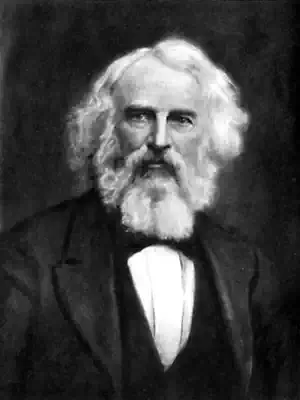
Henry Wadsworth Longfellow
Beowulf's Expedition To Heort
Beowulf's Expedition To Heort
Thus then, much care-worn,
The son of Healfden
Sorrowed evermore,
Nor might the prudent hero
His woes avert.
The war was too hard,
Too loath and longsome,
That on the people came,
Dire wrath and grim,
Of night-woes the worst.
This from home heard
Higelac's Thane,
Good among the Goths,
Grendel's deeds.
He was of mankind
In might the strongest,
At that day
Of this life,
Noble and stalwart.
He bade him a sea-ship,
A goodly one, prepare.
Quoth he, the war-king,
Over the swan's road,
Seek he would
The mighty monarch,
Since he wanted men.
For him that journey
His prudent fellows
Straight made ready,
Those that loved him.
They excited their souls,
The omen they beheld.
Had the good-man
Of the Gothic people
Champions chosen,
Of those that keenest
He might find,
Some fifteen men.
The sea-wood sought he.
The warrior showed,
Sea-crafty man!
The land-marks,
And first went forth.
The ship was on the waves,
Boat under the cliffs.
The barons ready
To the prow mounted.
The streams they whirled
The sea against the sands.
The chieftains bore
On the naked breast
Bright ornaments,
War-gear, Goth-like.
The men shoved off,
Men on their willing way,
The bounden wood.
Then went over the sea-waves,
Hurried by the wind,
The ship with foamy neck,
Most like a sea-fowl,
Till about one hour
Of the second day
The curved prow
Had passed onward
So that the sailors
The land saw,
The shore-cliffs shining,
Mountains steep,
And broad sea-noses.
Then was the sea-sailing
Of the Earl at an end.
Then up speedily
The Weather people
On the land went,
The sea-bark moored,
Their mail-sarks shook,
Their war-weeds.
God thanked they,
That to them the sea-journey
Easy had been.
Then from the wall beheld
The warden of the Scyldings,
He who the sea-cliffs
Had in his keeping,
Bear o'er the balks
The bright shields,
The war-weapons speedily.
Him the doubt disturbed
In his mind's thought,
What these men might be.
Went then to the shore,
On his steed riding,
The Thane of Hrothgar.
Before the host he shook
His warden's-staff in hand,
In measured words demanded:
'What men are ye
War-gear wearing,
Host in harness,
Who thus the brown keel
Over the water-street
Leading come
Hither over the sea?
I these boundaries
As shore-warden hold,
That in the Land of the Danes
Nothing loathsome
With a ship-crew
Scathe us might. . . .
Ne'er saw I mightier
Earl upon earth
Than is your own,
Hero in harness.
Not seldom this warrior
Is in weapons distinguished;
Never his beauty belies him,
His peerless countenance!
Now would I fain
Your origin know,
Ere ye forth
As false spies
Into the Land of the Danes
Farther fare.
Now, ye dwellers afar-off!
Ye sailors of the sea!
Listen to my
One-fold thought.
Quickest is best
To make known
Whence your coming may be.'
Thus then, much care-worn,
The son of Healfden
Sorrowed evermore,
Nor might the prudent hero
His woes avert.
The war was too hard,
Too loath and longsome,
That on the people came,
Dire wrath and grim,
Of night-woes the worst.
This from home heard
Higelac's Thane,
Good among the Goths,
Grendel's deeds.
He was of mankind
In might the strongest,
At that day
Of this life,
Noble and stalwart.
He bade him a sea-ship,
A goodly one, prepare.
Quoth he, the war-king,
Over the swan's road,
Seek he would
The mighty monarch,
Since he wanted men.
For him that journey
His prudent fellows
Straight made ready,
Those that loved him.
They excited their souls,
The omen they beheld.
Had the good-man
Of the Gothic people
Champions chosen,
Of those that keenest
He might find,
Some fifteen men.
The sea-wood sought he.
The warrior showed,
Sea-crafty man!
The land-marks,
And first went forth.
The ship was on the waves,
Boat under the cliffs.
The barons ready
To the prow mounted.
The streams they whirled
The sea against the sands.
The chieftains bore
On the naked breast
Bright ornaments,
War-gear, Goth-like.
The men shoved off,
Men on their willing way,
The bounden wood.
Then went over the sea-waves,
Hurried by the wind,
The ship with foamy neck,
Most like a sea-fowl,
Till about one hour
Of the second day
The curved prow
Had passed onward
So that the sailors
The land saw,
The shore-cliffs shining,
Mountains steep,
And broad sea-noses.
Then was the sea-sailing
Of the Earl at an end.
Then up speedily
The Weather people
On the land went,
The sea-bark moored,
Their mail-sarks shook,
Their war-weeds.
God thanked they,
That to them the sea-journey
Easy had been.
Then from the wall beheld
The warden of the Scyldings,
He who the sea-cliffs
Had in his keeping,
Bear o'er the balks
The bright shields,
The war-weapons speedily.
Him the doubt disturbed
In his mind's thought,
What these men might be.
Went then to the shore,
On his steed riding,
The Thane of Hrothgar.
Before the host he shook
His warden's-staff in hand,
In measured words demanded:
'What men are ye
War-gear wearing,
Host in harness,
Who thus the brown keel
Over the water-street
Leading come
Hither over the sea?
I these boundaries
As shore-warden hold,
That in the Land of the Danes
Nothing loathsome
With a ship-crew
Scathe us might. . . .
Ne'er saw I mightier
Earl upon earth
Than is your own,
Hero in harness.
Not seldom this warrior
Is in weapons distinguished;
Never his beauty belies him,
His peerless countenance!
Now would I fain
Your origin know,
Ere ye forth
As false spies
Into the Land of the Danes
Farther fare.
Now, ye dwellers afar-off!
Ye sailors of the sea!
Listen to my
One-fold thought.
Quickest is best
To make known
Whence your coming may be.'
431
Henry Wadsworth Longfellow
Beatrice. (From Dante. Purgatorio, XXX., XXXI.)
Beatrice. (From Dante. Purgatorio, XXX., XXXI.)
Even as the Blessed, at the final summons,
Shall rise up quickened, each one from his grave,
Wearing again the garments of the flesh,
So, upon that celestial chariot,
A hundred rose
ad vocem tanti senis
,
Ministers and messengers of life eternal.
They all were saying, '
Benedictus qui venis
,'
And scattering flowers above and round about,
'
Manibus o date lilia plenis
.'
Oft have I seen, at the approach of day,
The orient sky all stained with roseate hues,
And the other heaven with light serene adorned,
And the sun's face uprising, overshadowed,
So that, by temperate influence of vapors,
The eye sustained his aspect for long while;
Thus in the bosom of a cloud of flowers,
Which from those hands angelic were thrown up,
And down descended inside and without,
With crown of olive o'er a snow-white veil,
Appeared a lady, under a green mantle,
Vested in colors of the living flame.
. . . . . .
Even as the snow, among the living rafters
Upon the back of ltaly, congeals,
Blown on and beaten by Sclavonian winds,
And then, dissolving, filters through itself,
Whene'er the land, that loses shadow, breathes,
Like as a taper melts before a fire,
Even such I was, without a sigh or tear,
Before the song of those who chime forever
After the chiming of the eternal spheres;
But, when I heard in those sweet melodies
Compassion for me, more than had they said,
'O wherefore, lady, dost thou thus consume him?'
The ice, that was about my heart congealed,
To air and water changed, and, in my anguish,
Through lips and eyes came gushing from my breast.
. . . . . .
Confusion and dismay, together mingled,
Forced such a feeble 'Yes!' out of my mouth,
To understand it one had need of sight.
Even as a cross-bow breaks, when 't is discharged,
Too tensely drawn the bow-string and the bow,
And with less force the arrow hits the mark;
So I gave way beneath this heavy burden,
Gushing forth into bitter tears and sighs,
And the voice, fainting, flagged upon its passage.
Even as the Blessed, at the final summons,
Shall rise up quickened, each one from his grave,
Wearing again the garments of the flesh,
So, upon that celestial chariot,
A hundred rose
ad vocem tanti senis
,
Ministers and messengers of life eternal.
They all were saying, '
Benedictus qui venis
,'
And scattering flowers above and round about,
'
Manibus o date lilia plenis
.'
Oft have I seen, at the approach of day,
The orient sky all stained with roseate hues,
And the other heaven with light serene adorned,
And the sun's face uprising, overshadowed,
So that, by temperate influence of vapors,
The eye sustained his aspect for long while;
Thus in the bosom of a cloud of flowers,
Which from those hands angelic were thrown up,
And down descended inside and without,
With crown of olive o'er a snow-white veil,
Appeared a lady, under a green mantle,
Vested in colors of the living flame.
. . . . . .
Even as the snow, among the living rafters
Upon the back of ltaly, congeals,
Blown on and beaten by Sclavonian winds,
And then, dissolving, filters through itself,
Whene'er the land, that loses shadow, breathes,
Like as a taper melts before a fire,
Even such I was, without a sigh or tear,
Before the song of those who chime forever
After the chiming of the eternal spheres;
But, when I heard in those sweet melodies
Compassion for me, more than had they said,
'O wherefore, lady, dost thou thus consume him?'
The ice, that was about my heart congealed,
To air and water changed, and, in my anguish,
Through lips and eyes came gushing from my breast.
. . . . . .
Confusion and dismay, together mingled,
Forced such a feeble 'Yes!' out of my mouth,
To understand it one had need of sight.
Even as a cross-bow breaks, when 't is discharged,
Too tensely drawn the bow-string and the bow,
And with less force the arrow hits the mark;
So I gave way beneath this heavy burden,
Gushing forth into bitter tears and sighs,
And the voice, fainting, flagged upon its passage.
342
Henry Wadsworth Longfellow
Autumnal Nightfall
Autumnal Nightfall
Round Autumn's mouldering urn
Loud mourns the chill and cheerless gale,
When nightfall shades the quiet vale
And stars in beauty burn.
'Tis the year's eventide.
The wind, like one that sighs in pain
O?er joys that ne'er will bloom again
Mourns on the far hillside.
And yet my pensive eye
Rests on the faint blue mountain long;
And for the fairy-land of song,
That lies beyond, I sigh.
The moon unveils her brow;
In the mid-sky her urn glows bright,
And in her sad and mellowing light
The valley sleeps below.
Upon the hazel gray
The lyre of Autumn hangs unstrung
And o?er its tremulous chords are flung
The fringes of decay.
I stand deep musing here,
Beneath the dark and motionless beech,
Whilst wandering winds of nightfall reach
My melancholy ear.
The air breathes chill and free:
A spirit in soft music calls
From Autumn's gray and moss-grown halls,
And round her withered tree.
The hoar and mantled oak,
With moss and twisted ivy brown,
Bends in its lifeless beauty down
Where weeds the fountain choke.
That fountain's hollow voice
Echoes the sound of precious things;
Of early feeling's tuneful springs
Choked with our blighted joys.
Leaves, that the night-wind bears
To earth's cold bosom with a sign,
Are types of our mortality,
And of our fading years.
The tree that shades the plain,
Wasting and hoar as time decays,
Spring shall renew with cheerful days,--
But not my joys again.
Round Autumn's mouldering urn
Loud mourns the chill and cheerless gale,
When nightfall shades the quiet vale
And stars in beauty burn.
'Tis the year's eventide.
The wind, like one that sighs in pain
O?er joys that ne'er will bloom again
Mourns on the far hillside.
And yet my pensive eye
Rests on the faint blue mountain long;
And for the fairy-land of song,
That lies beyond, I sigh.
The moon unveils her brow;
In the mid-sky her urn glows bright,
And in her sad and mellowing light
The valley sleeps below.
Upon the hazel gray
The lyre of Autumn hangs unstrung
And o?er its tremulous chords are flung
The fringes of decay.
I stand deep musing here,
Beneath the dark and motionless beech,
Whilst wandering winds of nightfall reach
My melancholy ear.
The air breathes chill and free:
A spirit in soft music calls
From Autumn's gray and moss-grown halls,
And round her withered tree.
The hoar and mantled oak,
With moss and twisted ivy brown,
Bends in its lifeless beauty down
Where weeds the fountain choke.
That fountain's hollow voice
Echoes the sound of precious things;
Of early feeling's tuneful springs
Choked with our blighted joys.
Leaves, that the night-wind bears
To earth's cold bosom with a sign,
Are types of our mortality,
And of our fading years.
The tree that shades the plain,
Wasting and hoar as time decays,
Spring shall renew with cheerful days,--
But not my joys again.
494
Henry Wadsworth Longfellow
Autumnal Nightfall
Autumnal Nightfall
Round Autumn's mouldering urn
Loud mourns the chill and cheerless gale,
When nightfall shades the quiet vale
And stars in beauty burn.
'Tis the year's eventide.
The wind, like one that sighs in pain
O?er joys that ne'er will bloom again
Mourns on the far hillside.
And yet my pensive eye
Rests on the faint blue mountain long;
And for the fairy-land of song,
That lies beyond, I sigh.
The moon unveils her brow;
In the mid-sky her urn glows bright,
And in her sad and mellowing light
The valley sleeps below.
Upon the hazel gray
The lyre of Autumn hangs unstrung
And o?er its tremulous chords are flung
The fringes of decay.
I stand deep musing here,
Beneath the dark and motionless beech,
Whilst wandering winds of nightfall reach
My melancholy ear.
The air breathes chill and free:
A spirit in soft music calls
From Autumn's gray and moss-grown halls,
And round her withered tree.
The hoar and mantled oak,
With moss and twisted ivy brown,
Bends in its lifeless beauty down
Where weeds the fountain choke.
That fountain's hollow voice
Echoes the sound of precious things;
Of early feeling's tuneful springs
Choked with our blighted joys.
Leaves, that the night-wind bears
To earth's cold bosom with a sign,
Are types of our mortality,
And of our fading years.
The tree that shades the plain,
Wasting and hoar as time decays,
Spring shall renew with cheerful days,--
But not my joys again.
Round Autumn's mouldering urn
Loud mourns the chill and cheerless gale,
When nightfall shades the quiet vale
And stars in beauty burn.
'Tis the year's eventide.
The wind, like one that sighs in pain
O?er joys that ne'er will bloom again
Mourns on the far hillside.
And yet my pensive eye
Rests on the faint blue mountain long;
And for the fairy-land of song,
That lies beyond, I sigh.
The moon unveils her brow;
In the mid-sky her urn glows bright,
And in her sad and mellowing light
The valley sleeps below.
Upon the hazel gray
The lyre of Autumn hangs unstrung
And o?er its tremulous chords are flung
The fringes of decay.
I stand deep musing here,
Beneath the dark and motionless beech,
Whilst wandering winds of nightfall reach
My melancholy ear.
The air breathes chill and free:
A spirit in soft music calls
From Autumn's gray and moss-grown halls,
And round her withered tree.
The hoar and mantled oak,
With moss and twisted ivy brown,
Bends in its lifeless beauty down
Where weeds the fountain choke.
That fountain's hollow voice
Echoes the sound of precious things;
Of early feeling's tuneful springs
Choked with our blighted joys.
Leaves, that the night-wind bears
To earth's cold bosom with a sign,
Are types of our mortality,
And of our fading years.
The tree that shades the plain,
Wasting and hoar as time decays,
Spring shall renew with cheerful days,--
But not my joys again.
494
Henry Wadsworth Longfellow
Arrow and the Song, The
Arrow and the Song, The
I shot an arrow into the air,
It fell to earth, I knew not where;
For, so swiftly it flew, the sight
Could not follow it in its flight.
I breathed a song into the air,
It fell to earth, I knew not where;
For who has sight so keen and strong,
That it can follow the flight of song?
Long, long afterward, in an oak
I found the arrow, still unbroke;
And the song, from beginning to end,
I found again in the heart of a friend.
I shot an arrow into the air,
It fell to earth, I knew not where;
For, so swiftly it flew, the sight
Could not follow it in its flight.
I breathed a song into the air,
It fell to earth, I knew not where;
For who has sight so keen and strong,
That it can follow the flight of song?
Long, long afterward, in an oak
I found the arrow, still unbroke;
And the song, from beginning to end,
I found again in the heart of a friend.
519
Henry Wadsworth Longfellow
Allah. (From The German Of Mahlmann)
Allah. (From The German Of Mahlmann)
Allah gives light in darkness,
Allah gives rest in pain,
Cheeks that are white with weeping
Allah paints red again.
The flowers and the blossoms wither,
Years vanish with flying fleet;
But my heart will live on forever,
That here in sadness beat.
Gladly to Allah's dwelling
Yonder would I take flight;
There will the darkness vanish,
There will my eyes have sight.
Allah gives light in darkness,
Allah gives rest in pain,
Cheeks that are white with weeping
Allah paints red again.
The flowers and the blossoms wither,
Years vanish with flying fleet;
But my heart will live on forever,
That here in sadness beat.
Gladly to Allah's dwelling
Yonder would I take flight;
There will the darkness vanish,
There will my eyes have sight.
363
Henry Wadsworth Longfellow
Allah. (From The German Of Mahlmann)
Allah. (From The German Of Mahlmann)
Allah gives light in darkness,
Allah gives rest in pain,
Cheeks that are white with weeping
Allah paints red again.
The flowers and the blossoms wither,
Years vanish with flying fleet;
But my heart will live on forever,
That here in sadness beat.
Gladly to Allah's dwelling
Yonder would I take flight;
There will the darkness vanish,
There will my eyes have sight.
Allah gives light in darkness,
Allah gives rest in pain,
Cheeks that are white with weeping
Allah paints red again.
The flowers and the blossoms wither,
Years vanish with flying fleet;
But my heart will live on forever,
That here in sadness beat.
Gladly to Allah's dwelling
Yonder would I take flight;
There will the darkness vanish,
There will my eyes have sight.
363
Henry Wadsworth Longfellow
A Wraith In The Mist. (Birds Of Passage. Flight The Fifth)
A Wraith In The Mist. (Birds Of Passage. Flight The Fifth)
On the green little isle of Inchkenneth,
Who is it that walks by the shore,
So gay with his Highland blue bonnet,
So brave with his targe and claymore?
His form is the form of a giant,
But his face wears an aspect of pain;
Can this be the Laird of Inchkenneth?
Can this be Sir Allan McLean?
Ah, no! It is only the Rambler,
The Idler, who lives in Bolt Court,
And who says, were he Laird of Inchkenneth,
He would wall himself round with a fort.
On the green little isle of Inchkenneth,
Who is it that walks by the shore,
So gay with his Highland blue bonnet,
So brave with his targe and claymore?
His form is the form of a giant,
But his face wears an aspect of pain;
Can this be the Laird of Inchkenneth?
Can this be Sir Allan McLean?
Ah, no! It is only the Rambler,
The Idler, who lives in Bolt Court,
And who says, were he Laird of Inchkenneth,
He would wall himself round with a fort.
328
Henry Wadsworth Longfellow
Afternoon in February
Afternoon in February
The day is ending,
The night is descending;
The marsh is frozen,
The river dead.
Through clouds like ashes
The red sun flashes
On village windows
That glimmer red.
The snow recommences;
The buried fences
Mark no longer
The road o'er the plain;
While through the meadows,
Like fearful shadows,
Slowly passes
A funeral train.
The bell is pealing,
And every feeling
Within me responds
To the dismal knell;
Shadows are trailing,
My heart is bewailing
And tolling within
Like a funeral bell.
The day is ending,
The night is descending;
The marsh is frozen,
The river dead.
Through clouds like ashes
The red sun flashes
On village windows
That glimmer red.
The snow recommences;
The buried fences
Mark no longer
The road o'er the plain;
While through the meadows,
Like fearful shadows,
Slowly passes
A funeral train.
The bell is pealing,
And every feeling
Within me responds
To the dismal knell;
Shadows are trailing,
My heart is bewailing
And tolling within
Like a funeral bell.
385
Henry Wadsworth Longfellow
A Song Of Savoy
A Song Of Savoy
As the dim twilight shrouds
The mountain's purple crest,
And Summer's white and folded clouds
Are glowing in the west,
Loud shouts come up the rocky dell,
And voices hail the evening-bell.
Faint is the goatherd's song,
And sighing comes the breeze;
The silent river sweeps along
Amid its bending trees -
And the full moon shines faintly there,
And music fills the evening air.
Beneath the waving firs
The tinkling cymbals sound;
And as the wind the foliage stirs,
I see the dancers bound
Where the green branches, arched above,
Bend over this fair scene of love.
And he is there, that sought
My young heart long ago!
But he has left me - though I thought
He ne'er could leave me so.
Ah! lover's vows - how frail are they!
And his - were made but yesterday.
Why comes he not? I call
In tears upon him yet;
'Twere better ne'er to love at all,
Than love, and then forget!
Why comes he not? Alas! I should
Reclaim him still, if weeping could.
But see - he leaves the glade,
And beckons me away:
He comes to seek his mountain maid!
I cannot chide his stay.
Glad sounds along the valley swell,
And voices hail the evening-bell.
As the dim twilight shrouds
The mountain's purple crest,
And Summer's white and folded clouds
Are glowing in the west,
Loud shouts come up the rocky dell,
And voices hail the evening-bell.
Faint is the goatherd's song,
And sighing comes the breeze;
The silent river sweeps along
Amid its bending trees -
And the full moon shines faintly there,
And music fills the evening air.
Beneath the waving firs
The tinkling cymbals sound;
And as the wind the foliage stirs,
I see the dancers bound
Where the green branches, arched above,
Bend over this fair scene of love.
And he is there, that sought
My young heart long ago!
But he has left me - though I thought
He ne'er could leave me so.
Ah! lover's vows - how frail are they!
And his - were made but yesterday.
Why comes he not? I call
In tears upon him yet;
'Twere better ne'er to love at all,
Than love, and then forget!
Why comes he not? Alas! I should
Reclaim him still, if weeping could.
But see - he leaves the glade,
And beckons me away:
He comes to seek his mountain maid!
I cannot chide his stay.
Glad sounds along the valley swell,
And voices hail the evening-bell.
331
Henry Wadsworth Longfellow
A Psalm of Life
A Psalm of Life
Tell me not in mournful numbers,
Life is but an empty dream!
For the soul is dead that slumbers,
And things are not what they seem.
Life is real! Life is earnest!
And the grave is not its goal;
Dust thou are, to dust thou returnest,
Was not spoken of the soul.
Not enjoyment, and not sorrow,
Is our destined end or way;
But to act, that each tomorrow
Find us farther than today.
Art is long, and Time is fleeting,
And our hearts, though stout and brave,
Still, like muffled drums, are beating
Funeral marches to the grave.
In the world's broad field of battle,
In the bivouac of Life,
Be not like dumb, driven cattle!
Be a hero in the strife!
Trust no Future, howe'er pleasant!
Let the dead Past bury its dead!
Act, - act in the living Present!
Heart within, and God o'erhead!
Lives of great men all remind us
We can make our lives sublime,
And, departing, leave behind us
Footprints on the sand of time;
Footprints, that perhaps another,
Sailing o'er life's solenm main,
A forlorn and shipwrecked brother,
Seeing, shall take heart again.
Let us then be up and doing,
With a heart for any fate;
Still achieving, still pursuing,
Learn to labor and to wait.
Tell me not in mournful numbers,
Life is but an empty dream!
For the soul is dead that slumbers,
And things are not what they seem.
Life is real! Life is earnest!
And the grave is not its goal;
Dust thou are, to dust thou returnest,
Was not spoken of the soul.
Not enjoyment, and not sorrow,
Is our destined end or way;
But to act, that each tomorrow
Find us farther than today.
Art is long, and Time is fleeting,
And our hearts, though stout and brave,
Still, like muffled drums, are beating
Funeral marches to the grave.
In the world's broad field of battle,
In the bivouac of Life,
Be not like dumb, driven cattle!
Be a hero in the strife!
Trust no Future, howe'er pleasant!
Let the dead Past bury its dead!
Act, - act in the living Present!
Heart within, and God o'erhead!
Lives of great men all remind us
We can make our lives sublime,
And, departing, leave behind us
Footprints on the sand of time;
Footprints, that perhaps another,
Sailing o'er life's solenm main,
A forlorn and shipwrecked brother,
Seeing, shall take heart again.
Let us then be up and doing,
With a heart for any fate;
Still achieving, still pursuing,
Learn to labor and to wait.
746
Henry Wadsworth Longfellow
A Gleam of Sunshine
A Gleam of Sunshine
This is the place. Stand still, my steed,
Let me review the scene,
And summon from the shadowy Past
The forms that once have been.
The Past and Present here unite
Beneath Time's flowing tide,
Like footprints hidden by a brook,
But seen on either side.
Here runs the highway to the town;
There the green lane descends,
Through which I walked to church with thee,
O gentlest of my friends!
The shadow of the linden-trees
Lay moving on the grass;
Between them and the moving boughs,
A shadow, thou didst pass.
Thy dress was like the lilies,
And thy heart as pure as they:
One of God's holy messengers
Did walk with me that day.
I saw the branches of the trees
Bend down thy touch to meet,
The clover-blossoms in the grass
Rise up to kiss thy feet,
"Sleep, sleep to-day, tormenting cares,
Of earth and folly born!"
Solemnly sang the village choir
On that sweet Sabbath morn.
Through the closed blinds the golden sun
Poured in a dusty beam,
Like the celestial ladder seen
By Jacob in his dream.
And ever and anon, the wind,
Sweet-scented with the hay,
Turned o'er the hymn-book's fluttering leaves
That on the window lay.
Long was the good man's sermon,
Yet it seemed not so to me;
For he spake of Ruth the beautiful,
And still I thought of thee.
Long was the prayer he uttered,
Yet it seemed not so to me;
For in my heart I prayed with him,
And still I thought of thee.
But now, alas! the place seems changed;
Thou art no longer here:
Part of the sunshine of the scene
With thee did disappear.
Though thoughts, deep-rooted in my heart,
Like pine-trees dark and high,
Subdue the light of noon, and breathe
A low and ceaseless sigh;
This memory brightens o'er the past,
As when the sun, concealed
Behind some cloud that near us hangs
Shines on a distant field.
This is the place. Stand still, my steed,
Let me review the scene,
And summon from the shadowy Past
The forms that once have been.
The Past and Present here unite
Beneath Time's flowing tide,
Like footprints hidden by a brook,
But seen on either side.
Here runs the highway to the town;
There the green lane descends,
Through which I walked to church with thee,
O gentlest of my friends!
The shadow of the linden-trees
Lay moving on the grass;
Between them and the moving boughs,
A shadow, thou didst pass.
Thy dress was like the lilies,
And thy heart as pure as they:
One of God's holy messengers
Did walk with me that day.
I saw the branches of the trees
Bend down thy touch to meet,
The clover-blossoms in the grass
Rise up to kiss thy feet,
"Sleep, sleep to-day, tormenting cares,
Of earth and folly born!"
Solemnly sang the village choir
On that sweet Sabbath morn.
Through the closed blinds the golden sun
Poured in a dusty beam,
Like the celestial ladder seen
By Jacob in his dream.
And ever and anon, the wind,
Sweet-scented with the hay,
Turned o'er the hymn-book's fluttering leaves
That on the window lay.
Long was the good man's sermon,
Yet it seemed not so to me;
For he spake of Ruth the beautiful,
And still I thought of thee.
Long was the prayer he uttered,
Yet it seemed not so to me;
For in my heart I prayed with him,
And still I thought of thee.
But now, alas! the place seems changed;
Thou art no longer here:
Part of the sunshine of the scene
With thee did disappear.
Though thoughts, deep-rooted in my heart,
Like pine-trees dark and high,
Subdue the light of noon, and breathe
A low and ceaseless sigh;
This memory brightens o'er the past,
As when the sun, concealed
Behind some cloud that near us hangs
Shines on a distant field.
441
Henry Wadsworth Longfellow
A Day Of Sunshine. (Birds Of Passage. Flight The Second)
A Day Of Sunshine. (Birds Of Passage. Flight The Second)
O gift of God! O perfect day:
Whereon shall no man work, but play;
Whereon it is enough for me,
Not to be doing, but to be!
Through every fibre of my brain,
Through every nerve, through every vein,
I feel the electric thrill, the touch
Of life, that seems almost too much.
I hear the wind among the trees
Playing celestial symphonies;
I see the branches downward bent,
Like keys of some great instrument.
And over me unrolls on high
The splendid scenery of the sky,
Where though a sapphire sea the sun
Sails like a golden galleon,
Towards yonder cloud-land in the West,
Towards yonder Islands of the Blest,
Whose steep sierra far uplifts
Its craggy summits white with drifts.
Blow, winds! and waft through all the rooms
The snow-flakes of the cherry-blooms!
Blow, winds! and bend within my reach
The fiery blossoms of the peach!
O Life and Love! O happy throng
Of thoughts, whose only speech is song!
O heart of man! canst thou not be
Blithe as the air is, and as free?
O gift of God! O perfect day:
Whereon shall no man work, but play;
Whereon it is enough for me,
Not to be doing, but to be!
Through every fibre of my brain,
Through every nerve, through every vein,
I feel the electric thrill, the touch
Of life, that seems almost too much.
I hear the wind among the trees
Playing celestial symphonies;
I see the branches downward bent,
Like keys of some great instrument.
And over me unrolls on high
The splendid scenery of the sky,
Where though a sapphire sea the sun
Sails like a golden galleon,
Towards yonder cloud-land in the West,
Towards yonder Islands of the Blest,
Whose steep sierra far uplifts
Its craggy summits white with drifts.
Blow, winds! and waft through all the rooms
The snow-flakes of the cherry-blooms!
Blow, winds! and bend within my reach
The fiery blossoms of the peach!
O Life and Love! O happy throng
Of thoughts, whose only speech is song!
O heart of man! canst thou not be
Blithe as the air is, and as free?
337
Henry Van Dyke
Work
Work
Let me but do my work from day to day,
In field or forest, at the desk or loom,
In roaring market-place or tranquil room;
Let me but find it in my heart to say,
When vagrant wishes beckon me astray,
"This is my work; my blessing, not my doom;
"Of all who live, I am the one by whom
"This work can best be done in the right way."
Then shall I see it not too great, nor small,
To suit my spirit and to prove my powers;
Then shall I cheerful greet the labouring hours,
And cheerful turn, when the long shadows fall
At eventide, to play and love and rest,
Because I know for me my work is best.
Let me but do my work from day to day,
In field or forest, at the desk or loom,
In roaring market-place or tranquil room;
Let me but find it in my heart to say,
When vagrant wishes beckon me astray,
"This is my work; my blessing, not my doom;
"Of all who live, I am the one by whom
"This work can best be done in the right way."
Then shall I see it not too great, nor small,
To suit my spirit and to prove my powers;
Then shall I cheerful greet the labouring hours,
And cheerful turn, when the long shadows fall
At eventide, to play and love and rest,
Because I know for me my work is best.
336
Henry Van Dyke
Without Disguise
Without Disguise
If I have erred in showing all my heart,
And lost your favour by a lack of pride;
If standing like a beggar at your side
With naked feet, I have forgot the art
Of those who bargain well in passion's mart,
And win the thing they want by what they hide;
Be mine the fault as mine the hope denied,
Be mine the lover's and the loser's part.
The sin, if sin it was, I do repent,
And take the penance on myself alone;
Yet after I have borne the punishment,
I shall not fear to stand before the throne
Of Love with open heart, and make this plea:
"At least I have not lied to her nor Thee!"
If I have erred in showing all my heart,
And lost your favour by a lack of pride;
If standing like a beggar at your side
With naked feet, I have forgot the art
Of those who bargain well in passion's mart,
And win the thing they want by what they hide;
Be mine the fault as mine the hope denied,
Be mine the lover's and the loser's part.
The sin, if sin it was, I do repent,
And take the penance on myself alone;
Yet after I have borne the punishment,
I shall not fear to stand before the throne
Of Love with open heart, and make this plea:
"At least I have not lied to her nor Thee!"
347
Henry Van Dyke
Without Disguise
Without Disguise
If I have erred in showing all my heart,
And lost your favour by a lack of pride;
If standing like a beggar at your side
With naked feet, I have forgot the art
Of those who bargain well in passion's mart,
And win the thing they want by what they hide;
Be mine the fault as mine the hope denied,
Be mine the lover's and the loser's part.
The sin, if sin it was, I do repent,
And take the penance on myself alone;
Yet after I have borne the punishment,
I shall not fear to stand before the throne
Of Love with open heart, and make this plea:
"At least I have not lied to her nor Thee!"
If I have erred in showing all my heart,
And lost your favour by a lack of pride;
If standing like a beggar at your side
With naked feet, I have forgot the art
Of those who bargain well in passion's mart,
And win the thing they want by what they hide;
Be mine the fault as mine the hope denied,
Be mine the lover's and the loser's part.
The sin, if sin it was, I do repent,
And take the penance on myself alone;
Yet after I have borne the punishment,
I shall not fear to stand before the throne
Of Love with open heart, and make this plea:
"At least I have not lied to her nor Thee!"
347
Henry Van Dyke
Victor Hugo
Victor Hugo
Heart of France for a hundred years,
Passionate, sensitive, proud, and strong,
Quick to throb with her hopes and fears,
Fierce to flame with her sense of wrong!
You, who hailed with a morning song
Dream-light gilding a throne of old:
You, who turned when the dream grew cold,
Singing still, to the light that shone
Pure from Liberty's ancient throne,
Over the human throng!
You, who dared in the dark eclipse,--
When the pygmy heir of a giant name
Dimmed the face of the land with shame,--
Speak the truth with indignant lips,
Call him little whom men called great,
Scoff at him, scorn him, deny him,
Point to the blood on his robe of state,
Fling back his bribes and defy him!
You, who fronted the waves of fate
As you faced the sea from your island home,
Exiled, yet with a soul elate,
Sending songs o'er the rolling foam,
Bidding the heart of man to wait
For the day when all should see
Floods of wrath from the frowning skies
Fall on an Empire founded in lies,
And France again be free!
You, who came in the Terrible Year
Swiftly back to your broken land,
Now to your heart a thousand times more dear,--
Prayed for her, sung to her, fought for her,
Patiently, fervently wrought for her,
Till once again,
After the storm of fear and pain,
High in the heavens the star of France stood clear!
You, who knew that a man must take
Good and ill with a steadfast soul,
Holding fast, while the billows roll
Over his head, to the things that make
Life worth living for great and small,--
Honour and pity and truth,
The heart and the hope of youth,
And the good God over all!
You, to whom work was rest,
Dauntless Toiler of the Sea,
Following ever the joyful quest
Of beauty on the shores of old Romance,
Bard of the poor of France,
And warrior-priest of world-wide charity!
You who loved little children best
Of all the poets that ever sung,
Great heart, golden heart,
Old, and yet ever young,
Minstrel of liberty,
Lover of all free, winged things,
Now at last you are free,--
Your soul has its wings!
Heart of France for a hundred years,
Floating far in the light that never fails you,
Over the turmoil of mortal hopes and fears
Victor, forever victor, the whole world hails you!
Heart of France for a hundred years,
Passionate, sensitive, proud, and strong,
Quick to throb with her hopes and fears,
Fierce to flame with her sense of wrong!
You, who hailed with a morning song
Dream-light gilding a throne of old:
You, who turned when the dream grew cold,
Singing still, to the light that shone
Pure from Liberty's ancient throne,
Over the human throng!
You, who dared in the dark eclipse,--
When the pygmy heir of a giant name
Dimmed the face of the land with shame,--
Speak the truth with indignant lips,
Call him little whom men called great,
Scoff at him, scorn him, deny him,
Point to the blood on his robe of state,
Fling back his bribes and defy him!
You, who fronted the waves of fate
As you faced the sea from your island home,
Exiled, yet with a soul elate,
Sending songs o'er the rolling foam,
Bidding the heart of man to wait
For the day when all should see
Floods of wrath from the frowning skies
Fall on an Empire founded in lies,
And France again be free!
You, who came in the Terrible Year
Swiftly back to your broken land,
Now to your heart a thousand times more dear,--
Prayed for her, sung to her, fought for her,
Patiently, fervently wrought for her,
Till once again,
After the storm of fear and pain,
High in the heavens the star of France stood clear!
You, who knew that a man must take
Good and ill with a steadfast soul,
Holding fast, while the billows roll
Over his head, to the things that make
Life worth living for great and small,--
Honour and pity and truth,
The heart and the hope of youth,
And the good God over all!
You, to whom work was rest,
Dauntless Toiler of the Sea,
Following ever the joyful quest
Of beauty on the shores of old Romance,
Bard of the poor of France,
And warrior-priest of world-wide charity!
You who loved little children best
Of all the poets that ever sung,
Great heart, golden heart,
Old, and yet ever young,
Minstrel of liberty,
Lover of all free, winged things,
Now at last you are free,--
Your soul has its wings!
Heart of France for a hundred years,
Floating far in the light that never fails you,
Over the turmoil of mortal hopes and fears
Victor, forever victor, the whole world hails you!
376
Henry Van Dyke
Undine
Undine
'T was far away and long ago,
When I was but a dreaming boy,
This fairy tale of love and woe
Entranced my heart with tearful joy;
And while with white Undine I wept,
Your spirit, -- ah, how strange it seems, --
Was cradled in some star, and slept,
Unconscious of her coming dreams.
'T was far away and long ago,
When I was but a dreaming boy,
This fairy tale of love and woe
Entranced my heart with tearful joy;
And while with white Undine I wept,
Your spirit, -- ah, how strange it seems, --
Was cradled in some star, and slept,
Unconscious of her coming dreams.
345
Henry Van Dyke
Undine
Undine
'T was far away and long ago,
When I was but a dreaming boy,
This fairy tale of love and woe
Entranced my heart with tearful joy;
And while with white Undine I wept,
Your spirit, -- ah, how strange it seems, --
Was cradled in some star, and slept,
Unconscious of her coming dreams.
'T was far away and long ago,
When I was but a dreaming boy,
This fairy tale of love and woe
Entranced my heart with tearful joy;
And while with white Undine I wept,
Your spirit, -- ah, how strange it seems, --
Was cradled in some star, and slept,
Unconscious of her coming dreams.
345
Henry Van Dyke
To James Whitcomb Riley
To James Whitcomb Riley
On his "Book of Joyous Children"
Yours is a garden of old-fashioned flowers;
Joyous children delight to play there;
Weary men find rest in its bowers,
Watching the lingering light of day there.
Old-time tunes and young love's laughter
Ripple and run among the roses;
Memory's echoes, murmuring after,
Fill the dusk when the long day closes.
Simple songs with a cadence olden--
These you learned in the Forest of Arden:
Friendly flowers with hearts all golden--
These you borrowed from Eden's garden.
This is the reason why all men love you;
Truth to life is the charm of art:
Other poets may soar above you--
You keep close to the human heart.
On his "Book of Joyous Children"
Yours is a garden of old-fashioned flowers;
Joyous children delight to play there;
Weary men find rest in its bowers,
Watching the lingering light of day there.
Old-time tunes and young love's laughter
Ripple and run among the roses;
Memory's echoes, murmuring after,
Fill the dusk when the long day closes.
Simple songs with a cadence olden--
These you learned in the Forest of Arden:
Friendly flowers with hearts all golden--
These you borrowed from Eden's garden.
This is the reason why all men love you;
Truth to life is the charm of art:
Other poets may soar above you--
You keep close to the human heart.
295
Henry Van Dyke
Thomas Bailey Aldrich
Thomas Bailey Aldrich
I
BIRTHDAY VERSES
Dear Aldrich, now November's mellow days
Have brought another Festa round to you,
You can't refuse a loving-cup of praise
From friends the fleeting years have bound to you.
Here come your Marjorie Daw, your dear Bad Boy,
Prudence, and Judith the Bethulian,
And many more, to wish you birthday joy,
And sunny hours, and sky caerulean!
Your children all, they hurry to your den,
With wreaths of honour they have won for you,
To merry-make your threescore years and ten.
You, old? Why, life has just begun for you!
There's many a reader whom your silver songs
And crystal stories cheer in loneliness.
What though the newer writers come in throngs?
You're sure to keep your charm of only-ness.
You do your work with careful, loving touch, --
An artist to the very core of you, --
You know the magic spell of "not-too-much ":
We read, -- and wish that there was more of you.
And more there is: for while we love your books
Because their subtle skill is part of you;
We love you better, for our friendship looks
Behind them to the human heart of you.
November 24, 1906.
II
MEMORIAL SONNET
THIS is the house where little Aldrich read
The early pages of Life's wonder-book:
With boyish pleasure, in this ingle-nook
He watched the drift-wood fire of Fancy spread
Bright colours on the pictures, blue and red:
Boy-like he skipped the longer words, and took
His happy way, with searching, dreamful look
Among the deeper things more simply said.
Then, came his turn to write: and still the flame
Of Fancy played through all the tales he told,
And still he won the laurelled poet's fame
With simple words wrought into rhymes of gold.
Look, here's the face to which this house is frame, --
A man too wise to let his heart grow old!
I
BIRTHDAY VERSES
Dear Aldrich, now November's mellow days
Have brought another Festa round to you,
You can't refuse a loving-cup of praise
From friends the fleeting years have bound to you.
Here come your Marjorie Daw, your dear Bad Boy,
Prudence, and Judith the Bethulian,
And many more, to wish you birthday joy,
And sunny hours, and sky caerulean!
Your children all, they hurry to your den,
With wreaths of honour they have won for you,
To merry-make your threescore years and ten.
You, old? Why, life has just begun for you!
There's many a reader whom your silver songs
And crystal stories cheer in loneliness.
What though the newer writers come in throngs?
You're sure to keep your charm of only-ness.
You do your work with careful, loving touch, --
An artist to the very core of you, --
You know the magic spell of "not-too-much ":
We read, -- and wish that there was more of you.
And more there is: for while we love your books
Because their subtle skill is part of you;
We love you better, for our friendship looks
Behind them to the human heart of you.
November 24, 1906.
II
MEMORIAL SONNET
THIS is the house where little Aldrich read
The early pages of Life's wonder-book:
With boyish pleasure, in this ingle-nook
He watched the drift-wood fire of Fancy spread
Bright colours on the pictures, blue and red:
Boy-like he skipped the longer words, and took
His happy way, with searching, dreamful look
Among the deeper things more simply said.
Then, came his turn to write: and still the flame
Of Fancy played through all the tales he told,
And still he won the laurelled poet's fame
With simple words wrought into rhymes of gold.
Look, here's the face to which this house is frame, --
A man too wise to let his heart grow old!
299
Henry Van Dyke
The White Bees
The White Bees
I
LEGEND
Long ago Apollo called to Aristæus,
youngest of the shepherds,
Saying, "I will make you keeper of my bees."
Golden were the hives, and golden was the honey;
golden, too, the music,
Where the honey-makers hummed among the trees.
Happy Aristæus loitered in the garden, wandered
in the orchard,
Careless and contented, indolent and free;
Lightly took his labour, lightly took his pleasure,
till the fated moment
When across his pathway came Eurydice.
Then her eyes enkindled burning love within him;
drove him wild with longing,
For the perfect sweetness of her flower-like face;
Eagerly he followed, while she fled before him,
over mead and mountain,
On through field and forest, in a breathless race.
But the nymph, in flying, trod upon a serpent;
like a dream she vanished;
Pluto's chariot bore her down among the dead;
Lonely Aristæus, sadly home returning, found his
garden empty,
All the hives deserted, all the music fled.
Mournfully bewailing, -- "ah, my honey-makers,
where have you departed?" --
Far and wide he sought them, over sea and shore;
Foolish is the tale that says he ever found them,
brought them home in triumph,
Joys that once escape us fly for evermore.
Yet I dream that somewhere, clad in downy
whiteness, dwell the honey-makers,
In aerial gardens that no mortal sees:
And at times returning, lo, they flutter round us,
gathering mystic harvest,
So I weave the legend of the long-lost bees.
II
THE SWARMING OF THE BEES
I
WHO can tell the hiding of the white bees' nest?
Who can trace the guiding of their swift home flight?
Far would be his riding on a life-long quest:
Surely ere it ended would his beard grow white.
Never in the coming of the rose-red Spring,
Never in the passing of the wine-red Fall,
May you hear the humming of the white bee's wing
Murmur o'er the meadow, ere the night bells call.
Wait till winter hardens in the cold grey sky,
Wait till leaves are fallen and the brooks all freeze,
Then above the gardens where the dead flowers lie,
Swarm the merry millions of the wild white bees.
II
Out of the high-built airy hive,
Deep in the clouds that veil the sun,
Look how the first of the swarm arrive;
Timidly venturing, one by one,
Down through the tranquil air,
Wavering here and there,
Large, and lazy in flight, --
Caught by a lift of the breeze,
Tangled among the naked trees, --
Dropping then, without a sound,
Feather-white, feather-light,
To their rest on the ground.
III
Thus the swarming is begun.
Count the leaders, every one
Perfect as a perfect star
Till the slow descent is done.
Look beyond them, see how far
Down the vistas dim and grey,
Multitudes are on the way.
Now a sudden brightness
Dawns within the sombre day,
Over fields of whiteness;
And the sky is swiftly alive
With the flutter and the flight
Of the shimmering bees, that pour
From the hidden door of the hive
Till you can count no more.
IV
Now on the branches of hemlock and pine
Thickly they settle and cluster and swing,
Bending them low; and the trellised vine
And the dark elm-boughs are traced with a line
Of beauty wherever the white bees cling.
Now they are hiding the wrecks of the flowers,
Softly, softly, covering all,
Over the grave of the summer hours
Spreading a silver pall.
Now they are building the broad roof ledge,
Into a cornice smooth and fair,
Moulding the terrace, from edge to edge,
Into the sweep of a marble stair.
Wonderful workers, swift and dumb,
Numberless myriads, still they come,
Thronging ever faster, faster, faster!
Where is their queen? Who is their master?
The gardens are faded, the fields are frore,
How will they fare in a world so bleak?
Where is the hidden honey they seek?
What is the sweetness they toil to store
In the desolate day, where no blossoms gleam?
Forgetfulness and a dream!
V
But now the fretful wind awakes;
I hear him girding at the trees;
He strikes the bending boughs, and shakes
The quiet clusters of the bees
To powdery drift;
He tosses them away,
He drives them like spray;
He makes them veer and shift
Around his blustering path.
In clouds blindly whirling,
In rings madly swirling,
Full of crazy wrath,
So furious and fast they fly
They blur the earth and blot the sky
In wild, white mirk.
They fill the air with frozen wings
And tiny, angry, icy stings;
They blind the eyes, and choke the breath,
They dance a maddening dance of death
Around their work,
Sweeping the cover from the hill,
Heaping the hollows deeper still,
Effacing every line and mark,
And swarming, storming in the dark
Through the long night;
Until, at dawn, the wind lies down,
Weary of fight.
The last torn cloud, with trailing gown,
Passes the open gates of light;
And the white bees are lost in flight.
VI
Look how the landscape glitters wide and still,
Bright with a pure surprise!
The day begins with joy, and all past ill,
Buried in white oblivion, lies
Beneath the snowdrifts under crystal skies.
New hope, new love, new life, new cheer,
Flow in the sunrise beam,--
The gladness of Apollo when he sees,
Upon the bosom of the wintry year,
The honey-harvest of his wild white bees,
Forgetfulness and a dream!
III
LEGEND
LISTEN, my beloved, while the silver morning,
like a tranquil vision,
Fills the world around us and our hearts with peace;
Quiet is the close of Aristæus' legend, happy is
the ending --
Listen while I tell you how he found release.
Many months he wandered far away in sadness,
desolately thinking
Only of the vanished joys he could not find;
Till the great Apollo, pitying his shepherd, loosed
him from the burden
Of a dark, reluctant, backward-looking mind.
Then he saw around him all the changeful beauty
of the changing seasons,
In the world-wide regions where his journey lay;
Birds that sang to cheer him, flowers that bloomed
beside him, stars that shone to guide him, -Traveller's
joy was plenty all along the way!
Everywhere he journeyed strangers made him
welcome, listened while he taught them
Secret lore of field and forest he had learned:
How to train the vines and make the olives fruitful;
how to guard the sheepfolds;
How to stay the fever when the dog-star burned.
Friendliness and blessing followed in his footsteps;
richer were the harvests,
Happier the dwellings, wheresoe'er he came;
Little children loved him, and he left behind him,
in the hour of parting,
Memories of kindness and a god-like name.
So he travelled onward, desolate no longer,
patient in his seeking,
Reaping all the wayside comfort of his quest;
Till at last in Thracia, high upon Mount Hæmus,
far from human dwelling,
Weary Aristæus laid him down to rest.
Then the honey-makers, clad in downy whiteness,
fluttered soft around him,
Wrapt him in a dreamful slumber pure and deep.
This is life, beloved: first a sheltered garden,
then a troubled journey,
Joy and pain of seeking, -- and at last we sleep!
I
LEGEND
Long ago Apollo called to Aristæus,
youngest of the shepherds,
Saying, "I will make you keeper of my bees."
Golden were the hives, and golden was the honey;
golden, too, the music,
Where the honey-makers hummed among the trees.
Happy Aristæus loitered in the garden, wandered
in the orchard,
Careless and contented, indolent and free;
Lightly took his labour, lightly took his pleasure,
till the fated moment
When across his pathway came Eurydice.
Then her eyes enkindled burning love within him;
drove him wild with longing,
For the perfect sweetness of her flower-like face;
Eagerly he followed, while she fled before him,
over mead and mountain,
On through field and forest, in a breathless race.
But the nymph, in flying, trod upon a serpent;
like a dream she vanished;
Pluto's chariot bore her down among the dead;
Lonely Aristæus, sadly home returning, found his
garden empty,
All the hives deserted, all the music fled.
Mournfully bewailing, -- "ah, my honey-makers,
where have you departed?" --
Far and wide he sought them, over sea and shore;
Foolish is the tale that says he ever found them,
brought them home in triumph,
Joys that once escape us fly for evermore.
Yet I dream that somewhere, clad in downy
whiteness, dwell the honey-makers,
In aerial gardens that no mortal sees:
And at times returning, lo, they flutter round us,
gathering mystic harvest,
So I weave the legend of the long-lost bees.
II
THE SWARMING OF THE BEES
I
WHO can tell the hiding of the white bees' nest?
Who can trace the guiding of their swift home flight?
Far would be his riding on a life-long quest:
Surely ere it ended would his beard grow white.
Never in the coming of the rose-red Spring,
Never in the passing of the wine-red Fall,
May you hear the humming of the white bee's wing
Murmur o'er the meadow, ere the night bells call.
Wait till winter hardens in the cold grey sky,
Wait till leaves are fallen and the brooks all freeze,
Then above the gardens where the dead flowers lie,
Swarm the merry millions of the wild white bees.
II
Out of the high-built airy hive,
Deep in the clouds that veil the sun,
Look how the first of the swarm arrive;
Timidly venturing, one by one,
Down through the tranquil air,
Wavering here and there,
Large, and lazy in flight, --
Caught by a lift of the breeze,
Tangled among the naked trees, --
Dropping then, without a sound,
Feather-white, feather-light,
To their rest on the ground.
III
Thus the swarming is begun.
Count the leaders, every one
Perfect as a perfect star
Till the slow descent is done.
Look beyond them, see how far
Down the vistas dim and grey,
Multitudes are on the way.
Now a sudden brightness
Dawns within the sombre day,
Over fields of whiteness;
And the sky is swiftly alive
With the flutter and the flight
Of the shimmering bees, that pour
From the hidden door of the hive
Till you can count no more.
IV
Now on the branches of hemlock and pine
Thickly they settle and cluster and swing,
Bending them low; and the trellised vine
And the dark elm-boughs are traced with a line
Of beauty wherever the white bees cling.
Now they are hiding the wrecks of the flowers,
Softly, softly, covering all,
Over the grave of the summer hours
Spreading a silver pall.
Now they are building the broad roof ledge,
Into a cornice smooth and fair,
Moulding the terrace, from edge to edge,
Into the sweep of a marble stair.
Wonderful workers, swift and dumb,
Numberless myriads, still they come,
Thronging ever faster, faster, faster!
Where is their queen? Who is their master?
The gardens are faded, the fields are frore,
How will they fare in a world so bleak?
Where is the hidden honey they seek?
What is the sweetness they toil to store
In the desolate day, where no blossoms gleam?
Forgetfulness and a dream!
V
But now the fretful wind awakes;
I hear him girding at the trees;
He strikes the bending boughs, and shakes
The quiet clusters of the bees
To powdery drift;
He tosses them away,
He drives them like spray;
He makes them veer and shift
Around his blustering path.
In clouds blindly whirling,
In rings madly swirling,
Full of crazy wrath,
So furious and fast they fly
They blur the earth and blot the sky
In wild, white mirk.
They fill the air with frozen wings
And tiny, angry, icy stings;
They blind the eyes, and choke the breath,
They dance a maddening dance of death
Around their work,
Sweeping the cover from the hill,
Heaping the hollows deeper still,
Effacing every line and mark,
And swarming, storming in the dark
Through the long night;
Until, at dawn, the wind lies down,
Weary of fight.
The last torn cloud, with trailing gown,
Passes the open gates of light;
And the white bees are lost in flight.
VI
Look how the landscape glitters wide and still,
Bright with a pure surprise!
The day begins with joy, and all past ill,
Buried in white oblivion, lies
Beneath the snowdrifts under crystal skies.
New hope, new love, new life, new cheer,
Flow in the sunrise beam,--
The gladness of Apollo when he sees,
Upon the bosom of the wintry year,
The honey-harvest of his wild white bees,
Forgetfulness and a dream!
III
LEGEND
LISTEN, my beloved, while the silver morning,
like a tranquil vision,
Fills the world around us and our hearts with peace;
Quiet is the close of Aristæus' legend, happy is
the ending --
Listen while I tell you how he found release.
Many months he wandered far away in sadness,
desolately thinking
Only of the vanished joys he could not find;
Till the great Apollo, pitying his shepherd, loosed
him from the burden
Of a dark, reluctant, backward-looking mind.
Then he saw around him all the changeful beauty
of the changing seasons,
In the world-wide regions where his journey lay;
Birds that sang to cheer him, flowers that bloomed
beside him, stars that shone to guide him, -Traveller's
joy was plenty all along the way!
Everywhere he journeyed strangers made him
welcome, listened while he taught them
Secret lore of field and forest he had learned:
How to train the vines and make the olives fruitful;
how to guard the sheepfolds;
How to stay the fever when the dog-star burned.
Friendliness and blessing followed in his footsteps;
richer were the harvests,
Happier the dwellings, wheresoe'er he came;
Little children loved him, and he left behind him,
in the hour of parting,
Memories of kindness and a god-like name.
So he travelled onward, desolate no longer,
patient in his seeking,
Reaping all the wayside comfort of his quest;
Till at last in Thracia, high upon Mount Hæmus,
far from human dwelling,
Weary Aristæus laid him down to rest.
Then the honey-makers, clad in downy whiteness,
fluttered soft around him,
Wrapt him in a dreamful slumber pure and deep.
This is life, beloved: first a sheltered garden,
then a troubled journey,
Joy and pain of seeking, -- and at last we sleep!
334
Henry Van Dyke
The Vain King
The Vain King
In robes of Tyrian blue the King was drest,
A jewelled collar shone upon his breast,
A giant ruby glittered in his crown -----
Lord of rich lands and many a splendid town.
In him the glories of an ancient line
Of sober kings, who ruled by right divine,
Were centred; and to him with loyal awe
The people looked for leadership and law.
Ten thousand knights, the safeguard of the land,
Lay like a single sword within his hand;
A hundred courts, with power of life and death,
Proclaimed decrees justice by his breath;
And all the sacred growths that men had known
Of order and of rule upheld his throne.
Proud was the King: yet not with such a heart
As fits a man to play a royal part.
Not his the pride that honours as a trust
The right to rule, the duty to be just:
Not his the dignity that bends to bear
The monarch's yoke, the master's load of care,
And labours like the peasant at his gate,
To serve the people and protect the State.
Another pride was his, and other joys:
To him the crown and sceptre were but toys,
With which he played at glory's idle game,
To please himself and win the wreaths of fame.
The throne his fathers held from age to age
Built for King Martin to diplay at will,
His mighty strength and universal skill.
No conscious child, that, spoiled with praising, tries
At every step to win admiring eyes, ----
No favourite mountebank, whose acting draws
From gaping crowds loud thunder of applause,
Was vainer than the King: his only thirst
Was to be hailed, in every race, the first.
When tournament was held, in knightly guise
The King would ride the lists and win the prize;
When music charmed the court, with golden lyre
The King would take the stage and lead the choir;
In hunting, his the lance to slay the boar;
In hawking, see his falcon highest soar;
In painting, he would wield the master's brush;
In high debate, -----"the King is speaking! Hush!"
Thus, with a restless heart, in every field
He sought renown, and found his subjects yield
As if he were a demi-god revealed.
But while he played the petty games of life
His kingdom fell a prey to inward strife;
Corruption through the court unheeded crept,
And on the seat of honour justice slept.
The strong trod down the weak; the helpless poor
Groaned under burdens grievous to endure.
The nation's wealth was spent in vain display,
And weakness wore the nation's heart away.
Yet think not Earth is blind to human woes ---
Man has more friends and helpers than he knows;
And when a patient people are oppressed,
The land that bore them feels it in her breast.
Spirits of field and flood, of heath and hill,
Are grieved and angry at the spreading ill;
The trees complain together in the night,
Voices of wrath are heard along the height,
And secret vows are sworn, by stream and strand,
To bring the tyrant low and liberate the land.
But little recked the pampered King of these;
He heard no voice but such as praise and please.
Flattered and fooled, victor in every sport,
One day he wandered idly with his court
Beside the river, seeking to devise
New ways to show his skill to wondering eyes.
There in the stream a patient fisher stood,
And cast his line across the rippling flood.
His silver spoil lay near him on the green:
"Such fish," the courtiers cried, "were never seen!"
"Three salmon larger than a cloth-yard shaft--"
This man must be the master of his craft!"
"An easy art!" the jealous King replied:
"Myself could learn it better, if I tried,
"And catch a hundred larger fish a week--"
Wilt thou accept the challenge, fellow? Speak!"
The fisher turned, came near, and bent his knee:
"'Tis not for kings to strive with such as me;
"Yet if the King commands it, I obey.
"But one condition of the strife I pray:
"The fisherman who brings the least to land
"Shall do whate'er the other may command."
Loud laughed the King: "A foolish fisher thou!
"For I shall win and rule thee then as now."
So to Prince John, a sober soul, sedate
And slow, King Martin left the helm of state,
While to the novel game with eager zest
He all his time and all his powers addrest.
Sure such a sight was never seen before!
For robed and crowned the monarch trod the shore;
His golden hooks were decked with feathers fine,
His jewelled reel ran out a silken line.
With kingly strokes he flogged the crystal stream,
Far-off the salmon saw his tackle gleam;
Careless of kings, they eyed with calm disdain
The gaudy lure, and Martin fished in vain.
On Friday, when the week was almost spent,
He scanned his empty creel with discontent,
Called for a net, and cast it far and wide,
And drew --- a thousand minnows from the tide!
Then came the fisher to conclude the match,
And at the monarch's feet spread out his catch ---
A hundred salmon, greater than before --"
I win!" he cried: "the King must pay the score."
Then Martin, angry, threw his tackle down:
"Rather than lose this game I'd lose me crown!"
"Nay, thou has lost them both," the fisher said;
And as he spoke a wondrous light was shed
Around his form; he dropped his garments mean,
And in his place the River-god was seen.
"Thy vanity hast brought thee in my power,
"And thou shalt pay the forfeit at this hour:
"For thou hast shown thyself a royal fool,
"Too proud to angle, and too vain to rule.
"Eager to win in every trivial strife, --"
Go! Thou shalt fish for minnows all thy life!"
Wrathful, the King the scornful sentence heard;
He strove to answer, but he only chirr-r-ed:
His Tyrian robe was changed to wings of blue,
His crown became a crest, --- away he flew!
And still, along the reaches of the stream,
The vain King-fisher flits, an azure gleam, ---
You see his ruby crest, you hear his jealous scream.
In robes of Tyrian blue the King was drest,
A jewelled collar shone upon his breast,
A giant ruby glittered in his crown -----
Lord of rich lands and many a splendid town.
In him the glories of an ancient line
Of sober kings, who ruled by right divine,
Were centred; and to him with loyal awe
The people looked for leadership and law.
Ten thousand knights, the safeguard of the land,
Lay like a single sword within his hand;
A hundred courts, with power of life and death,
Proclaimed decrees justice by his breath;
And all the sacred growths that men had known
Of order and of rule upheld his throne.
Proud was the King: yet not with such a heart
As fits a man to play a royal part.
Not his the pride that honours as a trust
The right to rule, the duty to be just:
Not his the dignity that bends to bear
The monarch's yoke, the master's load of care,
And labours like the peasant at his gate,
To serve the people and protect the State.
Another pride was his, and other joys:
To him the crown and sceptre were but toys,
With which he played at glory's idle game,
To please himself and win the wreaths of fame.
The throne his fathers held from age to age
Built for King Martin to diplay at will,
His mighty strength and universal skill.
No conscious child, that, spoiled with praising, tries
At every step to win admiring eyes, ----
No favourite mountebank, whose acting draws
From gaping crowds loud thunder of applause,
Was vainer than the King: his only thirst
Was to be hailed, in every race, the first.
When tournament was held, in knightly guise
The King would ride the lists and win the prize;
When music charmed the court, with golden lyre
The King would take the stage and lead the choir;
In hunting, his the lance to slay the boar;
In hawking, see his falcon highest soar;
In painting, he would wield the master's brush;
In high debate, -----"the King is speaking! Hush!"
Thus, with a restless heart, in every field
He sought renown, and found his subjects yield
As if he were a demi-god revealed.
But while he played the petty games of life
His kingdom fell a prey to inward strife;
Corruption through the court unheeded crept,
And on the seat of honour justice slept.
The strong trod down the weak; the helpless poor
Groaned under burdens grievous to endure.
The nation's wealth was spent in vain display,
And weakness wore the nation's heart away.
Yet think not Earth is blind to human woes ---
Man has more friends and helpers than he knows;
And when a patient people are oppressed,
The land that bore them feels it in her breast.
Spirits of field and flood, of heath and hill,
Are grieved and angry at the spreading ill;
The trees complain together in the night,
Voices of wrath are heard along the height,
And secret vows are sworn, by stream and strand,
To bring the tyrant low and liberate the land.
But little recked the pampered King of these;
He heard no voice but such as praise and please.
Flattered and fooled, victor in every sport,
One day he wandered idly with his court
Beside the river, seeking to devise
New ways to show his skill to wondering eyes.
There in the stream a patient fisher stood,
And cast his line across the rippling flood.
His silver spoil lay near him on the green:
"Such fish," the courtiers cried, "were never seen!"
"Three salmon larger than a cloth-yard shaft--"
This man must be the master of his craft!"
"An easy art!" the jealous King replied:
"Myself could learn it better, if I tried,
"And catch a hundred larger fish a week--"
Wilt thou accept the challenge, fellow? Speak!"
The fisher turned, came near, and bent his knee:
"'Tis not for kings to strive with such as me;
"Yet if the King commands it, I obey.
"But one condition of the strife I pray:
"The fisherman who brings the least to land
"Shall do whate'er the other may command."
Loud laughed the King: "A foolish fisher thou!
"For I shall win and rule thee then as now."
So to Prince John, a sober soul, sedate
And slow, King Martin left the helm of state,
While to the novel game with eager zest
He all his time and all his powers addrest.
Sure such a sight was never seen before!
For robed and crowned the monarch trod the shore;
His golden hooks were decked with feathers fine,
His jewelled reel ran out a silken line.
With kingly strokes he flogged the crystal stream,
Far-off the salmon saw his tackle gleam;
Careless of kings, they eyed with calm disdain
The gaudy lure, and Martin fished in vain.
On Friday, when the week was almost spent,
He scanned his empty creel with discontent,
Called for a net, and cast it far and wide,
And drew --- a thousand minnows from the tide!
Then came the fisher to conclude the match,
And at the monarch's feet spread out his catch ---
A hundred salmon, greater than before --"
I win!" he cried: "the King must pay the score."
Then Martin, angry, threw his tackle down:
"Rather than lose this game I'd lose me crown!"
"Nay, thou has lost them both," the fisher said;
And as he spoke a wondrous light was shed
Around his form; he dropped his garments mean,
And in his place the River-god was seen.
"Thy vanity hast brought thee in my power,
"And thou shalt pay the forfeit at this hour:
"For thou hast shown thyself a royal fool,
"Too proud to angle, and too vain to rule.
"Eager to win in every trivial strife, --"
Go! Thou shalt fish for minnows all thy life!"
Wrathful, the King the scornful sentence heard;
He strove to answer, but he only chirr-r-ed:
His Tyrian robe was changed to wings of blue,
His crown became a crest, --- away he flew!
And still, along the reaches of the stream,
The vain King-fisher flits, an azure gleam, ---
You see his ruby crest, you hear his jealous scream.
424