

Poems in this topic
Emotions and Feelings
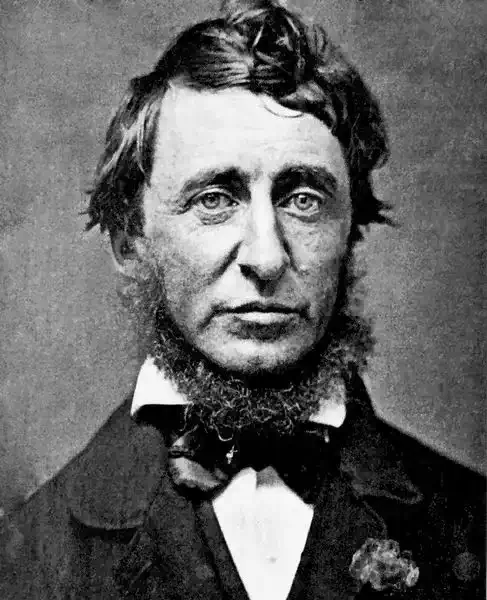
Henry David Thoreau
The Inward Morning
The Inward Morning
Packed in my mind lie all the clothes
Which outward nature wears,
And in its fashion's hourly change
It all things else repairs.
In vain I look for change abroad,
And can no difference find,
Till some new ray of peace uncalled
Illumes my inmost mind.
What is it gilds the trees and clouds,
And paints the heavens so gay,
But yonder fast-abiding light
With its unchanging ray?
Lo, when the sun streams through the wood,
Upon a winter's morn,
Where'er his silent beams intrude,
The murky night is gone.
How could the patient pine have known
The morning breeze would come,
Or humble flowers anticipate
The insect's noonday hum--
Till the new light with morning cheer
From far streamed through the aisles,
And nimbly told the forest trees
For many stretching miles?
I've heard within my inmost soul
Such cheerful morning news,
In the horizon of my mind
Have seen such orient hues,
As in the twilight of the dawn,
When the first birds awake,
Are heard within some silent wood,
Where they the small twigs break,
Or in the eastern skies are seen,
Before the sun appears,
The harbingers of summer heats
Which from afar he bears.
Packed in my mind lie all the clothes
Which outward nature wears,
And in its fashion's hourly change
It all things else repairs.
In vain I look for change abroad,
And can no difference find,
Till some new ray of peace uncalled
Illumes my inmost mind.
What is it gilds the trees and clouds,
And paints the heavens so gay,
But yonder fast-abiding light
With its unchanging ray?
Lo, when the sun streams through the wood,
Upon a winter's morn,
Where'er his silent beams intrude,
The murky night is gone.
How could the patient pine have known
The morning breeze would come,
Or humble flowers anticipate
The insect's noonday hum--
Till the new light with morning cheer
From far streamed through the aisles,
And nimbly told the forest trees
For many stretching miles?
I've heard within my inmost soul
Such cheerful morning news,
In the horizon of my mind
Have seen such orient hues,
As in the twilight of the dawn,
When the first birds awake,
Are heard within some silent wood,
Where they the small twigs break,
Or in the eastern skies are seen,
Before the sun appears,
The harbingers of summer heats
Which from afar he bears.
223
Henry David Thoreau
Light-Winged Smoke
Light-Winged Smoke
LIGHT-WINGED Smoke, Icarian bird,
Melting thy pinions in thy upward flight,
Lark without song, and the messenger of dawn,
Circling above the hamlets as thy nest;
Or else, departing dream, and shadowy form
Of midnight vision, gathering up thy skirts;
By night star-veiling, and by day
Darkening the light and blotting out the sun;
Go thou my incense upward from this hearth,
And ask the gods to pardon this clear flame.
LIGHT-WINGED Smoke, Icarian bird,
Melting thy pinions in thy upward flight,
Lark without song, and the messenger of dawn,
Circling above the hamlets as thy nest;
Or else, departing dream, and shadowy form
Of midnight vision, gathering up thy skirts;
By night star-veiling, and by day
Darkening the light and blotting out the sun;
Go thou my incense upward from this hearth,
And ask the gods to pardon this clear flame.
276
Henry David Thoreau
I was Made Erect and Lone
I was Made Erect and Lone
I was made erect and lone,
And within me is the bone;
Still my vision will be clear,
Still my life will not be drear,
To the center all is near.
Where I sit there is my throne.
If age choose to sit apart,
If age choose, give me the start,
Take the sap and leave the heart.
I was made erect and lone,
And within me is the bone;
Still my vision will be clear,
Still my life will not be drear,
To the center all is near.
Where I sit there is my throne.
If age choose to sit apart,
If age choose, give me the start,
Take the sap and leave the heart.
279
Henry David Thoreau
I am the Autumnal Sun
I am the Autumnal Sun
Sometimes a mortal feels in himself Nature
-- not his Father but his Mother stirs
within him, and he becomes immortal with her
immortality. From time to time she claims
kindredship with us, and some globule
from her veins steals up into our own.
I am the autumnal sun,
With autumn gales my race is run;
When will the hazel put forth its flowers,
Or the grape ripen under my bowers?
When will the harvest or the hunter's moon
Turn my midnight into mid-noon?
I am all sere and yellow,
And to my core mellow.
The mast is dropping within my woods,
The winter is lurking within my moods,
And the rustling of the withered leaf
Is the constant music of my grief...
Sometimes a mortal feels in himself Nature
-- not his Father but his Mother stirs
within him, and he becomes immortal with her
immortality. From time to time she claims
kindredship with us, and some globule
from her veins steals up into our own.
I am the autumnal sun,
With autumn gales my race is run;
When will the hazel put forth its flowers,
Or the grape ripen under my bowers?
When will the harvest or the hunter's moon
Turn my midnight into mid-noon?
I am all sere and yellow,
And to my core mellow.
The mast is dropping within my woods,
The winter is lurking within my moods,
And the rustling of the withered leaf
Is the constant music of my grief...
236
Henry David Thoreau
All Things Are Current Found
All Things Are Current Found
ALL things are current found
On earthly ground,
Spirits and elements
Have their descents.
Night and day, year on year,
High and low, far and near,
These are our own aspects,
These are our own regrets.
Ye gods of the shore,
Who abide evermore,
I see you far headland,
Stretching on either hand;
I hear the sweet evening sounds
From your undecaying grounds;
Cheat me no more with time,
Take me to your clime.
ALL things are current found
On earthly ground,
Spirits and elements
Have their descents.
Night and day, year on year,
High and low, far and near,
These are our own aspects,
These are our own regrets.
Ye gods of the shore,
Who abide evermore,
I see you far headland,
Stretching on either hand;
I hear the sweet evening sounds
From your undecaying grounds;
Cheat me no more with time,
Take me to your clime.
214
Henry David Thoreau
Away! Away! Away! Away!
Away! Away! Away! Away!
Away! away! away! away!
Ye have not kept your secret well,
I will abide that other day,
Those other lands ye tell.
Has time no leisure left for these,
The acts that ye rehearse?
Is not eternity a lease
For better deeds than verse?
‘Tis sweet to hear of heroes dead,
To know them still alive,
But sweeter if we earn their bread,
And in us they survive.
Our life should feed the springs of fame
With a perennial wave,
As ocean feeds the babbling founts
Which find it in their grave.
Ye skies dropp gently round my breast,
And be my corselet blue,
Ye earth receive my lance in rest,
My faithful charger you;
Ye stars my spear-heads in the sky,
My arrow-tips ye are;
I see the routed foemen fly,
My bright spears fixed are.
Give me an angel for a foe,
Fix now the place and time,
And straight to meet him I will go
Above the starry chime.
And with our clashing bucklers’ clang
The heavenly spears shall ring,
While bright the northern lights shall hang
Beside our tourneying.
And if she lose her champion true,
Tell Heaven not despair,
For I will be her champion new,
Her fame I will repair.
Away! away! away! away!
Ye have not kept your secret well,
I will abide that other day,
Those other lands ye tell.
Has time no leisure left for these,
The acts that ye rehearse?
Is not eternity a lease
For better deeds than verse?
‘Tis sweet to hear of heroes dead,
To know them still alive,
But sweeter if we earn their bread,
And in us they survive.
Our life should feed the springs of fame
With a perennial wave,
As ocean feeds the babbling founts
Which find it in their grave.
Ye skies dropp gently round my breast,
And be my corselet blue,
Ye earth receive my lance in rest,
My faithful charger you;
Ye stars my spear-heads in the sky,
My arrow-tips ye are;
I see the routed foemen fly,
My bright spears fixed are.
Give me an angel for a foe,
Fix now the place and time,
And straight to meet him I will go
Above the starry chime.
And with our clashing bucklers’ clang
The heavenly spears shall ring,
While bright the northern lights shall hang
Beside our tourneying.
And if she lose her champion true,
Tell Heaven not despair,
For I will be her champion new,
Her fame I will repair.
233
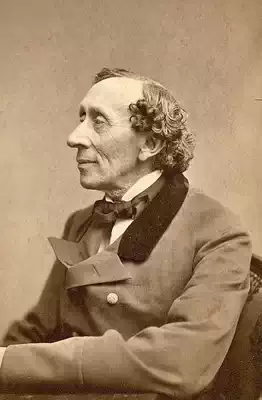
Hans Christian Andersen
June
June
'Glemt er nu Vaarens Kamp og Vinter-Sorgen,
Til Glæde sig forvandler hvert et Suk.
Skjøn som en Brud, den anden Bryllups-Morgen,
Ei længer Barn, og dog saa ung og smuk,
Den skjønne Junimaaned til os kommer;
Det er Skærsommer!
*
De høie Popler hæve sig saa slanke,
I Hyldetræet qviddrer Fuglen smukt.
Paa Gjærdet groer den grønne Humle-Ranke,
Og Æble-Blomstret former sig til Frugt.
Den varme Sommerluft fra Skyen strømmer,
Sødt Hjertet drømmer!
Paa Engen slaae de Græs; hør, Leen klinger.
Paa Himlen smukke Sommerskyer staae.
Og Kløvermarken Røgelse os svinger,
Mens høit i Choret alle Lærker slaae.
-Med Vandringsstav hist Ungersvenden kommer
Hjem i Skærsommer.
Ungersvenden.
Alt jeg Kirketaarnet øiner,
Spiret kneiser stolt derpaa.
Og hvor Marken hist sig høiner,
End de fire Pile staae.
Her er Skoven. Store Rødder
Før af Træerne der laae.
Her, som Dreng, jeg plukked' Nødder,
Og trak Jordbær paa et Straa!
-Barndoms Minder mig besjæle!
Jeg vil flyve, jeg vil dvæle!
Grønne Skov, min Barndoms Ven,
Kan Du kjende mig igjen?
Grønne Hæk, du brune Stamme,
Jeg, som før, er end den samme,
Har vel seet og hørt lidt meer,
Ellers Du den Samme seer! -
Her er Pladsen end med Vedet,
Godt jeg kjender Parken der!
Her er Stenten tæt ved Ledet,
Gud, hvor lille den dog er!
Alt jeg kjender her saa godt,
Men det er saa nært, saa smaat -
Det var stort, da jeg var liden,
Jeg er bleven større siden! -
Lille Fugl paa grønne Qvist,
Saae Du mig derude hist,
Naar jeg stundom sorgfuld sad?
Seer Du nu - - nu er jeg glad!
Var der ude Himlen graae
Hjemmet bar jeg i min Tanke,
Hjemmet jeg i Solskin saae,
Derfor maatte Hjertet banke.
-Moder er vist ældet lidt,
Jeg har tænkt paa Dig saa tidt.
Fader! fuld af Kraft og Mod! -
Gode Gud, Du er saa god.
Jeg kan ei min Glæde bære,
Din jeg er, Din vil jeg være! -
Jeg i Sjælen er saa glad,
Kysse maa jeg Blomst og Blad;
Glemt er Længsel, Suk og Vee,
Gamle Venner skal jeg see,
Og den smaa Marie-Moer -
Ja, nu er hun bleven stor! -
O, med hvilken Lyst og Gammen
Har vi to dog leget sammen!
Mit Theater var ei stort,
Men jeg havde selv det gjort.
O, jeg har det grant i Minde.
Jeg forglemmer ingensinde
Mine smaa Marionetter,
O, med Guld og Paillietter,
Hun besyed' een og hver.
Store Stykker gav' vi der.
Blanka, Hakon Jarl, saa net,
Selv Rolf Blaaskjæg, som Ballet.
Hvis ei andre saae derpaa,
Altid Bedstemoder saae;
Og om der var allerflest,
Hun dog klapped allermeest! -
Hende skal jeg ikke see,
O, det gjør mit Hjerte Vee!
Afskeds-Kysset hun mig gav, -
Græs nu groer paa hendes Grav.
O jeg kunde næsten græde!
-Nei! Du lever - seer min Glæde
Lever! lever! mig omsvæver!
Tanken Du til Himlen hæver.
Det er Aarets bedste Dag!
Alt jeg skuer Hjemmets Tag!
Her ved Poppelpilens Rod,
I den kolde Vinter-Scene,
Var det jo min Sneemand stod,
Pyntet ud med Kul og Stene.
Her er Bækken, reen og klar,
Den min Sommer-Snekke bar!
Her staaer Haugen, sommergrøn - -
Moder, see - her er Din Søn!
Moder! kjender Du min Stemme!
O, nu er jeg atter hjemme!
*
Sønnen hviler ved sin Moders Bryst,
Faderen ham kysser glad, men stille;
Hunden logrer ved hans Fod med Lyst,
Og de store brune Øine spille.
'See, Marie! vi ham har igjen -'
Jubler høit den lykkelige Moder;
Pigen rødmer, rækker Haanden hen
Til den kjære, kjære Legebroder.
'Han er voxet i de sidste Aar!
Kom! paa Døren end hans Mærke staaer.
Eduard! o! Gud har hørt min Bøn;
Seer Du Fader, han er bleven kjøn?
Er saa god - ja! ja! jeg veed det nøie.
Jeg maa kysse ham paa Mund og Øie!
-Kjender Dagligstuen Du igjen?
Men Du er vist træt? Sæt Dig dog hen!
Seer Du, hvad der staaer paa mit Klaveer?
(O, den søde Dreng! nei see, han leer)!
Dit Theater, dine Dukker smaae -
Ja, det har Marie fundet paa, -'
Saadan gaaer det fort, glad Hjertet banker,
Kun Marie falder hen i Tanker. -
Nu vi dem i Spisestuen see.
Dækketøiet skinner som en Snee,
Sommersolen mildt fra Ruden straaler,
Jordbær dufte fra crystalne Skaaler;
Kun de bedste har Marie bragt;
Og paa Bordet smukt en Krands er lagt,
Friske Blomster der i Vasen prange,
Medens Lærken synger Velkomst-Sange.
*
Det er ud paa Aftnen snart,
Men endnu det er saa klart.
Solen synker hist bag Byen,
Ild og Roser staae paa Skyen;
Høet dufter sødt paa Marken,
Og hist henne over Parken
Dandse Myggene i Ring,
Medens Blomster rundt omkring
See til Maanen, som nu kommer
I den deilige Skærsommer!
Hør, fra Skovens dunkle Sal
Fløiter smukt en Nattergal.
Hvem gaaer hist i Haugen ene
Under Æbletræets Grene? -
Kjolen sig ved Hækken hæfter -
Tys, der kommer Nogen efter!
Pigen rødmer der og standser,
Mens det sidste Blomsterblad,
Som endnu paa Træet sad,
Falder ned og Lokken Krandser;
Træet pynter hende ud,
Som det tænkte, hun var Brud.
Eduard.
Er det Dig, som gaaer og spøger?
Marie.
Nei, om Stikkelsbær jeg søger,
Om de største jeg kan faae.
Mange Stedmo'ers-Blomster staae
I Salaten her saa net;
Jeg har plukket en Bouqvet,
Maa jeg Blomsterne Dig byde?
Eduard.
Veed Du vel, hvad de betyde?
Blomstersproget, kan jeg troe,
Kjender Du til Punkt og Prikke.
Marie.
Nei saa lærd, det er jeg ikke.
-Er det noget godt?
Eduard.
Ih jo!
Vel for mig, men
(spøgende)
Dig? - desværre!
Giv dog aldrig nogen Herre
Slige Blomster, Gud bevar' os!
Tænk Dig, hvis det galt forklares;
Jo, der har Du handlet net!
Marie.
Nu, saa giv mig min Bouqvet!
Eduard.
Nei, see kun, hvor rød Du bliver!
-Jeg den ene Blomst dig giver,
Resten faaer Du ikke meer,
Skjøndt Du saa alvorligt seer.
Lad nu Bærrene kun være,
Vi har talt saa grumme lidt!
Marie.
Skal jeg Blomstersproget lære?
Nu er det jo saa forslidt!
Eduard.
Naa, hvor Du seer ud i Haaret!
Grenen paa Toupeen slaer.
Har Du hele Dagen baaret
Æbleblomster i dit Haar?
Marie (spøgende).
Hjertet faaer kun Spot og Trængsel;
See, det har man for sin Længsel,
Nu, han er her, gjør han Nar.
Eduard.
Efter mig Du længtes har!
O, saa tidt mit Hjertes Stemme
Kaldte mig til Dig her hjemme.
Du har ofte tænkt paa mig?
O, jeg holder ret af Dig!
Men Du skrev saa korte Breve!
Tidt kun, naar de andre skreve,
Jeg fra Dig, det var Din Skik,
Bare Efterskriften fik.
Jeg mig maatte forestille,
At Du endnu var den Lille,
Og saa er Du nu saa stor! -
O, Marie, lad os vandre
Her i Haven med hverandre.
Hvert et Træ, som her jo groer
Kjender jeg fra gamle Dage.
Marie.
Gud skee Lov, Du kom tilbage!
Du er dog min kjære Broder!
-Skal vi nu gaae op til Moder?
Eduard.
Lad mig see Dig i dit Øie!
Hvert et Træk jeg kjender nøie.
Ældre, mere smuk Du staaer,
Og dog, som for otte Aar! -
Marie.
- Skal vi nu gaae op til Moder? -
Eduard.
(kysser hende paa Panden).
Det tør jeg jo nok - som Broder.
En lille Fugl (i Træet).
Hjertet maa af Elskov slaae
Baade Nat og lyse Dage!
Kjærlighed jeg synge maa,
Har dog ingen Mage!
Glade To i Havens Gang,
Jeg til Eder kommer,
Synger Eders Bryllups-Sang
Næste Aars Skærsommer!
Ja Skærsommer skal det staae,
Den har smukke Dage!
-Kjærlighed jeg synge maa,
Har dog ingen Mage!
'Glemt er nu Vaarens Kamp og Vinter-Sorgen,
Til Glæde sig forvandler hvert et Suk.
Skjøn som en Brud, den anden Bryllups-Morgen,
Ei længer Barn, og dog saa ung og smuk,
Den skjønne Junimaaned til os kommer;
Det er Skærsommer!
*
De høie Popler hæve sig saa slanke,
I Hyldetræet qviddrer Fuglen smukt.
Paa Gjærdet groer den grønne Humle-Ranke,
Og Æble-Blomstret former sig til Frugt.
Den varme Sommerluft fra Skyen strømmer,
Sødt Hjertet drømmer!
Paa Engen slaae de Græs; hør, Leen klinger.
Paa Himlen smukke Sommerskyer staae.
Og Kløvermarken Røgelse os svinger,
Mens høit i Choret alle Lærker slaae.
-Med Vandringsstav hist Ungersvenden kommer
Hjem i Skærsommer.
Ungersvenden.
Alt jeg Kirketaarnet øiner,
Spiret kneiser stolt derpaa.
Og hvor Marken hist sig høiner,
End de fire Pile staae.
Her er Skoven. Store Rødder
Før af Træerne der laae.
Her, som Dreng, jeg plukked' Nødder,
Og trak Jordbær paa et Straa!
-Barndoms Minder mig besjæle!
Jeg vil flyve, jeg vil dvæle!
Grønne Skov, min Barndoms Ven,
Kan Du kjende mig igjen?
Grønne Hæk, du brune Stamme,
Jeg, som før, er end den samme,
Har vel seet og hørt lidt meer,
Ellers Du den Samme seer! -
Her er Pladsen end med Vedet,
Godt jeg kjender Parken der!
Her er Stenten tæt ved Ledet,
Gud, hvor lille den dog er!
Alt jeg kjender her saa godt,
Men det er saa nært, saa smaat -
Det var stort, da jeg var liden,
Jeg er bleven større siden! -
Lille Fugl paa grønne Qvist,
Saae Du mig derude hist,
Naar jeg stundom sorgfuld sad?
Seer Du nu - - nu er jeg glad!
Var der ude Himlen graae
Hjemmet bar jeg i min Tanke,
Hjemmet jeg i Solskin saae,
Derfor maatte Hjertet banke.
-Moder er vist ældet lidt,
Jeg har tænkt paa Dig saa tidt.
Fader! fuld af Kraft og Mod! -
Gode Gud, Du er saa god.
Jeg kan ei min Glæde bære,
Din jeg er, Din vil jeg være! -
Jeg i Sjælen er saa glad,
Kysse maa jeg Blomst og Blad;
Glemt er Længsel, Suk og Vee,
Gamle Venner skal jeg see,
Og den smaa Marie-Moer -
Ja, nu er hun bleven stor! -
O, med hvilken Lyst og Gammen
Har vi to dog leget sammen!
Mit Theater var ei stort,
Men jeg havde selv det gjort.
O, jeg har det grant i Minde.
Jeg forglemmer ingensinde
Mine smaa Marionetter,
O, med Guld og Paillietter,
Hun besyed' een og hver.
Store Stykker gav' vi der.
Blanka, Hakon Jarl, saa net,
Selv Rolf Blaaskjæg, som Ballet.
Hvis ei andre saae derpaa,
Altid Bedstemoder saae;
Og om der var allerflest,
Hun dog klapped allermeest! -
Hende skal jeg ikke see,
O, det gjør mit Hjerte Vee!
Afskeds-Kysset hun mig gav, -
Græs nu groer paa hendes Grav.
O jeg kunde næsten græde!
-Nei! Du lever - seer min Glæde
Lever! lever! mig omsvæver!
Tanken Du til Himlen hæver.
Det er Aarets bedste Dag!
Alt jeg skuer Hjemmets Tag!
Her ved Poppelpilens Rod,
I den kolde Vinter-Scene,
Var det jo min Sneemand stod,
Pyntet ud med Kul og Stene.
Her er Bækken, reen og klar,
Den min Sommer-Snekke bar!
Her staaer Haugen, sommergrøn - -
Moder, see - her er Din Søn!
Moder! kjender Du min Stemme!
O, nu er jeg atter hjemme!
*
Sønnen hviler ved sin Moders Bryst,
Faderen ham kysser glad, men stille;
Hunden logrer ved hans Fod med Lyst,
Og de store brune Øine spille.
'See, Marie! vi ham har igjen -'
Jubler høit den lykkelige Moder;
Pigen rødmer, rækker Haanden hen
Til den kjære, kjære Legebroder.
'Han er voxet i de sidste Aar!
Kom! paa Døren end hans Mærke staaer.
Eduard! o! Gud har hørt min Bøn;
Seer Du Fader, han er bleven kjøn?
Er saa god - ja! ja! jeg veed det nøie.
Jeg maa kysse ham paa Mund og Øie!
-Kjender Dagligstuen Du igjen?
Men Du er vist træt? Sæt Dig dog hen!
Seer Du, hvad der staaer paa mit Klaveer?
(O, den søde Dreng! nei see, han leer)!
Dit Theater, dine Dukker smaae -
Ja, det har Marie fundet paa, -'
Saadan gaaer det fort, glad Hjertet banker,
Kun Marie falder hen i Tanker. -
Nu vi dem i Spisestuen see.
Dækketøiet skinner som en Snee,
Sommersolen mildt fra Ruden straaler,
Jordbær dufte fra crystalne Skaaler;
Kun de bedste har Marie bragt;
Og paa Bordet smukt en Krands er lagt,
Friske Blomster der i Vasen prange,
Medens Lærken synger Velkomst-Sange.
*
Det er ud paa Aftnen snart,
Men endnu det er saa klart.
Solen synker hist bag Byen,
Ild og Roser staae paa Skyen;
Høet dufter sødt paa Marken,
Og hist henne over Parken
Dandse Myggene i Ring,
Medens Blomster rundt omkring
See til Maanen, som nu kommer
I den deilige Skærsommer!
Hør, fra Skovens dunkle Sal
Fløiter smukt en Nattergal.
Hvem gaaer hist i Haugen ene
Under Æbletræets Grene? -
Kjolen sig ved Hækken hæfter -
Tys, der kommer Nogen efter!
Pigen rødmer der og standser,
Mens det sidste Blomsterblad,
Som endnu paa Træet sad,
Falder ned og Lokken Krandser;
Træet pynter hende ud,
Som det tænkte, hun var Brud.
Eduard.
Er det Dig, som gaaer og spøger?
Marie.
Nei, om Stikkelsbær jeg søger,
Om de største jeg kan faae.
Mange Stedmo'ers-Blomster staae
I Salaten her saa net;
Jeg har plukket en Bouqvet,
Maa jeg Blomsterne Dig byde?
Eduard.
Veed Du vel, hvad de betyde?
Blomstersproget, kan jeg troe,
Kjender Du til Punkt og Prikke.
Marie.
Nei saa lærd, det er jeg ikke.
-Er det noget godt?
Eduard.
Ih jo!
Vel for mig, men
(spøgende)
Dig? - desværre!
Giv dog aldrig nogen Herre
Slige Blomster, Gud bevar' os!
Tænk Dig, hvis det galt forklares;
Jo, der har Du handlet net!
Marie.
Nu, saa giv mig min Bouqvet!
Eduard.
Nei, see kun, hvor rød Du bliver!
-Jeg den ene Blomst dig giver,
Resten faaer Du ikke meer,
Skjøndt Du saa alvorligt seer.
Lad nu Bærrene kun være,
Vi har talt saa grumme lidt!
Marie.
Skal jeg Blomstersproget lære?
Nu er det jo saa forslidt!
Eduard.
Naa, hvor Du seer ud i Haaret!
Grenen paa Toupeen slaer.
Har Du hele Dagen baaret
Æbleblomster i dit Haar?
Marie (spøgende).
Hjertet faaer kun Spot og Trængsel;
See, det har man for sin Længsel,
Nu, han er her, gjør han Nar.
Eduard.
Efter mig Du længtes har!
O, saa tidt mit Hjertes Stemme
Kaldte mig til Dig her hjemme.
Du har ofte tænkt paa mig?
O, jeg holder ret af Dig!
Men Du skrev saa korte Breve!
Tidt kun, naar de andre skreve,
Jeg fra Dig, det var Din Skik,
Bare Efterskriften fik.
Jeg mig maatte forestille,
At Du endnu var den Lille,
Og saa er Du nu saa stor! -
O, Marie, lad os vandre
Her i Haven med hverandre.
Hvert et Træ, som her jo groer
Kjender jeg fra gamle Dage.
Marie.
Gud skee Lov, Du kom tilbage!
Du er dog min kjære Broder!
-Skal vi nu gaae op til Moder?
Eduard.
Lad mig see Dig i dit Øie!
Hvert et Træk jeg kjender nøie.
Ældre, mere smuk Du staaer,
Og dog, som for otte Aar! -
Marie.
- Skal vi nu gaae op til Moder? -
Eduard.
(kysser hende paa Panden).
Det tør jeg jo nok - som Broder.
En lille Fugl (i Træet).
Hjertet maa af Elskov slaae
Baade Nat og lyse Dage!
Kjærlighed jeg synge maa,
Har dog ingen Mage!
Glade To i Havens Gang,
Jeg til Eder kommer,
Synger Eders Bryllups-Sang
Næste Aars Skærsommer!
Ja Skærsommer skal det staae,
Den har smukke Dage!
-Kjærlighed jeg synge maa,
Har dog ingen Mage!
347
Hans Christian Andersen
From The Philosopher’s Stone
From The Philosopher’s Stone
Now she heard the following words sadly sung,—
“Life is a shadow that flits away
In a night of darkness and woe.”
But then would follow brighter thoughts:
“Life has the rose’s sweet perfume
With sunshine, light, and joy.”
And if one stanza sounded painfully—
“Each mortal thinks of himself alone,
Is a truth, alas, too clearly known;”
Then, on the other hand, came the answer—
“Love, like a mighty flowing stream,
Fills every heart with its radiant gleam.”
She heard, indeed, such words as these—
“In the pretty turmoil here below,
All is a vain and paltry show.”
Then came also words of comfort—
“Great and good are the actions done
By many whose worth is never known.”
And if sometimes the mocking strain reached her—
“Why not join in the jesting cry
That contemns all gifts from the throne on high?”
In the blind girl’s heart a stronger voice repeated—
“To trust in thyself and God is best,
In His holy will forever to rest.”
But the evil spirit could not see this and remain contented.
Now she heard the following words sadly sung,—
“Life is a shadow that flits away
In a night of darkness and woe.”
But then would follow brighter thoughts:
“Life has the rose’s sweet perfume
With sunshine, light, and joy.”
And if one stanza sounded painfully—
“Each mortal thinks of himself alone,
Is a truth, alas, too clearly known;”
Then, on the other hand, came the answer—
“Love, like a mighty flowing stream,
Fills every heart with its radiant gleam.”
She heard, indeed, such words as these—
“In the pretty turmoil here below,
All is a vain and paltry show.”
Then came also words of comfort—
“Great and good are the actions done
By many whose worth is never known.”
And if sometimes the mocking strain reached her—
“Why not join in the jesting cry
That contemns all gifts from the throne on high?”
In the blind girl’s heart a stronger voice repeated—
“To trust in thyself and God is best,
In His holy will forever to rest.”
But the evil spirit could not see this and remain contented.
393
Hans Christian Andersen
August
August
'Blomsten dufter, for at brydes!
Frugten modnes, for at nydes!
-Lev og nyd! trara! trara!'
*
Ja, Øieblikket ene er det just,
Der med sit friske Grønt din Vandring smykker,
Thi nyd det, som den duftende August,
Der mellem Vaaren og din Vinter bygger.
See Dig omkring, flyv ei saa vildt afsted,
Fra Livets Sol det gaaer til Gravens Skygge,
Og Sorgen sidder nok paa Hesten med,
Thi pluk hver Frugt, der skabtes for din Lykke.
Hvad Hjertet har, det har Du, søde Trøst!
Det Tabte findes ikke ved at græde;
Nei nyd! thi Livet er en evig Høst,
Og Øieblikket er saa riigt paa Glæde.
Heden trykker; Østens Varme blunder lidt hos os i Dag!
Som en ægte persisk Fyrste, vil jeg strække mig i Mag.
Grøften er mit Hovedgjærde, smukt den staaer med Kaprifol',
Egetræets grønne Grene skjærme mod den stærke Sol.
Flagrende, men luftig lette Skygardiner hænge ned;
Teppet, hvorpaa jeg har lagt mig, er et broget Blomsterbed.
Kløver, Rølleker, Papaver spille i den grønne Grund,
Og med modne Hindbær hænger Grenen lige ved min Mund.
Nyde, drømme, søde Lykke! see, ved Blomstens Hjerte tyst,
Ligger Bien sødt beruset, Blomst og Bie er Bryst ved Bryst.
Sommerfuglen lystigt flagrer, kysser hvert et broget Blad,
Synger ei, men hvidsker stille Kjærligheds - den veed nok, hvad! -
Ha! en kjølig Luftning zittrer gjennem Skovens grønne Tag,
Høit paa Himlen staaer et Bjergland, Uveirsskyer Lag ved Lag;
Nu, som Kjæmpeseil de svulme, nu er det en Klippehal,
Hør det stærke Echo ruller gjennem Bjergets dybe Dal.
Hver en Fugl sig bange skjuler, og et Gys i Skoven gaaer,
Mens i store Kredse Svalen Jorden med sin Vinge slaaer.
Skyen brister, Regnen strømmer, den betage vil mit Syn!
Himlen viser Flamme-Tanker, Videt gnistrer Lyn paa Lyn.
-I det lille lave Skovhuus staaer jeg, til det er forbi,
Men da Ruderne er knækked', ei for Regn jeg bliver fri;
Konen sidder paa en Træstol, dier Barnet, søde Lyst!
See, de butted' runde Fingre lægger det paa hendes Bryst!
Stormen rusker stærkt i Taget, flyver nu til Markens Neeg,
Favner dem og knækker Axet i sin Elskovs vilde Leeg.
Tys, nu sagtnes det derude, Himlen bliver atter blaa,
Hele Skoven, alle Blomster dobbelt duftende jo staae,
Og paa Horizonten Solen synker ned saa luerød,
Den sit vilde Flamme-Hjerte lægger nu i Bølgens Skjød.
Vindens kjøle, milde Luftning tørrer atter Blomstens Kind,
Høstfolk gaae nu hjem fra Marken, synge høit med muntert Sind.
Pigerne skal over Stænten, tør man ikke see derpaa? -
Skjørtet hænger fast ved Gjærdet, saa de Andre hjelpe maae.
See, hvor alle Blomster nikke! hvad de tænke, veed jeg klart,
Kunde man forstaae Mimiken, hørte man vist noget rart.
Fuglene.
Qvivit! qvivit! det gaaer afsted,
Nu oppe, nu dernede!
Mit Liv er Sang og Kjærlighed,
Mit Huus en Børnerede!
Ungersvenden.
Snart sover Alt, ja Stort og Smaat,
Paa Græs og grønne Grene,
Men jeg - ak! det er ikke godt,
At Mennesket er ene!
O, gid jeg var af Jern og Staal!
Mit Hjerte let kan faae det!
Det er mig ligesom en Aal,
Jeg kan ei holde paa det!
Hver en Luftning sover paa det grønne Blad,
Stille drømmer Blomsten midt i Duggens Bad.
Seer Du, Maanen kommer hist, hvor Krattet groer?
Lavt paa Horizonten staaer den rund og stor.
Ved den sorte Granskov Søen gjør en Bugt,
Klart i Vandet speiler Krattet sig saa smukt.
Tys! sig noget rører! mon en Fugl der fløi?
Nei, det er to Piger, stille! gjør ei Støi.
Barnligt, uskyldsglade, gaae de Arm i Arm.
Ha! de kaste Klædet fra den hvide Barm;
Høit de løfte Armen! see det smækre Liv!
-O, nu blev' de borte bag det høie Siv!
Jeg kan ikke see dem, det var dog saa smukt!
Men der har vi Maanen over Søens Bugt.
Den kan staae og see dem, høit fra Skyens Vold,
Den kan see dem begge, og er dog saa kold! -
Hør, med Eet det pladsked', see en Ring saa bred!
Hele Søen bæver jo af Salighed.
Hver en Blomst ved Bredden lukker Øiet op,
Og de stolte Graner bøie deres Top!
Alt er Duft og Længsel, Natten er saa tys,
Søen dem omfavner, giver Kys paa Kys,
Trykker sig saa salig op til Bryst og Arm,
Aldrig dog den svulme kan som deres Barm.
Aldrig nogen Morgen den i Solens Skjær
Rødmet har saa deiligt frisk, som Kinden her!
Ingen Tid den viiste Himlen os saa klar,
Som den Uskylds-Himmel, den i disse har. -
Nu med Vandet, Pigen paa den anden slaaer,
Om de runde Skuldre falder deres Haar;
Maaneskinnet viser det saa tykt og stort -
Men der gik jo Maanen! - det var grusomt gjort! -
Fiskeren.
Aakanden har sit Bæger lukt,
Den under Fladen svømmer;
I Vandet Maanen staaer saa smukt,
Det er det Blomsten drømmer:
At begge to
Dernede boe;
Hvad kan man ei i Drømme troe?
Jo,jo!
Jægeren.
Blomsten dufter, for at brydes,
Frugten modnes, for at nydes,
Ender Livet, var det da
Dog et jublende: 'Trara!'
Echo svarer, hør! 'ja, ja!
Lev og nyd, trara, trara!'
'Blomsten dufter, for at brydes!
Frugten modnes, for at nydes!
-Lev og nyd! trara! trara!'
*
Ja, Øieblikket ene er det just,
Der med sit friske Grønt din Vandring smykker,
Thi nyd det, som den duftende August,
Der mellem Vaaren og din Vinter bygger.
See Dig omkring, flyv ei saa vildt afsted,
Fra Livets Sol det gaaer til Gravens Skygge,
Og Sorgen sidder nok paa Hesten med,
Thi pluk hver Frugt, der skabtes for din Lykke.
Hvad Hjertet har, det har Du, søde Trøst!
Det Tabte findes ikke ved at græde;
Nei nyd! thi Livet er en evig Høst,
Og Øieblikket er saa riigt paa Glæde.
Heden trykker; Østens Varme blunder lidt hos os i Dag!
Som en ægte persisk Fyrste, vil jeg strække mig i Mag.
Grøften er mit Hovedgjærde, smukt den staaer med Kaprifol',
Egetræets grønne Grene skjærme mod den stærke Sol.
Flagrende, men luftig lette Skygardiner hænge ned;
Teppet, hvorpaa jeg har lagt mig, er et broget Blomsterbed.
Kløver, Rølleker, Papaver spille i den grønne Grund,
Og med modne Hindbær hænger Grenen lige ved min Mund.
Nyde, drømme, søde Lykke! see, ved Blomstens Hjerte tyst,
Ligger Bien sødt beruset, Blomst og Bie er Bryst ved Bryst.
Sommerfuglen lystigt flagrer, kysser hvert et broget Blad,
Synger ei, men hvidsker stille Kjærligheds - den veed nok, hvad! -
Ha! en kjølig Luftning zittrer gjennem Skovens grønne Tag,
Høit paa Himlen staaer et Bjergland, Uveirsskyer Lag ved Lag;
Nu, som Kjæmpeseil de svulme, nu er det en Klippehal,
Hør det stærke Echo ruller gjennem Bjergets dybe Dal.
Hver en Fugl sig bange skjuler, og et Gys i Skoven gaaer,
Mens i store Kredse Svalen Jorden med sin Vinge slaaer.
Skyen brister, Regnen strømmer, den betage vil mit Syn!
Himlen viser Flamme-Tanker, Videt gnistrer Lyn paa Lyn.
-I det lille lave Skovhuus staaer jeg, til det er forbi,
Men da Ruderne er knækked', ei for Regn jeg bliver fri;
Konen sidder paa en Træstol, dier Barnet, søde Lyst!
See, de butted' runde Fingre lægger det paa hendes Bryst!
Stormen rusker stærkt i Taget, flyver nu til Markens Neeg,
Favner dem og knækker Axet i sin Elskovs vilde Leeg.
Tys, nu sagtnes det derude, Himlen bliver atter blaa,
Hele Skoven, alle Blomster dobbelt duftende jo staae,
Og paa Horizonten Solen synker ned saa luerød,
Den sit vilde Flamme-Hjerte lægger nu i Bølgens Skjød.
Vindens kjøle, milde Luftning tørrer atter Blomstens Kind,
Høstfolk gaae nu hjem fra Marken, synge høit med muntert Sind.
Pigerne skal over Stænten, tør man ikke see derpaa? -
Skjørtet hænger fast ved Gjærdet, saa de Andre hjelpe maae.
See, hvor alle Blomster nikke! hvad de tænke, veed jeg klart,
Kunde man forstaae Mimiken, hørte man vist noget rart.
Fuglene.
Qvivit! qvivit! det gaaer afsted,
Nu oppe, nu dernede!
Mit Liv er Sang og Kjærlighed,
Mit Huus en Børnerede!
Ungersvenden.
Snart sover Alt, ja Stort og Smaat,
Paa Græs og grønne Grene,
Men jeg - ak! det er ikke godt,
At Mennesket er ene!
O, gid jeg var af Jern og Staal!
Mit Hjerte let kan faae det!
Det er mig ligesom en Aal,
Jeg kan ei holde paa det!
Hver en Luftning sover paa det grønne Blad,
Stille drømmer Blomsten midt i Duggens Bad.
Seer Du, Maanen kommer hist, hvor Krattet groer?
Lavt paa Horizonten staaer den rund og stor.
Ved den sorte Granskov Søen gjør en Bugt,
Klart i Vandet speiler Krattet sig saa smukt.
Tys! sig noget rører! mon en Fugl der fløi?
Nei, det er to Piger, stille! gjør ei Støi.
Barnligt, uskyldsglade, gaae de Arm i Arm.
Ha! de kaste Klædet fra den hvide Barm;
Høit de løfte Armen! see det smækre Liv!
-O, nu blev' de borte bag det høie Siv!
Jeg kan ikke see dem, det var dog saa smukt!
Men der har vi Maanen over Søens Bugt.
Den kan staae og see dem, høit fra Skyens Vold,
Den kan see dem begge, og er dog saa kold! -
Hør, med Eet det pladsked', see en Ring saa bred!
Hele Søen bæver jo af Salighed.
Hver en Blomst ved Bredden lukker Øiet op,
Og de stolte Graner bøie deres Top!
Alt er Duft og Længsel, Natten er saa tys,
Søen dem omfavner, giver Kys paa Kys,
Trykker sig saa salig op til Bryst og Arm,
Aldrig dog den svulme kan som deres Barm.
Aldrig nogen Morgen den i Solens Skjær
Rødmet har saa deiligt frisk, som Kinden her!
Ingen Tid den viiste Himlen os saa klar,
Som den Uskylds-Himmel, den i disse har. -
Nu med Vandet, Pigen paa den anden slaaer,
Om de runde Skuldre falder deres Haar;
Maaneskinnet viser det saa tykt og stort -
Men der gik jo Maanen! - det var grusomt gjort! -
Fiskeren.
Aakanden har sit Bæger lukt,
Den under Fladen svømmer;
I Vandet Maanen staaer saa smukt,
Det er det Blomsten drømmer:
At begge to
Dernede boe;
Hvad kan man ei i Drømme troe?
Jo,jo!
Jægeren.
Blomsten dufter, for at brydes,
Frugten modnes, for at nydes,
Ender Livet, var det da
Dog et jublende: 'Trara!'
Echo svarer, hør! 'ja, ja!
Lev og nyd, trara, trara!'
387

Gwendolyn Brooks
Young Afrikans
Young Afrikans
of the furious
Who take Today and jerk it out of joint
have made new underpinnings and a Head.
Blacktime is time for chimeful
poemhood
but they decree a
jagged chiming now.
If there are flowers flowers
must come out to the road. Rowdy!—
knowing where wheels and people are,
knowing where whips and screams are,
knowing where deaths are, where the kind kills are.
As for that other kind of kindness,
if there is milk it must be mindful.
The milkofhumankindness must be mindful
as wily wines.
Must be fine fury.
Must be mega, must be main.
Taking Today (to jerk it out of joint)
the hardheroic maim the
leechlike-as-usual who use,
adhere to, carp, and harm.
And they await,
across the Changes and the spiraling dead,
our Black revival, our Black vinegar,
our hands, and our hot blood.
of the furious
Who take Today and jerk it out of joint
have made new underpinnings and a Head.
Blacktime is time for chimeful
poemhood
but they decree a
jagged chiming now.
If there are flowers flowers
must come out to the road. Rowdy!—
knowing where wheels and people are,
knowing where whips and screams are,
knowing where deaths are, where the kind kills are.
As for that other kind of kindness,
if there is milk it must be mindful.
The milkofhumankindness must be mindful
as wily wines.
Must be fine fury.
Must be mega, must be main.
Taking Today (to jerk it out of joint)
the hardheroic maim the
leechlike-as-usual who use,
adhere to, carp, and harm.
And they await,
across the Changes and the spiraling dead,
our Black revival, our Black vinegar,
our hands, and our hot blood.
258
Gwendolyn Brooks
The Crazy Woman
The Crazy Woman
I shall not sing a May song.
A May song should be gay.
I'll wait until November
And sing a song of gray.
I'll wait until November
That is the time for me.
I'll go out in the frosty dark
And sing most terribly.
And all the little people
Will stare at me and say,
"That is the Crazy Woman
Who would not sing in May."
Anonymous submission.
I shall not sing a May song.
A May song should be gay.
I'll wait until November
And sing a song of gray.
I'll wait until November
That is the time for me.
I'll go out in the frosty dark
And sing most terribly.
And all the little people
Will stare at me and say,
"That is the Crazy Woman
Who would not sing in May."
Anonymous submission.
264
Gwendolyn Brooks
The Blackstone Rangers
The Blackstone Rangers
I
AS SEEN BY DISCIPLINES
There they are.
Thirty at the corner.
Black, raw, ready.
Sores in the city
that do not want to heal.
II
THE LEADERS
Jeff. Gene. Geronimo. And Bop.
They cancel, cure and curry.
Hardly the dupes of the downtown thing
the cold bonbon,
the rhinestone thing. And hardly
in a hurry.
Hardly Belafonte, King,
Black Jesus, Stokely, Malcolm X or Rap.
Bungled trophies.
Their country is a Nation on no map.
Jeff, Gene, Geronimo and Bop
in the passionate noon,
in bewitching night
are the detailed men, the copious men.
They curry, cure,
they cancel, cancelled images whose Concerts
are not divine, vivacious; the different tins
are intense last entries; pagan argument;
translations of the night.
The Blackstone bitter bureaus
(bureaucracy is footloose) edit, fuse
unfashionable damnations and descent;
and exulting, monstrous hand on monstrous hand,
construct, strangely, a monstrous pearl or grace.
III
GANG GIRLS
A Rangerette
Gang Girls are sweet exotics.
Mary Ann
uses the nutrients of her orient,
but sometimes sighs for Cities of blue and jewel
beyond her Ranger rim of Cottage Grove.
(Bowery Boys, Disciples, Whip-Birds will
dissolve no margins, stop no savory sanctities.)
Mary is
a rose in a whiskey glass.
Mary’s
Februaries shudder and are gone. Aprils
fret frankly, lilac hurries on.
Summer is a hard irregular ridge.
October looks away.
And that’s the Year!
Save for her bugle-love.
Save for the bleat of not-obese devotion.
Save for Somebody Terribly Dying, under
the philanthropy of robins. Save for her Ranger
bringing
an amount of rainbow in a string-drawn bag.
“Where did you get the diamond?” Do not ask:
but swallow, straight, the spirals of his flask
and assist him at your zipper; pet his lips
and help him clutch you.
Love’s another departure.
Will there be any arrivals, confirmations?
Will there be gleaning?
Mary, the Shakedancer’s child
from the rooming-flat, pants carefully, peers at
her laboring lover ....
Mary! Mary Ann!
Settle for sandwiches! settle for stocking caps!
for sudden blood, aborted carnival,
the props and niceties of non-loneliness—
the rhymes of Leaning.
I
AS SEEN BY DISCIPLINES
There they are.
Thirty at the corner.
Black, raw, ready.
Sores in the city
that do not want to heal.
II
THE LEADERS
Jeff. Gene. Geronimo. And Bop.
They cancel, cure and curry.
Hardly the dupes of the downtown thing
the cold bonbon,
the rhinestone thing. And hardly
in a hurry.
Hardly Belafonte, King,
Black Jesus, Stokely, Malcolm X or Rap.
Bungled trophies.
Their country is a Nation on no map.
Jeff, Gene, Geronimo and Bop
in the passionate noon,
in bewitching night
are the detailed men, the copious men.
They curry, cure,
they cancel, cancelled images whose Concerts
are not divine, vivacious; the different tins
are intense last entries; pagan argument;
translations of the night.
The Blackstone bitter bureaus
(bureaucracy is footloose) edit, fuse
unfashionable damnations and descent;
and exulting, monstrous hand on monstrous hand,
construct, strangely, a monstrous pearl or grace.
III
GANG GIRLS
A Rangerette
Gang Girls are sweet exotics.
Mary Ann
uses the nutrients of her orient,
but sometimes sighs for Cities of blue and jewel
beyond her Ranger rim of Cottage Grove.
(Bowery Boys, Disciples, Whip-Birds will
dissolve no margins, stop no savory sanctities.)
Mary is
a rose in a whiskey glass.
Mary’s
Februaries shudder and are gone. Aprils
fret frankly, lilac hurries on.
Summer is a hard irregular ridge.
October looks away.
And that’s the Year!
Save for her bugle-love.
Save for the bleat of not-obese devotion.
Save for Somebody Terribly Dying, under
the philanthropy of robins. Save for her Ranger
bringing
an amount of rainbow in a string-drawn bag.
“Where did you get the diamond?” Do not ask:
but swallow, straight, the spirals of his flask
and assist him at your zipper; pet his lips
and help him clutch you.
Love’s another departure.
Will there be any arrivals, confirmations?
Will there be gleaning?
Mary, the Shakedancer’s child
from the rooming-flat, pants carefully, peers at
her laboring lover ....
Mary! Mary Ann!
Settle for sandwiches! settle for stocking caps!
for sudden blood, aborted carnival,
the props and niceties of non-loneliness—
the rhymes of Leaning.
312
Gwendolyn Brooks
The Ballad of Rudolph Reed
The Ballad of Rudolph Reed
Rudolph Reed was oaken.
His wife was oaken too.
And his two good girls and his good little man
Oakened as they grew.
"I am not hungry for berries.
I am not hungry for bread.
But hungry hungry for a house
Where at night a man in bed
"May never hear the plaster
Stir as if in pain.
May never hear the roaches
Falling like fat rain.
"Where never wife and children need
Go blinking through the gloom.
Where every room of many rooms
Will be full of room.
"Oh my home may have its east or west
Or north or south behind it.
All I know is I shall know it,
And fight for it when I find it."
The agent's steep and steady stare
Corroded to a grin.
Why you black old, tough old hell of a man,
Move your family in!
Nary a grin grinned Rudolph Reed,
Nary a curse cursed he,
But moved in his House. With his dark little wife,
And his dark little children three.
A neighbor would look, with a yawning eye
That squeezed into a slit.
But the Rudolph Reeds and children three
Were too joyous to notice it.
For were they not firm in a home of their own
With windows everywhere
And a beautiful banistered stair
And a front yard for flowers and a back for grass?
The first night, a rock, big as two fists.
The second, a rock big as three.
But nary a curse cursed Rudolph Reed.
(Though oaken as man could be.)
The third night, a silvery ring of glass.
Patience arched to endure,
But he looked, and lo! small Mabel's blood
Was staining her gaze so pure.
Then up did rise our Roodoplh Reed
And pressed the hand of his wife,
And went to the door with a thirty-four
And a beastly butcher knife.
He ran like a mad thing into the night
And the words in his mouth were stinking.
By the time he had hurt his first white man
He was no longer thinking.
By the time he had hurt his fourth white man
Rudolph Reed was dead.
His neighbors gathered and kicked his corpse.
"Nigger--" his neighbors said.
Small Mabel whimpered all night long,
For calling herself the cause.
Her oak-eyed mother did no thing
But change the bloody gauze.
Rudolph Reed was oaken.
His wife was oaken too.
And his two good girls and his good little man
Oakened as they grew.
"I am not hungry for berries.
I am not hungry for bread.
But hungry hungry for a house
Where at night a man in bed
"May never hear the plaster
Stir as if in pain.
May never hear the roaches
Falling like fat rain.
"Where never wife and children need
Go blinking through the gloom.
Where every room of many rooms
Will be full of room.
"Oh my home may have its east or west
Or north or south behind it.
All I know is I shall know it,
And fight for it when I find it."
The agent's steep and steady stare
Corroded to a grin.
Why you black old, tough old hell of a man,
Move your family in!
Nary a grin grinned Rudolph Reed,
Nary a curse cursed he,
But moved in his House. With his dark little wife,
And his dark little children three.
A neighbor would look, with a yawning eye
That squeezed into a slit.
But the Rudolph Reeds and children three
Were too joyous to notice it.
For were they not firm in a home of their own
With windows everywhere
And a beautiful banistered stair
And a front yard for flowers and a back for grass?
The first night, a rock, big as two fists.
The second, a rock big as three.
But nary a curse cursed Rudolph Reed.
(Though oaken as man could be.)
The third night, a silvery ring of glass.
Patience arched to endure,
But he looked, and lo! small Mabel's blood
Was staining her gaze so pure.
Then up did rise our Roodoplh Reed
And pressed the hand of his wife,
And went to the door with a thirty-four
And a beastly butcher knife.
He ran like a mad thing into the night
And the words in his mouth were stinking.
By the time he had hurt his first white man
He was no longer thinking.
By the time he had hurt his fourth white man
Rudolph Reed was dead.
His neighbors gathered and kicked his corpse.
"Nigger--" his neighbors said.
Small Mabel whimpered all night long,
For calling herself the cause.
Her oak-eyed mother did no thing
But change the bloody gauze.
279
Gwendolyn Brooks
The Ballad of Rudolph Reed
The Ballad of Rudolph Reed
Rudolph Reed was oaken.
His wife was oaken too.
And his two good girls and his good little man
Oakened as they grew.
"I am not hungry for berries.
I am not hungry for bread.
But hungry hungry for a house
Where at night a man in bed
"May never hear the plaster
Stir as if in pain.
May never hear the roaches
Falling like fat rain.
"Where never wife and children need
Go blinking through the gloom.
Where every room of many rooms
Will be full of room.
"Oh my home may have its east or west
Or north or south behind it.
All I know is I shall know it,
And fight for it when I find it."
The agent's steep and steady stare
Corroded to a grin.
Why you black old, tough old hell of a man,
Move your family in!
Nary a grin grinned Rudolph Reed,
Nary a curse cursed he,
But moved in his House. With his dark little wife,
And his dark little children three.
A neighbor would look, with a yawning eye
That squeezed into a slit.
But the Rudolph Reeds and children three
Were too joyous to notice it.
For were they not firm in a home of their own
With windows everywhere
And a beautiful banistered stair
And a front yard for flowers and a back for grass?
The first night, a rock, big as two fists.
The second, a rock big as three.
But nary a curse cursed Rudolph Reed.
(Though oaken as man could be.)
The third night, a silvery ring of glass.
Patience arched to endure,
But he looked, and lo! small Mabel's blood
Was staining her gaze so pure.
Then up did rise our Roodoplh Reed
And pressed the hand of his wife,
And went to the door with a thirty-four
And a beastly butcher knife.
He ran like a mad thing into the night
And the words in his mouth were stinking.
By the time he had hurt his first white man
He was no longer thinking.
By the time he had hurt his fourth white man
Rudolph Reed was dead.
His neighbors gathered and kicked his corpse.
"Nigger--" his neighbors said.
Small Mabel whimpered all night long,
For calling herself the cause.
Her oak-eyed mother did no thing
But change the bloody gauze.
Rudolph Reed was oaken.
His wife was oaken too.
And his two good girls and his good little man
Oakened as they grew.
"I am not hungry for berries.
I am not hungry for bread.
But hungry hungry for a house
Where at night a man in bed
"May never hear the plaster
Stir as if in pain.
May never hear the roaches
Falling like fat rain.
"Where never wife and children need
Go blinking through the gloom.
Where every room of many rooms
Will be full of room.
"Oh my home may have its east or west
Or north or south behind it.
All I know is I shall know it,
And fight for it when I find it."
The agent's steep and steady stare
Corroded to a grin.
Why you black old, tough old hell of a man,
Move your family in!
Nary a grin grinned Rudolph Reed,
Nary a curse cursed he,
But moved in his House. With his dark little wife,
And his dark little children three.
A neighbor would look, with a yawning eye
That squeezed into a slit.
But the Rudolph Reeds and children three
Were too joyous to notice it.
For were they not firm in a home of their own
With windows everywhere
And a beautiful banistered stair
And a front yard for flowers and a back for grass?
The first night, a rock, big as two fists.
The second, a rock big as three.
But nary a curse cursed Rudolph Reed.
(Though oaken as man could be.)
The third night, a silvery ring of glass.
Patience arched to endure,
But he looked, and lo! small Mabel's blood
Was staining her gaze so pure.
Then up did rise our Roodoplh Reed
And pressed the hand of his wife,
And went to the door with a thirty-four
And a beastly butcher knife.
He ran like a mad thing into the night
And the words in his mouth were stinking.
By the time he had hurt his first white man
He was no longer thinking.
By the time he had hurt his fourth white man
Rudolph Reed was dead.
His neighbors gathered and kicked his corpse.
"Nigger--" his neighbors said.
Small Mabel whimpered all night long,
For calling herself the cause.
Her oak-eyed mother did no thing
But change the bloody gauze.
279
Gwendolyn Brooks
Primer For Blacks
Primer For Blacks
Blackness
is a title,
is a preoccupation,
is a commitment Blacks
are to comprehend—
and in which you are
to perceive your Glory.
The conscious shout
of all that is white is
“It’s Great to be white.”
The conscious shout
of the slack in Black is
'It's Great to be white.'
Thus all that is white
has white strength and yours.
The word Black
has geographic power,
pulls everybody in:
Blacks here—
Blacks there—
Blacks wherever they may be.
And remember, you Blacks, what they told you—
remember your Education:
“one Drop—one Drop
maketh a brand new Black.”
Oh mighty Drop.
______And because they have given us kindly
so many more of our people
Blackness
stretches over the land.
Blackness—
the Black of it,
the rust-red of it,
the milk and cream of it,
the tan and yellow-tan of it,
the deep-brown middle-brown high-brown of it,
the “olive” and ochre of it—
Blackness
marches on.
The huge, the pungent object of our prime out-ride
is to Comprehend,
to salute and to Love the fact that we are Black,
which is our “ultimate Reality,”
which is the lone ground
from which our meaningful metamorphosis,
from which our prosperous staccato,
group or individual, can rise.
Self-shriveled Blacks.
Begin with gaunt and marvelous concession:
YOU are our costume and our fundamental bone.
All of you—
you COLORED ones,
you NEGRO ones,
those of you who proudly cry
“I’m half INDian”—
those of you who proudly screech
“I’VE got the blood of George WASHington in MY veins”
ALL of you—
you proper Blacks,
you half-Blacks,
you wish-I-weren’t Blacks,
Niggeroes and Niggerenes.
You.
Blackness
is a title,
is a preoccupation,
is a commitment Blacks
are to comprehend—
and in which you are
to perceive your Glory.
The conscious shout
of all that is white is
“It’s Great to be white.”
The conscious shout
of the slack in Black is
'It's Great to be white.'
Thus all that is white
has white strength and yours.
The word Black
has geographic power,
pulls everybody in:
Blacks here—
Blacks there—
Blacks wherever they may be.
And remember, you Blacks, what they told you—
remember your Education:
“one Drop—one Drop
maketh a brand new Black.”
Oh mighty Drop.
______And because they have given us kindly
so many more of our people
Blackness
stretches over the land.
Blackness—
the Black of it,
the rust-red of it,
the milk and cream of it,
the tan and yellow-tan of it,
the deep-brown middle-brown high-brown of it,
the “olive” and ochre of it—
Blackness
marches on.
The huge, the pungent object of our prime out-ride
is to Comprehend,
to salute and to Love the fact that we are Black,
which is our “ultimate Reality,”
which is the lone ground
from which our meaningful metamorphosis,
from which our prosperous staccato,
group or individual, can rise.
Self-shriveled Blacks.
Begin with gaunt and marvelous concession:
YOU are our costume and our fundamental bone.
All of you—
you COLORED ones,
you NEGRO ones,
those of you who proudly cry
“I’m half INDian”—
those of you who proudly screech
“I’VE got the blood of George WASHington in MY veins”
ALL of you—
you proper Blacks,
you half-Blacks,
you wish-I-weren’t Blacks,
Niggeroes and Niggerenes.
You.
278
Gwendolyn Brooks
Of Robert Frost
Of Robert Frost
There is a little lightning in his eyes.
Iron at the mouth.
His brows ride neither too far up nor down.
He is splendid. With a place to stand.
Some glowing in the common blood.
Some specialness within.
There is a little lightning in his eyes.
Iron at the mouth.
His brows ride neither too far up nor down.
He is splendid. With a place to stand.
Some glowing in the common blood.
Some specialness within.
255
Gwendolyn Brooks
Of Robert Frost
Of Robert Frost
There is a little lightning in his eyes.
Iron at the mouth.
His brows ride neither too far up nor down.
He is splendid. With a place to stand.
Some glowing in the common blood.
Some specialness within.
There is a little lightning in his eyes.
Iron at the mouth.
His brows ride neither too far up nor down.
He is splendid. With a place to stand.
Some glowing in the common blood.
Some specialness within.
255
Gwendolyn Brooks
My Dreams, My Works, Must Wait Till After Hell
My Dreams, My Works, Must Wait Till After Hell
I hold my honey and I store my bread
In little jars and cabinets of my will.
I label clearly, and each latch and lid
I bid, Be firm till I return from hell.
I am very hungry. I am incomplete.
And none can give me any word but Wait,
The puny light. I keep my eyes pointed in;
Hoping that, when the devil days of my hurt
Drag out to their last dregs and I resume
On such legs as are left me, in such heart
As I can manage, remember to go home,
My taste will not have turned insensitive
To honey and bread old purity could love.
I hold my honey and I store my bread
In little jars and cabinets of my will.
I label clearly, and each latch and lid
I bid, Be firm till I return from hell.
I am very hungry. I am incomplete.
And none can give me any word but Wait,
The puny light. I keep my eyes pointed in;
Hoping that, when the devil days of my hurt
Drag out to their last dregs and I resume
On such legs as are left me, in such heart
As I can manage, remember to go home,
My taste will not have turned insensitive
To honey and bread old purity could love.
280
Gwendolyn Brooks
Kitchenette Building
Kitchenette Building
We are things of dry hours and the involuntary plan,
Grayed in, and gray. "Dream" mate, a giddy sound, not strong
Like "rent", "feeding a wife", "satisfying a man".
But could a dream sent up through onion fumes
Its white and violet, fight with fried potatoes
And yesterday's garbage ripening in the hall,
Flutter, or sing an aria down these rooms,
Even if we were willing to let it in,
Had time to warm it, keep it very clean,
Anticipate a message, let it begin?
We wonder. But not well! not for a minute!
Since Number Five is out of the bathroom now,
We think of lukewarm water, hope to get in it.
We are things of dry hours and the involuntary plan,
Grayed in, and gray. "Dream" mate, a giddy sound, not strong
Like "rent", "feeding a wife", "satisfying a man".
But could a dream sent up through onion fumes
Its white and violet, fight with fried potatoes
And yesterday's garbage ripening in the hall,
Flutter, or sing an aria down these rooms,
Even if we were willing to let it in,
Had time to warm it, keep it very clean,
Anticipate a message, let it begin?
We wonder. But not well! not for a minute!
Since Number Five is out of the bathroom now,
We think of lukewarm water, hope to get in it.
300
Gwendolyn Brooks
Garbageman: The Man With The Orderly Mind
Garbageman: The Man With The Orderly Mind
What do you think of us in fuzzy endeavor, you whose directions are
sterling, whose lunge is straight?
Can you make a reason, how can you pardon us who memorize the rules and never
score?
Who memorize the rules from your own text but never quite transfer them to the
game,
Who never quite receive the whistling ball, who gawk, begin to absorb the crowd's own
roar.
Is earnest enough, may earnest attract or lead to light;
Is light enough, if hands in clumsy frenzy, flimsy whimsically, enlist;
Is light enough when this bewilderment crying against the dark shuts down the
shades?
Dilute confusion. Find and explode our mist.
What do you think of us in fuzzy endeavor, you whose directions are
sterling, whose lunge is straight?
Can you make a reason, how can you pardon us who memorize the rules and never
score?
Who memorize the rules from your own text but never quite transfer them to the
game,
Who never quite receive the whistling ball, who gawk, begin to absorb the crowd's own
roar.
Is earnest enough, may earnest attract or lead to light;
Is light enough, if hands in clumsy frenzy, flimsy whimsically, enlist;
Is light enough when this bewilderment crying against the dark shuts down the
shades?
Dilute confusion. Find and explode our mist.
226
Gwendolyn Brooks
Garbageman: The Man With The Orderly Mind
Garbageman: The Man With The Orderly Mind
What do you think of us in fuzzy endeavor, you whose directions are
sterling, whose lunge is straight?
Can you make a reason, how can you pardon us who memorize the rules and never
score?
Who memorize the rules from your own text but never quite transfer them to the
game,
Who never quite receive the whistling ball, who gawk, begin to absorb the crowd's own
roar.
Is earnest enough, may earnest attract or lead to light;
Is light enough, if hands in clumsy frenzy, flimsy whimsically, enlist;
Is light enough when this bewilderment crying against the dark shuts down the
shades?
Dilute confusion. Find and explode our mist.
What do you think of us in fuzzy endeavor, you whose directions are
sterling, whose lunge is straight?
Can you make a reason, how can you pardon us who memorize the rules and never
score?
Who memorize the rules from your own text but never quite transfer them to the
game,
Who never quite receive the whistling ball, who gawk, begin to absorb the crowd's own
roar.
Is earnest enough, may earnest attract or lead to light;
Is light enough, if hands in clumsy frenzy, flimsy whimsically, enlist;
Is light enough when this bewilderment crying against the dark shuts down the
shades?
Dilute confusion. Find and explode our mist.
226
Gwendolyn Brooks
A Sunset of the City
A Sunset of the City
Already I am no longer looked at with lechery or love.
My daughters and sons have put me away with marbles and dolls,
Are gone from the house.
My husband and lovers are pleasant or somewhat polite
And night is night.
It is a real chill out,
The genuine thing.
I am not deceived, I do not think it is still summer
Because sun stays and birds continue to sing.
It is summer-gone that I see, it is summer-gone.
The sweet flowers indrying and dying down,
The grasses forgetting their blaze and consenting to brown.
It is a real chill out. The fall crisp comes
I am aware there is winter to heed.
There is no warm house
That is fitted with my need.
I am cold in this cold house this house
Whose washed echoes are tremulous down lost halls.
I am a woman, and dusty, standing among new affairs.
I am a woman who hurries through her prayers.
Tin intimations of a quiet core to be my
Desert and my dear relief
Come: there shall be such islanding from grief,
And small communion with the master shore.
Twang they. And I incline this ear to tin,
Consult a dual dilemma. Whether to dry
In humming pallor or to leap and die.
Somebody muffed it?? Somebody wanted to joke.
Already I am no longer looked at with lechery or love.
My daughters and sons have put me away with marbles and dolls,
Are gone from the house.
My husband and lovers are pleasant or somewhat polite
And night is night.
It is a real chill out,
The genuine thing.
I am not deceived, I do not think it is still summer
Because sun stays and birds continue to sing.
It is summer-gone that I see, it is summer-gone.
The sweet flowers indrying and dying down,
The grasses forgetting their blaze and consenting to brown.
It is a real chill out. The fall crisp comes
I am aware there is winter to heed.
There is no warm house
That is fitted with my need.
I am cold in this cold house this house
Whose washed echoes are tremulous down lost halls.
I am a woman, and dusty, standing among new affairs.
I am a woman who hurries through her prayers.
Tin intimations of a quiet core to be my
Desert and my dear relief
Come: there shall be such islanding from grief,
And small communion with the master shore.
Twang they. And I incline this ear to tin,
Consult a dual dilemma. Whether to dry
In humming pallor or to leap and die.
Somebody muffed it?? Somebody wanted to joke.
264
Gwendolyn Brooks
A Sunset of the City
A Sunset of the City
Already I am no longer looked at with lechery or love.
My daughters and sons have put me away with marbles and dolls,
Are gone from the house.
My husband and lovers are pleasant or somewhat polite
And night is night.
It is a real chill out,
The genuine thing.
I am not deceived, I do not think it is still summer
Because sun stays and birds continue to sing.
It is summer-gone that I see, it is summer-gone.
The sweet flowers indrying and dying down,
The grasses forgetting their blaze and consenting to brown.
It is a real chill out. The fall crisp comes
I am aware there is winter to heed.
There is no warm house
That is fitted with my need.
I am cold in this cold house this house
Whose washed echoes are tremulous down lost halls.
I am a woman, and dusty, standing among new affairs.
I am a woman who hurries through her prayers.
Tin intimations of a quiet core to be my
Desert and my dear relief
Come: there shall be such islanding from grief,
And small communion with the master shore.
Twang they. And I incline this ear to tin,
Consult a dual dilemma. Whether to dry
In humming pallor or to leap and die.
Somebody muffed it?? Somebody wanted to joke.
Already I am no longer looked at with lechery or love.
My daughters and sons have put me away with marbles and dolls,
Are gone from the house.
My husband and lovers are pleasant or somewhat polite
And night is night.
It is a real chill out,
The genuine thing.
I am not deceived, I do not think it is still summer
Because sun stays and birds continue to sing.
It is summer-gone that I see, it is summer-gone.
The sweet flowers indrying and dying down,
The grasses forgetting their blaze and consenting to brown.
It is a real chill out. The fall crisp comes
I am aware there is winter to heed.
There is no warm house
That is fitted with my need.
I am cold in this cold house this house
Whose washed echoes are tremulous down lost halls.
I am a woman, and dusty, standing among new affairs.
I am a woman who hurries through her prayers.
Tin intimations of a quiet core to be my
Desert and my dear relief
Come: there shall be such islanding from grief,
And small communion with the master shore.
Twang they. And I incline this ear to tin,
Consult a dual dilemma. Whether to dry
In humming pallor or to leap and die.
Somebody muffed it?? Somebody wanted to joke.
264