

Poems in this topic
Emotions and Feelings

George Herbert
Love (III)
Love (III)
Love bade me welcome: yet my soul drew back,
Guilty of dust and sin.
But quick-ey'd Love, observing me grow slack,
From my first entrance in,
Drew nearer to me, sweetly questioning,
If I lack'd anything.
A guest, I answer'd, worthy to be here:
Love said, You shall be he.
I the unkind, ungrateful? Ah my dear,
I cannot look on thee.
Love took my hand, and smiling did reply,
Who made the eyes but I?
Truth Lord, but I have marr'd them: let my shame
Go where it doth deserve.
And know you not, says Love, who bore the blame?
My dear, then I will serve.
You must sit down, says Love, and tast me meat:
So I did sit and eat.
Love bade me welcome: yet my soul drew back,
Guilty of dust and sin.
But quick-ey'd Love, observing me grow slack,
From my first entrance in,
Drew nearer to me, sweetly questioning,
If I lack'd anything.
A guest, I answer'd, worthy to be here:
Love said, You shall be he.
I the unkind, ungrateful? Ah my dear,
I cannot look on thee.
Love took my hand, and smiling did reply,
Who made the eyes but I?
Truth Lord, but I have marr'd them: let my shame
Go where it doth deserve.
And know you not, says Love, who bore the blame?
My dear, then I will serve.
You must sit down, says Love, and tast me meat:
So I did sit and eat.
326
George Herbert
Joseph's Coat
Joseph's Coat
Wounded I sing, tormented I indite,
Thrown down I fall into a bed, and rest:
Sorrow hath chang'd its note: such is his will
Who changeth all things, as him pleaseth best.
For well he knows, if but one grief and smart
Among my many had his full career,
Sure it would carry with it ev'n my heart,
And both would run until they found a bier
To fetch the body; both being due to grief.
But he hath spoil'd the race; and giv'n to anguish
One of Joy's coats, 'ticing it with relief
To linger in me, and together languish.
I live to shew his power, who once did bring
My joys to weep, and now my griefs to sing.
Wounded I sing, tormented I indite,
Thrown down I fall into a bed, and rest:
Sorrow hath chang'd its note: such is his will
Who changeth all things, as him pleaseth best.
For well he knows, if but one grief and smart
Among my many had his full career,
Sure it would carry with it ev'n my heart,
And both would run until they found a bier
To fetch the body; both being due to grief.
But he hath spoil'd the race; and giv'n to anguish
One of Joy's coats, 'ticing it with relief
To linger in me, and together languish.
I live to shew his power, who once did bring
My joys to weep, and now my griefs to sing.
236
George Herbert
Grace
Grace
My stock lies dead and no increase
Doth my dull husbandry improve:
O let thy graces without cease
Drop from above!
If still the sun should hide his face,
Thy house would but a dungeon prove,
Thy works, night's captives: O let grace
Drop from above!
The dew doth ev'ry morning fall;
And shall the dew outstrip thy dove?
The dew, for which grass cannot call,
Drop from above.
Death is still working like a mole,
And digs my grave at each remove:
Let grace work too, and on my soul
Drop from above.
Sin is still hammering my heart
Unto a hardness, void of love:
Let suppling grace, to cross his art,
Drop from above.
O come! for thou dost know the way.
Or if to me thou wilt not move,
Remove me, where I need not say,
'Drop from above.'
My stock lies dead and no increase
Doth my dull husbandry improve:
O let thy graces without cease
Drop from above!
If still the sun should hide his face,
Thy house would but a dungeon prove,
Thy works, night's captives: O let grace
Drop from above!
The dew doth ev'ry morning fall;
And shall the dew outstrip thy dove?
The dew, for which grass cannot call,
Drop from above.
Death is still working like a mole,
And digs my grave at each remove:
Let grace work too, and on my soul
Drop from above.
Sin is still hammering my heart
Unto a hardness, void of love:
Let suppling grace, to cross his art,
Drop from above.
O come! for thou dost know the way.
Or if to me thou wilt not move,
Remove me, where I need not say,
'Drop from above.'
259
George Herbert
Grace
Grace
My stock lies dead and no increase
Doth my dull husbandry improve:
O let thy graces without cease
Drop from above!
If still the sun should hide his face,
Thy house would but a dungeon prove,
Thy works, night's captives: O let grace
Drop from above!
The dew doth ev'ry morning fall;
And shall the dew outstrip thy dove?
The dew, for which grass cannot call,
Drop from above.
Death is still working like a mole,
And digs my grave at each remove:
Let grace work too, and on my soul
Drop from above.
Sin is still hammering my heart
Unto a hardness, void of love:
Let suppling grace, to cross his art,
Drop from above.
O come! for thou dost know the way.
Or if to me thou wilt not move,
Remove me, where I need not say,
'Drop from above.'
My stock lies dead and no increase
Doth my dull husbandry improve:
O let thy graces without cease
Drop from above!
If still the sun should hide his face,
Thy house would but a dungeon prove,
Thy works, night's captives: O let grace
Drop from above!
The dew doth ev'ry morning fall;
And shall the dew outstrip thy dove?
The dew, for which grass cannot call,
Drop from above.
Death is still working like a mole,
And digs my grave at each remove:
Let grace work too, and on my soul
Drop from above.
Sin is still hammering my heart
Unto a hardness, void of love:
Let suppling grace, to cross his art,
Drop from above.
O come! for thou dost know the way.
Or if to me thou wilt not move,
Remove me, where I need not say,
'Drop from above.'
259
George Herbert
H. Baptism
H. Baptism
As he that sees a dark and shady grove,
Stays not, but looks beyond it on the sky;
So when I view my sins, mine eyes remove
More backward still, and to that water fly,
Which is above the heav'ns, whose spring and rest
Is in my dear Redeemer's pierced side.
O blessed streams! either ye do prevent
And stop our sins from growing thick and wide,
Or else give tears to drown them, as they grow.
In you Redemption measures all my time,
And spreads the plaster equal to the crime;
You taught the book of life my name, that so
What ever future sins should me miscall,
Your first acquaintance might discredit all.
As he that sees a dark and shady grove,
Stays not, but looks beyond it on the sky;
So when I view my sins, mine eyes remove
More backward still, and to that water fly,
Which is above the heav'ns, whose spring and rest
Is in my dear Redeemer's pierced side.
O blessed streams! either ye do prevent
And stop our sins from growing thick and wide,
Or else give tears to drown them, as they grow.
In you Redemption measures all my time,
And spreads the plaster equal to the crime;
You taught the book of life my name, that so
What ever future sins should me miscall,
Your first acquaintance might discredit all.
243
George Herbert
Employment (I)
Employment (I)
If as a flower doth spread and die,
Thou wouldst extend me to some good,
Before I were by frost's extremity
Nipt in the bud;
The sweetness and the praise were thine;
But the extension and the room,
Which in thy garland I should fill, were mine
At thy great doom.
For as thou dost impart thy grace,
The greater shall our glory be.
The measure of our joys is in this place,
The stuff with thee.
Let me not languish then, and spend
A life as barren to thy praise,
As is the dust, to which that life doth tend,
But with delays.
All things are busy; only I
Neither bring honey with the bees,
Nor flowers to make that, nor the husbandry
To water these.
I am no link of thy great chain,
But all my company is a weed.
Lord place me in thy consort; give one strain
To my poor reed.
If as a flower doth spread and die,
Thou wouldst extend me to some good,
Before I were by frost's extremity
Nipt in the bud;
The sweetness and the praise were thine;
But the extension and the room,
Which in thy garland I should fill, were mine
At thy great doom.
For as thou dost impart thy grace,
The greater shall our glory be.
The measure of our joys is in this place,
The stuff with thee.
Let me not languish then, and spend
A life as barren to thy praise,
As is the dust, to which that life doth tend,
But with delays.
All things are busy; only I
Neither bring honey with the bees,
Nor flowers to make that, nor the husbandry
To water these.
I am no link of thy great chain,
But all my company is a weed.
Lord place me in thy consort; give one strain
To my poor reed.
262
George Herbert
Discipline
Discipline
THROW away Thy rod,
Throw away Thy wrath;
O my God,
Take the gentle path!
For my heart's desire
Unto Thine is bent:
I aspire
To a full consent.
Not a word or look
I affect to own,
But by book,
And Thy Book alone.
Though I fail, I weep;
Though I halt in pace,
Yet I creep
To the throne of grace.
Then let wrath remove;
Love will do the deed;
For with love
Stony hearts will bleed.
Love is swift of foot;
Love 's a man of war,
And can shoot,
And can hit from far.
Who can 'scape his bow?
That which wrought on Thee,
Brought Thee low,
Needs must work on me.
Throw away Thy rod;
Though man frailties hath,
Thou art God:
Throw away Thy wrath!
THROW away Thy rod,
Throw away Thy wrath;
O my God,
Take the gentle path!
For my heart's desire
Unto Thine is bent:
I aspire
To a full consent.
Not a word or look
I affect to own,
But by book,
And Thy Book alone.
Though I fail, I weep;
Though I halt in pace,
Yet I creep
To the throne of grace.
Then let wrath remove;
Love will do the deed;
For with love
Stony hearts will bleed.
Love is swift of foot;
Love 's a man of war,
And can shoot,
And can hit from far.
Who can 'scape his bow?
That which wrought on Thee,
Brought Thee low,
Needs must work on me.
Throw away Thy rod;
Though man frailties hath,
Thou art God:
Throw away Thy wrath!
204
George Herbert
Discipline
Discipline
THROW away Thy rod,
Throw away Thy wrath;
O my God,
Take the gentle path!
For my heart's desire
Unto Thine is bent:
I aspire
To a full consent.
Not a word or look
I affect to own,
But by book,
And Thy Book alone.
Though I fail, I weep;
Though I halt in pace,
Yet I creep
To the throne of grace.
Then let wrath remove;
Love will do the deed;
For with love
Stony hearts will bleed.
Love is swift of foot;
Love 's a man of war,
And can shoot,
And can hit from far.
Who can 'scape his bow?
That which wrought on Thee,
Brought Thee low,
Needs must work on me.
Throw away Thy rod;
Though man frailties hath,
Thou art God:
Throw away Thy wrath!
THROW away Thy rod,
Throw away Thy wrath;
O my God,
Take the gentle path!
For my heart's desire
Unto Thine is bent:
I aspire
To a full consent.
Not a word or look
I affect to own,
But by book,
And Thy Book alone.
Though I fail, I weep;
Though I halt in pace,
Yet I creep
To the throne of grace.
Then let wrath remove;
Love will do the deed;
For with love
Stony hearts will bleed.
Love is swift of foot;
Love 's a man of war,
And can shoot,
And can hit from far.
Who can 'scape his bow?
That which wrought on Thee,
Brought Thee low,
Needs must work on me.
Throw away Thy rod;
Though man frailties hath,
Thou art God:
Throw away Thy wrath!
204
George Herbert
Artillery
Artillery
As I one ev'ning sat before my cell,
Me thoughts a star did shoot into my lap.
I rose, and shook my clothes, as knowing well,
That from small fires comes oft no small mishap.
When suddenly I heard one say,
-Do as thou usest, disobey,
Expell good motions from thy breast,
Which have the face of fire, but end in rest-.
I, who had heard of music in the spheres,
But not of speech in stars, began to muse:
But turning to my God, whose ministers
The stars and all things are; if I refuse,
Dread Lord, said I , so oft my good;
Then I refuse not ev'n with blood
To wash away my stubborn thought:
For I will do, or suffer what I ought.
But I have also stars and shooters too,
Born where thy servants both artilleries use.
My tears and prayers night and day do woo,
And work up to thee; yet thou dost refuse.
Not but that I am (I must say still)
Much more oblig'd to do thy will,
Than thou to grant mine: but because
Thy promise now hath ev'n set thee thy laws.
Then we are shooters both, and thou dost deign
To enter combat with us, and contest
With thine own clay. But I would parley fain:
Shun not my arrows, and behold my breast.
Yet if thou shunnest, I am thine:
I must be so, if I am mine.
There is no articling with thee:
I am but finite, yet thine infinitely.
As I one ev'ning sat before my cell,
Me thoughts a star did shoot into my lap.
I rose, and shook my clothes, as knowing well,
That from small fires comes oft no small mishap.
When suddenly I heard one say,
-Do as thou usest, disobey,
Expell good motions from thy breast,
Which have the face of fire, but end in rest-.
I, who had heard of music in the spheres,
But not of speech in stars, began to muse:
But turning to my God, whose ministers
The stars and all things are; if I refuse,
Dread Lord, said I , so oft my good;
Then I refuse not ev'n with blood
To wash away my stubborn thought:
For I will do, or suffer what I ought.
But I have also stars and shooters too,
Born where thy servants both artilleries use.
My tears and prayers night and day do woo,
And work up to thee; yet thou dost refuse.
Not but that I am (I must say still)
Much more oblig'd to do thy will,
Than thou to grant mine: but because
Thy promise now hath ev'n set thee thy laws.
Then we are shooters both, and thou dost deign
To enter combat with us, and contest
With thine own clay. But I would parley fain:
Shun not my arrows, and behold my breast.
Yet if thou shunnest, I am thine:
I must be so, if I am mine.
There is no articling with thee:
I am but finite, yet thine infinitely.
339
George Herbert
Artillery
Artillery
As I one ev'ning sat before my cell,
Me thoughts a star did shoot into my lap.
I rose, and shook my clothes, as knowing well,
That from small fires comes oft no small mishap.
When suddenly I heard one say,
-Do as thou usest, disobey,
Expell good motions from thy breast,
Which have the face of fire, but end in rest-.
I, who had heard of music in the spheres,
But not of speech in stars, began to muse:
But turning to my God, whose ministers
The stars and all things are; if I refuse,
Dread Lord, said I , so oft my good;
Then I refuse not ev'n with blood
To wash away my stubborn thought:
For I will do, or suffer what I ought.
But I have also stars and shooters too,
Born where thy servants both artilleries use.
My tears and prayers night and day do woo,
And work up to thee; yet thou dost refuse.
Not but that I am (I must say still)
Much more oblig'd to do thy will,
Than thou to grant mine: but because
Thy promise now hath ev'n set thee thy laws.
Then we are shooters both, and thou dost deign
To enter combat with us, and contest
With thine own clay. But I would parley fain:
Shun not my arrows, and behold my breast.
Yet if thou shunnest, I am thine:
I must be so, if I am mine.
There is no articling with thee:
I am but finite, yet thine infinitely.
As I one ev'ning sat before my cell,
Me thoughts a star did shoot into my lap.
I rose, and shook my clothes, as knowing well,
That from small fires comes oft no small mishap.
When suddenly I heard one say,
-Do as thou usest, disobey,
Expell good motions from thy breast,
Which have the face of fire, but end in rest-.
I, who had heard of music in the spheres,
But not of speech in stars, began to muse:
But turning to my God, whose ministers
The stars and all things are; if I refuse,
Dread Lord, said I , so oft my good;
Then I refuse not ev'n with blood
To wash away my stubborn thought:
For I will do, or suffer what I ought.
But I have also stars and shooters too,
Born where thy servants both artilleries use.
My tears and prayers night and day do woo,
And work up to thee; yet thou dost refuse.
Not but that I am (I must say still)
Much more oblig'd to do thy will,
Than thou to grant mine: but because
Thy promise now hath ev'n set thee thy laws.
Then we are shooters both, and thou dost deign
To enter combat with us, and contest
With thine own clay. But I would parley fain:
Shun not my arrows, and behold my breast.
Yet if thou shunnest, I am thine:
I must be so, if I am mine.
There is no articling with thee:
I am but finite, yet thine infinitely.
339
George Herbert
Affliction (IV)
Affliction (IV)
Broken in pieces all asunder,
Lord, hunt me not,
A thing forgot,
Once a poor creature, now a wonder,
A wonder tortur'd in the space
Betwixt this world and that of grace.
My thoughts are all a case of knives,
Wounding my heart
With scatter'd smart,
As wat'ring pots give flowers their lives.
Nothing their fury can control,
While they do wound and prick my soul.
All my attendants are at strife,
Quitting their place
Unto my face:
Nothing performs the task of life:
The elements are let loose to fight,
And while I live, try out their right.
Oh help, my God! let not their plot
Kill them and me,
And also thee,
Who art my life: dissolve the knot,
As the sun scatters by his light
All the rebellions of the night.
Then shall those powers, which work for grief,
Enter thy pay,
And day by day
Labour thy praise, and my relief;
With care and courage building me,
Till I reach heav'n, and much more, thee.
Broken in pieces all asunder,
Lord, hunt me not,
A thing forgot,
Once a poor creature, now a wonder,
A wonder tortur'd in the space
Betwixt this world and that of grace.
My thoughts are all a case of knives,
Wounding my heart
With scatter'd smart,
As wat'ring pots give flowers their lives.
Nothing their fury can control,
While they do wound and prick my soul.
All my attendants are at strife,
Quitting their place
Unto my face:
Nothing performs the task of life:
The elements are let loose to fight,
And while I live, try out their right.
Oh help, my God! let not their plot
Kill them and me,
And also thee,
Who art my life: dissolve the knot,
As the sun scatters by his light
All the rebellions of the night.
Then shall those powers, which work for grief,
Enter thy pay,
And day by day
Labour thy praise, and my relief;
With care and courage building me,
Till I reach heav'n, and much more, thee.
248
George Herbert
Affliction (IV)
Affliction (IV)
Broken in pieces all asunder,
Lord, hunt me not,
A thing forgot,
Once a poor creature, now a wonder,
A wonder tortur'd in the space
Betwixt this world and that of grace.
My thoughts are all a case of knives,
Wounding my heart
With scatter'd smart,
As wat'ring pots give flowers their lives.
Nothing their fury can control,
While they do wound and prick my soul.
All my attendants are at strife,
Quitting their place
Unto my face:
Nothing performs the task of life:
The elements are let loose to fight,
And while I live, try out their right.
Oh help, my God! let not their plot
Kill them and me,
And also thee,
Who art my life: dissolve the knot,
As the sun scatters by his light
All the rebellions of the night.
Then shall those powers, which work for grief,
Enter thy pay,
And day by day
Labour thy praise, and my relief;
With care and courage building me,
Till I reach heav'n, and much more, thee.
Broken in pieces all asunder,
Lord, hunt me not,
A thing forgot,
Once a poor creature, now a wonder,
A wonder tortur'd in the space
Betwixt this world and that of grace.
My thoughts are all a case of knives,
Wounding my heart
With scatter'd smart,
As wat'ring pots give flowers their lives.
Nothing their fury can control,
While they do wound and prick my soul.
All my attendants are at strife,
Quitting their place
Unto my face:
Nothing performs the task of life:
The elements are let loose to fight,
And while I live, try out their right.
Oh help, my God! let not their plot
Kill them and me,
And also thee,
Who art my life: dissolve the knot,
As the sun scatters by his light
All the rebellions of the night.
Then shall those powers, which work for grief,
Enter thy pay,
And day by day
Labour thy praise, and my relief;
With care and courage building me,
Till I reach heav'n, and much more, thee.
248
George Herbert
Affliction (II)
Affliction (II)
Kill me not ev'ry day,
Thou Lord of life, since thy one death for me
Is more than all my deaths can be,
Though I in broken pay
Die over each hour of Methusalem's stay.
If all men's tears were let
Into one common sewer, sea, and brine;
What were they all, compar'd to thine?
Wherein if they were set,
They would discolour thy most bloody sweat.
Thou art my grief alone,
Thou Lord conceal it not: and as thou art
All my delight, so all my smart:
Thy cross took up in one,
By way of imprest, all my future moan.
Kill me not ev'ry day,
Thou Lord of life, since thy one death for me
Is more than all my deaths can be,
Though I in broken pay
Die over each hour of Methusalem's stay.
If all men's tears were let
Into one common sewer, sea, and brine;
What were they all, compar'd to thine?
Wherein if they were set,
They would discolour thy most bloody sweat.
Thou art my grief alone,
Thou Lord conceal it not: and as thou art
All my delight, so all my smart:
Thy cross took up in one,
By way of imprest, all my future moan.
224
George Herbert
Affliction (II)
Affliction (II)
Kill me not ev'ry day,
Thou Lord of life, since thy one death for me
Is more than all my deaths can be,
Though I in broken pay
Die over each hour of Methusalem's stay.
If all men's tears were let
Into one common sewer, sea, and brine;
What were they all, compar'd to thine?
Wherein if they were set,
They would discolour thy most bloody sweat.
Thou art my grief alone,
Thou Lord conceal it not: and as thou art
All my delight, so all my smart:
Thy cross took up in one,
By way of imprest, all my future moan.
Kill me not ev'ry day,
Thou Lord of life, since thy one death for me
Is more than all my deaths can be,
Though I in broken pay
Die over each hour of Methusalem's stay.
If all men's tears were let
Into one common sewer, sea, and brine;
What were they all, compar'd to thine?
Wherein if they were set,
They would discolour thy most bloody sweat.
Thou art my grief alone,
Thou Lord conceal it not: and as thou art
All my delight, so all my smart:
Thy cross took up in one,
By way of imprest, all my future moan.
224
George Herbert
A Dialogue
A Dialogue
Man. SWEETEST Saviour, if my soul
Were but worth the having,
Quickly should I then control
Any thought of waving.
But when all my care and pains
Cannot give the name of gains
To Thy wretch so full of stains,
What delight or hope remains?
Saviour. What, child, is the balance thine,
Thine the poise and measure?
If I say, 'Thou shalt be Mine,'
Finger not My treasure.
What the gains in having thee
Do amount to, only He
Who for man was sold can see;
That transferr'd th' accounts to Me.
Man. But as I can see no merit
Leading to this favour,
So the way to fit me for it
Is beyond my savour.
As the reason, then, is Thine,
So the way is none of mine;
I disclaim the whole design;
Sin disclaims and I resign.
Saviour. That is all: if that I could
Get without repining;
And My clay, My creature, would
Follow My resigning;
That as I did freely part
With My glory and desert,
Left all joys to feel all smart----
Man. Ah, no more! Thou break'st my heart!
Man. SWEETEST Saviour, if my soul
Were but worth the having,
Quickly should I then control
Any thought of waving.
But when all my care and pains
Cannot give the name of gains
To Thy wretch so full of stains,
What delight or hope remains?
Saviour. What, child, is the balance thine,
Thine the poise and measure?
If I say, 'Thou shalt be Mine,'
Finger not My treasure.
What the gains in having thee
Do amount to, only He
Who for man was sold can see;
That transferr'd th' accounts to Me.
Man. But as I can see no merit
Leading to this favour,
So the way to fit me for it
Is beyond my savour.
As the reason, then, is Thine,
So the way is none of mine;
I disclaim the whole design;
Sin disclaims and I resign.
Saviour. That is all: if that I could
Get without repining;
And My clay, My creature, would
Follow My resigning;
That as I did freely part
With My glory and desert,
Left all joys to feel all smart----
Man. Ah, no more! Thou break'st my heart!
271
George Herbert
A Dialogue
A Dialogue
Man. SWEETEST Saviour, if my soul
Were but worth the having,
Quickly should I then control
Any thought of waving.
But when all my care and pains
Cannot give the name of gains
To Thy wretch so full of stains,
What delight or hope remains?
Saviour. What, child, is the balance thine,
Thine the poise and measure?
If I say, 'Thou shalt be Mine,'
Finger not My treasure.
What the gains in having thee
Do amount to, only He
Who for man was sold can see;
That transferr'd th' accounts to Me.
Man. But as I can see no merit
Leading to this favour,
So the way to fit me for it
Is beyond my savour.
As the reason, then, is Thine,
So the way is none of mine;
I disclaim the whole design;
Sin disclaims and I resign.
Saviour. That is all: if that I could
Get without repining;
And My clay, My creature, would
Follow My resigning;
That as I did freely part
With My glory and desert,
Left all joys to feel all smart----
Man. Ah, no more! Thou break'st my heart!
Man. SWEETEST Saviour, if my soul
Were but worth the having,
Quickly should I then control
Any thought of waving.
But when all my care and pains
Cannot give the name of gains
To Thy wretch so full of stains,
What delight or hope remains?
Saviour. What, child, is the balance thine,
Thine the poise and measure?
If I say, 'Thou shalt be Mine,'
Finger not My treasure.
What the gains in having thee
Do amount to, only He
Who for man was sold can see;
That transferr'd th' accounts to Me.
Man. But as I can see no merit
Leading to this favour,
So the way to fit me for it
Is beyond my savour.
As the reason, then, is Thine,
So the way is none of mine;
I disclaim the whole design;
Sin disclaims and I resign.
Saviour. That is all: if that I could
Get without repining;
And My clay, My creature, would
Follow My resigning;
That as I did freely part
With My glory and desert,
Left all joys to feel all smart----
Man. Ah, no more! Thou break'st my heart!
271
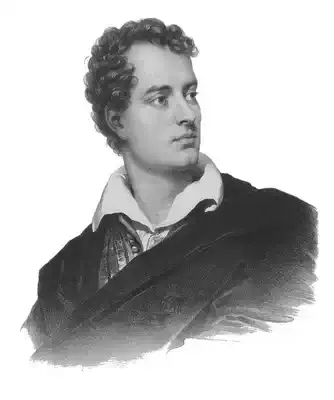
Lord Byron
Written Shortly After The Marriage Of Miss Chaworth
Written Shortly After The Marriage Of Miss Chaworth
Hills of Annesley, bleak and barren,
Where my thoughtless childhood stray'd,
How the northern tempests, warring,
Howl above thy tufted shade!
Now no more, the hours beguiling,
Former favourite haunts I see;
Now no more my Mary smiling
Makes ye seem a heaven to me.
Hills of Annesley, bleak and barren,
Where my thoughtless childhood stray'd,
How the northern tempests, warring,
Howl above thy tufted shade!
Now no more, the hours beguiling,
Former favourite haunts I see;
Now no more my Mary smiling
Makes ye seem a heaven to me.
448
Lord Byron
Windsor Poetics : Lines Composed On The Occasion Of His Royal Highness The
Windsor Poetics : Lines Composed On The Occasion Of His Royal Highness The
Prince Regent Being Seen Standing Between The Coffins Of Henry VIII And
Charles I, In The Royal Vault At Windsor
Famed for contemptuous breach of sacred ties,
By headless Charles see heartless Henry lies;
Between them stands another sceptred thingIt
moves, it reignsin
all but name, a king:
Charles to his people, Henry to his wife,
In
him the double tyrant starts to life:
Justice and death have mix'd their dust in vain,
Each royal vampire wakes to life again.
Ah, what can tombs avail!since
these disgorge
The blood and dust of bothto
mould a George.
Prince Regent Being Seen Standing Between The Coffins Of Henry VIII And
Charles I, In The Royal Vault At Windsor
Famed for contemptuous breach of sacred ties,
By headless Charles see heartless Henry lies;
Between them stands another sceptred thingIt
moves, it reignsin
all but name, a king:
Charles to his people, Henry to his wife,
In
him the double tyrant starts to life:
Justice and death have mix'd their dust in vain,
Each royal vampire wakes to life again.
Ah, what can tombs avail!since
these disgorge
The blood and dust of bothto
mould a George.
438
Lord Byron
When I Roved A Young Highlander
When I Roved A Young Highlander
When I roved a young Highlander o'er the dark heath,
And climb'd thy steep sumrnit, oh Morven of snow!
To gaze on the torrent that thunder'd beneath,
Or the mist of the tempest that gather'd below,
Untutor'd by science, a stranger to fear,
And rude as the rocks where my infancy grew,
No feeling, save one, to my bosom was dear
Need I say, my sweet Mary, 'twas centred in you?
Yet it could not be love, for I knew not the name,What
passion can dwell in the heart of a child?
But still I pereceive an emotion the same
As I felt, when a boy, on the crag cover'd wild:
One image alone on my bosom impress'd
I loved my bleak regions, nor panted for new;
And few were my wants, for my wishes were bless'd;
And pure were my thoughts, for my soul was with you.
I arose with the dawn; with my dog as my guide,
From mountain to mountain I bounded along
I breasted the billows of Dee's rushing tide,
And heard at a distance the Highlander's song:
At eve, on my heathcover'd
couch of repose,
No dreams, save of Mary, were spread to my view;
And warm to the skies my devotions aoose,
For the first of my prayers was a blessing on you.
I left my bleak home, and my visions are gone;
The mountains are vanish'd, my youth is no more;
As the last of my race, I must wither alone,
And delight but in days I have witness'd before:
Ah! splendour has raised but embitter'd my lot;
More dear were the scenes which my infancy knew:
Though my hopes may have fail'd, yet they are not forgot;
Though cold is my heart, still it lingers with you.
When I see some dark hill point its crest to the sky,
I think of the rocks that o'ershadow Colbleen
When I see the soft blue of a lovespeaking
eye
I think of those eyes that endear'd the rude scene;
When, haply, some lightwaving
locks I behold,
That faintly resemble my Mary's in hue,
I think on the long, flowing ringlets of gold,
The locks that were sacred to beauty, and you.
Yet the day may arrive when the mountains once more
Shall rise to my sight In their mantles of snow:
But while these soar above me, unchanged as before
Will Mary be there to receive me? ah,
no!
Adieu, then, ye hills, where my childhood was bred!
Thou sweet flowing Dee, to thy waters adieu!
No home in the forest shall shelter my head,
Ah! Mary, what home could be mine but with you?
When I roved a young Highlander o'er the dark heath,
And climb'd thy steep sumrnit, oh Morven of snow!
To gaze on the torrent that thunder'd beneath,
Or the mist of the tempest that gather'd below,
Untutor'd by science, a stranger to fear,
And rude as the rocks where my infancy grew,
No feeling, save one, to my bosom was dear
Need I say, my sweet Mary, 'twas centred in you?
Yet it could not be love, for I knew not the name,What
passion can dwell in the heart of a child?
But still I pereceive an emotion the same
As I felt, when a boy, on the crag cover'd wild:
One image alone on my bosom impress'd
I loved my bleak regions, nor panted for new;
And few were my wants, for my wishes were bless'd;
And pure were my thoughts, for my soul was with you.
I arose with the dawn; with my dog as my guide,
From mountain to mountain I bounded along
I breasted the billows of Dee's rushing tide,
And heard at a distance the Highlander's song:
At eve, on my heathcover'd
couch of repose,
No dreams, save of Mary, were spread to my view;
And warm to the skies my devotions aoose,
For the first of my prayers was a blessing on you.
I left my bleak home, and my visions are gone;
The mountains are vanish'd, my youth is no more;
As the last of my race, I must wither alone,
And delight but in days I have witness'd before:
Ah! splendour has raised but embitter'd my lot;
More dear were the scenes which my infancy knew:
Though my hopes may have fail'd, yet they are not forgot;
Though cold is my heart, still it lingers with you.
When I see some dark hill point its crest to the sky,
I think of the rocks that o'ershadow Colbleen
When I see the soft blue of a lovespeaking
eye
I think of those eyes that endear'd the rude scene;
When, haply, some lightwaving
locks I behold,
That faintly resemble my Mary's in hue,
I think on the long, flowing ringlets of gold,
The locks that were sacred to beauty, and you.
Yet the day may arrive when the mountains once more
Shall rise to my sight In their mantles of snow:
But while these soar above me, unchanged as before
Will Mary be there to receive me? ah,
no!
Adieu, then, ye hills, where my childhood was bred!
Thou sweet flowing Dee, to thy waters adieu!
No home in the forest shall shelter my head,
Ah! Mary, what home could be mine but with you?
686
Lord Byron
When I Roved A Young Highlander
When I Roved A Young Highlander
When I roved a young Highlander o'er the dark heath,
And climb'd thy steep sumrnit, oh Morven of snow!
To gaze on the torrent that thunder'd beneath,
Or the mist of the tempest that gather'd below,
Untutor'd by science, a stranger to fear,
And rude as the rocks where my infancy grew,
No feeling, save one, to my bosom was dear
Need I say, my sweet Mary, 'twas centred in you?
Yet it could not be love, for I knew not the name,What
passion can dwell in the heart of a child?
But still I pereceive an emotion the same
As I felt, when a boy, on the crag cover'd wild:
One image alone on my bosom impress'd
I loved my bleak regions, nor panted for new;
And few were my wants, for my wishes were bless'd;
And pure were my thoughts, for my soul was with you.
I arose with the dawn; with my dog as my guide,
From mountain to mountain I bounded along
I breasted the billows of Dee's rushing tide,
And heard at a distance the Highlander's song:
At eve, on my heathcover'd
couch of repose,
No dreams, save of Mary, were spread to my view;
And warm to the skies my devotions aoose,
For the first of my prayers was a blessing on you.
I left my bleak home, and my visions are gone;
The mountains are vanish'd, my youth is no more;
As the last of my race, I must wither alone,
And delight but in days I have witness'd before:
Ah! splendour has raised but embitter'd my lot;
More dear were the scenes which my infancy knew:
Though my hopes may have fail'd, yet they are not forgot;
Though cold is my heart, still it lingers with you.
When I see some dark hill point its crest to the sky,
I think of the rocks that o'ershadow Colbleen
When I see the soft blue of a lovespeaking
eye
I think of those eyes that endear'd the rude scene;
When, haply, some lightwaving
locks I behold,
That faintly resemble my Mary's in hue,
I think on the long, flowing ringlets of gold,
The locks that were sacred to beauty, and you.
Yet the day may arrive when the mountains once more
Shall rise to my sight In their mantles of snow:
But while these soar above me, unchanged as before
Will Mary be there to receive me? ah,
no!
Adieu, then, ye hills, where my childhood was bred!
Thou sweet flowing Dee, to thy waters adieu!
No home in the forest shall shelter my head,
Ah! Mary, what home could be mine but with you?
When I roved a young Highlander o'er the dark heath,
And climb'd thy steep sumrnit, oh Morven of snow!
To gaze on the torrent that thunder'd beneath,
Or the mist of the tempest that gather'd below,
Untutor'd by science, a stranger to fear,
And rude as the rocks where my infancy grew,
No feeling, save one, to my bosom was dear
Need I say, my sweet Mary, 'twas centred in you?
Yet it could not be love, for I knew not the name,What
passion can dwell in the heart of a child?
But still I pereceive an emotion the same
As I felt, when a boy, on the crag cover'd wild:
One image alone on my bosom impress'd
I loved my bleak regions, nor panted for new;
And few were my wants, for my wishes were bless'd;
And pure were my thoughts, for my soul was with you.
I arose with the dawn; with my dog as my guide,
From mountain to mountain I bounded along
I breasted the billows of Dee's rushing tide,
And heard at a distance the Highlander's song:
At eve, on my heathcover'd
couch of repose,
No dreams, save of Mary, were spread to my view;
And warm to the skies my devotions aoose,
For the first of my prayers was a blessing on you.
I left my bleak home, and my visions are gone;
The mountains are vanish'd, my youth is no more;
As the last of my race, I must wither alone,
And delight but in days I have witness'd before:
Ah! splendour has raised but embitter'd my lot;
More dear were the scenes which my infancy knew:
Though my hopes may have fail'd, yet they are not forgot;
Though cold is my heart, still it lingers with you.
When I see some dark hill point its crest to the sky,
I think of the rocks that o'ershadow Colbleen
When I see the soft blue of a lovespeaking
eye
I think of those eyes that endear'd the rude scene;
When, haply, some lightwaving
locks I behold,
That faintly resemble my Mary's in hue,
I think on the long, flowing ringlets of gold,
The locks that were sacred to beauty, and you.
Yet the day may arrive when the mountains once more
Shall rise to my sight In their mantles of snow:
But while these soar above me, unchanged as before
Will Mary be there to receive me? ah,
no!
Adieu, then, ye hills, where my childhood was bred!
Thou sweet flowing Dee, to thy waters adieu!
No home in the forest shall shelter my head,
Ah! Mary, what home could be mine but with you?
686
Lord Byron
We Sate Down And Wept By The Waters
We Sate Down And Wept By The Waters
I.
We sate down and wept by the waters
Of Babel, and thought of the day
When our foe, in the hue of his slaughters,
Made Salem's high places his prey;
And ye, oh her desolate daughters!
Were scattered all weeping away.
II.
While sadly we gazed on the river
Which roll'd on in freedom below,
They demanded the song; but, oh never
That triumph the stranger shall know!
May this right hand be withered for ever,
Ere it string our high harp for the foe!
III.
On the willow that harp is suspended,
Oh Salem! its sound should be free;
And the hour when thy glories were ended
But left me that token of thee:
And ne'er shall its soft tones be blended
With the voice of the spoiler by me!
I.
We sate down and wept by the waters
Of Babel, and thought of the day
When our foe, in the hue of his slaughters,
Made Salem's high places his prey;
And ye, oh her desolate daughters!
Were scattered all weeping away.
II.
While sadly we gazed on the river
Which roll'd on in freedom below,
They demanded the song; but, oh never
That triumph the stranger shall know!
May this right hand be withered for ever,
Ere it string our high harp for the foe!
III.
On the willow that harp is suspended,
Oh Salem! its sound should be free;
And the hour when thy glories were ended
But left me that token of thee:
And ne'er shall its soft tones be blended
With the voice of the spoiler by me!
549
Lord Byron
Translation Of The Romaic Song
Translation Of The Romaic Song
I enter thy garden of roses,
Beloved and fair Haidée,
Each morning where Flora reposes,
For surely I see her in thee.
Oh, Lovely! thus low I implore thee,
Receive this fond truth from my tongue,
Which utters its song to adore thee,
Yet trembles for what it has sung;
As the branch, at the bidding of Nature,
Adds fragrance and fruit to the tree,
Through her eyes, through her every feature,
Shines the soul of the young Haidée.
But the loveliest garden grows hateful
When Love has abandon'd the bowers;
Bring me hemlock since
mine is ungrateful,
That herb is more fragrant than flowers.
The poison, when pour 'd from the chalice,
Will deeply embitter the bowl;
But when drunk to escape from thy malice,
The draught shall be sweet to my soul.
Too cruel! in vain I implore thee
My heart from these horrors to save:
Will nought to my bosom restore thee?
Then open the gates of the grave.
As the chief who to combat advances
Secure of his conquest before,
Thus thou, with those eyes for thy lances,
Halt pierced through my heart to its core.
Ah, tell me, my soul! must I perish
By pangs which a smile would dispel?
Would the hope, which thou once bad'st me cherish,
For torture repay me too well?
Now sad is the garden of roses,
Beloved but false Haidée!
There Flora all wither'd reposes,
And mourns o'er thing absence with me.
I enter thy garden of roses,
Beloved and fair Haidée,
Each morning where Flora reposes,
For surely I see her in thee.
Oh, Lovely! thus low I implore thee,
Receive this fond truth from my tongue,
Which utters its song to adore thee,
Yet trembles for what it has sung;
As the branch, at the bidding of Nature,
Adds fragrance and fruit to the tree,
Through her eyes, through her every feature,
Shines the soul of the young Haidée.
But the loveliest garden grows hateful
When Love has abandon'd the bowers;
Bring me hemlock since
mine is ungrateful,
That herb is more fragrant than flowers.
The poison, when pour 'd from the chalice,
Will deeply embitter the bowl;
But when drunk to escape from thy malice,
The draught shall be sweet to my soul.
Too cruel! in vain I implore thee
My heart from these horrors to save:
Will nought to my bosom restore thee?
Then open the gates of the grave.
As the chief who to combat advances
Secure of his conquest before,
Thus thou, with those eyes for thy lances,
Halt pierced through my heart to its core.
Ah, tell me, my soul! must I perish
By pangs which a smile would dispel?
Would the hope, which thou once bad'st me cherish,
For torture repay me too well?
Now sad is the garden of roses,
Beloved but false Haidée!
There Flora all wither'd reposes,
And mourns o'er thing absence with me.
504
Lord Byron
Translation Of The Famous Greek War Song
Translation Of The Famous Greek War Song
Sons of the Greeks, arise!
The glorious hour's gone forth,
And, worthy of such ties,
Display who gave us birth.
CHORUS.
Sons of Greeks! let us go
In arms against the foe,
Till their hated blood shall flow
In a river past our feet.
Then manfully despising
The Turkish tyrant's yoke,
Let your country see you rising,
And all her chains are broke.
Brave shades of chiefs and sages,
Behold the coming strife!
Hellenes of past ages,
Oh, start again to life!
At the sound of my trumpet, breaking
Your sleep, oh, loin with me!
And the sevenhill'd
city seeking,
Fight, conquer, till we're free.
Sons of Greeks, &c.
Sparta, Sparta, why in slumbers
Lethargic dolt thou lie?
Awake, and join thy numbers
With Athens, old ally!
Leonidas recalling,
That chief of ancient song,
Who saved ye once from falling,
The terrible! the strong!
Who made that bold diversion
In old Thermopylæ
And warring with the Persian
To keep his country free;
With his three hundred waging
The battle, long he stood,
And like a lion raging,
Expired in seas of blood.
Sons of Greeks, &c.
Sons of the Greeks, arise!
The glorious hour's gone forth,
And, worthy of such ties,
Display who gave us birth.
CHORUS.
Sons of Greeks! let us go
In arms against the foe,
Till their hated blood shall flow
In a river past our feet.
Then manfully despising
The Turkish tyrant's yoke,
Let your country see you rising,
And all her chains are broke.
Brave shades of chiefs and sages,
Behold the coming strife!
Hellenes of past ages,
Oh, start again to life!
At the sound of my trumpet, breaking
Your sleep, oh, loin with me!
And the sevenhill'd
city seeking,
Fight, conquer, till we're free.
Sons of Greeks, &c.
Sparta, Sparta, why in slumbers
Lethargic dolt thou lie?
Awake, and join thy numbers
With Athens, old ally!
Leonidas recalling,
That chief of ancient song,
Who saved ye once from falling,
The terrible! the strong!
Who made that bold diversion
In old Thermopylæ
And warring with the Persian
To keep his country free;
With his three hundred waging
The battle, long he stood,
And like a lion raging,
Expired in seas of blood.
Sons of Greeks, &c.
595
Lord Byron
Translation Of A Romaic Love Song
Translation Of A Romaic Love Song
Ah! Love was never yet without
The pang, the agony, the doubt,
Which rends my heart with ceaseless sigh,
While day and night roll darkling by.
Without one friend to hear my woe,
I faint, I die beneath the blow.
That Love had arrows well I knew;
Alas! I find them poison'd too.
Birds, yet in freedom, shun the net
Which Love around your haunts hath set;
Or, circled by his fatal fire,
Your hearts shall burn, your hopes expire.
A bird of free and careless wing
Was I through many a smiling spring;
But caught within the subtle snare,
I burn, and feebly flutter there.
Who ne'er have loved, and loved in vain,
Can neither feel nor pity pain,
The cold repulse, the look askance,
The lightning of Love's angry glance.
In flattering dreams I deem'd thee mine;
Now hope, and he who hoped, decline'
Like melting wax, or withering flower,
I feel my passion, and thy power.
My light of life! ah, tell me why
That pouting lip, and alter'd eye?
My bird of love! my beauteous mate!
And art thou changed, and canst thou hate?
Mine eyes like wintry streams o'erflow:
What wretch with me would barter woe?
My bird! relent: one note could give
A charm to bid thy lover live.
My curdling blood, my madd'ning brain,
In silent anguish I sustain
And still thy heart, without partaking
One pang, exults while
mine is breaking.
Pour me the poison; fear not thou!
Thou canst not murder more than now:
I've lived to curse my natal day,
And Love, that thus can lingering slay.
My wounded soul, my bleeding breast,
Can patience preach thee into rest?
Alas! too late, I dearly know
That joy is harbinger of woe.
Ah! Love was never yet without
The pang, the agony, the doubt,
Which rends my heart with ceaseless sigh,
While day and night roll darkling by.
Without one friend to hear my woe,
I faint, I die beneath the blow.
That Love had arrows well I knew;
Alas! I find them poison'd too.
Birds, yet in freedom, shun the net
Which Love around your haunts hath set;
Or, circled by his fatal fire,
Your hearts shall burn, your hopes expire.
A bird of free and careless wing
Was I through many a smiling spring;
But caught within the subtle snare,
I burn, and feebly flutter there.
Who ne'er have loved, and loved in vain,
Can neither feel nor pity pain,
The cold repulse, the look askance,
The lightning of Love's angry glance.
In flattering dreams I deem'd thee mine;
Now hope, and he who hoped, decline'
Like melting wax, or withering flower,
I feel my passion, and thy power.
My light of life! ah, tell me why
That pouting lip, and alter'd eye?
My bird of love! my beauteous mate!
And art thou changed, and canst thou hate?
Mine eyes like wintry streams o'erflow:
What wretch with me would barter woe?
My bird! relent: one note could give
A charm to bid thy lover live.
My curdling blood, my madd'ning brain,
In silent anguish I sustain
And still thy heart, without partaking
One pang, exults while
mine is breaking.
Pour me the poison; fear not thou!
Thou canst not murder more than now:
I've lived to curse my natal day,
And Love, that thus can lingering slay.
My wounded soul, my bleeding breast,
Can patience preach thee into rest?
Alas! too late, I dearly know
That joy is harbinger of woe.
616