

Poems in this topic
Emotions and Feelings
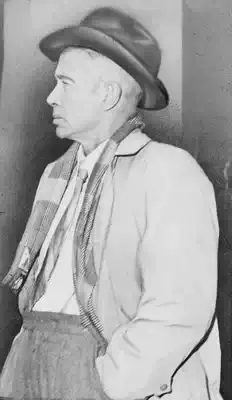
E. E. Cummings
if everything happens that can't be done
if everything happens that can't be done
if everything happens that can't be done
(and anything's righter
than books
could plan)
the stupidest teacher will almost guess
(with a run
skip
around we go yes)
there's nothing as something as one
one hasn't a why or because or although
(and buds know better
than books
don't grow)
one's anything old being everything new
(with a what
which
around we come who)
one's everyanything so
so world is a leaf so tree is a bough
(and birds sing sweeter
than books
tell how)
so here is away and so your is a my
(with a down
up
around again fly)
forever was never till now
now i love you and you love me
(and books are shutter
than books
can be)
and deep in the high that does nothing but fall
(with a shout
each
around we go all)
there's somebody calling who's we
we're anything brighter than even the sun
(we're everything greater
than books
might mean)
we're everanything more than believe
(with a spin
leap
alive we're alive)
we're wonderful one times one
if everything happens that can't be done
(and anything's righter
than books
could plan)
the stupidest teacher will almost guess
(with a run
skip
around we go yes)
there's nothing as something as one
one hasn't a why or because or although
(and buds know better
than books
don't grow)
one's anything old being everything new
(with a what
which
around we come who)
one's everyanything so
so world is a leaf so tree is a bough
(and birds sing sweeter
than books
tell how)
so here is away and so your is a my
(with a down
up
around again fly)
forever was never till now
now i love you and you love me
(and books are shutter
than books
can be)
and deep in the high that does nothing but fall
(with a shout
each
around we go all)
there's somebody calling who's we
we're anything brighter than even the sun
(we're everything greater
than books
might mean)
we're everanything more than believe
(with a spin
leap
alive we're alive)
we're wonderful one times one
660
E. E. Cummings
i sing of Olaf glad and big
i sing of Olaf glad and big
i sing of Olaf glad and big
whose warmest heart recoiled at war:
a conscientious object-or
his wellbelovéd colonel (trig
westpointer most succinctly bred)
took erring Olaf soon in hand;
but-though an host of overjoyed
noncoms (first knocking on the head
him) do through icy waters roll
that helplessness which others stroke
with brushes recently employed
anent this muddy toiletbowl,
while kindred intellects evoke
allegiance per blunt instruments-
Olaf (being to all intents
a corpse and wanting any rag
upon what God unto him gave)
responds, without getting annoyed
"I will not kiss your fucking flag"
straightaway the silver bird looked grave
(departing hurriedly to shave)
but-though all kinds of officers
(a yearning nation's blueeyed pride)
their passive prey did kick and curse
until for wear their clarion
voices and boots were much the worse,
and egged the firstclassprivates on
his rectum wickedly to tease
by means of skillfully applied
bayonets roasted hot with heat-
Olaf (upon what were once knees)
does almost ceaselessly repeat
"there is some shit I will not eat"
our president,being of which
assertions duly notified
threw the yellowsonofabitch
into a dungeon,where he died
Christ (of His mercy infinite)
i pray to see;and Olaf,too
preponderatingly because
unless statistics lie he was
more brave than me:more blond than you
i sing of Olaf glad and big
whose warmest heart recoiled at war:
a conscientious object-or
his wellbelovéd colonel (trig
westpointer most succinctly bred)
took erring Olaf soon in hand;
but-though an host of overjoyed
noncoms (first knocking on the head
him) do through icy waters roll
that helplessness which others stroke
with brushes recently employed
anent this muddy toiletbowl,
while kindred intellects evoke
allegiance per blunt instruments-
Olaf (being to all intents
a corpse and wanting any rag
upon what God unto him gave)
responds, without getting annoyed
"I will not kiss your fucking flag"
straightaway the silver bird looked grave
(departing hurriedly to shave)
but-though all kinds of officers
(a yearning nation's blueeyed pride)
their passive prey did kick and curse
until for wear their clarion
voices and boots were much the worse,
and egged the firstclassprivates on
his rectum wickedly to tease
by means of skillfully applied
bayonets roasted hot with heat-
Olaf (upon what were once knees)
does almost ceaselessly repeat
"there is some shit I will not eat"
our president,being of which
assertions duly notified
threw the yellowsonofabitch
into a dungeon,where he died
Christ (of His mercy infinite)
i pray to see;and Olaf,too
preponderatingly because
unless statistics lie he was
more brave than me:more blond than you
701
E. E. Cummings
i have found what you are like
i have found what you are like
i have found what you are like
the rain
(Who feathers frightened fields
with the superior dust-of-sleep. wields
easily the pale club of the wind
and swirled justly souls of flower strike
the air in utterable coolness
deeds of gren thrilling light
with thinned
newfragile yellows
lurch and press
--in the woods
which
stutter
and
sing
And the coolness of your smile is
stirringofbirds between my arms;but
i should rather than anything
have(almost when hugeness will shut
quietly)almost,
your kiss
i have found what you are like
the rain
(Who feathers frightened fields
with the superior dust-of-sleep. wields
easily the pale club of the wind
and swirled justly souls of flower strike
the air in utterable coolness
deeds of gren thrilling light
with thinned
newfragile yellows
lurch and press
--in the woods
which
stutter
and
sing
And the coolness of your smile is
stirringofbirds between my arms;but
i should rather than anything
have(almost when hugeness will shut
quietly)almost,
your kiss
551
E. E. Cummings
all in green
all in green
All in green went my love riding
on a great horse of gold
into the silver dawn.
Four lean hounds crouched low and smiling
the merry deer ran before.
Fleeter be they than dappled dreams
the swift red deer
the red rare deer.
Four red roebuck at a white water
the cruel bugle sang before.
Horn at hip went my love riding
riding the echo down
into the silver dawn.
Four lean hounds crouched low and smiling
the level meadows ran before.
Softer be they than slippered sleep
the lean lithe deer
the fleet flown deer.
Four fleet does at a gold valley
the famished arrow sang before.
Bow at belt went my love riding
riding the mountain down
into the silver dawn.
Four lean hounds crouched low and smiling
the sheer peaks ran before.
Paler be they than daunting death
the sleek slim deer
the tall tense deer.
Four tall stags at the green mountain
the lucky hunter sang before.
All in green went my love riding
on a great horse of gold
into the silver dawn.
Four lean hounds crouched low and smiling
my heart fell dead before.
All in green went my love riding
on a great horse of gold
into the silver dawn.
Four lean hounds crouched low and smiling
the merry deer ran before.
Fleeter be they than dappled dreams
the swift red deer
the red rare deer.
Four red roebuck at a white water
the cruel bugle sang before.
Horn at hip went my love riding
riding the echo down
into the silver dawn.
Four lean hounds crouched low and smiling
the level meadows ran before.
Softer be they than slippered sleep
the lean lithe deer
the fleet flown deer.
Four fleet does at a gold valley
the famished arrow sang before.
Bow at belt went my love riding
riding the mountain down
into the silver dawn.
Four lean hounds crouched low and smiling
the sheer peaks ran before.
Paler be they than daunting death
the sleek slim deer
the tall tense deer.
Four tall stags at the green mountain
the lucky hunter sang before.
All in green went my love riding
on a great horse of gold
into the silver dawn.
Four lean hounds crouched low and smiling
my heart fell dead before.
620
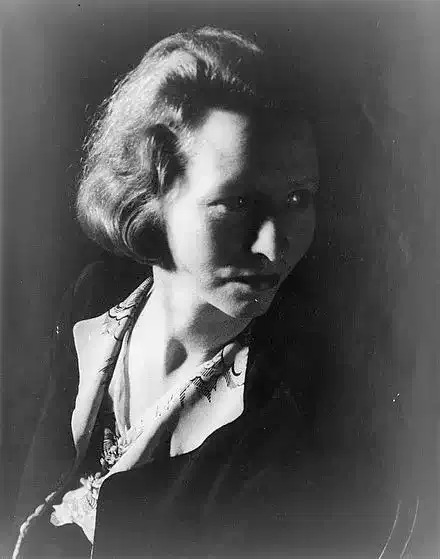
Edna St. Vincent Millay
Wraith
Wraith
"Thin Rain, whom are you haunting,
That you haunt my door?"
—Surely it is not I she's wanting;
Someone living here before—
"Nobody's in the house but me:
You may come in if you like and see."
Thin as thread, with exquisite fingers,—
Have you seen her, any of you?—
Grey shawl, and leaning on the wind,
And the garden showing through?
Glimmering eyes,—and silent, mostly,
Sort of a whisper, sort of a purr,
Asking something, asking it over,
If you get a sound from her.—
Ever see her, any of you?—
Strangest thing I've ever known,—
Every night since I moved in,
And I came to be alone.
"Thin Rain, hush with your knocking!
You may not come in!
This is I that you hear rocking;
Nobody's with me, nor has been!"
Curious, how she tried the window,—
Odd, the way she tries the door,—
Wonder just what sort of people
Could have had this house before . . .
"Thin Rain, whom are you haunting,
That you haunt my door?"
—Surely it is not I she's wanting;
Someone living here before—
"Nobody's in the house but me:
You may come in if you like and see."
Thin as thread, with exquisite fingers,—
Have you seen her, any of you?—
Grey shawl, and leaning on the wind,
And the garden showing through?
Glimmering eyes,—and silent, mostly,
Sort of a whisper, sort of a purr,
Asking something, asking it over,
If you get a sound from her.—
Ever see her, any of you?—
Strangest thing I've ever known,—
Every night since I moved in,
And I came to be alone.
"Thin Rain, hush with your knocking!
You may not come in!
This is I that you hear rocking;
Nobody's with me, nor has been!"
Curious, how she tried the window,—
Odd, the way she tries the door,—
Wonder just what sort of people
Could have had this house before . . .
393
Edna St. Vincent Millay
Wraith
Wraith
"Thin Rain, whom are you haunting,
That you haunt my door?"
—Surely it is not I she's wanting;
Someone living here before—
"Nobody's in the house but me:
You may come in if you like and see."
Thin as thread, with exquisite fingers,—
Have you seen her, any of you?—
Grey shawl, and leaning on the wind,
And the garden showing through?
Glimmering eyes,—and silent, mostly,
Sort of a whisper, sort of a purr,
Asking something, asking it over,
If you get a sound from her.—
Ever see her, any of you?—
Strangest thing I've ever known,—
Every night since I moved in,
And I came to be alone.
"Thin Rain, hush with your knocking!
You may not come in!
This is I that you hear rocking;
Nobody's with me, nor has been!"
Curious, how she tried the window,—
Odd, the way she tries the door,—
Wonder just what sort of people
Could have had this house before . . .
"Thin Rain, whom are you haunting,
That you haunt my door?"
—Surely it is not I she's wanting;
Someone living here before—
"Nobody's in the house but me:
You may come in if you like and see."
Thin as thread, with exquisite fingers,—
Have you seen her, any of you?—
Grey shawl, and leaning on the wind,
And the garden showing through?
Glimmering eyes,—and silent, mostly,
Sort of a whisper, sort of a purr,
Asking something, asking it over,
If you get a sound from her.—
Ever see her, any of you?—
Strangest thing I've ever known,—
Every night since I moved in,
And I came to be alone.
"Thin Rain, hush with your knocking!
You may not come in!
This is I that you hear rocking;
Nobody's with me, nor has been!"
Curious, how she tried the window,—
Odd, the way she tries the door,—
Wonder just what sort of people
Could have had this house before . . .
393
Edna St. Vincent Millay
Wraith
Wraith
"Thin Rain, whom are you haunting,
That you haunt my door?"
—Surely it is not I she's wanting;
Someone living here before—
"Nobody's in the house but me:
You may come in if you like and see."
Thin as thread, with exquisite fingers,—
Have you seen her, any of you?—
Grey shawl, and leaning on the wind,
And the garden showing through?
Glimmering eyes,—and silent, mostly,
Sort of a whisper, sort of a purr,
Asking something, asking it over,
If you get a sound from her.—
Ever see her, any of you?—
Strangest thing I've ever known,—
Every night since I moved in,
And I came to be alone.
"Thin Rain, hush with your knocking!
You may not come in!
This is I that you hear rocking;
Nobody's with me, nor has been!"
Curious, how she tried the window,—
Odd, the way she tries the door,—
Wonder just what sort of people
Could have had this house before . . .
"Thin Rain, whom are you haunting,
That you haunt my door?"
—Surely it is not I she's wanting;
Someone living here before—
"Nobody's in the house but me:
You may come in if you like and see."
Thin as thread, with exquisite fingers,—
Have you seen her, any of you?—
Grey shawl, and leaning on the wind,
And the garden showing through?
Glimmering eyes,—and silent, mostly,
Sort of a whisper, sort of a purr,
Asking something, asking it over,
If you get a sound from her.—
Ever see her, any of you?—
Strangest thing I've ever known,—
Every night since I moved in,
And I came to be alone.
"Thin Rain, hush with your knocking!
You may not come in!
This is I that you hear rocking;
Nobody's with me, nor has been!"
Curious, how she tried the window,—
Odd, the way she tries the door,—
Wonder just what sort of people
Could have had this house before . . .
393
E. E. Cummings
(a... (a leaf falls on loneliness)
(a... (a leaf falls on loneliness)
1(a
le
af
fa
ll
s)
one
l
iness
1(a
le
af
fa
ll
s)
one
l
iness
937
Edna St. Vincent Millay
When I Too Long Have Looked Upon Your Face
When I Too Long Have Looked Upon Your Face
When I too long have looked upon your face,
Wherein for me a brightness unobscured
Save by the mists of brightness has its place,
And terrible beauty not to be endured,
I turn away reluctant from your light,
And stand irresolute, a mind undone,
A silly, dazzled thing deprived of sight
From having looked too long upon the sun.
Then is my daily life a narrow room
In which a little while, uncertainly,
Surrounded by impenetrable gloom,
Among familiar things grown strange to me
Making my way, I pause, and feel, and hark,
Till I become accustomed to the dark.
When I too long have looked upon your face,
Wherein for me a brightness unobscured
Save by the mists of brightness has its place,
And terrible beauty not to be endured,
I turn away reluctant from your light,
And stand irresolute, a mind undone,
A silly, dazzled thing deprived of sight
From having looked too long upon the sun.
Then is my daily life a narrow room
In which a little while, uncertainly,
Surrounded by impenetrable gloom,
Among familiar things grown strange to me
Making my way, I pause, and feel, and hark,
Till I become accustomed to the dark.
399
Edna St. Vincent Millay
We Talk of Taxes...
We Talk of Taxes...
We talk of taxes, and I call you friend;
Well, such you are, -- but well enough we know
How thick about us root, how rankly grow
Those subtle weeds no man has need to tend,
That flourish through neglect, and soon must send
Perfume too sweet upon us and overthrow
Our steady senses; how such matters go
We are aware, and how such matters end.
Yet shall be told no meagre passion here;
With lovers such as we forevermore
Isolde drinks the draught, and Guinevere
Receives the Table's ruin through her door,
Francesca, with the loud surf at her ear,
Lets fall the coloured book upon the floor.
We talk of taxes, and I call you friend;
Well, such you are, -- but well enough we know
How thick about us root, how rankly grow
Those subtle weeds no man has need to tend,
That flourish through neglect, and soon must send
Perfume too sweet upon us and overthrow
Our steady senses; how such matters go
We are aware, and how such matters end.
Yet shall be told no meagre passion here;
With lovers such as we forevermore
Isolde drinks the draught, and Guinevere
Receives the Table's ruin through her door,
Francesca, with the loud surf at her ear,
Lets fall the coloured book upon the floor.
337
Edna St. Vincent Millay
We Talk of Taxes...
We Talk of Taxes...
We talk of taxes, and I call you friend;
Well, such you are, -- but well enough we know
How thick about us root, how rankly grow
Those subtle weeds no man has need to tend,
That flourish through neglect, and soon must send
Perfume too sweet upon us and overthrow
Our steady senses; how such matters go
We are aware, and how such matters end.
Yet shall be told no meagre passion here;
With lovers such as we forevermore
Isolde drinks the draught, and Guinevere
Receives the Table's ruin through her door,
Francesca, with the loud surf at her ear,
Lets fall the coloured book upon the floor.
We talk of taxes, and I call you friend;
Well, such you are, -- but well enough we know
How thick about us root, how rankly grow
Those subtle weeds no man has need to tend,
That flourish through neglect, and soon must send
Perfume too sweet upon us and overthrow
Our steady senses; how such matters go
We are aware, and how such matters end.
Yet shall be told no meagre passion here;
With lovers such as we forevermore
Isolde drinks the draught, and Guinevere
Receives the Table's ruin through her door,
Francesca, with the loud surf at her ear,
Lets fall the coloured book upon the floor.
337
Edna St. Vincent Millay
Two Sonnets In Memory
Two Sonnets In Memory
(Nicola Sacco -- Bartolomeo Vanzetti)
Executed August 23, 1927
I
As men have loved their lovers in times past
And sung their wit, their virtue and their grace,
So have we loved sweet Justice to the last,
That now lies here in an unseemly place.
The child will quit the cradle and grow wise
And stare on beauty till his senses drown;
Yet shall be seen no more by mortal eyes
Such beauty as here walked and here went down.
Like birds that hear the winter crying plain
Her courtiers leave to seek the clement south;
Many have praised her, we alone remain
To break a fist against the lying mouth
Of any man who says this was not so:
Though she be dead now, as indeed we know.
II
Where can the heart be hidden in the ground
And be at peace, and be at peace forever,
Under the world, untroubled by the sound
Of mortal tears, that cease from pouring never?
Well for the heart, by stern compassion harried,
If death be deeper than the churchmen say, --
Gone from this world indeed what's graveward carried,
And laid to rest indeed what's laid away.
Anguish enough while yet the indignant breather
Have blood to spurt upon the oppressor's hand;
Who would eternal be, and hang in ether
A stuffless ghost above his struggling land,
Retching in vain to render up the groan
That is not there, being aching dust's alone?
(Nicola Sacco -- Bartolomeo Vanzetti)
Executed August 23, 1927
I
As men have loved their lovers in times past
And sung their wit, their virtue and their grace,
So have we loved sweet Justice to the last,
That now lies here in an unseemly place.
The child will quit the cradle and grow wise
And stare on beauty till his senses drown;
Yet shall be seen no more by mortal eyes
Such beauty as here walked and here went down.
Like birds that hear the winter crying plain
Her courtiers leave to seek the clement south;
Many have praised her, we alone remain
To break a fist against the lying mouth
Of any man who says this was not so:
Though she be dead now, as indeed we know.
II
Where can the heart be hidden in the ground
And be at peace, and be at peace forever,
Under the world, untroubled by the sound
Of mortal tears, that cease from pouring never?
Well for the heart, by stern compassion harried,
If death be deeper than the churchmen say, --
Gone from this world indeed what's graveward carried,
And laid to rest indeed what's laid away.
Anguish enough while yet the indignant breather
Have blood to spurt upon the oppressor's hand;
Who would eternal be, and hang in ether
A stuffless ghost above his struggling land,
Retching in vain to render up the groan
That is not there, being aching dust's alone?
348
Edna St. Vincent Millay
Two Sonnets In Memory
Two Sonnets In Memory
(Nicola Sacco -- Bartolomeo Vanzetti)
Executed August 23, 1927
I
As men have loved their lovers in times past
And sung their wit, their virtue and their grace,
So have we loved sweet Justice to the last,
That now lies here in an unseemly place.
The child will quit the cradle and grow wise
And stare on beauty till his senses drown;
Yet shall be seen no more by mortal eyes
Such beauty as here walked and here went down.
Like birds that hear the winter crying plain
Her courtiers leave to seek the clement south;
Many have praised her, we alone remain
To break a fist against the lying mouth
Of any man who says this was not so:
Though she be dead now, as indeed we know.
II
Where can the heart be hidden in the ground
And be at peace, and be at peace forever,
Under the world, untroubled by the sound
Of mortal tears, that cease from pouring never?
Well for the heart, by stern compassion harried,
If death be deeper than the churchmen say, --
Gone from this world indeed what's graveward carried,
And laid to rest indeed what's laid away.
Anguish enough while yet the indignant breather
Have blood to spurt upon the oppressor's hand;
Who would eternal be, and hang in ether
A stuffless ghost above his struggling land,
Retching in vain to render up the groan
That is not there, being aching dust's alone?
(Nicola Sacco -- Bartolomeo Vanzetti)
Executed August 23, 1927
I
As men have loved their lovers in times past
And sung their wit, their virtue and their grace,
So have we loved sweet Justice to the last,
That now lies here in an unseemly place.
The child will quit the cradle and grow wise
And stare on beauty till his senses drown;
Yet shall be seen no more by mortal eyes
Such beauty as here walked and here went down.
Like birds that hear the winter crying plain
Her courtiers leave to seek the clement south;
Many have praised her, we alone remain
To break a fist against the lying mouth
Of any man who says this was not so:
Though she be dead now, as indeed we know.
II
Where can the heart be hidden in the ground
And be at peace, and be at peace forever,
Under the world, untroubled by the sound
Of mortal tears, that cease from pouring never?
Well for the heart, by stern compassion harried,
If death be deeper than the churchmen say, --
Gone from this world indeed what's graveward carried,
And laid to rest indeed what's laid away.
Anguish enough while yet the indignant breather
Have blood to spurt upon the oppressor's hand;
Who would eternal be, and hang in ether
A stuffless ghost above his struggling land,
Retching in vain to render up the groan
That is not there, being aching dust's alone?
348
Edna St. Vincent Millay
To Those Without Pity
To Those Without Pity
Cruel of heart, lay down my song,
Your reading eyes have done me wrong,
Not for you was the pen bitten,
And the mind wrung, and the song written.
Cruel of heart, lay down my song,
Your reading eyes have done me wrong,
Not for you was the pen bitten,
And the mind wrung, and the song written.
364
Edna St. Vincent Millay
To Those Without Pity
To Those Without Pity
Cruel of heart, lay down my song,
Your reading eyes have done me wrong,
Not for you was the pen bitten,
And the mind wrung, and the song written.
Cruel of heart, lay down my song,
Your reading eyes have done me wrong,
Not for you was the pen bitten,
And the mind wrung, and the song written.
364
Edna St. Vincent Millay
Three Songs Of Shattering
Three Songs Of Shattering
I
The first rose on my rose-tree
Budded, bloomed, and shattered,
During sad days when to me
Nothing mattered.
Grief of grief has drained me clean;
Still it seems a pity
No one saw,—it must have been
Very pretty.
II
Let the little birds sing;
Let the little lambs play;
Spring is here; and so 'tis spring;—
But not in the old way!
I recall a place
Where a plum-tree grew;
There you lifted up your face,
And blossoms covered you.
If the little birds sing,
And the little lambs play,
Spring is here; and so 'tis spring—
But not in the old way!
III
All the dog-wood blossoms are underneath the tree!
Ere spring was going—ah, spring is gone!
And there comes no summer to the like of you and me,—
Blossom time is early, but no fruit sets on.
All the dog-wood blossoms are underneath the tree,
Browned at the edges, turned in a day;
And I would with all my heart they trimmed a mound for me,
And weeds were tall on all the paths that led that way!
I
The first rose on my rose-tree
Budded, bloomed, and shattered,
During sad days when to me
Nothing mattered.
Grief of grief has drained me clean;
Still it seems a pity
No one saw,—it must have been
Very pretty.
II
Let the little birds sing;
Let the little lambs play;
Spring is here; and so 'tis spring;—
But not in the old way!
I recall a place
Where a plum-tree grew;
There you lifted up your face,
And blossoms covered you.
If the little birds sing,
And the little lambs play,
Spring is here; and so 'tis spring—
But not in the old way!
III
All the dog-wood blossoms are underneath the tree!
Ere spring was going—ah, spring is gone!
And there comes no summer to the like of you and me,—
Blossom time is early, but no fruit sets on.
All the dog-wood blossoms are underneath the tree,
Browned at the edges, turned in a day;
And I would with all my heart they trimmed a mound for me,
And weeds were tall on all the paths that led that way!
429
Edna St. Vincent Millay
Three Songs Of Shattering
Three Songs Of Shattering
I
The first rose on my rose-tree
Budded, bloomed, and shattered,
During sad days when to me
Nothing mattered.
Grief of grief has drained me clean;
Still it seems a pity
No one saw,—it must have been
Very pretty.
II
Let the little birds sing;
Let the little lambs play;
Spring is here; and so 'tis spring;—
But not in the old way!
I recall a place
Where a plum-tree grew;
There you lifted up your face,
And blossoms covered you.
If the little birds sing,
And the little lambs play,
Spring is here; and so 'tis spring—
But not in the old way!
III
All the dog-wood blossoms are underneath the tree!
Ere spring was going—ah, spring is gone!
And there comes no summer to the like of you and me,—
Blossom time is early, but no fruit sets on.
All the dog-wood blossoms are underneath the tree,
Browned at the edges, turned in a day;
And I would with all my heart they trimmed a mound for me,
And weeds were tall on all the paths that led that way!
I
The first rose on my rose-tree
Budded, bloomed, and shattered,
During sad days when to me
Nothing mattered.
Grief of grief has drained me clean;
Still it seems a pity
No one saw,—it must have been
Very pretty.
II
Let the little birds sing;
Let the little lambs play;
Spring is here; and so 'tis spring;—
But not in the old way!
I recall a place
Where a plum-tree grew;
There you lifted up your face,
And blossoms covered you.
If the little birds sing,
And the little lambs play,
Spring is here; and so 'tis spring—
But not in the old way!
III
All the dog-wood blossoms are underneath the tree!
Ere spring was going—ah, spring is gone!
And there comes no summer to the like of you and me,—
Blossom time is early, but no fruit sets on.
All the dog-wood blossoms are underneath the tree,
Browned at the edges, turned in a day;
And I would with all my heart they trimmed a mound for me,
And weeds were tall on all the paths that led that way!
429
Edna St. Vincent Millay
The True Encounter
The True Encounter
"Wolf!" cried my cunning heart
At every sheep it spied,
And roused the countryside.
"Wolf! Wolf!"—and up would start
Good neighbours, bringing spade
And pitchfork to my aid.
At length my cry was known:
Therein lay my release.
I met the wolf alone
And was devoured in peace.
"Wolf!" cried my cunning heart
At every sheep it spied,
And roused the countryside.
"Wolf! Wolf!"—and up would start
Good neighbours, bringing spade
And pitchfork to my aid.
At length my cry was known:
Therein lay my release.
I met the wolf alone
And was devoured in peace.
478
Edna St. Vincent Millay
The Spring And The Fall
The Spring And The Fall
In the spring of the year, in the spring of the year,
I walked the road beside my dear.
The trees were black where the bark was wet.
I see them yet, in the spring of the year.
He broke me a bough of the blossoming peach
That was out of the way and hard to reach.
In the fall of the year, in the fall of the year,
I walked the road beside my dear.
The rooks went up with a raucous trill.
I hear them still, in the fall of the year.
He laughed at all I dared to praise,
And broke my heart, in little ways.
Year be springing or year be falling,
The bark will drip and the birds be calling.
There's much that's fine to see and hear
In the spring of a year, in the fall of a year.
'Tis not love's going hurt my days.
But that it went in little ways.
In the spring of the year, in the spring of the year,
I walked the road beside my dear.
The trees were black where the bark was wet.
I see them yet, in the spring of the year.
He broke me a bough of the blossoming peach
That was out of the way and hard to reach.
In the fall of the year, in the fall of the year,
I walked the road beside my dear.
The rooks went up with a raucous trill.
I hear them still, in the fall of the year.
He laughed at all I dared to praise,
And broke my heart, in little ways.
Year be springing or year be falling,
The bark will drip and the birds be calling.
There's much that's fine to see and hear
In the spring of a year, in the fall of a year.
'Tis not love's going hurt my days.
But that it went in little ways.
446
Edna St. Vincent Millay
The Singing-Woman From The Wood's Edge
The Singing-Woman From The Wood's Edge
What should I be but a prophet and a liar,
Whose mother was a leprechaun, whose father was a friar?
Teethed on a crucifix and cradled under water,
What should I be but the fiend's god-daughter?
And who should be my playmates but the adder and the frog,
That was got beneath a furze-bush and born in a bog?
And what should be my singing, that was christened at an altar,
But Aves and Credos and Psalms out of the Psalter?
You will see such webs on the wet grass, maybe,
As a pixie-mother weaves for her baby,
You will find such flame at the wave's weedy ebb
As flashes in the meshes of a mer-mother's web,
But there comes to birth no common spawn
From the love a a priest for a leprechaun,
And you never have seen and you never will see
Such things as the things that swaddled me!
After all's said and after all's done,
What should I be but a harlot and a nun?
In through the bushes, on any foggy day,
My Da would come a-swishing of the drops away,
With a prayer for my death and a groan for my birth,
A-mumbling of his beads for all that he was worth.
And there'd sit my Ma, with her knees beneath her chin,
A-looking in his face and a-drinking of it in,
And a-marking in the moss some funny little saying
That would mean just the opposite of all that he was praying!
He taught me the holy-talk of Vesper and of Matin,
He heard me my Greek and he heard me my Latin,
He blessed me and crossed me to keep my soul from evil,
And we watched him out of sight, and we conjured up the devil!
Oh, the things I haven't seen and the things I haven't known,
What with hedges and ditches till after I was grown,
And yanked both way by my mother and my father,
With a "Which would you better?" and a " Which would you
rather?"
With him for a sire and her for a dam,
What should I be but just what I am?
What should I be but a prophet and a liar,
Whose mother was a leprechaun, whose father was a friar?
Teethed on a crucifix and cradled under water,
What should I be but the fiend's god-daughter?
And who should be my playmates but the adder and the frog,
That was got beneath a furze-bush and born in a bog?
And what should be my singing, that was christened at an altar,
But Aves and Credos and Psalms out of the Psalter?
You will see such webs on the wet grass, maybe,
As a pixie-mother weaves for her baby,
You will find such flame at the wave's weedy ebb
As flashes in the meshes of a mer-mother's web,
But there comes to birth no common spawn
From the love a a priest for a leprechaun,
And you never have seen and you never will see
Such things as the things that swaddled me!
After all's said and after all's done,
What should I be but a harlot and a nun?
In through the bushes, on any foggy day,
My Da would come a-swishing of the drops away,
With a prayer for my death and a groan for my birth,
A-mumbling of his beads for all that he was worth.
And there'd sit my Ma, with her knees beneath her chin,
A-looking in his face and a-drinking of it in,
And a-marking in the moss some funny little saying
That would mean just the opposite of all that he was praying!
He taught me the holy-talk of Vesper and of Matin,
He heard me my Greek and he heard me my Latin,
He blessed me and crossed me to keep my soul from evil,
And we watched him out of sight, and we conjured up the devil!
Oh, the things I haven't seen and the things I haven't known,
What with hedges and ditches till after I was grown,
And yanked both way by my mother and my father,
With a "Which would you better?" and a " Which would you
rather?"
With him for a sire and her for a dam,
What should I be but just what I am?
358
Edna St. Vincent Millay
The Penitent
The Penitent
I had a little Sorrow,
Born of a little Sin,
I found a room all damp with gloom
And shut us all within;
And, "Little Sorrow, weep," said I,
"And, Little Sin, pray God to die,
And I upon the floor will lie
And think how bad I've been!"
Alas for pious planning—
It mattered not a whit!
As far as gloom went in that room,
The lamp might have been lit!
My little Sorrow would not weep,
My little Sin would go to sleep—
To save my soul I could not keep
My graceless mind on it!
So I got up in anger,
And took a book I had,
And put a ribbon on my hair
To please a passing lad,
And, "One thing there's no getting by—
I've been a wicked girl," said I:
"But if I can't be sorry, why,
I might as well be glad!"
I had a little Sorrow,
Born of a little Sin,
I found a room all damp with gloom
And shut us all within;
And, "Little Sorrow, weep," said I,
"And, Little Sin, pray God to die,
And I upon the floor will lie
And think how bad I've been!"
Alas for pious planning—
It mattered not a whit!
As far as gloom went in that room,
The lamp might have been lit!
My little Sorrow would not weep,
My little Sin would go to sleep—
To save my soul I could not keep
My graceless mind on it!
So I got up in anger,
And took a book I had,
And put a ribbon on my hair
To please a passing lad,
And, "One thing there's no getting by—
I've been a wicked girl," said I:
"But if I can't be sorry, why,
I might as well be glad!"
387
Edna St. Vincent Millay
The Plaid Dress
The Plaid Dress
Strong sun, that bleach
The curtains of my room, can you not render
Colourless this dress I wear?—
This violent plaid
Of purple angers and red shames; the yellow stripe
Of thin but valid treacheries; the flashy green of kind deeds done
Through indolence high judgments given here in haste;
The recurring checker of the serious breach of taste?
No more uncoloured than unmade,
I fear, can be this garment that I may not doff;
Confession does not strip it off,
To send me homeward eased and bare;
All through the formal, unoffending evening, under the clean
Bright hair,
Lining the subtle gown. . .it is not seen,
But it is there.
Strong sun, that bleach
The curtains of my room, can you not render
Colourless this dress I wear?—
This violent plaid
Of purple angers and red shames; the yellow stripe
Of thin but valid treacheries; the flashy green of kind deeds done
Through indolence high judgments given here in haste;
The recurring checker of the serious breach of taste?
No more uncoloured than unmade,
I fear, can be this garment that I may not doff;
Confession does not strip it off,
To send me homeward eased and bare;
All through the formal, unoffending evening, under the clean
Bright hair,
Lining the subtle gown. . .it is not seen,
But it is there.
358
Edna St. Vincent Millay
The Plaid Dress
The Plaid Dress
Strong sun, that bleach
The curtains of my room, can you not render
Colourless this dress I wear?—
This violent plaid
Of purple angers and red shames; the yellow stripe
Of thin but valid treacheries; the flashy green of kind deeds done
Through indolence high judgments given here in haste;
The recurring checker of the serious breach of taste?
No more uncoloured than unmade,
I fear, can be this garment that I may not doff;
Confession does not strip it off,
To send me homeward eased and bare;
All through the formal, unoffending evening, under the clean
Bright hair,
Lining the subtle gown. . .it is not seen,
But it is there.
Strong sun, that bleach
The curtains of my room, can you not render
Colourless this dress I wear?—
This violent plaid
Of purple angers and red shames; the yellow stripe
Of thin but valid treacheries; the flashy green of kind deeds done
Through indolence high judgments given here in haste;
The recurring checker of the serious breach of taste?
No more uncoloured than unmade,
I fear, can be this garment that I may not doff;
Confession does not strip it off,
To send me homeward eased and bare;
All through the formal, unoffending evening, under the clean
Bright hair,
Lining the subtle gown. . .it is not seen,
But it is there.
358
Edna St. Vincent Millay
The Fawn
The Fawn
There it was I saw what I shall never forget
And never retrieve.
Monstrous and beautiful to human eyes, hard to
believe,
He lay, yet there he lay,
Asleep on the moss, his head on his polished cleft
small ebony hoves,
The child of the doe, the dappled child of the deer.
Surely his mother had never said, "Lie here
Till I return," so spotty and plain to see
On the green moss lay he.
His eyes had opened; he considered me.
I would have given more than I care to say
To thrifty ears, might I have had him for my friend
One moment only of that forest day:
Might I have had the acceptance, not the love
Of those clear eyes;
Might I have been for him in the bough above
Or the root beneath his forest bed,
A part of the forest, seen without surprise.
Was it alarm, or was it the wind of my fear lest he
depart
That jerked him to his jointy knees,
And sent him crashing off, leaping and stumbling
On his new legs, between the stems of the white
trees?
There it was I saw what I shall never forget
And never retrieve.
Monstrous and beautiful to human eyes, hard to
believe,
He lay, yet there he lay,
Asleep on the moss, his head on his polished cleft
small ebony hoves,
The child of the doe, the dappled child of the deer.
Surely his mother had never said, "Lie here
Till I return," so spotty and plain to see
On the green moss lay he.
His eyes had opened; he considered me.
I would have given more than I care to say
To thrifty ears, might I have had him for my friend
One moment only of that forest day:
Might I have had the acceptance, not the love
Of those clear eyes;
Might I have been for him in the bough above
Or the root beneath his forest bed,
A part of the forest, seen without surprise.
Was it alarm, or was it the wind of my fear lest he
depart
That jerked him to his jointy knees,
And sent him crashing off, leaping and stumbling
On his new legs, between the stems of the white
trees?
379