

Poems in this topic
Emotions and Feelings

Charlotte Brontë
Evening Solace
Evening Solace
THE human heart has hidden treasures,
In secret kept, in silence sealed;The
thoughts, the hopes, the dreams, the pleasures,
Whose charms were broken if revealed.
And days may pass in gay confusion,
And nights in rosy riot fly,
While, lost in Fame's or Wealth's illusion,
The memory of the Past may die.
But, there are hours of lonely musing,
Such as in evening silence come,
When, soft as birds their pinions closing,
The heart's best feelings gather home.
Then in our souls there seems to languish
A tender grief that is not woe;
And thoughts that once wrung groans of anguish,
Now cause but some mild tears to flow.
And feelings, once as strong as passions,
Float softly backa
faded dream;
Our own sharp griefs and wild sensations,
The tale of others' sufferings seem.
Oh ! when the heart is freshly bleeding,
How longs it for that time to be,
When, through the mist of years receding,
Its woes but live in reverie !
And it can dwell on moonlight glimmer,
On evening shade and loneliness;
And, while the sky grows dim and dimmer,
Feel no untold and strange distressOnly
a deeper impulse given
By lonely hour and darkened room,
To solemn thoughts that soar to heaven,
Seeking a life and world to come.
THE human heart has hidden treasures,
In secret kept, in silence sealed;The
thoughts, the hopes, the dreams, the pleasures,
Whose charms were broken if revealed.
And days may pass in gay confusion,
And nights in rosy riot fly,
While, lost in Fame's or Wealth's illusion,
The memory of the Past may die.
But, there are hours of lonely musing,
Such as in evening silence come,
When, soft as birds their pinions closing,
The heart's best feelings gather home.
Then in our souls there seems to languish
A tender grief that is not woe;
And thoughts that once wrung groans of anguish,
Now cause but some mild tears to flow.
And feelings, once as strong as passions,
Float softly backa
faded dream;
Our own sharp griefs and wild sensations,
The tale of others' sufferings seem.
Oh ! when the heart is freshly bleeding,
How longs it for that time to be,
When, through the mist of years receding,
Its woes but live in reverie !
And it can dwell on moonlight glimmer,
On evening shade and loneliness;
And, while the sky grows dim and dimmer,
Feel no untold and strange distressOnly
a deeper impulse given
By lonely hour and darkened room,
To solemn thoughts that soar to heaven,
Seeking a life and world to come.
250
Charlotte Brontë
Evening Solace
Evening Solace
THE human heart has hidden treasures,
In secret kept, in silence sealed;The
thoughts, the hopes, the dreams, the pleasures,
Whose charms were broken if revealed.
And days may pass in gay confusion,
And nights in rosy riot fly,
While, lost in Fame's or Wealth's illusion,
The memory of the Past may die.
But, there are hours of lonely musing,
Such as in evening silence come,
When, soft as birds their pinions closing,
The heart's best feelings gather home.
Then in our souls there seems to languish
A tender grief that is not woe;
And thoughts that once wrung groans of anguish,
Now cause but some mild tears to flow.
And feelings, once as strong as passions,
Float softly backa
faded dream;
Our own sharp griefs and wild sensations,
The tale of others' sufferings seem.
Oh ! when the heart is freshly bleeding,
How longs it for that time to be,
When, through the mist of years receding,
Its woes but live in reverie !
And it can dwell on moonlight glimmer,
On evening shade and loneliness;
And, while the sky grows dim and dimmer,
Feel no untold and strange distressOnly
a deeper impulse given
By lonely hour and darkened room,
To solemn thoughts that soar to heaven,
Seeking a life and world to come.
THE human heart has hidden treasures,
In secret kept, in silence sealed;The
thoughts, the hopes, the dreams, the pleasures,
Whose charms were broken if revealed.
And days may pass in gay confusion,
And nights in rosy riot fly,
While, lost in Fame's or Wealth's illusion,
The memory of the Past may die.
But, there are hours of lonely musing,
Such as in evening silence come,
When, soft as birds their pinions closing,
The heart's best feelings gather home.
Then in our souls there seems to languish
A tender grief that is not woe;
And thoughts that once wrung groans of anguish,
Now cause but some mild tears to flow.
And feelings, once as strong as passions,
Float softly backa
faded dream;
Our own sharp griefs and wild sensations,
The tale of others' sufferings seem.
Oh ! when the heart is freshly bleeding,
How longs it for that time to be,
When, through the mist of years receding,
Its woes but live in reverie !
And it can dwell on moonlight glimmer,
On evening shade and loneliness;
And, while the sky grows dim and dimmer,
Feel no untold and strange distressOnly
a deeper impulse given
By lonely hour and darkened room,
To solemn thoughts that soar to heaven,
Seeking a life and world to come.
250
Charlotte Brontë
As some red planet's gleam.
As some red planet's gleam.
Talk not of thy Last Sacrament,
Tell not thy beads for me;
Both rite and prayer are vainly spent,
As dews upon the sea.
Speak not one word of Heaven above,
Rave not of Hell's alarms;
Give me but back my Walter's love,
Restore me to his arms !
Then will the bliss of Heaven be won;
Then will Hell shrink away,
As I have seen night's terrors shun
The conquering steps of day.
'Tis my religion thus to love,
My creed thus fixed to be;
Not Death shall shake, nor Priestcraft break
My rocklike
constancy !
Now go; for at the door there waits
Another stranger guest:
He callsI
comemy
pulse scarce beats,
My heart fails in my breast.
Again that voicehow
far away,
How dreary sounds that tone !
And I, methinks, am gone astray
In trackless wastes and lone.
I fain would rest a little while:
Where can I find a stay,
Till dawn upon the hills shall smile,
And show some trodden way ?
' I come ! I come !' in haste she said,
' 'Twas Walter's voice I heard !'
Then up she sprangbut
fell back, dead,
His name her latest word.
Talk not of thy Last Sacrament,
Tell not thy beads for me;
Both rite and prayer are vainly spent,
As dews upon the sea.
Speak not one word of Heaven above,
Rave not of Hell's alarms;
Give me but back my Walter's love,
Restore me to his arms !
Then will the bliss of Heaven be won;
Then will Hell shrink away,
As I have seen night's terrors shun
The conquering steps of day.
'Tis my religion thus to love,
My creed thus fixed to be;
Not Death shall shake, nor Priestcraft break
My rocklike
constancy !
Now go; for at the door there waits
Another stranger guest:
He callsI
comemy
pulse scarce beats,
My heart fails in my breast.
Again that voicehow
far away,
How dreary sounds that tone !
And I, methinks, am gone astray
In trackless wastes and lone.
I fain would rest a little while:
Where can I find a stay,
Till dawn upon the hills shall smile,
And show some trodden way ?
' I come ! I come !' in haste she said,
' 'Twas Walter's voice I heard !'
Then up she sprangbut
fell back, dead,
His name her latest word.
246
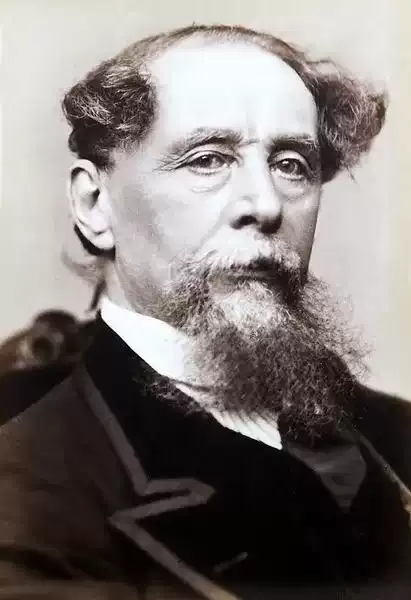
Charles Dickens
The Song Of The Wreck
The Song Of The Wreck
The wind blew high, the waters raved,
A ship drove on the land,
A hundred human creatures saved
Kneel'd down upon the sand.
Threescore were drown'd, threescore were thrown
Upon the black rocks wild,
And thus among them, left alone,
They found one helpless child.
A seaman rough, to shipwreck bred,
Stood out from all the rest,
And gently laid the lonely head
Upon his honest breast.
And travelling o'er the desert wide
It was a solemn joy,
To see them, ever side by side,
The sailor and the boy.
In famine, sickness, hunger, thirst,
The two were still but one,
Until the strong man droop'd the first
And felt his labors done.
Then to a trusty friend he spake,
'Across the desert wide,
Oh, take this poor boy for my sake!'
And kiss'd the child and died.
Toiling along in weary plight
Through heavy jungle, mire,
These two came later every night
To warm them at the fire.
Until the captain said one day
'O seaman, good and kind,
To save thyself now come away,
And leave the boy behind!'
The child was slumbering near the blaze:
'O captain, let him rest
Until it sinks, when God's own ways
Shall teach us what is best!'
They watch'd the whiten'd, ashy heap,
They touch'd the child in vain;
They did not leave him there asleep,
He never woke again.
The wind blew high, the waters raved,
A ship drove on the land,
A hundred human creatures saved
Kneel'd down upon the sand.
Threescore were drown'd, threescore were thrown
Upon the black rocks wild,
And thus among them, left alone,
They found one helpless child.
A seaman rough, to shipwreck bred,
Stood out from all the rest,
And gently laid the lonely head
Upon his honest breast.
And travelling o'er the desert wide
It was a solemn joy,
To see them, ever side by side,
The sailor and the boy.
In famine, sickness, hunger, thirst,
The two were still but one,
Until the strong man droop'd the first
And felt his labors done.
Then to a trusty friend he spake,
'Across the desert wide,
Oh, take this poor boy for my sake!'
And kiss'd the child and died.
Toiling along in weary plight
Through heavy jungle, mire,
These two came later every night
To warm them at the fire.
Until the captain said one day
'O seaman, good and kind,
To save thyself now come away,
And leave the boy behind!'
The child was slumbering near the blaze:
'O captain, let him rest
Until it sinks, when God's own ways
Shall teach us what is best!'
They watch'd the whiten'd, ashy heap,
They touch'd the child in vain;
They did not leave him there asleep,
He never woke again.
414
Charles Dickens
The Song Of The Wreck
The Song Of The Wreck
The wind blew high, the waters raved,
A ship drove on the land,
A hundred human creatures saved
Kneel'd down upon the sand.
Threescore were drown'd, threescore were thrown
Upon the black rocks wild,
And thus among them, left alone,
They found one helpless child.
A seaman rough, to shipwreck bred,
Stood out from all the rest,
And gently laid the lonely head
Upon his honest breast.
And travelling o'er the desert wide
It was a solemn joy,
To see them, ever side by side,
The sailor and the boy.
In famine, sickness, hunger, thirst,
The two were still but one,
Until the strong man droop'd the first
And felt his labors done.
Then to a trusty friend he spake,
'Across the desert wide,
Oh, take this poor boy for my sake!'
And kiss'd the child and died.
Toiling along in weary plight
Through heavy jungle, mire,
These two came later every night
To warm them at the fire.
Until the captain said one day
'O seaman, good and kind,
To save thyself now come away,
And leave the boy behind!'
The child was slumbering near the blaze:
'O captain, let him rest
Until it sinks, when God's own ways
Shall teach us what is best!'
They watch'd the whiten'd, ashy heap,
They touch'd the child in vain;
They did not leave him there asleep,
He never woke again.
The wind blew high, the waters raved,
A ship drove on the land,
A hundred human creatures saved
Kneel'd down upon the sand.
Threescore were drown'd, threescore were thrown
Upon the black rocks wild,
And thus among them, left alone,
They found one helpless child.
A seaman rough, to shipwreck bred,
Stood out from all the rest,
And gently laid the lonely head
Upon his honest breast.
And travelling o'er the desert wide
It was a solemn joy,
To see them, ever side by side,
The sailor and the boy.
In famine, sickness, hunger, thirst,
The two were still but one,
Until the strong man droop'd the first
And felt his labors done.
Then to a trusty friend he spake,
'Across the desert wide,
Oh, take this poor boy for my sake!'
And kiss'd the child and died.
Toiling along in weary plight
Through heavy jungle, mire,
These two came later every night
To warm them at the fire.
Until the captain said one day
'O seaman, good and kind,
To save thyself now come away,
And leave the boy behind!'
The child was slumbering near the blaze:
'O captain, let him rest
Until it sinks, when God's own ways
Shall teach us what is best!'
They watch'd the whiten'd, ashy heap,
They touch'd the child in vain;
They did not leave him there asleep,
He never woke again.
414
Charles Dickens
George Edmunds' Song
George Edmunds' Song
Autumn leaves, autumn leaves, lie strewn around he here;
Autumn leaves, autumn leaves, how sad, how cold, how drear!
How like the hopes of childhood's day,
Thick clust'ring on the bough!
How like those hopes in their decay-
How faded are they now!
Autumn leaves, autumn leaves, lie strewn around me here;
Autumn leaves, autumn leaves, how sad, how cold, how drear!
Wither'd leaves, wither'd leaves, that fly before the gale:
Withered leaves, withered leaves, ye tell a mournful tale,
Of love once true, and friends once kind,
And happy moments fled:
Dispersed by every breath of wind,
Forgotten, changed, or dead!
Autumn leaves, autumn leaves, lie strewn around me here!
Autumn leaves, autumn leaves, how sad, how cold, how drear!
Autumn leaves, autumn leaves, lie strewn around he here;
Autumn leaves, autumn leaves, how sad, how cold, how drear!
How like the hopes of childhood's day,
Thick clust'ring on the bough!
How like those hopes in their decay-
How faded are they now!
Autumn leaves, autumn leaves, lie strewn around me here;
Autumn leaves, autumn leaves, how sad, how cold, how drear!
Wither'd leaves, wither'd leaves, that fly before the gale:
Withered leaves, withered leaves, ye tell a mournful tale,
Of love once true, and friends once kind,
And happy moments fled:
Dispersed by every breath of wind,
Forgotten, changed, or dead!
Autumn leaves, autumn leaves, lie strewn around me here!
Autumn leaves, autumn leaves, how sad, how cold, how drear!
328
Charles Dickens
Lucy's Song
Lucy's Song
How beautiful at eventide
To see the twilight shadows pale,
Steal o'er the landscape, far and wide,
O'er stream and meadow, mound and dale!
How soft is Nature's calm repose
When ev'ning skies their cool dews weep:
The gentlest wind more gently blows,
As if to soothe her in her sleep!
The gay morn breaks,
Mists roll away,
All Nature awakes
To glorious day.
In my breast alone
Dark shadows remain;
The peace it has known
It can never regain.
How beautiful at eventide
To see the twilight shadows pale,
Steal o'er the landscape, far and wide,
O'er stream and meadow, mound and dale!
How soft is Nature's calm repose
When ev'ning skies their cool dews weep:
The gentlest wind more gently blows,
As if to soothe her in her sleep!
The gay morn breaks,
Mists roll away,
All Nature awakes
To glorious day.
In my breast alone
Dark shadows remain;
The peace it has known
It can never regain.
458
Charles Dickens
Lucy's Song
Lucy's Song
How beautiful at eventide
To see the twilight shadows pale,
Steal o'er the landscape, far and wide,
O'er stream and meadow, mound and dale!
How soft is Nature's calm repose
When ev'ning skies their cool dews weep:
The gentlest wind more gently blows,
As if to soothe her in her sleep!
The gay morn breaks,
Mists roll away,
All Nature awakes
To glorious day.
In my breast alone
Dark shadows remain;
The peace it has known
It can never regain.
How beautiful at eventide
To see the twilight shadows pale,
Steal o'er the landscape, far and wide,
O'er stream and meadow, mound and dale!
How soft is Nature's calm repose
When ev'ning skies their cool dews weep:
The gentlest wind more gently blows,
As if to soothe her in her sleep!
The gay morn breaks,
Mists roll away,
All Nature awakes
To glorious day.
In my breast alone
Dark shadows remain;
The peace it has known
It can never regain.
458
Charles Dickens
A Child's Hymn
A Child's Hymn
Hear my prayer, O heavenly Father,
Ere I lay me down to sleep;
Bid Thy angels, pure and holy,
Round my bed their vigil keep.
My sins are heavy, but Thy mercy
Far outweighs them, every one;
Down before Thy cross I cast them,
Trusting in Thy help alone.
Keep me through this night of peril
Underneath its boundless shade;
Take me to Thy rest, I pray Thee,
When my pilgrimage is made.
None shall measure out Thy patience
By the span of human thought;
None shall bound the tender mercies
Which Thy Holy Son has bought.
Pardon all my past transgressions,
Give me strength for days to come;
Guide and guard me with Thy blessing
Till Thy angels bid me home.
Hear my prayer, O heavenly Father,
Ere I lay me down to sleep;
Bid Thy angels, pure and holy,
Round my bed their vigil keep.
My sins are heavy, but Thy mercy
Far outweighs them, every one;
Down before Thy cross I cast them,
Trusting in Thy help alone.
Keep me through this night of peril
Underneath its boundless shade;
Take me to Thy rest, I pray Thee,
When my pilgrimage is made.
None shall measure out Thy patience
By the span of human thought;
None shall bound the tender mercies
Which Thy Holy Son has bought.
Pardon all my past transgressions,
Give me strength for days to come;
Guide and guard me with Thy blessing
Till Thy angels bid me home.
436
Charles Dickens
A fine Old English Gentleman
A fine Old English Gentleman
I'll sing you a new ballad, and I'll warrant it first-rate,
Of the days of that old gentleman who had that old estate;
When they spent the public money at a bountiful old rate
On ev'ry mistress, pimp, and scamp, at ev'ry noble gate,
In the fine old English Tory times;
Soon may they come again!
The good old laws were garnished well with gibbets, whips, and chains,
With fine old English penalties, and fine old English pains,
With rebel heads, and seas of blood once hot in rebel veins;
For all these things were requisite to guard the rich old gains
Of the fine old English Tory times;
Soon may they come again!
This brave old code, like Argus, had a hundred watchful eyes,
And ev'ry English peasant had his good old English spies,
To tempt his starving discontent with fine old English lies,
Then call the good old Yeomanry to stop his peevish cries,
In the fine old English Tory times;
Soon may they come again!
The good old times for cutting throats that cried out in their need,
The good old times for hunting men who held their fathers' creed,
The good old times when William Pitt, as all good men agreed,
Came down direct from Paradise at more than railroad speed. . . .
Oh the fine old English Tory times;
When will they come again!
In those rare days, the press was seldom known to snarl or bark,
But sweetly sang of men in pow'r, like any tuneful lark;
Grave judges, too, to all their evil deeds were in the dark;
And not a man in twenty score knew how to make his mark.
Oh the fine old English Tory times;
Soon may they come again!
Those were the days for taxes, and for war's infernal din;
For scarcity of bread, that fine old dowagers might win;
For shutting men of letters up, through iron bars to grin,
Because they didn't think the Prince was altogether thin,
In the fine old English Tory times;
Soon may they come again!
But Tolerance, though slow in flight, is strong-wing'd in the main;
That night must come on these fine days, in course of time was plain;
The pure old spirit struggled, but Its struggles were in vain;
A nation's grip was on it, and it died in choking pain,
With the fine old English Tory days,
All of the olden time.
The bright old day now dawns again; the cry runs through the land,
In England there shall be dear bread -- in Ireland, sword and brand;
And poverty, and ignorance, shall swell the rich and grand,
So, rally round the rulers with the gentle iron hand,
Of the fine old English Tory days; Hail to the coming time!
I'll sing you a new ballad, and I'll warrant it first-rate,
Of the days of that old gentleman who had that old estate;
When they spent the public money at a bountiful old rate
On ev'ry mistress, pimp, and scamp, at ev'ry noble gate,
In the fine old English Tory times;
Soon may they come again!
The good old laws were garnished well with gibbets, whips, and chains,
With fine old English penalties, and fine old English pains,
With rebel heads, and seas of blood once hot in rebel veins;
For all these things were requisite to guard the rich old gains
Of the fine old English Tory times;
Soon may they come again!
This brave old code, like Argus, had a hundred watchful eyes,
And ev'ry English peasant had his good old English spies,
To tempt his starving discontent with fine old English lies,
Then call the good old Yeomanry to stop his peevish cries,
In the fine old English Tory times;
Soon may they come again!
The good old times for cutting throats that cried out in their need,
The good old times for hunting men who held their fathers' creed,
The good old times when William Pitt, as all good men agreed,
Came down direct from Paradise at more than railroad speed. . . .
Oh the fine old English Tory times;
When will they come again!
In those rare days, the press was seldom known to snarl or bark,
But sweetly sang of men in pow'r, like any tuneful lark;
Grave judges, too, to all their evil deeds were in the dark;
And not a man in twenty score knew how to make his mark.
Oh the fine old English Tory times;
Soon may they come again!
Those were the days for taxes, and for war's infernal din;
For scarcity of bread, that fine old dowagers might win;
For shutting men of letters up, through iron bars to grin,
Because they didn't think the Prince was altogether thin,
In the fine old English Tory times;
Soon may they come again!
But Tolerance, though slow in flight, is strong-wing'd in the main;
That night must come on these fine days, in course of time was plain;
The pure old spirit struggled, but Its struggles were in vain;
A nation's grip was on it, and it died in choking pain,
With the fine old English Tory days,
All of the olden time.
The bright old day now dawns again; the cry runs through the land,
In England there shall be dear bread -- in Ireland, sword and brand;
And poverty, and ignorance, shall swell the rich and grand,
So, rally round the rulers with the gentle iron hand,
Of the fine old English Tory days; Hail to the coming time!
906
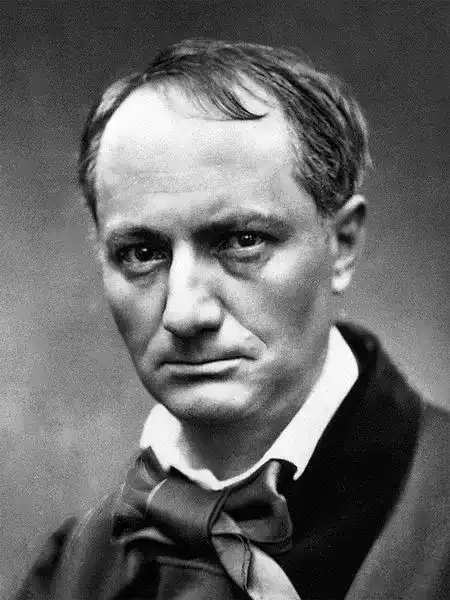
Charles Baudelaire
Voyage to Cythera
Voyage to Cythera
Free as a bird and joyfully my heart
Soared up among the rigging, in and out;
Under a cloudless sky the ship rolled on
Like an angel drunk with brilliant sun.
"That dark, grim island there--which would that be?"
"Cythera," we're told, "the legendary isle
Old bachelors tell stories of and smile.
There's really not much to it, you can see."
O place of many a mystic sacrament!
Archaic Aphrodite's splendid shade
Lingers above your waters like a scent
Infusing spirits with an amorous mood.
Worshipped from of old by every nation,
Myrtle-green isle, where each new bud discloses
Sighs of souls in loving adoration
Breathing like incense from a bank of roses
Or like a dove roo-cooing endlessly . . .
No; Cythera was a poor infertile rock,
A stony desert harrowed by the shriek
Of gulls. And yet there was something to see:
This was no temple deep in flowers and trees
With a young priestess moving to and fro,
Her body heated by a secret glow,
Her robe half-opening to every breeze;
But coasting nearer, close enough to land
To scatter flocks of birds as we passed by,
We saw a tall cypress-shaped thing at hand--
A triple gibbet black against the sky.
Ferocious birds, each perched on its own meal,
Were madly tearing at the thing that hung
And ripened; each, its filthy beak a drill,
Made little bleeding holes to root among.
The eyes were hollowed. Heavy guts cascading
Flowed like water halfway down the thighs;
The torturers, though gorged on these vile joys,
Had also put their beaks to use castrating
The corpse. A pack of dogs beneath its feet,
Their muzzles lifted, whirled and snapped and gnawed;
One bigger beast amidst this jealous lot
Looked like an executioner with his guard.
O Cytherean, child of this fair clime,
Silently you suffered these attacks,
Paying the penalty for whatever acts
Of infamy had kept you from a tomb.
Grotesquely dangling, somehow you brought on--
Violent as vomit rising from the chest,
Strong as a river bilious to taste--
A flow of sufferings I'd thought long gone.
Confronted with such dear remembered freight,
Poor devil, now it was my turn to feel
A panther's slavering jaws, a beak's cruel drill--
Once it was my flesh they loved to eat.
The sky was lovely, and the sea divine,
but something thick and binding like a shroud
Wrapped my heart in layers of black and blood;
Henceforth this allegory would be mine.
O Venus! On your isle what did I see
But my own image on the gallows tree?
O God, give me the strength to contemplate
My own heart, my own body without hate!
Free as a bird and joyfully my heart
Soared up among the rigging, in and out;
Under a cloudless sky the ship rolled on
Like an angel drunk with brilliant sun.
"That dark, grim island there--which would that be?"
"Cythera," we're told, "the legendary isle
Old bachelors tell stories of and smile.
There's really not much to it, you can see."
O place of many a mystic sacrament!
Archaic Aphrodite's splendid shade
Lingers above your waters like a scent
Infusing spirits with an amorous mood.
Worshipped from of old by every nation,
Myrtle-green isle, where each new bud discloses
Sighs of souls in loving adoration
Breathing like incense from a bank of roses
Or like a dove roo-cooing endlessly . . .
No; Cythera was a poor infertile rock,
A stony desert harrowed by the shriek
Of gulls. And yet there was something to see:
This was no temple deep in flowers and trees
With a young priestess moving to and fro,
Her body heated by a secret glow,
Her robe half-opening to every breeze;
But coasting nearer, close enough to land
To scatter flocks of birds as we passed by,
We saw a tall cypress-shaped thing at hand--
A triple gibbet black against the sky.
Ferocious birds, each perched on its own meal,
Were madly tearing at the thing that hung
And ripened; each, its filthy beak a drill,
Made little bleeding holes to root among.
The eyes were hollowed. Heavy guts cascading
Flowed like water halfway down the thighs;
The torturers, though gorged on these vile joys,
Had also put their beaks to use castrating
The corpse. A pack of dogs beneath its feet,
Their muzzles lifted, whirled and snapped and gnawed;
One bigger beast amidst this jealous lot
Looked like an executioner with his guard.
O Cytherean, child of this fair clime,
Silently you suffered these attacks,
Paying the penalty for whatever acts
Of infamy had kept you from a tomb.
Grotesquely dangling, somehow you brought on--
Violent as vomit rising from the chest,
Strong as a river bilious to taste--
A flow of sufferings I'd thought long gone.
Confronted with such dear remembered freight,
Poor devil, now it was my turn to feel
A panther's slavering jaws, a beak's cruel drill--
Once it was my flesh they loved to eat.
The sky was lovely, and the sea divine,
but something thick and binding like a shroud
Wrapped my heart in layers of black and blood;
Henceforth this allegory would be mine.
O Venus! On your isle what did I see
But my own image on the gallows tree?
O God, give me the strength to contemplate
My own heart, my own body without hate!
702
Charles Baudelaire
Voyage to Cythera
Voyage to Cythera
Free as a bird and joyfully my heart
Soared up among the rigging, in and out;
Under a cloudless sky the ship rolled on
Like an angel drunk with brilliant sun.
"That dark, grim island there--which would that be?"
"Cythera," we're told, "the legendary isle
Old bachelors tell stories of and smile.
There's really not much to it, you can see."
O place of many a mystic sacrament!
Archaic Aphrodite's splendid shade
Lingers above your waters like a scent
Infusing spirits with an amorous mood.
Worshipped from of old by every nation,
Myrtle-green isle, where each new bud discloses
Sighs of souls in loving adoration
Breathing like incense from a bank of roses
Or like a dove roo-cooing endlessly . . .
No; Cythera was a poor infertile rock,
A stony desert harrowed by the shriek
Of gulls. And yet there was something to see:
This was no temple deep in flowers and trees
With a young priestess moving to and fro,
Her body heated by a secret glow,
Her robe half-opening to every breeze;
But coasting nearer, close enough to land
To scatter flocks of birds as we passed by,
We saw a tall cypress-shaped thing at hand--
A triple gibbet black against the sky.
Ferocious birds, each perched on its own meal,
Were madly tearing at the thing that hung
And ripened; each, its filthy beak a drill,
Made little bleeding holes to root among.
The eyes were hollowed. Heavy guts cascading
Flowed like water halfway down the thighs;
The torturers, though gorged on these vile joys,
Had also put their beaks to use castrating
The corpse. A pack of dogs beneath its feet,
Their muzzles lifted, whirled and snapped and gnawed;
One bigger beast amidst this jealous lot
Looked like an executioner with his guard.
O Cytherean, child of this fair clime,
Silently you suffered these attacks,
Paying the penalty for whatever acts
Of infamy had kept you from a tomb.
Grotesquely dangling, somehow you brought on--
Violent as vomit rising from the chest,
Strong as a river bilious to taste--
A flow of sufferings I'd thought long gone.
Confronted with such dear remembered freight,
Poor devil, now it was my turn to feel
A panther's slavering jaws, a beak's cruel drill--
Once it was my flesh they loved to eat.
The sky was lovely, and the sea divine,
but something thick and binding like a shroud
Wrapped my heart in layers of black and blood;
Henceforth this allegory would be mine.
O Venus! On your isle what did I see
But my own image on the gallows tree?
O God, give me the strength to contemplate
My own heart, my own body without hate!
Free as a bird and joyfully my heart
Soared up among the rigging, in and out;
Under a cloudless sky the ship rolled on
Like an angel drunk with brilliant sun.
"That dark, grim island there--which would that be?"
"Cythera," we're told, "the legendary isle
Old bachelors tell stories of and smile.
There's really not much to it, you can see."
O place of many a mystic sacrament!
Archaic Aphrodite's splendid shade
Lingers above your waters like a scent
Infusing spirits with an amorous mood.
Worshipped from of old by every nation,
Myrtle-green isle, where each new bud discloses
Sighs of souls in loving adoration
Breathing like incense from a bank of roses
Or like a dove roo-cooing endlessly . . .
No; Cythera was a poor infertile rock,
A stony desert harrowed by the shriek
Of gulls. And yet there was something to see:
This was no temple deep in flowers and trees
With a young priestess moving to and fro,
Her body heated by a secret glow,
Her robe half-opening to every breeze;
But coasting nearer, close enough to land
To scatter flocks of birds as we passed by,
We saw a tall cypress-shaped thing at hand--
A triple gibbet black against the sky.
Ferocious birds, each perched on its own meal,
Were madly tearing at the thing that hung
And ripened; each, its filthy beak a drill,
Made little bleeding holes to root among.
The eyes were hollowed. Heavy guts cascading
Flowed like water halfway down the thighs;
The torturers, though gorged on these vile joys,
Had also put their beaks to use castrating
The corpse. A pack of dogs beneath its feet,
Their muzzles lifted, whirled and snapped and gnawed;
One bigger beast amidst this jealous lot
Looked like an executioner with his guard.
O Cytherean, child of this fair clime,
Silently you suffered these attacks,
Paying the penalty for whatever acts
Of infamy had kept you from a tomb.
Grotesquely dangling, somehow you brought on--
Violent as vomit rising from the chest,
Strong as a river bilious to taste--
A flow of sufferings I'd thought long gone.
Confronted with such dear remembered freight,
Poor devil, now it was my turn to feel
A panther's slavering jaws, a beak's cruel drill--
Once it was my flesh they loved to eat.
The sky was lovely, and the sea divine,
but something thick and binding like a shroud
Wrapped my heart in layers of black and blood;
Henceforth this allegory would be mine.
O Venus! On your isle what did I see
But my own image on the gallows tree?
O God, give me the strength to contemplate
My own heart, my own body without hate!
702
Charles Baudelaire
The Venal Muse
The Venal Muse
O muse of my heart, lover of palaces,
Will you bring, when January lets loose its sleet
And its black evenings without solace,
An ember to warm my violet feet?
What will revive your bruised shoulders,
The nocturnal rays that pierce the shutters?
When you cannot feel your palace, just your empty billfold,
How will you harvest the gold of azure vaults and gutters?
You should, to earn your bread today
Like a choir boy with a censer to wave,
Sings hymns with feeling but without belief.
Or, a starving rip-off artist, selling your charm
And your laughter shades the tears so no one sees the harm
In bringing to bloom an ordinary rat, a vulgar thief.
Translated by William A. Sigler
Submitted by Ryan McGuire
O muse of my heart, lover of palaces,
Will you bring, when January lets loose its sleet
And its black evenings without solace,
An ember to warm my violet feet?
What will revive your bruised shoulders,
The nocturnal rays that pierce the shutters?
When you cannot feel your palace, just your empty billfold,
How will you harvest the gold of azure vaults and gutters?
You should, to earn your bread today
Like a choir boy with a censer to wave,
Sings hymns with feeling but without belief.
Or, a starving rip-off artist, selling your charm
And your laughter shades the tears so no one sees the harm
In bringing to bloom an ordinary rat, a vulgar thief.
Translated by William A. Sigler
Submitted by Ryan McGuire
755
Charles Baudelaire
The Sick Muse
The Sick Muse
My impoverished muse, alas! What have you for me this morning?
Your empty eyes are stocked with nocturnal visions,
In your cheek's cold and taciturn reflection,
I see insanity and horror forming.
The green succubus and the red urchin,
Have they poured you fear and love from their urns?
The nightmare of a mutinous fist that despotically turns,
Does it drown you at the bottom of a loch beyond searching?
I wish that your breast exhaled the scent of sanity,
That your womb of thought was not a tomb more frequently
And that your Christian blood flowed around a buoy that was rhythmical,
Like the numberless sounds of antique syllables,
Where reigns in turn the father of songs,
Phoebus, and the great Pan, the harvest sovereign.
Translated by William A. Sigler
Submitted by Ryan McGuire
My impoverished muse, alas! What have you for me this morning?
Your empty eyes are stocked with nocturnal visions,
In your cheek's cold and taciturn reflection,
I see insanity and horror forming.
The green succubus and the red urchin,
Have they poured you fear and love from their urns?
The nightmare of a mutinous fist that despotically turns,
Does it drown you at the bottom of a loch beyond searching?
I wish that your breast exhaled the scent of sanity,
That your womb of thought was not a tomb more frequently
And that your Christian blood flowed around a buoy that was rhythmical,
Like the numberless sounds of antique syllables,
Where reigns in turn the father of songs,
Phoebus, and the great Pan, the harvest sovereign.
Translated by William A. Sigler
Submitted by Ryan McGuire
691
Charles Baudelaire
The Sick Muse
The Sick Muse
My impoverished muse, alas! What have you for me this morning?
Your empty eyes are stocked with nocturnal visions,
In your cheek's cold and taciturn reflection,
I see insanity and horror forming.
The green succubus and the red urchin,
Have they poured you fear and love from their urns?
The nightmare of a mutinous fist that despotically turns,
Does it drown you at the bottom of a loch beyond searching?
I wish that your breast exhaled the scent of sanity,
That your womb of thought was not a tomb more frequently
And that your Christian blood flowed around a buoy that was rhythmical,
Like the numberless sounds of antique syllables,
Where reigns in turn the father of songs,
Phoebus, and the great Pan, the harvest sovereign.
Translated by William A. Sigler
Submitted by Ryan McGuire
My impoverished muse, alas! What have you for me this morning?
Your empty eyes are stocked with nocturnal visions,
In your cheek's cold and taciturn reflection,
I see insanity and horror forming.
The green succubus and the red urchin,
Have they poured you fear and love from their urns?
The nightmare of a mutinous fist that despotically turns,
Does it drown you at the bottom of a loch beyond searching?
I wish that your breast exhaled the scent of sanity,
That your womb of thought was not a tomb more frequently
And that your Christian blood flowed around a buoy that was rhythmical,
Like the numberless sounds of antique syllables,
Where reigns in turn the father of songs,
Phoebus, and the great Pan, the harvest sovereign.
Translated by William A. Sigler
Submitted by Ryan McGuire
691
Charles Baudelaire
The Sick Muse
The Sick Muse
My impoverished muse, alas! What have you for me this morning?
Your empty eyes are stocked with nocturnal visions,
In your cheek's cold and taciturn reflection,
I see insanity and horror forming.
The green succubus and the red urchin,
Have they poured you fear and love from their urns?
The nightmare of a mutinous fist that despotically turns,
Does it drown you at the bottom of a loch beyond searching?
I wish that your breast exhaled the scent of sanity,
That your womb of thought was not a tomb more frequently
And that your Christian blood flowed around a buoy that was rhythmical,
Like the numberless sounds of antique syllables,
Where reigns in turn the father of songs,
Phoebus, and the great Pan, the harvest sovereign.
Translated by William A. Sigler
Submitted by Ryan McGuire
My impoverished muse, alas! What have you for me this morning?
Your empty eyes are stocked with nocturnal visions,
In your cheek's cold and taciturn reflection,
I see insanity and horror forming.
The green succubus and the red urchin,
Have they poured you fear and love from their urns?
The nightmare of a mutinous fist that despotically turns,
Does it drown you at the bottom of a loch beyond searching?
I wish that your breast exhaled the scent of sanity,
That your womb of thought was not a tomb more frequently
And that your Christian blood flowed around a buoy that was rhythmical,
Like the numberless sounds of antique syllables,
Where reigns in turn the father of songs,
Phoebus, and the great Pan, the harvest sovereign.
Translated by William A. Sigler
Submitted by Ryan McGuire
691
Charles Baudelaire
The Invitation to the Voyage
The Invitation to the Voyage
My sister, my child
imagine, exiled,
The sweetness, of being there, we two!
To live and to sigh,
to love and to die,
In the land that mirrors you!
The misted haze
of its clouded days
Has the same charm to my mind,
as mysterious,
as your traiterous
Eyes, behind glittering blinds.
There everything’s order and beauty,
calm, voluptuousness, and luxury.
The surface gleams
are polished it seems,
Through the years, to grace our room.
The rarest flowers
mix, with fragrant showers,
The vague, amber perfume.
The dark, painted halls,
the deep mirrored walls,
With Eastern splendour hung,
all secretly speak,
To the soul, its discrete,
Sweet, native tongue.
There, everything’s order and beauty,
calm, voluptuousness and luxury.
See, down the canals,
the sleeping vessels,
Those nomads, their white sails furled:
Now, to accomplish
your every wish,
They come from the ends of the world.
- The deep sunsets
surround the west,
The canals, the city, entire,
with blue-violet and gold;
And the Earth grows cold
In an incandescent fire.
There, everything’s order and beauty,
calm, voluptuousness and luxury.
My sister, my child
imagine, exiled,
The sweetness, of being there, we two!
To live and to sigh,
to love and to die,
In the land that mirrors you!
The misted haze
of its clouded days
Has the same charm to my mind,
as mysterious,
as your traiterous
Eyes, behind glittering blinds.
There everything’s order and beauty,
calm, voluptuousness, and luxury.
The surface gleams
are polished it seems,
Through the years, to grace our room.
The rarest flowers
mix, with fragrant showers,
The vague, amber perfume.
The dark, painted halls,
the deep mirrored walls,
With Eastern splendour hung,
all secretly speak,
To the soul, its discrete,
Sweet, native tongue.
There, everything’s order and beauty,
calm, voluptuousness and luxury.
See, down the canals,
the sleeping vessels,
Those nomads, their white sails furled:
Now, to accomplish
your every wish,
They come from the ends of the world.
- The deep sunsets
surround the west,
The canals, the city, entire,
with blue-violet and gold;
And the Earth grows cold
In an incandescent fire.
There, everything’s order and beauty,
calm, voluptuousness and luxury.
622
Charles Baudelaire
The Carcass
The Carcass
Remember that object we saw, dear soul,
In the sweetness of a summer morn:
At a bend of the path a loathsome carrion
On a bed with pebbles strewn,
With legs raised like a lustful woman,
Burning and sweating poisons,
It spread open, nonchalant and scornful,
Its belly, ripe with exhalations.
The sun shone onto the rotting heap,
As if to bring it to the boil,
And tender a hundredfold to vast Nature
All that together she had joined;
And the sky watched that superb carcass
Like a flower blossom out.
The stench was so strong that on the grass
You thought you would pass out.
Flies hummed upon the putrid belly,
Whence larvae in black battalions spread
And like a heavy liquid flowed
Along the tatters deliquescing.
All together it unfurled, and rose like a wave
And bubbling it sprang forth;
One might have believed that, with a faint breath filled,
The body, multiplying, lived.
And this world gave out a strange music
Like of running water and of wind,
Or of grain in a winnow
Rhythmically shaken and tossed.
Form was erased and all but a vision,
A sketch slow to take shape
On a forgotten canvas, which the artist finishes
From memory alone.
Behind the rocks a fretting bitch
Looked at us with fierce mien
Anxious to retrieve from the corpse
A morsel that she had dropped.
Yet to this rot you shall be like,
To this horrid corruption,
Star of my eyes, sun of desire,
You, my angel and my passion!
Yes, such you shall be, you, queen of all graces,
After the last sacraments,
When you go beneath the grass and waxy flowers,
To mold among the skeletons.
Then, oh my beauty! You must tell the vermin,
As it eats you up with kisses,
That I have preserved the form and essence divine
Of my decayed loves.
Remember that object we saw, dear soul,
In the sweetness of a summer morn:
At a bend of the path a loathsome carrion
On a bed with pebbles strewn,
With legs raised like a lustful woman,
Burning and sweating poisons,
It spread open, nonchalant and scornful,
Its belly, ripe with exhalations.
The sun shone onto the rotting heap,
As if to bring it to the boil,
And tender a hundredfold to vast Nature
All that together she had joined;
And the sky watched that superb carcass
Like a flower blossom out.
The stench was so strong that on the grass
You thought you would pass out.
Flies hummed upon the putrid belly,
Whence larvae in black battalions spread
And like a heavy liquid flowed
Along the tatters deliquescing.
All together it unfurled, and rose like a wave
And bubbling it sprang forth;
One might have believed that, with a faint breath filled,
The body, multiplying, lived.
And this world gave out a strange music
Like of running water and of wind,
Or of grain in a winnow
Rhythmically shaken and tossed.
Form was erased and all but a vision,
A sketch slow to take shape
On a forgotten canvas, which the artist finishes
From memory alone.
Behind the rocks a fretting bitch
Looked at us with fierce mien
Anxious to retrieve from the corpse
A morsel that she had dropped.
Yet to this rot you shall be like,
To this horrid corruption,
Star of my eyes, sun of desire,
You, my angel and my passion!
Yes, such you shall be, you, queen of all graces,
After the last sacraments,
When you go beneath the grass and waxy flowers,
To mold among the skeletons.
Then, oh my beauty! You must tell the vermin,
As it eats you up with kisses,
That I have preserved the form and essence divine
Of my decayed loves.
945
Charles Baudelaire
The Enemy
The Enemy
My youth was nothing but a black storm
Crossed now and then by brilliant suns.
The thunder and the rain so ravage the shores
Nothing's left of the fruit my garden held once.
I should employ the rake and the plow,
Having reached the autumn of ideas,
To restore this inundated ground
Where the deep grooves of water form tombs in the lees.
And who knows if the new flowers you dreamed
Will find in a soil stripped and cleaned
The mystic nourishment that fortifies?
—O Sorrow—O Sorrow—Time consumes Life,
And the obscure enemy that gnaws at my heart
Uses the blood that I lose to play my part.
Translated by William A. Sigler
Submitted by Ryan McGuire
My youth was nothing but a black storm
Crossed now and then by brilliant suns.
The thunder and the rain so ravage the shores
Nothing's left of the fruit my garden held once.
I should employ the rake and the plow,
Having reached the autumn of ideas,
To restore this inundated ground
Where the deep grooves of water form tombs in the lees.
And who knows if the new flowers you dreamed
Will find in a soil stripped and cleaned
The mystic nourishment that fortifies?
—O Sorrow—O Sorrow—Time consumes Life,
And the obscure enemy that gnaws at my heart
Uses the blood that I lose to play my part.
Translated by William A. Sigler
Submitted by Ryan McGuire
1,042
Charles Baudelaire
The Enemy
The Enemy
My youth was nothing but a black storm
Crossed now and then by brilliant suns.
The thunder and the rain so ravage the shores
Nothing's left of the fruit my garden held once.
I should employ the rake and the plow,
Having reached the autumn of ideas,
To restore this inundated ground
Where the deep grooves of water form tombs in the lees.
And who knows if the new flowers you dreamed
Will find in a soil stripped and cleaned
The mystic nourishment that fortifies?
—O Sorrow—O Sorrow—Time consumes Life,
And the obscure enemy that gnaws at my heart
Uses the blood that I lose to play my part.
Translated by William A. Sigler
Submitted by Ryan McGuire
My youth was nothing but a black storm
Crossed now and then by brilliant suns.
The thunder and the rain so ravage the shores
Nothing's left of the fruit my garden held once.
I should employ the rake and the plow,
Having reached the autumn of ideas,
To restore this inundated ground
Where the deep grooves of water form tombs in the lees.
And who knows if the new flowers you dreamed
Will find in a soil stripped and cleaned
The mystic nourishment that fortifies?
—O Sorrow—O Sorrow—Time consumes Life,
And the obscure enemy that gnaws at my heart
Uses the blood that I lose to play my part.
Translated by William A. Sigler
Submitted by Ryan McGuire
1,042
Charles Baudelaire
The Enemy
The Enemy
My youth was nothing but a black storm
Crossed now and then by brilliant suns.
The thunder and the rain so ravage the shores
Nothing's left of the fruit my garden held once.
I should employ the rake and the plow,
Having reached the autumn of ideas,
To restore this inundated ground
Where the deep grooves of water form tombs in the lees.
And who knows if the new flowers you dreamed
Will find in a soil stripped and cleaned
The mystic nourishment that fortifies?
—O Sorrow—O Sorrow—Time consumes Life,
And the obscure enemy that gnaws at my heart
Uses the blood that I lose to play my part.
Translated by William A. Sigler
Submitted by Ryan McGuire
My youth was nothing but a black storm
Crossed now and then by brilliant suns.
The thunder and the rain so ravage the shores
Nothing's left of the fruit my garden held once.
I should employ the rake and the plow,
Having reached the autumn of ideas,
To restore this inundated ground
Where the deep grooves of water form tombs in the lees.
And who knows if the new flowers you dreamed
Will find in a soil stripped and cleaned
The mystic nourishment that fortifies?
—O Sorrow—O Sorrow—Time consumes Life,
And the obscure enemy that gnaws at my heart
Uses the blood that I lose to play my part.
Translated by William A. Sigler
Submitted by Ryan McGuire
1,042
Charles Baudelaire
The Balcony
The Balcony
Mother of memories, mistress of mistresses,
O you, all my pleasures! O you, all my learning!
You will remember the joy of caresses,
the sweetness of home and the beauty of evening,
Mother of memories, mistress of mistresses!
On evenings lit by the glow of the ashes
and on the balcony, veiled, rose-coloured, misted,
how gentle your breast was, how good your heart to me!
We have said things meant for eternity,
on evenings lit by the glow of the ashes.
How lovely the light is on sultry evenings!
How deep the void grows! How powerful the heart is!
As I leaned towards you, queen of adored ones
I thought I breathed perfume from your blood’s kiss.
How lovely the light is on sultry evenings!
The night it was thickening and closing around us,
and my eyes in the dark were divining your glance,
and I drank your nectar. Oh sweetness! Oh poison!
your feet held, here, in these fraternal hands.
The night it was thickening and closing around us.
I know how to summon up happiest moments,
and relive my past, there, curled, touching your knees.
What good to search for your languorous beauties
but in your dear body, and your heart so sweet?
I know how to summon up happiest moments!
Those vows, those perfumes, those infinite kisses,
will they be reborn, from gulfs beyond soundings,
as the suns that are young again climb in the sky,
after they’ve passed through the deepest of drownings?
-O vows! O perfumes! O infinite kisses
Mother of memories, mistress of mistresses,
O you, all my pleasures! O you, all my learning!
You will remember the joy of caresses,
the sweetness of home and the beauty of evening,
Mother of memories, mistress of mistresses!
On evenings lit by the glow of the ashes
and on the balcony, veiled, rose-coloured, misted,
how gentle your breast was, how good your heart to me!
We have said things meant for eternity,
on evenings lit by the glow of the ashes.
How lovely the light is on sultry evenings!
How deep the void grows! How powerful the heart is!
As I leaned towards you, queen of adored ones
I thought I breathed perfume from your blood’s kiss.
How lovely the light is on sultry evenings!
The night it was thickening and closing around us,
and my eyes in the dark were divining your glance,
and I drank your nectar. Oh sweetness! Oh poison!
your feet held, here, in these fraternal hands.
The night it was thickening and closing around us.
I know how to summon up happiest moments,
and relive my past, there, curled, touching your knees.
What good to search for your languorous beauties
but in your dear body, and your heart so sweet?
I know how to summon up happiest moments!
Those vows, those perfumes, those infinite kisses,
will they be reborn, from gulfs beyond soundings,
as the suns that are young again climb in the sky,
after they’ve passed through the deepest of drownings?
-O vows! O perfumes! O infinite kisses
584
Charles Baudelaire
The Balcony
The Balcony
Mother of memories, mistress of mistresses,
O you, all my pleasures! O you, all my learning!
You will remember the joy of caresses,
the sweetness of home and the beauty of evening,
Mother of memories, mistress of mistresses!
On evenings lit by the glow of the ashes
and on the balcony, veiled, rose-coloured, misted,
how gentle your breast was, how good your heart to me!
We have said things meant for eternity,
on evenings lit by the glow of the ashes.
How lovely the light is on sultry evenings!
How deep the void grows! How powerful the heart is!
As I leaned towards you, queen of adored ones
I thought I breathed perfume from your blood’s kiss.
How lovely the light is on sultry evenings!
The night it was thickening and closing around us,
and my eyes in the dark were divining your glance,
and I drank your nectar. Oh sweetness! Oh poison!
your feet held, here, in these fraternal hands.
The night it was thickening and closing around us.
I know how to summon up happiest moments,
and relive my past, there, curled, touching your knees.
What good to search for your languorous beauties
but in your dear body, and your heart so sweet?
I know how to summon up happiest moments!
Those vows, those perfumes, those infinite kisses,
will they be reborn, from gulfs beyond soundings,
as the suns that are young again climb in the sky,
after they’ve passed through the deepest of drownings?
-O vows! O perfumes! O infinite kisses
Mother of memories, mistress of mistresses,
O you, all my pleasures! O you, all my learning!
You will remember the joy of caresses,
the sweetness of home and the beauty of evening,
Mother of memories, mistress of mistresses!
On evenings lit by the glow of the ashes
and on the balcony, veiled, rose-coloured, misted,
how gentle your breast was, how good your heart to me!
We have said things meant for eternity,
on evenings lit by the glow of the ashes.
How lovely the light is on sultry evenings!
How deep the void grows! How powerful the heart is!
As I leaned towards you, queen of adored ones
I thought I breathed perfume from your blood’s kiss.
How lovely the light is on sultry evenings!
The night it was thickening and closing around us,
and my eyes in the dark were divining your glance,
and I drank your nectar. Oh sweetness! Oh poison!
your feet held, here, in these fraternal hands.
The night it was thickening and closing around us.
I know how to summon up happiest moments,
and relive my past, there, curled, touching your knees.
What good to search for your languorous beauties
but in your dear body, and your heart so sweet?
I know how to summon up happiest moments!
Those vows, those perfumes, those infinite kisses,
will they be reborn, from gulfs beyond soundings,
as the suns that are young again climb in the sky,
after they’ve passed through the deepest of drownings?
-O vows! O perfumes! O infinite kisses
584
Charles Baudelaire
Spleen
Spleen
I'm like the king of a rain-country, rich
but sterile, young but with an old wolf's itch,
one who escapes Fénelon's apologues,
and kills the day in boredom with his dogs;
nothing cheers him, darts, tennis, falconry,
his people dying by the balcony;
the bawdry of the pet hermaphrodite
no longer gets him through a single night;
his bed of fleur-de-lys becomes a tomb;
even the ladies of the court, for whom
all kings are beautiful, cannot put on
shameful enough dresses for this skeleton;
the scholar who makes his gold cannot invent
washes to cleanse the poisoned element;
even in baths of blood, Rome's legacy,
our tyrants' solace in senility,
we cannot warm up his shot corpse, whose food
is syrup-green Lethean ooze, not blood.
I'm like the king of a rain-country, rich
but sterile, young but with an old wolf's itch,
one who escapes Fénelon's apologues,
and kills the day in boredom with his dogs;
nothing cheers him, darts, tennis, falconry,
his people dying by the balcony;
the bawdry of the pet hermaphrodite
no longer gets him through a single night;
his bed of fleur-de-lys becomes a tomb;
even the ladies of the court, for whom
all kings are beautiful, cannot put on
shameful enough dresses for this skeleton;
the scholar who makes his gold cannot invent
washes to cleanse the poisoned element;
even in baths of blood, Rome's legacy,
our tyrants' solace in senility,
we cannot warm up his shot corpse, whose food
is syrup-green Lethean ooze, not blood.
627