

Poems in this topic
Emotions and Feelings
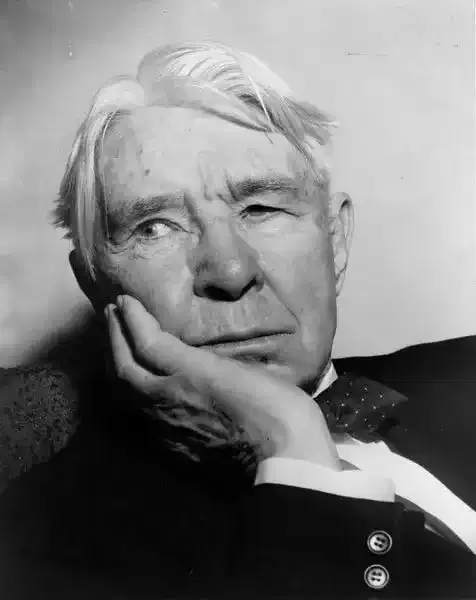
Carl Sandburg
Crimson
Crimson
Crimson is the slow smolder of the cigar end I hold,
Gray is the ash that stiffens and covers all silent the fire.
(A great man I know is dead and while he lies in his coffin a gone flame I sit here in
cumbering shadows and smoke and watch my thoughts come and go.)
Crimson is the slow smolder of the cigar end I hold,
Gray is the ash that stiffens and covers all silent the fire.
(A great man I know is dead and while he lies in his coffin a gone flame I sit here in
cumbering shadows and smoke and watch my thoughts come and go.)
311
Carl Sandburg
Choices
Choices
They offer you many things,
I a few.
Moonlight on the play of fountains at night
With water sparkling a drowsy monotone,
Bare-shouldered, smiling women and talk
And a cross-play of loves and adulteries
And a fear of death
and a remembering of regrets:
All this they offer you.
I come with:
salt and bread
a terrible job of work
and tireless war;
Come and have now:
hunger.
danger
and hate.
They offer you many things,
I a few.
Moonlight on the play of fountains at night
With water sparkling a drowsy monotone,
Bare-shouldered, smiling women and talk
And a cross-play of loves and adulteries
And a fear of death
and a remembering of regrets:
All this they offer you.
I come with:
salt and bread
a terrible job of work
and tireless war;
Come and have now:
hunger.
danger
and hate.
376
Carl Sandburg
Chicago Poet
Chicago Poet
I saluted a nobody.
I saw him in a looking-glass.
He smiled--so did I.
He crumpled the skin on his forehead, frowning--so did I.
Everything I did he did.
I said, "Hello, I know you."
And I was a liar to say so.
Ah, this. looking-glass man!
Liar, fool, dreamer, play-actor,
Soldier, dusty drinker of dust--
Ah! he will go with me
Down the dark stairway
When nobody else is looking,
When everybody else is gone.
He locks his elbow in mine,
I lose all--but not him.
I saluted a nobody.
I saw him in a looking-glass.
He smiled--so did I.
He crumpled the skin on his forehead, frowning--so did I.
Everything I did he did.
I said, "Hello, I know you."
And I was a liar to say so.
Ah, this. looking-glass man!
Liar, fool, dreamer, play-actor,
Soldier, dusty drinker of dust--
Ah! he will go with me
Down the dark stairway
When nobody else is looking,
When everybody else is gone.
He locks his elbow in mine,
I lose all--but not him.
657
Carl Sandburg
Child Moon
Child Moon
The child's wonder
At the old moon
Comes back nightly.
She points her finger
To the far silent yellow thing
Shining through the branches
Filtering on the leaves a golden sand,
Crying with her little tongue, “See the moon!”
And in her bed fading to sleep
With babblings of the moon on her little mouth.
The child's wonder
At the old moon
Comes back nightly.
She points her finger
To the far silent yellow thing
Shining through the branches
Filtering on the leaves a golden sand,
Crying with her little tongue, “See the moon!”
And in her bed fading to sleep
With babblings of the moon on her little mouth.
344
Carl Sandburg
Chamfort
Chamfort
There's Chamfort. He’s a sample.
Locked himself in his library with a gun,
Shot off his nose and shot out his right eye.
And this Chamfort knew how to write
And thousands read his books on how to live,
But he himself didn’t know
How to die by force of his own hand—see?
They found him a red pool on the carpet
Cool as an April forenoon,
Talking and talking gay maxims and grim epigrams.
Well, he wore bandages over his nose and right eye,
Drank coffee and chatted many years
With men and women who loved him
Because he laughed and daily dared Death:
“Come and take me.”
There's Chamfort. He’s a sample.
Locked himself in his library with a gun,
Shot off his nose and shot out his right eye.
And this Chamfort knew how to write
And thousands read his books on how to live,
But he himself didn’t know
How to die by force of his own hand—see?
They found him a red pool on the carpet
Cool as an April forenoon,
Talking and talking gay maxims and grim epigrams.
Well, he wore bandages over his nose and right eye,
Drank coffee and chatted many years
With men and women who loved him
Because he laughed and daily dared Death:
“Come and take me.”
406
Carl Sandburg
Broadway
Broadway
I shall never forget you, Broadway
Your golden and calling lights.
I’ll remember you long,
Tall-walled river of rush and play.
Hearts that know you hate you
And lips that have given you laughter
Have gone to their ashes of life and its roses,
Cursing the dreams that were lost
In the dust of your harsh and trampled stones.
I shall never forget you, Broadway
Your golden and calling lights.
I’ll remember you long,
Tall-walled river of rush and play.
Hearts that know you hate you
And lips that have given you laughter
Have gone to their ashes of life and its roses,
Cursing the dreams that were lost
In the dust of your harsh and trampled stones.
372
Carl Sandburg
Bricklayer Love
Bricklayer Love
I thought of killing myself because I am only a bricklayer
and you a woman who loves the man who runs a drug store.
I don't care like I used to; I lay bricks straighter than I
used to and I sing slower handling the trowel afternoons.
When the sun is in my eyes and the ladders are shaky and the
mortar boards go wrong, I think of you.
I thought of killing myself because I am only a bricklayer
and you a woman who loves the man who runs a drug store.
I don't care like I used to; I lay bricks straighter than I
used to and I sing slower handling the trowel afternoons.
When the sun is in my eyes and the ladders are shaky and the
mortar boards go wrong, I think of you.
360
Carl Sandburg
Bath
Bath
A man saw the whole world as a grinning skull and cross-bones. The rose flesh of life
shriveled from all faces. Nothing counts. Everything is a fake. Dust to dust and ashes
to ashes and then an old darkness and a useless silence. So he saw it all. Then he went
to a Mischa Elman concert. Two hours waves of sound beat on his eardrums. Music
washed something or other inside him. Music broke down and rebuilt something or
other in his head and heart. He joined in five encores for the young Russian Jew with
the fiddle. When he got outside his heels hit the sidewalk a new way. He was the same
man in the same world as before. Only there was a singing fire and a climb of roses
everlastingly over the world he looked on.
A man saw the whole world as a grinning skull and cross-bones. The rose flesh of life
shriveled from all faces. Nothing counts. Everything is a fake. Dust to dust and ashes
to ashes and then an old darkness and a useless silence. So he saw it all. Then he went
to a Mischa Elman concert. Two hours waves of sound beat on his eardrums. Music
washed something or other inside him. Music broke down and rebuilt something or
other in his head and heart. He joined in five encores for the young Russian Jew with
the fiddle. When he got outside his heels hit the sidewalk a new way. He was the same
man in the same world as before. Only there was a singing fire and a climb of roses
everlastingly over the world he looked on.
391
Carl Sandburg
Baltic Fog Notes
Baltic Fog Notes
Seven days all fog, all mist, and the turbines pounding through high seas.
I was a plaything, a rat’s neck in the teeth of a scuffling mastiff.
Fog and fog and no stars, sun, moon.
Then an afternoon in fjords, low-lying lands scrawled in granite languages on a gray
sky,
A night harbor, blue dusk mountain shoulders against a night sky,
And a circle of lights blinking: Ninety thousand people here.
Among the Wednesday night thousands in goloshes and coats slickered for rain,
I learned how hungry I was for streets and people.
I would rather be water than anything else.
I saw a drive of salt fog and mist in the North Atlantic and an iceberg dusky as a cloud
in the gray of morning.
And I saw the dream pools of fjords in Norway … and the scarf of dancing water on the
rocks and over the edges of mountain shelves.
Bury me in a mountain graveyard in Norway.
Three tongues of water sing around it with snow from the mountains.
Bury me in the North Atlantic.
A fog there from Iceland will be a murmur in gray over me and a long deep wind sob
always.
Bury me in an Illinois cornfield.
The blizzards loosen their pipe organ voluntaries in winter stubble and the spring rains
and the fall rains bring letters from the sea.
Seven days all fog, all mist, and the turbines pounding through high seas.
I was a plaything, a rat’s neck in the teeth of a scuffling mastiff.
Fog and fog and no stars, sun, moon.
Then an afternoon in fjords, low-lying lands scrawled in granite languages on a gray
sky,
A night harbor, blue dusk mountain shoulders against a night sky,
And a circle of lights blinking: Ninety thousand people here.
Among the Wednesday night thousands in goloshes and coats slickered for rain,
I learned how hungry I was for streets and people.
I would rather be water than anything else.
I saw a drive of salt fog and mist in the North Atlantic and an iceberg dusky as a cloud
in the gray of morning.
And I saw the dream pools of fjords in Norway … and the scarf of dancing water on the
rocks and over the edges of mountain shelves.
Bury me in a mountain graveyard in Norway.
Three tongues of water sing around it with snow from the mountains.
Bury me in the North Atlantic.
A fog there from Iceland will be a murmur in gray over me and a long deep wind sob
always.
Bury me in an Illinois cornfield.
The blizzards loosen their pipe organ voluntaries in winter stubble and the spring rains
and the fall rains bring letters from the sea.
402
Carl Sandburg
Aprons of Silence
Aprons of Silence
Many things I might have said today.
And I kept my mouth shut.
So many times I was asked
To come and say the same things
Everybody was saying, no end
To the yes-yes, yes-yes,
me-too, me-too.
The aprons of silence covered me.
A wire and hatch held my tongue.
I spit nails into an abyss and listened.
I shut off the gable of Jones, Johnson, Smith,
All whose names take pages in the city directory.
I fixed up a padded cell and lugged it around.
I locked myself in and nobody knew it.
Only the keeper and the kept in the hoosegow
Knew it--on the streets, in the post office,
On the cars, into the railroad station
Where the caller was calling, "All a-board,
All a-board for . . . Blaa-blaa . . . Blaa-blaa,
Blaa-blaa . . . and all points northwest . . .all a-board."
Here I took along my own hoosegow
And did business with my own thoughts.
Do you see? It must be the aprons of silence.
Many things I might have said today.
And I kept my mouth shut.
So many times I was asked
To come and say the same things
Everybody was saying, no end
To the yes-yes, yes-yes,
me-too, me-too.
The aprons of silence covered me.
A wire and hatch held my tongue.
I spit nails into an abyss and listened.
I shut off the gable of Jones, Johnson, Smith,
All whose names take pages in the city directory.
I fixed up a padded cell and lugged it around.
I locked myself in and nobody knew it.
Only the keeper and the kept in the hoosegow
Knew it--on the streets, in the post office,
On the cars, into the railroad station
Where the caller was calling, "All a-board,
All a-board for . . . Blaa-blaa . . . Blaa-blaa,
Blaa-blaa . . . and all points northwest . . .all a-board."
Here I took along my own hoosegow
And did business with my own thoughts.
Do you see? It must be the aprons of silence.
421
Carl Sandburg
And This Will Be All....
And This Will Be All....
And this will be all?
And the gates will never open again?
And the dust and the wind will play around the rusty door hinges and the songs of
October moan, Why-oh, why-oh?
And you will look to the mountains
And the mountains will look to you
And you will wish you were a mountain
And the mountain will wish nothing at all?
This will be all?
The gates will never-never open again?
The dust and the wind only
And the rusty door hinges and moaning October
And Why-oh, why-oh, in the moaning dry leaves,
This will be all?
Nothing in the air but songs
And no singers, no mouths to know the songs?
You tell us a woman with a heartache tells you it is so?
This will be all?
And this will be all?
And the gates will never open again?
And the dust and the wind will play around the rusty door hinges and the songs of
October moan, Why-oh, why-oh?
And you will look to the mountains
And the mountains will look to you
And you will wish you were a mountain
And the mountain will wish nothing at all?
This will be all?
The gates will never-never open again?
The dust and the wind only
And the rusty door hinges and moaning October
And Why-oh, why-oh, in the moaning dry leaves,
This will be all?
Nothing in the air but songs
And no singers, no mouths to know the songs?
You tell us a woman with a heartache tells you it is so?
This will be all?
391
Carl Sandburg
And This Will Be All....
And This Will Be All....
And this will be all?
And the gates will never open again?
And the dust and the wind will play around the rusty door hinges and the songs of
October moan, Why-oh, why-oh?
And you will look to the mountains
And the mountains will look to you
And you will wish you were a mountain
And the mountain will wish nothing at all?
This will be all?
The gates will never-never open again?
The dust and the wind only
And the rusty door hinges and moaning October
And Why-oh, why-oh, in the moaning dry leaves,
This will be all?
Nothing in the air but songs
And no singers, no mouths to know the songs?
You tell us a woman with a heartache tells you it is so?
This will be all?
And this will be all?
And the gates will never open again?
And the dust and the wind will play around the rusty door hinges and the songs of
October moan, Why-oh, why-oh?
And you will look to the mountains
And the mountains will look to you
And you will wish you were a mountain
And the mountain will wish nothing at all?
This will be all?
The gates will never-never open again?
The dust and the wind only
And the rusty door hinges and moaning October
And Why-oh, why-oh, in the moaning dry leaves,
This will be all?
Nothing in the air but songs
And no singers, no mouths to know the songs?
You tell us a woman with a heartache tells you it is so?
This will be all?
391
Carl Sandburg
Always The Mob
Always The Mob
Jesus emptied the devils of one man into forty hogs and the hogs took the edge of a
high rock and dropped off and down into the sea: a mob.
The sheep on the hills of Australia, blundering fourfooted in the sunset mist to the
dark, they go one way, they hunt one sleep, they find one pocket of grass for all.
Karnak? Pyramids? Sphinx paws tall as a coolie? Tombs kept for kings and sacred
cows? A mob.
Young roast pigs and naked dancing girls of Belshazzar, the room where a thousand sat
guzzling when a hand wrote: Mene, mene, tekel, upharsin? A mob.
The honeycomb of green that won the sun as the Hanging Gardens of Nineveh, flew to
its shape at the hands of a mob that followed the fingers of Nebuchadnezzar: a mob of
one hand and one plan.
Stones of a circle of hills at Athens, staircases of a mountain in Peru, scattered clans of
marble dragons in China: each a mob on the rim of a sunrise: hammers and wagons
have them now.
Locks and gates of Panama? The Union Pacific crossing deserts and tunneling
mountains? The Woolworth on land and the Titanic at sea? Lighthouses blinking a coast
line from Labrador to Key West? Pig iron bars piled on a barge whistling in a fog off
Sheboygan? A mob: hammers and wagons have them to-morrow.
The mob? A typhoon tearing loose an island from thousand-year moorings and
bastions, shooting a volcanic ash with a fire tongue that licks up cities and peoples.
Layers of worms eating rocks and forming loam and valley floors for potatoes, wheat,
watermelons.
The mob? A jag of lightning, a geyser, a gravel mass loosening…
The mob … kills or builds … the mob is Attila or Ghengis Khan, the mob is Napoleon,
Lincoln.
I am born in the mob—I die in the mob—the same goes for you—I don’t care who you
are.
I cross the sheets of fire in No Man’s land for you, my brother—I slip a steel tooth into
your throat, you my brother—I die for you and I kill you—It is a twisted and gnarled
thing, a crimson wool:
One more arch of stars,
In the night of our mist,
In the night of our tears.
Jesus emptied the devils of one man into forty hogs and the hogs took the edge of a
high rock and dropped off and down into the sea: a mob.
The sheep on the hills of Australia, blundering fourfooted in the sunset mist to the
dark, they go one way, they hunt one sleep, they find one pocket of grass for all.
Karnak? Pyramids? Sphinx paws tall as a coolie? Tombs kept for kings and sacred
cows? A mob.
Young roast pigs and naked dancing girls of Belshazzar, the room where a thousand sat
guzzling when a hand wrote: Mene, mene, tekel, upharsin? A mob.
The honeycomb of green that won the sun as the Hanging Gardens of Nineveh, flew to
its shape at the hands of a mob that followed the fingers of Nebuchadnezzar: a mob of
one hand and one plan.
Stones of a circle of hills at Athens, staircases of a mountain in Peru, scattered clans of
marble dragons in China: each a mob on the rim of a sunrise: hammers and wagons
have them now.
Locks and gates of Panama? The Union Pacific crossing deserts and tunneling
mountains? The Woolworth on land and the Titanic at sea? Lighthouses blinking a coast
line from Labrador to Key West? Pig iron bars piled on a barge whistling in a fog off
Sheboygan? A mob: hammers and wagons have them to-morrow.
The mob? A typhoon tearing loose an island from thousand-year moorings and
bastions, shooting a volcanic ash with a fire tongue that licks up cities and peoples.
Layers of worms eating rocks and forming loam and valley floors for potatoes, wheat,
watermelons.
The mob? A jag of lightning, a geyser, a gravel mass loosening…
The mob … kills or builds … the mob is Attila or Ghengis Khan, the mob is Napoleon,
Lincoln.
I am born in the mob—I die in the mob—the same goes for you—I don’t care who you
are.
I cross the sheets of fire in No Man’s land for you, my brother—I slip a steel tooth into
your throat, you my brother—I die for you and I kill you—It is a twisted and gnarled
thing, a crimson wool:
One more arch of stars,
In the night of our mist,
In the night of our tears.
383
Carl Sandburg
All Day Long
All Day Long
All day long in fog and wind,
The waves have flung their beating crests
Against the palisades of adamant.
My boy, he went to sea, long and long ago,
Curls of brown were slipping underneath his cap,
He looked at me from blue and steely eyes;
Natty, straight and true, he stepped away,
My boy, he went to sea.
All day long in fog and wind,
The waves have flung their beating crests
Against the palisades of adamant.
All day long in fog and wind,
The waves have flung their beating crests
Against the palisades of adamant.
My boy, he went to sea, long and long ago,
Curls of brown were slipping underneath his cap,
He looked at me from blue and steely eyes;
Natty, straight and true, he stepped away,
My boy, he went to sea.
All day long in fog and wind,
The waves have flung their beating crests
Against the palisades of adamant.
407
Carl Sandburg
Adelaide Crapsey
Adelaide Crapsey
Among the bumble-bees in red-top hay, a freckled field of brown-eyed Susans dripping
yellow leaves in July,
I read your heart in a book.
And your mouth of blue pansy—I know somewhere I have seen it rain-shattered.
And I have seen a woman with her head flung between her naked knees, and her head
held there listening to the sea, the great naked sea shouldering a load of salt.
And the blue pansy mouth sang to the sea:
Mother of God, I’m so little a thing,
Let me sing longer,
Only a little longer.
And the sea shouldered its salt in long gray combers hauling new shapes on the beach
sand.
Among the bumble-bees in red-top hay, a freckled field of brown-eyed Susans dripping
yellow leaves in July,
I read your heart in a book.
And your mouth of blue pansy—I know somewhere I have seen it rain-shattered.
And I have seen a woman with her head flung between her naked knees, and her head
held there listening to the sea, the great naked sea shouldering a load of salt.
And the blue pansy mouth sang to the sea:
Mother of God, I’m so little a thing,
Let me sing longer,
Only a little longer.
And the sea shouldered its salt in long gray combers hauling new shapes on the beach
sand.
360
Carl Sandburg
A Million Young Work Men
A Million Young Work Men
A million young workmen straight and strong lay stiff on the grass and roads,
And the million are now under soil and their rottening flesh will in the years feed roots
of blood-red roses.
Yes, this million of young workmen slaughtered one another and never saw their red
hands.
And oh, it would have been a great job of killing and a new and beautiful thing under
the sun if the million knew why they hacked and tore each other to death.
The kings are grinning, the Kaiser and the czar—they are alive riding in leather-seated
motor cars, and they have their women and roses for ease, and they eat fresh-poached
eggs for breakfast, new butter on toast, sitting in tall water-tight houses reading the
news of war.
I dreamed a million ghosts of the young workmen rose in their shirts all soaked in
crimson … and yelled:
God damn the grinning kings, God damn the kaiser and the czar.
A million young workmen straight and strong lay stiff on the grass and roads,
And the million are now under soil and their rottening flesh will in the years feed roots
of blood-red roses.
Yes, this million of young workmen slaughtered one another and never saw their red
hands.
And oh, it would have been a great job of killing and a new and beautiful thing under
the sun if the million knew why they hacked and tore each other to death.
The kings are grinning, the Kaiser and the czar—they are alive riding in leather-seated
motor cars, and they have their women and roses for ease, and they eat fresh-poached
eggs for breakfast, new butter on toast, sitting in tall water-tight houses reading the
news of war.
I dreamed a million ghosts of the young workmen rose in their shirts all soaked in
crimson … and yelled:
God damn the grinning kings, God damn the kaiser and the czar.
391
Boris Pasternak
Your Picture
Your Picture
It's with your laughing picture that I'm living now,
You whose wrists are so slender and crackle at the joints,
You who wring your hands yet are unwilling to go,
You whose guests stay for hours sharing sadness and joys.
You who'll run from the cards and Rakoczy bravura,
From the glass of the drawing-room and from the guests
To the keyboard on fire, unable to endure
Bones and roses and dice and rosettes and the rest.
You will fluff up your hair, and a reckless tea-rose,
Smelling of cigarettes, pin to your bright-red sash,
And then waltz to your glory, your sadness and woes
Tossing off like a scarf, beaming, breathless and flushed.
You will crumple the skin of an orange and swallow
Cooling morsels again and again in your haste
To return to the hall, to the whirling and mellow
Lights, and air with the sweet sweat of fresh waltzes laced.
Defying steam and scorching breath
The way a whirlwind dies,
The way a murid faces death
With wide unflinching eyes.
Know all: not mountains' noise and hush,
And not a purebred steed-
The reckless roses in your sash
Are riding at full speed.
No, not the clatter of the hoofs
And not the mountains' hush,
But only she who stands aloof
With flowers in her sash.
And only that is really It
What makes our ears ring,
And what the whirlwind-chasing feet,
Soul, tulle and silk sash bring.
Until sides split the jokes are cracked,
We're rolling in the aisles,
The envy of the romping sacks-
Until somebody cries.
It's with your laughing picture that I'm living now,
You whose wrists are so slender and crackle at the joints,
You who wring your hands yet are unwilling to go,
You whose guests stay for hours sharing sadness and joys.
You who'll run from the cards and Rakoczy bravura,
From the glass of the drawing-room and from the guests
To the keyboard on fire, unable to endure
Bones and roses and dice and rosettes and the rest.
You will fluff up your hair, and a reckless tea-rose,
Smelling of cigarettes, pin to your bright-red sash,
And then waltz to your glory, your sadness and woes
Tossing off like a scarf, beaming, breathless and flushed.
You will crumple the skin of an orange and swallow
Cooling morsels again and again in your haste
To return to the hall, to the whirling and mellow
Lights, and air with the sweet sweat of fresh waltzes laced.
Defying steam and scorching breath
The way a whirlwind dies,
The way a murid faces death
With wide unflinching eyes.
Know all: not mountains' noise and hush,
And not a purebred steed-
The reckless roses in your sash
Are riding at full speed.
No, not the clatter of the hoofs
And not the mountains' hush,
But only she who stands aloof
With flowers in her sash.
And only that is really It
What makes our ears ring,
And what the whirlwind-chasing feet,
Soul, tulle and silk sash bring.
Until sides split the jokes are cracked,
We're rolling in the aisles,
The envy of the romping sacks-
Until somebody cries.
546
Boris Pasternak
Your Picture
Your Picture
It's with your laughing picture that I'm living now,
You whose wrists are so slender and crackle at the joints,
You who wring your hands yet are unwilling to go,
You whose guests stay for hours sharing sadness and joys.
You who'll run from the cards and Rakoczy bravura,
From the glass of the drawing-room and from the guests
To the keyboard on fire, unable to endure
Bones and roses and dice and rosettes and the rest.
You will fluff up your hair, and a reckless tea-rose,
Smelling of cigarettes, pin to your bright-red sash,
And then waltz to your glory, your sadness and woes
Tossing off like a scarf, beaming, breathless and flushed.
You will crumple the skin of an orange and swallow
Cooling morsels again and again in your haste
To return to the hall, to the whirling and mellow
Lights, and air with the sweet sweat of fresh waltzes laced.
Defying steam and scorching breath
The way a whirlwind dies,
The way a murid faces death
With wide unflinching eyes.
Know all: not mountains' noise and hush,
And not a purebred steed-
The reckless roses in your sash
Are riding at full speed.
No, not the clatter of the hoofs
And not the mountains' hush,
But only she who stands aloof
With flowers in her sash.
And only that is really It
What makes our ears ring,
And what the whirlwind-chasing feet,
Soul, tulle and silk sash bring.
Until sides split the jokes are cracked,
We're rolling in the aisles,
The envy of the romping sacks-
Until somebody cries.
It's with your laughing picture that I'm living now,
You whose wrists are so slender and crackle at the joints,
You who wring your hands yet are unwilling to go,
You whose guests stay for hours sharing sadness and joys.
You who'll run from the cards and Rakoczy bravura,
From the glass of the drawing-room and from the guests
To the keyboard on fire, unable to endure
Bones and roses and dice and rosettes and the rest.
You will fluff up your hair, and a reckless tea-rose,
Smelling of cigarettes, pin to your bright-red sash,
And then waltz to your glory, your sadness and woes
Tossing off like a scarf, beaming, breathless and flushed.
You will crumple the skin of an orange and swallow
Cooling morsels again and again in your haste
To return to the hall, to the whirling and mellow
Lights, and air with the sweet sweat of fresh waltzes laced.
Defying steam and scorching breath
The way a whirlwind dies,
The way a murid faces death
With wide unflinching eyes.
Know all: not mountains' noise and hush,
And not a purebred steed-
The reckless roses in your sash
Are riding at full speed.
No, not the clatter of the hoofs
And not the mountains' hush,
But only she who stands aloof
With flowers in her sash.
And only that is really It
What makes our ears ring,
And what the whirlwind-chasing feet,
Soul, tulle and silk sash bring.
Until sides split the jokes are cracked,
We're rolling in the aisles,
The envy of the romping sacks-
Until somebody cries.
546
Boris Pasternak
Winter Nears
Winter Nears
Winter nears. Once more
the bear’s secret retreat
will vanish under mud’s floor,
to a child’s fretful grief.
Huts will wake in the water,
reflecting paths of smoke,
circled by autumn’s tremor
lovers meet by the fire to talk.
Denizens of the harsh North
whose roof is the clear air,
‘In this sign conquer’, set forth,
marks each unreachable lair.
I love you, provincial haunts,
off the map, the road, past the farms,
the more tired and faded the book,
the greater for me its charms.
Slow files of carts lumbering by
you spell out an alphabet flowing
from meadow to meadow. And I
found you always my favourite reading.
And it’s suddenly written again,
here in first snow is the spider’s
cursive script, runners of sleighs,
where ice on the page embroiders.
A silvered hazel October.
Pewter glow since frost began.
Autumn twilight, of Chekhov,
Tchaikovsky, and Levitan.
Winter nears. Once more
the bear’s secret retreat
will vanish under mud’s floor,
to a child’s fretful grief.
Huts will wake in the water,
reflecting paths of smoke,
circled by autumn’s tremor
lovers meet by the fire to talk.
Denizens of the harsh North
whose roof is the clear air,
‘In this sign conquer’, set forth,
marks each unreachable lair.
I love you, provincial haunts,
off the map, the road, past the farms,
the more tired and faded the book,
the greater for me its charms.
Slow files of carts lumbering by
you spell out an alphabet flowing
from meadow to meadow. And I
found you always my favourite reading.
And it’s suddenly written again,
here in first snow is the spider’s
cursive script, runners of sleighs,
where ice on the page embroiders.
A silvered hazel October.
Pewter glow since frost began.
Autumn twilight, of Chekhov,
Tchaikovsky, and Levitan.
550
Boris Pasternak
White Night
White Night
I keep thinking of times that are long past,
Of a house in the Petersburg Quarter.
You had come from the steppeland Kursk Province,
Of a none-too-rich mother the daughter.
You were nice, you had many admirers.
On that distant white night we were sitting
On your window-sill, looking from high on
On the phantom-like scene of the city.
The street-lamps, like gauze butterflies fluttering,
Had been touched by the chill of the morning.
My soft words, as I opened my heart to you,
Matched the slumbering vistas before us.
We were plighted with timid fidelity
To the very same nebulous mystery
As the cityscape spreading unendingly
Far beyond the Neva, through the distances.
In that far-off impregnable wilderness,
Wrapped in springtime twilight ethereal,
Woodland glades and dense thickets were quivering
With mad nightingales' thunderous paeans.
Crazy resonant warbling ran riot,
And the voice of this plain-looking songster
Sowed derangement, ecstatic delight
In the depth of the mesmerised copsewood.
To those parts Night, a barefoot vagabond,
Stole its way along ditches and fences.
From our window-sill, after it tagging,
Was the trail of our cooed confidences.
To the words of this colloquy echoing
In the orchards beyond the tall palings
Spreading branches of apple and cherry trees
Swathed themselves in their pearly-white raiment.
And the trees, like so many pale phantoms,
Waved their farewell, along the road thronging,
To White Night, that all-seeing enchanter,
Who was now to North Regions withdrawing.
I keep thinking of times that are long past,
Of a house in the Petersburg Quarter.
You had come from the steppeland Kursk Province,
Of a none-too-rich mother the daughter.
You were nice, you had many admirers.
On that distant white night we were sitting
On your window-sill, looking from high on
On the phantom-like scene of the city.
The street-lamps, like gauze butterflies fluttering,
Had been touched by the chill of the morning.
My soft words, as I opened my heart to you,
Matched the slumbering vistas before us.
We were plighted with timid fidelity
To the very same nebulous mystery
As the cityscape spreading unendingly
Far beyond the Neva, through the distances.
In that far-off impregnable wilderness,
Wrapped in springtime twilight ethereal,
Woodland glades and dense thickets were quivering
With mad nightingales' thunderous paeans.
Crazy resonant warbling ran riot,
And the voice of this plain-looking songster
Sowed derangement, ecstatic delight
In the depth of the mesmerised copsewood.
To those parts Night, a barefoot vagabond,
Stole its way along ditches and fences.
From our window-sill, after it tagging,
Was the trail of our cooed confidences.
To the words of this colloquy echoing
In the orchards beyond the tall palings
Spreading branches of apple and cherry trees
Swathed themselves in their pearly-white raiment.
And the trees, like so many pale phantoms,
Waved their farewell, along the road thronging,
To White Night, that all-seeing enchanter,
Who was now to North Regions withdrawing.
633
Boris Pasternak
Unique Days
Unique Days
How I remember solstice days
Through many winters long completed!
Each unrepeatable, unique,
And each one countless times repeated.
Of all these days, these only days,
When one rejoiced in the impression
That time had stopped, there grew in years
An unforgettable succession.
Each one of them I can evoke.
The year is to midwinter moving,
The roofs are dripping, roads are soaked,
And on the ice the sun is brooding.
Then lovers hastily are drawn
To one another, vague and dreaming,
And in the heat, upon a tree
The sweating nesting-box is steaming.
And sleepy clock-hands laze away
The clockface wearily ascending.
Eternal, endless is the day,
And the embrace is never-ending.
How I remember solstice days
Through many winters long completed!
Each unrepeatable, unique,
And each one countless times repeated.
Of all these days, these only days,
When one rejoiced in the impression
That time had stopped, there grew in years
An unforgettable succession.
Each one of them I can evoke.
The year is to midwinter moving,
The roofs are dripping, roads are soaked,
And on the ice the sun is brooding.
Then lovers hastily are drawn
To one another, vague and dreaming,
And in the heat, upon a tree
The sweating nesting-box is steaming.
And sleepy clock-hands laze away
The clockface wearily ascending.
Eternal, endless is the day,
And the embrace is never-ending.
550
Boris Pasternak
To the Memory of Demon
To the Memory of Demon
Used to come in the blue
Of the glacier, at night, from Tamara.
With his wingtips he drew
Where the nightmares should boom, where to bar them.
Did not sob, nor entwine
The denuded, the wounded, the ailing…
A stone slab has survived
By the Georgian church, at the railings.
Hunchback shadows, distressed,
Did not dance by the fence of the temple.
Soft, about the princess
The zurna did not question the lamplight,
But the sparks in his hair
Were aglitter and bursting phosphorous,
And the giant did not hear
The dark Caucasus greying for sorrow.
Used to come in the blue
Of the glacier, at night, from Tamara.
With his wingtips he drew
Where the nightmares should boom, where to bar them.
Did not sob, nor entwine
The denuded, the wounded, the ailing…
A stone slab has survived
By the Georgian church, at the railings.
Hunchback shadows, distressed,
Did not dance by the fence of the temple.
Soft, about the princess
The zurna did not question the lamplight,
But the sparks in his hair
Were aglitter and bursting phosphorous,
And the giant did not hear
The dark Caucasus greying for sorrow.
548
Boris Pasternak
To the Memory of Demon
To the Memory of Demon
Used to come in the blue
Of the glacier, at night, from Tamara.
With his wingtips he drew
Where the nightmares should boom, where to bar them.
Did not sob, nor entwine
The denuded, the wounded, the ailing…
A stone slab has survived
By the Georgian church, at the railings.
Hunchback shadows, distressed,
Did not dance by the fence of the temple.
Soft, about the princess
The zurna did not question the lamplight,
But the sparks in his hair
Were aglitter and bursting phosphorous,
And the giant did not hear
The dark Caucasus greying for sorrow.
Used to come in the blue
Of the glacier, at night, from Tamara.
With his wingtips he drew
Where the nightmares should boom, where to bar them.
Did not sob, nor entwine
The denuded, the wounded, the ailing…
A stone slab has survived
By the Georgian church, at the railings.
Hunchback shadows, distressed,
Did not dance by the fence of the temple.
Soft, about the princess
The zurna did not question the lamplight,
But the sparks in his hair
Were aglitter and bursting phosphorous,
And the giant did not hear
The dark Caucasus greying for sorrow.
548
Boris Pasternak
There'll be no one in the house...
There'll be no one in the house...
There'll be no one in the house
Save for twilight. All alone,
Winter's day seen in the space that's
Made by curtains left undrawn.
Only flash-past of the wet white
Snowflake clusters, glimpsed and gone.
Only roofs and snow, and save for
Roofs and snow-no one at home.
Once more, frost will trace its patterns,
I'll be haunted once again
By my last year's melancholy,
By that other wintertime.
Once more, I'll be troubled by an
Old unexpiated shame,
And the icy firewood famine
Will press on the window-pane.
But the quiver of intrusion
Through those curtains folds will run.
Measuring silence with your footsteps,
Like the future, in you'll come.
You'll appear there in the doorway
Wearing something white and plain,
Something in the very stuff from
Which the snowflakes too are sewn.
There'll be no one in the house
Save for twilight. All alone,
Winter's day seen in the space that's
Made by curtains left undrawn.
Only flash-past of the wet white
Snowflake clusters, glimpsed and gone.
Only roofs and snow, and save for
Roofs and snow-no one at home.
Once more, frost will trace its patterns,
I'll be haunted once again
By my last year's melancholy,
By that other wintertime.
Once more, I'll be troubled by an
Old unexpiated shame,
And the icy firewood famine
Will press on the window-pane.
But the quiver of intrusion
Through those curtains folds will run.
Measuring silence with your footsteps,
Like the future, in you'll come.
You'll appear there in the doorway
Wearing something white and plain,
Something in the very stuff from
Which the snowflakes too are sewn.
564