

Poems in this topic
Emotions and Feelings
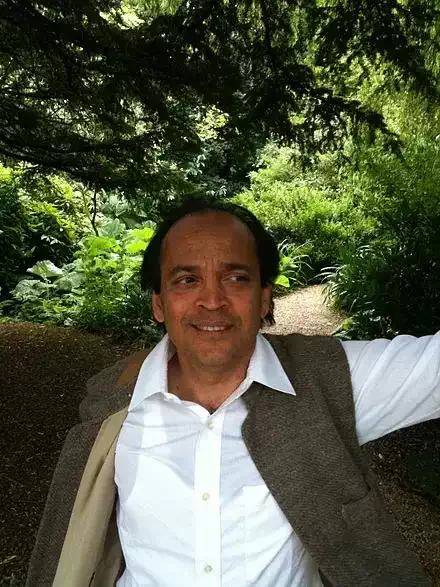
Vikram Seth
From California
From California
Sunday night in the house.
The blinds drawn, the phone dead.
The sound of the kettle, the rain.
Supper: cheese, celery, bread.
For company, old letters
In the same disjointed script.
Old love wells up again,
All that I thought had slipped
Through the sieve of long absence
Is here with me again:
The long stone walls, the green
Hillsides renewed with rain.
The way you would lick your finger
And touch your forehead, the way
You hummed a phrase from the flute
Sonatas, or turned to say,
"Larches--the only conifers
That honestly blend with Wales."
I walk with you again
Along these settled trails.
It seems I started this poem
So many years ago
I cannt follow its ending
And must begin anew.
Blame, some bitterness,
I recall there were these.
Yet what survives is Bach
And a few blackberries
Something of the "falling starlight",
In the phrase of Wang Wei,
Falls on my shadowed self.
I thank you that today
His words are open to me.
How much you have inspired
You cannot know. The end
Left much to be desired.
"There is a comfort in
The strength of love." I quote
Another favourite
You vouchsafed me. Please note
The lack of hope or faith:
Neither is justified.
I have closed out the night.
The random rain outside
Rejuvenates the parched
Foothills along the Bay.
Anaesthetised by years
I think of you today
Not with impassionedness
So much as half a smile
To see the weathered past
Still worth my present while.
Sunday night in the house.
The blinds drawn, the phone dead.
The sound of the kettle, the rain.
Supper: cheese, celery, bread.
For company, old letters
In the same disjointed script.
Old love wells up again,
All that I thought had slipped
Through the sieve of long absence
Is here with me again:
The long stone walls, the green
Hillsides renewed with rain.
The way you would lick your finger
And touch your forehead, the way
You hummed a phrase from the flute
Sonatas, or turned to say,
"Larches--the only conifers
That honestly blend with Wales."
I walk with you again
Along these settled trails.
It seems I started this poem
So many years ago
I cannt follow its ending
And must begin anew.
Blame, some bitterness,
I recall there were these.
Yet what survives is Bach
And a few blackberries
Something of the "falling starlight",
In the phrase of Wang Wei,
Falls on my shadowed self.
I thank you that today
His words are open to me.
How much you have inspired
You cannot know. The end
Left much to be desired.
"There is a comfort in
The strength of love." I quote
Another favourite
You vouchsafed me. Please note
The lack of hope or faith:
Neither is justified.
I have closed out the night.
The random rain outside
Rejuvenates the parched
Foothills along the Bay.
Anaesthetised by years
I think of you today
Not with impassionedness
So much as half a smile
To see the weathered past
Still worth my present while.
652
Vikram Seth
A Style Of Loving
A Style Of Loving
Light now restricts itself
To the top half of trees;
The angled sun
Slants honey-coloured rays
That lessen to the ground
As we bike through
The corridor of Palm Drive
We two
Have reached a safety the years
Can claim to have created:
Unconsumated, therefore
Unjaded, unsated.
Picnic, movie, ice-cream;
Talk; to clear my head
Hot buttered rum - coffee for you;
And so not to bed
And so we have set the question
Aside, gently.
Were we to become lovers
Where would our best friends be?
You do not wish, nor I
To risk again
This savoured light for noon's
High joy or pain.
Light now restricts itself
To the top half of trees;
The angled sun
Slants honey-coloured rays
That lessen to the ground
As we bike through
The corridor of Palm Drive
We two
Have reached a safety the years
Can claim to have created:
Unconsumated, therefore
Unjaded, unsated.
Picnic, movie, ice-cream;
Talk; to clear my head
Hot buttered rum - coffee for you;
And so not to bed
And so we have set the question
Aside, gently.
Were we to become lovers
Where would our best friends be?
You do not wish, nor I
To risk again
This savoured light for noon's
High joy or pain.
886
Vikram Seth
A Style Of Loving
A Style Of Loving
Light now restricts itself
To the top half of trees;
The angled sun
Slants honey-coloured rays
That lessen to the ground
As we bike through
The corridor of Palm Drive
We two
Have reached a safety the years
Can claim to have created:
Unconsumated, therefore
Unjaded, unsated.
Picnic, movie, ice-cream;
Talk; to clear my head
Hot buttered rum - coffee for you;
And so not to bed
And so we have set the question
Aside, gently.
Were we to become lovers
Where would our best friends be?
You do not wish, nor I
To risk again
This savoured light for noon's
High joy or pain.
Light now restricts itself
To the top half of trees;
The angled sun
Slants honey-coloured rays
That lessen to the ground
As we bike through
The corridor of Palm Drive
We two
Have reached a safety the years
Can claim to have created:
Unconsumated, therefore
Unjaded, unsated.
Picnic, movie, ice-cream;
Talk; to clear my head
Hot buttered rum - coffee for you;
And so not to bed
And so we have set the question
Aside, gently.
Were we to become lovers
Where would our best friends be?
You do not wish, nor I
To risk again
This savoured light for noon's
High joy or pain.
886
Vikram Seth
Across
Across
Across these miles I wish you well.
May nothing haunt your heart but sleep.
May you not sense what I don't tell.
May you not dream, or doubt, or weep.
May what my pen this peaceless day
Writes on this page not reach your view
Till its deferred print lets you say
It speaks to someone else than you.
Across these miles I wish you well.
May nothing haunt your heart but sleep.
May you not sense what I don't tell.
May you not dream, or doubt, or weep.
May what my pen this peaceless day
Writes on this page not reach your view
Till its deferred print lets you say
It speaks to someone else than you.
689

D.H. Lawrence
Boaz Asleep
Boaz Asleep
Boaz, overcome with weariness, by torchlight
made his pallet on the threshing floor
where all day he had worked, and now he slept
among the bushels of threshed wheat.
The old man owned wheatfields and barley,
and though he was rich, he was still fair-minded.
No filth soured the sweetness of his well.
No hot iron of torture whitened in his forge.
His beard was silver as a brook in April.
He bound sheaves without the strain of hate
or envy. He saw gleaners pass, and said,
Let handfuls of the fat ears fall to them.
The man's mind, clear of untoward feeling,
clothed itself in candor. He wore clean robes.
His heaped granaries spilled over always
toward the poor, no less than public fountains.
Boaz did well by his workers and by kinsmen.
He was generous, and moderate. Women held him
worthier than younger men, for youth is handsome,
but to him in his old age came greatness.
An old man, nearing his first source, may find
the timelessness beyond times of trouble.
And though fire burned in young men's eyes,
to Ruth the eyes of Boaz shone clear light.
Boaz, overcome with weariness, by torchlight
made his pallet on the threshing floor
where all day he had worked, and now he slept
among the bushels of threshed wheat.
The old man owned wheatfields and barley,
and though he was rich, he was still fair-minded.
No filth soured the sweetness of his well.
No hot iron of torture whitened in his forge.
His beard was silver as a brook in April.
He bound sheaves without the strain of hate
or envy. He saw gleaners pass, and said,
Let handfuls of the fat ears fall to them.
The man's mind, clear of untoward feeling,
clothed itself in candor. He wore clean robes.
His heaped granaries spilled over always
toward the poor, no less than public fountains.
Boaz did well by his workers and by kinsmen.
He was generous, and moderate. Women held him
worthier than younger men, for youth is handsome,
but to him in his old age came greatness.
An old man, nearing his first source, may find
the timelessness beyond times of trouble.
And though fire burned in young men's eyes,
to Ruth the eyes of Boaz shone clear light.
261
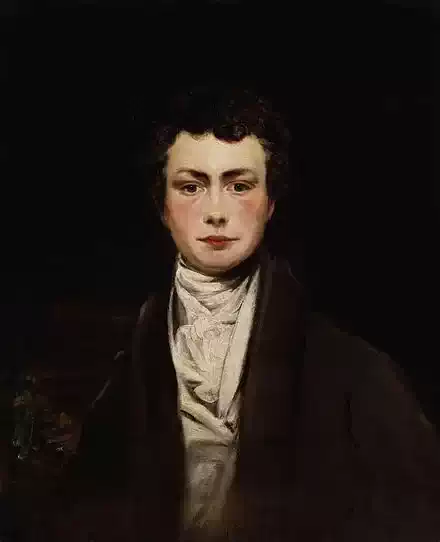
Thomas Moore
Wreath the Bowl
Wreath the Bowl
Wreath the bowl
With flowers of soul,
The brightest Wit can find us,
We'll take a flight
Towards heaven to-night,
And leave dull earth behind us.
Should Love amid
The wreaths be hid
That Joy, the enchanter, brings us,
No danger fear,
While wine is near --
We'll drown him if he stings us.
Then, wreath the bowl
With flowers of soul,
The brightest Wit can find us.
We'll take a flight
Towards heaven to-night,
And leave dull earth behind us.
'Twas nectar fed
Of old, 'tis said,
Their Junos, Joves, Apollos,
And man may brew
His nectar too,
The rich receipt's as follows:
Take wine like this,
Let looks of bliss
Around it well be blended,
Then bring Wit's beam
To warm the stream,
And there's your nectar, splendid!
So, wreath the bowl,
With flowers of soul,
The brightest Wit can find us,
We'll take a flight
Towards heaven to-night,
And leave dull earth behind us.
Say, why did Time
His glass sublime
Fill up with sands unsightly,
When wine, he knew,
Runs brisker through,
And sparkles far more brightly?
Oh, lend it us,
And, smiling thus,
The glass in two we'll sever,
Make pleasure glide
In double tide,
And fill both ends for ever!
Then, wreath the bowl
With flowers of soul
The brightest Wit can find us;
We'll take a flight
Towards heaven to-night,
And leave dull earth behind us.
Wreath the bowl
With flowers of soul,
The brightest Wit can find us,
We'll take a flight
Towards heaven to-night,
And leave dull earth behind us.
Should Love amid
The wreaths be hid
That Joy, the enchanter, brings us,
No danger fear,
While wine is near --
We'll drown him if he stings us.
Then, wreath the bowl
With flowers of soul,
The brightest Wit can find us.
We'll take a flight
Towards heaven to-night,
And leave dull earth behind us.
'Twas nectar fed
Of old, 'tis said,
Their Junos, Joves, Apollos,
And man may brew
His nectar too,
The rich receipt's as follows:
Take wine like this,
Let looks of bliss
Around it well be blended,
Then bring Wit's beam
To warm the stream,
And there's your nectar, splendid!
So, wreath the bowl,
With flowers of soul,
The brightest Wit can find us,
We'll take a flight
Towards heaven to-night,
And leave dull earth behind us.
Say, why did Time
His glass sublime
Fill up with sands unsightly,
When wine, he knew,
Runs brisker through,
And sparkles far more brightly?
Oh, lend it us,
And, smiling thus,
The glass in two we'll sever,
Make pleasure glide
In double tide,
And fill both ends for ever!
Then, wreath the bowl
With flowers of soul
The brightest Wit can find us;
We'll take a flight
Towards heaven to-night,
And leave dull earth behind us.
198
Thomas Moore
Wreath the Bowl
Wreath the Bowl
Wreath the bowl
With flowers of soul,
The brightest Wit can find us,
We'll take a flight
Towards heaven to-night,
And leave dull earth behind us.
Should Love amid
The wreaths be hid
That Joy, the enchanter, brings us,
No danger fear,
While wine is near --
We'll drown him if he stings us.
Then, wreath the bowl
With flowers of soul,
The brightest Wit can find us.
We'll take a flight
Towards heaven to-night,
And leave dull earth behind us.
'Twas nectar fed
Of old, 'tis said,
Their Junos, Joves, Apollos,
And man may brew
His nectar too,
The rich receipt's as follows:
Take wine like this,
Let looks of bliss
Around it well be blended,
Then bring Wit's beam
To warm the stream,
And there's your nectar, splendid!
So, wreath the bowl,
With flowers of soul,
The brightest Wit can find us,
We'll take a flight
Towards heaven to-night,
And leave dull earth behind us.
Say, why did Time
His glass sublime
Fill up with sands unsightly,
When wine, he knew,
Runs brisker through,
And sparkles far more brightly?
Oh, lend it us,
And, smiling thus,
The glass in two we'll sever,
Make pleasure glide
In double tide,
And fill both ends for ever!
Then, wreath the bowl
With flowers of soul
The brightest Wit can find us;
We'll take a flight
Towards heaven to-night,
And leave dull earth behind us.
Wreath the bowl
With flowers of soul,
The brightest Wit can find us,
We'll take a flight
Towards heaven to-night,
And leave dull earth behind us.
Should Love amid
The wreaths be hid
That Joy, the enchanter, brings us,
No danger fear,
While wine is near --
We'll drown him if he stings us.
Then, wreath the bowl
With flowers of soul,
The brightest Wit can find us.
We'll take a flight
Towards heaven to-night,
And leave dull earth behind us.
'Twas nectar fed
Of old, 'tis said,
Their Junos, Joves, Apollos,
And man may brew
His nectar too,
The rich receipt's as follows:
Take wine like this,
Let looks of bliss
Around it well be blended,
Then bring Wit's beam
To warm the stream,
And there's your nectar, splendid!
So, wreath the bowl,
With flowers of soul,
The brightest Wit can find us,
We'll take a flight
Towards heaven to-night,
And leave dull earth behind us.
Say, why did Time
His glass sublime
Fill up with sands unsightly,
When wine, he knew,
Runs brisker through,
And sparkles far more brightly?
Oh, lend it us,
And, smiling thus,
The glass in two we'll sever,
Make pleasure glide
In double tide,
And fill both ends for ever!
Then, wreath the bowl
With flowers of soul
The brightest Wit can find us;
We'll take a flight
Towards heaven to-night,
And leave dull earth behind us.
198
Thomas Moore
Whene'er I See Those Smiling Eyes
Whene'er I See Those Smiling Eyes
Whene'er I see those smiling eyes,
So full of hope, and joy, and light,
As if no cloud could ever rise,
To dim a heaven so purely bright --
I sigh to think how soon that brow
In grief may lose its every ray,
And that light heart, so joyous now,
Almost forget it once was gay.
For time will come with all its blights,
The ruin'd hope, the friend unkind,
And love, that leaves, where'er it lights,
A chill'd or burning heart behind:
While youth, that now like snow appears,
Ere sullied by the darkening rain,
When once 'tis touch'd by sorrow's tears,
Can never shine so bright again.
Whene'er I see those smiling eyes,
So full of hope, and joy, and light,
As if no cloud could ever rise,
To dim a heaven so purely bright --
I sigh to think how soon that brow
In grief may lose its every ray,
And that light heart, so joyous now,
Almost forget it once was gay.
For time will come with all its blights,
The ruin'd hope, the friend unkind,
And love, that leaves, where'er it lights,
A chill'd or burning heart behind:
While youth, that now like snow appears,
Ere sullied by the darkening rain,
When once 'tis touch'd by sorrow's tears,
Can never shine so bright again.
214
Thomas Moore
Whene'er I See Those Smiling Eyes
Whene'er I See Those Smiling Eyes
Whene'er I see those smiling eyes,
So full of hope, and joy, and light,
As if no cloud could ever rise,
To dim a heaven so purely bright --
I sigh to think how soon that brow
In grief may lose its every ray,
And that light heart, so joyous now,
Almost forget it once was gay.
For time will come with all its blights,
The ruin'd hope, the friend unkind,
And love, that leaves, where'er it lights,
A chill'd or burning heart behind:
While youth, that now like snow appears,
Ere sullied by the darkening rain,
When once 'tis touch'd by sorrow's tears,
Can never shine so bright again.
Whene'er I see those smiling eyes,
So full of hope, and joy, and light,
As if no cloud could ever rise,
To dim a heaven so purely bright --
I sigh to think how soon that brow
In grief may lose its every ray,
And that light heart, so joyous now,
Almost forget it once was gay.
For time will come with all its blights,
The ruin'd hope, the friend unkind,
And love, that leaves, where'er it lights,
A chill'd or burning heart behind:
While youth, that now like snow appears,
Ere sullied by the darkening rain,
When once 'tis touch'd by sorrow's tears,
Can never shine so bright again.
214
Thomas Moore
While Gazing on the Moon's Light
While Gazing on the Moon's Light
While gazing on the moon's light,
A moment from her smile I turn'd,
To look at orbs that, more bright,
In lone and distant glory burn'd.
But too far
Each proud star,
For me to feel its warming flame;
Much more dear
That mild sphere,
Which near our planet smiling came;
Thus, Mary, be but thou my own,
While brighter eyes unheeded play,
I'll love those moonlight looks alone
That bless my home and guide my way.
The day had sunk in dim showers,
But midnight now, with lustre meet,
Illumined all the pale flowers,
Like hope upon a mourner's cheek.
I said (while
The moon's smile
Play'd o'er a stream, in dimpling bliss,)
"The moon looks
On many brooks,
The brook can see no moon but this;"
And thus, I thought, our fortunes run,
For many a lover looks to thee,
While oh! I feel there is but one,
One Mary in the world for me.
While gazing on the moon's light,
A moment from her smile I turn'd,
To look at orbs that, more bright,
In lone and distant glory burn'd.
But too far
Each proud star,
For me to feel its warming flame;
Much more dear
That mild sphere,
Which near our planet smiling came;
Thus, Mary, be but thou my own,
While brighter eyes unheeded play,
I'll love those moonlight looks alone
That bless my home and guide my way.
The day had sunk in dim showers,
But midnight now, with lustre meet,
Illumined all the pale flowers,
Like hope upon a mourner's cheek.
I said (while
The moon's smile
Play'd o'er a stream, in dimpling bliss,)
"The moon looks
On many brooks,
The brook can see no moon but this;"
And thus, I thought, our fortunes run,
For many a lover looks to thee,
While oh! I feel there is but one,
One Mary in the world for me.
198
Thomas Moore
What the Bee Is To the Floweret
What the Bee Is To the Floweret
What the bee is to the floweret,
When he looks for honey-dew,
Through the leaves that close embower it,
That, my love, I'll be to you.
She. --
What the bank, with verdure glowing,
Is to waves that wander near,
Whispering kisses, while they're going,
That I'll be to you, my dear.
She. --
But they say, the bee's a rover,
Who will fly, when sweets are gone,
And, when once the kiss is over,
Faithless brooks will wander on.
He. --
Nay, if flowers will lose their looks
If sunny banks will wear away,
'Tis but right that bees and brooks
Should sip and kiss them, while they may.
What the bee is to the floweret,
When he looks for honey-dew,
Through the leaves that close embower it,
That, my love, I'll be to you.
She. --
What the bank, with verdure glowing,
Is to waves that wander near,
Whispering kisses, while they're going,
That I'll be to you, my dear.
She. --
But they say, the bee's a rover,
Who will fly, when sweets are gone,
And, when once the kiss is over,
Faithless brooks will wander on.
He. --
Nay, if flowers will lose their looks
If sunny banks will wear away,
'Tis but right that bees and brooks
Should sip and kiss them, while they may.
167
Thomas Moore
To Ladies' Eyes
To Ladies' Eyes
To Ladies' eyes a round, boy,
We can't refuse, we can't refuse;
Though bright eyes so abound, boy,
'Tis hard to choose, 'tis hard to choose.
For thick as stars that lighten
Yon airy bowers, yon airy bowers,
The countless eyes that brighten
This earth of ours, this earth of ours.
But fill the cup -- where'er, boy,
Our choice may fall, our choice may fall,
We're sure to find Love there, boy,
So drink them all! so drink them all!
Some looks there are so holy,
They seem but given, they seem but given,
As shining beacons, solely,
To light to heaven, to light to heaven,
While some -- oh! ne'er believe them --
With tempting ray, with tempting ray,
Would lead us (God forgive them!)
The other way, the other way.
But fill the cup -- where'er, boy,
Our choice may fall, our choice may fall,
We're sure to find Love there, boy;
So drink them all! so drink them all!
In some, as in a mirror,
Love seems pourtray'd, Love seems pourtray'd,
But shun the flattering error,
'Tis but his shade, 'tis but his shade.
Himself has fix'd his dwelling
In eyes we know, in eyes we know,
And lips -- but this is telling --
So here they go! so here they go!
Fill up, fill up -- where'er, boy,
Our choice may fall, our choice may fall,
We're sure to find Love there, boy;
So drink them all ! so drink them all!
To Ladies' eyes a round, boy,
We can't refuse, we can't refuse;
Though bright eyes so abound, boy,
'Tis hard to choose, 'tis hard to choose.
For thick as stars that lighten
Yon airy bowers, yon airy bowers,
The countless eyes that brighten
This earth of ours, this earth of ours.
But fill the cup -- where'er, boy,
Our choice may fall, our choice may fall,
We're sure to find Love there, boy,
So drink them all! so drink them all!
Some looks there are so holy,
They seem but given, they seem but given,
As shining beacons, solely,
To light to heaven, to light to heaven,
While some -- oh! ne'er believe them --
With tempting ray, with tempting ray,
Would lead us (God forgive them!)
The other way, the other way.
But fill the cup -- where'er, boy,
Our choice may fall, our choice may fall,
We're sure to find Love there, boy;
So drink them all! so drink them all!
In some, as in a mirror,
Love seems pourtray'd, Love seems pourtray'd,
But shun the flattering error,
'Tis but his shade, 'tis but his shade.
Himself has fix'd his dwelling
In eyes we know, in eyes we know,
And lips -- but this is telling --
So here they go! so here they go!
Fill up, fill up -- where'er, boy,
Our choice may fall, our choice may fall,
We're sure to find Love there, boy;
So drink them all ! so drink them all!
197
Thomas Moore
Tis Sweet to Think
Tis Sweet to Think
Tis sweet to think that, where'er we rove,
We are sure to find something blissful and dear,
And that, when we're far from the lips that we love,
We've but to make love to the lips we are near.
The heart, like a tendril, accustom'd to cling,
Let it grow where it will, cannot flourish alone,
But will lean to the nearest and loveliest thing
It can twine with itself, and make closely its own.
Then oh! what pleasure, where'er we rove,
To be sure to find something, still, that is dear,
And to know, when far from the lips we love,
We've but to make love to the lips we are near.
'Twere a shame, when flowers around us rise,
To make light of the rest, if the rose isn't there,
And the world's so rich in resplendent eyes,
'Twere a pity to limit one's love to a pair.
Love's wing and the peacock's are nearly alike,
They are both of them bright, but the're changeable too,
And wherever a new beam of beauty can strike,
It will tincture Love's plume with a different hue.
Then oh! what pleasure, where'er we rove,
To be sure to find something, still, that is dear,
And to know, when far from the lips we love,
We've but to make love to the lips we are near.
Tis sweet to think that, where'er we rove,
We are sure to find something blissful and dear,
And that, when we're far from the lips that we love,
We've but to make love to the lips we are near.
The heart, like a tendril, accustom'd to cling,
Let it grow where it will, cannot flourish alone,
But will lean to the nearest and loveliest thing
It can twine with itself, and make closely its own.
Then oh! what pleasure, where'er we rove,
To be sure to find something, still, that is dear,
And to know, when far from the lips we love,
We've but to make love to the lips we are near.
'Twere a shame, when flowers around us rise,
To make light of the rest, if the rose isn't there,
And the world's so rich in resplendent eyes,
'Twere a pity to limit one's love to a pair.
Love's wing and the peacock's are nearly alike,
They are both of them bright, but the're changeable too,
And wherever a new beam of beauty can strike,
It will tincture Love's plume with a different hue.
Then oh! what pleasure, where'er we rove,
To be sure to find something, still, that is dear,
And to know, when far from the lips we love,
We've but to make love to the lips we are near.
175
Thomas Moore
Though the Last Glimpse of Erin With Sorrow I See
Though the Last Glimpse of Erin With Sorrow I See
Though the last glimpse of Erin with sorrow I see,
Yet wherever thou art shall seem Erin to me;
In exile thy bosom shall still be my home,
And thine eyes make my climate wherever we roam.
To the gloom of some desert or cold rocky shore,
Where the eye of the stranger can haunt us no more,
I will fly with my Coulin, and think the rough wind
Less rude than the foes we leave frowning behind.
And I'll gaze on thy gold hair as graceful it wreathes,
And hang o'er thy soft harp, as wildly it breathes;
Nor dread that the cold-hearted Saxon will tear
One chord from that harp, or one lock from that hair.
Though the last glimpse of Erin with sorrow I see,
Yet wherever thou art shall seem Erin to me;
In exile thy bosom shall still be my home,
And thine eyes make my climate wherever we roam.
To the gloom of some desert or cold rocky shore,
Where the eye of the stranger can haunt us no more,
I will fly with my Coulin, and think the rough wind
Less rude than the foes we leave frowning behind.
And I'll gaze on thy gold hair as graceful it wreathes,
And hang o'er thy soft harp, as wildly it breathes;
Nor dread that the cold-hearted Saxon will tear
One chord from that harp, or one lock from that hair.
163
Thomas Moore
Though the Last Glimpse of Erin With Sorrow I See
Though the Last Glimpse of Erin With Sorrow I See
Though the last glimpse of Erin with sorrow I see,
Yet wherever thou art shall seem Erin to me;
In exile thy bosom shall still be my home,
And thine eyes make my climate wherever we roam.
To the gloom of some desert or cold rocky shore,
Where the eye of the stranger can haunt us no more,
I will fly with my Coulin, and think the rough wind
Less rude than the foes we leave frowning behind.
And I'll gaze on thy gold hair as graceful it wreathes,
And hang o'er thy soft harp, as wildly it breathes;
Nor dread that the cold-hearted Saxon will tear
One chord from that harp, or one lock from that hair.
Though the last glimpse of Erin with sorrow I see,
Yet wherever thou art shall seem Erin to me;
In exile thy bosom shall still be my home,
And thine eyes make my climate wherever we roam.
To the gloom of some desert or cold rocky shore,
Where the eye of the stranger can haunt us no more,
I will fly with my Coulin, and think the rough wind
Less rude than the foes we leave frowning behind.
And I'll gaze on thy gold hair as graceful it wreathes,
And hang o'er thy soft harp, as wildly it breathes;
Nor dread that the cold-hearted Saxon will tear
One chord from that harp, or one lock from that hair.
163
Thomas Moore
Though the Last Glimpse of Erin With Sorrow I See
Though the Last Glimpse of Erin With Sorrow I See
Though the last glimpse of Erin with sorrow I see,
Yet wherever thou art shall seem Erin to me;
In exile thy bosom shall still be my home,
And thine eyes make my climate wherever we roam.
To the gloom of some desert or cold rocky shore,
Where the eye of the stranger can haunt us no more,
I will fly with my Coulin, and think the rough wind
Less rude than the foes we leave frowning behind.
And I'll gaze on thy gold hair as graceful it wreathes,
And hang o'er thy soft harp, as wildly it breathes;
Nor dread that the cold-hearted Saxon will tear
One chord from that harp, or one lock from that hair.
Though the last glimpse of Erin with sorrow I see,
Yet wherever thou art shall seem Erin to me;
In exile thy bosom shall still be my home,
And thine eyes make my climate wherever we roam.
To the gloom of some desert or cold rocky shore,
Where the eye of the stranger can haunt us no more,
I will fly with my Coulin, and think the rough wind
Less rude than the foes we leave frowning behind.
And I'll gaze on thy gold hair as graceful it wreathes,
And hang o'er thy soft harp, as wildly it breathes;
Nor dread that the cold-hearted Saxon will tear
One chord from that harp, or one lock from that hair.
163
Thomas Moore
This Life Is All Chequer'd With Pleasures and Woes
This Life Is All Chequer'd With Pleasures and Woes
This life is all chequer'd with pleasures and woes,
That chase one another like waves of the deep --
Each brightly or darkly, as onward it flows,
Reflecting our eyes, as they sparkle or weep.
So closely our whims on our miseries tread,
That the laugh is awaked ere the tear can be dried;
And, as fast as the rain-drop of Pity is shed,
The goose-plumage of Folly can turn it aside.
But pledge me the cup -- if existence would cloy,
With hearts ever happy and heads ever wise,
Be ours the light Sorrow, half-sister to Joy,
And the light brilliant Folly that flashes and dies.
When Hylas was sent with his urn to the fount,
Through fields full of light, and with heart full of play,
Light rambled the boy, over meadow and mount,
And neglected his task for the flowers on the way.
Thus many, like me, who in youth should have tasted
The fountain that runs by Philosophy's shrine,
Their time with the flowers on the margin have wasted,
And left their light urns all as empty as mine.
But pledge me the goblet; -- while idleness weaves
These flowerets together, should Wisdom but see
One bright drop or two that has fall'n on the leaves
From her fountain divine, 'tis sufficient for me.
This life is all chequer'd with pleasures and woes,
That chase one another like waves of the deep --
Each brightly or darkly, as onward it flows,
Reflecting our eyes, as they sparkle or weep.
So closely our whims on our miseries tread,
That the laugh is awaked ere the tear can be dried;
And, as fast as the rain-drop of Pity is shed,
The goose-plumage of Folly can turn it aside.
But pledge me the cup -- if existence would cloy,
With hearts ever happy and heads ever wise,
Be ours the light Sorrow, half-sister to Joy,
And the light brilliant Folly that flashes and dies.
When Hylas was sent with his urn to the fount,
Through fields full of light, and with heart full of play,
Light rambled the boy, over meadow and mount,
And neglected his task for the flowers on the way.
Thus many, like me, who in youth should have tasted
The fountain that runs by Philosophy's shrine,
Their time with the flowers on the margin have wasted,
And left their light urns all as empty as mine.
But pledge me the goblet; -- while idleness weaves
These flowerets together, should Wisdom but see
One bright drop or two that has fall'n on the leaves
From her fountain divine, 'tis sufficient for me.
198
Thomas Moore
This Life Is All Chequer'd With Pleasures and Woes
This Life Is All Chequer'd With Pleasures and Woes
This life is all chequer'd with pleasures and woes,
That chase one another like waves of the deep --
Each brightly or darkly, as onward it flows,
Reflecting our eyes, as they sparkle or weep.
So closely our whims on our miseries tread,
That the laugh is awaked ere the tear can be dried;
And, as fast as the rain-drop of Pity is shed,
The goose-plumage of Folly can turn it aside.
But pledge me the cup -- if existence would cloy,
With hearts ever happy and heads ever wise,
Be ours the light Sorrow, half-sister to Joy,
And the light brilliant Folly that flashes and dies.
When Hylas was sent with his urn to the fount,
Through fields full of light, and with heart full of play,
Light rambled the boy, over meadow and mount,
And neglected his task for the flowers on the way.
Thus many, like me, who in youth should have tasted
The fountain that runs by Philosophy's shrine,
Their time with the flowers on the margin have wasted,
And left their light urns all as empty as mine.
But pledge me the goblet; -- while idleness weaves
These flowerets together, should Wisdom but see
One bright drop or two that has fall'n on the leaves
From her fountain divine, 'tis sufficient for me.
This life is all chequer'd with pleasures and woes,
That chase one another like waves of the deep --
Each brightly or darkly, as onward it flows,
Reflecting our eyes, as they sparkle or weep.
So closely our whims on our miseries tread,
That the laugh is awaked ere the tear can be dried;
And, as fast as the rain-drop of Pity is shed,
The goose-plumage of Folly can turn it aside.
But pledge me the cup -- if existence would cloy,
With hearts ever happy and heads ever wise,
Be ours the light Sorrow, half-sister to Joy,
And the light brilliant Folly that flashes and dies.
When Hylas was sent with his urn to the fount,
Through fields full of light, and with heart full of play,
Light rambled the boy, over meadow and mount,
And neglected his task for the flowers on the way.
Thus many, like me, who in youth should have tasted
The fountain that runs by Philosophy's shrine,
Their time with the flowers on the margin have wasted,
And left their light urns all as empty as mine.
But pledge me the goblet; -- while idleness weaves
These flowerets together, should Wisdom but see
One bright drop or two that has fall'n on the leaves
From her fountain divine, 'tis sufficient for me.
198
Thomas Moore
Thee, Thee, Only Thee
Thee, Thee, Only Thee
The dawning of morn, the daylight's sinking,
The night's long hours still find me thinking
Of thee, thee, only thee.
When friends are met, and goblets crown'd,
And smiles are near, that once enchanted,
Unreach'd by all that sunshine round,
My soul, like some dark spot, is haunted
By thee, thee, only thee.
Whatever in fame's high path could waken
My spirit once, is now forsaken
For thee, thee, only thee.
Like shores, by which some headlong bark
To the ocean hurries, resting never,
Life's scenes go by me, bright or dark,
I know not, heed not, hastening ever
To thee, thee, only thee.
I have not a joy but of thy bringing,
And pain itself seems sweet when springing
From thee, thee, only thee.
Like spells, that nought on earth can break,
Till lips, that know the charm, have spoken,
This heart, howe'er the world may wake
Its grief, its scorn, can but be broken
By thee, thee, only thee.
The dawning of morn, the daylight's sinking,
The night's long hours still find me thinking
Of thee, thee, only thee.
When friends are met, and goblets crown'd,
And smiles are near, that once enchanted,
Unreach'd by all that sunshine round,
My soul, like some dark spot, is haunted
By thee, thee, only thee.
Whatever in fame's high path could waken
My spirit once, is now forsaken
For thee, thee, only thee.
Like shores, by which some headlong bark
To the ocean hurries, resting never,
Life's scenes go by me, bright or dark,
I know not, heed not, hastening ever
To thee, thee, only thee.
I have not a joy but of thy bringing,
And pain itself seems sweet when springing
From thee, thee, only thee.
Like spells, that nought on earth can break,
Till lips, that know the charm, have spoken,
This heart, howe'er the world may wake
Its grief, its scorn, can but be broken
By thee, thee, only thee.
203
Thomas Moore
Thee, Thee, Only Thee
Thee, Thee, Only Thee
The dawning of morn, the daylight's sinking,
The night's long hours still find me thinking
Of thee, thee, only thee.
When friends are met, and goblets crown'd,
And smiles are near, that once enchanted,
Unreach'd by all that sunshine round,
My soul, like some dark spot, is haunted
By thee, thee, only thee.
Whatever in fame's high path could waken
My spirit once, is now forsaken
For thee, thee, only thee.
Like shores, by which some headlong bark
To the ocean hurries, resting never,
Life's scenes go by me, bright or dark,
I know not, heed not, hastening ever
To thee, thee, only thee.
I have not a joy but of thy bringing,
And pain itself seems sweet when springing
From thee, thee, only thee.
Like spells, that nought on earth can break,
Till lips, that know the charm, have spoken,
This heart, howe'er the world may wake
Its grief, its scorn, can but be broken
By thee, thee, only thee.
The dawning of morn, the daylight's sinking,
The night's long hours still find me thinking
Of thee, thee, only thee.
When friends are met, and goblets crown'd,
And smiles are near, that once enchanted,
Unreach'd by all that sunshine round,
My soul, like some dark spot, is haunted
By thee, thee, only thee.
Whatever in fame's high path could waken
My spirit once, is now forsaken
For thee, thee, only thee.
Like shores, by which some headlong bark
To the ocean hurries, resting never,
Life's scenes go by me, bright or dark,
I know not, heed not, hastening ever
To thee, thee, only thee.
I have not a joy but of thy bringing,
And pain itself seems sweet when springing
From thee, thee, only thee.
Like spells, that nought on earth can break,
Till lips, that know the charm, have spoken,
This heart, howe'er the world may wake
Its grief, its scorn, can but be broken
By thee, thee, only thee.
203
Thomas Moore
Thee, Thee, Only Thee
Thee, Thee, Only Thee
The dawning of morn, the daylight's sinking,
The night's long hours still find me thinking
Of thee, thee, only thee.
When friends are met, and goblets crown'd,
And smiles are near, that once enchanted,
Unreach'd by all that sunshine round,
My soul, like some dark spot, is haunted
By thee, thee, only thee.
Whatever in fame's high path could waken
My spirit once, is now forsaken
For thee, thee, only thee.
Like shores, by which some headlong bark
To the ocean hurries, resting never,
Life's scenes go by me, bright or dark,
I know not, heed not, hastening ever
To thee, thee, only thee.
I have not a joy but of thy bringing,
And pain itself seems sweet when springing
From thee, thee, only thee.
Like spells, that nought on earth can break,
Till lips, that know the charm, have spoken,
This heart, howe'er the world may wake
Its grief, its scorn, can but be broken
By thee, thee, only thee.
The dawning of morn, the daylight's sinking,
The night's long hours still find me thinking
Of thee, thee, only thee.
When friends are met, and goblets crown'd,
And smiles are near, that once enchanted,
Unreach'd by all that sunshine round,
My soul, like some dark spot, is haunted
By thee, thee, only thee.
Whatever in fame's high path could waken
My spirit once, is now forsaken
For thee, thee, only thee.
Like shores, by which some headlong bark
To the ocean hurries, resting never,
Life's scenes go by me, bright or dark,
I know not, heed not, hastening ever
To thee, thee, only thee.
I have not a joy but of thy bringing,
And pain itself seems sweet when springing
From thee, thee, only thee.
Like spells, that nought on earth can break,
Till lips, that know the charm, have spoken,
This heart, howe'er the world may wake
Its grief, its scorn, can but be broken
By thee, thee, only thee.
203
Thomas Moore
The Time I've Lost In Wooing
The Time I've Lost In Wooing
The time I've lost in wooing,
In watching and pursuing
The light that lies
In woman's eyes,
Has been my heart's undoing.
Tho' Wisdom oft has sought me,
I scorn'd the lore she brought me,
My only books
Were women's looks,
And folly's all they taught me.
Her smile when Beauty granted,
I hung with gaze enchanted,
Like him the Sprite
Whom maids by night
Oft meet in glen that's haunted.
Like him, too, Beauty won me;
But when the spell was on me,
If once their ray
Was turn'd away,
O! winds could not outrun me.
And are those follies going?
And is my proud heart growing
Too cold or wise
For brillant eyes
Again to set it glowing?
No -- vain, alas! th' endeavour
From bonds so sweet to sever: --
Poor Wisdom's chance
Against a glance
Is now as weak as ever.
The time I've lost in wooing,
In watching and pursuing
The light that lies
In woman's eyes,
Has been my heart's undoing.
Tho' Wisdom oft has sought me,
I scorn'd the lore she brought me,
My only books
Were women's looks,
And folly's all they taught me.
Her smile when Beauty granted,
I hung with gaze enchanted,
Like him the Sprite
Whom maids by night
Oft meet in glen that's haunted.
Like him, too, Beauty won me;
But when the spell was on me,
If once their ray
Was turn'd away,
O! winds could not outrun me.
And are those follies going?
And is my proud heart growing
Too cold or wise
For brillant eyes
Again to set it glowing?
No -- vain, alas! th' endeavour
From bonds so sweet to sever: --
Poor Wisdom's chance
Against a glance
Is now as weak as ever.
308
Thomas Moore
The Time I've Lost In Wooing
The Time I've Lost In Wooing
The time I've lost in wooing,
In watching and pursuing
The light that lies
In woman's eyes,
Has been my heart's undoing.
Tho' Wisdom oft has sought me,
I scorn'd the lore she brought me,
My only books
Were women's looks,
And folly's all they taught me.
Her smile when Beauty granted,
I hung with gaze enchanted,
Like him the Sprite
Whom maids by night
Oft meet in glen that's haunted.
Like him, too, Beauty won me;
But when the spell was on me,
If once their ray
Was turn'd away,
O! winds could not outrun me.
And are those follies going?
And is my proud heart growing
Too cold or wise
For brillant eyes
Again to set it glowing?
No -- vain, alas! th' endeavour
From bonds so sweet to sever: --
Poor Wisdom's chance
Against a glance
Is now as weak as ever.
The time I've lost in wooing,
In watching and pursuing
The light that lies
In woman's eyes,
Has been my heart's undoing.
Tho' Wisdom oft has sought me,
I scorn'd the lore she brought me,
My only books
Were women's looks,
And folly's all they taught me.
Her smile when Beauty granted,
I hung with gaze enchanted,
Like him the Sprite
Whom maids by night
Oft meet in glen that's haunted.
Like him, too, Beauty won me;
But when the spell was on me,
If once their ray
Was turn'd away,
O! winds could not outrun me.
And are those follies going?
And is my proud heart growing
Too cold or wise
For brillant eyes
Again to set it glowing?
No -- vain, alas! th' endeavour
From bonds so sweet to sever: --
Poor Wisdom's chance
Against a glance
Is now as weak as ever.
308
Thomas Moore
The Wine-Cup is Circling
The Wine-Cup is Circling
The wine-cup is circling in Almhin's hall,
And its Chief, 'mid his heroes reclining,
Looks up, with a sigh to the trophied wall,
Where his sword hangs idly shining.
When, hark, that shout
From the vale without --
"Arm ye quick, the Dane, the Dane is nigh!"
Every Chief starts up
From his foaming cup,
And "To battle, to battle!" is the Finian's cry.
The minstrels have seized their harps of gold,
And they sing such thrilling numbers --
'Tis like the voice of the Brave, of old,
Breaking forth from their place of slumber!
Spear to buckler rang,
As the minstrels sang,
And the Sun-burst o'er them floated wide;
While remembering the yoke
Which their fathers broke,
"On for liberty, for liberty!" the Finians cried.
Like clouds of the night the Northmen came,
O'er the valley of Almhin lowering;
While onward moved, in the light of its fame,
That banner of Erin, towering.
With the mingling shock
Rung cliff and rock,
While, rank on rank, the invaders die:
And the shout, that last
O'er the dying pass'd,
Was "victory! victory!" -- the Finian's cry.
The wine-cup is circling in Almhin's hall,
And its Chief, 'mid his heroes reclining,
Looks up, with a sigh to the trophied wall,
Where his sword hangs idly shining.
When, hark, that shout
From the vale without --
"Arm ye quick, the Dane, the Dane is nigh!"
Every Chief starts up
From his foaming cup,
And "To battle, to battle!" is the Finian's cry.
The minstrels have seized their harps of gold,
And they sing such thrilling numbers --
'Tis like the voice of the Brave, of old,
Breaking forth from their place of slumber!
Spear to buckler rang,
As the minstrels sang,
And the Sun-burst o'er them floated wide;
While remembering the yoke
Which their fathers broke,
"On for liberty, for liberty!" the Finians cried.
Like clouds of the night the Northmen came,
O'er the valley of Almhin lowering;
While onward moved, in the light of its fame,
That banner of Erin, towering.
With the mingling shock
Rung cliff and rock,
While, rank on rank, the invaders die:
And the shout, that last
O'er the dying pass'd,
Was "victory! victory!" -- the Finian's cry.
192