

Poems in this topic
Emotions and Feelings
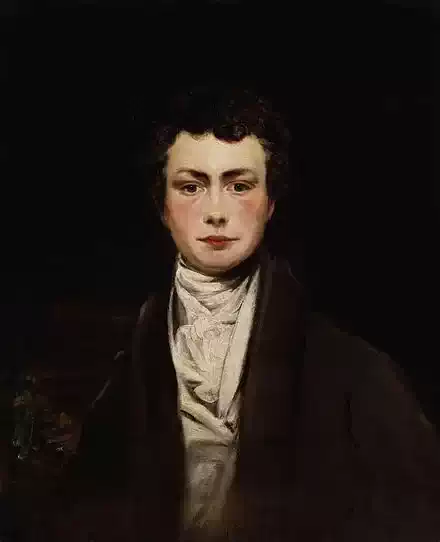
Thomas Moore
The Sinking Fund Cried
The Sinking Fund Cried
["Now what, we ask, is become of this Sinking Fund - these eight millions of surplus
above expenditure, which were to reduce the interest of the national debt by the
amount of four hundred thousand pounds annually? Where, indeed, is the Sinking Fund
itself?" - The Times]
Take your bell, take your bell,
Good Crier, and tell
To the Bulls and the Bears, till their ears are stunn'd,
That, lost or stolen,
Or fall'n through a hole in
The Treasury floor, is the Sinking Fund!
O yes! O yes!
Can anybody guess
What the deuce has become of this Treasury wonder?
It has Pitt's name on't,
All brass, in the front,
And R--b--ns--n's scrawl'd with a goose-quill under.
Folks well knew what
Would soon be its lot,
When Frederick or Jenky set hobnobbing,[]
And said to each other,
"Suppose, dear brother,
We make this funny old Fund worth robbing."
We are come, alas!
To a very pretty pass --
Eight Hundred Millions of score, to pay,
With but Five in the till,
To discharge the bill,
And even that Five too, whipp'd away!
Stop thief! stop thief! --
From the Sub to the Chief,
These Genmen of Finance are plundering cattle --
Call the watch, call Bougham
Tell Joseph Hume,
That best of Charleys, to spring his rattle.
Whoever will bring
This aforesaid thing
To the well-known house of Robinson and Jenkin,
Shall be paid, with thanks,
In the notes of banks,
Whose Funds have all learn'd "the Art of Sinking."
O yes! O yes!
Can any body guess
What the devil has become of the Treasury wonder?
It has Pitt's name on 't,
All brass, in the front,
And R--b--ns--n's, scrawl'd with a goose-quill under.
["Now what, we ask, is become of this Sinking Fund - these eight millions of surplus
above expenditure, which were to reduce the interest of the national debt by the
amount of four hundred thousand pounds annually? Where, indeed, is the Sinking Fund
itself?" - The Times]
Take your bell, take your bell,
Good Crier, and tell
To the Bulls and the Bears, till their ears are stunn'd,
That, lost or stolen,
Or fall'n through a hole in
The Treasury floor, is the Sinking Fund!
O yes! O yes!
Can anybody guess
What the deuce has become of this Treasury wonder?
It has Pitt's name on't,
All brass, in the front,
And R--b--ns--n's scrawl'd with a goose-quill under.
Folks well knew what
Would soon be its lot,
When Frederick or Jenky set hobnobbing,[]
And said to each other,
"Suppose, dear brother,
We make this funny old Fund worth robbing."
We are come, alas!
To a very pretty pass --
Eight Hundred Millions of score, to pay,
With but Five in the till,
To discharge the bill,
And even that Five too, whipp'd away!
Stop thief! stop thief! --
From the Sub to the Chief,
These Genmen of Finance are plundering cattle --
Call the watch, call Bougham
Tell Joseph Hume,
That best of Charleys, to spring his rattle.
Whoever will bring
This aforesaid thing
To the well-known house of Robinson and Jenkin,
Shall be paid, with thanks,
In the notes of banks,
Whose Funds have all learn'd "the Art of Sinking."
O yes! O yes!
Can any body guess
What the devil has become of the Treasury wonder?
It has Pitt's name on 't,
All brass, in the front,
And R--b--ns--n's, scrawl'd with a goose-quill under.
204
Thomas Moore
The Song of O'Ruark, Prince of Breffni
The Song of O'Ruark, Prince of Breffni
The valley lay smiling before me,
Where lately I left her behind;
Yet I trembled, and something hung o'er me,
That sadden'd the joy of my mind.
I look'd for the lamp which, she told me,
Should shine when her Pilgrim return'd;
But, though darkness began to infold me,
No lamp from the battlements burn'd!
I flew to her chamber -- 'twas lonely,
As if the loved tenant lay dead; --
Ah, would it were death, and death only!
But no, the young false one had fled.
And there hung the lute that could soften
My very worst pains into bliss;
While the hand that had waked it so often
Now throbb'd to a proud rival's kiss.
There was a time, falsest of women,
When Breffni's good sword would have sought
That man, through a million of foemen,
Who dared but to wrong thee in thought!
While now -- oh degenerate daughter
Of Erin, how fallen is thy fame!
And through ages of bondage and slaughter,
Our country shall bleed for thy shame.
Already the curse is upon her,
And strangers her valleys profane;
They come to divide, to dishonour,
And tyrants they long will remain.
But onward! --- the green banner rearing,
Go, flesh every sword to the hilt;
On our side is Virtue and Erin,
On theirs is the Saxon and Guilt.
The valley lay smiling before me,
Where lately I left her behind;
Yet I trembled, and something hung o'er me,
That sadden'd the joy of my mind.
I look'd for the lamp which, she told me,
Should shine when her Pilgrim return'd;
But, though darkness began to infold me,
No lamp from the battlements burn'd!
I flew to her chamber -- 'twas lonely,
As if the loved tenant lay dead; --
Ah, would it were death, and death only!
But no, the young false one had fled.
And there hung the lute that could soften
My very worst pains into bliss;
While the hand that had waked it so often
Now throbb'd to a proud rival's kiss.
There was a time, falsest of women,
When Breffni's good sword would have sought
That man, through a million of foemen,
Who dared but to wrong thee in thought!
While now -- oh degenerate daughter
Of Erin, how fallen is thy fame!
And through ages of bondage and slaughter,
Our country shall bleed for thy shame.
Already the curse is upon her,
And strangers her valleys profane;
They come to divide, to dishonour,
And tyrants they long will remain.
But onward! --- the green banner rearing,
Go, flesh every sword to the hilt;
On our side is Virtue and Erin,
On theirs is the Saxon and Guilt.
194
Thomas Moore
The Night Dance
The Night Dance
Strike the gay harp! see the moon is on high,
And, as true to her beam as the tides of the ocean,
Young hearts, when they feel the soft light of her eye,
Obey the mute call, and heave into motion.
Then, sound notes -- the gayest, the lightest,
That ever took wing, when heaven look'd brightest
Again! Again!
Oh! could such heart-stirring music be heard
In that City of Statues described by romancers,
So wakening its spell, even stone would be stirr'd,
And statues themselves all start into dancers!
Why then delay, with such sounds in our ears,
And the flower of Beauty's own garden before us --
While stars overhead leave the song of their spheres,
And, listening to ours, hang wondering o'er us?
Again, that strain! -- to hear it thus sounding
Might set even Death's cold pulses bounding --
Again! Again!
Oh, what delight when the youthful and gay
Each with eye like a sunbeam and foot like a feather,
Thus dance, like the Hours to the music of May,
And mingle sweet song and sunshine together.
Strike the gay harp! see the moon is on high,
And, as true to her beam as the tides of the ocean,
Young hearts, when they feel the soft light of her eye,
Obey the mute call, and heave into motion.
Then, sound notes -- the gayest, the lightest,
That ever took wing, when heaven look'd brightest
Again! Again!
Oh! could such heart-stirring music be heard
In that City of Statues described by romancers,
So wakening its spell, even stone would be stirr'd,
And statues themselves all start into dancers!
Why then delay, with such sounds in our ears,
And the flower of Beauty's own garden before us --
While stars overhead leave the song of their spheres,
And, listening to ours, hang wondering o'er us?
Again, that strain! -- to hear it thus sounding
Might set even Death's cold pulses bounding --
Again! Again!
Oh, what delight when the youthful and gay
Each with eye like a sunbeam and foot like a feather,
Thus dance, like the Hours to the music of May,
And mingle sweet song and sunshine together.
192
Thomas Moore
The Light of Other Days
The Light of Other Days
OFT, in the stilly night,
Ere slumber's chain has bound me,
Fond Memory brings the light
Of other days around me:
The smiles, the tears
Of boyhood's years,
The words of love then spoken;
The eyes that shone,
Now dimm'd and gone,
The cheerful hearts now broken!
Thus, in the stilly night,
Ere slumber's chain has bound me,
Sad Memory brings the light
Of other days around me.
When I remember all
The friends, so link'd together,
I've seen around me fall
Like leaves in wintry weather,
I feel like one
Who treads alone
Some banquet-hall deserted,
Whose lights are fled,
Whose garlands dead,
And all but he departed!
Thus, in the stilly night,
Ere slumber's chain has bound me.
Sad Memory brings the light
Of other days around me.
OFT, in the stilly night,
Ere slumber's chain has bound me,
Fond Memory brings the light
Of other days around me:
The smiles, the tears
Of boyhood's years,
The words of love then spoken;
The eyes that shone,
Now dimm'd and gone,
The cheerful hearts now broken!
Thus, in the stilly night,
Ere slumber's chain has bound me,
Sad Memory brings the light
Of other days around me.
When I remember all
The friends, so link'd together,
I've seen around me fall
Like leaves in wintry weather,
I feel like one
Who treads alone
Some banquet-hall deserted,
Whose lights are fled,
Whose garlands dead,
And all but he departed!
Thus, in the stilly night,
Ere slumber's chain has bound me.
Sad Memory brings the light
Of other days around me.
220
Thomas Moore
The Light of Other Days
The Light of Other Days
OFT, in the stilly night,
Ere slumber's chain has bound me,
Fond Memory brings the light
Of other days around me:
The smiles, the tears
Of boyhood's years,
The words of love then spoken;
The eyes that shone,
Now dimm'd and gone,
The cheerful hearts now broken!
Thus, in the stilly night,
Ere slumber's chain has bound me,
Sad Memory brings the light
Of other days around me.
When I remember all
The friends, so link'd together,
I've seen around me fall
Like leaves in wintry weather,
I feel like one
Who treads alone
Some banquet-hall deserted,
Whose lights are fled,
Whose garlands dead,
And all but he departed!
Thus, in the stilly night,
Ere slumber's chain has bound me.
Sad Memory brings the light
Of other days around me.
OFT, in the stilly night,
Ere slumber's chain has bound me,
Fond Memory brings the light
Of other days around me:
The smiles, the tears
Of boyhood's years,
The words of love then spoken;
The eyes that shone,
Now dimm'd and gone,
The cheerful hearts now broken!
Thus, in the stilly night,
Ere slumber's chain has bound me,
Sad Memory brings the light
Of other days around me.
When I remember all
The friends, so link'd together,
I've seen around me fall
Like leaves in wintry weather,
I feel like one
Who treads alone
Some banquet-hall deserted,
Whose lights are fled,
Whose garlands dead,
And all but he departed!
Thus, in the stilly night,
Ere slumber's chain has bound me.
Sad Memory brings the light
Of other days around me.
220
Thomas Moore
The Irish Peasant to his Mistress
The Irish Peasant to his Mistress
Through grief and through danger thy smile hath cheer'd my way,
Till hope seem'd to bud from each thorn that round me lay;
The darker our fortune, the brighter our pure love burn'd,
Till shame into glory, till fear into zeal was turn'd;
Yes, slave as I was, in thy arms my spirit felt free,
And bless'd even the sorrows that made me more dear to thee.
Thy rival was honour'd, while thou wert wrong'd and scorn'd,
Thy crown was of briers, while gold her brows adorn'd;
She woo'd me to temples, while thou lay'st hid in caves,
Her friends were all masters, while thine, alas! were slaves;
Yet cold in the earth, at thy feet, I would rather be,
Then wed what I loved not, or turn one thought from thee.
They slander thee sorely, who say thy vows are frail --
Hadst thou been a false one, thy cheek had look'd less pale.
They say, too, so long thou hast worn those lingering chains --
That deep in thy heart they have printed their servile stains --
Oh! foul is the slander -- no chain could that soul subdue --
Where shineth thy spirit, there liberty shineth too!
Through grief and through danger thy smile hath cheer'd my way,
Till hope seem'd to bud from each thorn that round me lay;
The darker our fortune, the brighter our pure love burn'd,
Till shame into glory, till fear into zeal was turn'd;
Yes, slave as I was, in thy arms my spirit felt free,
And bless'd even the sorrows that made me more dear to thee.
Thy rival was honour'd, while thou wert wrong'd and scorn'd,
Thy crown was of briers, while gold her brows adorn'd;
She woo'd me to temples, while thou lay'st hid in caves,
Her friends were all masters, while thine, alas! were slaves;
Yet cold in the earth, at thy feet, I would rather be,
Then wed what I loved not, or turn one thought from thee.
They slander thee sorely, who say thy vows are frail --
Hadst thou been a false one, thy cheek had look'd less pale.
They say, too, so long thou hast worn those lingering chains --
That deep in thy heart they have printed their servile stains --
Oh! foul is the slander -- no chain could that soul subdue --
Where shineth thy spirit, there liberty shineth too!
204
Thomas Moore
Take Back the Virgin Page
Take Back the Virgin Page
Written on Returning a Blank Book
Take back the virgin page,
White and unwritten still;
Some hand, more calm and sage,
The leaf must fill.
Thoughts come, as pure as light
Pure as even you require;
But, oh! each word I write
Love turns to fire.
Yet let me keep the book:
Oft shall my heart renew,
When on its leaves I look,
Dear thoughts of you.
Like you, 'tis fair and bright;
Like you, too bright and fair
To let wild passion write
One wrong wish there.
Haply, when from those eyes
Far, far away I roam,
Should calmer thoughts arise
Towards you and home;
Fancy may trace some line,
Worthy those eyes to meet,
Thoughts that not burn, but shine,
Pure, calm, and sweet.
And as, o'er ocean far,
Seamen their records keep,
Led by some hidden star
Through the cold deep;
So may the words I write
Tell through what storms I stray --
You still the unseen light,
Guiding my way.
Written on Returning a Blank Book
Take back the virgin page,
White and unwritten still;
Some hand, more calm and sage,
The leaf must fill.
Thoughts come, as pure as light
Pure as even you require;
But, oh! each word I write
Love turns to fire.
Yet let me keep the book:
Oft shall my heart renew,
When on its leaves I look,
Dear thoughts of you.
Like you, 'tis fair and bright;
Like you, too bright and fair
To let wild passion write
One wrong wish there.
Haply, when from those eyes
Far, far away I roam,
Should calmer thoughts arise
Towards you and home;
Fancy may trace some line,
Worthy those eyes to meet,
Thoughts that not burn, but shine,
Pure, calm, and sweet.
And as, o'er ocean far,
Seamen their records keep,
Led by some hidden star
Through the cold deep;
So may the words I write
Tell through what storms I stray --
You still the unseen light,
Guiding my way.
191
Thomas Moore
Song of the Battle Eve
Song of the Battle Eve
(Time -- the Ninth Century)
To-morrow, comrade, we
On the battle-plain must be,
There to conquer, or both lie low!
The morning star is up --
But there's wine still in the cup,
And we'll take another quaff, ere we go, boy, go;
We'll take another quaff, ere we go.
'Tis true, in manliest eyes
A passing tear will rise,
When we think of the friends we leave lone;
But what can wailing do?
See, our goblet's weeping too!
With its tears we'll chase away our own, boy, our own;
With its tears we'll chase away our own.
But daylight's stealing on;
The last that o'er us shone
Saw our children around us play;
The next -- ah! where shall we
And those rosy urchins be?
But -- no matter -- grasp thy sword and away, boy, away;
No matter -- grasp thy sword and away!
Let those, who brook the chain
Of Saxon or of Dane,
Ignobly by their fire-sides stay;
One sigh to home be given,
One heartfelt prayer to heaven,
Then, for Erin and her cause, boy, hurra! hurra! hurra!
Then, for Erin and her cause, hurra!
(Time -- the Ninth Century)
To-morrow, comrade, we
On the battle-plain must be,
There to conquer, or both lie low!
The morning star is up --
But there's wine still in the cup,
And we'll take another quaff, ere we go, boy, go;
We'll take another quaff, ere we go.
'Tis true, in manliest eyes
A passing tear will rise,
When we think of the friends we leave lone;
But what can wailing do?
See, our goblet's weeping too!
With its tears we'll chase away our own, boy, our own;
With its tears we'll chase away our own.
But daylight's stealing on;
The last that o'er us shone
Saw our children around us play;
The next -- ah! where shall we
And those rosy urchins be?
But -- no matter -- grasp thy sword and away, boy, away;
No matter -- grasp thy sword and away!
Let those, who brook the chain
Of Saxon or of Dane,
Ignobly by their fire-sides stay;
One sigh to home be given,
One heartfelt prayer to heaven,
Then, for Erin and her cause, boy, hurra! hurra! hurra!
Then, for Erin and her cause, hurra!
192
Thomas Moore
Sing, Sweet Harp
Sing, Sweet Harp
Sing, sweet Harp, oh sing to me
Some song of ancient days,
Whose sounds, in this sad memory,
Long-buried dreams shall raise; --
Some lay that tells of vanish'd fame,
Whose light once round us shone,
Of noble pride, now turn'd to shame,
And hopes for ever gone.
Sing, sad Harp, thus sing to me;
Alike our doom is cast,
Both lost to all but memory,
We live but in the past.
How mournfully the midnight air
Among thy chords doth sigh,
As if it sought some echo there,
Of voices long gone by; --
Of chieftains, now forgot, who seem'd
The foremost then in fame;
Of Bards who, once immortal deem'd,
Now sleep without a name.
In vain, sad Harp, the midnight air
Among thy chords doth sigh;
In vain it seeks an echo there
Of voices long gone by.
Couldst thou but call those spirits round,
Who once, in bower and hall,
Sate listening to thy magic sound,
Now mute and mouldering all; --
But, no; they would but wake to weep
Their children's slavery;
Then leave them in their dreamless sleep,
The dead, at least are free!
Hush, hush, sad Harp, that dreary tone,
That knell of Freedom's day;
Or, listening to its death-like moan,
Let me, too, die away.
Sing, sweet Harp, oh sing to me
Some song of ancient days,
Whose sounds, in this sad memory,
Long-buried dreams shall raise; --
Some lay that tells of vanish'd fame,
Whose light once round us shone,
Of noble pride, now turn'd to shame,
And hopes for ever gone.
Sing, sad Harp, thus sing to me;
Alike our doom is cast,
Both lost to all but memory,
We live but in the past.
How mournfully the midnight air
Among thy chords doth sigh,
As if it sought some echo there,
Of voices long gone by; --
Of chieftains, now forgot, who seem'd
The foremost then in fame;
Of Bards who, once immortal deem'd,
Now sleep without a name.
In vain, sad Harp, the midnight air
Among thy chords doth sigh;
In vain it seeks an echo there
Of voices long gone by.
Couldst thou but call those spirits round,
Who once, in bower and hall,
Sate listening to thy magic sound,
Now mute and mouldering all; --
But, no; they would but wake to weep
Their children's slavery;
Then leave them in their dreamless sleep,
The dead, at least are free!
Hush, hush, sad Harp, that dreary tone,
That knell of Freedom's day;
Or, listening to its death-like moan,
Let me, too, die away.
173
Thomas Moore
She is Far From the Land
She is Far From the Land
She is far from the land where her young hero sleeps,
And lovers are round her, sighing;
But coldly she turns from their gaze, and weeps,
For her heart in his grave is lying.
She sings the wild song of her dear native plains,
Every note which he loved awaking; --
Ah! little they think, who delight in her strains,
How the heart of the Minstrel is breaking.
He had lived for his love, for his country he died,
They were all that to life had entwined him;
Nor soon shall the tears of his country be dried,
Nor long will his Love stay behind him.
Oh! make her a grave where the sunbeams rest,
When they promise a glorious morrow;
They'll shine o'er her sleep, like a smile from the West,
From her own loved island of sorrow.
She is far from the land where her young hero sleeps,
And lovers are round her, sighing;
But coldly she turns from their gaze, and weeps,
For her heart in his grave is lying.
She sings the wild song of her dear native plains,
Every note which he loved awaking; --
Ah! little they think, who delight in her strains,
How the heart of the Minstrel is breaking.
He had lived for his love, for his country he died,
They were all that to life had entwined him;
Nor soon shall the tears of his country be dried,
Nor long will his Love stay behind him.
Oh! make her a grave where the sunbeams rest,
When they promise a glorious morrow;
They'll shine o'er her sleep, like a smile from the West,
From her own loved island of sorrow.
128
Thomas Moore
Sail On, Sail On
Sail On, Sail On
Sail on, sail on, thou fearless bark --
Where'er blows the welcome wind,
It cannot lead to scenes more dark,
More sad than those we leave behind.
Each wave that passes seems to say,
"Though death beneath our smile may be,
Less cold we are, less false than they,
Whose smiling wreck'd thy hopes and thee."
Sail on, sail on -- through endless space --
Through calm -- through tempest -- stop no more:
The stormiest sea's a resting-place
To him who leaves such hearts on shore.
Or -- if some desert land we meet,
Where never yet false-hearted men
Profaned a world, that else were sweet --
Then rest thee, bark, but not till then.
Sail on, sail on, thou fearless bark --
Where'er blows the welcome wind,
It cannot lead to scenes more dark,
More sad than those we leave behind.
Each wave that passes seems to say,
"Though death beneath our smile may be,
Less cold we are, less false than they,
Whose smiling wreck'd thy hopes and thee."
Sail on, sail on -- through endless space --
Through calm -- through tempest -- stop no more:
The stormiest sea's a resting-place
To him who leaves such hearts on shore.
Or -- if some desert land we meet,
Where never yet false-hearted men
Profaned a world, that else were sweet --
Then rest thee, bark, but not till then.
192
Thomas Moore
Remember Thee!
Remember Thee!
Remember thee! yes, while there's life in this heart,
It shall never forget thee, all lorn as thou art;
More dear in thy sorrow, thy gloom, and thy showers,
Than the rest of the world in their sunniest hours.
Wert thou all that I wish thee, great, glorious, and free,
First flower of the earth, and first gem of the sea,
I might hail thee with prouder, with happier brow,
But oh! could I love thee more deeply tha now?
No, thy chains as they rankle, thy blood as it runs,
But make thee more painfully dear to thy sons --
Whose hearts, like the young of the desert-bird's nest,
Drink love in each life-drop that flows from thy breast.
Remember thee! yes, while there's life in this heart,
It shall never forget thee, all lorn as thou art;
More dear in thy sorrow, thy gloom, and thy showers,
Than the rest of the world in their sunniest hours.
Wert thou all that I wish thee, great, glorious, and free,
First flower of the earth, and first gem of the sea,
I might hail thee with prouder, with happier brow,
But oh! could I love thee more deeply tha now?
No, thy chains as they rankle, thy blood as it runs,
But make thee more painfully dear to thy sons --
Whose hearts, like the young of the desert-bird's nest,
Drink love in each life-drop that flows from thy breast.
289
Thomas Moore
Quantum Est Quod Desit
Quantum Est Quod Desit
'Twas a new feeling - something more
Than we had dar'd to own before,
Which then we hid not;
We saw it in each other's eye,
And wish'd in every broken sigh
To speak, but did not!
She felt my lips' impassion'd touch;
'Twas the first time I dar'd so much,
And yet, she chid not;
But whisper'd o'er my burning brow,
'Oh! do you doubt I love you now?'
Sweet soul! I did not!
Warmly I felt her bosom thrill,
I prest it closer, closer still,
Though gently bid not;
Till - oh! the world hath seldom heard
Of lovers, who so nearly err'd,
And yet who - did not!
'Twas a new feeling - something more
Than we had dar'd to own before,
Which then we hid not;
We saw it in each other's eye,
And wish'd in every broken sigh
To speak, but did not!
She felt my lips' impassion'd touch;
'Twas the first time I dar'd so much,
And yet, she chid not;
But whisper'd o'er my burning brow,
'Oh! do you doubt I love you now?'
Sweet soul! I did not!
Warmly I felt her bosom thrill,
I prest it closer, closer still,
Though gently bid not;
Till - oh! the world hath seldom heard
Of lovers, who so nearly err'd,
And yet who - did not!
164
Thomas Moore
Quantum Est Quod Desit
Quantum Est Quod Desit
'Twas a new feeling - something more
Than we had dar'd to own before,
Which then we hid not;
We saw it in each other's eye,
And wish'd in every broken sigh
To speak, but did not!
She felt my lips' impassion'd touch;
'Twas the first time I dar'd so much,
And yet, she chid not;
But whisper'd o'er my burning brow,
'Oh! do you doubt I love you now?'
Sweet soul! I did not!
Warmly I felt her bosom thrill,
I prest it closer, closer still,
Though gently bid not;
Till - oh! the world hath seldom heard
Of lovers, who so nearly err'd,
And yet who - did not!
'Twas a new feeling - something more
Than we had dar'd to own before,
Which then we hid not;
We saw it in each other's eye,
And wish'd in every broken sigh
To speak, but did not!
She felt my lips' impassion'd touch;
'Twas the first time I dar'd so much,
And yet, she chid not;
But whisper'd o'er my burning brow,
'Oh! do you doubt I love you now?'
Sweet soul! I did not!
Warmly I felt her bosom thrill,
I prest it closer, closer still,
Though gently bid not;
Till - oh! the world hath seldom heard
Of lovers, who so nearly err'd,
And yet who - did not!
164
Thomas Moore
On Music
On Music
When through life unblest we rove,
Losing all that made life dear,
Should some notes we used to love,
In days of boyhood, meet our ear,
Oh! how welcome breathes the strain!
Wakening thoughts that long have slept,
Kindling former smiles again
In faded eyes that long have wept.
Like the gale, that sighs along
Beds of oriental flowers,
Is the grateful breath of song,
That once was heard in happier hours.
Fill'd with balm the gale sighs on,
Though the flowers have sunk in death;
So, when pleasure's dream is gone,
Its memory lives in Music's breath.
Music, oh, how faint, how weak,
Language fades before thy spell!
Why should Feeling ever speak,
When thou canst breathe her soul so well?
Friendship's balmy words may feign,
Love's are even more false than they;
Oh! 'tis only music's strain
Can sweetly soothe, and not betray.
When through life unblest we rove,
Losing all that made life dear,
Should some notes we used to love,
In days of boyhood, meet our ear,
Oh! how welcome breathes the strain!
Wakening thoughts that long have slept,
Kindling former smiles again
In faded eyes that long have wept.
Like the gale, that sighs along
Beds of oriental flowers,
Is the grateful breath of song,
That once was heard in happier hours.
Fill'd with balm the gale sighs on,
Though the flowers have sunk in death;
So, when pleasure's dream is gone,
Its memory lives in Music's breath.
Music, oh, how faint, how weak,
Language fades before thy spell!
Why should Feeling ever speak,
When thou canst breathe her soul so well?
Friendship's balmy words may feign,
Love's are even more false than they;
Oh! 'tis only music's strain
Can sweetly soothe, and not betray.
196
Thomas Moore
Oh, Ye Dead!
Oh, Ye Dead!
Oh, ye Dead! oh, ye Dead! whom we know by the light you give
From your cold gleaming eyes, though you move like men who live,
Why leave you thus your graves,
In far off fields and waves,
Where the worm and the sea-bird only know your bed,
To haunt this spot where all
Those eyes that wept your fall,
And the hearts that wail'd you, like your own, lie dead?
It is true, it is true, we are shadows cold and wan;
And the fair and the brave whom we loved on earth are gone;
But still thus even in death,
So sweet the living breath
Of the fields and the flowers in our youth we wander'd o'er,
That ere, condemn'd, we go
To freeze 'mid Hecla's snow,
We would taste it a while, and think we live once more!
Oh, ye Dead! oh, ye Dead! whom we know by the light you give
From your cold gleaming eyes, though you move like men who live,
Why leave you thus your graves,
In far off fields and waves,
Where the worm and the sea-bird only know your bed,
To haunt this spot where all
Those eyes that wept your fall,
And the hearts that wail'd you, like your own, lie dead?
It is true, it is true, we are shadows cold and wan;
And the fair and the brave whom we loved on earth are gone;
But still thus even in death,
So sweet the living breath
Of the fields and the flowers in our youth we wander'd o'er,
That ere, condemn'd, we go
To freeze 'mid Hecla's snow,
We would taste it a while, and think we live once more!
186
Thomas Moore
Oh, Banquet Not
Oh, Banquet Not
Oh, banquet not in those shining bowers,
Where Youth resorts, but come to me,
For mine's a garden of faded flowers,
More fit for sorrow, for age, and thee.
And there we shall have our feast of tears,
And many a cup in silence pour;
Our guests, the shades of former years,
Our toasts, to lips that bloom no more.
There, while the myrtle's withering boughs
Their lifeless leaves around us shed,
We'll brim the bowl to broken vows
To friends long lost, the changed, the dead.
Or, while some blighted laurel waves
Its branches o'er the dreary spot,
We'll drink to those neglected graves
Where valour sleeps, unnamed, forgot.
Oh, banquet not in those shining bowers,
Where Youth resorts, but come to me,
For mine's a garden of faded flowers,
More fit for sorrow, for age, and thee.
And there we shall have our feast of tears,
And many a cup in silence pour;
Our guests, the shades of former years,
Our toasts, to lips that bloom no more.
There, while the myrtle's withering boughs
Their lifeless leaves around us shed,
We'll brim the bowl to broken vows
To friends long lost, the changed, the dead.
Or, while some blighted laurel waves
Its branches o'er the dreary spot,
We'll drink to those neglected graves
Where valour sleeps, unnamed, forgot.
211
Thomas Moore
Oh, the Shamrock
Oh, the Shamrock
Through Erin's Isle
To sport awhile
As Love and Valour wander'd,
With Wit, the sprite,
Whose quiver bright
A thousand arrows squander'd;
Where'er they pass,
A triple grass
Shoots up, with dew-drops streaming,
As softly green
As emeralds seen
Through purest crystal gleaming.
Oh the Shamrock, the green, immortal Shamrock!
Chosen leaf
Of Bard and Chief,
Old Erin's native Shamrock!
Says Valour, "See,
They spring for me,
Those leafy gems of morning!" --
Says Love, "No, no,
For me they grow,
My fragrant path adorning."
But Wit perceives
The triple leaves,
And cries, "Oh! do not sever
A type that blends
Three godlike friends,
Love, Valour, Wit, for ever!"
Oh, the Shamrock, the green, immortal Shamrock!
Chosen leaf, etc.
So firmly fond
May last the bond
They wove that morn together,
And ne'er may fall
One drop of gall
On Wit's celestial feather.
May Love, as twine
His flowers divine,
Of thorny falsehood weed 'em:
May Valour ne'er
His standard rear
Against the cause of Freedom!
Oh the Shamrock, the green, immortal Shamrock!
Chosen leaf, etc.
Through Erin's Isle
To sport awhile
As Love and Valour wander'd,
With Wit, the sprite,
Whose quiver bright
A thousand arrows squander'd;
Where'er they pass,
A triple grass
Shoots up, with dew-drops streaming,
As softly green
As emeralds seen
Through purest crystal gleaming.
Oh the Shamrock, the green, immortal Shamrock!
Chosen leaf
Of Bard and Chief,
Old Erin's native Shamrock!
Says Valour, "See,
They spring for me,
Those leafy gems of morning!" --
Says Love, "No, no,
For me they grow,
My fragrant path adorning."
But Wit perceives
The triple leaves,
And cries, "Oh! do not sever
A type that blends
Three godlike friends,
Love, Valour, Wit, for ever!"
Oh, the Shamrock, the green, immortal Shamrock!
Chosen leaf, etc.
So firmly fond
May last the bond
They wove that morn together,
And ne'er may fall
One drop of gall
On Wit's celestial feather.
May Love, as twine
His flowers divine,
Of thorny falsehood weed 'em:
May Valour ne'er
His standard rear
Against the cause of Freedom!
Oh the Shamrock, the green, immortal Shamrock!
Chosen leaf, etc.
212
Thomas Moore
Oh! Had We Some Bright Little Isle of Our Own
Oh! Had We Some Bright Little Isle of Our Own
Oh! had we some bright little isle of our own,
In a blue summer ocean, far off and alone,
Where a leaf never dies in the still blooming bowers,
And the bee banquets on through a whole year of flowers;
Where the sun loves to pause
With so fond a delay,
That the night only draws
A thin veil o'er the day;
Where simply to feel that we breathe, that we live,
Is worth the best joy that life elsewhere can give.
There with souls ever ardent and pure as the clime,
We should love, as they loved in the first golden time;
The glow of the sunshine, the balm of the air,
Would steal to our hearts, and make all summer there.
With affection as free
From decline as the bowers,
And, with hope, like the bee,
Living always on flowers,
Our life should resemble a long day of light,
And our death come on, holy and calm as the night.
Oh! had we some bright little isle of our own,
In a blue summer ocean, far off and alone,
Where a leaf never dies in the still blooming bowers,
And the bee banquets on through a whole year of flowers;
Where the sun loves to pause
With so fond a delay,
That the night only draws
A thin veil o'er the day;
Where simply to feel that we breathe, that we live,
Is worth the best joy that life elsewhere can give.
There with souls ever ardent and pure as the clime,
We should love, as they loved in the first golden time;
The glow of the sunshine, the balm of the air,
Would steal to our hearts, and make all summer there.
With affection as free
From decline as the bowers,
And, with hope, like the bee,
Living always on flowers,
Our life should resemble a long day of light,
And our death come on, holy and calm as the night.
176
Thomas Moore
Oft, in the Stilly Night
Oft, in the Stilly Night
Oft, in the stilly night,
Ere slumber's chain has bound me,
Fond memory brings the light
Of other days around me;
The smiles, the tears,
Of boyhood's years,
The words of love then spoken;
The eyes that shone,
Now dimm'd and gone,
The cheerful hearts now broken!
Thus, in the stilly night,
Ere slumber's chain hath bound me,
Sad memory brings the light
Of other days around me.
When I remember all
The friends, so link'd together,
I've seen around me fall,
Like leaves in wintry weather;
I feel like one
Who treads alone
Some banquet-hall deserted,
Whose lights are fled,
Whose garlands dead,
And all but he departed!
Thus, in the stilly night,
Ere slumber's chain has bound me,
Sad memory brings the light
Of other days around me.
Oft, in the stilly night,
Ere slumber's chain has bound me,
Fond memory brings the light
Of other days around me;
The smiles, the tears,
Of boyhood's years,
The words of love then spoken;
The eyes that shone,
Now dimm'd and gone,
The cheerful hearts now broken!
Thus, in the stilly night,
Ere slumber's chain hath bound me,
Sad memory brings the light
Of other days around me.
When I remember all
The friends, so link'd together,
I've seen around me fall,
Like leaves in wintry weather;
I feel like one
Who treads alone
Some banquet-hall deserted,
Whose lights are fled,
Whose garlands dead,
And all but he departed!
Thus, in the stilly night,
Ere slumber's chain has bound me,
Sad memory brings the light
Of other days around me.
473
Thomas Moore
Oft, in the Stilly Night
Oft, in the Stilly Night
Oft, in the stilly night,
Ere slumber's chain has bound me,
Fond memory brings the light
Of other days around me;
The smiles, the tears,
Of boyhood's years,
The words of love then spoken;
The eyes that shone,
Now dimm'd and gone,
The cheerful hearts now broken!
Thus, in the stilly night,
Ere slumber's chain hath bound me,
Sad memory brings the light
Of other days around me.
When I remember all
The friends, so link'd together,
I've seen around me fall,
Like leaves in wintry weather;
I feel like one
Who treads alone
Some banquet-hall deserted,
Whose lights are fled,
Whose garlands dead,
And all but he departed!
Thus, in the stilly night,
Ere slumber's chain has bound me,
Sad memory brings the light
Of other days around me.
Oft, in the stilly night,
Ere slumber's chain has bound me,
Fond memory brings the light
Of other days around me;
The smiles, the tears,
Of boyhood's years,
The words of love then spoken;
The eyes that shone,
Now dimm'd and gone,
The cheerful hearts now broken!
Thus, in the stilly night,
Ere slumber's chain hath bound me,
Sad memory brings the light
Of other days around me.
When I remember all
The friends, so link'd together,
I've seen around me fall,
Like leaves in wintry weather;
I feel like one
Who treads alone
Some banquet-hall deserted,
Whose lights are fled,
Whose garlands dead,
And all but he departed!
Thus, in the stilly night,
Ere slumber's chain has bound me,
Sad memory brings the light
Of other days around me.
473
Thomas Moore
Oh! Arranmore, Loved Arranmore
Oh! Arranmore, Loved Arranmore
Oh! Arranmore, loved Arranmore,
How oft I dream of thee,
And of those days when, by thy shore,
I wander'd young and free.
Full many a path I've tried, since then,
Through pleasure's flowery maze,
But ne'er could find the bliss again
I felt in those sweet days.
How blithe upon thy breezy cliffs
At sunny morn I've stood,
With heart as bounding as the skiffs
That danced along thy flood;
Or, when the western wave grew bright
With daylight's parting wing,
Have sought that Eden in its light
Which dreaming poets sing;
That Eden where the immortal brave
Dwell in a land serene --
Whose bowers beyond the shining wave
At sunset, oft are seen.
Ah, dream too full of saddening truth!
Those mansions o'er the main
Are like the hopes I built in youth --
As sunny and as vain!
Oh! Arranmore, loved Arranmore,
How oft I dream of thee,
And of those days when, by thy shore,
I wander'd young and free.
Full many a path I've tried, since then,
Through pleasure's flowery maze,
But ne'er could find the bliss again
I felt in those sweet days.
How blithe upon thy breezy cliffs
At sunny morn I've stood,
With heart as bounding as the skiffs
That danced along thy flood;
Or, when the western wave grew bright
With daylight's parting wing,
Have sought that Eden in its light
Which dreaming poets sing;
That Eden where the immortal brave
Dwell in a land serene --
Whose bowers beyond the shining wave
At sunset, oft are seen.
Ah, dream too full of saddening truth!
Those mansions o'er the main
Are like the hopes I built in youth --
As sunny and as vain!
214
Thomas Moore
Oh! Arranmore, Loved Arranmore
Oh! Arranmore, Loved Arranmore
Oh! Arranmore, loved Arranmore,
How oft I dream of thee,
And of those days when, by thy shore,
I wander'd young and free.
Full many a path I've tried, since then,
Through pleasure's flowery maze,
But ne'er could find the bliss again
I felt in those sweet days.
How blithe upon thy breezy cliffs
At sunny morn I've stood,
With heart as bounding as the skiffs
That danced along thy flood;
Or, when the western wave grew bright
With daylight's parting wing,
Have sought that Eden in its light
Which dreaming poets sing;
That Eden where the immortal brave
Dwell in a land serene --
Whose bowers beyond the shining wave
At sunset, oft are seen.
Ah, dream too full of saddening truth!
Those mansions o'er the main
Are like the hopes I built in youth --
As sunny and as vain!
Oh! Arranmore, loved Arranmore,
How oft I dream of thee,
And of those days when, by thy shore,
I wander'd young and free.
Full many a path I've tried, since then,
Through pleasure's flowery maze,
But ne'er could find the bliss again
I felt in those sweet days.
How blithe upon thy breezy cliffs
At sunny morn I've stood,
With heart as bounding as the skiffs
That danced along thy flood;
Or, when the western wave grew bright
With daylight's parting wing,
Have sought that Eden in its light
Which dreaming poets sing;
That Eden where the immortal brave
Dwell in a land serene --
Whose bowers beyond the shining wave
At sunset, oft are seen.
Ah, dream too full of saddening truth!
Those mansions o'er the main
Are like the hopes I built in youth --
As sunny and as vain!
214
Thomas Moore
Oh! Arranmore, Loved Arranmore
Oh! Arranmore, Loved Arranmore
Oh! Arranmore, loved Arranmore,
How oft I dream of thee,
And of those days when, by thy shore,
I wander'd young and free.
Full many a path I've tried, since then,
Through pleasure's flowery maze,
But ne'er could find the bliss again
I felt in those sweet days.
How blithe upon thy breezy cliffs
At sunny morn I've stood,
With heart as bounding as the skiffs
That danced along thy flood;
Or, when the western wave grew bright
With daylight's parting wing,
Have sought that Eden in its light
Which dreaming poets sing;
That Eden where the immortal brave
Dwell in a land serene --
Whose bowers beyond the shining wave
At sunset, oft are seen.
Ah, dream too full of saddening truth!
Those mansions o'er the main
Are like the hopes I built in youth --
As sunny and as vain!
Oh! Arranmore, loved Arranmore,
How oft I dream of thee,
And of those days when, by thy shore,
I wander'd young and free.
Full many a path I've tried, since then,
Through pleasure's flowery maze,
But ne'er could find the bliss again
I felt in those sweet days.
How blithe upon thy breezy cliffs
At sunny morn I've stood,
With heart as bounding as the skiffs
That danced along thy flood;
Or, when the western wave grew bright
With daylight's parting wing,
Have sought that Eden in its light
Which dreaming poets sing;
That Eden where the immortal brave
Dwell in a land serene --
Whose bowers beyond the shining wave
At sunset, oft are seen.
Ah, dream too full of saddening truth!
Those mansions o'er the main
Are like the hopes I built in youth --
As sunny and as vain!
214