

Poems in this topic
Emotions and Feelings
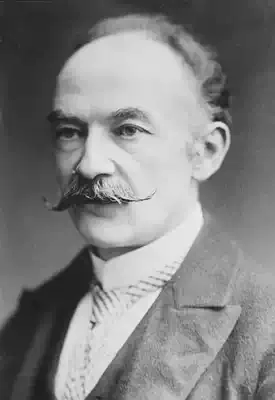
Thomas Hardy
Ah, Are You Digging on My Grave?
Ah, Are You Digging on My Grave?
"Ah, are you digging on my grave,
My loved one? -- planting rue?"
-- "No: yesterday he went to wed
One of the brightest wealth has bred.
'It cannot hurt her now,' he said,
'That I should not be true.'"
"Then who is digging on my grave,
My nearest dearest kin?"
-- "Ah, no: they sit and think, 'What use!
What good will planting flowers produce?
No tendance of her mound can loose
Her spirit from Death's gin.'"
"But someone digs upon my grave?
My enemy? -- prodding sly?"
-- "Nay: when she heard you had passed the Gate
That shuts on all flesh soon or late,
She thought you no more worth her hate,
And cares not where you lie.
"Then, who is digging on my grave?
Say -- since I have not guessed!"
-- "O it is I, my mistress dear,
Your little dog , who still lives near,
And much I hope my movements here
Have not disturbed your rest?"
"Ah yes! You dig upon my grave...
Why flashed it not to me
That one true heart was left behind!
What feeling do we ever find
To equal among human kind
A dog's fidelity!"
"Mistress, I dug upon your grave
To bury a bone, in case
I should be hungry near this spot
When passing on my daily trot.
I am sorry, but I quite forgot
It was your resting place."
"Ah, are you digging on my grave,
My loved one? -- planting rue?"
-- "No: yesterday he went to wed
One of the brightest wealth has bred.
'It cannot hurt her now,' he said,
'That I should not be true.'"
"Then who is digging on my grave,
My nearest dearest kin?"
-- "Ah, no: they sit and think, 'What use!
What good will planting flowers produce?
No tendance of her mound can loose
Her spirit from Death's gin.'"
"But someone digs upon my grave?
My enemy? -- prodding sly?"
-- "Nay: when she heard you had passed the Gate
That shuts on all flesh soon or late,
She thought you no more worth her hate,
And cares not where you lie.
"Then, who is digging on my grave?
Say -- since I have not guessed!"
-- "O it is I, my mistress dear,
Your little dog , who still lives near,
And much I hope my movements here
Have not disturbed your rest?"
"Ah yes! You dig upon my grave...
Why flashed it not to me
That one true heart was left behind!
What feeling do we ever find
To equal among human kind
A dog's fidelity!"
"Mistress, I dug upon your grave
To bury a bone, in case
I should be hungry near this spot
When passing on my daily trot.
I am sorry, but I quite forgot
It was your resting place."
338
Thomas Hardy
A Wife in London (December, )
A Wife in London (December, )
I--The Tragedy
She sits in the tawny vapour
That the City lanes have uprolled,
Behind whose webby fold on fold
Like a waning taper
The street-lamp glimmers cold.
A messenger's knock cracks smartly,
Flashed news is in her hand
Of meaning it dazes to understand
Though shaped so shortly:
He--has fallen--in the far South Land . . .
II--The Irony
'Tis the morrow; the fog hangs thicker,
The postman nears and goes:
A letter is brought whose lines disclose
By the firelight flicker
His hand, whom the worm now knows:
Fresh--firm--penned in highest feather -
Page-full of his hoped return,
And of home-planned jaunts by brake and burn
In the summer weather,
And of new love that they would learn.
I--The Tragedy
She sits in the tawny vapour
That the City lanes have uprolled,
Behind whose webby fold on fold
Like a waning taper
The street-lamp glimmers cold.
A messenger's knock cracks smartly,
Flashed news is in her hand
Of meaning it dazes to understand
Though shaped so shortly:
He--has fallen--in the far South Land . . .
II--The Irony
'Tis the morrow; the fog hangs thicker,
The postman nears and goes:
A letter is brought whose lines disclose
By the firelight flicker
His hand, whom the worm now knows:
Fresh--firm--penned in highest feather -
Page-full of his hoped return,
And of home-planned jaunts by brake and burn
In the summer weather,
And of new love that they would learn.
293
Thomas Hardy
A Wasted Illness
A Wasted Illness
Through vaults of pain,
Enribbed and wrought with groins of ghastliness,
I passed, and garish spectres moved my brain
To dire distress.
And hammerings,
And quakes, and shoots, and stifling hotness, blent
With webby waxing things and waning things
As on I went.
"Where lies the end
To this foul way?" I asked with weakening breath.
Thereon ahead I saw a door extend -
The door to death.
It loomed more clear:
"At last!" I cried. "The all-delivering door!"
And then, I knew not how, it grew less near
Than theretofore.
And back slid I
Along the galleries by which I came,
And tediously the day returned, and sky,
And life--the same.
And all was well:
Old circumstance resumed its former show,
And on my head the dews of comfort fell
As ere my woe.
I roam anew,
Scarce conscious of my late distress . . . And yet
Those backward steps through pain I cannot view
Without regret.
For that dire train
Of waxing shapes and waning, passed before,
And those grim aisles, must be traversed again
To reach that door.
Through vaults of pain,
Enribbed and wrought with groins of ghastliness,
I passed, and garish spectres moved my brain
To dire distress.
And hammerings,
And quakes, and shoots, and stifling hotness, blent
With webby waxing things and waning things
As on I went.
"Where lies the end
To this foul way?" I asked with weakening breath.
Thereon ahead I saw a door extend -
The door to death.
It loomed more clear:
"At last!" I cried. "The all-delivering door!"
And then, I knew not how, it grew less near
Than theretofore.
And back slid I
Along the galleries by which I came,
And tediously the day returned, and sky,
And life--the same.
And all was well:
Old circumstance resumed its former show,
And on my head the dews of comfort fell
As ere my woe.
I roam anew,
Scarce conscious of my late distress . . . And yet
Those backward steps through pain I cannot view
Without regret.
For that dire train
Of waxing shapes and waning, passed before,
And those grim aisles, must be traversed again
To reach that door.
247
Thomas Hardy
A Wasted Illness
A Wasted Illness
Through vaults of pain,
Enribbed and wrought with groins of ghastliness,
I passed, and garish spectres moved my brain
To dire distress.
And hammerings,
And quakes, and shoots, and stifling hotness, blent
With webby waxing things and waning things
As on I went.
"Where lies the end
To this foul way?" I asked with weakening breath.
Thereon ahead I saw a door extend -
The door to death.
It loomed more clear:
"At last!" I cried. "The all-delivering door!"
And then, I knew not how, it grew less near
Than theretofore.
And back slid I
Along the galleries by which I came,
And tediously the day returned, and sky,
And life--the same.
And all was well:
Old circumstance resumed its former show,
And on my head the dews of comfort fell
As ere my woe.
I roam anew,
Scarce conscious of my late distress . . . And yet
Those backward steps through pain I cannot view
Without regret.
For that dire train
Of waxing shapes and waning, passed before,
And those grim aisles, must be traversed again
To reach that door.
Through vaults of pain,
Enribbed and wrought with groins of ghastliness,
I passed, and garish spectres moved my brain
To dire distress.
And hammerings,
And quakes, and shoots, and stifling hotness, blent
With webby waxing things and waning things
As on I went.
"Where lies the end
To this foul way?" I asked with weakening breath.
Thereon ahead I saw a door extend -
The door to death.
It loomed more clear:
"At last!" I cried. "The all-delivering door!"
And then, I knew not how, it grew less near
Than theretofore.
And back slid I
Along the galleries by which I came,
And tediously the day returned, and sky,
And life--the same.
And all was well:
Old circumstance resumed its former show,
And on my head the dews of comfort fell
As ere my woe.
I roam anew,
Scarce conscious of my late distress . . . And yet
Those backward steps through pain I cannot view
Without regret.
For that dire train
Of waxing shapes and waning, passed before,
And those grim aisles, must be traversed again
To reach that door.
247
Thomas Hardy
A Wasted Illness
A Wasted Illness
Through vaults of pain,
Enribbed and wrought with groins of ghastliness,
I passed, and garish spectres moved my brain
To dire distress.
And hammerings,
And quakes, and shoots, and stifling hotness, blent
With webby waxing things and waning things
As on I went.
"Where lies the end
To this foul way?" I asked with weakening breath.
Thereon ahead I saw a door extend -
The door to death.
It loomed more clear:
"At last!" I cried. "The all-delivering door!"
And then, I knew not how, it grew less near
Than theretofore.
And back slid I
Along the galleries by which I came,
And tediously the day returned, and sky,
And life--the same.
And all was well:
Old circumstance resumed its former show,
And on my head the dews of comfort fell
As ere my woe.
I roam anew,
Scarce conscious of my late distress . . . And yet
Those backward steps through pain I cannot view
Without regret.
For that dire train
Of waxing shapes and waning, passed before,
And those grim aisles, must be traversed again
To reach that door.
Through vaults of pain,
Enribbed and wrought with groins of ghastliness,
I passed, and garish spectres moved my brain
To dire distress.
And hammerings,
And quakes, and shoots, and stifling hotness, blent
With webby waxing things and waning things
As on I went.
"Where lies the end
To this foul way?" I asked with weakening breath.
Thereon ahead I saw a door extend -
The door to death.
It loomed more clear:
"At last!" I cried. "The all-delivering door!"
And then, I knew not how, it grew less near
Than theretofore.
And back slid I
Along the galleries by which I came,
And tediously the day returned, and sky,
And life--the same.
And all was well:
Old circumstance resumed its former show,
And on my head the dews of comfort fell
As ere my woe.
I roam anew,
Scarce conscious of my late distress . . . And yet
Those backward steps through pain I cannot view
Without regret.
For that dire train
Of waxing shapes and waning, passed before,
And those grim aisles, must be traversed again
To reach that door.
247
Thomas Hardy
A Spot
A Spot
In years defaced and lost,
Two sat here, transport-tossed,
Lit by a living love
The wilted world knew nothing of:
Scared momently
By gaingivings,
Then hoping things
That could not be.
Of love and us no trace
Abides upon the place;
The sun and shadows wheel,
Season and season sereward steal;
Foul days and fair
Here, too, prevail,
And gust and gale
As everywhere.
But lonely shepherd souls
Who bask amid these knolls
May catch a faery sound
On sleepy noontides from the ground:
"O not again
Till Earth outwears
Shall love like theirs
Suffuse this glen!"
In years defaced and lost,
Two sat here, transport-tossed,
Lit by a living love
The wilted world knew nothing of:
Scared momently
By gaingivings,
Then hoping things
That could not be.
Of love and us no trace
Abides upon the place;
The sun and shadows wheel,
Season and season sereward steal;
Foul days and fair
Here, too, prevail,
And gust and gale
As everywhere.
But lonely shepherd souls
Who bask amid these knolls
May catch a faery sound
On sleepy noontides from the ground:
"O not again
Till Earth outwears
Shall love like theirs
Suffuse this glen!"
287
Thomas Hardy
A Meeting With Despair
A Meeting With Despair
AS evening shaped I found me on a moor
Which sight could scarce sustain:
The black lean land, of featureless contour,
Was like a tract in pain.
"This scene, like my own life," I said, "is one
Where many glooms abide;
Toned by its fortune to a deadly dun--
Lightless on every side.
I glanced aloft and halted, pleasure-caught
To see the contrast there:
The ray-lit clouds gleamed glory; and I thought,
"There's solace everywhere!"
Then bitter self-reproaches as I stood
I dealt me silently
As one perverse--misrepresenting Good
In graceless mutiny.
Against the horizon's dim-descernèd wheel
A form rose, strange of mould:
That he was hideous, hopeless, I could feel
Rather than could behold.
"'Tis a dead spot, where even the light lies spent
To darkness!" croaked the Thing.
"Not if you look aloft!" said I, intent
On my new reasoning.
"Yea--but await awhile!" he cried. "Ho-ho!--
Look now aloft and see!"
I looked. There, too, sat night: Heaven's radiant show
Had gone. Then chuckled he.
AS evening shaped I found me on a moor
Which sight could scarce sustain:
The black lean land, of featureless contour,
Was like a tract in pain.
"This scene, like my own life," I said, "is one
Where many glooms abide;
Toned by its fortune to a deadly dun--
Lightless on every side.
I glanced aloft and halted, pleasure-caught
To see the contrast there:
The ray-lit clouds gleamed glory; and I thought,
"There's solace everywhere!"
Then bitter self-reproaches as I stood
I dealt me silently
As one perverse--misrepresenting Good
In graceless mutiny.
Against the horizon's dim-descernèd wheel
A form rose, strange of mould:
That he was hideous, hopeless, I could feel
Rather than could behold.
"'Tis a dead spot, where even the light lies spent
To darkness!" croaked the Thing.
"Not if you look aloft!" said I, intent
On my new reasoning.
"Yea--but await awhile!" he cried. "Ho-ho!--
Look now aloft and see!"
I looked. There, too, sat night: Heaven's radiant show
Had gone. Then chuckled he.
256
Thomas Hardy
A Meeting With Despair
A Meeting With Despair
AS evening shaped I found me on a moor
Which sight could scarce sustain:
The black lean land, of featureless contour,
Was like a tract in pain.
"This scene, like my own life," I said, "is one
Where many glooms abide;
Toned by its fortune to a deadly dun--
Lightless on every side.
I glanced aloft and halted, pleasure-caught
To see the contrast there:
The ray-lit clouds gleamed glory; and I thought,
"There's solace everywhere!"
Then bitter self-reproaches as I stood
I dealt me silently
As one perverse--misrepresenting Good
In graceless mutiny.
Against the horizon's dim-descernèd wheel
A form rose, strange of mould:
That he was hideous, hopeless, I could feel
Rather than could behold.
"'Tis a dead spot, where even the light lies spent
To darkness!" croaked the Thing.
"Not if you look aloft!" said I, intent
On my new reasoning.
"Yea--but await awhile!" he cried. "Ho-ho!--
Look now aloft and see!"
I looked. There, too, sat night: Heaven's radiant show
Had gone. Then chuckled he.
AS evening shaped I found me on a moor
Which sight could scarce sustain:
The black lean land, of featureless contour,
Was like a tract in pain.
"This scene, like my own life," I said, "is one
Where many glooms abide;
Toned by its fortune to a deadly dun--
Lightless on every side.
I glanced aloft and halted, pleasure-caught
To see the contrast there:
The ray-lit clouds gleamed glory; and I thought,
"There's solace everywhere!"
Then bitter self-reproaches as I stood
I dealt me silently
As one perverse--misrepresenting Good
In graceless mutiny.
Against the horizon's dim-descernèd wheel
A form rose, strange of mould:
That he was hideous, hopeless, I could feel
Rather than could behold.
"'Tis a dead spot, where even the light lies spent
To darkness!" croaked the Thing.
"Not if you look aloft!" said I, intent
On my new reasoning.
"Yea--but await awhile!" he cried. "Ho-ho!--
Look now aloft and see!"
I looked. There, too, sat night: Heaven's radiant show
Had gone. Then chuckled he.
256
Thomas Hardy
A Confession To A Friend in Trouble
A Confession To A Friend in Trouble
YOUR troubles shrink not, though I feel them less
Here, far away, than when I tarried near;
I even smile old smiles--with listlessness--
Yet smiles they are, not ghastly mockeries mere.
A thought too strange to house within my brain
Haunting its outer precincts I discern:
--That I will not show zeal again to learn
Your griefs, and, sharing them, renew my pain....
It goes, like murky bird or buccaneer
That shapes its lawless figure on the main,
And each new impulse tends to make outflee
The unseemly instinct that had lodgment here;
Yet, comrade old, can bitterer knowledge be
Than that, though banned, such instinct was in me!
YOUR troubles shrink not, though I feel them less
Here, far away, than when I tarried near;
I even smile old smiles--with listlessness--
Yet smiles they are, not ghastly mockeries mere.
A thought too strange to house within my brain
Haunting its outer precincts I discern:
--That I will not show zeal again to learn
Your griefs, and, sharing them, renew my pain....
It goes, like murky bird or buccaneer
That shapes its lawless figure on the main,
And each new impulse tends to make outflee
The unseemly instinct that had lodgment here;
Yet, comrade old, can bitterer knowledge be
Than that, though banned, such instinct was in me!
257
Thomas Hardy
A Confession To A Friend in Trouble
A Confession To A Friend in Trouble
YOUR troubles shrink not, though I feel them less
Here, far away, than when I tarried near;
I even smile old smiles--with listlessness--
Yet smiles they are, not ghastly mockeries mere.
A thought too strange to house within my brain
Haunting its outer precincts I discern:
--That I will not show zeal again to learn
Your griefs, and, sharing them, renew my pain....
It goes, like murky bird or buccaneer
That shapes its lawless figure on the main,
And each new impulse tends to make outflee
The unseemly instinct that had lodgment here;
Yet, comrade old, can bitterer knowledge be
Than that, though banned, such instinct was in me!
YOUR troubles shrink not, though I feel them less
Here, far away, than when I tarried near;
I even smile old smiles--with listlessness--
Yet smiles they are, not ghastly mockeries mere.
A thought too strange to house within my brain
Haunting its outer precincts I discern:
--That I will not show zeal again to learn
Your griefs, and, sharing them, renew my pain....
It goes, like murky bird or buccaneer
That shapes its lawless figure on the main,
And each new impulse tends to make outflee
The unseemly instinct that had lodgment here;
Yet, comrade old, can bitterer knowledge be
Than that, though banned, such instinct was in me!
257
Thomas Hardy
A Commonplace Day
A Commonplace Day
The day is turning ghost,
And scuttles from the kalendar in fits and furtively,
To join the anonymous host
Of those that throng oblivion; ceding his place, maybe,
To one of like degree.
I part the fire-gnawed logs,
Rake forth the embers, spoil the busy flames, and lay the ends
Upon the shining dogs;
Further and further from the nooks the twilight's stride extends,
And beamless black impends.
Nothing of tiniest worth
Have I wrought, pondered, planned; no one thing asking blame or
praise,
Since the pale corpse-like birth
Of this diurnal unit, bearing blanks in all its rays -
Dullest of dull-hued Days!
Wanly upon the panes
The rain slides as have slid since morn my colourless thoughts; and
yet
Here, while Day's presence wanes,
And over him the sepulchre-lid is slowly lowered and set,
He wakens my regret.
Regret--though nothing dear
That I wot of, was toward in the wide world at his prime,
Or bloomed elsewhere than here,
To die with his decease, and leave a memory sweet, sublime,
Or mark him out in Time . . .
--Yet, maybe, in some soul,
In some spot undiscerned on sea or land, some impulse rose,
Or some intent upstole
Of that enkindling ardency from whose maturer glows
The world's amendment flows;
But which, benumbed at birth
By momentary chance or wile, has missed its hope to be
Embodied on the earth;
And undervoicings of this loss to man's futurity
May wake regret in me.
The day is turning ghost,
And scuttles from the kalendar in fits and furtively,
To join the anonymous host
Of those that throng oblivion; ceding his place, maybe,
To one of like degree.
I part the fire-gnawed logs,
Rake forth the embers, spoil the busy flames, and lay the ends
Upon the shining dogs;
Further and further from the nooks the twilight's stride extends,
And beamless black impends.
Nothing of tiniest worth
Have I wrought, pondered, planned; no one thing asking blame or
praise,
Since the pale corpse-like birth
Of this diurnal unit, bearing blanks in all its rays -
Dullest of dull-hued Days!
Wanly upon the panes
The rain slides as have slid since morn my colourless thoughts; and
yet
Here, while Day's presence wanes,
And over him the sepulchre-lid is slowly lowered and set,
He wakens my regret.
Regret--though nothing dear
That I wot of, was toward in the wide world at his prime,
Or bloomed elsewhere than here,
To die with his decease, and leave a memory sweet, sublime,
Or mark him out in Time . . .
--Yet, maybe, in some soul,
In some spot undiscerned on sea or land, some impulse rose,
Or some intent upstole
Of that enkindling ardency from whose maturer glows
The world's amendment flows;
But which, benumbed at birth
By momentary chance or wile, has missed its hope to be
Embodied on the earth;
And undervoicings of this loss to man's futurity
May wake regret in me.
226
Thomas Hardy
I Need Not Go
"I Need Not Go"
I need not go
Through sleet and snow
To where I know
She waits for me;
She will wait me there
Till I find it fair,
And have time to spare
From company.
When I've overgot
The world somewhat,
When things cost not
Such stress and strain,
Is soon enough
By cypress sough
To tell my Love
I am come again.
And if some day,
When none cries nay,
I still delay
To seek her side,
(Though ample measure
Of fitting leisure
Await my pleasure)
She will riot chide.
What--not upbraid me
That I delayed me,
Nor ask what stayed me
So long? Ah, no! -
New cares may claim me,
New loves inflame me,
She will not blame me,
But suffer it so.
I need not go
Through sleet and snow
To where I know
She waits for me;
She will wait me there
Till I find it fair,
And have time to spare
From company.
When I've overgot
The world somewhat,
When things cost not
Such stress and strain,
Is soon enough
By cypress sough
To tell my Love
I am come again.
And if some day,
When none cries nay,
I still delay
To seek her side,
(Though ample measure
Of fitting leisure
Await my pleasure)
She will riot chide.
What--not upbraid me
That I delayed me,
Nor ask what stayed me
So long? Ah, no! -
New cares may claim me,
New loves inflame me,
She will not blame me,
But suffer it so.
217
Thomas Hardy
I Need Not Go
"I Need Not Go"
I need not go
Through sleet and snow
To where I know
She waits for me;
She will wait me there
Till I find it fair,
And have time to spare
From company.
When I've overgot
The world somewhat,
When things cost not
Such stress and strain,
Is soon enough
By cypress sough
To tell my Love
I am come again.
And if some day,
When none cries nay,
I still delay
To seek her side,
(Though ample measure
Of fitting leisure
Await my pleasure)
She will riot chide.
What--not upbraid me
That I delayed me,
Nor ask what stayed me
So long? Ah, no! -
New cares may claim me,
New loves inflame me,
She will not blame me,
But suffer it so.
I need not go
Through sleet and snow
To where I know
She waits for me;
She will wait me there
Till I find it fair,
And have time to spare
From company.
When I've overgot
The world somewhat,
When things cost not
Such stress and strain,
Is soon enough
By cypress sough
To tell my Love
I am come again.
And if some day,
When none cries nay,
I still delay
To seek her side,
(Though ample measure
Of fitting leisure
Await my pleasure)
She will riot chide.
What--not upbraid me
That I delayed me,
Nor ask what stayed me
So long? Ah, no! -
New cares may claim me,
New loves inflame me,
She will not blame me,
But suffer it so.
217
Thomas Hardy
How Great My Grief (Triolet)
"How Great My Grief" (Triolet)
How great my grief, my joys how few,
Since first it was my fate to know thee!
- Have the slow years not brought to view
How great my grief, my joys how few,
Nor memory shaped old times anew,
Nor loving-kindness helped to show thee
How great my grief, my joys how few,
Since first it was my fate to know thee?
How great my grief, my joys how few,
Since first it was my fate to know thee!
- Have the slow years not brought to view
How great my grief, my joys how few,
Nor memory shaped old times anew,
Nor loving-kindness helped to show thee
How great my grief, my joys how few,
Since first it was my fate to know thee?
207
Thomas Hardy
How Great My Grief (Triolet)
"How Great My Grief" (Triolet)
How great my grief, my joys how few,
Since first it was my fate to know thee!
- Have the slow years not brought to view
How great my grief, my joys how few,
Nor memory shaped old times anew,
Nor loving-kindness helped to show thee
How great my grief, my joys how few,
Since first it was my fate to know thee?
How great my grief, my joys how few,
Since first it was my fate to know thee!
- Have the slow years not brought to view
How great my grief, my joys how few,
Nor memory shaped old times anew,
Nor loving-kindness helped to show thee
How great my grief, my joys how few,
Since first it was my fate to know thee?
207
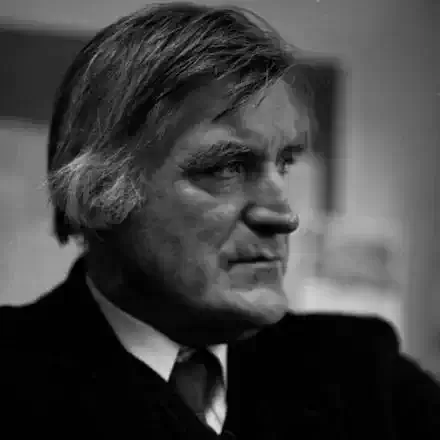
Ted Hughes
Thistles
Thistles
Against the rubber tongues of cows and the hoeing hands of men
Thistles spike the summer air
And crackle open under a blue-black pressure.
Every one a revengeful burst
Of resurrection, a grasped fistful
Of splintered weapons and Icelandic frost thrust up
From the underground stain of a decayed Viking.
They are like pale hair and the gutturals of dialects.
Every one manages a plume of blood.
Then they grow grey like men.
Mown down, it is a feud. Their sons appear
Stiff with weapons, fighting back over the same ground.
Against the rubber tongues of cows and the hoeing hands of men
Thistles spike the summer air
And crackle open under a blue-black pressure.
Every one a revengeful burst
Of resurrection, a grasped fistful
Of splintered weapons and Icelandic frost thrust up
From the underground stain of a decayed Viking.
They are like pale hair and the gutturals of dialects.
Every one manages a plume of blood.
Then they grow grey like men.
Mown down, it is a feud. Their sons appear
Stiff with weapons, fighting back over the same ground.
550
Ted Hughes
Tractor
Tractor
The tractor stands frozen - an agony
To think of. All night
Snow packed its open entrails. Now a head-pincering gale,
A spill of molten ice, smoking snow,
Pours into its steel.
At white heat of numbness it stands
In the aimed hosing of ground-level fieriness.
It defied flesh and won't start.
Hands are like wounds already
Inside armour gloves, and feet are unbelievable
As if the toe-nails were all just torn off.
I stare at it in hatred. Beyond it
The copse hisses - capitulates miserably
In the fleeing, failing light. Starlings,
A dirtier sleetier snow, blow smokily, unendingly, over
Towards plantations Eastward.
All the time the tractor is sinking
Through the degrees, deepening
Into its hell of ice.
The starting lever
Cracks its action, like a snapping knuckle.
The battery is alive - but like a lamb
Trying to nudge its solid-frozen mother -
While the seat claims my buttock-bones, bites
With the space-cold of earth, which it has joined
In one solid lump.
I squirt commercial sure-fire
Down the black throat - it just coughs.
It ridicules me - a trap of iron stupidity
I've stepped into. I drive the battery
As if I were hammering and hammering
The frozen arrangement to pieces with a hammer
And it jabbers laughing pain-crying mockingly
Into happy life.
And stands
Shuddering itself full of heat, seeming to enlarge slowly
Like a demon demonstrating
A more-than-usually-complete materialization -
Suddenly it jerks from its solidarity
With the concrete, and lurches towards a stanchion
Bursting with superhuman well-being and abandon
Shouting Where Where?
Worse iron is waiting. Power-lift kneels
Levers awake imprisoned deadweight,
Shackle-pins bedded in cast-iron cow-shit.
The blind and vibrating condemned obedience
Of iron to the cruelty of iron,
Wheels screeched out of their night-locks -
Fingers
Among the tormented
Tonnage and burning of iron
Eyes
Weeping in the wind of chloroform
And the tractor, streaming with sweat,
Raging and trembling and rejoicing.
The tractor stands frozen - an agony
To think of. All night
Snow packed its open entrails. Now a head-pincering gale,
A spill of molten ice, smoking snow,
Pours into its steel.
At white heat of numbness it stands
In the aimed hosing of ground-level fieriness.
It defied flesh and won't start.
Hands are like wounds already
Inside armour gloves, and feet are unbelievable
As if the toe-nails were all just torn off.
I stare at it in hatred. Beyond it
The copse hisses - capitulates miserably
In the fleeing, failing light. Starlings,
A dirtier sleetier snow, blow smokily, unendingly, over
Towards plantations Eastward.
All the time the tractor is sinking
Through the degrees, deepening
Into its hell of ice.
The starting lever
Cracks its action, like a snapping knuckle.
The battery is alive - but like a lamb
Trying to nudge its solid-frozen mother -
While the seat claims my buttock-bones, bites
With the space-cold of earth, which it has joined
In one solid lump.
I squirt commercial sure-fire
Down the black throat - it just coughs.
It ridicules me - a trap of iron stupidity
I've stepped into. I drive the battery
As if I were hammering and hammering
The frozen arrangement to pieces with a hammer
And it jabbers laughing pain-crying mockingly
Into happy life.
And stands
Shuddering itself full of heat, seeming to enlarge slowly
Like a demon demonstrating
A more-than-usually-complete materialization -
Suddenly it jerks from its solidarity
With the concrete, and lurches towards a stanchion
Bursting with superhuman well-being and abandon
Shouting Where Where?
Worse iron is waiting. Power-lift kneels
Levers awake imprisoned deadweight,
Shackle-pins bedded in cast-iron cow-shit.
The blind and vibrating condemned obedience
Of iron to the cruelty of iron,
Wheels screeched out of their night-locks -
Fingers
Among the tormented
Tonnage and burning of iron
Eyes
Weeping in the wind of chloroform
And the tractor, streaming with sweat,
Raging and trembling and rejoicing.
444
Ted Hughes
Tractor
Tractor
The tractor stands frozen - an agony
To think of. All night
Snow packed its open entrails. Now a head-pincering gale,
A spill of molten ice, smoking snow,
Pours into its steel.
At white heat of numbness it stands
In the aimed hosing of ground-level fieriness.
It defied flesh and won't start.
Hands are like wounds already
Inside armour gloves, and feet are unbelievable
As if the toe-nails were all just torn off.
I stare at it in hatred. Beyond it
The copse hisses - capitulates miserably
In the fleeing, failing light. Starlings,
A dirtier sleetier snow, blow smokily, unendingly, over
Towards plantations Eastward.
All the time the tractor is sinking
Through the degrees, deepening
Into its hell of ice.
The starting lever
Cracks its action, like a snapping knuckle.
The battery is alive - but like a lamb
Trying to nudge its solid-frozen mother -
While the seat claims my buttock-bones, bites
With the space-cold of earth, which it has joined
In one solid lump.
I squirt commercial sure-fire
Down the black throat - it just coughs.
It ridicules me - a trap of iron stupidity
I've stepped into. I drive the battery
As if I were hammering and hammering
The frozen arrangement to pieces with a hammer
And it jabbers laughing pain-crying mockingly
Into happy life.
And stands
Shuddering itself full of heat, seeming to enlarge slowly
Like a demon demonstrating
A more-than-usually-complete materialization -
Suddenly it jerks from its solidarity
With the concrete, and lurches towards a stanchion
Bursting with superhuman well-being and abandon
Shouting Where Where?
Worse iron is waiting. Power-lift kneels
Levers awake imprisoned deadweight,
Shackle-pins bedded in cast-iron cow-shit.
The blind and vibrating condemned obedience
Of iron to the cruelty of iron,
Wheels screeched out of their night-locks -
Fingers
Among the tormented
Tonnage and burning of iron
Eyes
Weeping in the wind of chloroform
And the tractor, streaming with sweat,
Raging and trembling and rejoicing.
The tractor stands frozen - an agony
To think of. All night
Snow packed its open entrails. Now a head-pincering gale,
A spill of molten ice, smoking snow,
Pours into its steel.
At white heat of numbness it stands
In the aimed hosing of ground-level fieriness.
It defied flesh and won't start.
Hands are like wounds already
Inside armour gloves, and feet are unbelievable
As if the toe-nails were all just torn off.
I stare at it in hatred. Beyond it
The copse hisses - capitulates miserably
In the fleeing, failing light. Starlings,
A dirtier sleetier snow, blow smokily, unendingly, over
Towards plantations Eastward.
All the time the tractor is sinking
Through the degrees, deepening
Into its hell of ice.
The starting lever
Cracks its action, like a snapping knuckle.
The battery is alive - but like a lamb
Trying to nudge its solid-frozen mother -
While the seat claims my buttock-bones, bites
With the space-cold of earth, which it has joined
In one solid lump.
I squirt commercial sure-fire
Down the black throat - it just coughs.
It ridicules me - a trap of iron stupidity
I've stepped into. I drive the battery
As if I were hammering and hammering
The frozen arrangement to pieces with a hammer
And it jabbers laughing pain-crying mockingly
Into happy life.
And stands
Shuddering itself full of heat, seeming to enlarge slowly
Like a demon demonstrating
A more-than-usually-complete materialization -
Suddenly it jerks from its solidarity
With the concrete, and lurches towards a stanchion
Bursting with superhuman well-being and abandon
Shouting Where Where?
Worse iron is waiting. Power-lift kneels
Levers awake imprisoned deadweight,
Shackle-pins bedded in cast-iron cow-shit.
The blind and vibrating condemned obedience
Of iron to the cruelty of iron,
Wheels screeched out of their night-locks -
Fingers
Among the tormented
Tonnage and burning of iron
Eyes
Weeping in the wind of chloroform
And the tractor, streaming with sweat,
Raging and trembling and rejoicing.
444
Ted Hughes
The Seven Sorrows
The Seven Sorrows
The first sorrow of autumn
Is the slow goodbye
Of the garden who stands so long in the evening-
A brown poppy head,
The stalk of a lily,
And still cannot go.
The second sorrow
Is the empty feet
Of a pheasant who hangs from a hook with his brothers.
The woodland of gold
Is folded in feathers
With its head in a bag.
And the third sorrow
Is the slow goodbye
Of the sun who has gathered the birds and who gathers
The minutes of evening,
The golden and holy
Ground of the picture.
The fourth sorrow
Is the pond gone black
Ruined and sunken the city of water-
The beetle's palace,
The catacombs
Of the dragonfly.
And the fifth sorrow
Is the slow goodbye
Of the woodland that quietly breaks up its camp.
One day it's gone.
It has only left litter-
Firewood, tentpoles.
And the sixth sorrow
Is the fox's sorrow
The joy of the huntsman, the joy of the hounds,
The hooves that pound
Till earth closes her ear
To the fox's prayer.
And the seventh sorrow
Is the slow goodbye
Of the face with its wrinkles that looks through the window
As the year packs up
Like a tatty fairground
That came for the children.
The first sorrow of autumn
Is the slow goodbye
Of the garden who stands so long in the evening-
A brown poppy head,
The stalk of a lily,
And still cannot go.
The second sorrow
Is the empty feet
Of a pheasant who hangs from a hook with his brothers.
The woodland of gold
Is folded in feathers
With its head in a bag.
And the third sorrow
Is the slow goodbye
Of the sun who has gathered the birds and who gathers
The minutes of evening,
The golden and holy
Ground of the picture.
The fourth sorrow
Is the pond gone black
Ruined and sunken the city of water-
The beetle's palace,
The catacombs
Of the dragonfly.
And the fifth sorrow
Is the slow goodbye
Of the woodland that quietly breaks up its camp.
One day it's gone.
It has only left litter-
Firewood, tentpoles.
And the sixth sorrow
Is the fox's sorrow
The joy of the huntsman, the joy of the hounds,
The hooves that pound
Till earth closes her ear
To the fox's prayer.
And the seventh sorrow
Is the slow goodbye
Of the face with its wrinkles that looks through the window
As the year packs up
Like a tatty fairground
That came for the children.
708
Ted Hughes
The Warm and the Cold
The Warm and the Cold
Freezing dusk is closing
Like a slow trap of steel
On trees and roads and hills and all
That can no longer feel.
But the carp is in its depth
Like a planet in its heaven.
And the badger in its bedding
Like a loaf in the oven.
And the butterfly in its mummy
Like a viol in its case.
And the owl in its feathers
Like a doll in its lace.
Freezing dusk has tightened
Like a nut screwed tight
On the starry aeroplane
Of the soaring night.
But the trout is in its hole
Like a chuckle in a sleeper.
The hare strays down the highway
Like a root going deeper.
The snail is dry in the outhouse
Like a seed in a sunflower.
The owl is pale on the gatepost
Like a clock on its tower.
Moonlight freezes the shaggy world
Like a mammoth of ice -
The past and the future
Are the jaws of a steel vice.
But the cod is in the tide-rip
Like a key in a purse.
The deer are on the bare-blown hill
Like smiles on a nurse.
The flies are behind the plaster
Like the lost score of a jig.
Sparrows are in the ivy-clump
Like money in a pig.
Such a frost
The flimsy moon
Has lost her wits.
A star falls.
The sweating farmers
Turn in their sleep
Like oxen on spits.
Freezing dusk is closing
Like a slow trap of steel
On trees and roads and hills and all
That can no longer feel.
But the carp is in its depth
Like a planet in its heaven.
And the badger in its bedding
Like a loaf in the oven.
And the butterfly in its mummy
Like a viol in its case.
And the owl in its feathers
Like a doll in its lace.
Freezing dusk has tightened
Like a nut screwed tight
On the starry aeroplane
Of the soaring night.
But the trout is in its hole
Like a chuckle in a sleeper.
The hare strays down the highway
Like a root going deeper.
The snail is dry in the outhouse
Like a seed in a sunflower.
The owl is pale on the gatepost
Like a clock on its tower.
Moonlight freezes the shaggy world
Like a mammoth of ice -
The past and the future
Are the jaws of a steel vice.
But the cod is in the tide-rip
Like a key in a purse.
The deer are on the bare-blown hill
Like smiles on a nurse.
The flies are behind the plaster
Like the lost score of a jig.
Sparrows are in the ivy-clump
Like money in a pig.
Such a frost
The flimsy moon
Has lost her wits.
A star falls.
The sweating farmers
Turn in their sleep
Like oxen on spits.
704
Ted Hughes
The Minotaur
The Minotaur
The mahogany table-top you smashed
Had been the broad plank top
Of my mother's heirloom sideboard-
Mapped with the scars of my whole life.
That came under the hammer.
That high stool you swung that day
Demented by my being
Twenty minutes late for baby-minding.
'Marvellous!' I shouted, 'Go on,
Smash it into kindling.
That's the stuff you're keeping out of your poems!'
And later, considered and calmer,
'Get that shoulder under your stanzas
And we'll be away.' Deep in the cave of your ear
The goblin snapped his fingers.
So what had I given him?
The bloody end of the skein
That unravelled your marriage,
Left your children echoing
Like tunnels in a labyrinth.
Left your mother a dead-end,
Brought you to the horned, bellowing
Grave of your risen father
And your own corpse in it.
The mahogany table-top you smashed
Had been the broad plank top
Of my mother's heirloom sideboard-
Mapped with the scars of my whole life.
That came under the hammer.
That high stool you swung that day
Demented by my being
Twenty minutes late for baby-minding.
'Marvellous!' I shouted, 'Go on,
Smash it into kindling.
That's the stuff you're keeping out of your poems!'
And later, considered and calmer,
'Get that shoulder under your stanzas
And we'll be away.' Deep in the cave of your ear
The goblin snapped his fingers.
So what had I given him?
The bloody end of the skein
That unravelled your marriage,
Left your children echoing
Like tunnels in a labyrinth.
Left your mother a dead-end,
Brought you to the horned, bellowing
Grave of your risen father
And your own corpse in it.
378
Ted Hughes
The Minotaur
The Minotaur
The mahogany table-top you smashed
Had been the broad plank top
Of my mother's heirloom sideboard-
Mapped with the scars of my whole life.
That came under the hammer.
That high stool you swung that day
Demented by my being
Twenty minutes late for baby-minding.
'Marvellous!' I shouted, 'Go on,
Smash it into kindling.
That's the stuff you're keeping out of your poems!'
And later, considered and calmer,
'Get that shoulder under your stanzas
And we'll be away.' Deep in the cave of your ear
The goblin snapped his fingers.
So what had I given him?
The bloody end of the skein
That unravelled your marriage,
Left your children echoing
Like tunnels in a labyrinth.
Left your mother a dead-end,
Brought you to the horned, bellowing
Grave of your risen father
And your own corpse in it.
The mahogany table-top you smashed
Had been the broad plank top
Of my mother's heirloom sideboard-
Mapped with the scars of my whole life.
That came under the hammer.
That high stool you swung that day
Demented by my being
Twenty minutes late for baby-minding.
'Marvellous!' I shouted, 'Go on,
Smash it into kindling.
That's the stuff you're keeping out of your poems!'
And later, considered and calmer,
'Get that shoulder under your stanzas
And we'll be away.' Deep in the cave of your ear
The goblin snapped his fingers.
So what had I given him?
The bloody end of the skein
That unravelled your marriage,
Left your children echoing
Like tunnels in a labyrinth.
Left your mother a dead-end,
Brought you to the horned, bellowing
Grave of your risen father
And your own corpse in it.
378
Ted Hughes
Macaw and Little Miss
Macaw and Little Miss
In a cage of wire-ribs
The size of a man's head, the macaw bristles in a staring
Combustion, suffers the stoking devils of his eyes.
In the old lady's parlour, where an aspidistra succumbs
To the musk of faded velvet, he hangs in clear flames,
Like a torturer's iron instrument preparing
With dense slow shudderings of greens, yellows, blues,
Crimsoning into the barbs:
Or like the smouldering head that hung
In Killdevil's brass kitchen, in irons, who had been
Volcano swearing to vomit the world away in black ash,
And would, one day; or a fugitive aristocrat
From some thunderous mythological hierarchy, caught
By a little boy with a crust and a bent pin,
Or snare of horsehair set for a song-thrush,
And put in a cage to sing.
The old lady who feeds him seeds
Has a grand-daughter. The girl calls him 'Poor Polly', pokes fun.
'Jolly Mop.' But lies under every full moon,
The spun glass of her body bared and so gleam-still
Her brimming eyes do not tremble or spill
The dream where the warrior comes, lightning and iron,
Smashing and burning and rending towards her loin:
Deep into her pillow her silence pleads.
All day he stares at his furnace
With eyes red-raw, but when she comes they close.
'Polly. Pretty Poll', she cajoles, and rocks him gently.
She caresses, whispers kisses. The blue lids stay shut.
She strikes the cage in a tantrum and swirls out:
Instantly beak, wings, talons crash
The bars in conflagration and frenzy,
And his shriek shakes the house.
In a cage of wire-ribs
The size of a man's head, the macaw bristles in a staring
Combustion, suffers the stoking devils of his eyes.
In the old lady's parlour, where an aspidistra succumbs
To the musk of faded velvet, he hangs in clear flames,
Like a torturer's iron instrument preparing
With dense slow shudderings of greens, yellows, blues,
Crimsoning into the barbs:
Or like the smouldering head that hung
In Killdevil's brass kitchen, in irons, who had been
Volcano swearing to vomit the world away in black ash,
And would, one day; or a fugitive aristocrat
From some thunderous mythological hierarchy, caught
By a little boy with a crust and a bent pin,
Or snare of horsehair set for a song-thrush,
And put in a cage to sing.
The old lady who feeds him seeds
Has a grand-daughter. The girl calls him 'Poor Polly', pokes fun.
'Jolly Mop.' But lies under every full moon,
The spun glass of her body bared and so gleam-still
Her brimming eyes do not tremble or spill
The dream where the warrior comes, lightning and iron,
Smashing and burning and rending towards her loin:
Deep into her pillow her silence pleads.
All day he stares at his furnace
With eyes red-raw, but when she comes they close.
'Polly. Pretty Poll', she cajoles, and rocks him gently.
She caresses, whispers kisses. The blue lids stay shut.
She strikes the cage in a tantrum and swirls out:
Instantly beak, wings, talons crash
The bars in conflagration and frenzy,
And his shriek shakes the house.
398
Ted Hughes
Macaw and Little Miss
Macaw and Little Miss
In a cage of wire-ribs
The size of a man's head, the macaw bristles in a staring
Combustion, suffers the stoking devils of his eyes.
In the old lady's parlour, where an aspidistra succumbs
To the musk of faded velvet, he hangs in clear flames,
Like a torturer's iron instrument preparing
With dense slow shudderings of greens, yellows, blues,
Crimsoning into the barbs:
Or like the smouldering head that hung
In Killdevil's brass kitchen, in irons, who had been
Volcano swearing to vomit the world away in black ash,
And would, one day; or a fugitive aristocrat
From some thunderous mythological hierarchy, caught
By a little boy with a crust and a bent pin,
Or snare of horsehair set for a song-thrush,
And put in a cage to sing.
The old lady who feeds him seeds
Has a grand-daughter. The girl calls him 'Poor Polly', pokes fun.
'Jolly Mop.' But lies under every full moon,
The spun glass of her body bared and so gleam-still
Her brimming eyes do not tremble or spill
The dream where the warrior comes, lightning and iron,
Smashing and burning and rending towards her loin:
Deep into her pillow her silence pleads.
All day he stares at his furnace
With eyes red-raw, but when she comes they close.
'Polly. Pretty Poll', she cajoles, and rocks him gently.
She caresses, whispers kisses. The blue lids stay shut.
She strikes the cage in a tantrum and swirls out:
Instantly beak, wings, talons crash
The bars in conflagration and frenzy,
And his shriek shakes the house.
In a cage of wire-ribs
The size of a man's head, the macaw bristles in a staring
Combustion, suffers the stoking devils of his eyes.
In the old lady's parlour, where an aspidistra succumbs
To the musk of faded velvet, he hangs in clear flames,
Like a torturer's iron instrument preparing
With dense slow shudderings of greens, yellows, blues,
Crimsoning into the barbs:
Or like the smouldering head that hung
In Killdevil's brass kitchen, in irons, who had been
Volcano swearing to vomit the world away in black ash,
And would, one day; or a fugitive aristocrat
From some thunderous mythological hierarchy, caught
By a little boy with a crust and a bent pin,
Or snare of horsehair set for a song-thrush,
And put in a cage to sing.
The old lady who feeds him seeds
Has a grand-daughter. The girl calls him 'Poor Polly', pokes fun.
'Jolly Mop.' But lies under every full moon,
The spun glass of her body bared and so gleam-still
Her brimming eyes do not tremble or spill
The dream where the warrior comes, lightning and iron,
Smashing and burning and rending towards her loin:
Deep into her pillow her silence pleads.
All day he stares at his furnace
With eyes red-raw, but when she comes they close.
'Polly. Pretty Poll', she cajoles, and rocks him gently.
She caresses, whispers kisses. The blue lids stay shut.
She strikes the cage in a tantrum and swirls out:
Instantly beak, wings, talons crash
The bars in conflagration and frenzy,
And his shriek shakes the house.
398