

Poems in this topic
Life and Existence
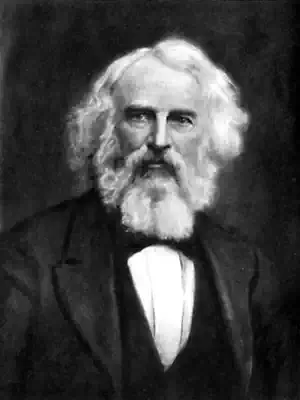
Henry Wadsworth Longfellow
Tales Of A Wayside Inn : Part 1. The Musician's Tale; The Saga of King Olaf I.
Tales Of A Wayside Inn : Part 1. The Musician's Tale; The Saga of King Olaf I.
-- The Challenge Of Thor
I am the God Thor,
I am the War God,
I am the Thunderer!
Here in my Northland,
My fastness and fortress,
Reign I forever!
Here amid icebergs
Rule I the nations;
This is my hammer,
Miölner the mighty;
Giants and sorcerers
Cannot withstand it!
These are the gauntlets
Wherewith I wield it,
And hurl it afar off;
This is my girdle;
Whenever I brace it,
Strength is redoubled!
The light thou beholdest
Stream through the heavens,
In flashes of crimson,
Is but my red beard
Blown by the night-wind,
Affrighting the nations!
Jove is my brother;
Mine eyes are the lightning;
The wheels of my chariot
Roll in the thunder,
The blows of my hammer
Ring in the earthquake!
Force rules the world still,
Has ruled it, shall rule it;
Meekness is weakness,
Strength is triumphant,
Over the whole earth
Still is it Thor's-Day!
Thou art a God too,
O Galilean!
And thus single-handed
Unto the combat,
Gauntlet or Gospel,
Here I defy thee!
-- The Challenge Of Thor
I am the God Thor,
I am the War God,
I am the Thunderer!
Here in my Northland,
My fastness and fortress,
Reign I forever!
Here amid icebergs
Rule I the nations;
This is my hammer,
Miölner the mighty;
Giants and sorcerers
Cannot withstand it!
These are the gauntlets
Wherewith I wield it,
And hurl it afar off;
This is my girdle;
Whenever I brace it,
Strength is redoubled!
The light thou beholdest
Stream through the heavens,
In flashes of crimson,
Is but my red beard
Blown by the night-wind,
Affrighting the nations!
Jove is my brother;
Mine eyes are the lightning;
The wheels of my chariot
Roll in the thunder,
The blows of my hammer
Ring in the earthquake!
Force rules the world still,
Has ruled it, shall rule it;
Meekness is weakness,
Strength is triumphant,
Over the whole earth
Still is it Thor's-Day!
Thou art a God too,
O Galilean!
And thus single-handed
Unto the combat,
Gauntlet or Gospel,
Here I defy thee!
282
Henry Wadsworth Longfellow
Tales Of A Wayside Inn : Part 1. Interlude V.
Tales Of A Wayside Inn : Part 1. Interlude V.
A strain of music closed the tale,
A low, monotonous, funeral wail,
That with its cadence, wild and sweet,
Made the long Saga more complete.
'Thank God,' the Theologian said,
'The reign of violence is dead,
Or dying surely from the world;
While Love triumphant reigns instead,
And in a brighter sky o'erhead
His blessed banners are unfurled.
And most of all thank God for this:
The war and waste of clashing creeds
Now end in words, and not in deeds,
And no one suffers loss, or bleeds,
For thoughts that men call heresies.
'I stand without here in the porch,
I hear the bell's melodious din,
I hear the organ peal within,
I hear the prayer, with words that scorch
Like sparks from an inverted torch,
I hear the sermon upon sin,
With threatenings of the last account.
And all, translated in the air,
Reach me but as our dear Lord's Prayer,
And as the Sermon on the Mount.
'Must it be Calvin, and not Christ?
Must it be Athanasian creeds,
Or holy water, books, and beads?
Must struggling souls remain content
With councils and decrees of Trent?
And can it be enough for these
The Christian Church the year embalms
With evergreens and boughs of palms,
And fills the air with litanies?
'I know that yonder Pharisee
Thanks God that he is not like me;
In my humiliation dressed,
I only stand and beat my breast,
And pray for human charity.
'Not to one church alone, but seven,
The voice prophetic spake from heaven;
And unto each the promise came,
Diversified, but still the same;
For him that overcometh are
The new name written on the stone,
The raiment white, the crown, the throne,
And I will give him the Morning Star!
'Ah! to how many Faith has been
No evidence of things unseen,
But a dim shadow, that recasts
The creed of the Phantasiasts,
For whom no Man of Sorrows died,
For whom the Tragedy Divine
Was but a symbol and a sign,
And Christ a phantom crucified!
'For others a diviner creed
Is living in the life they lead.
The passing of their beautiful feet
Blesses the pavement of the street
And all their looks and words repeat
Old Fuller's saying, wise and sweet,
Not as a vulture, but a dove,
The Holy Ghost came from above.
'And this brings back to me a tale
So sad the hearer well may quail,
And question if such things can be;
Yet in the chronicles of Spain
Down the dark pages runs this stain,
And naught can wash them white again,
So fearful is the tragedy.'
A strain of music closed the tale,
A low, monotonous, funeral wail,
That with its cadence, wild and sweet,
Made the long Saga more complete.
'Thank God,' the Theologian said,
'The reign of violence is dead,
Or dying surely from the world;
While Love triumphant reigns instead,
And in a brighter sky o'erhead
His blessed banners are unfurled.
And most of all thank God for this:
The war and waste of clashing creeds
Now end in words, and not in deeds,
And no one suffers loss, or bleeds,
For thoughts that men call heresies.
'I stand without here in the porch,
I hear the bell's melodious din,
I hear the organ peal within,
I hear the prayer, with words that scorch
Like sparks from an inverted torch,
I hear the sermon upon sin,
With threatenings of the last account.
And all, translated in the air,
Reach me but as our dear Lord's Prayer,
And as the Sermon on the Mount.
'Must it be Calvin, and not Christ?
Must it be Athanasian creeds,
Or holy water, books, and beads?
Must struggling souls remain content
With councils and decrees of Trent?
And can it be enough for these
The Christian Church the year embalms
With evergreens and boughs of palms,
And fills the air with litanies?
'I know that yonder Pharisee
Thanks God that he is not like me;
In my humiliation dressed,
I only stand and beat my breast,
And pray for human charity.
'Not to one church alone, but seven,
The voice prophetic spake from heaven;
And unto each the promise came,
Diversified, but still the same;
For him that overcometh are
The new name written on the stone,
The raiment white, the crown, the throne,
And I will give him the Morning Star!
'Ah! to how many Faith has been
No evidence of things unseen,
But a dim shadow, that recasts
The creed of the Phantasiasts,
For whom no Man of Sorrows died,
For whom the Tragedy Divine
Was but a symbol and a sign,
And Christ a phantom crucified!
'For others a diviner creed
Is living in the life they lead.
The passing of their beautiful feet
Blesses the pavement of the street
And all their looks and words repeat
Old Fuller's saying, wise and sweet,
Not as a vulture, but a dove,
The Holy Ghost came from above.
'And this brings back to me a tale
So sad the hearer well may quail,
And question if such things can be;
Yet in the chronicles of Spain
Down the dark pages runs this stain,
And naught can wash them white again,
So fearful is the tragedy.'
290
Henry Wadsworth Longfellow
Tales Of A Wayside Inn : Part 1. Interlude III.
Tales Of A Wayside Inn : Part 1. Interlude III.
He ended: and a kind of spell
Upon the silent listeners fell.
His solemn manner and his words
Had touched the deep, mysterious chords
That vibrate in each human breast
Alike, but not alike confessed.
The spiritual world seemed near;
And close above them, full of fear,
Its awful adumbration passed,
A luminous shadow, vague and vast.
They almost feared to look, lest there,
Embodied from the impalpable air,
They might behold the Angel stand,
Holding the sword in his right hand.
At last, but in a voice subdued,
Not to disturb their dreamy mood,
Said the Sicilian: 'While you spoke,
Telling your legend marvellous,
Suddenly in my memory woke
The thought of one, now gone from us,--
An old Abate, meek and mild,
My friend and teacher, when a child,
Who sometimes in those days of old
The legend of an Angel told,
Which ran, as I remember, thus.'
He ended: and a kind of spell
Upon the silent listeners fell.
His solemn manner and his words
Had touched the deep, mysterious chords
That vibrate in each human breast
Alike, but not alike confessed.
The spiritual world seemed near;
And close above them, full of fear,
Its awful adumbration passed,
A luminous shadow, vague and vast.
They almost feared to look, lest there,
Embodied from the impalpable air,
They might behold the Angel stand,
Holding the sword in his right hand.
At last, but in a voice subdued,
Not to disturb their dreamy mood,
Said the Sicilian: 'While you spoke,
Telling your legend marvellous,
Suddenly in my memory woke
The thought of one, now gone from us,--
An old Abate, meek and mild,
My friend and teacher, when a child,
Who sometimes in those days of old
The legend of an Angel told,
Which ran, as I remember, thus.'
339
Henry Wadsworth Longfellow
Tales Of A Wayside Inn : Part 1. Interlude III.
Tales Of A Wayside Inn : Part 1. Interlude III.
He ended: and a kind of spell
Upon the silent listeners fell.
His solemn manner and his words
Had touched the deep, mysterious chords
That vibrate in each human breast
Alike, but not alike confessed.
The spiritual world seemed near;
And close above them, full of fear,
Its awful adumbration passed,
A luminous shadow, vague and vast.
They almost feared to look, lest there,
Embodied from the impalpable air,
They might behold the Angel stand,
Holding the sword in his right hand.
At last, but in a voice subdued,
Not to disturb their dreamy mood,
Said the Sicilian: 'While you spoke,
Telling your legend marvellous,
Suddenly in my memory woke
The thought of one, now gone from us,--
An old Abate, meek and mild,
My friend and teacher, when a child,
Who sometimes in those days of old
The legend of an Angel told,
Which ran, as I remember, thus.'
He ended: and a kind of spell
Upon the silent listeners fell.
His solemn manner and his words
Had touched the deep, mysterious chords
That vibrate in each human breast
Alike, but not alike confessed.
The spiritual world seemed near;
And close above them, full of fear,
Its awful adumbration passed,
A luminous shadow, vague and vast.
They almost feared to look, lest there,
Embodied from the impalpable air,
They might behold the Angel stand,
Holding the sword in his right hand.
At last, but in a voice subdued,
Not to disturb their dreamy mood,
Said the Sicilian: 'While you spoke,
Telling your legend marvellous,
Suddenly in my memory woke
The thought of one, now gone from us,--
An old Abate, meek and mild,
My friend and teacher, when a child,
Who sometimes in those days of old
The legend of an Angel told,
Which ran, as I remember, thus.'
339
Henry Wadsworth Longfellow
Suspiria
Suspiria
Take them, O Death! and bear away
Whatever thou canst call thine own!
Thine image, stamped upon this clay,
Doth give thee that, but that alone!
Take them, O Grave! and let them lie
Folded upon thy narrow shelves,
As garments by the soul laid by,
And precious only to ourselves!
Take them, O great Eternity!
Our little life is but a gust
That bends the branches of thy tree,
And trails its blossoms in the dust!
Take them, O Death! and bear away
Whatever thou canst call thine own!
Thine image, stamped upon this clay,
Doth give thee that, but that alone!
Take them, O Grave! and let them lie
Folded upon thy narrow shelves,
As garments by the soul laid by,
And precious only to ourselves!
Take them, O great Eternity!
Our little life is but a gust
That bends the branches of thy tree,
And trails its blossoms in the dust!
254
Henry Wadsworth Longfellow
Sundown
Sundown
The summer sun is sinking low;
Only the tree-tops redden and glow:
Only the weathercock on the spire
Of the neighboring church is a flame of fire;
All is in shadow below.
O beautiful, awful summer day,
What hast thou given, what taken away?
Life and death, and love and hate,
Homes made happy or desolate,
Hearts made sad or gay!
On the road of life one mile-stone more!
In the book of life one leaf turned o'er!
Like a red seal is the setting sun
On the good and the evil men have done,--
Naught can to-day restore!
The summer sun is sinking low;
Only the tree-tops redden and glow:
Only the weathercock on the spire
Of the neighboring church is a flame of fire;
All is in shadow below.
O beautiful, awful summer day,
What hast thou given, what taken away?
Life and death, and love and hate,
Homes made happy or desolate,
Hearts made sad or gay!
On the road of life one mile-stone more!
In the book of life one leaf turned o'er!
Like a red seal is the setting sun
On the good and the evil men have done,--
Naught can to-day restore!
282
Henry Wadsworth Longfellow
Sundown
Sundown
The summer sun is sinking low;
Only the tree-tops redden and glow:
Only the weathercock on the spire
Of the neighboring church is a flame of fire;
All is in shadow below.
O beautiful, awful summer day,
What hast thou given, what taken away?
Life and death, and love and hate,
Homes made happy or desolate,
Hearts made sad or gay!
On the road of life one mile-stone more!
In the book of life one leaf turned o'er!
Like a red seal is the setting sun
On the good and the evil men have done,--
Naught can to-day restore!
The summer sun is sinking low;
Only the tree-tops redden and glow:
Only the weathercock on the spire
Of the neighboring church is a flame of fire;
All is in shadow below.
O beautiful, awful summer day,
What hast thou given, what taken away?
Life and death, and love and hate,
Homes made happy or desolate,
Hearts made sad or gay!
On the road of life one mile-stone more!
In the book of life one leaf turned o'er!
Like a red seal is the setting sun
On the good and the evil men have done,--
Naught can to-day restore!
282
Henry Wadsworth Longfellow
Sound Of The Sea, The
Sound Of The Sea, The
The sea awoke at midnight from its sleep,
And round the pebbly beaches far and wide
I heard the first wave of the rising tide
Rush onward with uninterrupted sweep;
A voice out of the silence of the deep,
A sound mysteriously multiplied
As of a cataract from the mountain's side,
Or roar of winds upon a wooded steep.
So comes to us at times, from the unknown
And inaccessible solitudes of being,
The rushing of the sea-tides of the soul;
And inspirations, that we deem our own,
Are some divine foreshadowing and foreseeing
Of things beyond our reason or control.
The sea awoke at midnight from its sleep,
And round the pebbly beaches far and wide
I heard the first wave of the rising tide
Rush onward with uninterrupted sweep;
A voice out of the silence of the deep,
A sound mysteriously multiplied
As of a cataract from the mountain's side,
Or roar of winds upon a wooded steep.
So comes to us at times, from the unknown
And inaccessible solitudes of being,
The rushing of the sea-tides of the soul;
And inspirations, that we deem our own,
Are some divine foreshadowing and foreseeing
Of things beyond our reason or control.
331
Henry Wadsworth Longfellow
Song. (From The Portuguese)
Song. (From The Portuguese)
If thou art sleeping, maiden,
Awake, and open thy door:
'Tis the break of day, and we must away,
O'er meadow, and mount, and moor.
Wait not to find thy slippers,
But come with thy naked feet:
We shall have to pass through the dewy grass,
And waters wide and fleet.
If thou art sleeping, maiden,
Awake, and open thy door:
'Tis the break of day, and we must away,
O'er meadow, and mount, and moor.
Wait not to find thy slippers,
But come with thy naked feet:
We shall have to pass through the dewy grass,
And waters wide and fleet.
275
Henry Wadsworth Longfellow
Song Of The Silent Land. (From The German Of Salis)
Song Of The Silent Land. (From The German Of Salis)
Into the Silent Land!
Ah! who shall lead us thither?
Clouds in the evening sky more darkly gather,
And shattered wrecks lie thicker on the strand.
Who leads us with a gentle hand
Thither, O thither,
Into the Silent Land?
Into the Silent Land!
To you, ye boundless regions
Of all perfection! Tender morning-visions
Of beauteous souls! The Future's pledge and band!
Who in Life's battle firm doth stand,
Shall bear Hope's tender blossoms
Into the Silent Land!
O Land! O Land!
For all the broken-hearted
The mildest herald by our faith allotted,
Beckons, and with inverted torch doth stand
To lead us with a gentle hand
Into the land of the great Departed,
Into the Silent Land!
Into the Silent Land!
Ah! who shall lead us thither?
Clouds in the evening sky more darkly gather,
And shattered wrecks lie thicker on the strand.
Who leads us with a gentle hand
Thither, O thither,
Into the Silent Land?
Into the Silent Land!
To you, ye boundless regions
Of all perfection! Tender morning-visions
Of beauteous souls! The Future's pledge and band!
Who in Life's battle firm doth stand,
Shall bear Hope's tender blossoms
Into the Silent Land!
O Land! O Land!
For all the broken-hearted
The mildest herald by our faith allotted,
Beckons, and with inverted torch doth stand
To lead us with a gentle hand
Into the land of the great Departed,
Into the Silent Land!
321
Henry Wadsworth Longfellow
Song
Song
Where, from the eye of day,
The dark and silent river
Pursues through tangled woods a way
O'er which the tall trees quiver;
The silver mist, that breaks
From out that woodland cover,
Betrays the hidden path it takes,
And hangs the current over!
So oft the thoughts that burst
From hidden springs of feeling,
Like silent streams, unseen at first,
From our cold hearts are stealing:
But soon the clouds that veil
The eye of Love, when glowing,
Betray the long unwhispered tale
Of thoughts in darkness flowing!
Where, from the eye of day,
The dark and silent river
Pursues through tangled woods a way
O'er which the tall trees quiver;
The silver mist, that breaks
From out that woodland cover,
Betrays the hidden path it takes,
And hangs the current over!
So oft the thoughts that burst
From hidden springs of feeling,
Like silent streams, unseen at first,
From our cold hearts are stealing:
But soon the clouds that veil
The eye of Love, when glowing,
Betray the long unwhispered tale
Of thoughts in darkness flowing!
297
Henry Wadsworth Longfellow
Something Left Undone
Something Left Undone
Labor with what zeal we will,
Something still remains undone,
Something uncompleted still
Waits the rising of the sun.
By the bedside, on the stair,
At the threshhold, near the gates,
With its menace or its prayer,
Like a medicant it waits;
Waits, and will not go away;
Waits, and will not be gainsaid;
By the cares of yesterday
Each to-day is heavier made;
Till at length the burden seems
Greater than our strength can bear,
Heavy as the weight of dreams
Pressing on us everywhere.
And we stand from day to day,
Like the dwarfs of times gone by,
Who, as Northern legends say,
On their shoulders held the sky.
Labor with what zeal we will,
Something still remains undone,
Something uncompleted still
Waits the rising of the sun.
By the bedside, on the stair,
At the threshhold, near the gates,
With its menace or its prayer,
Like a medicant it waits;
Waits, and will not go away;
Waits, and will not be gainsaid;
By the cares of yesterday
Each to-day is heavier made;
Till at length the burden seems
Greater than our strength can bear,
Heavy as the weight of dreams
Pressing on us everywhere.
And we stand from day to day,
Like the dwarfs of times gone by,
Who, as Northern legends say,
On their shoulders held the sky.
300
Henry Wadsworth Longfellow
Santa Teresa's Bookmark. (From The Spanish Of Santa Teresa)
Santa Teresa's Bookmark. (From The Spanish Of Santa Teresa)
Let nothing disturb thee,
Nothing affright thee
All things are passing;
God never changeth;
Patient endurance
Attaineth to all things;
Who God possesseth
In nothing is wanting;
Alone God sufficeth.
Let nothing disturb thee,
Nothing affright thee
All things are passing;
God never changeth;
Patient endurance
Attaineth to all things;
Who God possesseth
In nothing is wanting;
Alone God sufficeth.
267
Henry Wadsworth Longfellow
Sandalphon. (Birds Of Passage. Flight The First)
Sandalphon. (Birds Of Passage. Flight The First)
Have you read in the Talmud of old,
In the Legends the Rabbins have told
Of the limitless realms of the air,--
Have you read it,--the marvellous story
Of Sandalphon, the Angel of Glory,
Sandalphon, the Angel of Prayer?
How, erect, at the outermost gates
Of the City Celestial he waits,
With his feet on the ladder of light,
That, crowded with angels unnumbered,
By Jacob was seen, as he slumbered
Alone in the desert at night?
The Angels of Wind and of Fire
Chant only one hymn, and expire
With the song's irresistible stress;
Expire in their rapture and wonder,
As harp-strings are broken asunder
By music they throb to express.
But serene in the rapturous throng,
Unmoved by the rush of the song,
With eyes unimpassioned and slow,
Among the dead angels, the deathless
Sandalphon stands listening breathless
To sounds that ascend from below;--
From the spirits on earth that adore,
From the souls that entreat and implore
In the fervor and passion of prayer;
From the hearts that are broken with losses,
And weary with dragging the crosses
Too heavy for mortals to bear.
And he gathers the prayers as he stands,
And they change into flowers in his hands,
Into garlands of purple and red;
And beneath the great arch of the portal,
Through the streets of the City Immortal
Is wafted the fragrance they shed.
It is but a legend, I know,--
A fable, a phantom, a show,
Of the ancient Rabbinical lore;
Yet the old mediaeval tradition,
The beautiful, strange superstition,
But haunts me and holds me the more.
When I look from my window at night,
And the welkin above is all white,
All throbbing and panting with stars,
Among them majestic is standing
Sandalphon the angel, expanding
His pinions in nebulous bars.
And the legend, I feel, is a part
Of the hunger and thirst of the heart,
The frenzy and fire of the brain,
That grasps at the fruitage forbidden,
The golden pomegranates of Eden,
To quiet its fever and pain.
Have you read in the Talmud of old,
In the Legends the Rabbins have told
Of the limitless realms of the air,--
Have you read it,--the marvellous story
Of Sandalphon, the Angel of Glory,
Sandalphon, the Angel of Prayer?
How, erect, at the outermost gates
Of the City Celestial he waits,
With his feet on the ladder of light,
That, crowded with angels unnumbered,
By Jacob was seen, as he slumbered
Alone in the desert at night?
The Angels of Wind and of Fire
Chant only one hymn, and expire
With the song's irresistible stress;
Expire in their rapture and wonder,
As harp-strings are broken asunder
By music they throb to express.
But serene in the rapturous throng,
Unmoved by the rush of the song,
With eyes unimpassioned and slow,
Among the dead angels, the deathless
Sandalphon stands listening breathless
To sounds that ascend from below;--
From the spirits on earth that adore,
From the souls that entreat and implore
In the fervor and passion of prayer;
From the hearts that are broken with losses,
And weary with dragging the crosses
Too heavy for mortals to bear.
And he gathers the prayers as he stands,
And they change into flowers in his hands,
Into garlands of purple and red;
And beneath the great arch of the portal,
Through the streets of the City Immortal
Is wafted the fragrance they shed.
It is but a legend, I know,--
A fable, a phantom, a show,
Of the ancient Rabbinical lore;
Yet the old mediaeval tradition,
The beautiful, strange superstition,
But haunts me and holds me the more.
When I look from my window at night,
And the welkin above is all white,
All throbbing and panting with stars,
Among them majestic is standing
Sandalphon the angel, expanding
His pinions in nebulous bars.
And the legend, I feel, is a part
Of the hunger and thirst of the heart,
The frenzy and fire of the brain,
That grasps at the fruitage forbidden,
The golden pomegranates of Eden,
To quiet its fever and pain.
374
Henry Wadsworth Longfellow
Remorse. (From August Von Platen)
Remorse. (From August Von Platen)
How I started up in the night, in the night,
Drawn on without rest or reprieval!
The streets, with their watchmen, were lost to my sight,
As I wandered so light
In the night, in the night,
Through the gate with the arch mediaeval.
The mill-brook rushed from the rocky height,
I leaned o'er the bridge in my yearning;
Deep under me watched I the waves in their flight,
As they glided so light
In the night, in the night,
Yet backward not one was returning.
O'erhead were revolving, so countless and bright,
The stars in melodious existence;
And with them the moon, more serenely bedight;--
They sparkled so light
In the night, in the night,
Through the magical, measureless distance.
And upward I gazed in the night, in the night,
And again on the waves in their fleeting;
Ah woe! thou hast wasted thy days in delight,
Now silence thou light,
In the night, in the night,
The remorse in thy heart that is beating.
How I started up in the night, in the night,
Drawn on without rest or reprieval!
The streets, with their watchmen, were lost to my sight,
As I wandered so light
In the night, in the night,
Through the gate with the arch mediaeval.
The mill-brook rushed from the rocky height,
I leaned o'er the bridge in my yearning;
Deep under me watched I the waves in their flight,
As they glided so light
In the night, in the night,
Yet backward not one was returning.
O'erhead were revolving, so countless and bright,
The stars in melodious existence;
And with them the moon, more serenely bedight;--
They sparkled so light
In the night, in the night,
Through the magical, measureless distance.
And upward I gazed in the night, in the night,
And again on the waves in their fleeting;
Ah woe! thou hast wasted thy days in delight,
Now silence thou light,
In the night, in the night,
The remorse in thy heart that is beating.
341
Henry Wadsworth Longfellow
Remorse. (From August Von Platen)
Remorse. (From August Von Platen)
How I started up in the night, in the night,
Drawn on without rest or reprieval!
The streets, with their watchmen, were lost to my sight,
As I wandered so light
In the night, in the night,
Through the gate with the arch mediaeval.
The mill-brook rushed from the rocky height,
I leaned o'er the bridge in my yearning;
Deep under me watched I the waves in their flight,
As they glided so light
In the night, in the night,
Yet backward not one was returning.
O'erhead were revolving, so countless and bright,
The stars in melodious existence;
And with them the moon, more serenely bedight;--
They sparkled so light
In the night, in the night,
Through the magical, measureless distance.
And upward I gazed in the night, in the night,
And again on the waves in their fleeting;
Ah woe! thou hast wasted thy days in delight,
Now silence thou light,
In the night, in the night,
The remorse in thy heart that is beating.
How I started up in the night, in the night,
Drawn on without rest or reprieval!
The streets, with their watchmen, were lost to my sight,
As I wandered so light
In the night, in the night,
Through the gate with the arch mediaeval.
The mill-brook rushed from the rocky height,
I leaned o'er the bridge in my yearning;
Deep under me watched I the waves in their flight,
As they glided so light
In the night, in the night,
Yet backward not one was returning.
O'erhead were revolving, so countless and bright,
The stars in melodious existence;
And with them the moon, more serenely bedight;--
They sparkled so light
In the night, in the night,
Through the magical, measureless distance.
And upward I gazed in the night, in the night,
And again on the waves in their fleeting;
Ah woe! thou hast wasted thy days in delight,
Now silence thou light,
In the night, in the night,
The remorse in thy heart that is beating.
341
Henry Wadsworth Longfellow
Prometheus, Or, The Poet's Forethought. (Birds Of Passage. Flight The First)
Prometheus, Or, The Poet's Forethought. (Birds Of Passage. Flight The First)
Of Prometheus, how undaunted
On Olympus' shining bastions
His audacious foot he planted,
Myths are told and songs are chanted,
Full of promptings and suggestions.
Beautiful is the tradition
Of that flight through heavenly portals,
The old classic superstition
Of the theft and the transmission
Of the fire of the Immortals!
First the deed of noble daring,
Born of heavenward aspiration,
Then the fire with mortals sharing,
Then the vulture,--the despairing
Cry of pain on crags Caucasian.
All is but a symbol painted
Of the Poet, Prophet, Seer;
Only those are crowned and sainted
Who with grief have been acquainted,
Making nations nobler, freer.
In their feverish exultations,
In their triumph and their yearning,
In their passionate pulsations,
In their words among the nations,
The Promethean fire is burning.
Shall it, then, be unavailing,
All this toil for human culture?
Through the cloud-rack, dark and trailing,
Must they see above them sailing
O'er life's barren crags the vulture?
Such a fate as this was Dante's,
By defeat and exile maddened;
Thus were Milton and Cervantes,
Nature's priests and Corybantes,
By affliction touched and saddened.
But the glories so transcendent
That around their memories cluster,
And, on all their steps attendant,
Make their darkened lives resplendent
With such gleams of inward lustre!
All the melodies mysterious,
Through the dreary darkness chanted;
Thoughts in attitudes imperious,
Voices soft, and deep, and serious,
Words that whispered, songs that haunted!
All the soul in rapt suspension,
All the quivering, palpitating
Chords of life in utmost tension,
With the fervor of invention,
With the rapture of creating!
Ah, Prometheus! heaven-scaling!
In such hours of exultation
Even the faintest heart, unquailing,
Might behold the vulture sailing
Round the cloudy crags Caucasian!
Though to all there is not given
Strength for such sublime endeavor,
Thus to scale the walls of heaven,
And to leaven with fiery leaven
All the hearts of men forever;
Yet all bards, whose hearts unblighted
Honor and believe the presage,
Hold aloft their torches lighted,
Gleaming through the realms benighted,
As they onward bear the message!
Of Prometheus, how undaunted
On Olympus' shining bastions
His audacious foot he planted,
Myths are told and songs are chanted,
Full of promptings and suggestions.
Beautiful is the tradition
Of that flight through heavenly portals,
The old classic superstition
Of the theft and the transmission
Of the fire of the Immortals!
First the deed of noble daring,
Born of heavenward aspiration,
Then the fire with mortals sharing,
Then the vulture,--the despairing
Cry of pain on crags Caucasian.
All is but a symbol painted
Of the Poet, Prophet, Seer;
Only those are crowned and sainted
Who with grief have been acquainted,
Making nations nobler, freer.
In their feverish exultations,
In their triumph and their yearning,
In their passionate pulsations,
In their words among the nations,
The Promethean fire is burning.
Shall it, then, be unavailing,
All this toil for human culture?
Through the cloud-rack, dark and trailing,
Must they see above them sailing
O'er life's barren crags the vulture?
Such a fate as this was Dante's,
By defeat and exile maddened;
Thus were Milton and Cervantes,
Nature's priests and Corybantes,
By affliction touched and saddened.
But the glories so transcendent
That around their memories cluster,
And, on all their steps attendant,
Make their darkened lives resplendent
With such gleams of inward lustre!
All the melodies mysterious,
Through the dreary darkness chanted;
Thoughts in attitudes imperious,
Voices soft, and deep, and serious,
Words that whispered, songs that haunted!
All the soul in rapt suspension,
All the quivering, palpitating
Chords of life in utmost tension,
With the fervor of invention,
With the rapture of creating!
Ah, Prometheus! heaven-scaling!
In such hours of exultation
Even the faintest heart, unquailing,
Might behold the vulture sailing
Round the cloudy crags Caucasian!
Though to all there is not given
Strength for such sublime endeavor,
Thus to scale the walls of heaven,
And to leaven with fiery leaven
All the hearts of men forever;
Yet all bards, whose hearts unblighted
Honor and believe the presage,
Hold aloft their torches lighted,
Gleaming through the realms benighted,
As they onward bear the message!
281
Henry Wadsworth Longfellow
Old Age. (Sonnet IV.)
Old Age. (Sonnet IV.)
The course of my long life hath reached at last,
In fragile bark o'er a tempestuous sea,
The common harbor, where must rendered be
Account of all the actions of the past.
The impassioned phantasy, that, vague and vast,
Made art an idol and a king to me,
Was an illusion, and but vanity
Were the desires that lured me and harassed.
The dreams of love, that were so sweet of yore,
What are they now, when two deaths may be mine,--
One sure, and one forecasting its alarms?
Painting and sculpture satisfy no more
The soul now turning to the Love Divine,
That oped, to embrace us, on the cross its arms.
The course of my long life hath reached at last,
In fragile bark o'er a tempestuous sea,
The common harbor, where must rendered be
Account of all the actions of the past.
The impassioned phantasy, that, vague and vast,
Made art an idol and a king to me,
Was an illusion, and but vanity
Were the desires that lured me and harassed.
The dreams of love, that were so sweet of yore,
What are they now, when two deaths may be mine,--
One sure, and one forecasting its alarms?
Painting and sculpture satisfy no more
The soul now turning to the Love Divine,
That oped, to embrace us, on the cross its arms.
439
Henry Wadsworth Longfellow
Old Age. (Sonnet IV.)
Old Age. (Sonnet IV.)
The course of my long life hath reached at last,
In fragile bark o'er a tempestuous sea,
The common harbor, where must rendered be
Account of all the actions of the past.
The impassioned phantasy, that, vague and vast,
Made art an idol and a king to me,
Was an illusion, and but vanity
Were the desires that lured me and harassed.
The dreams of love, that were so sweet of yore,
What are they now, when two deaths may be mine,--
One sure, and one forecasting its alarms?
Painting and sculpture satisfy no more
The soul now turning to the Love Divine,
That oped, to embrace us, on the cross its arms.
The course of my long life hath reached at last,
In fragile bark o'er a tempestuous sea,
The common harbor, where must rendered be
Account of all the actions of the past.
The impassioned phantasy, that, vague and vast,
Made art an idol and a king to me,
Was an illusion, and but vanity
Were the desires that lured me and harassed.
The dreams of love, that were so sweet of yore,
What are they now, when two deaths may be mine,--
One sure, and one forecasting its alarms?
Painting and sculpture satisfy no more
The soul now turning to the Love Divine,
That oped, to embrace us, on the cross its arms.
439
Henry Wadsworth Longfellow
Nature
Nature
As a fond mother, when the day is o'er,
Leads by the hand her little child to bed,
Half willing, half reluctant to be led,
And leave his broken playthings on the floor,
Still gazing at them through the open door,
Nor wholly reassured and comforted
By promises of others in their stead,
Which though more splendid, may not please him more;
So Nature deals with us, and takes away
Our playthings one by one, and by the hand
Leads us to rest so gently, that we go
Scarce knowing if we wish to go or stay,
Being too full of sleep to understand
How far the unknown transcends the what we know.
As a fond mother, when the day is o'er,
Leads by the hand her little child to bed,
Half willing, half reluctant to be led,
And leave his broken playthings on the floor,
Still gazing at them through the open door,
Nor wholly reassured and comforted
By promises of others in their stead,
Which though more splendid, may not please him more;
So Nature deals with us, and takes away
Our playthings one by one, and by the hand
Leads us to rest so gently, that we go
Scarce knowing if we wish to go or stay,
Being too full of sleep to understand
How far the unknown transcends the what we know.
348
Henry Wadsworth Longfellow
Nature
Nature
As a fond mother, when the day is o'er,
Leads by the hand her little child to bed,
Half willing, half reluctant to be led,
And leave his broken playthings on the floor,
Still gazing at them through the open door,
Nor wholly reassured and comforted
By promises of others in their stead,
Which though more splendid, may not please him more;
So Nature deals with us, and takes away
Our playthings one by one, and by the hand
Leads us to rest so gently, that we go
Scarce knowing if we wish to go or stay,
Being too full of sleep to understand
How far the unknown transcends the what we know.
As a fond mother, when the day is o'er,
Leads by the hand her little child to bed,
Half willing, half reluctant to be led,
And leave his broken playthings on the floor,
Still gazing at them through the open door,
Nor wholly reassured and comforted
By promises of others in their stead,
Which though more splendid, may not please him more;
So Nature deals with us, and takes away
Our playthings one by one, and by the hand
Leads us to rest so gently, that we go
Scarce knowing if we wish to go or stay,
Being too full of sleep to understand
How far the unknown transcends the what we know.
348
Henry Wadsworth Longfellow
My Lost Youth
My Lost Youth
Often I think of the beautiful town
That is seated by the sea;
Often in thought go up and down
The pleasant streets of that dear old town,
And my youth comes back to me.
And a verse of a Lapland song
Is haunting my memory still:
"A boy's will is the wind's will,
And the thoughts of youth are long, long thoughts."
I can see the shadowy lines of its trees,
And catch, in sudden gleams,
The sheen of the far-surrounding seas,
And islands that were the Hesperides
Of all my boyish dreams.
And the burden of that old song,
It murmurs and whispers still:
"A boy's will is the wind's will,
And the thoughts of youth are long, long thoughts."
I remember the black wharves and the ships,
And the sea-tides tossing free;
And Spanish sailors with bearded lips,
And the beauty and mystery of the ships,
And the magic of the sea.
And the voice of that wayward song
Is singing and saying still:
"A boy's will is the wind's will,
And the thoughts of youth are long, long thoughts."
I remember the bulwarks by the shore,
And the fort upon the hill;
The sunrise gun, with its hollow roar,
The drum-beat repeated o'er and o'er,
And the bugle wild and shrill.
And the music of that old song
Throbs in my memory still:
"A boy's will is the wind's will,
And the thoughts of youth are long, long thoughts."
I remember the sea-fight far away,
How it thundered o'er the tide!
And the dead captains, as they lay
In their graves, o'erlooking the tranquil bay
Where they in battle died.
And the sound of that mournful song
Goes through me with a thrill:
"A boy's will is the wind's will,
And the thoughts of youth are long, long thoughts."
I can see the breezy dome of groves,
The shadows of Deering's Woods;
And the friendships old and the early loves
Come back with a Sabbath sound, as of doves
In quiet neighborhoods.
And the verse of that sweet old song,
It flutters and murmurs still:
"A boy's will is the wind's will,
And the thoughts of youth are long, long thoughts."
I remember the gleams and glooms that dart
Across the school-boy's brain;
The song and the silence in the heart,
That in part are prophecies, and in part
Are longings wild and vain.
And the voice of that fitful song
Sings on, and is never still:
"A boy's will is the wind's will,
And the thoughts of youth are long, long thoughts."
There are things of which I may not speak;
There are dreams that cannot die;
There are thoughts that make the strong heart weak,
And bring a pallor into the cheek,
And a mist before the eye.
And the words of that fatal song
Come over me like a chill:
"A boy's will is the wind's will,
And the thoughts of youth are long, long thoughts."
Strange to me now are the forms I meet
When I visit the dear old town;
But the native air is pure and sweet,
And the trees that o'ershadow each well-known street,
As they balance up and down,
Are singing the beautiful song,
Are sighing and whispering still:
"A boy's will is the wind's will,
And the thoughts of youth are long, long thoughts."
And Deering's Woods are fresh and fair,
And with joy that is almost pain
My heart goes back to wander there,
And among the dreams of the days that were,
I find my lost youth again.
And the strange and beautiful song,
The groves are repeating it still:
"A boy's will is the wind's will,
And the thoughts of youth are long, long thoughts."
Often I think of the beautiful town
That is seated by the sea;
Often in thought go up and down
The pleasant streets of that dear old town,
And my youth comes back to me.
And a verse of a Lapland song
Is haunting my memory still:
"A boy's will is the wind's will,
And the thoughts of youth are long, long thoughts."
I can see the shadowy lines of its trees,
And catch, in sudden gleams,
The sheen of the far-surrounding seas,
And islands that were the Hesperides
Of all my boyish dreams.
And the burden of that old song,
It murmurs and whispers still:
"A boy's will is the wind's will,
And the thoughts of youth are long, long thoughts."
I remember the black wharves and the ships,
And the sea-tides tossing free;
And Spanish sailors with bearded lips,
And the beauty and mystery of the ships,
And the magic of the sea.
And the voice of that wayward song
Is singing and saying still:
"A boy's will is the wind's will,
And the thoughts of youth are long, long thoughts."
I remember the bulwarks by the shore,
And the fort upon the hill;
The sunrise gun, with its hollow roar,
The drum-beat repeated o'er and o'er,
And the bugle wild and shrill.
And the music of that old song
Throbs in my memory still:
"A boy's will is the wind's will,
And the thoughts of youth are long, long thoughts."
I remember the sea-fight far away,
How it thundered o'er the tide!
And the dead captains, as they lay
In their graves, o'erlooking the tranquil bay
Where they in battle died.
And the sound of that mournful song
Goes through me with a thrill:
"A boy's will is the wind's will,
And the thoughts of youth are long, long thoughts."
I can see the breezy dome of groves,
The shadows of Deering's Woods;
And the friendships old and the early loves
Come back with a Sabbath sound, as of doves
In quiet neighborhoods.
And the verse of that sweet old song,
It flutters and murmurs still:
"A boy's will is the wind's will,
And the thoughts of youth are long, long thoughts."
I remember the gleams and glooms that dart
Across the school-boy's brain;
The song and the silence in the heart,
That in part are prophecies, and in part
Are longings wild and vain.
And the voice of that fitful song
Sings on, and is never still:
"A boy's will is the wind's will,
And the thoughts of youth are long, long thoughts."
There are things of which I may not speak;
There are dreams that cannot die;
There are thoughts that make the strong heart weak,
And bring a pallor into the cheek,
And a mist before the eye.
And the words of that fatal song
Come over me like a chill:
"A boy's will is the wind's will,
And the thoughts of youth are long, long thoughts."
Strange to me now are the forms I meet
When I visit the dear old town;
But the native air is pure and sweet,
And the trees that o'ershadow each well-known street,
As they balance up and down,
Are singing the beautiful song,
Are sighing and whispering still:
"A boy's will is the wind's will,
And the thoughts of youth are long, long thoughts."
And Deering's Woods are fresh and fair,
And with joy that is almost pain
My heart goes back to wander there,
And among the dreams of the days that were,
I find my lost youth again.
And the strange and beautiful song,
The groves are repeating it still:
"A boy's will is the wind's will,
And the thoughts of youth are long, long thoughts."
338
Henry Wadsworth Longfellow
My Lost Youth
My Lost Youth
Often I think of the beautiful town
That is seated by the sea;
Often in thought go up and down
The pleasant streets of that dear old town,
And my youth comes back to me.
And a verse of a Lapland song
Is haunting my memory still:
"A boy's will is the wind's will,
And the thoughts of youth are long, long thoughts."
I can see the shadowy lines of its trees,
And catch, in sudden gleams,
The sheen of the far-surrounding seas,
And islands that were the Hesperides
Of all my boyish dreams.
And the burden of that old song,
It murmurs and whispers still:
"A boy's will is the wind's will,
And the thoughts of youth are long, long thoughts."
I remember the black wharves and the ships,
And the sea-tides tossing free;
And Spanish sailors with bearded lips,
And the beauty and mystery of the ships,
And the magic of the sea.
And the voice of that wayward song
Is singing and saying still:
"A boy's will is the wind's will,
And the thoughts of youth are long, long thoughts."
I remember the bulwarks by the shore,
And the fort upon the hill;
The sunrise gun, with its hollow roar,
The drum-beat repeated o'er and o'er,
And the bugle wild and shrill.
And the music of that old song
Throbs in my memory still:
"A boy's will is the wind's will,
And the thoughts of youth are long, long thoughts."
I remember the sea-fight far away,
How it thundered o'er the tide!
And the dead captains, as they lay
In their graves, o'erlooking the tranquil bay
Where they in battle died.
And the sound of that mournful song
Goes through me with a thrill:
"A boy's will is the wind's will,
And the thoughts of youth are long, long thoughts."
I can see the breezy dome of groves,
The shadows of Deering's Woods;
And the friendships old and the early loves
Come back with a Sabbath sound, as of doves
In quiet neighborhoods.
And the verse of that sweet old song,
It flutters and murmurs still:
"A boy's will is the wind's will,
And the thoughts of youth are long, long thoughts."
I remember the gleams and glooms that dart
Across the school-boy's brain;
The song and the silence in the heart,
That in part are prophecies, and in part
Are longings wild and vain.
And the voice of that fitful song
Sings on, and is never still:
"A boy's will is the wind's will,
And the thoughts of youth are long, long thoughts."
There are things of which I may not speak;
There are dreams that cannot die;
There are thoughts that make the strong heart weak,
And bring a pallor into the cheek,
And a mist before the eye.
And the words of that fatal song
Come over me like a chill:
"A boy's will is the wind's will,
And the thoughts of youth are long, long thoughts."
Strange to me now are the forms I meet
When I visit the dear old town;
But the native air is pure and sweet,
And the trees that o'ershadow each well-known street,
As they balance up and down,
Are singing the beautiful song,
Are sighing and whispering still:
"A boy's will is the wind's will,
And the thoughts of youth are long, long thoughts."
And Deering's Woods are fresh and fair,
And with joy that is almost pain
My heart goes back to wander there,
And among the dreams of the days that were,
I find my lost youth again.
And the strange and beautiful song,
The groves are repeating it still:
"A boy's will is the wind's will,
And the thoughts of youth are long, long thoughts."
Often I think of the beautiful town
That is seated by the sea;
Often in thought go up and down
The pleasant streets of that dear old town,
And my youth comes back to me.
And a verse of a Lapland song
Is haunting my memory still:
"A boy's will is the wind's will,
And the thoughts of youth are long, long thoughts."
I can see the shadowy lines of its trees,
And catch, in sudden gleams,
The sheen of the far-surrounding seas,
And islands that were the Hesperides
Of all my boyish dreams.
And the burden of that old song,
It murmurs and whispers still:
"A boy's will is the wind's will,
And the thoughts of youth are long, long thoughts."
I remember the black wharves and the ships,
And the sea-tides tossing free;
And Spanish sailors with bearded lips,
And the beauty and mystery of the ships,
And the magic of the sea.
And the voice of that wayward song
Is singing and saying still:
"A boy's will is the wind's will,
And the thoughts of youth are long, long thoughts."
I remember the bulwarks by the shore,
And the fort upon the hill;
The sunrise gun, with its hollow roar,
The drum-beat repeated o'er and o'er,
And the bugle wild and shrill.
And the music of that old song
Throbs in my memory still:
"A boy's will is the wind's will,
And the thoughts of youth are long, long thoughts."
I remember the sea-fight far away,
How it thundered o'er the tide!
And the dead captains, as they lay
In their graves, o'erlooking the tranquil bay
Where they in battle died.
And the sound of that mournful song
Goes through me with a thrill:
"A boy's will is the wind's will,
And the thoughts of youth are long, long thoughts."
I can see the breezy dome of groves,
The shadows of Deering's Woods;
And the friendships old and the early loves
Come back with a Sabbath sound, as of doves
In quiet neighborhoods.
And the verse of that sweet old song,
It flutters and murmurs still:
"A boy's will is the wind's will,
And the thoughts of youth are long, long thoughts."
I remember the gleams and glooms that dart
Across the school-boy's brain;
The song and the silence in the heart,
That in part are prophecies, and in part
Are longings wild and vain.
And the voice of that fitful song
Sings on, and is never still:
"A boy's will is the wind's will,
And the thoughts of youth are long, long thoughts."
There are things of which I may not speak;
There are dreams that cannot die;
There are thoughts that make the strong heart weak,
And bring a pallor into the cheek,
And a mist before the eye.
And the words of that fatal song
Come over me like a chill:
"A boy's will is the wind's will,
And the thoughts of youth are long, long thoughts."
Strange to me now are the forms I meet
When I visit the dear old town;
But the native air is pure and sweet,
And the trees that o'ershadow each well-known street,
As they balance up and down,
Are singing the beautiful song,
Are sighing and whispering still:
"A boy's will is the wind's will,
And the thoughts of youth are long, long thoughts."
And Deering's Woods are fresh and fair,
And with joy that is almost pain
My heart goes back to wander there,
And among the dreams of the days that were,
I find my lost youth again.
And the strange and beautiful song,
The groves are repeating it still:
"A boy's will is the wind's will,
And the thoughts of youth are long, long thoughts."
338
Henry Wadsworth Longfellow
Musings
Musings
I sat by my window one night,
And watched how the stars grew high;
And the earth and skies were a splendid sight
To a sober and musing eye.
From heaven the silver moon shone down
With gentle and mellow ray,
And beneath the crowded roofs of the town
In broad light and shadow lay.
A glory was on the silent sea,
And mainland and island too,
Till a haze came over the lowland lea,
And shrouded that beautiful blue.
Bright in the moon the autumn wood
Its crimson scarf unrolled,
And the trees like a splendid army stood
In a panoply of gold!
I saw them waving their banners high,
As their crests to the night wind bowed,
And a distant sound on the air went by,
Like the whispering of a crowd.
Then I watched from my window how fast
The lights all around me fled,
As the wearied man to his slumber passed
And the sick one to his bed.
All faded save one, that burned
With distant and steady light;
But that, too, went out -- and I turned
Where my own lamp within shone bright!
Thus, thought I, our joys must die,
Yes -- the brightest from earth we win:
Till each turns away, with a sign,
To the lamp that burns brightly within.
I sat by my window one night,
And watched how the stars grew high;
And the earth and skies were a splendid sight
To a sober and musing eye.
From heaven the silver moon shone down
With gentle and mellow ray,
And beneath the crowded roofs of the town
In broad light and shadow lay.
A glory was on the silent sea,
And mainland and island too,
Till a haze came over the lowland lea,
And shrouded that beautiful blue.
Bright in the moon the autumn wood
Its crimson scarf unrolled,
And the trees like a splendid army stood
In a panoply of gold!
I saw them waving their banners high,
As their crests to the night wind bowed,
And a distant sound on the air went by,
Like the whispering of a crowd.
Then I watched from my window how fast
The lights all around me fled,
As the wearied man to his slumber passed
And the sick one to his bed.
All faded save one, that burned
With distant and steady light;
But that, too, went out -- and I turned
Where my own lamp within shone bright!
Thus, thought I, our joys must die,
Yes -- the brightest from earth we win:
Till each turns away, with a sign,
To the lamp that burns brightly within.
287