

Poems in this topic
Life and Existence
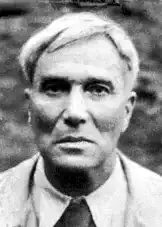
Boris Pasternak
In Memory of Marina Tsvetaeva
In Memory of Marina Tsvetaeva
Dismal day, with the weather inclement.
Inconsolably rivulets run
Down the porch in front of the doorway;
Through my wide-open windows they come.
But behind the old fence on the roadside,
See, the public gardens are flooded.
Like wild beasts in a den, the rainclouds
Sprawl about in shaggy disorder.
In such weather, I dream of a volume
On the beauties of Earth in our age,
And I draw an imp of the forest
Just for you on the title-page.
Oh, Marina, I'd find it no burden,
And the time has been long overdue:
Your sad clay should be brought from Yelabuga
By a requiem written for you.
All the triumph of your homecoming
I considered last year in a place
Near a snow-covered bend in the river
Where boats winter, locked in the ice.
What can I do to be of service?
Convey somehow your own request,
For in the silence of your going
There's a reproach left unexpressed.
A loss is always enigmatic.
I hunt for clues to no avail,
And rack my brains in fruitless torment:
Death has no lineaments at all.
Words left half-spoken, self-deception,
Promises, shadows-all are vain,
And only faith in resurrection
Can give the semblance of a sign.
Step out into the open country:
Winter's a sumptuous funeral wake.
Add currants to the dusk, then wine,
And there you have your funeral cake.
The apple-tree stands in a snowdrift
Outside. All this year long, to me,
The snow-clad city's been a massive
Monument to your memory.
With your face turned to meet your Maker.
You yearn for Him from here on Earth,
As in the days when those upon it
Were yet to appreciate your worth
Dismal day, with the weather inclement.
Inconsolably rivulets run
Down the porch in front of the doorway;
Through my wide-open windows they come.
But behind the old fence on the roadside,
See, the public gardens are flooded.
Like wild beasts in a den, the rainclouds
Sprawl about in shaggy disorder.
In such weather, I dream of a volume
On the beauties of Earth in our age,
And I draw an imp of the forest
Just for you on the title-page.
Oh, Marina, I'd find it no burden,
And the time has been long overdue:
Your sad clay should be brought from Yelabuga
By a requiem written for you.
All the triumph of your homecoming
I considered last year in a place
Near a snow-covered bend in the river
Where boats winter, locked in the ice.
What can I do to be of service?
Convey somehow your own request,
For in the silence of your going
There's a reproach left unexpressed.
A loss is always enigmatic.
I hunt for clues to no avail,
And rack my brains in fruitless torment:
Death has no lineaments at all.
Words left half-spoken, self-deception,
Promises, shadows-all are vain,
And only faith in resurrection
Can give the semblance of a sign.
Step out into the open country:
Winter's a sumptuous funeral wake.
Add currants to the dusk, then wine,
And there you have your funeral cake.
The apple-tree stands in a snowdrift
Outside. All this year long, to me,
The snow-clad city's been a massive
Monument to your memory.
With your face turned to meet your Maker.
You yearn for Him from here on Earth,
As in the days when those upon it
Were yet to appreciate your worth
668
Boris Pasternak
I hang limp on the Creator's pen
I hang limp on the Creator's pen
I hang limp on the Creator's pen
Like a large drop of lilac gloss-paint.
Underneath are dykes' secrets; the air
From the railways is sodden and sticky,
Of the fumes of coal and night fires reeking.
But the moment night kills sunset's glare,
It turns pink itself, tinged with far flares,
And the fence stands stiff, paradox-stricken.
It keeps muttering: stop it till dawn.
Let the dry whiting finally settle.
Hard as nails is the worm-eaten ground,
And the echo's as keen as a skittle.
Warm spring wind, spots of cheviot and mud,
Early naileries' hoots faraway,
On the grater of cobble-stones road,
As on radishes lavishly sprayed,
Tears stand out clearly at break of day.
Like an acrid drop of thick lead paint,
I hang on to the Creator's pen.
I hang limp on the Creator's pen
Like a large drop of lilac gloss-paint.
Underneath are dykes' secrets; the air
From the railways is sodden and sticky,
Of the fumes of coal and night fires reeking.
But the moment night kills sunset's glare,
It turns pink itself, tinged with far flares,
And the fence stands stiff, paradox-stricken.
It keeps muttering: stop it till dawn.
Let the dry whiting finally settle.
Hard as nails is the worm-eaten ground,
And the echo's as keen as a skittle.
Warm spring wind, spots of cheviot and mud,
Early naileries' hoots faraway,
On the grater of cobble-stones road,
As on radishes lavishly sprayed,
Tears stand out clearly at break of day.
Like an acrid drop of thick lead paint,
I hang on to the Creator's pen.
482
Boris Pasternak
I hang limp on the Creator's pen
I hang limp on the Creator's pen
I hang limp on the Creator's pen
Like a large drop of lilac gloss-paint.
Underneath are dykes' secrets; the air
From the railways is sodden and sticky,
Of the fumes of coal and night fires reeking.
But the moment night kills sunset's glare,
It turns pink itself, tinged with far flares,
And the fence stands stiff, paradox-stricken.
It keeps muttering: stop it till dawn.
Let the dry whiting finally settle.
Hard as nails is the worm-eaten ground,
And the echo's as keen as a skittle.
Warm spring wind, spots of cheviot and mud,
Early naileries' hoots faraway,
On the grater of cobble-stones road,
As on radishes lavishly sprayed,
Tears stand out clearly at break of day.
Like an acrid drop of thick lead paint,
I hang on to the Creator's pen.
I hang limp on the Creator's pen
Like a large drop of lilac gloss-paint.
Underneath are dykes' secrets; the air
From the railways is sodden and sticky,
Of the fumes of coal and night fires reeking.
But the moment night kills sunset's glare,
It turns pink itself, tinged with far flares,
And the fence stands stiff, paradox-stricken.
It keeps muttering: stop it till dawn.
Let the dry whiting finally settle.
Hard as nails is the worm-eaten ground,
And the echo's as keen as a skittle.
Warm spring wind, spots of cheviot and mud,
Early naileries' hoots faraway,
On the grater of cobble-stones road,
As on radishes lavishly sprayed,
Tears stand out clearly at break of day.
Like an acrid drop of thick lead paint,
I hang on to the Creator's pen.
482
Boris Pasternak
Hamlet
Hamlet
The murmurs ebb; onto the stage I enter.
I am trying, standing in the door,
To discover in the distant echoes
What the coming years may hold in store.
The nocturnal darkness with a thousand
Binoculars is focused onto me.
Take away this cup, O Abba Father,
Everything is possible to Thee.
I am fond of this Thy stubborn project,
And to play my part I am content.
But another drama is in progress,
And, this once, O let me be exempt.
But the plan of action is determined,
And the end irrevocably sealed.
I am alone; all round me drowns in falsehood:
Life is not a walk across a field.
The murmurs ebb; onto the stage I enter.
I am trying, standing in the door,
To discover in the distant echoes
What the coming years may hold in store.
The nocturnal darkness with a thousand
Binoculars is focused onto me.
Take away this cup, O Abba Father,
Everything is possible to Thee.
I am fond of this Thy stubborn project,
And to play my part I am content.
But another drama is in progress,
And, this once, O let me be exempt.
But the plan of action is determined,
And the end irrevocably sealed.
I am alone; all round me drowns in falsehood:
Life is not a walk across a field.
513
Boris Pasternak
Hamlet
Hamlet
The murmurs ebb; onto the stage I enter.
I am trying, standing in the door,
To discover in the distant echoes
What the coming years may hold in store.
The nocturnal darkness with a thousand
Binoculars is focused onto me.
Take away this cup, O Abba Father,
Everything is possible to Thee.
I am fond of this Thy stubborn project,
And to play my part I am content.
But another drama is in progress,
And, this once, O let me be exempt.
But the plan of action is determined,
And the end irrevocably sealed.
I am alone; all round me drowns in falsehood:
Life is not a walk across a field.
The murmurs ebb; onto the stage I enter.
I am trying, standing in the door,
To discover in the distant echoes
What the coming years may hold in store.
The nocturnal darkness with a thousand
Binoculars is focused onto me.
Take away this cup, O Abba Father,
Everything is possible to Thee.
I am fond of this Thy stubborn project,
And to play my part I am content.
But another drama is in progress,
And, this once, O let me be exempt.
But the plan of action is determined,
And the end irrevocably sealed.
I am alone; all round me drowns in falsehood:
Life is not a walk across a field.
513
Boris Pasternak
From early dawn the thirtieth of April...
From early dawn the thirtieth of April...
From early dawn the thirtieth of April
Is given up to children of the town,
And caught in trying on the festive necklace,
By dusk it only just is settling down.
Like heaps of squashy berries under muslin
The town emerges out of crimson gauze.
Along the streets the boulevards are dragging
Their twilight with them, like a rank of dwarves.
The evening world is always eve and blossom,
But this one with a sprouting of its own
From May-day anniversaries will flower
One day into a commune fully blown.
For long it will remain a day of shifting,
Pre-festive cleaning, fanciful decor,
As once it used to be with Whitsun birches
Or pan-Athenian fires long before.
Just so they will go on, conveying actors
To their assembly points; beat sand; just so
Pull up towards illuminated ledges
The plywood boards, the crimson calico.
Just so in threes the sailors briskly walking
Will skirt the grass in gardens and in parks,
The moon at nightfall sink into the pavements
Like a dead city or a burnt-out hearth.
But with each year more splendid and more spreading
The taut beginning of the rose will bloom,
More clearly grow in health and sense of honour,
Sincerity more visibly will loom.
The living folksongs, customs and traditions
Will ever spreading, many-petalled lay
Their scent on fields and industries and meadows
From early buddings on the first of May,
Until the full fermented risen spirit
Of ripened years will shoot up, like the smell
Of humid centifolia. It will have to
Reveal itself, it cannot help but tell.
From early dawn the thirtieth of April
Is given up to children of the town,
And caught in trying on the festive necklace,
By dusk it only just is settling down.
Like heaps of squashy berries under muslin
The town emerges out of crimson gauze.
Along the streets the boulevards are dragging
Their twilight with them, like a rank of dwarves.
The evening world is always eve and blossom,
But this one with a sprouting of its own
From May-day anniversaries will flower
One day into a commune fully blown.
For long it will remain a day of shifting,
Pre-festive cleaning, fanciful decor,
As once it used to be with Whitsun birches
Or pan-Athenian fires long before.
Just so they will go on, conveying actors
To their assembly points; beat sand; just so
Pull up towards illuminated ledges
The plywood boards, the crimson calico.
Just so in threes the sailors briskly walking
Will skirt the grass in gardens and in parks,
The moon at nightfall sink into the pavements
Like a dead city or a burnt-out hearth.
But with each year more splendid and more spreading
The taut beginning of the rose will bloom,
More clearly grow in health and sense of honour,
Sincerity more visibly will loom.
The living folksongs, customs and traditions
Will ever spreading, many-petalled lay
Their scent on fields and industries and meadows
From early buddings on the first of May,
Until the full fermented risen spirit
Of ripened years will shoot up, like the smell
Of humid centifolia. It will have to
Reveal itself, it cannot help but tell.
579
Boris Pasternak
Do not fret, do not cry, do not tax...
Do not fret, do not cry, do not tax...
Do not fret, do not cry, do not tax
Your last strength, and your heart do not torture.
You're alive, you're inside me, intact,
As a buttress, a friend, an adventure.
I've no fear of standing exposed
As a fraud in my faith in the future.
It's not life, not a union of souls
We are breaking off, but a hoax mutual.
From straw mattresses' sick wretchedness
To the fresh air of wide open spaces!
It's my brother and hand. It's addressed
Like a letter, to you, crisp and bracing.
Like an envelope, tear it across,
With Horizon begin correspondence,
Give your speech the sheer Alpian force,
Overcome the sick sense of forlornness.
O'er the bowl of Bavarian lakes
With the marrow of osseous mountains
You will know I was not a glib fake
And of sugared assurances spouter.
Fare ye well and God bless you! Our bond
And our honour aren't tamely domestic.
Like a sprout in the sunlight, unbend,
And then things will assume a new aspect.
Do not fret, do not cry, do not tax
Your last strength, and your heart do not torture.
You're alive, you're inside me, intact,
As a buttress, a friend, an adventure.
I've no fear of standing exposed
As a fraud in my faith in the future.
It's not life, not a union of souls
We are breaking off, but a hoax mutual.
From straw mattresses' sick wretchedness
To the fresh air of wide open spaces!
It's my brother and hand. It's addressed
Like a letter, to you, crisp and bracing.
Like an envelope, tear it across,
With Horizon begin correspondence,
Give your speech the sheer Alpian force,
Overcome the sick sense of forlornness.
O'er the bowl of Bavarian lakes
With the marrow of osseous mountains
You will know I was not a glib fake
And of sugared assurances spouter.
Fare ye well and God bless you! Our bond
And our honour aren't tamely domestic.
Like a sprout in the sunlight, unbend,
And then things will assume a new aspect.
533
Boris Pasternak
Craft
Craft
When, having finished, I shall move my armchair,
The page will gasp, awakened from the strain.
Delirious, she is half asleep at present,
Obedient to suspense and to the rain.
The heaviness of burnt-out ships has numbed her,
Prostrated, weighted down her senseless form;
You cannot dupe this one by false pretences-
It is the poet who will keep her warm.
I told her at an hour (its secret shudder
Vouchsafed by fancy) when the winter will
Light up green screeching ice, fed up with waiting
Behind an office worker's window sill,
And clocks in banks and other public places,
While drinking in the snow and outside's dark,
Will suddenly jump up and strike-their faces
Crossed by the clockhands at the 'seven' mark-
At such a deep, at such a fateful hour,
I made the page wake up and take her chance,
To put on hood and scarf, and venture out to
Descendants, strangers, shaking off her trance.
When, having finished, I shall move my armchair,
The page will gasp, awakened from the strain.
Delirious, she is half asleep at present,
Obedient to suspense and to the rain.
The heaviness of burnt-out ships has numbed her,
Prostrated, weighted down her senseless form;
You cannot dupe this one by false pretences-
It is the poet who will keep her warm.
I told her at an hour (its secret shudder
Vouchsafed by fancy) when the winter will
Light up green screeching ice, fed up with waiting
Behind an office worker's window sill,
And clocks in banks and other public places,
While drinking in the snow and outside's dark,
Will suddenly jump up and strike-their faces
Crossed by the clockhands at the 'seven' mark-
At such a deep, at such a fateful hour,
I made the page wake up and take her chance,
To put on hood and scarf, and venture out to
Descendants, strangers, shaking off her trance.
548
Boris Pasternak
Change
Change
I used to glorify the poor,
Not simply lofty views expressing:
Their lives alone, I felt, were true,
Devoid of pomp and window-dressing.
No stranger to the manor house,
Its finery and lordly tenor,
I was a friend of down-and-outs,
And shunned the idly sponging manner.
For choosing friendship in the ranks
Of working people, though no rebel,
I had the honour to be stamped
As also one among the rabble.
The state of basements, unadorned,
Of attics with no frills or curtains
Was tangible without pretence
And full of substance, weighty, certain.
And I went bad when rot defaced
Our time, and life became infested,
When grief was censured as disgrace
And all played optimists and yes-men.
My faith in those who seemed my friends
Was broken and our ties were sundered.
I, too, lost Man, the Human, since
He had been lost by all and sundry.
I used to glorify the poor,
Not simply lofty views expressing:
Their lives alone, I felt, were true,
Devoid of pomp and window-dressing.
No stranger to the manor house,
Its finery and lordly tenor,
I was a friend of down-and-outs,
And shunned the idly sponging manner.
For choosing friendship in the ranks
Of working people, though no rebel,
I had the honour to be stamped
As also one among the rabble.
The state of basements, unadorned,
Of attics with no frills or curtains
Was tangible without pretence
And full of substance, weighty, certain.
And I went bad when rot defaced
Our time, and life became infested,
When grief was censured as disgrace
And all played optimists and yes-men.
My faith in those who seemed my friends
Was broken and our ties were sundered.
I, too, lost Man, the Human, since
He had been lost by all and sundry.
615
Boris Pasternak
Beloved, with the spent and sickly fumes...
Beloved, with the spent and sickly fumes...
Beloved, with the spent and sickly fumes
Of rumour's cinders all the air is filled,
But you are the engrossing lexicon
Of fame mysterious and unrevealed,
And fame it is the soil's strong pull.
Would that I more erect were sprung!
But even so I shall be called
The native son of my own native tongue.
The poets' age no longer sets their rhyme,
Now, in the sweep of country plots and roads,
Lermontov is rhymed with summertime,
And Pushkin rhymes with geese and snow.
And my wish is that when we die,
Our circle closed, and hence depart,
We shall be set in closer rhyme
Than binds the auricle and the heart.
And may our harmony unified
Some listener's muffled ear caress
With all that we do now imbibe,
And shall draw in through mouths of grass.
Beloved, with the spent and sickly fumes
Of rumour's cinders all the air is filled,
But you are the engrossing lexicon
Of fame mysterious and unrevealed,
And fame it is the soil's strong pull.
Would that I more erect were sprung!
But even so I shall be called
The native son of my own native tongue.
The poets' age no longer sets their rhyme,
Now, in the sweep of country plots and roads,
Lermontov is rhymed with summertime,
And Pushkin rhymes with geese and snow.
And my wish is that when we die,
Our circle closed, and hence depart,
We shall be set in closer rhyme
Than binds the auricle and the heart.
And may our harmony unified
Some listener's muffled ear caress
With all that we do now imbibe,
And shall draw in through mouths of grass.
507
Boris Pasternak
After the Interval
After the Interval
About three months ago, when first
Upon our open, unprotected
And freezing garden snowstorms burst
In sudden fury, I reflected
That I would shut myself away
And in seclusion write a section
Of winter poems, day by day,
To supplement my spring collection.
But nonsense piled up mountain-high,
Like snow-drifts hindering and stifling
And half the winter had gone by,
Against all hopes, in petty trifling.
I understood, alas, too late
Why winter-while the snow was falling,
Piercing the darkness with its flakes-
From outside at my house was calling;
And while with numb white-frozen lips
It whispered, urging me to hurry,
I sharpened pencils, played with clips,
Made feeble jokes and did not worry.
While at my desk I dawdled on
By lamp-light on an early morning,
The winter had appeared and gone-
A wasted and unheeded warning.
About three months ago, when first
Upon our open, unprotected
And freezing garden snowstorms burst
In sudden fury, I reflected
That I would shut myself away
And in seclusion write a section
Of winter poems, day by day,
To supplement my spring collection.
But nonsense piled up mountain-high,
Like snow-drifts hindering and stifling
And half the winter had gone by,
Against all hopes, in petty trifling.
I understood, alas, too late
Why winter-while the snow was falling,
Piercing the darkness with its flakes-
From outside at my house was calling;
And while with numb white-frozen lips
It whispered, urging me to hurry,
I sharpened pencils, played with clips,
Made feeble jokes and did not worry.
While at my desk I dawdled on
By lamp-light on an early morning,
The winter had appeared and gone-
A wasted and unheeded warning.
608
Boris Pasternak
August
August
This was its promise, held to faithfully:
The early morning sun came in this way
Until the angle of its saffron beam
Between the curtains and the sofa lay,
And with its ochre heat it spread across
The village houses, and the nearby wood,
Upon my bed and on my dampened pillow
And to the corner where the bookcase stood.
Then I recalled the reason why my pillow
Had been so dampened by those tears that fellI'd
dreamt I saw you coming one by one
Across the wood to wish me your farewell.
You came in ones and twos, a straggling crowd;
Then suddenly someone mentioned a word:
It was the sixth of August, by Old Style,
And the Transfiguration of Our Lord.
For from Mount Tabor usually this day
There comes a light without a flame to shine,
And autumn draws all eyes upon itself
As clear and unmistaken as a sign.
But you came forward through the tiny, stripped,
The pauperly and trembling alder grove,
Into the graveyard's coppice, russet-red,
Which, like stamped gingerbread, lay there and glowed.
And with the silence of those high treetops
Was neighbour only the imposing sky
And in the echoed crowing of the cocks
The distances and distances rang by:
There in the churchyard underneath the trees,
Like some surveyor from the government
Death gazed on my pale face to estimate
How large a grave would suit my measurement.
All those who stood there could distinctly hear
A quiet voice emerge from where I lay:
The voice was mine, my past; prophetic words
That sounded now, unsullied by decay:
'Farewell, wonder of azure and of gold
Surrounding the Transfiguration's power:
Assuage now with a woman's last caress
The bitterness of my predestined hour!
'Farewell timeless expanse of passing years!
Farewell, woman who flung your challenge steeled
Against the abyss of humiliations:
For it is I who am your battlefield!
'Farewell, you span of open wings outspread,
The voluntary obstinacy of flight,
O figure of the world revealed in speech,
Creative genius, wonder-working might!'
This was its promise, held to faithfully:
The early morning sun came in this way
Until the angle of its saffron beam
Between the curtains and the sofa lay,
And with its ochre heat it spread across
The village houses, and the nearby wood,
Upon my bed and on my dampened pillow
And to the corner where the bookcase stood.
Then I recalled the reason why my pillow
Had been so dampened by those tears that fellI'd
dreamt I saw you coming one by one
Across the wood to wish me your farewell.
You came in ones and twos, a straggling crowd;
Then suddenly someone mentioned a word:
It was the sixth of August, by Old Style,
And the Transfiguration of Our Lord.
For from Mount Tabor usually this day
There comes a light without a flame to shine,
And autumn draws all eyes upon itself
As clear and unmistaken as a sign.
But you came forward through the tiny, stripped,
The pauperly and trembling alder grove,
Into the graveyard's coppice, russet-red,
Which, like stamped gingerbread, lay there and glowed.
And with the silence of those high treetops
Was neighbour only the imposing sky
And in the echoed crowing of the cocks
The distances and distances rang by:
There in the churchyard underneath the trees,
Like some surveyor from the government
Death gazed on my pale face to estimate
How large a grave would suit my measurement.
All those who stood there could distinctly hear
A quiet voice emerge from where I lay:
The voice was mine, my past; prophetic words
That sounded now, unsullied by decay:
'Farewell, wonder of azure and of gold
Surrounding the Transfiguration's power:
Assuage now with a woman's last caress
The bitterness of my predestined hour!
'Farewell timeless expanse of passing years!
Farewell, woman who flung your challenge steeled
Against the abyss of humiliations:
For it is I who am your battlefield!
'Farewell, you span of open wings outspread,
The voluntary obstinacy of flight,
O figure of the world revealed in speech,
Creative genius, wonder-working might!'
615
Boris Pasternak
August
August
This was its promise, held to faithfully:
The early morning sun came in this way
Until the angle of its saffron beam
Between the curtains and the sofa lay,
And with its ochre heat it spread across
The village houses, and the nearby wood,
Upon my bed and on my dampened pillow
And to the corner where the bookcase stood.
Then I recalled the reason why my pillow
Had been so dampened by those tears that fellI'd
dreamt I saw you coming one by one
Across the wood to wish me your farewell.
You came in ones and twos, a straggling crowd;
Then suddenly someone mentioned a word:
It was the sixth of August, by Old Style,
And the Transfiguration of Our Lord.
For from Mount Tabor usually this day
There comes a light without a flame to shine,
And autumn draws all eyes upon itself
As clear and unmistaken as a sign.
But you came forward through the tiny, stripped,
The pauperly and trembling alder grove,
Into the graveyard's coppice, russet-red,
Which, like stamped gingerbread, lay there and glowed.
And with the silence of those high treetops
Was neighbour only the imposing sky
And in the echoed crowing of the cocks
The distances and distances rang by:
There in the churchyard underneath the trees,
Like some surveyor from the government
Death gazed on my pale face to estimate
How large a grave would suit my measurement.
All those who stood there could distinctly hear
A quiet voice emerge from where I lay:
The voice was mine, my past; prophetic words
That sounded now, unsullied by decay:
'Farewell, wonder of azure and of gold
Surrounding the Transfiguration's power:
Assuage now with a woman's last caress
The bitterness of my predestined hour!
'Farewell timeless expanse of passing years!
Farewell, woman who flung your challenge steeled
Against the abyss of humiliations:
For it is I who am your battlefield!
'Farewell, you span of open wings outspread,
The voluntary obstinacy of flight,
O figure of the world revealed in speech,
Creative genius, wonder-working might!'
This was its promise, held to faithfully:
The early morning sun came in this way
Until the angle of its saffron beam
Between the curtains and the sofa lay,
And with its ochre heat it spread across
The village houses, and the nearby wood,
Upon my bed and on my dampened pillow
And to the corner where the bookcase stood.
Then I recalled the reason why my pillow
Had been so dampened by those tears that fellI'd
dreamt I saw you coming one by one
Across the wood to wish me your farewell.
You came in ones and twos, a straggling crowd;
Then suddenly someone mentioned a word:
It was the sixth of August, by Old Style,
And the Transfiguration of Our Lord.
For from Mount Tabor usually this day
There comes a light without a flame to shine,
And autumn draws all eyes upon itself
As clear and unmistaken as a sign.
But you came forward through the tiny, stripped,
The pauperly and trembling alder grove,
Into the graveyard's coppice, russet-red,
Which, like stamped gingerbread, lay there and glowed.
And with the silence of those high treetops
Was neighbour only the imposing sky
And in the echoed crowing of the cocks
The distances and distances rang by:
There in the churchyard underneath the trees,
Like some surveyor from the government
Death gazed on my pale face to estimate
How large a grave would suit my measurement.
All those who stood there could distinctly hear
A quiet voice emerge from where I lay:
The voice was mine, my past; prophetic words
That sounded now, unsullied by decay:
'Farewell, wonder of azure and of gold
Surrounding the Transfiguration's power:
Assuage now with a woman's last caress
The bitterness of my predestined hour!
'Farewell timeless expanse of passing years!
Farewell, woman who flung your challenge steeled
Against the abyss of humiliations:
For it is I who am your battlefield!
'Farewell, you span of open wings outspread,
The voluntary obstinacy of flight,
O figure of the world revealed in speech,
Creative genius, wonder-working might!'
615
Boris Pasternak
August
August
This was its promise, held to faithfully:
The early morning sun came in this way
Until the angle of its saffron beam
Between the curtains and the sofa lay,
And with its ochre heat it spread across
The village houses, and the nearby wood,
Upon my bed and on my dampened pillow
And to the corner where the bookcase stood.
Then I recalled the reason why my pillow
Had been so dampened by those tears that fellI'd
dreamt I saw you coming one by one
Across the wood to wish me your farewell.
You came in ones and twos, a straggling crowd;
Then suddenly someone mentioned a word:
It was the sixth of August, by Old Style,
And the Transfiguration of Our Lord.
For from Mount Tabor usually this day
There comes a light without a flame to shine,
And autumn draws all eyes upon itself
As clear and unmistaken as a sign.
But you came forward through the tiny, stripped,
The pauperly and trembling alder grove,
Into the graveyard's coppice, russet-red,
Which, like stamped gingerbread, lay there and glowed.
And with the silence of those high treetops
Was neighbour only the imposing sky
And in the echoed crowing of the cocks
The distances and distances rang by:
There in the churchyard underneath the trees,
Like some surveyor from the government
Death gazed on my pale face to estimate
How large a grave would suit my measurement.
All those who stood there could distinctly hear
A quiet voice emerge from where I lay:
The voice was mine, my past; prophetic words
That sounded now, unsullied by decay:
'Farewell, wonder of azure and of gold
Surrounding the Transfiguration's power:
Assuage now with a woman's last caress
The bitterness of my predestined hour!
'Farewell timeless expanse of passing years!
Farewell, woman who flung your challenge steeled
Against the abyss of humiliations:
For it is I who am your battlefield!
'Farewell, you span of open wings outspread,
The voluntary obstinacy of flight,
O figure of the world revealed in speech,
Creative genius, wonder-working might!'
This was its promise, held to faithfully:
The early morning sun came in this way
Until the angle of its saffron beam
Between the curtains and the sofa lay,
And with its ochre heat it spread across
The village houses, and the nearby wood,
Upon my bed and on my dampened pillow
And to the corner where the bookcase stood.
Then I recalled the reason why my pillow
Had been so dampened by those tears that fellI'd
dreamt I saw you coming one by one
Across the wood to wish me your farewell.
You came in ones and twos, a straggling crowd;
Then suddenly someone mentioned a word:
It was the sixth of August, by Old Style,
And the Transfiguration of Our Lord.
For from Mount Tabor usually this day
There comes a light without a flame to shine,
And autumn draws all eyes upon itself
As clear and unmistaken as a sign.
But you came forward through the tiny, stripped,
The pauperly and trembling alder grove,
Into the graveyard's coppice, russet-red,
Which, like stamped gingerbread, lay there and glowed.
And with the silence of those high treetops
Was neighbour only the imposing sky
And in the echoed crowing of the cocks
The distances and distances rang by:
There in the churchyard underneath the trees,
Like some surveyor from the government
Death gazed on my pale face to estimate
How large a grave would suit my measurement.
All those who stood there could distinctly hear
A quiet voice emerge from where I lay:
The voice was mine, my past; prophetic words
That sounded now, unsullied by decay:
'Farewell, wonder of azure and of gold
Surrounding the Transfiguration's power:
Assuage now with a woman's last caress
The bitterness of my predestined hour!
'Farewell timeless expanse of passing years!
Farewell, woman who flung your challenge steeled
Against the abyss of humiliations:
For it is I who am your battlefield!
'Farewell, you span of open wings outspread,
The voluntary obstinacy of flight,
O figure of the world revealed in speech,
Creative genius, wonder-working might!'
615
Boris Pasternak
A Walts With a Tear in It
A Walts With a Tear in It
Ah, how I love it in these first few days,
Fresh from the forest and out of the snow,
Awkwardness obvious still in every bough,
When every silver thread lazily sways
And every cone begins slowly to glow
In candlelight—and the white sheet below
Hides its sore stump from our eyes.
It will not bat an eye if you heap gold
And jewels on it-this shyest of fays
In blue enamel and tinfoil enfolded
Creeps in your heart of hearts—and there it stays.
Ah, how I love it all in these first days,
All golden finery and silver shades!
All in the making-stars, flags, lanterns, flares,
There are no chocolates yet in bonbonnieres.
Even the candles are no candles—they
Look more like dull sticks of makeup by day.
This is an actress still lighting stage fright
In the tumult of her benefit night.
Ah, how I love her on this opening day,
Flushed in the coulisses before the play!
Apples to appletrees, and kicks to firtrees.
Only not this one—no kicks for the beauty.
She has a different purpose and duty.
She's the select one, receiver of favours.
Her evening party will go on forever.
Others may fear proverb s-this one does not.
Her fate is only a few firtrees' lot.
Golden and fiery, she will soar high,
Like an old prophet ascending the sky.
Ah, how I love it all in these first days,
When all the world chats and fusses and plays!
Ah, how I love it in these first few days,
Fresh from the forest and out of the snow,
Awkwardness obvious still in every bough,
When every silver thread lazily sways
And every cone begins slowly to glow
In candlelight—and the white sheet below
Hides its sore stump from our eyes.
It will not bat an eye if you heap gold
And jewels on it-this shyest of fays
In blue enamel and tinfoil enfolded
Creeps in your heart of hearts—and there it stays.
Ah, how I love it all in these first days,
All golden finery and silver shades!
All in the making-stars, flags, lanterns, flares,
There are no chocolates yet in bonbonnieres.
Even the candles are no candles—they
Look more like dull sticks of makeup by day.
This is an actress still lighting stage fright
In the tumult of her benefit night.
Ah, how I love her on this opening day,
Flushed in the coulisses before the play!
Apples to appletrees, and kicks to firtrees.
Only not this one—no kicks for the beauty.
She has a different purpose and duty.
She's the select one, receiver of favours.
Her evening party will go on forever.
Others may fear proverb s-this one does not.
Her fate is only a few firtrees' lot.
Golden and fiery, she will soar high,
Like an old prophet ascending the sky.
Ah, how I love it all in these first days,
When all the world chats and fusses and plays!
497
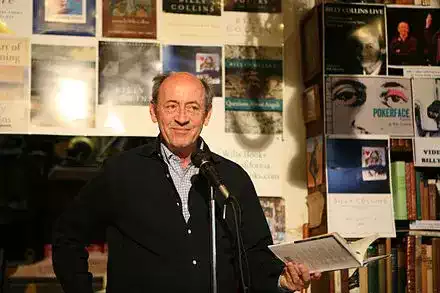
Billy Collins
The Only Day In Existence
The Only Day In Existence
The early sun is so pale and shadowy,
I could be looking up at a ghost
in the shape of a window,
a tall, rectangular spirit
looking down at me in bed,
about to demand that I avenge
the murder of my father.
But the morning light is only the first line
in the play of this day-the
only day in existence-the
opening chord of its long song,
or think of what is permeating
the thin bedroom curtains
as the beginning of a lecture
I will listen to until it is dark,
a curious student in a V-neck sweater,
angled into the wooden chair of his life,
ready with notebook and a chewed-up pencil,
quiet as a goldfish in winter,
serious as a compass at sea,
eager to absorb whatever lesson
this damp, overcast Tuesday
has to teach me,
here in the spacious classroom of the world
with its long walls of glass,
its heavy, low-hung ceiling.
The early sun is so pale and shadowy,
I could be looking up at a ghost
in the shape of a window,
a tall, rectangular spirit
looking down at me in bed,
about to demand that I avenge
the murder of my father.
But the morning light is only the first line
in the play of this day-the
only day in existence-the
opening chord of its long song,
or think of what is permeating
the thin bedroom curtains
as the beginning of a lecture
I will listen to until it is dark,
a curious student in a V-neck sweater,
angled into the wooden chair of his life,
ready with notebook and a chewed-up pencil,
quiet as a goldfish in winter,
serious as a compass at sea,
eager to absorb whatever lesson
this damp, overcast Tuesday
has to teach me,
here in the spacious classroom of the world
with its long walls of glass,
its heavy, low-hung ceiling.
260
Billy Collins
The Only Day In Existence
The Only Day In Existence
The early sun is so pale and shadowy,
I could be looking up at a ghost
in the shape of a window,
a tall, rectangular spirit
looking down at me in bed,
about to demand that I avenge
the murder of my father.
But the morning light is only the first line
in the play of this day-the
only day in existence-the
opening chord of its long song,
or think of what is permeating
the thin bedroom curtains
as the beginning of a lecture
I will listen to until it is dark,
a curious student in a V-neck sweater,
angled into the wooden chair of his life,
ready with notebook and a chewed-up pencil,
quiet as a goldfish in winter,
serious as a compass at sea,
eager to absorb whatever lesson
this damp, overcast Tuesday
has to teach me,
here in the spacious classroom of the world
with its long walls of glass,
its heavy, low-hung ceiling.
The early sun is so pale and shadowy,
I could be looking up at a ghost
in the shape of a window,
a tall, rectangular spirit
looking down at me in bed,
about to demand that I avenge
the murder of my father.
But the morning light is only the first line
in the play of this day-the
only day in existence-the
opening chord of its long song,
or think of what is permeating
the thin bedroom curtains
as the beginning of a lecture
I will listen to until it is dark,
a curious student in a V-neck sweater,
angled into the wooden chair of his life,
ready with notebook and a chewed-up pencil,
quiet as a goldfish in winter,
serious as a compass at sea,
eager to absorb whatever lesson
this damp, overcast Tuesday
has to teach me,
here in the spacious classroom of the world
with its long walls of glass,
its heavy, low-hung ceiling.
260
Billy Collins
The Best Cigarette
The Best Cigarette
There are many that I miss
having sent my last one out a car window
sparking along the road one night, years ago.
The heralded one, of course:
after sex, the two glowing tips
now the lights of a single ship;
at the end of a long dinner
with more wine to come
and a smoke ring coasting into the chandelier;
or on a white beach,
holding one with fingers still wet from a swim.
How bittersweet these punctuations
of flame and gesture;
but the best were on those mornings
when I would have a little something going
in the typewriter,
the sun bright in the windows,
maybe some Berlioz on in the background.
I would go into the kitchen for coffee
and on the way back to the page,
curled in its roller,
I would light one up and feel
its dry rush mix with the dark taste of coffee.
Then I would be my own locomotive,
trailing behind me as I returned to work
little puffs of smoke,
indicators of progress,
signs of industry and thought,
the signal that told the nineteenth century
it was moving forward.
That was the best cigarette,
when I would steam into the study
full of vaporous hope
and stand there,
the big headlamp of my face
pointed down at all the words in parallel lines.
There are many that I miss
having sent my last one out a car window
sparking along the road one night, years ago.
The heralded one, of course:
after sex, the two glowing tips
now the lights of a single ship;
at the end of a long dinner
with more wine to come
and a smoke ring coasting into the chandelier;
or on a white beach,
holding one with fingers still wet from a swim.
How bittersweet these punctuations
of flame and gesture;
but the best were on those mornings
when I would have a little something going
in the typewriter,
the sun bright in the windows,
maybe some Berlioz on in the background.
I would go into the kitchen for coffee
and on the way back to the page,
curled in its roller,
I would light one up and feel
its dry rush mix with the dark taste of coffee.
Then I would be my own locomotive,
trailing behind me as I returned to work
little puffs of smoke,
indicators of progress,
signs of industry and thought,
the signal that told the nineteenth century
it was moving forward.
That was the best cigarette,
when I would steam into the study
full of vaporous hope
and stand there,
the big headlamp of my face
pointed down at all the words in parallel lines.
293
Billy Collins
The Iron Bridge
The Iron Bridge
I am standing on a disused iron bridge
that was erected in 1902,
according to the iron plaque bolted into a beam,
the year my mother turned one.
Imagine--a mother in her infancy,
and she was a Canadian infant at that,
one of the great infants of the province of Ontario.
But here I am leaning on the rusted railing
looking at the water below,
which is flat and reflective this morning,
sky-blue and streaked with high clouds,
and the more I look at the water,
which is like a talking picture,
the more I think of 1902
when workmen in shirts and caps
riveted this iron bridge together
across a thin channel joining two lakes
where wildflowers blow along the shore now
and pairs of swans float in the leafy coves.
1902--my mother was so tiny
she could have fit into one of those oval
baskets for holding apples,
which her mother could have lined with a soft cloth
and placed on the kitchen table
so she could keep an eye on infant Katherine
while she scrubbed potatoes or shelled a bag of peas,
the way I am keeping an eye on that cormorant
who just broke the glassy surface
and is moving away from me and the iron bridge,
swiveling his curious head,
slipping out to where the sun rakes the water
and filters through the trees that crowd the shore.
And now he dives,
disappears below the surface,
and while I wait for him to pop up,
I picture him flying underwater with his strange wings,
as I picture you, my tiny mother,
who disappeared last year,
flying somewhere with your strange wings,
your wide eyes, and your heavy wet dress,
kicking deeper down into a lake
with no end or name, some boundless province of water.
I am standing on a disused iron bridge
that was erected in 1902,
according to the iron plaque bolted into a beam,
the year my mother turned one.
Imagine--a mother in her infancy,
and she was a Canadian infant at that,
one of the great infants of the province of Ontario.
But here I am leaning on the rusted railing
looking at the water below,
which is flat and reflective this morning,
sky-blue and streaked with high clouds,
and the more I look at the water,
which is like a talking picture,
the more I think of 1902
when workmen in shirts and caps
riveted this iron bridge together
across a thin channel joining two lakes
where wildflowers blow along the shore now
and pairs of swans float in the leafy coves.
1902--my mother was so tiny
she could have fit into one of those oval
baskets for holding apples,
which her mother could have lined with a soft cloth
and placed on the kitchen table
so she could keep an eye on infant Katherine
while she scrubbed potatoes or shelled a bag of peas,
the way I am keeping an eye on that cormorant
who just broke the glassy surface
and is moving away from me and the iron bridge,
swiveling his curious head,
slipping out to where the sun rakes the water
and filters through the trees that crowd the shore.
And now he dives,
disappears below the surface,
and while I wait for him to pop up,
I picture him flying underwater with his strange wings,
as I picture you, my tiny mother,
who disappeared last year,
flying somewhere with your strange wings,
your wide eyes, and your heavy wet dress,
kicking deeper down into a lake
with no end or name, some boundless province of water.
262
Billy Collins
The Iron Bridge
The Iron Bridge
I am standing on a disused iron bridge
that was erected in 1902,
according to the iron plaque bolted into a beam,
the year my mother turned one.
Imagine--a mother in her infancy,
and she was a Canadian infant at that,
one of the great infants of the province of Ontario.
But here I am leaning on the rusted railing
looking at the water below,
which is flat and reflective this morning,
sky-blue and streaked with high clouds,
and the more I look at the water,
which is like a talking picture,
the more I think of 1902
when workmen in shirts and caps
riveted this iron bridge together
across a thin channel joining two lakes
where wildflowers blow along the shore now
and pairs of swans float in the leafy coves.
1902--my mother was so tiny
she could have fit into one of those oval
baskets for holding apples,
which her mother could have lined with a soft cloth
and placed on the kitchen table
so she could keep an eye on infant Katherine
while she scrubbed potatoes or shelled a bag of peas,
the way I am keeping an eye on that cormorant
who just broke the glassy surface
and is moving away from me and the iron bridge,
swiveling his curious head,
slipping out to where the sun rakes the water
and filters through the trees that crowd the shore.
And now he dives,
disappears below the surface,
and while I wait for him to pop up,
I picture him flying underwater with his strange wings,
as I picture you, my tiny mother,
who disappeared last year,
flying somewhere with your strange wings,
your wide eyes, and your heavy wet dress,
kicking deeper down into a lake
with no end or name, some boundless province of water.
I am standing on a disused iron bridge
that was erected in 1902,
according to the iron plaque bolted into a beam,
the year my mother turned one.
Imagine--a mother in her infancy,
and she was a Canadian infant at that,
one of the great infants of the province of Ontario.
But here I am leaning on the rusted railing
looking at the water below,
which is flat and reflective this morning,
sky-blue and streaked with high clouds,
and the more I look at the water,
which is like a talking picture,
the more I think of 1902
when workmen in shirts and caps
riveted this iron bridge together
across a thin channel joining two lakes
where wildflowers blow along the shore now
and pairs of swans float in the leafy coves.
1902--my mother was so tiny
she could have fit into one of those oval
baskets for holding apples,
which her mother could have lined with a soft cloth
and placed on the kitchen table
so she could keep an eye on infant Katherine
while she scrubbed potatoes or shelled a bag of peas,
the way I am keeping an eye on that cormorant
who just broke the glassy surface
and is moving away from me and the iron bridge,
swiveling his curious head,
slipping out to where the sun rakes the water
and filters through the trees that crowd the shore.
And now he dives,
disappears below the surface,
and while I wait for him to pop up,
I picture him flying underwater with his strange wings,
as I picture you, my tiny mother,
who disappeared last year,
flying somewhere with your strange wings,
your wide eyes, and your heavy wet dress,
kicking deeper down into a lake
with no end or name, some boundless province of water.
262
Billy Collins
Taking Off Emily Dickinson's Clothes
Taking Off Emily Dickinson's Clothes
First, her tippet made of tulle,
easily lifted off her shoulders and laid
on the back of a wooden chair.
And her bonnet,
the bow undone with a light forward pull.
Then the long white dress, a more
complicated matter with mother-of-pearl
buttons down the back,
so tiny and numerous that it takes forever
before my hands can part the fabric,
like a swimmer's dividing water,
and slip inside.
You will want to know
that she was standing
by an open window in an upstairs bedroom,
motionless, a little wide-eyed,
looking out at the orchard below,
the white dress puddled at her feet
on the wide-board, hardwood floor.
The complexity of women's undergarments
in nineteenth-century America
is not to be waved off,
and I proceeded like a polar explorer
through clips, clasps, and moorings,
catches, straps, and whalebone stays,
sailing toward the iceberg of her nakedness.
Later, I wrote in a notebook
it was like riding a swan into the night,
but, of course, I cannot tell you everything the
way she closed her eyes to the orchard,
how her hair tumbled free of its pins,
how there were sudden dashes
whenever we spoke.
What I can tell you is
it was terribly quiet in Amherst
that Sabbath afternoon,
nothing but a carriage passing the house,
a fly buzzing in a windowpane.
So I could plainly hear her inhale
when I undid the very top
hook-and-eye fastener of her corset
and I could hear her sigh when finally it was unloosed,
the way some readers sigh when they realize
that Hope has feathers,
that reason is a plank,
that life is a loaded gun
that looks right at you with a yellow eye.
First, her tippet made of tulle,
easily lifted off her shoulders and laid
on the back of a wooden chair.
And her bonnet,
the bow undone with a light forward pull.
Then the long white dress, a more
complicated matter with mother-of-pearl
buttons down the back,
so tiny and numerous that it takes forever
before my hands can part the fabric,
like a swimmer's dividing water,
and slip inside.
You will want to know
that she was standing
by an open window in an upstairs bedroom,
motionless, a little wide-eyed,
looking out at the orchard below,
the white dress puddled at her feet
on the wide-board, hardwood floor.
The complexity of women's undergarments
in nineteenth-century America
is not to be waved off,
and I proceeded like a polar explorer
through clips, clasps, and moorings,
catches, straps, and whalebone stays,
sailing toward the iceberg of her nakedness.
Later, I wrote in a notebook
it was like riding a swan into the night,
but, of course, I cannot tell you everything the
way she closed her eyes to the orchard,
how her hair tumbled free of its pins,
how there were sudden dashes
whenever we spoke.
What I can tell you is
it was terribly quiet in Amherst
that Sabbath afternoon,
nothing but a carriage passing the house,
a fly buzzing in a windowpane.
So I could plainly hear her inhale
when I undid the very top
hook-and-eye fastener of her corset
and I could hear her sigh when finally it was unloosed,
the way some readers sigh when they realize
that Hope has feathers,
that reason is a plank,
that life is a loaded gun
that looks right at you with a yellow eye.
452
Billy Collins
Picnic, Lightning
Picnic, Lightning
It is possible to be struck by a
meteor or a single-engine plane while
reading in a chair at home. Pedestrians
are flattened by safes falling from
rooftops mostly within the panels of
the comics, but still, we know it is
possible, as well as the flash of
summer lightning, the thermos toppling
over, spilling out on the grass.
And we know the message can be
delivered from within. The heart, no
valentine, decides to quit after
lunch, the power shut off like a
switch, or a tiny dark ship is
unmoored into the flow of the body's
rivers, the brain a monastery,
defenseless on the shore. This is
what I think about when I shovel
compost into a wheelbarrow, and when
I fill the long flower boxes, then
press into rows the limp roots of red
impatiens -- the instant hand of Death
always ready to burst forth from the
sleeve of his voluminous cloak. Then
the soil is full of marvels, bits of
leaf like flakes off a fresco,
red-brown pine needles, a beetle quick
to burrow back under the loam. Then
the wheelbarrow is a wilder blue, the
clouds a brighter white, and all I
hear is the rasp of the steel edge
against a round stone, the small
plants singing with lifted faces, and
the click of the sundial as one hour
sweeps into the next.
It is possible to be struck by a
meteor or a single-engine plane while
reading in a chair at home. Pedestrians
are flattened by safes falling from
rooftops mostly within the panels of
the comics, but still, we know it is
possible, as well as the flash of
summer lightning, the thermos toppling
over, spilling out on the grass.
And we know the message can be
delivered from within. The heart, no
valentine, decides to quit after
lunch, the power shut off like a
switch, or a tiny dark ship is
unmoored into the flow of the body's
rivers, the brain a monastery,
defenseless on the shore. This is
what I think about when I shovel
compost into a wheelbarrow, and when
I fill the long flower boxes, then
press into rows the limp roots of red
impatiens -- the instant hand of Death
always ready to burst forth from the
sleeve of his voluminous cloak. Then
the soil is full of marvels, bits of
leaf like flakes off a fresco,
red-brown pine needles, a beetle quick
to burrow back under the loam. Then
the wheelbarrow is a wilder blue, the
clouds a brighter white, and all I
hear is the rasp of the steel edge
against a round stone, the small
plants singing with lifted faces, and
the click of the sundial as one hour
sweeps into the next.
328
Billy Collins
Picnic, Lightning
Picnic, Lightning
It is possible to be struck by a
meteor or a single-engine plane while
reading in a chair at home. Pedestrians
are flattened by safes falling from
rooftops mostly within the panels of
the comics, but still, we know it is
possible, as well as the flash of
summer lightning, the thermos toppling
over, spilling out on the grass.
And we know the message can be
delivered from within. The heart, no
valentine, decides to quit after
lunch, the power shut off like a
switch, or a tiny dark ship is
unmoored into the flow of the body's
rivers, the brain a monastery,
defenseless on the shore. This is
what I think about when I shovel
compost into a wheelbarrow, and when
I fill the long flower boxes, then
press into rows the limp roots of red
impatiens -- the instant hand of Death
always ready to burst forth from the
sleeve of his voluminous cloak. Then
the soil is full of marvels, bits of
leaf like flakes off a fresco,
red-brown pine needles, a beetle quick
to burrow back under the loam. Then
the wheelbarrow is a wilder blue, the
clouds a brighter white, and all I
hear is the rasp of the steel edge
against a round stone, the small
plants singing with lifted faces, and
the click of the sundial as one hour
sweeps into the next.
It is possible to be struck by a
meteor or a single-engine plane while
reading in a chair at home. Pedestrians
are flattened by safes falling from
rooftops mostly within the panels of
the comics, but still, we know it is
possible, as well as the flash of
summer lightning, the thermos toppling
over, spilling out on the grass.
And we know the message can be
delivered from within. The heart, no
valentine, decides to quit after
lunch, the power shut off like a
switch, or a tiny dark ship is
unmoored into the flow of the body's
rivers, the brain a monastery,
defenseless on the shore. This is
what I think about when I shovel
compost into a wheelbarrow, and when
I fill the long flower boxes, then
press into rows the limp roots of red
impatiens -- the instant hand of Death
always ready to burst forth from the
sleeve of his voluminous cloak. Then
the soil is full of marvels, bits of
leaf like flakes off a fresco,
red-brown pine needles, a beetle quick
to burrow back under the loam. Then
the wheelbarrow is a wilder blue, the
clouds a brighter white, and all I
hear is the rasp of the steel edge
against a round stone, the small
plants singing with lifted faces, and
the click of the sundial as one hour
sweeps into the next.
328
Billy Collins
Nostalgia
Nostalgia
Remember the 1340's? We were doing a dance called the Catapult.
You always wore brown, the color craze of the decade,
and I was draped in one of those capes that were popular,
the ones with unicorns and pomegranates in needlework.
Everyone would pause for beer and onions in the afternoon,
and at night we would play a game called "Find the Cow."
Everything was hand-lettered then, not like today.
Where has the summer of 1572 gone? Brocade and sonnet
marathons were the rage. We used to dress up in the flags
of rival baronies and conquer one another in cold rooms of stone.
Out on the dance floor we were all doing the Struggle
while your sister practiced the Daphne all alone in her room.
We borrowed the jargon of farriers for our slang.
These days language seems transparent a badly broken code.
The 1790's will never come again. Childhood was big.
People would take walks to the very tops of hills
and write down what they saw in their journals without speaking.
Our collars were high and our hats were extremely soft.
We would surprise each other with alphabets made of twigs.
It was a wonderful time to be alive, or even dead.
I am very fond of the period between 1815 and 1821.
Europe trembled while we sat still for our portraits.
And I would love to return to 1901 if only for a moment,
time enough to wind up a music box and do a few dance steps,
or shoot me back to 1922 or 1941, or at least let me
recapture the serenity of last month when we picked
berries and glided through afternoons in a canoe.
Even this morning would be an improvement over the present.
I was in the garden then, surrounded by the hum of bees
and the Latin names of flowers, watching the early light
flash off the slanted windows of the greenhouse
and silver the limbs on the rows of dark hemlocks.
As usual, I was thinking about the moments of the past,
letting my memory rush over them like water
rushing over the stones on the bottom of a stream.
I was even thinking a little about the future, that place
where people are doing a dance we cannot imagine,
a dance whose name we can only guess.
Remember the 1340's? We were doing a dance called the Catapult.
You always wore brown, the color craze of the decade,
and I was draped in one of those capes that were popular,
the ones with unicorns and pomegranates in needlework.
Everyone would pause for beer and onions in the afternoon,
and at night we would play a game called "Find the Cow."
Everything was hand-lettered then, not like today.
Where has the summer of 1572 gone? Brocade and sonnet
marathons were the rage. We used to dress up in the flags
of rival baronies and conquer one another in cold rooms of stone.
Out on the dance floor we were all doing the Struggle
while your sister practiced the Daphne all alone in her room.
We borrowed the jargon of farriers for our slang.
These days language seems transparent a badly broken code.
The 1790's will never come again. Childhood was big.
People would take walks to the very tops of hills
and write down what they saw in their journals without speaking.
Our collars were high and our hats were extremely soft.
We would surprise each other with alphabets made of twigs.
It was a wonderful time to be alive, or even dead.
I am very fond of the period between 1815 and 1821.
Europe trembled while we sat still for our portraits.
And I would love to return to 1901 if only for a moment,
time enough to wind up a music box and do a few dance steps,
or shoot me back to 1922 or 1941, or at least let me
recapture the serenity of last month when we picked
berries and glided through afternoons in a canoe.
Even this morning would be an improvement over the present.
I was in the garden then, surrounded by the hum of bees
and the Latin names of flowers, watching the early light
flash off the slanted windows of the greenhouse
and silver the limbs on the rows of dark hemlocks.
As usual, I was thinking about the moments of the past,
letting my memory rush over them like water
rushing over the stones on the bottom of a stream.
I was even thinking a little about the future, that place
where people are doing a dance we cannot imagine,
a dance whose name we can only guess.
400