

Poems in this topic
Life and Existence
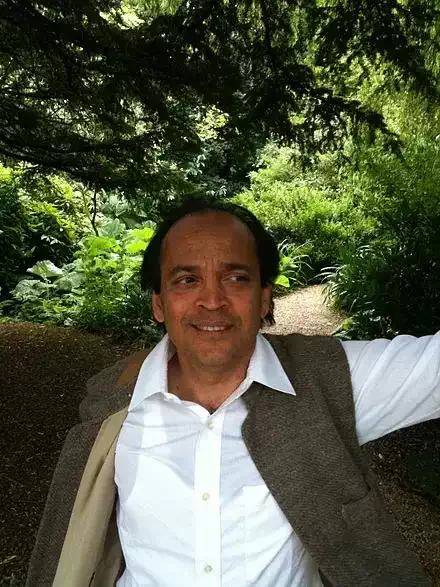
Vikram Seth
Song 'Coast Starlight'
Song 'Coast Starlight'
Some days I feel a sadness not of grief
The shadows lengthen on the earth's relief
Salinas flows by like a silver shawl
A girl waves from the mission wall.
Some days I feel a sadness not of grief
The shadows lengthen on the earth's relief
Salinas flows by like a silver shawl
A girl waves from the mission wall.
554
Vikram Seth
Time Zones
Time Zones
I willed my love to dream of me last night, that we might lie
at peace, if not beneath a single sheet, under one sky.
I dreamed of her but she could not alas humour my will;
it struck me suddenly that where she was was daylight still.
I willed my love to dream of me last night, that we might lie
at peace, if not beneath a single sheet, under one sky.
I dreamed of her but she could not alas humour my will;
it struck me suddenly that where she was was daylight still.
691
Vikram Seth
Round and Round
Round and Round
After a long and wretched flight
That stretched from daylight into night,
Where babies wept and tempers shattered
And the plane lurched and whiskey splattered
Over my plastic food, I came
To claim my bags from Baggage Claim
Around, the carousel went around
The anxious travelers sought and found
Their bags, intact or gently battered,
But to my foolish eyes what mattered
Was a brave suitcase, red and small,
That circled round, not mine at all.
I knew that bag. It must be hers.
We hadnt met in seven years!
And as the metal plates squealed and clattered
My happy memories chimed and chattered.
An old man pulled it of the Claim.
My bags appeared: I did the same.
After a long and wretched flight
That stretched from daylight into night,
Where babies wept and tempers shattered
And the plane lurched and whiskey splattered
Over my plastic food, I came
To claim my bags from Baggage Claim
Around, the carousel went around
The anxious travelers sought and found
Their bags, intact or gently battered,
But to my foolish eyes what mattered
Was a brave suitcase, red and small,
That circled round, not mine at all.
I knew that bag. It must be hers.
We hadnt met in seven years!
And as the metal plates squealed and clattered
My happy memories chimed and chattered.
An old man pulled it of the Claim.
My bags appeared: I did the same.
936
Vikram Seth
Progress Report
Progress Report
My need has frayed with time; you said it would.
It has; I can walk again across the flood
Of gold sil popples on the straw-gold hills
Under a deep Californian sky that expels
All truant clouds; watch squads of cattle graze
By the radio-telescope; blue-battered jays
Flash raucous squaking by my swivelling head
While squirrels sine-wave past over the dead
Oak-leaves, and not miss you_although I may
Admit that near the telescope yesterday
By a small bushcovered gully I blundered on
Five golden fox-cubs playing in the sun
And wished you had been there to see them play;
But that I only mention by the way.
My need has frayed with time; you said it would.
It has; I can walk again across the flood
Of gold sil popples on the straw-gold hills
Under a deep Californian sky that expels
All truant clouds; watch squads of cattle graze
By the radio-telescope; blue-battered jays
Flash raucous squaking by my swivelling head
While squirrels sine-wave past over the dead
Oak-leaves, and not miss you_although I may
Admit that near the telescope yesterday
By a small bushcovered gully I blundered on
Five golden fox-cubs playing in the sun
And wished you had been there to see them play;
But that I only mention by the way.
1,180
Vikram Seth
Octet
Octet
You don't love me at all? O God. O Shit.
You still 'respect me.' Thanks. I value it
About as much as one who's asked to use
A second hat when he's in need of shoes.
Since, I discover, my own self-respect
Is quite enough to keep my spine erect
Why is it true my ample self-affection
Will not suffice to buoy me in rejection?
You don't love me at all? O God. O Shit.
You still 'respect me.' Thanks. I value it
About as much as one who's asked to use
A second hat when he's in need of shoes.
Since, I discover, my own self-respect
Is quite enough to keep my spine erect
Why is it true my ample self-affection
Will not suffice to buoy me in rejection?
630
Vikram Seth
From California
From California
Sunday night in the house.
The blinds drawn, the phone dead.
The sound of the kettle, the rain.
Supper: cheese, celery, bread.
For company, old letters
In the same disjointed script.
Old love wells up again,
All that I thought had slipped
Through the sieve of long absence
Is here with me again:
The long stone walls, the green
Hillsides renewed with rain.
The way you would lick your finger
And touch your forehead, the way
You hummed a phrase from the flute
Sonatas, or turned to say,
"Larches--the only conifers
That honestly blend with Wales."
I walk with you again
Along these settled trails.
It seems I started this poem
So many years ago
I cannt follow its ending
And must begin anew.
Blame, some bitterness,
I recall there were these.
Yet what survives is Bach
And a few blackberries
Something of the "falling starlight",
In the phrase of Wang Wei,
Falls on my shadowed self.
I thank you that today
His words are open to me.
How much you have inspired
You cannot know. The end
Left much to be desired.
"There is a comfort in
The strength of love." I quote
Another favourite
You vouchsafed me. Please note
The lack of hope or faith:
Neither is justified.
I have closed out the night.
The random rain outside
Rejuvenates the parched
Foothills along the Bay.
Anaesthetised by years
I think of you today
Not with impassionedness
So much as half a smile
To see the weathered past
Still worth my present while.
Sunday night in the house.
The blinds drawn, the phone dead.
The sound of the kettle, the rain.
Supper: cheese, celery, bread.
For company, old letters
In the same disjointed script.
Old love wells up again,
All that I thought had slipped
Through the sieve of long absence
Is here with me again:
The long stone walls, the green
Hillsides renewed with rain.
The way you would lick your finger
And touch your forehead, the way
You hummed a phrase from the flute
Sonatas, or turned to say,
"Larches--the only conifers
That honestly blend with Wales."
I walk with you again
Along these settled trails.
It seems I started this poem
So many years ago
I cannt follow its ending
And must begin anew.
Blame, some bitterness,
I recall there were these.
Yet what survives is Bach
And a few blackberries
Something of the "falling starlight",
In the phrase of Wang Wei,
Falls on my shadowed self.
I thank you that today
His words are open to me.
How much you have inspired
You cannot know. The end
Left much to be desired.
"There is a comfort in
The strength of love." I quote
Another favourite
You vouchsafed me. Please note
The lack of hope or faith:
Neither is justified.
I have closed out the night.
The random rain outside
Rejuvenates the parched
Foothills along the Bay.
Anaesthetised by years
I think of you today
Not with impassionedness
So much as half a smile
To see the weathered past
Still worth my present while.
652
Vikram Seth
At Evening
At Evening
Let me now sleep, let me not think, let me
Not ache with inconsistent tenderness.
It was untenable delight; we are free--
Separate, equal--and if loverless,
Love consumes time which is more dear than love,
More unreplicable. With everything
Thus posited, the choice was clear enough
And daylight ratified our reckoning.
Now only movement marks the birds from the pines;
Now it's dark; the blinded stars appear;
I am alone, you cannot read these lines
Who are with me when no one else is here,
Who are with me and cannot hear my voice
And take my hand and abrogate the choice.
Let me now sleep, let me not think, let me
Not ache with inconsistent tenderness.
It was untenable delight; we are free--
Separate, equal--and if loverless,
Love consumes time which is more dear than love,
More unreplicable. With everything
Thus posited, the choice was clear enough
And daylight ratified our reckoning.
Now only movement marks the birds from the pines;
Now it's dark; the blinded stars appear;
I am alone, you cannot read these lines
Who are with me when no one else is here,
Who are with me and cannot hear my voice
And take my hand and abrogate the choice.
646
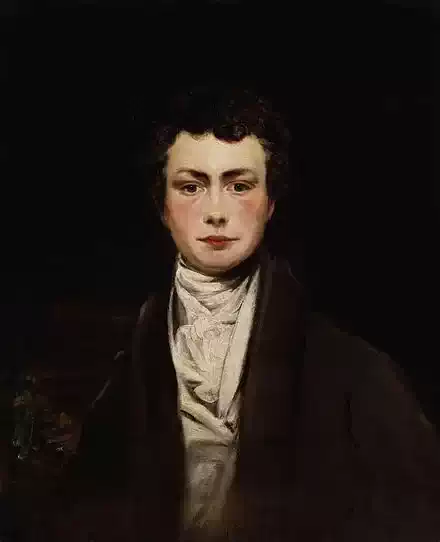
Thomas Moore
Whene'er I See Those Smiling Eyes
Whene'er I See Those Smiling Eyes
Whene'er I see those smiling eyes,
So full of hope, and joy, and light,
As if no cloud could ever rise,
To dim a heaven so purely bright --
I sigh to think how soon that brow
In grief may lose its every ray,
And that light heart, so joyous now,
Almost forget it once was gay.
For time will come with all its blights,
The ruin'd hope, the friend unkind,
And love, that leaves, where'er it lights,
A chill'd or burning heart behind:
While youth, that now like snow appears,
Ere sullied by the darkening rain,
When once 'tis touch'd by sorrow's tears,
Can never shine so bright again.
Whene'er I see those smiling eyes,
So full of hope, and joy, and light,
As if no cloud could ever rise,
To dim a heaven so purely bright --
I sigh to think how soon that brow
In grief may lose its every ray,
And that light heart, so joyous now,
Almost forget it once was gay.
For time will come with all its blights,
The ruin'd hope, the friend unkind,
And love, that leaves, where'er it lights,
A chill'd or burning heart behind:
While youth, that now like snow appears,
Ere sullied by the darkening rain,
When once 'tis touch'd by sorrow's tears,
Can never shine so bright again.
214
Thomas Moore
When First I Met Thee
When First I Met Thee
When first I met thee, warm and young,
There shone such truth about thee,
And on thy lip such promise hung,
I did not dare to doubt thee.
I saw thee change, yet still relied,
Still clung with hope the fonder,
And thought, though false to all beside,
From me thou couldst not wander.
But go, deceiver! go,
The heart, whose hopes could make it
Trust one so false, so low,
Deserves that thou shouldst break it.
When every tongue thy follies named,
I fled the unwelcome story,
Or found, in even the faults they blamed,
Some gleams of future glory.
I still was true, when nearer friends
Conspired to wrong, to slight thee;
The heart that now thy falsehood rends
Would then have bled to right thee.
But go, deceiver! go --
Some day, perhaps, thou'lt waken
From pleasure's dream, to know
The grief of hearts forsaken.
Even now, though youth its bloom has shed,
No lights of age adorn thee;
The few who loved thee once have fled,
And they who flatter scorn thee.
Thy midnight cup is pledged to slaves,
No genial ties enwreath it;
The smiling there, like light on graves,
Has rank cold hearts beneath it.
Go -- go -- though worlds were thine,
I would not now surrender
One taintless tear of mine
For all thy guilty splendour!
And days may come, thou false one! yet,
When even those ties shall sever!
When thou wilt call, with vain regret,
On her thou'st lost for ever;
On her who, in thy fortune's fall,
With smiles had still received thee,
And gladly died to prove thee all
Her fancy first believed thee.
Go -- go -- 'tis vain to curse,
'Tis weakness to upbraid thee;
Hate cannot wish thee worse
Than guilt and shame have made thee.
When first I met thee, warm and young,
There shone such truth about thee,
And on thy lip such promise hung,
I did not dare to doubt thee.
I saw thee change, yet still relied,
Still clung with hope the fonder,
And thought, though false to all beside,
From me thou couldst not wander.
But go, deceiver! go,
The heart, whose hopes could make it
Trust one so false, so low,
Deserves that thou shouldst break it.
When every tongue thy follies named,
I fled the unwelcome story,
Or found, in even the faults they blamed,
Some gleams of future glory.
I still was true, when nearer friends
Conspired to wrong, to slight thee;
The heart that now thy falsehood rends
Would then have bled to right thee.
But go, deceiver! go --
Some day, perhaps, thou'lt waken
From pleasure's dream, to know
The grief of hearts forsaken.
Even now, though youth its bloom has shed,
No lights of age adorn thee;
The few who loved thee once have fled,
And they who flatter scorn thee.
Thy midnight cup is pledged to slaves,
No genial ties enwreath it;
The smiling there, like light on graves,
Has rank cold hearts beneath it.
Go -- go -- though worlds were thine,
I would not now surrender
One taintless tear of mine
For all thy guilty splendour!
And days may come, thou false one! yet,
When even those ties shall sever!
When thou wilt call, with vain regret,
On her thou'st lost for ever;
On her who, in thy fortune's fall,
With smiles had still received thee,
And gladly died to prove thee all
Her fancy first believed thee.
Go -- go -- 'tis vain to curse,
'Tis weakness to upbraid thee;
Hate cannot wish thee worse
Than guilt and shame have made thee.
184
Thomas Moore
Twas One of Those Dreams
Twas One of Those Dreams
'TWAS one of those dreams, that by music are brought,
Like a bright summer haze, o'er the poet's warm thought --
When, lost in the future, his soul wanders on,
And all of this life, but its sweetness, is gone.
The wild notes he heard o'er the water were those
He had taught to sing Erin's dark bondage and woes,
And the breath of the bugle now wafted them o'er
From Dinis' green isle, to Glena's wooded shore.
He listen'd -- while, high o'er the eagle's rude nest,
The lingering sounds on their way loved to rest;
And the echoes sung back from their full mountain quire,
As if loath to let song to enchanting expire.
It seem'd as if every sweet note that died here
Was again brought to life in some airier sphere,
Some heaven in those hills, where the soul of the strain
That had ceased upon earth was awaking again!
Oh forgive, if, while listening to music, whose breath
Seem'd to circle his name with a charm against death,
He should feel a proud spirit within him proclaim,
"Even so shalt thou live in the echoes of Fame:
"Even so, though thy memory should now die away,
'Twill be caught up again in some happier day,
And the hearts and the voices of Erin prolong,
Through the answering Future, thy name and thy song."
'TWAS one of those dreams, that by music are brought,
Like a bright summer haze, o'er the poet's warm thought --
When, lost in the future, his soul wanders on,
And all of this life, but its sweetness, is gone.
The wild notes he heard o'er the water were those
He had taught to sing Erin's dark bondage and woes,
And the breath of the bugle now wafted them o'er
From Dinis' green isle, to Glena's wooded shore.
He listen'd -- while, high o'er the eagle's rude nest,
The lingering sounds on their way loved to rest;
And the echoes sung back from their full mountain quire,
As if loath to let song to enchanting expire.
It seem'd as if every sweet note that died here
Was again brought to life in some airier sphere,
Some heaven in those hills, where the soul of the strain
That had ceased upon earth was awaking again!
Oh forgive, if, while listening to music, whose breath
Seem'd to circle his name with a charm against death,
He should feel a proud spirit within him proclaim,
"Even so shalt thou live in the echoes of Fame:
"Even so, though thy memory should now die away,
'Twill be caught up again in some happier day,
And the hearts and the voices of Erin prolong,
Through the answering Future, thy name and thy song."
195
Thomas Moore
The Parallel
The Parallel
Yes, sad one of Sion, if closely resembling,
In shame and in sorrow, thy wither'd-up heart --
If drinking deep, deep, of the same "cup of trembling"
Could make us thy children, our parent thou art.
Like thee doth our nation lie conquer'd and broken,
And fall'n from her head is the once royal crown;
In her streets, in her halls, Desolation hath spoken,
And "while it is day yet, her sun hath gone down."
Like thine doth her exile, 'mid dreams of returning,
Die far from the home it were life to behold;
Like thine do her sons, in the day of their mourning
Remember the bright things that bless'd them of old.
Ah, well may we call her, like thee, "the Forsaken,"
Her boldest are vanquish'd, her proudest are slaves;
And the harps of her minstrels, when gayest they waken,
Have tones 'mid their mirth like the wind over graves!
Yet hadst thou thy vengeance -- yet came there the morrow,
That shines out, at last, on the longest dark night,
When the sceptre, that smote thee with slavery and sorrow,
Was shiver'd at once, like a reed, in thy sight.
When that cup, which for others the proud Golden City
Had brimm'd full of bitterness, drench'd her own lips;
And the world she had trampled on heard, without pity,
The howl in her halls, and the cry from her ships.
When the curse Heaven keeps for the haughty came over,
Her merchants rapacious, her rulers unjust,
And a ruin at last for the earthworm to cover,
The Lady of Kingdoms lay low in the dust.
Yes, sad one of Sion, if closely resembling,
In shame and in sorrow, thy wither'd-up heart --
If drinking deep, deep, of the same "cup of trembling"
Could make us thy children, our parent thou art.
Like thee doth our nation lie conquer'd and broken,
And fall'n from her head is the once royal crown;
In her streets, in her halls, Desolation hath spoken,
And "while it is day yet, her sun hath gone down."
Like thine doth her exile, 'mid dreams of returning,
Die far from the home it were life to behold;
Like thine do her sons, in the day of their mourning
Remember the bright things that bless'd them of old.
Ah, well may we call her, like thee, "the Forsaken,"
Her boldest are vanquish'd, her proudest are slaves;
And the harps of her minstrels, when gayest they waken,
Have tones 'mid their mirth like the wind over graves!
Yet hadst thou thy vengeance -- yet came there the morrow,
That shines out, at last, on the longest dark night,
When the sceptre, that smote thee with slavery and sorrow,
Was shiver'd at once, like a reed, in thy sight.
When that cup, which for others the proud Golden City
Had brimm'd full of bitterness, drench'd her own lips;
And the world she had trampled on heard, without pity,
The howl in her halls, and the cry from her ships.
When the curse Heaven keeps for the haughty came over,
Her merchants rapacious, her rulers unjust,
And a ruin at last for the earthworm to cover,
The Lady of Kingdoms lay low in the dust.
250
Thomas Moore
The Light of Other Days
The Light of Other Days
OFT, in the stilly night,
Ere slumber's chain has bound me,
Fond Memory brings the light
Of other days around me:
The smiles, the tears
Of boyhood's years,
The words of love then spoken;
The eyes that shone,
Now dimm'd and gone,
The cheerful hearts now broken!
Thus, in the stilly night,
Ere slumber's chain has bound me,
Sad Memory brings the light
Of other days around me.
When I remember all
The friends, so link'd together,
I've seen around me fall
Like leaves in wintry weather,
I feel like one
Who treads alone
Some banquet-hall deserted,
Whose lights are fled,
Whose garlands dead,
And all but he departed!
Thus, in the stilly night,
Ere slumber's chain has bound me.
Sad Memory brings the light
Of other days around me.
OFT, in the stilly night,
Ere slumber's chain has bound me,
Fond Memory brings the light
Of other days around me:
The smiles, the tears
Of boyhood's years,
The words of love then spoken;
The eyes that shone,
Now dimm'd and gone,
The cheerful hearts now broken!
Thus, in the stilly night,
Ere slumber's chain has bound me,
Sad Memory brings the light
Of other days around me.
When I remember all
The friends, so link'd together,
I've seen around me fall
Like leaves in wintry weather,
I feel like one
Who treads alone
Some banquet-hall deserted,
Whose lights are fled,
Whose garlands dead,
And all but he departed!
Thus, in the stilly night,
Ere slumber's chain has bound me.
Sad Memory brings the light
Of other days around me.
220
Thomas Moore
The Light of Other Days
The Light of Other Days
OFT, in the stilly night,
Ere slumber's chain has bound me,
Fond Memory brings the light
Of other days around me:
The smiles, the tears
Of boyhood's years,
The words of love then spoken;
The eyes that shone,
Now dimm'd and gone,
The cheerful hearts now broken!
Thus, in the stilly night,
Ere slumber's chain has bound me,
Sad Memory brings the light
Of other days around me.
When I remember all
The friends, so link'd together,
I've seen around me fall
Like leaves in wintry weather,
I feel like one
Who treads alone
Some banquet-hall deserted,
Whose lights are fled,
Whose garlands dead,
And all but he departed!
Thus, in the stilly night,
Ere slumber's chain has bound me.
Sad Memory brings the light
Of other days around me.
OFT, in the stilly night,
Ere slumber's chain has bound me,
Fond Memory brings the light
Of other days around me:
The smiles, the tears
Of boyhood's years,
The words of love then spoken;
The eyes that shone,
Now dimm'd and gone,
The cheerful hearts now broken!
Thus, in the stilly night,
Ere slumber's chain has bound me,
Sad Memory brings the light
Of other days around me.
When I remember all
The friends, so link'd together,
I've seen around me fall
Like leaves in wintry weather,
I feel like one
Who treads alone
Some banquet-hall deserted,
Whose lights are fled,
Whose garlands dead,
And all but he departed!
Thus, in the stilly night,
Ere slumber's chain has bound me.
Sad Memory brings the light
Of other days around me.
220
Thomas Moore
The Ghost of Miltiades
The Ghost of Miltiades
The Ghost of Miltiades came at night,
And he stood by the bed of the Benthamite,
And he said, in a voice, that thrill'd the frame,
"If ever the sound of Marathon's name
Hath fir'd they blood or flush'd thy brow,
Lover of Liberty, rise thee now!"
The Benthamite, yawning, left his bed --
Away to the Stock Exchange he sped,
And he found the Scrip of Greece so high,
That it fir'd his blood, it flush'd his eye,
And oh, 'twas a sight to see,
For never was Greek more Greek than he!
And still as the premium higher went,
His ecstas rose - so much per cent.,
(As we see in a glass, that tells the weather,
The heat and the silver rise together,)
And Liberty sung from the patriot's lip,
While a voice from pocket whisper'd "Scrip!"
The Ghost of Miltiades came again; --
He smil'd as the pale moon smiles through rain,
For his soul was glad at the patriot strain;
(And poor, dear ghost -- how little he knew
The jobs and the tricks of the Philhellene crew!)
"Blessings and thanks!" was all he said,
Then, melting away, like a night-dream, fled!
The Benthamite hears -- amaz'd that ghosts
Could be such fools -- and away he posts,
A patriot still? Ah no, ah no --
Goddess of Freedom, thy scrip is low,
And, warm and fond as they lovers are,
Thou triest their passion, when under par.
The Benthamite's ardour fast decays,
By turns he weeps, and swears, and prays,
And wishes the d--l had Crescent and Cross,
Ere he had been forc'd to sell at a loss.
They quote thim the Stock of various nations,
But, spite of his classical associations,
Lord how he loathes the Greek quotations!
"Who'll buy my Scrip! Who'll buy my Scrip?"
Is now the theme of the patriot's lip,
And he runs to tell how hard his lot is
To Messrs. Orlando and Luriottis,
And says, "Oh Greece, for Liberty's sake,
Do buy my Scrip and I vow to break
Those dark, unholy bonds of thine --
If you'll only consent to buy up mine!"
The Ghost of Miltiades came once more; --
His brow, like the night, was lowering o'er,
And he said, with a look that flash'd dismay,
"Of Liberty's foes the worst are they
Who turn to a trade her cause divine,
And gamble for gold on Freedom's shrine!"
Thus saying, the Ghost, as he took his flight,
Gave a Parthian kick to the Benthamite,
Which sent him, whimpering, off to Jerry --
And vanish'd away to the Stygian ferry!
The Ghost of Miltiades came at night,
And he stood by the bed of the Benthamite,
And he said, in a voice, that thrill'd the frame,
"If ever the sound of Marathon's name
Hath fir'd they blood or flush'd thy brow,
Lover of Liberty, rise thee now!"
The Benthamite, yawning, left his bed --
Away to the Stock Exchange he sped,
And he found the Scrip of Greece so high,
That it fir'd his blood, it flush'd his eye,
And oh, 'twas a sight to see,
For never was Greek more Greek than he!
And still as the premium higher went,
His ecstas rose - so much per cent.,
(As we see in a glass, that tells the weather,
The heat and the silver rise together,)
And Liberty sung from the patriot's lip,
While a voice from pocket whisper'd "Scrip!"
The Ghost of Miltiades came again; --
He smil'd as the pale moon smiles through rain,
For his soul was glad at the patriot strain;
(And poor, dear ghost -- how little he knew
The jobs and the tricks of the Philhellene crew!)
"Blessings and thanks!" was all he said,
Then, melting away, like a night-dream, fled!
The Benthamite hears -- amaz'd that ghosts
Could be such fools -- and away he posts,
A patriot still? Ah no, ah no --
Goddess of Freedom, thy scrip is low,
And, warm and fond as they lovers are,
Thou triest their passion, when under par.
The Benthamite's ardour fast decays,
By turns he weeps, and swears, and prays,
And wishes the d--l had Crescent and Cross,
Ere he had been forc'd to sell at a loss.
They quote thim the Stock of various nations,
But, spite of his classical associations,
Lord how he loathes the Greek quotations!
"Who'll buy my Scrip! Who'll buy my Scrip?"
Is now the theme of the patriot's lip,
And he runs to tell how hard his lot is
To Messrs. Orlando and Luriottis,
And says, "Oh Greece, for Liberty's sake,
Do buy my Scrip and I vow to break
Those dark, unholy bonds of thine --
If you'll only consent to buy up mine!"
The Ghost of Miltiades came once more; --
His brow, like the night, was lowering o'er,
And he said, with a look that flash'd dismay,
"Of Liberty's foes the worst are they
Who turn to a trade her cause divine,
And gamble for gold on Freedom's shrine!"
Thus saying, the Ghost, as he took his flight,
Gave a Parthian kick to the Benthamite,
Which sent him, whimpering, off to Jerry --
And vanish'd away to the Stygian ferry!
206
Thomas Moore
Take Back the Virgin Page
Take Back the Virgin Page
Written on Returning a Blank Book
Take back the virgin page,
White and unwritten still;
Some hand, more calm and sage,
The leaf must fill.
Thoughts come, as pure as light
Pure as even you require;
But, oh! each word I write
Love turns to fire.
Yet let me keep the book:
Oft shall my heart renew,
When on its leaves I look,
Dear thoughts of you.
Like you, 'tis fair and bright;
Like you, too bright and fair
To let wild passion write
One wrong wish there.
Haply, when from those eyes
Far, far away I roam,
Should calmer thoughts arise
Towards you and home;
Fancy may trace some line,
Worthy those eyes to meet,
Thoughts that not burn, but shine,
Pure, calm, and sweet.
And as, o'er ocean far,
Seamen their records keep,
Led by some hidden star
Through the cold deep;
So may the words I write
Tell through what storms I stray --
You still the unseen light,
Guiding my way.
Written on Returning a Blank Book
Take back the virgin page,
White and unwritten still;
Some hand, more calm and sage,
The leaf must fill.
Thoughts come, as pure as light
Pure as even you require;
But, oh! each word I write
Love turns to fire.
Yet let me keep the book:
Oft shall my heart renew,
When on its leaves I look,
Dear thoughts of you.
Like you, 'tis fair and bright;
Like you, too bright and fair
To let wild passion write
One wrong wish there.
Haply, when from those eyes
Far, far away I roam,
Should calmer thoughts arise
Towards you and home;
Fancy may trace some line,
Worthy those eyes to meet,
Thoughts that not burn, but shine,
Pure, calm, and sweet.
And as, o'er ocean far,
Seamen their records keep,
Led by some hidden star
Through the cold deep;
So may the words I write
Tell through what storms I stray --
You still the unseen light,
Guiding my way.
191
Thomas Moore
Sing, Sweet Harp
Sing, Sweet Harp
Sing, sweet Harp, oh sing to me
Some song of ancient days,
Whose sounds, in this sad memory,
Long-buried dreams shall raise; --
Some lay that tells of vanish'd fame,
Whose light once round us shone,
Of noble pride, now turn'd to shame,
And hopes for ever gone.
Sing, sad Harp, thus sing to me;
Alike our doom is cast,
Both lost to all but memory,
We live but in the past.
How mournfully the midnight air
Among thy chords doth sigh,
As if it sought some echo there,
Of voices long gone by; --
Of chieftains, now forgot, who seem'd
The foremost then in fame;
Of Bards who, once immortal deem'd,
Now sleep without a name.
In vain, sad Harp, the midnight air
Among thy chords doth sigh;
In vain it seeks an echo there
Of voices long gone by.
Couldst thou but call those spirits round,
Who once, in bower and hall,
Sate listening to thy magic sound,
Now mute and mouldering all; --
But, no; they would but wake to weep
Their children's slavery;
Then leave them in their dreamless sleep,
The dead, at least are free!
Hush, hush, sad Harp, that dreary tone,
That knell of Freedom's day;
Or, listening to its death-like moan,
Let me, too, die away.
Sing, sweet Harp, oh sing to me
Some song of ancient days,
Whose sounds, in this sad memory,
Long-buried dreams shall raise; --
Some lay that tells of vanish'd fame,
Whose light once round us shone,
Of noble pride, now turn'd to shame,
And hopes for ever gone.
Sing, sad Harp, thus sing to me;
Alike our doom is cast,
Both lost to all but memory,
We live but in the past.
How mournfully the midnight air
Among thy chords doth sigh,
As if it sought some echo there,
Of voices long gone by; --
Of chieftains, now forgot, who seem'd
The foremost then in fame;
Of Bards who, once immortal deem'd,
Now sleep without a name.
In vain, sad Harp, the midnight air
Among thy chords doth sigh;
In vain it seeks an echo there
Of voices long gone by.
Couldst thou but call those spirits round,
Who once, in bower and hall,
Sate listening to thy magic sound,
Now mute and mouldering all; --
But, no; they would but wake to weep
Their children's slavery;
Then leave them in their dreamless sleep,
The dead, at least are free!
Hush, hush, sad Harp, that dreary tone,
That knell of Freedom's day;
Or, listening to its death-like moan,
Let me, too, die away.
173
Thomas Moore
She is Far From the Land
She is Far From the Land
She is far from the land where her young hero sleeps,
And lovers are round her, sighing;
But coldly she turns from their gaze, and weeps,
For her heart in his grave is lying.
She sings the wild song of her dear native plains,
Every note which he loved awaking; --
Ah! little they think, who delight in her strains,
How the heart of the Minstrel is breaking.
He had lived for his love, for his country he died,
They were all that to life had entwined him;
Nor soon shall the tears of his country be dried,
Nor long will his Love stay behind him.
Oh! make her a grave where the sunbeams rest,
When they promise a glorious morrow;
They'll shine o'er her sleep, like a smile from the West,
From her own loved island of sorrow.
She is far from the land where her young hero sleeps,
And lovers are round her, sighing;
But coldly she turns from their gaze, and weeps,
For her heart in his grave is lying.
She sings the wild song of her dear native plains,
Every note which he loved awaking; --
Ah! little they think, who delight in her strains,
How the heart of the Minstrel is breaking.
He had lived for his love, for his country he died,
They were all that to life had entwined him;
Nor soon shall the tears of his country be dried,
Nor long will his Love stay behind him.
Oh! make her a grave where the sunbeams rest,
When they promise a glorious morrow;
They'll shine o'er her sleep, like a smile from the West,
From her own loved island of sorrow.
128
Thomas Moore
On Music
On Music
When through life unblest we rove,
Losing all that made life dear,
Should some notes we used to love,
In days of boyhood, meet our ear,
Oh! how welcome breathes the strain!
Wakening thoughts that long have slept,
Kindling former smiles again
In faded eyes that long have wept.
Like the gale, that sighs along
Beds of oriental flowers,
Is the grateful breath of song,
That once was heard in happier hours.
Fill'd with balm the gale sighs on,
Though the flowers have sunk in death;
So, when pleasure's dream is gone,
Its memory lives in Music's breath.
Music, oh, how faint, how weak,
Language fades before thy spell!
Why should Feeling ever speak,
When thou canst breathe her soul so well?
Friendship's balmy words may feign,
Love's are even more false than they;
Oh! 'tis only music's strain
Can sweetly soothe, and not betray.
When through life unblest we rove,
Losing all that made life dear,
Should some notes we used to love,
In days of boyhood, meet our ear,
Oh! how welcome breathes the strain!
Wakening thoughts that long have slept,
Kindling former smiles again
In faded eyes that long have wept.
Like the gale, that sighs along
Beds of oriental flowers,
Is the grateful breath of song,
That once was heard in happier hours.
Fill'd with balm the gale sighs on,
Though the flowers have sunk in death;
So, when pleasure's dream is gone,
Its memory lives in Music's breath.
Music, oh, how faint, how weak,
Language fades before thy spell!
Why should Feeling ever speak,
When thou canst breathe her soul so well?
Friendship's balmy words may feign,
Love's are even more false than they;
Oh! 'tis only music's strain
Can sweetly soothe, and not betray.
196
Thomas Moore
Oh, Ye Dead!
Oh, Ye Dead!
Oh, ye Dead! oh, ye Dead! whom we know by the light you give
From your cold gleaming eyes, though you move like men who live,
Why leave you thus your graves,
In far off fields and waves,
Where the worm and the sea-bird only know your bed,
To haunt this spot where all
Those eyes that wept your fall,
And the hearts that wail'd you, like your own, lie dead?
It is true, it is true, we are shadows cold and wan;
And the fair and the brave whom we loved on earth are gone;
But still thus even in death,
So sweet the living breath
Of the fields and the flowers in our youth we wander'd o'er,
That ere, condemn'd, we go
To freeze 'mid Hecla's snow,
We would taste it a while, and think we live once more!
Oh, ye Dead! oh, ye Dead! whom we know by the light you give
From your cold gleaming eyes, though you move like men who live,
Why leave you thus your graves,
In far off fields and waves,
Where the worm and the sea-bird only know your bed,
To haunt this spot where all
Those eyes that wept your fall,
And the hearts that wail'd you, like your own, lie dead?
It is true, it is true, we are shadows cold and wan;
And the fair and the brave whom we loved on earth are gone;
But still thus even in death,
So sweet the living breath
Of the fields and the flowers in our youth we wander'd o'er,
That ere, condemn'd, we go
To freeze 'mid Hecla's snow,
We would taste it a while, and think we live once more!
186
Thomas Moore
Oh, Banquet Not
Oh, Banquet Not
Oh, banquet not in those shining bowers,
Where Youth resorts, but come to me,
For mine's a garden of faded flowers,
More fit for sorrow, for age, and thee.
And there we shall have our feast of tears,
And many a cup in silence pour;
Our guests, the shades of former years,
Our toasts, to lips that bloom no more.
There, while the myrtle's withering boughs
Their lifeless leaves around us shed,
We'll brim the bowl to broken vows
To friends long lost, the changed, the dead.
Or, while some blighted laurel waves
Its branches o'er the dreary spot,
We'll drink to those neglected graves
Where valour sleeps, unnamed, forgot.
Oh, banquet not in those shining bowers,
Where Youth resorts, but come to me,
For mine's a garden of faded flowers,
More fit for sorrow, for age, and thee.
And there we shall have our feast of tears,
And many a cup in silence pour;
Our guests, the shades of former years,
Our toasts, to lips that bloom no more.
There, while the myrtle's withering boughs
Their lifeless leaves around us shed,
We'll brim the bowl to broken vows
To friends long lost, the changed, the dead.
Or, while some blighted laurel waves
Its branches o'er the dreary spot,
We'll drink to those neglected graves
Where valour sleeps, unnamed, forgot.
211
Thomas Moore
Oh, Banquet Not
Oh, Banquet Not
Oh, banquet not in those shining bowers,
Where Youth resorts, but come to me,
For mine's a garden of faded flowers,
More fit for sorrow, for age, and thee.
And there we shall have our feast of tears,
And many a cup in silence pour;
Our guests, the shades of former years,
Our toasts, to lips that bloom no more.
There, while the myrtle's withering boughs
Their lifeless leaves around us shed,
We'll brim the bowl to broken vows
To friends long lost, the changed, the dead.
Or, while some blighted laurel waves
Its branches o'er the dreary spot,
We'll drink to those neglected graves
Where valour sleeps, unnamed, forgot.
Oh, banquet not in those shining bowers,
Where Youth resorts, but come to me,
For mine's a garden of faded flowers,
More fit for sorrow, for age, and thee.
And there we shall have our feast of tears,
And many a cup in silence pour;
Our guests, the shades of former years,
Our toasts, to lips that bloom no more.
There, while the myrtle's withering boughs
Their lifeless leaves around us shed,
We'll brim the bowl to broken vows
To friends long lost, the changed, the dead.
Or, while some blighted laurel waves
Its branches o'er the dreary spot,
We'll drink to those neglected graves
Where valour sleeps, unnamed, forgot.
211
Thomas Moore
Oh, Banquet Not
Oh, Banquet Not
Oh, banquet not in those shining bowers,
Where Youth resorts, but come to me,
For mine's a garden of faded flowers,
More fit for sorrow, for age, and thee.
And there we shall have our feast of tears,
And many a cup in silence pour;
Our guests, the shades of former years,
Our toasts, to lips that bloom no more.
There, while the myrtle's withering boughs
Their lifeless leaves around us shed,
We'll brim the bowl to broken vows
To friends long lost, the changed, the dead.
Or, while some blighted laurel waves
Its branches o'er the dreary spot,
We'll drink to those neglected graves
Where valour sleeps, unnamed, forgot.
Oh, banquet not in those shining bowers,
Where Youth resorts, but come to me,
For mine's a garden of faded flowers,
More fit for sorrow, for age, and thee.
And there we shall have our feast of tears,
And many a cup in silence pour;
Our guests, the shades of former years,
Our toasts, to lips that bloom no more.
There, while the myrtle's withering boughs
Their lifeless leaves around us shed,
We'll brim the bowl to broken vows
To friends long lost, the changed, the dead.
Or, while some blighted laurel waves
Its branches o'er the dreary spot,
We'll drink to those neglected graves
Where valour sleeps, unnamed, forgot.
211
Thomas Moore
Oh! Breathe Not His Name
Oh! Breathe Not His Name
Oh! breathe not his name, let it sleep in the shade,
Where cold and unhonour'd his relics are laid:
Sad, silent, and dark, be the tears that we shed,
As the night-dew that falls on the grass o'er his head.
But the night-dew that falls, though in silence it weeps,
Shall brighten with verdure the grave where he sleeps;
And the tear that we shed, though in secret it rolls,
Shall long keep his memory green in our souls.
Oh! breathe not his name, let it sleep in the shade,
Where cold and unhonour'd his relics are laid:
Sad, silent, and dark, be the tears that we shed,
As the night-dew that falls on the grass o'er his head.
But the night-dew that falls, though in silence it weeps,
Shall brighten with verdure the grave where he sleeps;
And the tear that we shed, though in secret it rolls,
Shall long keep his memory green in our souls.
159
Thomas Moore
Oh! Breathe Not His Name
Oh! Breathe Not His Name
Oh! breathe not his name, let it sleep in the shade,
Where cold and unhonour'd his relics are laid:
Sad, silent, and dark, be the tears that we shed,
As the night-dew that falls on the grass o'er his head.
But the night-dew that falls, though in silence it weeps,
Shall brighten with verdure the grave where he sleeps;
And the tear that we shed, though in secret it rolls,
Shall long keep his memory green in our souls.
Oh! breathe not his name, let it sleep in the shade,
Where cold and unhonour'd his relics are laid:
Sad, silent, and dark, be the tears that we shed,
As the night-dew that falls on the grass o'er his head.
But the night-dew that falls, though in silence it weeps,
Shall brighten with verdure the grave where he sleeps;
And the tear that we shed, though in secret it rolls,
Shall long keep his memory green in our souls.
159