

Poems in this topic
Life and Existence
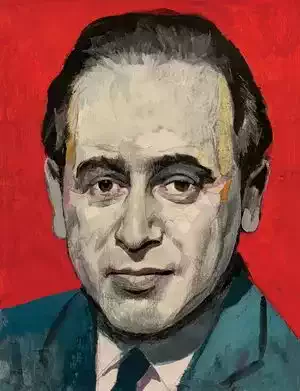
Paul Celan
When You Lie
When You Lie
When you lie
in the Bed of lost Flag-Cloth,
with blue-black Syllables, in Snow-Eyelash-Shadow,
the Crane through Thoughtshowers,
comes gliding, steelyyou
open for him.
His beak ticks the Hour for you
at every Mouth – at every
bell-stroke, with red-hot Rope, a Silent-
Millennium,
Un-Pulse and Pulse
mint each other to death,
the Dollars, the Cents,
rain hard through your Pores,
in
Second-Shapes
you fly there and bar
the Doors Yesterday and Tomorrow – phosphorescent,
Forever-Teeth,
buds the one, and buds the
other breast,
towards the Grasping, under
the Thrusts –: so thick,
so deeply
strewn
the starry
Crane-
Seed.
When you lie
in the Bed of lost Flag-Cloth,
with blue-black Syllables, in Snow-Eyelash-Shadow,
the Crane through Thoughtshowers,
comes gliding, steelyyou
open for him.
His beak ticks the Hour for you
at every Mouth – at every
bell-stroke, with red-hot Rope, a Silent-
Millennium,
Un-Pulse and Pulse
mint each other to death,
the Dollars, the Cents,
rain hard through your Pores,
in
Second-Shapes
you fly there and bar
the Doors Yesterday and Tomorrow – phosphorescent,
Forever-Teeth,
buds the one, and buds the
other breast,
towards the Grasping, under
the Thrusts –: so thick,
so deeply
strewn
the starry
Crane-
Seed.
423
Paul Celan
With Every Thought
With Every Thought
With every Thought I went
out of the World: there you were,
you my Gentle One, you my Open One, and –
you received us.
Who
says that for us everything died,
that for us there the Eye broke?
Everything woke, all things began.
Vast, a Sun came swimming by, bright
a Soul and a Soul engaged, clear,
masterfully made a silence for it
a path ahead.
Lightly
you opened your Lap, quiet
rose a Breath in the Aether,
and what became cloud, was it not,
was it not Form, and for us then,
was it not
as good as a Name?
With every Thought I went
out of the World: there you were,
you my Gentle One, you my Open One, and –
you received us.
Who
says that for us everything died,
that for us there the Eye broke?
Everything woke, all things began.
Vast, a Sun came swimming by, bright
a Soul and a Soul engaged, clear,
masterfully made a silence for it
a path ahead.
Lightly
you opened your Lap, quiet
rose a Breath in the Aether,
and what became cloud, was it not,
was it not Form, and for us then,
was it not
as good as a Name?
464
Paul Celan
To Stand in the Shadow
To Stand in the Shadow
To stand in the Shadow
of the Wound’s-Mark in the Air.
For no-one and nothing to Stand.
Unknown,
for you
alone.
With all, that within finds Room,
even without
Speech.
To stand in the Shadow
of the Wound’s-Mark in the Air.
For no-one and nothing to Stand.
Unknown,
for you
alone.
With all, that within finds Room,
even without
Speech.
485
Paul Celan
There Was Earth
There Was Earth
There was Earth in them, and
they dug.
They dug and they dug, and so
their Day went by, and their Night. And they did not praise God,
who, so they heard, wanted all this,
who, so they heard, knew of all this.
They dug and they heard nothing more;
did not grow wise, invented no Song,
thought up for themselves no Language.
They dug.
There came a Silence, there came a Storm,
There came every Ocean.
I dig, you dig, and it digs, the Worm,
and the Singing, there, says: They dig.
O someone, o none, o no one, o you:
Where did it lead to, that nowhere-leading?
O you dig and I dig, and I dig towards you,
and on our finger awakens the Ring.
There was Earth in them, and
they dug.
They dug and they dug, and so
their Day went by, and their Night. And they did not praise God,
who, so they heard, wanted all this,
who, so they heard, knew of all this.
They dug and they heard nothing more;
did not grow wise, invented no Song,
thought up for themselves no Language.
They dug.
There came a Silence, there came a Storm,
There came every Ocean.
I dig, you dig, and it digs, the Worm,
and the Singing, there, says: They dig.
O someone, o none, o no one, o you:
Where did it lead to, that nowhere-leading?
O you dig and I dig, and I dig towards you,
and on our finger awakens the Ring.
498
Paul Celan
There Was Earth
There Was Earth
There was Earth in them, and
they dug.
They dug and they dug, and so
their Day went by, and their Night. And they did not praise God,
who, so they heard, wanted all this,
who, so they heard, knew of all this.
They dug and they heard nothing more;
did not grow wise, invented no Song,
thought up for themselves no Language.
They dug.
There came a Silence, there came a Storm,
There came every Ocean.
I dig, you dig, and it digs, the Worm,
and the Singing, there, says: They dig.
O someone, o none, o no one, o you:
Where did it lead to, that nowhere-leading?
O you dig and I dig, and I dig towards you,
and on our finger awakens the Ring.
There was Earth in them, and
they dug.
They dug and they dug, and so
their Day went by, and their Night. And they did not praise God,
who, so they heard, wanted all this,
who, so they heard, knew of all this.
They dug and they heard nothing more;
did not grow wise, invented no Song,
thought up for themselves no Language.
They dug.
There came a Silence, there came a Storm,
There came every Ocean.
I dig, you dig, and it digs, the Worm,
and the Singing, there, says: They dig.
O someone, o none, o no one, o you:
Where did it lead to, that nowhere-leading?
O you dig and I dig, and I dig towards you,
and on our finger awakens the Ring.
498
Paul Celan
There Was Earth
There Was Earth
There was Earth in them, and
they dug.
They dug and they dug, and so
their Day went by, and their Night. And they did not praise God,
who, so they heard, wanted all this,
who, so they heard, knew of all this.
They dug and they heard nothing more;
did not grow wise, invented no Song,
thought up for themselves no Language.
They dug.
There came a Silence, there came a Storm,
There came every Ocean.
I dig, you dig, and it digs, the Worm,
and the Singing, there, says: They dig.
O someone, o none, o no one, o you:
Where did it lead to, that nowhere-leading?
O you dig and I dig, and I dig towards you,
and on our finger awakens the Ring.
There was Earth in them, and
they dug.
They dug and they dug, and so
their Day went by, and their Night. And they did not praise God,
who, so they heard, wanted all this,
who, so they heard, knew of all this.
They dug and they heard nothing more;
did not grow wise, invented no Song,
thought up for themselves no Language.
They dug.
There came a Silence, there came a Storm,
There came every Ocean.
I dig, you dig, and it digs, the Worm,
and the Singing, there, says: They dig.
O someone, o none, o no one, o you:
Where did it lead to, that nowhere-leading?
O you dig and I dig, and I dig towards you,
and on our finger awakens the Ring.
498
Paul Celan
The Poles
The Poles
The Poles
are within us,
insurmountable
while Awake,
we sleep across, to the Gate
of Mercy,
I lose you to you, that
is my Snow-Comfort,
say, that Jerusalem is,
say, as if I were this
your Whiteness,
as if you were
mine,
as if without us we could be we,
I open your leaves, forever,
you bless, you bed
us free.
The Poles
are within us,
insurmountable
while Awake,
we sleep across, to the Gate
of Mercy,
I lose you to you, that
is my Snow-Comfort,
say, that Jerusalem is,
say, as if I were this
your Whiteness,
as if you were
mine,
as if without us we could be we,
I open your leaves, forever,
you bless, you bed
us free.
464
Paul Celan
The Triumph Of Achilles
The Triumph Of Achilles
In the story of Patroclus
no one survives, not even Achilles
who was nearly a god.
Patroclus resembled him; they wore
the same armor.
Always in these friendships
one serves the other, one is less than the other:
the hierarchy
is always apparant, though the legends
cannot be trusted-their
source is the survivor,
the one who has been abandoned.
What were the Greek ships on fire
compared to this loss?
In his tent, Achilles
grieved with his whole being
and the gods saw
he was a man already dead, a victim
of the part that loved,
the part that was mortal.
In the story of Patroclus
no one survives, not even Achilles
who was nearly a god.
Patroclus resembled him; they wore
the same armor.
Always in these friendships
one serves the other, one is less than the other:
the hierarchy
is always apparant, though the legends
cannot be trusted-their
source is the survivor,
the one who has been abandoned.
What were the Greek ships on fire
compared to this loss?
In his tent, Achilles
grieved with his whole being
and the gods saw
he was a man already dead, a victim
of the part that loved,
the part that was mortal.
483
Paul Celan
Psalm
Psalm
No-man kneads us again out of Earth and Loam,
no-man spirits our Dust.
No-man.
Praise to you, No-man.
For love of you
we will flower.
Moving
towards you.
A Nothing
we were, we are, we shall
be still, flowering:
the Nothing-, the
No-man’s-rose.
With
our Pistil soul-bright,
our Stamen heaven-torn,
our Corolla red
with the Violet-Word that we sang
over, O over
the thorn.
No-man kneads us again out of Earth and Loam,
no-man spirits our Dust.
No-man.
Praise to you, No-man.
For love of you
we will flower.
Moving
towards you.
A Nothing
we were, we are, we shall
be still, flowering:
the Nothing-, the
No-man’s-rose.
With
our Pistil soul-bright,
our Stamen heaven-torn,
our Corolla red
with the Violet-Word that we sang
over, O over
the thorn.
507
Paul Celan
Psalm
Psalm
No-man kneads us again out of Earth and Loam,
no-man spirits our Dust.
No-man.
Praise to you, No-man.
For love of you
we will flower.
Moving
towards you.
A Nothing
we were, we are, we shall
be still, flowering:
the Nothing-, the
No-man’s-rose.
With
our Pistil soul-bright,
our Stamen heaven-torn,
our Corolla red
with the Violet-Word that we sang
over, O over
the thorn.
No-man kneads us again out of Earth and Loam,
no-man spirits our Dust.
No-man.
Praise to you, No-man.
For love of you
we will flower.
Moving
towards you.
A Nothing
we were, we are, we shall
be still, flowering:
the Nothing-, the
No-man’s-rose.
With
our Pistil soul-bright,
our Stamen heaven-torn,
our Corolla red
with the Violet-Word that we sang
over, O over
the thorn.
507
Paul Celan
Night Ray
Night Ray
Most brightly of all burned the hair of my evening loved one:
to her I send the coffin of lightest wood.
Waves billow round it as round the bed of our dream in Rome;
it wears a white wig as I do and speaks hoarsely:
it talks as I do when I grant admittance to hearts.
It knows a French song about love, I sang it in autumn
when I stopped as a tourist in Lateland and wrote my letters
to morning.
A fine boat is that coffin carved in the coppice of feelings.
I too drift in it downbloodstream, younger still than your eye.
Now you are young as a bird dropped dead in March snow,
now it comes to you, sings you its love song from France.
You are light: you will sleep through my spring till it's over.
I am lighter:
in front of strangers I sing.
Most brightly of all burned the hair of my evening loved one:
to her I send the coffin of lightest wood.
Waves billow round it as round the bed of our dream in Rome;
it wears a white wig as I do and speaks hoarsely:
it talks as I do when I grant admittance to hearts.
It knows a French song about love, I sang it in autumn
when I stopped as a tourist in Lateland and wrote my letters
to morning.
A fine boat is that coffin carved in the coppice of feelings.
I too drift in it downbloodstream, younger still than your eye.
Now you are young as a bird dropped dead in March snow,
now it comes to you, sings you its love song from France.
You are light: you will sleep through my spring till it's over.
I am lighter:
in front of strangers I sing.
439
Paul Celan
Night Ray
Night Ray
Most brightly of all burned the hair of my evening loved one:
to her I send the coffin of lightest wood.
Waves billow round it as round the bed of our dream in Rome;
it wears a white wig as I do and speaks hoarsely:
it talks as I do when I grant admittance to hearts.
It knows a French song about love, I sang it in autumn
when I stopped as a tourist in Lateland and wrote my letters
to morning.
A fine boat is that coffin carved in the coppice of feelings.
I too drift in it downbloodstream, younger still than your eye.
Now you are young as a bird dropped dead in March snow,
now it comes to you, sings you its love song from France.
You are light: you will sleep through my spring till it's over.
I am lighter:
in front of strangers I sing.
Most brightly of all burned the hair of my evening loved one:
to her I send the coffin of lightest wood.
Waves billow round it as round the bed of our dream in Rome;
it wears a white wig as I do and speaks hoarsely:
it talks as I do when I grant admittance to hearts.
It knows a French song about love, I sang it in autumn
when I stopped as a tourist in Lateland and wrote my letters
to morning.
A fine boat is that coffin carved in the coppice of feelings.
I too drift in it downbloodstream, younger still than your eye.
Now you are young as a bird dropped dead in March snow,
now it comes to you, sings you its love song from France.
You are light: you will sleep through my spring till it's over.
I am lighter:
in front of strangers I sing.
439
Paul Celan
On my Right
On my Right
On my Right – who? The Death-Woman.
And you, on my Left, you?
The Wandering-Sickles in extraheavenly
Place
mime themselves grey-white
Moon-Swallows, together,
Star-Swifts,
I plunge there
and pour an Urnful
down onto you,
in you.
On my Right – who? The Death-Woman.
And you, on my Left, you?
The Wandering-Sickles in extraheavenly
Place
mime themselves grey-white
Moon-Swallows, together,
Star-Swifts,
I plunge there
and pour an Urnful
down onto you,
in you.
338
Paul Celan
In Front of a Candle
In Front of a Candle
I formed the holder of gold,
as you told me to mother,
gold, out of which She comes,
a shade, to me, in the middle
of fracturing hours,
your
being-dead’s daughter.
Slender in shape,
a thin, almond-eyed shadow,
her mouth and her sex
danced round by creatures from sleep,
out of the cave of the gold,
she rises up,
to the summit of Now.
With night-dark-shrouded
lips,
I speak the Prayer:
In the name of the Three
who fight with each other, until
heaven reaches down into the graveyard of feeling,
in the name of the Three, whose rings
gleam on my finger, whenever
I loose the hair of the trees into the abyss,
so that the richer floods rush down through the deeps
in the name of the first of the Three
who shrieked,
when he was called on to live,
where his word went before him,
in the name of the second, who watched it and wept,
in the name of the third, who piles
white stones in the middle –
I say you are free
of the amen that overpowers us,
of the ice-filled light at its rim,
there, where tower-high it enters the sea,
there, where the grey one, the dove
picks at the names
this side and that side of dying:
You still, you still, you still,
a dead woman’s child,
sealed to the No of my yearning,
wedded to a cleft in time
to which the mother-word led me,
so that a single spasm
would pass through the hand
that now, and now, grasps at my heart!
I formed the holder of gold,
as you told me to mother,
gold, out of which She comes,
a shade, to me, in the middle
of fracturing hours,
your
being-dead’s daughter.
Slender in shape,
a thin, almond-eyed shadow,
her mouth and her sex
danced round by creatures from sleep,
out of the cave of the gold,
she rises up,
to the summit of Now.
With night-dark-shrouded
lips,
I speak the Prayer:
In the name of the Three
who fight with each other, until
heaven reaches down into the graveyard of feeling,
in the name of the Three, whose rings
gleam on my finger, whenever
I loose the hair of the trees into the abyss,
so that the richer floods rush down through the deeps
in the name of the first of the Three
who shrieked,
when he was called on to live,
where his word went before him,
in the name of the second, who watched it and wept,
in the name of the third, who piles
white stones in the middle –
I say you are free
of the amen that overpowers us,
of the ice-filled light at its rim,
there, where tower-high it enters the sea,
there, where the grey one, the dove
picks at the names
this side and that side of dying:
You still, you still, you still,
a dead woman’s child,
sealed to the No of my yearning,
wedded to a cleft in time
to which the mother-word led me,
so that a single spasm
would pass through the hand
that now, and now, grasps at my heart!
445
Paul Celan
In Front of a Candle
In Front of a Candle
I formed the holder of gold,
as you told me to mother,
gold, out of which She comes,
a shade, to me, in the middle
of fracturing hours,
your
being-dead’s daughter.
Slender in shape,
a thin, almond-eyed shadow,
her mouth and her sex
danced round by creatures from sleep,
out of the cave of the gold,
she rises up,
to the summit of Now.
With night-dark-shrouded
lips,
I speak the Prayer:
In the name of the Three
who fight with each other, until
heaven reaches down into the graveyard of feeling,
in the name of the Three, whose rings
gleam on my finger, whenever
I loose the hair of the trees into the abyss,
so that the richer floods rush down through the deeps
in the name of the first of the Three
who shrieked,
when he was called on to live,
where his word went before him,
in the name of the second, who watched it and wept,
in the name of the third, who piles
white stones in the middle –
I say you are free
of the amen that overpowers us,
of the ice-filled light at its rim,
there, where tower-high it enters the sea,
there, where the grey one, the dove
picks at the names
this side and that side of dying:
You still, you still, you still,
a dead woman’s child,
sealed to the No of my yearning,
wedded to a cleft in time
to which the mother-word led me,
so that a single spasm
would pass through the hand
that now, and now, grasps at my heart!
I formed the holder of gold,
as you told me to mother,
gold, out of which She comes,
a shade, to me, in the middle
of fracturing hours,
your
being-dead’s daughter.
Slender in shape,
a thin, almond-eyed shadow,
her mouth and her sex
danced round by creatures from sleep,
out of the cave of the gold,
she rises up,
to the summit of Now.
With night-dark-shrouded
lips,
I speak the Prayer:
In the name of the Three
who fight with each other, until
heaven reaches down into the graveyard of feeling,
in the name of the Three, whose rings
gleam on my finger, whenever
I loose the hair of the trees into the abyss,
so that the richer floods rush down through the deeps
in the name of the first of the Three
who shrieked,
when he was called on to live,
where his word went before him,
in the name of the second, who watched it and wept,
in the name of the third, who piles
white stones in the middle –
I say you are free
of the amen that overpowers us,
of the ice-filled light at its rim,
there, where tower-high it enters the sea,
there, where the grey one, the dove
picks at the names
this side and that side of dying:
You still, you still, you still,
a dead woman’s child,
sealed to the No of my yearning,
wedded to a cleft in time
to which the mother-word led me,
so that a single spasm
would pass through the hand
that now, and now, grasps at my heart!
445
Paul Celan
Death Fugue
Death Fugue
Black milk of daybreak we drink it at sundown
we drink it at noon in the morning we drink it at night
we drink it and drink it
we dig a grave in the breezes there one lies unconfined
A man lives in the house he plays with the serpents
he writes
he writes when dusk falls to Germany your golden
hair Margarete
he writes it ans steps out of doors and the stars are
flashing he whistles his pack out
he whistles his Jews out in earth has them dig for a
grave
he commands us strike up for the dance
Black milk of daybreak we drink you at night
we drink you in the morning at noon we drink you at
sundown
we drink and we drink you
A man lives in the house he plays with the serpents
he writes
he writes when dusk falls to Germany your golden hair
Margarete
your ashen hair Sulamith we dig a grave in the breezes
there one lies unconfined
He calls out jab deeper into the earth you lot you
others sing now and play
he grabs at teh iron in his belt he waves it his
eyes are blue
jab deper you lot with your spades you others play
on for the dance
Black milk of daybreak we drink you at night
we drink you at at noon in the morning we drink you
at sundown
we drink and we drink you
a man lives in the house your golden hair Margarete
your ashen hair Sulamith he plays with the serpents
He calls out more sweetly play death death is a master
from Germany
he calls out more darkly now stroke your strings then
as smoke you will rise into air
then a grave you will have in the clouds there one
lies unconfined
Black milk of daybreak we drink you at night
we drink you at noon death is a master from Germany
we drink you at sundown and in the morning we drink
and we drink you
death is a master from Germany his eyes are blue
he strikes you with leaden bullets his aim is true
a man lives in the house your golden hair Margarete
he sets his pack on to us he grants us a grave in
the air
He plays with the serpents and daydreams death is
a master from Germany
your golden hair Margarete
your ashen hair Shulamith
Translated by Michael Hamburger
Anonymous submission.
Black milk of daybreak we drink it at sundown
we drink it at noon in the morning we drink it at night
we drink it and drink it
we dig a grave in the breezes there one lies unconfined
A man lives in the house he plays with the serpents
he writes
he writes when dusk falls to Germany your golden
hair Margarete
he writes it ans steps out of doors and the stars are
flashing he whistles his pack out
he whistles his Jews out in earth has them dig for a
grave
he commands us strike up for the dance
Black milk of daybreak we drink you at night
we drink you in the morning at noon we drink you at
sundown
we drink and we drink you
A man lives in the house he plays with the serpents
he writes
he writes when dusk falls to Germany your golden hair
Margarete
your ashen hair Sulamith we dig a grave in the breezes
there one lies unconfined
He calls out jab deeper into the earth you lot you
others sing now and play
he grabs at teh iron in his belt he waves it his
eyes are blue
jab deper you lot with your spades you others play
on for the dance
Black milk of daybreak we drink you at night
we drink you at at noon in the morning we drink you
at sundown
we drink and we drink you
a man lives in the house your golden hair Margarete
your ashen hair Sulamith he plays with the serpents
He calls out more sweetly play death death is a master
from Germany
he calls out more darkly now stroke your strings then
as smoke you will rise into air
then a grave you will have in the clouds there one
lies unconfined
Black milk of daybreak we drink you at night
we drink you at noon death is a master from Germany
we drink you at sundown and in the morning we drink
and we drink you
death is a master from Germany his eyes are blue
he strikes you with leaden bullets his aim is true
a man lives in the house your golden hair Margarete
he sets his pack on to us he grants us a grave in
the air
He plays with the serpents and daydreams death is
a master from Germany
your golden hair Margarete
your ashen hair Shulamith
Translated by Michael Hamburger
Anonymous submission.
468
Paul Celan
Fugue of Death
Fugue of Death
Black milk of daybreak we drink it at nightfall
we drink it at noon in the morning we drink it at night
we drink it and drink it
we are digging a grave in the sky it is ample to lie there
A man in the house he plays with the serpents he writes
he writes when the night falls to Germany your golden
hair Margarete
he writes it and walks from the house the stars glitter he
whistles his dogs up
he whistles his Jews out and orders a grave to be dug in
the earth
he commands us strike up for the dance
Black milk of daybreak we drink you at night
we drink you in the morning at noon we drink you at
nightfall
drink you and drink you
A man in the house he plays with the serpents he writes
he writes when the night falls to Germany your golden
hair Margarete
Your ashen hair Shulamith we are digging a grave in the
sky it is
ample to lie there
He shouts stab deeper in earth you there and you others
you sing and you play
he grabs at the iron in his belt and swings it and blue are
his eyes
stab deeper your spades you there and you others play on
for the dancing
Black milk of daybreak we drink you at nightfall
we drink you at noon in the mornings we drink you at
nightfall
drink you and drink you
a man in the house your golden hair Margarete
your ashen hair Shulamith he plays with the serpents
He shouts play sweeter death's music death comes as a
master from Germany
he shouts stroke darker the strings and as smoke you
shall climb to the sky
then you'll have a grave in the clouds it is ample to lie
there
Black milk of daybreak we drink you at night
we drink you at noon death comes as a master from
Germany
we drink you at nightfall and morning we drink you and
drink you
a master from Germany death comes with eyes that are
blue
with a bullet of lead he will hit in the mark he will hit
you
a man in the house your golden hair Margarete
he hunts us down with his dogs in the sky he gives us a
grave
he plays with the serpents and dreams death comes as a
master from Germany
your golden hair Margarete
your ashen hair Shulamith.
Black milk of daybreak we drink it at nightfall
we drink it at noon in the morning we drink it at night
we drink it and drink it
we are digging a grave in the sky it is ample to lie there
A man in the house he plays with the serpents he writes
he writes when the night falls to Germany your golden
hair Margarete
he writes it and walks from the house the stars glitter he
whistles his dogs up
he whistles his Jews out and orders a grave to be dug in
the earth
he commands us strike up for the dance
Black milk of daybreak we drink you at night
we drink you in the morning at noon we drink you at
nightfall
drink you and drink you
A man in the house he plays with the serpents he writes
he writes when the night falls to Germany your golden
hair Margarete
Your ashen hair Shulamith we are digging a grave in the
sky it is
ample to lie there
He shouts stab deeper in earth you there and you others
you sing and you play
he grabs at the iron in his belt and swings it and blue are
his eyes
stab deeper your spades you there and you others play on
for the dancing
Black milk of daybreak we drink you at nightfall
we drink you at noon in the mornings we drink you at
nightfall
drink you and drink you
a man in the house your golden hair Margarete
your ashen hair Shulamith he plays with the serpents
He shouts play sweeter death's music death comes as a
master from Germany
he shouts stroke darker the strings and as smoke you
shall climb to the sky
then you'll have a grave in the clouds it is ample to lie
there
Black milk of daybreak we drink you at night
we drink you at noon death comes as a master from
Germany
we drink you at nightfall and morning we drink you and
drink you
a master from Germany death comes with eyes that are
blue
with a bullet of lead he will hit in the mark he will hit
you
a man in the house your golden hair Margarete
he hunts us down with his dogs in the sky he gives us a
grave
he plays with the serpents and dreams death comes as a
master from Germany
your golden hair Margarete
your ashen hair Shulamith.
421
Paul Celan
Count The Almonds
Count The Almonds
Count the Almonds,
count, what was bitter, watched for you,
count me in:
I sought your Eye, as it opened and no one announced
you,
I spun that hidden Thread,
on which the Dew, of your thought,
slid down to the Pitchers,
that a Speech, which no one’s Heart found, guarded.
Only there did you enter wholly the Name, that is yours,
stepping sure-footedly into yourself,
the Hammers swung free in the Bell-Cradle of Silences,
yours,
the Listened-For reached you,
the Dead put its arm round you too,
and the three of you walked through the Evening.
Make me bitter.
Count me among the Almonds.
Count the Almonds,
count, what was bitter, watched for you,
count me in:
I sought your Eye, as it opened and no one announced
you,
I spun that hidden Thread,
on which the Dew, of your thought,
slid down to the Pitchers,
that a Speech, which no one’s Heart found, guarded.
Only there did you enter wholly the Name, that is yours,
stepping sure-footedly into yourself,
the Hammers swung free in the Bell-Cradle of Silences,
yours,
the Listened-For reached you,
the Dead put its arm round you too,
and the three of you walked through the Evening.
Make me bitter.
Count me among the Almonds.
500
Paul Celan
Alchemical
Alchemical
Silence, like Gold cooked in
charred
Hands.
Vast, grey,
near as all that is Lost
Sisterly-Shape:
All the Names, all the with-
Burnt up
Names. So much
Ash to be blessed. So much
Land gained
above
the light, so light
Soul-
Rings.
Vast. Grey. Clinkerless.
You, then.
You with the pale
bitten-out bud,
You in the Wine-Flood.
(Did it not discharge
us too, this Hour?
Good,
Good, that your Word died away here.)
Silence, like Gold cooked, in
charred, charred
Hands.
Fingers, smoke-thin. Like Crowns, Air-Crowns
around – –
Vast. Grey. Trackless.
Queenlike.
Silence, like Gold cooked in
charred
Hands.
Vast, grey,
near as all that is Lost
Sisterly-Shape:
All the Names, all the with-
Burnt up
Names. So much
Ash to be blessed. So much
Land gained
above
the light, so light
Soul-
Rings.
Vast. Grey. Clinkerless.
You, then.
You with the pale
bitten-out bud,
You in the Wine-Flood.
(Did it not discharge
us too, this Hour?
Good,
Good, that your Word died away here.)
Silence, like Gold cooked, in
charred, charred
Hands.
Fingers, smoke-thin. Like Crowns, Air-Crowns
around – –
Vast. Grey. Trackless.
Queenlike.
455
Paul Celan
Alchemical
Alchemical
Silence, like Gold cooked in
charred
Hands.
Vast, grey,
near as all that is Lost
Sisterly-Shape:
All the Names, all the with-
Burnt up
Names. So much
Ash to be blessed. So much
Land gained
above
the light, so light
Soul-
Rings.
Vast. Grey. Clinkerless.
You, then.
You with the pale
bitten-out bud,
You in the Wine-Flood.
(Did it not discharge
us too, this Hour?
Good,
Good, that your Word died away here.)
Silence, like Gold cooked, in
charred, charred
Hands.
Fingers, smoke-thin. Like Crowns, Air-Crowns
around – –
Vast. Grey. Trackless.
Queenlike.
Silence, like Gold cooked in
charred
Hands.
Vast, grey,
near as all that is Lost
Sisterly-Shape:
All the Names, all the with-
Burnt up
Names. So much
Ash to be blessed. So much
Land gained
above
the light, so light
Soul-
Rings.
Vast. Grey. Clinkerless.
You, then.
You with the pale
bitten-out bud,
You in the Wine-Flood.
(Did it not discharge
us too, this Hour?
Good,
Good, that your Word died away here.)
Silence, like Gold cooked, in
charred, charred
Hands.
Fingers, smoke-thin. Like Crowns, Air-Crowns
around – –
Vast. Grey. Trackless.
Queenlike.
455
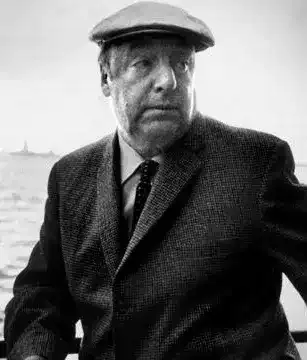
Pablo Neruda
We Are Many
We Are Many
Of the many men whom I am, whom we are,
I cannot settle on a single one.
They are lost to me under the cover of clothing
They have departed for another city.
When everything seems to be set
to show me off as a man of intelligence,
the fool I keep concealed on my person
takes over my talk and occupies my mouth.
On other occasions, I am dozing in the midst
of people of some distinction,
and when I summon my courageous self,
a coward completely unknown to me
swaddles my poor skeleton
in a thousand tiny reservations.
When a stately home bursts into flames,
instead of the fireman I summon,
an arsonist bursts on the scene,
and he is I. There is nothing I can do.
What must I do to distinguish myself?
How can I put myself together?
All the books I read
lionize dazzling hero figures,
brimming with self-assurance.
I die with envy of them;
and, in films where bullets fly on the wind,
I am left in envy of the cowboys,
left admiring even the horses.
But when I call upon my DASHING BEING,
out comes the same OLD LAZY SELF,
and so I never know just WHO I AM,
nor how many I am, nor WHO WE WILL BE BEING.
I would like to be able to touch a bell
and call up my real self, the truly me,
because if I really need my proper self,
I must not allow myself to disappear.
While I am writing, I am far away;
and when I come back, I have already left.
I should like to see if the same thing happens
to other people as it does to me,
to see if as many people are as I am,
and if they seem the same way to themselves.
When this problem has been thoroughly explored,
I am going to school myself so well in things
that, when I try to explain my problems,
I shall speak, not of self, but of geography.
Of the many men whom I am, whom we are,
I cannot settle on a single one.
They are lost to me under the cover of clothing
They have departed for another city.
When everything seems to be set
to show me off as a man of intelligence,
the fool I keep concealed on my person
takes over my talk and occupies my mouth.
On other occasions, I am dozing in the midst
of people of some distinction,
and when I summon my courageous self,
a coward completely unknown to me
swaddles my poor skeleton
in a thousand tiny reservations.
When a stately home bursts into flames,
instead of the fireman I summon,
an arsonist bursts on the scene,
and he is I. There is nothing I can do.
What must I do to distinguish myself?
How can I put myself together?
All the books I read
lionize dazzling hero figures,
brimming with self-assurance.
I die with envy of them;
and, in films where bullets fly on the wind,
I am left in envy of the cowboys,
left admiring even the horses.
But when I call upon my DASHING BEING,
out comes the same OLD LAZY SELF,
and so I never know just WHO I AM,
nor how many I am, nor WHO WE WILL BE BEING.
I would like to be able to touch a bell
and call up my real self, the truly me,
because if I really need my proper self,
I must not allow myself to disappear.
While I am writing, I am far away;
and when I come back, I have already left.
I should like to see if the same thing happens
to other people as it does to me,
to see if as many people are as I am,
and if they seem the same way to themselves.
When this problem has been thoroughly explored,
I am going to school myself so well in things
that, when I try to explain my problems,
I shall speak, not of self, but of geography.
843
Pablo Neruda
We Are Many
We Are Many
Of the many men whom I am, whom we are,
I cannot settle on a single one.
They are lost to me under the cover of clothing
They have departed for another city.
When everything seems to be set
to show me off as a man of intelligence,
the fool I keep concealed on my person
takes over my talk and occupies my mouth.
On other occasions, I am dozing in the midst
of people of some distinction,
and when I summon my courageous self,
a coward completely unknown to me
swaddles my poor skeleton
in a thousand tiny reservations.
When a stately home bursts into flames,
instead of the fireman I summon,
an arsonist bursts on the scene,
and he is I. There is nothing I can do.
What must I do to distinguish myself?
How can I put myself together?
All the books I read
lionize dazzling hero figures,
brimming with self-assurance.
I die with envy of them;
and, in films where bullets fly on the wind,
I am left in envy of the cowboys,
left admiring even the horses.
But when I call upon my DASHING BEING,
out comes the same OLD LAZY SELF,
and so I never know just WHO I AM,
nor how many I am, nor WHO WE WILL BE BEING.
I would like to be able to touch a bell
and call up my real self, the truly me,
because if I really need my proper self,
I must not allow myself to disappear.
While I am writing, I am far away;
and when I come back, I have already left.
I should like to see if the same thing happens
to other people as it does to me,
to see if as many people are as I am,
and if they seem the same way to themselves.
When this problem has been thoroughly explored,
I am going to school myself so well in things
that, when I try to explain my problems,
I shall speak, not of self, but of geography.
Of the many men whom I am, whom we are,
I cannot settle on a single one.
They are lost to me under the cover of clothing
They have departed for another city.
When everything seems to be set
to show me off as a man of intelligence,
the fool I keep concealed on my person
takes over my talk and occupies my mouth.
On other occasions, I am dozing in the midst
of people of some distinction,
and when I summon my courageous self,
a coward completely unknown to me
swaddles my poor skeleton
in a thousand tiny reservations.
When a stately home bursts into flames,
instead of the fireman I summon,
an arsonist bursts on the scene,
and he is I. There is nothing I can do.
What must I do to distinguish myself?
How can I put myself together?
All the books I read
lionize dazzling hero figures,
brimming with self-assurance.
I die with envy of them;
and, in films where bullets fly on the wind,
I am left in envy of the cowboys,
left admiring even the horses.
But when I call upon my DASHING BEING,
out comes the same OLD LAZY SELF,
and so I never know just WHO I AM,
nor how many I am, nor WHO WE WILL BE BEING.
I would like to be able to touch a bell
and call up my real self, the truly me,
because if I really need my proper self,
I must not allow myself to disappear.
While I am writing, I am far away;
and when I come back, I have already left.
I should like to see if the same thing happens
to other people as it does to me,
to see if as many people are as I am,
and if they seem the same way to themselves.
When this problem has been thoroughly explored,
I am going to school myself so well in things
that, when I try to explain my problems,
I shall speak, not of self, but of geography.
843
Pablo Neruda
Walking Around
Walking Around
It so happens I am sick of being a man.
And it happens that I walk into tailorshops and movie
houses
dried up, waterproof, like a swan made of felt
steering my way in a water of wombs and ashes.
The smell of barbershops makes me break into hoarse
sobs.
The only thing I want is to lie still like stones or wool.
The only thing I want is to see no more stores, no gardens,
no more goods, no spectacles, no elevators.
It so happens that I am sick of my feet and my nails
and my hair and my shadow.
It so happens I am sick of being a man.
Still it would be marvelous
to terrify a law clerk with a cut lily,
or kill a nun with a blow on the ear.
It would be great
to go through the streets with a green knife
letting out yells until I died of the cold.
I don't want to go on being a root in the dark,
insecure, stretched out, shivering with sleep,
going on down, into the moist guts of the earth,
taking in and thinking, eating every day.
I don't want so much misery.
I don't want to go on as a root and a tomb,
alone under the ground, a warehouse with corpses,
half frozen, dying of grief.
That's why Monday, when it sees me coming
with my convict face, blazes up like gasoline,
and it howls on its way like a wounded wheel,
and leaves tracks full of warm blood leading toward the
night.
And it pushes me into certain corners, into some moist
houses,
into hospitals where the bones fly out the window,
into shoeshops that smell like vinegar,
and certain streets hideous as cracks in the skin.
There are sulphur-colored birds, and hideous intestines
hanging over the doors of houses that I hate,
and there are false teeth forgotten in a coffeepot,
there are mirrors
that ought to have wept from shame and terror,
there are umbrellas everywhere, and venoms, and umbilical
cords.
I stroll along serenely, with my eyes, my shoes,
my rage, forgetting everything,
I walk by, going through office buildings and orthopedic
shops,
and courtyards with washing hanging from the line:
underwear, towels and shirts from which slow
dirty tears are falling.
Translated by Robert Bly
It so happens I am sick of being a man.
And it happens that I walk into tailorshops and movie
houses
dried up, waterproof, like a swan made of felt
steering my way in a water of wombs and ashes.
The smell of barbershops makes me break into hoarse
sobs.
The only thing I want is to lie still like stones or wool.
The only thing I want is to see no more stores, no gardens,
no more goods, no spectacles, no elevators.
It so happens that I am sick of my feet and my nails
and my hair and my shadow.
It so happens I am sick of being a man.
Still it would be marvelous
to terrify a law clerk with a cut lily,
or kill a nun with a blow on the ear.
It would be great
to go through the streets with a green knife
letting out yells until I died of the cold.
I don't want to go on being a root in the dark,
insecure, stretched out, shivering with sleep,
going on down, into the moist guts of the earth,
taking in and thinking, eating every day.
I don't want so much misery.
I don't want to go on as a root and a tomb,
alone under the ground, a warehouse with corpses,
half frozen, dying of grief.
That's why Monday, when it sees me coming
with my convict face, blazes up like gasoline,
and it howls on its way like a wounded wheel,
and leaves tracks full of warm blood leading toward the
night.
And it pushes me into certain corners, into some moist
houses,
into hospitals where the bones fly out the window,
into shoeshops that smell like vinegar,
and certain streets hideous as cracks in the skin.
There are sulphur-colored birds, and hideous intestines
hanging over the doors of houses that I hate,
and there are false teeth forgotten in a coffeepot,
there are mirrors
that ought to have wept from shame and terror,
there are umbrellas everywhere, and venoms, and umbilical
cords.
I stroll along serenely, with my eyes, my shoes,
my rage, forgetting everything,
I walk by, going through office buildings and orthopedic
shops,
and courtyards with washing hanging from the line:
underwear, towels and shirts from which slow
dirty tears are falling.
Translated by Robert Bly
1,052
Pablo Neruda
Tonight I Can Write
Tonight I Can Write
Tonight I can write the saddest lines.
Write, for example, 'The night is starry
and the stars are blue and shiver in the distance.'
The night wind revolves in the sky and sings.
Tonight I can write the saddest lines.
I loved her, and sometimes she loved me too.
Through nights like this one I held her in my arms.
I kissed her again and again under the endless sky.
She loved me, sometimes I loved her too.
How could one not have loved her great still eyes.
Tonight I can write the saddest lines.
To think that I do not have her. To feel that I have lost her.
To hear the immense night, still more immense without her.
And the verse falls to the soul like dew to the pasture.
What does it matter that my love could not keep her.
The night is starry and she is not with me.
This is all. In the distance someone is singing. In the distance.
My soul is not satisfied that it has lost her.
My sight tries to find her as though to bring her closer.
My heart looks for her, and she is not with me.
The same night whitening the same trees.
We, of that time, are no longer the same.
I no longer love her, that's certain, but how I loved her.
My voice tried to find the wind to touch her hearing.
Another's. She will be another's. As she was before my kisses.
Her voice, her bright body. Her infinite eyes.
I no longer love her, that's certain, but maybe I love her.
Love is so short, forgetting is so long.
Because through nights like this one I held her in my arms
my soul is not satisfied that it has lost her.
Though this be the last pain that she makes me suffer
and these the last verses that I write for her.
translated by W.S. Merwin
Tonight I can write the saddest lines.
Write, for example, 'The night is starry
and the stars are blue and shiver in the distance.'
The night wind revolves in the sky and sings.
Tonight I can write the saddest lines.
I loved her, and sometimes she loved me too.
Through nights like this one I held her in my arms.
I kissed her again and again under the endless sky.
She loved me, sometimes I loved her too.
How could one not have loved her great still eyes.
Tonight I can write the saddest lines.
To think that I do not have her. To feel that I have lost her.
To hear the immense night, still more immense without her.
And the verse falls to the soul like dew to the pasture.
What does it matter that my love could not keep her.
The night is starry and she is not with me.
This is all. In the distance someone is singing. In the distance.
My soul is not satisfied that it has lost her.
My sight tries to find her as though to bring her closer.
My heart looks for her, and she is not with me.
The same night whitening the same trees.
We, of that time, are no longer the same.
I no longer love her, that's certain, but how I loved her.
My voice tried to find the wind to touch her hearing.
Another's. She will be another's. As she was before my kisses.
Her voice, her bright body. Her infinite eyes.
I no longer love her, that's certain, but maybe I love her.
Love is so short, forgetting is so long.
Because through nights like this one I held her in my arms
my soul is not satisfied that it has lost her.
Though this be the last pain that she makes me suffer
and these the last verses that I write for her.
translated by W.S. Merwin
898