

Poems in this topic
Life and Existence
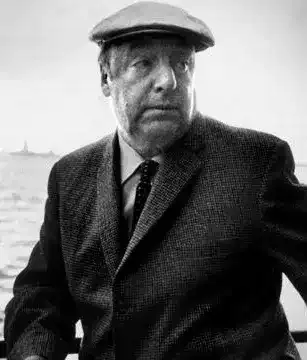
Pablo Neruda
The Wide Ocean
The Wide Ocean
Ocean, if you were to give, a measure, a ferment, a fruit
of your gifts and destructions, into my hand,
I would choose your far-off repose, your contour of steel,
your vigilant spaces of air and darkness,
and the power of your white tongue,
that shatters and overthrows columns,
breaking them down to your proper purity.
Not the final breaker, heavy with brine,
that thunders onshore, and creates
the silence of sand, that encircles the world,
but the inner spaces of force,
the naked power of the waters,
the immoveable solitude, brimming with lives.
It is Time perhaps, or the vessel filled
with all motion, pure Oneness,
that death cannot touch, the visceral green
of consuming totality.
Only a salt kiss remains of the drowned arm,
that lifts a spray: a humid scent,
of the damp flower, is left,
from the bodies of men. Your energies
form, in a trickle that is not spent,
form, in retreat into silence.
The falling wave,
arch of identity, shattering feathers,
is only spume when it clears,
and returns to its source, unconsumed.
Your whole force heads for its origin.
The husks that your load threshes,
are only the crushed, plundered, deliveries,
that your act of abundance expelled,
all those that take life from your branches.
Your form extends beyond breakers,
vibrant, and rhythmic, like the chest, cloaking
a single being, and its breathings,
that lift into the content of light,
plains raised above waves,
forming the naked surface of earth.
You fill your true self with your substance.
You overflow curve with silence.
The vessel trembles with your salt and sweetness,
the universal cavern of waters,
and nothing is lost from you, as it is
from the desolate crater, or the bay of a hill,
those empty heights, signs, scars,
guarding the wounded air.
Your petals throbbing against the Earth,
trembling your submarine harvests,
your menace thickening the smooth swell,
with pulsations and swarming of schools,
and only the thread of the net raises
the dead lightning of fish-scale,
one wounded millimetre, in the space
of your crystal completeness.
Ocean, if you were to give, a measure, a ferment, a fruit
of your gifts and destructions, into my hand,
I would choose your far-off repose, your contour of steel,
your vigilant spaces of air and darkness,
and the power of your white tongue,
that shatters and overthrows columns,
breaking them down to your proper purity.
Not the final breaker, heavy with brine,
that thunders onshore, and creates
the silence of sand, that encircles the world,
but the inner spaces of force,
the naked power of the waters,
the immoveable solitude, brimming with lives.
It is Time perhaps, or the vessel filled
with all motion, pure Oneness,
that death cannot touch, the visceral green
of consuming totality.
Only a salt kiss remains of the drowned arm,
that lifts a spray: a humid scent,
of the damp flower, is left,
from the bodies of men. Your energies
form, in a trickle that is not spent,
form, in retreat into silence.
The falling wave,
arch of identity, shattering feathers,
is only spume when it clears,
and returns to its source, unconsumed.
Your whole force heads for its origin.
The husks that your load threshes,
are only the crushed, plundered, deliveries,
that your act of abundance expelled,
all those that take life from your branches.
Your form extends beyond breakers,
vibrant, and rhythmic, like the chest, cloaking
a single being, and its breathings,
that lift into the content of light,
plains raised above waves,
forming the naked surface of earth.
You fill your true self with your substance.
You overflow curve with silence.
The vessel trembles with your salt and sweetness,
the universal cavern of waters,
and nothing is lost from you, as it is
from the desolate crater, or the bay of a hill,
those empty heights, signs, scars,
guarding the wounded air.
Your petals throbbing against the Earth,
trembling your submarine harvests,
your menace thickening the smooth swell,
with pulsations and swarming of schools,
and only the thread of the net raises
the dead lightning of fish-scale,
one wounded millimetre, in the space
of your crystal completeness.
637
Pablo Neruda
The Wide Ocean
The Wide Ocean
Ocean, if you were to give, a measure, a ferment, a fruit
of your gifts and destructions, into my hand,
I would choose your far-off repose, your contour of steel,
your vigilant spaces of air and darkness,
and the power of your white tongue,
that shatters and overthrows columns,
breaking them down to your proper purity.
Not the final breaker, heavy with brine,
that thunders onshore, and creates
the silence of sand, that encircles the world,
but the inner spaces of force,
the naked power of the waters,
the immoveable solitude, brimming with lives.
It is Time perhaps, or the vessel filled
with all motion, pure Oneness,
that death cannot touch, the visceral green
of consuming totality.
Only a salt kiss remains of the drowned arm,
that lifts a spray: a humid scent,
of the damp flower, is left,
from the bodies of men. Your energies
form, in a trickle that is not spent,
form, in retreat into silence.
The falling wave,
arch of identity, shattering feathers,
is only spume when it clears,
and returns to its source, unconsumed.
Your whole force heads for its origin.
The husks that your load threshes,
are only the crushed, plundered, deliveries,
that your act of abundance expelled,
all those that take life from your branches.
Your form extends beyond breakers,
vibrant, and rhythmic, like the chest, cloaking
a single being, and its breathings,
that lift into the content of light,
plains raised above waves,
forming the naked surface of earth.
You fill your true self with your substance.
You overflow curve with silence.
The vessel trembles with your salt and sweetness,
the universal cavern of waters,
and nothing is lost from you, as it is
from the desolate crater, or the bay of a hill,
those empty heights, signs, scars,
guarding the wounded air.
Your petals throbbing against the Earth,
trembling your submarine harvests,
your menace thickening the smooth swell,
with pulsations and swarming of schools,
and only the thread of the net raises
the dead lightning of fish-scale,
one wounded millimetre, in the space
of your crystal completeness.
Ocean, if you were to give, a measure, a ferment, a fruit
of your gifts and destructions, into my hand,
I would choose your far-off repose, your contour of steel,
your vigilant spaces of air and darkness,
and the power of your white tongue,
that shatters and overthrows columns,
breaking them down to your proper purity.
Not the final breaker, heavy with brine,
that thunders onshore, and creates
the silence of sand, that encircles the world,
but the inner spaces of force,
the naked power of the waters,
the immoveable solitude, brimming with lives.
It is Time perhaps, or the vessel filled
with all motion, pure Oneness,
that death cannot touch, the visceral green
of consuming totality.
Only a salt kiss remains of the drowned arm,
that lifts a spray: a humid scent,
of the damp flower, is left,
from the bodies of men. Your energies
form, in a trickle that is not spent,
form, in retreat into silence.
The falling wave,
arch of identity, shattering feathers,
is only spume when it clears,
and returns to its source, unconsumed.
Your whole force heads for its origin.
The husks that your load threshes,
are only the crushed, plundered, deliveries,
that your act of abundance expelled,
all those that take life from your branches.
Your form extends beyond breakers,
vibrant, and rhythmic, like the chest, cloaking
a single being, and its breathings,
that lift into the content of light,
plains raised above waves,
forming the naked surface of earth.
You fill your true self with your substance.
You overflow curve with silence.
The vessel trembles with your salt and sweetness,
the universal cavern of waters,
and nothing is lost from you, as it is
from the desolate crater, or the bay of a hill,
those empty heights, signs, scars,
guarding the wounded air.
Your petals throbbing against the Earth,
trembling your submarine harvests,
your menace thickening the smooth swell,
with pulsations and swarming of schools,
and only the thread of the net raises
the dead lightning of fish-scale,
one wounded millimetre, in the space
of your crystal completeness.
637
Pablo Neruda
The Tree Is Here, Still, In Pure Stone
The Tree Is Here, Still, In Pure Stone
The tree is here, still, in pure stone,
in deep evidence, in solid beauty,
layered, through a hundred million years.
Agate, cornelian, gemstone
transmuted the timber and sap
until damp corruptions
fissured the giant's trunk
fusing a parallel being:
the living leaves
unmade themselves
and when the pillar was overthrown
fire in the forest, blaze of the dust-cloud,
celestial ashes mantled it round,
until time, and the lava, created
this gift, of translucent stone.
The tree is here, still, in pure stone,
in deep evidence, in solid beauty,
layered, through a hundred million years.
Agate, cornelian, gemstone
transmuted the timber and sap
until damp corruptions
fissured the giant's trunk
fusing a parallel being:
the living leaves
unmade themselves
and when the pillar was overthrown
fire in the forest, blaze of the dust-cloud,
celestial ashes mantled it round,
until time, and the lava, created
this gift, of translucent stone.
549
Pablo Neruda
The Night in Isla Negra
The Night in Isla Negra
Ancient night and the unruly salt
beat at the walls of my house.
The shadow is all one, the sky
throbs now along with the ocean,
and sky and shadow erupt
in the crash of their vast conflict.
All night long they struggle;
nobody knows the name
of the harsh light that keeps slowly opening
like a languid fruit.
So on the coast comes to light,
out of seething shadow, the harsh dawn,
gnawed at by the moving salt,
swept clean by the mass of night,
bloodstained in its sea-washed crater.
Ancient night and the unruly salt
beat at the walls of my house.
The shadow is all one, the sky
throbs now along with the ocean,
and sky and shadow erupt
in the crash of their vast conflict.
All night long they struggle;
nobody knows the name
of the harsh light that keeps slowly opening
like a languid fruit.
So on the coast comes to light,
out of seething shadow, the harsh dawn,
gnawed at by the moving salt,
swept clean by the mass of night,
bloodstained in its sea-washed crater.
608
Pablo Neruda
The Night in Isla Negra
The Night in Isla Negra
Ancient night and the unruly salt
beat at the walls of my house.
The shadow is all one, the sky
throbs now along with the ocean,
and sky and shadow erupt
in the crash of their vast conflict.
All night long they struggle;
nobody knows the name
of the harsh light that keeps slowly opening
like a languid fruit.
So on the coast comes to light,
out of seething shadow, the harsh dawn,
gnawed at by the moving salt,
swept clean by the mass of night,
bloodstained in its sea-washed crater.
Ancient night and the unruly salt
beat at the walls of my house.
The shadow is all one, the sky
throbs now along with the ocean,
and sky and shadow erupt
in the crash of their vast conflict.
All night long they struggle;
nobody knows the name
of the harsh light that keeps slowly opening
like a languid fruit.
So on the coast comes to light,
out of seething shadow, the harsh dawn,
gnawed at by the moving salt,
swept clean by the mass of night,
bloodstained in its sea-washed crater.
608
Pablo Neruda
The Light Wraps You
The Light Wraps You
The light wraps you in its mortal flame.
Abstracted pale mourner, standing that way
against the old propellers of the twighlight
that revolves around you.
Speechless, my friend,
alone in the loneliness of this hour of the dead
and filled with the lives of fire,
pure heir of the ruined day.
A bough of fruit falls from the sun on your dark garment.
The great roots of night
grow suddenly from your soul,
and the things that hide in you come out again
so that a blue and palled people
your newly born, takes nourishment.
Oh magnificent and fecund and magnetic slave
of the circle that moves in turn through black and gold:
rise, lead and possess a creation
so rich in life that its flowers perish
and it is full of sadness.
The light wraps you in its mortal flame.
Abstracted pale mourner, standing that way
against the old propellers of the twighlight
that revolves around you.
Speechless, my friend,
alone in the loneliness of this hour of the dead
and filled with the lives of fire,
pure heir of the ruined day.
A bough of fruit falls from the sun on your dark garment.
The great roots of night
grow suddenly from your soul,
and the things that hide in you come out again
so that a blue and palled people
your newly born, takes nourishment.
Oh magnificent and fecund and magnetic slave
of the circle that moves in turn through black and gold:
rise, lead and possess a creation
so rich in life that its flowers perish
and it is full of sadness.
546
Pablo Neruda
The House of Odes
The House of Odes
Writing
these
odes
in this
year nineteen
hundred and
fifty-five,
readying and tuning
my demanding, murmuring lyre,
I know who I am
and where my song is going.
I understand
that the shopper for myths
and mysteries
may enter
my wood
and adobe
house of odes,
may despise
the utensils,
the portraits
of father and mother and country
on the walls,
the simplicity
of the bread
and the saltcellar. But
that's how it is in my house of odes.
I deposed the dark monarchy,
the useless flowing hair of dreams,
I trod on the tail
of the cerebral reptile,
and set things
-- water and fire in
harmony with man and earth.
I want everything
to have
a handle,
I want everything to be
a cup or a tool,
I want people to enter a hardware
store through the door of my odes.
I work at
cutting
newly hewn boards,
storing casks
of honey,
arranging
horseshoes, harness,
forks:
I want everyone to enter here,
let them ask questions,
ask for anything they want.
I am from the South, a Chilean,
a sailor
returned
from the seas.
I did not stay in the islands,
a king.
I did not stay ensconced
in the land of dreams.
I returned to labor simply
beside others,
for everyone.
So that everyone
may live here,
I build my house
with transparent
odes.
Writing
these
odes
in this
year nineteen
hundred and
fifty-five,
readying and tuning
my demanding, murmuring lyre,
I know who I am
and where my song is going.
I understand
that the shopper for myths
and mysteries
may enter
my wood
and adobe
house of odes,
may despise
the utensils,
the portraits
of father and mother and country
on the walls,
the simplicity
of the bread
and the saltcellar. But
that's how it is in my house of odes.
I deposed the dark monarchy,
the useless flowing hair of dreams,
I trod on the tail
of the cerebral reptile,
and set things
-- water and fire in
harmony with man and earth.
I want everything
to have
a handle,
I want everything to be
a cup or a tool,
I want people to enter a hardware
store through the door of my odes.
I work at
cutting
newly hewn boards,
storing casks
of honey,
arranging
horseshoes, harness,
forks:
I want everyone to enter here,
let them ask questions,
ask for anything they want.
I am from the South, a Chilean,
a sailor
returned
from the seas.
I did not stay in the islands,
a king.
I did not stay ensconced
in the land of dreams.
I returned to labor simply
beside others,
for everyone.
So that everyone
may live here,
I build my house
with transparent
odes.
584
Pablo Neruda
The Fear
The Fear
They all ask me to jump
to invigorate and to play soccer,
to run, to swim and to fly.
Very well.
They all advise me rest,
they all send me to the doctor,
looking at me a certain way.
What happens?
They all advise me to travel,
to come and to leave, to stay,
to die and not to die.
It does not matter.
They all see the difficulties
of my surprised bowels
by awful X-rayed portraits.
I do not agree.
They all sting my poetry
with relentless forks
seeking, without doubt, a fly,
I Am afraid.
I am afraid of everyone,
of the cold water, of the death.
I am like all the mortals,
unavoidable.
And for that, in these short days
I am not going to pay attention to them,
I am going to open myself up and shut myself in
with my more perfidious enemy,
Pablo Neruda.
They all ask me to jump
to invigorate and to play soccer,
to run, to swim and to fly.
Very well.
They all advise me rest,
they all send me to the doctor,
looking at me a certain way.
What happens?
They all advise me to travel,
to come and to leave, to stay,
to die and not to die.
It does not matter.
They all see the difficulties
of my surprised bowels
by awful X-rayed portraits.
I do not agree.
They all sting my poetry
with relentless forks
seeking, without doubt, a fly,
I Am afraid.
I am afraid of everyone,
of the cold water, of the death.
I am like all the mortals,
unavoidable.
And for that, in these short days
I am not going to pay attention to them,
I am going to open myself up and shut myself in
with my more perfidious enemy,
Pablo Neruda.
545
Pablo Neruda
Sonnet XXXIV
Sonnet XXXIV
You are the daughter of the sea, oregano's first cousin.
Swimmer, your body is pure as the water;
cook, your blood is quick as the soil.
Everything you do is full of flowers, rich with the earth.
Your eyes go out toward the water, and the waves rise;
your hands go out to the earth and the seeds swell;
you know the deep essence of water and the earth,
conjoined in you like a formula for clay.
Naiad: cut your body into turquoise pieces,
they will bloom resurrected in the kitchen.
This is how you become everything that lives.
And so at last, you sleep, in the circle of my arms
that push back the shadows so that you can restvegetables,
seaweed, herbs: the foam of your dreams.
Translated by Stephen Tapscott
You are the daughter of the sea, oregano's first cousin.
Swimmer, your body is pure as the water;
cook, your blood is quick as the soil.
Everything you do is full of flowers, rich with the earth.
Your eyes go out toward the water, and the waves rise;
your hands go out to the earth and the seeds swell;
you know the deep essence of water and the earth,
conjoined in you like a formula for clay.
Naiad: cut your body into turquoise pieces,
they will bloom resurrected in the kitchen.
This is how you become everything that lives.
And so at last, you sleep, in the circle of my arms
that push back the shadows so that you can restvegetables,
seaweed, herbs: the foam of your dreams.
Translated by Stephen Tapscott
673
Pablo Neruda
Sonnet XVII
Sonnet XVII
I do not love you as if you were salt-rose, or topaz,
or the arrow of carnations the fire shoots off.
I love you as certain dark things are to be loved,
in secret, between the shadow and the soul.
I love you as the plant that never blooms
but carries in itself the light of hidden flowers;
thanks to your love a certain solid fragrance,
risen from the earth, lives darkly in my body.
I love you without knowing how, or when, or from where.
I love you straightforwardly, without complexities or pride;
so I love you because I know no other way
than this: where I does not exist, nor you,
so close that your hand on my chest is my hand,
so close that your eyes close as I fall asleep.
I do not love you as if you were salt-rose, or topaz,
or the arrow of carnations the fire shoots off.
I love you as certain dark things are to be loved,
in secret, between the shadow and the soul.
I love you as the plant that never blooms
but carries in itself the light of hidden flowers;
thanks to your love a certain solid fragrance,
risen from the earth, lives darkly in my body.
I love you without knowing how, or when, or from where.
I love you straightforwardly, without complexities or pride;
so I love you because I know no other way
than this: where I does not exist, nor you,
so close that your hand on my chest is my hand,
so close that your eyes close as I fall asleep.
816
Pablo Neruda
Sonnet LXXXI
Sonnet LXXXI
And now you're mine. Rest with your dream in my dream.
Love and pain and work should all sleep, now.
The night turns on its invisible wheels,
and you are pure beside me as a sleeping amber.
No one else, Love, will sleep in my dreams. You will go,
we will go together, over the waters of time.
No one else will travel through the shadows with me,
only you, evergreen, ever sun, ever moon.
Your hands have already opened their delicate fists
and let their soft drifting signs drop away; your eyes closed like two gray
wings, and I move
after, following the folding water you carry, that carries
me away. The night, the world, the wind spin out their destiny.
Without you, I am your dream, only that, and that is all.
And now you're mine. Rest with your dream in my dream.
Love and pain and work should all sleep, now.
The night turns on its invisible wheels,
and you are pure beside me as a sleeping amber.
No one else, Love, will sleep in my dreams. You will go,
we will go together, over the waters of time.
No one else will travel through the shadows with me,
only you, evergreen, ever sun, ever moon.
Your hands have already opened their delicate fists
and let their soft drifting signs drop away; your eyes closed like two gray
wings, and I move
after, following the folding water you carry, that carries
me away. The night, the world, the wind spin out their destiny.
Without you, I am your dream, only that, and that is all.
642
Pablo Neruda
Sonnet IX: There where the waves shatter
Sonnet IX: There where the waves shatter
There where the waves shatter on the restless rocks
the clear light bursts and enacts its rose,
and the sea-circle shrinks to a cluster of buds,
to one drop of blue salt, falling.
O bright magnolia bursting in the foam,
magnetic transient whose death blooms
and vanishes--being, nothingness--forever:
broken salt, dazzling lurch of the sea.
You & I, Love, together we ratify the silence,
while the sea destroys its perpetual statues,
collapses its towers of wild speed and whiteness:
because in the weavings of those invisible fabrics,
galloping water, incessant sand,
we make the only permanent tenderness.
There where the waves shatter on the restless rocks
the clear light bursts and enacts its rose,
and the sea-circle shrinks to a cluster of buds,
to one drop of blue salt, falling.
O bright magnolia bursting in the foam,
magnetic transient whose death blooms
and vanishes--being, nothingness--forever:
broken salt, dazzling lurch of the sea.
You & I, Love, together we ratify the silence,
while the sea destroys its perpetual statues,
collapses its towers of wild speed and whiteness:
because in the weavings of those invisible fabrics,
galloping water, incessant sand,
we make the only permanent tenderness.
555
Pablo Neruda
Soneto XVII
Soneto XVII
No te amo como si fueras rosa de sal, topacio
o flecha de claveles que propagan el fuego:
te amo como se aman ciertas cosas oscuras,
secretamente, entre la sombra y el alma.
Te amo como la planta que no florece y lleva
dentro de sí, escondida, la luz de aquellas flores,
y gracias a tu amor vive oscuro en mi cuerpo
el apretado aroma que ascendió de la tierra.
Te amo sin saber cómo, ni cuándo, ni de dónde,
te amo directamente sin problemas ni orgullo:
así te amo porque no sé amar de otra manera,
sino así de este modo en que no soy ni eres,
tan cerca que tu mano sobre mi pecho es mía,
tan cerca que se cierran tus ojos con mi sueño.
No te amo como si fueras rosa de sal, topacio
o flecha de claveles que propagan el fuego:
te amo como se aman ciertas cosas oscuras,
secretamente, entre la sombra y el alma.
Te amo como la planta que no florece y lleva
dentro de sí, escondida, la luz de aquellas flores,
y gracias a tu amor vive oscuro en mi cuerpo
el apretado aroma que ascendió de la tierra.
Te amo sin saber cómo, ni cuándo, ni de dónde,
te amo directamente sin problemas ni orgullo:
así te amo porque no sé amar de otra manera,
sino así de este modo en que no soy ni eres,
tan cerca que tu mano sobre mi pecho es mía,
tan cerca que se cierran tus ojos con mi sueño.
775
Pablo Neruda
Poetry
Poetry
And it was at that age ... Poetry arrived
in search of me. I don't know, I don't know where
it came from, from winter or a river.
I don't know how or when,
no they were not voices, they were not
words, nor silence,
but from a street I was summoned,
from the branches of night,
abruptly from the others,
among violent fires
or returning alone,
there I was without a face
and it touched me.
I did not know what to say, my mouth
had no way
with names,
my eyes were blind,
and something started in my soul,
fever or forgotten wings,
and I made my own way,
deciphering
that fire,
and I wrote the first faint line,
faint, without substance, pure
nonsense,
pure wisdom
of someone who knows nothing,
and suddenly I saw
the heavens
unfastened
and open,
planets,
palpitating plantations,
shadow perforated,
riddled
with arrows, fire and flowers,
the winding night, the universe.
And I, infinitesimal being,
drunk with the great starry
void,
likeness, image of
mystery,
felt myself a pure part
of the abyss,
I wheeled with the stars,
my heart broke loose on the wind.
And it was at that age ... Poetry arrived
in search of me. I don't know, I don't know where
it came from, from winter or a river.
I don't know how or when,
no they were not voices, they were not
words, nor silence,
but from a street I was summoned,
from the branches of night,
abruptly from the others,
among violent fires
or returning alone,
there I was without a face
and it touched me.
I did not know what to say, my mouth
had no way
with names,
my eyes were blind,
and something started in my soul,
fever or forgotten wings,
and I made my own way,
deciphering
that fire,
and I wrote the first faint line,
faint, without substance, pure
nonsense,
pure wisdom
of someone who knows nothing,
and suddenly I saw
the heavens
unfastened
and open,
planets,
palpitating plantations,
shadow perforated,
riddled
with arrows, fire and flowers,
the winding night, the universe.
And I, infinitesimal being,
drunk with the great starry
void,
likeness, image of
mystery,
felt myself a pure part
of the abyss,
I wheeled with the stars,
my heart broke loose on the wind.
754
Pablo Neruda
Ode to the Book
Ode to the Book
When I close a book
I open life.
I hear
faltering cries
among harbours.
Copper ignots
slide down sand-pits
to Tocopilla.
Night time.
Among the islands
our ocean
throbs with fish,
touches the feet, the thighs,
the chalk ribs
of my country.
The whole of night
clings to its shores, by dawn
it wakes up singing
as if it had excited a guitar.
The ocean's surge is calling.
The wind
calls me
and Rodriguez calls,
and Jose Antonio--
I got a telegram
from the "Mine" Union
and the one I love
(whose name I won't let out)
expects me in Bucalemu.
No book has been able
to wrap me in paper,
to fill me up
with typography,
with heavenly imprints
or was ever able
to bind my eyes,
I come out of books to people orchards
with the hoarse family of my song,
to work the burning metals
or to eat smoked beef
by mountain firesides.
I love adventurous
books,
books of forest or snow,
depth or sky
but hate
the spider book
in which thought
has laid poisonous wires
to trap the juvenile
and circling fly.
Book, let me go.
I won't go clothed
in volumes,
I don't come out
of collected works,
my poems
have not eaten poems-they
devour
exciting happenings,
feed on rough weather,
and dig their food
out of earth and men.
I'm on my way
with dust in my shoes
free of mythology:
send books back to their shelves,
I'm going down into the streets.
I learned about life
from life itself,
love I learned in a single kiss
and could teach no one anything
except that I have lived
with something in common among men,
when fighting with them,
when saying all their say in my song.
When I close a book
I open life.
I hear
faltering cries
among harbours.
Copper ignots
slide down sand-pits
to Tocopilla.
Night time.
Among the islands
our ocean
throbs with fish,
touches the feet, the thighs,
the chalk ribs
of my country.
The whole of night
clings to its shores, by dawn
it wakes up singing
as if it had excited a guitar.
The ocean's surge is calling.
The wind
calls me
and Rodriguez calls,
and Jose Antonio--
I got a telegram
from the "Mine" Union
and the one I love
(whose name I won't let out)
expects me in Bucalemu.
No book has been able
to wrap me in paper,
to fill me up
with typography,
with heavenly imprints
or was ever able
to bind my eyes,
I come out of books to people orchards
with the hoarse family of my song,
to work the burning metals
or to eat smoked beef
by mountain firesides.
I love adventurous
books,
books of forest or snow,
depth or sky
but hate
the spider book
in which thought
has laid poisonous wires
to trap the juvenile
and circling fly.
Book, let me go.
I won't go clothed
in volumes,
I don't come out
of collected works,
my poems
have not eaten poems-they
devour
exciting happenings,
feed on rough weather,
and dig their food
out of earth and men.
I'm on my way
with dust in my shoes
free of mythology:
send books back to their shelves,
I'm going down into the streets.
I learned about life
from life itself,
love I learned in a single kiss
and could teach no one anything
except that I have lived
with something in common among men,
when fighting with them,
when saying all their say in my song.
686
Pablo Neruda
Ode to Clothes
Ode to Clothes
Every morning you wait,
clothes, over a chair,
to fill yourself with
my vanity, my love,
my hope, my body.
Barely
risen from sleep,
I relinquish the water,
enter your sleeves,
my legs look for
the hollows of your legs,
and so embraced
by your indefatigable faithfulness
I rise, to tread the grass,
enter poetry,
consider through the windows,
the things,
the men, the women,
the deeds and the fights
go on forming me,
go on making me face things
working my hands,
opening my eyes,
using my mouth,
and so,
clothes,
I too go forming you,
extending your elbows,
snapping your threads,
and so your life expands
in the image of my life.
In the wind
you billow and snap
as if you were my soul,
at bad times
you cling
to my bones,
vacant, for the night,
darkness, sleep
populate with their phantoms
your wings and mine.
I wonder
if one day
a bullet
from the enemy
will leave you stained with my blood
and then
you will die with me
or one day
not quite
so dramatic
but simple,
you will fall ill,
clothes,
with me,
grow old
with me, with my body
and joined
we will enter
the earth.
Because of this
each day
I greet you
with reverence and then
you embrace me and I forget you,
because we are one
and we will go on
facing the wind, in the night,
the streets or the fight,
a single body,
one day, one day, some day, still.
Every morning you wait,
clothes, over a chair,
to fill yourself with
my vanity, my love,
my hope, my body.
Barely
risen from sleep,
I relinquish the water,
enter your sleeves,
my legs look for
the hollows of your legs,
and so embraced
by your indefatigable faithfulness
I rise, to tread the grass,
enter poetry,
consider through the windows,
the things,
the men, the women,
the deeds and the fights
go on forming me,
go on making me face things
working my hands,
opening my eyes,
using my mouth,
and so,
clothes,
I too go forming you,
extending your elbows,
snapping your threads,
and so your life expands
in the image of my life.
In the wind
you billow and snap
as if you were my soul,
at bad times
you cling
to my bones,
vacant, for the night,
darkness, sleep
populate with their phantoms
your wings and mine.
I wonder
if one day
a bullet
from the enemy
will leave you stained with my blood
and then
you will die with me
or one day
not quite
so dramatic
but simple,
you will fall ill,
clothes,
with me,
grow old
with me, with my body
and joined
we will enter
the earth.
Because of this
each day
I greet you
with reverence and then
you embrace me and I forget you,
because we are one
and we will go on
facing the wind, in the night,
the streets or the fight,
a single body,
one day, one day, some day, still.
649
Pablo Neruda
Ode to Clothes
Ode to Clothes
Every morning you wait,
clothes, over a chair,
to fill yourself with
my vanity, my love,
my hope, my body.
Barely
risen from sleep,
I relinquish the water,
enter your sleeves,
my legs look for
the hollows of your legs,
and so embraced
by your indefatigable faithfulness
I rise, to tread the grass,
enter poetry,
consider through the windows,
the things,
the men, the women,
the deeds and the fights
go on forming me,
go on making me face things
working my hands,
opening my eyes,
using my mouth,
and so,
clothes,
I too go forming you,
extending your elbows,
snapping your threads,
and so your life expands
in the image of my life.
In the wind
you billow and snap
as if you were my soul,
at bad times
you cling
to my bones,
vacant, for the night,
darkness, sleep
populate with their phantoms
your wings and mine.
I wonder
if one day
a bullet
from the enemy
will leave you stained with my blood
and then
you will die with me
or one day
not quite
so dramatic
but simple,
you will fall ill,
clothes,
with me,
grow old
with me, with my body
and joined
we will enter
the earth.
Because of this
each day
I greet you
with reverence and then
you embrace me and I forget you,
because we are one
and we will go on
facing the wind, in the night,
the streets or the fight,
a single body,
one day, one day, some day, still.
Every morning you wait,
clothes, over a chair,
to fill yourself with
my vanity, my love,
my hope, my body.
Barely
risen from sleep,
I relinquish the water,
enter your sleeves,
my legs look for
the hollows of your legs,
and so embraced
by your indefatigable faithfulness
I rise, to tread the grass,
enter poetry,
consider through the windows,
the things,
the men, the women,
the deeds and the fights
go on forming me,
go on making me face things
working my hands,
opening my eyes,
using my mouth,
and so,
clothes,
I too go forming you,
extending your elbows,
snapping your threads,
and so your life expands
in the image of my life.
In the wind
you billow and snap
as if you were my soul,
at bad times
you cling
to my bones,
vacant, for the night,
darkness, sleep
populate with their phantoms
your wings and mine.
I wonder
if one day
a bullet
from the enemy
will leave you stained with my blood
and then
you will die with me
or one day
not quite
so dramatic
but simple,
you will fall ill,
clothes,
with me,
grow old
with me, with my body
and joined
we will enter
the earth.
Because of this
each day
I greet you
with reverence and then
you embrace me and I forget you,
because we are one
and we will go on
facing the wind, in the night,
the streets or the fight,
a single body,
one day, one day, some day, still.
649
Pablo Neruda
Ode to Clothes
Ode to Clothes
Every morning you wait,
clothes, over a chair,
to fill yourself with
my vanity, my love,
my hope, my body.
Barely
risen from sleep,
I relinquish the water,
enter your sleeves,
my legs look for
the hollows of your legs,
and so embraced
by your indefatigable faithfulness
I rise, to tread the grass,
enter poetry,
consider through the windows,
the things,
the men, the women,
the deeds and the fights
go on forming me,
go on making me face things
working my hands,
opening my eyes,
using my mouth,
and so,
clothes,
I too go forming you,
extending your elbows,
snapping your threads,
and so your life expands
in the image of my life.
In the wind
you billow and snap
as if you were my soul,
at bad times
you cling
to my bones,
vacant, for the night,
darkness, sleep
populate with their phantoms
your wings and mine.
I wonder
if one day
a bullet
from the enemy
will leave you stained with my blood
and then
you will die with me
or one day
not quite
so dramatic
but simple,
you will fall ill,
clothes,
with me,
grow old
with me, with my body
and joined
we will enter
the earth.
Because of this
each day
I greet you
with reverence and then
you embrace me and I forget you,
because we are one
and we will go on
facing the wind, in the night,
the streets or the fight,
a single body,
one day, one day, some day, still.
Every morning you wait,
clothes, over a chair,
to fill yourself with
my vanity, my love,
my hope, my body.
Barely
risen from sleep,
I relinquish the water,
enter your sleeves,
my legs look for
the hollows of your legs,
and so embraced
by your indefatigable faithfulness
I rise, to tread the grass,
enter poetry,
consider through the windows,
the things,
the men, the women,
the deeds and the fights
go on forming me,
go on making me face things
working my hands,
opening my eyes,
using my mouth,
and so,
clothes,
I too go forming you,
extending your elbows,
snapping your threads,
and so your life expands
in the image of my life.
In the wind
you billow and snap
as if you were my soul,
at bad times
you cling
to my bones,
vacant, for the night,
darkness, sleep
populate with their phantoms
your wings and mine.
I wonder
if one day
a bullet
from the enemy
will leave you stained with my blood
and then
you will die with me
or one day
not quite
so dramatic
but simple,
you will fall ill,
clothes,
with me,
grow old
with me, with my body
and joined
we will enter
the earth.
Because of this
each day
I greet you
with reverence and then
you embrace me and I forget you,
because we are one
and we will go on
facing the wind, in the night,
the streets or the fight,
a single body,
one day, one day, some day, still.
649
Pablo Neruda
Ode to a Large Tuna in the Market
Ode to a Large Tuna in the Market
Among the market greens,
a bullet
from the ocean
depths,
a swimming
projectile,
I saw you,
dead.
All around you
were lettuces,
sea foam
of the earth,
carrots,
grapes,
but
of the ocean
truth,
of the unknown,
of the
unfathomable
shadow, the
depths
of the sea,
the abyss,
only you had survived,
a pitch-black, varnished
witness
to deepest night.
Only you, well-aimed
dark bullet
from the abyss,
mangled
at one tip,
but constantly
reborn,
at anchor in the current,
winged fins
windmilling
in the swift
flight
of
the
marine
shadow,
a mourning arrow,
dart of the sea,
olive, oily fish.
I saw you dead,
a deceased king
of my own ocean,
green
assault, silver
submarine fir,
seed
of seaquakes,
now
only dead remains,
yet
in all the market
yours
was the only
purposeful form
amid
the bewildering rout
of nature;
amid the fragile greens
you were
a solitary ship,
armed
among the vegetables
fin and prow black and oiled,
as if you were still
the vessel of the wind,
the one and only
pure
ocean
machine:
unflawed, navigating
the waters of death.
Among the market greens,
a bullet
from the ocean
depths,
a swimming
projectile,
I saw you,
dead.
All around you
were lettuces,
sea foam
of the earth,
carrots,
grapes,
but
of the ocean
truth,
of the unknown,
of the
unfathomable
shadow, the
depths
of the sea,
the abyss,
only you had survived,
a pitch-black, varnished
witness
to deepest night.
Only you, well-aimed
dark bullet
from the abyss,
mangled
at one tip,
but constantly
reborn,
at anchor in the current,
winged fins
windmilling
in the swift
flight
of
the
marine
shadow,
a mourning arrow,
dart of the sea,
olive, oily fish.
I saw you dead,
a deceased king
of my own ocean,
green
assault, silver
submarine fir,
seed
of seaquakes,
now
only dead remains,
yet
in all the market
yours
was the only
purposeful form
amid
the bewildering rout
of nature;
amid the fragile greens
you were
a solitary ship,
armed
among the vegetables
fin and prow black and oiled,
as if you were still
the vessel of the wind,
the one and only
pure
ocean
machine:
unflawed, navigating
the waters of death.
541
Pablo Neruda
Nothing But Death
Nothing But Death
There are cemeteries that are lonely,
graves full of bones that do not make a sound,
the heart moving through a tunnel,
in it darkness, darkness, darkness,
like a shipwreck we die going into ourselves,
as though we were drowning inside our hearts,
as though we lived falling out of the skin into the soul.
And there are corpses,
feet made of cold and sticky clay,
death is inside the bones,
like a barking where there are no dogs,
coming out from bells somewhere, from graves somewhere,
growing in the damp air like tears of rain.
Sometimes I see alone
coffins under sail,
embarking with the pale dead, with women that have dead hair,
with bakers who are as white as angels,
and pensive young girls married to notary publics,
caskets sailing up the vertical river of the dead,
the river of dark purple,
moving upstream with sails filled out by the sound of death,
filled by the sound of death which is silence.
Death arrives among all that sound
like a shoe with no foot in it, like a suit with no man in it,
comes and knocks, using a ring with no stone in it, with no
finger in it,
comes and shouts with no mouth, with no tongue, with no
throat.
Nevertheless its steps can be heard
and its clothing makes a hushed sound, like a tree.
I'm not sure, I understand only a little, I can hardly see,
but it seems to me that its singing has the color of damp violets,
of violets that are at home in the earth,
because the face of death is green,
and the look death gives is green,
with the penetrating dampness of a violet leaf
and the somber color of embittered winter.
But death also goes through the world dressed as a broom,
lapping the floor, looking for dead bodies,
death is inside the broom,
the broom is the tongue of death looking for corpses,
it is the needle of death looking for thread.
Death is inside the folding cots:
it spends its life sleeping on the slow mattresses,
in the black blankets, and suddenly breathes out:
it blows out a mournful sound that swells the sheets,
and the beds go sailing toward a port
where death is waiting, dressed like an admiral.
Translated by Robert Bly
There are cemeteries that are lonely,
graves full of bones that do not make a sound,
the heart moving through a tunnel,
in it darkness, darkness, darkness,
like a shipwreck we die going into ourselves,
as though we were drowning inside our hearts,
as though we lived falling out of the skin into the soul.
And there are corpses,
feet made of cold and sticky clay,
death is inside the bones,
like a barking where there are no dogs,
coming out from bells somewhere, from graves somewhere,
growing in the damp air like tears of rain.
Sometimes I see alone
coffins under sail,
embarking with the pale dead, with women that have dead hair,
with bakers who are as white as angels,
and pensive young girls married to notary publics,
caskets sailing up the vertical river of the dead,
the river of dark purple,
moving upstream with sails filled out by the sound of death,
filled by the sound of death which is silence.
Death arrives among all that sound
like a shoe with no foot in it, like a suit with no man in it,
comes and knocks, using a ring with no stone in it, with no
finger in it,
comes and shouts with no mouth, with no tongue, with no
throat.
Nevertheless its steps can be heard
and its clothing makes a hushed sound, like a tree.
I'm not sure, I understand only a little, I can hardly see,
but it seems to me that its singing has the color of damp violets,
of violets that are at home in the earth,
because the face of death is green,
and the look death gives is green,
with the penetrating dampness of a violet leaf
and the somber color of embittered winter.
But death also goes through the world dressed as a broom,
lapping the floor, looking for dead bodies,
death is inside the broom,
the broom is the tongue of death looking for corpses,
it is the needle of death looking for thread.
Death is inside the folding cots:
it spends its life sleeping on the slow mattresses,
in the black blankets, and suddenly breathes out:
it blows out a mournful sound that swells the sheets,
and the beds go sailing toward a port
where death is waiting, dressed like an admiral.
Translated by Robert Bly
636
Pablo Neruda
Leave Me A Place Underground
Leave Me A Place Underground
Leave me a place underground, a labyrinth,
where I can go, when I wish to turn,
without eyes, without touch,
in the void, to dumb stone,
or the finger of shadow.
I know that you cannot, no one, no thing
can deliver up that place, or that path,
but what can I do with my pitiful passions,
if they are no use, on the surface
of everyday life,
if I cannot look to survive,
except by dying, going beyond, entering
into the state, metallic and slumbering,
of primeval flame?
Leave me a place underground, a labyrinth,
where I can go, when I wish to turn,
without eyes, without touch,
in the void, to dumb stone,
or the finger of shadow.
I know that you cannot, no one, no thing
can deliver up that place, or that path,
but what can I do with my pitiful passions,
if they are no use, on the surface
of everyday life,
if I cannot look to survive,
except by dying, going beyond, entering
into the state, metallic and slumbering,
of primeval flame?
509
Pablo Neruda
Lost In The Forest
Lost In The Forest
Lost in the forest, I broke off a dark twig
and lifted its whisper to my thirsty lips:
maybe it was the voice of the rain crying,
a cracked bell, or a torn heart.
Something from far off it seemed
deep and secret to me, hidden by the earth,
a shout muffled by huge autumns,
by the moist half-open darkness of the leaves.
Wakening from the dreaming forest there, the hazel-sprig
sang under my tongue, its drifting fragrance
climbed up through my conscious mind
as if suddenly the roots I had left behind
cried out to me, the land I had lost with my childhood-and
I stopped, wounded by the wandering scent.
Lost in the forest, I broke off a dark twig
and lifted its whisper to my thirsty lips:
maybe it was the voice of the rain crying,
a cracked bell, or a torn heart.
Something from far off it seemed
deep and secret to me, hidden by the earth,
a shout muffled by huge autumns,
by the moist half-open darkness of the leaves.
Wakening from the dreaming forest there, the hazel-sprig
sang under my tongue, its drifting fragrance
climbed up through my conscious mind
as if suddenly the roots I had left behind
cried out to me, the land I had lost with my childhood-and
I stopped, wounded by the wandering scent.
659
Pablo Neruda
Lost In The Forest
Lost In The Forest
Lost in the forest, I broke off a dark twig
and lifted its whisper to my thirsty lips:
maybe it was the voice of the rain crying,
a cracked bell, or a torn heart.
Something from far off it seemed
deep and secret to me, hidden by the earth,
a shout muffled by huge autumns,
by the moist half-open darkness of the leaves.
Wakening from the dreaming forest there, the hazel-sprig
sang under my tongue, its drifting fragrance
climbed up through my conscious mind
as if suddenly the roots I had left behind
cried out to me, the land I had lost with my childhood-and
I stopped, wounded by the wandering scent.
Lost in the forest, I broke off a dark twig
and lifted its whisper to my thirsty lips:
maybe it was the voice of the rain crying,
a cracked bell, or a torn heart.
Something from far off it seemed
deep and secret to me, hidden by the earth,
a shout muffled by huge autumns,
by the moist half-open darkness of the leaves.
Wakening from the dreaming forest there, the hazel-sprig
sang under my tongue, its drifting fragrance
climbed up through my conscious mind
as if suddenly the roots I had left behind
cried out to me, the land I had lost with my childhood-and
I stopped, wounded by the wandering scent.
659
Pablo Neruda
In You The Earth
In You The Earth
Little
rose,
roselet,
at times,
tiny and naked,
it seems
as though you would fit
in one of my hands,
as though I’ll clasp you like this
and carry you to my mouth,
but
suddenly
my feet touch your feet and my mouth your lips:
you have grown,
your shoulders rise like two hills,
your breasts wander over my breast,
my arm scarcely manages to encircle the thin
new-moon line of your waist:
in love you loosened yourself like sea water:
I can scarcely measure the sky’s most spacious eyes
and I lean down to your mouth to kiss the earth.
Little
rose,
roselet,
at times,
tiny and naked,
it seems
as though you would fit
in one of my hands,
as though I’ll clasp you like this
and carry you to my mouth,
but
suddenly
my feet touch your feet and my mouth your lips:
you have grown,
your shoulders rise like two hills,
your breasts wander over my breast,
my arm scarcely manages to encircle the thin
new-moon line of your waist:
in love you loosened yourself like sea water:
I can scarcely measure the sky’s most spacious eyes
and I lean down to your mouth to kiss the earth.
561