

Poems in this topic
Society and the World
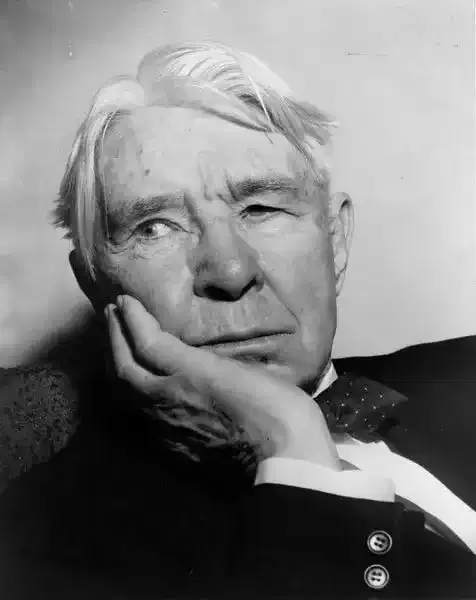
Carl Sandburg
Basket
Basket
speak, sir, and be wise.
Speak choosing your words, sir, like an old woman over a bushel of apples.
speak, sir, and be wise.
Speak choosing your words, sir, like an old woman over a bushel of apples.
406
Carl Sandburg
Aztec Mask
Aztec Mask
I wanted a man’s face looking into the jaws and throat of life
With something proud on his face, so proud no smash of the jaws,
No gulp of the throat leaves the face in the end
With anything else than the old proud look:
Even to the finish, dumped in the dust,
Lost among the used-up cinders,
This face, men would say, is a flash,
Is laid on bones taken from the ribs of the earth,
Ready for the hammers of changing, changing years,
Ready for the sleeping, sleeping years of silence.
Ready for the dust and fire and wind.
I wanted this face and I saw it today in an Aztec mask.
A cry out of storm and dark, a red yell and a purple prayer,
A beaten shape of ashes
waiting the sunrise or night,
something or nothing,
proud-mouthed,
proud-eyed gambler.
I wanted a man’s face looking into the jaws and throat of life
With something proud on his face, so proud no smash of the jaws,
No gulp of the throat leaves the face in the end
With anything else than the old proud look:
Even to the finish, dumped in the dust,
Lost among the used-up cinders,
This face, men would say, is a flash,
Is laid on bones taken from the ribs of the earth,
Ready for the hammers of changing, changing years,
Ready for the sleeping, sleeping years of silence.
Ready for the dust and fire and wind.
I wanted this face and I saw it today in an Aztec mask.
A cry out of storm and dark, a red yell and a purple prayer,
A beaten shape of ashes
waiting the sunrise or night,
something or nothing,
proud-mouthed,
proud-eyed gambler.
505
Carl Sandburg
Baby Toes
Baby Toes
There is a blue star, Janet,
Fifteen years’ ride from us,
If we ride a hundred miles an hour.
There is a white star, Janet,
Forty years’ ride from us,
If we ride a hundred miles an hour.
Shall we ride
To the blue star
Or the white star?
There is a blue star, Janet,
Fifteen years’ ride from us,
If we ride a hundred miles an hour.
There is a white star, Janet,
Forty years’ ride from us,
If we ride a hundred miles an hour.
Shall we ride
To the blue star
Or the white star?
507
Carl Sandburg
Baby Toes
Baby Toes
There is a blue star, Janet,
Fifteen years’ ride from us,
If we ride a hundred miles an hour.
There is a white star, Janet,
Forty years’ ride from us,
If we ride a hundred miles an hour.
Shall we ride
To the blue star
Or the white star?
There is a blue star, Janet,
Fifteen years’ ride from us,
If we ride a hundred miles an hour.
There is a white star, Janet,
Forty years’ ride from us,
If we ride a hundred miles an hour.
Shall we ride
To the blue star
Or the white star?
507
Carl Sandburg
Ashurnatsirpal III
Ashurnatsirpal III
Three walls around the town of Tela when I came.
They expected everything of those walls;
Nobody in the town came out to kiss my feet.
I knocked the walls down, killed three thousand soldiers,
Took away cattle and sheep, took all the loot in sight,
And burned special captives.
Some of the soldiers—I cut off hands and feet.
Others—I cut off ears and fingers.
Some—I put out the eyes.
I made a pyramid of heads.
I strung heads on trees circling the town.
When I got through with it
There wasn’t much left of the town of Tela.
Three walls around the town of Tela when I came.
They expected everything of those walls;
Nobody in the town came out to kiss my feet.
I knocked the walls down, killed three thousand soldiers,
Took away cattle and sheep, took all the loot in sight,
And burned special captives.
Some of the soldiers—I cut off hands and feet.
Others—I cut off ears and fingers.
Some—I put out the eyes.
I made a pyramid of heads.
I strung heads on trees circling the town.
When I got through with it
There wasn’t much left of the town of Tela.
400
Carl Sandburg
Ashurnatsirpal III
Ashurnatsirpal III
Three walls around the town of Tela when I came.
They expected everything of those walls;
Nobody in the town came out to kiss my feet.
I knocked the walls down, killed three thousand soldiers,
Took away cattle and sheep, took all the loot in sight,
And burned special captives.
Some of the soldiers—I cut off hands and feet.
Others—I cut off ears and fingers.
Some—I put out the eyes.
I made a pyramid of heads.
I strung heads on trees circling the town.
When I got through with it
There wasn’t much left of the town of Tela.
Three walls around the town of Tela when I came.
They expected everything of those walls;
Nobody in the town came out to kiss my feet.
I knocked the walls down, killed three thousand soldiers,
Took away cattle and sheep, took all the loot in sight,
And burned special captives.
Some of the soldiers—I cut off hands and feet.
Others—I cut off ears and fingers.
Some—I put out the eyes.
I made a pyramid of heads.
I strung heads on trees circling the town.
When I got through with it
There wasn’t much left of the town of Tela.
400
Carl Sandburg
Always The Mob
Always The Mob
Jesus emptied the devils of one man into forty hogs and the hogs took the edge of a
high rock and dropped off and down into the sea: a mob.
The sheep on the hills of Australia, blundering fourfooted in the sunset mist to the
dark, they go one way, they hunt one sleep, they find one pocket of grass for all.
Karnak? Pyramids? Sphinx paws tall as a coolie? Tombs kept for kings and sacred
cows? A mob.
Young roast pigs and naked dancing girls of Belshazzar, the room where a thousand sat
guzzling when a hand wrote: Mene, mene, tekel, upharsin? A mob.
The honeycomb of green that won the sun as the Hanging Gardens of Nineveh, flew to
its shape at the hands of a mob that followed the fingers of Nebuchadnezzar: a mob of
one hand and one plan.
Stones of a circle of hills at Athens, staircases of a mountain in Peru, scattered clans of
marble dragons in China: each a mob on the rim of a sunrise: hammers and wagons
have them now.
Locks and gates of Panama? The Union Pacific crossing deserts and tunneling
mountains? The Woolworth on land and the Titanic at sea? Lighthouses blinking a coast
line from Labrador to Key West? Pig iron bars piled on a barge whistling in a fog off
Sheboygan? A mob: hammers and wagons have them to-morrow.
The mob? A typhoon tearing loose an island from thousand-year moorings and
bastions, shooting a volcanic ash with a fire tongue that licks up cities and peoples.
Layers of worms eating rocks and forming loam and valley floors for potatoes, wheat,
watermelons.
The mob? A jag of lightning, a geyser, a gravel mass loosening…
The mob … kills or builds … the mob is Attila or Ghengis Khan, the mob is Napoleon,
Lincoln.
I am born in the mob—I die in the mob—the same goes for you—I don’t care who you
are.
I cross the sheets of fire in No Man’s land for you, my brother—I slip a steel tooth into
your throat, you my brother—I die for you and I kill you—It is a twisted and gnarled
thing, a crimson wool:
One more arch of stars,
In the night of our mist,
In the night of our tears.
Jesus emptied the devils of one man into forty hogs and the hogs took the edge of a
high rock and dropped off and down into the sea: a mob.
The sheep on the hills of Australia, blundering fourfooted in the sunset mist to the
dark, they go one way, they hunt one sleep, they find one pocket of grass for all.
Karnak? Pyramids? Sphinx paws tall as a coolie? Tombs kept for kings and sacred
cows? A mob.
Young roast pigs and naked dancing girls of Belshazzar, the room where a thousand sat
guzzling when a hand wrote: Mene, mene, tekel, upharsin? A mob.
The honeycomb of green that won the sun as the Hanging Gardens of Nineveh, flew to
its shape at the hands of a mob that followed the fingers of Nebuchadnezzar: a mob of
one hand and one plan.
Stones of a circle of hills at Athens, staircases of a mountain in Peru, scattered clans of
marble dragons in China: each a mob on the rim of a sunrise: hammers and wagons
have them now.
Locks and gates of Panama? The Union Pacific crossing deserts and tunneling
mountains? The Woolworth on land and the Titanic at sea? Lighthouses blinking a coast
line from Labrador to Key West? Pig iron bars piled on a barge whistling in a fog off
Sheboygan? A mob: hammers and wagons have them to-morrow.
The mob? A typhoon tearing loose an island from thousand-year moorings and
bastions, shooting a volcanic ash with a fire tongue that licks up cities and peoples.
Layers of worms eating rocks and forming loam and valley floors for potatoes, wheat,
watermelons.
The mob? A jag of lightning, a geyser, a gravel mass loosening…
The mob … kills or builds … the mob is Attila or Ghengis Khan, the mob is Napoleon,
Lincoln.
I am born in the mob—I die in the mob—the same goes for you—I don’t care who you
are.
I cross the sheets of fire in No Man’s land for you, my brother—I slip a steel tooth into
your throat, you my brother—I die for you and I kill you—It is a twisted and gnarled
thing, a crimson wool:
One more arch of stars,
In the night of our mist,
In the night of our tears.
383
Carl Sandburg
Always The Mob
Always The Mob
Jesus emptied the devils of one man into forty hogs and the hogs took the edge of a
high rock and dropped off and down into the sea: a mob.
The sheep on the hills of Australia, blundering fourfooted in the sunset mist to the
dark, they go one way, they hunt one sleep, they find one pocket of grass for all.
Karnak? Pyramids? Sphinx paws tall as a coolie? Tombs kept for kings and sacred
cows? A mob.
Young roast pigs and naked dancing girls of Belshazzar, the room where a thousand sat
guzzling when a hand wrote: Mene, mene, tekel, upharsin? A mob.
The honeycomb of green that won the sun as the Hanging Gardens of Nineveh, flew to
its shape at the hands of a mob that followed the fingers of Nebuchadnezzar: a mob of
one hand and one plan.
Stones of a circle of hills at Athens, staircases of a mountain in Peru, scattered clans of
marble dragons in China: each a mob on the rim of a sunrise: hammers and wagons
have them now.
Locks and gates of Panama? The Union Pacific crossing deserts and tunneling
mountains? The Woolworth on land and the Titanic at sea? Lighthouses blinking a coast
line from Labrador to Key West? Pig iron bars piled on a barge whistling in a fog off
Sheboygan? A mob: hammers and wagons have them to-morrow.
The mob? A typhoon tearing loose an island from thousand-year moorings and
bastions, shooting a volcanic ash with a fire tongue that licks up cities and peoples.
Layers of worms eating rocks and forming loam and valley floors for potatoes, wheat,
watermelons.
The mob? A jag of lightning, a geyser, a gravel mass loosening…
The mob … kills or builds … the mob is Attila or Ghengis Khan, the mob is Napoleon,
Lincoln.
I am born in the mob—I die in the mob—the same goes for you—I don’t care who you
are.
I cross the sheets of fire in No Man’s land for you, my brother—I slip a steel tooth into
your throat, you my brother—I die for you and I kill you—It is a twisted and gnarled
thing, a crimson wool:
One more arch of stars,
In the night of our mist,
In the night of our tears.
Jesus emptied the devils of one man into forty hogs and the hogs took the edge of a
high rock and dropped off and down into the sea: a mob.
The sheep on the hills of Australia, blundering fourfooted in the sunset mist to the
dark, they go one way, they hunt one sleep, they find one pocket of grass for all.
Karnak? Pyramids? Sphinx paws tall as a coolie? Tombs kept for kings and sacred
cows? A mob.
Young roast pigs and naked dancing girls of Belshazzar, the room where a thousand sat
guzzling when a hand wrote: Mene, mene, tekel, upharsin? A mob.
The honeycomb of green that won the sun as the Hanging Gardens of Nineveh, flew to
its shape at the hands of a mob that followed the fingers of Nebuchadnezzar: a mob of
one hand and one plan.
Stones of a circle of hills at Athens, staircases of a mountain in Peru, scattered clans of
marble dragons in China: each a mob on the rim of a sunrise: hammers and wagons
have them now.
Locks and gates of Panama? The Union Pacific crossing deserts and tunneling
mountains? The Woolworth on land and the Titanic at sea? Lighthouses blinking a coast
line from Labrador to Key West? Pig iron bars piled on a barge whistling in a fog off
Sheboygan? A mob: hammers and wagons have them to-morrow.
The mob? A typhoon tearing loose an island from thousand-year moorings and
bastions, shooting a volcanic ash with a fire tongue that licks up cities and peoples.
Layers of worms eating rocks and forming loam and valley floors for potatoes, wheat,
watermelons.
The mob? A jag of lightning, a geyser, a gravel mass loosening…
The mob … kills or builds … the mob is Attila or Ghengis Khan, the mob is Napoleon,
Lincoln.
I am born in the mob—I die in the mob—the same goes for you—I don’t care who you
are.
I cross the sheets of fire in No Man’s land for you, my brother—I slip a steel tooth into
your throat, you my brother—I die for you and I kill you—It is a twisted and gnarled
thing, a crimson wool:
One more arch of stars,
In the night of our mist,
In the night of our tears.
383
Carl Sandburg
Always The Mob
Always The Mob
Jesus emptied the devils of one man into forty hogs and the hogs took the edge of a
high rock and dropped off and down into the sea: a mob.
The sheep on the hills of Australia, blundering fourfooted in the sunset mist to the
dark, they go one way, they hunt one sleep, they find one pocket of grass for all.
Karnak? Pyramids? Sphinx paws tall as a coolie? Tombs kept for kings and sacred
cows? A mob.
Young roast pigs and naked dancing girls of Belshazzar, the room where a thousand sat
guzzling when a hand wrote: Mene, mene, tekel, upharsin? A mob.
The honeycomb of green that won the sun as the Hanging Gardens of Nineveh, flew to
its shape at the hands of a mob that followed the fingers of Nebuchadnezzar: a mob of
one hand and one plan.
Stones of a circle of hills at Athens, staircases of a mountain in Peru, scattered clans of
marble dragons in China: each a mob on the rim of a sunrise: hammers and wagons
have them now.
Locks and gates of Panama? The Union Pacific crossing deserts and tunneling
mountains? The Woolworth on land and the Titanic at sea? Lighthouses blinking a coast
line from Labrador to Key West? Pig iron bars piled on a barge whistling in a fog off
Sheboygan? A mob: hammers and wagons have them to-morrow.
The mob? A typhoon tearing loose an island from thousand-year moorings and
bastions, shooting a volcanic ash with a fire tongue that licks up cities and peoples.
Layers of worms eating rocks and forming loam and valley floors for potatoes, wheat,
watermelons.
The mob? A jag of lightning, a geyser, a gravel mass loosening…
The mob … kills or builds … the mob is Attila or Ghengis Khan, the mob is Napoleon,
Lincoln.
I am born in the mob—I die in the mob—the same goes for you—I don’t care who you
are.
I cross the sheets of fire in No Man’s land for you, my brother—I slip a steel tooth into
your throat, you my brother—I die for you and I kill you—It is a twisted and gnarled
thing, a crimson wool:
One more arch of stars,
In the night of our mist,
In the night of our tears.
Jesus emptied the devils of one man into forty hogs and the hogs took the edge of a
high rock and dropped off and down into the sea: a mob.
The sheep on the hills of Australia, blundering fourfooted in the sunset mist to the
dark, they go one way, they hunt one sleep, they find one pocket of grass for all.
Karnak? Pyramids? Sphinx paws tall as a coolie? Tombs kept for kings and sacred
cows? A mob.
Young roast pigs and naked dancing girls of Belshazzar, the room where a thousand sat
guzzling when a hand wrote: Mene, mene, tekel, upharsin? A mob.
The honeycomb of green that won the sun as the Hanging Gardens of Nineveh, flew to
its shape at the hands of a mob that followed the fingers of Nebuchadnezzar: a mob of
one hand and one plan.
Stones of a circle of hills at Athens, staircases of a mountain in Peru, scattered clans of
marble dragons in China: each a mob on the rim of a sunrise: hammers and wagons
have them now.
Locks and gates of Panama? The Union Pacific crossing deserts and tunneling
mountains? The Woolworth on land and the Titanic at sea? Lighthouses blinking a coast
line from Labrador to Key West? Pig iron bars piled on a barge whistling in a fog off
Sheboygan? A mob: hammers and wagons have them to-morrow.
The mob? A typhoon tearing loose an island from thousand-year moorings and
bastions, shooting a volcanic ash with a fire tongue that licks up cities and peoples.
Layers of worms eating rocks and forming loam and valley floors for potatoes, wheat,
watermelons.
The mob? A jag of lightning, a geyser, a gravel mass loosening…
The mob … kills or builds … the mob is Attila or Ghengis Khan, the mob is Napoleon,
Lincoln.
I am born in the mob—I die in the mob—the same goes for you—I don’t care who you
are.
I cross the sheets of fire in No Man’s land for you, my brother—I slip a steel tooth into
your throat, you my brother—I die for you and I kill you—It is a twisted and gnarled
thing, a crimson wool:
One more arch of stars,
In the night of our mist,
In the night of our tears.
383
Carl Sandburg
A.E.F.
A.E.F.
There will be a rusty gun on the wall, sweetheart,
The rifle grooves curling with flakes of rust.
A spider will make a silver string nest in the
darkest, warmest corner of it.
The trigger and the range-finder, they too will be rusty.
And no hands will polish the gun, and it will hang on the wall.
Forefingers and thumbs will point casually toward it.
It will be spoken among half-forgotten, whished-to-be-forgotten things.
They will tell the spider: Go on, you're doing good work.
There will be a rusty gun on the wall, sweetheart,
The rifle grooves curling with flakes of rust.
A spider will make a silver string nest in the
darkest, warmest corner of it.
The trigger and the range-finder, they too will be rusty.
And no hands will polish the gun, and it will hang on the wall.
Forefingers and thumbs will point casually toward it.
It will be spoken among half-forgotten, whished-to-be-forgotten things.
They will tell the spider: Go on, you're doing good work.
430
Carl Sandburg
A.E.F.
A.E.F.
There will be a rusty gun on the wall, sweetheart,
The rifle grooves curling with flakes of rust.
A spider will make a silver string nest in the
darkest, warmest corner of it.
The trigger and the range-finder, they too will be rusty.
And no hands will polish the gun, and it will hang on the wall.
Forefingers and thumbs will point casually toward it.
It will be spoken among half-forgotten, whished-to-be-forgotten things.
They will tell the spider: Go on, you're doing good work.
There will be a rusty gun on the wall, sweetheart,
The rifle grooves curling with flakes of rust.
A spider will make a silver string nest in the
darkest, warmest corner of it.
The trigger and the range-finder, they too will be rusty.
And no hands will polish the gun, and it will hang on the wall.
Forefingers and thumbs will point casually toward it.
It will be spoken among half-forgotten, whished-to-be-forgotten things.
They will tell the spider: Go on, you're doing good work.
430
Carl Sandburg
A Tall Man
A Tall Man
The mouth of this man is a gaunt strong mouth.
The head of this man is a gaunt strong head.
The jaws of this man are bone of the Rocky Mountains, the Appalachians.
The eyes of this man are chlorine of two sobbing oceans,
Foam, salt, green, wind, the changing unknown.
The neck of this man is pith of buffalo prairie, old longing and new beckoning of corn
belt or cotton belt,
Either a proud Sequoia trunk of the wilderness
Or huddling lumber of a sawmill waiting to be a roof.
Brother mystery to man and mob mystery,
Brother cryptic to lifted cryptic hands,
He is night and abyss, he is white sky of sun, he is the head of the people.
The heart of him the red drops of the people,
The wish of him the steady gray-eagle crag-hunting flights of the people.
Humble dust of a wheel-worn road,
Slashed sod under the iron-shining plow,
These of service in him, these and many cities, many borders, many wrangles between
Alaska and the Isthmus, between the Isthmus and the Horn, and east and west of
Omaha, and east and west of Paris, Berlin, Petrograd.
The blood in his right wrist and the blood in his left wrist run with the right wrist
wisdom of the many and the left wrist wisdom of the many.
It is the many he knows, the gaunt strong hunger of the many.
The mouth of this man is a gaunt strong mouth.
The head of this man is a gaunt strong head.
The jaws of this man are bone of the Rocky Mountains, the Appalachians.
The eyes of this man are chlorine of two sobbing oceans,
Foam, salt, green, wind, the changing unknown.
The neck of this man is pith of buffalo prairie, old longing and new beckoning of corn
belt or cotton belt,
Either a proud Sequoia trunk of the wilderness
Or huddling lumber of a sawmill waiting to be a roof.
Brother mystery to man and mob mystery,
Brother cryptic to lifted cryptic hands,
He is night and abyss, he is white sky of sun, he is the head of the people.
The heart of him the red drops of the people,
The wish of him the steady gray-eagle crag-hunting flights of the people.
Humble dust of a wheel-worn road,
Slashed sod under the iron-shining plow,
These of service in him, these and many cities, many borders, many wrangles between
Alaska and the Isthmus, between the Isthmus and the Horn, and east and west of
Omaha, and east and west of Paris, Berlin, Petrograd.
The blood in his right wrist and the blood in his left wrist run with the right wrist
wisdom of the many and the left wrist wisdom of the many.
It is the many he knows, the gaunt strong hunger of the many.
490
Carl Sandburg
A Tall Man
A Tall Man
The mouth of this man is a gaunt strong mouth.
The head of this man is a gaunt strong head.
The jaws of this man are bone of the Rocky Mountains, the Appalachians.
The eyes of this man are chlorine of two sobbing oceans,
Foam, salt, green, wind, the changing unknown.
The neck of this man is pith of buffalo prairie, old longing and new beckoning of corn
belt or cotton belt,
Either a proud Sequoia trunk of the wilderness
Or huddling lumber of a sawmill waiting to be a roof.
Brother mystery to man and mob mystery,
Brother cryptic to lifted cryptic hands,
He is night and abyss, he is white sky of sun, he is the head of the people.
The heart of him the red drops of the people,
The wish of him the steady gray-eagle crag-hunting flights of the people.
Humble dust of a wheel-worn road,
Slashed sod under the iron-shining plow,
These of service in him, these and many cities, many borders, many wrangles between
Alaska and the Isthmus, between the Isthmus and the Horn, and east and west of
Omaha, and east and west of Paris, Berlin, Petrograd.
The blood in his right wrist and the blood in his left wrist run with the right wrist
wisdom of the many and the left wrist wisdom of the many.
It is the many he knows, the gaunt strong hunger of the many.
The mouth of this man is a gaunt strong mouth.
The head of this man is a gaunt strong head.
The jaws of this man are bone of the Rocky Mountains, the Appalachians.
The eyes of this man are chlorine of two sobbing oceans,
Foam, salt, green, wind, the changing unknown.
The neck of this man is pith of buffalo prairie, old longing and new beckoning of corn
belt or cotton belt,
Either a proud Sequoia trunk of the wilderness
Or huddling lumber of a sawmill waiting to be a roof.
Brother mystery to man and mob mystery,
Brother cryptic to lifted cryptic hands,
He is night and abyss, he is white sky of sun, he is the head of the people.
The heart of him the red drops of the people,
The wish of him the steady gray-eagle crag-hunting flights of the people.
Humble dust of a wheel-worn road,
Slashed sod under the iron-shining plow,
These of service in him, these and many cities, many borders, many wrangles between
Alaska and the Isthmus, between the Isthmus and the Horn, and east and west of
Omaha, and east and west of Paris, Berlin, Petrograd.
The blood in his right wrist and the blood in his left wrist run with the right wrist
wisdom of the many and the left wrist wisdom of the many.
It is the many he knows, the gaunt strong hunger of the many.
490
Carl Sandburg
A Tall Man
A Tall Man
The mouth of this man is a gaunt strong mouth.
The head of this man is a gaunt strong head.
The jaws of this man are bone of the Rocky Mountains, the Appalachians.
The eyes of this man are chlorine of two sobbing oceans,
Foam, salt, green, wind, the changing unknown.
The neck of this man is pith of buffalo prairie, old longing and new beckoning of corn
belt or cotton belt,
Either a proud Sequoia trunk of the wilderness
Or huddling lumber of a sawmill waiting to be a roof.
Brother mystery to man and mob mystery,
Brother cryptic to lifted cryptic hands,
He is night and abyss, he is white sky of sun, he is the head of the people.
The heart of him the red drops of the people,
The wish of him the steady gray-eagle crag-hunting flights of the people.
Humble dust of a wheel-worn road,
Slashed sod under the iron-shining plow,
These of service in him, these and many cities, many borders, many wrangles between
Alaska and the Isthmus, between the Isthmus and the Horn, and east and west of
Omaha, and east and west of Paris, Berlin, Petrograd.
The blood in his right wrist and the blood in his left wrist run with the right wrist
wisdom of the many and the left wrist wisdom of the many.
It is the many he knows, the gaunt strong hunger of the many.
The mouth of this man is a gaunt strong mouth.
The head of this man is a gaunt strong head.
The jaws of this man are bone of the Rocky Mountains, the Appalachians.
The eyes of this man are chlorine of two sobbing oceans,
Foam, salt, green, wind, the changing unknown.
The neck of this man is pith of buffalo prairie, old longing and new beckoning of corn
belt or cotton belt,
Either a proud Sequoia trunk of the wilderness
Or huddling lumber of a sawmill waiting to be a roof.
Brother mystery to man and mob mystery,
Brother cryptic to lifted cryptic hands,
He is night and abyss, he is white sky of sun, he is the head of the people.
The heart of him the red drops of the people,
The wish of him the steady gray-eagle crag-hunting flights of the people.
Humble dust of a wheel-worn road,
Slashed sod under the iron-shining plow,
These of service in him, these and many cities, many borders, many wrangles between
Alaska and the Isthmus, between the Isthmus and the Horn, and east and west of
Omaha, and east and west of Paris, Berlin, Petrograd.
The blood in his right wrist and the blood in his left wrist run with the right wrist
wisdom of the many and the left wrist wisdom of the many.
It is the many he knows, the gaunt strong hunger of the many.
490
Carl Sandburg
A Father To His Son
A Father To His Son
A father sees his son nearing manhood.
What shall he tell that son?
'Life is hard; be steel; be a rock.'
And this might stand him for the storms
and serve him for humdrum monotony
and guide him among sudden betrayals
and tighten him for slack moments.
'Life is a soft loam; be gentle; go easy.'
And this too might serve him.
Brutes have been gentled where lashes failed.
The growth of a frail flower in a path up
has sometimes shattered and split a rock.
A tough will counts. So does desire.
So does a rich soft wanting.
Without rich wanting nothing arrives.
Tell him too much money has killed men
and left them dead years before burial:
the quest of lucre beyond a few easy needs
has twisted good enough men
sometimes into dry thwarted worms.
Tell him time as a stuff can be wasted.
Tell him to be a fool every so often
and to have no shame over having been a fool
yet learning something out of every folly
hoping to repeat none of the cheap follies
thus arriving at intimate understanding
of a world numbering many fools.
Tell him to be alone often and get at himself
and above all tell himself no lies about himself
whatever the white lies and protective fronts
he may use against other people.
Tell him solitude is creative if he is strong
and the final decisions are made in silent rooms.
Tell him to be different from other people
if it comes natural and easy being different.
Let him have lazy days seeking his deeper motives.
Let him seek deep for where he is born natural.
Then he may understand Shakespeare
and the Wright brothers, Pasteur, Pavlov,
Michael Faraday and free imaginations
Bringing changes into a world resenting change.
He will be lonely enough
to have time for the work
he knows as his own.
A father sees his son nearing manhood.
What shall he tell that son?
'Life is hard; be steel; be a rock.'
And this might stand him for the storms
and serve him for humdrum monotony
and guide him among sudden betrayals
and tighten him for slack moments.
'Life is a soft loam; be gentle; go easy.'
And this too might serve him.
Brutes have been gentled where lashes failed.
The growth of a frail flower in a path up
has sometimes shattered and split a rock.
A tough will counts. So does desire.
So does a rich soft wanting.
Without rich wanting nothing arrives.
Tell him too much money has killed men
and left them dead years before burial:
the quest of lucre beyond a few easy needs
has twisted good enough men
sometimes into dry thwarted worms.
Tell him time as a stuff can be wasted.
Tell him to be a fool every so often
and to have no shame over having been a fool
yet learning something out of every folly
hoping to repeat none of the cheap follies
thus arriving at intimate understanding
of a world numbering many fools.
Tell him to be alone often and get at himself
and above all tell himself no lies about himself
whatever the white lies and protective fronts
he may use against other people.
Tell him solitude is creative if he is strong
and the final decisions are made in silent rooms.
Tell him to be different from other people
if it comes natural and easy being different.
Let him have lazy days seeking his deeper motives.
Let him seek deep for where he is born natural.
Then he may understand Shakespeare
and the Wright brothers, Pasteur, Pavlov,
Michael Faraday and free imaginations
Bringing changes into a world resenting change.
He will be lonely enough
to have time for the work
he knows as his own.
394
Carl Sandburg
A Father To His Son
A Father To His Son
A father sees his son nearing manhood.
What shall he tell that son?
'Life is hard; be steel; be a rock.'
And this might stand him for the storms
and serve him for humdrum monotony
and guide him among sudden betrayals
and tighten him for slack moments.
'Life is a soft loam; be gentle; go easy.'
And this too might serve him.
Brutes have been gentled where lashes failed.
The growth of a frail flower in a path up
has sometimes shattered and split a rock.
A tough will counts. So does desire.
So does a rich soft wanting.
Without rich wanting nothing arrives.
Tell him too much money has killed men
and left them dead years before burial:
the quest of lucre beyond a few easy needs
has twisted good enough men
sometimes into dry thwarted worms.
Tell him time as a stuff can be wasted.
Tell him to be a fool every so often
and to have no shame over having been a fool
yet learning something out of every folly
hoping to repeat none of the cheap follies
thus arriving at intimate understanding
of a world numbering many fools.
Tell him to be alone often and get at himself
and above all tell himself no lies about himself
whatever the white lies and protective fronts
he may use against other people.
Tell him solitude is creative if he is strong
and the final decisions are made in silent rooms.
Tell him to be different from other people
if it comes natural and easy being different.
Let him have lazy days seeking his deeper motives.
Let him seek deep for where he is born natural.
Then he may understand Shakespeare
and the Wright brothers, Pasteur, Pavlov,
Michael Faraday and free imaginations
Bringing changes into a world resenting change.
He will be lonely enough
to have time for the work
he knows as his own.
A father sees his son nearing manhood.
What shall he tell that son?
'Life is hard; be steel; be a rock.'
And this might stand him for the storms
and serve him for humdrum monotony
and guide him among sudden betrayals
and tighten him for slack moments.
'Life is a soft loam; be gentle; go easy.'
And this too might serve him.
Brutes have been gentled where lashes failed.
The growth of a frail flower in a path up
has sometimes shattered and split a rock.
A tough will counts. So does desire.
So does a rich soft wanting.
Without rich wanting nothing arrives.
Tell him too much money has killed men
and left them dead years before burial:
the quest of lucre beyond a few easy needs
has twisted good enough men
sometimes into dry thwarted worms.
Tell him time as a stuff can be wasted.
Tell him to be a fool every so often
and to have no shame over having been a fool
yet learning something out of every folly
hoping to repeat none of the cheap follies
thus arriving at intimate understanding
of a world numbering many fools.
Tell him to be alone often and get at himself
and above all tell himself no lies about himself
whatever the white lies and protective fronts
he may use against other people.
Tell him solitude is creative if he is strong
and the final decisions are made in silent rooms.
Tell him to be different from other people
if it comes natural and easy being different.
Let him have lazy days seeking his deeper motives.
Let him seek deep for where he is born natural.
Then he may understand Shakespeare
and the Wright brothers, Pasteur, Pavlov,
Michael Faraday and free imaginations
Bringing changes into a world resenting change.
He will be lonely enough
to have time for the work
he knows as his own.
394
Carl Sandburg
A Million Young Work Men
A Million Young Work Men
A million young workmen straight and strong lay stiff on the grass and roads,
And the million are now under soil and their rottening flesh will in the years feed roots
of blood-red roses.
Yes, this million of young workmen slaughtered one another and never saw their red
hands.
And oh, it would have been a great job of killing and a new and beautiful thing under
the sun if the million knew why they hacked and tore each other to death.
The kings are grinning, the Kaiser and the czar—they are alive riding in leather-seated
motor cars, and they have their women and roses for ease, and they eat fresh-poached
eggs for breakfast, new butter on toast, sitting in tall water-tight houses reading the
news of war.
I dreamed a million ghosts of the young workmen rose in their shirts all soaked in
crimson … and yelled:
God damn the grinning kings, God damn the kaiser and the czar.
A million young workmen straight and strong lay stiff on the grass and roads,
And the million are now under soil and their rottening flesh will in the years feed roots
of blood-red roses.
Yes, this million of young workmen slaughtered one another and never saw their red
hands.
And oh, it would have been a great job of killing and a new and beautiful thing under
the sun if the million knew why they hacked and tore each other to death.
The kings are grinning, the Kaiser and the czar—they are alive riding in leather-seated
motor cars, and they have their women and roses for ease, and they eat fresh-poached
eggs for breakfast, new butter on toast, sitting in tall water-tight houses reading the
news of war.
I dreamed a million ghosts of the young workmen rose in their shirts all soaked in
crimson … and yelled:
God damn the grinning kings, God damn the kaiser and the czar.
391
Carl Sandburg
A Million Young Work Men
A Million Young Work Men
A million young workmen straight and strong lay stiff on the grass and roads,
And the million are now under soil and their rottening flesh will in the years feed roots
of blood-red roses.
Yes, this million of young workmen slaughtered one another and never saw their red
hands.
And oh, it would have been a great job of killing and a new and beautiful thing under
the sun if the million knew why they hacked and tore each other to death.
The kings are grinning, the Kaiser and the czar—they are alive riding in leather-seated
motor cars, and they have their women and roses for ease, and they eat fresh-poached
eggs for breakfast, new butter on toast, sitting in tall water-tight houses reading the
news of war.
I dreamed a million ghosts of the young workmen rose in their shirts all soaked in
crimson … and yelled:
God damn the grinning kings, God damn the kaiser and the czar.
A million young workmen straight and strong lay stiff on the grass and roads,
And the million are now under soil and their rottening flesh will in the years feed roots
of blood-red roses.
Yes, this million of young workmen slaughtered one another and never saw their red
hands.
And oh, it would have been a great job of killing and a new and beautiful thing under
the sun if the million knew why they hacked and tore each other to death.
The kings are grinning, the Kaiser and the czar—they are alive riding in leather-seated
motor cars, and they have their women and roses for ease, and they eat fresh-poached
eggs for breakfast, new butter on toast, sitting in tall water-tight houses reading the
news of war.
I dreamed a million ghosts of the young workmen rose in their shirts all soaked in
crimson … and yelled:
God damn the grinning kings, God damn the kaiser and the czar.
391
Carl Sandburg
A Million Young Work Men
A Million Young Work Men
A million young workmen straight and strong lay stiff on the grass and roads,
And the million are now under soil and their rottening flesh will in the years feed roots
of blood-red roses.
Yes, this million of young workmen slaughtered one another and never saw their red
hands.
And oh, it would have been a great job of killing and a new and beautiful thing under
the sun if the million knew why they hacked and tore each other to death.
The kings are grinning, the Kaiser and the czar—they are alive riding in leather-seated
motor cars, and they have their women and roses for ease, and they eat fresh-poached
eggs for breakfast, new butter on toast, sitting in tall water-tight houses reading the
news of war.
I dreamed a million ghosts of the young workmen rose in their shirts all soaked in
crimson … and yelled:
God damn the grinning kings, God damn the kaiser and the czar.
A million young workmen straight and strong lay stiff on the grass and roads,
And the million are now under soil and their rottening flesh will in the years feed roots
of blood-red roses.
Yes, this million of young workmen slaughtered one another and never saw their red
hands.
And oh, it would have been a great job of killing and a new and beautiful thing under
the sun if the million knew why they hacked and tore each other to death.
The kings are grinning, the Kaiser and the czar—they are alive riding in leather-seated
motor cars, and they have their women and roses for ease, and they eat fresh-poached
eggs for breakfast, new butter on toast, sitting in tall water-tight houses reading the
news of war.
I dreamed a million ghosts of the young workmen rose in their shirts all soaked in
crimson … and yelled:
God damn the grinning kings, God damn the kaiser and the czar.
391
Carl Sandburg
A Coin
A Coin
Your western heads here cast on money,
You are the two that fade away together,
Partners in the mist.
Lunging buffalo shoulder,
Lean Indian face,
We who come after where you are gone
Salute your forms on the new nickel.
You are
To us:
The past.
Runners
On the prairie:
Good-by.
Your western heads here cast on money,
You are the two that fade away together,
Partners in the mist.
Lunging buffalo shoulder,
Lean Indian face,
We who come after where you are gone
Salute your forms on the new nickel.
You are
To us:
The past.
Runners
On the prairie:
Good-by.
363
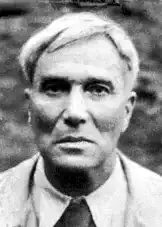
Boris Pasternak
White Night
White Night
I keep thinking of times that are long past,
Of a house in the Petersburg Quarter.
You had come from the steppeland Kursk Province,
Of a none-too-rich mother the daughter.
You were nice, you had many admirers.
On that distant white night we were sitting
On your window-sill, looking from high on
On the phantom-like scene of the city.
The street-lamps, like gauze butterflies fluttering,
Had been touched by the chill of the morning.
My soft words, as I opened my heart to you,
Matched the slumbering vistas before us.
We were plighted with timid fidelity
To the very same nebulous mystery
As the cityscape spreading unendingly
Far beyond the Neva, through the distances.
In that far-off impregnable wilderness,
Wrapped in springtime twilight ethereal,
Woodland glades and dense thickets were quivering
With mad nightingales' thunderous paeans.
Crazy resonant warbling ran riot,
And the voice of this plain-looking songster
Sowed derangement, ecstatic delight
In the depth of the mesmerised copsewood.
To those parts Night, a barefoot vagabond,
Stole its way along ditches and fences.
From our window-sill, after it tagging,
Was the trail of our cooed confidences.
To the words of this colloquy echoing
In the orchards beyond the tall palings
Spreading branches of apple and cherry trees
Swathed themselves in their pearly-white raiment.
And the trees, like so many pale phantoms,
Waved their farewell, along the road thronging,
To White Night, that all-seeing enchanter,
Who was now to North Regions withdrawing.
I keep thinking of times that are long past,
Of a house in the Petersburg Quarter.
You had come from the steppeland Kursk Province,
Of a none-too-rich mother the daughter.
You were nice, you had many admirers.
On that distant white night we were sitting
On your window-sill, looking from high on
On the phantom-like scene of the city.
The street-lamps, like gauze butterflies fluttering,
Had been touched by the chill of the morning.
My soft words, as I opened my heart to you,
Matched the slumbering vistas before us.
We were plighted with timid fidelity
To the very same nebulous mystery
As the cityscape spreading unendingly
Far beyond the Neva, through the distances.
In that far-off impregnable wilderness,
Wrapped in springtime twilight ethereal,
Woodland glades and dense thickets were quivering
With mad nightingales' thunderous paeans.
Crazy resonant warbling ran riot,
And the voice of this plain-looking songster
Sowed derangement, ecstatic delight
In the depth of the mesmerised copsewood.
To those parts Night, a barefoot vagabond,
Stole its way along ditches and fences.
From our window-sill, after it tagging,
Was the trail of our cooed confidences.
To the words of this colloquy echoing
In the orchards beyond the tall palings
Spreading branches of apple and cherry trees
Swathed themselves in their pearly-white raiment.
And the trees, like so many pale phantoms,
Waved their farewell, along the road thronging,
To White Night, that all-seeing enchanter,
Who was now to North Regions withdrawing.
633
Boris Pasternak
The Steppe
The Steppe
How lovely those journeys into quiet!
Boundless the steppe, like a seascape,
ants rustle, and the feather-grass sighs,
mosquitoes go whining through space.
The hayricks line up with the clouds,
volcano after volcano, they fade.
Grown silent, damp, the boundless steppe,
you drift, you’re buffeted, you sway.
The mist overtakes us, washes, a sea,
and burrs are clinging to stockings, today
it’s lovely to tramp the steppe’s shore,
you drift, you’re buffeted, you sway.
Is that a rick in the mist? Who knows?
Is that one ours? Yes, it’s found.
There! Yes, that’s it all right, though.
The rick, and the mist, and the steppe all round.
And the Milky Way slants towards Kerch,
like a path that cattle have stamped on.
Go past the houses, you’ll lose your breath,
on every side, broad, broad horizons.
Shadowy midnight stands by the way,
strewn with stars, that touch every verst,
and you can’t cross it, beyond the fence,
without trampling the universe.
When did the stars sweep down so low,
midnight sink so deep in tall grass,
and drenched muslin, afraid, aglow,
long for a dénouement at last?
Let the steppe judge, and night decide.
When, if not in the Beginning,
did Mosquitoes whine, Ants ride,
and Burrs go clinging to stockings?
Close them, my darling! Or go blind!
The whole steppe’s as before the Fall:
All, drowned in peace, like a parachute,
like a heaving vision, All.
How lovely those journeys into quiet!
Boundless the steppe, like a seascape,
ants rustle, and the feather-grass sighs,
mosquitoes go whining through space.
The hayricks line up with the clouds,
volcano after volcano, they fade.
Grown silent, damp, the boundless steppe,
you drift, you’re buffeted, you sway.
The mist overtakes us, washes, a sea,
and burrs are clinging to stockings, today
it’s lovely to tramp the steppe’s shore,
you drift, you’re buffeted, you sway.
Is that a rick in the mist? Who knows?
Is that one ours? Yes, it’s found.
There! Yes, that’s it all right, though.
The rick, and the mist, and the steppe all round.
And the Milky Way slants towards Kerch,
like a path that cattle have stamped on.
Go past the houses, you’ll lose your breath,
on every side, broad, broad horizons.
Shadowy midnight stands by the way,
strewn with stars, that touch every verst,
and you can’t cross it, beyond the fence,
without trampling the universe.
When did the stars sweep down so low,
midnight sink so deep in tall grass,
and drenched muslin, afraid, aglow,
long for a dénouement at last?
Let the steppe judge, and night decide.
When, if not in the Beginning,
did Mosquitoes whine, Ants ride,
and Burrs go clinging to stockings?
Close them, my darling! Or go blind!
The whole steppe’s as before the Fall:
All, drowned in peace, like a parachute,
like a heaving vision, All.
560
Boris Pasternak
Spring (Fragment 3)
Spring (Fragment 3)
Is it only dirt you notice?
Does the thaw not catch your glance?
As a dapple-grey fine stallion
Does it not through ditches dance?
Is it only birds that chatter
In the blueness of the skies,
Sipping through the straws of sunrays
Lemon liturgies on ice?
Only look, and you will see it:
From the rooftops to the ground
Moscow, all day long, like Kitezh
Lies, in light-blue water drowned.
Why are all the roofs transparent
And the colours crystal-bright?
Bricks like rushes gently swaying,
Mornings rush into the night.
Like a bog the town is swampy
And the scabs of snow are rare.
February, like saturated
Cottonwool in spirits, flares.
This white flame wears out the garrets,
And the air, in the oblique
Interplace of twigs and birds, is
Naked, weightless and unique.
In such days the crowds of people
Knock you down; you are unknown,
Nameless; and your girl is with them,
But you, too, are not alone.
Is it only dirt you notice?
Does the thaw not catch your glance?
As a dapple-grey fine stallion
Does it not through ditches dance?
Is it only birds that chatter
In the blueness of the skies,
Sipping through the straws of sunrays
Lemon liturgies on ice?
Only look, and you will see it:
From the rooftops to the ground
Moscow, all day long, like Kitezh
Lies, in light-blue water drowned.
Why are all the roofs transparent
And the colours crystal-bright?
Bricks like rushes gently swaying,
Mornings rush into the night.
Like a bog the town is swampy
And the scabs of snow are rare.
February, like saturated
Cottonwool in spirits, flares.
This white flame wears out the garrets,
And the air, in the oblique
Interplace of twigs and birds, is
Naked, weightless and unique.
In such days the crowds of people
Knock you down; you are unknown,
Nameless; and your girl is with them,
But you, too, are not alone.
536
Boris Pasternak
Railway Station
Railway Station
My dear railway station, my treasure
Of meetings and partings, my friend
In times of hard trials and pleasure,
Your favours have been without end.
My scarf would wrap up my whole being -
The train would pull up, with deep sighs,
The muzzles of brash harpies, leering,
Would puff wet white steam in our eyes.
I'd sit at your side for a moment -
A hug and a kiss, brief and rough.
Farewell then, my joy and my torment.
I'm going, conductor, I'm off!
And, shunting bad weather and sleepers,
The west would break open-I'd feel
It grab me with snowflakes to keep me
From falling down under the wheels.
A whistle dies down, echoed weakly,
Another flies from distant tracks.
A train comes past bare platforms sweeping -
A blizzard of many hunched backs.
And twilight is rearing to go,
And, lured by the smoke and the steam,
The wind and the field rush and now
I wish I could be one of them!
My dear railway station, my treasure
Of meetings and partings, my friend
In times of hard trials and pleasure,
Your favours have been without end.
My scarf would wrap up my whole being -
The train would pull up, with deep sighs,
The muzzles of brash harpies, leering,
Would puff wet white steam in our eyes.
I'd sit at your side for a moment -
A hug and a kiss, brief and rough.
Farewell then, my joy and my torment.
I'm going, conductor, I'm off!
And, shunting bad weather and sleepers,
The west would break open-I'd feel
It grab me with snowflakes to keep me
From falling down under the wheels.
A whistle dies down, echoed weakly,
Another flies from distant tracks.
A train comes past bare platforms sweeping -
A blizzard of many hunched backs.
And twilight is rearing to go,
And, lured by the smoke and the steam,
The wind and the field rush and now
I wish I could be one of them!
509