

Poems in this topic
Society and the World
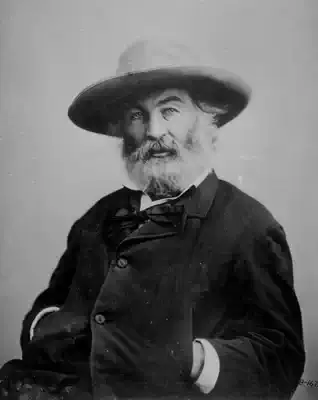
Walt Whitman
A March In The Ranks, Hard-prest
A March In The Ranks, Hard-prest
A MARCH in the ranks hard-prest, and the road unknown;
A route through a heavy wood, with muffled steps in the darkness;
Our army foil'd with loss severe, and the sullen remnant retreating;
Till after midnight glimmer upon us, the lights of a dim-lighted
building;
We come to an open space in the woods, and halt by the dim-lighted
building;
'Tis a large old church at the crossing roads--'tis now an impromptu
hospital;
--Entering but for a minute, I see a sight beyond all the pictures
and poems ever made:
Shadows of deepest, deepest black, just lit by moving candles and
lamps,
And by one great pitchy torch, stationary, with wild red flame, and
clouds of smoke;
By these, crowds, groups of forms, vaguely I see, on the floor, some
in the pews laid down; 10
At my feet more distinctly, a soldier, a mere lad, in danger of
bleeding to death, (he is shot in the abdomen;)
I staunch the blood temporarily, (the youngster's face is white as a
lily;)
Then before I depart I sweep my eyes o'er the scene, fain to absorb
it all;
Faces, varieties, postures beyond description, most in obscurity,
some of them dead;
Surgeons operating, attendants holding lights, the smell of ether,
the odor of blood;
The crowd, O the crowd of the bloody forms of soldiers--the yard
outside also fill'd;
Some on the bare ground, some on planks or stretchers, some in the
death-spasm sweating;
An occasional scream or cry, the doctor's shouted orders or calls;
The glisten of the little steel instruments catching the glint of the
torches;
These I resume as I chant--I see again the forms, I smell the
odor; 20
Then hear outside the orders given, Fall in, my men, Fall in;
But first I bend to the dying lad--his eyes open--a half-smile gives
he me;
Then the eyes close, calmly close, and I speed forth to the darkness,
Resuming, marching, ever in darkness marching, on in the ranks,
The unknown road still marching.
A MARCH in the ranks hard-prest, and the road unknown;
A route through a heavy wood, with muffled steps in the darkness;
Our army foil'd with loss severe, and the sullen remnant retreating;
Till after midnight glimmer upon us, the lights of a dim-lighted
building;
We come to an open space in the woods, and halt by the dim-lighted
building;
'Tis a large old church at the crossing roads--'tis now an impromptu
hospital;
--Entering but for a minute, I see a sight beyond all the pictures
and poems ever made:
Shadows of deepest, deepest black, just lit by moving candles and
lamps,
And by one great pitchy torch, stationary, with wild red flame, and
clouds of smoke;
By these, crowds, groups of forms, vaguely I see, on the floor, some
in the pews laid down; 10
At my feet more distinctly, a soldier, a mere lad, in danger of
bleeding to death, (he is shot in the abdomen;)
I staunch the blood temporarily, (the youngster's face is white as a
lily;)
Then before I depart I sweep my eyes o'er the scene, fain to absorb
it all;
Faces, varieties, postures beyond description, most in obscurity,
some of them dead;
Surgeons operating, attendants holding lights, the smell of ether,
the odor of blood;
The crowd, O the crowd of the bloody forms of soldiers--the yard
outside also fill'd;
Some on the bare ground, some on planks or stretchers, some in the
death-spasm sweating;
An occasional scream or cry, the doctor's shouted orders or calls;
The glisten of the little steel instruments catching the glint of the
torches;
These I resume as I chant--I see again the forms, I smell the
odor; 20
Then hear outside the orders given, Fall in, my men, Fall in;
But first I bend to the dying lad--his eyes open--a half-smile gives
he me;
Then the eyes close, calmly close, and I speed forth to the darkness,
Resuming, marching, ever in darkness marching, on in the ranks,
The unknown road still marching.
473
Walt Whitman
A Farm-Picture
A Farm-Picture
THROUGH the ample open door of the peaceful country barn,
A sun-lit pasture field, with cattle and horses feeding;
And haze, and vista, and the far horizon, fading away.
THROUGH the ample open door of the peaceful country barn,
A sun-lit pasture field, with cattle and horses feeding;
And haze, and vista, and the far horizon, fading away.
539
Walt Whitman
A Boston Ballad, 1854
A Boston Ballad, 1854
TO get betimes in Boston town, I rose this morning early;
Here's a good place at the corner--I must stand and see the show.
Clear the way there, Jonathan!
Way for the President's marshal! Way for the government cannon!
Way for the Federal foot and dragoons--and the apparitions copiously
tumbling.
I love to look on the stars and stripes--I hope the fifes will play
Yankee Doodle.
How bright shine the cutlasses of the foremost troops!
Every man holds his revolver, marching stiff through Boston town.
A fog follows--antiques of the same come limping,
Some appear wooden-legged, and some appear bandaged and bloodless. 10
Why this is indeed a show! It has called the dead out of the earth!
The old grave-yards of the hills have hurried to see!
Phantoms! phantoms countless by flank and rear!
Cock'd hats of mothy mould! crutches made of mist!
Arms in slings! old men leaning on young men's shoulders!
What troubles you, Yankee phantoms? What is all this chattering of
bare gums?
Does the ague convulse your limbs? Do you mistake your crutches for
fire-locks, and level them?
If you blind your eyes with tears, you will not see the President's
marshal;
If you groan such groans, you might balk the government cannon.
For shame, old maniacs! Bring down those toss'd arms, and let your
white hair be; 20
Here gape your great grand-sons--their wives gaze at them from the
windows,
See how well dress'd--see how orderly they conduct themselves.
Worse and worse! Can't you stand it? Are you retreating?
Is this hour with the living too dead for you?
Retreat then! Pell-mell!
To your graves! Back! back to the hills, old limpers!
I do not think you belong here, anyhow.
But there is one thing that belongs here--shall I tell you what it
is, gentlemen of Boston?
I will whisper it to the Mayor--he shall send a committee to England;
They shall get a grant from the Parliament, go with a cart to the
royal vault--haste! 30
Dig out King George's coffin, unwrap him quick from the graveclothes,
box up his bones for a journey;
Find a swift Yankee clipper--here is freight for you, black-bellied
clipper,
Up with your anchor! shake out your sails! steer straight toward
Boston bay.
Now call for the President's marshal again, bring out the government
cannon,
Fetch home the roarers from Congress, make another procession, guard
it with foot and dragoons.
This centre-piece for them:
Look! all orderly citizens--look from the windows, women!
The committee open the box, set up the regal ribs, glue those that
will not stay,
Clap the skull on top of the ribs, and clap a crown on top of the
skull.
You have got your revenge, old buster! The crown is come to its own,
and more than its own.
Stick your hands in your pockets, Jonathan--you are a made man from
this day; 40
You are mighty cute--and here is one of your bargains.
TO get betimes in Boston town, I rose this morning early;
Here's a good place at the corner--I must stand and see the show.
Clear the way there, Jonathan!
Way for the President's marshal! Way for the government cannon!
Way for the Federal foot and dragoons--and the apparitions copiously
tumbling.
I love to look on the stars and stripes--I hope the fifes will play
Yankee Doodle.
How bright shine the cutlasses of the foremost troops!
Every man holds his revolver, marching stiff through Boston town.
A fog follows--antiques of the same come limping,
Some appear wooden-legged, and some appear bandaged and bloodless. 10
Why this is indeed a show! It has called the dead out of the earth!
The old grave-yards of the hills have hurried to see!
Phantoms! phantoms countless by flank and rear!
Cock'd hats of mothy mould! crutches made of mist!
Arms in slings! old men leaning on young men's shoulders!
What troubles you, Yankee phantoms? What is all this chattering of
bare gums?
Does the ague convulse your limbs? Do you mistake your crutches for
fire-locks, and level them?
If you blind your eyes with tears, you will not see the President's
marshal;
If you groan such groans, you might balk the government cannon.
For shame, old maniacs! Bring down those toss'd arms, and let your
white hair be; 20
Here gape your great grand-sons--their wives gaze at them from the
windows,
See how well dress'd--see how orderly they conduct themselves.
Worse and worse! Can't you stand it? Are you retreating?
Is this hour with the living too dead for you?
Retreat then! Pell-mell!
To your graves! Back! back to the hills, old limpers!
I do not think you belong here, anyhow.
But there is one thing that belongs here--shall I tell you what it
is, gentlemen of Boston?
I will whisper it to the Mayor--he shall send a committee to England;
They shall get a grant from the Parliament, go with a cart to the
royal vault--haste! 30
Dig out King George's coffin, unwrap him quick from the graveclothes,
box up his bones for a journey;
Find a swift Yankee clipper--here is freight for you, black-bellied
clipper,
Up with your anchor! shake out your sails! steer straight toward
Boston bay.
Now call for the President's marshal again, bring out the government
cannon,
Fetch home the roarers from Congress, make another procession, guard
it with foot and dragoons.
This centre-piece for them:
Look! all orderly citizens--look from the windows, women!
The committee open the box, set up the regal ribs, glue those that
will not stay,
Clap the skull on top of the ribs, and clap a crown on top of the
skull.
You have got your revenge, old buster! The crown is come to its own,
and more than its own.
Stick your hands in your pockets, Jonathan--you are a made man from
this day; 40
You are mighty cute--and here is one of your bargains.
500
Walt Whitman
A Boston Ballad, 1854
A Boston Ballad, 1854
TO get betimes in Boston town, I rose this morning early;
Here's a good place at the corner--I must stand and see the show.
Clear the way there, Jonathan!
Way for the President's marshal! Way for the government cannon!
Way for the Federal foot and dragoons--and the apparitions copiously
tumbling.
I love to look on the stars and stripes--I hope the fifes will play
Yankee Doodle.
How bright shine the cutlasses of the foremost troops!
Every man holds his revolver, marching stiff through Boston town.
A fog follows--antiques of the same come limping,
Some appear wooden-legged, and some appear bandaged and bloodless. 10
Why this is indeed a show! It has called the dead out of the earth!
The old grave-yards of the hills have hurried to see!
Phantoms! phantoms countless by flank and rear!
Cock'd hats of mothy mould! crutches made of mist!
Arms in slings! old men leaning on young men's shoulders!
What troubles you, Yankee phantoms? What is all this chattering of
bare gums?
Does the ague convulse your limbs? Do you mistake your crutches for
fire-locks, and level them?
If you blind your eyes with tears, you will not see the President's
marshal;
If you groan such groans, you might balk the government cannon.
For shame, old maniacs! Bring down those toss'd arms, and let your
white hair be; 20
Here gape your great grand-sons--their wives gaze at them from the
windows,
See how well dress'd--see how orderly they conduct themselves.
Worse and worse! Can't you stand it? Are you retreating?
Is this hour with the living too dead for you?
Retreat then! Pell-mell!
To your graves! Back! back to the hills, old limpers!
I do not think you belong here, anyhow.
But there is one thing that belongs here--shall I tell you what it
is, gentlemen of Boston?
I will whisper it to the Mayor--he shall send a committee to England;
They shall get a grant from the Parliament, go with a cart to the
royal vault--haste! 30
Dig out King George's coffin, unwrap him quick from the graveclothes,
box up his bones for a journey;
Find a swift Yankee clipper--here is freight for you, black-bellied
clipper,
Up with your anchor! shake out your sails! steer straight toward
Boston bay.
Now call for the President's marshal again, bring out the government
cannon,
Fetch home the roarers from Congress, make another procession, guard
it with foot and dragoons.
This centre-piece for them:
Look! all orderly citizens--look from the windows, women!
The committee open the box, set up the regal ribs, glue those that
will not stay,
Clap the skull on top of the ribs, and clap a crown on top of the
skull.
You have got your revenge, old buster! The crown is come to its own,
and more than its own.
Stick your hands in your pockets, Jonathan--you are a made man from
this day; 40
You are mighty cute--and here is one of your bargains.
TO get betimes in Boston town, I rose this morning early;
Here's a good place at the corner--I must stand and see the show.
Clear the way there, Jonathan!
Way for the President's marshal! Way for the government cannon!
Way for the Federal foot and dragoons--and the apparitions copiously
tumbling.
I love to look on the stars and stripes--I hope the fifes will play
Yankee Doodle.
How bright shine the cutlasses of the foremost troops!
Every man holds his revolver, marching stiff through Boston town.
A fog follows--antiques of the same come limping,
Some appear wooden-legged, and some appear bandaged and bloodless. 10
Why this is indeed a show! It has called the dead out of the earth!
The old grave-yards of the hills have hurried to see!
Phantoms! phantoms countless by flank and rear!
Cock'd hats of mothy mould! crutches made of mist!
Arms in slings! old men leaning on young men's shoulders!
What troubles you, Yankee phantoms? What is all this chattering of
bare gums?
Does the ague convulse your limbs? Do you mistake your crutches for
fire-locks, and level them?
If you blind your eyes with tears, you will not see the President's
marshal;
If you groan such groans, you might balk the government cannon.
For shame, old maniacs! Bring down those toss'd arms, and let your
white hair be; 20
Here gape your great grand-sons--their wives gaze at them from the
windows,
See how well dress'd--see how orderly they conduct themselves.
Worse and worse! Can't you stand it? Are you retreating?
Is this hour with the living too dead for you?
Retreat then! Pell-mell!
To your graves! Back! back to the hills, old limpers!
I do not think you belong here, anyhow.
But there is one thing that belongs here--shall I tell you what it
is, gentlemen of Boston?
I will whisper it to the Mayor--he shall send a committee to England;
They shall get a grant from the Parliament, go with a cart to the
royal vault--haste! 30
Dig out King George's coffin, unwrap him quick from the graveclothes,
box up his bones for a journey;
Find a swift Yankee clipper--here is freight for you, black-bellied
clipper,
Up with your anchor! shake out your sails! steer straight toward
Boston bay.
Now call for the President's marshal again, bring out the government
cannon,
Fetch home the roarers from Congress, make another procession, guard
it with foot and dragoons.
This centre-piece for them:
Look! all orderly citizens--look from the windows, women!
The committee open the box, set up the regal ribs, glue those that
will not stay,
Clap the skull on top of the ribs, and clap a crown on top of the
skull.
You have got your revenge, old buster! The crown is come to its own,
and more than its own.
Stick your hands in your pockets, Jonathan--you are a made man from
this day; 40
You are mighty cute--and here is one of your bargains.
500
Walt Whitman
A Boston Ballad, 1854
A Boston Ballad, 1854
TO get betimes in Boston town, I rose this morning early;
Here's a good place at the corner--I must stand and see the show.
Clear the way there, Jonathan!
Way for the President's marshal! Way for the government cannon!
Way for the Federal foot and dragoons--and the apparitions copiously
tumbling.
I love to look on the stars and stripes--I hope the fifes will play
Yankee Doodle.
How bright shine the cutlasses of the foremost troops!
Every man holds his revolver, marching stiff through Boston town.
A fog follows--antiques of the same come limping,
Some appear wooden-legged, and some appear bandaged and bloodless. 10
Why this is indeed a show! It has called the dead out of the earth!
The old grave-yards of the hills have hurried to see!
Phantoms! phantoms countless by flank and rear!
Cock'd hats of mothy mould! crutches made of mist!
Arms in slings! old men leaning on young men's shoulders!
What troubles you, Yankee phantoms? What is all this chattering of
bare gums?
Does the ague convulse your limbs? Do you mistake your crutches for
fire-locks, and level them?
If you blind your eyes with tears, you will not see the President's
marshal;
If you groan such groans, you might balk the government cannon.
For shame, old maniacs! Bring down those toss'd arms, and let your
white hair be; 20
Here gape your great grand-sons--their wives gaze at them from the
windows,
See how well dress'd--see how orderly they conduct themselves.
Worse and worse! Can't you stand it? Are you retreating?
Is this hour with the living too dead for you?
Retreat then! Pell-mell!
To your graves! Back! back to the hills, old limpers!
I do not think you belong here, anyhow.
But there is one thing that belongs here--shall I tell you what it
is, gentlemen of Boston?
I will whisper it to the Mayor--he shall send a committee to England;
They shall get a grant from the Parliament, go with a cart to the
royal vault--haste! 30
Dig out King George's coffin, unwrap him quick from the graveclothes,
box up his bones for a journey;
Find a swift Yankee clipper--here is freight for you, black-bellied
clipper,
Up with your anchor! shake out your sails! steer straight toward
Boston bay.
Now call for the President's marshal again, bring out the government
cannon,
Fetch home the roarers from Congress, make another procession, guard
it with foot and dragoons.
This centre-piece for them:
Look! all orderly citizens--look from the windows, women!
The committee open the box, set up the regal ribs, glue those that
will not stay,
Clap the skull on top of the ribs, and clap a crown on top of the
skull.
You have got your revenge, old buster! The crown is come to its own,
and more than its own.
Stick your hands in your pockets, Jonathan--you are a made man from
this day; 40
You are mighty cute--and here is one of your bargains.
TO get betimes in Boston town, I rose this morning early;
Here's a good place at the corner--I must stand and see the show.
Clear the way there, Jonathan!
Way for the President's marshal! Way for the government cannon!
Way for the Federal foot and dragoons--and the apparitions copiously
tumbling.
I love to look on the stars and stripes--I hope the fifes will play
Yankee Doodle.
How bright shine the cutlasses of the foremost troops!
Every man holds his revolver, marching stiff through Boston town.
A fog follows--antiques of the same come limping,
Some appear wooden-legged, and some appear bandaged and bloodless. 10
Why this is indeed a show! It has called the dead out of the earth!
The old grave-yards of the hills have hurried to see!
Phantoms! phantoms countless by flank and rear!
Cock'd hats of mothy mould! crutches made of mist!
Arms in slings! old men leaning on young men's shoulders!
What troubles you, Yankee phantoms? What is all this chattering of
bare gums?
Does the ague convulse your limbs? Do you mistake your crutches for
fire-locks, and level them?
If you blind your eyes with tears, you will not see the President's
marshal;
If you groan such groans, you might balk the government cannon.
For shame, old maniacs! Bring down those toss'd arms, and let your
white hair be; 20
Here gape your great grand-sons--their wives gaze at them from the
windows,
See how well dress'd--see how orderly they conduct themselves.
Worse and worse! Can't you stand it? Are you retreating?
Is this hour with the living too dead for you?
Retreat then! Pell-mell!
To your graves! Back! back to the hills, old limpers!
I do not think you belong here, anyhow.
But there is one thing that belongs here--shall I tell you what it
is, gentlemen of Boston?
I will whisper it to the Mayor--he shall send a committee to England;
They shall get a grant from the Parliament, go with a cart to the
royal vault--haste! 30
Dig out King George's coffin, unwrap him quick from the graveclothes,
box up his bones for a journey;
Find a swift Yankee clipper--here is freight for you, black-bellied
clipper,
Up with your anchor! shake out your sails! steer straight toward
Boston bay.
Now call for the President's marshal again, bring out the government
cannon,
Fetch home the roarers from Congress, make another procession, guard
it with foot and dragoons.
This centre-piece for them:
Look! all orderly citizens--look from the windows, women!
The committee open the box, set up the regal ribs, glue those that
will not stay,
Clap the skull on top of the ribs, and clap a crown on top of the
skull.
You have got your revenge, old buster! The crown is come to its own,
and more than its own.
Stick your hands in your pockets, Jonathan--you are a made man from
this day; 40
You are mighty cute--and here is one of your bargains.
500
Walt Whitman
ARM’D year! year of the struggle!
ARM’D year! year of the struggle!
No dainty rhymes or sentimental love verses for you, terrible year!
Not you as some pale poetling, seated at a desk, lisping cadenzas
piano;
But as a strong man, erect, clothed in blue clothes, advancing,
carrying a rifle on your shoulder,
With well-gristled body and sunburnt face and hands–with a knife in
the belt at your side,
As I heard you shouting loud–your sonorous voice ringing across the
continent;
Your masculine voice, O year, as rising amid the great cities,
Amid the men of Manhattan I saw you, as one of the workmen, the
dwellers in Manhattan;
Or with large steps crossing the prairies out of Illinois and
Indiana,
Rapidly crossing the West with springy gait, and descending the
Alleghanies;
Or down from the great lakes, or in Pennsylvania, or on deck along
the Ohio river;
Or southward along the Tennessee or Cumberland rivers, or at
Chattanooga on the mountain top,
Saw I your gait and saw I your sinewy limbs, clothed in blue, bearing
weapons, robust year;
Heard your determin’d voice, launch’d forth again and again;
Year that suddenly sang by the mouths of the round-lipp’d cannon,
I repeat you, hurrying, crashing, sad, distracted year.
No dainty rhymes or sentimental love verses for you, terrible year!
Not you as some pale poetling, seated at a desk, lisping cadenzas
piano;
But as a strong man, erect, clothed in blue clothes, advancing,
carrying a rifle on your shoulder,
With well-gristled body and sunburnt face and hands–with a knife in
the belt at your side,
As I heard you shouting loud–your sonorous voice ringing across the
continent;
Your masculine voice, O year, as rising amid the great cities,
Amid the men of Manhattan I saw you, as one of the workmen, the
dwellers in Manhattan;
Or with large steps crossing the prairies out of Illinois and
Indiana,
Rapidly crossing the West with springy gait, and descending the
Alleghanies;
Or down from the great lakes, or in Pennsylvania, or on deck along
the Ohio river;
Or southward along the Tennessee or Cumberland rivers, or at
Chattanooga on the mountain top,
Saw I your gait and saw I your sinewy limbs, clothed in blue, bearing
weapons, robust year;
Heard your determin’d voice, launch’d forth again and again;
Year that suddenly sang by the mouths of the round-lipp’d cannon,
I repeat you, hurrying, crashing, sad, distracted year.
454
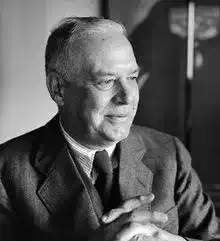
Wallace Stevens
The Man Whose Pharynx Was Bad
The Man Whose Pharynx Was Bad
The time of year has grown indifferent.
Mildew of summer and the deepening snow
Are both alike in the routine I know:
I am too dumbly in my being pent.
The wind attendant on the solstices
Blows on the shutters of the metropoles,
Stirring no poet in his sleep, and tolls
The grand ideas of the villages.
The malady of the quotidian . . .
Perhaps if summer ever came to rest
And lengthened, deepened, comforted, caressed
Through days like oceans in obsidian
Horizons, full of night's midsummer blaze;
Perhaps, if winter once could penetrate
Through all its purples to the final slate,
Persisting bleakly in an icy haze;
One might in turn become less diffident,
Out of such mildew plucking neater mould
And spouting new orations of the cold.
One might. One might. But time will not relent.
The time of year has grown indifferent.
Mildew of summer and the deepening snow
Are both alike in the routine I know:
I am too dumbly in my being pent.
The wind attendant on the solstices
Blows on the shutters of the metropoles,
Stirring no poet in his sleep, and tolls
The grand ideas of the villages.
The malady of the quotidian . . .
Perhaps if summer ever came to rest
And lengthened, deepened, comforted, caressed
Through days like oceans in obsidian
Horizons, full of night's midsummer blaze;
Perhaps, if winter once could penetrate
Through all its purples to the final slate,
Persisting bleakly in an icy haze;
One might in turn become less diffident,
Out of such mildew plucking neater mould
And spouting new orations of the cold.
One might. One might. But time will not relent.
345
Wallace Stevens
The Plot Against the Giant
The Plot Against the Giant
First Girl
When this yokel comes maundering,
Whetting his hacker,
I shall run before him,
Diffusing the civilest odors
Out of geraniums and unsmelled flowers.
It will check him.
Second Girl
I shall run before him,
Arching cloths besprinkled with colors
As small as fish-eggs.
The threads
Will abash him.
Third Girl
Oh, la...le pauvre!
I shall run before him,
With a curious puffing.
He will bend his ear then.
I shall whisper
Heavenly labials in a world of gutturals.
It will undo him.
First Girl
When this yokel comes maundering,
Whetting his hacker,
I shall run before him,
Diffusing the civilest odors
Out of geraniums and unsmelled flowers.
It will check him.
Second Girl
I shall run before him,
Arching cloths besprinkled with colors
As small as fish-eggs.
The threads
Will abash him.
Third Girl
Oh, la...le pauvre!
I shall run before him,
With a curious puffing.
He will bend his ear then.
I shall whisper
Heavenly labials in a world of gutturals.
It will undo him.
302
Wallace Stevens
A High-Toned Old Christian Woman
A High-Toned Old Christian Woman
Poetry is the supreme fiction, madame.
Take the moral law and make a nave of it
And from the nave build haunted heaven. Thus,
The conscience is converted into palms,
Like windy citherns hankering for hymns.
We agree in principle. That's clear. But take
The opposing law and make a peristyle,
And from the peristyle project a masque
Beyond the planets. Thus, our bawdiness,
Unpurged by epitaph, indulged at last,
Is equally converted into palms,
Squiggling like saxophones. And palm for palm,
Madame, we are where we began. Allow,
Therefore, that in the planetary scene
Your disaffected flagellants, well-stuffed,
Smacking their muzzy bellies in parade,
Proud of such novelties of the sublime,
Such tink and tank and tunk-a-tunk-tunk,
May, merely may, madame, whip from themselves
A jovial hullabaloo among the spheres.
This will make widows wince. But fictive things
Wink as they will. Wink most when widows wince.
Poetry is the supreme fiction, madame.
Take the moral law and make a nave of it
And from the nave build haunted heaven. Thus,
The conscience is converted into palms,
Like windy citherns hankering for hymns.
We agree in principle. That's clear. But take
The opposing law and make a peristyle,
And from the peristyle project a masque
Beyond the planets. Thus, our bawdiness,
Unpurged by epitaph, indulged at last,
Is equally converted into palms,
Squiggling like saxophones. And palm for palm,
Madame, we are where we began. Allow,
Therefore, that in the planetary scene
Your disaffected flagellants, well-stuffed,
Smacking their muzzy bellies in parade,
Proud of such novelties of the sublime,
Such tink and tank and tunk-a-tunk-tunk,
May, merely may, madame, whip from themselves
A jovial hullabaloo among the spheres.
This will make widows wince. But fictive things
Wink as they will. Wink most when widows wince.
331
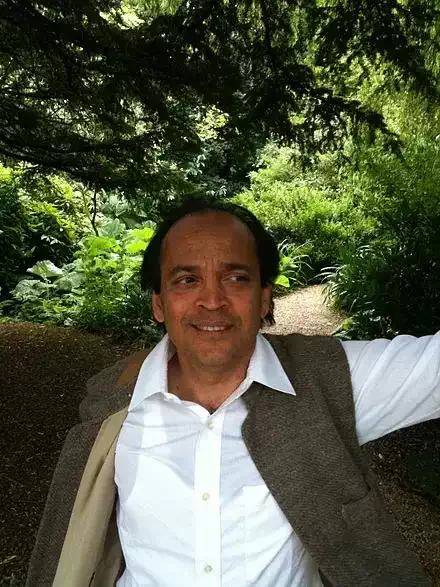
Vikram Seth
Protocols
Protocols
What can I say to you? How can I retract
All that that fool my voice has spoken -
Now that the facts are plain, the placid surface cracked,
The protocols of friendship broken?
I cannot walk by day as now I walk at dawn
Past the still house where you lie sleeping.
May the sun burn these footprints on the lawn
And hold you in its warmth and keeping.
What can I say to you? How can I retract
All that that fool my voice has spoken -
Now that the facts are plain, the placid surface cracked,
The protocols of friendship broken?
I cannot walk by day as now I walk at dawn
Past the still house where you lie sleeping.
May the sun burn these footprints on the lawn
And hold you in its warmth and keeping.
615

D.H. Lawrence
The Ocean's Song
The Ocean's Song
We walked amongst the ruins famed in story
Of Rozel-Tower,
And saw the boundless waters stretch in glory
And heave in power.
O Ocean vast! We heard thy song with wonder,
Whilst waves marked time.
"Appear, O Truth!" thou sang'st with tone of thunder,
"And shine sublime!
"The world's enslaved and hunted down by beagles,
To despots sold.
Souls of deep thinkers, soar like mighty eagles!
The Right uphold.
"Be born! arise! o'er the earth and wild waves bounding,
Peoples and suns!
Let darkness vanish; tocsins be resounding,
And flash, ye guns!
"And you who love no pomps of fog or glamour,
Who fear no shocks,
Brave foam and lightning, hurricane and clamour,--
Exiles: the rocks!"
We walked amongst the ruins famed in story
Of Rozel-Tower,
And saw the boundless waters stretch in glory
And heave in power.
O Ocean vast! We heard thy song with wonder,
Whilst waves marked time.
"Appear, O Truth!" thou sang'st with tone of thunder,
"And shine sublime!
"The world's enslaved and hunted down by beagles,
To despots sold.
Souls of deep thinkers, soar like mighty eagles!
The Right uphold.
"Be born! arise! o'er the earth and wild waves bounding,
Peoples and suns!
Let darkness vanish; tocsins be resounding,
And flash, ye guns!
"And you who love no pomps of fog or glamour,
Who fear no shocks,
Brave foam and lightning, hurricane and clamour,--
Exiles: the rocks!"
271
D.H. Lawrence
The Ocean's Song
The Ocean's Song
We walked amongst the ruins famed in story
Of Rozel-Tower,
And saw the boundless waters stretch in glory
And heave in power.
O Ocean vast! We heard thy song with wonder,
Whilst waves marked time.
"Appear, O Truth!" thou sang'st with tone of thunder,
"And shine sublime!
"The world's enslaved and hunted down by beagles,
To despots sold.
Souls of deep thinkers, soar like mighty eagles!
The Right uphold.
"Be born! arise! o'er the earth and wild waves bounding,
Peoples and suns!
Let darkness vanish; tocsins be resounding,
And flash, ye guns!
"And you who love no pomps of fog or glamour,
Who fear no shocks,
Brave foam and lightning, hurricane and clamour,--
Exiles: the rocks!"
We walked amongst the ruins famed in story
Of Rozel-Tower,
And saw the boundless waters stretch in glory
And heave in power.
O Ocean vast! We heard thy song with wonder,
Whilst waves marked time.
"Appear, O Truth!" thou sang'st with tone of thunder,
"And shine sublime!
"The world's enslaved and hunted down by beagles,
To despots sold.
Souls of deep thinkers, soar like mighty eagles!
The Right uphold.
"Be born! arise! o'er the earth and wild waves bounding,
Peoples and suns!
Let darkness vanish; tocsins be resounding,
And flash, ye guns!
"And you who love no pomps of fog or glamour,
Who fear no shocks,
Brave foam and lightning, hurricane and clamour,--
Exiles: the rocks!"
271
D.H. Lawrence
The Ocean's Song
The Ocean's Song
We walked amongst the ruins famed in story
Of Rozel-Tower,
And saw the boundless waters stretch in glory
And heave in power.
O Ocean vast! We heard thy song with wonder,
Whilst waves marked time.
"Appear, O Truth!" thou sang'st with tone of thunder,
"And shine sublime!
"The world's enslaved and hunted down by beagles,
To despots sold.
Souls of deep thinkers, soar like mighty eagles!
The Right uphold.
"Be born! arise! o'er the earth and wild waves bounding,
Peoples and suns!
Let darkness vanish; tocsins be resounding,
And flash, ye guns!
"And you who love no pomps of fog or glamour,
Who fear no shocks,
Brave foam and lightning, hurricane and clamour,--
Exiles: the rocks!"
We walked amongst the ruins famed in story
Of Rozel-Tower,
And saw the boundless waters stretch in glory
And heave in power.
O Ocean vast! We heard thy song with wonder,
Whilst waves marked time.
"Appear, O Truth!" thou sang'st with tone of thunder,
"And shine sublime!
"The world's enslaved and hunted down by beagles,
To despots sold.
Souls of deep thinkers, soar like mighty eagles!
The Right uphold.
"Be born! arise! o'er the earth and wild waves bounding,
Peoples and suns!
Let darkness vanish; tocsins be resounding,
And flash, ye guns!
"And you who love no pomps of fog or glamour,
Who fear no shocks,
Brave foam and lightning, hurricane and clamour,--
Exiles: the rocks!"
271
D.H. Lawrence
Boaz Asleep
Boaz Asleep
Boaz, overcome with weariness, by torchlight
made his pallet on the threshing floor
where all day he had worked, and now he slept
among the bushels of threshed wheat.
The old man owned wheatfields and barley,
and though he was rich, he was still fair-minded.
No filth soured the sweetness of his well.
No hot iron of torture whitened in his forge.
His beard was silver as a brook in April.
He bound sheaves without the strain of hate
or envy. He saw gleaners pass, and said,
Let handfuls of the fat ears fall to them.
The man's mind, clear of untoward feeling,
clothed itself in candor. He wore clean robes.
His heaped granaries spilled over always
toward the poor, no less than public fountains.
Boaz did well by his workers and by kinsmen.
He was generous, and moderate. Women held him
worthier than younger men, for youth is handsome,
but to him in his old age came greatness.
An old man, nearing his first source, may find
the timelessness beyond times of trouble.
And though fire burned in young men's eyes,
to Ruth the eyes of Boaz shone clear light.
Boaz, overcome with weariness, by torchlight
made his pallet on the threshing floor
where all day he had worked, and now he slept
among the bushels of threshed wheat.
The old man owned wheatfields and barley,
and though he was rich, he was still fair-minded.
No filth soured the sweetness of his well.
No hot iron of torture whitened in his forge.
His beard was silver as a brook in April.
He bound sheaves without the strain of hate
or envy. He saw gleaners pass, and said,
Let handfuls of the fat ears fall to them.
The man's mind, clear of untoward feeling,
clothed itself in candor. He wore clean robes.
His heaped granaries spilled over always
toward the poor, no less than public fountains.
Boaz did well by his workers and by kinsmen.
He was generous, and moderate. Women held him
worthier than younger men, for youth is handsome,
but to him in his old age came greatness.
An old man, nearing his first source, may find
the timelessness beyond times of trouble.
And though fire burned in young men's eyes,
to Ruth the eyes of Boaz shone clear light.
261
D.H. Lawrence
Boaz Asleep
Boaz Asleep
Boaz, overcome with weariness, by torchlight
made his pallet on the threshing floor
where all day he had worked, and now he slept
among the bushels of threshed wheat.
The old man owned wheatfields and barley,
and though he was rich, he was still fair-minded.
No filth soured the sweetness of his well.
No hot iron of torture whitened in his forge.
His beard was silver as a brook in April.
He bound sheaves without the strain of hate
or envy. He saw gleaners pass, and said,
Let handfuls of the fat ears fall to them.
The man's mind, clear of untoward feeling,
clothed itself in candor. He wore clean robes.
His heaped granaries spilled over always
toward the poor, no less than public fountains.
Boaz did well by his workers and by kinsmen.
He was generous, and moderate. Women held him
worthier than younger men, for youth is handsome,
but to him in his old age came greatness.
An old man, nearing his first source, may find
the timelessness beyond times of trouble.
And though fire burned in young men's eyes,
to Ruth the eyes of Boaz shone clear light.
Boaz, overcome with weariness, by torchlight
made his pallet on the threshing floor
where all day he had worked, and now he slept
among the bushels of threshed wheat.
The old man owned wheatfields and barley,
and though he was rich, he was still fair-minded.
No filth soured the sweetness of his well.
No hot iron of torture whitened in his forge.
His beard was silver as a brook in April.
He bound sheaves without the strain of hate
or envy. He saw gleaners pass, and said,
Let handfuls of the fat ears fall to them.
The man's mind, clear of untoward feeling,
clothed itself in candor. He wore clean robes.
His heaped granaries spilled over always
toward the poor, no less than public fountains.
Boaz did well by his workers and by kinsmen.
He was generous, and moderate. Women held him
worthier than younger men, for youth is handsome,
but to him in his old age came greatness.
An old man, nearing his first source, may find
the timelessness beyond times of trouble.
And though fire burned in young men's eyes,
to Ruth the eyes of Boaz shone clear light.
261
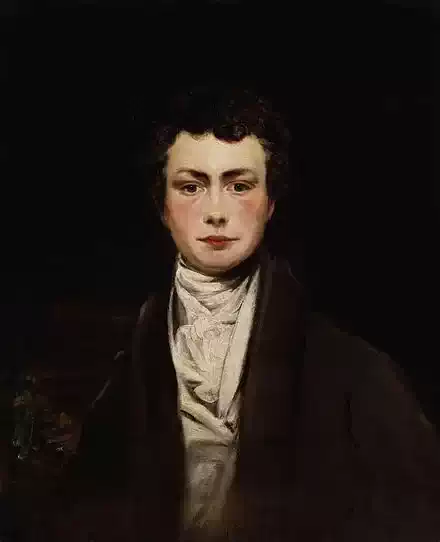
Thomas Moore
When First I Met Thee
When First I Met Thee
When first I met thee, warm and young,
There shone such truth about thee,
And on thy lip such promise hung,
I did not dare to doubt thee.
I saw thee change, yet still relied,
Still clung with hope the fonder,
And thought, though false to all beside,
From me thou couldst not wander.
But go, deceiver! go,
The heart, whose hopes could make it
Trust one so false, so low,
Deserves that thou shouldst break it.
When every tongue thy follies named,
I fled the unwelcome story,
Or found, in even the faults they blamed,
Some gleams of future glory.
I still was true, when nearer friends
Conspired to wrong, to slight thee;
The heart that now thy falsehood rends
Would then have bled to right thee.
But go, deceiver! go --
Some day, perhaps, thou'lt waken
From pleasure's dream, to know
The grief of hearts forsaken.
Even now, though youth its bloom has shed,
No lights of age adorn thee;
The few who loved thee once have fled,
And they who flatter scorn thee.
Thy midnight cup is pledged to slaves,
No genial ties enwreath it;
The smiling there, like light on graves,
Has rank cold hearts beneath it.
Go -- go -- though worlds were thine,
I would not now surrender
One taintless tear of mine
For all thy guilty splendour!
And days may come, thou false one! yet,
When even those ties shall sever!
When thou wilt call, with vain regret,
On her thou'st lost for ever;
On her who, in thy fortune's fall,
With smiles had still received thee,
And gladly died to prove thee all
Her fancy first believed thee.
Go -- go -- 'tis vain to curse,
'Tis weakness to upbraid thee;
Hate cannot wish thee worse
Than guilt and shame have made thee.
When first I met thee, warm and young,
There shone such truth about thee,
And on thy lip such promise hung,
I did not dare to doubt thee.
I saw thee change, yet still relied,
Still clung with hope the fonder,
And thought, though false to all beside,
From me thou couldst not wander.
But go, deceiver! go,
The heart, whose hopes could make it
Trust one so false, so low,
Deserves that thou shouldst break it.
When every tongue thy follies named,
I fled the unwelcome story,
Or found, in even the faults they blamed,
Some gleams of future glory.
I still was true, when nearer friends
Conspired to wrong, to slight thee;
The heart that now thy falsehood rends
Would then have bled to right thee.
But go, deceiver! go --
Some day, perhaps, thou'lt waken
From pleasure's dream, to know
The grief of hearts forsaken.
Even now, though youth its bloom has shed,
No lights of age adorn thee;
The few who loved thee once have fled,
And they who flatter scorn thee.
Thy midnight cup is pledged to slaves,
No genial ties enwreath it;
The smiling there, like light on graves,
Has rank cold hearts beneath it.
Go -- go -- though worlds were thine,
I would not now surrender
One taintless tear of mine
For all thy guilty splendour!
And days may come, thou false one! yet,
When even those ties shall sever!
When thou wilt call, with vain regret,
On her thou'st lost for ever;
On her who, in thy fortune's fall,
With smiles had still received thee,
And gladly died to prove thee all
Her fancy first believed thee.
Go -- go -- 'tis vain to curse,
'Tis weakness to upbraid thee;
Hate cannot wish thee worse
Than guilt and shame have made thee.
184
Thomas Moore
Twas One of Those Dreams
Twas One of Those Dreams
'TWAS one of those dreams, that by music are brought,
Like a bright summer haze, o'er the poet's warm thought --
When, lost in the future, his soul wanders on,
And all of this life, but its sweetness, is gone.
The wild notes he heard o'er the water were those
He had taught to sing Erin's dark bondage and woes,
And the breath of the bugle now wafted them o'er
From Dinis' green isle, to Glena's wooded shore.
He listen'd -- while, high o'er the eagle's rude nest,
The lingering sounds on their way loved to rest;
And the echoes sung back from their full mountain quire,
As if loath to let song to enchanting expire.
It seem'd as if every sweet note that died here
Was again brought to life in some airier sphere,
Some heaven in those hills, where the soul of the strain
That had ceased upon earth was awaking again!
Oh forgive, if, while listening to music, whose breath
Seem'd to circle his name with a charm against death,
He should feel a proud spirit within him proclaim,
"Even so shalt thou live in the echoes of Fame:
"Even so, though thy memory should now die away,
'Twill be caught up again in some happier day,
And the hearts and the voices of Erin prolong,
Through the answering Future, thy name and thy song."
'TWAS one of those dreams, that by music are brought,
Like a bright summer haze, o'er the poet's warm thought --
When, lost in the future, his soul wanders on,
And all of this life, but its sweetness, is gone.
The wild notes he heard o'er the water were those
He had taught to sing Erin's dark bondage and woes,
And the breath of the bugle now wafted them o'er
From Dinis' green isle, to Glena's wooded shore.
He listen'd -- while, high o'er the eagle's rude nest,
The lingering sounds on their way loved to rest;
And the echoes sung back from their full mountain quire,
As if loath to let song to enchanting expire.
It seem'd as if every sweet note that died here
Was again brought to life in some airier sphere,
Some heaven in those hills, where the soul of the strain
That had ceased upon earth was awaking again!
Oh forgive, if, while listening to music, whose breath
Seem'd to circle his name with a charm against death,
He should feel a proud spirit within him proclaim,
"Even so shalt thou live in the echoes of Fame:
"Even so, though thy memory should now die away,
'Twill be caught up again in some happier day,
And the hearts and the voices of Erin prolong,
Through the answering Future, thy name and thy song."
195
Thomas Moore
Though the Last Glimpse of Erin With Sorrow I See
Though the Last Glimpse of Erin With Sorrow I See
Though the last glimpse of Erin with sorrow I see,
Yet wherever thou art shall seem Erin to me;
In exile thy bosom shall still be my home,
And thine eyes make my climate wherever we roam.
To the gloom of some desert or cold rocky shore,
Where the eye of the stranger can haunt us no more,
I will fly with my Coulin, and think the rough wind
Less rude than the foes we leave frowning behind.
And I'll gaze on thy gold hair as graceful it wreathes,
And hang o'er thy soft harp, as wildly it breathes;
Nor dread that the cold-hearted Saxon will tear
One chord from that harp, or one lock from that hair.
Though the last glimpse of Erin with sorrow I see,
Yet wherever thou art shall seem Erin to me;
In exile thy bosom shall still be my home,
And thine eyes make my climate wherever we roam.
To the gloom of some desert or cold rocky shore,
Where the eye of the stranger can haunt us no more,
I will fly with my Coulin, and think the rough wind
Less rude than the foes we leave frowning behind.
And I'll gaze on thy gold hair as graceful it wreathes,
And hang o'er thy soft harp, as wildly it breathes;
Nor dread that the cold-hearted Saxon will tear
One chord from that harp, or one lock from that hair.
163
Thomas Moore
This Life Is All Chequer'd With Pleasures and Woes
This Life Is All Chequer'd With Pleasures and Woes
This life is all chequer'd with pleasures and woes,
That chase one another like waves of the deep --
Each brightly or darkly, as onward it flows,
Reflecting our eyes, as they sparkle or weep.
So closely our whims on our miseries tread,
That the laugh is awaked ere the tear can be dried;
And, as fast as the rain-drop of Pity is shed,
The goose-plumage of Folly can turn it aside.
But pledge me the cup -- if existence would cloy,
With hearts ever happy and heads ever wise,
Be ours the light Sorrow, half-sister to Joy,
And the light brilliant Folly that flashes and dies.
When Hylas was sent with his urn to the fount,
Through fields full of light, and with heart full of play,
Light rambled the boy, over meadow and mount,
And neglected his task for the flowers on the way.
Thus many, like me, who in youth should have tasted
The fountain that runs by Philosophy's shrine,
Their time with the flowers on the margin have wasted,
And left their light urns all as empty as mine.
But pledge me the goblet; -- while idleness weaves
These flowerets together, should Wisdom but see
One bright drop or two that has fall'n on the leaves
From her fountain divine, 'tis sufficient for me.
This life is all chequer'd with pleasures and woes,
That chase one another like waves of the deep --
Each brightly or darkly, as onward it flows,
Reflecting our eyes, as they sparkle or weep.
So closely our whims on our miseries tread,
That the laugh is awaked ere the tear can be dried;
And, as fast as the rain-drop of Pity is shed,
The goose-plumage of Folly can turn it aside.
But pledge me the cup -- if existence would cloy,
With hearts ever happy and heads ever wise,
Be ours the light Sorrow, half-sister to Joy,
And the light brilliant Folly that flashes and dies.
When Hylas was sent with his urn to the fount,
Through fields full of light, and with heart full of play,
Light rambled the boy, over meadow and mount,
And neglected his task for the flowers on the way.
Thus many, like me, who in youth should have tasted
The fountain that runs by Philosophy's shrine,
Their time with the flowers on the margin have wasted,
And left their light urns all as empty as mine.
But pledge me the goblet; -- while idleness weaves
These flowerets together, should Wisdom but see
One bright drop or two that has fall'n on the leaves
From her fountain divine, 'tis sufficient for me.
198
Thomas Moore
The Wine-Cup is Circling
The Wine-Cup is Circling
The wine-cup is circling in Almhin's hall,
And its Chief, 'mid his heroes reclining,
Looks up, with a sigh to the trophied wall,
Where his sword hangs idly shining.
When, hark, that shout
From the vale without --
"Arm ye quick, the Dane, the Dane is nigh!"
Every Chief starts up
From his foaming cup,
And "To battle, to battle!" is the Finian's cry.
The minstrels have seized their harps of gold,
And they sing such thrilling numbers --
'Tis like the voice of the Brave, of old,
Breaking forth from their place of slumber!
Spear to buckler rang,
As the minstrels sang,
And the Sun-burst o'er them floated wide;
While remembering the yoke
Which their fathers broke,
"On for liberty, for liberty!" the Finians cried.
Like clouds of the night the Northmen came,
O'er the valley of Almhin lowering;
While onward moved, in the light of its fame,
That banner of Erin, towering.
With the mingling shock
Rung cliff and rock,
While, rank on rank, the invaders die:
And the shout, that last
O'er the dying pass'd,
Was "victory! victory!" -- the Finian's cry.
The wine-cup is circling in Almhin's hall,
And its Chief, 'mid his heroes reclining,
Looks up, with a sigh to the trophied wall,
Where his sword hangs idly shining.
When, hark, that shout
From the vale without --
"Arm ye quick, the Dane, the Dane is nigh!"
Every Chief starts up
From his foaming cup,
And "To battle, to battle!" is the Finian's cry.
The minstrels have seized their harps of gold,
And they sing such thrilling numbers --
'Tis like the voice of the Brave, of old,
Breaking forth from their place of slumber!
Spear to buckler rang,
As the minstrels sang,
And the Sun-burst o'er them floated wide;
While remembering the yoke
Which their fathers broke,
"On for liberty, for liberty!" the Finians cried.
Like clouds of the night the Northmen came,
O'er the valley of Almhin lowering;
While onward moved, in the light of its fame,
That banner of Erin, towering.
With the mingling shock
Rung cliff and rock,
While, rank on rank, the invaders die:
And the shout, that last
O'er the dying pass'd,
Was "victory! victory!" -- the Finian's cry.
192
Thomas Moore
The Wine-Cup is Circling
The Wine-Cup is Circling
The wine-cup is circling in Almhin's hall,
And its Chief, 'mid his heroes reclining,
Looks up, with a sigh to the trophied wall,
Where his sword hangs idly shining.
When, hark, that shout
From the vale without --
"Arm ye quick, the Dane, the Dane is nigh!"
Every Chief starts up
From his foaming cup,
And "To battle, to battle!" is the Finian's cry.
The minstrels have seized their harps of gold,
And they sing such thrilling numbers --
'Tis like the voice of the Brave, of old,
Breaking forth from their place of slumber!
Spear to buckler rang,
As the minstrels sang,
And the Sun-burst o'er them floated wide;
While remembering the yoke
Which their fathers broke,
"On for liberty, for liberty!" the Finians cried.
Like clouds of the night the Northmen came,
O'er the valley of Almhin lowering;
While onward moved, in the light of its fame,
That banner of Erin, towering.
With the mingling shock
Rung cliff and rock,
While, rank on rank, the invaders die:
And the shout, that last
O'er the dying pass'd,
Was "victory! victory!" -- the Finian's cry.
The wine-cup is circling in Almhin's hall,
And its Chief, 'mid his heroes reclining,
Looks up, with a sigh to the trophied wall,
Where his sword hangs idly shining.
When, hark, that shout
From the vale without --
"Arm ye quick, the Dane, the Dane is nigh!"
Every Chief starts up
From his foaming cup,
And "To battle, to battle!" is the Finian's cry.
The minstrels have seized their harps of gold,
And they sing such thrilling numbers --
'Tis like the voice of the Brave, of old,
Breaking forth from their place of slumber!
Spear to buckler rang,
As the minstrels sang,
And the Sun-burst o'er them floated wide;
While remembering the yoke
Which their fathers broke,
"On for liberty, for liberty!" the Finians cried.
Like clouds of the night the Northmen came,
O'er the valley of Almhin lowering;
While onward moved, in the light of its fame,
That banner of Erin, towering.
With the mingling shock
Rung cliff and rock,
While, rank on rank, the invaders die:
And the shout, that last
O'er the dying pass'd,
Was "victory! victory!" -- the Finian's cry.
192
Thomas Moore
The Wine-Cup is Circling
The Wine-Cup is Circling
The wine-cup is circling in Almhin's hall,
And its Chief, 'mid his heroes reclining,
Looks up, with a sigh to the trophied wall,
Where his sword hangs idly shining.
When, hark, that shout
From the vale without --
"Arm ye quick, the Dane, the Dane is nigh!"
Every Chief starts up
From his foaming cup,
And "To battle, to battle!" is the Finian's cry.
The minstrels have seized their harps of gold,
And they sing such thrilling numbers --
'Tis like the voice of the Brave, of old,
Breaking forth from their place of slumber!
Spear to buckler rang,
As the minstrels sang,
And the Sun-burst o'er them floated wide;
While remembering the yoke
Which their fathers broke,
"On for liberty, for liberty!" the Finians cried.
Like clouds of the night the Northmen came,
O'er the valley of Almhin lowering;
While onward moved, in the light of its fame,
That banner of Erin, towering.
With the mingling shock
Rung cliff and rock,
While, rank on rank, the invaders die:
And the shout, that last
O'er the dying pass'd,
Was "victory! victory!" -- the Finian's cry.
The wine-cup is circling in Almhin's hall,
And its Chief, 'mid his heroes reclining,
Looks up, with a sigh to the trophied wall,
Where his sword hangs idly shining.
When, hark, that shout
From the vale without --
"Arm ye quick, the Dane, the Dane is nigh!"
Every Chief starts up
From his foaming cup,
And "To battle, to battle!" is the Finian's cry.
The minstrels have seized their harps of gold,
And they sing such thrilling numbers --
'Tis like the voice of the Brave, of old,
Breaking forth from their place of slumber!
Spear to buckler rang,
As the minstrels sang,
And the Sun-burst o'er them floated wide;
While remembering the yoke
Which their fathers broke,
"On for liberty, for liberty!" the Finians cried.
Like clouds of the night the Northmen came,
O'er the valley of Almhin lowering;
While onward moved, in the light of its fame,
That banner of Erin, towering.
With the mingling shock
Rung cliff and rock,
While, rank on rank, the invaders die:
And the shout, that last
O'er the dying pass'd,
Was "victory! victory!" -- the Finian's cry.
192
Thomas Moore
The Sinking Fund Cried
The Sinking Fund Cried
["Now what, we ask, is become of this Sinking Fund - these eight millions of surplus
above expenditure, which were to reduce the interest of the national debt by the
amount of four hundred thousand pounds annually? Where, indeed, is the Sinking Fund
itself?" - The Times]
Take your bell, take your bell,
Good Crier, and tell
To the Bulls and the Bears, till their ears are stunn'd,
That, lost or stolen,
Or fall'n through a hole in
The Treasury floor, is the Sinking Fund!
O yes! O yes!
Can anybody guess
What the deuce has become of this Treasury wonder?
It has Pitt's name on't,
All brass, in the front,
And R--b--ns--n's scrawl'd with a goose-quill under.
Folks well knew what
Would soon be its lot,
When Frederick or Jenky set hobnobbing,[]
And said to each other,
"Suppose, dear brother,
We make this funny old Fund worth robbing."
We are come, alas!
To a very pretty pass --
Eight Hundred Millions of score, to pay,
With but Five in the till,
To discharge the bill,
And even that Five too, whipp'd away!
Stop thief! stop thief! --
From the Sub to the Chief,
These Genmen of Finance are plundering cattle --
Call the watch, call Bougham
Tell Joseph Hume,
That best of Charleys, to spring his rattle.
Whoever will bring
This aforesaid thing
To the well-known house of Robinson and Jenkin,
Shall be paid, with thanks,
In the notes of banks,
Whose Funds have all learn'd "the Art of Sinking."
O yes! O yes!
Can any body guess
What the devil has become of the Treasury wonder?
It has Pitt's name on 't,
All brass, in the front,
And R--b--ns--n's, scrawl'd with a goose-quill under.
["Now what, we ask, is become of this Sinking Fund - these eight millions of surplus
above expenditure, which were to reduce the interest of the national debt by the
amount of four hundred thousand pounds annually? Where, indeed, is the Sinking Fund
itself?" - The Times]
Take your bell, take your bell,
Good Crier, and tell
To the Bulls and the Bears, till their ears are stunn'd,
That, lost or stolen,
Or fall'n through a hole in
The Treasury floor, is the Sinking Fund!
O yes! O yes!
Can anybody guess
What the deuce has become of this Treasury wonder?
It has Pitt's name on't,
All brass, in the front,
And R--b--ns--n's scrawl'd with a goose-quill under.
Folks well knew what
Would soon be its lot,
When Frederick or Jenky set hobnobbing,[]
And said to each other,
"Suppose, dear brother,
We make this funny old Fund worth robbing."
We are come, alas!
To a very pretty pass --
Eight Hundred Millions of score, to pay,
With but Five in the till,
To discharge the bill,
And even that Five too, whipp'd away!
Stop thief! stop thief! --
From the Sub to the Chief,
These Genmen of Finance are plundering cattle --
Call the watch, call Bougham
Tell Joseph Hume,
That best of Charleys, to spring his rattle.
Whoever will bring
This aforesaid thing
To the well-known house of Robinson and Jenkin,
Shall be paid, with thanks,
In the notes of banks,
Whose Funds have all learn'd "the Art of Sinking."
O yes! O yes!
Can any body guess
What the devil has become of the Treasury wonder?
It has Pitt's name on 't,
All brass, in the front,
And R--b--ns--n's, scrawl'd with a goose-quill under.
204
Thomas Moore
The Sinking Fund Cried
The Sinking Fund Cried
["Now what, we ask, is become of this Sinking Fund - these eight millions of surplus
above expenditure, which were to reduce the interest of the national debt by the
amount of four hundred thousand pounds annually? Where, indeed, is the Sinking Fund
itself?" - The Times]
Take your bell, take your bell,
Good Crier, and tell
To the Bulls and the Bears, till their ears are stunn'd,
That, lost or stolen,
Or fall'n through a hole in
The Treasury floor, is the Sinking Fund!
O yes! O yes!
Can anybody guess
What the deuce has become of this Treasury wonder?
It has Pitt's name on't,
All brass, in the front,
And R--b--ns--n's scrawl'd with a goose-quill under.
Folks well knew what
Would soon be its lot,
When Frederick or Jenky set hobnobbing,[]
And said to each other,
"Suppose, dear brother,
We make this funny old Fund worth robbing."
We are come, alas!
To a very pretty pass --
Eight Hundred Millions of score, to pay,
With but Five in the till,
To discharge the bill,
And even that Five too, whipp'd away!
Stop thief! stop thief! --
From the Sub to the Chief,
These Genmen of Finance are plundering cattle --
Call the watch, call Bougham
Tell Joseph Hume,
That best of Charleys, to spring his rattle.
Whoever will bring
This aforesaid thing
To the well-known house of Robinson and Jenkin,
Shall be paid, with thanks,
In the notes of banks,
Whose Funds have all learn'd "the Art of Sinking."
O yes! O yes!
Can any body guess
What the devil has become of the Treasury wonder?
It has Pitt's name on 't,
All brass, in the front,
And R--b--ns--n's, scrawl'd with a goose-quill under.
["Now what, we ask, is become of this Sinking Fund - these eight millions of surplus
above expenditure, which were to reduce the interest of the national debt by the
amount of four hundred thousand pounds annually? Where, indeed, is the Sinking Fund
itself?" - The Times]
Take your bell, take your bell,
Good Crier, and tell
To the Bulls and the Bears, till their ears are stunn'd,
That, lost or stolen,
Or fall'n through a hole in
The Treasury floor, is the Sinking Fund!
O yes! O yes!
Can anybody guess
What the deuce has become of this Treasury wonder?
It has Pitt's name on't,
All brass, in the front,
And R--b--ns--n's scrawl'd with a goose-quill under.
Folks well knew what
Would soon be its lot,
When Frederick or Jenky set hobnobbing,[]
And said to each other,
"Suppose, dear brother,
We make this funny old Fund worth robbing."
We are come, alas!
To a very pretty pass --
Eight Hundred Millions of score, to pay,
With but Five in the till,
To discharge the bill,
And even that Five too, whipp'd away!
Stop thief! stop thief! --
From the Sub to the Chief,
These Genmen of Finance are plundering cattle --
Call the watch, call Bougham
Tell Joseph Hume,
That best of Charleys, to spring his rattle.
Whoever will bring
This aforesaid thing
To the well-known house of Robinson and Jenkin,
Shall be paid, with thanks,
In the notes of banks,
Whose Funds have all learn'd "the Art of Sinking."
O yes! O yes!
Can any body guess
What the devil has become of the Treasury wonder?
It has Pitt's name on 't,
All brass, in the front,
And R--b--ns--n's, scrawl'd with a goose-quill under.
204