

Poems in this topic
Society and the World
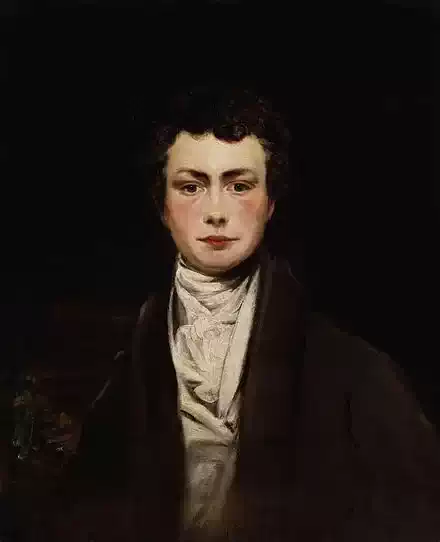
Thomas Moore
The Sinking Fund Cried
The Sinking Fund Cried
["Now what, we ask, is become of this Sinking Fund - these eight millions of surplus
above expenditure, which were to reduce the interest of the national debt by the
amount of four hundred thousand pounds annually? Where, indeed, is the Sinking Fund
itself?" - The Times]
Take your bell, take your bell,
Good Crier, and tell
To the Bulls and the Bears, till their ears are stunn'd,
That, lost or stolen,
Or fall'n through a hole in
The Treasury floor, is the Sinking Fund!
O yes! O yes!
Can anybody guess
What the deuce has become of this Treasury wonder?
It has Pitt's name on't,
All brass, in the front,
And R--b--ns--n's scrawl'd with a goose-quill under.
Folks well knew what
Would soon be its lot,
When Frederick or Jenky set hobnobbing,[]
And said to each other,
"Suppose, dear brother,
We make this funny old Fund worth robbing."
We are come, alas!
To a very pretty pass --
Eight Hundred Millions of score, to pay,
With but Five in the till,
To discharge the bill,
And even that Five too, whipp'd away!
Stop thief! stop thief! --
From the Sub to the Chief,
These Genmen of Finance are plundering cattle --
Call the watch, call Bougham
Tell Joseph Hume,
That best of Charleys, to spring his rattle.
Whoever will bring
This aforesaid thing
To the well-known house of Robinson and Jenkin,
Shall be paid, with thanks,
In the notes of banks,
Whose Funds have all learn'd "the Art of Sinking."
O yes! O yes!
Can any body guess
What the devil has become of the Treasury wonder?
It has Pitt's name on 't,
All brass, in the front,
And R--b--ns--n's, scrawl'd with a goose-quill under.
["Now what, we ask, is become of this Sinking Fund - these eight millions of surplus
above expenditure, which were to reduce the interest of the national debt by the
amount of four hundred thousand pounds annually? Where, indeed, is the Sinking Fund
itself?" - The Times]
Take your bell, take your bell,
Good Crier, and tell
To the Bulls and the Bears, till their ears are stunn'd,
That, lost or stolen,
Or fall'n through a hole in
The Treasury floor, is the Sinking Fund!
O yes! O yes!
Can anybody guess
What the deuce has become of this Treasury wonder?
It has Pitt's name on't,
All brass, in the front,
And R--b--ns--n's scrawl'd with a goose-quill under.
Folks well knew what
Would soon be its lot,
When Frederick or Jenky set hobnobbing,[]
And said to each other,
"Suppose, dear brother,
We make this funny old Fund worth robbing."
We are come, alas!
To a very pretty pass --
Eight Hundred Millions of score, to pay,
With but Five in the till,
To discharge the bill,
And even that Five too, whipp'd away!
Stop thief! stop thief! --
From the Sub to the Chief,
These Genmen of Finance are plundering cattle --
Call the watch, call Bougham
Tell Joseph Hume,
That best of Charleys, to spring his rattle.
Whoever will bring
This aforesaid thing
To the well-known house of Robinson and Jenkin,
Shall be paid, with thanks,
In the notes of banks,
Whose Funds have all learn'd "the Art of Sinking."
O yes! O yes!
Can any body guess
What the devil has become of the Treasury wonder?
It has Pitt's name on 't,
All brass, in the front,
And R--b--ns--n's, scrawl'd with a goose-quill under.
204
Thomas Moore
The Song of O'Ruark, Prince of Breffni
The Song of O'Ruark, Prince of Breffni
The valley lay smiling before me,
Where lately I left her behind;
Yet I trembled, and something hung o'er me,
That sadden'd the joy of my mind.
I look'd for the lamp which, she told me,
Should shine when her Pilgrim return'd;
But, though darkness began to infold me,
No lamp from the battlements burn'd!
I flew to her chamber -- 'twas lonely,
As if the loved tenant lay dead; --
Ah, would it were death, and death only!
But no, the young false one had fled.
And there hung the lute that could soften
My very worst pains into bliss;
While the hand that had waked it so often
Now throbb'd to a proud rival's kiss.
There was a time, falsest of women,
When Breffni's good sword would have sought
That man, through a million of foemen,
Who dared but to wrong thee in thought!
While now -- oh degenerate daughter
Of Erin, how fallen is thy fame!
And through ages of bondage and slaughter,
Our country shall bleed for thy shame.
Already the curse is upon her,
And strangers her valleys profane;
They come to divide, to dishonour,
And tyrants they long will remain.
But onward! --- the green banner rearing,
Go, flesh every sword to the hilt;
On our side is Virtue and Erin,
On theirs is the Saxon and Guilt.
The valley lay smiling before me,
Where lately I left her behind;
Yet I trembled, and something hung o'er me,
That sadden'd the joy of my mind.
I look'd for the lamp which, she told me,
Should shine when her Pilgrim return'd;
But, though darkness began to infold me,
No lamp from the battlements burn'd!
I flew to her chamber -- 'twas lonely,
As if the loved tenant lay dead; --
Ah, would it were death, and death only!
But no, the young false one had fled.
And there hung the lute that could soften
My very worst pains into bliss;
While the hand that had waked it so often
Now throbb'd to a proud rival's kiss.
There was a time, falsest of women,
When Breffni's good sword would have sought
That man, through a million of foemen,
Who dared but to wrong thee in thought!
While now -- oh degenerate daughter
Of Erin, how fallen is thy fame!
And through ages of bondage and slaughter,
Our country shall bleed for thy shame.
Already the curse is upon her,
And strangers her valleys profane;
They come to divide, to dishonour,
And tyrants they long will remain.
But onward! --- the green banner rearing,
Go, flesh every sword to the hilt;
On our side is Virtue and Erin,
On theirs is the Saxon and Guilt.
194
Thomas Moore
The Song of O'Ruark, Prince of Breffni
The Song of O'Ruark, Prince of Breffni
The valley lay smiling before me,
Where lately I left her behind;
Yet I trembled, and something hung o'er me,
That sadden'd the joy of my mind.
I look'd for the lamp which, she told me,
Should shine when her Pilgrim return'd;
But, though darkness began to infold me,
No lamp from the battlements burn'd!
I flew to her chamber -- 'twas lonely,
As if the loved tenant lay dead; --
Ah, would it were death, and death only!
But no, the young false one had fled.
And there hung the lute that could soften
My very worst pains into bliss;
While the hand that had waked it so often
Now throbb'd to a proud rival's kiss.
There was a time, falsest of women,
When Breffni's good sword would have sought
That man, through a million of foemen,
Who dared but to wrong thee in thought!
While now -- oh degenerate daughter
Of Erin, how fallen is thy fame!
And through ages of bondage and slaughter,
Our country shall bleed for thy shame.
Already the curse is upon her,
And strangers her valleys profane;
They come to divide, to dishonour,
And tyrants they long will remain.
But onward! --- the green banner rearing,
Go, flesh every sword to the hilt;
On our side is Virtue and Erin,
On theirs is the Saxon and Guilt.
The valley lay smiling before me,
Where lately I left her behind;
Yet I trembled, and something hung o'er me,
That sadden'd the joy of my mind.
I look'd for the lamp which, she told me,
Should shine when her Pilgrim return'd;
But, though darkness began to infold me,
No lamp from the battlements burn'd!
I flew to her chamber -- 'twas lonely,
As if the loved tenant lay dead; --
Ah, would it were death, and death only!
But no, the young false one had fled.
And there hung the lute that could soften
My very worst pains into bliss;
While the hand that had waked it so often
Now throbb'd to a proud rival's kiss.
There was a time, falsest of women,
When Breffni's good sword would have sought
That man, through a million of foemen,
Who dared but to wrong thee in thought!
While now -- oh degenerate daughter
Of Erin, how fallen is thy fame!
And through ages of bondage and slaughter,
Our country shall bleed for thy shame.
Already the curse is upon her,
And strangers her valleys profane;
They come to divide, to dishonour,
And tyrants they long will remain.
But onward! --- the green banner rearing,
Go, flesh every sword to the hilt;
On our side is Virtue and Erin,
On theirs is the Saxon and Guilt.
194
Thomas Moore
The Song of O'Ruark, Prince of Breffni
The Song of O'Ruark, Prince of Breffni
The valley lay smiling before me,
Where lately I left her behind;
Yet I trembled, and something hung o'er me,
That sadden'd the joy of my mind.
I look'd for the lamp which, she told me,
Should shine when her Pilgrim return'd;
But, though darkness began to infold me,
No lamp from the battlements burn'd!
I flew to her chamber -- 'twas lonely,
As if the loved tenant lay dead; --
Ah, would it were death, and death only!
But no, the young false one had fled.
And there hung the lute that could soften
My very worst pains into bliss;
While the hand that had waked it so often
Now throbb'd to a proud rival's kiss.
There was a time, falsest of women,
When Breffni's good sword would have sought
That man, through a million of foemen,
Who dared but to wrong thee in thought!
While now -- oh degenerate daughter
Of Erin, how fallen is thy fame!
And through ages of bondage and slaughter,
Our country shall bleed for thy shame.
Already the curse is upon her,
And strangers her valleys profane;
They come to divide, to dishonour,
And tyrants they long will remain.
But onward! --- the green banner rearing,
Go, flesh every sword to the hilt;
On our side is Virtue and Erin,
On theirs is the Saxon and Guilt.
The valley lay smiling before me,
Where lately I left her behind;
Yet I trembled, and something hung o'er me,
That sadden'd the joy of my mind.
I look'd for the lamp which, she told me,
Should shine when her Pilgrim return'd;
But, though darkness began to infold me,
No lamp from the battlements burn'd!
I flew to her chamber -- 'twas lonely,
As if the loved tenant lay dead; --
Ah, would it were death, and death only!
But no, the young false one had fled.
And there hung the lute that could soften
My very worst pains into bliss;
While the hand that had waked it so often
Now throbb'd to a proud rival's kiss.
There was a time, falsest of women,
When Breffni's good sword would have sought
That man, through a million of foemen,
Who dared but to wrong thee in thought!
While now -- oh degenerate daughter
Of Erin, how fallen is thy fame!
And through ages of bondage and slaughter,
Our country shall bleed for thy shame.
Already the curse is upon her,
And strangers her valleys profane;
They come to divide, to dishonour,
And tyrants they long will remain.
But onward! --- the green banner rearing,
Go, flesh every sword to the hilt;
On our side is Virtue and Erin,
On theirs is the Saxon and Guilt.
194
Thomas Moore
The Parallel
The Parallel
Yes, sad one of Sion, if closely resembling,
In shame and in sorrow, thy wither'd-up heart --
If drinking deep, deep, of the same "cup of trembling"
Could make us thy children, our parent thou art.
Like thee doth our nation lie conquer'd and broken,
And fall'n from her head is the once royal crown;
In her streets, in her halls, Desolation hath spoken,
And "while it is day yet, her sun hath gone down."
Like thine doth her exile, 'mid dreams of returning,
Die far from the home it were life to behold;
Like thine do her sons, in the day of their mourning
Remember the bright things that bless'd them of old.
Ah, well may we call her, like thee, "the Forsaken,"
Her boldest are vanquish'd, her proudest are slaves;
And the harps of her minstrels, when gayest they waken,
Have tones 'mid their mirth like the wind over graves!
Yet hadst thou thy vengeance -- yet came there the morrow,
That shines out, at last, on the longest dark night,
When the sceptre, that smote thee with slavery and sorrow,
Was shiver'd at once, like a reed, in thy sight.
When that cup, which for others the proud Golden City
Had brimm'd full of bitterness, drench'd her own lips;
And the world she had trampled on heard, without pity,
The howl in her halls, and the cry from her ships.
When the curse Heaven keeps for the haughty came over,
Her merchants rapacious, her rulers unjust,
And a ruin at last for the earthworm to cover,
The Lady of Kingdoms lay low in the dust.
Yes, sad one of Sion, if closely resembling,
In shame and in sorrow, thy wither'd-up heart --
If drinking deep, deep, of the same "cup of trembling"
Could make us thy children, our parent thou art.
Like thee doth our nation lie conquer'd and broken,
And fall'n from her head is the once royal crown;
In her streets, in her halls, Desolation hath spoken,
And "while it is day yet, her sun hath gone down."
Like thine doth her exile, 'mid dreams of returning,
Die far from the home it were life to behold;
Like thine do her sons, in the day of their mourning
Remember the bright things that bless'd them of old.
Ah, well may we call her, like thee, "the Forsaken,"
Her boldest are vanquish'd, her proudest are slaves;
And the harps of her minstrels, when gayest they waken,
Have tones 'mid their mirth like the wind over graves!
Yet hadst thou thy vengeance -- yet came there the morrow,
That shines out, at last, on the longest dark night,
When the sceptre, that smote thee with slavery and sorrow,
Was shiver'd at once, like a reed, in thy sight.
When that cup, which for others the proud Golden City
Had brimm'd full of bitterness, drench'd her own lips;
And the world she had trampled on heard, without pity,
The howl in her halls, and the cry from her ships.
When the curse Heaven keeps for the haughty came over,
Her merchants rapacious, her rulers unjust,
And a ruin at last for the earthworm to cover,
The Lady of Kingdoms lay low in the dust.
250
Thomas Moore
The Parallel
The Parallel
Yes, sad one of Sion, if closely resembling,
In shame and in sorrow, thy wither'd-up heart --
If drinking deep, deep, of the same "cup of trembling"
Could make us thy children, our parent thou art.
Like thee doth our nation lie conquer'd and broken,
And fall'n from her head is the once royal crown;
In her streets, in her halls, Desolation hath spoken,
And "while it is day yet, her sun hath gone down."
Like thine doth her exile, 'mid dreams of returning,
Die far from the home it were life to behold;
Like thine do her sons, in the day of their mourning
Remember the bright things that bless'd them of old.
Ah, well may we call her, like thee, "the Forsaken,"
Her boldest are vanquish'd, her proudest are slaves;
And the harps of her minstrels, when gayest they waken,
Have tones 'mid their mirth like the wind over graves!
Yet hadst thou thy vengeance -- yet came there the morrow,
That shines out, at last, on the longest dark night,
When the sceptre, that smote thee with slavery and sorrow,
Was shiver'd at once, like a reed, in thy sight.
When that cup, which for others the proud Golden City
Had brimm'd full of bitterness, drench'd her own lips;
And the world she had trampled on heard, without pity,
The howl in her halls, and the cry from her ships.
When the curse Heaven keeps for the haughty came over,
Her merchants rapacious, her rulers unjust,
And a ruin at last for the earthworm to cover,
The Lady of Kingdoms lay low in the dust.
Yes, sad one of Sion, if closely resembling,
In shame and in sorrow, thy wither'd-up heart --
If drinking deep, deep, of the same "cup of trembling"
Could make us thy children, our parent thou art.
Like thee doth our nation lie conquer'd and broken,
And fall'n from her head is the once royal crown;
In her streets, in her halls, Desolation hath spoken,
And "while it is day yet, her sun hath gone down."
Like thine doth her exile, 'mid dreams of returning,
Die far from the home it were life to behold;
Like thine do her sons, in the day of their mourning
Remember the bright things that bless'd them of old.
Ah, well may we call her, like thee, "the Forsaken,"
Her boldest are vanquish'd, her proudest are slaves;
And the harps of her minstrels, when gayest they waken,
Have tones 'mid their mirth like the wind over graves!
Yet hadst thou thy vengeance -- yet came there the morrow,
That shines out, at last, on the longest dark night,
When the sceptre, that smote thee with slavery and sorrow,
Was shiver'd at once, like a reed, in thy sight.
When that cup, which for others the proud Golden City
Had brimm'd full of bitterness, drench'd her own lips;
And the world she had trampled on heard, without pity,
The howl in her halls, and the cry from her ships.
When the curse Heaven keeps for the haughty came over,
Her merchants rapacious, her rulers unjust,
And a ruin at last for the earthworm to cover,
The Lady of Kingdoms lay low in the dust.
250
Thomas Moore
The Minstrel Boy
The Minstrel Boy
The Minstrel-Boy to the war is gone,
In the ranks of death you'll find him;
His father's sword he has girded on,
And his wild harp slung behind him.
"Land of song!" said the warrior-bard,
"Though all the world betrays thee,
One sword, at least, thy rights shall guard,
One faithful harp shall praise thee!"
The Minstrel fell! -- but the foeman's chain
Could not bring his proud soul under;
The harp he loved ne'er spoke again,
For he tore its chords asunder;
And said, "No chains shall sully thee,
Thou soul of love and bravery!
Thy songs were made for the pure and free,
They shall never sound in slavery."
The Minstrel-Boy to the war is gone,
In the ranks of death you'll find him;
His father's sword he has girded on,
And his wild harp slung behind him.
"Land of song!" said the warrior-bard,
"Though all the world betrays thee,
One sword, at least, thy rights shall guard,
One faithful harp shall praise thee!"
The Minstrel fell! -- but the foeman's chain
Could not bring his proud soul under;
The harp he loved ne'er spoke again,
For he tore its chords asunder;
And said, "No chains shall sully thee,
Thou soul of love and bravery!
Thy songs were made for the pure and free,
They shall never sound in slavery."
224
Thomas Moore
The Minstrel Boy
The Minstrel Boy
The Minstrel-Boy to the war is gone,
In the ranks of death you'll find him;
His father's sword he has girded on,
And his wild harp slung behind him.
"Land of song!" said the warrior-bard,
"Though all the world betrays thee,
One sword, at least, thy rights shall guard,
One faithful harp shall praise thee!"
The Minstrel fell! -- but the foeman's chain
Could not bring his proud soul under;
The harp he loved ne'er spoke again,
For he tore its chords asunder;
And said, "No chains shall sully thee,
Thou soul of love and bravery!
Thy songs were made for the pure and free,
They shall never sound in slavery."
The Minstrel-Boy to the war is gone,
In the ranks of death you'll find him;
His father's sword he has girded on,
And his wild harp slung behind him.
"Land of song!" said the warrior-bard,
"Though all the world betrays thee,
One sword, at least, thy rights shall guard,
One faithful harp shall praise thee!"
The Minstrel fell! -- but the foeman's chain
Could not bring his proud soul under;
The harp he loved ne'er spoke again,
For he tore its chords asunder;
And said, "No chains shall sully thee,
Thou soul of love and bravery!
Thy songs were made for the pure and free,
They shall never sound in slavery."
224
Thomas Moore
The Minstrel Boy
The Minstrel Boy
The Minstrel-Boy to the war is gone,
In the ranks of death you'll find him;
His father's sword he has girded on,
And his wild harp slung behind him.
"Land of song!" said the warrior-bard,
"Though all the world betrays thee,
One sword, at least, thy rights shall guard,
One faithful harp shall praise thee!"
The Minstrel fell! -- but the foeman's chain
Could not bring his proud soul under;
The harp he loved ne'er spoke again,
For he tore its chords asunder;
And said, "No chains shall sully thee,
Thou soul of love and bravery!
Thy songs were made for the pure and free,
They shall never sound in slavery."
The Minstrel-Boy to the war is gone,
In the ranks of death you'll find him;
His father's sword he has girded on,
And his wild harp slung behind him.
"Land of song!" said the warrior-bard,
"Though all the world betrays thee,
One sword, at least, thy rights shall guard,
One faithful harp shall praise thee!"
The Minstrel fell! -- but the foeman's chain
Could not bring his proud soul under;
The harp he loved ne'er spoke again,
For he tore its chords asunder;
And said, "No chains shall sully thee,
Thou soul of love and bravery!
Thy songs were made for the pure and free,
They shall never sound in slavery."
224
Thomas Moore
The Minstrel Boy
The Minstrel Boy
The Minstrel-Boy to the war is gone,
In the ranks of death you'll find him;
His father's sword he has girded on,
And his wild harp slung behind him.
"Land of song!" said the warrior-bard,
"Though all the world betrays thee,
One sword, at least, thy rights shall guard,
One faithful harp shall praise thee!"
The Minstrel fell! -- but the foeman's chain
Could not bring his proud soul under;
The harp he loved ne'er spoke again,
For he tore its chords asunder;
And said, "No chains shall sully thee,
Thou soul of love and bravery!
Thy songs were made for the pure and free,
They shall never sound in slavery."
The Minstrel-Boy to the war is gone,
In the ranks of death you'll find him;
His father's sword he has girded on,
And his wild harp slung behind him.
"Land of song!" said the warrior-bard,
"Though all the world betrays thee,
One sword, at least, thy rights shall guard,
One faithful harp shall praise thee!"
The Minstrel fell! -- but the foeman's chain
Could not bring his proud soul under;
The harp he loved ne'er spoke again,
For he tore its chords asunder;
And said, "No chains shall sully thee,
Thou soul of love and bravery!
Thy songs were made for the pure and free,
They shall never sound in slavery."
224
Thomas Moore
The Irish Peasant to his Mistress
The Irish Peasant to his Mistress
Through grief and through danger thy smile hath cheer'd my way,
Till hope seem'd to bud from each thorn that round me lay;
The darker our fortune, the brighter our pure love burn'd,
Till shame into glory, till fear into zeal was turn'd;
Yes, slave as I was, in thy arms my spirit felt free,
And bless'd even the sorrows that made me more dear to thee.
Thy rival was honour'd, while thou wert wrong'd and scorn'd,
Thy crown was of briers, while gold her brows adorn'd;
She woo'd me to temples, while thou lay'st hid in caves,
Her friends were all masters, while thine, alas! were slaves;
Yet cold in the earth, at thy feet, I would rather be,
Then wed what I loved not, or turn one thought from thee.
They slander thee sorely, who say thy vows are frail --
Hadst thou been a false one, thy cheek had look'd less pale.
They say, too, so long thou hast worn those lingering chains --
That deep in thy heart they have printed their servile stains --
Oh! foul is the slander -- no chain could that soul subdue --
Where shineth thy spirit, there liberty shineth too!
Through grief and through danger thy smile hath cheer'd my way,
Till hope seem'd to bud from each thorn that round me lay;
The darker our fortune, the brighter our pure love burn'd,
Till shame into glory, till fear into zeal was turn'd;
Yes, slave as I was, in thy arms my spirit felt free,
And bless'd even the sorrows that made me more dear to thee.
Thy rival was honour'd, while thou wert wrong'd and scorn'd,
Thy crown was of briers, while gold her brows adorn'd;
She woo'd me to temples, while thou lay'st hid in caves,
Her friends were all masters, while thine, alas! were slaves;
Yet cold in the earth, at thy feet, I would rather be,
Then wed what I loved not, or turn one thought from thee.
They slander thee sorely, who say thy vows are frail --
Hadst thou been a false one, thy cheek had look'd less pale.
They say, too, so long thou hast worn those lingering chains --
That deep in thy heart they have printed their servile stains --
Oh! foul is the slander -- no chain could that soul subdue --
Where shineth thy spirit, there liberty shineth too!
204
Thomas Moore
The Ghost of Miltiades
The Ghost of Miltiades
The Ghost of Miltiades came at night,
And he stood by the bed of the Benthamite,
And he said, in a voice, that thrill'd the frame,
"If ever the sound of Marathon's name
Hath fir'd they blood or flush'd thy brow,
Lover of Liberty, rise thee now!"
The Benthamite, yawning, left his bed --
Away to the Stock Exchange he sped,
And he found the Scrip of Greece so high,
That it fir'd his blood, it flush'd his eye,
And oh, 'twas a sight to see,
For never was Greek more Greek than he!
And still as the premium higher went,
His ecstas rose - so much per cent.,
(As we see in a glass, that tells the weather,
The heat and the silver rise together,)
And Liberty sung from the patriot's lip,
While a voice from pocket whisper'd "Scrip!"
The Ghost of Miltiades came again; --
He smil'd as the pale moon smiles through rain,
For his soul was glad at the patriot strain;
(And poor, dear ghost -- how little he knew
The jobs and the tricks of the Philhellene crew!)
"Blessings and thanks!" was all he said,
Then, melting away, like a night-dream, fled!
The Benthamite hears -- amaz'd that ghosts
Could be such fools -- and away he posts,
A patriot still? Ah no, ah no --
Goddess of Freedom, thy scrip is low,
And, warm and fond as they lovers are,
Thou triest their passion, when under par.
The Benthamite's ardour fast decays,
By turns he weeps, and swears, and prays,
And wishes the d--l had Crescent and Cross,
Ere he had been forc'd to sell at a loss.
They quote thim the Stock of various nations,
But, spite of his classical associations,
Lord how he loathes the Greek quotations!
"Who'll buy my Scrip! Who'll buy my Scrip?"
Is now the theme of the patriot's lip,
And he runs to tell how hard his lot is
To Messrs. Orlando and Luriottis,
And says, "Oh Greece, for Liberty's sake,
Do buy my Scrip and I vow to break
Those dark, unholy bonds of thine --
If you'll only consent to buy up mine!"
The Ghost of Miltiades came once more; --
His brow, like the night, was lowering o'er,
And he said, with a look that flash'd dismay,
"Of Liberty's foes the worst are they
Who turn to a trade her cause divine,
And gamble for gold on Freedom's shrine!"
Thus saying, the Ghost, as he took his flight,
Gave a Parthian kick to the Benthamite,
Which sent him, whimpering, off to Jerry --
And vanish'd away to the Stygian ferry!
The Ghost of Miltiades came at night,
And he stood by the bed of the Benthamite,
And he said, in a voice, that thrill'd the frame,
"If ever the sound of Marathon's name
Hath fir'd they blood or flush'd thy brow,
Lover of Liberty, rise thee now!"
The Benthamite, yawning, left his bed --
Away to the Stock Exchange he sped,
And he found the Scrip of Greece so high,
That it fir'd his blood, it flush'd his eye,
And oh, 'twas a sight to see,
For never was Greek more Greek than he!
And still as the premium higher went,
His ecstas rose - so much per cent.,
(As we see in a glass, that tells the weather,
The heat and the silver rise together,)
And Liberty sung from the patriot's lip,
While a voice from pocket whisper'd "Scrip!"
The Ghost of Miltiades came again; --
He smil'd as the pale moon smiles through rain,
For his soul was glad at the patriot strain;
(And poor, dear ghost -- how little he knew
The jobs and the tricks of the Philhellene crew!)
"Blessings and thanks!" was all he said,
Then, melting away, like a night-dream, fled!
The Benthamite hears -- amaz'd that ghosts
Could be such fools -- and away he posts,
A patriot still? Ah no, ah no --
Goddess of Freedom, thy scrip is low,
And, warm and fond as they lovers are,
Thou triest their passion, when under par.
The Benthamite's ardour fast decays,
By turns he weeps, and swears, and prays,
And wishes the d--l had Crescent and Cross,
Ere he had been forc'd to sell at a loss.
They quote thim the Stock of various nations,
But, spite of his classical associations,
Lord how he loathes the Greek quotations!
"Who'll buy my Scrip! Who'll buy my Scrip?"
Is now the theme of the patriot's lip,
And he runs to tell how hard his lot is
To Messrs. Orlando and Luriottis,
And says, "Oh Greece, for Liberty's sake,
Do buy my Scrip and I vow to break
Those dark, unholy bonds of thine --
If you'll only consent to buy up mine!"
The Ghost of Miltiades came once more; --
His brow, like the night, was lowering o'er,
And he said, with a look that flash'd dismay,
"Of Liberty's foes the worst are they
Who turn to a trade her cause divine,
And gamble for gold on Freedom's shrine!"
Thus saying, the Ghost, as he took his flight,
Gave a Parthian kick to the Benthamite,
Which sent him, whimpering, off to Jerry --
And vanish'd away to the Stygian ferry!
206
Thomas Moore
The Ghost of Miltiades
The Ghost of Miltiades
The Ghost of Miltiades came at night,
And he stood by the bed of the Benthamite,
And he said, in a voice, that thrill'd the frame,
"If ever the sound of Marathon's name
Hath fir'd they blood or flush'd thy brow,
Lover of Liberty, rise thee now!"
The Benthamite, yawning, left his bed --
Away to the Stock Exchange he sped,
And he found the Scrip of Greece so high,
That it fir'd his blood, it flush'd his eye,
And oh, 'twas a sight to see,
For never was Greek more Greek than he!
And still as the premium higher went,
His ecstas rose - so much per cent.,
(As we see in a glass, that tells the weather,
The heat and the silver rise together,)
And Liberty sung from the patriot's lip,
While a voice from pocket whisper'd "Scrip!"
The Ghost of Miltiades came again; --
He smil'd as the pale moon smiles through rain,
For his soul was glad at the patriot strain;
(And poor, dear ghost -- how little he knew
The jobs and the tricks of the Philhellene crew!)
"Blessings and thanks!" was all he said,
Then, melting away, like a night-dream, fled!
The Benthamite hears -- amaz'd that ghosts
Could be such fools -- and away he posts,
A patriot still? Ah no, ah no --
Goddess of Freedom, thy scrip is low,
And, warm and fond as they lovers are,
Thou triest their passion, when under par.
The Benthamite's ardour fast decays,
By turns he weeps, and swears, and prays,
And wishes the d--l had Crescent and Cross,
Ere he had been forc'd to sell at a loss.
They quote thim the Stock of various nations,
But, spite of his classical associations,
Lord how he loathes the Greek quotations!
"Who'll buy my Scrip! Who'll buy my Scrip?"
Is now the theme of the patriot's lip,
And he runs to tell how hard his lot is
To Messrs. Orlando and Luriottis,
And says, "Oh Greece, for Liberty's sake,
Do buy my Scrip and I vow to break
Those dark, unholy bonds of thine --
If you'll only consent to buy up mine!"
The Ghost of Miltiades came once more; --
His brow, like the night, was lowering o'er,
And he said, with a look that flash'd dismay,
"Of Liberty's foes the worst are they
Who turn to a trade her cause divine,
And gamble for gold on Freedom's shrine!"
Thus saying, the Ghost, as he took his flight,
Gave a Parthian kick to the Benthamite,
Which sent him, whimpering, off to Jerry --
And vanish'd away to the Stygian ferry!
The Ghost of Miltiades came at night,
And he stood by the bed of the Benthamite,
And he said, in a voice, that thrill'd the frame,
"If ever the sound of Marathon's name
Hath fir'd they blood or flush'd thy brow,
Lover of Liberty, rise thee now!"
The Benthamite, yawning, left his bed --
Away to the Stock Exchange he sped,
And he found the Scrip of Greece so high,
That it fir'd his blood, it flush'd his eye,
And oh, 'twas a sight to see,
For never was Greek more Greek than he!
And still as the premium higher went,
His ecstas rose - so much per cent.,
(As we see in a glass, that tells the weather,
The heat and the silver rise together,)
And Liberty sung from the patriot's lip,
While a voice from pocket whisper'd "Scrip!"
The Ghost of Miltiades came again; --
He smil'd as the pale moon smiles through rain,
For his soul was glad at the patriot strain;
(And poor, dear ghost -- how little he knew
The jobs and the tricks of the Philhellene crew!)
"Blessings and thanks!" was all he said,
Then, melting away, like a night-dream, fled!
The Benthamite hears -- amaz'd that ghosts
Could be such fools -- and away he posts,
A patriot still? Ah no, ah no --
Goddess of Freedom, thy scrip is low,
And, warm and fond as they lovers are,
Thou triest their passion, when under par.
The Benthamite's ardour fast decays,
By turns he weeps, and swears, and prays,
And wishes the d--l had Crescent and Cross,
Ere he had been forc'd to sell at a loss.
They quote thim the Stock of various nations,
But, spite of his classical associations,
Lord how he loathes the Greek quotations!
"Who'll buy my Scrip! Who'll buy my Scrip?"
Is now the theme of the patriot's lip,
And he runs to tell how hard his lot is
To Messrs. Orlando and Luriottis,
And says, "Oh Greece, for Liberty's sake,
Do buy my Scrip and I vow to break
Those dark, unholy bonds of thine --
If you'll only consent to buy up mine!"
The Ghost of Miltiades came once more; --
His brow, like the night, was lowering o'er,
And he said, with a look that flash'd dismay,
"Of Liberty's foes the worst are they
Who turn to a trade her cause divine,
And gamble for gold on Freedom's shrine!"
Thus saying, the Ghost, as he took his flight,
Gave a Parthian kick to the Benthamite,
Which sent him, whimpering, off to Jerry --
And vanish'd away to the Stygian ferry!
206
Thomas Moore
The Ghost of Miltiades
The Ghost of Miltiades
The Ghost of Miltiades came at night,
And he stood by the bed of the Benthamite,
And he said, in a voice, that thrill'd the frame,
"If ever the sound of Marathon's name
Hath fir'd they blood or flush'd thy brow,
Lover of Liberty, rise thee now!"
The Benthamite, yawning, left his bed --
Away to the Stock Exchange he sped,
And he found the Scrip of Greece so high,
That it fir'd his blood, it flush'd his eye,
And oh, 'twas a sight to see,
For never was Greek more Greek than he!
And still as the premium higher went,
His ecstas rose - so much per cent.,
(As we see in a glass, that tells the weather,
The heat and the silver rise together,)
And Liberty sung from the patriot's lip,
While a voice from pocket whisper'd "Scrip!"
The Ghost of Miltiades came again; --
He smil'd as the pale moon smiles through rain,
For his soul was glad at the patriot strain;
(And poor, dear ghost -- how little he knew
The jobs and the tricks of the Philhellene crew!)
"Blessings and thanks!" was all he said,
Then, melting away, like a night-dream, fled!
The Benthamite hears -- amaz'd that ghosts
Could be such fools -- and away he posts,
A patriot still? Ah no, ah no --
Goddess of Freedom, thy scrip is low,
And, warm and fond as they lovers are,
Thou triest their passion, when under par.
The Benthamite's ardour fast decays,
By turns he weeps, and swears, and prays,
And wishes the d--l had Crescent and Cross,
Ere he had been forc'd to sell at a loss.
They quote thim the Stock of various nations,
But, spite of his classical associations,
Lord how he loathes the Greek quotations!
"Who'll buy my Scrip! Who'll buy my Scrip?"
Is now the theme of the patriot's lip,
And he runs to tell how hard his lot is
To Messrs. Orlando and Luriottis,
And says, "Oh Greece, for Liberty's sake,
Do buy my Scrip and I vow to break
Those dark, unholy bonds of thine --
If you'll only consent to buy up mine!"
The Ghost of Miltiades came once more; --
His brow, like the night, was lowering o'er,
And he said, with a look that flash'd dismay,
"Of Liberty's foes the worst are they
Who turn to a trade her cause divine,
And gamble for gold on Freedom's shrine!"
Thus saying, the Ghost, as he took his flight,
Gave a Parthian kick to the Benthamite,
Which sent him, whimpering, off to Jerry --
And vanish'd away to the Stygian ferry!
The Ghost of Miltiades came at night,
And he stood by the bed of the Benthamite,
And he said, in a voice, that thrill'd the frame,
"If ever the sound of Marathon's name
Hath fir'd they blood or flush'd thy brow,
Lover of Liberty, rise thee now!"
The Benthamite, yawning, left his bed --
Away to the Stock Exchange he sped,
And he found the Scrip of Greece so high,
That it fir'd his blood, it flush'd his eye,
And oh, 'twas a sight to see,
For never was Greek more Greek than he!
And still as the premium higher went,
His ecstas rose - so much per cent.,
(As we see in a glass, that tells the weather,
The heat and the silver rise together,)
And Liberty sung from the patriot's lip,
While a voice from pocket whisper'd "Scrip!"
The Ghost of Miltiades came again; --
He smil'd as the pale moon smiles through rain,
For his soul was glad at the patriot strain;
(And poor, dear ghost -- how little he knew
The jobs and the tricks of the Philhellene crew!)
"Blessings and thanks!" was all he said,
Then, melting away, like a night-dream, fled!
The Benthamite hears -- amaz'd that ghosts
Could be such fools -- and away he posts,
A patriot still? Ah no, ah no --
Goddess of Freedom, thy scrip is low,
And, warm and fond as they lovers are,
Thou triest their passion, when under par.
The Benthamite's ardour fast decays,
By turns he weeps, and swears, and prays,
And wishes the d--l had Crescent and Cross,
Ere he had been forc'd to sell at a loss.
They quote thim the Stock of various nations,
But, spite of his classical associations,
Lord how he loathes the Greek quotations!
"Who'll buy my Scrip! Who'll buy my Scrip?"
Is now the theme of the patriot's lip,
And he runs to tell how hard his lot is
To Messrs. Orlando and Luriottis,
And says, "Oh Greece, for Liberty's sake,
Do buy my Scrip and I vow to break
Those dark, unholy bonds of thine --
If you'll only consent to buy up mine!"
The Ghost of Miltiades came once more; --
His brow, like the night, was lowering o'er,
And he said, with a look that flash'd dismay,
"Of Liberty's foes the worst are they
Who turn to a trade her cause divine,
And gamble for gold on Freedom's shrine!"
Thus saying, the Ghost, as he took his flight,
Gave a Parthian kick to the Benthamite,
Which sent him, whimpering, off to Jerry --
And vanish'd away to the Stygian ferry!
206
Thomas Moore
The Ghost of Miltiades
The Ghost of Miltiades
The Ghost of Miltiades came at night,
And he stood by the bed of the Benthamite,
And he said, in a voice, that thrill'd the frame,
"If ever the sound of Marathon's name
Hath fir'd they blood or flush'd thy brow,
Lover of Liberty, rise thee now!"
The Benthamite, yawning, left his bed --
Away to the Stock Exchange he sped,
And he found the Scrip of Greece so high,
That it fir'd his blood, it flush'd his eye,
And oh, 'twas a sight to see,
For never was Greek more Greek than he!
And still as the premium higher went,
His ecstas rose - so much per cent.,
(As we see in a glass, that tells the weather,
The heat and the silver rise together,)
And Liberty sung from the patriot's lip,
While a voice from pocket whisper'd "Scrip!"
The Ghost of Miltiades came again; --
He smil'd as the pale moon smiles through rain,
For his soul was glad at the patriot strain;
(And poor, dear ghost -- how little he knew
The jobs and the tricks of the Philhellene crew!)
"Blessings and thanks!" was all he said,
Then, melting away, like a night-dream, fled!
The Benthamite hears -- amaz'd that ghosts
Could be such fools -- and away he posts,
A patriot still? Ah no, ah no --
Goddess of Freedom, thy scrip is low,
And, warm and fond as they lovers are,
Thou triest their passion, when under par.
The Benthamite's ardour fast decays,
By turns he weeps, and swears, and prays,
And wishes the d--l had Crescent and Cross,
Ere he had been forc'd to sell at a loss.
They quote thim the Stock of various nations,
But, spite of his classical associations,
Lord how he loathes the Greek quotations!
"Who'll buy my Scrip! Who'll buy my Scrip?"
Is now the theme of the patriot's lip,
And he runs to tell how hard his lot is
To Messrs. Orlando and Luriottis,
And says, "Oh Greece, for Liberty's sake,
Do buy my Scrip and I vow to break
Those dark, unholy bonds of thine --
If you'll only consent to buy up mine!"
The Ghost of Miltiades came once more; --
His brow, like the night, was lowering o'er,
And he said, with a look that flash'd dismay,
"Of Liberty's foes the worst are they
Who turn to a trade her cause divine,
And gamble for gold on Freedom's shrine!"
Thus saying, the Ghost, as he took his flight,
Gave a Parthian kick to the Benthamite,
Which sent him, whimpering, off to Jerry --
And vanish'd away to the Stygian ferry!
The Ghost of Miltiades came at night,
And he stood by the bed of the Benthamite,
And he said, in a voice, that thrill'd the frame,
"If ever the sound of Marathon's name
Hath fir'd they blood or flush'd thy brow,
Lover of Liberty, rise thee now!"
The Benthamite, yawning, left his bed --
Away to the Stock Exchange he sped,
And he found the Scrip of Greece so high,
That it fir'd his blood, it flush'd his eye,
And oh, 'twas a sight to see,
For never was Greek more Greek than he!
And still as the premium higher went,
His ecstas rose - so much per cent.,
(As we see in a glass, that tells the weather,
The heat and the silver rise together,)
And Liberty sung from the patriot's lip,
While a voice from pocket whisper'd "Scrip!"
The Ghost of Miltiades came again; --
He smil'd as the pale moon smiles through rain,
For his soul was glad at the patriot strain;
(And poor, dear ghost -- how little he knew
The jobs and the tricks of the Philhellene crew!)
"Blessings and thanks!" was all he said,
Then, melting away, like a night-dream, fled!
The Benthamite hears -- amaz'd that ghosts
Could be such fools -- and away he posts,
A patriot still? Ah no, ah no --
Goddess of Freedom, thy scrip is low,
And, warm and fond as they lovers are,
Thou triest their passion, when under par.
The Benthamite's ardour fast decays,
By turns he weeps, and swears, and prays,
And wishes the d--l had Crescent and Cross,
Ere he had been forc'd to sell at a loss.
They quote thim the Stock of various nations,
But, spite of his classical associations,
Lord how he loathes the Greek quotations!
"Who'll buy my Scrip! Who'll buy my Scrip?"
Is now the theme of the patriot's lip,
And he runs to tell how hard his lot is
To Messrs. Orlando and Luriottis,
And says, "Oh Greece, for Liberty's sake,
Do buy my Scrip and I vow to break
Those dark, unholy bonds of thine --
If you'll only consent to buy up mine!"
The Ghost of Miltiades came once more; --
His brow, like the night, was lowering o'er,
And he said, with a look that flash'd dismay,
"Of Liberty's foes the worst are they
Who turn to a trade her cause divine,
And gamble for gold on Freedom's shrine!"
Thus saying, the Ghost, as he took his flight,
Gave a Parthian kick to the Benthamite,
Which sent him, whimpering, off to Jerry --
And vanish'd away to the Stygian ferry!
206
Thomas Moore
The Dream of Those Days
The Dream of Those Days
The dream of those days when first I sung thee is o'er
Thy triumph hath stain'd the charm thy sorrows then wore;
And even the light which Hope once shed o'er thy chains,
Alas, not a gleam to grace thy freedom remains.
Say, is it that slavery sunk so deep in thy heart,
That still the dark brand is there, though chainless thou art;
And Freedom's sweet fruit, for which thy spirit long burn'd,
Now, reaching at last thy lip, to ashes hath turn'd?
Up Liberty's steep by Truth and Eloquence led,
With eyes on her temple fix'd, how proud was thy tread!
Ah, better thou ne'er hadst lived that summit to gain,
Denied in the porch, than thus dishonour the fane.
The dream of those days when first I sung thee is o'er
Thy triumph hath stain'd the charm thy sorrows then wore;
And even the light which Hope once shed o'er thy chains,
Alas, not a gleam to grace thy freedom remains.
Say, is it that slavery sunk so deep in thy heart,
That still the dark brand is there, though chainless thou art;
And Freedom's sweet fruit, for which thy spirit long burn'd,
Now, reaching at last thy lip, to ashes hath turn'd?
Up Liberty's steep by Truth and Eloquence led,
With eyes on her temple fix'd, how proud was thy tread!
Ah, better thou ne'er hadst lived that summit to gain,
Denied in the porch, than thus dishonour the fane.
202
Thomas Moore
The Dream of Those Days
The Dream of Those Days
The dream of those days when first I sung thee is o'er
Thy triumph hath stain'd the charm thy sorrows then wore;
And even the light which Hope once shed o'er thy chains,
Alas, not a gleam to grace thy freedom remains.
Say, is it that slavery sunk so deep in thy heart,
That still the dark brand is there, though chainless thou art;
And Freedom's sweet fruit, for which thy spirit long burn'd,
Now, reaching at last thy lip, to ashes hath turn'd?
Up Liberty's steep by Truth and Eloquence led,
With eyes on her temple fix'd, how proud was thy tread!
Ah, better thou ne'er hadst lived that summit to gain,
Denied in the porch, than thus dishonour the fane.
The dream of those days when first I sung thee is o'er
Thy triumph hath stain'd the charm thy sorrows then wore;
And even the light which Hope once shed o'er thy chains,
Alas, not a gleam to grace thy freedom remains.
Say, is it that slavery sunk so deep in thy heart,
That still the dark brand is there, though chainless thou art;
And Freedom's sweet fruit, for which thy spirit long burn'd,
Now, reaching at last thy lip, to ashes hath turn'd?
Up Liberty's steep by Truth and Eloquence led,
With eyes on her temple fix'd, how proud was thy tread!
Ah, better thou ne'er hadst lived that summit to gain,
Denied in the porch, than thus dishonour the fane.
202
Thomas Moore
The Dream of Those Days
The Dream of Those Days
The dream of those days when first I sung thee is o'er
Thy triumph hath stain'd the charm thy sorrows then wore;
And even the light which Hope once shed o'er thy chains,
Alas, not a gleam to grace thy freedom remains.
Say, is it that slavery sunk so deep in thy heart,
That still the dark brand is there, though chainless thou art;
And Freedom's sweet fruit, for which thy spirit long burn'd,
Now, reaching at last thy lip, to ashes hath turn'd?
Up Liberty's steep by Truth and Eloquence led,
With eyes on her temple fix'd, how proud was thy tread!
Ah, better thou ne'er hadst lived that summit to gain,
Denied in the porch, than thus dishonour the fane.
The dream of those days when first I sung thee is o'er
Thy triumph hath stain'd the charm thy sorrows then wore;
And even the light which Hope once shed o'er thy chains,
Alas, not a gleam to grace thy freedom remains.
Say, is it that slavery sunk so deep in thy heart,
That still the dark brand is there, though chainless thou art;
And Freedom's sweet fruit, for which thy spirit long burn'd,
Now, reaching at last thy lip, to ashes hath turn'd?
Up Liberty's steep by Truth and Eloquence led,
With eyes on her temple fix'd, how proud was thy tread!
Ah, better thou ne'er hadst lived that summit to gain,
Denied in the porch, than thus dishonour the fane.
202
Thomas Moore
Song of the Battle Eve
Song of the Battle Eve
(Time -- the Ninth Century)
To-morrow, comrade, we
On the battle-plain must be,
There to conquer, or both lie low!
The morning star is up --
But there's wine still in the cup,
And we'll take another quaff, ere we go, boy, go;
We'll take another quaff, ere we go.
'Tis true, in manliest eyes
A passing tear will rise,
When we think of the friends we leave lone;
But what can wailing do?
See, our goblet's weeping too!
With its tears we'll chase away our own, boy, our own;
With its tears we'll chase away our own.
But daylight's stealing on;
The last that o'er us shone
Saw our children around us play;
The next -- ah! where shall we
And those rosy urchins be?
But -- no matter -- grasp thy sword and away, boy, away;
No matter -- grasp thy sword and away!
Let those, who brook the chain
Of Saxon or of Dane,
Ignobly by their fire-sides stay;
One sigh to home be given,
One heartfelt prayer to heaven,
Then, for Erin and her cause, boy, hurra! hurra! hurra!
Then, for Erin and her cause, hurra!
(Time -- the Ninth Century)
To-morrow, comrade, we
On the battle-plain must be,
There to conquer, or both lie low!
The morning star is up --
But there's wine still in the cup,
And we'll take another quaff, ere we go, boy, go;
We'll take another quaff, ere we go.
'Tis true, in manliest eyes
A passing tear will rise,
When we think of the friends we leave lone;
But what can wailing do?
See, our goblet's weeping too!
With its tears we'll chase away our own, boy, our own;
With its tears we'll chase away our own.
But daylight's stealing on;
The last that o'er us shone
Saw our children around us play;
The next -- ah! where shall we
And those rosy urchins be?
But -- no matter -- grasp thy sword and away, boy, away;
No matter -- grasp thy sword and away!
Let those, who brook the chain
Of Saxon or of Dane,
Ignobly by their fire-sides stay;
One sigh to home be given,
One heartfelt prayer to heaven,
Then, for Erin and her cause, boy, hurra! hurra! hurra!
Then, for Erin and her cause, hurra!
191
Thomas Moore
Song of the Battle Eve
Song of the Battle Eve
(Time -- the Ninth Century)
To-morrow, comrade, we
On the battle-plain must be,
There to conquer, or both lie low!
The morning star is up --
But there's wine still in the cup,
And we'll take another quaff, ere we go, boy, go;
We'll take another quaff, ere we go.
'Tis true, in manliest eyes
A passing tear will rise,
When we think of the friends we leave lone;
But what can wailing do?
See, our goblet's weeping too!
With its tears we'll chase away our own, boy, our own;
With its tears we'll chase away our own.
But daylight's stealing on;
The last that o'er us shone
Saw our children around us play;
The next -- ah! where shall we
And those rosy urchins be?
But -- no matter -- grasp thy sword and away, boy, away;
No matter -- grasp thy sword and away!
Let those, who brook the chain
Of Saxon or of Dane,
Ignobly by their fire-sides stay;
One sigh to home be given,
One heartfelt prayer to heaven,
Then, for Erin and her cause, boy, hurra! hurra! hurra!
Then, for Erin and her cause, hurra!
(Time -- the Ninth Century)
To-morrow, comrade, we
On the battle-plain must be,
There to conquer, or both lie low!
The morning star is up --
But there's wine still in the cup,
And we'll take another quaff, ere we go, boy, go;
We'll take another quaff, ere we go.
'Tis true, in manliest eyes
A passing tear will rise,
When we think of the friends we leave lone;
But what can wailing do?
See, our goblet's weeping too!
With its tears we'll chase away our own, boy, our own;
With its tears we'll chase away our own.
But daylight's stealing on;
The last that o'er us shone
Saw our children around us play;
The next -- ah! where shall we
And those rosy urchins be?
But -- no matter -- grasp thy sword and away, boy, away;
No matter -- grasp thy sword and away!
Let those, who brook the chain
Of Saxon or of Dane,
Ignobly by their fire-sides stay;
One sigh to home be given,
One heartfelt prayer to heaven,
Then, for Erin and her cause, boy, hurra! hurra! hurra!
Then, for Erin and her cause, hurra!
191
Thomas Moore
Song of the Battle Eve
Song of the Battle Eve
(Time -- the Ninth Century)
To-morrow, comrade, we
On the battle-plain must be,
There to conquer, or both lie low!
The morning star is up --
But there's wine still in the cup,
And we'll take another quaff, ere we go, boy, go;
We'll take another quaff, ere we go.
'Tis true, in manliest eyes
A passing tear will rise,
When we think of the friends we leave lone;
But what can wailing do?
See, our goblet's weeping too!
With its tears we'll chase away our own, boy, our own;
With its tears we'll chase away our own.
But daylight's stealing on;
The last that o'er us shone
Saw our children around us play;
The next -- ah! where shall we
And those rosy urchins be?
But -- no matter -- grasp thy sword and away, boy, away;
No matter -- grasp thy sword and away!
Let those, who brook the chain
Of Saxon or of Dane,
Ignobly by their fire-sides stay;
One sigh to home be given,
One heartfelt prayer to heaven,
Then, for Erin and her cause, boy, hurra! hurra! hurra!
Then, for Erin and her cause, hurra!
(Time -- the Ninth Century)
To-morrow, comrade, we
On the battle-plain must be,
There to conquer, or both lie low!
The morning star is up --
But there's wine still in the cup,
And we'll take another quaff, ere we go, boy, go;
We'll take another quaff, ere we go.
'Tis true, in manliest eyes
A passing tear will rise,
When we think of the friends we leave lone;
But what can wailing do?
See, our goblet's weeping too!
With its tears we'll chase away our own, boy, our own;
With its tears we'll chase away our own.
But daylight's stealing on;
The last that o'er us shone
Saw our children around us play;
The next -- ah! where shall we
And those rosy urchins be?
But -- no matter -- grasp thy sword and away, boy, away;
No matter -- grasp thy sword and away!
Let those, who brook the chain
Of Saxon or of Dane,
Ignobly by their fire-sides stay;
One sigh to home be given,
One heartfelt prayer to heaven,
Then, for Erin and her cause, boy, hurra! hurra! hurra!
Then, for Erin and her cause, hurra!
191
Thomas Moore
Sublime Was the Warning
Sublime Was the Warning
Sublime was the warning that liberty spoke,
And grand was the moment when Spaniards awoke
Into life and revenge from the conqueror's chain.
Oh, Liberty! let not this spirit have rest,
Till it move, like a breeze, o'er the waves of the west --
Give the light of your look to each sorrowing spot,
Nor, oh, be the Shamrock of Erin forgot
While you add to your garland the Olive of Spain.
If the fame of our fathers, bequeathed with their rights,
Give to country its charm, and to home its delights;
If deceit be a wound, and suspicion a stain,
Then, ye men of Iberia, our cause is the same!
And oh! may his tomb want a tear and a name,
Who would ask for a nobler, a holier death,
Than to turn his last sigh into victory's breath,
For the Shamrock of Erin and the Olive of Spain!
Ye Blakes and O'Donnels, whose fathers resign'd
The green hills of their youth, among strangers to find
That repose which, at home, they had sigh'd for in vain,
Join, join in our hope that the flame, which you light,
May be felt yet in Erin, as calm and as bright,
And forgive even Albion while blushing she draws,
Like a truant, her sword, in the long-slighted cause
Of the Shamrock of Erin and Olive of Spain!
God prosper the cause! -- oh, it cannot but thrive,
While the pulse of one patriot heart is alive,
Its devotion to feel, and its rights to maintain;
Then, how sainted by sorrow its martyrs will die!
The finger of Glory shall point where they lie;
While, far from the footstep of coward or slave,
The young spirit of Freedom shall shelter their grave,
Beneath Shamrocks of Erin and Olives of Spain!
Sublime was the warning that liberty spoke,
And grand was the moment when Spaniards awoke
Into life and revenge from the conqueror's chain.
Oh, Liberty! let not this spirit have rest,
Till it move, like a breeze, o'er the waves of the west --
Give the light of your look to each sorrowing spot,
Nor, oh, be the Shamrock of Erin forgot
While you add to your garland the Olive of Spain.
If the fame of our fathers, bequeathed with their rights,
Give to country its charm, and to home its delights;
If deceit be a wound, and suspicion a stain,
Then, ye men of Iberia, our cause is the same!
And oh! may his tomb want a tear and a name,
Who would ask for a nobler, a holier death,
Than to turn his last sigh into victory's breath,
For the Shamrock of Erin and the Olive of Spain!
Ye Blakes and O'Donnels, whose fathers resign'd
The green hills of their youth, among strangers to find
That repose which, at home, they had sigh'd for in vain,
Join, join in our hope that the flame, which you light,
May be felt yet in Erin, as calm and as bright,
And forgive even Albion while blushing she draws,
Like a truant, her sword, in the long-slighted cause
Of the Shamrock of Erin and Olive of Spain!
God prosper the cause! -- oh, it cannot but thrive,
While the pulse of one patriot heart is alive,
Its devotion to feel, and its rights to maintain;
Then, how sainted by sorrow its martyrs will die!
The finger of Glory shall point where they lie;
While, far from the footstep of coward or slave,
The young spirit of Freedom shall shelter their grave,
Beneath Shamrocks of Erin and Olives of Spain!
197
Thomas Moore
Sublime Was the Warning
Sublime Was the Warning
Sublime was the warning that liberty spoke,
And grand was the moment when Spaniards awoke
Into life and revenge from the conqueror's chain.
Oh, Liberty! let not this spirit have rest,
Till it move, like a breeze, o'er the waves of the west --
Give the light of your look to each sorrowing spot,
Nor, oh, be the Shamrock of Erin forgot
While you add to your garland the Olive of Spain.
If the fame of our fathers, bequeathed with their rights,
Give to country its charm, and to home its delights;
If deceit be a wound, and suspicion a stain,
Then, ye men of Iberia, our cause is the same!
And oh! may his tomb want a tear and a name,
Who would ask for a nobler, a holier death,
Than to turn his last sigh into victory's breath,
For the Shamrock of Erin and the Olive of Spain!
Ye Blakes and O'Donnels, whose fathers resign'd
The green hills of their youth, among strangers to find
That repose which, at home, they had sigh'd for in vain,
Join, join in our hope that the flame, which you light,
May be felt yet in Erin, as calm and as bright,
And forgive even Albion while blushing she draws,
Like a truant, her sword, in the long-slighted cause
Of the Shamrock of Erin and Olive of Spain!
God prosper the cause! -- oh, it cannot but thrive,
While the pulse of one patriot heart is alive,
Its devotion to feel, and its rights to maintain;
Then, how sainted by sorrow its martyrs will die!
The finger of Glory shall point where they lie;
While, far from the footstep of coward or slave,
The young spirit of Freedom shall shelter their grave,
Beneath Shamrocks of Erin and Olives of Spain!
Sublime was the warning that liberty spoke,
And grand was the moment when Spaniards awoke
Into life and revenge from the conqueror's chain.
Oh, Liberty! let not this spirit have rest,
Till it move, like a breeze, o'er the waves of the west --
Give the light of your look to each sorrowing spot,
Nor, oh, be the Shamrock of Erin forgot
While you add to your garland the Olive of Spain.
If the fame of our fathers, bequeathed with their rights,
Give to country its charm, and to home its delights;
If deceit be a wound, and suspicion a stain,
Then, ye men of Iberia, our cause is the same!
And oh! may his tomb want a tear and a name,
Who would ask for a nobler, a holier death,
Than to turn his last sigh into victory's breath,
For the Shamrock of Erin and the Olive of Spain!
Ye Blakes and O'Donnels, whose fathers resign'd
The green hills of their youth, among strangers to find
That repose which, at home, they had sigh'd for in vain,
Join, join in our hope that the flame, which you light,
May be felt yet in Erin, as calm and as bright,
And forgive even Albion while blushing she draws,
Like a truant, her sword, in the long-slighted cause
Of the Shamrock of Erin and Olive of Spain!
God prosper the cause! -- oh, it cannot but thrive,
While the pulse of one patriot heart is alive,
Its devotion to feel, and its rights to maintain;
Then, how sainted by sorrow its martyrs will die!
The finger of Glory shall point where they lie;
While, far from the footstep of coward or slave,
The young spirit of Freedom shall shelter their grave,
Beneath Shamrocks of Erin and Olives of Spain!
197
Thomas Moore
Sublime Was the Warning
Sublime Was the Warning
Sublime was the warning that liberty spoke,
And grand was the moment when Spaniards awoke
Into life and revenge from the conqueror's chain.
Oh, Liberty! let not this spirit have rest,
Till it move, like a breeze, o'er the waves of the west --
Give the light of your look to each sorrowing spot,
Nor, oh, be the Shamrock of Erin forgot
While you add to your garland the Olive of Spain.
If the fame of our fathers, bequeathed with their rights,
Give to country its charm, and to home its delights;
If deceit be a wound, and suspicion a stain,
Then, ye men of Iberia, our cause is the same!
And oh! may his tomb want a tear and a name,
Who would ask for a nobler, a holier death,
Than to turn his last sigh into victory's breath,
For the Shamrock of Erin and the Olive of Spain!
Ye Blakes and O'Donnels, whose fathers resign'd
The green hills of their youth, among strangers to find
That repose which, at home, they had sigh'd for in vain,
Join, join in our hope that the flame, which you light,
May be felt yet in Erin, as calm and as bright,
And forgive even Albion while blushing she draws,
Like a truant, her sword, in the long-slighted cause
Of the Shamrock of Erin and Olive of Spain!
God prosper the cause! -- oh, it cannot but thrive,
While the pulse of one patriot heart is alive,
Its devotion to feel, and its rights to maintain;
Then, how sainted by sorrow its martyrs will die!
The finger of Glory shall point where they lie;
While, far from the footstep of coward or slave,
The young spirit of Freedom shall shelter their grave,
Beneath Shamrocks of Erin and Olives of Spain!
Sublime was the warning that liberty spoke,
And grand was the moment when Spaniards awoke
Into life and revenge from the conqueror's chain.
Oh, Liberty! let not this spirit have rest,
Till it move, like a breeze, o'er the waves of the west --
Give the light of your look to each sorrowing spot,
Nor, oh, be the Shamrock of Erin forgot
While you add to your garland the Olive of Spain.
If the fame of our fathers, bequeathed with their rights,
Give to country its charm, and to home its delights;
If deceit be a wound, and suspicion a stain,
Then, ye men of Iberia, our cause is the same!
And oh! may his tomb want a tear and a name,
Who would ask for a nobler, a holier death,
Than to turn his last sigh into victory's breath,
For the Shamrock of Erin and the Olive of Spain!
Ye Blakes and O'Donnels, whose fathers resign'd
The green hills of their youth, among strangers to find
That repose which, at home, they had sigh'd for in vain,
Join, join in our hope that the flame, which you light,
May be felt yet in Erin, as calm and as bright,
And forgive even Albion while blushing she draws,
Like a truant, her sword, in the long-slighted cause
Of the Shamrock of Erin and Olive of Spain!
God prosper the cause! -- oh, it cannot but thrive,
While the pulse of one patriot heart is alive,
Its devotion to feel, and its rights to maintain;
Then, how sainted by sorrow its martyrs will die!
The finger of Glory shall point where they lie;
While, far from the footstep of coward or slave,
The young spirit of Freedom shall shelter their grave,
Beneath Shamrocks of Erin and Olives of Spain!
197