

Poems in this topic
Society and the World
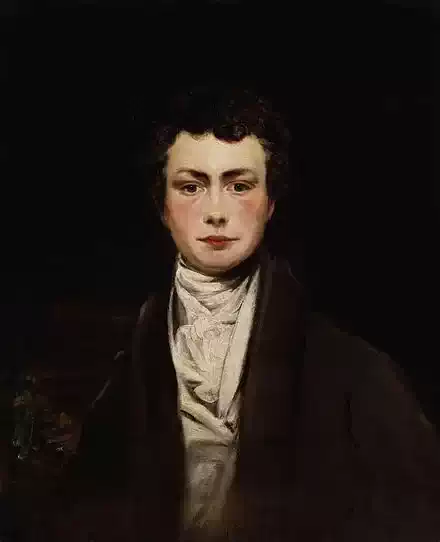
Thomas Moore
Sing, Sweet Harp
Sing, Sweet Harp
Sing, sweet Harp, oh sing to me
Some song of ancient days,
Whose sounds, in this sad memory,
Long-buried dreams shall raise; --
Some lay that tells of vanish'd fame,
Whose light once round us shone,
Of noble pride, now turn'd to shame,
And hopes for ever gone.
Sing, sad Harp, thus sing to me;
Alike our doom is cast,
Both lost to all but memory,
We live but in the past.
How mournfully the midnight air
Among thy chords doth sigh,
As if it sought some echo there,
Of voices long gone by; --
Of chieftains, now forgot, who seem'd
The foremost then in fame;
Of Bards who, once immortal deem'd,
Now sleep without a name.
In vain, sad Harp, the midnight air
Among thy chords doth sigh;
In vain it seeks an echo there
Of voices long gone by.
Couldst thou but call those spirits round,
Who once, in bower and hall,
Sate listening to thy magic sound,
Now mute and mouldering all; --
But, no; they would but wake to weep
Their children's slavery;
Then leave them in their dreamless sleep,
The dead, at least are free!
Hush, hush, sad Harp, that dreary tone,
That knell of Freedom's day;
Or, listening to its death-like moan,
Let me, too, die away.
Sing, sweet Harp, oh sing to me
Some song of ancient days,
Whose sounds, in this sad memory,
Long-buried dreams shall raise; --
Some lay that tells of vanish'd fame,
Whose light once round us shone,
Of noble pride, now turn'd to shame,
And hopes for ever gone.
Sing, sad Harp, thus sing to me;
Alike our doom is cast,
Both lost to all but memory,
We live but in the past.
How mournfully the midnight air
Among thy chords doth sigh,
As if it sought some echo there,
Of voices long gone by; --
Of chieftains, now forgot, who seem'd
The foremost then in fame;
Of Bards who, once immortal deem'd,
Now sleep without a name.
In vain, sad Harp, the midnight air
Among thy chords doth sigh;
In vain it seeks an echo there
Of voices long gone by.
Couldst thou but call those spirits round,
Who once, in bower and hall,
Sate listening to thy magic sound,
Now mute and mouldering all; --
But, no; they would but wake to weep
Their children's slavery;
Then leave them in their dreamless sleep,
The dead, at least are free!
Hush, hush, sad Harp, that dreary tone,
That knell of Freedom's day;
Or, listening to its death-like moan,
Let me, too, die away.
173
Thomas Moore
Sing, Sweet Harp
Sing, Sweet Harp
Sing, sweet Harp, oh sing to me
Some song of ancient days,
Whose sounds, in this sad memory,
Long-buried dreams shall raise; --
Some lay that tells of vanish'd fame,
Whose light once round us shone,
Of noble pride, now turn'd to shame,
And hopes for ever gone.
Sing, sad Harp, thus sing to me;
Alike our doom is cast,
Both lost to all but memory,
We live but in the past.
How mournfully the midnight air
Among thy chords doth sigh,
As if it sought some echo there,
Of voices long gone by; --
Of chieftains, now forgot, who seem'd
The foremost then in fame;
Of Bards who, once immortal deem'd,
Now sleep without a name.
In vain, sad Harp, the midnight air
Among thy chords doth sigh;
In vain it seeks an echo there
Of voices long gone by.
Couldst thou but call those spirits round,
Who once, in bower and hall,
Sate listening to thy magic sound,
Now mute and mouldering all; --
But, no; they would but wake to weep
Their children's slavery;
Then leave them in their dreamless sleep,
The dead, at least are free!
Hush, hush, sad Harp, that dreary tone,
That knell of Freedom's day;
Or, listening to its death-like moan,
Let me, too, die away.
Sing, sweet Harp, oh sing to me
Some song of ancient days,
Whose sounds, in this sad memory,
Long-buried dreams shall raise; --
Some lay that tells of vanish'd fame,
Whose light once round us shone,
Of noble pride, now turn'd to shame,
And hopes for ever gone.
Sing, sad Harp, thus sing to me;
Alike our doom is cast,
Both lost to all but memory,
We live but in the past.
How mournfully the midnight air
Among thy chords doth sigh,
As if it sought some echo there,
Of voices long gone by; --
Of chieftains, now forgot, who seem'd
The foremost then in fame;
Of Bards who, once immortal deem'd,
Now sleep without a name.
In vain, sad Harp, the midnight air
Among thy chords doth sigh;
In vain it seeks an echo there
Of voices long gone by.
Couldst thou but call those spirits round,
Who once, in bower and hall,
Sate listening to thy magic sound,
Now mute and mouldering all; --
But, no; they would but wake to weep
Their children's slavery;
Then leave them in their dreamless sleep,
The dead, at least are free!
Hush, hush, sad Harp, that dreary tone,
That knell of Freedom's day;
Or, listening to its death-like moan,
Let me, too, die away.
173
Thomas Moore
Silence is in Our Festal Halls
Silence is in Our Festal Halls
Silence is in our festal halls --
Sweet son of song! thy course is o'er;
In vain on thee sad Erin calls,
Her minstrel's voice responds no more; --
All silent as the Eolian shell
Sleeps at the close of some bright day,
When the sweet breeze, that waked its swell
At sunny morn, hath died away.
Yet, at our feasts, thy spirit long,
Awaked by music's spell, shall rise;
For, name so link'd with deathless song
Partakes its charm and never dies;
And even within the holy fane,
When music wafts the soul to heaven,
One thought to him, whose earliest strain
Was echoed there, shall long be given.
But where is now the cheerful day,
The social night, when by thy side,
He who now weaves this parting lay
His skilless voice with thine allied;
And sung those songs whose every tone,
When bard and minstrel long have past,
Shall still, in sweetness all their own,
Embalm'd by fame, undying last.
Yes, Erin, shine alone the fame --
Or, if thy bard have shared the crown,
From thee the borrow'd glory came,
And at thy feet is now laid down.
Enough, if Freedom still inspire,
His latest song, and still there be,
As evening closes round his lyre,
One ray upon its chords from thee.
Silence is in our festal halls --
Sweet son of song! thy course is o'er;
In vain on thee sad Erin calls,
Her minstrel's voice responds no more; --
All silent as the Eolian shell
Sleeps at the close of some bright day,
When the sweet breeze, that waked its swell
At sunny morn, hath died away.
Yet, at our feasts, thy spirit long,
Awaked by music's spell, shall rise;
For, name so link'd with deathless song
Partakes its charm and never dies;
And even within the holy fane,
When music wafts the soul to heaven,
One thought to him, whose earliest strain
Was echoed there, shall long be given.
But where is now the cheerful day,
The social night, when by thy side,
He who now weaves this parting lay
His skilless voice with thine allied;
And sung those songs whose every tone,
When bard and minstrel long have past,
Shall still, in sweetness all their own,
Embalm'd by fame, undying last.
Yes, Erin, shine alone the fame --
Or, if thy bard have shared the crown,
From thee the borrow'd glory came,
And at thy feet is now laid down.
Enough, if Freedom still inspire,
His latest song, and still there be,
As evening closes round his lyre,
One ray upon its chords from thee.
183
Thomas Moore
Silence is in Our Festal Halls
Silence is in Our Festal Halls
Silence is in our festal halls --
Sweet son of song! thy course is o'er;
In vain on thee sad Erin calls,
Her minstrel's voice responds no more; --
All silent as the Eolian shell
Sleeps at the close of some bright day,
When the sweet breeze, that waked its swell
At sunny morn, hath died away.
Yet, at our feasts, thy spirit long,
Awaked by music's spell, shall rise;
For, name so link'd with deathless song
Partakes its charm and never dies;
And even within the holy fane,
When music wafts the soul to heaven,
One thought to him, whose earliest strain
Was echoed there, shall long be given.
But where is now the cheerful day,
The social night, when by thy side,
He who now weaves this parting lay
His skilless voice with thine allied;
And sung those songs whose every tone,
When bard and minstrel long have past,
Shall still, in sweetness all their own,
Embalm'd by fame, undying last.
Yes, Erin, shine alone the fame --
Or, if thy bard have shared the crown,
From thee the borrow'd glory came,
And at thy feet is now laid down.
Enough, if Freedom still inspire,
His latest song, and still there be,
As evening closes round his lyre,
One ray upon its chords from thee.
Silence is in our festal halls --
Sweet son of song! thy course is o'er;
In vain on thee sad Erin calls,
Her minstrel's voice responds no more; --
All silent as the Eolian shell
Sleeps at the close of some bright day,
When the sweet breeze, that waked its swell
At sunny morn, hath died away.
Yet, at our feasts, thy spirit long,
Awaked by music's spell, shall rise;
For, name so link'd with deathless song
Partakes its charm and never dies;
And even within the holy fane,
When music wafts the soul to heaven,
One thought to him, whose earliest strain
Was echoed there, shall long be given.
But where is now the cheerful day,
The social night, when by thy side,
He who now weaves this parting lay
His skilless voice with thine allied;
And sung those songs whose every tone,
When bard and minstrel long have past,
Shall still, in sweetness all their own,
Embalm'd by fame, undying last.
Yes, Erin, shine alone the fame --
Or, if thy bard have shared the crown,
From thee the borrow'd glory came,
And at thy feet is now laid down.
Enough, if Freedom still inspire,
His latest song, and still there be,
As evening closes round his lyre,
One ray upon its chords from thee.
183
Thomas Moore
She is Far From the Land
She is Far From the Land
She is far from the land where her young hero sleeps,
And lovers are round her, sighing;
But coldly she turns from their gaze, and weeps,
For her heart in his grave is lying.
She sings the wild song of her dear native plains,
Every note which he loved awaking; --
Ah! little they think, who delight in her strains,
How the heart of the Minstrel is breaking.
He had lived for his love, for his country he died,
They were all that to life had entwined him;
Nor soon shall the tears of his country be dried,
Nor long will his Love stay behind him.
Oh! make her a grave where the sunbeams rest,
When they promise a glorious morrow;
They'll shine o'er her sleep, like a smile from the West,
From her own loved island of sorrow.
She is far from the land where her young hero sleeps,
And lovers are round her, sighing;
But coldly she turns from their gaze, and weeps,
For her heart in his grave is lying.
She sings the wild song of her dear native plains,
Every note which he loved awaking; --
Ah! little they think, who delight in her strains,
How the heart of the Minstrel is breaking.
He had lived for his love, for his country he died,
They were all that to life had entwined him;
Nor soon shall the tears of his country be dried,
Nor long will his Love stay behind him.
Oh! make her a grave where the sunbeams rest,
When they promise a glorious morrow;
They'll shine o'er her sleep, like a smile from the West,
From her own loved island of sorrow.
128
Thomas Moore
Remember Thee!
Remember Thee!
Remember thee! yes, while there's life in this heart,
It shall never forget thee, all lorn as thou art;
More dear in thy sorrow, thy gloom, and thy showers,
Than the rest of the world in their sunniest hours.
Wert thou all that I wish thee, great, glorious, and free,
First flower of the earth, and first gem of the sea,
I might hail thee with prouder, with happier brow,
But oh! could I love thee more deeply tha now?
No, thy chains as they rankle, thy blood as it runs,
But make thee more painfully dear to thy sons --
Whose hearts, like the young of the desert-bird's nest,
Drink love in each life-drop that flows from thy breast.
Remember thee! yes, while there's life in this heart,
It shall never forget thee, all lorn as thou art;
More dear in thy sorrow, thy gloom, and thy showers,
Than the rest of the world in their sunniest hours.
Wert thou all that I wish thee, great, glorious, and free,
First flower of the earth, and first gem of the sea,
I might hail thee with prouder, with happier brow,
But oh! could I love thee more deeply tha now?
No, thy chains as they rankle, thy blood as it runs,
But make thee more painfully dear to thy sons --
Whose hearts, like the young of the desert-bird's nest,
Drink love in each life-drop that flows from thy breast.
289
Thomas Moore
Oh, the Shamrock
Oh, the Shamrock
Through Erin's Isle
To sport awhile
As Love and Valour wander'd,
With Wit, the sprite,
Whose quiver bright
A thousand arrows squander'd;
Where'er they pass,
A triple grass
Shoots up, with dew-drops streaming,
As softly green
As emeralds seen
Through purest crystal gleaming.
Oh the Shamrock, the green, immortal Shamrock!
Chosen leaf
Of Bard and Chief,
Old Erin's native Shamrock!
Says Valour, "See,
They spring for me,
Those leafy gems of morning!" --
Says Love, "No, no,
For me they grow,
My fragrant path adorning."
But Wit perceives
The triple leaves,
And cries, "Oh! do not sever
A type that blends
Three godlike friends,
Love, Valour, Wit, for ever!"
Oh, the Shamrock, the green, immortal Shamrock!
Chosen leaf, etc.
So firmly fond
May last the bond
They wove that morn together,
And ne'er may fall
One drop of gall
On Wit's celestial feather.
May Love, as twine
His flowers divine,
Of thorny falsehood weed 'em:
May Valour ne'er
His standard rear
Against the cause of Freedom!
Oh the Shamrock, the green, immortal Shamrock!
Chosen leaf, etc.
Through Erin's Isle
To sport awhile
As Love and Valour wander'd,
With Wit, the sprite,
Whose quiver bright
A thousand arrows squander'd;
Where'er they pass,
A triple grass
Shoots up, with dew-drops streaming,
As softly green
As emeralds seen
Through purest crystal gleaming.
Oh the Shamrock, the green, immortal Shamrock!
Chosen leaf
Of Bard and Chief,
Old Erin's native Shamrock!
Says Valour, "See,
They spring for me,
Those leafy gems of morning!" --
Says Love, "No, no,
For me they grow,
My fragrant path adorning."
But Wit perceives
The triple leaves,
And cries, "Oh! do not sever
A type that blends
Three godlike friends,
Love, Valour, Wit, for ever!"
Oh, the Shamrock, the green, immortal Shamrock!
Chosen leaf, etc.
So firmly fond
May last the bond
They wove that morn together,
And ne'er may fall
One drop of gall
On Wit's celestial feather.
May Love, as twine
His flowers divine,
Of thorny falsehood weed 'em:
May Valour ne'er
His standard rear
Against the cause of Freedom!
Oh the Shamrock, the green, immortal Shamrock!
Chosen leaf, etc.
212
Thomas Moore
Oh, the Shamrock
Oh, the Shamrock
Through Erin's Isle
To sport awhile
As Love and Valour wander'd,
With Wit, the sprite,
Whose quiver bright
A thousand arrows squander'd;
Where'er they pass,
A triple grass
Shoots up, with dew-drops streaming,
As softly green
As emeralds seen
Through purest crystal gleaming.
Oh the Shamrock, the green, immortal Shamrock!
Chosen leaf
Of Bard and Chief,
Old Erin's native Shamrock!
Says Valour, "See,
They spring for me,
Those leafy gems of morning!" --
Says Love, "No, no,
For me they grow,
My fragrant path adorning."
But Wit perceives
The triple leaves,
And cries, "Oh! do not sever
A type that blends
Three godlike friends,
Love, Valour, Wit, for ever!"
Oh, the Shamrock, the green, immortal Shamrock!
Chosen leaf, etc.
So firmly fond
May last the bond
They wove that morn together,
And ne'er may fall
One drop of gall
On Wit's celestial feather.
May Love, as twine
His flowers divine,
Of thorny falsehood weed 'em:
May Valour ne'er
His standard rear
Against the cause of Freedom!
Oh the Shamrock, the green, immortal Shamrock!
Chosen leaf, etc.
Through Erin's Isle
To sport awhile
As Love and Valour wander'd,
With Wit, the sprite,
Whose quiver bright
A thousand arrows squander'd;
Where'er they pass,
A triple grass
Shoots up, with dew-drops streaming,
As softly green
As emeralds seen
Through purest crystal gleaming.
Oh the Shamrock, the green, immortal Shamrock!
Chosen leaf
Of Bard and Chief,
Old Erin's native Shamrock!
Says Valour, "See,
They spring for me,
Those leafy gems of morning!" --
Says Love, "No, no,
For me they grow,
My fragrant path adorning."
But Wit perceives
The triple leaves,
And cries, "Oh! do not sever
A type that blends
Three godlike friends,
Love, Valour, Wit, for ever!"
Oh, the Shamrock, the green, immortal Shamrock!
Chosen leaf, etc.
So firmly fond
May last the bond
They wove that morn together,
And ne'er may fall
One drop of gall
On Wit's celestial feather.
May Love, as twine
His flowers divine,
Of thorny falsehood weed 'em:
May Valour ne'er
His standard rear
Against the cause of Freedom!
Oh the Shamrock, the green, immortal Shamrock!
Chosen leaf, etc.
212
Thomas Moore
Ode to the Sublime Porte
Ode to the Sublime Porte
Great Sultan, how wise are thy state compositions!
And oh, above all, I admire that Decree,
In which thou command'st, that all she politicians
Shall forthwith be strangled and cast in the sea.
'Tis my fortune to know a lean Benthamite spinster --
A maid, who her faith in old Jeremy puts;
Who talks, with a lisp, of the "last new Westminster,"
And hopes you're delighted with "Mill upon Gluts";
Who tells you how clever one Mr. Fun-blank is,
How charming his Articles 'gainst the Nobility; --
And assures you that even a gentleman's rank is,
In Jeremy's school, of no sort of utility.
To see her, ye Gods, a new number perusing --
Art. - "On the Needle's variations", by Pl--e;
Art. - By her fav'rite Fun-blank - so amusing!
"Dear man! he makes poetry quite a Law case."
Art. -"Upon Fallacies", Jeremy's own --
(Chief Fallacy being, his hope to find readers); -
Art. - "Upon Honesty", author unkown; --
Art. - (by the young Mr. M--) "Hints to Breeders".
Oh, Sultan, oh, Sultan, though oft for the bag
And the bowstring, like thee, I am tempted to call --
Though drowning's too good for each blue-stocking hag,
I would bag this she Benthamite first of them all!
And, lest she should ever again lift her head
From the watery bottom, her clack to renew --
As a clog, as a sinker, far better than lead,
I would hang round her neck her own darling Review.
Great Sultan, how wise are thy state compositions!
And oh, above all, I admire that Decree,
In which thou command'st, that all she politicians
Shall forthwith be strangled and cast in the sea.
'Tis my fortune to know a lean Benthamite spinster --
A maid, who her faith in old Jeremy puts;
Who talks, with a lisp, of the "last new Westminster,"
And hopes you're delighted with "Mill upon Gluts";
Who tells you how clever one Mr. Fun-blank is,
How charming his Articles 'gainst the Nobility; --
And assures you that even a gentleman's rank is,
In Jeremy's school, of no sort of utility.
To see her, ye Gods, a new number perusing --
Art. - "On the Needle's variations", by Pl--e;
Art. - By her fav'rite Fun-blank - so amusing!
"Dear man! he makes poetry quite a Law case."
Art. -"Upon Fallacies", Jeremy's own --
(Chief Fallacy being, his hope to find readers); -
Art. - "Upon Honesty", author unkown; --
Art. - (by the young Mr. M--) "Hints to Breeders".
Oh, Sultan, oh, Sultan, though oft for the bag
And the bowstring, like thee, I am tempted to call --
Though drowning's too good for each blue-stocking hag,
I would bag this she Benthamite first of them all!
And, lest she should ever again lift her head
From the watery bottom, her clack to renew --
As a clog, as a sinker, far better than lead,
I would hang round her neck her own darling Review.
196
Thomas Moore
Memorabilia of Last Week
Memorabilia of Last Week
Monday, March ,
The Budget - quite charming and witty - no hearing,
For plaudits and laughs, the good things that were in it; --
Great comfort to find, though the Speech isn't cheering,
That all its gay auditors were, every minute.
What, still more prosperity! - mercy upon us,
"This boy'll be the death of me" - oft as, already,
Such smooth Budgeteers have genteelly undone us,
For Ruin made easy there's no one like Freddy.
Tuesday
Much grave apprehension express'd by the Peers,
Lest -- calling to life the old Peachums and Lockitts --
The large stock of gold we're to have in three years,
Should all find its way into highwayman's pockets![]
Wednesday
Little doing - for sacred, oh Wednesday, thou art
To the seven-o'-clock joys of full many a table --
When the Members all meet, to make much of that part
With which they so rashly fell out in the Fable.
It appear'd, though, to-night, that - as churchwardens, yearly,
Eat up a small baby - those cormorant sinners,
The Bankrupt-Commissioners bolt very nearly
A moderate-siz'd bankrupt, tout chaud, for their dinners![]
Nota bene - a rumour to-day, in the City,
"Mr. R-b-ns-n just has resign'd" - what a pity!
The Bulls and the Bears all fell a sobbing,
When they heard of the fate of poor Cock Robin;
While thus, to the nursery tune, so pretty,
A murmuring Stock-dove breath'd her ditty: --
"Alas, poor Robin, he crow'd as long
And as sweet as a prosperous Cock could crow;
Was a pitch too high for Robin to go.
Who'll make his shroud?"
"I," said the Bank, "though he play'd me a prank,
When I have a rag, poor Rob shall be roll'd in 't,
With many a pound I'll paper him round,
Like a plump rouleau - without the gold in 't."
Monday, March ,
The Budget - quite charming and witty - no hearing,
For plaudits and laughs, the good things that were in it; --
Great comfort to find, though the Speech isn't cheering,
That all its gay auditors were, every minute.
What, still more prosperity! - mercy upon us,
"This boy'll be the death of me" - oft as, already,
Such smooth Budgeteers have genteelly undone us,
For Ruin made easy there's no one like Freddy.
Tuesday
Much grave apprehension express'd by the Peers,
Lest -- calling to life the old Peachums and Lockitts --
The large stock of gold we're to have in three years,
Should all find its way into highwayman's pockets![]
Wednesday
Little doing - for sacred, oh Wednesday, thou art
To the seven-o'-clock joys of full many a table --
When the Members all meet, to make much of that part
With which they so rashly fell out in the Fable.
It appear'd, though, to-night, that - as churchwardens, yearly,
Eat up a small baby - those cormorant sinners,
The Bankrupt-Commissioners bolt very nearly
A moderate-siz'd bankrupt, tout chaud, for their dinners![]
Nota bene - a rumour to-day, in the City,
"Mr. R-b-ns-n just has resign'd" - what a pity!
The Bulls and the Bears all fell a sobbing,
When they heard of the fate of poor Cock Robin;
While thus, to the nursery tune, so pretty,
A murmuring Stock-dove breath'd her ditty: --
"Alas, poor Robin, he crow'd as long
And as sweet as a prosperous Cock could crow;
Was a pitch too high for Robin to go.
Who'll make his shroud?"
"I," said the Bank, "though he play'd me a prank,
When I have a rag, poor Rob shall be roll'd in 't,
With many a pound I'll paper him round,
Like a plump rouleau - without the gold in 't."
159
Thomas Moore
Memorabilia of Last Week
Memorabilia of Last Week
Monday, March ,
The Budget - quite charming and witty - no hearing,
For plaudits and laughs, the good things that were in it; --
Great comfort to find, though the Speech isn't cheering,
That all its gay auditors were, every minute.
What, still more prosperity! - mercy upon us,
"This boy'll be the death of me" - oft as, already,
Such smooth Budgeteers have genteelly undone us,
For Ruin made easy there's no one like Freddy.
Tuesday
Much grave apprehension express'd by the Peers,
Lest -- calling to life the old Peachums and Lockitts --
The large stock of gold we're to have in three years,
Should all find its way into highwayman's pockets![]
Wednesday
Little doing - for sacred, oh Wednesday, thou art
To the seven-o'-clock joys of full many a table --
When the Members all meet, to make much of that part
With which they so rashly fell out in the Fable.
It appear'd, though, to-night, that - as churchwardens, yearly,
Eat up a small baby - those cormorant sinners,
The Bankrupt-Commissioners bolt very nearly
A moderate-siz'd bankrupt, tout chaud, for their dinners![]
Nota bene - a rumour to-day, in the City,
"Mr. R-b-ns-n just has resign'd" - what a pity!
The Bulls and the Bears all fell a sobbing,
When they heard of the fate of poor Cock Robin;
While thus, to the nursery tune, so pretty,
A murmuring Stock-dove breath'd her ditty: --
"Alas, poor Robin, he crow'd as long
And as sweet as a prosperous Cock could crow;
Was a pitch too high for Robin to go.
Who'll make his shroud?"
"I," said the Bank, "though he play'd me a prank,
When I have a rag, poor Rob shall be roll'd in 't,
With many a pound I'll paper him round,
Like a plump rouleau - without the gold in 't."
Monday, March ,
The Budget - quite charming and witty - no hearing,
For plaudits and laughs, the good things that were in it; --
Great comfort to find, though the Speech isn't cheering,
That all its gay auditors were, every minute.
What, still more prosperity! - mercy upon us,
"This boy'll be the death of me" - oft as, already,
Such smooth Budgeteers have genteelly undone us,
For Ruin made easy there's no one like Freddy.
Tuesday
Much grave apprehension express'd by the Peers,
Lest -- calling to life the old Peachums and Lockitts --
The large stock of gold we're to have in three years,
Should all find its way into highwayman's pockets![]
Wednesday
Little doing - for sacred, oh Wednesday, thou art
To the seven-o'-clock joys of full many a table --
When the Members all meet, to make much of that part
With which they so rashly fell out in the Fable.
It appear'd, though, to-night, that - as churchwardens, yearly,
Eat up a small baby - those cormorant sinners,
The Bankrupt-Commissioners bolt very nearly
A moderate-siz'd bankrupt, tout chaud, for their dinners![]
Nota bene - a rumour to-day, in the City,
"Mr. R-b-ns-n just has resign'd" - what a pity!
The Bulls and the Bears all fell a sobbing,
When they heard of the fate of poor Cock Robin;
While thus, to the nursery tune, so pretty,
A murmuring Stock-dove breath'd her ditty: --
"Alas, poor Robin, he crow'd as long
And as sweet as a prosperous Cock could crow;
Was a pitch too high for Robin to go.
Who'll make his shroud?"
"I," said the Bank, "though he play'd me a prank,
When I have a rag, poor Rob shall be roll'd in 't,
With many a pound I'll paper him round,
Like a plump rouleau - without the gold in 't."
159
Thomas Moore
Memorabilia of Last Week
Memorabilia of Last Week
Monday, March ,
The Budget - quite charming and witty - no hearing,
For plaudits and laughs, the good things that were in it; --
Great comfort to find, though the Speech isn't cheering,
That all its gay auditors were, every minute.
What, still more prosperity! - mercy upon us,
"This boy'll be the death of me" - oft as, already,
Such smooth Budgeteers have genteelly undone us,
For Ruin made easy there's no one like Freddy.
Tuesday
Much grave apprehension express'd by the Peers,
Lest -- calling to life the old Peachums and Lockitts --
The large stock of gold we're to have in three years,
Should all find its way into highwayman's pockets![]
Wednesday
Little doing - for sacred, oh Wednesday, thou art
To the seven-o'-clock joys of full many a table --
When the Members all meet, to make much of that part
With which they so rashly fell out in the Fable.
It appear'd, though, to-night, that - as churchwardens, yearly,
Eat up a small baby - those cormorant sinners,
The Bankrupt-Commissioners bolt very nearly
A moderate-siz'd bankrupt, tout chaud, for their dinners![]
Nota bene - a rumour to-day, in the City,
"Mr. R-b-ns-n just has resign'd" - what a pity!
The Bulls and the Bears all fell a sobbing,
When they heard of the fate of poor Cock Robin;
While thus, to the nursery tune, so pretty,
A murmuring Stock-dove breath'd her ditty: --
"Alas, poor Robin, he crow'd as long
And as sweet as a prosperous Cock could crow;
Was a pitch too high for Robin to go.
Who'll make his shroud?"
"I," said the Bank, "though he play'd me a prank,
When I have a rag, poor Rob shall be roll'd in 't,
With many a pound I'll paper him round,
Like a plump rouleau - without the gold in 't."
Monday, March ,
The Budget - quite charming and witty - no hearing,
For plaudits and laughs, the good things that were in it; --
Great comfort to find, though the Speech isn't cheering,
That all its gay auditors were, every minute.
What, still more prosperity! - mercy upon us,
"This boy'll be the death of me" - oft as, already,
Such smooth Budgeteers have genteelly undone us,
For Ruin made easy there's no one like Freddy.
Tuesday
Much grave apprehension express'd by the Peers,
Lest -- calling to life the old Peachums and Lockitts --
The large stock of gold we're to have in three years,
Should all find its way into highwayman's pockets![]
Wednesday
Little doing - for sacred, oh Wednesday, thou art
To the seven-o'-clock joys of full many a table --
When the Members all meet, to make much of that part
With which they so rashly fell out in the Fable.
It appear'd, though, to-night, that - as churchwardens, yearly,
Eat up a small baby - those cormorant sinners,
The Bankrupt-Commissioners bolt very nearly
A moderate-siz'd bankrupt, tout chaud, for their dinners![]
Nota bene - a rumour to-day, in the City,
"Mr. R-b-ns-n just has resign'd" - what a pity!
The Bulls and the Bears all fell a sobbing,
When they heard of the fate of poor Cock Robin;
While thus, to the nursery tune, so pretty,
A murmuring Stock-dove breath'd her ditty: --
"Alas, poor Robin, he crow'd as long
And as sweet as a prosperous Cock could crow;
Was a pitch too high for Robin to go.
Who'll make his shroud?"
"I," said the Bank, "though he play'd me a prank,
When I have a rag, poor Rob shall be roll'd in 't,
With many a pound I'll paper him round,
Like a plump rouleau - without the gold in 't."
159
Thomas Moore
Forget Not the Field
Forget Not the Field
Forget not the field where they perish'd,
The truest, the last of the brave,
All gone -- and the bright hope we cherish'd
Gone with them, and quench'd in their grave!
Oh! could we from death but recover
Those hearts as they bounded before,
In the face of high heaven to fight over
That combat for freedom once more; --
Could the chain for an instant be riven
Which Tyranny flung round us then,
No, 'tis not in Man, nor in Heaven,
To let Tyranny bind it again!
But 'tis past -- and, though blazon'd in story
The name of our Victor may be,
Accurst is the march of that glory
Which treads o'er the hearts of the free.
For dearer the grave or the prison,
Illumed by one patriot name,
Than the trophies of all who have risen
On Liberty's ruins to fame.
Forget not the field where they perish'd,
The truest, the last of the brave,
All gone -- and the bright hope we cherish'd
Gone with them, and quench'd in their grave!
Oh! could we from death but recover
Those hearts as they bounded before,
In the face of high heaven to fight over
That combat for freedom once more; --
Could the chain for an instant be riven
Which Tyranny flung round us then,
No, 'tis not in Man, nor in Heaven,
To let Tyranny bind it again!
But 'tis past -- and, though blazon'd in story
The name of our Victor may be,
Accurst is the march of that glory
Which treads o'er the hearts of the free.
For dearer the grave or the prison,
Illumed by one patriot name,
Than the trophies of all who have risen
On Liberty's ruins to fame.
181
Thomas Moore
Forget Not the Field
Forget Not the Field
Forget not the field where they perish'd,
The truest, the last of the brave,
All gone -- and the bright hope we cherish'd
Gone with them, and quench'd in their grave!
Oh! could we from death but recover
Those hearts as they bounded before,
In the face of high heaven to fight over
That combat for freedom once more; --
Could the chain for an instant be riven
Which Tyranny flung round us then,
No, 'tis not in Man, nor in Heaven,
To let Tyranny bind it again!
But 'tis past -- and, though blazon'd in story
The name of our Victor may be,
Accurst is the march of that glory
Which treads o'er the hearts of the free.
For dearer the grave or the prison,
Illumed by one patriot name,
Than the trophies of all who have risen
On Liberty's ruins to fame.
Forget not the field where they perish'd,
The truest, the last of the brave,
All gone -- and the bright hope we cherish'd
Gone with them, and quench'd in their grave!
Oh! could we from death but recover
Those hearts as they bounded before,
In the face of high heaven to fight over
That combat for freedom once more; --
Could the chain for an instant be riven
Which Tyranny flung round us then,
No, 'tis not in Man, nor in Heaven,
To let Tyranny bind it again!
But 'tis past -- and, though blazon'd in story
The name of our Victor may be,
Accurst is the march of that glory
Which treads o'er the hearts of the free.
For dearer the grave or the prison,
Illumed by one patriot name,
Than the trophies of all who have risen
On Liberty's ruins to fame.
181
Thomas Moore
Forget Not the Field
Forget Not the Field
Forget not the field where they perish'd,
The truest, the last of the brave,
All gone -- and the bright hope we cherish'd
Gone with them, and quench'd in their grave!
Oh! could we from death but recover
Those hearts as they bounded before,
In the face of high heaven to fight over
That combat for freedom once more; --
Could the chain for an instant be riven
Which Tyranny flung round us then,
No, 'tis not in Man, nor in Heaven,
To let Tyranny bind it again!
But 'tis past -- and, though blazon'd in story
The name of our Victor may be,
Accurst is the march of that glory
Which treads o'er the hearts of the free.
For dearer the grave or the prison,
Illumed by one patriot name,
Than the trophies of all who have risen
On Liberty's ruins to fame.
Forget not the field where they perish'd,
The truest, the last of the brave,
All gone -- and the bright hope we cherish'd
Gone with them, and quench'd in their grave!
Oh! could we from death but recover
Those hearts as they bounded before,
In the face of high heaven to fight over
That combat for freedom once more; --
Could the chain for an instant be riven
Which Tyranny flung round us then,
No, 'tis not in Man, nor in Heaven,
To let Tyranny bind it again!
But 'tis past -- and, though blazon'd in story
The name of our Victor may be,
Accurst is the march of that glory
Which treads o'er the hearts of the free.
For dearer the grave or the prison,
Illumed by one patriot name,
Than the trophies of all who have risen
On Liberty's ruins to fame.
181
Thomas Moore
Forget Not the Field
Forget Not the Field
Forget not the field where they perish'd,
The truest, the last of the brave,
All gone -- and the bright hope we cherish'd
Gone with them, and quench'd in their grave!
Oh! could we from death but recover
Those hearts as they bounded before,
In the face of high heaven to fight over
That combat for freedom once more; --
Could the chain for an instant be riven
Which Tyranny flung round us then,
No, 'tis not in Man, nor in Heaven,
To let Tyranny bind it again!
But 'tis past -- and, though blazon'd in story
The name of our Victor may be,
Accurst is the march of that glory
Which treads o'er the hearts of the free.
For dearer the grave or the prison,
Illumed by one patriot name,
Than the trophies of all who have risen
On Liberty's ruins to fame.
Forget not the field where they perish'd,
The truest, the last of the brave,
All gone -- and the bright hope we cherish'd
Gone with them, and quench'd in their grave!
Oh! could we from death but recover
Those hearts as they bounded before,
In the face of high heaven to fight over
That combat for freedom once more; --
Could the chain for an instant be riven
Which Tyranny flung round us then,
No, 'tis not in Man, nor in Heaven,
To let Tyranny bind it again!
But 'tis past -- and, though blazon'd in story
The name of our Victor may be,
Accurst is the march of that glory
Which treads o'er the hearts of the free.
For dearer the grave or the prison,
Illumed by one patriot name,
Than the trophies of all who have risen
On Liberty's ruins to fame.
181
Thomas Moore
Fairest! Put on a While
Fairest! Put on a While
Fairest! put on a while
These pinions of light I bring thee,
And o'er thy own green isle
In fancy let me wing thee.
Never did Ariel's plume,
At golden sunset, hover
O'er scenes so full of bloom
As I shall waft thee over.
Fields, where the Spring delays
And fearlessly meets the ardour
Of the warm Summer's gaze,
With only her tears to guard her;
Rocks, through myrtle boughs
In grace majestic frowning,
Like some bold warrior's brows
That Love hath just been crowning.
Islets, so freshly fair,
That never hath bird come nigh them,
But, from his course through air,
He hath been won down by them; --
Types, sweet maid, of thee,
Whose look, whose blush inviting,
Never did Love yet see
From heaven, without alighting.
Lakes, where the pearl lies hid,
And caves, where the gem is sleeping,
Bright as the tears thy lid
Lets fall in lonely weepin.
Glens, where Ocean comes,
To 'scape the wild wind's rancour;
And harbours, worthiest homes
Where Freedom's fleet can anchor.
Then, if, while scenes so grand,
So beautiful, shine before thee,
Pride for thy own dear land
Should haply be stealing o'er thee,
Oh, let grief come first,
O'er pride itself victorious --
Thinking how man hath curst
What Heaven hath made so glorious.
Fairest! put on a while
These pinions of light I bring thee,
And o'er thy own green isle
In fancy let me wing thee.
Never did Ariel's plume,
At golden sunset, hover
O'er scenes so full of bloom
As I shall waft thee over.
Fields, where the Spring delays
And fearlessly meets the ardour
Of the warm Summer's gaze,
With only her tears to guard her;
Rocks, through myrtle boughs
In grace majestic frowning,
Like some bold warrior's brows
That Love hath just been crowning.
Islets, so freshly fair,
That never hath bird come nigh them,
But, from his course through air,
He hath been won down by them; --
Types, sweet maid, of thee,
Whose look, whose blush inviting,
Never did Love yet see
From heaven, without alighting.
Lakes, where the pearl lies hid,
And caves, where the gem is sleeping,
Bright as the tears thy lid
Lets fall in lonely weepin.
Glens, where Ocean comes,
To 'scape the wild wind's rancour;
And harbours, worthiest homes
Where Freedom's fleet can anchor.
Then, if, while scenes so grand,
So beautiful, shine before thee,
Pride for thy own dear land
Should haply be stealing o'er thee,
Oh, let grief come first,
O'er pride itself victorious --
Thinking how man hath curst
What Heaven hath made so glorious.
177
Thomas Moore
Fairest! Put on a While
Fairest! Put on a While
Fairest! put on a while
These pinions of light I bring thee,
And o'er thy own green isle
In fancy let me wing thee.
Never did Ariel's plume,
At golden sunset, hover
O'er scenes so full of bloom
As I shall waft thee over.
Fields, where the Spring delays
And fearlessly meets the ardour
Of the warm Summer's gaze,
With only her tears to guard her;
Rocks, through myrtle boughs
In grace majestic frowning,
Like some bold warrior's brows
That Love hath just been crowning.
Islets, so freshly fair,
That never hath bird come nigh them,
But, from his course through air,
He hath been won down by them; --
Types, sweet maid, of thee,
Whose look, whose blush inviting,
Never did Love yet see
From heaven, without alighting.
Lakes, where the pearl lies hid,
And caves, where the gem is sleeping,
Bright as the tears thy lid
Lets fall in lonely weepin.
Glens, where Ocean comes,
To 'scape the wild wind's rancour;
And harbours, worthiest homes
Where Freedom's fleet can anchor.
Then, if, while scenes so grand,
So beautiful, shine before thee,
Pride for thy own dear land
Should haply be stealing o'er thee,
Oh, let grief come first,
O'er pride itself victorious --
Thinking how man hath curst
What Heaven hath made so glorious.
Fairest! put on a while
These pinions of light I bring thee,
And o'er thy own green isle
In fancy let me wing thee.
Never did Ariel's plume,
At golden sunset, hover
O'er scenes so full of bloom
As I shall waft thee over.
Fields, where the Spring delays
And fearlessly meets the ardour
Of the warm Summer's gaze,
With only her tears to guard her;
Rocks, through myrtle boughs
In grace majestic frowning,
Like some bold warrior's brows
That Love hath just been crowning.
Islets, so freshly fair,
That never hath bird come nigh them,
But, from his course through air,
He hath been won down by them; --
Types, sweet maid, of thee,
Whose look, whose blush inviting,
Never did Love yet see
From heaven, without alighting.
Lakes, where the pearl lies hid,
And caves, where the gem is sleeping,
Bright as the tears thy lid
Lets fall in lonely weepin.
Glens, where Ocean comes,
To 'scape the wild wind's rancour;
And harbours, worthiest homes
Where Freedom's fleet can anchor.
Then, if, while scenes so grand,
So beautiful, shine before thee,
Pride for thy own dear land
Should haply be stealing o'er thee,
Oh, let grief come first,
O'er pride itself victorious --
Thinking how man hath curst
What Heaven hath made so glorious.
177
Thomas Moore
Enigma
Enigma
Come riddle-me-ree, come riddle-me-ree,
And tell me, what my name may be.
I am nearly one hundred and thirty years old,
And therefore no chicken, as you may suppose; --
Though a dwarf in my youth (as my nurses have told),
I have, ev'ry year since, been outgrowing my clothes;
Till, at last, such a corpulent giant I stand,
That if folks were to furnish me now with a suit,
It would take ev'ry morsel of scrip in the land
But to measure my bulk from the head to the foot.
Hence, they who maintain me, grown sick of my stature,
To cover me nothing but rags will supply;
And the doctors declare that, in due course of nature,
About the year in rags I shall die.
Meanwhile I stalk hungry and bloated around,
An object of int'rest, most painful, to all;
In the warehouse, the cottage, the palace I'm found,
Holding citizen, peasant, and king in my thrall.
Then riddle-me-ree, oh riddle-me-ree,
Come, tell me what my name may be.
When the lord of the counting-house bends o'er his book,
Bright pictures of profit delighting to draw,
O'er his shoulders with large cipher eye-balls I look,
And down drops the pen from his paralyz'd paw!
When the Premier lies dreaming of dear Waterloo,
And expects through another to caper and prank it,
You'd laugh did you see, when I bellow out "Boo!"
How he hides his brave Waterloo head in the blanket.
When mighty Belshazzar brims high in the hall
His cup, full of gout, to Gaul's overthrow,
Lo, "Eight Hundred Millions" I write on the wall,
And the cup falls to earth and -- the gout to his toe!
But the joy of my heart is when largely I cram
My maw with the fruits of the Squirearchy's acres,
And, knowing who made me the thing that I am,
Like the monster of Frankenstein, worry my makers.
Then riddle-me-ree, come, riddle-me-ree,
And tell, if thou knows't, who I may be.
Come riddle-me-ree, come riddle-me-ree,
And tell me, what my name may be.
I am nearly one hundred and thirty years old,
And therefore no chicken, as you may suppose; --
Though a dwarf in my youth (as my nurses have told),
I have, ev'ry year since, been outgrowing my clothes;
Till, at last, such a corpulent giant I stand,
That if folks were to furnish me now with a suit,
It would take ev'ry morsel of scrip in the land
But to measure my bulk from the head to the foot.
Hence, they who maintain me, grown sick of my stature,
To cover me nothing but rags will supply;
And the doctors declare that, in due course of nature,
About the year in rags I shall die.
Meanwhile I stalk hungry and bloated around,
An object of int'rest, most painful, to all;
In the warehouse, the cottage, the palace I'm found,
Holding citizen, peasant, and king in my thrall.
Then riddle-me-ree, oh riddle-me-ree,
Come, tell me what my name may be.
When the lord of the counting-house bends o'er his book,
Bright pictures of profit delighting to draw,
O'er his shoulders with large cipher eye-balls I look,
And down drops the pen from his paralyz'd paw!
When the Premier lies dreaming of dear Waterloo,
And expects through another to caper and prank it,
You'd laugh did you see, when I bellow out "Boo!"
How he hides his brave Waterloo head in the blanket.
When mighty Belshazzar brims high in the hall
His cup, full of gout, to Gaul's overthrow,
Lo, "Eight Hundred Millions" I write on the wall,
And the cup falls to earth and -- the gout to his toe!
But the joy of my heart is when largely I cram
My maw with the fruits of the Squirearchy's acres,
And, knowing who made me the thing that I am,
Like the monster of Frankenstein, worry my makers.
Then riddle-me-ree, come, riddle-me-ree,
And tell, if thou knows't, who I may be.
259
Thomas Moore
Enigma
Enigma
Come riddle-me-ree, come riddle-me-ree,
And tell me, what my name may be.
I am nearly one hundred and thirty years old,
And therefore no chicken, as you may suppose; --
Though a dwarf in my youth (as my nurses have told),
I have, ev'ry year since, been outgrowing my clothes;
Till, at last, such a corpulent giant I stand,
That if folks were to furnish me now with a suit,
It would take ev'ry morsel of scrip in the land
But to measure my bulk from the head to the foot.
Hence, they who maintain me, grown sick of my stature,
To cover me nothing but rags will supply;
And the doctors declare that, in due course of nature,
About the year in rags I shall die.
Meanwhile I stalk hungry and bloated around,
An object of int'rest, most painful, to all;
In the warehouse, the cottage, the palace I'm found,
Holding citizen, peasant, and king in my thrall.
Then riddle-me-ree, oh riddle-me-ree,
Come, tell me what my name may be.
When the lord of the counting-house bends o'er his book,
Bright pictures of profit delighting to draw,
O'er his shoulders with large cipher eye-balls I look,
And down drops the pen from his paralyz'd paw!
When the Premier lies dreaming of dear Waterloo,
And expects through another to caper and prank it,
You'd laugh did you see, when I bellow out "Boo!"
How he hides his brave Waterloo head in the blanket.
When mighty Belshazzar brims high in the hall
His cup, full of gout, to Gaul's overthrow,
Lo, "Eight Hundred Millions" I write on the wall,
And the cup falls to earth and -- the gout to his toe!
But the joy of my heart is when largely I cram
My maw with the fruits of the Squirearchy's acres,
And, knowing who made me the thing that I am,
Like the monster of Frankenstein, worry my makers.
Then riddle-me-ree, come, riddle-me-ree,
And tell, if thou knows't, who I may be.
Come riddle-me-ree, come riddle-me-ree,
And tell me, what my name may be.
I am nearly one hundred and thirty years old,
And therefore no chicken, as you may suppose; --
Though a dwarf in my youth (as my nurses have told),
I have, ev'ry year since, been outgrowing my clothes;
Till, at last, such a corpulent giant I stand,
That if folks were to furnish me now with a suit,
It would take ev'ry morsel of scrip in the land
But to measure my bulk from the head to the foot.
Hence, they who maintain me, grown sick of my stature,
To cover me nothing but rags will supply;
And the doctors declare that, in due course of nature,
About the year in rags I shall die.
Meanwhile I stalk hungry and bloated around,
An object of int'rest, most painful, to all;
In the warehouse, the cottage, the palace I'm found,
Holding citizen, peasant, and king in my thrall.
Then riddle-me-ree, oh riddle-me-ree,
Come, tell me what my name may be.
When the lord of the counting-house bends o'er his book,
Bright pictures of profit delighting to draw,
O'er his shoulders with large cipher eye-balls I look,
And down drops the pen from his paralyz'd paw!
When the Premier lies dreaming of dear Waterloo,
And expects through another to caper and prank it,
You'd laugh did you see, when I bellow out "Boo!"
How he hides his brave Waterloo head in the blanket.
When mighty Belshazzar brims high in the hall
His cup, full of gout, to Gaul's overthrow,
Lo, "Eight Hundred Millions" I write on the wall,
And the cup falls to earth and -- the gout to his toe!
But the joy of my heart is when largely I cram
My maw with the fruits of the Squirearchy's acres,
And, knowing who made me the thing that I am,
Like the monster of Frankenstein, worry my makers.
Then riddle-me-ree, come, riddle-me-ree,
And tell, if thou knows't, who I may be.
259
Thomas Moore
Enigma
Enigma
Come riddle-me-ree, come riddle-me-ree,
And tell me, what my name may be.
I am nearly one hundred and thirty years old,
And therefore no chicken, as you may suppose; --
Though a dwarf in my youth (as my nurses have told),
I have, ev'ry year since, been outgrowing my clothes;
Till, at last, such a corpulent giant I stand,
That if folks were to furnish me now with a suit,
It would take ev'ry morsel of scrip in the land
But to measure my bulk from the head to the foot.
Hence, they who maintain me, grown sick of my stature,
To cover me nothing but rags will supply;
And the doctors declare that, in due course of nature,
About the year in rags I shall die.
Meanwhile I stalk hungry and bloated around,
An object of int'rest, most painful, to all;
In the warehouse, the cottage, the palace I'm found,
Holding citizen, peasant, and king in my thrall.
Then riddle-me-ree, oh riddle-me-ree,
Come, tell me what my name may be.
When the lord of the counting-house bends o'er his book,
Bright pictures of profit delighting to draw,
O'er his shoulders with large cipher eye-balls I look,
And down drops the pen from his paralyz'd paw!
When the Premier lies dreaming of dear Waterloo,
And expects through another to caper and prank it,
You'd laugh did you see, when I bellow out "Boo!"
How he hides his brave Waterloo head in the blanket.
When mighty Belshazzar brims high in the hall
His cup, full of gout, to Gaul's overthrow,
Lo, "Eight Hundred Millions" I write on the wall,
And the cup falls to earth and -- the gout to his toe!
But the joy of my heart is when largely I cram
My maw with the fruits of the Squirearchy's acres,
And, knowing who made me the thing that I am,
Like the monster of Frankenstein, worry my makers.
Then riddle-me-ree, come, riddle-me-ree,
And tell, if thou knows't, who I may be.
Come riddle-me-ree, come riddle-me-ree,
And tell me, what my name may be.
I am nearly one hundred and thirty years old,
And therefore no chicken, as you may suppose; --
Though a dwarf in my youth (as my nurses have told),
I have, ev'ry year since, been outgrowing my clothes;
Till, at last, such a corpulent giant I stand,
That if folks were to furnish me now with a suit,
It would take ev'ry morsel of scrip in the land
But to measure my bulk from the head to the foot.
Hence, they who maintain me, grown sick of my stature,
To cover me nothing but rags will supply;
And the doctors declare that, in due course of nature,
About the year in rags I shall die.
Meanwhile I stalk hungry and bloated around,
An object of int'rest, most painful, to all;
In the warehouse, the cottage, the palace I'm found,
Holding citizen, peasant, and king in my thrall.
Then riddle-me-ree, oh riddle-me-ree,
Come, tell me what my name may be.
When the lord of the counting-house bends o'er his book,
Bright pictures of profit delighting to draw,
O'er his shoulders with large cipher eye-balls I look,
And down drops the pen from his paralyz'd paw!
When the Premier lies dreaming of dear Waterloo,
And expects through another to caper and prank it,
You'd laugh did you see, when I bellow out "Boo!"
How he hides his brave Waterloo head in the blanket.
When mighty Belshazzar brims high in the hall
His cup, full of gout, to Gaul's overthrow,
Lo, "Eight Hundred Millions" I write on the wall,
And the cup falls to earth and -- the gout to his toe!
But the joy of my heart is when largely I cram
My maw with the fruits of the Squirearchy's acres,
And, knowing who made me the thing that I am,
Like the monster of Frankenstein, worry my makers.
Then riddle-me-ree, come, riddle-me-ree,
And tell, if thou knows't, who I may be.
259
Thomas Moore
Erin, Oh Erin
Erin, Oh Erin
Like the bright lamp, that shone in Kildare's holy fane,
And burn'd through long ages of darkness and storm,
Is the heart that sorrows have frown'd on in vain,
Whose spirit outlives them, unfading and warm.
Erin, oh Erin, thus bright through the tears
Of a long night of bondage, thy spirit appears.
The nations have fallen, and thou still art young,
Thy sun is but rising, when others are set;
And though slavery's cloud o'er thy morning hath hung,
The full noon of freedom shall beam round thee yet.
Erin, oh Erin, though long in the shade,
Thy star will shine out when the proudest shall fade.
Unchill'd by the rain, and unwaked by the wind,
The lily lies sleeping through winter's cold hour,
Till Spring's light touch her fetters unbind,
And daylight and liberty bless the young flower.
Thus Erin, oh Erin, thy winter is past,
And the hope that lived through it shall blossom at last.
Like the bright lamp, that shone in Kildare's holy fane,
And burn'd through long ages of darkness and storm,
Is the heart that sorrows have frown'd on in vain,
Whose spirit outlives them, unfading and warm.
Erin, oh Erin, thus bright through the tears
Of a long night of bondage, thy spirit appears.
The nations have fallen, and thou still art young,
Thy sun is but rising, when others are set;
And though slavery's cloud o'er thy morning hath hung,
The full noon of freedom shall beam round thee yet.
Erin, oh Erin, though long in the shade,
Thy star will shine out when the proudest shall fade.
Unchill'd by the rain, and unwaked by the wind,
The lily lies sleeping through winter's cold hour,
Till Spring's light touch her fetters unbind,
And daylight and liberty bless the young flower.
Thus Erin, oh Erin, thy winter is past,
And the hope that lived through it shall blossom at last.
181
Thomas Moore
Erin, Oh Erin
Erin, Oh Erin
Like the bright lamp, that shone in Kildare's holy fane,
And burn'd through long ages of darkness and storm,
Is the heart that sorrows have frown'd on in vain,
Whose spirit outlives them, unfading and warm.
Erin, oh Erin, thus bright through the tears
Of a long night of bondage, thy spirit appears.
The nations have fallen, and thou still art young,
Thy sun is but rising, when others are set;
And though slavery's cloud o'er thy morning hath hung,
The full noon of freedom shall beam round thee yet.
Erin, oh Erin, though long in the shade,
Thy star will shine out when the proudest shall fade.
Unchill'd by the rain, and unwaked by the wind,
The lily lies sleeping through winter's cold hour,
Till Spring's light touch her fetters unbind,
And daylight and liberty bless the young flower.
Thus Erin, oh Erin, thy winter is past,
And the hope that lived through it shall blossom at last.
Like the bright lamp, that shone in Kildare's holy fane,
And burn'd through long ages of darkness and storm,
Is the heart that sorrows have frown'd on in vain,
Whose spirit outlives them, unfading and warm.
Erin, oh Erin, thus bright through the tears
Of a long night of bondage, thy spirit appears.
The nations have fallen, and thou still art young,
Thy sun is but rising, when others are set;
And though slavery's cloud o'er thy morning hath hung,
The full noon of freedom shall beam round thee yet.
Erin, oh Erin, though long in the shade,
Thy star will shine out when the proudest shall fade.
Unchill'd by the rain, and unwaked by the wind,
The lily lies sleeping through winter's cold hour,
Till Spring's light touch her fetters unbind,
And daylight and liberty bless the young flower.
Thus Erin, oh Erin, thy winter is past,
And the hope that lived through it shall blossom at last.
181
Thomas Moore
Drink To Her
Drink To Her
Drink to her who long
Hath waked the poet's sigh,
The girl who gave to song
What gold could never buy.
Oh! woman's heart was made
For minstrel hands alone;
By other fingers play'd,
It yields not half the tone.
Then here's to her who long
Hath waked the poet's sigh,
The girl who gave to song
What gold could never buy.
At Beauty's door of glass,
When Wealth and Wit once stood,
They ask'd her, "which might pass?"
She answer'd, "he who could."
With golden key Wealth thought
To pass -- but 'twould not do:
While Wit a diamond brought,
Which cut his bright way through.
So here's to her who long
Hath waked the poet's sigh,
The girl who gave to song
What gold could never buy.
The love that seeks a home
Where wealth or grandeur shines,
Is like the gloomy gnome,
That dwells in dark mines.
But oh! the poet's love
Can boast a brighter sphere;
Its native home's above,
Though woman keeps it here.
Then drink to her who long
Hath waked the poet's sigh,
The girl who gave to song
What gold could never buy.
Drink to her who long
Hath waked the poet's sigh,
The girl who gave to song
What gold could never buy.
Oh! woman's heart was made
For minstrel hands alone;
By other fingers play'd,
It yields not half the tone.
Then here's to her who long
Hath waked the poet's sigh,
The girl who gave to song
What gold could never buy.
At Beauty's door of glass,
When Wealth and Wit once stood,
They ask'd her, "which might pass?"
She answer'd, "he who could."
With golden key Wealth thought
To pass -- but 'twould not do:
While Wit a diamond brought,
Which cut his bright way through.
So here's to her who long
Hath waked the poet's sigh,
The girl who gave to song
What gold could never buy.
The love that seeks a home
Where wealth or grandeur shines,
Is like the gloomy gnome,
That dwells in dark mines.
But oh! the poet's love
Can boast a brighter sphere;
Its native home's above,
Though woman keeps it here.
Then drink to her who long
Hath waked the poet's sigh,
The girl who gave to song
What gold could never buy.
261