

Poems in this topic
Society and the World
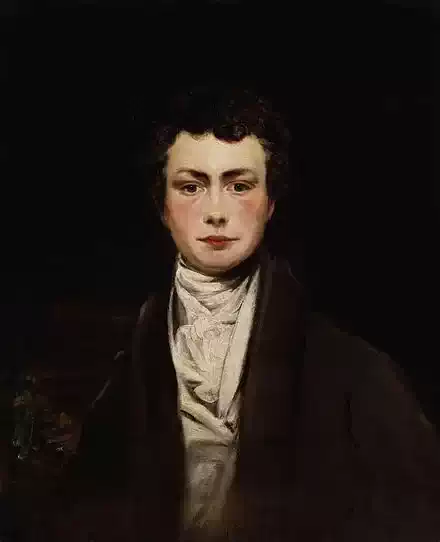
Thomas Moore
Cotton and Corn
Cotton and Corn
Said Cotton to Corn, t'other day,
As they met and exchang'd salute--
(Squire Corn in his carriage so gay,
Poor Cotton, half famish'd on foot):
"Great Squire, if it isn't uncivil
To hint at starvation before you,
Look down on a poor hungry devil,
And give him some bread, I implore you!"
Quoth Corn, then, in answer to Cotton,
Perceiving he meant to make free --
"Low fellow, you've surely forgotten
The distance between you and me!
To expect that we, Peers of high birth,
Should waste our illustrious acres,
For no other purpose on earth
Than to fatten curst calico-makers! --
That Biships to hobbins should bend --
Should stoop from their Bench's sublimity,
Great dealers in lawn, to befriend
Such contemptible dealers in dimity!
"No -- vile Manufacture! ne'er harbour
A hope to be fed at our boards; --
Base offspring of Arkwright the barber,
What claim canst thou have upon Lords?
"No -- thanks to the taxes and debt,
And the triumph of paper o'er guineas,
Our race of Lord Jemmys, as yet,
May defy your whole rabble of Jennys!"
So saying -- whip, crack and away
Went Corn in his chaise through the throng,
So headlong, I heard them all say,
"Squire Corn would be down, before long."
Said Cotton to Corn, t'other day,
As they met and exchang'd salute--
(Squire Corn in his carriage so gay,
Poor Cotton, half famish'd on foot):
"Great Squire, if it isn't uncivil
To hint at starvation before you,
Look down on a poor hungry devil,
And give him some bread, I implore you!"
Quoth Corn, then, in answer to Cotton,
Perceiving he meant to make free --
"Low fellow, you've surely forgotten
The distance between you and me!
To expect that we, Peers of high birth,
Should waste our illustrious acres,
For no other purpose on earth
Than to fatten curst calico-makers! --
That Biships to hobbins should bend --
Should stoop from their Bench's sublimity,
Great dealers in lawn, to befriend
Such contemptible dealers in dimity!
"No -- vile Manufacture! ne'er harbour
A hope to be fed at our boards; --
Base offspring of Arkwright the barber,
What claim canst thou have upon Lords?
"No -- thanks to the taxes and debt,
And the triumph of paper o'er guineas,
Our race of Lord Jemmys, as yet,
May defy your whole rabble of Jennys!"
So saying -- whip, crack and away
Went Corn in his chaise through the throng,
So headlong, I heard them all say,
"Squire Corn would be down, before long."
294
Thomas Moore
Cotton and Corn
Cotton and Corn
Said Cotton to Corn, t'other day,
As they met and exchang'd salute--
(Squire Corn in his carriage so gay,
Poor Cotton, half famish'd on foot):
"Great Squire, if it isn't uncivil
To hint at starvation before you,
Look down on a poor hungry devil,
And give him some bread, I implore you!"
Quoth Corn, then, in answer to Cotton,
Perceiving he meant to make free --
"Low fellow, you've surely forgotten
The distance between you and me!
To expect that we, Peers of high birth,
Should waste our illustrious acres,
For no other purpose on earth
Than to fatten curst calico-makers! --
That Biships to hobbins should bend --
Should stoop from their Bench's sublimity,
Great dealers in lawn, to befriend
Such contemptible dealers in dimity!
"No -- vile Manufacture! ne'er harbour
A hope to be fed at our boards; --
Base offspring of Arkwright the barber,
What claim canst thou have upon Lords?
"No -- thanks to the taxes and debt,
And the triumph of paper o'er guineas,
Our race of Lord Jemmys, as yet,
May defy your whole rabble of Jennys!"
So saying -- whip, crack and away
Went Corn in his chaise through the throng,
So headlong, I heard them all say,
"Squire Corn would be down, before long."
Said Cotton to Corn, t'other day,
As they met and exchang'd salute--
(Squire Corn in his carriage so gay,
Poor Cotton, half famish'd on foot):
"Great Squire, if it isn't uncivil
To hint at starvation before you,
Look down on a poor hungry devil,
And give him some bread, I implore you!"
Quoth Corn, then, in answer to Cotton,
Perceiving he meant to make free --
"Low fellow, you've surely forgotten
The distance between you and me!
To expect that we, Peers of high birth,
Should waste our illustrious acres,
For no other purpose on earth
Than to fatten curst calico-makers! --
That Biships to hobbins should bend --
Should stoop from their Bench's sublimity,
Great dealers in lawn, to befriend
Such contemptible dealers in dimity!
"No -- vile Manufacture! ne'er harbour
A hope to be fed at our boards; --
Base offspring of Arkwright the barber,
What claim canst thou have upon Lords?
"No -- thanks to the taxes and debt,
And the triumph of paper o'er guineas,
Our race of Lord Jemmys, as yet,
May defy your whole rabble of Jennys!"
So saying -- whip, crack and away
Went Corn in his chaise through the throng,
So headlong, I heard them all say,
"Squire Corn would be down, before long."
294
Thomas Moore
Cotton and Corn
Cotton and Corn
Said Cotton to Corn, t'other day,
As they met and exchang'd salute--
(Squire Corn in his carriage so gay,
Poor Cotton, half famish'd on foot):
"Great Squire, if it isn't uncivil
To hint at starvation before you,
Look down on a poor hungry devil,
And give him some bread, I implore you!"
Quoth Corn, then, in answer to Cotton,
Perceiving he meant to make free --
"Low fellow, you've surely forgotten
The distance between you and me!
To expect that we, Peers of high birth,
Should waste our illustrious acres,
For no other purpose on earth
Than to fatten curst calico-makers! --
That Biships to hobbins should bend --
Should stoop from their Bench's sublimity,
Great dealers in lawn, to befriend
Such contemptible dealers in dimity!
"No -- vile Manufacture! ne'er harbour
A hope to be fed at our boards; --
Base offspring of Arkwright the barber,
What claim canst thou have upon Lords?
"No -- thanks to the taxes and debt,
And the triumph of paper o'er guineas,
Our race of Lord Jemmys, as yet,
May defy your whole rabble of Jennys!"
So saying -- whip, crack and away
Went Corn in his chaise through the throng,
So headlong, I heard them all say,
"Squire Corn would be down, before long."
Said Cotton to Corn, t'other day,
As they met and exchang'd salute--
(Squire Corn in his carriage so gay,
Poor Cotton, half famish'd on foot):
"Great Squire, if it isn't uncivil
To hint at starvation before you,
Look down on a poor hungry devil,
And give him some bread, I implore you!"
Quoth Corn, then, in answer to Cotton,
Perceiving he meant to make free --
"Low fellow, you've surely forgotten
The distance between you and me!
To expect that we, Peers of high birth,
Should waste our illustrious acres,
For no other purpose on earth
Than to fatten curst calico-makers! --
That Biships to hobbins should bend --
Should stoop from their Bench's sublimity,
Great dealers in lawn, to befriend
Such contemptible dealers in dimity!
"No -- vile Manufacture! ne'er harbour
A hope to be fed at our boards; --
Base offspring of Arkwright the barber,
What claim canst thou have upon Lords?
"No -- thanks to the taxes and debt,
And the triumph of paper o'er guineas,
Our race of Lord Jemmys, as yet,
May defy your whole rabble of Jennys!"
So saying -- whip, crack and away
Went Corn in his chaise through the throng,
So headlong, I heard them all say,
"Squire Corn would be down, before long."
294
Thomas Moore
Cotton and Corn
Cotton and Corn
Said Cotton to Corn, t'other day,
As they met and exchang'd salute--
(Squire Corn in his carriage so gay,
Poor Cotton, half famish'd on foot):
"Great Squire, if it isn't uncivil
To hint at starvation before you,
Look down on a poor hungry devil,
And give him some bread, I implore you!"
Quoth Corn, then, in answer to Cotton,
Perceiving he meant to make free --
"Low fellow, you've surely forgotten
The distance between you and me!
To expect that we, Peers of high birth,
Should waste our illustrious acres,
For no other purpose on earth
Than to fatten curst calico-makers! --
That Biships to hobbins should bend --
Should stoop from their Bench's sublimity,
Great dealers in lawn, to befriend
Such contemptible dealers in dimity!
"No -- vile Manufacture! ne'er harbour
A hope to be fed at our boards; --
Base offspring of Arkwright the barber,
What claim canst thou have upon Lords?
"No -- thanks to the taxes and debt,
And the triumph of paper o'er guineas,
Our race of Lord Jemmys, as yet,
May defy your whole rabble of Jennys!"
So saying -- whip, crack and away
Went Corn in his chaise through the throng,
So headlong, I heard them all say,
"Squire Corn would be down, before long."
Said Cotton to Corn, t'other day,
As they met and exchang'd salute--
(Squire Corn in his carriage so gay,
Poor Cotton, half famish'd on foot):
"Great Squire, if it isn't uncivil
To hint at starvation before you,
Look down on a poor hungry devil,
And give him some bread, I implore you!"
Quoth Corn, then, in answer to Cotton,
Perceiving he meant to make free --
"Low fellow, you've surely forgotten
The distance between you and me!
To expect that we, Peers of high birth,
Should waste our illustrious acres,
For no other purpose on earth
Than to fatten curst calico-makers! --
That Biships to hobbins should bend --
Should stoop from their Bench's sublimity,
Great dealers in lawn, to befriend
Such contemptible dealers in dimity!
"No -- vile Manufacture! ne'er harbour
A hope to be fed at our boards; --
Base offspring of Arkwright the barber,
What claim canst thou have upon Lords?
"No -- thanks to the taxes and debt,
And the triumph of paper o'er guineas,
Our race of Lord Jemmys, as yet,
May defy your whole rabble of Jennys!"
So saying -- whip, crack and away
Went Corn in his chaise through the throng,
So headlong, I heard them all say,
"Squire Corn would be down, before long."
294
Thomas Moore
Come O'er the Sea
Come O'er the Sea
Come o'er the sea,
Maiden with me,
Mine through sunshine, storm, and snows;
Seasons may roll,
But the true soul
Burns the same, where'er it goes.
Let fate frown on, so we love and part not;
'Tis life where thou art, 'tis death were thou are not.
Then come o'er the sea,
Maiden with me,
Come wherever the wild wind blows;
Seasons may roll,
But the true soul
Burns the same, where'er it goes.
Was not the sea
Made for the Free,
Land for courts and chains alone?
Here we are slaves,
But, on the waves,
Love and Liberty's all our own.
No eye to watch, and no tongue to wound us
All earth forgot, and all heaven around us --
Then come o'er the sea,
Maiden, with me,
Mine through sunshine, storms, and snows
Seasons may roll,
But the true soul
Burns the same, where'er it goes.
Come o'er the sea,
Maiden with me,
Mine through sunshine, storm, and snows;
Seasons may roll,
But the true soul
Burns the same, where'er it goes.
Let fate frown on, so we love and part not;
'Tis life where thou art, 'tis death were thou are not.
Then come o'er the sea,
Maiden with me,
Come wherever the wild wind blows;
Seasons may roll,
But the true soul
Burns the same, where'er it goes.
Was not the sea
Made for the Free,
Land for courts and chains alone?
Here we are slaves,
But, on the waves,
Love and Liberty's all our own.
No eye to watch, and no tongue to wound us
All earth forgot, and all heaven around us --
Then come o'er the sea,
Maiden, with me,
Mine through sunshine, storms, and snows
Seasons may roll,
But the true soul
Burns the same, where'er it goes.
223
Thomas Moore
Come, Send Round the Wine
Come, Send Round the Wine
Come, send round the wine, and leave points of belief
To simpleton sages and reasoning fools;
This moment's a flower too fair and brief
To be wither'd and stain'd by the dust of the schools.
Your glass may be purple, and mine may be blue,
But, while they are fill'd from the same bright bowl,
The fool who would quarrel for difference of hue,
Deserves not the comfort they shed o'er the soul.
Shall I ask the brave soldier, who fights by my side
In the cause of mankind, if our creeds agree?
Shall I give up the friend I have valued and tried,
If he kneel not before the same altar with me?
From the heretic girl of my soul should I fly?
To seek somewhere else a more orthodox kiss?
No, perish the hearts, and the laws that try
Truth, valour, or love, by a standard like this!
Come, send round the wine, and leave points of belief
To simpleton sages and reasoning fools;
This moment's a flower too fair and brief
To be wither'd and stain'd by the dust of the schools.
Your glass may be purple, and mine may be blue,
But, while they are fill'd from the same bright bowl,
The fool who would quarrel for difference of hue,
Deserves not the comfort they shed o'er the soul.
Shall I ask the brave soldier, who fights by my side
In the cause of mankind, if our creeds agree?
Shall I give up the friend I have valued and tried,
If he kneel not before the same altar with me?
From the heretic girl of my soul should I fly?
To seek somewhere else a more orthodox kiss?
No, perish the hearts, and the laws that try
Truth, valour, or love, by a standard like this!
179
Thomas Moore
Avenging and Bright
Avenging and Bright
Avenging and bright fall the swift sword of Erin
On him who the brave sons of Usna betray'd! --
For every fond eye he hath waken'd a tear in
A drop from his heart-wounds shall weep o'er her blade.
By the red cloud that hung over Conor's dark dwelling,
When Ulad's three champions lay sleeping in gore --
By the billows of war, which so often, high swelling,,
Have wafted these heroes to victory's shore --
We swear to avenge them! -- no joy shall be tasted,
The harp shall be silent, the maiden unwed,
Our halls shall be mute, and our fields shall lie wasted,
Till vengeance is wreak'd on the murderer's head.
Yes, monarch! though sweet are our home recollections,
Though sweet are the tears that from tenderness fall;
Though sweet are our friendships, our hopes, our affections,
Revenge on a tyrant is sweetest of all!
Avenging and bright fall the swift sword of Erin
On him who the brave sons of Usna betray'd! --
For every fond eye he hath waken'd a tear in
A drop from his heart-wounds shall weep o'er her blade.
By the red cloud that hung over Conor's dark dwelling,
When Ulad's three champions lay sleeping in gore --
By the billows of war, which so often, high swelling,,
Have wafted these heroes to victory's shore --
We swear to avenge them! -- no joy shall be tasted,
The harp shall be silent, the maiden unwed,
Our halls shall be mute, and our fields shall lie wasted,
Till vengeance is wreak'd on the murderer's head.
Yes, monarch! though sweet are our home recollections,
Though sweet are the tears that from tenderness fall;
Though sweet are our friendships, our hopes, our affections,
Revenge on a tyrant is sweetest of all!
204
Thomas Moore
Avenging and Bright
Avenging and Bright
Avenging and bright fall the swift sword of Erin
On him who the brave sons of Usna betray'd! --
For every fond eye he hath waken'd a tear in
A drop from his heart-wounds shall weep o'er her blade.
By the red cloud that hung over Conor's dark dwelling,
When Ulad's three champions lay sleeping in gore --
By the billows of war, which so often, high swelling,,
Have wafted these heroes to victory's shore --
We swear to avenge them! -- no joy shall be tasted,
The harp shall be silent, the maiden unwed,
Our halls shall be mute, and our fields shall lie wasted,
Till vengeance is wreak'd on the murderer's head.
Yes, monarch! though sweet are our home recollections,
Though sweet are the tears that from tenderness fall;
Though sweet are our friendships, our hopes, our affections,
Revenge on a tyrant is sweetest of all!
Avenging and bright fall the swift sword of Erin
On him who the brave sons of Usna betray'd! --
For every fond eye he hath waken'd a tear in
A drop from his heart-wounds shall weep o'er her blade.
By the red cloud that hung over Conor's dark dwelling,
When Ulad's three champions lay sleeping in gore --
By the billows of war, which so often, high swelling,,
Have wafted these heroes to victory's shore --
We swear to avenge them! -- no joy shall be tasted,
The harp shall be silent, the maiden unwed,
Our halls shall be mute, and our fields shall lie wasted,
Till vengeance is wreak'd on the murderer's head.
Yes, monarch! though sweet are our home recollections,
Though sweet are the tears that from tenderness fall;
Though sweet are our friendships, our hopes, our affections,
Revenge on a tyrant is sweetest of all!
204
Thomas Moore
As Vanquish'd Erin
As Vanquish'd Erin
As vanquish'd Erin wept beside
The Boyne's ill-fated river,
She saw where Discord, in the tide,
Had dropp'd his loaded quiver.
"Lie hid," she cried, "ye venom'd darts,
Where mortal eye may shun you;
Lie hid -- the stain of manly hearts,
That bled for me, is on you."
But vain her wish, her weeping vain --
As Time too well hath taught her --
Each year the Fiend returns again,
And dives into that water;
And brings, triumphant, from beneath
His shafts of desolation,
And sends them, wing'd with worse than death,
Through all her maddening nation.
Alas for her who sits and mourns,
Even now, beside that river --
Unwearied still the Fiend returns,
And stored is still his quiver.
"When will this end, ye Powers of Good?"
She weeping asks for ever;
But only hears, from out that flood,
The Demon answer, "Never!"
As vanquish'd Erin wept beside
The Boyne's ill-fated river,
She saw where Discord, in the tide,
Had dropp'd his loaded quiver.
"Lie hid," she cried, "ye venom'd darts,
Where mortal eye may shun you;
Lie hid -- the stain of manly hearts,
That bled for me, is on you."
But vain her wish, her weeping vain --
As Time too well hath taught her --
Each year the Fiend returns again,
And dives into that water;
And brings, triumphant, from beneath
His shafts of desolation,
And sends them, wing'd with worse than death,
Through all her maddening nation.
Alas for her who sits and mourns,
Even now, beside that river --
Unwearied still the Fiend returns,
And stored is still his quiver.
"When will this end, ye Powers of Good?"
She weeping asks for ever;
But only hears, from out that flood,
The Demon answer, "Never!"
194
Thomas Moore
As Vanquish'd Erin
As Vanquish'd Erin
As vanquish'd Erin wept beside
The Boyne's ill-fated river,
She saw where Discord, in the tide,
Had dropp'd his loaded quiver.
"Lie hid," she cried, "ye venom'd darts,
Where mortal eye may shun you;
Lie hid -- the stain of manly hearts,
That bled for me, is on you."
But vain her wish, her weeping vain --
As Time too well hath taught her --
Each year the Fiend returns again,
And dives into that water;
And brings, triumphant, from beneath
His shafts of desolation,
And sends them, wing'd with worse than death,
Through all her maddening nation.
Alas for her who sits and mourns,
Even now, beside that river --
Unwearied still the Fiend returns,
And stored is still his quiver.
"When will this end, ye Powers of Good?"
She weeping asks for ever;
But only hears, from out that flood,
The Demon answer, "Never!"
As vanquish'd Erin wept beside
The Boyne's ill-fated river,
She saw where Discord, in the tide,
Had dropp'd his loaded quiver.
"Lie hid," she cried, "ye venom'd darts,
Where mortal eye may shun you;
Lie hid -- the stain of manly hearts,
That bled for me, is on you."
But vain her wish, her weeping vain --
As Time too well hath taught her --
Each year the Fiend returns again,
And dives into that water;
And brings, triumphant, from beneath
His shafts of desolation,
And sends them, wing'd with worse than death,
Through all her maddening nation.
Alas for her who sits and mourns,
Even now, beside that river --
Unwearied still the Fiend returns,
And stored is still his quiver.
"When will this end, ye Powers of Good?"
She weeping asks for ever;
But only hears, from out that flood,
The Demon answer, "Never!"
194
Thomas Moore
An Incantation
An Incantation
Come with me, and we will blow
Lots of bubbles, as we go;
Bubbles bright as ever Hope
Drew from fancy -- or from soap;
Bright as e'er the South Sea sent
from its frothy element!
Come with me, and we will blow
Lots of bubbles, as we go.
Mix the lather, Johnny W--lks,
Thou, who rhym'st so well to bilks;
Mix the lather - who can be
Fitter for such task than thee,
Great M.P. for Sudsbury!
For the frothy charm is ripe,
Puffing Peter bring thy pipe, --
Thou, whom ancient Coventry,
Once so dearly lov'd, that she
Knew not which to her was sweeter,
Peeping Tom or Puffing Peter; --
Puff the bubbles high in air,
Puff thy best to keep them there.
Bravo, bravo, Peter M--re!
Now the rainbow humbugs soar,
Glitt'ring all with golden hues,
Such as haunt the dreams of Jews; --
Some reflecting mines that lie
Under Chili's glowing sky,
Some, those virgin pearls that sleep
Cloister'd in the southern deep;
Others, as if lent a ray
Form the streaming Milky Way,
Glist'ning o'er with curds and whey
From the cows of Alderney.
Now's the moment -- who shall first
Catch the buble, ere they burst?
Run, ye Squires, ye Viscounts, run,
Br-gd-n, T-ynh-m, P-lm-t-n; --
John W--lks junior runs beside ye!
Take the good the knaves provide ye!
See, with upturn'd eyes and hands,
Where the Shareman, Bri-gd-n, stands,
Gaping for the froth to fall
Down his gullet - lye and all.
See!---But hark my time is out --
Now, like some great water-spout,
Scaterr'd by the cannon's thunder,
Burst, ye bubbles, burst asunder!
Come with me, and we will blow
Lots of bubbles, as we go;
Bubbles bright as ever Hope
Drew from fancy -- or from soap;
Bright as e'er the South Sea sent
from its frothy element!
Come with me, and we will blow
Lots of bubbles, as we go.
Mix the lather, Johnny W--lks,
Thou, who rhym'st so well to bilks;
Mix the lather - who can be
Fitter for such task than thee,
Great M.P. for Sudsbury!
For the frothy charm is ripe,
Puffing Peter bring thy pipe, --
Thou, whom ancient Coventry,
Once so dearly lov'd, that she
Knew not which to her was sweeter,
Peeping Tom or Puffing Peter; --
Puff the bubbles high in air,
Puff thy best to keep them there.
Bravo, bravo, Peter M--re!
Now the rainbow humbugs soar,
Glitt'ring all with golden hues,
Such as haunt the dreams of Jews; --
Some reflecting mines that lie
Under Chili's glowing sky,
Some, those virgin pearls that sleep
Cloister'd in the southern deep;
Others, as if lent a ray
Form the streaming Milky Way,
Glist'ning o'er with curds and whey
From the cows of Alderney.
Now's the moment -- who shall first
Catch the buble, ere they burst?
Run, ye Squires, ye Viscounts, run,
Br-gd-n, T-ynh-m, P-lm-t-n; --
John W--lks junior runs beside ye!
Take the good the knaves provide ye!
See, with upturn'd eyes and hands,
Where the Shareman, Bri-gd-n, stands,
Gaping for the froth to fall
Down his gullet - lye and all.
See!---But hark my time is out --
Now, like some great water-spout,
Scaterr'd by the cannon's thunder,
Burst, ye bubbles, burst asunder!
242
Thomas Moore
An Argument
An Argument
I've oft been told by learned friars,
That wishing and the crime are one,
And Heaven punishes desires
As much as if the deed were done.
If wishing damns us, you and I
Are damned to all our heart's content;
Come, then, at least we may enjoy
Some pleasure for our punishment!
I've oft been told by learned friars,
That wishing and the crime are one,
And Heaven punishes desires
As much as if the deed were done.
If wishing damns us, you and I
Are damned to all our heart's content;
Come, then, at least we may enjoy
Some pleasure for our punishment!
189
Thomas Moore
After the Battle
After the Battle
Night closed around the conqueror's way,
And lightnings show'd the distant hill,
Where those who lost that dreadful day
Stood few and faint, but fearless still.
The soldier's hope, the patriot's zeal,
For ever dimm'd, for ever crost --
Oh! who shall say what heroes feel,
When all but life and honour's lost?
The last sad hour of freedom's dream,
And valour's task, moved slowly by,
While mute they watch'd, till morning's beam
Should rise and give them light to die.
There's yet a world, where souls are free,
Where tyrants taint not nature's bliss; --
If death that world's bright opening be,
Oh! who would live a slave in this?
Night closed around the conqueror's way,
And lightnings show'd the distant hill,
Where those who lost that dreadful day
Stood few and faint, but fearless still.
The soldier's hope, the patriot's zeal,
For ever dimm'd, for ever crost --
Oh! who shall say what heroes feel,
When all but life and honour's lost?
The last sad hour of freedom's dream,
And valour's task, moved slowly by,
While mute they watch'd, till morning's beam
Should rise and give them light to die.
There's yet a world, where souls are free,
Where tyrants taint not nature's bliss; --
If death that world's bright opening be,
Oh! who would live a slave in this?
221
Thomas Moore
After the Battle
After the Battle
Night closed around the conqueror's way,
And lightnings show'd the distant hill,
Where those who lost that dreadful day
Stood few and faint, but fearless still.
The soldier's hope, the patriot's zeal,
For ever dimm'd, for ever crost --
Oh! who shall say what heroes feel,
When all but life and honour's lost?
The last sad hour of freedom's dream,
And valour's task, moved slowly by,
While mute they watch'd, till morning's beam
Should rise and give them light to die.
There's yet a world, where souls are free,
Where tyrants taint not nature's bliss; --
If death that world's bright opening be,
Oh! who would live a slave in this?
Night closed around the conqueror's way,
And lightnings show'd the distant hill,
Where those who lost that dreadful day
Stood few and faint, but fearless still.
The soldier's hope, the patriot's zeal,
For ever dimm'd, for ever crost --
Oh! who shall say what heroes feel,
When all but life and honour's lost?
The last sad hour of freedom's dream,
And valour's task, moved slowly by,
While mute they watch'd, till morning's beam
Should rise and give them light to die.
There's yet a world, where souls are free,
Where tyrants taint not nature's bliss; --
If death that world's bright opening be,
Oh! who would live a slave in this?
221
Thomas Moore
All In a Family Way
All In a Family Way
My banks are all furnished with rags,
So thick, even Freddy can't thin 'em;
I've torn up my old money-bags,
Having little or nought to put in 'em.
My tradesman are smashing by dozens,
But this is all nothing, they say;
For bankrupts, since Adam, are cousins,
So, it's all in the family way.
My Debt not a penny takes from me,
As sages the matter explain; --
Bob owes it to Tom and then Tommy
Just owes it to Bob back again.
Since all have thus taken to owing,
There's nobody left that can pay;
And this is the way to keep going, --
All quite in the family way.
My senators vote away millions,
To put in Prosperity's budget;
And though it were billions or trillions,
The generous rogues wouldn't grudge it.
'Tis all but a family hop,
'Twas Pitt began dancing the hay;
Hands round! -- why the deuce should we stop?
'Tis all in the family way.
My labourers used to eat mutton,
As any great man of the State does;
And now the poor devils are put on
Small rations of tea and potatoes.
But cheer up John, Sawney and Paddy,
The King is your father, they say;
So ev'n if you starve for your Daddy,
'Tis all in the family way.
My rich manufacturers tumble,
My poor ones have nothing to chew;
And, even if themselves do not grumble,
Their stomachs undoubtedly do.
But coolly to fast en famille,
Is as good for the soul as to pray;
And famine itself is genteel,
When one starves in a family way.
I have found out a secret for Freddy,
A secret for next Budget day;
Though, perhaps he may know it already,
As he, too, 's a sage in his way.
When next for the Treasury scene he
Announces "the Devil to pay",
Let him write on the bills, "Nota bene,
'Tis all in the family way."
My banks are all furnished with rags,
So thick, even Freddy can't thin 'em;
I've torn up my old money-bags,
Having little or nought to put in 'em.
My tradesman are smashing by dozens,
But this is all nothing, they say;
For bankrupts, since Adam, are cousins,
So, it's all in the family way.
My Debt not a penny takes from me,
As sages the matter explain; --
Bob owes it to Tom and then Tommy
Just owes it to Bob back again.
Since all have thus taken to owing,
There's nobody left that can pay;
And this is the way to keep going, --
All quite in the family way.
My senators vote away millions,
To put in Prosperity's budget;
And though it were billions or trillions,
The generous rogues wouldn't grudge it.
'Tis all but a family hop,
'Twas Pitt began dancing the hay;
Hands round! -- why the deuce should we stop?
'Tis all in the family way.
My labourers used to eat mutton,
As any great man of the State does;
And now the poor devils are put on
Small rations of tea and potatoes.
But cheer up John, Sawney and Paddy,
The King is your father, they say;
So ev'n if you starve for your Daddy,
'Tis all in the family way.
My rich manufacturers tumble,
My poor ones have nothing to chew;
And, even if themselves do not grumble,
Their stomachs undoubtedly do.
But coolly to fast en famille,
Is as good for the soul as to pray;
And famine itself is genteel,
When one starves in a family way.
I have found out a secret for Freddy,
A secret for next Budget day;
Though, perhaps he may know it already,
As he, too, 's a sage in his way.
When next for the Treasury scene he
Announces "the Devil to pay",
Let him write on the bills, "Nota bene,
'Tis all in the family way."
245
Thomas Moore
All In a Family Way
All In a Family Way
My banks are all furnished with rags,
So thick, even Freddy can't thin 'em;
I've torn up my old money-bags,
Having little or nought to put in 'em.
My tradesman are smashing by dozens,
But this is all nothing, they say;
For bankrupts, since Adam, are cousins,
So, it's all in the family way.
My Debt not a penny takes from me,
As sages the matter explain; --
Bob owes it to Tom and then Tommy
Just owes it to Bob back again.
Since all have thus taken to owing,
There's nobody left that can pay;
And this is the way to keep going, --
All quite in the family way.
My senators vote away millions,
To put in Prosperity's budget;
And though it were billions or trillions,
The generous rogues wouldn't grudge it.
'Tis all but a family hop,
'Twas Pitt began dancing the hay;
Hands round! -- why the deuce should we stop?
'Tis all in the family way.
My labourers used to eat mutton,
As any great man of the State does;
And now the poor devils are put on
Small rations of tea and potatoes.
But cheer up John, Sawney and Paddy,
The King is your father, they say;
So ev'n if you starve for your Daddy,
'Tis all in the family way.
My rich manufacturers tumble,
My poor ones have nothing to chew;
And, even if themselves do not grumble,
Their stomachs undoubtedly do.
But coolly to fast en famille,
Is as good for the soul as to pray;
And famine itself is genteel,
When one starves in a family way.
I have found out a secret for Freddy,
A secret for next Budget day;
Though, perhaps he may know it already,
As he, too, 's a sage in his way.
When next for the Treasury scene he
Announces "the Devil to pay",
Let him write on the bills, "Nota bene,
'Tis all in the family way."
My banks are all furnished with rags,
So thick, even Freddy can't thin 'em;
I've torn up my old money-bags,
Having little or nought to put in 'em.
My tradesman are smashing by dozens,
But this is all nothing, they say;
For bankrupts, since Adam, are cousins,
So, it's all in the family way.
My Debt not a penny takes from me,
As sages the matter explain; --
Bob owes it to Tom and then Tommy
Just owes it to Bob back again.
Since all have thus taken to owing,
There's nobody left that can pay;
And this is the way to keep going, --
All quite in the family way.
My senators vote away millions,
To put in Prosperity's budget;
And though it were billions or trillions,
The generous rogues wouldn't grudge it.
'Tis all but a family hop,
'Twas Pitt began dancing the hay;
Hands round! -- why the deuce should we stop?
'Tis all in the family way.
My labourers used to eat mutton,
As any great man of the State does;
And now the poor devils are put on
Small rations of tea and potatoes.
But cheer up John, Sawney and Paddy,
The King is your father, they say;
So ev'n if you starve for your Daddy,
'Tis all in the family way.
My rich manufacturers tumble,
My poor ones have nothing to chew;
And, even if themselves do not grumble,
Their stomachs undoubtedly do.
But coolly to fast en famille,
Is as good for the soul as to pray;
And famine itself is genteel,
When one starves in a family way.
I have found out a secret for Freddy,
A secret for next Budget day;
Though, perhaps he may know it already,
As he, too, 's a sage in his way.
When next for the Treasury scene he
Announces "the Devil to pay",
Let him write on the bills, "Nota bene,
'Tis all in the family way."
245
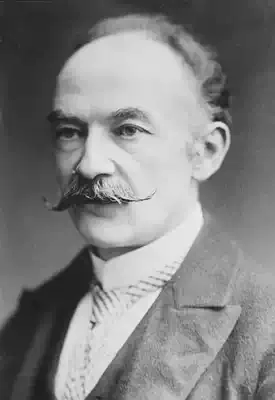
Thomas Hardy
Weathers
Weathers
This is the weather the cuckoo likes,
And so do I;
When showers betumble the chestnut spikes,
And nestlings fly;
And the little brown nightingale bills his best,
And they sit outside at 'The Traveller's Rest,'
And maids come forth sprig-muslin drest,
And citizens dream of the south and west,
And so do I.
This is the weather the shepherd shuns,
And so do I;
When beeches drip in browns and duns,
And thresh and ply;
And hill-hid tides throb, throe on throe,
And meadow rivulets overflow,
And drops on gate bars hang in a row,
And rooks in families homeward go,
And so do I.
This is the weather the cuckoo likes,
And so do I;
When showers betumble the chestnut spikes,
And nestlings fly;
And the little brown nightingale bills his best,
And they sit outside at 'The Traveller's Rest,'
And maids come forth sprig-muslin drest,
And citizens dream of the south and west,
And so do I.
This is the weather the shepherd shuns,
And so do I;
When beeches drip in browns and duns,
And thresh and ply;
And hill-hid tides throb, throe on throe,
And meadow rivulets overflow,
And drops on gate bars hang in a row,
And rooks in families homeward go,
And so do I.
188
Thomas Hardy
Then and Now
Then and Now
When battles were fought
With a chivalrous sense of should and ought,
In spirit men said,
"End we quick or dead,
Honour is some reward!
Let us fight fair -- for our own best or worst;
So, Gentlemen of the Guard,
Fire first!"
In the open they stood,
Man to man in his knightlihood:
They would not deign
To profit by a stain
On the honourable rules,
Knowing that practise perfidy no man durst
Who in the heroic schools
Was nurst.
But now, behold, what
Is war with those where honour is not!
Rama laments
Its dead innocents;
Herod howls: "Sly slaughter
Rules now! Let us, by modes once called accurst,
Overhead, under water,
Stab first."
When battles were fought
With a chivalrous sense of should and ought,
In spirit men said,
"End we quick or dead,
Honour is some reward!
Let us fight fair -- for our own best or worst;
So, Gentlemen of the Guard,
Fire first!"
In the open they stood,
Man to man in his knightlihood:
They would not deign
To profit by a stain
On the honourable rules,
Knowing that practise perfidy no man durst
Who in the heroic schools
Was nurst.
But now, behold, what
Is war with those where honour is not!
Rama laments
Its dead innocents;
Herod howls: "Sly slaughter
Rules now! Let us, by modes once called accurst,
Overhead, under water,
Stab first."
278
Thomas Hardy
Then and Now
Then and Now
When battles were fought
With a chivalrous sense of should and ought,
In spirit men said,
"End we quick or dead,
Honour is some reward!
Let us fight fair -- for our own best or worst;
So, Gentlemen of the Guard,
Fire first!"
In the open they stood,
Man to man in his knightlihood:
They would not deign
To profit by a stain
On the honourable rules,
Knowing that practise perfidy no man durst
Who in the heroic schools
Was nurst.
But now, behold, what
Is war with those where honour is not!
Rama laments
Its dead innocents;
Herod howls: "Sly slaughter
Rules now! Let us, by modes once called accurst,
Overhead, under water,
Stab first."
When battles were fought
With a chivalrous sense of should and ought,
In spirit men said,
"End we quick or dead,
Honour is some reward!
Let us fight fair -- for our own best or worst;
So, Gentlemen of the Guard,
Fire first!"
In the open they stood,
Man to man in his knightlihood:
They would not deign
To profit by a stain
On the honourable rules,
Knowing that practise perfidy no man durst
Who in the heroic schools
Was nurst.
But now, behold, what
Is war with those where honour is not!
Rama laments
Its dead innocents;
Herod howls: "Sly slaughter
Rules now! Let us, by modes once called accurst,
Overhead, under water,
Stab first."
278
Thomas Hardy
The Tree: An Old Man's Story
The Tree: An Old Man's Story
I
Its roots are bristling in the air
Like some mad Earth-god's spiny hair;
The loud south-wester's swell and yell
Smote it at midnight, and it fell.
Thus ends the tree
Where Some One sat with me.
II
Its boughs, which none but darers trod,
A child may step on from the sod,
And twigs that earliest met the dawn
Are lit the last upon the lawn.
Cart off the tree
Beneath whose trunk sat we!
III
Yes, there we sat: she cooed content,
And bats ringed round, and daylight went;
The gnarl, our seat, is wrenched and sunk,
Prone that queer pocket in the trunk
Where lay the key
To her pale mystery.
IV
"Years back, within this pocket-hole
I found, my Love, a hurried scrawl
Meant not for me," at length said I;
"I glanced thereat, and let it lie:
The words were three -
'Beloved, I agree.'
V
"Who placed it here; to what request
It gave assent, I never guessed.
Some prayer of some hot heart, no doubt,
To some coy maiden hereabout,
Just as, maybe,
With you, Sweet Heart, and me."
VI
She waited, till with quickened breath
She spoke, as one who banisheth
Reserves that lovecraft heeds so well,
To ease some mighty wish to tell:
"'Twas I," said she,
"Who wrote thus clinchingly.
VII
"My lover's wife--aye, wife!--knew nought
Of what we felt, and bore, and thought . . .
He'd said: 'I wed with thee or die:
She stands between, 'tis true. But why?
Do thou agree,
And--she shalt cease to be.'
VIII
"How I held back, how love supreme
Involved me madly in his scheme
Why should I say? . . . I wrote assent
(You found it hid) to his intent . . .
She--DIED . . . But he
Came not to wed with me.
IX
"O shrink not, Love!--Had these eyes seen
But once thine own, such had not been!
But we were strangers . . . Thus the plot
Cleared passion's path.--Why came he not
To wed with me? . . .
He wived the gibbet-tree."
X
- Under that oak of heretofore
Sat Sweetheart mine with me no more:
By many a Fiord, and Strom, and Fleuve
Have I since wandered . . . Soon, for love,
Distraught went she -
'Twas said for love of me.
I
Its roots are bristling in the air
Like some mad Earth-god's spiny hair;
The loud south-wester's swell and yell
Smote it at midnight, and it fell.
Thus ends the tree
Where Some One sat with me.
II
Its boughs, which none but darers trod,
A child may step on from the sod,
And twigs that earliest met the dawn
Are lit the last upon the lawn.
Cart off the tree
Beneath whose trunk sat we!
III
Yes, there we sat: she cooed content,
And bats ringed round, and daylight went;
The gnarl, our seat, is wrenched and sunk,
Prone that queer pocket in the trunk
Where lay the key
To her pale mystery.
IV
"Years back, within this pocket-hole
I found, my Love, a hurried scrawl
Meant not for me," at length said I;
"I glanced thereat, and let it lie:
The words were three -
'Beloved, I agree.'
V
"Who placed it here; to what request
It gave assent, I never guessed.
Some prayer of some hot heart, no doubt,
To some coy maiden hereabout,
Just as, maybe,
With you, Sweet Heart, and me."
VI
She waited, till with quickened breath
She spoke, as one who banisheth
Reserves that lovecraft heeds so well,
To ease some mighty wish to tell:
"'Twas I," said she,
"Who wrote thus clinchingly.
VII
"My lover's wife--aye, wife!--knew nought
Of what we felt, and bore, and thought . . .
He'd said: 'I wed with thee or die:
She stands between, 'tis true. But why?
Do thou agree,
And--she shalt cease to be.'
VIII
"How I held back, how love supreme
Involved me madly in his scheme
Why should I say? . . . I wrote assent
(You found it hid) to his intent . . .
She--DIED . . . But he
Came not to wed with me.
IX
"O shrink not, Love!--Had these eyes seen
But once thine own, such had not been!
But we were strangers . . . Thus the plot
Cleared passion's path.--Why came he not
To wed with me? . . .
He wived the gibbet-tree."
X
- Under that oak of heretofore
Sat Sweetheart mine with me no more:
By many a Fiord, and Strom, and Fleuve
Have I since wandered . . . Soon, for love,
Distraught went she -
'Twas said for love of me.
233
Thomas Hardy
The Supplanter: A Tale
The Supplanter: A Tale
I
He bends his travel-tarnished feet
To where she wastes in clay:
From day-dawn until eve he fares
Along the wintry way;
From day-dawn until eve repairs
Unto her mound to pray.
II
"Are these the gravestone shapes that meet
My forward-straining view?
Or forms that cross a window-blind
In circle, knot, and queue:
Gay forms, that cross and whirl and wind
To music throbbing through?" -
III
"The Keeper of the Field of Tombs
Dwells by its gateway-pier;
He celebrates with feast and dance
His daughter's twentieth year:
He celebrates with wine of France
The birthday of his dear." -
IV
"The gates are shut when evening glooms:
Lay down your wreath, sad wight;
To-morrow is a time more fit
For placing flowers aright:
The morning is the time for it;
Come, wake with us to-night!" -
V
He grounds his wreath, and enters in,
And sits, and shares their cheer. -
"I fain would foot with you, young man,
Before all others here;
I fain would foot it for a span
With such a cavalier!"
VI
She coaxes, clasps, nor fails to win
His first-unwilling hand:
The merry music strikes its staves,
The dancers quickly band;
And with the damsel of the graves
He duly takes his stand.
VII
"You dance divinely, stranger swain,
Such grace I've never known.
O longer stay! Breathe not adieu
And leave me here alone!
O longer stay: to her be true
Whose heart is all your own!" -
VIII
"I mark a phantom through the pane,
That beckons in despair,
Its mouth all drawn with heavy moan -
Her to whom once I sware!" -
"Nay; 'tis the lately carven stone
Of some strange girl laid there!" -
IX
"I see white flowers upon the floor
Betrodden to a clot;
My wreath were they?"--"Nay; love me much,
Swear you'll forget me not!
'Twas but a wreath! Full many such
Are brought here and forgot."
* * *
X
The watches of the night grow hoar,
He rises ere the sun;
"Now could I kill thee here!" he says,
"For winning me from one
Who ever in her living days
Was pure as cloistered nun!"
XI
She cowers, and he takes his track
Afar for many a mile,
For evermore to be apart
From her who could beguile
His senses by her burning heart,
And win his love awhile.
XII
A year: and he is travelling back
To her who wastes in clay;
From day-dawn until eve he fares
Along the wintry way,
From day-dawn until eve repairs
Unto her mound to pray.
XIII
And there he sets him to fulfil
His frustrate first intent:
And lay upon her bed, at last,
The offering earlier meant:
When, on his stooping figure, ghast
And haggard eyes are bent.
XIV
"O surely for a little while
You can be kind to me!
For do you love her, do you hate,
She knows not--cares not she:
Only the living feel the weight
Of loveless misery!
XV
"I own my sin; I've paid its cost,
Being outcast, shamed, and bare:
I give you daily my whole heart,
Your babe my tender care,
I pour you prayers; and aye to part
Is more than I can bear!"
XVI
He turns--unpitying, passion-tossed;
"I know you not!" he cries,
"Nor know your child. I knew this maid,
But she's in Paradise!"
And swiftly in the winter shade
He breaks from her and flies.
I
He bends his travel-tarnished feet
To where she wastes in clay:
From day-dawn until eve he fares
Along the wintry way;
From day-dawn until eve repairs
Unto her mound to pray.
II
"Are these the gravestone shapes that meet
My forward-straining view?
Or forms that cross a window-blind
In circle, knot, and queue:
Gay forms, that cross and whirl and wind
To music throbbing through?" -
III
"The Keeper of the Field of Tombs
Dwells by its gateway-pier;
He celebrates with feast and dance
His daughter's twentieth year:
He celebrates with wine of France
The birthday of his dear." -
IV
"The gates are shut when evening glooms:
Lay down your wreath, sad wight;
To-morrow is a time more fit
For placing flowers aright:
The morning is the time for it;
Come, wake with us to-night!" -
V
He grounds his wreath, and enters in,
And sits, and shares their cheer. -
"I fain would foot with you, young man,
Before all others here;
I fain would foot it for a span
With such a cavalier!"
VI
She coaxes, clasps, nor fails to win
His first-unwilling hand:
The merry music strikes its staves,
The dancers quickly band;
And with the damsel of the graves
He duly takes his stand.
VII
"You dance divinely, stranger swain,
Such grace I've never known.
O longer stay! Breathe not adieu
And leave me here alone!
O longer stay: to her be true
Whose heart is all your own!" -
VIII
"I mark a phantom through the pane,
That beckons in despair,
Its mouth all drawn with heavy moan -
Her to whom once I sware!" -
"Nay; 'tis the lately carven stone
Of some strange girl laid there!" -
IX
"I see white flowers upon the floor
Betrodden to a clot;
My wreath were they?"--"Nay; love me much,
Swear you'll forget me not!
'Twas but a wreath! Full many such
Are brought here and forgot."
* * *
X
The watches of the night grow hoar,
He rises ere the sun;
"Now could I kill thee here!" he says,
"For winning me from one
Who ever in her living days
Was pure as cloistered nun!"
XI
She cowers, and he takes his track
Afar for many a mile,
For evermore to be apart
From her who could beguile
His senses by her burning heart,
And win his love awhile.
XII
A year: and he is travelling back
To her who wastes in clay;
From day-dawn until eve he fares
Along the wintry way,
From day-dawn until eve repairs
Unto her mound to pray.
XIII
And there he sets him to fulfil
His frustrate first intent:
And lay upon her bed, at last,
The offering earlier meant:
When, on his stooping figure, ghast
And haggard eyes are bent.
XIV
"O surely for a little while
You can be kind to me!
For do you love her, do you hate,
She knows not--cares not she:
Only the living feel the weight
Of loveless misery!
XV
"I own my sin; I've paid its cost,
Being outcast, shamed, and bare:
I give you daily my whole heart,
Your babe my tender care,
I pour you prayers; and aye to part
Is more than I can bear!"
XVI
He turns--unpitying, passion-tossed;
"I know you not!" he cries,
"Nor know your child. I knew this maid,
But she's in Paradise!"
And swiftly in the winter shade
He breaks from her and flies.
197
Thomas Hardy
The Stranger's Song
The Stranger's Song
(As sung by Mr. Charles Charrington in the play of "The Three Wayfarers")
O MY trade it is the rarest one,
Simple shepherds all--
My trade is a sight to see;
For my customers I tie, and take 'em up on high,
And waft 'em to a far countree!
My tools are but common ones,
Simple shepherds all--
My tools are no sight to see:
A little hempen string, and a post whereon to swing,
Are implements enough for me!
To-morrow is my working day,
Simple shepherds all--
To-morrow is a working day for me:
For the farmer's sheep is slain, and the lad who did it ta'en,
And on his soul may God ha' mer-cy!
(As sung by Mr. Charles Charrington in the play of "The Three Wayfarers")
O MY trade it is the rarest one,
Simple shepherds all--
My trade is a sight to see;
For my customers I tie, and take 'em up on high,
And waft 'em to a far countree!
My tools are but common ones,
Simple shepherds all--
My tools are no sight to see:
A little hempen string, and a post whereon to swing,
Are implements enough for me!
To-morrow is my working day,
Simple shepherds all--
To-morrow is a working day for me:
For the farmer's sheep is slain, and the lad who did it ta'en,
And on his soul may God ha' mer-cy!
246
Thomas Hardy
The Stranger's Song
The Stranger's Song
(As sung by Mr. Charles Charrington in the play of "The Three Wayfarers")
O MY trade it is the rarest one,
Simple shepherds all--
My trade is a sight to see;
For my customers I tie, and take 'em up on high,
And waft 'em to a far countree!
My tools are but common ones,
Simple shepherds all--
My tools are no sight to see:
A little hempen string, and a post whereon to swing,
Are implements enough for me!
To-morrow is my working day,
Simple shepherds all--
To-morrow is a working day for me:
For the farmer's sheep is slain, and the lad who did it ta'en,
And on his soul may God ha' mer-cy!
(As sung by Mr. Charles Charrington in the play of "The Three Wayfarers")
O MY trade it is the rarest one,
Simple shepherds all--
My trade is a sight to see;
For my customers I tie, and take 'em up on high,
And waft 'em to a far countree!
My tools are but common ones,
Simple shepherds all--
My tools are no sight to see:
A little hempen string, and a post whereon to swing,
Are implements enough for me!
To-morrow is my working day,
Simple shepherds all--
To-morrow is a working day for me:
For the farmer's sheep is slain, and the lad who did it ta'en,
And on his soul may God ha' mer-cy!
246
Thomas Hardy
The Stranger's Song
The Stranger's Song
(As sung by Mr. Charles Charrington in the play of "The Three Wayfarers")
O MY trade it is the rarest one,
Simple shepherds all--
My trade is a sight to see;
For my customers I tie, and take 'em up on high,
And waft 'em to a far countree!
My tools are but common ones,
Simple shepherds all--
My tools are no sight to see:
A little hempen string, and a post whereon to swing,
Are implements enough for me!
To-morrow is my working day,
Simple shepherds all--
To-morrow is a working day for me:
For the farmer's sheep is slain, and the lad who did it ta'en,
And on his soul may God ha' mer-cy!
(As sung by Mr. Charles Charrington in the play of "The Three Wayfarers")
O MY trade it is the rarest one,
Simple shepherds all--
My trade is a sight to see;
For my customers I tie, and take 'em up on high,
And waft 'em to a far countree!
My tools are but common ones,
Simple shepherds all--
My tools are no sight to see:
A little hempen string, and a post whereon to swing,
Are implements enough for me!
To-morrow is my working day,
Simple shepherds all--
To-morrow is a working day for me:
For the farmer's sheep is slain, and the lad who did it ta'en,
And on his soul may God ha' mer-cy!
246