

Poems in this topic
Society and the World
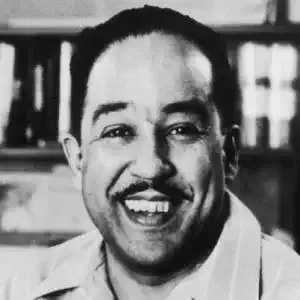
Langston Hughes
-50
-50
I’m all alone in this world, she said,
Ain’t got nobody to share my bed,
Ain’t got nobody to hold my hand—
The truth of the matter’s
I ain’t got no man.
Big Boy opened his mouth and said,
Trouble with you is
You ain’t got no head!
If you had a head and used your mind
You could have me with you
All the time.
She answered, Babe, what must I do?
He said, Share your bed—
And your money, too.
I’m all alone in this world, she said,
Ain’t got nobody to share my bed,
Ain’t got nobody to hold my hand—
The truth of the matter’s
I ain’t got no man.
Big Boy opened his mouth and said,
Trouble with you is
You ain’t got no head!
If you had a head and used your mind
You could have me with you
All the time.
She answered, Babe, what must I do?
He said, Share your bed—
And your money, too.
319
Langston Hughes
-50
-50
I’m all alone in this world, she said,
Ain’t got nobody to share my bed,
Ain’t got nobody to hold my hand—
The truth of the matter’s
I ain’t got no man.
Big Boy opened his mouth and said,
Trouble with you is
You ain’t got no head!
If you had a head and used your mind
You could have me with you
All the time.
She answered, Babe, what must I do?
He said, Share your bed—
And your money, too.
I’m all alone in this world, she said,
Ain’t got nobody to share my bed,
Ain’t got nobody to hold my hand—
The truth of the matter’s
I ain’t got no man.
Big Boy opened his mouth and said,
Trouble with you is
You ain’t got no head!
If you had a head and used your mind
You could have me with you
All the time.
She answered, Babe, what must I do?
He said, Share your bed—
And your money, too.
319
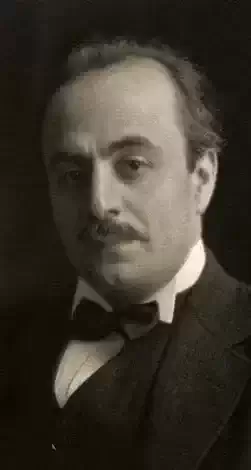
Khalil Gibran
Two Infants II
Two Infants II
A prince stood on the balcony of his palace addressing a great multitude summoned for
the occasion and said, "Let me offer you and this whole fortunate country my
congratulations upon the birth of a new prince who will carry the name of my noble
family, and of whom you will be justly proud. He is the new bearer of a great and
illustrious ancestry, and upon him depends the brilliant future of this realm. Sing and
be merry!" The voices of the throngs, full of joy and thankfulness, flooded the sky with
exhilarating song, welcoming the new tyrant who would affix the yoke of oppression to
their necks by ruling the weak with bitter authority, and exploiting their bodies and
killing their souls. For that destiny, the people were singing and drinking ecstatically to
the heady of the new Emir.
Another child entered life and that kingdom at the same time. While the crowds were
glorifying the strong and belittling themselves by singing praise to a potential despot,
and while the angels of heaven were weeping over the people's weakness and
servitude, a sick woman was thinking. She lived in an old, deserted hovel and, lying in
her hard bed beside her newly born infant wrapped with ragged swaddles, was starving
to death. She was a penurious and miserable young wife neglected by humanity; her
husband had fallen into the trap of death set by the prince's oppression, leaving a
solitary woman to whom God had sent, that night, a tiny companion to prevent her
from working and sustaining life.
As the mass dispersed and silence was restored to the vicinity, the wretched woman
placed the infant on her lap and looked into his face and wept as if she were to baptize
him with tears. And with a hunger weakened voice she spoke to the child saying, "Why
have you left the spiritual world and come to share with me the bitterness of earthly
life? Why have you deserted the angels and the spacious firmament and come to this
miserable land of humans, filled with agony, oppression, and heartlessness? I have
nothing to give you except tears; will you be nourished on tears instead of milk? I have
no silk clothes to put on you; will my naked, shivering arms give you warmth? The little
animals graze in the pasture and return safely to their shed; and the small birds pick
the seeds and sleep placidly between the branches. But you, my beloved, have naught
save a loving but destitute mother."
Then she took the infant to her withered breast and clasped her arms around him as if
wanting to join the two bodies in one, as before. She lifted her burning eyes slowly
toward heaven and cried, "God! Have mercy on my unfortunate countrymen!"
At that moment the clouds floated from the face of the moon, whose beams penetrated
the transom of that poor home and fell upon two corpses.
A prince stood on the balcony of his palace addressing a great multitude summoned for
the occasion and said, "Let me offer you and this whole fortunate country my
congratulations upon the birth of a new prince who will carry the name of my noble
family, and of whom you will be justly proud. He is the new bearer of a great and
illustrious ancestry, and upon him depends the brilliant future of this realm. Sing and
be merry!" The voices of the throngs, full of joy and thankfulness, flooded the sky with
exhilarating song, welcoming the new tyrant who would affix the yoke of oppression to
their necks by ruling the weak with bitter authority, and exploiting their bodies and
killing their souls. For that destiny, the people were singing and drinking ecstatically to
the heady of the new Emir.
Another child entered life and that kingdom at the same time. While the crowds were
glorifying the strong and belittling themselves by singing praise to a potential despot,
and while the angels of heaven were weeping over the people's weakness and
servitude, a sick woman was thinking. She lived in an old, deserted hovel and, lying in
her hard bed beside her newly born infant wrapped with ragged swaddles, was starving
to death. She was a penurious and miserable young wife neglected by humanity; her
husband had fallen into the trap of death set by the prince's oppression, leaving a
solitary woman to whom God had sent, that night, a tiny companion to prevent her
from working and sustaining life.
As the mass dispersed and silence was restored to the vicinity, the wretched woman
placed the infant on her lap and looked into his face and wept as if she were to baptize
him with tears. And with a hunger weakened voice she spoke to the child saying, "Why
have you left the spiritual world and come to share with me the bitterness of earthly
life? Why have you deserted the angels and the spacious firmament and come to this
miserable land of humans, filled with agony, oppression, and heartlessness? I have
nothing to give you except tears; will you be nourished on tears instead of milk? I have
no silk clothes to put on you; will my naked, shivering arms give you warmth? The little
animals graze in the pasture and return safely to their shed; and the small birds pick
the seeds and sleep placidly between the branches. But you, my beloved, have naught
save a loving but destitute mother."
Then she took the infant to her withered breast and clasped her arms around him as if
wanting to join the two bodies in one, as before. She lifted her burning eyes slowly
toward heaven and cried, "God! Have mercy on my unfortunate countrymen!"
At that moment the clouds floated from the face of the moon, whose beams penetrated
the transom of that poor home and fell upon two corpses.
295
Khalil Gibran
Two Infants II
Two Infants II
A prince stood on the balcony of his palace addressing a great multitude summoned for
the occasion and said, "Let me offer you and this whole fortunate country my
congratulations upon the birth of a new prince who will carry the name of my noble
family, and of whom you will be justly proud. He is the new bearer of a great and
illustrious ancestry, and upon him depends the brilliant future of this realm. Sing and
be merry!" The voices of the throngs, full of joy and thankfulness, flooded the sky with
exhilarating song, welcoming the new tyrant who would affix the yoke of oppression to
their necks by ruling the weak with bitter authority, and exploiting their bodies and
killing their souls. For that destiny, the people were singing and drinking ecstatically to
the heady of the new Emir.
Another child entered life and that kingdom at the same time. While the crowds were
glorifying the strong and belittling themselves by singing praise to a potential despot,
and while the angels of heaven were weeping over the people's weakness and
servitude, a sick woman was thinking. She lived in an old, deserted hovel and, lying in
her hard bed beside her newly born infant wrapped with ragged swaddles, was starving
to death. She was a penurious and miserable young wife neglected by humanity; her
husband had fallen into the trap of death set by the prince's oppression, leaving a
solitary woman to whom God had sent, that night, a tiny companion to prevent her
from working and sustaining life.
As the mass dispersed and silence was restored to the vicinity, the wretched woman
placed the infant on her lap and looked into his face and wept as if she were to baptize
him with tears. And with a hunger weakened voice she spoke to the child saying, "Why
have you left the spiritual world and come to share with me the bitterness of earthly
life? Why have you deserted the angels and the spacious firmament and come to this
miserable land of humans, filled with agony, oppression, and heartlessness? I have
nothing to give you except tears; will you be nourished on tears instead of milk? I have
no silk clothes to put on you; will my naked, shivering arms give you warmth? The little
animals graze in the pasture and return safely to their shed; and the small birds pick
the seeds and sleep placidly between the branches. But you, my beloved, have naught
save a loving but destitute mother."
Then she took the infant to her withered breast and clasped her arms around him as if
wanting to join the two bodies in one, as before. She lifted her burning eyes slowly
toward heaven and cried, "God! Have mercy on my unfortunate countrymen!"
At that moment the clouds floated from the face of the moon, whose beams penetrated
the transom of that poor home and fell upon two corpses.
A prince stood on the balcony of his palace addressing a great multitude summoned for
the occasion and said, "Let me offer you and this whole fortunate country my
congratulations upon the birth of a new prince who will carry the name of my noble
family, and of whom you will be justly proud. He is the new bearer of a great and
illustrious ancestry, and upon him depends the brilliant future of this realm. Sing and
be merry!" The voices of the throngs, full of joy and thankfulness, flooded the sky with
exhilarating song, welcoming the new tyrant who would affix the yoke of oppression to
their necks by ruling the weak with bitter authority, and exploiting their bodies and
killing their souls. For that destiny, the people were singing and drinking ecstatically to
the heady of the new Emir.
Another child entered life and that kingdom at the same time. While the crowds were
glorifying the strong and belittling themselves by singing praise to a potential despot,
and while the angels of heaven were weeping over the people's weakness and
servitude, a sick woman was thinking. She lived in an old, deserted hovel and, lying in
her hard bed beside her newly born infant wrapped with ragged swaddles, was starving
to death. She was a penurious and miserable young wife neglected by humanity; her
husband had fallen into the trap of death set by the prince's oppression, leaving a
solitary woman to whom God had sent, that night, a tiny companion to prevent her
from working and sustaining life.
As the mass dispersed and silence was restored to the vicinity, the wretched woman
placed the infant on her lap and looked into his face and wept as if she were to baptize
him with tears. And with a hunger weakened voice she spoke to the child saying, "Why
have you left the spiritual world and come to share with me the bitterness of earthly
life? Why have you deserted the angels and the spacious firmament and come to this
miserable land of humans, filled with agony, oppression, and heartlessness? I have
nothing to give you except tears; will you be nourished on tears instead of milk? I have
no silk clothes to put on you; will my naked, shivering arms give you warmth? The little
animals graze in the pasture and return safely to their shed; and the small birds pick
the seeds and sleep placidly between the branches. But you, my beloved, have naught
save a loving but destitute mother."
Then she took the infant to her withered breast and clasped her arms around him as if
wanting to join the two bodies in one, as before. She lifted her burning eyes slowly
toward heaven and cried, "God! Have mercy on my unfortunate countrymen!"
At that moment the clouds floated from the face of the moon, whose beams penetrated
the transom of that poor home and fell upon two corpses.
295
Khalil Gibran
Two Infants II
Two Infants II
A prince stood on the balcony of his palace addressing a great multitude summoned for
the occasion and said, "Let me offer you and this whole fortunate country my
congratulations upon the birth of a new prince who will carry the name of my noble
family, and of whom you will be justly proud. He is the new bearer of a great and
illustrious ancestry, and upon him depends the brilliant future of this realm. Sing and
be merry!" The voices of the throngs, full of joy and thankfulness, flooded the sky with
exhilarating song, welcoming the new tyrant who would affix the yoke of oppression to
their necks by ruling the weak with bitter authority, and exploiting their bodies and
killing their souls. For that destiny, the people were singing and drinking ecstatically to
the heady of the new Emir.
Another child entered life and that kingdom at the same time. While the crowds were
glorifying the strong and belittling themselves by singing praise to a potential despot,
and while the angels of heaven were weeping over the people's weakness and
servitude, a sick woman was thinking. She lived in an old, deserted hovel and, lying in
her hard bed beside her newly born infant wrapped with ragged swaddles, was starving
to death. She was a penurious and miserable young wife neglected by humanity; her
husband had fallen into the trap of death set by the prince's oppression, leaving a
solitary woman to whom God had sent, that night, a tiny companion to prevent her
from working and sustaining life.
As the mass dispersed and silence was restored to the vicinity, the wretched woman
placed the infant on her lap and looked into his face and wept as if she were to baptize
him with tears. And with a hunger weakened voice she spoke to the child saying, "Why
have you left the spiritual world and come to share with me the bitterness of earthly
life? Why have you deserted the angels and the spacious firmament and come to this
miserable land of humans, filled with agony, oppression, and heartlessness? I have
nothing to give you except tears; will you be nourished on tears instead of milk? I have
no silk clothes to put on you; will my naked, shivering arms give you warmth? The little
animals graze in the pasture and return safely to their shed; and the small birds pick
the seeds and sleep placidly between the branches. But you, my beloved, have naught
save a loving but destitute mother."
Then she took the infant to her withered breast and clasped her arms around him as if
wanting to join the two bodies in one, as before. She lifted her burning eyes slowly
toward heaven and cried, "God! Have mercy on my unfortunate countrymen!"
At that moment the clouds floated from the face of the moon, whose beams penetrated
the transom of that poor home and fell upon two corpses.
A prince stood on the balcony of his palace addressing a great multitude summoned for
the occasion and said, "Let me offer you and this whole fortunate country my
congratulations upon the birth of a new prince who will carry the name of my noble
family, and of whom you will be justly proud. He is the new bearer of a great and
illustrious ancestry, and upon him depends the brilliant future of this realm. Sing and
be merry!" The voices of the throngs, full of joy and thankfulness, flooded the sky with
exhilarating song, welcoming the new tyrant who would affix the yoke of oppression to
their necks by ruling the weak with bitter authority, and exploiting their bodies and
killing their souls. For that destiny, the people were singing and drinking ecstatically to
the heady of the new Emir.
Another child entered life and that kingdom at the same time. While the crowds were
glorifying the strong and belittling themselves by singing praise to a potential despot,
and while the angels of heaven were weeping over the people's weakness and
servitude, a sick woman was thinking. She lived in an old, deserted hovel and, lying in
her hard bed beside her newly born infant wrapped with ragged swaddles, was starving
to death. She was a penurious and miserable young wife neglected by humanity; her
husband had fallen into the trap of death set by the prince's oppression, leaving a
solitary woman to whom God had sent, that night, a tiny companion to prevent her
from working and sustaining life.
As the mass dispersed and silence was restored to the vicinity, the wretched woman
placed the infant on her lap and looked into his face and wept as if she were to baptize
him with tears. And with a hunger weakened voice she spoke to the child saying, "Why
have you left the spiritual world and come to share with me the bitterness of earthly
life? Why have you deserted the angels and the spacious firmament and come to this
miserable land of humans, filled with agony, oppression, and heartlessness? I have
nothing to give you except tears; will you be nourished on tears instead of milk? I have
no silk clothes to put on you; will my naked, shivering arms give you warmth? The little
animals graze in the pasture and return safely to their shed; and the small birds pick
the seeds and sleep placidly between the branches. But you, my beloved, have naught
save a loving but destitute mother."
Then she took the infant to her withered breast and clasped her arms around him as if
wanting to join the two bodies in one, as before. She lifted her burning eyes slowly
toward heaven and cried, "God! Have mercy on my unfortunate countrymen!"
At that moment the clouds floated from the face of the moon, whose beams penetrated
the transom of that poor home and fell upon two corpses.
295
Khalil Gibran
Vision X
Vision X
There in the middle of the field, by the side of a crystalline stream, I saw a bird-cage
whose rods and hinges were fashioned by an expert's hands. In one corner lay a dead
bird, and in another were two basins -- one empty of water and the other of seeds. I
stood there reverently, as if the lifeless bird and the murmur of the water were worthy
of deep silence and respect -- something worth of examination and meditation by the
heard and conscience.
As I engrossed myself in view and thought, I found that the poor creature had died of
thirst beside a stream of water, and of hunger in the midst of a rich field, cradle of life;
like a rich man locked inside his iron safe, perishing from hunger amid heaps of gold.
Before my eyes I saw the cage turned suddenly into a human skeleton, and the dead
bird into a man's heart which was bleeding from a deep wound that looked like the lips
of a sorrowing woman. A voice came from that wound saying, "I am the human heart,
prisoner of substance and victim of earthly laws.
"In God's field of Beauty, at the edge of the stream of life, I was imprisoned in the cage
of laws made by man.
"In the center of beautiful Creation I died neglected because I was kept from enjoying
the freedom of God's bounty.
"Everything of beauty that awakens my love and desire is a disgrace, according to
man's conceptions; everything of goodness that I crave is but naught, according to his
judgment.
"I am the lost human heart, imprisoned in the foul dungeon of man's dictates, tied with
chains of earthly authority, dead and forgotten by laughing humanity whose tongue is
tied and whose eyes are empty of visible tears."
All these words I heard, and I saw them emerging with a stream of ever thinning blood
from that wounded heart.
More was said, but my misted eyes and crying should prevented further sight or
hearing.
There in the middle of the field, by the side of a crystalline stream, I saw a bird-cage
whose rods and hinges were fashioned by an expert's hands. In one corner lay a dead
bird, and in another were two basins -- one empty of water and the other of seeds. I
stood there reverently, as if the lifeless bird and the murmur of the water were worthy
of deep silence and respect -- something worth of examination and meditation by the
heard and conscience.
As I engrossed myself in view and thought, I found that the poor creature had died of
thirst beside a stream of water, and of hunger in the midst of a rich field, cradle of life;
like a rich man locked inside his iron safe, perishing from hunger amid heaps of gold.
Before my eyes I saw the cage turned suddenly into a human skeleton, and the dead
bird into a man's heart which was bleeding from a deep wound that looked like the lips
of a sorrowing woman. A voice came from that wound saying, "I am the human heart,
prisoner of substance and victim of earthly laws.
"In God's field of Beauty, at the edge of the stream of life, I was imprisoned in the cage
of laws made by man.
"In the center of beautiful Creation I died neglected because I was kept from enjoying
the freedom of God's bounty.
"Everything of beauty that awakens my love and desire is a disgrace, according to
man's conceptions; everything of goodness that I crave is but naught, according to his
judgment.
"I am the lost human heart, imprisoned in the foul dungeon of man's dictates, tied with
chains of earthly authority, dead and forgotten by laughing humanity whose tongue is
tied and whose eyes are empty of visible tears."
All these words I heard, and I saw them emerging with a stream of ever thinning blood
from that wounded heart.
More was said, but my misted eyes and crying should prevented further sight or
hearing.
359
Khalil Gibran
Vision X
Vision X
There in the middle of the field, by the side of a crystalline stream, I saw a bird-cage
whose rods and hinges were fashioned by an expert's hands. In one corner lay a dead
bird, and in another were two basins -- one empty of water and the other of seeds. I
stood there reverently, as if the lifeless bird and the murmur of the water were worthy
of deep silence and respect -- something worth of examination and meditation by the
heard and conscience.
As I engrossed myself in view and thought, I found that the poor creature had died of
thirst beside a stream of water, and of hunger in the midst of a rich field, cradle of life;
like a rich man locked inside his iron safe, perishing from hunger amid heaps of gold.
Before my eyes I saw the cage turned suddenly into a human skeleton, and the dead
bird into a man's heart which was bleeding from a deep wound that looked like the lips
of a sorrowing woman. A voice came from that wound saying, "I am the human heart,
prisoner of substance and victim of earthly laws.
"In God's field of Beauty, at the edge of the stream of life, I was imprisoned in the cage
of laws made by man.
"In the center of beautiful Creation I died neglected because I was kept from enjoying
the freedom of God's bounty.
"Everything of beauty that awakens my love and desire is a disgrace, according to
man's conceptions; everything of goodness that I crave is but naught, according to his
judgment.
"I am the lost human heart, imprisoned in the foul dungeon of man's dictates, tied with
chains of earthly authority, dead and forgotten by laughing humanity whose tongue is
tied and whose eyes are empty of visible tears."
All these words I heard, and I saw them emerging with a stream of ever thinning blood
from that wounded heart.
More was said, but my misted eyes and crying should prevented further sight or
hearing.
There in the middle of the field, by the side of a crystalline stream, I saw a bird-cage
whose rods and hinges were fashioned by an expert's hands. In one corner lay a dead
bird, and in another were two basins -- one empty of water and the other of seeds. I
stood there reverently, as if the lifeless bird and the murmur of the water were worthy
of deep silence and respect -- something worth of examination and meditation by the
heard and conscience.
As I engrossed myself in view and thought, I found that the poor creature had died of
thirst beside a stream of water, and of hunger in the midst of a rich field, cradle of life;
like a rich man locked inside his iron safe, perishing from hunger amid heaps of gold.
Before my eyes I saw the cage turned suddenly into a human skeleton, and the dead
bird into a man's heart which was bleeding from a deep wound that looked like the lips
of a sorrowing woman. A voice came from that wound saying, "I am the human heart,
prisoner of substance and victim of earthly laws.
"In God's field of Beauty, at the edge of the stream of life, I was imprisoned in the cage
of laws made by man.
"In the center of beautiful Creation I died neglected because I was kept from enjoying
the freedom of God's bounty.
"Everything of beauty that awakens my love and desire is a disgrace, according to
man's conceptions; everything of goodness that I crave is but naught, according to his
judgment.
"I am the lost human heart, imprisoned in the foul dungeon of man's dictates, tied with
chains of earthly authority, dead and forgotten by laughing humanity whose tongue is
tied and whose eyes are empty of visible tears."
All these words I heard, and I saw them emerging with a stream of ever thinning blood
from that wounded heart.
More was said, but my misted eyes and crying should prevented further sight or
hearing.
359
Khalil Gibran
The Playground of Life XIX
The Playground of Life XIX
One hour devoted to the pursuit of Beauty
And Love is worth a full century of glory
Given by the frightened weak to the strong.
From that hour comes man's Truth; and
During that century Truth sleeps between
The restless arms of disturbing dreams.
In that hour the soul sees for herself
The Natural Law, and for that century she
Imprisons herself behind the law of man;
And she is shackled with irons of oppression.
That hour was the inspiration of the Songs
Of Solomon, an that century was the blind
Power which destroyed the temple of Baalbek.
That hour was the birth of the Sermon on the
Mount, and that century wrecked the castles of
Palmyra and the Tower of Babylon.
That hour was the Hegira of Mohammed and that
Century forgot Allah, Golgotha, and Sinai.
One hour devoted to mourning and lamenting the
Stolen equality of the weak is nobler than a
Century filled with greed and usurpation.
It is at that hour when the heart is
Purified by flaming sorrow and
Illuminated by the torch of Love.
And in that century, desires for Truth
Are buried in the bosom of the earth.
That hour is the root which must flourish.
That hour of meditation, the hour of
Prayer, and the hour of a new era of good.
And that century is a life of Nero spent
On self-investment taken solely from
Earthly substance.
This is life.
Portrayed on the stage for ages;
Recorded earthly for centuries;
Lived in strangeness for years;
Sung as a hymn for days;
Exalted but for an hour, but the
Hour is treasured by Eternity as a jewel.
One hour devoted to the pursuit of Beauty
And Love is worth a full century of glory
Given by the frightened weak to the strong.
From that hour comes man's Truth; and
During that century Truth sleeps between
The restless arms of disturbing dreams.
In that hour the soul sees for herself
The Natural Law, and for that century she
Imprisons herself behind the law of man;
And she is shackled with irons of oppression.
That hour was the inspiration of the Songs
Of Solomon, an that century was the blind
Power which destroyed the temple of Baalbek.
That hour was the birth of the Sermon on the
Mount, and that century wrecked the castles of
Palmyra and the Tower of Babylon.
That hour was the Hegira of Mohammed and that
Century forgot Allah, Golgotha, and Sinai.
One hour devoted to mourning and lamenting the
Stolen equality of the weak is nobler than a
Century filled with greed and usurpation.
It is at that hour when the heart is
Purified by flaming sorrow and
Illuminated by the torch of Love.
And in that century, desires for Truth
Are buried in the bosom of the earth.
That hour is the root which must flourish.
That hour of meditation, the hour of
Prayer, and the hour of a new era of good.
And that century is a life of Nero spent
On self-investment taken solely from
Earthly substance.
This is life.
Portrayed on the stage for ages;
Recorded earthly for centuries;
Lived in strangeness for years;
Sung as a hymn for days;
Exalted but for an hour, but the
Hour is treasured by Eternity as a jewel.
349
Khalil Gibran
The Playground of Life XIX
The Playground of Life XIX
One hour devoted to the pursuit of Beauty
And Love is worth a full century of glory
Given by the frightened weak to the strong.
From that hour comes man's Truth; and
During that century Truth sleeps between
The restless arms of disturbing dreams.
In that hour the soul sees for herself
The Natural Law, and for that century she
Imprisons herself behind the law of man;
And she is shackled with irons of oppression.
That hour was the inspiration of the Songs
Of Solomon, an that century was the blind
Power which destroyed the temple of Baalbek.
That hour was the birth of the Sermon on the
Mount, and that century wrecked the castles of
Palmyra and the Tower of Babylon.
That hour was the Hegira of Mohammed and that
Century forgot Allah, Golgotha, and Sinai.
One hour devoted to mourning and lamenting the
Stolen equality of the weak is nobler than a
Century filled with greed and usurpation.
It is at that hour when the heart is
Purified by flaming sorrow and
Illuminated by the torch of Love.
And in that century, desires for Truth
Are buried in the bosom of the earth.
That hour is the root which must flourish.
That hour of meditation, the hour of
Prayer, and the hour of a new era of good.
And that century is a life of Nero spent
On self-investment taken solely from
Earthly substance.
This is life.
Portrayed on the stage for ages;
Recorded earthly for centuries;
Lived in strangeness for years;
Sung as a hymn for days;
Exalted but for an hour, but the
Hour is treasured by Eternity as a jewel.
One hour devoted to the pursuit of Beauty
And Love is worth a full century of glory
Given by the frightened weak to the strong.
From that hour comes man's Truth; and
During that century Truth sleeps between
The restless arms of disturbing dreams.
In that hour the soul sees for herself
The Natural Law, and for that century she
Imprisons herself behind the law of man;
And she is shackled with irons of oppression.
That hour was the inspiration of the Songs
Of Solomon, an that century was the blind
Power which destroyed the temple of Baalbek.
That hour was the birth of the Sermon on the
Mount, and that century wrecked the castles of
Palmyra and the Tower of Babylon.
That hour was the Hegira of Mohammed and that
Century forgot Allah, Golgotha, and Sinai.
One hour devoted to mourning and lamenting the
Stolen equality of the weak is nobler than a
Century filled with greed and usurpation.
It is at that hour when the heart is
Purified by flaming sorrow and
Illuminated by the torch of Love.
And in that century, desires for Truth
Are buried in the bosom of the earth.
That hour is the root which must flourish.
That hour of meditation, the hour of
Prayer, and the hour of a new era of good.
And that century is a life of Nero spent
On self-investment taken solely from
Earthly substance.
This is life.
Portrayed on the stage for ages;
Recorded earthly for centuries;
Lived in strangeness for years;
Sung as a hymn for days;
Exalted but for an hour, but the
Hour is treasured by Eternity as a jewel.
349
Khalil Gibran
The Widow and Her Son XXI
The Widow and Her Son XXI
Night fell over North Lebanon and snow was covering the villages surrounded by the
Kadeesha Valley, giving the fields and prairies the appearance of a great sheet of
parchment upon which the furious Nature was recording her many deeds. Men came
home from the streets while silence engulfed the night.
In a lone house near those villages lived a woman who sat by her fireside spinning
wool, and at her side was her only child, staring now at the fire and then at his mother.
A terrible roar of thunder shook the house and the little boy shook with fright. He threw
his arms about his mother, seeking protection from Nature in her affection. She took
him to her bosom and kissed him; then she say him on her lap and said, "Do not fear,
my son, for Nature is but comparing her great power to man's weakness. There is a
Supreme Being beyond the falling snow and the heavy clouds and the blowing wind,
and He knows the needs of the earth, for He made it; and He looks upon the weak with
merciful eyes.
"Be brave, my boy. Nature smiles in Spring and laughs in Summer and yawns in
Autumn, but now she is weeping; and with her tears she waters life, hidden under the
earth.
"Sleep, my dear child; your father is viewing us from Eternity. The snow and thunder
bring us closer to him at this time.
"Sleep, my beloved, for this white blanket which makes us cold, keeps the seeds warm,
and these war-like things will produce beautiful flowers when Nisan comes.
"Thus, my child, man cannot reap love until after sad and revealing separation, and
bitter patience, and desperate hardship. Sleep, my little boy; sweet dreams will find
your soul who is unafraid of the terrible darkness of night and the biting frost."
The little boy looked upon his mother with sleep-laden eyes and said, "Mother, my eyes
are heavy, but I cannot go to bed without saying my prayer."
The woman looked at his angelic face, her vision blurred by misted eyes, and said,
"Repeat with me, my boy - 'God, have mercy on the poor and protect them from the
winter; warm their thin-clad bodies with Thy merciful hands; look upon the orphans
who are sleeping in wretched houses, suffering from hunger and cold. Hear, oh Lord,
the call of widows who are helpless and shivering with fear for their young. Open, oh
Lord, the hearts of all humans, that they may see the misery of the weak. Have mercy
upon the sufferers who knock on doors, and lead the wayfarers into warm places.
Watch, oh Lord, over the little birds and protect the trees and fields from the anger of
the storm; for Thou art merciful and full of love.'"
As Slumber captured the boy's spirit, his mother placed him in the bed and kissed his
eyes with quivering lips. Then she went back and sat by the hearth, spinning the wool
to make him raiment.
Night fell over North Lebanon and snow was covering the villages surrounded by the
Kadeesha Valley, giving the fields and prairies the appearance of a great sheet of
parchment upon which the furious Nature was recording her many deeds. Men came
home from the streets while silence engulfed the night.
In a lone house near those villages lived a woman who sat by her fireside spinning
wool, and at her side was her only child, staring now at the fire and then at his mother.
A terrible roar of thunder shook the house and the little boy shook with fright. He threw
his arms about his mother, seeking protection from Nature in her affection. She took
him to her bosom and kissed him; then she say him on her lap and said, "Do not fear,
my son, for Nature is but comparing her great power to man's weakness. There is a
Supreme Being beyond the falling snow and the heavy clouds and the blowing wind,
and He knows the needs of the earth, for He made it; and He looks upon the weak with
merciful eyes.
"Be brave, my boy. Nature smiles in Spring and laughs in Summer and yawns in
Autumn, but now she is weeping; and with her tears she waters life, hidden under the
earth.
"Sleep, my dear child; your father is viewing us from Eternity. The snow and thunder
bring us closer to him at this time.
"Sleep, my beloved, for this white blanket which makes us cold, keeps the seeds warm,
and these war-like things will produce beautiful flowers when Nisan comes.
"Thus, my child, man cannot reap love until after sad and revealing separation, and
bitter patience, and desperate hardship. Sleep, my little boy; sweet dreams will find
your soul who is unafraid of the terrible darkness of night and the biting frost."
The little boy looked upon his mother with sleep-laden eyes and said, "Mother, my eyes
are heavy, but I cannot go to bed without saying my prayer."
The woman looked at his angelic face, her vision blurred by misted eyes, and said,
"Repeat with me, my boy - 'God, have mercy on the poor and protect them from the
winter; warm their thin-clad bodies with Thy merciful hands; look upon the orphans
who are sleeping in wretched houses, suffering from hunger and cold. Hear, oh Lord,
the call of widows who are helpless and shivering with fear for their young. Open, oh
Lord, the hearts of all humans, that they may see the misery of the weak. Have mercy
upon the sufferers who knock on doors, and lead the wayfarers into warm places.
Watch, oh Lord, over the little birds and protect the trees and fields from the anger of
the storm; for Thou art merciful and full of love.'"
As Slumber captured the boy's spirit, his mother placed him in the bed and kissed his
eyes with quivering lips. Then she went back and sat by the hearth, spinning the wool
to make him raiment.
347
Khalil Gibran
The Farewell XXVIII
The Farewell XXVIII
And now it was evening.
And Almitra the seeress said, "Blessed be this day and this place and your spirit that
has spoken."
And he answered, Was it I who spoke? Was I not also a listener?
Then he descended the steps of the Temple and all the people followed him. And he
reached his ship and stood upon the deck.
And facing the people again, he raised his voice and said:
People of Orphalese, the wind bids me leave you.
Less hasty am I than the wind, yet I must go.
We wanderers, ever seeking the lonelier way, begin no day where we have ended
another day; and no sunrise finds us where sunset left us.
Even while the earth sleeps we travel.
We are the seeds of the tenacious plant, and it is in our ripeness and our fullness of
heart that we are given to the wind and are scattered.
Brief were my days among you, and briefer still the words I have spoken.
But should my voice fade in your ears, and my love vanish in your memory, then I will
come again,
And with a richer heart and lips more yielding to the spirit will I speak.
Yea, I shall return with the tide,
And though death may hide me, and the greater silence enfold me, yet again will I
seek your understanding.
And not in vain will I seek.
If aught I have said is truth, that truth shall reveal itself in a clearer voice, and in
words more kin to your thoughts.
I go with the wind, people of Orphalese, but not down into emptiness;
And if this day is not a fulfillment of your needs and my love, then let it be a promise
till another day. Know therefore, that from the greater silence I shall return.
The mist that drifts away at dawn, leaving but dew in the fields, shall rise and gather
into a cloud and then fall down in rain.
And not unlike the mist have I been.
In the stillness of the night I have walked in your streets, and my spirit has entered
your houses,
And your heart-beats were in my heart, and your breath was upon my face, and I knew
you all.
Ay, I knew your joy and your pain, and in your sleep your dreams were my dreams.
And oftentimes I was among you a lake among the mountains.
I mirrored the summits in you and the bending slopes, and even the passing flocks of
your thoughts and your desires.
And to my silence came the laughter of your children in streams, and the longing of
your youths in rivers.
And when they reached my depth the streams and the rivers ceased not yet to sing.
But sweeter still than laughter and greater than longing came to me.
It was boundless in you;
The vast man in whom you are all but cells and sinews;
He in whose chant all your singing is but a soundless throbbing.
It is in the vast man that you are vast,
And in beholding him that I beheld you and loved you.
For what distances can love reach that are not in that vast sphere?
What visions, what expectations and what presumptions can outsoar that flight?
Like a giant oak tree covered with apple blossoms is the vast man in you.
His mind binds you to the earth, his fragrance lifts you into space, and in his durability
you are deathless.
You have been told that, even like a chain, you are as weak as your weakest link.
This is but half the truth. You are also as strong as your strongest link.
To measure you by your smallest deed is to reckon the power of ocean by the frailty of
its foam.
To judge you by your failures is to cast blame upon the seasons for their inconsistency.
Ay, you are like an ocean,
And though heavy-grounded ships await the tide upon your shores, yet, even like an
ocean, you cannot hasten your tides.
And like the seasons you are also,
And though in your winter you deny your spring,
Yet spring, reposing within you, smiles in her drowsiness and is not offended.
Think not I say these things in order that you may say the one to the other, "He
praised us well. He saw but the good in us."
I only speak to you in words of that which you yourselves know in thought.
And what is word knowledge but a shadow of wordless knowledge?
Your thoughts and my words are waves from a sealed memory that keeps records of
our yesterdays,
And of the ancient days when the earth knew not us nor herself,
And of nights when earth was upwrought with confusion,
Wise men have come to you to give you of their wisdom. I came to take of your
wisdom:
And behold I have found that which is greater than wisdom.
It is a flame spirit in you ever gathering more of itself,
While you, heedless of its expansion, bewail the withering of your days.
It is life in quest of life in bodies that fear the grave.
There are no graves here.
These mountains and plains are a cradle and a stepping-stone.
Whenever you pass by the field where you have laid your ancestors look well
thereupon, and you shall see yourselves and your children dancing hand in hand.
Verily you often make merry without knowing.
Others have come to you to whom for golden promises made unto your faith you have
given but riches and power and glory.
Less than a promise have I given, and yet more generous have you been to me.
You have given me deeper thirsting after life.
Surely there is no greater gift to a man than that which turns all his aims into parching
lips and all life into a fountain.
And in this lies my honour and my reward, -
That whenever I come to the fountain to drink I find the living water itself thirsty;
And it drinks me while I drink it.
Some of you have deemed me proud and over-shy to receive gifts.
To proud indeed am I to receive wages, but not gifts.
And though I have eaten berries among the hill when you would have had me sit at
your board,
And slept in the portico of the temple where you would gladly have sheltered me,
Yet was it not your loving mindfulness of my days and my nights that made food sweet
to my mouth and girdled my sleep with visions?
For this I bless you most:
You give much and know not that you give at all.
Verily the kindness that gazes upon itself in a mirror turns to stone,
And a good deed that calls itself by tender names becomes the parent to a curse.
And some of you have called me aloof, and drunk with my own aloneness,
And you have said, "He holds council with the trees of the forest, but not with men.
He sits alone on hill-tops and looks down upon our city."
True it is that I have climbed the hills and walked in remote places.
How could I have seen you save from a great height or a great distance?
How can one be indeed near unless he be far?
And others among you called unto me, not in words, and they said,
Stranger, stranger, lover of unreachable heights, why dwell you among the summits
where eagles build their nests?
Why seek you the unattainable?
What storms would you trap in your net,
And what vaporous birds do you hunt in the sky?
Come and be one of us.
Descend and appease your hunger with our bread and quench your thirst with our
wine."
In the solitude of their souls they said these things;
But were their solitude deeper they would have known that I sought but the secret of
your joy and your pain,
And I hunted only your larger selves that walk the sky.
But the hunter was also the hunted:
For many of my arrows left my bow only to seek my own breast.
And the flier was also the creeper;
For when my wings were spread in the sun their shadow upon the earth was a turtle.
And I the believer was also the doubter;
For often have I put my finger in my own wound that I might have the greater belief in
you and the greater knowledge of you.
And it is with this belief and this knowledge that I say,
You are not enclosed within your bodies, nor confined to houses or fields.
That which is you dwells above the mountain and roves with the wind.
It is not a thing that crawls into the sun for warmth or digs holes into darkness for
safety,
But a thing free, a spirit that envelops the earth and moves in the ether.
If this be vague words, then seek not to clear them.
Vague and nebulous is the beginning of all things, but not their end,
And I fain would have you remember me as a beginning.
Life, and all that lives, is conceived in the mist and not in the crystal.
And who knows but a crystal is mist in decay?
This would I have you remember in remembering me:
That which seems most feeble and bewildered in you is the strongest and most
determined.
Is it not your breath that has erected and hardened the structure of your bones?
And is it not a dream which none of you remember having dreamt that building your
city and fashioned all there is in it?
Could you but see the tides of that breath you would cease to see all else,
And if you could hear the whispering of the dream you would hear no other sound.
But you do not see, nor do you hear, and it is well.
The veil that clouds your eyes shall be lifted by the hands that wove it,
And the clay that fills your ears shall be pierced by those fingers that kneaded it.
And you shall see
And you shall hear.
Yet you shall not deplore having known blindness, nor regret having been deaf.
For in that day you shall know the hidden purposes in all things,
And you shall bless darkness as you would bless light.
After saying these things he looked about him, and he saw the pilot of his ship standing
by the helm and gazing now at the full sails and now at the distance.
And he said:
Patient, over-patient, is the captain of my ship.
The wind blows, and restless are the sails;
Even the rudder begs direction;
Yet quietly my captain awaits my silence.
And these my mariners, who have heard the choir of the greater sea, they too have
heard me patiently.
Now they shall wait no longer.
I am ready.
The stream has reached the sea, and once more the great mother holds her son
against her breast.
Fare you well, people of Orphalese.
This day has ended.
It is closing upon us even as the water-lily upon its own tomorrow.
What was given us here we shall keep,
And if it suffices not, then again must we come together and together stretch our
hands unto the giver.
Forget not that I shall come back to you.
A little while, and my longing shall gather dust and foam for another body.
A little while, a moment of rest upon the wind, and another woman shall bear me.
Farewell to you and the youth I have spent with you.
It was but yesterday we met in a dream.
You have sung to me in my aloneness, and I of your longings have built a tower in the
sky.
But now our sleep has fled and our dream is over, and it is no longer dawn.
The noontide is upon us and our half waking has turned to fuller day, and we must
part.
If in the twilight of memory we should meet once more, we shall speak again together
and you shall sing to me a deeper song.
And if our hands should meet in another dream, we shall build another tower in the
sky.
So saying he made a signal to the seamen, and straightaway they weighed anchor and
cast the ship loose from its moorings, and they moved eastward.
And a cry came from the people as from a single heart, and it rose the dusk and was
carried out over the sea like a great trumpeting.
Only Almitra was silent, gazing after the ship until it had vanished into the mist.
And when all the people were dispersed she still stood alone upon the sea-wall,
remembering in her heart his saying,
A little while, a moment of rest upon the wind, and another woman shall bear me."
And now it was evening.
And Almitra the seeress said, "Blessed be this day and this place and your spirit that
has spoken."
And he answered, Was it I who spoke? Was I not also a listener?
Then he descended the steps of the Temple and all the people followed him. And he
reached his ship and stood upon the deck.
And facing the people again, he raised his voice and said:
People of Orphalese, the wind bids me leave you.
Less hasty am I than the wind, yet I must go.
We wanderers, ever seeking the lonelier way, begin no day where we have ended
another day; and no sunrise finds us where sunset left us.
Even while the earth sleeps we travel.
We are the seeds of the tenacious plant, and it is in our ripeness and our fullness of
heart that we are given to the wind and are scattered.
Brief were my days among you, and briefer still the words I have spoken.
But should my voice fade in your ears, and my love vanish in your memory, then I will
come again,
And with a richer heart and lips more yielding to the spirit will I speak.
Yea, I shall return with the tide,
And though death may hide me, and the greater silence enfold me, yet again will I
seek your understanding.
And not in vain will I seek.
If aught I have said is truth, that truth shall reveal itself in a clearer voice, and in
words more kin to your thoughts.
I go with the wind, people of Orphalese, but not down into emptiness;
And if this day is not a fulfillment of your needs and my love, then let it be a promise
till another day. Know therefore, that from the greater silence I shall return.
The mist that drifts away at dawn, leaving but dew in the fields, shall rise and gather
into a cloud and then fall down in rain.
And not unlike the mist have I been.
In the stillness of the night I have walked in your streets, and my spirit has entered
your houses,
And your heart-beats were in my heart, and your breath was upon my face, and I knew
you all.
Ay, I knew your joy and your pain, and in your sleep your dreams were my dreams.
And oftentimes I was among you a lake among the mountains.
I mirrored the summits in you and the bending slopes, and even the passing flocks of
your thoughts and your desires.
And to my silence came the laughter of your children in streams, and the longing of
your youths in rivers.
And when they reached my depth the streams and the rivers ceased not yet to sing.
But sweeter still than laughter and greater than longing came to me.
It was boundless in you;
The vast man in whom you are all but cells and sinews;
He in whose chant all your singing is but a soundless throbbing.
It is in the vast man that you are vast,
And in beholding him that I beheld you and loved you.
For what distances can love reach that are not in that vast sphere?
What visions, what expectations and what presumptions can outsoar that flight?
Like a giant oak tree covered with apple blossoms is the vast man in you.
His mind binds you to the earth, his fragrance lifts you into space, and in his durability
you are deathless.
You have been told that, even like a chain, you are as weak as your weakest link.
This is but half the truth. You are also as strong as your strongest link.
To measure you by your smallest deed is to reckon the power of ocean by the frailty of
its foam.
To judge you by your failures is to cast blame upon the seasons for their inconsistency.
Ay, you are like an ocean,
And though heavy-grounded ships await the tide upon your shores, yet, even like an
ocean, you cannot hasten your tides.
And like the seasons you are also,
And though in your winter you deny your spring,
Yet spring, reposing within you, smiles in her drowsiness and is not offended.
Think not I say these things in order that you may say the one to the other, "He
praised us well. He saw but the good in us."
I only speak to you in words of that which you yourselves know in thought.
And what is word knowledge but a shadow of wordless knowledge?
Your thoughts and my words are waves from a sealed memory that keeps records of
our yesterdays,
And of the ancient days when the earth knew not us nor herself,
And of nights when earth was upwrought with confusion,
Wise men have come to you to give you of their wisdom. I came to take of your
wisdom:
And behold I have found that which is greater than wisdom.
It is a flame spirit in you ever gathering more of itself,
While you, heedless of its expansion, bewail the withering of your days.
It is life in quest of life in bodies that fear the grave.
There are no graves here.
These mountains and plains are a cradle and a stepping-stone.
Whenever you pass by the field where you have laid your ancestors look well
thereupon, and you shall see yourselves and your children dancing hand in hand.
Verily you often make merry without knowing.
Others have come to you to whom for golden promises made unto your faith you have
given but riches and power and glory.
Less than a promise have I given, and yet more generous have you been to me.
You have given me deeper thirsting after life.
Surely there is no greater gift to a man than that which turns all his aims into parching
lips and all life into a fountain.
And in this lies my honour and my reward, -
That whenever I come to the fountain to drink I find the living water itself thirsty;
And it drinks me while I drink it.
Some of you have deemed me proud and over-shy to receive gifts.
To proud indeed am I to receive wages, but not gifts.
And though I have eaten berries among the hill when you would have had me sit at
your board,
And slept in the portico of the temple where you would gladly have sheltered me,
Yet was it not your loving mindfulness of my days and my nights that made food sweet
to my mouth and girdled my sleep with visions?
For this I bless you most:
You give much and know not that you give at all.
Verily the kindness that gazes upon itself in a mirror turns to stone,
And a good deed that calls itself by tender names becomes the parent to a curse.
And some of you have called me aloof, and drunk with my own aloneness,
And you have said, "He holds council with the trees of the forest, but not with men.
He sits alone on hill-tops and looks down upon our city."
True it is that I have climbed the hills and walked in remote places.
How could I have seen you save from a great height or a great distance?
How can one be indeed near unless he be far?
And others among you called unto me, not in words, and they said,
Stranger, stranger, lover of unreachable heights, why dwell you among the summits
where eagles build their nests?
Why seek you the unattainable?
What storms would you trap in your net,
And what vaporous birds do you hunt in the sky?
Come and be one of us.
Descend and appease your hunger with our bread and quench your thirst with our
wine."
In the solitude of their souls they said these things;
But were their solitude deeper they would have known that I sought but the secret of
your joy and your pain,
And I hunted only your larger selves that walk the sky.
But the hunter was also the hunted:
For many of my arrows left my bow only to seek my own breast.
And the flier was also the creeper;
For when my wings were spread in the sun their shadow upon the earth was a turtle.
And I the believer was also the doubter;
For often have I put my finger in my own wound that I might have the greater belief in
you and the greater knowledge of you.
And it is with this belief and this knowledge that I say,
You are not enclosed within your bodies, nor confined to houses or fields.
That which is you dwells above the mountain and roves with the wind.
It is not a thing that crawls into the sun for warmth or digs holes into darkness for
safety,
But a thing free, a spirit that envelops the earth and moves in the ether.
If this be vague words, then seek not to clear them.
Vague and nebulous is the beginning of all things, but not their end,
And I fain would have you remember me as a beginning.
Life, and all that lives, is conceived in the mist and not in the crystal.
And who knows but a crystal is mist in decay?
This would I have you remember in remembering me:
That which seems most feeble and bewildered in you is the strongest and most
determined.
Is it not your breath that has erected and hardened the structure of your bones?
And is it not a dream which none of you remember having dreamt that building your
city and fashioned all there is in it?
Could you but see the tides of that breath you would cease to see all else,
And if you could hear the whispering of the dream you would hear no other sound.
But you do not see, nor do you hear, and it is well.
The veil that clouds your eyes shall be lifted by the hands that wove it,
And the clay that fills your ears shall be pierced by those fingers that kneaded it.
And you shall see
And you shall hear.
Yet you shall not deplore having known blindness, nor regret having been deaf.
For in that day you shall know the hidden purposes in all things,
And you shall bless darkness as you would bless light.
After saying these things he looked about him, and he saw the pilot of his ship standing
by the helm and gazing now at the full sails and now at the distance.
And he said:
Patient, over-patient, is the captain of my ship.
The wind blows, and restless are the sails;
Even the rudder begs direction;
Yet quietly my captain awaits my silence.
And these my mariners, who have heard the choir of the greater sea, they too have
heard me patiently.
Now they shall wait no longer.
I am ready.
The stream has reached the sea, and once more the great mother holds her son
against her breast.
Fare you well, people of Orphalese.
This day has ended.
It is closing upon us even as the water-lily upon its own tomorrow.
What was given us here we shall keep,
And if it suffices not, then again must we come together and together stretch our
hands unto the giver.
Forget not that I shall come back to you.
A little while, and my longing shall gather dust and foam for another body.
A little while, a moment of rest upon the wind, and another woman shall bear me.
Farewell to you and the youth I have spent with you.
It was but yesterday we met in a dream.
You have sung to me in my aloneness, and I of your longings have built a tower in the
sky.
But now our sleep has fled and our dream is over, and it is no longer dawn.
The noontide is upon us and our half waking has turned to fuller day, and we must
part.
If in the twilight of memory we should meet once more, we shall speak again together
and you shall sing to me a deeper song.
And if our hands should meet in another dream, we shall build another tower in the
sky.
So saying he made a signal to the seamen, and straightaway they weighed anchor and
cast the ship loose from its moorings, and they moved eastward.
And a cry came from the people as from a single heart, and it rose the dusk and was
carried out over the sea like a great trumpeting.
Only Almitra was silent, gazing after the ship until it had vanished into the mist.
And when all the people were dispersed she still stood alone upon the sea-wall,
remembering in her heart his saying,
A little while, a moment of rest upon the wind, and another woman shall bear me."
383
Khalil Gibran
The Creation I
The Creation I
The God separated a spirit from Himself and fashioned it into Beauty. He showered
upon her all the blessings of gracefulness and kindness. He gave her the cup of
happiness and said, "Drink not from this cup unless you forget the past and the future,
for happiness is naught but the moment." And He also gave her a cup of sorrow and
said, "Drink from this cup and you will understand the meaning of the fleeting instants
of the joy of life, for sorrow ever abounds."
And the God bestowed upon her a love that would desert he forever upon her first sigh
of earthly satisfaction, and a sweetness that would vanish with her first awareness of
flattery.
And He gave her wisdom from heaven to lead to the all-righteous path, and placed in
the depth of her heart and eye that sees the unseen, and created in he an affection
and goodness toward all things. He dressed her with raiment of hopes spun by the
angels of heaven from the sinews of the rainbow. And He cloaked her in the shadow of
confusion, which is the dawn of life and light.
Then the God took consuming fire from the furnace of anger, and searing wind from
the desert of ignorance, and sharp- cutting sands from the shore of selfishness, and
coarse earth from under the feet of ages, and combined them all and fashioned Man.
He gave to Man a blind power that rages and drives him into a madness which
extinguishes only before gratification of desire, and placed life in him which is the
specter of death.
And the god laughed and cried. He felt an overwhelming love and pity for Man, and
sheltered him beneath His guidance.
The God separated a spirit from Himself and fashioned it into Beauty. He showered
upon her all the blessings of gracefulness and kindness. He gave her the cup of
happiness and said, "Drink not from this cup unless you forget the past and the future,
for happiness is naught but the moment." And He also gave her a cup of sorrow and
said, "Drink from this cup and you will understand the meaning of the fleeting instants
of the joy of life, for sorrow ever abounds."
And the God bestowed upon her a love that would desert he forever upon her first sigh
of earthly satisfaction, and a sweetness that would vanish with her first awareness of
flattery.
And He gave her wisdom from heaven to lead to the all-righteous path, and placed in
the depth of her heart and eye that sees the unseen, and created in he an affection
and goodness toward all things. He dressed her with raiment of hopes spun by the
angels of heaven from the sinews of the rainbow. And He cloaked her in the shadow of
confusion, which is the dawn of life and light.
Then the God took consuming fire from the furnace of anger, and searing wind from
the desert of ignorance, and sharp- cutting sands from the shore of selfishness, and
coarse earth from under the feet of ages, and combined them all and fashioned Man.
He gave to Man a blind power that rages and drives him into a madness which
extinguishes only before gratification of desire, and placed life in him which is the
specter of death.
And the god laughed and cried. He felt an overwhelming love and pity for Man, and
sheltered him beneath His guidance.
400
Khalil Gibran
The Creation I
The Creation I
The God separated a spirit from Himself and fashioned it into Beauty. He showered
upon her all the blessings of gracefulness and kindness. He gave her the cup of
happiness and said, "Drink not from this cup unless you forget the past and the future,
for happiness is naught but the moment." And He also gave her a cup of sorrow and
said, "Drink from this cup and you will understand the meaning of the fleeting instants
of the joy of life, for sorrow ever abounds."
And the God bestowed upon her a love that would desert he forever upon her first sigh
of earthly satisfaction, and a sweetness that would vanish with her first awareness of
flattery.
And He gave her wisdom from heaven to lead to the all-righteous path, and placed in
the depth of her heart and eye that sees the unseen, and created in he an affection
and goodness toward all things. He dressed her with raiment of hopes spun by the
angels of heaven from the sinews of the rainbow. And He cloaked her in the shadow of
confusion, which is the dawn of life and light.
Then the God took consuming fire from the furnace of anger, and searing wind from
the desert of ignorance, and sharp- cutting sands from the shore of selfishness, and
coarse earth from under the feet of ages, and combined them all and fashioned Man.
He gave to Man a blind power that rages and drives him into a madness which
extinguishes only before gratification of desire, and placed life in him which is the
specter of death.
And the god laughed and cried. He felt an overwhelming love and pity for Man, and
sheltered him beneath His guidance.
The God separated a spirit from Himself and fashioned it into Beauty. He showered
upon her all the blessings of gracefulness and kindness. He gave her the cup of
happiness and said, "Drink not from this cup unless you forget the past and the future,
for happiness is naught but the moment." And He also gave her a cup of sorrow and
said, "Drink from this cup and you will understand the meaning of the fleeting instants
of the joy of life, for sorrow ever abounds."
And the God bestowed upon her a love that would desert he forever upon her first sigh
of earthly satisfaction, and a sweetness that would vanish with her first awareness of
flattery.
And He gave her wisdom from heaven to lead to the all-righteous path, and placed in
the depth of her heart and eye that sees the unseen, and created in he an affection
and goodness toward all things. He dressed her with raiment of hopes spun by the
angels of heaven from the sinews of the rainbow. And He cloaked her in the shadow of
confusion, which is the dawn of life and light.
Then the God took consuming fire from the furnace of anger, and searing wind from
the desert of ignorance, and sharp- cutting sands from the shore of selfishness, and
coarse earth from under the feet of ages, and combined them all and fashioned Man.
He gave to Man a blind power that rages and drives him into a madness which
extinguishes only before gratification of desire, and placed life in him which is the
specter of death.
And the god laughed and cried. He felt an overwhelming love and pity for Man, and
sheltered him beneath His guidance.
400
Khalil Gibran
The Beauty of Death XIV
The Beauty of Death XIV
Part One - The Calling
Let me sleep, for my soul is intoxicated with love and
Let me rest, for my spirit has had its bounty of days and nights;
Light the candles and burn the incense around my bed, and
Scatter leaves of jasmine and roses over my body;
Embalm my hair with frankincense and sprinkle my feet with perfume,
And read what the hand of Death has written on my forehead.
Let me rest in the arms of Slumber, for my open eyes are tired;
Let the silver-stringed lyre quiver and soothe my spirit;
Weave from the harp and lute a veil around my withering heart.
Sing of the past as you behold the dawn of hope in my eyes, for
It's magic meaning is a soft bed upon which my heart rests.
Dry your tears, my friends, and raise your heads as the flowers
Raise their crowns to greet the dawn.
Look at the bride of Death standing like a column of light
Between my bed and the infinite;
Hold your breath and listen with me to the beckoning rustle of
Her white wings.
Come close and bid me farewell; touch my eyes with smiling lips.
Let the children grasp my hands with soft and rosy fingers;
Let the ages place their veined hands upon my head and bless me;
Let the virgins come close and see the shadow of God in my eyes,
And hear the echo of His will racing with my breath.
Part Two - The Ascending
I have passed a mountain peak and my soul is soaring in the
Firmament of complete and unbound freedom;
I am far, far away, my companions, and the clouds are
Hiding the hills from my eyes.
The valleys are becoming flooded with an ocean of silence, and the
Hands of oblivion are engulfing the roads and the houses;
The prairies and fields are disappearing behind a white specter
That looks like the spring cloud, yellow as the candlelight
And red as the twilight.
The songs of the waves and the hymns of the streams
Are scattered, and the voices of the throngs reduced to silence;
And I can hear naught but the music of Eternity
In exact harmony with the spirit's desires.
I am cloaked in full whiteness;
I am in comfort; I am in peace.
Part Three - The Remains
Unwrap me from this white linen shroud and clothe me
With leaves of jasmine and lilies;
Take my body from the ivory casket and let it rest
Upon pillows of orange blossoms.
Lament me not, but sing songs of youth and joy;
Shed not tears upon me, but sing of harvest and the winepress;
Utter no sigh of agony, but draw upon my face with your
Finger the symbol of Love and Joy.
Disturb not the air's tranquility with chanting and requiems,
But let your hearts sing with me the song of Eternal Life;
Mourn me not with apparel of black,
But dress in color and rejoice with me;
Talk not of my departure with sighs in your hearts; close
Your eyes and you will see me with you forevermore.
Place me upon clusters of leaves and
Carry my upon your friendly shoulders and
Walk slowly to the deserted forest.
Take me not to the crowded burying ground lest my slumber
Be disrupted by the rattling of bones and skulls.
Carry me to the cypress woods and dig my grave where violets
And poppies grow not in the other's shadow;
Let my grave be deep so that the flood will not
Carry my bones to the open valley;
Let my grace be wide, so that the twilight shadows
Will come and sit by me.
Take from me all earthly raiment and place me deep in my
Mother Earth; and place me with care upon my mother's breast.
Cover me with soft earth, and let each handful be mixed
With seeds of jasmine, lilies and myrtle; and when they
Grow above me, and thrive on my body's element they will
Breathe the fragrance of my heart into space;
And reveal even to the sun the secret of my peace;
And sail with the breeze and comfort the wayfarer.
Leave me then, friends - leave me and depart on mute feet,
As the silence walks in the deserted valley;
Leave me to God and disperse yourselves slowly, as the almond
And apple blossoms disperse under the vibration of Nisan's breeze.
Go back to the joy of your dwellings and you will find there
That which Death cannot remove from you and me.
Leave with place, for what you see here is far away in meaning
From the earthly world. Leave me.
Part One - The Calling
Let me sleep, for my soul is intoxicated with love and
Let me rest, for my spirit has had its bounty of days and nights;
Light the candles and burn the incense around my bed, and
Scatter leaves of jasmine and roses over my body;
Embalm my hair with frankincense and sprinkle my feet with perfume,
And read what the hand of Death has written on my forehead.
Let me rest in the arms of Slumber, for my open eyes are tired;
Let the silver-stringed lyre quiver and soothe my spirit;
Weave from the harp and lute a veil around my withering heart.
Sing of the past as you behold the dawn of hope in my eyes, for
It's magic meaning is a soft bed upon which my heart rests.
Dry your tears, my friends, and raise your heads as the flowers
Raise their crowns to greet the dawn.
Look at the bride of Death standing like a column of light
Between my bed and the infinite;
Hold your breath and listen with me to the beckoning rustle of
Her white wings.
Come close and bid me farewell; touch my eyes with smiling lips.
Let the children grasp my hands with soft and rosy fingers;
Let the ages place their veined hands upon my head and bless me;
Let the virgins come close and see the shadow of God in my eyes,
And hear the echo of His will racing with my breath.
Part Two - The Ascending
I have passed a mountain peak and my soul is soaring in the
Firmament of complete and unbound freedom;
I am far, far away, my companions, and the clouds are
Hiding the hills from my eyes.
The valleys are becoming flooded with an ocean of silence, and the
Hands of oblivion are engulfing the roads and the houses;
The prairies and fields are disappearing behind a white specter
That looks like the spring cloud, yellow as the candlelight
And red as the twilight.
The songs of the waves and the hymns of the streams
Are scattered, and the voices of the throngs reduced to silence;
And I can hear naught but the music of Eternity
In exact harmony with the spirit's desires.
I am cloaked in full whiteness;
I am in comfort; I am in peace.
Part Three - The Remains
Unwrap me from this white linen shroud and clothe me
With leaves of jasmine and lilies;
Take my body from the ivory casket and let it rest
Upon pillows of orange blossoms.
Lament me not, but sing songs of youth and joy;
Shed not tears upon me, but sing of harvest and the winepress;
Utter no sigh of agony, but draw upon my face with your
Finger the symbol of Love and Joy.
Disturb not the air's tranquility with chanting and requiems,
But let your hearts sing with me the song of Eternal Life;
Mourn me not with apparel of black,
But dress in color and rejoice with me;
Talk not of my departure with sighs in your hearts; close
Your eyes and you will see me with you forevermore.
Place me upon clusters of leaves and
Carry my upon your friendly shoulders and
Walk slowly to the deserted forest.
Take me not to the crowded burying ground lest my slumber
Be disrupted by the rattling of bones and skulls.
Carry me to the cypress woods and dig my grave where violets
And poppies grow not in the other's shadow;
Let my grave be deep so that the flood will not
Carry my bones to the open valley;
Let my grace be wide, so that the twilight shadows
Will come and sit by me.
Take from me all earthly raiment and place me deep in my
Mother Earth; and place me with care upon my mother's breast.
Cover me with soft earth, and let each handful be mixed
With seeds of jasmine, lilies and myrtle; and when they
Grow above me, and thrive on my body's element they will
Breathe the fragrance of my heart into space;
And reveal even to the sun the secret of my peace;
And sail with the breeze and comfort the wayfarer.
Leave me then, friends - leave me and depart on mute feet,
As the silence walks in the deserted valley;
Leave me to God and disperse yourselves slowly, as the almond
And apple blossoms disperse under the vibration of Nisan's breeze.
Go back to the joy of your dwellings and you will find there
That which Death cannot remove from you and me.
Leave with place, for what you see here is far away in meaning
From the earthly world. Leave me.
490
Khalil Gibran
Laws XIII
Laws XIII
Then a lawyer said, "But what of our Laws, master?"
And he answered:
You delight in laying down laws,
Yet you delight more in breaking them.
Like children playing by the ocean who build sand-towers with constancy and then
destroy them with laughter.
But while you build your sand-towers the ocean brings more sand to the shore,
And when you destroy them, the ocean laughs with you.
Verily the ocean laughs always with the innocent.
But what of those to whom life is not an ocean, and man-made laws are not
sand-towers,
But to whom life is a rock, and the law a chisel with which they would carve it in their
own likeness?
What of the cripple who hates dancers?
What of the ox who loves his yoke and deems the elk and deer of the forest stray and
vagrant things?
What of the old serpent who cannot shed his skin, and calls all others naked and
shameless?
And of him who comes early to the wedding-feast, and when over-fed and tired goes
his way saying that all feasts are violation and all feasters law-breakers?
What shall I say of these save that they too stand in the sunlight, but with their backs
to the sun?
They see only their shadows, and their shadows are their laws.
And what is the sun to them but a caster of shadows?
And what is it to acknowledge the laws but to stoop down and trace their shadows
upon the earth?
But you who walk facing the sun, what images drawn on the earth can hold you?
You who travel with the wind, what weathervane shall direct your course?
What man's law shall bind you if you break your yoke but upon no man's prison door?
What laws shall you fear if you dance but stumble against no man's iron chains?
And who is he that shall bring you to judgment if you tear off your garment yet leave it
in no man's path?
People of Orphalese, you can muffle the drum, and you can loosen the strings of the
lyre, but who shall command the skylark not to sing?
Then a lawyer said, "But what of our Laws, master?"
And he answered:
You delight in laying down laws,
Yet you delight more in breaking them.
Like children playing by the ocean who build sand-towers with constancy and then
destroy them with laughter.
But while you build your sand-towers the ocean brings more sand to the shore,
And when you destroy them, the ocean laughs with you.
Verily the ocean laughs always with the innocent.
But what of those to whom life is not an ocean, and man-made laws are not
sand-towers,
But to whom life is a rock, and the law a chisel with which they would carve it in their
own likeness?
What of the cripple who hates dancers?
What of the ox who loves his yoke and deems the elk and deer of the forest stray and
vagrant things?
What of the old serpent who cannot shed his skin, and calls all others naked and
shameless?
And of him who comes early to the wedding-feast, and when over-fed and tired goes
his way saying that all feasts are violation and all feasters law-breakers?
What shall I say of these save that they too stand in the sunlight, but with their backs
to the sun?
They see only their shadows, and their shadows are their laws.
And what is the sun to them but a caster of shadows?
And what is it to acknowledge the laws but to stoop down and trace their shadows
upon the earth?
But you who walk facing the sun, what images drawn on the earth can hold you?
You who travel with the wind, what weathervane shall direct your course?
What man's law shall bind you if you break your yoke but upon no man's prison door?
What laws shall you fear if you dance but stumble against no man's iron chains?
And who is he that shall bring you to judgment if you tear off your garment yet leave it
in no man's path?
People of Orphalese, you can muffle the drum, and you can loosen the strings of the
lyre, but who shall command the skylark not to sing?
367
Khalil Gibran
Laws XIII
Laws XIII
Then a lawyer said, "But what of our Laws, master?"
And he answered:
You delight in laying down laws,
Yet you delight more in breaking them.
Like children playing by the ocean who build sand-towers with constancy and then
destroy them with laughter.
But while you build your sand-towers the ocean brings more sand to the shore,
And when you destroy them, the ocean laughs with you.
Verily the ocean laughs always with the innocent.
But what of those to whom life is not an ocean, and man-made laws are not
sand-towers,
But to whom life is a rock, and the law a chisel with which they would carve it in their
own likeness?
What of the cripple who hates dancers?
What of the ox who loves his yoke and deems the elk and deer of the forest stray and
vagrant things?
What of the old serpent who cannot shed his skin, and calls all others naked and
shameless?
And of him who comes early to the wedding-feast, and when over-fed and tired goes
his way saying that all feasts are violation and all feasters law-breakers?
What shall I say of these save that they too stand in the sunlight, but with their backs
to the sun?
They see only their shadows, and their shadows are their laws.
And what is the sun to them but a caster of shadows?
And what is it to acknowledge the laws but to stoop down and trace their shadows
upon the earth?
But you who walk facing the sun, what images drawn on the earth can hold you?
You who travel with the wind, what weathervane shall direct your course?
What man's law shall bind you if you break your yoke but upon no man's prison door?
What laws shall you fear if you dance but stumble against no man's iron chains?
And who is he that shall bring you to judgment if you tear off your garment yet leave it
in no man's path?
People of Orphalese, you can muffle the drum, and you can loosen the strings of the
lyre, but who shall command the skylark not to sing?
Then a lawyer said, "But what of our Laws, master?"
And he answered:
You delight in laying down laws,
Yet you delight more in breaking them.
Like children playing by the ocean who build sand-towers with constancy and then
destroy them with laughter.
But while you build your sand-towers the ocean brings more sand to the shore,
And when you destroy them, the ocean laughs with you.
Verily the ocean laughs always with the innocent.
But what of those to whom life is not an ocean, and man-made laws are not
sand-towers,
But to whom life is a rock, and the law a chisel with which they would carve it in their
own likeness?
What of the cripple who hates dancers?
What of the ox who loves his yoke and deems the elk and deer of the forest stray and
vagrant things?
What of the old serpent who cannot shed his skin, and calls all others naked and
shameless?
And of him who comes early to the wedding-feast, and when over-fed and tired goes
his way saying that all feasts are violation and all feasters law-breakers?
What shall I say of these save that they too stand in the sunlight, but with their backs
to the sun?
They see only their shadows, and their shadows are their laws.
And what is the sun to them but a caster of shadows?
And what is it to acknowledge the laws but to stoop down and trace their shadows
upon the earth?
But you who walk facing the sun, what images drawn on the earth can hold you?
You who travel with the wind, what weathervane shall direct your course?
What man's law shall bind you if you break your yoke but upon no man's prison door?
What laws shall you fear if you dance but stumble against no man's iron chains?
And who is he that shall bring you to judgment if you tear off your garment yet leave it
in no man's path?
People of Orphalese, you can muffle the drum, and you can loosen the strings of the
lyre, but who shall command the skylark not to sing?
367
Khalil Gibran
Laws XIII
Laws XIII
Then a lawyer said, "But what of our Laws, master?"
And he answered:
You delight in laying down laws,
Yet you delight more in breaking them.
Like children playing by the ocean who build sand-towers with constancy and then
destroy them with laughter.
But while you build your sand-towers the ocean brings more sand to the shore,
And when you destroy them, the ocean laughs with you.
Verily the ocean laughs always with the innocent.
But what of those to whom life is not an ocean, and man-made laws are not
sand-towers,
But to whom life is a rock, and the law a chisel with which they would carve it in their
own likeness?
What of the cripple who hates dancers?
What of the ox who loves his yoke and deems the elk and deer of the forest stray and
vagrant things?
What of the old serpent who cannot shed his skin, and calls all others naked and
shameless?
And of him who comes early to the wedding-feast, and when over-fed and tired goes
his way saying that all feasts are violation and all feasters law-breakers?
What shall I say of these save that they too stand in the sunlight, but with their backs
to the sun?
They see only their shadows, and their shadows are their laws.
And what is the sun to them but a caster of shadows?
And what is it to acknowledge the laws but to stoop down and trace their shadows
upon the earth?
But you who walk facing the sun, what images drawn on the earth can hold you?
You who travel with the wind, what weathervane shall direct your course?
What man's law shall bind you if you break your yoke but upon no man's prison door?
What laws shall you fear if you dance but stumble against no man's iron chains?
And who is he that shall bring you to judgment if you tear off your garment yet leave it
in no man's path?
People of Orphalese, you can muffle the drum, and you can loosen the strings of the
lyre, but who shall command the skylark not to sing?
Then a lawyer said, "But what of our Laws, master?"
And he answered:
You delight in laying down laws,
Yet you delight more in breaking them.
Like children playing by the ocean who build sand-towers with constancy and then
destroy them with laughter.
But while you build your sand-towers the ocean brings more sand to the shore,
And when you destroy them, the ocean laughs with you.
Verily the ocean laughs always with the innocent.
But what of those to whom life is not an ocean, and man-made laws are not
sand-towers,
But to whom life is a rock, and the law a chisel with which they would carve it in their
own likeness?
What of the cripple who hates dancers?
What of the ox who loves his yoke and deems the elk and deer of the forest stray and
vagrant things?
What of the old serpent who cannot shed his skin, and calls all others naked and
shameless?
And of him who comes early to the wedding-feast, and when over-fed and tired goes
his way saying that all feasts are violation and all feasters law-breakers?
What shall I say of these save that they too stand in the sunlight, but with their backs
to the sun?
They see only their shadows, and their shadows are their laws.
And what is the sun to them but a caster of shadows?
And what is it to acknowledge the laws but to stoop down and trace their shadows
upon the earth?
But you who walk facing the sun, what images drawn on the earth can hold you?
You who travel with the wind, what weathervane shall direct your course?
What man's law shall bind you if you break your yoke but upon no man's prison door?
What laws shall you fear if you dance but stumble against no man's iron chains?
And who is he that shall bring you to judgment if you tear off your garment yet leave it
in no man's path?
People of Orphalese, you can muffle the drum, and you can loosen the strings of the
lyre, but who shall command the skylark not to sing?
367
Khalil Gibran
Good and Evil XXII
Good and Evil XXII
And one of the elders of the city said, "Speak to us of Good and Evil."
And he answered:
Of the good in you I can speak, but not of the evil.
For what is evil but good tortured by its own hunger and thirst?
Verily when good is hungry it seeks food even in dark caves, and when it thirsts, it
drinks even of dead waters.
You are good when you are one with yourself.
Yet when you are not one with yourself you are not evil.
For a divided house is not a den of thieves; it is only a divided house.
And a ship without rudder may wander aimlessly among perilous isles yet sink not to
the bottom.
You are good when you strive to give of yourself.
Yet you are not evil when you seek gain for yourself.
For when you strive for gain you are but a root that clings to the earth and sucks at her
breast.
Surely the fruit cannot say to the root, "Be like me, ripe and full and ever giving of
your abundance."
For to the fruit giving is a need, as receiving is a need to the root.
You are good when you are fully awake in your speech,
Yet you are not evil when you sleep while your tongue staggers without purpose.
And even stumbling speech may strengthen a weak tongue.
You are good when you walk to your goal firmly and with bold steps.
Yet you are not evil when you go thither limping.
Even those who limp go not backward.
But you who are strong and swift, see that you do not limp before the lame, deeming it
kindness.
You are good in countless ways, and you are not evil when you are not good,
You are only loitering and sluggard.
Pity that the stags cannot teach swiftness to the turtles.
In your longing for your giant self lies your goodness: and that longing is in all of you.
But in some of you that longing is a torrent rushing with might to the sea, carrying the
secrets of the hillsides and the songs of the forest.
And in others it is a flat stream that loses itself in angles and bends and lingers before
it reaches the shore.
But let not him who longs much say to him who longs little, "Wherefore are you slow
and halting?"
For the truly good ask not the naked, "Where is your garment?" nor the houseless,
"What has befallen your house?"
And one of the elders of the city said, "Speak to us of Good and Evil."
And he answered:
Of the good in you I can speak, but not of the evil.
For what is evil but good tortured by its own hunger and thirst?
Verily when good is hungry it seeks food even in dark caves, and when it thirsts, it
drinks even of dead waters.
You are good when you are one with yourself.
Yet when you are not one with yourself you are not evil.
For a divided house is not a den of thieves; it is only a divided house.
And a ship without rudder may wander aimlessly among perilous isles yet sink not to
the bottom.
You are good when you strive to give of yourself.
Yet you are not evil when you seek gain for yourself.
For when you strive for gain you are but a root that clings to the earth and sucks at her
breast.
Surely the fruit cannot say to the root, "Be like me, ripe and full and ever giving of
your abundance."
For to the fruit giving is a need, as receiving is a need to the root.
You are good when you are fully awake in your speech,
Yet you are not evil when you sleep while your tongue staggers without purpose.
And even stumbling speech may strengthen a weak tongue.
You are good when you walk to your goal firmly and with bold steps.
Yet you are not evil when you go thither limping.
Even those who limp go not backward.
But you who are strong and swift, see that you do not limp before the lame, deeming it
kindness.
You are good in countless ways, and you are not evil when you are not good,
You are only loitering and sluggard.
Pity that the stags cannot teach swiftness to the turtles.
In your longing for your giant self lies your goodness: and that longing is in all of you.
But in some of you that longing is a torrent rushing with might to the sea, carrying the
secrets of the hillsides and the songs of the forest.
And in others it is a flat stream that loses itself in angles and bends and lingers before
it reaches the shore.
But let not him who longs much say to him who longs little, "Wherefore are you slow
and halting?"
For the truly good ask not the naked, "Where is your garment?" nor the houseless,
"What has befallen your house?"
330
Khalil Gibran
Good and Evil XXII
Good and Evil XXII
And one of the elders of the city said, "Speak to us of Good and Evil."
And he answered:
Of the good in you I can speak, but not of the evil.
For what is evil but good tortured by its own hunger and thirst?
Verily when good is hungry it seeks food even in dark caves, and when it thirsts, it
drinks even of dead waters.
You are good when you are one with yourself.
Yet when you are not one with yourself you are not evil.
For a divided house is not a den of thieves; it is only a divided house.
And a ship without rudder may wander aimlessly among perilous isles yet sink not to
the bottom.
You are good when you strive to give of yourself.
Yet you are not evil when you seek gain for yourself.
For when you strive for gain you are but a root that clings to the earth and sucks at her
breast.
Surely the fruit cannot say to the root, "Be like me, ripe and full and ever giving of
your abundance."
For to the fruit giving is a need, as receiving is a need to the root.
You are good when you are fully awake in your speech,
Yet you are not evil when you sleep while your tongue staggers without purpose.
And even stumbling speech may strengthen a weak tongue.
You are good when you walk to your goal firmly and with bold steps.
Yet you are not evil when you go thither limping.
Even those who limp go not backward.
But you who are strong and swift, see that you do not limp before the lame, deeming it
kindness.
You are good in countless ways, and you are not evil when you are not good,
You are only loitering and sluggard.
Pity that the stags cannot teach swiftness to the turtles.
In your longing for your giant self lies your goodness: and that longing is in all of you.
But in some of you that longing is a torrent rushing with might to the sea, carrying the
secrets of the hillsides and the songs of the forest.
And in others it is a flat stream that loses itself in angles and bends and lingers before
it reaches the shore.
But let not him who longs much say to him who longs little, "Wherefore are you slow
and halting?"
For the truly good ask not the naked, "Where is your garment?" nor the houseless,
"What has befallen your house?"
And one of the elders of the city said, "Speak to us of Good and Evil."
And he answered:
Of the good in you I can speak, but not of the evil.
For what is evil but good tortured by its own hunger and thirst?
Verily when good is hungry it seeks food even in dark caves, and when it thirsts, it
drinks even of dead waters.
You are good when you are one with yourself.
Yet when you are not one with yourself you are not evil.
For a divided house is not a den of thieves; it is only a divided house.
And a ship without rudder may wander aimlessly among perilous isles yet sink not to
the bottom.
You are good when you strive to give of yourself.
Yet you are not evil when you seek gain for yourself.
For when you strive for gain you are but a root that clings to the earth and sucks at her
breast.
Surely the fruit cannot say to the root, "Be like me, ripe and full and ever giving of
your abundance."
For to the fruit giving is a need, as receiving is a need to the root.
You are good when you are fully awake in your speech,
Yet you are not evil when you sleep while your tongue staggers without purpose.
And even stumbling speech may strengthen a weak tongue.
You are good when you walk to your goal firmly and with bold steps.
Yet you are not evil when you go thither limping.
Even those who limp go not backward.
But you who are strong and swift, see that you do not limp before the lame, deeming it
kindness.
You are good in countless ways, and you are not evil when you are not good,
You are only loitering and sluggard.
Pity that the stags cannot teach swiftness to the turtles.
In your longing for your giant self lies your goodness: and that longing is in all of you.
But in some of you that longing is a torrent rushing with might to the sea, carrying the
secrets of the hillsides and the songs of the forest.
And in others it is a flat stream that loses itself in angles and bends and lingers before
it reaches the shore.
But let not him who longs much say to him who longs little, "Wherefore are you slow
and halting?"
For the truly good ask not the naked, "Where is your garment?" nor the houseless,
"What has befallen your house?"
330
Khalil Gibran
Eating and Drinking chapter VI
Eating and Drinking chapter VI
Then an old man, a keeper of an inn, said, "Speak to us of Eating and Drinking."
And he said:
Would that you could live on the fragrance of the earth, and like an air plant be
sustained by the light.
But since you must kill to eat, and rob the young of its mother's milk to quench your
thirst, let it then be an act of worship,
And let your board stand an altar on which the pure and the innocent of forest and
plain are sacrificed for that which is purer and still more innocent in many.
When you kill a beast say to him in your heart,
"By the same power that slays you, I to am slain; and I too shall be consumed. For the
law that delivered you into my hand shall deliver me into a mightier hand.
Your blood and my blood is naught but the sap that feeds the tree of heaven."
And when you crush an apple with your teeth, say to it in your heart,
"Your seeds shall live in my body,
And the buds of your tomorrow shall blossom in my heart,
And your fragrance shall be my breath,
And together we shall rejoice through all the seasons."
And in the autumn, when you gather the grapes of your vineyard for the winepress,
say in you heart,
"I too am a vineyard, and my fruit shall be gathered for the winepress,
And like new wine I shall be kept in eternal vessels."
And in winter, when you draw the wine, let there be in your heart a song for each cup;
And let there be in the song a remembrance for the autumn days, and for the vineyard,
and for the winepress.
Then an old man, a keeper of an inn, said, "Speak to us of Eating and Drinking."
And he said:
Would that you could live on the fragrance of the earth, and like an air plant be
sustained by the light.
But since you must kill to eat, and rob the young of its mother's milk to quench your
thirst, let it then be an act of worship,
And let your board stand an altar on which the pure and the innocent of forest and
plain are sacrificed for that which is purer and still more innocent in many.
When you kill a beast say to him in your heart,
"By the same power that slays you, I to am slain; and I too shall be consumed. For the
law that delivered you into my hand shall deliver me into a mightier hand.
Your blood and my blood is naught but the sap that feeds the tree of heaven."
And when you crush an apple with your teeth, say to it in your heart,
"Your seeds shall live in my body,
And the buds of your tomorrow shall blossom in my heart,
And your fragrance shall be my breath,
And together we shall rejoice through all the seasons."
And in the autumn, when you gather the grapes of your vineyard for the winepress,
say in you heart,
"I too am a vineyard, and my fruit shall be gathered for the winepress,
And like new wine I shall be kept in eternal vessels."
And in winter, when you draw the wine, let there be in your heart a song for each cup;
And let there be in the song a remembrance for the autumn days, and for the vineyard,
and for the winepress.
332
Khalil Gibran
Crime and Punishment chapter XII
Crime and Punishment chapter XII
Then one of the judges of the city stood forth and said, "Speak to us of Crime and
Punishment."
And he answered saying:
It is when your spirit goes wandering upon the wind,
That you, alone and unguarded, commit a wrong unto others and therefore unto
yourself.
And for that wrong committed must you knock and wait a while unheeded at the gate
of the blessed.
Like the ocean is your god-self;
It remains for ever undefiled.
And like the ether it lifts but the winged.
Even like the sun is your god-self;
It knows not the ways of the mole nor seeks it the holes of the serpent.
But your god-self does not dwell alone in your being.
Much in you is still man, and much in you is not yet man,
But a shapeless pigmy that walks asleep in the mist searching for its own awakening.
And of the man in you would I now speak.
For it is he and not your god-self nor the pigmy in the mist, that knows crime and the
punishment of crime.
Oftentimes have I heard you speak of one who commits a wrong as though he were
not one of you, but a stranger unto you and an intruder upon your world.
But I say that even as the holy and the righteous cannot rise beyond the highest which
is in each one of you,
So the wicked and the weak cannot fall lower than the lowest which is in you also.
And as a single leaf turns not yellow but with the silent knowledge of the whole tree,
So the wrong-doer cannot do wrong without the hidden will of you all.
Like a procession you walk together towards your god-self.
You are the way and the wayfarers.
And when one of you falls down he falls for those behind him, a caution against the
stumbling stone.
Ay, and he falls for those ahead of him, who though faster and surer of foot, yet
removed not the stumbling stone.
And this also, though the word lie heavy upon your hearts:
The murdered is not unaccountable for his own murder,
And the robbed is not blameless in being robbed.
The righteous is not innocent of the deeds of the wicked,
And the white-handed is not clean in the doings of the felon.
Yea, the guilty is oftentimes the victim of the injured,
And still more often the condemned is the burden-bearer for the guiltless and
unblamed.
You cannot separate the just from the unjust and the good from the wicked;
For they stand together before the face of the sun even as the black thread and the
white are woven together.
And when the black thread breaks, the weaver shall look into the whole cloth, and he
shall examine the loom also.
If any of you would bring judgment the unfaithful wife,
Let him also weight the heart of her husband in scales, and measure his soul with
measurements.
And let him who would lash the offender look unto the spirit of the offended.
And if any of you would punish in the name of righteousness and lay the ax unto the
evil tree, let him see to its roots;
And verily he will find the roots of the good and the bad, the fruitful and the fruitless,
all entwined together in the silent heart of the earth.
And you judges who would be just,
What judgment pronounce you upon him who though honest in the flesh yet is a thief
in spirit?
What penalty lay you upon him who slays in the flesh yet is himself slain in the spirit?
And how prosecute you him who in action is a deceiver and an oppressor,
Yet who also is aggrieved and outraged?
And how shall you punish those whose remorse is already greater than their misdeeds?
Is not remorse the justice which is administered by that very law which you would fain
serve?
Yet you cannot lay remorse upon the innocent nor lift it from the heart of the guilty.
Unbidden shall it call in the night, that men may wake and gaze upon themselves.
And you who would understand justice, how shall you unless you look upon all deeds in
the fullness of light?
Only then shall you know that the erect and the fallen are but one man standing in
twilight between the night of his pigmy-self and the day of his god-self,
And that the corner-stone of the temple is not higher than the lowest stone in its
foundation.
Then one of the judges of the city stood forth and said, "Speak to us of Crime and
Punishment."
And he answered saying:
It is when your spirit goes wandering upon the wind,
That you, alone and unguarded, commit a wrong unto others and therefore unto
yourself.
And for that wrong committed must you knock and wait a while unheeded at the gate
of the blessed.
Like the ocean is your god-self;
It remains for ever undefiled.
And like the ether it lifts but the winged.
Even like the sun is your god-self;
It knows not the ways of the mole nor seeks it the holes of the serpent.
But your god-self does not dwell alone in your being.
Much in you is still man, and much in you is not yet man,
But a shapeless pigmy that walks asleep in the mist searching for its own awakening.
And of the man in you would I now speak.
For it is he and not your god-self nor the pigmy in the mist, that knows crime and the
punishment of crime.
Oftentimes have I heard you speak of one who commits a wrong as though he were
not one of you, but a stranger unto you and an intruder upon your world.
But I say that even as the holy and the righteous cannot rise beyond the highest which
is in each one of you,
So the wicked and the weak cannot fall lower than the lowest which is in you also.
And as a single leaf turns not yellow but with the silent knowledge of the whole tree,
So the wrong-doer cannot do wrong without the hidden will of you all.
Like a procession you walk together towards your god-self.
You are the way and the wayfarers.
And when one of you falls down he falls for those behind him, a caution against the
stumbling stone.
Ay, and he falls for those ahead of him, who though faster and surer of foot, yet
removed not the stumbling stone.
And this also, though the word lie heavy upon your hearts:
The murdered is not unaccountable for his own murder,
And the robbed is not blameless in being robbed.
The righteous is not innocent of the deeds of the wicked,
And the white-handed is not clean in the doings of the felon.
Yea, the guilty is oftentimes the victim of the injured,
And still more often the condemned is the burden-bearer for the guiltless and
unblamed.
You cannot separate the just from the unjust and the good from the wicked;
For they stand together before the face of the sun even as the black thread and the
white are woven together.
And when the black thread breaks, the weaver shall look into the whole cloth, and he
shall examine the loom also.
If any of you would bring judgment the unfaithful wife,
Let him also weight the heart of her husband in scales, and measure his soul with
measurements.
And let him who would lash the offender look unto the spirit of the offended.
And if any of you would punish in the name of righteousness and lay the ax unto the
evil tree, let him see to its roots;
And verily he will find the roots of the good and the bad, the fruitful and the fruitless,
all entwined together in the silent heart of the earth.
And you judges who would be just,
What judgment pronounce you upon him who though honest in the flesh yet is a thief
in spirit?
What penalty lay you upon him who slays in the flesh yet is himself slain in the spirit?
And how prosecute you him who in action is a deceiver and an oppressor,
Yet who also is aggrieved and outraged?
And how shall you punish those whose remorse is already greater than their misdeeds?
Is not remorse the justice which is administered by that very law which you would fain
serve?
Yet you cannot lay remorse upon the innocent nor lift it from the heart of the guilty.
Unbidden shall it call in the night, that men may wake and gaze upon themselves.
And you who would understand justice, how shall you unless you look upon all deeds in
the fullness of light?
Only then shall you know that the erect and the fallen are but one man standing in
twilight between the night of his pigmy-self and the day of his god-self,
And that the corner-stone of the temple is not higher than the lowest stone in its
foundation.
311
Khalil Gibran
Crime and Punishment chapter XII
Crime and Punishment chapter XII
Then one of the judges of the city stood forth and said, "Speak to us of Crime and
Punishment."
And he answered saying:
It is when your spirit goes wandering upon the wind,
That you, alone and unguarded, commit a wrong unto others and therefore unto
yourself.
And for that wrong committed must you knock and wait a while unheeded at the gate
of the blessed.
Like the ocean is your god-self;
It remains for ever undefiled.
And like the ether it lifts but the winged.
Even like the sun is your god-self;
It knows not the ways of the mole nor seeks it the holes of the serpent.
But your god-self does not dwell alone in your being.
Much in you is still man, and much in you is not yet man,
But a shapeless pigmy that walks asleep in the mist searching for its own awakening.
And of the man in you would I now speak.
For it is he and not your god-self nor the pigmy in the mist, that knows crime and the
punishment of crime.
Oftentimes have I heard you speak of one who commits a wrong as though he were
not one of you, but a stranger unto you and an intruder upon your world.
But I say that even as the holy and the righteous cannot rise beyond the highest which
is in each one of you,
So the wicked and the weak cannot fall lower than the lowest which is in you also.
And as a single leaf turns not yellow but with the silent knowledge of the whole tree,
So the wrong-doer cannot do wrong without the hidden will of you all.
Like a procession you walk together towards your god-self.
You are the way and the wayfarers.
And when one of you falls down he falls for those behind him, a caution against the
stumbling stone.
Ay, and he falls for those ahead of him, who though faster and surer of foot, yet
removed not the stumbling stone.
And this also, though the word lie heavy upon your hearts:
The murdered is not unaccountable for his own murder,
And the robbed is not blameless in being robbed.
The righteous is not innocent of the deeds of the wicked,
And the white-handed is not clean in the doings of the felon.
Yea, the guilty is oftentimes the victim of the injured,
And still more often the condemned is the burden-bearer for the guiltless and
unblamed.
You cannot separate the just from the unjust and the good from the wicked;
For they stand together before the face of the sun even as the black thread and the
white are woven together.
And when the black thread breaks, the weaver shall look into the whole cloth, and he
shall examine the loom also.
If any of you would bring judgment the unfaithful wife,
Let him also weight the heart of her husband in scales, and measure his soul with
measurements.
And let him who would lash the offender look unto the spirit of the offended.
And if any of you would punish in the name of righteousness and lay the ax unto the
evil tree, let him see to its roots;
And verily he will find the roots of the good and the bad, the fruitful and the fruitless,
all entwined together in the silent heart of the earth.
And you judges who would be just,
What judgment pronounce you upon him who though honest in the flesh yet is a thief
in spirit?
What penalty lay you upon him who slays in the flesh yet is himself slain in the spirit?
And how prosecute you him who in action is a deceiver and an oppressor,
Yet who also is aggrieved and outraged?
And how shall you punish those whose remorse is already greater than their misdeeds?
Is not remorse the justice which is administered by that very law which you would fain
serve?
Yet you cannot lay remorse upon the innocent nor lift it from the heart of the guilty.
Unbidden shall it call in the night, that men may wake and gaze upon themselves.
And you who would understand justice, how shall you unless you look upon all deeds in
the fullness of light?
Only then shall you know that the erect and the fallen are but one man standing in
twilight between the night of his pigmy-self and the day of his god-self,
And that the corner-stone of the temple is not higher than the lowest stone in its
foundation.
Then one of the judges of the city stood forth and said, "Speak to us of Crime and
Punishment."
And he answered saying:
It is when your spirit goes wandering upon the wind,
That you, alone and unguarded, commit a wrong unto others and therefore unto
yourself.
And for that wrong committed must you knock and wait a while unheeded at the gate
of the blessed.
Like the ocean is your god-self;
It remains for ever undefiled.
And like the ether it lifts but the winged.
Even like the sun is your god-self;
It knows not the ways of the mole nor seeks it the holes of the serpent.
But your god-self does not dwell alone in your being.
Much in you is still man, and much in you is not yet man,
But a shapeless pigmy that walks asleep in the mist searching for its own awakening.
And of the man in you would I now speak.
For it is he and not your god-self nor the pigmy in the mist, that knows crime and the
punishment of crime.
Oftentimes have I heard you speak of one who commits a wrong as though he were
not one of you, but a stranger unto you and an intruder upon your world.
But I say that even as the holy and the righteous cannot rise beyond the highest which
is in each one of you,
So the wicked and the weak cannot fall lower than the lowest which is in you also.
And as a single leaf turns not yellow but with the silent knowledge of the whole tree,
So the wrong-doer cannot do wrong without the hidden will of you all.
Like a procession you walk together towards your god-self.
You are the way and the wayfarers.
And when one of you falls down he falls for those behind him, a caution against the
stumbling stone.
Ay, and he falls for those ahead of him, who though faster and surer of foot, yet
removed not the stumbling stone.
And this also, though the word lie heavy upon your hearts:
The murdered is not unaccountable for his own murder,
And the robbed is not blameless in being robbed.
The righteous is not innocent of the deeds of the wicked,
And the white-handed is not clean in the doings of the felon.
Yea, the guilty is oftentimes the victim of the injured,
And still more often the condemned is the burden-bearer for the guiltless and
unblamed.
You cannot separate the just from the unjust and the good from the wicked;
For they stand together before the face of the sun even as the black thread and the
white are woven together.
And when the black thread breaks, the weaver shall look into the whole cloth, and he
shall examine the loom also.
If any of you would bring judgment the unfaithful wife,
Let him also weight the heart of her husband in scales, and measure his soul with
measurements.
And let him who would lash the offender look unto the spirit of the offended.
And if any of you would punish in the name of righteousness and lay the ax unto the
evil tree, let him see to its roots;
And verily he will find the roots of the good and the bad, the fruitful and the fruitless,
all entwined together in the silent heart of the earth.
And you judges who would be just,
What judgment pronounce you upon him who though honest in the flesh yet is a thief
in spirit?
What penalty lay you upon him who slays in the flesh yet is himself slain in the spirit?
And how prosecute you him who in action is a deceiver and an oppressor,
Yet who also is aggrieved and outraged?
And how shall you punish those whose remorse is already greater than their misdeeds?
Is not remorse the justice which is administered by that very law which you would fain
serve?
Yet you cannot lay remorse upon the innocent nor lift it from the heart of the guilty.
Unbidden shall it call in the night, that men may wake and gaze upon themselves.
And you who would understand justice, how shall you unless you look upon all deeds in
the fullness of light?
Only then shall you know that the erect and the fallen are but one man standing in
twilight between the night of his pigmy-self and the day of his god-self,
And that the corner-stone of the temple is not higher than the lowest stone in its
foundation.
311
Khalil Gibran
Crime and Punishment chapter XII
Crime and Punishment chapter XII
Then one of the judges of the city stood forth and said, "Speak to us of Crime and
Punishment."
And he answered saying:
It is when your spirit goes wandering upon the wind,
That you, alone and unguarded, commit a wrong unto others and therefore unto
yourself.
And for that wrong committed must you knock and wait a while unheeded at the gate
of the blessed.
Like the ocean is your god-self;
It remains for ever undefiled.
And like the ether it lifts but the winged.
Even like the sun is your god-self;
It knows not the ways of the mole nor seeks it the holes of the serpent.
But your god-self does not dwell alone in your being.
Much in you is still man, and much in you is not yet man,
But a shapeless pigmy that walks asleep in the mist searching for its own awakening.
And of the man in you would I now speak.
For it is he and not your god-self nor the pigmy in the mist, that knows crime and the
punishment of crime.
Oftentimes have I heard you speak of one who commits a wrong as though he were
not one of you, but a stranger unto you and an intruder upon your world.
But I say that even as the holy and the righteous cannot rise beyond the highest which
is in each one of you,
So the wicked and the weak cannot fall lower than the lowest which is in you also.
And as a single leaf turns not yellow but with the silent knowledge of the whole tree,
So the wrong-doer cannot do wrong without the hidden will of you all.
Like a procession you walk together towards your god-self.
You are the way and the wayfarers.
And when one of you falls down he falls for those behind him, a caution against the
stumbling stone.
Ay, and he falls for those ahead of him, who though faster and surer of foot, yet
removed not the stumbling stone.
And this also, though the word lie heavy upon your hearts:
The murdered is not unaccountable for his own murder,
And the robbed is not blameless in being robbed.
The righteous is not innocent of the deeds of the wicked,
And the white-handed is not clean in the doings of the felon.
Yea, the guilty is oftentimes the victim of the injured,
And still more often the condemned is the burden-bearer for the guiltless and
unblamed.
You cannot separate the just from the unjust and the good from the wicked;
For they stand together before the face of the sun even as the black thread and the
white are woven together.
And when the black thread breaks, the weaver shall look into the whole cloth, and he
shall examine the loom also.
If any of you would bring judgment the unfaithful wife,
Let him also weight the heart of her husband in scales, and measure his soul with
measurements.
And let him who would lash the offender look unto the spirit of the offended.
And if any of you would punish in the name of righteousness and lay the ax unto the
evil tree, let him see to its roots;
And verily he will find the roots of the good and the bad, the fruitful and the fruitless,
all entwined together in the silent heart of the earth.
And you judges who would be just,
What judgment pronounce you upon him who though honest in the flesh yet is a thief
in spirit?
What penalty lay you upon him who slays in the flesh yet is himself slain in the spirit?
And how prosecute you him who in action is a deceiver and an oppressor,
Yet who also is aggrieved and outraged?
And how shall you punish those whose remorse is already greater than their misdeeds?
Is not remorse the justice which is administered by that very law which you would fain
serve?
Yet you cannot lay remorse upon the innocent nor lift it from the heart of the guilty.
Unbidden shall it call in the night, that men may wake and gaze upon themselves.
And you who would understand justice, how shall you unless you look upon all deeds in
the fullness of light?
Only then shall you know that the erect and the fallen are but one man standing in
twilight between the night of his pigmy-self and the day of his god-self,
And that the corner-stone of the temple is not higher than the lowest stone in its
foundation.
Then one of the judges of the city stood forth and said, "Speak to us of Crime and
Punishment."
And he answered saying:
It is when your spirit goes wandering upon the wind,
That you, alone and unguarded, commit a wrong unto others and therefore unto
yourself.
And for that wrong committed must you knock and wait a while unheeded at the gate
of the blessed.
Like the ocean is your god-self;
It remains for ever undefiled.
And like the ether it lifts but the winged.
Even like the sun is your god-self;
It knows not the ways of the mole nor seeks it the holes of the serpent.
But your god-self does not dwell alone in your being.
Much in you is still man, and much in you is not yet man,
But a shapeless pigmy that walks asleep in the mist searching for its own awakening.
And of the man in you would I now speak.
For it is he and not your god-self nor the pigmy in the mist, that knows crime and the
punishment of crime.
Oftentimes have I heard you speak of one who commits a wrong as though he were
not one of you, but a stranger unto you and an intruder upon your world.
But I say that even as the holy and the righteous cannot rise beyond the highest which
is in each one of you,
So the wicked and the weak cannot fall lower than the lowest which is in you also.
And as a single leaf turns not yellow but with the silent knowledge of the whole tree,
So the wrong-doer cannot do wrong without the hidden will of you all.
Like a procession you walk together towards your god-self.
You are the way and the wayfarers.
And when one of you falls down he falls for those behind him, a caution against the
stumbling stone.
Ay, and he falls for those ahead of him, who though faster and surer of foot, yet
removed not the stumbling stone.
And this also, though the word lie heavy upon your hearts:
The murdered is not unaccountable for his own murder,
And the robbed is not blameless in being robbed.
The righteous is not innocent of the deeds of the wicked,
And the white-handed is not clean in the doings of the felon.
Yea, the guilty is oftentimes the victim of the injured,
And still more often the condemned is the burden-bearer for the guiltless and
unblamed.
You cannot separate the just from the unjust and the good from the wicked;
For they stand together before the face of the sun even as the black thread and the
white are woven together.
And when the black thread breaks, the weaver shall look into the whole cloth, and he
shall examine the loom also.
If any of you would bring judgment the unfaithful wife,
Let him also weight the heart of her husband in scales, and measure his soul with
measurements.
And let him who would lash the offender look unto the spirit of the offended.
And if any of you would punish in the name of righteousness and lay the ax unto the
evil tree, let him see to its roots;
And verily he will find the roots of the good and the bad, the fruitful and the fruitless,
all entwined together in the silent heart of the earth.
And you judges who would be just,
What judgment pronounce you upon him who though honest in the flesh yet is a thief
in spirit?
What penalty lay you upon him who slays in the flesh yet is himself slain in the spirit?
And how prosecute you him who in action is a deceiver and an oppressor,
Yet who also is aggrieved and outraged?
And how shall you punish those whose remorse is already greater than their misdeeds?
Is not remorse the justice which is administered by that very law which you would fain
serve?
Yet you cannot lay remorse upon the innocent nor lift it from the heart of the guilty.
Unbidden shall it call in the night, that men may wake and gaze upon themselves.
And you who would understand justice, how shall you unless you look upon all deeds in
the fullness of light?
Only then shall you know that the erect and the fallen are but one man standing in
twilight between the night of his pigmy-self and the day of his god-self,
And that the corner-stone of the temple is not higher than the lowest stone in its
foundation.
311
Khalil Gibran
Buying and Selling chapter XI
Buying and Selling chapter XI
And a merchant said, "Speak to us of Buying and Selling."
And he answered and said:
To you the earth yields her fruit, and you shall not want if you but know how to fill your
hands.
It is in exchanging the gifts of the earth that you shall find abundance and be satisfied.
Yet unless the exchange be in love and kindly justice, it will but lead some to greed
and others to hunger.
When in the market place you toilers of the sea and fields and vineyards meet the
weavers and the potters and the gatherers of spices, -
Invoke then the master spirit of the earth, to come into your midst and sanctify the
scales and the reckoning that weighs value against value.
And suffer not the barren-handed to take part in your transactions, who would sell
their words for your labour.
To such men you should say,
"Come with us to the field, or go with our brothers to the sea and cast your net;
For the land and the sea shall be bountiful to you even as to us."
And if there come the singers and the dancers and the flute players, - buy of their gifts
also.
For they too are gatherers of fruit and frankincense, and that which they bring, though
fashioned of dreams, is raiment and food for your soul.
And before you leave the marketplace, see that no one has gone his way with empty
hands.
For the master spirit of the earth shall not sleep peacefully upon the wind till the needs
of the least of you are satisfied.
And a merchant said, "Speak to us of Buying and Selling."
And he answered and said:
To you the earth yields her fruit, and you shall not want if you but know how to fill your
hands.
It is in exchanging the gifts of the earth that you shall find abundance and be satisfied.
Yet unless the exchange be in love and kindly justice, it will but lead some to greed
and others to hunger.
When in the market place you toilers of the sea and fields and vineyards meet the
weavers and the potters and the gatherers of spices, -
Invoke then the master spirit of the earth, to come into your midst and sanctify the
scales and the reckoning that weighs value against value.
And suffer not the barren-handed to take part in your transactions, who would sell
their words for your labour.
To such men you should say,
"Come with us to the field, or go with our brothers to the sea and cast your net;
For the land and the sea shall be bountiful to you even as to us."
And if there come the singers and the dancers and the flute players, - buy of their gifts
also.
For they too are gatherers of fruit and frankincense, and that which they bring, though
fashioned of dreams, is raiment and food for your soul.
And before you leave the marketplace, see that no one has gone his way with empty
hands.
For the master spirit of the earth shall not sleep peacefully upon the wind till the needs
of the least of you are satisfied.
314