

Poems in this topic
Nature and Elements
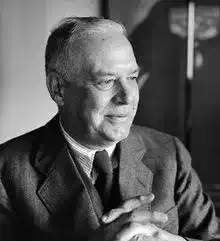
Wallace Stevens
Continual Conversation With A Silent Man
Continual Conversation With A Silent Man
The old brown hen and the old blue sky,
Between the two we live and die--
The broken cartwheel on the hill.
As if, in the presence of the sea,
We dried our nets and mended sail
And talked of never-ending things,
Of the never-ending storm of will,
One will and many wills, and the wind,
Of many meanings in the leaves,
Brought down to one below the eaves,
Link, of that tempest, to the farm,
The chain of the turquoise hen and sky
And the wheel that broke as the cart went by.
It is not a voice that is under the eaves.
It is not speech, the sound we hear
In this conversation, but the sound
Of things and their motion: the other man,
A turquoise monster moving round.
The old brown hen and the old blue sky,
Between the two we live and die--
The broken cartwheel on the hill.
As if, in the presence of the sea,
We dried our nets and mended sail
And talked of never-ending things,
Of the never-ending storm of will,
One will and many wills, and the wind,
Of many meanings in the leaves,
Brought down to one below the eaves,
Link, of that tempest, to the farm,
The chain of the turquoise hen and sky
And the wheel that broke as the cart went by.
It is not a voice that is under the eaves.
It is not speech, the sound we hear
In this conversation, but the sound
Of things and their motion: the other man,
A turquoise monster moving round.
370
Wallace Stevens
Domination Of Black
Domination Of Black
At night, by the fire,
The colors of the bushes
And of the fallen leaves,
Repeating themselves,
Turned in the room,
Like the leaves themselves
Turning in the wind.
Yes: but the color of the heavy hemlocks
Came striding.
And I remembered the cry of the peacocks.
The colors of their tails
Were like the leaves themselves
Turning in the wind,
In the twilight wind.
They swept over the room,
Just as they flew from the boughs of the hemlocks
Down to the ground.
I heard them cry -- the peacocks.
Was it a cry against the twilight
Or against the leaves themselves
Turning in the wind,
Turning as the flames
Turned in the fire,
Turning as the tails of the peacocks
Turned in the loud fire,
Loud as the hemlocks
Full of the cry of the peacocks?
Or was it a cry against the hemlocks?
Out of the window,
I saw how the planets gathered
Like the leaves themselves
Turning in the wind.
I saw how the night came,
Came striding like the color of the heavy hemlocks
I felt afraid.
And I remembered the cry of the peacocks.
At night, by the fire,
The colors of the bushes
And of the fallen leaves,
Repeating themselves,
Turned in the room,
Like the leaves themselves
Turning in the wind.
Yes: but the color of the heavy hemlocks
Came striding.
And I remembered the cry of the peacocks.
The colors of their tails
Were like the leaves themselves
Turning in the wind,
In the twilight wind.
They swept over the room,
Just as they flew from the boughs of the hemlocks
Down to the ground.
I heard them cry -- the peacocks.
Was it a cry against the twilight
Or against the leaves themselves
Turning in the wind,
Turning as the flames
Turned in the fire,
Turning as the tails of the peacocks
Turned in the loud fire,
Loud as the hemlocks
Full of the cry of the peacocks?
Or was it a cry against the hemlocks?
Out of the window,
I saw how the planets gathered
Like the leaves themselves
Turning in the wind.
I saw how the night came,
Came striding like the color of the heavy hemlocks
I felt afraid.
And I remembered the cry of the peacocks.
340
Wallace Stevens
Domination Of Black
Domination Of Black
At night, by the fire,
The colors of the bushes
And of the fallen leaves,
Repeating themselves,
Turned in the room,
Like the leaves themselves
Turning in the wind.
Yes: but the color of the heavy hemlocks
Came striding.
And I remembered the cry of the peacocks.
The colors of their tails
Were like the leaves themselves
Turning in the wind,
In the twilight wind.
They swept over the room,
Just as they flew from the boughs of the hemlocks
Down to the ground.
I heard them cry -- the peacocks.
Was it a cry against the twilight
Or against the leaves themselves
Turning in the wind,
Turning as the flames
Turned in the fire,
Turning as the tails of the peacocks
Turned in the loud fire,
Loud as the hemlocks
Full of the cry of the peacocks?
Or was it a cry against the hemlocks?
Out of the window,
I saw how the planets gathered
Like the leaves themselves
Turning in the wind.
I saw how the night came,
Came striding like the color of the heavy hemlocks
I felt afraid.
And I remembered the cry of the peacocks.
At night, by the fire,
The colors of the bushes
And of the fallen leaves,
Repeating themselves,
Turned in the room,
Like the leaves themselves
Turning in the wind.
Yes: but the color of the heavy hemlocks
Came striding.
And I remembered the cry of the peacocks.
The colors of their tails
Were like the leaves themselves
Turning in the wind,
In the twilight wind.
They swept over the room,
Just as they flew from the boughs of the hemlocks
Down to the ground.
I heard them cry -- the peacocks.
Was it a cry against the twilight
Or against the leaves themselves
Turning in the wind,
Turning as the flames
Turned in the fire,
Turning as the tails of the peacocks
Turned in the loud fire,
Loud as the hemlocks
Full of the cry of the peacocks?
Or was it a cry against the hemlocks?
Out of the window,
I saw how the planets gathered
Like the leaves themselves
Turning in the wind.
I saw how the night came,
Came striding like the color of the heavy hemlocks
I felt afraid.
And I remembered the cry of the peacocks.
340
Wallace Stevens
Anecdote of the Jar
Anecdote of the Jar
I placed a jar in Tennessee,
And round it was, upon a hill.
It made the slovenly wilderness
Surround that hill.
The wilderness rose up to it,
And sprawled around, no longer wild.
The jar was round upon the ground
And tall and of a port in air.
It took dominion everywhere.
The jar was gray and bare.
It did not give of bird or bush,
Like nothing else in Tennessee.
I placed a jar in Tennessee,
And round it was, upon a hill.
It made the slovenly wilderness
Surround that hill.
The wilderness rose up to it,
And sprawled around, no longer wild.
The jar was round upon the ground
And tall and of a port in air.
It took dominion everywhere.
The jar was gray and bare.
It did not give of bird or bush,
Like nothing else in Tennessee.
264
Wallace Stevens
Anecdote of the Jar
Anecdote of the Jar
I placed a jar in Tennessee,
And round it was, upon a hill.
It made the slovenly wilderness
Surround that hill.
The wilderness rose up to it,
And sprawled around, no longer wild.
The jar was round upon the ground
And tall and of a port in air.
It took dominion everywhere.
The jar was gray and bare.
It did not give of bird or bush,
Like nothing else in Tennessee.
I placed a jar in Tennessee,
And round it was, upon a hill.
It made the slovenly wilderness
Surround that hill.
The wilderness rose up to it,
And sprawled around, no longer wild.
The jar was round upon the ground
And tall and of a port in air.
It took dominion everywhere.
The jar was gray and bare.
It did not give of bird or bush,
Like nothing else in Tennessee.
264
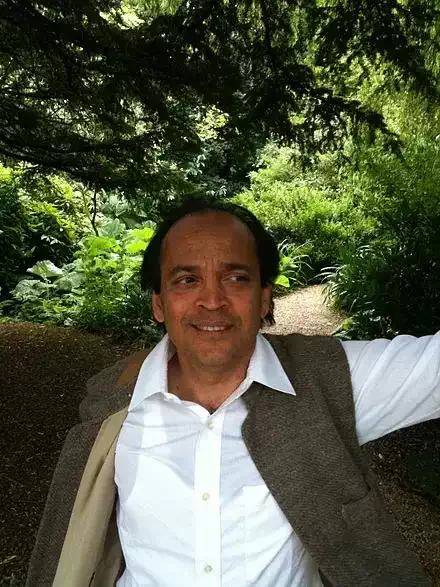
Vikram Seth
Song 'Coast Starlight'
Song 'Coast Starlight'
Some days I feel a sadness not of grief
The shadows lengthen on the earth's relief
Salinas flows by like a silver shawl
A girl waves from the mission wall.
Some days I feel a sadness not of grief
The shadows lengthen on the earth's relief
Salinas flows by like a silver shawl
A girl waves from the mission wall.
554
Vikram Seth
Progress Report
Progress Report
My need has frayed with time; you said it would.
It has; I can walk again across the flood
Of gold sil popples on the straw-gold hills
Under a deep Californian sky that expels
All truant clouds; watch squads of cattle graze
By the radio-telescope; blue-battered jays
Flash raucous squaking by my swivelling head
While squirrels sine-wave past over the dead
Oak-leaves, and not miss you_although I may
Admit that near the telescope yesterday
By a small bushcovered gully I blundered on
Five golden fox-cubs playing in the sun
And wished you had been there to see them play;
But that I only mention by the way.
My need has frayed with time; you said it would.
It has; I can walk again across the flood
Of gold sil popples on the straw-gold hills
Under a deep Californian sky that expels
All truant clouds; watch squads of cattle graze
By the radio-telescope; blue-battered jays
Flash raucous squaking by my swivelling head
While squirrels sine-wave past over the dead
Oak-leaves, and not miss you_although I may
Admit that near the telescope yesterday
By a small bushcovered gully I blundered on
Five golden fox-cubs playing in the sun
And wished you had been there to see them play;
But that I only mention by the way.
1,180

D.H. Lawrence
The Ocean's Song
The Ocean's Song
We walked amongst the ruins famed in story
Of Rozel-Tower,
And saw the boundless waters stretch in glory
And heave in power.
O Ocean vast! We heard thy song with wonder,
Whilst waves marked time.
"Appear, O Truth!" thou sang'st with tone of thunder,
"And shine sublime!
"The world's enslaved and hunted down by beagles,
To despots sold.
Souls of deep thinkers, soar like mighty eagles!
The Right uphold.
"Be born! arise! o'er the earth and wild waves bounding,
Peoples and suns!
Let darkness vanish; tocsins be resounding,
And flash, ye guns!
"And you who love no pomps of fog or glamour,
Who fear no shocks,
Brave foam and lightning, hurricane and clamour,--
Exiles: the rocks!"
We walked amongst the ruins famed in story
Of Rozel-Tower,
And saw the boundless waters stretch in glory
And heave in power.
O Ocean vast! We heard thy song with wonder,
Whilst waves marked time.
"Appear, O Truth!" thou sang'st with tone of thunder,
"And shine sublime!
"The world's enslaved and hunted down by beagles,
To despots sold.
Souls of deep thinkers, soar like mighty eagles!
The Right uphold.
"Be born! arise! o'er the earth and wild waves bounding,
Peoples and suns!
Let darkness vanish; tocsins be resounding,
And flash, ye guns!
"And you who love no pomps of fog or glamour,
Who fear no shocks,
Brave foam and lightning, hurricane and clamour,--
Exiles: the rocks!"
271
D.H. Lawrence
The Genesis of the Butterfly
The Genesis of the Butterfly
The dawn is smiling on the dew that covers
The tearful roses; lo, the little lovers
That kiss the buds, and all the flutterings
In jasmine bloom, and privet, of white wings,
That go and come, and fly, and peep and hide,
With muffled music, murmured far and wide.
Ah, the Spring time, when we think of all the lays
That dreamy lovers send to dreamy mays,
Of the fond hearts within a billet bound,
Of all the soft silk paper that pens wound,
The messages of love that mortals write
Filled with intoxication of delight,
Written in April and before the May time
Shredded and flown, playthings for the wind's playtime,
We dream that all white butterflies above,
Who seek through clouds or waters souls to love,
And leave their lady mistress in despair,
To flit to flowers, as kinder and more fair,
Are but torn love-letters, that through the skies
Flutter, and float, and change to butterflies
The dawn is smiling on the dew that covers
The tearful roses; lo, the little lovers
That kiss the buds, and all the flutterings
In jasmine bloom, and privet, of white wings,
That go and come, and fly, and peep and hide,
With muffled music, murmured far and wide.
Ah, the Spring time, when we think of all the lays
That dreamy lovers send to dreamy mays,
Of the fond hearts within a billet bound,
Of all the soft silk paper that pens wound,
The messages of love that mortals write
Filled with intoxication of delight,
Written in April and before the May time
Shredded and flown, playthings for the wind's playtime,
We dream that all white butterflies above,
Who seek through clouds or waters souls to love,
And leave their lady mistress in despair,
To flit to flowers, as kinder and more fair,
Are but torn love-letters, that through the skies
Flutter, and float, and change to butterflies
322
D.H. Lawrence
Beneath their solemn beauty is a mystery infinite:
Beneath their solemn beauty is a mystery infinite:
If winter hue them like a pall, or if the summer night
Fantasy them starre brede.
If winter hue them like a pall, or if the summer night
Fantasy them starre brede.
162
D.H. Lawrence
Beneath their solemn beauty is a mystery infinite:
Beneath their solemn beauty is a mystery infinite:
If winter hue them like a pall, or if the summer night
Fantasy them starre brede.
If winter hue them like a pall, or if the summer night
Fantasy them starre brede.
162
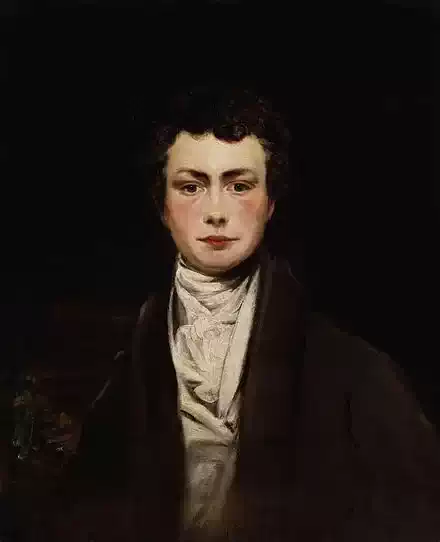
Thomas Moore
While Gazing on the Moon's Light
While Gazing on the Moon's Light
While gazing on the moon's light,
A moment from her smile I turn'd,
To look at orbs that, more bright,
In lone and distant glory burn'd.
But too far
Each proud star,
For me to feel its warming flame;
Much more dear
That mild sphere,
Which near our planet smiling came;
Thus, Mary, be but thou my own,
While brighter eyes unheeded play,
I'll love those moonlight looks alone
That bless my home and guide my way.
The day had sunk in dim showers,
But midnight now, with lustre meet,
Illumined all the pale flowers,
Like hope upon a mourner's cheek.
I said (while
The moon's smile
Play'd o'er a stream, in dimpling bliss,)
"The moon looks
On many brooks,
The brook can see no moon but this;"
And thus, I thought, our fortunes run,
For many a lover looks to thee,
While oh! I feel there is but one,
One Mary in the world for me.
While gazing on the moon's light,
A moment from her smile I turn'd,
To look at orbs that, more bright,
In lone and distant glory burn'd.
But too far
Each proud star,
For me to feel its warming flame;
Much more dear
That mild sphere,
Which near our planet smiling came;
Thus, Mary, be but thou my own,
While brighter eyes unheeded play,
I'll love those moonlight looks alone
That bless my home and guide my way.
The day had sunk in dim showers,
But midnight now, with lustre meet,
Illumined all the pale flowers,
Like hope upon a mourner's cheek.
I said (while
The moon's smile
Play'd o'er a stream, in dimpling bliss,)
"The moon looks
On many brooks,
The brook can see no moon but this;"
And thus, I thought, our fortunes run,
For many a lover looks to thee,
While oh! I feel there is but one,
One Mary in the world for me.
198
Thomas Moore
How Dear to Me the Hour
How Dear to Me the Hour
How dear to me the hour when daylight dies,
And sunbeams melt along the silent sea,
For then sweet dreams of other days arise,
And memory breathes her vesper sigh to thee.
And, as I watch the line of light, that plays
Along the smooth wave toward the burning west,
I long to tread that golden path of rays,
And think 'twould lead to some bright isle of rest.
How dear to me the hour when daylight dies,
And sunbeams melt along the silent sea,
For then sweet dreams of other days arise,
And memory breathes her vesper sigh to thee.
And, as I watch the line of light, that plays
Along the smooth wave toward the burning west,
I long to tread that golden path of rays,
And think 'twould lead to some bright isle of rest.
173
Thomas Moore
How Dear to Me the Hour
How Dear to Me the Hour
How dear to me the hour when daylight dies,
And sunbeams melt along the silent sea,
For then sweet dreams of other days arise,
And memory breathes her vesper sigh to thee.
And, as I watch the line of light, that plays
Along the smooth wave toward the burning west,
I long to tread that golden path of rays,
And think 'twould lead to some bright isle of rest.
How dear to me the hour when daylight dies,
And sunbeams melt along the silent sea,
For then sweet dreams of other days arise,
And memory breathes her vesper sigh to thee.
And, as I watch the line of light, that plays
Along the smooth wave toward the burning west,
I long to tread that golden path of rays,
And think 'twould lead to some bright isle of rest.
173
Thomas Moore
Fairest! Put on a While
Fairest! Put on a While
Fairest! put on a while
These pinions of light I bring thee,
And o'er thy own green isle
In fancy let me wing thee.
Never did Ariel's plume,
At golden sunset, hover
O'er scenes so full of bloom
As I shall waft thee over.
Fields, where the Spring delays
And fearlessly meets the ardour
Of the warm Summer's gaze,
With only her tears to guard her;
Rocks, through myrtle boughs
In grace majestic frowning,
Like some bold warrior's brows
That Love hath just been crowning.
Islets, so freshly fair,
That never hath bird come nigh them,
But, from his course through air,
He hath been won down by them; --
Types, sweet maid, of thee,
Whose look, whose blush inviting,
Never did Love yet see
From heaven, without alighting.
Lakes, where the pearl lies hid,
And caves, where the gem is sleeping,
Bright as the tears thy lid
Lets fall in lonely weepin.
Glens, where Ocean comes,
To 'scape the wild wind's rancour;
And harbours, worthiest homes
Where Freedom's fleet can anchor.
Then, if, while scenes so grand,
So beautiful, shine before thee,
Pride for thy own dear land
Should haply be stealing o'er thee,
Oh, let grief come first,
O'er pride itself victorious --
Thinking how man hath curst
What Heaven hath made so glorious.
Fairest! put on a while
These pinions of light I bring thee,
And o'er thy own green isle
In fancy let me wing thee.
Never did Ariel's plume,
At golden sunset, hover
O'er scenes so full of bloom
As I shall waft thee over.
Fields, where the Spring delays
And fearlessly meets the ardour
Of the warm Summer's gaze,
With only her tears to guard her;
Rocks, through myrtle boughs
In grace majestic frowning,
Like some bold warrior's brows
That Love hath just been crowning.
Islets, so freshly fair,
That never hath bird come nigh them,
But, from his course through air,
He hath been won down by them; --
Types, sweet maid, of thee,
Whose look, whose blush inviting,
Never did Love yet see
From heaven, without alighting.
Lakes, where the pearl lies hid,
And caves, where the gem is sleeping,
Bright as the tears thy lid
Lets fall in lonely weepin.
Glens, where Ocean comes,
To 'scape the wild wind's rancour;
And harbours, worthiest homes
Where Freedom's fleet can anchor.
Then, if, while scenes so grand,
So beautiful, shine before thee,
Pride for thy own dear land
Should haply be stealing o'er thee,
Oh, let grief come first,
O'er pride itself victorious --
Thinking how man hath curst
What Heaven hath made so glorious.
176
Thomas Moore
Come O'er the Sea
Come O'er the Sea
Come o'er the sea,
Maiden with me,
Mine through sunshine, storm, and snows;
Seasons may roll,
But the true soul
Burns the same, where'er it goes.
Let fate frown on, so we love and part not;
'Tis life where thou art, 'tis death were thou are not.
Then come o'er the sea,
Maiden with me,
Come wherever the wild wind blows;
Seasons may roll,
But the true soul
Burns the same, where'er it goes.
Was not the sea
Made for the Free,
Land for courts and chains alone?
Here we are slaves,
But, on the waves,
Love and Liberty's all our own.
No eye to watch, and no tongue to wound us
All earth forgot, and all heaven around us --
Then come o'er the sea,
Maiden, with me,
Mine through sunshine, storms, and snows
Seasons may roll,
But the true soul
Burns the same, where'er it goes.
Come o'er the sea,
Maiden with me,
Mine through sunshine, storm, and snows;
Seasons may roll,
But the true soul
Burns the same, where'er it goes.
Let fate frown on, so we love and part not;
'Tis life where thou art, 'tis death were thou are not.
Then come o'er the sea,
Maiden with me,
Come wherever the wild wind blows;
Seasons may roll,
But the true soul
Burns the same, where'er it goes.
Was not the sea
Made for the Free,
Land for courts and chains alone?
Here we are slaves,
But, on the waves,
Love and Liberty's all our own.
No eye to watch, and no tongue to wound us
All earth forgot, and all heaven around us --
Then come o'er the sea,
Maiden, with me,
Mine through sunshine, storms, and snows
Seasons may roll,
But the true soul
Burns the same, where'er it goes.
222
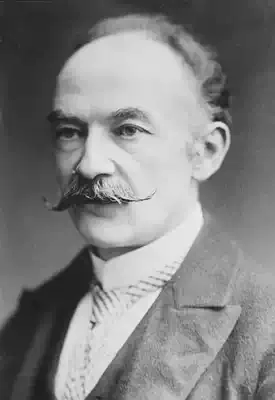
Thomas Hardy
Zermat: To the Matterhorn (June-July, )
Zermat: To the Matterhorn (June-July, )
Thirty-two years since, up against the sun,
Seven shapes, thin atomies to lower sight,
Labouringly leapt and gained thy gabled height,
And four lives paid for what the seven had won.
They were the first by whom the deed was done,
And when I look at thee, my mind takes flight
To that day's tragic feat of manly might,
As though, till then, of history thou hadst none.
Yet ages ere men topped thee, late and soon
Thou watch'dst each night the planets lift and lower;
Thou gleam'dst to Joshua's pausing sun and moon,
And brav'dst the tokening sky when Caesar's power
Approached its bloody end: yea, saw'st that Noon
When darkness filled the earth till the ninth hour.
Thirty-two years since, up against the sun,
Seven shapes, thin atomies to lower sight,
Labouringly leapt and gained thy gabled height,
And four lives paid for what the seven had won.
They were the first by whom the deed was done,
And when I look at thee, my mind takes flight
To that day's tragic feat of manly might,
As though, till then, of history thou hadst none.
Yet ages ere men topped thee, late and soon
Thou watch'dst each night the planets lift and lower;
Thou gleam'dst to Joshua's pausing sun and moon,
And brav'dst the tokening sky when Caesar's power
Approached its bloody end: yea, saw'st that Noon
When darkness filled the earth till the ninth hour.
214
Thomas Hardy
Zermat: To the Matterhorn (June-July, )
Zermat: To the Matterhorn (June-July, )
Thirty-two years since, up against the sun,
Seven shapes, thin atomies to lower sight,
Labouringly leapt and gained thy gabled height,
And four lives paid for what the seven had won.
They were the first by whom the deed was done,
And when I look at thee, my mind takes flight
To that day's tragic feat of manly might,
As though, till then, of history thou hadst none.
Yet ages ere men topped thee, late and soon
Thou watch'dst each night the planets lift and lower;
Thou gleam'dst to Joshua's pausing sun and moon,
And brav'dst the tokening sky when Caesar's power
Approached its bloody end: yea, saw'st that Noon
When darkness filled the earth till the ninth hour.
Thirty-two years since, up against the sun,
Seven shapes, thin atomies to lower sight,
Labouringly leapt and gained thy gabled height,
And four lives paid for what the seven had won.
They were the first by whom the deed was done,
And when I look at thee, my mind takes flight
To that day's tragic feat of manly might,
As though, till then, of history thou hadst none.
Yet ages ere men topped thee, late and soon
Thou watch'dst each night the planets lift and lower;
Thou gleam'dst to Joshua's pausing sun and moon,
And brav'dst the tokening sky when Caesar's power
Approached its bloody end: yea, saw'st that Noon
When darkness filled the earth till the ninth hour.
214
Thomas Hardy
Winter in Durnover Field
Winter in Durnover Field
Scene.--A wide stretch of fallow ground recently sown with wheat, and
frozen to iron hardness. Three large birds walking about thereon,
and wistfully eyeing the surface. Wind keen from north-east: sky a
dull grey.
(Triolet)
Rook.--Throughout the field I find no grain;
The cruel frost encrusts the cornland!
Starling.--Aye: patient pecking now is vain
Throughout the field, I find . . .
Rook.--No grain!
Pigeon.--Nor will be, comrade, till it rain,
Or genial thawings loose the lorn land
Throughout the field.
Rook.--I find no grain:
The cruel frost encrusts the cornland!
Scene.--A wide stretch of fallow ground recently sown with wheat, and
frozen to iron hardness. Three large birds walking about thereon,
and wistfully eyeing the surface. Wind keen from north-east: sky a
dull grey.
(Triolet)
Rook.--Throughout the field I find no grain;
The cruel frost encrusts the cornland!
Starling.--Aye: patient pecking now is vain
Throughout the field, I find . . .
Rook.--No grain!
Pigeon.--Nor will be, comrade, till it rain,
Or genial thawings loose the lorn land
Throughout the field.
Rook.--I find no grain:
The cruel frost encrusts the cornland!
221
Thomas Hardy
Winter in Durnover Field
Winter in Durnover Field
Scene.--A wide stretch of fallow ground recently sown with wheat, and
frozen to iron hardness. Three large birds walking about thereon,
and wistfully eyeing the surface. Wind keen from north-east: sky a
dull grey.
(Triolet)
Rook.--Throughout the field I find no grain;
The cruel frost encrusts the cornland!
Starling.--Aye: patient pecking now is vain
Throughout the field, I find . . .
Rook.--No grain!
Pigeon.--Nor will be, comrade, till it rain,
Or genial thawings loose the lorn land
Throughout the field.
Rook.--I find no grain:
The cruel frost encrusts the cornland!
Scene.--A wide stretch of fallow ground recently sown with wheat, and
frozen to iron hardness. Three large birds walking about thereon,
and wistfully eyeing the surface. Wind keen from north-east: sky a
dull grey.
(Triolet)
Rook.--Throughout the field I find no grain;
The cruel frost encrusts the cornland!
Starling.--Aye: patient pecking now is vain
Throughout the field, I find . . .
Rook.--No grain!
Pigeon.--Nor will be, comrade, till it rain,
Or genial thawings loose the lorn land
Throughout the field.
Rook.--I find no grain:
The cruel frost encrusts the cornland!
221
Thomas Hardy
Weathers
Weathers
This is the weather the cuckoo likes,
And so do I;
When showers betumble the chestnut spikes,
And nestlings fly;
And the little brown nightingale bills his best,
And they sit outside at 'The Traveller's Rest,'
And maids come forth sprig-muslin drest,
And citizens dream of the south and west,
And so do I.
This is the weather the shepherd shuns,
And so do I;
When beeches drip in browns and duns,
And thresh and ply;
And hill-hid tides throb, throe on throe,
And meadow rivulets overflow,
And drops on gate bars hang in a row,
And rooks in families homeward go,
And so do I.
This is the weather the cuckoo likes,
And so do I;
When showers betumble the chestnut spikes,
And nestlings fly;
And the little brown nightingale bills his best,
And they sit outside at 'The Traveller's Rest,'
And maids come forth sprig-muslin drest,
And citizens dream of the south and west,
And so do I.
This is the weather the shepherd shuns,
And so do I;
When beeches drip in browns and duns,
And thresh and ply;
And hill-hid tides throb, throe on throe,
And meadow rivulets overflow,
And drops on gate bars hang in a row,
And rooks in families homeward go,
And so do I.
186
Thomas Hardy
Weathers
Weathers
This is the weather the cuckoo likes,
And so do I;
When showers betumble the chestnut spikes,
And nestlings fly;
And the little brown nightingale bills his best,
And they sit outside at 'The Traveller's Rest,'
And maids come forth sprig-muslin drest,
And citizens dream of the south and west,
And so do I.
This is the weather the shepherd shuns,
And so do I;
When beeches drip in browns and duns,
And thresh and ply;
And hill-hid tides throb, throe on throe,
And meadow rivulets overflow,
And drops on gate bars hang in a row,
And rooks in families homeward go,
And so do I.
This is the weather the cuckoo likes,
And so do I;
When showers betumble the chestnut spikes,
And nestlings fly;
And the little brown nightingale bills his best,
And they sit outside at 'The Traveller's Rest,'
And maids come forth sprig-muslin drest,
And citizens dream of the south and west,
And so do I.
This is the weather the shepherd shuns,
And so do I;
When beeches drip in browns and duns,
And thresh and ply;
And hill-hid tides throb, throe on throe,
And meadow rivulets overflow,
And drops on gate bars hang in a row,
And rooks in families homeward go,
And so do I.
186
Thomas Hardy
Transformations
Transformations
Portion of this yew
Is a man my grandsire knew,
Bosomed here at its foot:
This branch may be his wife,
A ruddy human life
Now turned to a green shoot.
These grasses must be made
Of her who often prayed,
Last century, for repose;
And the fair girl long ago
Whom I often tried to know
May be entering this rose.
So, they are not underground,
But as nerves and veins abound
In the growths of upper air,
And they feel the sun and rain,
And the energy again
That made them what they were!
Portion of this yew
Is a man my grandsire knew,
Bosomed here at its foot:
This branch may be his wife,
A ruddy human life
Now turned to a green shoot.
These grasses must be made
Of her who often prayed,
Last century, for repose;
And the fair girl long ago
Whom I often tried to know
May be entering this rose.
So, they are not underground,
But as nerves and veins abound
In the growths of upper air,
And they feel the sun and rain,
And the energy again
That made them what they were!
251
Thomas Hardy
To Flowers From Italy in Winter
To Flowers From Italy in Winter
Sunned in the South, and here to-day;
--If all organic things
Be sentient, Flowers, as some men say,
What are your ponderings?
How can you stay, nor vanish quite
From this bleak spot of thorn,
And birch, and fir, and frozen white
Expanse of the forlorn?
Frail luckless exiles hither brought!
Your dust will not regain
Old sunny haunts of Classic thought
When you shall waste and wane;
But mix with alien earth, be lit
With frigid Boreal flame,
And not a sign remain in it
To tell men whence you came.
Sunned in the South, and here to-day;
--If all organic things
Be sentient, Flowers, as some men say,
What are your ponderings?
How can you stay, nor vanish quite
From this bleak spot of thorn,
And birch, and fir, and frozen white
Expanse of the forlorn?
Frail luckless exiles hither brought!
Your dust will not regain
Old sunny haunts of Classic thought
When you shall waste and wane;
But mix with alien earth, be lit
With frigid Boreal flame,
And not a sign remain in it
To tell men whence you came.
192